

Homeislander

Search History
Popular Searches
Dealer Login / Sign Up

In the Malaysian SUV market, many buyers compare Mazda CX-3 and GWM Haval H6 when choosing a car. These two cars are quite close in price and positioning. Today, we will make a detailed comparison from multiple aspects to help you save time on research.
The OTR price of Mazda CX-3 in Malaysia is RM 126,159 - 139,159, with a total of 2 versions, including 2023 2.0L High (RM 139,159), 2023 2.0L Plus (RM 126,159), etc.
The OTR price of GWM Haval H6 in Malaysia is RM 139,750 - 139,750, with a total of 2 versions, including 1.5L Turbo Standard (RM 140,000), 1.5L Turbo Premium (RM 155,000), etc.
From a price perspective, the starting price of Mazda CX-3 is indeed RM 13,591 cheaper than GWM Haval H6. If your budget is limited, Mazda's entry-level version can already meet daily needs. However, you should also note that the few thousand cheaper might involve trade-offs in features, depending on your specific needs.

Mazda CX-3 features 1.5L Turbo, 140 hp. Official fuel consumption 7.0 L/100km.
GWM Haval H6 features Hybrid, 170 hp. Official fuel consumption 4.5 L/100km.
In terms of power, GWM Haval H6's Hybrid has 30 more horsepower than Mazda CX-3's 1.5L Turbo. However, for daily city driving, the power of both cars is sufficient, and you won't feel underpowered.

Mazda CX-3's safety rating is 5★ (ASEAN NCAP), active safety systems include i-Activsense.
GWM Haval H6's safety rating is TBD, active safety systems include Basic.
Regarding safety features, both cars received good ratings. However, Mazda CX-3's i-Activsense and GWM Haval H6's Basic have some functional differences. If you value active safety, you can compare their feature lists in detail.

Mazda CX-3 warranty 5 years/150,000km, service interval every 10,000km or 6 months.
GWM Haval H6 warranty 7 years/150,000km, service interval every 10,000km or 6 months.
Both Mazda CX-3 and GWM Haval H6 are mainstream choices in the Malaysian market, suitable for family use and daily commuting. If you value brand reputation and resale value more, you can prioritize the one with better reputation; if you care more about value for money and features, choose the one with richer configurations. Ultimately, it is recommended to test drive both, as personal experience is the most important.
Overall, Mazda CX-3 and GWM Haval H6 are both very good car models in the Malaysian market. Which one to choose depends mainly on your personal needs and budget. It is recommended to do your homework, compare quotes from several dealerships, and then test drive to make the final decision. Buying a car is a big matter, spending some time on research will definitely not go wrong.


Dalam pasaran SUV Malaysia, ramai pembeli membandingkan Toyota Harrier dan Land Rover Discovery Sport semasa memilih kereta. Kedua-dua kereta ini hampir sama dari segi harga dan penargetan, hari ini kami akan buat perbandingan terperinci dari pelbagai aspek untuk membantu anda menjimatkan masa membuat kajian.
Toyota Harrier di Malaysia mempunyai harga OTR RM 289,000 - 289,000, secara keseluruhan mempunyai 1 varian, termasuk 2026 HEV 2.5L Standard (RM 289,000) dan lain-lain.
Land Rover Discovery Sport di Malaysia mempunyai harga OTR RM 499,800 - 499,800, secara keseluruhan mempunyai 1 varian, termasuk Standard (RM 499,800) dan lain-lain.
Dari segi harga, harga permulaan Toyota Harrier memang lebih rendah daripada Land Rover Discovery Sport sebanyak RM 210,800. Jika bajet anda terhad, varian masuk Toyota sudah boleh memenuhi keperluan harian. Tetapi perlu diingat juga, perbezaan harga beberapa ribu ringgit ini mungkin ada pengorbanan dari segi kelengkapan, bergantung pada keperluan anda.

Toyota Harrier panjang badan 4400 mm, ruang muatan belakang 400 L.
Land Rover Discovery Sport panjang badan 4400 mm, ruang muatan belakang 400 L.
Saiz kedua-dua kereta hampir sama, ruang dalaman juga tidak banyak berbeza. Untuk kereta kategori ini, ruang sudah mencukupi untuk kegunaan harian.

Toyota Harrier jaminan 5 tahun/jarak tidak terhad, selang servis setiap 10,000 km atau 6 bulan.
Land Rover Discovery Sport jaminan 3 tahun/100,000 km, selang servis setiap 10,000 km atau 6 bulan.

Toyota Harrier dan Land Rover Discovery Sport adalah pilihan utama di pasaran Malaysia, sesuai untuk kegunaan keluarga dan perjalanan harian. Jika anda lebih mementingkan nama baik jenama dan nilai jualan semula, boleh mengutamakan model yang mempunyai reputasi lebih baik; Jika anda lebih mementingkan nilai harga dan kelengkapan, pilih model yang mempunyai kelengkapan lebih lengkap. Pada akhirnya, disarankan untuk memandu kedua-dua model, pengalaman langsung adalah yang paling penting.

Secara keseluruhannya, Toyota Harrier dan Land Rover Discovery Sport adalah model yang sangat bagus di pasaran Malaysia. Memilih yang mana satu, kunci utamanya bergantung pada keperluan dan bajet peribadi anda. Disarankan agar anda membuat kajian terlebih dahulu, bandingkan harga dari beberapa kedai kereta, kemudian buat ujian pemanduan sebelum membuat keputusan akhir. Membeli kereta adalah perkara besar, menghabiskan masa membuat kajian tidak akan pernah salah.


Dalam pasaran SUV di Malaysia, ramai pembeli ketika memilih kereta akan membandingkan Toyota Harrier dan Hyundai Palisade. Kedua-dua kereta ini agak dekat dari segi harga dan kedudukan pasaran, hari ini kami akan membuat perbandingan terperinci dari pelbagai aspek untuk membantu anda menjimatkan masa membuat kajian.
Toyota Harrier di Malaysia mempunyai harga OTR RM 289,000 - 289,000, sebanyak 1 varian, termasuk 2026 HEV 2.5L Standard (RM 289,000) dan lain-lain.
Hyundai Palisade di Malaysia mempunyai harga OTR RM 368,838 - 399,838, sebanyak 4 varian, termasuk 2023 3.8L 2WD Luxe 7 Seats Petrol (RM 399,838), 2023 2.2T 4WD Executive 7 Seats Diesel (RM 389,838), 2023 3.8L 2WD Luxe 8 Seats Petrol (RM 378,838) dan lain-lain.
Dilihat dari segi harga, Toyota Harrier memang lebih murah RM 79,838 berbanding Hyundai Palisade. Jika bajet anda terhad, varian permulaan Toyota sudah boleh memenuhi keperluan harian. Tetapi perlu berhati-hati juga, perbezaan harga beberapa ribu ringgit itu, mungkin ada kompromi dari segi kelengkapan, bergantung kepada keperluan anda.
Penarafan keselamatan Toyota Harrier ialah 5★ (ASEAN NCAP), sistem keselamatan aktif termasuk Brand ADAS.
Penarafan keselamatan Hyundai Palisade ialah TBD, sistem keselamatan aktif termasuk Basic.
Dari segi kelengkapan keselamatan, kedua-dua kereta mendapat penarafan yang baik. Namun Brand ADAS pada Toyota Harrier dan Basic pada Hyundai Palisade ada sedikit perbezaan dari segi fungsi. Jika anda mengutamakan keselamatan aktif, anda boleh bandingkan senarai fungsi keduanya dengan teliti.
Toyota Harrier menggunakan cara pemacu FWD.
Hyundai Palisade menggunakan cara pemacu FWD.
Kedua-dua kereta menggunakan cara pemacu yang sama, iaitu FWD, perasaan memandu harian tidak akan berbeza jauh.
Toyota Harrier dan Hyundai Palisade adalah pilihan utama di pasaran Malaysia, sesuai untuk kegunaan keluarga, perjalanan harian. Jika anda lebih mengutamakan reputasi jenama dan harga kedua, boleh utamakan yang mempunyai reputasi lebih baik. Jika anda lebih perhatikan nilai harga dan kelengkapan, pilih yang mempunyai kelengkapan lebih melimpah. Akhiranya disyorkan untuk uji memandu kedua-dua model, pengalaman peribadi adalah paling penting.

Secara keseluruhannya, Toyota Harrier dan Hyundai Palisade adalah model kereta yang sangat baik di pasaran Malaysia. Memilih mana satu, kuncinya adalah melihat keperluan dan bajet anda sendiri. Kami cadangkan anda buat kajian, bandingkan beberapa harga dari kedai kereta, kemudian uji memandu untuk membuat keputusan akhir. Membeli kereta adalah perkara besar, meluangkan masa membuat kajian tidak akan salah.

Dalam pasaran SUV di Malaysia, ramai pembeli ketika memilih kereta sering membandingkan Toyota Fortuner dan Mazda CX-3.
Toyota Fortuner dijual dengan harga OTR di Malaysia adalah RM 195,880 - 241,880, terdapat 3 varian, termasuk 2024 2.8T VRZ Diesel (RM 241,880), 2024 2.7L SRZ Petrol (RM 202,880), 2024 2.4L Standard Diesel (RM 195,880) dan lain-lain.
Mazda CX-3 dijual dengan harga OTR di Malaysia adalah RM 126,159 - 139,159, terdapat 2 varian, termasuk 2023 2.0L High (RM 139,159), 2023 2.0L Plus (RM 126,159) dan lain-lain.
Dari segi harga, harga permulaan Mazda CX-3 lebih murah RM 69,721 berbanding Toyota Fortuner. Jujur cakap, dalam julat harga ini, perbezaan beberapa ribu ringgit sebenarnya tidak begitu besar, yang penting lihat nilai keseluruhan dan kos penggunaan jangka panjang.

Toyota Fortuner dilengkapi enjin 2.5L Diesel, kuasa 187 hp. Penggunaan bahan api rasmi 8.5 L/100km.
Mazda CX-3 dilengkapi enjin 1.5L Turbo, kuasa 140 hp. Penggunaan bahan api rasmi 7.0 L/100km.
Dari segi kuasa, 2.5L Diesel Toyota Fortuner mempunyai 47 hp lebih daripada 1.5L Turbo Mazda CX-3, akselerasi di pertengahan lebih yakin, terutamanya ketika memotong di lebuh raya. Walau bagaimanapun, penggunaan bahan api Mazda CX-3 mungkin lebih jimat, perbezaan untuk penggunaan harian di bandar tidak terlalu besar.

Kereta Toyota Fortuner panjang 4400 mm, ruang belakang 400 L.
Kereta Mazda CX-3 panjang 4500 mm, ruang belakang 450 L.
Dari segi ruang, badan Mazda CX-3 lebih panjang 100 mm berbanding Toyota Fortuner, ruang penumpang lebih unggul. Walau bagaimanapa, Toyota Fortuner lebih fleksibel untuk berhenti parkir di bandar, masing-masing ada kelebihan dan kekurangan.

Toyota Fortuner jaminan 5 tahun / tanpa had jarak, selang penyelenggaraan setiap 10,000km atau 6 bulan.
Mazda CX-3 jaminan 5 tahun/150,000km, selang penyelenggaraan setiap 10,000km atau 6 bulan.
Seluruhnya, Toyota Fortuner dan Mazda CX-3 adalah model kereta yang sangat bagus di pasaran Malaysia. Memilih mana satu, yang penting lihat keperluan dan bajet peribadi anda. Kami cadangkan anda membuat kajian, bandingkan beberapa tawaran daripada kedai kereta, kemudian buat ujian memandu untuk membuat keputusan akhir. Membeli kereta adalah perkara besar, menghabiskan masa untuk membuat kajian pasti tidak akan salah.


Di pasaran SUV di Malaysia, ramai pembeli membuat perbandingan antara Toyota Yaris Cross dan Chery Tiggo 9 semasa memilih kereta. Kedua-dua kereta ini mempunyai harga dan segmen yang sangat hampir. Hari ini, kami akan membandingkannya secara terperinci dari pelbagai aspek untuk membantu anda menjimatkan masa dalam melakukan kajian.
Harga OTR Toyota Yaris Cross di Malaysia adalah RM 99,900 - 109,900, terdapat 2 varian, termasuk 2026 1.5L Standard (RM 99,900), 2026 HEV 1.5L Standard (RM 109,900) dan sebagainya.
Harga OTR Chery Tiggo 9 di Malaysia adalah RM 166,800 - 179,800, terdapat 1 varian, termasuk 2026 2.0T Standard (RM 179,750) dan sebagainya.
Dari segi harga, Toyota Yaris Cross memang lebih murah bermula dengan RM 66,900 berbanding Chery Tiggo 9. Jika bajet anda terbatas, versi permulaan Toyota sudah boleh memenuhi keperluan harian. Namun, perhatikan juga, beza harga beberapa ribu itu mungkin melibatkan pengorbanan dari segi kelengkapan, bergantung pada keperluan anda.

Toyota Yaris Cross panjang badan 4400 mm, bagasi 400 L.
Chery Tiggo 9 panjang badan 4400 mm, bagasi 400 L.
Saiz kedua-dua kereta hampir sama, ruang dalaman tidak banyak berbeza. Kereta kelas ini cukup untuk kegunaan harian.

Toyota Yaris Cross jaminan 5 tahun/jarak tanpa had, selang penyelenggaraan setiap 10,000km atau 6 bulan.
Chery Tiggo 9 jaminan 3 tahun/100,000km, selang penyelenggaraan setiap 10,000km atau 6 bulan.

Toyota Yaris Cross dan Chery Tiggo 9 adalah pilihan utama di pasaran Malaysia, sesuai untuk kegunaan keluarga dan perjalanan harian. Jika anda lebih menghargai nama baik jenama dan harga kereta terpakai, sila utamakan model yang lebih terkenal; jika anda lebih mementingkan nisbah harga dan ciri, pilih model yang lebih lengkap. Akhir sekali, disyorkan untuk memandu uji kedua-dua model, pengalaman langsung adalah yang paling penting.

Keseluruhannya, Toyota Yaris Cross dan Chery Tiggo 9 adalah model yang cukup baik di pasaran Malaysia. Memilih yang mana, bergantung kepada keperluan peribadi dan bajet anda. Kami cadangkan anda lakukan kajian, bandingkan sebutan harga dari banyak dealer, kemudian cuba pemanduan untuk keputusan akhir. Membeli kereta adalah perkara besar, meluangkan masa untuk kajian pasti tidak salah.


In Malaysia's SUV market, many buyers compare Honda CR-V and Audi Q5 when choosing a car. These two cars are quite close in price and positioning. Today, we will do a detailed comparison from multiple aspects to help you save time on research.
The OTR price of Honda CR-V in Malaysia is RM 178,200 - 195,900, with a total of 4 versions, including 2026 e:HEV 2.0L 2WD RS (RM 195,900), 2026 1.5T 4WD V (RM 181,900), 2026 e:HEV 2.0L 2WD E (RM 178,200), etc.
The OTR price of Audi Q5 in Malaysia is RM 354,174 - 423,174, with a total of 2 versions, including 40 TDI (RM 320,000), 45 TFSI (RM 350,000), etc.
From a price perspective, the starting price of Honda CR-V is indeed RM 175,974 cheaper than Audi Q5. If your budget is limited, the entry-level version of Honda is sufficient for daily needs. However, keep in mind, that few thousand difference might involve trade-offs in features, depending on your specific requirements.

Honda CR-V is equipped with a 2.0L 4-cyl engine, horsepower 170 hp. Official fuel consumption 8.0 L/100km.
Audi Q5 is equipped with a 2.0L Turbo, horsepower 220 hp. Official fuel consumption 9.5 L/100km.
In terms of power, Audi Q5's 2.0L Turbo has 50 horsepower more than Honda CR-V's 2.0L 4-cyl engine. However, for daily city driving, the power of both cars is sufficient, you won't feel underpowered.

Honda CR-V body length 4500 mm, trunk 450 L.
Audi Q5 body length 4400 mm, trunk 400 L.
Regarding space, Honda CR-V's body is 100 mm longer than Audi Q5, the interior seating space will be slightly more spacious, especially rear legroom. If you frequently carry family members or need to fit a stroller, a larger body is indeed more practical.

Honda CR-V uses FWD drive system.
Audi Q5 uses FWD drive system.
Both cars have the same drive system, both are FWD, there won't be much difference in daily driving experience.

Overall, Honda CR-V and Audi Q5 are both excellent models in the Malaysian market. Which one to choose depends on your personal needs and budget. We recommend doing your research, comparing quotes from multiple dealerships, and then test driving before making a final decision. Buying a car is a significant decision, spending time doing research will never be a mistake.


面對巴塞隆拿、馬德里競技、西班牙人等歐洲俱樂部的同齡梯隊,一支平均年齡只有 8 歲的中國球隊,能走多遠?
中國足球小將 2018 隊給出的答案,是九戰全勝,拿走冠軍。
9 月 12 日至 13 日,在西班牙 Brava 盃賽場上,中國足球小將從 67 支參賽隊伍中一路突圍。小組賽四連勝只是開胃菜,進入淘汰賽後,真正的考驗才剛剛開始。半決賽對陣西班牙人梯隊,小將們在落後兩球的情況下完成逆轉;決賽面對美斯旗下的科內利亞梯隊,雙方常規時間戰成 2:2,最終通過點球大戰以 5:4 鎖定勝局。

孩子們抱著獎盃、披着國旗慶祝的那一刻,中國足球少年閃耀世界賽場有了最具體的畫面。隊內核心球員韓承均,也就是大家熟悉的“小喬治”,9 場比賽打入 17 球,同時拿下賽事 MVP 和金靴。這個成績當然搶眼,但比入球數字更讓人興奮的,是這支球隊在逆境中的韌勁。落後時敢壓出去,關鍵球敢處理,點球決勝敢站上罰球點,這些比賽氣質,比一場勝負更珍貴。

一年前,同一項賽事,中國足球小將止步八強;一年後,他們站上了最高領獎台。改變並非突然發生。

自 2024 年起,比亞迪持續支持足球少年前往德國、日本、西班牙、泰國、意大利、巴西等地交流比賽,累計超過 200 人次。去和更成熟的青訓體系交手,經歷高強度賽程,也在一次次輸贏中認識差距。

從泰國問鼎亞洲青年賽事,到意大利捧盃,再到這次在西班牙九戰全勝,中國足球小將的海外征程開始出現越來越清晰的成長軌跡。已有李昊炎、劉凱源、呂孟洋等球員簽約西班牙職業球會梯隊,也說明這些跨國交流正在留下更長遠的價值。

造車需要長期研發,青訓同樣沒有速成答案。比亞迪支持這些孩子,意義不只在於陪他們奪得多少座獎盃,更在於當成績尚未出現、關注尚未到來時,依然願意提供走出去比賽的機會。

這一座 Brava 盃,屬於敢打敢拼的小球員,也屬於每一次無人掌聲時仍然堅持的訓練。中國足球的未來很遠,但這些孩子已經向前跑出了一步。



$100,000, no need to buy a car, no need to build a technical team… can do the unmanned delivery capacity business in a city.
After two years, Ji Shi Intelligence held a strategic launch event again. This time, it threw out the "franchise" olive branch.
On September 10, at Ji Shi's 2026 strategic launch event, Founder & CEO Kong Qi, Co-founder & CCO Zhou Qing, and VP of Capacity Operations Fu Yulong took the stage one after another, and the entire event was extremely high in information density.
Covering 20+ countries, landing in 300+ cities, actual operating mileage exceeding 250 million km, fleet size exceeding 30,000 units... After announcing a series of achievements, Kong Qi revealed that Ji Shi began to think: for Level 4 autonomous driving, what exactly is the product?

Ji Shi CEO Kong Qi announces company strategic upgrade
His answer is: city-level Physical AI solutions. Because customers truly buy, is service.
Thus, Ji Shi announced the completion of the "City-level Physical AI" strategic upgrade, starting to move from vehicles to capacity. At the same time, launching the "Ji Shi Car Rental" business targeting express logistics, commercial distribution, urban shuttle and other scenarios, providing flexible rental methods such as daily, monthly, and annual rentals, and opening up city unmanned capacity franchise nationwide.
Kong Qi specially reminded that under the current trend of unmanned freight moving towards large-scale implementation, the operating cost of high-level autonomous driving vehicles is very heavy. "It's not like we buy a Tesla or other passenger vehicles, where assisted driving is on or off, for users and manufacturers, there is absolutely no cost."
Whether comprehensive operating costs can be pressed down low enough directly determines whether the Level 4 business chain is positive. Currently, Ji Shi's comprehensive operating costs, including network, remote safety officers, etc., have been pressed very low, and can achieve positive cash flow and gross margin per vehicle.
Thus, Ji Shi launched the "Ji Shi Car Rental" business.

Ji Shi Car Rental Business Map
"Customers don't need to own a vehicle first to have stable capacity." Zhou Qing introduced, Ji Shi developed two major platforms for this: Capacity Management Platform, from intelligent dispatch, flexible pricing to orders, vehicles and settlements, etc., stringing together key links in unmanned capacity operations to form a complete operational closed loop; Operations Monitoring Platform, to grasp vehicle location, status, etc., in real time. "It can be understood as the front-end vehicle is responsible for running, the back-end system is responsible for managing."
He further explained the confidence to do this: Technologically, launching L4-level scaled production without maps solution, deployment completed in the fastest one day; In hardware, conducting L4 system design from two dimensions of functional safety and performance safety, cumulative verified mileage exceeding 100,000 km; In products, from five-party, ten-party to refrigerated series, then to cooperation models with Yutong, Dongfeng, etc., forming a product matrix covering different capacities, different scenarios.
So far, Ji Shi Car Rental has been piloted for a period of time, completing 300 clients' rental model pilot in 45 cities, cumulative 1,500+ orders.
The model is running through, next is to attract more people to join. Fu Yulong gave three numbers: urban distribution logistics annual revenue about 3 trillion, urban distribution vehicle stock 30 million vehicles, and the current penetration rate of China's unmanned delivery is only 1%.
"We have 99% of market space waiting to be dug out." He announced, Ji Shi Car Rental partner minimum $100,000 can join, rent-sale ratio 3:1, 4 vehicles can start, and supporting flexible exit, helping you acquire customers, operations management system, operation handbook and other support. "Ji Shi is looking for not the person with the strongest capital strength, but the person who is truly interested in this career, this track, willing to run it as a long-term career."

Ji Shi Partner Investment Policy
Before the launch, Cyber Auto dialogued with Zhou Qing. From the underlying logic and specific tactics of the rental business, to the cooperation model of Zelos Inside, to the landing progress of the mapless solution, the pace of overseas market expansion, and his judgment on the Physical AI competition landscape, he gave quite honest answers.
In the process, Zhou Qing repeatedly mentioned a word: threshold. Lower the threshold for customers to use unmanned driving, lower the threshold for franchisees to enter the capacity ecosystem, lower the threshold for AI to enter the real physical world, this is almost the common clue of Ji Shi's business model iteration every time in the past five years.
Following is the interview record of Zhou Qing in this exclusive interview (slightly edited).
01
Ji Shi Car Rental: Let Unmanned Driving Change from "Product" to "Productivity"
Q: Can you introduce the specific situation of the rental business?
Zhou Qing: We launched Ji Shi Car Rental this time, the core goal is to let more users be able to use unmanned driving capabilities and services more flexibly. For individuals and enterprises with distribution transport needs, including supermarket delivery, fresh food cold chain, park logistics, express last-mile and other scenarios, are all very suitable for planned, semi-planned and other relatively stable transport needs.
In the past, when people used unmanned vehicles, they often first thought of buying a car or renting a car. Now we hope to lower the threshold for users to use unmanned driving, let unmanned vehicles change from a product that needs to be purchased, gradually into a flexible productivity that can be used.
We not only provide full rental and time-sharing rental, but also provide order rental, rental by order, even rental by demand. Can meet daytime delivery, nighttime delivery, including idle capacity, can also be used for time-sensitive logistics delivery.
In Ji Shi Car Rental's operation model, there will be both Ji Shi's self-operated fleet and franchise fleet. Franchise fleets do not need to build their own technical teams, through our platform can obtain the same management capability as the self-operated fleet.
Q: Mainly based on our own built platform? Or also support suppliers to build platform?
Zhou Qing: Planned, semi-planned logistics are all on our platform; idle capacity or some part-time capacity, we can put them on other platforms.
Q: Why choose this time point to launch to the market?
Zhou Qing: We have a customer, agent Ah Gang in Kunshan, now is also a Ji Shi super partner. Early 2025, he bought four cars, and tried to rent the cars out, didn't expect this model ran up quickly. From four to dozens, then to the current 200+, he reorganized his capacity in excess of self-use through pooling orders, pooling time, now his overall business income every month is 5 times of the past.
In this process, we found that a part of customers are like Ah Gang, the concern is not "what car I want to buy", but "whether I have stable transport capability every day, whether this car can work according to my needs". So we thought, by building a platform, and then more partners like Ah Gang, turn unmanned capacity into the infrastructure of city services. Because we ourselves have technology, have platform, Ah Gang and others themselves have the motivation to do these things.

In the past period of time, we did not rush to push Ji Shi Car Rental to the market, but carried out pilots in different cities. To date, we have already carried out rental model pilots in 45 cities and 300 clients, completing more than 1,500 rental orders in total.
These real operational data are more important to us than any theoretical deduction. They verified a key conclusion: when the threshold for using unmanned driving is lowered, market demand will emerge quickly. Some customers may not want to buy, also don't want to rent full, they focus more on whether they can obtain stable, continuous transport capability in a more flexible way.
We are now launching Ji Shi Car Rental, also not just to do a simple unmanned vehicle rental service, but hope to further explore how to let unmanned driving capability be obtained, matched, organized, used more flexibly like other production factors. We also believe, this is the important step for unmanned driving to go from product to productivity.
Q: What kind of partners does the rental business need?
Zhou Qing: For our self-operated fleet, also including our franchisees, the whole capacity productivity ecosystem, to do the speculation, We need a group of people who truly understand the local market, understand customer needs, can organize transport services. For example, certain local customer resources and logistics scenarios, can find real transport demands.
Secondly, there needs to be certain operation and service capabilities, can do vehicle dispatch, daily management and customer maintenance well. In Ji Shi Car Rental platform, franchisees including self-operated fleet cities, can also achieve unmanned vehicle management through capacity platform management, such as dispatch, pricing and other full-link closed loops. Through capacity monitoring platform, we can also achieve safe and efficient operations, monitoring unmanned vehicles and remote intervention when necessary. We believe, in the future with the increase of franchisee quantity, city unmanned capacity will also operate more efficiently, at the same time idle vehicles can also be fully utilized, can also let more customers obtain unmanned driving capability with a lower threshold.
Q: Is the threshold for building a platform high? If other families want to imitate, is it difficult?
Zhou Qing: Actually, the difficulty of doing this platform is not high. Look at we now itself have vehicle sales, also have car rental. If car rental has a high threshold, it is also impossible to be with vehicle sales as the same type. To put it plainly, our different models face different customer groups, so there will not be too much competition inside.
The core of this rental model is still to find suitable franchisees, this is a core competitiveness. I have platform, not necessarily have franchisees who can trust Ji Shi's technology, willing to join. So the key, First is the manufacturer's technical capability, second is the platform's applicability, third is we have a batch of franchisees who trust technology, and at the same time can understand the local market.
Q: Can it be understood that the cost of building a platform is not particularly high, technically relatively not so difficult, more is to find the right person?
Zhou Qing: Yes.
Q: How to find so many suitable people?
Zhou Qing: For customers who are just starting to contact unmanned driving, he may first care about whether this technology can help me save people, can help me improve efficiency. At this time we hope is he can start using first, run first, use real operation results to verify this value. When customers truly start using it, transport demand becomes more and more stable, vehicle utilization rate becomes higher and higher, he will discover using this model is actually more appropriate. So we hope to form a relatively complete customer path: first lower the use threshold, then verify value, finally according to own business scale, choose the most appropriate way.
Q: Ji Shi quickly obtained large number of user support, what is the core point?
Zhou Qing: First most basic, we must have enough quantity, enough good technical strength, enough stable and safe technology. When car use is not stable enough or not safe enough, everything is very void, this is the most basic.
The second is that our platform must be good enough. For franchisees, if this platform cannot provide me with enough tools, I still need to invest more people to do this matter, this business cannot calculate the account, then I definitely will not do. For customers, actually is the concern he cares about, can I solve my transport problem with the lowest cost or not.
Q: After the rental business lands, startup cost is relatively low, will there be some customers who are original vehicle purchase or monthly rent, cutting into the relatively light asset investment?
Zhou Qing: Yes, will be. Before only could buy, this is suitable for customers with sufficient cash flow and certain profit margin, he wants to continue to use long-term investment to reduce cost, improve efficiency, this can be car special use. But this kind of customer is after all few. Most customers still may be: I can just solve my one time transport demand, each time fixed time transport demand I can solve, usually I don't need this car, using lower cost model is actually better choice.
Q: Behind this does not mean, Ji Shi itself needs to bear the cost will be heavier?
Zhou Qing: Yes, but we cannot just look at one vehicle's book depreciation, also need to look at how much value one vehicle can create in the whole lifecycle. If vehicles are just sold out, after the transaction is complete, value comes mainly from one-time sales, then actually is only one-time accounting, follow-up has no continuous income. For manufacturers, follow-up maintenance is definitely not so active, because I this time profit is actually calculated out.
But if entering rental and capacity service system, we need to further improve vehicle usage efficiency. We also hope it can continue to generate income in a longer lifecycle. In this case, cars run more and more full, fixed asset utilization rate will be higher and higher, created value will be higher, and it created value is definitely higher than our one-time car sales created value.
So, with fleet scale expansion, vehicles' BOM cost, maintenance, spare parts, including operation and other links will also gradually form economies of scale, our single vehicle operating cost will also be further reduced. So the main goal of rental business, is still through resource integration and scientific operation method, turn this asset into production data that can continuously create value.
Q: What is the business logic of Ji Shi Car Rental? Rental fee, or commission per order?
Zhou Qing: We afterwards may be commission, is what you just said full rental, including time-sharing by hour to collect, then including commission per order, actually is charging by order. Roughly these several kinds, follow-up will be diversified.
Q: From buying cars to renting, what is the logic behind Ji Shi's business model change?
Zhou Qing: If looking back at Ji Shi's business model changes in the past few years, every iteration is solving a very specific problem, rather than doing changes for the sake of pursuing business model innovation.
At the beginning we did vehicle sales, because customers first need a really good unmanned vehicle that can run well and work on real roads, solving the problem of product can be used. When products gradually mature, we started to explore financial services, including FSD subscription and other models, essentially is lowering customers' one-time investment threshold, let more customers be able to use Ji Shi's autonomous driving capability, solving the problem of wanting to use but entry threshold still high.
Until today to launch Ji Shi Car Rental, we see is further demand: some customers even don't need to own an unmanned vehicle, they truly need is stable, flexible transport productivity.
So these several changes look like from selling cars to subscription, then to car rental, but behind logic is actually the same, is constantly lowering the threshold for customers to use unmanned driving, let more customers be able to truly use it, and obtain value from use.
Future we also will not limit ourselves to a certain business model inside. Customers need to buy cars, we provide products; buying cars and using cars costs too high, we provide FSD subscription model; customers don't need to own this car, don't need car property rights, also don't need car special use, then we provide through flexible transport capability, provide car rental and capacity, is Ji Shi Car Rental this service. So for us, these services long-term view, may finally this service for Ji Shi obtained value higher.
Q: Are the several models mutually convertible? For example, from buy to rent, from rent to buy?
Zhou Qing: Yes, we can turn. For example I rent for a long time, then I can through depreciation method buy this car. Buy change to rent is the same, even we can provide combination, you can buy a part also can rent a part.
02
Zelos Inside: Technical base treat everyone equally, landing form dynamic adaptation
Q: This time also announced cooperation with GAC, overall logic is same with Dongfeng? Or will there be some differentiated things?
Zhou Qing: Our cooperation with GAC, in underlying logic is consistent with Dongfeng. Core is putting Ji Shi's mature L4-level autonomous driving capability, namely our Ji Shi brain and behind algorithms and software and hardware integrated solutions, open up, empower excellent automobile industry partners.
In this point, Ji Shi provides technical base and safety standards completely is treating everyone equally. However in specific landing form and production division, indeed will according to each car enterprise's own manufacturing advantages, capacity layout and supply chain characteristics do dynamic adaptation.
Both sides in product definition, technical development, engineering verification, actually have all done deep collaboration. Ji Shi also has mature L4-level autonomous driving technology and scaled mass production experience, car factories have mature vehicle whole research development manufacturing and quality system, both sides are complementary advantages. Just this industry inside different models, technical solutions and cooperation depth differences, now still don't have a unified standard. We finally still must take product safety quality and customer needs as premise. Not necessarily same, but overall large cycle, large time nodes may be about the same, details will definitely have some differences.

Q: Cooperation with Dongfeng from signing to delivery is 8 months, reason for quick landing?
Zhou Qing: Yes, we have already possessed mature L4 autonomous driving technology, also have scaled mass production experience. Dongfeng also has mature vehicle whole research, manufacturing and quality system. So in this case, we can reduce traditional cooperation mode inside repeated communication and development links. This speed actually cannot be simply copied, it extremely relies on both sides teams' efficient mutual trust and agile collaboration.
Traditional models are taking year as iteration time. But for autonomous driving, it more focuses on autonomous driving technology, actually it is a software iteration, this speed is faster than traditional cars. Because our chassis may not have to become very big, but our technology can do continuous iteration.
Q: Our this set technology regardless of with Dongfeng, GAC, or other families, can reach this speed?
Zhou Qing: Logic is the same, correct.
Q: Joint development, verification, delivery mode, but sounds very simple, but executing is not easy, how to deal with car enterprises always relatively strong attitude?
Zhou Qing: Yes, actually we need to change is also car enterprises' traditional ideas. Car enterprises traditionally, vehicle core carrier is still car. But for autonomous driving, unmanned cars, software and hardware actually is a status, chassis important, but its autonomous driving technology is also equally important. After such many years of industry development, each car enterprise also knows what they are more good at, actually we are also a particularly good complementary advantage resource for them.
So for us, Now many like Dongfeng, Yutong, GAC already found this point, already started taking us as an equal partner, come jointly do joint development together. Future I think this kind of car enterprises will be more and more.
Q: In landing process have some difficulties overcome experience can share?
Zhou Qing: This block actually has very many. Like chassis adaptation not to say, many chassis adaptations actually are normal work process. Like we do airport, need to focus on safety problems near aircraft, this for algorithms is also a very big challenge, because aircraft are much taller than cars, it cannot see the car's full picture. Actually we need to process in algorithms is special scenario dedicated cars encountering some long-tail problems, is not any obstacle, but needs enough many technical capabilities to polish.
Q: Safety, maintenance have unified rules?
Zhou Qing: Safety responsibility aspect, L2 and L4 responsibility logic is somewhat different. L2 stage still belongs to driving assistance, so drivers need to bear driving subject responsibility. And L4 unmanned driving core change, is vehicle assumes dynamic driving tasks under limited operation scenarios, therefore in responsibility specific division, will according to vehicle, autonomous driving system and operation and other links responsibilities do clarification.
We also will in cooperation initial stage clarify both sides responsibility boundaries with car factories, and establish corresponding safety and service mechanisms. Different car factories' product architecture and cooperation methods may be different, but Ji Shi in autonomous driving system research development, verification and safety management aspect standards and requirements are consistent, also will not because cooperation partner differences have different standards.
Q: For Inside mode, hope it finally made what appearance?
Zhou Qing: From longer term view, we more hope through Zelos Inside put Ji Shi's technology accumulated in autonomous driving field, software and scaled mass production capabilities, with host factory mature vehicle whole research, manufacturing, supply chain and service systems combined together, jointly create unmanned driving products facing different business scenarios.
We also hope Zelos Inside finally not just a single model cooperation mode, but able to form a complete set mature, reproducible industry cooperation system, further promote unmanned cars from point applications to scaled landing, truly realize let unmanned driving empower thousands of industries.
Q: Previously Inside mode like Huawei, latter with many host factories have capital level binding, we will have similar arrangements?
Zhou Qing: We and Huawei mode in cooperation concepts have certain similarities, are all hoping with host factories to conduct deeper joint development, then jointly create safe, competitive and cost-effective products.
But Ji Shi does not need rely on capital binding to push landing. We believe long-term cooperation finally still must return to products and customer values. Host factories and autonomous driving companies can continue cooperation, core lies in both sides can exert respective advantages, do products well, do markets well, and continuously create value for customers. Ji Shi also hopes rely on self in L4 autonomous driving technology, product mass production and scaled operation etc. capabilities, and host factories form long-term stable cooperation relations.
Of course, with both sides cooperation continuously deepening, future also not exclude explore deeper level cooperation methods, including establish joint ventures, capital operations these. Regardless adopting what kind of mode, product power and customer values is able to long-term continuous foundation.
Q: Huawei HI mode is not also completely equal, leading to in products time effect have differences, L4 not this will happen?
Zhou Qing: L2 is customers themselves actively choose whether to use, at the same time customers have bottoming for this system, it core still needs to rely on drivers. But for L4 opposite is not the same, completely is smart driving companies to do drivers decisions, it in customer experience on reflected is this car of mine opens well or not, safe or not, steady or not. For passenger vehicles maybe still not that different.
Q: If is all same, will there be some car enterprises mutual competition, exclusion agreements?
Zhou Qing: Won't, it after all and passenger vehicle logic still not that same, commercial vehicles plainly speak is I this goods actually can steady, on time fulfill.
Q: Can understand as, ultimately speaking it is a business behavior. We can provide same things, price is also same, but models have competitiveness, rely on car enterprises themselves to control costs, carry out market behavior, is correct?
Zhou Qing: Yes, yes, correct.
03
Strategic Upgrade: From Unmanned Delivery Cars to "City-level Physical AI Commercialization Creator"
Q: Strategy layer upgrade to "City-level Physical AI Commercialization Creator", why carry out dimension upgrade at this time point?
Zhou Qing: Ji Shi is not on today suddenly decide from unmanned delivery turn to physical AI, but past 5 years technical accumulation and commercial practice development to certain stage after, we to self positioning one time re-generalize.
In the past 5 years, Ji Shi first solved is a very specific problem, is let unmanned driving truly walk into real logistics scenarios. We from put technology make out, to realize full scenario, full time, full road condition operations, then to form global large-scale L4 commercial operation system. At the same time, we also discovered, Ji Shi truly accumulated down is not just unmanned delivery cars this one product, but a set of let AI perceive real world, understand real world, and in real world execute tasks capabilities.
This change actually has very specific business verification. On one hand, Ji Shi's Zelos Inside let Ji Shi's L4 capabilities start from logistics delivery walk into mine wells, airports, security, sanitation and other more industries. On the other hand, we with Dongfeng, Yutong, GAC and other automobile and industry partners together cooperate, also further verified Ji Shi's autonomous driving capabilities can through open cooperation enter more types of vehicles and scenarios.
Also because Ji Shi already from doing one unmanned car, walked to output a set can enter real physical world, serve different scenarios AI capabilities new stage. In this time node propose city-level Physical AI commercialization, also hope to further clarify Ji Shi next stage development direction, let AI through smart vehicles enter real cities, real industries and real commercial scenarios, and continuously create value, product forms will also from single unmanned delivery cars gradually to more city logistics and commercial service scenarios to expand.
Q: How to persuade market, this is real route upgrade, rather than a brand talk?
Zhou Qing: We are through unmanned delivery products, gradually accumulated AI in various scenarios perception, decision and task execution capabilities, this actually is a process of natural consequence.
Q: Future business also will further expand, for example towards humans direction go extension?
Zhou Qing: Short-term won't, because logistics this market already very big, has urban distribution, has trunk lines, we to do matters already very many. This market finish after, if have extra ability, we again to consider passenger carrying.
Q: Under new definition, market competition logic have changes?
Zhou Qing: I think competition logic indeed is currently changing. At the beginning everyone more compares is single item technical indicators, perception capabilities, algorithm capabilities or autonomous driving capabilities. Later everyone starts to compare autonomous driving commercialization capabilities, just compare who deliver quantity more. When technologies gradually walk into maturity, more important problems is can AI truly deploy to real world, and form scaled, sustainable commercial closed loop.
Ji Shi's advantages lie in we are not from laboratory directly walk to concept products, but already established from AI algorithms, autonomous driving systems, then to unmanned vehicle products, scaled mass production, then to real city operations complete link. Large amount of real roads and commercial scenarios also continuously for algorithms and products iteration provide feedback.
So we truly hope established competencies is not just a certain item technology lead, but technology, products, manufacturing, operations, data comprehensive capabilities. We are able to let AI faster, more stable, larger scaled deploy to city real scenarios, I think this is next stage Physical AI competition key.
Q: In strategic upgrade process, possible encountered biggest difficulties will be what?
Zhou Qing: This difficulties may be how I put technology, products, operations, data etc. comprehensive capabilities do improvement, is how maintain good technology, polish good products, at the same time how and operations combine do more efficient delivery, let users satisfied, at the same time we can through data to feed back my technology improvement. Actually whole cycle is a very key competitiveness.
04
Break-even: 50,000 units is phase goal, business model health degree more important
Q: Previously you mentioned, reaching 50,000 units around, can realize including R&D break-even. Currently still so?
Zhou Qing: Our current operating logic and previously actually is consistent, is with vehicle ownership and commercial scale continuous growth, economies of scale are also becoming more and more obvious.
Previously we mentioned about 50,000 units, is based on then business structure, R&D investment and scaled cost calculation get a phase goal, is not an absolutely fixed number. Now Ji Shi global operated vehicles already 30,000 units, distance this goal scale still have certain distance.
But more importantly, with product iteration, supply chain's continuous maturity and scaled manufacturing capability improvement, our single vehicle cost and R&D cost amortization efficiency actually are continuously improving. We current stage still will put R&D investment placed in very important position. For a company in rapid development stage tech company, short-term profits is not only goal, more importantly continuously build technology and products advantages, and through scaled, commercialization, finally realize healthy sustainable development.
Q: Can understand as, for example previously need 50,000 units reach break-even, now may based on our better business model, fewer than this number can realize?
Zhou Qing: Yes, correct.
Q: Vehicle costs also have space for decline?
Zhou Qing: Have. From cost side view, economies of scale and technology iteration actually also are simultaneously play acting role. With product sales and ownership quantity improvement, like parts procurement, manufacturing supply chain and R&D investment unit amortization actually will further decline. On the other hand, autonomous driving software and hardware also continuously iterate, will also continuously push sensors, computing platforms etc. core hardware cost optimization, at the same time improve algorithm running efficiency and vehicle running efficiency. Scale says, our future definitely will further reduce costs.
Decline space says, specific data maybe not particularly good to evaluate. But its decline amplitude is definitely we can expect, definitely is a year decline, and year will have a relatively considerable decline ratio.
Q: Overseas market progress how? For future growth expectations how is?
Zhou Qing: Now Ji Shi's overseas business currently still is in rapid expansion stage, current overseas ratio and growth also conform to expectations. For example we in Singapore market, our unmanned cars already and local largest supermarkets FairPrice reached hundred unit scale cooperation.
In global market current stage, we more focus on different markets actual commercialization conditions and customer needs. So we now globalization strategy generally can summarize to two paths: on one hand is to target overseas market own logistics and commercial demands establish localization cooperation; On the other hand is according to domestic customers and partners jointly do good globalization.
Of course, different countries may in road right regulations and environment needs also exist some differences, therefore we also will not use one set solutions replicate to all markets, but will according to local different localization demands do corresponding product logic.
For example in UAE, we with UAE Post established joint ventures. On one hand post itself has demands, on the other hand it also has expand road right capabilities. In South Korea, we are with Lotte Group in parks inside first to do cooperation. Different countries maybe still all not that different.
Q: Future overseas market growth pace, can further share?
Zhou Qing: I side have not specific data, now still is in expansion stage, but we are certain is, It future definitely is ratio will become larger and larger, because overseas after all still is a profit better market.
05
Mapless Solutions: Landing ratio near 90%, difficulties still long-tail
Q: Mapless solutions maturity and landing situation how?
Zhou Qing: Ji Shi's L4 mapless solutions have entered scaled application stage. Currently our new routes adopt mapless solutions ratio already near 90%, by end of month estimate can reach 95%. So for Ji Shi, mapless solutions on one hand greatly lowered map costs, originally adopting HD map solutions, map costs per kilometer just about several hundreds, now we lowered to approaching zero. On the other hand, unmanned vehicles possess stronger environment understanding and autonomous adaptation capabilities, thus further lowered entering new areas and new routes deployment threshold.
Q: You just said 90-95% is vehicle coverage, or route coverage?
Zhou Qing: Route coverage.
Q: Some routes no realized mapless reasons is what?
Zhou Qing: Some routes maybe scenarios are longer tail or more complex. For example, our mapless solutions for Chongqing this kind of mountain city maybe support degree doesn't so full, need iteration and upgrade after, can to further promote.
Q: Mapless solutions difficulties?
Zhou Qing: Actually it hardest place is all of us entering real physical world intelligent systems all will face these long-tail scenarios problems. Actually for this block says, all smart driving, whether L2, L3 below assist driving passenger car systems, or like our L4 level this kind of cargo carrying autonomous driving systems say, actually have a very big challenge.
Q: Got to quickly push mapless landing reasons?
Zhou Qing: Actually main still is data problems. Why like pure L4, actually did mapless not many, is because its data quantity is not enough. Like L2 or L3 say, actually it do mapless, even if it bottoms can't, it can lower up give people to do takeover. But for L4 say, cars already need to do last final bottoming. For this block says, is a relatively core problem.
Ji Shi's advantages lie in our road unmanned cars already enough many, so we can have enough many data. At the same time, we also established a set able to continuously discover, process and digest this kind long-tail problems system. With vehicle scale and actual operating mileage continuous growth, we every day will encounter large amount different roads, weather, traffic participants and special scenarios, then these real data will continuously feed back algorithms and products.
At the same time, we are also through simulation data mining and targeted training, put small amount probability extremely low scenarios into can continuously train and verify problems, put long-tail problems continuously converge, and let systems with scaled operations continuously evolve. Current Ji Shi already entered such a positive cycle.
Q: Track players continuously flood in, Ji Shi core advantages is what?
Zhou Qing: I think Ji Shi most core barriers is still scaled closed loop capabilities. Like data, technology, customers and ecosystems, actually are not mutually independent. Ji Shi through L4 autonomous driving technology and product capabilities obtain customers, then through scaled operations obtain large amount real road data. These data further promote algorithms and products iteration, product capability improvement after then able to enter more customers and scenarios. At the same time, with host factories, logistics enterprises and other industry partners cooperation, we also further perfected from R&D manufacturing to operations industrial chain links.
In AI industry, single direction advantages often difficult to form competition barriers. So technology, products then to mass production operation data then feedback to iteration, this complete closed loop is competition key. Scale is bigger, closed loop efficiency is higher, this is also we believe future truly able to long-term form competition barriers a point.
Of course, technology definitely is foundation.
Q: How to view new entrants?
Zhou Qing: We think now more and more excellent enterprises already started entering this field, this actually we are very welcome, this also proves this industry is walk towards maturity one very important performance. Like now new entrant these enterprises actually all have their own technical accumulation and industry advantages, so more participants come in, also will promote entire industrial chain further maturity.
Future we still will insist own pace, do products well, do customer services well, at the same time continuously improve technology and scaled capabilities. Industry finally compete still is long-term for customers create values capabilities, we always think so.
Q: Since Ji Shi founded, you feel which decisions are very key?
Zhou Qing: Looking back past 5 years, I think there are three decisions actually very key.
First is firmly chose L4 autonomous driving this track, and we long-term investment. We very early judged logistics and other business scenarios are L4 autonomous driving most likely first scaled landing fields, therefore didn't because short-term market changes change technology directions.
Second point is put scaled commercial operations as goals, rather than stay in technology verification stage. Only truly enter real cities, real roads and real customer scenarios, technologies have continuous iteration and verification opportunities.
Third point is continuously open industry cooperation, from with logistics enterprises cooperation to with host factories explore Inside mode. We also gradually realized, autonomous driving industry final is not one company's solo play, is technology, vehicle whole manufacturing, supply chain and operational capabilities a overall synergy.
If say these three decisions have any common points, that is always around one goal, is let L4 autonomous driving truly enter real world, and form scaled commercial values.
Q: Future hope others mention Ji Shi when, to its definition is what?
Zhou Qing: From underlying capabilities look, we hope become city-level physical foundation capabilities providers, through autonomous driving technology, intelligent vehicles and AI capabilities, empower host factories, logistics enterprises and more industry partners. At the same time, in some need deep participation business scenarios, we also through operations services help customers truly put unmanned cars use up.
Future Ji Shi will be a technology and product capabilities, plus industry synergy capabilities both have companies. We provide underlying intelligence capabilities, but final purpose not is own how many cars, but let AI truly enter city logistics, commercial and service systems.
If say future 5 years determine Ji Shi fate key variables, I think still is AI entering physical world efficiencies. Technologies can continue evolve, products can continue scaled, then our business models can continuously create customer values, will all return to a problem, is we can let AI safer, more efficient, and larger scaled in real world go running.
Q: This sees Ji Shi development situation, also sees entire industry technology iteration speeds?
Zhou Qing: Yes.
Q: Currently world have you relatively appreciate, you think Ji Shi can infinite close or surpass enterprises are?
Zhou Qing: We are hope can make a new, of course past templates inside like Huawei this kind of manufacturers actually still is relatively successful. But we also don't hope paste any kind label, more hope is still can make own poetry and distant places, walk own paths.

In Malaysia's SUV market, many buyers compare the Honda CR-V and Toyota Fortuner when choosing a car. These two cars are quite close in price and positioning. Today, we will make a detailed comparison from multiple aspects to help you save time on research.
The OTR price of the Honda CR-V in Malaysia is RM 178,200 - 195,900, with a total of 4 versions, including 2026 e:HEV 2.0L 2WD RS (RM 195,900), 2026 1.5T 4WD V (RM 181,900), 2026 e:HEV 2.0L 2WD E (RM 178,200), etc.
The OTR price of the Toyota Fortuner in Malaysia is RM 195,880 - 241,880, with a total of 3 versions, including 2024 2.8T VRZ Diesel (RM 241,880), 2024 2.7L SRZ Petrol (RM 202,880), 2024 2.4L Standard Diesel (RM 195,880), etc.
From a price perspective, the starting price of the Honda CR-V is indeed RM 17,680 cheaper than the Toyota Fortuner. If your budget is limited, Honda's entry-level version can already meet daily needs. But be aware that the difference of a few thousand might involve trade-offs in features, depending on your needs.
Honda CR-V safety rating is 5★ (ASEAN NCAP), active safety systems include Honda SENSING (ACC, CMBS, LKAS, RDM).
Toyota Fortuner safety rating is 5★ (ASEAN NCAP), active safety systems include.
Both cars have the same safety rating; safety features in this class are considered quite comprehensive. New cars nowadays are generally safe, so no need to worry too much about this.
Honda CR-V adopts FWD drive mode.
Toyota Fortuner adopts FWD drive mode.
Both cars have the same drive mode, both are FWD, daily driving feel will not be too different.
Honda CR-V warranty is 5 years/unlimited mileage, maintenance interval is every 10,000km or 6 months.
Toyota Fortuner warranty is 5 years/unlimited mileage, maintenance interval is every 10,000km or 6 months.
Both cars have the same warranty conditions, no need to worry about this aspect. Actual maintenance costs depend on the brand's service network and parts prices, it is suggested to ask real owners in car owner groups for their experience.
Both Honda CR-V and Toyota Fortuner are mainstream choices in the Malaysia market, suitable for family use and daily commuting. If you value brand reputation and resale value more, you can prioritize the one with better reputation; if you care more about cost-performance and features, choose the one with richer configuration. Ultimately, it is suggested to test drive both, experiencing it yourself is the most important.
Overall, both Honda CR-V and Toyota Fortuner are very good models in the Malaysia market. Which one to choose depends on your personal needs and budget. It is recommended to do your homework, compare quotes from several dealerships, and then test drive to make the final decision. Buying a car is a major matter, spending time on research will definitely not be a mistake.

 26 Ogos, Chery Fanyun T7 telah dilancarkan secara rasmi. Kereta baru ini menawarkan tiga varian konfigurasi, harga panduan rasmi RM97,900-RM118,900, harga tukar tambah terhad terus ke RM94,900-RM115,900, lebih rendah lebih RM10,000 berbanding harga pra-jualan sebelum ini (RM109,900-RM129,900). Penghantaran serta-merta selepas pelancaran, tempahan pra-jualan 9 hari melepasi 16,787 unit — kenderaan ini mungkin akan menaikkan semula ambang SUV elektrik penuh dalam kelas harga seratus ribu.
Kenapa boleh kata begitu? Kerana Fanyun T7 melakukan sesuatu yang jarang berlaku dalam kategori ini: keadilan jarak jauh.
Tiga model dalam keseluruhan rangkaian, dilengkapkan dengan bateri LFP Rhinoceros 65.05kWh secara standard, jarak jauh CLTC semuanya 600km, tiada 'perangkap industri' seperti 'versi asas 400km, versi tinggi baru 600km'. Ujian rasmi mencapai tertinggi 681.6km, spesifikasi tidak dibesar-besarkan. Pengecasan pantas 30%-80% hanya perlu 20 minit, masa minum kopi dapat tambah tenaga kira-kira 300km; penggunaan elektrik 100km serendah 12.9 kWh, lengkap standard kuasa luaran 6.6kW, skenario kempen juga diliputi. Dari segi kuasa, motor tunggal hadapan kuasa maksimum 178kW, tork puncak 275N·m, kelajuan maksimum 180km/h, faktor rintangan angin 0.286, cukup untuk perjalanan harian dan pelayaran laju.
Lebih penting lagi, kenderaan ini bukan 'khusus China', tetapi sebuah kereta global asli.
Chery melabelkan Fanyun T7 sebagai 'SUV elektrik sepenuhnya berkualiti global'. Tempoh pembangunan 3 tahun, melibatkan 81 unit kenderaan ujian ketahanan, jumlah jarak 1.45 juta kilometer, ke 21 negara di seluruh dunia untuk ujian sebenar, merangkumi persekitaran ekstrem seperti panas tinggi, sejuk tinggi, lembap tinggi, garam tinggi, boleh menyesuaikan suhu dari -40°C hingga 55°C. Model asal Lepas L6 sudah dilancarkan di Thailand dan Afrika Selatan, lepas ini akan juga mendarat di pasaran Indonesia, Eropah, Australia & New Zealand. Badan dikendalikan mengikut piawaian keselamatan 5 bintang E-NCAP versi 2026, lulus regulasi global dulu baru jual di negara asal — pendekatan ini, dalam SUV elektrik penuh kelas harga seratus ribu hampir tiada syarikat kedua.
Konfigurasi keselamatan juga tidak dikurangkan kerana harga rendah. Kerangka sangkar 9 melintang 5 memanjang, kadar keluli tinggi kekuatan 80%, kadar keluli pembentukan haba 18.84%. Semua varian standard 9 beg udara, termasuk beg udara jauh rongga ganda 48L dan tirai sisi integrasi 1,778mm. Bateri dilengkapkan struktur perlindungan 3D 31 lapisan 6D Lock, kadar kalis air IP68, kekuatan tahan挤压 sisi mencapai 2 kali piawaian negara. Suspensian dipantau oleh pasukan antarabangsa dipengerusikan pakar pengawalan suspensi Maserati bekas, nisbah berat paksi emas 50.8:49.2, kapasiti mengendalikan tidak teruk.
Dari segi kenderaan pintar, varian sederhana-rendah dilengkapi cip Qualcomm 8155, varian tinggi terus naik cip integrasi kenderaan Qualcomm 8775 proses 4nm (72TOPS kekuatan pengiraan), lengkap skrin kawalan tengah terapung 15.6 inci 2.5K + skrin instrument cecair kristal 8.8 inci, sistem Lingxi Smart Cockpit 2.0 menyokong interaksi suara pelbagai zon dan kemas kini OTA. Dari层面 pintar, varian tinggi dilengkapi sistem Falcon 500, seluruh kereta 22 sensor (3 radar gelombang milimeter + 7 kamera + 12 radar ultrasonik), menyokong bantuan pemanduan NOA jalan raya laju dan 300+ senario parkir automatik; varian sederhana-rendah juga mendapat pemanduan bantuan L2 dan brek aktif AEB.
Dari segi prestasi ruang, panjang kereta 4,570mm, pelanjar 2,700mm, ruang kaki belakang 911mm, kapasiti beg galas biasa 450L, selepas kerusi belakang dilipat boleh dikembangkan ke 1,550L, panjang rata kira-kira 1.95 meter, kadar penggunaan ruang dalaman mencapai 84%. Audio 8 penyiar Sony, pengisian tanpa wayar telefon 50W, siling baki keseluruhan boleh dibuka, lampu suasana 64 warna dan konfigurasi selesa lain juga tidak ketinggalan.
Dari segi hak pembelian, pengguna menikmati jaminan seumur hidup untuk keseluruhan kenderaan (termasuk sistem 3 elektrik), 1 kali penyelenggaraan asas seumur hidup setiap tahun, skim kewangan menyediakan 2 tahun 60,000 tanpa faedah atau 5 tahun 100,000 bebas faedah 3 tahun, pengguna tukar tambah juga boleh nikmati subsidi tambahan.
Jujur berkata, pasar SUV elektrik penuh kelas harga seratus ribu ini, perangkap beberapa tahun lepas semua orang faham: varian rendah jarak jauh dikurangkan, konfigurasi keselamatan dipotong, pengalaman pintar kasar. Strategi Fanyun T7 sangat langsung — menggunakan piawaian pengesahan kereta global dan kelebih keselamatan, buat sebuah SUV elektrik sepenuhnya harga rakyat. Mulai RM94,900, semua varian 600km jarak jauh, 9 beg udara, cip 8775, kata kunci ini digabungkan, tekanan pesaing harga yang sama memang tidak sedikit.
Soalnya bolehkah menjadi piawaian baru SUV elektrik penuh kelas harga seratus ribu, akhirnya diserahkan kepada pasaran untuk mengesahkan. Tetapi sekurang-kurangnya kali ini, Chery membawa slogan 'Kebahagiaan yang stabil' ini, diterapkan nyata pada kekuatan produk.
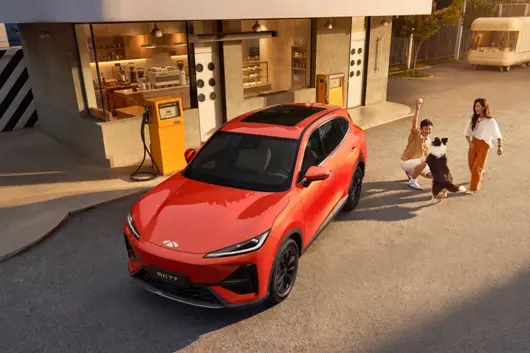

喺馬來西亞嘅 SUV 市場,好買家在揀車嘅時候都會揀本田 HR-V 同豐田 Yaris Cross 做比較。這兩款車喺價位同定位上都幾接近,今日我就由多個方面做一次詳細嘅比較,幫你省做功課嘅時間。
本田 HR-V 喺馬來西亞嘅 OTR 售價係 RM 115,900 - 143,900,合共 4 個版本,包括 2026 e:HEV 1.5L RS(RM 143,900)、2026 1.5T V(RM 137,900)、2026 1.5T E(RM 130,900) 等。
豐田 Yaris Cross 喺馬來西亞嘅 OTR 售價係 RM 99,900 - 109,900,合共 2 個版本,包括 2026 1.5L Standard(RM 99,900)、2026 HEV 1.5L Standard(RM 109,900) 等。
由價錢嚟睇,豐田 Yaris Cross 嘅起步價比本田 HR-V 平咗 RM 16,000。老實講,喺呢個價位段,幾千蚊嘅分別其實唔係好大,關鍵仲係睇整體嘅性價比同長期使用成本。

本田 HR-V 配備 1.5L Turbo,馬力 140 hp。官方油耗 7.0 L/100km。
豐田 Yaris Cross 配備 1.5L 4-cyl,馬力 105 hp。官方油耗 6.0 L/100km。
動力方面,本田 HR-V 嘅 1.5L Turbo 比豐田 Yaris Cross 嘅 1.5L 4-cyl 多咗 35 匹馬力,中段加速更有信心,尤其係行高速超車嘅時候。不過豐田 Yaris Cross 嘅油耗可能更抵,日常市區通勤分別唔會太大。
本田 HR-V 嘅安全評級係 5★ (ASEAN NCAP),主動安全系統包括本田 SENSING (ACC, CMBS, LKAS, RDM)。
豐田 Yaris Cross 嘅安全評級係 5★ (ASEAN NCAP),主動安全系統包括 TSS。
兩款車嘅安全評級一樣,喺呢個級別入面安全配備都算畀得好齊全。而家嘅新車安全性都唔差,唔使太擔心呢一點。
本田 HR-V 採用 FWD 驅動方式。
豐田 Yaris Cross 採用 FWD 驅動方式。
兩款車嘅驅動方式一樣,都係 FWD,日常駕駛感受唔會有太大分別。
總體嚟講,本田 HR-V 同豐田 Yaris Cross 都係馬來西亞市場幾不錯嘅車型。揀邊一輛,關鍵仲係睇你嘅個人需求同預算。建議大家做足功課,多比較幾間車行嘅報價,再去試駕做最後決定。买车係件大件事,花啲時間做功課絕對無錯。


Dalam pasaran SUV di Malaysia, banyak pembeli yang membandingkan Honda WR-V dan GWM Haval H6 semasa memilih kereta. Kedua-dua kereta ini sangat hampir dari segi harga dan penjenamaan. Hari ini, kita akan membandingkan secara terperinci dari pelbagai aspek untuk membantu anda menjimatkan masa membuat kajian.
Harga OTR Honda WR-V di Malaysia ialah RM 89,900 - 107,900, mempunyai 4 varian, termasuk 2023 1.5L V (RM 99,900), 2023 1.5L E (RM 95,900), 2023 1.5L S (RM 89,900) dan lain-lain.
Harga OTR GWM Haval H6 di Malaysia ialah RM 139,750 - 139,750, mempunyai 2 varian, termasuk 1.5L Turbo Standard (RM 140,000), 1.5L Turbo Premium (RM 155,000) dan lain-lain.
Dari segi harga, harga permulaan Honda WR-V memang RM 49,850 lebih murah daripada GWM Haval H6. Jika bajet anda terhad, varian asas Honda sudah boleh memenuhi keperluan harian. Tetapi perlu berhati-hati, ribuan ringgit yang lebih murah itu mungkin melibatkan kompromi pada peralatan, bergantung pada keperluan anda.

Honda WR-V dilengkapi enjin 1.5L 4-silinder, kuasa 105 hp. Penggunaan minyak rasmi ialah 6.0 L/100km.
GWM Haval H6 dilengkapi Hybrid, kuasa 170 hp. Penggunaan minyak rasmi ialah 4.5 L/100km.
Dari segi kuasa, Hybrid GWM Haval H6 mempunyai 65 hp lebih daripada enjin 1.5L 4-silinder Honda WR-V. Namun, untuk penggunaan harian di bandar, kuasa kedua-dua kereta ini sudah memadai, anda tidak akan rasa kurang tenaga.

Panjang badan Honda WR-V 4400 mm, ruang bagasi 400 L.
Panjang badan GWM Haval H6 4400 mm, ruang bagasi 400 L.
Saiz kedua-dua kereta itu hampir sama, ruang dalaman tidak banyak berbeza. Untuk kereta tahap ini, penggunaan harian sudah cukup.

Honda WR-V dan GWM Haval H6 adalah pilihan utama pasaran Malaysia, sesuai untuk kegunaan keluarga dan perjalanan harian. Jika anda lebih mengutamakan reputasi jenama dan harga tangan kedua, anda boleh memprioritaskan yang lebih terkenal; jika anda lebih mementingkan nilai terhadap harga dan peralatan, maka pilih yang lebih kaya dengan konfigurasi. Akhir sekali, disyorkan untuk memandu kedua-duanya untuk pengalaman langsung.
Secara keseluruhan, Honda WR-V dan GWM Haval H6 adalah model yang bagus di pasaran Malaysia. Memilih yang mana, ia bergantung pada keperluan peribadi dan bajet anda. Disyorkan untuk membuat kajian, bandingkan tawaran dari beberapa kedai kereta, kemudian buat keputusan akhir setelah memandu. Membeli kereta adalah perkara besar, meluangkan masa membuat kajian tidak akan salah.


Di pasaran SUV Malaysia, banyak pembeli membandingkan Honda WR-V dan Chery Tiggo 7 PHEV semasa memilih kereta. Kedua-dua kereta ini mempunyai harga dan kedudukan yang agak hampir, hari ini kita akan membuat perbandingan terperinci dari pelbagai aspek untuk membantu anda menjimatkan masa membuat kajian.
Honda WR-V dijual di Malaysia dengan harga OTR RM 89,900 - 107,900, terdapat sebanyak 4 varian, termasuk 2023 1.5L V (RM 99,900), 2023 1.5L E (RM 95,900), 2023 1.5L S (RM 89,900) dan lain-lain.
Chery Tiggo 7 PHEV dijual di Malaysia dengan harga OTR RM 129,750 - 129,750, terdapat sebanyak 2 varian, termasuk 2025 1.5T 90km CSH (RM 129,750), Apakah kaedah pengecasan yang disokong oleh Tiggo 7 PHEV? Bolehkah ia dicas menggunakan soket kuasa rumah? (RM 117,478) dan lain-lain.
Dari segi harga, harga permulaan Honda WR-V memang lebih murah RM 39,850 berbanding Chery Tiggo 7 PHEV. Jika bajet anda terhad, varian permulaan Honda sudah boleh memenuhi keperluan harian. Namun, perlu diingat, perbezaan harga seribu ringgit itu, mungkin melibatkan kompromi pada perlengkapan, bergantung pada keperluan anda.
Honda WR-V dilengkapi enjin 1.5L 4-cyl, kuasa 105 hp. Penggunaan minyak rasmi 6.0 L/100km.
Chery Tiggo 7 PHEV dilengkapi Hybrid, kuasa 170 hp. Penggunaan minyak rasmi 4.5 L/100km.
Dari segi kuasa, Hybrid Chery Tiggo 7 PHEV mempunyai 65 kuasa kuda lebih daripada Honda WR-V 1.5L 4-cyl. Namun untuk memandu harian di bandar, kedua-dua kereta mempunyai kuasa yang mencukupi, tidak akan berasa kurang kuasa.
Honda WR-V panjang 4400 mm, bak bagasi 400 L.
Chery Tiggo 7 PHEV panjang 4400 mm, bak bagasi 400 L.
Ukuran kedua-dua kereta hampir sama, ruang dalaman tidak banyak perbezaan. Kereta dalam kelas ini, untuk penggunaan harian sudah cukup.
Honda WR-V menggunakan cara pemacu FWD.
Chery Tiggo 7 PHEV menggunakan cara pemacu FWD.
Cara pemacu kedua-dua kereta sama, kedua-duanya FWD, rasa memandu harian tidak akan terlalu berbeza.

Honda WR-V waranti 5 tahun / jarak tidak terhad, selang penyelenggaraan setiap 10,000km atau 6 bulan.
Chery Tiggo 7 PHEV waranti 3 tahun/100,000km, selang penyelenggaraan setiap 10,000km atau 6 bulan.

Secara keseluruhan, Honda WR-V dan Chery Tiggo 7 PHEV adalah model kereta yang sangat bagus di pasaran Malaysia. Memilih mana satu, penting untuk melihat keperluan dan bajet peribadi anda. Kami cadangkan anda membuat kajian, bandingkan sebut harga dari beberapa dealership, kemudian buat ujian memandu untuk membuat keputusan akhir. Membeli kereta adalah perkara besar, meluangkan masa membuat kajian tidak akan salah.

2026 成都車展傳媒日,西部國際博覽城 5 號館奇瑞主展覽台迎來大量傳媒與觀眾。本屆奇瑞主題定為「中國汽車,全球冠軍」,奇瑞品牌獨立帶來 12 款整車,沒有空洞的參數堆砌,重磅新車、硬核技術展區、年輕化互動體驗一併呈現,既能近距離品鑒實車,也能直觀感受奇瑞智電時代的全球化硬實力。

展臺物理 C 位:原生全球純電 SUV 風雲 T7,以及全新 QQ3 摩登版。風雲 T7 作為智電時代首個原生全球車,並不是國內造完再改款出海,產品定義階段就對標全球法規,兼顧多國複雜用車環境。該車採用御風美學設計,搭載犀牛電池,CLTC 續航 600km,配備座艙駕駛一體 8775 晶片、獵鷹 500 智駕系統。目前該車正處於預售階段,預售價 10.99‑12.99 萬元,預售 9 天訂單就突破 16787 台,後續也將登陸歐盟、澳新、泰國等海外市場,是奇瑞全球化的標杆產品。

另一台 C 位流量擔當全新 QQ3 摩登版,是全新 QQ3 的 001 號官方改款版本,車展現場開啟搶鮮下單。新車採用 Neo Retro 復古未來主義設計,把經典汽車工業元素和現代智電科技結合,復古配色搭配運動拉花,把一台城市代步小車玩出輕奢氛圍感。QQ 系列已經累積全球 160 萬用戶,普通版國內連續四月銷量破萬,海外上市首月同樣銷量破萬,摩登版的到來,進一步滿足年輕用戶對個性化代步車的需求。

緊隨兩台 C 位展車,風雲 A9、風雲 A9L ULTRA 四驅版重點展出。風雲 A9 斬獲德國紅點設計大獎,是奇瑞 2000 萬全球用戶里程碑轎跑,大量年輕工程師參與研發,上萬名用戶共同打磨細節,35 歲以下用戶佔比超七成。升級的風雲 A9L ULTRA 四驅版定位全球真 C 級旗艦,雲錚外觀、楓宸專屬內飾,搭配三色發光格柵、電動速控尾翼;硬件上給到雪豹四驅系統,前雙叉臂 + 後五連桿懸掛,獵鷹 700 高階智駕、犀牛電池、9 氣囊全部配齊,顏值、性能、智能、安全全方位拉滿。

本次車展還有一大亮點,就是全球首秀的「全球品質家轎新標杆」艾瑞澤 7。新車以「動水之勢」為設計語言,汲取水的動靜之美,造型簡約耐看,適配全球審美。提供 C‑DM 超能電混、鵬程燃油兩套動力,兼顧能耗與性能,新車預計第四季正式上市,把原生全球車標準下放到 8‑10 萬主流家轎市場。除此之外,風雲 T9 系列、全新瑞虎 9、艾瑞澤 8 PRO 等車型同步展出,完整覆蓋 SUV、轎車主流消費區間。

看完展車,「科技生態島」裡的犀牛電池展區,是全場技術核心看點。新能源車用戶最關心的電池安全,奇瑞直接把極限實驗搬到展臺現場。十倍國標針刺、三倍國標擠壓,再加上擠壓後電芯泡水演示,展品做到不起火、不冒煙。觀眾可以親眼看到魚缸浸水實驗,還能參與電池踩踏挑戰互動,把晦澀的電池技術變成普通人看得懂的直觀體驗。現場還陳列高焓變隔膜、複合集流體等原材料,400Wh/kg 固態電池模組也同步亮相,犀晶、犀盾、犀雲三道防護體系,從材料、結構到雲端監控構建完整安全閉環。除電池之外,飛魚數智底盤 i、鵬程動力等前沿技術展品一併對外展示。

整個展臺的年輕化氛圍也十分突出。8 月 22 日神仙顏值主題日即將開啟,設置多組打卡片場,還能體驗代言人同款妝容。CHERY COFFEE 咖啡區、瑞享生活生態空間,劃分潮改街區、野趣營地等五大板塊,閃羿改裝平台也帶來改裝套件,把人車家生活場景搬到展臺,甚至專門設置「奇瑞未來課堂」,給青少年做新能源科普。

從行業數據來看,奇瑞已經連續 23 年自主品牌出口第一,7 月單月出口突破 20 萬輛,全球累積用戶突破 2016 萬。過去出海更多是產品輸出,而風雲 T7、艾瑞澤 7 這類原生全球車,從研發源頭就按照全球標準開發。這次成都車展,奇瑞把全球化成果帶回國內,一邊是老百姓觸手可及的家用新車,一邊是看得見摸得着的硬核技術,不玩虛概念,交出一份智電時代的全球車答卷。
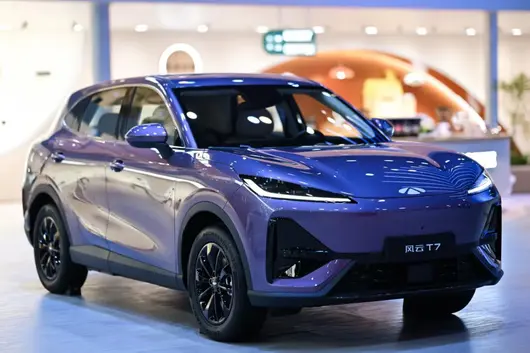

In the Malaysian SUV market, many buyers compare Proton X90 and Chery Tiggo 7 PHEV when choosing a car. These two cars are quite close in price and positioning. Today we will make a detailed comparison from multiple aspects to help you save time doing research.
The Proton X90 OTR price in Malaysia is RM 106,800 - 122,800, with 4 versions in total, including 2026 1.5T Prime X (RM 122,800), 2026 1.5T Prime (RM 116,800), 2026 1.5T Lite (RM 106,800) etc.
The Chery Tiggo 7 PHEV OTR price in Malaysia is RM 129,750 - 129,750, with 2 versions in total, including 2025 1.5T 90km CSH (RM 129,750), What charging methods does the Tiggo 7 PHEV support? Can it be charged using a home power socket? (RM 117,478) etc.
In terms of price, the Proton X90's starting price is indeed RM 22,950 cheaper than the Chery Tiggo 7 PHEV. If your budget is limited, Proton's entry-level version is already sufficient for daily needs. However, also keep in mind that the thousands cheaper might involve compromises on features, depending on your specific requirements.

Proton X90 is equipped with 1.5L Turbo, 140 hp. Official fuel consumption 7.0 L/100km.
Chery Tiggo 7 PHEV is equipped with Hybrid, 170 hp. Official fuel consumption 4.5 L/100km.
Regarding power, Chery Tiggo 7 PHEV's Hybrid has 30 more horsepower than Proton X90's 1.5L Turbo. However, for daily city driving, both cars have sufficient power, you won't feel lack of power.
Proton X90's safety rating is 5★ (ASEAN NCAP), active safety systems include ADAS (ACC, AEB, LKA, LDA, BSM, RCTA).
Chery Tiggo 7 PHEV's safety rating is TBD, active safety systems include Basic.
In terms of safety features, both cars have received good ratings. However, Proton X90's ADAS (ACC, AEB, LKA, LDA, BSM, RCTA) and Chery Tiggo 7 PHEV's Basic have some differences in function. If you value active safety more, you can compare their feature lists carefully.
Proton X90 uses FWD drive type.
Chery Tiggo 7 PHEV uses FWD drive type.
Both cars have the same drive type, both are FWD, daily driving feel will not be too different.
Overall, Proton X90 and Chery Tiggo 7 PHEV are both very good car models in the Malaysian market. Which one to choose mainly depends on your personal needs and budget. We suggest doing your research, compare quotes from several car dealers, then test drive to make the final decision. Buying a car is a major decision, spending some time doing research is definitely not wrong.


In the SUV market in Malaysia, many buyers compare Proton X90 and Mazda CX-30 when choosing a car. Both cars are quite close in price range and positioning. Today, we will do a detailed comparison from multiple aspects to help you save time on research.
The OTR price of Proton X90 in Malaysia is RM 106,800 - 122,800, with a total of 4 versions, including 2026 1.5T Prime X (RM 122,800), 2026 1.5T Prime (RM 116,800), 2026 1.5T Lite (RM 106,800), etc.
The OTR price of Mazda CX-30 in Malaysia is RM 122,409 - 146,409, with a total of 4 versions, including 2025 2.0L High+ Premium (RM 146,409), 2025 2.0L High+ (RM 138,409), 2025 2.0L High (RM 130,409), etc.
From a price perspective, the starting price of Proton X90 is indeed RM 15,609 cheaper than Mazda CX-30. If your budget is limited, Proton's entry-level version can already meet daily needs. However, also note that the few thousand dollars saved might involve trade-offs in features, depending on your specific needs.
Proton X90 features a 1.5L Turbo engine, with 140 hp. Official fuel consumption is 7.0 L/100km.
Mazda CX-30 features a 1.5L Turbo engine, with 140 hp. Official fuel consumption is 7.0 L/100km.
Both cars use the same powertrain system, so the driving experience is basically no difference. Fuel consumption is also similar, no need to worry too much about this.
Proton X90's safety rating is 5★ (ASEAN NCAP), active safety systems include ADAS (ACC, AEB, LKA, LDA, BSM, RCTA).
Mazda CX-30's safety rating is 5★ (ASEAN NCAP), active safety systems include i-Activsense.
Both cars have the same safety rating, safety features are quite comprehensive within this class. New cars nowadays generally have good safety, no need to worry too much about this.
Proton X90 adopts FWD drive configuration.
Mazda CX-30 adopts FWD drive configuration.
Both cars have the same drive configuration, both are FWD, so the daily driving experience won't differ too much.

Overall, both Proton X90 and Mazda CX-30 are very good models in the Malaysian market. Choosing which one depends on your personal needs and budget. We recommend doing your research, comparing quotes from several dealerships, and test driving before making a final decision. Buying a car is a big matter, spending some time on research will never be wrong.

喺馬來西亞嘅汽車市場,好多買家喺揀車嗰陣都會拿 Land Rover Defender 同 Porsche Macan 來比較。今日我哋從多個方面做一個詳細嘅對比,幫你節省做功課嘅時間。


Land Rover Defender 喺馬來西亞嘅 OTR 售價係 RM 688,000 - 688,000,合共 1 個版本,包括 Standard(RM 688,000) 等。
Porsche Macan 喺馬來西亞嘅 OTR 售價係 RM 469,000 - 469,000,合共 4 個版本,包括 2025 55 quattro S line(RM 467,285)、2025 50 quattro Advanced(RM 361,135)、PMT 1874, Lorong IKS BukitTengah 14000 Bukit Mertajam(RM 296,610) 等。
從價錢嚟睇,Porsche Macan 嘅起步價比 Land Rover Defender 平咗 RM 219,000。講句實話,喺呢個價位段,幾千塊嘅差距其實唔算大,重點係睇整體嘅性價比同長期使用成本。

Land Rover Defender 嘅安全評級係 TBD,主動安全系統包括 Basic。
Porsche Macan 嘅安全評級係 5★ (Euro NCAP),主動安全系統包括 InnoDrive。
安全配備方面,兩部車都獲得唔錯嘅評級。不過 Land Rover Defender 嘅 Basic 同 Porsche Macan 嘅 InnoDrive 喺功能上有些差異,如果你好重視主動安全嘅話,可以仔細對比下兩者嘅功能列表。

Land Rover Defender 車身長度 4400 mm,行李箱 400 L。
Porsche Macan 車身長度 4400 mm,行李箱 400 L。
兩部車嘅尺寸幾乎一樣,車內空間分別唔大。呢個級別嘅車,日常使用完全夠用。

Land Rover Defender 採用 4WD 驅動方式。
Porsche Macan 採用 FWD 驅動方式。
Land Rover Defender 嘅 4WD 同 Porsche Macan 嘅 FWD 喺操控上有唔同感受,建議試駕對比。

總體嚟講,Land Rover Defender 同 Porsche Macan 都係馬來西亞市場好唔錯嘅車型。揀邊一輛,關鍵都要睇你嘅個人需求同預算。建議大家做好功課,多比較幾間車行嘅報價,先至去試駕做最終決定。買車係一件大事,花少少時間做功課絕對唔會錯。

車型概覽

BMW XM 值唔值得買,關鍵唔係佢睇落幾吸引,而係佢有冇解決你嘅實際用車需求。這篇文章會放重心喺預算、貸款壓力同埋同級價值。
售價喺 RM 1,554,800,買家可以先用佢判斷預算壓力同埋同級定位。
購車價格指南
BMW XM 嘅購車預算可以先由 RM 1,554,800 開始衡量。呢個數字真正影響係月供、保險同現金流,而唔止係展廳入面嘅標價。
如果你喺幾個版本之間猶豫,可以把 2026 M Model Label(RM 1,554,800)、2025 M Model with Shadow Line Standard、2025 M Model Label Red、2025 M Model with Night Gold Line 放喺同一張清單入面比較。日常通勤買家優先睇舒適與安全,經常跑高速嘅買家則更加重視動力、輔助駕駛同車廂便利。
核心參數匯總

睇 BMW XM 嘅核心規格,最重要係將數字翻譯成生活中嘅感受。
25.7 kWh 嘅電池容量,重點係有冇支撐一週通勤同埋週末出門。 585 匹馬力、750 牛·米嘅輸出,令高速變線同短距離超車更有底氣。 車長 5110 毫米、車寬 2005 毫米、車高 1755 毫米、軸距 3105 毫米,可以幫你預判泊車難度同後排乘坐空間。 自動變速箱、四輪驅動佈局嘅設定,會影響起步順滑度、濕地穩定感同長途巡航感。
優缺點分析
BMW XM 嘅優點唔使誇張,真正有價值嘅係佢有冇令日常使用更省心:預算位置清楚,方便同同級車直接比較、日常能源成本有明確參考、動力輸出能支撐高速同超車需求。
需要留意嘅係,需要先確認屋企、公司或常去商場嘅充電條件、市區泊車同狹窄路段仍要睇個人駕駛習慣。呢啲唔係扣分項,而係落訂之前應該要想清楚嘅生活細節。
購車常見問題解答
購買 BMW XM 之前,買家最常問嘅唔係單一規格,而係佢有冇融入自己嘅生活。
呢部車適合邊個?適合把預算、貸款壓力同同級價值放喺首位嘅買家。 家庭用戶要睇咩?優先睇後排乘坐、兒童座椅、行李同日常上落車係咪順手。 毎日開會唔會麻煩?2 L/100km 嘅油耗參考令通勤成本更容易預估。
競爭對手比較內容
把 BMW XM 放進同級車名單時,唔建議只睇品牌或外形。真正有用嘅比較順序係:先用 RM 1,554,800 鎖定預算範圍、再睇動力係咪足夠應付高速同滿載、跟住比較能源成本同補能便利、最後睇空間係咪適合家人同行李。
呢樣篩選出嚟嘅結果更加貼近日常生活。你會更加清楚佢係適合城市通勤、家庭代步、長途巡航,定係更加適合做一輛講求個性嘅選擇。
用車全週期指南
擁有 BMW XM 嘅關鍵,係先把充電安排想清楚。家充、公司充電或商場快充只要其中一項穩定,日常體驗就會輕鬆好多。
如果你經常跑南北大道,動力同車廂舒適度會比單純低價更加重要;如果主要喺市區,泊車靈活性、視野同低速順滑度會更加影響心情。


Dalam pasaran SUV di Malaysia, ramai pembeli semasa memilih kereta akan mengambil Perodua Ativa dan Chery Tiggo Cross untuk dibandingkan. Kedua-dua kereta ini mempunyai harga dan penempatan yang agak hampir, hari ini kita akan membuat perbandingan terperinci dari pelbagai aspek, membantu anda menjimatkan masa membuat kajian.
Perodua Ativa mempunyai harga OTR di Malaysia iaitu RM 62,500 - 73,400, terdapat 3 varian, termasuk 1.0L Turbo X (RM 62,500), 1.0L Turbo H (RM 67,300), 1.0L Turbo AV (RM 73,400) dan lain-lain.
Chery Tiggo Cross mempunyai harga OTR di Malaysia iaitu RM 88,750 - 99,750, terdapat 2 varian, termasuk 2025 HEV 1.5L CSH (RM 99,750), 2025 1.5T Standard (RM 88,750) dan lain-lain.
Dari segi harga, harga permulaan Perodua Ativa memang RM 26,250 lebih murah daripada Chery Tiggo Cross. Jika bajet anda terhad, varian masuk Perodua sudah boleh memenuhi keperluan harian. Tetapi perlu diingat, beberapa ribu ringgit yang lebih murah ini, mungkin ada kompromi dalam kelengkapan, bergantung kepada keperluan anda.

Peringkat keselamatan Perodua Ativa ialah 5★ (ASEAN NCAP), sistem keselamatan aktif termasuk ASA 3.0 + ACC + LDA + LKA + BSM + RCTA.
Peringkat keselamatan Chery Tiggo Cross ialah TBD, sistem keselamatan aktif termasuk Basic.
Dari segi kelengkapan keselamatan, kedua-dua kereta mendapat penilaian yang baik. Namun, ASA 3.0 + ACC + LDA + LKA + BSM + RCTA pada Perodua Ativa dan Basic pada Chery Tiggo Cross mempunyai perbezaan dari segi fungsi, jika anda lebih mengutamakan keselamatan aktif, anda boleh membandingkan senarai fungsi keduanya dengan teliti.
Panjang badan Perodua Ativa 4400 mm, bagasi 400 L.
Panjang badan Chery Tiggo Cross 4400 mm, bagasi 400 L.
Saiz kedua-dua kereta hampir sama, ruang dalaman tiada perbezaan besar. Kereta pada tahap ini, cukup sepenuhnya untuk penggunaan harian.
Perodua Ativa dan Chery Tiggo Cross adalah pilihan utama di pasaran Malaysia, sesuai untuk penggunaan keluarga, perjalanan harian. Jika anda lebih mengutamakan reputasi jenama dan harga kedua, anda boleh memberi keutamaan kepada model yang lebih mempunyai reputasi; jika anda lebih mementingkan nilai harga dan kelengkapan, maka pilih model yang lebih banyak kelengkapan. Pada akhirnya disarankan kedua-dua model dicuba test drive, pengalaman sendiri adalah yang paling penting.

Secara keseluruhannya, Perodua Ativa dan Chery Tiggo Cross adalah model kereta yang sangat bagus di pasaran Malaysia. Pilihan mana satu, penting bergantung pada keperluan dan bajet peribadi anda. Kami menyarankan anda membuat kajian dengan baik, bandingkan banyak tawaran dari beberapa dealer kereta, kemudian buat ujian drive untuk membuat keputusan akhir. Membeli kereta adalah perkara besar, menggunakan masa membuat kajian pasti tidak salah.

© 2024 Bitauto.com. All Rights Reserved.
Bitauto (www.yiche.com and www.bitauto.com) is one of the most visited automotive websites in China. We provide detailed info on Chinese car brands available in your area. Please note that the information provided on this website is based on publicly available data and is for reference only. It may not be fully updated or accurate at all times.

Help us improve our website


