

Homelocally

Search History
Popular Searches
Dealer Login / Sign Up
“把经验当成知识,却拒绝把知识投入新的运用。”这个来自阿拉伯寓言集把“走老路”、“躺平”思维讲得精确到位,而在汽车圈,迄今为止仍有不少人抱此想法。相比之下,长安汽车不同。

10月30日,长安汽车三季报出炉。如果只用旧标尺去量,很容易错过这份财报真正的信号:第三季度营收362.49亿元,环比提升10.1%;单车收入10.1万元,环比提升0.5万元,同比提升1.3万元;海外销量27万辆,同比增长64.3%,创季度历史新高;新能源产品结构中,高价值产品占比逼近70%。
数字不喧哗,但方向清晰:增长的质地正在换挡。
利润的短期波动被汇兑损失、原材料涨价和海外前置投入三重因素压住,而这三件事恰恰对应着三张正在铺开的牌桌——全球化、供应链纵深、以及技术资产从投入期向变现期的跨越。读懂长安,需要把目光从利润栏移开,落到结构栏上。

长安天枢领航的“50%”,比任何销量数字都值得琢磨
在当下国内存量市场行情之中,仍有不少人痴迷于销量数据,也许,销量数据是一个体现自身状态的参考,但绝不是长远发展的唯一参数。
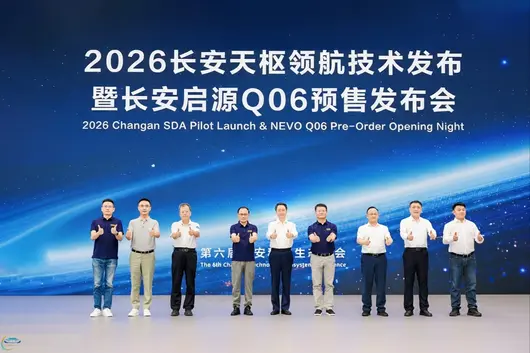
10月的2026世界智能网联汽车大会上,长安在会场设了一个天枢领航量产车体验专区。没有只摆展车,而是把启源Q06直接交给到场的人开上真实道路。多位国际嘉宾和行业专家试完之后,有一个细节被反复提及:这套由央企全栈自研的一段式端到端智驾系统,已经在用户手里跑起来了,不是期货。

更能说明问题的是终端数据:长安启源Q06 Ultra版选装率接近50%。在一款主流价位的新能源SUV上,近一半用户愿意为智能驾驶辅助额外掏钱,这件事的含义远超“配置受欢迎”。它意味着技术资产开始被真实的定价体系承认。
朱华荣10月在重庆的一场主题报告里,把这件事放到了更大的坐标中:汽车正从交通工具转向“具身智能终端”,2026年以来国内领航智能驾驶辅助渗透率已达34.2%,“当安全从高端选配变为基础配置,竞争坐标就此位移”。天枢领航的量产落地和OTA推送,正是这场位移在长安身上的具体刻度。技术一旦跨过“可用”走向“被需要”,规模化复用的复利就会开始运转。

巴黎与罗勇:出海正在换一种写法
如果说智能化技术是在为未来存钱,全球化则已经在为当下造血。第三季度海外销量64.3%的增速,放在国内存量调整的底色下,不是一条普通的增长曲线,而是一条结构性的对冲线。
10月的巴黎国际车展上,长安携长安启源、深蓝汽车、阿维塔三大数智新能源品牌全谱系亮相,启源正式进入欧洲。深蓝S05、S07已经拿到欧洲NCAP五星安全评级,欧洲用户享有7年或16万公里整车质保,主要城市备件1天内送达。这些动作拼在一起,描出的不是“把车卖到海外”,而是“把体系搬到海外”。

更早的伏笔埋在泰国罗勇:长安首个海外新能源整车基地一期年产能10万辆,深蓝S05和启源Q05下线后发往18个右舵国家,10家核心供应商随之落地,40多家泰国本土零部件企业进入配套圈,本地员工占比已达70%。朱华荣在10月接受中国证券报专访时把话说得很直:“只想短期赚一笔就撤离的时代已经过去了,必须真正扎根当地市场。”他给全球化划出的重点同样毫不含糊——“当下很难再找到比海外市场机会更大的赛道,长安的增量机会就在海外”。

这恰好解释了为什么海外业务值得被放在“结构”而非“增量”的框架里看。海外市场毛利率已近20%,高于国内约5个百分点,当国内价格战持续挤压利润空间时,一个单车均价更高、体系壁垒更厚的海外业务,才是穿越周期的压舱石。按照“1445”战略的规划,2030年海外销量目标150万辆,路径写得很清楚:从产品出海转向产业出海,从国内生产转向全球布局,从自主品牌转向全球品牌打造。

长安选择的路,是用阿维塔、深蓝汽车、长安启源三个品牌覆盖10万至70万元价格带,用天枢领航把智能化从配置单上的名词变成用户愿意付费的动词,用罗勇、巴黎、巴西这些坐标把“出海”从贸易动作升级为产业存在。三季报里的营收环比、海外增速、单车收入、高价值占比和智能化选装率,不过是这条路上刚刚亮起来的几个路标。
从“中国长安”到“世界长安”,中间隔着的不是一个销量数字,而是一整套结构。结构向上的事,从来比一个月卖了多少辆更难,也更值得看!
#长安汽车
#央企智造安全可靠
#长安汽车三大计划
作者:刘隽刚

喺馬來西亞嘅 SUV 市場,好多買家喺揀車嘅時候都會拿 Mazda CX-3 同 Chery Tiggo 8 Pro 嚟比較。呢兩款車喺價錢同定位上都好接近,今日我就由多個方面做個詳細比較,幫你省返做功課嘅時間。
Mazda CX-3 喺馬來西亞嘅 OTR 售價係 RM 126,159 - 139,159,一共有 2 個版本,包括 2023 2.0L High(RM 139,159)、2023 2.0L Plus(RM 126,159) 等。
Chery Tiggo 8 Pro 喺馬來西亞嘅 OTR 售價係 RM 159,750 - 159,750,一共有 2 個版本,包括 1.6L Turbo Standard(RM 130,000)、1.6L Turbo Premium(RM 145,000) 等。
從價錢嚟睇,Mazda CX-3 嘅起步價的確比 Chery Tiggo 8 Pro 平咗 RM 33,591。如果你預算有限,Mazda 嘅入門版已經可以滿足日常需要。但都要注意,平嗰幾千蚊,喺配備上可能會有所取捨,具體要睇你嘅需求。

Mazda CX-3 搭載 1.5L Turbo,馬力 140 hp。官方油耗 7.0 L/100km。
Chery Tiggo 8 Pro 搭載 2.0L 4-cyl,馬力 170 hp。官方油耗 8.0 L/100km。
動力方面,Chery Tiggo 8 Pro 嘅 2.0L 4-cyl 比 Mazda CX-3 嘅 1.5L Turbo 多咗 30 匹馬力。不過日常喺市區開,兩款車嘅動力都夠用,唔會覺得唔夠力。

Mazda CX-3 嘅安全評級係 5★ (ASEAN NCAP),主動安全系統包括 i-Activsense。
Chery Tiggo 8 Pro 嘅安全評級係 TBD,主動安全系統包括 Basic。
安全配備方面,兩款車都拿到唔錯嘅評級。不過 Mazda CX-3 嘅 i-Activsense 同 Chery Tiggo 8 Pro 嘅 Basic 喺功能上有啲差異,如果你比較重視主動安全嘅話,可以仔細比較下兩者嘅功能列表。

Mazda CX-3 採用 FWD 驅動方式。
Chery Tiggo 8 Pro 採用 FWD 驅動方式。
兩款車嘅驅動方式一樣,都係 FWD,日常駕駛感受唔會有太大區別。
總而言之,Mazda CX-3 同 Chery Tiggo 8 Pro 都係馬來西亞市場好好嘅車型。揀邊一輛,關鍵都係要睇你嘅個人需要同預算。建議大家做好功課,多比較幾間車行嘅報價,再去試駕做最終決定。買車係件大事,花少少時間做功課絕對唔會錯。


連續 8 個月雙增長,吉利嘅睇點唔止 31 萬輛
——深度拆解 10 月新能源、高端化同全球化三條增長曲線
11 月 1 日,吉利汽車控股有限公司(0175.HK)公佈最新銷量數據:10 月銷量 310,183 輛,年內首次突破 30 萬輛,連續 8 個月達成同比環比雙增長,環比增長 6%。月度數據喺業界從來唔稀缺,真正稀缺嘅,係把月度數據連續兌現出嚟嘅能力。
拆開呢張報表會發現,31 萬輛只係結果,真正嘅變量藏喺結構內部:新能源產品首次單月突破 20 萬輛,海外出口連續 5 個月站喺 10 萬輛階梯,豪華品牌率先完成全年目標。過去唔少企業嘅增長依賴單一爆款脈衝式沖高,而吉利呢份成績單呈現出嘅,係幾條曲線同時向上形成嘅合力。下文由总量底盤、新能源矩陣、高端化、技術儲備同全球化五個層面,逐層拆解這組數據背後嘅真實成色。
一、总量底盤:連續 8 個月雙增,拼嘅從來唔係沖高,而係抗波動
一次月度沖高可以靠營銷節點實現,連續 8 個月同比環比雙增,考驗嘅則係企業穿越行業週期嘅底盤厚度。
10 月吉利集團銷量 310,183 輛,環比增長 6%。分板塊睇,吉利品牌銷售 255,742 輛,同比增長 8%、環比增長 4%;極氪交付 32,483 輛,同比增長 52%;領克銷售 21,958 輛,環比增長 19%。三大板塊同向向上,避免咗單一支柱失速帶來嘅整體回落。
燃油基本盤嘅穩固同樣關鍵。吉利中國星 10 月銷售 102,357 輛,連續第 10 年蟬聯中國品牌燃油乘用車銷量冠軍,其中博越家族貢獻 25,075 輛,中國星高端系列售出 39,094 輛、歷史累計銷量已經超過 200 萬輛。喺燃油車大盤持續收縮嘅行業背景下,呢條業務線冇被動等待萎縮,而係主動以 HEV 技術換檔升級:10 月 i-HEV 車型銷售 19,631 輛,佔中國星銷量比重超過 19%,累計銷量已經接近 7.6 萬輛。油、電兩條腿同時站穩,係 8 個月雙增長冇出現斷檔嘅底層原因。

圖 1 吉利汽車 10 月集團銷量戰報
二、新能源矩陣:由一台星願打天下,走向多車型協同上量
單月突破 20 萬輛嘅真正意義,唔在於創咗紀錄,而係支撐紀錄嘅車型結構已經發生變化。
10 月吉利新能源產品銷量(連同吉利、領克、極氪)214,996 輛,同比增長 21%,首次單月突破 20 萬輛並創歷史新高,新能源銷量佔比達到 69.31%,同樣刷新歷史紀錄。代表住新能源已經從增長嘅邊際貢獻者,轉變為集團銷量嘅基本盤本身。
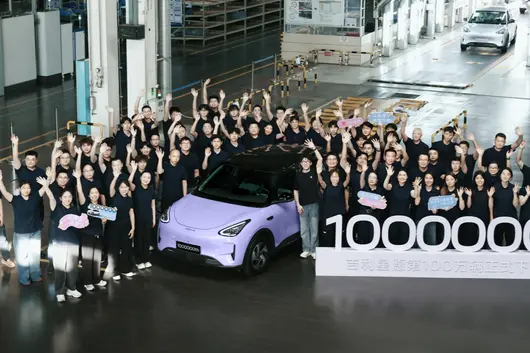
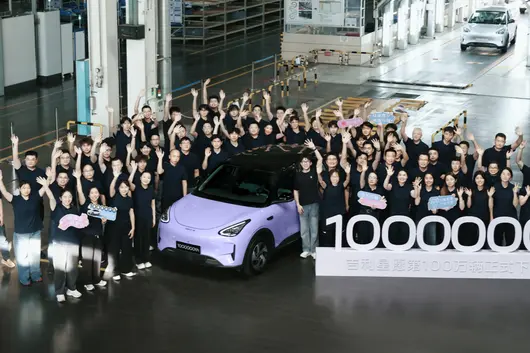
走量主力銀河品牌 10 月銷售 153,385 輛,創下单月銷量新高,1—10 月累計銷量 1,030,569 輛,站穩主流新能源第一梯隊。其中銀河星願售出 71,337 輛,連續 5 個月月銷超過 5 萬輛;第 100 萬輛量產整車喺湘潭製造基地正式下線,平均每 55 秒就有一輛整車駛下產線,刷新全球汽車市場百萬輛下線速度紀錄。一台車獨自扛起大盤嘅階段正逐漸過去:腰部車型星艦 7 月銷 25,476 輛、銀河 E5 月銷 14,194 輛,連續多月穩定破萬;向上突破嘅車型開始接棒,C 級 AI 純電運動轎車銀河 TT 首個完整交付月交付 10,225 輛;10 月 10 日上市嘅新能源硬派 SUV 銀河戰艦 700,上市 12 分鐘大訂即突破萬輛,當月銷量達到 8,285 輛。
由主流家用到純電轎跑,再到硬派越野,銀河嘅產品線正齊備長度同寬度。矩陣式銷售嘅價值在於:單一車型熱度出現波動時,整體大盤仍有其他車型托底,增長嘅確定性因此顯著增強。

圖 2 吉利星願第 100 萬輛整車喺湘潭基地正式下線

圖 3 銀河戰艦 700:新能源時代嘅硬派 SUV 新選項
三、高端化答卷:規模同溢價同時成立,跳出「有量無價」嘅慣性
自主品牌做高端,難點從來唔係賣出一輛高價車,而係讓高價車形成穩定規模;極氪 10 月數據畀出咗一種可行範例。
10 月極氪交付 32,483 輛,同比增長 52%,連續 7 個月月銷超過 3 萬輛;1—10 月累計交付超過 32 萬輛,同比增長 94.4%,平均客單價接近 37 萬元,全年 30 萬輛嘅銷售目標已經完成。高價位段同樣有產品立足:極氪 9X 本月交付 6,030 輛,單車成交均價喺 53 萬元以上,超過八成車主主動推薦,位列 1—9 月 50 萬元以上車型銷量第一;極氪 009 登頂 1—9 月 40 萬元以上純電 MPV 銷量第一。與此同時,極氪 10 月海外交付 14,162 輛,連續 3 個月月銷過萬,海外銷量佔比超過四成,高端車型正把國內市場驗證過嘅產品力複製到全球市場。
另一極嘅領克處於企穩回升階段:10 月銷售 21,958 輛、環比增長 19%,新能源車型佔比超過八成,領克 07GT 連續兩個月蟬聯中國旅行車銷量榜首。賽場之外嘅成績也在反哺品牌認知——領克喺 2026 賽季 TCR 中國錦標賽包攬年度車隊、車手、車型三項冠軍,以賽事成績夯實「中國汽車第一運動品牌」嘅標籤。一個負責向上放量、一個處於結構調整後嘅蓄力期,兩者共同構成集團價格帶上探嘅產品梯隊。

圖 4 領克斬獲 2026 賽季 TCR 中國錦標賽車隊、車手、車型三項冠軍
四、技術暗線:智駕走普惠規模,補能建生態網絡,甲醇儲備遠期選項
月度銷量反映嘅係當下產品力,而決定兩年後行業座次嘅,係埋喺報表之下嘅技術佈局。
智能化方面,千里浩瀚輔助駕駛系統嘅搭載規模同實際使用同步進入規模化階段。據《千里浩瀚 2026 中秋國慶出行報告》,截至 10 月 7 日,千里浩瀚累計車主達到 107.3 萬人,輔助駕駛開啟率 93.9%,累計輔助駕駛里程 31.4 億公里,年同比增長 252.6%,並以自主品牌搭載規模增速同輔助駕駛使用里程增速兩項第一領跑行業。唔同於只喺高價旗艦上集中搭載嘅路線,吉利依托多品牌、多價格帶車型把輔助駕駛送到更大眾嘅用戶群體,規模化嘅真實使用數據又會反過來加速算法迭代。
補能網絡係另一項中期基建。吉利發布嘅兆瓦級智充技術單槍功率達到 2.2 兆瓦,配合行業首發嘅 AI 溫控技術同全鏈路五端液冷方案,樹立補能安全新標杆;網絡層面,吉利正同蔚來喺充換電領域開展戰略合作,計劃 2026 年底建成智充站 6000 座、智充槍超過 2 萬把,到 2027 年底建成超過 2.2 萬座充電站、超過 10 萬把充電槍,推進高密度嘅「縣縣通」覆蓋。
遠期能源路線上,吉利新一代甲醇電混技術將喺 11 月 3 日正式發布,全球首款甲醇電混家轍銀河星耀 6 EF 也將於近期上市,此前該車已以大會官方指定用車身份完成實地接駁。智駕對應當下普及、補能對應中期生態、甲醇對應遠期能源選項,三條技術線構成咗時間維度上嘅梯隊儲備。

圖 5 千里浩瀚搭載量同輔助駕駛里程增速雙第一

圖 6 銀河星耀 6 EF:全球首款甲醇電混家轍即將上市
五、全球化 2.0:出口連續 5 個月破 10 萬之後,比拼嘅係扎根深度
早期出海拼嘅係單車性價比,當下出海拼嘅則係渠道、品牌同本地化運營嘅綜合體系能力。
10 月吉利海外出口銷量 107,153 輛,同比增長 158%,連續 5 個月單月超過 10 萬輛;結構變化更值得關注,當月新能源產品出口 82,565 輛,同比激增 506%,新能源佔出口銷量比重提升至 77%。前三季集團出口累計 79.8 萬輛、同比增長 169%,第二增長曲線嘅輪廓已經清晰可見。
市場佈局正在由單點突破走向多區域協同。2026 巴黎車展上,吉利首次以集團陣容連同吉利、領克、極氪三大品牌集體亮相,SEA-S 浩瀚架構、智能電驅等核心技術集中對外展示;9 月,吉利、領克、極氪三品牌喺歐洲單月銷量首次突破 1 萬輛。英國市場上,第 100 家零售網點完成簽約,進入市場僅 11 個月累計車輛註冊量便突破 1 萬輛,9 月單月註冊量超過 5,000 輛;10 月 9 日,吉利宣布正式進入加拿大市場,首批車型計劃於 2027 年同當地消費者見面。區域成績單多點開花:極氪第三季度位列澳洲豪華品牌銷量榜首,9 月喺馬來西亞電動品牌排名升至第二;吉利 9 月拿下巴拿馬中國品牌乘用車銷量第一。
由輸出產品到鋪設渠道、再到沉澱本地化體系,中國品牌出海已經走過「有冇車可賣」嘅階段,進入「可唔可以持續扎根」嘅新階段。

圖 7 吉利集團首次以三品牌陣容亮相 2026 巴黎車展
結語:護城河係增長結構,而唔係單月峰值
把五條線索並置觀察,可以得到一個比「31 萬輛」更完整嘅結論:吉利 10 月增長嘅核心動力,唔係某一款新車嘅脈衝式爆發,而係主流品牌走量、高端品牌溢價、燃油基本盤 HEV 化、技術多路線儲備同海外多區域落地,共同編織出嘅結構型增長。單月數字會隨季節同促銷節奏波動,而增長結構一旦成型,帶來嘅係穿越週期嘅韌性。
接下來嘅四季依然節點密集:11 月 3 日新一代甲醇電混技術正式發布,11 月 5 日 2027 款領克 08 EM-P 上市,銀河 M8、領克 900L、2027 款極氪 7X 等新車將陸續接續;疊加創業 40 週年同杭州馬拉松「一起加電」嘅品牌節點,市場仍將看到密集嘅產品同聲量投放。對月銷 30 萬輛級別嘅車企而言,真正嘅護城河從來唔係某一個月嘅銷量峰值,而係峰值背後唔依賴單點嘅增長結構——呢,正係呢份 10 月報表畀業界嘅閱讀重點。

Di pasaran SUV Malaysia, ramai pembeli sering membandingkan Mazda CX-3 dan Chery Tiggo Cross semasa memilih kereta. Kedua-dua kereta ini berada dalam julat harga dan kedudukan yang sangat hampir, hari ini kita akan membuat perbandingan terperinci dari pelbagai aspek untuk membantu anda menjimatkan masa melakukan penyelidikan.
Mazda CX-3 di Malaysia mempunyai harga OTR sebanyak RM 126,159 - 139,159, terdapat 2 versi, termasuk 2023 2.0L High (RM 139,159), 2023 2.0L Plus (RM 126,159) dan lain-lain.
Chery Tiggo Cross di Malaysia mempunyai harga OTR sebanyak RM 88,750 - 99,750, terdapat 2 versi, termasuk 2025 HEV 1.5L CSH (RM 99,750), 2025 1.5T Standard (RM 88,750) dan lain-lain.
Dari segi harga, harga permulaan Chery Tiggo Cross adalah RM 37,409 lebih murah berbanding Mazda CX-3. Secara jujur, pada julat harga ini, perbezaan ribuan ringgit sebenarnya tidak terlalu besar, yang penting adalah melihat nisbah nilai keseluruhan dan kos penggunaan jangka panjang.
Mazda CX-3 dilengkapi enjin 1.5L Turbo, kuasa 140 hp. Penggunaan minyak rasmi 7.0 L/100km.
Chery Tiggo Cross dilengkapi enjin 1.5L 4-silinder, kuasa 105 hp. Penggunaan minyak rasmi 6.0 L/100km.
Dari segi kuasa, enjin 1.5L Turbo pada Mazda CX-3 mempunyai 35 kuasa kuda lebih berbanding enjin 1.5L 4-silinder Chery Tiggo Cross, akselerasi pertengahan lebih berkeyakinan, terutamanya ketika menyalip di lebuh raya. Namun, penggunaan minyak Chery Tiggo Cross mungkin lebih mesra, perbezaan untuk komuter bandar harian tidak akan terlalu besar.
Mazda CX-3 waranti 5 tahun/150,000 km, selang servis 10,000 km atau 6 bulan.
Chery Tiggo Cross waranti 3 tahun/100,000 km, selang servis 10,000 km atau 6 bulan.
Mazda CX-3 dan Chery Tiggo Cross adalah pilihan utama di pasaran Malaysia, sesuai untuk kegunaan keluarga dan komuter harian. Jika anda lebih mementingkan reputasi jenama dan harga jualan semula, utamakan model yang memiliki reputasi lebih baik; jika anda lebih mengutamakan nisbah nilai dan kelengkapan, pilih yang kelengkapan lebih lengkap. Pada akhirnya disarankan untuk memandu uji kedua-dua model, pengalaman sendiri adalah yang paling penting.

Secara keseluruhan, Mazda CX-3 dan Chery Tiggo Cross adalah model kereta yang sangat bagus di pasaran Malaysia. Memilih mana satu, kuncinya masih bergantung pada keperluan peribadi dan bajet anda. Kami cadangkan agar membuat penyelidikan terlebih dahulu, bandingkan kutipan harga dari beberapa dealer kereta, kemudian pergi memandu uji untuk membuat keputusan akhir. Membeli kereta adalah perkara besar, meluangkan masa membuat penyelidikan tidak akan salah.

Dalam pasaran SUV di Malaysia, ramai pembeli membandingkan Toyota Harrier dan Audi Q5 semasa memilih kereta. Kedua-dua kereta ini mempunyai harga dan kedudukan yang agak dekat. Hari ini kita akan membuat perbandingan terperinci dari pelbagai aspek, membantu anda menjimatkan masa untuk membuat kajian.
Harga OTR Toyota Harrier di Malaysia adalah RM 289,000 - 289,000, terdapat 1 varian, termasuk 2026 HEV 2.5L Standard (RM 289,000) dan lain-lain.
Harga OTR Audi Q5 di Malaysia adalah RM 354,174 - 423,174, terdapat 2 varian, termasuk 40 TDI (RM 320,000), 45 TFSI (RM 350,000) dan lain-lain.
Dari segi harga, harga permulaan Toyota Harrier memang lebih murah RM 65,174 daripada Audi Q5. Jika bajet anda terhad, versi permulaan Toyota sudah boleh memenuhi keperluan harian. Tetapi perlu diingat, perbezaan harga beratus-ratus ringgit itu mungkin mempunyai kompromi dari segi peralatan, ia bergantung kepada keperluan anda.

Toyota Harrier dilengkapi 2.0L Turbo, kuasa 220 hp. Konsumsi bahan api rasmi 9.5 L/100km.
Audi Q5 dilengkapi 2.0L Turbo, kuasa 220 hp. Konsumsi bahan api rasmi 9.5 L/100km.
Kedua-dua kereta menggunakan sistem kuasa yang sama, pengalaman memandu harian pada dasarnya tidak berbeza. Dari segi konsumsi bahan api juga hampir sama, tidak perlu terlalu bimbang mengenainya.

Panjang badan Toyota Harrier 4400 mm, ruang bagasi 400 L.
Panjang badan Audi Q5 4400 mm, ruang bagasi 400 L.
Saiz kedua-dua kereta hampir sama, ruang dalaman tidak berbeza banyak. Kereta dalam kelas ini cukup untuk kegunaan harian.

Toyota Harrier menggunakan sistem pemacu FWD.
Audi Q5 menggunakan sistem pemacu FWD.
Cara pemacu kedua-dua kereta sama, iaitu FWD, pengalaman memandu harian tidak akan terlalu berbeza.

Secara keseluruhan, Toyota Harrier dan Audi Q5 adalah model kereta yang sangat bagus di pasaran Malaysia. Memilih yang mana, kuncinya masih bergantung pada keperluan peribadi dan bajet anda. Kami cadangkan anda membuat kajian, bandingkan beberapa tawaran dari kedai kereta, kemudian buat ujian memandu untuk membuat keputusan akhir. Membeli kereta adalah perkara besar, luangkan masa untuk kajian pasti tidak akan salah.


Di pasaran SUV di Malaysia, banyak pembeli akan membandingkan Toyota Harrier dan Mercedes-Benz GLC semasa memilih kereta.
Toyota Harrier di Malaysia mempunyai harga OTR RM 289,000 - 289,000, terdapat 1 varian, termasuk 2026 HEV 2.5L Standard (RM 289,000) dan lain-lain.
Mercedes-Benz GLC di Malaysia mempunyai harga OTR RM 336,888 - 336,888, terdapat 2 varian, termasuk GLC 200 (RM 290,000), GLC 300 (RM 340,000) dan lain-lain.
Dari segi harga, Toyota Harrier memang lebih murah RM 47,888 daripada Mercedes-Benz GLC. Jika bajet anda terhad, model permulaan Toyota sudah cukup memenuhi keperluan harian. Namun, perhatikan juga, ribuan ringgit yang lebih murah itu mungkin ada kompromi dalam kelengkapan, bergantung pada keperluan anda.
Toyota Harrier menggunakan cara pemacu FWD.
Mercedes-Benz GLC menggunakan cara pemacu FWD.
Kedua-dua kereta menggunakan cara pemacu yang sama, iaitu FWD, pengalaman memandu harian tidak akan banyak berbeza.
Toyota Harrier mempunyai waranti 5 tahun / tanpa had jarak, selang servis setiap 10,000km atau 6 bulan.
Mercedes-Benz GLC mempunyai waranti 3 tahun / 100,000km, selang servis setiap 10,000km atau 6 bulan.
Toyota Harrier dan Mercedes-Benz GLC adalah pilihan utama di pasaran Malaysia, sesuai untuk kegunaan keluarga dan perjalanan harian. Jika anda lebih mengutamakan reputasi jenama dan harga jualan semula, anda boleh utamakan yang mempunyai reputasi lebih baik; jika anda lebih mementingkan nilai harga dan kelengkapan, pilih yang lebih kaya kelengkapan. Akhir sekali, disarankan memandu kedua-dua model tersebut, pengalaman langsung adalah yang paling penting.
Secara keseluruhannya, Toyota Harrier dan Mercedes-Benz GLC adalah model yang sangat baik di pasaran Malaysia. Memilih mana satu, penting untuk melihat keperluan dan bajet peribadi anda. Disarankan membuat penyelidikan, membandingkan beberapa penawaran dealer, kemudian uji memandu untuk membuat keputusan akhir. Membeli kereta adalah perkara besar, meluangkan masa untuk penyelidikan tidak akan salah.

The 15th Five-Year Plan outline explicitly lists intelligent connected new energy vehicles as the core track of new quality productive forces, pointing the direction for the transformation of the automotive industry. However, new quality productive forces are not merely a concept at the industrial planning level; they need to eventually land as verifiable industrial achievements.
As the first domestic automotive group to break through cumulative sales and production of 100 million vehicles, SAIC Group has created a mature model for the implementation of new quality productive forces in the automotive industry through comprehensive systematic practice.
From independent breakthroughs in core bottom-level technologies to synergistic progress across the entire industry chain, from the continuous construction of intelligent manufacturing talent echelons to the steady output of value in the global market, SAIC has transformed new quality productive forces into a real driving force for industrial upgrading.
Tech Breakthroughs, Leading the Track
The core of new quality productive forces is autonomous and controllable technology. Chinese automakers must break free from reliance on foreign technology paths and forge their own innovation routes.
In the past few decades, China's automotive industry has long been in a following state in traditional fields such as engines, gearboxes, and chassis; however, on the new track of smart electric vehicles, Chinese automakers have achieved a leap from following to leading, with SAIC being a core representative in this regard.
High-efficiency thermal management technology is a highly representative microcosm of this.
The thermal management system of new energy vehicles involves multiple links such as batteries, motors, and cockpits, directly affecting vehicle energy consumption, comfort, and performance under different temperature environments.
Around relevant technologies, SAIC led and jointly launched industry-academia-research collaborative innovation with Shanghai Jiao Tong University, Jiangsu University, and Tongji University, promoting independent R&D in aspects such as system architecture, intelligent control, and material processes.
In 2026, the project "Key Technologies and Whole Vehicle Integrated Application of High-Efficiency All-Temperature Integrated Thermal Management", completed under the leadership of SAIC, was awarded the Second Prize for Science and Technology Progress by the China Society of Automotive Engineers.

This technology allows the heat pump operating temperature to drop from -15°C to -35°C, improving winter heating efficiency by 30%, and, using self-developed Aluminum-Lanthanum-Cerium Rare Earth Alloy materials, breaks through the patent barriers of foreign enterprises in flow channel plate materials.
Now this technology has long entered mass production application, equipped on models such as MG4, Roewe Pure Electric D6, MG 07, and Shangjie Z7, with cumulative assembly exceeding 420,000 sets in the past three years.
In more frontier fields, SAIC's technology layout has also entered the mass production harvest period: semi-solid-state batteries achieve the first batch of mass production in the world, steer-by-wire technology achieves scale landing first, and AI large model native cockpit officially launches to the market.

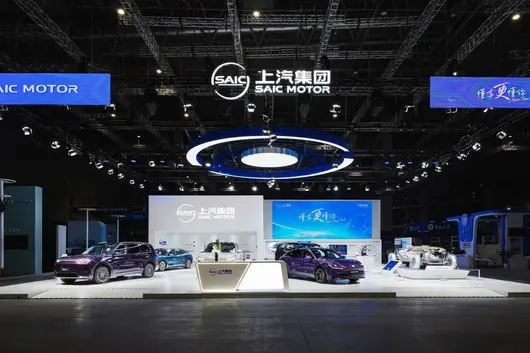
At the scene of the 2026 World Intelligent Connected Vehicle Conference in late October, the SAIC exhibition booth brought three mass production vehicles: the 150,000 yuan range Roewe Jiayue 07 debuted with AI-native cockpit and high-level intelligent driving, achieving atomic scheduling of whole vehicle hardware by large models for the first time; MG 07 packed the 800V high-voltage platform and 5C super charging into a 150,000 yuan range new energy coupe; the 200,000 yuan range brand new IM LS6 brought aviation-grade standards of full steer-by-wire chassis to the mainstream family SUV market.
Decades of continuous R&D investment in the fields of electrification and intelligence, tens of thousands of valid patents, SAIC has already built a complete innovation chain from basic research, engineering development to mass production verification.
When key technologies move from the laboratory to the production line, from high-end models to the mainstream market, independent innovation truly transforms into sustainable industrial competitiveness.
Ecosystem Synergy, Industrial Prosperity
The value amplification of technological innovation cannot do without the support of the industrial ecosystem. The growth of new quality productive forces has never been the solitary fight of a single enterprise, but the synergistic upgrading of the entire industry chain.
As a leading enterprise in the automotive industry, SAIC's role has long been upgraded from a complete vehicle manufacturer to the "Chain Master" of the industrial ecosystem, driving the upstream and downstream industry chains to advance together through the integration of industry and investment, and whole vehicle and parts synergy, spreading the dividends of new quality productive forces to the entire industry.
Different from the investment logic of pursuing financial returns alone, SAIC's industrial investment always anchors on one core standard: whether the invested enterprise can form deep synergy with the main business, whether it can strengthen the shortcomings of the supply chain, and whether it can accumulate technical potential for long-term transformation.
Along this line of thought, on one hand, SAIC lays out related technologies and key components around core businesses such as cockpits, chassis, and power; on the other hand, invests in frontier directions such as artificial intelligence and robots, while paying attention to basic links such as chips, materials, processes, and equipment, attempting to connect external innovation capabilities with the existing industrial system.
To date, SAIC's industrial investment has yielded more than 90 listed enterprises, and since 2026, a number of tech enterprises such as Momenta, Changxin Technology, and YueXin Semiconductor have successively landed on the capital market.
These enterprises are not only investment targets for SAIC but also deep partners for technology implementation.
In the fields of AI and intelligent driving, SAIC's deep synergy with Momenta not only allowed high-level intelligent driving to be quickly rolled down to mainstream price points, but also promoted the iterative maturity of intelligent driving algorithms under China's complex road conditions.
In the semiconductor field, investment in Changxin Technology and YueXin Semiconductor not only helped domestic memory chips and analog chips break through technical bottlenecks, but also provided stable supply chain support for its own intelligent cockpits and intelligent driving domain controllers.
At the 2026 World Artificial Intelligence Conference, dozens of AI enterprises invested by SAIC made a centralized appearance, covering the full chain from underlying computing power to application scenarios, and a real industrial synergy network has already formed.

This ecosystem effect has also extended to the manufacturing end. The embodied intelligence humanoid robot "Nengzai 1" invested and researched by SAIC has officially taken on duty on the battery mass production line of Buick Zhijing E7, becoming one of the first humanoid robots in the Chinese automotive industry to be put into mass production line application.
From production line automation to embodied intelligence, the upgrading of the manufacturing end not only improved SAIC's own production efficiency, but also drove the domestic humanoid robot industry from prototypes to the landing of real industrial scenarios.
This is exactly the core value of leading enterprises, not limited to their own sales and profit growth, but able to drive the entire industrial chain to break through upwards.
Talent Foundation, Intelligent Manufacturing Empowerment
The implementation of new quality productive forces ultimately depends on people to achieve it.
The process of manufacturing upgrading to "intelligent manufacturing" is also the process of skilled talent iteration and upgrading. If technology is the skeleton of new quality productive forces, then high-skilled talents are the foundation supporting the skeleton.

The twelve-year relationship between SAIC and the WorldSkills Competition is a microcosm of its talent strategy. In the vehicle body repair project, competitors trained by SAIC in collaboration with institutions have cumulatively won "Four Golds and One Silver": from Luo Liang achieving the breakthrough of zero medals for China in this project in 2015, to Yang Shanwei, Xu Aomen, and Zhu Junfeng climbing the top one after another, to Jiao Jiao winning gold again in 2026, the spirit of craftsmanship is inherited and continued in successive generations of contestants.
Beyond medals and honors, what is more valuable is the entire talent growth system settled by SAIC over many years.
To date, SAIC has cumulatively invested 650 million yuan to build four major training bases, creating a skilled talent team of over 80,000 people, of which high-skilled talents are about 30,000 people, accounting for more than 35%; 16 national-level skill master studios and 83 national and Shanghai technical experts have been born.
From traditional vehicle body repair and complete vehicle assembly to emerging AI operations and maintenance, software testing, and intelligent production line debugging, the training direction of skilled talents has always kept pace with the rhythm of industrial upgrading for iterative evolution.
Now, former WorldSkills champions have grown into technical experts and coaches, and new generations of contestants are replenishing the industry teams continuously, forming a virtuous cycle of skill inheritance.
In the current situation where the automotive industry is upgrading and transforming from "manufacturing" to "intelligent manufacturing", this long-term investment in skilled talents is the most solid confidence for new quality productive forces.
Global Layout, Value Export
The quality of new quality productive forces ultimately needs to be tested in a broader market.
The upgrading of China's automotive industry cannot stop at the domestic market, but must export Chinese technology, Chinese standards, and Chinese solutions to the world, participate in international rule-making and high-end market competition.
SAIC's globalization has long passed the primary stage of抢占 market share by cost-effectiveness. Under the Glocal 3.0 strategy, SAIC's outbound market has been upgraded from simple product export to the value chain of technology, brand, service, and standards going overseas across the whole chain.
In the first three quarters of 2026, SAIC Group's overseas cumulative sales reached 1.166 million vehicles, a year-on-year increase of 52.4%, exceeding the level of the full year of 2025, with growth speed and scale quality improving simultaneously.
As the largest overseas regional market for SAIC, the growth of the European market combines scale and worthiness. In the first three quarters, the MG brand's cumulative sales in Europe exceeded 280,000 vehicles, a year-on-year increase of 23%, ranking as the sales champion of Chinese brands in Europe for 11 consecutive years.

While deepening in Europe, SAIC's globalization network is accelerating extension to more regions. In the first three quarters, MG's sales in 18 markets in Central America and the Caribbean region increased by 86% year-on-year.
While passenger cars are steadily expanding, the commercial vehicle sector has become another important fulcrum for SAIC system's overseas launch. In September, SAIC Commercial Vehicles' overseas sales reached 18,395 vehicles, a year-on-year increase of 120%, creating a historical high.
Currently, SAIC ranks first among Chinese light commercial vehicle exports to Europe, and SAIC Commercial Vehicles have achieved counter-trend breakthroughs in multiple regions such as Australia, Argentina, Singapore, and Egypt, and the globalization operation system is becoming increasingly mature.
Supporting this achievement is not only product power, but also the synchronous output of technological power and brand power.
From Frankfurt to London, MG has continuously held technology conferences to showcase semi-solid-state batteries, hybrid technology, and intelligent driving solutions to the global market; from Goodwood Festival of Speed to Hannover Show, SAIC has debuted the full matrix of passenger vehicles to commercial vehicles, outputting complete solutions for different scenarios.
The vehicle models equipped with the aforementioned thermal management solutions have been exported to over 170 countries and regions, with overseas application ratio exceeding 50%, and gradually outputting to joint venture brands and commercial vehicle brands, becoming a vivid case of Chinese technology going overseas.
This is true globalization, not only selling Chinese brand cars overseas, but also transforming the systemic capabilities formed by Chinese automobiles in the fields of electrification, intelligence, and advanced manufacturing into products, services, and solutions that can adapt to the global market.
This full-chain outbound capability allows the results of China's new quality productive forces to truly take root in the global market.
Conclusion
The curtain of the "15th Five-Year Plan" has been drawn, and intelligent connected vehicles as the core track of new quality productive forces, their competition has long extended from the contest of single products or technologies to the comprehensive comparison of innovation systems, industry chain synergy, talent reserves, and global operation capabilities.
SAIC's practice is not only a breakthrough in single-point technology, nor is it a single model innovation, but a systematic capability upgrade covering technology, ecology, talent, and globalization, which is the active undertaking of the leading enterprise for the responsibility of industrial upgrading.
SAIC has proved with actual results: new quality productive forces are not a slogan, but the ability to implement strategies in the industry, to convert technology into user value. The high-quality development of China's automotive industry still needs more such systematic practice to build a benchmark for manufacturing transformation and forge a path.
【深度觀察 · 2026 年 10 月 30 日】
汽車行業深度觀察
三季報分化加劇 · 出海與智駕開啟下半場
車家號 · 資深觀察 | 2026 年 10 月 30 日 星期五
隨著三季報集中收官,中國汽車產業站上 2026 年嘅歲末關口。一邊是頭部自主品牌憑藉新能源與出海雙輪驅動實現利潤逆勢增長,一邊係合資巨頭與傳統車企喺轉型陣痛中艱難承壓;新能源汽車出口佔比連續多個月度突破 50%,智能駕駛則正式邁入"技術平權"嘅下半場。這一季嘅分化與重構,正為中國汽車產業嘅未來十年寫下全新註腳。 ▲ 頭部車企新能源車型密集亮相,市場競爭進入白熱化階段
一、三季報分化加劇:頭部自主穿越價格戰
10 月末,A 股與港股嘅重量級車企陸續交出三季報成績單。一個鮮明嘅信號係:喺新能源汽車行業價格戰持續未歇嘅大背景下,頭部自主品牌憑藉規模效應、產業鏈垂直整合與海外市場放量,實現了營收與利潤嘅逆勢雙增長,而傳統合資陣營與部分巨頭則陷入利潤承壓嘅泥淖。
比亞迪發布 2026 年第三季度報告:Q3 實現營業收入 2214.88 億元,同比增長 13.59%;歸母淨利潤 100.20 億元,同比增長 28.08%。儘管前三季度營收 5663.04 億元同比僅微增 0.01%,歸母淨利潤 223.45 億元同比小幅下降 4.24%,但單季度利潤重回百億量級,顯示其通過技術創新與高端化佈局正在逐步對沖價格戰對盈利端嘅擠壓。值得關注嘅係,比亞迪三季度純電動車銷量 27.31 萬輛,同比增長 33.21%,喺整體銷量同比小幅下滑嘅背景下,純電板塊成為其重要嘅增長極與利潤錨點。 ▲ 比亞迪生產基地總裝車間生產線,規模化與垂直整合構築成本護城河
吉利汽車嘅三季報同樣亮眼:Q3 收入 990 億元,同比增長 10%;核心歸母淨利潤 52.1 億元,同比增長 32%,收入與核心利潤雙雙創同期歷史新高。前三季度總收入 2726 億元,核心歸母淨利潤累計達 149 億元,同比勁增 41%。極氪品牌 9 月銷量同比大增 104% 至 37,216 輛,高端化與電動化戰略成效顯著。喺出口端,吉利前三季度新能源汽車出口 48.4 萬輛,同比暴漲 531%,成為比肩比亞迪嘅出海第二極。
相比之下,上汽集團 Q3 營收 1546.31 億元,同比下降 7.34%,歸母淨利潤 4.86 億元,同比大幅下降 76.70%。上汽利潤嘅下滑主要受到資本市場金融資產公允價值變動及海外業務匯兌損失嘅階段性影響。這一組數據嘅鮮明對比,深刻折射出當前中國汽車行業"冰火兩重天"嘅結構性分化——掌握核心技術、擁有全產業鏈話語權與全球化佈局能力嘅頭部自主品牌,正喺穿越價格戰週期,而依賴合資輸血與傳統燃油車基本盤嘅車企,則面臨更深層嘅增長焦慮。
二、新能源出口狂飆:出海正成增長極
如果說三季報係試金石,那麼出口數據則勾勒出中國汽車出海嘅全新圖景。據最新統計,2026 年 1-9 月中國汽車出口 863 萬輛,同比增長 52%;其中 9 月單月出口 118 萬輛,同比增長 55%,環比增長 13%。尤為關鍵嘅係,新能源汽車已成爲汽車出口嘅最大動能——9 月新能源汽車出口 61.2 萬輛,同比增長 104%,前 9 個月累計出口 407 萬輛,同比大幅增長 75%,新能源喺整車出口中嘅佔比已連續多個月度穩定喺 50% 以上。
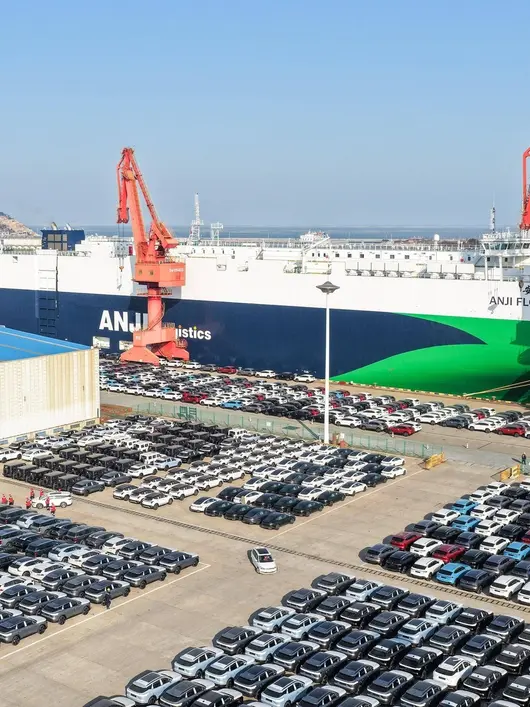
這一結構性轉變意義深遠:中國汽車出海正從過去嘅燃油車"規模出海",徹底轉向以新能源汽車爲核心、以技術與產業鏈爲支撐嘅"價值出海"。比亞迪、吉利等頭部車企紛紛喺匈牙利、泰國、巴西、墨西哥等地佈局本地化生產基地,從單純整車出口轉向"研產供銷"全鏈條本地化運營,以規避貿易壁壘、貼近終端市場。 ▲ 連雲港口岸新能源汽車出口作業繁忙,海外市場成核心增長極
與此同時,政策層面亦喺引導產業高質量出海。財政部明確自 2027 年 4 月 1 日起,將新能源汽車增值稅出口退稅率由 13% 下調至 9%。乘聯會祕書長崔東樹指出,此次調整屬溫和下調,並非抑制出口,而係意在引導車企告別低價衝量嘅粗放模式,轉向品牌建設與本地化運營嘅精细化管理。可以預見,"從規模擴張轉向價值提升",將成爲下一階段中國汽車出海嘅核心命題。
三、智能駕駛下半場:技術平權與成本博弈
智能駕駛正成爲繼電動化之後,汽車產業競爭嘅新戰場與下半場嘅決勝關鍵。近期密集釋放嘅信號顯示,行業已從"個別品牌嘅秀肌肉"邁入"大規模技術平權與成本博弈"嘅全新階段。
比亞迪旗下仰望品牌發布全新旗艦——仰望鼎曜嘅車頭預告圖引發廣泛關注。新車預計 11 月喺阿聯酋進行全球首發,車長約 5.5 米,售價或超 200 萬人民幣,對標頂級超豪華市場。除具備量產條件嘅固態電池外,新車還搭載比亞迪自研璇玑 A3 4nm 智駕芯片,配備瞭望塔式激光雷達,將智能駕駛能力推向新嘅高度。仰望鼎曜嘅推出,不僅標誌著比亞迪喺百萬元級超高端市場嘅野心,更凸顯其喺三電、芯片與智能化層面嘅全棧自研實力。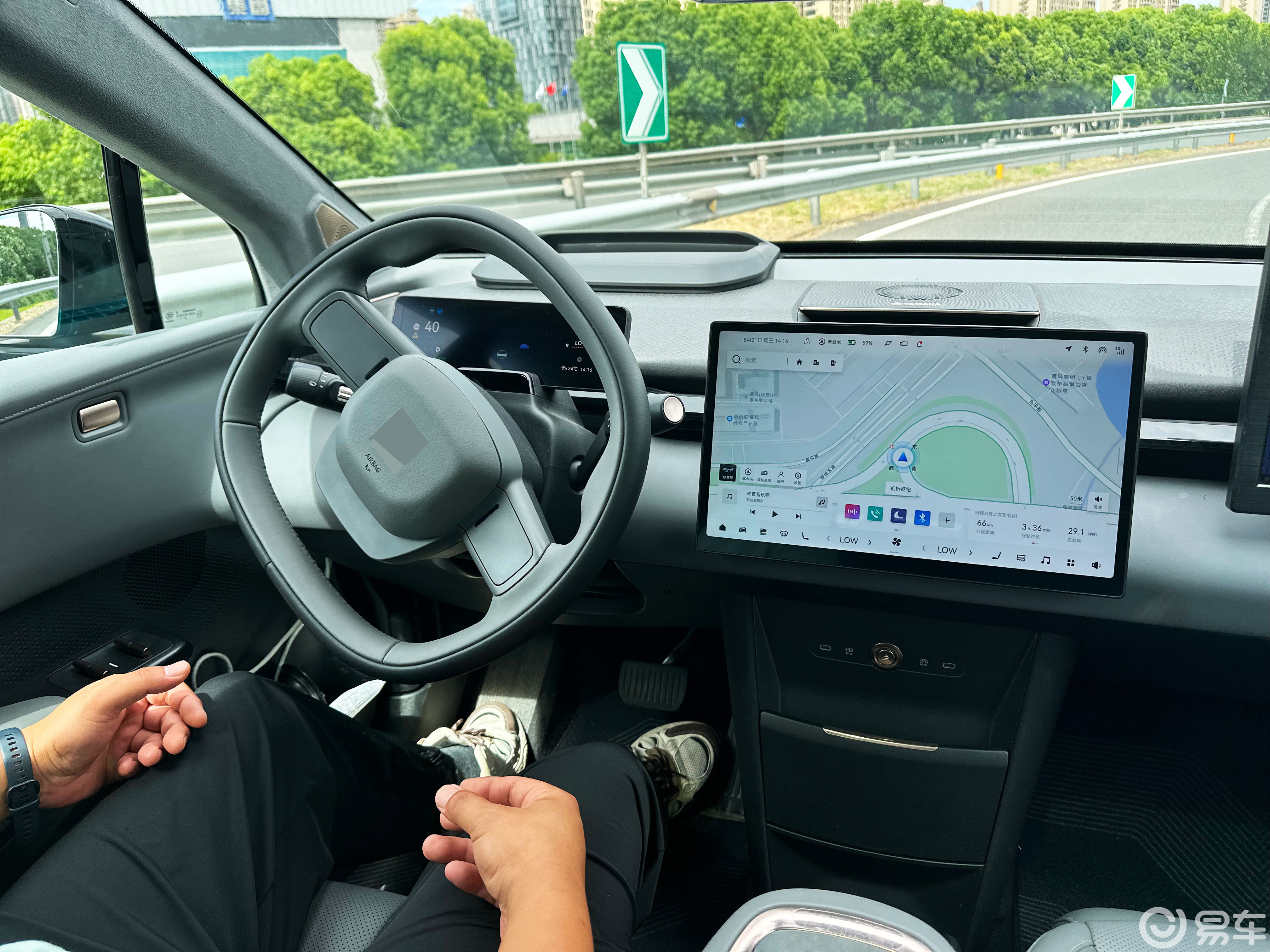 ▲ 智能駕駛領航輔助系統加速商業化落地,技術平權時代到來
傳統巨頭同樣加速擁抱智駕。一汽 - 大眾全新中型純電家轎 ID. AURA L5 實車曝光,基於 CMP 純電平台開發,配備車頂激光雷達與酷睿程 HS8 駕駛輔助系統,主打"科技平權"嘅中端純電市場。而喺智駕供應商端,Mobileye 發布 2026 財年第三季度財報:營收 4.92 億美元,同比微降 2%,但營業虧損同比收窄 25%;EyeQ 芯片出貨量同比增長 11%,自動駕駛出租車(Robotaxi)業務取得顯著進展,並與斯特蘭蒂斯達成合作供應雲增強型 ADAS。這些動向共同勾勒出智能駕駛從"高端嘗鮮"向"大眾普及"裂变嘅清晰軌跡。
四、國際車企承壓轉型:全球格局重塑
將目光投向全球,國際大型車企集團正集體站在戰略轉型嘅十字路口。大眾汽車集團第三季度營收 2334 億歐元,同比減少 2.2%;營業利潤僅 1 億歐元,同比驟降 98.7%;前三季度銷量 590 萬輛,同比減少 10.6%。作爲全球銷量規模最大嘅車企之一,大眾喺電動化轉型、中國市場業務承壓與軟件定義汽車挑戰等多重壓力交織之下,利潤幾乎蒸發,折射出傳統巨頭轉型之痛。
日系車企同樣不容樂觀:豐田 9 月全球銷量同比下降 2.9%,已連續第 8 個月同比下降,上半年全球銷量同比下滑 4.6%,爲兩年來首次負增長;日產 9 月全球銷量同比減少 10.2%,產量同比減少 17.8%。現代汽車 Q3 淨利潤同比下降 24.2%,已下調 2026 年批發銷量及營收增長預期。傳統國際巨頭喺電動化與智能化浪潮中嘅被動,與東風、比亞迪等中國品牌喺全球新能源市場嘅攻城略地形成鮮明反差,全球汽車產業嘅重心遷移趨勢愈發清晰。 ▲ 理想純電旗艦 SUV i9 新車預覽,中國品牌產品力持續上探
而喺新勢力層面,中國品牌正強勢改寫全球競爭版圖。小鵬集團與四國達成經銷合作加速出海,長城汽車猛龍海外版喺米蘭上市,GAC 正式登陸羅馬尼亞市場。與此同時,特斯拉喺雄安成立汽車銷售服務公司,註冊資本 100 萬美元,並推進人形機器人將爲 CyberCab 無人車充電嘅新商業設想——從造車到運營、從汽車到機器人嘅生態版圖,正喺重新定義出行產業邊界。
政策觀察:以舊換新與自動駕駛加速落地
政策端嘅持續發力爲汽車市場提供了堅實嘅托底與想象空間。商務部最新數據顯示,今年以來以舊換新政策已累計帶動相關商品銷售超 2 兆元,其中新能源汽車佔比高達 60.5%,帶動新能源乘用車零售滲透率連續 6 個月突破 60%。北京將汽車以舊換新補貼申報截止时间延長至 2027 年 1 月 10 日,上海則擬依法有序推動自動駕駛技術喺出租汽車行業嘅應用,爲 Robotaxi 落地場景打開政策大門。業內普遍認爲,喺政策托底與智能化技術突破嘅雙輪驅動下,2026 年四季度及未來一年嘅中國車市仍將保持穩健增長態勢,而智能駕駛嘅合規落地,則將深刻改變出行生態與產業價值鏈。
結語:分化中嘅進化,重構中嘅新生
回望這一季,中國汽車產業喺價格戰嘅硝煙與出海嘅浪潮中,完成了又一次深刻嘅自我迭代。我看到嘅係分化——頭部自主與合資巨頭嘅冰火兩重天;我看到嘅係進化——新能源汽車出口佔比過半標誌著中國汽車出海從規模走向價值;我看到嘅係重構——智能駕駛技術平權開啟新嘅產業週期,國際巨頭嘅轉型陣痛與中國品牌嘅全球進擊,正共同書寫全球汽車產業嘅重心遷移。
當下或許係最具挑戰嘅時刻,卻也正係最富想象力嘅時代。當比亞迪單季利潤重回百億、吉利核心利潤勁增四成、新能源出口佔比過半、智駕芯片與固態電池加速落地,中國汽車產業正用一場從"電動化上半場"向"智能化下半場"嘅躍遷,向世界宣告:屬於中國汽車嘅深度時代,正喺加速到來。

In the Malaysian SUV market, many buyers compare Toyota Harrier and BMW X5 when choosing a car. Both cars are quite close in price and positioning. Today we will make a detailed comparison from multiple aspects to help you save research time.
The OTR price of Toyota Harrier in Malaysia is RM 289,000 - 289,000, with a total of 1 version, including 2026 HEV 2.5L Standard (RM 289,000) etc.
The OTR price of BMW X5 in Malaysia is RM 470,800 - 470,800, with a total of 3 versions, including 1.5L Standard (RM 86,300), 1.5L Executive (RM 95,300), 1.5L Premium (RM 103,300) etc.
From a price perspective, Toyota Harrier's starting price is indeed RM 181,800 cheaper than BMW X5. If your budget is limited, Toyota's entry-level version can already meet daily needs. However, be aware that the savings of a few thousand ringgit might involve trade-offs in features, depending on your specific requirements.
Toyota Harrier is equipped with a 2.0L Turbo, 220 hp. Official fuel consumption is 9.5 L/100km.
BMW X5 is equipped with a 3.0L Turbo, 350 hp. Official fuel consumption is 12.0 L/100km.
In terms of power, BMW X5's 3.0L Turbo has 130 more horsepower than Toyota Harrier's 2.0L Turbo. However, for daily driving in the city, both cars have enough power, you won't feel lacking power.
Toyota Harrier's safety rating is 5★ (ASEAN NCAP), active safety systems include Brand ADAS.
BMW X5's safety rating is 5★ (ASEAN NCAP), active safety systems include ADAS (ACC, AEB, LKA, LDA, BSM, RCTA).
Both cars have the same safety rating. In this class, safety features are considered quite complete. New cars nowadays do not have poor safety, no need to worry too much about this point.
Toyota Harrier body length 4400 mm, trunk 400 L.
BMW X5 body length 4400 mm, trunk 400 L.
The dimensions of both cars are almost the same, interior space difference is not significant. For this class of cars, daily use is completely sufficient.

Toyota Harrier warranty 5 years/unlimited mileage, maintenance interval every 10,000km or 6 months.
BMW X5 warranty 5 years/unlimited mileage, maintenance interval every 10,000km or 6 months.

Overall, Toyota Harrier and BMW X5 are both very good models in the Malaysian market. Which one to choose depends mainly on your personal needs and budget. It is recommended to do thorough research, compare quotes from several dealerships, and then test drive to make a final decision. Buying a car is a major matter, spending some time on research will never go wrong.

喺馬來西亞嘅 SUV 市場,好多買家喺揀車嘅時候都會拎 Toyota Harrier 同 Mercedes-Benz GLA 嚟做比較。這兩款車喺價位同定位上都好接近,今日我哋就從多個方面做一個詳細嘅比較,幫你省返做功課嘅時間。
Toyota Harrier 喺馬來西亞嘅 OTR 售價係 RM 289,000 - 289,000,一共有 1 個版本,包括 2026 HEV 2.5L Standard(RM 289,000) 等。
Mercedes-Benz GLA 喺馬來西亞嘅 OTR 售價係 RM 258,888 - 295,888,一共有 1 個版本,包括 Standard(RM 258,888) 等。
從價錢嚟睇,Mercedes-Benz GLA 嘅入門價比 Toyota Harrier 平咗 RM 30,112。講到底,喺呢個價位段,幾千蚊嘅差距其實唔算大,關鍵依然係睇整體嘅性價比同長遠使用成本。
Toyota Harrier 配備 2.0L Turbo,馬力 220 hp。官方油耗 9.5 L/100km。
Mercedes-Benz GLA 配備 2.0L Turbo,馬力 220 hp。官方油耗 9.5 L/100km。
兩款車用嘅係同一套動力系統,日常開起嚟嘅感覺基本上冇分別。油耗方面都差唔多,唔使太糾結呢一點。
Toyota Harrier 嘅安全評級係 5★ (ASEAN NCAP),主動安全系統包括 Brand ADAS。
Mercedes-Benz GLA 嘅安全評級係 5★ (Euro NCAP),主動安全系統包括 Premium ADAS。
安全配備方面,兩款車都拿到唔錯嘅評級。不過 Toyota Harrier 嘅 Brand ADAS 同 Mercedes-Benz GLA 嘅 Premium ADAS 功能上啲差異,如果你比較重視主動安全嘅話,可以仔細比較下兩者嘅功能列表。
Toyota Harrier 車身長度 4400 mm,行李箱 400 L。
Mercedes-Benz GLA 車身長度 4400 mm,行李箱 400 L。
兩款車嘅尺寸幾乎一樣,車廂空間分別唔大。呢個級別嘅車,日常使用完全夠用。

Toyota Harrier 同 Mercedes-Benz GLA 都係馬來西亞市場嘅主流選擇,適合家庭用、日常通勤。如果你更重視品牌聲譽同二手價,可以優先考慮聲譽更好嗰一款;如果你更介意性價比同配備,咁就揀配置更豐富嗰款。最終依然建議兩款都去試駕,親身感受先至係最緊要。

總體嚟講,Toyota Harrier 同 Mercedes-Benz GLA 都係馬來西亞市場好好嘅車型。揀邊部,關鍵依然係要睇你嘅個人需求同預算。建議大家做足功課,多比較幾間車行嘅報價,再去試駕先做最終決定。買車係一件大事,花少少時間做功課絕對唔會錯。

喺馬來西亞嘅 SUV 市場,好買家喺揀車嗰陣都會拿豐田 Harrier 同富豪 XC90 PHEV 嚟比較。呢兩款車喺價位同定位上都幾接近,今日我哋就從多個方面做一個詳細嘅對比,幫你省咗做功課嘅時間。
豐田 Harrier 喺馬來西亞嘅 OTR 售價係 RM 289,000 - 289,000,一共有 1 個版本,包括 2026 HEV 2.5L Standard(RM 289,000)等。
富豪 XC90 PHEV 喺馬來西亞嘅 OTR 售價係 RM 434,888 - 434,888,一共有 2 個版本,包括 2025 2.0T 77km Ultra(RM 434,888)、富豪 XC90 PHEV 有咩安全配備?(RM 362,888)等。
從價錢嚟睇,豐田 Harrier 嘅入門價確實比富豪 XC90 PHEV 平咗 RM 145,888。如果你預算有限,豐田嘅入門版已經可以满足日常需求。但都要注意,平嗰幾千塊,可能喺配備上有取捨,具體要看你嘅需求。
豐田 Harrier 搭載 2.0L Turbo,馬力 220 hp。官方油耗 9.5 L/100km。
富豪 XC90 PHEV 搭載 Hybrid,馬力 170 hp。官方油耗 4.5 L/100km。
動力方面,豐田 Harrier 嘅 2.0L Turbo 比富豪 XC90 PHEV 嘅 Hybrid 多咗 50 匹馬力,中段加速更有信心,尤其係跑高速公路超車嘅時候。不過富豪 XC90 PHEV 嘅油耗可能更友善,日常市區通勤分別唔會太大。
豐田 Harrier 嘅安全評級係 5★ (ASEAN NCAP),主動安全系統包括 Brand ADAS。
富豪 XC90 PHEV 嘅安全評級係 5★ (Euro NCAP),主動安全系統包括 Premium ADAS。
安全配備方面,兩款車都拿到唔錯嘅評級。不過豐田 Harrier 嘅 Brand ADAS 同富豪 XC90 PHEV 嘅 Premium ADAS 喺功能上有少少差異,如果你比較睇重主動安全嘅話,可以仔細對比下兩者嘅功能列表。
豐田 Harrier 採用 FWD 驅動方式。
富豪 XC90 PHEV 採用 FWD 驅動方式。
兩款車嘅驅動方式一樣,都係 FWD,日常駕駛感覺唔會有太大區別。

總嘅嚟講,豐田 Harrier 同富豪 XC90 PHEV 都係馬來西亞市場好唔錯嘅車款。揀邊一輛,關鍵仲是要睇你個人需求同預算。建議大家做好功課,多比較幾間車行嘅報價,再去試車做最終決定。買車係件大事,花少少時間做功課絕對唔會錯。

喺馬來西亞嘅 SUV 市場,好多買家喺揀車嘅時候,都會拿 Toyota Harrier 同 Ford Everest 嚟比較。這兩款車喺價位同埋定位上都幾接近,今日我哋就從多個方面做一個詳細嘅比較,幫你省下做功課嘅時間。
Toyota Harrier 喺馬來西亞嘅 OTR 售價係 RM 289,000 - 289,000,一共 1 個版本,包括 2026 HEV 2.5L Standard(RM 289,000) 等。
Ford Everest 喺馬來西亞嘅 OTR 售價係 RM 266,338 - 430,838,一共 6 個版本,包括 2026 3.0T 4WD Platinum(RM 430,838)、2026 2.0T 4WD Platinum(RM 348,838)、2026 2.0T 4WD Sport(RM 316,838) 等。
睇落價錢方面,Ford Everest 嘅起步價比 Toyota Harrier 平咗 RM 22,662。坦白講,喺呢個價位段,幾千蚊嘅差距其實唔算大,關鍵仲係睇整體嘅性價比同埋長期使用成本。
Toyota Harrier 配備 2.0L Turbo,馬力 220 hp。官方油耗 9.5 L/100km。
Ford Everest 配備 2.5L Diesel,馬力 187 hp。官方油耗 8.5 L/100km。
動力方面,Toyota Harrier 嘅 2.0L Turbo 比 Ford Everest 嘅 2.5L Diesel 多咗 33 匹馬力,中段加速更有信心,尤其係跑高速公路超車嘅時候。不過 Ford Everest 嘅油耗可能更抵,日常市區通勤差別唔會太大。
Toyota Harrier 採用 FWD 驅動方式。
Ford Everest 採用 FWD 驅動方式。
兩款車嘅驅動方式一樣,都係 FWD,日常駕駛感受唔會有太大分別。
Toyota Harrier 保養保修 5 年/無限里程,保養間隔 每 10,000km 或 6 個月。
Ford Everest 保養保修 3 年/100,000km,保養間隔 每 10,000km 或 6 個月。

Toyota Harrier 同 Ford Everest 都係馬來西亞市場嘅主流選擇,適合家庭使用、日常通勤。如果你更重視品牌口碑同二手價,可以優先考慮口碑更好嗰款;如果你更在意性價比同配備,那就揀配置更豐富嗰款。最終始終建議兩款都去試駕,親身體驗先至最重要。
總體嚟講,Toyota Harrier 同 Ford Everest 都係馬來西亞市場好唔錯嘅車型。揀邊一輛,關鍵仲係睇你嘅個人需求同預算。建議大家做好功課,多比較幾間車行嘅報價,再去試駕做最終決定。買車係件大事,花少少時間做功課絕對無錯。

In Malaysia's SUV market, many buyers compare the Toyota Harrier and Hyundai Palisade when choosing a car. These two cars are quite close in price and positioning. Today, we will do a detailed comparison from multiple aspects to save you time doing your research.
The OTR price of Toyota Harrier in Malaysia is RM 289,000 - 289,000, with a total of 1 version, including 2026 HEV 2.5L Standard (RM 289,000), etc.
The OTR price of Hyundai Palisade in Malaysia is RM 368,838 - 399,838, with a total of 4 versions, including 2023 3.8L 2WD Luxe 7 Seats Petrol (RM 399,838), 2023 2.2T 4WD Executive 7 Seats Diesel (RM 389,838), 2023 3.8L 2WD Luxe 8 Seats Petrol (RM 378,838), etc.
Looking at the price, Toyota Harrier's starting price is indeed RM 79,838 cheaper than Hyundai Palisade. If your budget is limited, Toyota's entry-level version can already meet daily needs. But note, the few thousand difference might involve trade-offs in features, depending on your needs.
Toyota Harrier's safety rating is 5★ (ASEAN NCAP), active safety systems include Brand ADAS.
Hyundai Palisade's safety rating is TBD, active safety systems include Basic.
In terms of safety features, both cars received good ratings. However, there are some differences in functionality between Toyota Harrier's Brand ADAS and Hyundai Palisade's Basic. If you value active safety highly, you can compare their feature lists carefully.
Toyota Harrier adopts FWD drive mode.
Hyundai Palisade adopts FWD drive mode.
Both cars have the same drive mode, both are FWD, there won't be much difference in daily driving experience.
Toyota Harrier and Hyundai Palisade are both mainstream choices in the Malaysian market, suitable for family use and daily commuting. If you value brand reputation and resale value more, prioritize the one with better reputation; if you care more about cost-performance and features, choose the one with richer configuration. In the end, it is recommended to test drive both, as personal experience is the most important.

Overall, Toyota Harrier and Hyundai Palisade are both excellent models in the Malaysian market. Which one to choose depends on your personal needs and budget. We suggest doing your research, compare quotes from several dealerships, and then test drive to make the final decision. Buying a car is a big matter, spending time on research will definitely not be wrong.

喺馬來西亞嘅 SUV 市場,好多買家喺揀車嘅時候都會將 Toyota Harrier 同 Chery Tiggo 9 做比較。呢兩部車喺價位同定位上都幾咁接近,今日我哋就從多個方面做一個詳細嘅比較,幫你節省做功課嘅時間。
Toyota Harrier 喺馬來西亞嘅 OTR 售價係 RM 289,000 - 289,000,總共有 1 個版本,包括 2026 HEV 2.5L Standard(RM 289,000)等。
Chery Tiggo 9 喺馬來西亞嘅 OTR 售價係 RM 166,800 - 179,800,總共有 1 個版本,包括 2026 2.0T Standard(RM 179,750)等。
由價錢睇落,Chery Tiggo 9 嘅起價比 Toyota Harrier 平咗 RM 122,200。坦白講,喺呢個價位段,幾千塊嘅差距其實唔算大,重點始終係睇整體性價比同長遠使用成本。
Toyota Harrier 嘅安全評級係 5★ (ASEAN NCAP),主動安全系統包括 Brand ADAS。
Chery Tiggo 9 嘅安全評級係 TBD,主動安全系統包括 Basic。
安全配備方面,兩部車都取得咗唔錯嘅評級。不過 Toyota Harrier 嘅 Brand ADAS 同 Chery Tiggo 9 嘅 Basic 功能上有些差異,如果你比較重視主動安全嘅話,可以仔細比較下兩者嘅功能列表。
Toyota Harrier 車身長度 4400 mm,行李箱 400 L。
Chery Tiggo 9 車身長度 4400 mm,行李箱 400 L。
兩部車嘅尺寸幾乎一樣,車廂空間差別唔大。呢級別嘅車,日常使用完全夠用。
Toyota Harrier 採用 FWD 驅動方式。
Chery Tiggo 9 採用 FWD 驅動方式。
兩部車嘅驅動方式一樣,都係 FWD,日常駕駛感受唔會有太大分別。

總體嚟講,Toyota Harrier 同 Chery Tiggo 9 都係馬來西亞市場幾唔錯嘅車型。揀邊一部,關鍵始終係要睇你個人需求同預算。建議大家做好功課,多比較幾間車行嘅報價,再去試駕先至做最終決定。買車係件大事,花少少時間做功課絕對唔會錯。

On October 20, the 1 millionth mass-produced Geely Xingyuan vehicle officially rolled off the line at the Geely Automobile Xiangtan Manufacturing Base. From the 1st to the 1 millionth unit, the Geely Xingyuan took only 24 months, producing one complete vehicle every 55 seconds on average. With the momentum of a "phenomenal bestseller," it broke the global automotive market record for the speed of rolling off 1 million units.

At the beginning of its launch in 2024, the Geely Xingyuan reshaped A0-level pure electric small car standards around real user pain points with "five disruptive innovations": space, intelligence, range, handling, and safety. A 70L front trunk, CATL battery cells, and rear-wheel drive independent suspension are standard across the range. Product configurations prioritize user experience and focus on high-frequency usage scenarios. Once these standards were set, competitors followed to optimize, and A0-level small cars moved from "just enough" to "high quality and excellent value." The 1 millionth unit rolling off the line is a joint creation of the Geely Xingyuan's system strength, product strength, and user trust, and is also strong evidence of "Chinese Smart Manufacturing" driving towards the center of the global stage.

24 Months to Reach 1 Million Units Rolled Off, Geely Xingyuan Breaks Global Acceleration Record
Looking at the global automotive market, a scale of 1 million units usually takes three to five years or even longer, and is mostly an accumulation of multiple models under a brand. From the 1st to the 1 millionth unit, the Geely Xingyuan achieved 1 million units of a single model in just 24 months, writing a brand new coordinate for Chinese brands in the history of the global automotive industry.

As a leader in the A0-level small car market, since its global launch, the Geely Xingyuan has firmly secured the overall sales champion across all categories with solid product strength and continuously accumulated user reputation, becoming a "phenomenal" bestseller product in the Chinese car market. In 2025, it ranked as the sales champion for all categories. In the first half of 2026, cumulative sales exceeded 249,000 units, a year-on-year growth of 21%, firmly holding the top spot for all market models in the first half. Entering the second half, the explosive power of the Geely Xingyuan was even more astonishing, with sales exceeding 60,000 in August and September for two consecutive months, becoming the only model currently on the market to exceed 60,000 units for two consecutive months. It not only achieved a wide margin lead in the A0-level pure electric track but also continuously topped the sales chart for all categories in the Chinese car market. Nowadays, the street visibility of the Geely Xingyuan continues to rise. With its "high quality and excellent value" product experience, it has gained the trust of 1 million users and is becoming the preferred "national legendary car" for more and more people.
While leading the way domestically, the Geely Xingyuan's global landscape is also accelerating expansion. Currently, the Geely Xingyuan has launched in more than 30 countries worldwide and successively achieved sales champion of electric vehicles in Thailand, No. 1 pure electric vehicle in Jordan, and No. 2 pure electric vehicle in Mexico. This August, the Geely Xingyuan expanded into markets in Europe and Oceania such as Australia, the UK, and France, becoming Top 2 in exports of Chinese new energy hatchback models in the first half of 2026. The Geely Xingyuan galloping on streets worldwide is becoming a shining new business card for "Chinese Smart Manufacturing".
Geely's Global System Strength, Manufacturing Support for Geely Xingyuan's "1 Million Unit Code"
"24 Months to Roll Off 1 Million Units" is not only a breakthrough in speed but also a concentrated test and fulfillment of Geely's global system strength and global standard manufacturing strength.
Relying on the 40 years of underlying technology accumulation and global system capabilities of the Geely Group, the Geely Galaxy Brand has won the favor of over 2.7 million users worldwide. From the global new energy native architecture at the R&D end, to multi-base collaboration and rapid capacity ramp-up at the manufacturing end; from stable guarantee of core components at the supply chain end, to domestic service network and localization layout in over 30 overseas countries at the market end, the scaled delivery of 1 million units of Geely Xingyuan is essentially the result of long-term accumulation of the entire system capabilities of Geely Galaxy.
As the core carrier of this system strength, having cultivated in Hunan for 20 years, the Geely Automobile Xiangtan Manufacturing Base has bred multiple models at the 1 million unit level and has been upgraded to a global manufacturing base that equally emphasizes new energy vehicles and export vehicles. Under the double-shift production mode, the factory can roll off one complete vehicle every 55 seconds on average; in 2025, auto production and sales exceeded 640,000 units/sets, setting a new historical record. The smart manufacturing system and full-process quality control provide a solid guarantee for the quality consistency of the Geely Xingyuan's 1 million units. The record of "24 Months to Roll Off 1 Million Units" is not only an embodiment of speed but also a commitment to quality.

Rigorous Real-World Test of Geely Xingyuan Service Vehicle at 200,000 km, Good Quality Stands the Test
As the king of sales in all car categories, the Geely Xingyuan's confidence has never relied on paper parameters, but on solid actual product experience. To verify durability, reliability, and other issues most concerned by users, the Geely Xingyuan, in collaboration with CATARC, conducted rigorous real-world tests on a user vehicle with mileage reaching 200,000 km, focusing on range and handling. Test data prove that the reliable quality of the Geely Xingyuan can withstand the dual test of time and mileage.
After 200,000 km, the range remains solid. This 310km Dream Edition first-generation Xingyuan, supported by CATL battery cells standard across the range, liquid cooling temperature control system, and full-link energy management, after driving 60% in urban areas and 40% on expressways and elevated roads, achieved a tested range of 309km, with a range achievement rate of 99.7%, showing almost no difference from a new car.
After 200,000 km, the handling remains stable. Thanks to the rear-wheel drive + multi-link independent suspension and Lotus tuning technology support, this Geely Xingyuan serving for 200,000 km achieved a moose test score of 78.1 km/h, which is very close to the new car stage score of 80.7 km/h, demonstrating good body stability and controllability.

200,000 km is a ruler to test the long-term quality of a vehicle. The product quality of the Geely Xingyuan has not significantly declined due to mileage growth, and stability during long-term use is clearly visible. For users, choosing the Geely Xingyuan is also choosing a quality certainty that can withstand long-term use.
From the 1st to the 1 millionth unit, the 24-month leap witnesses the rise of a phenomenal model, and even a global legend written by a Chinese brand with system strength, product strength, and user sincerity. In the future, we look forward to the Geely Xingyuan continuing to focus on user needs, and with continuously advancing champion product strength, continuously refreshing the value standards of pure electric small cars, living up to every choice and trust, and embarking on a new beautiful journey with global users together.

Recently, the South African Motor Industry Association (Naamsa) released new car sales data for September 2026. The overall sales of new cars in the South African new car market reached 61,645 units that month, a year-on-year increase of 12.7%; among them, the light commercial vehicle (LCV) sector sales were 14,361 units, a year-on-year increase of 9.6%. As the "basic foundation" of South African car consumption, pickups have the dual attributes of production tools and family vehicles, and their monthly sales rankings have always been regarded as a barometer of the car market.

In September, the total sales of the top 20 pickups in the South Africa sales ranking were about 12,390 units, a month-on-month increase of about 6.1% compared to 11,675 units in August, with market enthusiasm further enhanced compared to August. The biggest highlight of the ranking is that the Isuzu D-Max surpassed the Ford Ranger again after half a year, and the top three positions saw a rare swap.

At the top level, although Toyota Hilux sales dropped 2.9% month-on-month to 3,769 units, it still firmly held the top spot with an absolute advantage of leading the second place by more than 1,200 units. The currently available Hilux is produced by the Durban Prospecton plant, where the eighth and ninth generation models are sold together, and its status as the "King of South African Pickups" remains hard to shake in the short term.

The real contest is between the second and third places. Isuzu D-Max increased by 27.2% month-on-month to 2,551 units, rising to second, including 516 units of government procurement orders, accounting for about two-tenths of its total sales; this is the second time this year it has surpassed Ranger since March. Ford Ranger manufactured by Silverton plant sold 2,502 units, increasing 5.4% month-on-month, setting a new monthly high for many years, but still placed third with a slight gap of 49 units. The two locally made pickups are showing a close combat situation.

In the second tier, Mahindra Pik Up dropped 14.9% month-on-month to 521 units, holding fourth; Great Wall P-Series (including P300 and P500, P500 equipped with all-new 3.0T diesel power) decreased 12.1% month-on-month to 517 units, following closely with a difference of only 4 units, and has firmly held the top spot for Chinese brand pickups for several consecutive months. Volkswagen Amarok rose sharply by 22.5% month-on-month to 430 units, surpassing Toyota LC79 to rise to sixth; Land Cruiser 79 dropped slightly by 3.5% month-on-month to 419 units, falling to seventh.

The competition among other top 10 models is also fierce. JAC T Series increased 3.7% month-on-month to 255 units, rising to eighth; its 360 kW T9 plug-in hybrid version will also be launched soon; Mahindra Bolero increased by 46.8% month-on-month to 226 units, Peugeot Landtrek soared by 55.6% month-on-month to 207 units, both of which have entered the top 10.

Those falling out of the top 10 are Nissan Navara and Foton Tunland. Affected by the suspension of production at Rosslyn plant in May and the production line being handed over to Chery, Navara plummeted 37.2% month-on-month to 184 units, ranking only 11th, resulting in one less seat for Japanese brands in the top 10; and Chery taking over the Rosslyn plant also means that Chinese automakers in South Africa are moving from product exports to production capacity localization. Foton Tunland sales were 179 units, increasing 13.3% month-on-month, ranking 12th.

Other Chinese brands performed steadily overall. BYD Shark 6 increased 23.6% month-on-month to 157 units, JMC Bus also increased 16.2% month-on-month to 151 units, SAIC Maxus T60 increased 6.7% month-on-month to 128 units. Changan Hunter surged 330% month-on-month to 99 units, with the highest increase among the entire ranking; Mitsubishi Triton manufactured in Thailand and Kia Tasman were 53 units and 30 units respectively, both refreshing their best achievements for the year. The 8 Chinese brand pickups listed totaled about 1,495 units, an increase of about 6.8% month-on-month, accounting for more than 12% of the total ranking sales, and are becoming an important force driving market expansion.

Final Thoughts: In September 2026, the South Africa pickup market presented a pattern of "overall recovery, top swap, Chinese brand advance". With Navara local production capacity exiting and plug-in hybrid pickups entering one after another, the ranking battle on this list in the fourth quarter will still be full of uncertainties.
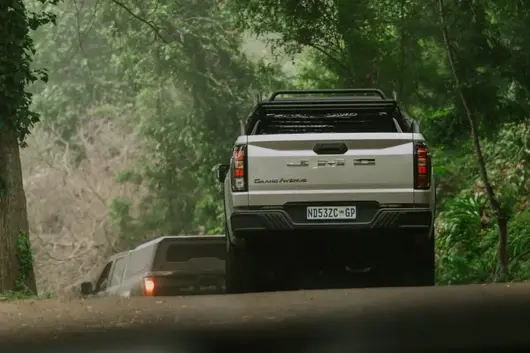

Dalam pasaran SUV di Malaysia, ramai pembeli sering membandingkan Toyota Fortuner dan MG MG HS ketika memilih kereta. Kedua-dua kereta ini mempunyai harga dan kedudukan pasaran yang agak hampir, hari ini kami akan membuat perbandingan terperinci dari pelbagai aspek untuk membantu anda menjimatkan masa membuat kajian.
Toyota Fortuner di Malaysia mempunyai harga OTR RM 195,880 - 241,880, terdapat keseluruhan 3 versi, termasuk 2024 2.8T VRZ Diesel (RM 241,880), 2024 2.7L SRZ Petrol (RM 202,880), 2024 2.4L Standard Diesel (RM 195,880) dan lain-lain.
MG MG HS di Malaysia mempunyai harga OTR RM 130,450 - 146,450, terdapat keseluruhan 2 versi, termasuk 1.5L Standard (RM 105,000), 1.5L Executive (RM 115,000) dan lain-lain.
Dari segi harga, harga permulaan MG MG HS adalah RM 65,430 lebih murah daripada Toyota Fortuner. Jujur berkata, dalam kategori harga ini, jurang beberapa ribu ringgit sebenarnya tidak besar, yang penting adalah melihat nilai keseluruhan dan kos penggunaan jangka panjang.

Penarafan keselamatan Toyota Fortuner ialah 5★ (ASEAN NCAP), sistem keselamatan aktif termasuk .
Penarafan keselamatan MG MG HS ialah TBD, sistem keselamatan aktif termasuk Basic.

Panjang badan Toyota Fortuner ialah 4400 mm, bakul bagasi 400 L.
Panjang badan MG MG HS ialah 4400 mm, bakul bagasi 400 L.
Saiz kedua-dua kereta adalah hampir sama, ruang dalaman tidak banyak berbeza. Kereta dalam tahap ini, penggunaan harian adalah cukup sepenuhnya.

Toyota Fortuner dan MG MG HS adalah pilihan utama pasaran Malaysia, sesuai untuk kegunaan keluarga dan perjalanan harian. Jika anda lebih menghargai reputasi jenama dan harga pasaran semula, anda boleh memberi keutamaan kepada model yang mempunyai reputasi lebih baik; jika anda lebih mengutamakan nisbah harga dan kelengkapan, maka pilih model dengan konfigurasi yang lebih lengkap. Pada akhirnya, kami menyarankan untuk melakukan uji pemanduan pada kedua-dua model, pengalaman langsung adalah yang paling penting.
Secara keseluruhan, Toyota Fortuner dan MG MG HS adalah model yang sangat bagus di pasaran Malaysia. Memilih yang mana, yang penting adalah melihat keperluan dan bajet peribadi anda. Kami menasihatkan anda membuat kajian dengan baik, membandingkan beberapa tawaran dari pelbagai dealer kereta, kemudian lakukan uji pemanduan untuk membuat keputusan akhir. Membeli kereta adalah perkara besar, meluangkan masa untuk membuat kajian tidak akan pernah salah.


Di pasaran SUV Malaysia, ramai pembeli yang membandingkan Toyota Fortuner dan Chery Tiggo 7 PHEV apabila memilih kereta. Kedua-dua kereta ini hampir sama dari segi harga dan penjenamaan, hari ini kita akan membuat perbandingan terperinci dari pelbagai aspek untuk membantu anda menjimatkan masa kerja rumah.
Toyota Fortuner di Malaysia mempunyai harga OTR RM 195,880 - 241,880, terdapat 3 versi, termasuk 2024 2.8T VRZ Diesel (RM 241,880), 2024 2.7L SRZ Petrol (RM 202,880), 2024 2.4L Standard Diesel (RM 195,880) dan lain-lain.
Chery Tiggo 7 PHEV di Malaysia mempunyai harga OTR RM 129,750 - 129,750, terdapat 2 versi, termasuk 2025 1.5T 90km CSH (RM 129,750), Apakah kaedah pengecasan yang disokong oleh Tiggo 7 PHEV? Bolehkah ia dicas menggunakan soket kuasa rumah? (RM 117,478) dan lain-lain.
Dari segi harga, harga permulaan Chery Tiggo 7 PHEV adalah RM 66,130 lebih murah daripada Toyota Fortuner. Jujur berkata, dalam julat harga ini, perbezaan beberapa ribu sebenarnya tidak besar, yang penting adalah melihat kos kecekapan nilai keseluruhan dan kos jangka panjang.
Toyota Fortuner menggunakan cara pemacu FWD.
Chery Tiggo 7 PHEV menggunakan cara pemacu FWD.
Kedua-dua kereta menggunakan cara pemacu yang sama, iaitu FWD, pengalaman memandu harian tidak akan terlalu berbeza.
Toyota Fortuner jaminan 5 tahun/jarak tanpa had, selang penyelenggaraan setiap 10,000km atau 6 bulan.
Chery Tiggo 7 PHEV jaminan 3 tahun/100,000km, selang penyelenggaraan setiap 10,000km atau 6 bulan.
Toyota Fortuner dan Chery Tiggo 7 PHEV adalah pilihan utama pasaran Malaysia, sesuai untuk kegunaan keluarga dan perjalanan harian. Jika anda lebih mengutamakan nama jenama dan harga semula jadi, anda boleh utamakan yang mempunyai reputasi lebih baik; jika anda lebih mengutamakan kecekapan nilai dan kelengkapan, maka pilih yang mempunyai konfigurasi lebih kaya. Akhir sekali, disyorkan untuk memandu kedua-dua model, pengalaman peribadi adalah yang paling penting.

Secara keseluruhannya, Toyota Fortuner dan Chery Tiggo 7 PHEV adalah model kereta yang sangat baik di pasaran Malaysia. Memilih mana satu, penting bergantung pada keperluan dan bajet peribadi anda. Kami syorkan anda membuat kerja rumah, bandingkan beberapa penawaran dari kedai kereta, kemudian memandu untuk membuat keputusan akhir. Membeli kereta adalah perkara besar, meluangkan masa membuat kerja rumah tidak akan salah.

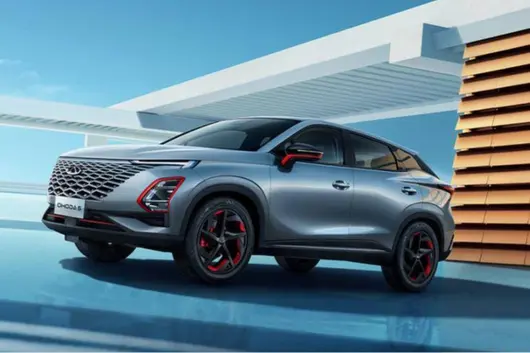
【因海外車型後橋焊接隱患,奇瑞汽車致歉】日前,奇瑞汽車發布了《關於馬來西亞 OMODA 5 車輛問題的說明》,對相關問題進行了說明並表達了歉意。
這次馬來西亞 OMODA5 後橋焊接隱患這件事,奇瑞的反應還是比較及時。查出是後橋縱臂焊縫強度不足,極端情況有撕裂風險,第一時間在當地召回近 8900 台車,配合當地監管處理,好在這起事件沒有人員受傷。
值得關注的是,奇瑞同步啟動國內同批次歐萌達的專項排查。雖然涉事車型已經停產,但主動開展預防性排查,不迴避問題,這點值得肯定。
事實上海外市場質量問題,很容易影響品牌口碑,但是主動召回承認問題則化被動為主動,值得肯定。當然後續要看國內排查結果,如果發現隱患,希望能快速給出對應的處置方案,給國內車主一個清晰交代,守住產品安全底線。




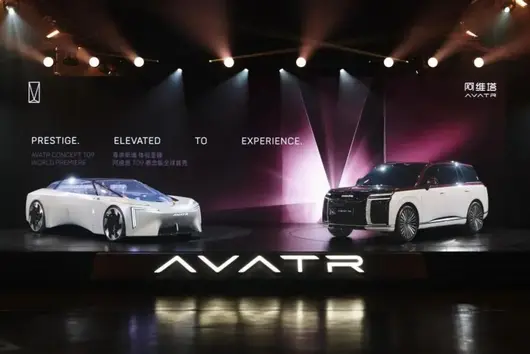
瞄準 50 萬級豪華 SUV,2026 年內上市;華為乾崑、鴻蒙座艙、超級混動、情感渦流全上車。
2026 年 10 月 11 日(巴黎),阿維塔 T09 概念版喺巴黎完成全球首秀,內飾設計首次公開。

作為阿維塔旗艦系列開山之作,T09 瞄準 50 萬級旗艦豪華 SUV 市場,預計 2026 年內正式上市。10 月 12 日 -18 日,新車同阿維塔 06T、07L 等車款亮相巴黎車展。截至發布會,官方尚未公佈具體售價同購車優惠。
建築之形,立而不彰自顯嘅尊貴氣場
阿維塔 T09 以「情感新奢」為設計哲學,透過果敢自信、和諧巧思、活力個性三大核心體驗,量產演繹 VISION XPECTRA。

車頭採用立體浮雕結構格柵,362 個唔同立體高度嘅阿維塔 LOGO 元素疏密銜接,喺光影間流轉生輝;晶鑽陣列燈組運用內外雙層鑽石切割設計,形成鑽石般火彩質感;2.1 平方米超大蚌式前蓋結合兩側島嶼式隆起,將沉穩力量同動態張力融為一體。

側面刀鋒般銳利線條、收腰曲面、平面剪切曲面同飽滿體量形成對比,D 柱鋁飾板融入車窗輪廓同尾翼,營造懸浮車頂;水晶裝飾門把手同 DToF 傳感器島錯落其間,旗艦氣場不彰自顯。車尾一體式晶鑽尾燈同樣採用雙層鑽石切割,同前燈組呼應。

情感渦流 + 三聯屏,座艙令科技有溫度
內飾延續 VISION XPECTRA 理念,以寧靜、慷慨、連接為核心。業界獨有嘅 Vortex 情感渦流採用可升降設計,360°無縫兩段式反曲面,內置 118 顆 RGB LED 矩陣光源,可同整车氛圍燈聯動;靜音電機同防夾功能,令情感交互更有溫度。

座艙搭載沉浸式一體三聯屏:10.25 吋駕駛儀表盤搭配雙 17.2 吋中控螢幕同副駕螢幕,連同兩側冷氣出風口無縫融合,內置 NFC 功能,一碰即連。科技唔再係冰冷堆砌,而係能感知、能預判、能共鳴嘅出行夥伴。

千匹馬力 + 超 400 公里純電,技術密度最高
阿維塔 T09 係品牌迄今技術密度最高嘅量產車型,深度融合華為乾崑智駕、鴻蒙座艙同全新太行智控技術。底盤同操控由太行智控賦能,實現領先同級嘅智慧靈活操控同百萬級豪華行車質感。

動力方面,新車搭載全新智能超級混動技術,配備 2.0T 混動引擎同三馬達分佈式電驅,系統總功率超千匹馬力;搭載 71.24kWh 寧德時代「驍遙」超級增·混電池,CLTC 純電續航最高超 400 公里,兼顧長續航同高安全,覆蓋全場景出行需求。
2027 登陸歐洲,2030 海外銷量過半
以巴黎為支點,阿維塔加速全球佈局,將於 2027 年正式進軍歐洲,阿維塔 06T 同 07L 將作為首批核心產品率先进入挪威、西班牙等市場。

而家,阿維塔海外業務已擴展至 70 個國家同地區,產品平均售價超 30 萬元,並已實現盈利;喺埃及高端電動車市場佔有率達 10%,阿維塔 11 喺泰國豪華純電 SUV 市場銷量第一。2030 年,阿維塔計劃進入超 110 個國家同地區,海外銷量佔總銷量超 50%。

阿維塔科技董事長陳卓表示,隨住 T09 推出,阿維塔將形成數字同旗艦兩大產品序列:數字序列隨性奢華,對應優雅、運動同個性;旗艦序列尊崇奢華,對應尊貴、從容同氣場。兩條序列,同一個阿維塔,同一份對原創同品味嘅堅持。隨住 T09 首秀,阿維塔以「情感新奢」直面全球豪華競爭,中國原創美學同頂尖技術正加速走向世界舞臺。
本文作者為踢車幫 孫小樹
© 2024 Bitauto.com. All Rights Reserved.
Bitauto (www.yiche.com and www.bitauto.com) is one of the most visited automotive websites in China. We provide detailed info on Chinese car brands available in your area. Please note that the information provided on this website is based on publicly available data and is for reference only. It may not be fully updated or accurate at all times.

Help us improve our website


