

Homelovers

Search History
Popular Searches
Dealer Login / Sign Up

In the Malaysian SUV market, many buyers compare Mazda CX-3 and Hyundai Tucson when choosing a car. These two cars are quite close in price and positioning. Today we will make a detailed comparison from multiple aspects to help you save time doing research.
The OTR price for Mazda CX-3 in Malaysia is RM 126,159 - 139,159, with 2 versions available, including 2023 2.0L High (RM 139,159), 2023 2.0L Plus (RM 126,159), etc.
The OTR price for Hyundai Tucson in Malaysia is RM 143,888 - 197,888, with 5 versions available, including 2025 HEV 1.6T AT 2WD Prestige (RM 197,888), 2025 1.6T DCT 4WD Prestige (RM 186,888), 2025 1.6T DCT 2WD Prime (RM 164,888), etc.
From a pricing perspective, Mazda CX-3's starting price is indeed RM 17,729 cheaper than Hyundai Tucson. If your budget is limited, Mazda's entry-level version can already meet daily needs. However, note that the few thousand cheaper might involve compromises in features, depending on your specific requirements.

The Mazda CX-3 is equipped with a 1.5L Turbo, 140 hp. Official fuel consumption 7.0 L/100km.
The Hyundai Tucson is equipped with a 1.5L Turbo, 140 hp. Official fuel consumption 7.0 L/100km.
Both cars use the same powertrain, the driving experience is basically the same in daily use. Fuel consumption is also similar, no need to worry too much about this.

The Mazda CX-3 safety rating is 5★ (ASEAN NCAP), active safety systems include i-Activsense.
The Hyundai Tucson safety rating is 5★ (ASEAN NCAP), active safety systems include SmartSense.
Both cars have the same safety rating, safety features are quite comprehensive in this segment. New cars nowadays have good safety, no need to worry too much about this.

Mazda CX-3 body length 4500 mm, trunk 450 L.
Hyundai Tucson body length 4400 mm, trunk 400 L.
Regarding space, Mazda CX-3's body is 100 mm longer than Hyundai Tucson, interior seating space is slightly more spacious, especially rear legroom. If you frequently carry family or need to fit a stroller, the larger body is indeed more practical.

Mazda CX-3 adopts FWD drive configuration.
Hyundai Tucson adopts FWD drive configuration.
Both cars have the same drive configuration, both are FWD, there won't be much difference in daily driving experience.

Overall, both Mazda CX-3 and Hyundai Tucson are very good models in the Malaysian market. Which one to choose depends on your personal needs and budget. It is recommended to do your research, compare quotes from several dealerships, and test drive before making a final decision. Buying a car is a big matter, spending time on research is never wrong.


Dalam pasaran SUV di Malaysia, ramai pembeli yang membandingkan Mazda CX-3 dan Hyundai Santa Fe semasa memilih kereta. Kedua-dua model ini hampir sama dari segi harga dan penstratifikasian, hari ini kita akan lakukan perbandingan terperinci dari pelbagai aspek, membantu anda menjimatkan masa membuat kerja rumah.
Harga OTR Mazda CX-3 di Malaysia ialah RM 126,159 - 139,159, terdapat 2 varian, termasuk 2023 2.0L High (RM 139,159), 2023 2.0L Plus (RM 126,159) dan lain-lain.
Harga OTR Hyundai Santa Fe di Malaysia ialah RM 225,000 - 270,000, terdapat 3 varian, termasuk 2025 2.5T DCT 4WD Calligraphy 6 Kerusi (RM 270,000), 2025 HEV 1.6T AT 2WD Prestige 7 Kerusi (RM 245,000), 2025 HEV 1.6T AT 2WD Prime 7 Kerusi (RM 225,000) dan lain-lain.
Dari segi harga, harga permulaan Mazda CX-3 memang lebih murah RM 98,841 berbanding Hyundai Santa Fe. Jika bajet anda terhad, varian asas Mazda sudah boleh memenuhi keperluan harian. Namun perlu diingat, perbezaan harga yang agak kecil mungkin ada kompromi dari segi spesifikasi, bergantung pada keperluan anda.
Mazda CX-3 dilengkapi enjin 1.5L Turbo, 140 hp. Penggunaan minyak rasmi 7.0 L/100km.
Hyundai Santa Fe dilengkapi enjin 2.0L 4-cyl, 170 hp. Penggunaan minyak rasmi 8.0 L/100km.
Dari segi kuasa, enjin 2.0L 4-cyl Hyundai Santa Fe mempunyai 30 hp lebih berbanding enjin 1.5L Turbo Mazda CX-3. Namun untuk penggunaan harian di bandar, kuasa kedua-dua kereta sudah memadai, tiada rasa kurang kuasa.
Skor keselamatan Mazda CX-3 ialah 5★ (ASEAN NCAP), sistem keselamatan aktif termasuk i-Activsense.
Skor keselamatan Hyundai Santa Fe ialah TBD, sistem keselamatan aktif termasuk Basic.
Dari segi peralatan keselamatan, kedua-dua kereta mendapat skor yang baik. Namun, i-Activsense Mazda CX-3 dan Basic Hyundai Santa Fe mempunyai perbezaan fungsi. Jika anda mengutamakan keselamatan aktif, sila bandingkan senarai fungsi kedua-duanya dengan teliti.
Panjang badan Mazda CX-3 4500 mm, ruang bagasi 450 L.
Panjang badan Hyundai Santa Fe 4400 mm, ruang bagasi 400 L.
Dari segi ruang, badan Mazda CX-3 100 mm lebih panjang daripada Hyundai Santa Fe, ruang duduk di dalam kereta sedikit lebih lapang, terutamanya ruang kaki di kerusi belakang. Jika anda sering membawa keluarga atau perlu meletakkan troli bayi, badan kereta yang lebih besar memang lebih praktikal.

Mazda CX-3 dan Hyundai Santa Fe adalah pilihan utama di pasaran Malaysia, sesuai untuk kegunaan keluarga dan perjalanan harian. Jika anda mengutamakan reputasi jenama dan harga semula, pilih yang lebih popular; jika anda mengutamakan kos berbaloi dan spesifikasi, pilih yang lebih kaya dengan fitur. Pada akhirnya, disyorkan memandu kedua-dua model untuk pengalaman sendiri, ini yang paling penting.

Secara keseluruhan, Mazda CX-3 dan Hyundai Santa Fe adalah model yang sangat baik di pasaran Malaysia. Memilih mana-mana, ia bergantung pada keperluan peribadi dan bajet anda. Kami menasihatkan anda membuat kajian, bandingkan beberapa tawaran kedai kereta, dan uji jalan untuk membuat keputusan akhir. Membeli kereta adalah perkara besar, meluangkan masa membuat kajian tidak akan rugi.

In the SUV market in Malaysia, many buyers compare Mazda CX-3 and MG MG HS when choosing a car.
The OTR price of Mazda CX-3 in Malaysia is RM 126,159 - 139,159, with a total of 2 versions, including 2023 2.0L High (RM 139,159), 2023 2.0L Plus (RM 126,159), etc.
The OTR price of MG MG HS in Malaysia is RM 130,450 - 146,450, with a total of 2 versions, including 1.5L Standard (RM 105,000), 1.5L Executive (RM 115,000), etc.
From a price perspective, the starting price of Mazda CX-3 is indeed RM 4,291 cheaper than MG MG HS. If your budget is limited, Mazda's entry-level version can already meet daily needs. But also note, those few thousand cheaper may have trade-offs in features, depending on your specific needs.
Mazda CX-3 is equipped with 1.5L Turbo, 140 hp power. Official fuel consumption 7.0 L/100km.
MG MG HS is equipped with 1.5L Turbo, 140 hp power. Official fuel consumption 7.0 L/100km.
Both cars use the same powertrain system, the driving experience is basically no different. Fuel consumption is also similar, no need to worry too much about this.
Mazda CX-3 body length 4500 mm, trunk 450 L.
MG MG HS body length 4400 mm, trunk 400 L.
In terms of space, the Mazda CX-3 body is 100 mm longer than the MG MG HS, the interior seating space will be slightly more spacious, especially the rear legroom. If you often carry family or need to fit a stroller, a slightly larger body is indeed more practical.
Mazda CX-3 adopts FWD drive method.
MG MG HS adopts FWD drive method.
Both cars have the same drive method, both are FWD, there won't be a big difference in daily driving experience.
Mazda CX-3 warranty 5 years/150,000km, maintenance interval every 10,000km or 6 months.
MG MG HS warranty 7 years/150,000km, maintenance interval every 10,000km or 6 months.
Overall, both Mazda CX-3 and MG MG HS are very good car models in the Malaysian market. Which one to choose depends mainly on your personal needs and budget. We suggest doing your research, comparing quotes from several car dealers, and then test driving to make the final decision. Buying a car is a big matter, spending time doing research will definitely not be wrong.

In Malaysia's SUV market, many buyers compare Mazda CX-3 and Chery Tiggo 7 PHEV when choosing a car. These two cars are quite close in price and positioning. Today, we will do a detailed comparison from multiple aspects to help you save time on research.
Mazda CX-3 OTR price in Malaysia is RM 126,159 - 139,159, there are 2 versions in total, including 2023 2.0L High (RM 139,159), 2023 2.0L Plus (RM 126,159), etc.
Chery Tiggo 7 PHEV OTR price in Malaysia is RM 129,750 - 129,750, there are 2 versions in total, including 2025 1.5T 90km CSH (RM 129,750), What charging methods does the Tiggo 7 PHEV support? Can it be charged using a home power socket? (RM 117,478), etc.
From the price perspective, Mazda CX-3's starting price is indeed RM 3,591 cheaper than Chery Tiggo 7 PHEV. If your budget is limited, Mazda's entry version can already meet daily needs. But be aware, that few thousand savings might involve trade-offs in features, it depends on your specific needs.
Mazda CX-3 safety rating is 5★ (ASEAN NCAP), active safety system includes i-Activsense.
Chery Tiggo 7 PHEV safety rating is TBD, active safety system includes Basic.
Regarding safety features, both cars received good ratings. However, Mazda CX-3's i-Activsense and Chery Tiggo 7 PHEV's Basic differ slightly in functionality. If you value active safety, you can compare their feature lists carefully.
Mazda CX-3 warranty 5 years/150,000km, service interval every 10,000km or 6 months.
Chery Tiggo 7 PHEV warranty 3 years/100,000km, service interval every 10,000km or 6 months.
Both Mazda CX-3 and Chery Tiggo 7 PHEV are mainstream choices in the Malaysian market, suitable for family use and daily commuting. If you value brand reputation and resale value more, you may prioritize the one with better reputation; if you care more about cost-performance ratio and features, choose the one with richer configuration. In the end, it is recommended to test drive both, experiencing it firsthand is the most important.

Overall, both Mazda CX-3 and Chery Tiggo 7 PHEV are very good car models in the Malaysian market. Which one to choose depends mainly on your personal needs and budget. We recommend doing your research, comparing quotes from several car dealerships, and then test driving to make the final decision. Buying a car is a big matter, spending some time doing research will never be wrong.

[Maklumat Teknologi CNMO] 2 November, Weibo rasmi XPeng Auto mengumumkan berita, penghantaran XPeng MONA L03 pada Oktober melebihi 20,000 unit, mencapai pertumbuhan selama tiga bulan berturut-turut.

XPeng MONA M03
Berdasarkan maklumat yang didedahkan oleh pengerusi kumpulan XPeng dan CEO, He Xiaopeng, pada pelancaran MONA L05 pada 29 Oktober, siri MONA telah menjual purata 14,000 unit sebulan dalam tempoh dua tahun sejak dilancarkan, dengan jumlah penghantaran terkumpul di seluruh dunia melebihi 360,000 unit. He Xiaopeng juga mendedahkan bahawa antara Julai hingga September 2026, MONA L03 telah mendapat pra-pesanan buta daripada pengguna Eropah sebanyak 12,136 unit, dan dijangka penghantaran di dalam negara pada Oktober tahun yang sama melebihi 20,000 unit. Data yang diumumkan rasmi kali ini konsisten dengan jangkaan di atas.

Dari segi pasaran luar negara, siri MONA kini telah memasuki pasaran di Eropah, Australia dan Thailand, di mana MONA L03 telah mula penghantaran secara rasmi di Eropah pada 13 Oktober. Selain itu, sistem pemanduan pintar AI Turing XPeng telah diperkenalkan di Eropah pada Julai tahun ini, di mana penghantaran luar negara dan teknologi pemanduan pintar disasarkan ke luar negara maju secara serentak.
Sebagai rujukan, XPeng MONA L03 dilancarkan secara global pada 16 Julai 2026 dalam acara Hari Brand di Munich, Jerman, dengan penjualan dibuka di 65 negara di seluruh dunia. Kereta ini diklasifikasikan sebagai SUV Kompak, dimensi badan adalah 4650×1920×1600mm, wheelbase 2850mm, menyediakan dua versi kuasa iaitu Elektrik Tulen dan Super Peningkat Julat, dengan harga di dalam negara bermula dari 123,800 yuan.
Dari segi prestasi keseluruhan kumpulan, pada Oktober 2026, Kumpulan XPeng telah menghantar sejumlah 50,237 buah kereta baharu, dengan peningkatan 22% berbanding bulan sebelumnya, peningkatan 20% berbanding tahun sebelumnya, mencapai rekod tertinggi penghantaran sebulan dalam sejarah. Di antaranya, penghantaran di pasaran luar negara ialah 13,326 unit, peningkatan 166% berbanding tahun sebelumnya, juga mencapai rekod tertinggi penghantaran sebulan dalam sejarah bagi pasaran luar negara.

In the Malaysian SUV market, many buyers compare Toyota Harrier and Porsche Macan when choosing a car.
The OTR price of Toyota Harrier in Malaysia is RM 289,000 - 289,000, with a total of 1 version, including 2026 HEV 2.5L Standard (RM 289,000) among others.
The OTR price of Porsche Macan in Malaysia is RM 469,000 - 469,000, with a total of 4 versions, including 2025 55 quattro S line (RM 467,285), 2025 50 quattro Advanced (RM 361,135), PMT 1874, Lorong IKS BukitTengah 14000 Bukit Mertajam (RM 296,610) among others.
Looking at the price, the starting price of Toyota Harrier is indeed RM 180,000 cheaper than Porsche Macan. If your budget is limited, Toyota's entry-level version can already meet daily needs. But be aware, the thousands saved might involve trade-offs in features, depending on your specific requirements.

Toyota Harrier is equipped with a 2.0L Turbo, 220 hp. Official fuel consumption is 9.5 L/100km.
Porsche Macan is equipped with a 3.0L Turbo, 350 hp. Official fuel consumption is 12.0 L/100km.
In terms of power, the 3.0L Turbo of Porsche Macan has 130 more horsepower than the 2.0L Turbo of Toyota Harrier. However, for daily city driving, both cars have sufficient power and you won't feel underpowered.

Toyota Harrier's safety rating is 5★ (ASEAN NCAP), active safety systems include Brand ADAS.
Porsche Macan's safety rating is 5★ (Euro NCAP), active safety systems include InnoDrive.
Regarding safety features, both cars have received good ratings. However, there are some functional differences between Toyota Harrier's Brand ADAS and Porsche Macan's InnoDrive. If you value active safety, you can carefully compare their feature lists.

Toyota Harrier warranty is 5 years/Unlimited mileage, maintenance interval every 10,000km or 6 months.
Porsche Macan warranty is 3 years/100,000km, maintenance interval every 10,000km or 6 months.

Overall, Toyota Harrier and Porsche Macan are both excellent models in the Malaysian market. Which one to choose depends mainly on your personal needs and budget. We suggest doing your research, comparing quotes from multiple dealerships, and then test driving to make a final decision. Buying a car is a big matter, spending time researching is never wrong.


In Malaysia's SUV market, many buyers compare Toyota Harrier and Land Rover Discovery Sport when selecting a car. These two vehicles are quite close in price and positioning. Today, we will make a detailed comparison from multiple aspects to help you save time on research.
Toyota Harrier's OTR price in Malaysia is RM 289,000 - 289,000, with a total of 1 version, including 2026 HEV 2.5L Standard (RM 289,000), etc.
Land Rover Discovery Sport's OTR price in Malaysia is RM 499,800 - 499,800, with a total of 1 version, including Standard (RM 499,800), etc.
From a price perspective, the starting price of Toyota Harrier is indeed RM 210,800 cheaper than Land Rover Discovery Sport. If your budget is limited, Toyota's entry-level version can already meet daily needs. But note that the cost saving might involve trade-offs in features, depending on your specific requirements.
Toyota Harrier is equipped with 2.0L Turbo, 220 hp. Official fuel consumption 9.5 L/100km.
Land Rover Discovery Sport is equipped with 3.0L Turbo, 350 hp. Official fuel consumption 12.0 L/100km.
In terms of power, Land Rover Discovery Sport's 3.0L Turbo has 130 more horsepower than Toyota Harrier's 2.0L Turbo. However, for daily city driving, both cars provide sufficient power and won't feel underpowered.
Toyota Harrier's safety rating is 5★ (ASEAN NCAP), active safety systems include Brand ADAS.
Land Rover Discovery Sport's safety rating is TBD, active safety systems include Basic.
Regarding safety features, both cars received good ratings. However, Toyota Harrier's Brand ADAS and Land Rover Discovery Sport's Basic have some functional differences. If you value active safety more, you can compare their feature lists carefully.
Toyota Harrier warranty 5 years/unlimited mileage, maintenance interval every 10,000km or 6 months.
Land Rover Discovery Sport warranty 3 years/100,000km, maintenance interval every 10,000km or 6 months.

Overall, Toyota Harrier and Land Rover Discovery Sport are both excellent models in the Malaysian market. Which one to choose depends mainly on your personal needs and budget. We recommend doing your research, comparing quotes from multiple dealerships, and then test driving to make the final decision. Buying a car is a major event, taking time to do research is never a mistake.

In the Malaysian SUV market, many buyers compare Toyota Harrier and Audi Q5 when choosing a car. These two models are quite close in price and positioning. Today we will make a detailed comparison from multiple aspects to help you save time on research.
The OTR price of Toyota Harrier in Malaysia is RM 289,000 - 289,000, with a total of 1 version, including 2026 HEV 2.5L Standard (RM 289,000) and others.
The OTR price of Audi Q5 in Malaysia is RM 354,174 - 423,174, with a total of 2 versions, including 40 TDI (RM 320,000), 45 TFSI (RM 350,000) and others.
From a price perspective, the starting price of Toyota Harrier is indeed RM 65,174 cheaper than Audi Q5. If your budget is limited, the Toyota's entry-level version can already meet daily needs. However, also note that the savings of a few thousand ringgit may involve trade-offs in specifications, depending on your specific requirements.
Toyota Harrier is equipped with a 2.0L Turbo, 220 hp. Official fuel consumption 9.5 L/100km.
Audi Q5 is equipped with a 2.0L Turbo, 220 hp. Official fuel consumption 9.5 L/100km.
Both cars use the same powertrain system, and the driving experience is basically the same. Fuel consumption is also similar, so there is no need to worry too much about this.
Toyota Harrier body length 4400 mm, trunk 400 L.
Audi Q5 body length 4400 mm, trunk 400 L.
The dimensions of both cars are almost identical, with little difference in interior space. Cars in this segment are fully sufficient for daily use.
Toyota Harrier warranty 5 years/unlimited mileage, service interval every 10,000km or 6 months.
Audi Q5 warranty 5 years/150,000km, service interval every 10,000km or 6 months.

Overall, Toyota Harrier and Audi Q5 are both very good models in the Malaysian market. Which one to choose depends mainly on your personal needs and budget. We suggest doing your research, comparing quotes from several dealerships, and then test driving to make a final decision. Buying a car is a major matter, spending time on research is never a mistake.

喺馬來西亞嘅 SUV 市場,好買家在揀車嘅時候都會拿豐田 Harrier 同梅賽德斯-奔馳 GLE 來做比較。呢兩款車喺價位同定位上都蠻接近嘅,今日我哋就從多個方面做一個詳細嘅比較,幫你節省做功課嘅時間。
豐田 Harrier 喺馬來西亞嘅 OTR 售價係 RM 289,000 - 289,000,一共有 1 個版本,包括 2026 HEV 2.5L Standard(RM 289,000) 等。
梅賽德斯-奔馳 GLE 喺馬來西亞嘅 OTR 售價係 RM 544,888 - 544,888,一共有 1 個版本,包括 Standard(RM 544,888) 等。
從價錢嚟睇,豐田 Harrier 嘅起步價確實比梅賽德斯-奔馳 GLE 平咗 RM 255,888。如果你預算有限,豐田嘅入門版已經可以滿足日常需求。但亦要注意,平嗰幾千蚊,可能喺配備上要取舍,具體睇返你嘅需求。
豐田 Harrier 嘅安全評級係 5★ (ASEAN NCAP),主動安全系統包括 Brand ADAS。
梅賽德斯-奔馳 GLE 嘅安全評級係 5★ (Euro NCAP),主動安全系統包括 Premium ADAS。
安全配備方面,兩款車都拿到唔錯嘅評級。不過豐田 Harrier 嘅 Brand ADAS 同梅賽德斯-奔馳 GLE 嘅 Premium ADAS 喺功能上有少少分別,如果你比較重視主動安全嘅話,可以仔細對比下兩者嘅功能列表。
豐田 Harrier 車身長 4400 mm,行李箱 400 L。
梅賽德斯-奔馳 GLE 車身長 4400 mm,行李箱 400 L。
兩款車嘅尺寸幾乎一樣,車廂空間分別唔大。呢級數嘅車,日常使用完全夠用。
豐田 Harrier 保用 5 年/無限里程,保養間隔 每 10,000km 或 6 個月。
梅賽德斯-奔馳 GLE 保用 3 年/100,000km,保養間隔 每 10,000km 或 6 個月。

豐田 Harrier 同梅賽德斯-奔馳 GLE 都係馬來西亞市場嘅主流選擇,適合家庭用、日常通勤。如果你更重視品牌口碑同二手價,可以優先考慮口碑更好嗰一款;如果你更在意性價比同配備,就揀配備更豐富嗰款。最後始終建議兩款都去試駕,親身體驗先係最緊要。

總體嚟講,豐田 Harrier 同梅賽德斯-奔馳 GLE 都係馬來西亞市場好唔錯嘅車型。揀邊一輛,關鍵都要睇你嘅個人需求同預算。建議大家做足功課,多比較幾間車行嘅報價,再去試駕做最終決定。買車係件大事,花少少時間做功課絕對唔會錯。

Dalam pasaran SUV di Malaysia, ramai pembeli membandingkan Toyota Harrier dan BMW X3 semasa memilih kereta. Kedua-dua kereta ini mempunyai harga dan kedudukan pasaran yang agak hampir, hari ini kita akan membandingkan secara terperinci dari pelbagai aspek untuk membantu anda menjimatkan masa membuat kajian.
Toyota Harrier mempunyai harga OTR di Malaysia sebanyak RM 289,000 - 289,000, terdapat 1 varian termasuk 2026 HEV 2.5L Standard (RM 289,000) dan lain-lain.
BMW X3 mempunyai harga OTR di Malaysia sebanyak RM 325,800 - 358,800, terdapat 2 varian termasuk xDrive20i (RM 320,000), xDrive30e (RM 360,000) dan lain-lain.
Dari segi harga, harga permulaan Toyota Harrier memang RM 36,800 lebih murah daripada BMW X3. Jika bajet anda terhad, versi asas Toyota sudah boleh memenuhi keperluan harian. Namun perlu diingat, perbezaan harga ribuan ringgit itu mungkin melibatkan kompromi pada kelengkapan, bergantung pada keperluan anda.
Gred keselamatan Toyota Harrier ialah 5★ (ASEAN NCAP), sistem keselamatan aktif termasuk Brand ADAS.
Gred keselamatan BMW X3 ialah 5★ (Euro NCAP), sistem keselamatan aktif termasuk Premium ADAS.
Dari segi peralatan keselamatan, kedua-dua kereta mendapat gred yang baik. Walau bagaimanapun, terdapat perbezaan fungsi antara Brand ADAS Toyota Harrier dan Premium ADAS BMW X3, jika anda lebih mengutamakan keselamatan aktif, anda boleh membandingkan senarai fungsi kedua-duanya dengan teliti.
Panjang badan Toyota Harrier 4400 mm, ruang bonet 400 L.
Panjang badan BMW X3 4400 mm, ruang bonet 400 L.
Saiz kedua-dua kereta hampir sama, ruang dalaman tidak banyak berbeza. Untuk kelas kereta ini, ia cukup untuk kegunaan harian.
Toyota Harrier dan BMW X3 adalah pilihan utama dalam pasaran Malaysia, sesuai untuk kegunaan keluarga dan perjalanan harian. Jika anda lebih mengutamakan reputasi jenama dan harga kereta terpakai, anda boleh mempertimbangkan pilihan yang mempunyai reputasi lebih baik; jika anda lebih mementingkan nilai harga dan kelengkapan, pilih model dengan kelengkapan yang lebih lengkap. Pada akhirnya, disarankan untuk memandu uji kedua-dua model tersebut, pengalaman langsung adalah yang paling penting.

Secara keseluruhannya, Toyota Harrier dan BMW X3 adalah model kereta yang bagus dalam pasaran Malaysia. Memilih mana satu, kunci utamanya adalah bergantung pada keperluan dan bajet peribadi anda. Kami menasihatkan anda membuat kajian, membandingkan sebut harga dari beberapa agensi kereta, kemudian memandu uji untuk membuat keputusan akhir. Membeli kereta adalah urusan penting, meluangkan masa untuk membuat kajian pasti tidak salah.

In the Malaysian SUV market, many buyers compare Toyota Harrier and Subaru Crosstrek when choosing a car. These two cars are quite close in price and positioning. Today we will do a detailed comparison from multiple aspects to help you save time on research.
The OTR price of the Toyota Harrier in Malaysia is RM 289,000 - 289,000. There is a total of 1 version, including the 2026 HEV 2.5L Standard (RM 289,000), etc.
The OTR price of the Subaru Crosstrek in Malaysia is RM 145,000 - 160,000. There is a total of 1 version, including the 2.0L e-Boxer (RM 150,000), etc.
In terms of price, the Subaru Crosstrek's starting price is RM 144,000 cheaper than the Toyota Harrier. To be honest, in this price range, a gap of a few thousand is actually not that big. The key is to look at overall value for money and long-term usage costs.
The Toyota Harrier is equipped with a 2.0L Turbo, 220 hp. Official fuel consumption 9.5 L/100km.
The Subaru Crosstrek is equipped with a 1.5L Turbo, 140 hp. Official fuel consumption 7.0 L/100km.
Regarding power, the 2.0L Turbo in the Toyota Harrier has 80 more horsepower than the 1.5L Turbo in the Subaru Crosstrek, providing more confidence in mid-range acceleration, especially when overtaking on highways. However, the fuel consumption of the Subaru Crosstrek might be more friendly, and the difference in daily city commuting won't be too large.
The Toyota Harrier's safety rating is 5★ (ASEAN NCAP). Active safety systems include Brand ADAS.
The Subaru Crosstrek's safety rating is 5★ (Euro NCAP). Active safety systems include EyeSight.
In terms of safety features, both cars have received good ratings. However, the Brand ADAS of the Toyota Harrier and the EyeSight of the Subaru Crosstrek have some differences in functionality. If you value active safety, you can compare their feature lists carefully.
The Toyota Harrier adopts FWD drive mode.
The Subaru Crosstrek adopts FWD drive mode.
Both cars have the same drive mode, which is FWD. There won't be a big difference in daily driving experience.

Overall, both the Toyota Harrier and Subaru Crosstrek are excellent models in the Malaysian market. Which one to choose mainly depends on your personal needs and budget. We suggest doing your homework, comparing quotes from multiple dealerships, and test driving before making a final decision. Buying a car is a major decision; spending some time on research will definitely not go wrong.

Dalam pasaran SUV di Malaysia, ramai pembeli ketika memilih kereta sering membandingkan Toyota Harrier dan Subaru Forester. Kedua-dua kereta ini mempunyai harga dan penempatan yang agak hampir, hari ini kita akan buat perbandingan terperinci dari pelbagai aspek, membantu anda menjimatkan masa membuat kajian.
Toyota Harrier berharga RM 289,000 - 289,000 OTR di Malaysia, terdapat 1 varian, termasuk 2026 HEV 2.5L Standard (RM 289,000) dan lain-lain.
Subaru Forester berharga RM 174,000 - 197,000 OTR di Malaysia, terdapat 3 varian, termasuk 2024 2.0L S EyeSight GT Edition (RM 189,538), 2024 2.0L S EyeSight (RM 177,538), 2024 2.0L L EyeSight (RM 167,538) dan lain-lain.
Dari segi harga, harga permulaan Subaru Forester lebih murah RM 115,000 berbanding Toyota Harrier. Jujur dikatakan, dalam julat harga ini, jurang beberapa ribu sebenarnya tidak besar, yang penting lihat nilai keseluruhan dan kos penggunaan jangka panjang.
Penarafan keselamatan Toyota Harrier adalah 5★ (ASEAN NCAP), sistem keselamatan aktif termasuk Brand ADAS.
Penarafan keselamatan Subaru Forester adalah 5★ (Euro NCAP), sistem keselamatan aktif termasuk EyeSight.
Dari segi peralatan keselamatan, kedua-dua kereta mendapat penarafan yang baik. Walau bagaimanapun, Brand ADAS Toyota Harrier dan EyeSight Subaru Forester mempunyai perbezaan dari segi fungsi, jika anda lebih mengutamakan keselamatan aktif, anda boleh bandingkan senarai fungsi kedua-duanya dengan teliti.
Toyota Harrier menggunakan cara pemacu FWD.
Subaru Forester menggunakan cara pemacu FWD.
Kedua-dua kereta menggunakan cara pemacu yang sama, iaitu FWD, pengalaman memandu harian tidak akan berbeza banyak.
Toyota Harrier jaminan 5 tahun/km tanpa had, selang servis setiap 10,000km atau 6 bulan.
Subaru Forester jaminan 3 tahun/100,000km, selang servis setiap 10,000km atau 6 bulan.

Toyota Harrier dan Subaru Forester adalah pilihan utama pasaran Malaysia, sesuai untuk kegunaan keluarga dan komuter harian. Jika anda lebih mengutamakan reputasi jenama dan harga pasaran kedua, anda boleh utamakan model yang mempunyai reputasi lebih baik; jika anda lebih mengambil berat tentang nilai dan kelengkapan, maka pilih model yang mempunyai kelengkapan lebih lengkap. Akhir sekali, disyorkan untuk uji jalan kedua-dua model, pengalaman langsung adalah yang paling penting.

Secara keseluruhannya, Toyota Harrier dan Subaru Forester adalah model kereta yang sangat baik di pasaran Malaysia. Memilih mana satu, kuncinya bergantung pada keperluan dan bajet peribadi anda. Kami menyarankan anda membuat kajian, bandingkan beberapa tawaran harga dari dealer, kemudian uji jalan untuk membuat keputusan akhir. Membeli kereta adalah perkara besar, mengambil masa untuk membuat kajian pasti tidak akan salah.

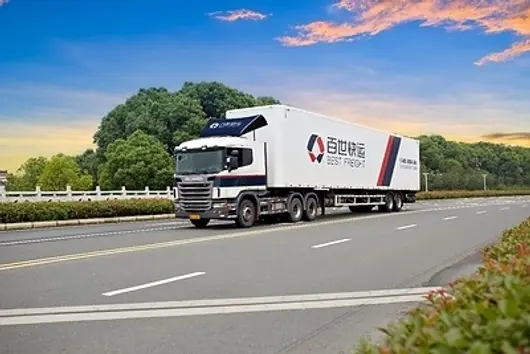
杭州2026年10月22日 /美通社/ -- 海關總署數據顯示,2026年前三季度,我國貨物貿易出口23.2萬億元,同比增長16.4%;跨境電子商務出口約1.75萬億元,同比增長4.6%。出口貿易持續增長,也帶動了跨境貨物在國內段集貨的運輸需求。百世快運依托全國服務網絡及"橙異提"產品,積極拓展跨境貨物在國內段的攬收與運輸業務,將分散在各地的貨物運送至指定跨境集貨倉。截至2026年9月,百世快運跨境貨物國內攬收量同比增長近10倍。
出海需求增長 帶來國內運輸新貨源

對於B2B跨境電子商務業務而言,貨物出海前通常需要匯集至指定的跨境集貨倉,再統一安排國際運輸。由於貨源在全國分布廣、發貨地點分散,跨境賣家和企業可能需要對接多個物流服務商或由供貨廠家安排運輸。物流服務商越多,提貨安排、運輸跟蹤、對賬結算也越繁瑣。
針對這一需求,百世快運通過全國服務網絡和"橙異提"產品,為跨境客戶提供異地提貨及運輸服務。客戶只需對接百世快運一家物流服務商,即可統一下單,由全國不同城市的網點上門提貨,將貨物運送至指定跨境集貨倉,並統一管理訂單、查詢貨物狀態和統一結算。目前,相關貨源主要來自浙江、福建、江蘇、廣東等外貿及製造業較為集中的地區。
百世集團旗下百世跨境是百世快運現有的跨境貨源渠道之一。一方面,百世快運已在全国59個分撥中心設置跨境收貨窗口,客戶或其委託的承運方可將貨物送至指定分撥中心,再通過百世快運網絡運輸至跨境集貨倉。另一方面,針對需要上門攬收的跨境客戶,則通過百世快運"橙異提"安排當地網點攬收,將貨物運送至百世跨境位於廣州、義烏的集貨倉。
隨著業務開展,百世快運承接的跨境貨量持續增加。以客戶自送分撥模式為例,今年7月至9月,跨境相關貨量連續三個月增長,月均環比增速超過20%。這些貨物利用現有分撥及幹線網絡運輸,在拓展貨源的同時,也有助於提高運輸資源的利用效率。
"橙異提"滿足多場景異地提貨需求

跨境貨物對國內運輸的時效、批次管理等有著較高要求。尤其是需要集中報關的B2B貨物,如果同一批次的部分貨物未能按時到達集貨倉,就可能影響後續出運。
在與百世跨境的合作中,百世快運通過"橙異提"安排國內提貨和運輸,並配置專門的客服跟單、分撥操作及異常處理支持,加強批次核對和交接管理。同時,國內快運訂單與後續跨境訂單實現關聯,客戶可查詢不同運輸環節的貨物狀態,提高貨物運輸過程的可追蹤性,實現從國內到海外全鏈路信息"一單到底"。
除了跨境貨物的國內提貨和運輸,"橙異提"還應用於國內品牌客戶多點提貨、倉間調撥、門店退貨等場景。例如,連鎖品牌可以統一安排全國門店的退貨運輸,多倉運營企業也可以根據業務需要,調撥不同倉庫之間的貨物。
作為百世快運的一站式多點提貨解決方案,"橙異提"支持客戶一次下單,由不同地區的網點分別上門提貨,並通過智能調度安排運輸。客戶可實時查詢貨物軌跡,統一管理訂單和結算費用,也可根據需要選擇送貨上門、網點自提或退貨入庫等服務。
拓寬貨源渠道 發揮全國網絡優勢

截至2026年8月底,百世快運在全國擁有87個分撥中心、21000個服務網點。在持續深耕國內大件、零擔運輸市場的同時,百世快運也在拓展跨境貨物的國內段運輸業務。對於全國各地的服務網點而言,除了現有的國內貨源,還可以利用現有的資源能力,承接跨境電子商務、出海企業的國內運輸需求,為持續增長創造更多機會。
值得一提的是,百世快運的全國網絡是百世集團全球供應鏈服務體系的重要組成部分。依托快運、供應鏈、國際、跨境及全球供應鏈等業務板塊的協同,百世可為跨境賣家和出海企業提供國內攬收集貨、報關、頭程運輸、目的國清關、海外倉配等一體化物流服務,並通過海外SaaS軟件、貨盤及分銷等業務,為企業在海外開展經營提供支持。
目前,百世集團海外業務已覆蓋美國、泰國、越南、馬來西亞、菲律賓、印尼、巴西等10個國家,在東南亞擁有60多個轉運中心、1300多個服務網點,全球海外倉面積超過31萬平方米。隨著國內外業務網絡持續完善,百世集團將繼續加強各業務板塊的協同,為中國企業提供覆蓋國內與海外物流履約及海外經營環節的全球端到端智慧供應鏈服務。

In the Malaysian SUV market, many buyers compare the Toyota Harrier and Volvo XC60 PHEV when choosing a car. These two vehicles are quite close in price and positioning. Today, we will make a detailed comparison from multiple aspects to help you save time on research.
The OTR price for Toyota Harrier in Malaysia is RM 289,000 - 289,000, with 1 version available, including 2026 HEV 2.5L Standard (RM 289,000), etc.
The OTR price for Volvo XC60 PHEV in Malaysia is RM 362,888 - 362,888, with 2 versions available, including 2025 2.0T 89km Ultra (RM 362,888), What safety features does the Volvo XC60 PHEV have? (RM 296,610), etc.
In terms of price, the Toyota Harrier's starting price is indeed RM 73,888 cheaper than the Volvo XC60 PHEV. If your budget is limited, Toyota's entry-level version can already meet daily needs. However, you should also note that the few thousand ringgit cheaper may involve trade-offs in features, depending on your specific needs.
The Toyota Harrier is equipped with a 2.0L Turbo, with 220 hp. Official fuel consumption is 9.5 L/100km.
The Volvo XC60 PHEV is equipped with a Hybrid system, with 170 hp. Official fuel consumption is 4.5 L/100km.
In terms of performance, the 2.0L Turbo in the Toyota Harrier has 50 more horsepower than the Hybrid in the Volvo XC60 PHEV, providing more confidence in mid-range acceleration, especially when overtaking on highways. However, the Volvo XC60 PHEV may have more friendly fuel consumption, and the difference in daily city commuting will not be significant.
The Toyota Harrier's safety rating is 5★ (ASEAN NCAP), and the active safety system includes Brand ADAS.
The Volvo XC60 PHEV's safety rating is 5★ (Euro NCAP), and the active safety system includes Premium ADAS.
Regarding safety features, both cars have received good ratings. However, there are some differences in function between the Toyota Harrier's Brand ADAS and the Volvo XC60 PHEV's Premium ADAS. If you value active safety highly, you can compare the feature lists of both in detail.
Toyota Harrier comes with a 5-year/unlimited mileage warranty, maintenance interval every 10,000km or 6 months.
Volvo XC60 PHEV comes with a 5-year/unlimited mileage warranty, maintenance interval every 10,000km or 6 months.

Both Toyota Harrier and Volvo XC60 PHEV are mainstream choices in the Malaysian market, suitable for family use and daily commuting. If you value brand reputation and resale value more, prioritize the one with better reputation; if you care more about value for money and features, choose the one with richer configuration. Ultimately, it is recommended to test drive both, as personal experience is the most important.

Overall, Toyota Harrier and Volvo XC60 PHEV are both very good models in the Malaysian market. Which one to choose depends mainly on your personal needs and budget. We suggest doing your homework, compare quotes from multiple dealerships, and then test drive to make the final decision. Buying a car is a major event, taking time to do research will never go wrong.

喺馬來西亞嘅 SUV 市場,好多買家喺揀車嘅時候都會揾 Toyota Harrier 同 Volvo XC60 PHEV 嚟比較。
Toyota Harrier 喺馬來西亞嘅 OTR 售價係 RM 289,000 - 289,000,一共有 1 個版本,包括 2026 HEV 2.5L Standard(RM 289,000)等。
Volvo XC60 PHEV 喺馬來西亞嘅 OTR 售價係 RM 362,888 - 362,888,一共有 2 個版本,包括 2025 2.0T 89km Ultra(RM 362,888)、Volvo XC60 PHEV 有咩安全配備?(RM 296,610)等。
由價錢睇,Toyota Harrier 嘅入門價確實比 Volvo XC60 PHEV 平咗 RM 73,888。如果你預算有限,Toyota 嘅入門版已經足夠應付日常需要。但亦都要注意,平嗰幾千蚊,可能喺配備上要有取捨,具體要睇你嘅需求。
Toyota Harrier 嘅安全評級係 5★ (ASEAN NCAP),主動安全系統包括 Brand ADAS。
Volvo XC60 PHEV 嘅安全評級係 5★ (Euro NCAP),主動安全系統包括 Premium ADAS。
安全配備方面,兩款車都揾到唔錯嘅評級。不過 Toyota Harrier 嘅 Brand ADAS 同 Volvo XC60 PHEV 嘅 Premium ADAS 喺功能上有啲差異,如果你比較重視主動安全嘅話,可以仔細比較下兩者嘅功能列表。
Toyota Harrier 採用 FWD 驅動方式。
Volvo XC60 PHEV 採用 FWD 驅動方式。
兩款車嘅驅動方式一樣,都係 FWD,日常駕駛感受唔會有大分別。
Toyota Harrier 保修 5 年/無限制里程,保養間隔 每 10,000km 或 6 個月。
Volvo XC60 PHEV 保修 5 年/無限里程,保養間隔 每 10,000km 或 6 個月。
總括嚟講,Toyota Harrier 同 Volvo XC60 PHEV 都係馬來西亞市場幾唔錯嘅車型。揀邊一輛,關鍵都係要睇你嘅個人需求同預算。我哋建議大家做足功課,多比較幾間車行嘅報價,先至去試駕做最終決定。買車係件大事,花少少時間做功課絕對唔會錯。

喺馬來西亞嘅 SUV 市場,好多買家喺揀車嗰陣都會揾豐田 Harrier 同福特 Everest 嚟比較。呢兩款車喺價位同定位上都好接近,今日我哋就從多個方面做一個詳細比較,幫你省返做功課嘅時間。
豐田 Harrier 喺馬來西亞嘅 OTR 售價係 RM 289,000 - 289,000,一共有 1 個版本,包括 2026 HEV 2.5L Standard(RM 289,000) 等。
福特 Everest 喺馬來西亞嘅 OTR 售價係 RM 266,338 - 430,838,一共有 6 個版本,包括 2026 3.0T 4WD Platinum(RM 430,838)、2026 2.0T 4WD Platinum(RM 348,838)、2026 2.0T 4WD Sport(RM 316,838) 等。
從價錢嚟睇,福特 Everest 嘅入門價比豐田 Harrier 平咗 RM 22,662。老實講,喺呢個價位段,幾千蚊嘅差異其實唔算大,關鍵始終係要睇整體嘅性價比同長期使用成本。
豐田 Harrier 配備 2.0L Turbo,馬力 220 hp。官方油耗 9.5 L/100km。
福特 Everest 配備 2.5L Diesel,馬力 187 hp。官方油耗 8.5 L/100km。
動力方面,豐田 Harrier 嘅 2.0L Turbo 比福特 Everest 嘅 2.5L Diesel 多咗 33 匹馬力,中段加速更有信心,尤其係行高速路超車嗰陣。不過福特 Everest 嘅油耗可能更加省油,日常市區通勤分別唔會太大。
豐田 Harrier 嘅安全評級係 5★ (ASEAN NCAP),主動安全系統包括 Brand ADAS。
福特 Everest 嘅安全評級係 5★ (ASEAN NCAP),主動安全系統包括 Co-Pilot360。
兩款車嘅安全評級一樣,喺呢個級別入面安全配備都算好齊全。而家嘅新車安全性都好唔錯,唔使太擔心呢一點。
豐田 Harrier 車身長 4400 mm,行李箱 400 L。
福特 Everest 車身長 4400 mm,行李箱 400 L。
兩款車嘅尺寸幾乎一樣,車內空間分別唔大。呢個級別嘅車,日常使用完全夠用。

豐田 Harrier 採用 FWD 驅動方式。
福特 Everest 採用 FWD 驅動方式。
兩款車嘅驅動方式一樣,都係 FWD,日常駕駛感覺唔會有太大分別。

總體嚟講,豐田 Harrier 同福特 Everest 都係馬來西亞市場幾唔錯嘅車型。揀邊架,關鍵始終係要看你嘅個人需求同預算。建議大家做好功課,多比較幾間車行嘅報價,再去做試駕先至做最終決定。買車係件大事,花啲時間做功課肯定唔會錯。

In the Malaysia SUV market, many buyers compare Toyota Harrier and Hyundai Santa Fe when choosing a car. These two cars are quite close in price and positioning. Today we will make a detailed comparison from multiple aspects to help you save time on research.
The OTR price of Toyota Harrier in Malaysia is RM 289,000 - 289,000. There is 1 version in total, including 2026 HEV 2.5L Standard (RM 289,000), etc.
The OTR price of Hyundai Santa Fe in Malaysia is RM 225,000 - 270,000. There are 3 versions in total, including 2025 2.5T DCT 4WD Calligraphy 6 Seats (RM 270,000), 2025 HEV 1.6T AT 2WD Prestige 7 Seats (RM 245,000), 2025 HEV 1.6T AT 2WD Prime 7 Seats (RM 225,000), etc.
Looking at the price, the starting price of Hyundai Santa Fe is RM 64,000 cheaper than Toyota Harrier. Honestly, in this price range, a difference of a few thousand is not that big. The key is still to look at overall value for money and long-term usage costs.
Toyota Harrier is equipped with 2.0L Turbo, 220 hp. Official fuel consumption is 9.5 L/100km.
Hyundai Santa Fe is equipped with 2.0L 4-cyl, 170 hp. Official fuel consumption is 8.0 L/100km.
In terms of power, the 2.0L Turbo of Toyota Harrier has 50 more horsepower than the 2.0L 4-cyl of Hyundai Santa Fe, with more confidence in mid-range acceleration, especially when overtaking on highways. However, the fuel consumption of Hyundai Santa Fe might be more friendly, and there won't be much difference in daily city commuting.
The safety rating of Toyota Harrier is 5★ (ASEAN NCAP), active safety systems include Brand ADAS.
The safety rating of Hyundai Santa Fe is TBD, active safety systems include Basic.
Regarding safety features, both cars have received good ratings. However, there are some differences in function between Toyota Harrier's Brand ADAS and Hyundai Santa Fe's Basic. If you value active safety, you can compare their feature lists closely.
Toyota Harrier body length 4400 mm, trunk 400 L.
Hyundai Santa Fe body length 4400 mm, trunk 400 L.
The dimensions of both cars are almost the same, and the interior space difference is not large. For this level of car, daily use is completely sufficient.
Toyota Harrier warranty 5 years/unlimited mileage, maintenance interval every 10,000km or 6 months.
Hyundai Santa Fe warranty 5 years/300,000km, maintenance interval every 10,000km or 6 months.
Overall, Toyota Harrier and Hyundai Santa Fe are both very good car models in the Malaysia market. Which one to choose depends mainly on your personal needs and budget. We recommend doing your research, comparing quotes from multiple dealerships, and then test driving before making a final decision. Buying a car is a big deal, spending time on research will definitely not be a mistake.

For independent brands, expanding into overseas incremental markets has long been not an optional direction, but an unavoidable choice.
In the first nine months of this year, the total insured amount of domestic passenger cars reached 13.401 million, a 20.2% drop compared to the same period last year. Looking at September alone, the insured amount was only 1.657 million, down 26.4% year-on-year.
The "Golden September" highly anticipated in the industry failed to meet expectations; "cars are harder to sell than last year" has become the status quo accepted by everyone in the automotive industry.
More tricky than unsold cars are the increasingly thin profit margins. Data from CPCA shows that from January to May this year, the total profit of the domestic automotive industry reached 144 billion yuan, with an industry profit margin of only 3.4%, significantly lower than the 6.1% average profit margin of downstream industries.
To make matters worse, the "arms race" in the intelligent sector cannot stop. Car companies are continuously pouring money into R&D for core technologies like assisted driving and intelligent cockpits, while also facing the dilemma of difficult sales volume and low profits, further amplifying the already tight cash flow pressure.
It is precisely for this reason that overseas markets have become the outlet everyone collectively hopes for; many consider it the optimal solution to break the deadlock.

But going global has never been simply selling cars in a different place; it is a completely new business game where rules, costs, and risks are entirely different from domestic ones. Behind high growth, many invisible risks are hidden, and exchange rate shock is the one that surfaced first.
Those overseas risks that can change faces at any time
Just looking at the paper data, layout overseas markets can both open up a second growth curve and greatly relieve domestic competition pressure, looking like a sure-win deal.
But judging from the H1 report performance, the profit backlash brought by exchange rate fluctuations has already covered a large group of independent car companies that invested heavily in overseas markets.
Data shows that Chery recorded a net foreign exchange loss of 2.092 billion yuan in the first half; Geely's loss was also very obvious. In the same period last year, it received 2.64 billion yuan in exchange gains, but this year it turned into a net loss of 550 million yuan; Great Wall Motor also failed to avoid the impact. This year, after deducting hedging for locked exchange, it recorded a loss of about 266 million yuan, whereas in the first half of last year it harvested 1.493 billion yuan in exchange gains; Changan also didn't escape. The net foreign exchange loss in the first half was about 230 million yuan; some brokerages expect that BYD also incurred foreign exchange losses.
The book shock brought by exchange rates has indeed affected many car companies. After all, domestic car production costs are settled in RMB, orders sold overseas receive foreign currency. From signing orders to delivery and final settlement, there is a long cycle in between.

As long as exchange rates undergo a reverse fluctuation, the gross profit earned hard previously could be directly swallowed at the exchange settlement stage. Many brands' overseas sales are climbing steadily, but when the final account is settled, profits actually shrink.
And in 2026, the RMB appreciated against the US dollar, directly causing car companies' exchange items to change from gains to losses.
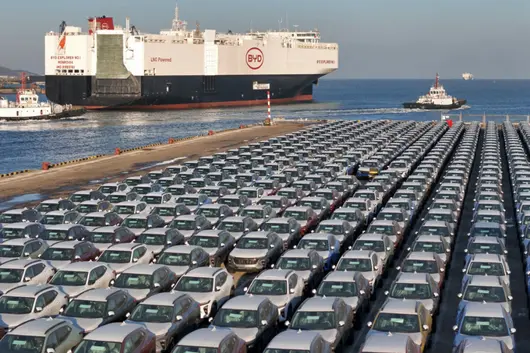
Besides foreign exchange losses, car companies going overseas also face several more difficult hurdles to circumvent. The foremost is the transportation problem. Ro-Ro ships are the mainstream channel for cars going overseas. In the past, Chinese cars' overseas volume was not large, and Ro-Ro ships were quite abundant. But with the explosive growth of Chinese cars going overseas, this problem has also become increasingly serious.
According to data from the China Association of Automobile Manufacturers, from January to August 2026, car exports reached 7.153 million, a 66.7% year-on-year growth. Following this trend, there is not much suspense about whole vehicle exports exceeding 10 million this year. In 2020, car whole vehicle exports were only 1.082 million, a huge scale gap.

The phenomenon of "Chinese car exports being throttled by shipping" has become a consensus. Car companies that cannot book Ro-Ro ships can only adopt other methods like detours or container transport, but once the method changes, transportation costs rise directly. These increased costs directly affect the overseas profits of car companies.
One netizen joked, "The cars haven't arrived at the port yet, but the profits have already been thinned."
If the transportation problem is that visible freight costs are eating profits, then the uncertainty of tariffs means even the account can't be calculated clearly. After all, tariff issues can change at any time. The per-car profit calculated well today could be wiped out by a notice tomorrow.
Superimposing local policy changes, local culture integration, and a series of problems, going overseas has become a complex game. No matter how good going overseas is, it cannot withstand exchange rate changes, soaring freight rates, and tariffs arriving all at once.
Using existing stock to fight uncertain variables
Since car companies clearly know freight is rising, tariffs are changing, and exchange rates will vary, why still rush into it?
The answer lies in the completely different attributes of two groups of things. That is, freight, tariffs, exchange rates, and local policies all belong to short-term variables, while continued implementation of overseas localization layout is existing assets that can be held long-term.
Transportation costs will rise, but will also decline with cycles. Exchange rates will swing back and forth. Policies of various countries and regions will also be continuously revised according to local demand. They are all things that may change.
If simply doing whole vehicle exports, car companies have almost no chips to fight these variables. Cars are loaded onto ships from domestic factories, costs are locked domestically, returns are foreign currency. Fluctuations in every link in between must be borne by car companies alone. Once the external direction changes suddenly, order profits could disappear instantly.

Therefore, more and more car companies are shifting towards ecological overseas expansion with localization layout.
Overseas production bases built by car companies with huge investments, sales outlets spreading bit by bit, localized after-sales maintenance systems polished for years, and brand perception slowly built up in the hearts of local consumers. Once these assets take root and establish themselves, they won't be directly cleared to zero with one round of exchange rate fluctuations or one round of freight rate hikes.
Taking BYD's performance in the Thai market as an example, on July 12, 2026, BYD Thailand market cumulative deliveries officially broke through 130,000 units. Its Thailand factory design annual capacity is 150,000 units, achieving localization production of multiple car models. The proportion of Thai staff reached about 93%, and the proportion of local parts procurement reached 50%.

Therefore, Chinese car companies going overseas are not gambling that freight will drop, exchange rates will stabilize, tariffs will fall. They are betting that when these variables push the overseas threshold higher and higher, whether they have something that doesn't rely on variables to eat. This data set of BYD in the Thai market best illustrates what "not relying on variables to eat" actually looks like.
From this round of fluctuations, a change in the industry can also be seen, which is that going overseas is changing from "who sends out more cars" to "who is rooted deeper overseas".
Sending out more cars earns money from the window period. Once the window closes, one must find a way again. Only by rooting deep can one harvest the value of long-termism.
This is the real answer to "knowing difficulties yet still rushing in". Car companies believe difficulties will pass, and after they pass, those who have existing assets in hand are the only ones qualified to discuss the next round.
Epilogue
Declining domestic sales and thinning profits made more and more car companies realize the importance of going overseas. Various difficulties encountered while going overseas gave all overseas car companies a finance class.
But the correct way to read this class is not "going overseas is wrong", but "going overseas without rooting in overseas is wrong".
Simply selling cars overseas is just outputting capacity. Profits are completely bound to external variables like exchange rates, shipping, and trade policies, with no bottom chassis to fight risks.
Ecological localization rooting is essentially slowly settling controllable existing assets. Although rooting also has to bear high sunk costs for building factories and supply chain integration, it is a more resilient way of survival.
After all, fluctuations will eventually pass. Before the weather gets better, those who plant themselves into the soil first are the only ones qualified to wait for the next spring.
Reference materials:
1. [September car insured amount 1.657 million, dropping 26.4% to probe bottom again, BYD 250,000, Leapmotor exceeds FAW-Volkswagen for the first time], Zhinen Auto
2. [Chinese car companies going overseas accelerating], 21st Century Business Herald

喺馬來西亞嘅 SUV 市場,好多買家喺揀車嗰陣都會拿豐田 Harrier 同奇瑞 Tiggo 8 PHEV 嚟做比較。呢兩部車喺價位同定位上都幾接近,今日我哋就由多個角度做一個詳細嘅對比,幫你省返做功課嘅時間。
豐田 Harrier 喺馬來西亞嘅 OTR 售價係馬幣 289,000 - 289,000,合共有 1 個版本,包括 2026 HEV 2.5L Standard(馬幣 289,000) 等。
奇瑞 Tiggo 8 PHEV 喺馬來西亞嘅 OTR 售價係馬幣 159,750 - 159,750,合共有 2 個版本,包括 1.6L Turbo Standard(馬幣 130,000)、1.6L Turbo Premium(馬幣 145,000) 等。
由價錢睇,奇瑞 Tiggo 8 PHEV 嘅起價比豐田 Harrier 平咗馬幣 129,250。坦白講,喺呢個價位段,幾千蚊嘅差距其實唔算大,重點都係睇整體嘅性價比同長期使用成本。
豐田 Harrier 搭載 2.0L Turbo,馬力 220 匹。官方油耗 9.5 公升/100 公里。
奇瑞 Tiggo 8 PHEV 搭載 Hybrid,馬力 170 匹。官方油耗 4.5 公升/100 公里。
動力方面,豐田 Harrier 嘅 2.0L Turbo 比奇瑞 Tiggo 8 PHEV 嘅 Hybrid 多咗 50 匹馬力,中段加速更有信心,尤其係跑高速路超車嗰陣。不過奇瑞 Tiggo 8 PHEV 嘅油耗可能更抵,日常市區通勤差異唔會太大。
豐田 Harrier 車身長 4400 毫米,尾箱 400 公升。
奇瑞 Tiggo 8 PHEV 車身長 4400 毫米,尾箱 400 公升。
兩款車嘅尺寸幾乎一樣,車內空間差異唔大。呢個級別嘅車,日常使用完全夠用。
豐田 Harrier 保用 5 年/無限制里程,保養間隔 每 10,000 公里或 6 個月。
奇瑞 Tiggo 8 PHEV 保用 3 年/100,000 公里,保養間隔 每 10,000 公里或 6 個月。
總括嚟講,豐田 Harrier 同奇瑞 Tiggo 8 PHEV 都係馬來西亞市場幾唔錯嘅車型。揀邊一輛,重點都要睇你嘅個人需求同預算。建議大家做好功課,多比較幾間車行嘅報價,再去試駕做最終決定。買車係件大事,花少少時間做功課絕對無錯。

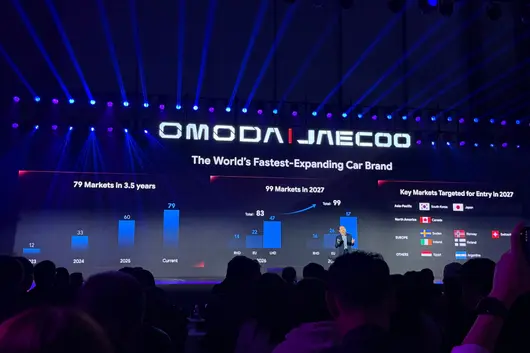
 Malam ini, suasana di lokasi OMODA NIGHT Wuhu sangat meriah, membolehkan kita memahami logik lengkap jenama O&J dari dekat. OMODA menekankan fesyen dan gaya hidup terkini, menyasar kelompok baharu yang mengutamakan ekspresi diri; JAECOO diletakkan sebagai off-road mewah tinggi, melayani kelompok elit baharu yang suka meneroka alam sekitar, kedua-dua jenama utama sebagai Bahagian Antarabangsa Bebas Chery, khas dibangunkan untuk pasaran global.
Di lokasi juga menunjukkan rekod prestasi yang kukuh: Sehingga April 2026, jumlah jualan terkumpul global melebihi 1 juta, perniagaan meliputi 69 pasaran negara. Pasaran Eropah, Israel, Thailand berturut-turut menunjukkan prestasi cemerlang, meraih kejuaraan jualan di pelbagai segmen pasaran. Produk mengikuti piawaian tinggi seragam global, sokongan reka bentuk keselamatan lima bintang ganda E‑NCAP dan A‑NCAP, meraih pengiktirafan pengguna di seluruh dunia melalui kekuatan sebenar.
Dalam kalangan peminat mereka membincangkan mereka sedang mempersiapkan untuk dibawa masuk ke negara asal, khabar angin OMODA menargetkan rel SUV 150,000 - 200,000, JAECOO menyerang pasaran off-road mewah melebihi 250,000, tetapi jadual masa dan harga belum diumumkan secara rasmi.
Dari berjaya di luar negara, kemudian bersedia kembali ke tanah air, sama ada kekuatan produk yang terkumpul di luar negara boleh dilaksanakan di negara ini, cukup dinantikan.
© 2024 Bitauto.com. All Rights Reserved.
Bitauto (www.yiche.com and www.bitauto.com) is one of the most visited automotive websites in China. We provide detailed info on Chinese car brands available in your area. Please note that the information provided on this website is based on publicly available data and is for reference only. It may not be fully updated or accurate at all times.

Help us improve our website


