

Homenatural

Search History
Popular Searches
Dealer Login / Sign Up
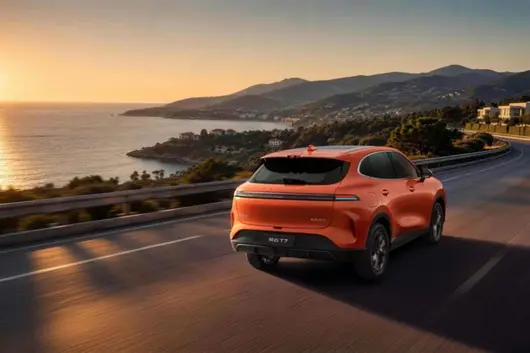
8月12日,全球品质纯电SUV风云T7正式开启预售,起售价10.99万元。这场发布会的主题颇为耐人寻味——“慢功造好车,久等了”。在当下这个以”月”为单位迭代新车、以”周”为单位刷新认知的汽车市场,奇瑞用一句”久等了”作为开场白,本身就是一种态度。

这不仅仅是一句对用户的致歉或感恩,更像是对整个行业”速成造车”思潮的一次温和而坚定的回应。当不少品牌将研发周期压缩至18个月以内,试图用互联网思维重塑汽车工业时,风云T7却选择了一条看似”不合群”的路径:2年策划、3年研发、81台耐久车同步路试、600万公里累计测试。这种”慢”,是奇瑞对造车规律的敬畏;而当我们将目光投向产品本身,80ms的芯片响应、20分钟的快充速度、33%的开机提速,又展现出一种极致的”快”。

风云T7的预售,本质上是在向市场抛出一个命题:在智能电动时代,慢与快,从来不是非此即彼的单选题,而是一体两面的辩证法。
慢,是看不见的底层逻辑奇瑞的”慢”,不是效率的低下,而是对”不可省略环节”的坚守。
在传统燃油车时代,一款车的完整研发验证普遍需要3到4年。而在智电浪潮下,这个数字被不断压缩。但汽车终究不是快消品,它承载的是千万家庭的安全,扛的是全球不同路况、气候、习惯的严苛考验。正如奇瑞高管所言:“有些时间,我们真的不敢省。”

风云T7的”慢”,体现在对全球标准的死磕上。依托奇瑞23年全球化技术积淀,这款车走出了一条”反向出海试炼”的路径——不是在国内验证完再推向海外,而是直接将东南亚的雨季、中东的高温暴晒、印尼的高湿环境纳入极限实车试炼场。81台专属耐久车同步路试,145万公里耐久专项实测,600万公里累计测试里程,这些数字背后,是奇瑞对”全球车”三个字的实质性兑现。

这种慢,还体现在对安全底线的寸步不让。风云T7对标2026版E-NCAP五星安全标准,功能安全达到ASIL-D最高等级。80%高强度钢、18.84%热成型钢打造的九横五纵笼式车身,9个安全气囊(含48L双腔远端气囊),IP68防水等级为国标的96倍——这些配置不是营销话术,而是用时间和真金白银砸出来的物理防线。
在行业普遍追求”快”的当下,奇瑞选择用4年时间打磨一款车,这种长期主义看似”不合群”,实则是对用户最深沉的负责。毕竟,速度可以追赶,但安全没有捷径。

如果说”慢”是奇瑞的底色,那么”快”就是风云T7递给用户的第一张名片。
这种快,首先体现在智能体验的流畅度上。搭载舱驾一体8775芯片,4nm制程、72TOPS算力,响应仅需80ms,开机提速33%。在车机卡顿仍是行业痛点的今天,80ms的响应速度意味着什么?意味着你的每一次触控、每一句语音指令,都能得到近乎即时的反馈。15.6英寸2.5K高清大屏、灵犀智舱2.0、猎鹰500驾驶辅助系统、300+全场景自动泊车——这些配置不是堆料,而是用算力换体验,用速度换安心。

这种快,还体现在补能效率的突破上。全系标配65.05kWh犀牛电池,CLTC续航600km,实测续航667+km,反向虚标已成奇瑞的传统艺能。更重要的是,30%到80%的充电仅需20分钟。一杯咖啡的时间,足以让车辆从焦虑状态恢复到从容状态。配合全域一体化热管理双源宽热泵空调与高压PTC,即便在-30°C的极寒环境下,5分钟即可速加热至30°C。这种对极端环境的快速响应,是技术对用户体验的精准呵护。
快,不是仓促上阵,而是厚积薄发。当23年的全球化技术积淀、26年的底盘设计功底、5000余名海内外用户的全程共创,最终凝结为80ms的响应、20分钟的充电、667+km的实测续航时,这种”快”才真正有了分量。
慢是为了更快的出发回到发布会的主题:“慢功造好车,久等了”。
这句话的潜台词其实是:我们慢,是为了让你在未来的每一次出行中,都能更快地抵达、更安心地享受、更从容地面对未知。
在汽车行业集体加速的今天,奇瑞选择了一条看似矛盾的路:用”慢”打磨底层逻辑,用”快”兑现用户体验。这不是战略上的摇摆,而是对造车本质的清醒认知——安全、品质、可靠,这些需要时间沉淀的东西,快不了;而智能、效率、体验,这些技术赋能的维度,必须快。
风云T7的预售,10.99万至12.99万元的价格区间,7重购车权益,整车终身质保,666元购终身基础保养套餐——这些是奇瑞给用户的诚意。但比诚意更重要的,是这家车企在喧嚣时代依然保持的定力:知道什么可以快,知道什么不能快。
慢,是奇瑞的骨气;快,是奇瑞的能力。当两者在风云T7身上达成和解,我们看到的不仅是一款产品,更是一种在浮躁市场中难得的清醒。
久等了,但值得。因为真正的快,从来不是抢跑,而是每一步都踩得扎实,然后,在需要加速的时候,毫不犹豫地踩下油门。

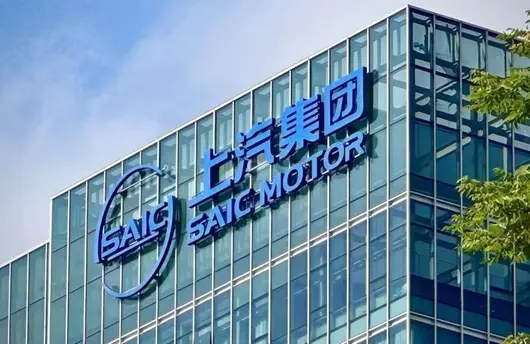
In just two years, transitioning from 'planning and layout' to 'all-out sprinting', SAIC's layout and perspective have rapidly expanded.

August 5, 2026, Shanghai World Living Room. SAIC Motor and General Motors officially signed a strategic renewal agreement, extending the SAIC-GM joint venture period by an additional 20 years to 2047. This is currently the longest-term agreement among existing joint venture car enterprises in China.
Overall structural breakthrough, new growth logic for the automotive group
This cycle-spanning renewal is particularly worth pondering in today's industrial context. The 2026 Chinese automotive market is already unrecognizable compared to the past, with independent brands breaking the 70% market share and the halo effect of joint ventures fading. However, SAIC answered with a 20-year renewal agreement: joint ventures are not obsolete; after completing a paradigm upgrade, they have entered a more vibrant 2.0 era.

SAIC-GM's renewal is not an isolated case. Since SAIC Volkswagen extended its joint venture term to 2040 in November 2024, to Audi deepening strategic cooperation with SAIC in April 2026 and establishing Audi Innovation and Technology Center in Shanghai, SAIC's first 'full value chain' R&D entity outside Europe, to General Motors' renewal this time — all three joint venture sectors have completed the construction of new cooperation models facing the smart and electrified era.
Unlike the past 'technology introduction, Chinese manufacturing' one-way flow, the upgraded Joint Venture 2.0 presents distinct common features: 'Co-creation and Co-research, Local Decision-making, Global Output'.
SAIC Volkswagen explicitly plans to launch 18 new models by 2030, of which 15 are exclusively developed for China; SAIC Audi relies on the next-generation high-end digital platform ADP to co-develop multiple new models customized for the Chinese market; SAIC-GM has established a new operational mode of 'Chinese R&D Manufacturing, Global Market Sales', and the Buick ZhiZhen E7 will start overseas exports this year.
At the same time, reform in the independent sector continues to deepen. The 'Major Passenger Vehicle' sector integrates SAIC Passenger Vehicle, General R&D Academy, and LingShu Technology, connecting the full link from product definition to marketing; the 'Major Commercial Vehicle' strategy anchors top three in light vans, new energy, and exports; the overseas Glocal 3.0 strategy shifts from product export to standard export in all aspects.
In just two years, SAIC's strategic puzzle across joint venture, independent, commercial vehicle, and overseas four sectors is fully complete, moving overall from 'planning and layout' to the new stage of 'all-out sprinting'.
The most direct change brought by the strategic loop is reflected in the market's real data. From January to July 2026, SAIC Motor's cumulative vehicle sales reached 2.384 million units, continuing to rank first among domestic vehicle enterprises.
Behind this group of numbers, structural breakthroughs in three dimensions are redefining the growth logic of China's largest automotive group.
Sales structure reshaping, growth momentum completed switching

Behind the continuously leading sales data, the source of growth has undergone systematic adjustments, and the model of a single sector pulling growth has been replaced by a pattern of diversified synergy. From an overall scale perspective, SAIC delivered 339,000 units in July alone, continuing the growth rhythm of the first half of the year, with independent, new energy, and overseas three business sectors releasing incremental growth simultaneously, and the operational structure continuously optimizing.

Obviously, independent brands have become the core support for group growth. From January to July this year, independent brand cumulative sales reached 1.725 million units, rising to 72.4% of the group's total sales, achieving seven consecutive months of year-on-year sales growth. Additionally, in sub-sectors, SAIC Passenger Vehicle growth performance was outstanding, with sales increasing 53.4% year-on-year from January to July, while SAIC-GM Wuling stably maintained a monthly sales scale of over 100,000 units, and SAIC Maxus simultaneously maintained a year-on-year growth rate of nearly 30%, with the pattern of independent brands blooming at multiple points gradually taking shape.
 In addition, the new energy business formed a pattern of independent and joint venture double-line acceleration. Official data shows, from January to July, SAIC's full-series new energy models cumulative sales reached 973,000 units, up 27.4% year-on-year, with growth rate higher than the industry average. Among them, IM Motors and SAIC Passenger Vehicle new energy sectors showed significant growth, while Wuling and MG multiple models maintained stable delivery. SAIC Volkswagen and SAIC-GM new energy products simultaneously increased volume, and joint venture new cars such as Audi E7X, ID.ERA 9X, etc., quickly entered the sub-segment mainstream interval after listing.
 Comprehensive view, the pattern of diversified sectors collaborative growth means SAIC's scale base no longer relies on a single category support, and the stability of growth and anti-cycle ability are further improved.
Technology rights equality lands, product matrix fully iterated
To be honest, achieving such results in 2026 is not easy for any car company, and the underlying power supporting sales structure optimization is the continuous new product launch and large-scale landing of cutting-edge technologies throughout the year, and also the product system covering the full price band that SAIC built around 'technology rights equality'.

Since the 2026 Beijing Auto Show launched the new product cycle, SAIC has cumulatively launched more than twenty smart-electric models, covering the 50,000 to 500,000 price range, while laying out pure electric, extended range, and plug-in hybrid all technical routes. Previously hard technologies such as semi-solid-state batteries, steer-by-wire, and AI-native architectures, which were stuck in the R&D stage, have gradually achieved mass production and installation.

Among them, the IM LS9 Hyper launched in July, as the group's 100 million vehicle milestone model, has become China's first mass-produced vehicle to land the steer-by-wire national standard, bringing high-end digital chassis technology into the 300,000 level market.
Of course, SAIC's cutting-edge technology is not limited to high-end models, price inclusiveness also became a core feature of product iteration.
For example, in the entry market, the 60,000-level Roewe i6 comes standard with the Qualcomm 8155 chip and Doubao Large Model, and the 90,000-level MG4X all series carries semi-solid-state batteries. In addition, the 120,000-level MG 07 downgrades the 800V high-voltage fast charging platform, and the 150,000-level Shangjie, Wuling Huajing S all series carries high-level intelligent driving solutions, allowing users of different consumption levels to access mainstream intelligent configuration.
 In addition, multi-brand stratification and positioning also allowed SAIC to form complete mobility scenario coverage: Wuling focuses on entry-level commuting, Roewe focuses on the home market, MG targets young consumer groups, IM Motors, and Cadillac layout high-end tracks, Maxus covers commercial mobility needs. At the same time, SAIC completed deep strategic cooperation with Huawei Qiankun and Audi, relying on external technology synergy to make up for product capabilities. After multiple new car listings, order data remained stable, reflecting market acceptance of the technology inclusiveness route.
It should be said that continuous new product launches and technology downscaling have allowed SAIC's product competitiveness to transform from single model blockbusters to balanced output of the full matrix.
Value chain going out, globalization strategy advancement
We also see, while SAIC completed structural upgrades in the domestic market, relying on Glocal 3.0 strategy, SAIC constantly pushes overseas business transformation from product export to full value chain going out, and the development logic of overseas markets has changed essentially.
 Official data shows, as of the first half of 2026, SAIC overseas cumulative vehicle sales exceeded 7 million units, business coverage 170+ countries worldwide, forming one 300,000-level core market in Europe and 5 50,000-level regional markets including Americas, ASEAN, etc., the group set 2026 European market 400,000 units annual sales target.

And SAIC's overseas operation core is also rapidly shifting from product output to technology output.
For example, in July MG held a technology conference in London, centrally displaying 'Hybrid+ hybrid technology', 'SolidCore solid/semi-solid battery technology', 'i-SMART intelligent driving technology' three global unified technology labels. In addition, simultaneously appearing Goodwood Festival of Speed released two-door pure electric small car MG Go! and sedan SUV Cyber Concept two concept cars, all became new business cards displaying Chinese smart manufacturing to the whole world.

Of course, SAIC's 'going out' has never been simple product and technology export, but it is 'going in' where beauty is shared, going into local manufacturing, supply chain, service industry and all aspects.
SAIC's local supporting system is further improving. Currently, SAIC has set up three R&D centers abroad, multiple vehicle KD factories and over forty self-owned ocean ro-ro ships, established direct sales companies in Belgium, Luxembourg, Thailand, Central Asia landing local production and exclusive service standards, commercial vehicle sector synchronously achieved Southeast Asia new energy heavy truck batch delivery.
For SAIC, overseas business does not only pursue sales scale expansion, but through technology, manufacturing, service standards synchronous output, build a sustainable localized operation system, providing a referenceable development path for domestic car enterprises globalization.
Car Cloud Summary
Overall, 2.384 million units cumulative sales, is the intuitive embodiment of SAIC industry accumulation, at the same time also its three development leaps together constitute enterprise high-quality development main line.
It can be said, SAIC has preliminarily completed independent and new energy diverse momentum switching. And at product end, it connected full price band mobility needs with technology rights equality, overseas business also achieved upgrade from selling cars to outputting technology standards.
In addition, relying on technology synergy of industrial investment enterprises such as Momenta, CXMT Technology, etc., SAIC synchronously responds to '15th Five-Year Plan' new quality productive force development requirements, with whole vehicle chain host identity connecting chips, AI, energy storage and other cutting-edge tracks.
In the second half of the year, Roewe Jiayue 07, MG 07 and other new products will be launched in succession, collaborating with overseas localized capacity continuous landing, this set of development model balancing scale and quality, may continue to release growth potential, truly providing reference for domestic automotive industry transformation.


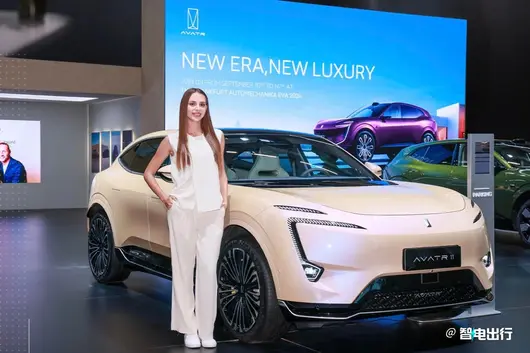
资本纽带之下技术路线转向,阿维塔海外全新车型将全面弃用华为乾崑智驾!
在华为乾崑的整个合作生态当中,问界与阿维塔是两大合作最为深入的品牌。引望股权结构当中,华为持股80%,阿维塔与赛力斯(问界母体)各持有10%股权,两家也是引望仅有的两家车企股东。阿维塔以115亿元真金白银入股引望,既是乾崑体系核心业务合作伙伴,同时具备股东身份,业务与资本双重深度绑定。
在此之前,阿维塔所有已经走向海外的出口车型,全系完整搭载华为乾崑智驾系统,从硬件MDC计算平台、激光雷达到乾崑算法整套体系,均沿用国内同源的华为智驾方案,仅因海外各地法规约束,对城区NCA高阶领航功能做软件屏蔽,高速领航、自动泊车功能保持可用。

而如今这家拥有股权纽带的合作方,迎来出海进程里一个关键转折点,对外抛出重磅消息:后续所有全新开发以及改款迭代的海外出口版本,包括阿维塔11、12、07、07L,都将不再搭载华为乾崑整套智驾方案,全面切换为长安自研天枢领航智驾系统。曾经海外出口车型全系标配华为乾崑的局面就此成为过去。
截至目前,阿维塔已经实现整车出海,11、12、07已经批量销往泰国、新加坡、中东、拉美等43个国家和地区。已经完成交付的海外存量车辆,依旧保留原有华为全套智驾硬件配置。官方明确,已经售出的存量海外车不会进行硬件回厂改装,维持原有智驾配置不变,本次调整只针对未来新开发、新投产的海外车型。

按照产品规划,阿维塔07L计划于2026年底启动出口,这款加长车型的海外版本,将成为技术切换之后的代表产品。后续新投产的阿维塔11、12改款、07以及07L海外版,智驾域硬件、算法体系将完成整体替换,不再沿用华为乾崑ADS技术包。
针对座舱系统,官方仅明确智驾层面的切换规划,鸿蒙座舱是否继续在海外新车上搭载,尚未对外确定。在售后层面,阿维塔表示海外售后服务环节,仍将和华为维持相关合作。
此番重大技术路线调整,发生在双方存在股权联结的背景之下。究其原因,全球不同市场存在差异化的法规准入与地缘环境现实,切换自研天枢领航方案,意在让阿维塔海外业务掌握完整技术主导权,规避单一外部技术方案出海带来的合规不确定性。
与之形成鲜明对比,同为引望股东的问界,延续智选模式,全系产品坚持乾崑智驾面向全球市场输出。
目前阿维塔欧洲市场经销商签约工作已经落地,即将开启欧洲市场的正式导入。这套长安自研智驾方案,将伴随后续新车出海,面向全球市场完成落地。(图片来源于网络)

Dalam pasaran SUV di Malaysia, ramai pembeli membandingkan Proton X90 dan Chery Tiggo 8 Pro apabila memilih kereta. Kedua-dua kereta ini mempunyai harga dan sasaran pasaran yang hampir sama. Hari ini, kita akan membuat perbandingan terperinci dari pelbagai aspek untuk membantu anda menjimatkan masa membuat penyelidikan.
Harga OTR Proton X90 di Malaysia ialah RM 106,800 - 122,800, terdapat 4 varian termasuk 2026 1.5T Prime X (RM 122,800), 2026 1.5T Prime (RM 116,800), 2026 1.5T Lite (RM 106,800) dan lain-lain.
Harga OTR Chery Tiggo 8 Pro di Malaysia ialah RM 159,750 - 159,750, terdapat 2 varian termasuk 1.6L Turbo Standard (RM 130,000), 1.6L Turbo Premium (RM 145,000) dan lain-lain.
Dilihat dari segi harga, harga permulaan Proton X90 memang lebih murah RM 52,950 berbanding Chery Tiggo 8 Pro. Jika anda mempunyai bajet terhad, varian asas Proton sudah boleh memenuhi keperluan harian. Namun, perlu diingat, perbezaan harga beberapa ribu ringgit ini mungkin melibatkan pengorbanan dari segi kelengkapan, bergantung pada keperluan anda.

Proton X90 dilengkapi enjin 1.5L Turbo, kuasa 140 hp. Penggunaan minyak rasmi 7.0 L/100km.
Chery Tiggo 8 Pro dilengkapi enjin 2.0L 4-silinder, kuasa 170 hp. Penggunaan minyak rasmi 8.0 L/100km.
Dari segi kuasa, enjin 2.0L 4-silinder Chery Tiggo 8 Pro mempunyai 30 hp lebih daripada enjin 1.5L Turbo Proton X90. Walau bagaimanapun, untuk penggunaan harian di bandar, kedua-dua kereta ini mempunyai kuasa yang mencukupi, tidak terasa kurang kuasa.

Panjang badan Proton X90 ialah 4400 mm, ruang muatan belakang 400 L.
Panjang badan Chery Tiggo 8 Pro ialah 4400 mm, ruang muatan belakang 400 L.
Saiz kedua-dua kereta ini hampir sama, ruang dalaman tidak banyak berbeza. Kereta dalam kelas ini, sangat mencukupi untuk penggunaan harian.

Proton X90 menggunakan cara pemacu FWD.
Chery Tiggo 8 Pro menggunakan cara pemacu FWD.
Cara pemacu kedua-dua kereta ini sama, iaitu FWD, tidak akan ada perbezaan besar dalam pengalaman memandu harian.
Proton X90 dan Chery Tiggo 8 Pro adalah pilihan utama dalam pasaran Malaysia, sesuai untuk kegunaan keluarga dan perjalanan harian. Jika anda lebih mengutamakan reputasi jenama dan harga kereta terpakai, prioritaskan yang mempunyai reputasi lebih baik; jika anda lebih mementingkan nisbah harga-kualiti dan kelengkapan, pilih yang mempunyai konfigurasi lebih kaya. Pada akhirnya, disarankan untuk mencuba memandu kedua-duanya, pengalaman langsung adalah yang paling penting.
Secara keseluruhannya, Proton X90 dan Chery Tiggo 8 Pro adalah model kereta yang sangat baik dalam pasaran Malaysia. Memilih yang mana, bergantung pada keperluan dan bajet peribadi anda. Disarankan membuat penyelidikan terlebih dahulu, bandingkan harga dari banyak dealer kereta, kemudian cuba memandu untuk membuat keputusan akhir. Membeli kereta adalah perkara besar, mengambil masa untuk membuat penyelidikan tidak akan salah.


Pasar SUV di Malaysia, ramai pembeli ketika memilih kenderaan akan membandingkan Proton X90 dan Chery Tiggo 8. Kedua-dua kereta ini hampir sama dari segi harga dan kedudukan, hari ini kita akan buat perbandingan terperinci dari pelbagai aspek, membantu anda menjimatkan masa melakukan kajian.
Harga OTR Proton X90 di Malaysia adalah RM 106,800 - 122,800, terdapat 4 varian, termasuk 2026 1.5T Prime X (RM 122,800), 2026 1.5T Prime (RM 116,800), 2026 1.5T Lite (RM 106,800) dan lain-lain.
Harga OTR Chery Tiggo 8 di Malaysia adalah RM 129,750 - 129,750, terdapat 1 varian, termasuk 2026 1.6T Standard (RM 129,750) dan lain-lain.
Dari segi harga, harga permulaan Proton X90 memang lebih murah RM 22,950 berbanding Chery Tiggo 8. Jika bajet anda terhad, varian masuk Proton sudah boleh memenuhi keperluan harian. Tetapi berhati-hati, ribuan ringgit yang murah itu, mungkin ada pengorbanan pada ciri-ciri, lihat keperluan anda secara khusus.
Proton X90 dilengkapkan dengan 1.5L Turbo, kuasa kuda 140 hp. Penggunaan minyak rasmi 7.0 L/100km.
Chery Tiggo 8 dilengkapkan dengan 1.5L Turbo, kuasa kuda 140 hp. Penggunaan minyak rasmi 7.0 L/100km.
Kedua-dua kereta menggunakan sistem pemacu yang sama, rasa apabila dikendalikan sehari-hari hampir tiada perbezaan. Dari segi penggunaan minyak juga hampir sama, tidak perlu terlalu bimbang pada perkara ini.
Panjang badan Proton X90 4400 mm, bonet belakang 400 L.
Panjang badan Chery Tiggo 8 4400 mm, bonet belakang 400 L.
Ukuran kedua-dua kereta hampir sama, ruang dalaman perbezaan tidak besar. Kelas kereta ini, penggunaan harian sudah cukup.
Proton X90 menggunakan cara pemacu FWD.
Chery Tiggo 8 menggunakan cara pemacu FWD.
Cara pemacu kedua-dua kereta sama, iaitu FWD, rasa ketika memandu harian tidak akan ada perbezaan besar.

Proton X90 waranti 5 tahun/150,000km, jarak penyelenggaraan setiap 10,000km atau 6 bulan.
Chery Tiggo 8 waranti 3 tahun/100,000km, jarak penyelenggaraan setiap 10,000km atau 6 bulan.

Secara keseluruhan, Proton X90 dan Chery Tiggo 8 kedua-duanya adalah model yang cukup baik di pasaran Malaysia. Memilih mana satu, kuncinya adalah lihat keperluan dan bajet peribadi anda. Kami sarankan anda buat kajian, bandingkan lebih banyak sebutan harga dari kedai kereta, kemudian pergi ujian drive buat keputusan akhir. Membeli kenderaan adalah perkara besar, luangkan masa membuat kajian tidak akan salah.

喺馬來西亞嘅 SUV 市場,好多家買家喺揀車嗰陣都會拿 Proton X90 同 Chery Tiggo 8 PHEV 嚟比較。這兩款車喺價位同定位上都幾近,今日我哋就從多個方面做一個詳細嘅對比,幫你節省做功課嘅時間。
Proton X90 喺馬來西亞嘅 OTR 售價係 RM 106,800 - 122,800,合共有 4 個版本,包括 2026 1.5T Prime X(RM 122,800)、2026 1.5T Prime(RM 116,800)、2026 1.5T Lite(RM 106,800) 等。
Chery Tiggo 8 PHEV 喺馬來西亞嘅 OTR 售價係 RM 159,750 - 159,750,合共有 2 個版本,包括 1.6L Turbo Standard(RM 130,000)、1.6L Turbo Premium(RM 145,000) 等。
由價錢睇落,Proton X90 嘅起步價確實比 Chery Tiggo 8 PHEV 平咗 RM 52,950。如果你預算有限,Proton 嘅入門版已經可以滿足日常需求。不過都要留意,平咗嗰幾千蚊,可能喺配備上有取捨,具體睇你嘅需求。
Proton X90 嘅安全評級係 5★ (ASEAN NCAP),主動安全系統包括 ADAS (ACC, AEB, LKA, LDA, BSM, RCTA)。
Chery Tiggo 8 PHEV 嘅安全評級係 TBD,主動安全系統包括 Basic。
安全配備方面,兩款車都拿到唔錯嘅評級。不過 Proton X90 嘅 ADAS (ACC, AEB, LKA, LDA, BSM, RCTA) 同 Chery Tiggo 8 PHEV 嘅 Basic 喺功能上有少少差異,如果你比較重視主動安全嘅話,可以仔細對比下兩者嘅功能列表。
Proton X90 車身長 4400 mm,行李箱 400 L。
Chery Tiggo 8 PHEV 車身長 4400 mm,行李箱 400 L。
兩款車嘅尺寸幾乎一樣,車內空間差別唔大。呢個級別嘅車,日常使用完全夠用。
Proton X90 採用 FWD 驅動方式。
Chery Tiggo 8 PHEV 採用 FWD 驅動方式。
兩款車嘅驅動方式一樣,都係 FWD,日常駕駛感受唔會有太大區別。
總體嚟講,Proton X90 同 Chery Tiggo 8 PHEV 都係馬來西亞市場好唔錯嘅車型。揀邊輛,關鍵都要睇你嘅個人需求同預算。建議大家做足功課,多比較幾間車行嘅報價,先至去試駕做最終決定。買車係件大事,花少少時間做功課絕對唔會錯。

喺馬來西亞嘅 SUV 市場,好多家買家喺揀車嘅時候都會拎 Proton X90 同 Chery Tiggo 8 Pro 做比較。這兩款車喺價位同定位上都幾接近,今日我哋就由多個方面做一個詳細嘅比較,幫你節省咗做功課嘅時間。
Proton X90 喺馬來西亞嘅 OTR 售價係 RM 106,800 - 122,800,一共有 4 個版本,包括 2026 1.5T Prime X(RM 122,800)、2026 1.5T Prime(RM 116,800)、2026 1.5T Lite(RM 106,800)等等。
Chery Tiggo 8 Pro 喺馬來西亞嘅 OTR 售價係 RM 159,750 - 159,750,一共有 2 個版本,包括 1.6L Turbo Standard(RM 130,000)、1.6L Turbo Premium(RM 145,000)等等。
從價錢睇落,Proton X90 嘅起價真係比 Chery Tiggo 8 Pro 平咗 RM 52,950。如果你預算有限,Proton 嘅入門版已經可以滿足日常需要。不過都要留意,平少少嘅幾千蚊,可能喺配備上面會有取捨,具體就要睇你嘅需要。
Proton X90 搭載 1.5L Turbo,馬力 140 hp。官方油耗 7.0 L/100km。
Chery Tiggo 8 Pro 搭載 2.0L 4-cyl,馬力 170 hp。官方油耗 8.0 L/100km。
動力方面,Chery Tiggo 8 Pro 嘅 2.0L 4-cyl 比 Proton X90 嘅 1.5L Turbo 多咗 30 匹馬力。不過日常喺市區開,兩款車嘅動力都夠用,唔會覺得唔夠力。
Proton X90 嘅安全評級係 5★ (ASEAN NCAP),主動安全系統包括 ADAS (ACC, AEB, LKA, LDA, BSM, RCTA)。
Chery Tiggo 8 Pro 嘅安全評級係 TBD,主動安全系統包括 Basic。
安全配備方面,兩款車都拿到唔錯嘅評級。不過 Proton X90 嘅 ADAS (ACC, AEB, LKA, LDA, BSM, RCTA) 同 Chery Tiggo 8 Pro 嘅 Basic 喺功能上面少少差異,如果你比較睇重主動安全嘅話,可以詳細對照吓兩者嘅功能列表。
Proton X90 保修 5 年/150,000km,保養間隔 每 10,000km 或 6 個月。
Chery Tiggo 8 Pro 保修 3 年/100,000km,保養間隔 每 10,000km 或 6 個月。
Proton X90 同 Chery Tiggo 8 Pro 都係馬來西亞市場嘅主流選擇,適合家庭使用、日常通勤。如果你更睇重品牌口碑同二手價,可以優先考慮口碑更好嗰一款;如果你更在意性價比同配備,就揀配備更豐富嗰款。最終都係建議兩款都去試駕,親身體驗先係最重要嘅。
總體嚟講,Proton X90 同 Chery Tiggo 8 Pro 都係馬來西亞市場幾唔錯嘅車型。揀邊一部,關鍵都係要睇你嘅個人需要同預算。建議大家做足功課,多比較間車行嘅報價,再去試駕先做最終決定。買車係件大事,花少少時間做功課絕對唔會錯。

2026年的中国汽车出口,还在一路狂奔。单月出口首破百万辆,上半年累计超530万辆,同比增速超过五成,全球第一出口国的位置坐得越来越稳。
耀眼的增长数字背后,一场关于“出口何时封顶”的讨论,正在产业链内部悄悄升温。
刚跑完一圈海外市场的顾淮(本文人物姓名均为化名),是某较早开启海外布局的中国Tier1企业内部人士。在他看来,出口触发天花板的节点大概率在2029年,对应峰值规模约1200万辆。
这并非一家之言。在近期盖世汽车研究院举办的一场沙龙活动上,多位来自汽车产业链上的业内人士不约而同将顶峰窗口指向了2028—2030年,至于峰值规模,业内预判从1200万辆到1500万辆不等,分歧核心落在贸易壁垒收紧节奏、海外产能落地速度两大变量上。

图片来源:零跑汽车
增长仍在冲高,触顶区间浮现
如果把时间拨回两年前,行业对出口顶峰的预判要更早一些。
当时的逻辑很清晰:头部车企的海外工厂将在2025-2026年集中投产,整车出口会被本地化产能快速替代,增长曲线很快就会走平。不过,出口的续航力远超行业预期。彼时被认为即将触及的“天花板”,如今已被接连突破的实际数据所推翻。
根据中汽协整理的海关总署数据,2026年1-6月中国汽车整车出口530.7万辆,同比增长52.8%。乘联会统计的1-7月出口量则已达640万台,同比增速54%。按当前节奏推演,全年突破1000万辆几乎没有悬念。
滚烫的数据面前,业内对出口触顶的时点也有了更贴近现实的判断。
某全球座舱电子Tier1供应商内部人士陈默坦言,“原先我们判断今年或明年就是出口顶峰,毕竟海外工厂已陆续启动本地化生产。但现在看,这个时间节点得往后推。”
在他看来,出口的韧性来自于多点开花的市场布局。头部自主车企在东南亚、南美、欧洲同步扩张,不同区域的增长节奏相互错开,托住了整体的出口规模。“后续不会再像之前那样猛涨,但大概率会保持平稳,甚至可能小幅回落,不会出现断崖式下跌。”
类似的判断在产业链上并不鲜见,只是不同企业的观察维度各有不同。
某国内汽车半导体厂商内部人士江屿认为,两到三年内出口还会继续增长,直到出口量摸到1500万辆左右,才会遇到真正的瓶颈,这意味着中国汽车在全球市场的占比将攀升至更高水平,势必触发更密集的贸易保护措施。
某国内汽车内外饰龙头企业海外业务负责人陆明则更看重产能周期的节奏。在他的观察里,中国车企的海外产能会在2027、2028年逐步落地释放,出口不会立刻踩刹车,反而会跟着产能爬坡继续走一段。真正的出口与海外产能平衡状态,大概会在2028到2029年出现。
某全球汽车零部件巨头海外业务负责人周衍,从供应链一线观测给出了更细分的拐点判断:分口径来看,纯CBU整车出口大概率会在2028年迎来规模拐点,出口体量出现实质性下降,若将KD散件纳入全口径统计,数据波动会相对平缓,但纯整车出口的下行趋势已较为明确。
某汽车行业咨询机构分析师田涛则表示,地缘政治、关税政策与本地化产能三重因素叠加,出口天花板大概会落在2030年前后。

图片来源:奇瑞
当然,这些业内人士无不强调:出口封顶,绝不等于中国车企的海外销量见顶。
某零部件企业智能座舱海外业务拓展负责人苏晚说得很明确,今年出口往1000万辆冲的势头确实惊人,未来几年出口量大概率会进入瓶颈期,稳住增速不再狂飙。但如果把本地化生产的销量也算进去,整体规模还会稳步往上走。“出口是有上限的,但中国车企的全球化没有上限,这根本就不是一回事。”
某德系汽车零部件供应商企业发展负责人赵凯也从产业逻辑印证了这一点。在他看来,新能源汽车成为出口主力,本身就拉长了增长周期。电动车背后的电池技术迭代,和国家储能战略形成了协同效应,让中国汽车的产业优势比燃油车时代更稳固,出口增长的韧性也远超行业最初的预期。
壁垒与产能,两大现实约束
增长的势头虽猛,但没有人相信出口会永远涨下去。悬在出口上方的两块天花板,正在慢慢压低。一块是越筑越高的贸易政策壁垒,另一块,是车企主动推进的本地化产能替代。
欧洲是最先感受到寒意的市场。
欧盟针对中国纯电动汽车的反补贴关税已生效,多家自主车企适用不同幅度的附加税率,叠加基础关税后,部分品牌的综合关税成本显著抬升,有效期长达数年。这只是第一道闸门,更系统的规则重塑正在路上。
某西班牙背景合资零部件企业内部人士林舟透露,欧盟正在推进的《工业加速器法案》目前仍处于立法草案阶段。按照行业机构的普遍推演,法案有望在2027年完成立法,汽车相关的约束条款将在法案生效后陆续落地,整体时间窗口集中在2027-2028年,最终进度仍取决于欧洲议会与理事会的谈判进程。
法案的核心逻辑非常直白:通过本地化含量要求、公共采购限制、投资审查等手段,保护和扶持欧洲本土汽车工业。
“2026年是个关键节点。”林舟补充道,头部新能源品牌的匈牙利工厂今年就正式运行了,但碳排放资质的核算要到2027年才落地,欧盟会引进第三方审查机构核对2026年的数据,测算最终的碳排放指标。而且这个指标是逐年收紧的,达不到标准就要加征额外关税。除了欧盟层面的统一法案,各个成员国也在出台地方政策,明里暗里引导中国车企到本地投资建厂,本质都是用规则倒逼本地化。
某国内汽车电子企业内部人士方诚说得更直接:我们不仅是去赚欧洲人的钱,更是在重构当地的产业格局。对守着百年产业根基的欧洲玩家来说,赚钱可以忍,但被后来者抢了饭碗、换了赛道,等于当众打脸,反弹只会越来越激烈。贸易保护不是会不会来的问题,是已经来了,而且会越来越多。
在他看来,靠整车出口的高速增长天然不可持续,很快就会摸到政策红线,本地化是破局的核心路径。
比政策壁垒更根本的,是车企主动选择的本地化路线。当出口规模做到一定量级,叠加上关税成本的抬升,在本地建厂生产就成了必然选择。
眼下头部车企的海外工厂,已经进入了集中投产期。
比亚迪匈牙利塞格德工厂将于2026年第四季度启动整车组装,其泰国罗勇府、巴西卡马萨里两座工厂早已实现量产,产能仍在持续爬坡;奇瑞西班牙巴塞罗那合资工厂、马来西亚智能汽车工业园、南非罗斯林工厂均将于2027年陆续投产;上汽MG位于西班牙费罗尔港的欧洲生产基地,则计划2028年底正式投入运营。

图片来源:比亚迪
在业内看来,整车出口本就是海外布局的过渡阶段,一旦本地工厂的成本与效率跑通,再叠加关税与物流成本的考量,整车出口的优先级自然会逐步下降。
陆明的观点也印证了这一逻辑:海外产能落地释放的过程,就是出口逐步被替代的过程。产能爬坡的初期,可能还需要出口部分零部件或者整车来补充市场缺口,等产能完全释放后,出口的增量空间就会被大幅压缩。
但这种替代不是零和博弈。苏晚反复强调,出口和本地化生产不是此消彼长的替代关系,是接棒式的递进关系。出口负责快速打开市场、建立品牌认知,本地化负责降低成本、深耕用户市场,两者共同把中国车企的海外基本盘做大。
出口不是终点,出海走向深水区
当整车出口增速逐步触顶,中国汽车的全球化布局也将同步进入真正的深水区。
正如江屿所说,当整车出口规模接近1500万辆量级后,进一步增长的阻力会显著加大。这并非中国车企竞争力下滑,而是海外本地化产能进入集中释放期,逐步替代了整车出口。表面看出口数字增速放缓,但中国车企的全球市场份额仍在上升,只是增长载体从“整车出口”转向了“本地制造”。
这也是所有产业链人士的共识:中国汽车出海的下一个阶段,是从“卖产品”转向“输出产业”。跟着整车厂一起走出去的,不只是一辆辆车,还有整套供应链体系。
顾淮的海外调研印证了这一趋势。他总结了当前车企出海的三种主流模式:一是纯整车出口打市场,二是与当地工厂合作投产降成本,三是像头部新能源品牌那样独资建厂建生态。三种模式糅合推进的过程中,零部件、玻璃、芯片、电子系统等供应链环节,也会跟着逐步完成本地化。
“按正常节奏,到2028年左右,中国车企在海外的产业布局就能达到比较大的规模。不只是把车卖过去,而是把整套产业生态搬过去。”顾淮说。
Tier1供应商们已经走在了前面。多家全球零部件企业都在调整全球产能布局,全力配合中国主流主机厂的出海节奏。苏晚透露,其所在企业在全球各地的工厂都在对接中国车企的海外项目,跟着客户的建厂节奏同步落地产能,从座舱系统到内饰模块,都在快速推进本地化配套能力。
本土供应链的出海步伐也在加快。方诚透露,作为芯片厂商,公司正在规划跟着主机厂一起出海,和国内零部件企业搭档,共同实现海外本地化生产。“车企出海从来不是单打独斗,一定是整个产业链一起走出去,才能真正扎下根。”

AI制图;来源:豆包
当然,挑战远比想象中多。不是把工厂搬过去,就一定能做好本地化。
某意大利企业内部人士沈砚就提醒,中国品牌最忌讳的,就是把国内的打法直接搬到海外。欧洲市场消费者对车辆长期保值率、品牌口碑与终端服务的敏感度远高于短期价格。如果只靠打价格战、快速迭代车型,不重视核心用户维护与服务体系建设,就算完成本地建厂,也很难真正在成熟市场站稳脚跟。
“2028到2030年,出口增长会逐步放缓,但不会立刻撞上天花板。真正的考验从来不是出口量能冲到多少,而是中国的新能源品牌,能不能在欧洲这些成熟市场真正立住脚。”沈砚强调,靠B端低价走量的模式在欧洲走不通,走品质路线、做好终端服务,才是长期生存的关键。
周衍则建议,不必把目光只盯在欧洲。南美、非洲等区域的汽车消费仍在上升期,贸易环境也更友好,会是持续向上的新增长点。分散市场布局,本身就是对冲单一市场政策风险的最好方式。
某德资零部件企业内部人士郑泽则从更宏观的视角给出了判断:中国汽车的产品竞争力已经足够强,真正决定天花板高度的,从来不是产品本身,而是国家战略与产业话语权。能不能打破贸易壁垒、争取更公平的市场环境,才是决定中国汽车全球化上限的核心变量。
从更长远的产业周期看,中国汽车出口的顶峰,本质上是一次增长模式的切换。过去几年,我们靠整车出口的高增长,拿下了全球第一出口国的位置,接下来,我们将通过本地化的深度布局,逐步争取全球汽车产业的话语权。
出口数字的天花板之下,是更广阔的全球化空间。
(注:本文人物姓名均为化名,部分可识别个人身份的信息已做模糊处理)
In the Malaysian SUV market, many buyers compare Proton X90 and Mazda CX-60 when choosing a car.
The OTR price for Proton X90 in Malaysia is RM 106,800 - 122,800, with a total of 4 versions, including 2026 1.5T Prime X (RM 122,800), 2026 1.5T Prime (RM 116,800), 2026 1.5T Lite (RM 106,800), etc.
The OTR price for Mazda CX-60 in Malaysia is RM 200,510 - 252,873, with a total of 2 versions, including 2026 3.3T 4WD High Plus (RM 252,873), 2025 2.5L 2WD High (RM 200,510), etc.
From a price perspective, the starting price of Proton X90 is indeed RM 93,710 cheaper than Mazda CX-60. If your budget is limited, Proton's entry-level version can already meet daily needs. However, be aware that the difference of a few thousand RM might involve trade-offs in features, depending on your needs.
The safety rating for Proton X90 is 5★ (ASEAN NCAP), with active safety systems including ADAS (ACC, AEB, LKA, LDA, BSM, RCTA).
The safety rating for Mazda CX-60 is 5★ (Euro NCAP), with active safety systems including i-Activsense Pro.
In terms of safety features, both cars received good ratings. However, there are some differences in function between Proton X90's ADAS (ACC, AEB, LKA, LDA, BSM, RCTA) and Mazda CX-60's i-Activsense Pro. If you value active safety, you can carefully compare the function lists of both.
Proton X90 body length is 4400 mm, trunk 400 L.
Mazda CX-60 body length is 4500 mm, trunk 450 L.
In terms of space, Mazda CX-60's body is 100 mm longer than Proton X90, giving it an advantage in passenger space. However, Proton X90 is slightly more flexible for parking in the city. There are trade-offs for each.
Proton X90 warranty is 5 years/150,000km, maintenance interval every 10,000km or 6 months.
Mazda CX-60 warranty is 5 years/150,000km, maintenance interval every 10,000km or 6 months.
Both cars have the same warranty conditions, no need to worry about this aspect. Actual maintenance costs also depend on the brand's service network and parts prices. It is recommended to ask real owners in car owner groups for their experiences.

Both Proton X90 and Mazda CX-60 are mainstream choices in the Malaysian market, suitable for family use and daily commuting. If you value brand reputation and resale value more, consider the one with better reputation first. If you care more about cost-performance ratio and features, choose the one with richer configuration. Ultimately, it is recommended to test drive both, as firsthand experience is the most important.

In general, both Proton X90 and Mazda CX-60 are very good models in the Malaysian market. Which one to choose depends on your personal needs and budget. We suggest doing your homework, comparing quotes from multiple dealerships, and then test driving to make the final decision. Buying a car is a big matter; spending time doing your homework will definitely not go wrong.

喺馬來西亞嘅 SUV 市場,好多買家在揀車嘅時候都會拿 Proton X90 同 Mazda CX-60 嚟做比較。呢兩款車喺價錢同定位上都幾接近,今日我哋就從多個方面做一個詳細嘅比較,幫你省返做功課嘅時間。
Proton X90 喺馬來西亞嘅 OTR 售價係 RM 106,800 - 122,800,一共有 4 個版本,包括 2026 1.5T Prime X(RM 122,800)、2026 1.5T Prime(RM 116,800)、2026 1.5T Lite(RM 106,800)等。
Mazda CX-60 喺馬來西亞嘅 OTR 售價係 RM 200,510 - 252,873,一共有 2 個版本,包括 2026 3.3T 4WD High Plus(RM 252,873)、2025 2.5L 2WD High(RM 200,510)等。
從價錢來看,Proton X90 嘅入門價確實比 Mazda CX-60 平咗 RM 93,710。如果你預算有限,Proton 嘅入門版已經可以滿足日常需要。但都要留意,平嗰啲幾千蚊,可能喺配備上要有取捨,具體就要睇你嘅需要。
Proton X90 嘅安全評級係 5★ (ASEAN NCAP),主動安全系統包括 ADAS (ACC, AEB, LKA, LDA, BSM, RCTA)。
Mazda CX-60 嘅安全評級係 5★ (Euro NCAP),主動安全系統包括 i-Activsense Pro。
安全配備方面,兩款車都拿到唔錯嘅評級。不過 Proton X90 嘅 ADAS (ACC, AEB, LKA, LDA, BSM, RCTA) 同 Mazda CX-60 嘅 i-Activsense Pro 喺功能上有啲差異,如果你比較重視主動安全嘅話,可以仔細比較吓兩者嘅功能列表。
Proton X90 車身長 4400 mm,行李廂 400 L。
Mazda CX-60 車身長 4500 mm,行李廂 450 L。
空間方面,Mazda CX-60 嘅車身比 Proton X90 長咗 100 mm,乘坐空間更有優勢。不過 Proton X90 喺城市入面泊車會靈活啲,各有取捨。
Proton X90 採用 FWD 驅動方式。
Mazda CX-60 採用 FWD 驅動方式。
兩款車嘅驅動方式一樣,都係 FWD,日常駕駛感受唔會有太大分別。
總體嚟講,Proton X90 同 Mazda CX-60 都係馬來西亞市場好唔錯嘅車型。揀邊一部,關鍵仲要睇你嘅個人需要同預算。建議大家做好功課,多比較幾間車行嘅報價,再試駕先做最終決定。買車係件大事,花少少時間做功課絕對唔會錯。
喺馬來西亞嘅 SUV 市場,好多買家喺揀車嘅時候都會拎 Proton X90 同 Mazda CX-5 嚟做比較。呢兩款車喺價位同定位上都幾接近,而家我哋就從多個方面做一個詳細嘅比較,幫你省下做功課嘅時間。
Proton X90 喺馬來西亞嘅 OTR 售價係 RM 106,800 - 122,800,總共有 4 個版本,包括 2026 1.5T Prime X(RM 122,800)、2026 1.5T Prime(RM 116,800)、2026 1.5T Lite(RM 106,800) 等等。
Mazda CX-5 喺馬來西亞嘅 OTR 售價係 RM 135,469 - 166,760,總共有 3 個版本,包括 2025 2.0L AT 35th Anniversary(RM 316,154)、2025 2.0L AT(RM 296,154)、2025 2.0L MT(RM 294,154) 等等。
從價錢睇,Proton X90 嘅起步價確實比 Mazda CX-5 平咗 RM 28,669。如果你預算有限,Proton 嘅入門版已經可以滿足日常需要。但都要注意,平嗰幾千蚊,可能喺配備上會有取舍,具體睇你嘅需要。
Proton X90 嘅安全評級係 5★ (ASEAN NCAP),主動安全系統包括 ADAS (ACC, AEB, LKA, LDA, BSM, RCTA)。
Mazda CX-5 嘅安全評級係 5★ (ASEAN NCAP),主動安全系統包括 。
兩款車嘅安全評級一樣,喺呢一級別入面安全配備都算畀得好齊全。而家嘅新車安全性都唔差,唔使太擔心呢一點。
Proton X90 採 FWD 驅動方式。
Mazda CX-5 採 FWD 驅動方式。
兩款車嘅驅動方式一樣,都係 FWD,日常駕駛感受唔會有太大分別。
Proton X90 保用 5 年/150,000km,保養間隔 每 10,000km 或 6 個月。
Mazda CX-5 保用 5 年/150,000km,保養間隔 每 10,000km 或 6 個月。
兩款車嘅保用條件一樣,呢方面唔使糾結。實際保養成本仲要睇品牌嘅服務網絡同零件價格,建議去車友群問問真實車主嘅經驗。

Proton X90 同 Mazda CX-5 都係馬來西亞市場嘅主流選擇,適合家庭使用、日常上落。如果你更看重品牌口碑同二手價,可以優先考慮口碑更好嗰一款;如果你更在意性價比同配備,就揀配置更豐富嗰款。最後始終建議兩款都去試駕,親身體驗先係最重要嘅。

總體嚟講,Proton X90 同 Mazda CX-5 都係馬來西亞市場好唔錯嘅車型。揀邊一輛,關鍵仲要睇你嘅個人需要同預算。建議大家做好功課,多比較幾間車行之報價,再去試駕先做最終決定。買車係一件大事,花少少時間做功課絕對無錯。

In the Malaysian SUV market, many buyers compare Proton X90 and Toyota Fortuner when choosing a car. These two cars are quite close in price and positioning. Today, we will make a detailed comparison from multiple aspects to help you save time on research.
The OTR price of Proton X90 in Malaysia is RM 106,800 - 122,800, with a total of 4 versions, including 2026 1.5T Prime X (RM 122,800), 2026 1.5T Prime (RM 116,800), 2026 1.5T Lite (RM 106,800), etc.
The OTR price of Toyota Fortuner in Malaysia is RM 195,880 - 241,880, with a total of 3 versions, including 2024 2.8T VRZ Diesel (RM 241,880), 2024 2.7L SRZ Petrol (RM 202,880), 2024 2.4L Standard Diesel (RM 195,880), etc.
From the price perspective, the starting price of Proton X90 is indeed RM 89,080 cheaper than Toyota Fortuner. If your budget is limited, Proton's entry-level version can already meet daily needs. However, note that the few thousand dollars difference might involve trade-offs in features, depending on your specific requirements.
Proton X90 is equipped with 1.5L Turbo, 140 hp. Official fuel consumption 7.0 L/100km.
Toyota Fortuner is equipped with 2.5L Diesel, 187 hp. Official fuel consumption 8.5 L/100km.
Regarding power, Toyota Fortuner's 2.5L Diesel has 47 more horsepower than Proton X90's 1.5L Turbo. However, for daily city driving, both cars have sufficient power and won't feel underpowered.
Proton X90's safety rating is 5★ (ASEAN NCAP), active safety systems include ADAS (ACC, AEB, LKA, LDA, BSM, RCTA).
Toyota Fortuner's safety rating is 5★ (ASEAN NCAP), active safety systems include .
Both cars have the same safety rating, and safety features are quite comprehensive in this class. New cars nowadays generally have good safety, so there is no need to worry too much about this point.
Proton X90 body length is 4400 mm, trunk 400 L.
Toyota Fortuner body length is 4400 mm, trunk 400 L.
The dimensions of both cars are almost identical, with little difference in interior space. For this class of cars, it is fully sufficient for daily use.

Proton X90 uses FWD drive configuration.
Toyota Fortuner uses FWD drive configuration.
Both cars use the same drive configuration, both are FWD, so there won't be a huge difference in daily driving feel.
Overall, both Proton X90 and Toyota Fortuner are excellent models in the Malaysian market. Which one to choose depends on your personal needs and budget. We recommend doing your research, comparing quotes from multiple dealerships, and test driving before making a final decision. Buying a car is a major event, spending time doing research will never be wrong.

In the Malaysian SUV market, many buyers compare Proton X90 and Honda WR-V when choosing a car. These two models are quite close in price and positioning. Today, we will make a detailed comparison from multiple aspects to save you time doing your research.
The OTR price of Proton X90 in Malaysia is RM 106,800 - 122,800, with a total of 4 versions, including 2026 1.5T Prime X (RM 122,800), 2026 1.5T Prime (RM 116,800), 2026 1.5T Lite (RM 106,800), etc.
The OTR price of Honda WR-V in Malaysia is RM 89,900 - 107,900, with a total of 4 versions, including 2023 1.5L V (RM 99,900), 2023 1.5L E (RM 95,900), 2023 1.5L S (RM 89,900), etc.
In terms of price, the starting price of Honda WR-V is RM 16,900 cheaper than Proton X90. Honestly, at this price point, the difference of a few thousand is not really significant; the key is still looking at overall cost-performance and long-term usage costs.
Proton X90's safety rating is 5★ (ASEAN NCAP), with active safety systems including ADAS (ACC, AEB, LKA, LDA, BSM, RCTA).
Honda WR-V's safety rating is 5★ (ASEAN NCAP), with active safety systems including Honda SENSING.
Both cars have the same safety rating, and safety features are quite comprehensive in this class. New cars nowadays are not lacking in safety, so there is no need to worry too much about this point.
Proton X90 body length 4400 mm, trunk 400 L.
Honda WR-V body length 4400 mm, trunk 400 L.
The dimensions of both cars are almost the same, and the interior space difference is not significant. For cars of this class, daily use is perfectly adequate.
Proton X90 warranty 5 years/150,000km, maintenance interval every 10,000km or 6 months.
Honda WR-V warranty 5 years/unlimited mileage, maintenance interval every 10,000km or 6 months.

Overall, both Proton X90 and Honda WR-V are very good models in the Malaysian market. Choosing which one depends on your personal needs and budget. It is recommended to do your research, compare quotes from multiple dealerships, and then test drive to make the final decision. Buying a car is a big matter, taking time to do your research will definitely not go wrong.
In the Malaysian SUV market, many buyers compare Proton X90 and Honda WR-V when choosing a car. These two vehicles are quite close in price and positioning. Today, we will make a detailed comparison from multiple aspects to help you save time on research.
Proton X90 OTR price in Malaysia is RM 106,800 - 122,800, with a total of 4 variants, including 2026 1.5T Prime X (RM 122,800), 2026 1.5T Prime (RM 116,800), 2026 1.5T Lite (RM 106,800), etc.
Honda WR-V OTR price in Malaysia is RM 89,900 - 107,900, with a total of 4 variants, including 2023 1.5L V (RM 99,900), 2023 1.5L E (RM 95,900), 2023 1.5L S (RM 89,900), etc.
From a price perspective, Honda WR-V's starting price is RM 16,900 cheaper than Proton X90. Honestly, in this price segment, a difference of a few thousand is not that significant, the key lies in overall value for money and long-term usage costs.
Proton X90 is equipped with a 1.5L Turbo, 140 hp. Official fuel consumption 7.0 L/100km.
Honda WR-V is equipped with a 1.5L 4-cyl, 105 hp. Official fuel consumption 6.0 L/100km.
In terms of power, Proton X90's 1.5L Turbo has 35 more horsepower than Honda WR-V's 1.5L 4-cyl, providing more confidence in mid-range acceleration, especially when overtaking on the highway. However, Honda WR-V's fuel consumption might be more favorable, and the difference for daily city commuting will not be too significant.
Proton X90 safety rating is 5★ (ASEAN NCAP), active safety systems include ADAS (ACC, AEB, LKA, LDA, BSM, RCTA).
Honda WR-V safety rating is 5★ (ASEAN NCAP), active safety systems include Honda SENSING.
Both cars have the same safety rating, safety features are quite comprehensive in this class. New cars generally do not have poor safety, so no need to worry too much about this point.
Proton X90 body length 4400 mm, trunk 400 L.
Honda WR-V body length 4400 mm, trunk 400 L.
Both cars have almost the same dimensions, interior space differences are minimal. Cars in this class are completely sufficient for daily use.
Proton X90 warranty 5 years/150,000km, maintenance interval every 10,000km or 6 months.
Honda WR-V warranty 5 years/unlimited mileage, maintenance interval every 10,000km or 6 months.

Overall, Proton X90 and Honda WR-V are both very good car models in the Malaysian market. Choosing which one mainly depends on your personal needs and budget. We suggest doing your research, comparing quotes from several dealers, and then test driving to make the final decision. Buying a car is a major matter, spending some time on research will never be wrong.

Dalam pasaran SUV di Malaysia, ramai pembeli semasa memilih kereta akan membandingkan Proton X70 dengan Subaru Crosstrek. Kedua-dua kereta ini sangat hampir dari segi harga dan posisi, hari ini kita akan membuat perbandingan terperinci dari pelbagai aspek untuk membantu anda menjimatkan masa membuat kajian.
Proton X70 di Malaysia memiliki harga OTR adalah RM 106,800 - 122,300, terdapat 3 versi keseluruhan, termasuk 1.5L Standard 2WD (RM 106,800), 1.5L Executive 2WD (RM 115,800), 1.5L Premium 2WD (RM 122,300) dan lain-lain.
Subaru Crosstrek di Malaysia memiliki harga OTR adalah RM 145,000 - 160,000, terdapat 1 versi keseluruhan, termasuk 2.0L e-Boxer (RM 150,000) dan lain-lain.
Dari segi harga, harga permulaan Proton X70 memang lebih murah RM 38,200 berbanding Subaru Crosstrek. Jika bajet anda terhad, versi permulaan Proton sudah boleh memenuhi keperluan harian. Tetapi perlu diingat, beberapa ribu ringgit yang lebih murah itu, mungkin mempunyai kompromi pada peralatan, bergantung pada keperluan anda.

Proton X70 ditenagai 1.5L Turbo, kuasa 140 hp. Penggunaan bahan api rasmi 7.0 L/100km.
Subaru Crosstrek ditenagai 1.5L Turbo, kuasa 140 hp. Penggunaan bahan api rasmi 7.0 L/100km.
Kedua-dua kereta menggunakan sistem kuasa yang sama, perasaan ketika memandu untuk penggunaan harian pada dasarnya tiada perbezaan. Dari segi penggunaan bahan api pun sama sahaja, tidak perlu terlalu bimbang akan hal ini.

Pelekatan keselamatan Proton X70 adalah 5★ (ASEAN NCAP), sistem keselamatan aktif termasuk ADAS (ACC, AEB, LKA, LDA, BSM, RCTA).
Pelekatan keselamatan Subaru Crosstrek adalah 5★ (Euro NCAP), sistem keselamatan aktif termasuk EyeSight.
Dari segi peralatan keselamatan, kedua-dua kereta mendapat peletakan yang bagus. Namun, ADAS (ACC, AEB, LKA, LDA, BSM, RCTA) Proton X70 dan EyeSight Subaru Crosstrek mempunyai perbezaan dari segi fungsi, jika anda mengutamakan keselamatan aktif, boleh dibandingkan dengan teliti senarai fungsi kedua-duanya.
Proton X70 jaminan 5 tahun/150,000km, tempoh penyelenggaraan setiap 10,000km atau 6 bulan.
Subaru Crosstrek jaminan 3 tahun/100,000km, tempoh penyelenggaraan setiap 10,000km atau 6 bulan.
Proton X70 dan Subaru Crosstrek adalah pilihan utama dalam pasaran Malaysia, sesuai untuk kegunaan keluarga, perjalanan harian. Jika anda lebih mengutamakan reputasi jenama dan harga jual semula, bolehlah pertimbangkan terlebih dahulu model yang mempunyai reputasi lebih baik; jika anda lebih mementingkan nisbah harga dan nilai serta kelengkapan, maka pilihlah model yang mempunyai konfigurasi lebih lengkap. Akhir sekali, disyorkan untuk melakukan ujian memandu bagi kedua-dua model, pengalaman langsung adalah yang paling penting.
Secara keseluruhannya, Proton X70 dan Subaru Crosstrek adalah model kereta yang sangat baik dalam pasaran Malaysia. Memilih mana satu, kuncinya adalah melihat keperluan dan bajet peribadi anda. Kami mengesyorkan anda membuat kajian, membandingkan beberapa tawaran kedai kereta, kemudian buat ujian memandu untuk membuat keputusan akhir. Membeli kereta adalah perkara besar, mengambil masa untuk membuat kajian tidak akan salah.


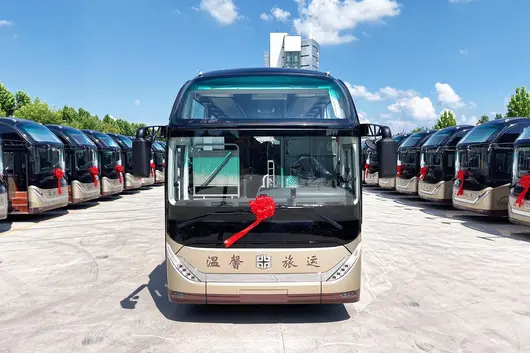
Gelombang Sungai Dongjiang bangkit, dua sisi luas, angin Wilayah Bay kuat, sesuai menaikkan layar. 3 Ogos 2026, upacara penyerahan megah diadakan di kilang Bas Zhongtong, Bas Pelancong/Kumpulan Elektrik Murni Kapasiti Besar Zhongtong H13E diserahkan secara besar-besaran kepada Syarikat Pengangkutan Pelancongan Dongguan Wenxin (disingkatkan 'Pengangkutan Dongguan Wenxin').

Serahan kali ini, merupakan peningkatan keupayaan pengangkutan bagi Pengangkutan Dongguan Wenxin, dan bahkan merupakan kemajuan strategi penting dalam pembangunannya — dengan menggunakan keupayaan hijau高端 sebagai tuas, meningkatkan perkhidmatan dari "jaminan perjalanan" ke "pengalaman premium", memberi tenaga operasi hijau dan cekap untuk pelbagai skenario perjalanan.
Wilayah Greater Bay, salah satu kawasan paling dinamik ekonomi China, pergerakan penduduk merentasi bandar padat, perkhidmatan pakej pelancongan, komuter perniagaan, perjalanan akademik/bina pasukan, sambungan taman pelancongan bertindan, memberi keperluan lebih tinggi keupayaan jarak jauh kenderaan, kestabilan kehadiran, kualiti perkhidmatan.
Pengangkutan Dongguan Wenxin menanamkan pasaran pengangkutan Wilayah Greater Bay selama bertahun-tahun, perniagaan merangkumi pelancongan, komuter perniagaan, perjalanan akademik pelajar, menciptakan sistem operasi "Langsung ke Taman + Sambungan Merentasi Bandar + Bina Pasukan Akademik + Komuter Pentadbiran-Perniagaan" di seluruh skenario, dan telah berkembang menjadi entiti perwakilan industri pengangkutan pelancongan komprehensif Wilayah Greater Bay.

Untuk menyesuaikan keperluan operasi pelbagai dan intensif kawasan, mencapai lompatan perkhidmatan dari "jaminan perjalanan asas" ke "pengalaman kualiti premium", Pengangkutan Dongguan Wenxin memperkenalkan model Zhongtong H13E secara besar-besaran, model ini dilengkapi bateri prestasi tinggi 650.19kWh, dengan keupayaan jarak jauh teras mengatasi kesakitan operasi industri.
Dalam upacara penyerahan, pengurus Pengangkutan Dongguan Wenxin memperkenalkan, model operasi pelbagai skenario Wilayah Greater Bay, keperluan terhadap jarak jauh kenderaan dan kebolehpercayaan sangat ketat, H13E adalah model teladan Bas Zhongtong 13 meter elektrik murni yang disesuaikan khas bagi keadaan kerja khas Wilayah Bay. Konfigurasi kapasiti kuasa besar membawa keupayaan jarak jauh yang kukuh, boleh menyesuaikan sepenuhnya keperluan operasi jangka panjang merentasi bandar, tempoh masa panjang, mengurangkan kekerapan pengisian semula kenderaan di tengah jalan, meningkatkan kadar kehadiran kenderaan tunggal dan kecekapan operasi secara besar, serta dengan kualiti perjalanan stabil mengoptimumkan pengalaman perjalanan penumpang secara menyeluruh, memberi tenaga kepada perkhidmatan pengangkutan premium perusahaan.
Bersama pendorongan strategik "Dual Carbon" yang mendalam, model tenaga baru sifar pelepasan, kecekapan tenaga tinggi, telah menjadi tangan pusat transformasi dan kenaikan, pembangunan berkualiti tinggi industri pengangkutan.
Dalam asas menggunakan kekuatan produk keras untuk mencapai peningkatan keupayaan pengangkutan, pengurangan kos dan peningkatan kecekapan, pendaratan besar-besaran Zhongtong H13E kali ini, adalah strategi布局 penting Pengangkutan Dongguan Wenxin mengikut trend industri, menanamkan pengangkutan hijau.

Berbanding model bahan api tradisional, Zhongtong H13E mempunyai kelebihan penjimatan tenaga dan pengurangan pengguna yang menonjol, berdasarkan keadaan operasi rutin industri 300 kilometer sehari, penggerak elektrik kenderaan boleh mengurangkan kos tenaga per kilometer tunggal lebih dari 60%, faedah penyelenggaraan berkurangan kira-kira 40%, dalam operasi kitaran hayat penuh, boleh menjimatkan banyak kos operasi untuk perusahaan, sebenarnya dengan kelebihan kos rendah, kehadiran tinggi, mengubah menjadi daya saing teras perusahaan.
Pilihan pasaran, adalah pengesahan paling langsung terhadap produk. Jan - Julai 2026, saham pasaran Bas Pelancongan Zhongtong terus meningkat, penjualan Bas Pelancongan Besar dan Sederhana lebih dari 8 meter meningkat besar secara tahunan. Di antaranya, siri H Zhongtong dengan kelebihan teras keselesaan tinggi, keselamatan tinggi, penjimatan tenaga tinggi, telah menjadi salah satu model utama pengubahsuaian keupayaan perusahaan pelancongan kepala di dalam negara.
Berdasarkan teknologi produk berulang dan sistem jaminan perkhidmatan merentasi全球, Bas siri H Zhongtong tenaga berbilang bukan sahaja dalam pasaran pelancongan dan komuter penting dalam negara terus mendapat pembelian semula pelanggan, tetapi juga dieksport ke Chile, Portugal, Singapura, Emiriah Arab Bersatu, banyak negara dan wilayah lain, menjadi kekuatan penting luncur hijau Bas China.
Serahan hanyalah prolog! Bas Elektrik Murni Zhongtong secara besar-besaran menuju ke Dongguan, adalah深化 kerjasama, dan bahkan bermula sekali lagi penciptaan nilai. Sebagai titik permulaan baru, Bas Zhongtong akan terus penambahbaikan produk, menanamkan perkhidmatan, dengan pelan perjalanan hijau dan pintar memberi tenaga peningkatan industri, tenaga bersatu menuju masa depan yang lebih bersih, lebih cekap, lebih indah.

In the Malaysian SUV market, many buyers compare the Proton X70 and Volkswagen Tiguan when choosing a car. These two cars are quite close in price and positioning. Today, we will make a detailed comparison from multiple aspects to help you save the time for research.
The OTR price of Proton X70 in Malaysia is RM 106,800 - 122,300, with a total of 3 versions, including 1.5L Standard 2WD (RM 106,800), 1.5L Executive 2WD (RM 115,800), 1.5L Premium 2WD (RM 122,300), etc.
The OTR price of Volkswagen Tiguan in Malaysia is RM 206,540 - 260,024, with a total of 2 versions, including 2025 Allspace 2.0T R-Line (RM 260,024), 2025 Allspace 1.4T Elegance (RM 206,540), etc.
From a price perspective, the starting price of Proton X70 is indeed RM 99,740 cheaper than Volkswagen Tiguan. If your budget is limited, Proton's entry-level version can already meet daily needs. But keep in mind, the few thousand cheaper in cost might involve trade-offs in features, depending on your specific needs.

Proton X70 is equipped with a 1.5L Turbo, 140 hp. Official fuel consumption 7.0 L/100km.
Volkswagen Tiguan is equipped with a 2.0L 4-cyl, 170 hp. Official fuel consumption 8.0 L/100km.
Regarding power, Volkswagen Tiguan's 2.0L 4-cyl has 30 more horsepower than Proton X70's 1.5L Turbo. However, for daily city driving, the power of both cars is sufficient and does not feel lacking.
Proton X70 safety rating is 5★ (ASEAN NCAP), active safety systems include ADAS (ACC, AEB, LKA, LDA, BSM, RCTA).
Volkswagen Tiguan safety rating is 5★ (Euro NCAP), active safety system includes IQ.Drive.
Regarding safety features, both cars have received good ratings. However, Proton X70's ADAS (ACC, AEB, LKA, LDA, BSM, RCTA) and Volkswagen Tiguan's IQ.Drive have some differences in functionality. If you value active safety highly, you can carefully compare the feature lists of both.

Proton X70 body length is 4400 mm, trunk is 400 L.
Volkswagen Tiguan body length is 4400 mm, trunk is 400 L.
The dimensions of both cars are almost the same, with little difference in interior space. For this class of cars, it is completely sufficient for daily use.
Proton X70 warranty 5 years/150,000km, maintenance interval every 10,000km or 6 months.
Volkswagen Tiguan warranty 3 years/100,000km, maintenance interval every 10,000km or 6 months.
Overall, Proton X70 and Volkswagen Tiguan are both very good models in the Malaysian market. Which one to choose mainly depends on your personal needs and budget. It is recommended to do your homework, compare quotes from several dealerships, and then test drive to make a final decision. Buying a car is a big matter, spending some time on research will definitely not be a mistake.


喺馬來西亞嘅 SUV 市場,好多買家喺揀車嗰陣都會拎 Proton X70 同 Volkswagen Tiguan 嚟做比較。呢兩款車喺價位同定位上都好接近,今下我哋就從多個方面做一個詳細嘅比較,幫你節省做功課嘅時間。
Proton X70 喺馬來西亞嘅 OTR 售價係 RM 106,800 - 122,300,總共有 3 個版本,包括 1.5L Standard 2WD(RM 106,800)、1.5L Executive 2WD(RM 115,800)、1.5L Premium 2WD(RM 122,300)等。
Volkswagen Tiguan 喺馬來西亞嘅 OTR 售價係 RM 206,540 - 260,024,總共有 2 個版本,包括 2025 Allspace 2.0T R-Line(RM 260,024)、2025 Allspace 1.4T Elegance(RM 206,540)等。
由價錢睇落嚟,Proton X70 嘅起步價確實比 Volkswagen Tiguan 平咗 RM 99,740。如果你預算有限,Proton 嘅入門版已經可以滿足日常需求。但都要留意,平嗰幾千蚊,可能會喺配備上有取舍,具體就睇你嘅需求。
Proton X70 車身長 4400 mm,尾箱 400 L。
Volkswagen Tiguan 車身長 4400 mm,尾箱 400 L。
兩款車嘅尺寸幾乎一樣,車內空間分別唔大。呢個級別嘅車,日常使用完全夠用。
Proton X70 採用 FWD 驅動方式。
Volkswagen Tiguan 採用 FWD 驅動方式。
兩款車嘅驅動方式一樣,都係 FWD,日常駕駛感受唔會有太大分別。
Proton X70 同 Volkswagen Tiguan 都係馬來西亞市場嘅主流選擇,適合家庭使用、日常通勤。如果你更重視品牌口碑同二手價,可以優先考慮口碑更好嗰款;如果你更重視性價比同配備,就揀配置更加豐富嗰款。最終都係建議兩款都去試駕,親身體驗先係最重要嘅。
總體嚟講,Proton X70 同 Volkswagen Tiguan 都係馬來西亞市場幾不錯嘅車型。揀邊部車,關鍵都要睇你嘅個人需求同預算。建議大家做好功課,多比較幾間車行嘅報價,再去試駕做最終決定。買車係件大事,花啲時間做功課絕對無錯。

In Malaysia's SUV market, many buyers compare Proton X70 and Mitsubishi Xforce when choosing a car. The two cars are quite close in price and positioning, so today we will make a detailed comparison from multiple aspects to save you time doing research.
The OTR price for Proton X70 in Malaysia is RM 106,800 - 122,300, with a total of 3 versions, including 1.5L Standard 2WD (RM 106,800), 1.5L Executive 2WD (RM 115,800), 1.5L Premium 2WD (RM 122,300), etc.
The OTR price for Mitsubishi Xforce in Malaysia is RM 109,930 - 119,930, with a total of 2 versions, including 2026 1.5L Ultimate (RM 119,930), 2026 1.5L Urban (RM 109,930), etc.
From a price perspective, the Proton X70's starting price is indeed RM 3,130 cheaper than the Mitsubishi Xforce. If your budget is limited, Proton's entry-level version already meets daily needs. However, note that saving those few thousand might involve trade-offs in features, depending on your specific needs.

Proton X70 adopts FWD drive system.
Mitsubishi Xforce adopts FWD drive system.
Both cars have the same drive system, both are FWD, so the daily driving experience won't differ much.
Proton X70 comes with a 5-year/150,000 km warranty, maintenance interval every 10,000 km or 6 months.
Mitsubishi Xforce comes with a 3-year/100,000 km warranty, maintenance interval every 10,000 km or 6 months.
Both Proton X70 and Mitsubishi Xforce are mainstream choices in the Malaysian market, suitable for family use and daily commuting. If you value brand reputation and resale value more, you might prioritize the one with better reputation; if you care more about value for money and features, then choose the one with richer configurations. Ultimately, it is recommended to test-drive both models; personal experience is the most important.
Overall, both Proton X70 and Mitsubishi Xforce are quite good models in the Malaysian market. Choosing which one depends on your personal needs and budget. We suggest doing your research, comparing quotes from several dealerships, and then test-driving to make the final decision. Buying a car is a major decision, spending some time researching will never be wrong.

In the Malaysian SUV market, many buyers compare Proton X70 and MG MG HS when choosing a car. These two cars are quite close in price and positioning. Today we will make a detailed comparison from multiple aspects to help you save time on research.
The OTR price of Proton X70 in Malaysia is RM 106,800 - 122,300. There are 3 versions in total, including 1.5L Standard 2WD (RM 106,800), 1.5L Executive 2WD (RM 115,800), 1.5L Premium 2WD (RM 122,300), etc.
The OTR price of MG MG HS in Malaysia is RM 130,450 - 146,450. There are 2 versions in total, including 1.5L Standard (RM 105,000), 1.5L Executive (RM 115,000), etc.
From a price perspective, the starting price of Proton X70 is indeed RM 23,650 cheaper than MG MG HS. If your budget is limited, Proton's entry-level version can already meet daily needs. But also note, those few thousand RM saved might involve trade-offs in features, depending on your specific needs.
Proton X70 is equipped with a 1.5L Turbo, 140 hp. Official fuel consumption 7.0 L/100km.
MG MG HS is equipped with a 1.5L Turbo, 140 hp. Official fuel consumption 7.0 L/100km.
Both cars use the same powertrain, the driving feel is basically no difference. Fuel consumption is also similar, no need to stress too much about this.
Proton X70 body length 4400 mm, trunk 400 L.
MG MG HS body length 4400 mm, trunk 400 L.
The dimensions of both cars are almost the same, interior space difference is not big. Cars in this class are completely sufficient for daily use.
Proton X70 adopts FWD drive mode.
MG MG HS adopts FWD drive mode.
Both cars have the same drive mode, both are FWD, daily driving experience will not have too much difference.
Proton X70 and MG MG HS are both mainstream choices in the Malaysian market, suitable for family use, daily commute. If you value brand reputation and second-hand price more, you can prioritize the one with better reputation; if you care more about cost-performance ratio and features, then choose the one with richer configuration. Finally, it is recommended to test drive both, personal experience is the most important.
Overall, Proton X70 and MG MG HS are both very good models in the Malaysian market. Which one to choose, it depends on your personal needs and budget. It is recommended to do homework, compare quotes from several car dealers, then test drive to make a final decision. Buying a car is a big matter, spending some time doing homework will definitely not be wrong.
© 2024 Bitauto.com. All Rights Reserved.
Bitauto (www.yiche.com and www.bitauto.com) is one of the most visited automotive websites in China. We provide detailed info on Chinese car brands available in your area. Please note that the information provided on this website is based on publicly available data and is for reference only. It may not be fully updated or accurate at all times.

Help us improve our website


