

Homenear

Search History
Popular Searches
Dealer Login / Sign Up

In Malaysia's SUV market, many buyers compare Toyota Harrier and Mercedes-Benz GLB when choosing a car. These two cars are quite close in price and positioning. Today, we will make a detailed comparison from multiple aspects to help you save time doing research.
Toyota Harrier's OTR price in Malaysia is RM 289,000 - 289,000, with a total of 1 version, including 2026 HEV 2.5L Standard (RM 289,000) and so on.
Mercedes-Benz GLB's OTR price in Malaysia is RM 299,888 - 352,888, with a total of 1 version, including Standard (RM 299,888) and so on.
From a price perspective, Toyota Harrier's starting price is indeed RM 10,888 cheaper than Mercedes-Benz GLB. If your budget is limited, Toyota's entry-level version can already meet daily needs. But also note, the few thousand cheaper, there might be trade-offs in features, it depends on your needs.

Toyota Harrier's safety rating is 5★ (ASEAN NCAP), active safety systems include Brand ADAS.
Mercedes-Benz GLB's safety rating is 5★ (Euro NCAP), active safety systems include Premium ADAS.
In terms of safety features, both cars received good ratings. However, Toyota Harrier's Brand ADAS and Mercedes-Benz GLB's Premium ADAS have some differences in functionality. If you value active safety, you can carefully compare the feature lists of both.

Toyota Harrier body length 4400 mm, trunk 400 L.
Mercedes-Benz GLB body length 4400 mm, trunk 400 L.
The dimensions of the two cars are almost the same, and the interior space is not much different. For cars in this class, daily use is completely sufficient.

Toyota Harrier warranty 5 years/unlimited mileage, maintenance interval every 10,000km or 6 months.
Mercedes-Benz GLB warranty 3 years/100,000km, maintenance interval every 10,000km or 6 months.

Toyota Harrier and Mercedes-Benz GLB are both mainstream choices in the Malaysian market, suitable for family use and daily commuting. If you value brand reputation and resale value more, you can prioritize the one with better reputation; if you care more about cost-performance and features, then choose the one with richer configuration. Finally, it is recommended to test drive both, experiencing it personally is the most important.

Overall, Toyota Harrier and Mercedes-Benz GLB are both very good models in the Malaysian market. Which one to choose, the key is still to look at your personal needs and budget. It is recommended to do research well, compare quotes from several car dealerships, and then test drive to make a final decision. Buying a car is a big matter, spending some time doing research will never be wrong.


喺馬來西亞嘅 SUV 市場,好多買家喺揀車嘅時候都會拿 Toyota Harrier 同 Mercedes-Benz GLC 嚟比較。這兩部車喺價錢同定位上都幾近,今日我哋就從多個方面做一個詳細比較,幫你慳返做功課嘅時間。
Toyota Harrier 喺馬來西亞嘅 OTR 售價係 RM 289,000 - 289,000,合共 1 個型號,包括 2026 HEV 2.5L Standard(RM 289,000)等等。
Mercedes-Benz GLC 喺馬來西亞嘅 OTR 售價係 RM 336,888 - 336,888,合共 2 個型號,包括 GLC 200(RM 290,000)、GLC 300(RM 340,000)等等。
就價錢嚟講,Toyota Harrier 嘅起步價確實比 Mercedes-Benz GLC 平咗 RM 47,888。如果你預算有限,Toyota 嘅入門版已經可以滿足日常需要。但都要留意,平嗰幾千蚊,喺配備上可能會有所取捨,具體就要睇你嘅需要。
Toyota Harrier 嘅安全評級係 5★ (ASEAN NCAP),主動安全系統包括 Brand ADAS。
Mercedes-Benz GLC 嘅安全評級係 5★ (Euro NCAP),主動安全系統包括 Premium ADAS。
安全配備方面,兩部車都搵到唔錯嘅評級。不過 Toyota Harrier 嘅 Brand ADAS 同 Mercedes-Benz GLC 嘅 Premium ADAS 喺功能上有少少分別,如果你比較重視主動安全嘅話,可以仔細對比下兩者嘅功能清單。
Toyota Harrier 採用 FWD 驅動方式。
Mercedes-Benz GLC 採用 FWD 驅動方式。
兩部車嘅驅動方式一樣,都係 FWD,日常駕駛感受唔會有太大分別。
Toyota Harrier 保修 5 年/無限制里程,保養間隔 每 10,000km 或 6 個月。
Mercedes-Benz GLC 保修 3 年/100,000km,保養間隔 每 10,000km 或 6 個月。
總嚟講,Toyota Harrier 同 Mercedes-Benz GLC 都係馬來西亞市場好唔錯嘅車型。揀邊一部,關鍵就要睇你嘅個人需要同預算。建議大家做好功課,多比較下幾間車行嘅報價,先至去試駕做最終決定。買車係件大事,花少少時間做功課絕對唔會錯。

In the Malaysian SUV market, many buyers compare Toyota Fortuner and Mercedes-Benz GLA when choosing a car. These two cars are quite close in price and positioning. Today, we will make a detailed comparison from multiple aspects to help you save time on research.
The OTR price of Toyota Fortuner in Malaysia is RM 195,880 - 241,880, with a total of 3 versions, including 2024 2.8T VRZ Diesel (RM 241,880), 2024 2.7L SRZ Petrol (RM 202,880), 2024 2.4L Standard Diesel (RM 195,880), etc.
The OTR price of Mercedes-Benz GLA in Malaysia is RM 258,888 - 295,888, with a total of 1 version, including Standard (RM 258,888), etc.
From a price perspective, the starting price of Toyota Fortuner is indeed RM 63,008 cheaper than Mercedes-Benz GLA. If your budget is limited, Toyota's entry-level version can already meet daily needs. However, be aware that the few thousand difference might involve trade-offs in features, which depends on your specific needs.

The safety rating of Toyota Fortuner is 5★ (ASEAN NCAP), and active safety systems include.
The safety rating of Mercedes-Benz GLA is 5★ (Euro NCAP), and active safety systems include Premium ADAS.

Toyota Fortuner body length is 4400 mm, trunk 400 L.
Mercedes-Benz GLA body length is 4400 mm, trunk 400 L.
The dimensions of both cars are almost identical, with little difference in interior space. For this class of car, it is more than enough for daily use.

Toyota Fortuner uses FWD drive system.
Mercedes-Benz GLA uses FWD drive system.
Both cars have the same drive system, both are FWD, so there won't be much difference in daily driving experience.

Overall, Toyota Fortuner and Mercedes-Benz GLA are both very good models in the Malaysian market. Which one to choose depends mainly on your personal needs and budget. We suggest doing your homework, comparing quotes from several dealerships, and then test driving to make the final decision. Buying a car is a big matter, spending some time on research will never be wrong.


【CNMO科技消息】10月20日,据外媒报道,谷歌母公司Alphabet旗下的自动驾驶部门Waymo计划利用本月初筹集的50亿美元资金,在明年年底前将其自动驾驶车队规模扩大至原来的五倍,达到2万辆。Waymo目前拥有约4000辆汽车,计划在今年年底前先将车队规模翻倍至8000辆,随后在2027年底进一步增至2万辆。

Waymo
此次车队扩张的资金来源,是Waymo本月早些时候从包括PIMCO、黑石集团和Sixth Street在内的贷款方处获得的50亿美元贷款,该公司表示将把这笔资金用于美国各地及国际市场的服务拓展。在此之前,Waymo今年早些时候已完成160亿美元的股权融资,当时估值为1260亿美元。

Waymo
车队扩张的底气来自Waymo持续扩大的运营版图。Waymo目前在美国15座城市运营无人出租车服务,并已宣布计划在伦敦、东京、新加坡和加拿大推出乘车服务。2026年9月1日,Waymo在丹佛、圣迭戈和坦帕三座城市向公众开放服务,将商业运营范围扩大至14座美国城市,车队总规模当时已超过4000辆。从凤凰城、旧金山、洛杉矶到奥斯汀、亚特兰大、迈阿密,Waymo的扩张节奏在2025年与优步合作进入奥斯汀后明显加快,此后相继进入多个美国主要城市。

Waymo
支撑2万辆目标的产品基础,是Waymo第六代自动驾驶系统的多车型适配能力。该系统率先搭载于与极氪合作开发的电动MPV Ojai(由极氪RT更名而来),后续适配现代Ioniq 5机器人出租车。

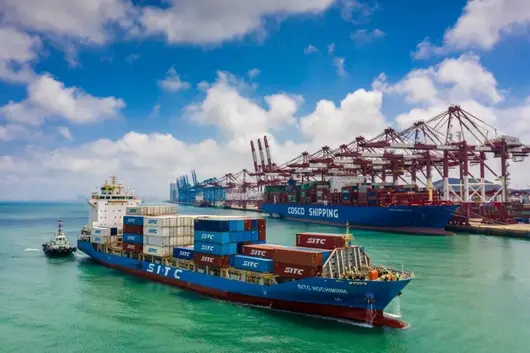
近日,欧亚经济委员会内部市场保护司发布第2026/514/AD44号公告,披露对原产于泰国和越南的新充气橡胶轮胎反倾销调查终裁结果,建议对涉案产品征收为期五年的反倾销税,税率在11.31%至22.37%之间。

此次调查涉及轮辋直径17.5至24.5英寸的卡车、客车、拖车等使用的新充气橡胶轮胎,涉案税号为4011201000和4011209000。值得注意的是,多家在泰国、越南设厂的中资轮胎企业也出现在拟征税名单中。
最高税率22.37%,多家中资企业受到波及
从披露的拟征税率来看,泰国和越南企业适用的税率有所不同。
泰国方面,浦林成山泰国、玲珑旗下LLIT(Thailand)、玛吉斯泰国等列明企业的建议税率为17.05%,其他泰国生产商或出口商为22.37%。

越南方面,金宇越南的建议税率为11.31%;赛轮越南和ACTR为16.48%;前进轮胎为17.25%;COFO越南、大囊橡胶及昊华越南为14.99%,其他越南生产商或出口商为17.25%。
这意味着,相关企业今后向欧亚经济联盟出口涉案载重轮胎时,可能需要重新核算产品成本、出口报价和利润空间。
以货值100万美元的产品为例,若适用17.05%的反倾销税,对应税额为17.05万美元;若适用22.37%的税率,税额则达到22.37万美元。

对于利润率有限、依靠价格竞争获得订单的载重胎企业而言,这样的额外成本不容忽视。
需要强调的是,目前公开信息属于终裁披露并提出征税建议,不能直接等同于相关税率已经正式生效。具体生效时间和实施方式仍需关注后续正式决定。
泰国、越南不再是天然的贸易避风港
过去几年,面对欧美等市场的贸易壁垒,部分中国轮胎企业加快在东南亚布局产能,希望通过海外生产降低物流成本、贴近客户,并分散单一市场的贸易风险。泰国和越南因此成为中国轮胎企业全球化布局的重要区域。
但此次调查表明,贸易救济措施正在从单纯针对中国原产产品,进一步延伸至其他国家或地区的同类产品。
东南亚生产基地并非天然的贸易避风港,企业不能仅凭工厂所在地判断市场准入风险。

未来,反倾销调查可能更加关注产品原产地、生产过程、成本构成及企业之间的关联关系。
海外工厂必须拥有真实、合规且可核查的生产经营活动,不能把简单转运或名义上的产地变化当作规避贸易壁垒的办法。
对中国轮胎企业而言,海外建厂的决策逻辑需要进一步升级,从过去主要考虑人工、土地、运输和原料成本,转向同时评估目标市场政策、原产地规则和长期贸易风险。
中国轮胎企业下一步该怎么做
面对贸易壁垒变化,中国轮胎企业需要做好几件事。
第一,建立常态化的贸易政策跟踪机制。重点关注欧亚经济联盟后续正式决定、原产地认定规则及中国载重胎反倾销措施的进展,及时核实不同工厂、不同产品和不同客户适用的税率,不能仅凭行业传闻安排出口。

第二,重新评估海外投资和产能布局。泰国、越南等生产基地仍有产业配套和物流优势,但企业需要把关税风险、市场容量、当地运营成本与供应链稳定性一起考虑。海外工厂的价值,最终要由真实生产能力和综合经营收益决定。
第三,提高产品附加值和成本管理能力。通过提升产品质量、开发高性能载重胎、加强品牌建设和优化采购体系,减少对低价竞争的依赖。同时,在报价和销售合同中充分考虑可能发生的关税变化,合理约定价格调整和风险分担机制。
第四,加强行业协同和合规应对。相关企业应及时准备生产记录、成本数据、出口资料及原产地证明,在调查程序允许的范围内通过法律和行业渠道表达意见,维护自身合法权益。

总体来看,此次泰国、越南载重胎反倾销调查,并不意味着中国轮胎的海外扩张失去意义,而是提醒企业,全球化竞争的规则正在发生变化。
海外建厂只是第一步,真正的全球化能力,是企业无论在哪里生产,都能准确判断贸易风险、控制综合成本,并持续为目标市场提供有竞争力的产品。

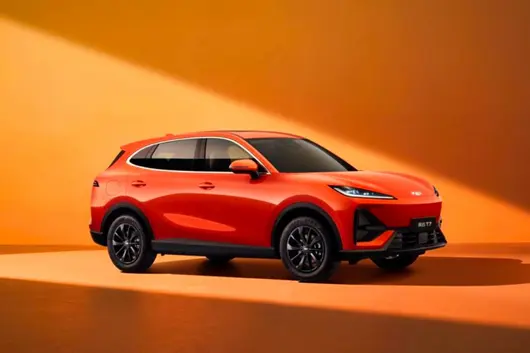
 8 月 12 日,風雲 T7 正式開啟預售,新車共推出 3 款版型,預售價格區間為 10.99 萬元至 12.99 萬元,同步享受 7 重購車權益。此次預售發布會以「慢工造好車,久等了」為主題,傳遞出品牌堅持長期主義、以全球標準打磨產品的造車態度。
全球淬煉,拒絕速成
 在新能源汽車加速迭代的行業背景下,風雲 T7 走出了一條「反向出海」的試煉路徑。依托奇瑞 23 年全球化技術積澱,新車以全鏈路全球嚴苛標準打磨整車實力,覆蓋研發、設計、製造、驗證全流程。同源車型 Lepas L6 已亮相米蘭設計週並獲得國際認可,風雲 T7 在設計階段即融入了 5000 餘名海內外用戶的全程共創。
六大剛需,全面回應品質生活
圍繞品質家庭出行的核心訴求,風雲 T7 將外貌、安全、出行、智能、舒享、安心六大剛需融為一體。

外貌層面,風雲 T7 融合全球審美與東方雅韻,馭風前臉、風塑綢緞車身、天際霞光尾門勾勒出國際簡約與中式氣韻的平衡。整車提供 6 款車身配色,內飾採用雲翼環抱座艙搭配大面積軟包覆,所有內飾材料經過耐候處理,常年使用不易硬化褪色。

安全層面,新車對標 2026 版 E-NCAP 五星安全標準設計,功能安全達到 ASILD 最高等級。整車累計測試里程超 600 萬公里,針對東南亞雨季、中東高溫、印尼高濕等全球多地域極限工況進行實車驗證。車身採用 80% 高強度鋼與 18.84% 熱成型鋼,搭載 9 安全氣囊(含 48L 雙腔遠端氣囊和後排側氣囊);犀牛電池具備 IP68 級防水,為國標 96 倍,有效應對雨季涉水隱患。
出行層面,風雲 T7 全系標準配備 65.05kWh 大容量電池,CLTC 續航 600km,實測達 667km 以上,實現「反向虛標」。電池 30% 充至 80% 僅需 20 分鐘。全域一體化熱管理系統支持 -30°C 至 55°C 超闊溫域穩定運轉,北方冬季用車同樣從容。

智能層面,新車搭載艙駕一體 8775 晶片,4nm 製程、72TOPS 算力,響應僅 80ms。15.6 英寸 2.5K 高清大屏幕支持 CarPlay、HUAWEI HiCar、CarLink,覆蓋市面 99% 以上手機投畫。靈犀智艙 2.0 內置六大真人感陪伴角色及六種場景模式。獵鷹 500 駕駛輔助系統集成 22 顆高精度傳感器,支持 300 種以上全場景自動泊車,含斷頭路泊車、一鍵循跡倒車、跨樓層泊車等功能。

舒享層面,整車尺寸 4570×1852×1694mm,軸距 2700mm,車內得房率 84%,後排純平地台,後排放倒可拓展 1955mm 純平大牀。9 層雲感座椅配備通風加熱功能,-20°C 環境下 5 分鐘速熱至 30°C。底盤由國際化團隊調校,50.8:49.2 黃金軸荷比提升過彎穩定性與循跡性。

安心層面,風雲 T7 推出兩大兜底保障與兩項終身權益——動力電池熱失控全賠新車、智能駕駛輔助事故最高 500 萬賠付、整車終身質保(含三電)、終身基礎保養套餐,覆蓋用戶全週期用車顧慮。
慢工造好車,奔赴中國用戶
 從全球標準研發、全球審美設計、全球工藝製造,到全球路況驗證,風雲 T7 以全鏈路全球品質樹立純電 SUV 價值標桿。它歷經世界淬煉,最終奔赴中國用戶,以六大剛需的全面滿足,回應品質家庭的所有期待。目前新車已正式開啟預售,靜候每一位熱愛生活的用戶。
In the Malaysian SUV market, many buyers compare Proton X70 and Honda HR-V when choosing a car. These two cars are quite close in price and positioning. Today we will make a detailed comparison from multiple aspects to save you time doing research.
Proton X70 OTR price in Malaysia is RM 106,800 - 122,300, with a total of 3 versions, including 1.5L Standard 2WD (RM 106,800), 1.5L Executive 2WD (RM 115,800), 1.5L Premium 2WD (RM 122,300), etc.
Honda HR-V OTR price in Malaysia is RM 115,900 - 143,900, with a total of 4 versions, including 2026 e:HEV 1.5L RS (RM 143,900), 2026 1.5T V (RM 137,900), 2026 1.5T E (RM 130,900), etc.
From the price perspective, Proton X70 starting price is indeed RM 9,100 cheaper than Honda HR-V. If your budget is limited, Proton's entry-level version can already meet daily needs. But keep in mind, that few thousand savings might involve compromises on features, depending on your needs.

Proton X70 equipped with 1.5L Turbo, 140 hp power. Official fuel consumption 7.0 L/100km.
Honda HR-V equipped with 1.5L Turbo, 140 hp power. Official fuel consumption 7.0 L/100km.
Both cars use the same powertrain, daily driving feel is basically no difference. Fuel consumption is also similar, no need to worry too much about this point.

Proton X70 body length 4400 mm, trunk 400 L.
Honda HR-V body length 4500 mm, trunk 450 L.
In terms of space, Honda HR-V body is 100 mm longer than Proton X70, passenger space is more advantageous. However Proton X70 parking in the city is more flexible, each has trade-offs.

Proton X70 adopts FWD drive mode.
Honda HR-V adopts FWD drive mode.
Both cars have same drive mode, both are FWD, daily driving feel will not differ much.
Proton X70 and Honda HR-V are mainstream choices in Malaysian market, suitable for family use, daily commuting. If you value brand reputation and resale price more, prioritize the one with better reputation; If you care more about value for money and features, then choose the one with richer configuration. Finally suggest test driving both models, personal experience is the most important.
Overall, Proton X70 and Honda HR-V are very good car models in Malaysian market. Choosing which one, key is still to see your personal needs and budget. We suggest do research well, compare quotes from several dealerships, then test drive to make final decision. Buying car is a big matter, spending time doing research will definitely not be wrong.


In the Malaysia SUV market, many buyers often compare Proton X50 and Chery Tiggo 7 PHEV when choosing a car.
The OTR price of Proton X50 in Malaysia is RM 89,800 - 113,300, with a total of 4 versions, including 1.5T Executive (RM 89,800), 1.5T Premium (RM 101,800), 1.5T Flagship (RM 113,300), etc.
The OTR price of Chery Tiggo 7 PHEV in Malaysia is RM 129,750 - 129,750, with a total of 2 versions, including 2025 1.5T 90km CSH (RM 129,750), What charging methods does the Tiggo 7 PHEV support? Can it be charged using a home power socket? (RM 117,478), etc.
From a price perspective, the starting price of Proton X50 is indeed RM 39,950 cheaper than Chery Tiggo 7 PHEV. If your budget is limited, the entry-level version of Proton is already enough to meet daily needs. But you should also note that the few thousand cheaper might have compromises in specifications, depending on your specific needs.

Proton X50 is equipped with 1.5L 4-cyl, 105 hp. Official fuel consumption 6.0 L/100km.
Chery Tiggo 7 PHEV is equipped with Hybrid, 170 hp. Official fuel consumption 4.5 L/100km.
In terms of power, the Hybrid of Chery Tiggo 7 PHEV has 65 more horsepower than the 1.5L 4-cyl of Proton X50. However, for daily city driving, the power of both cars is sufficient and won't feel underpowered.

Proton X50 adopts 4WD drive mode.
Chery Tiggo 7 PHEV adopts FWD drive mode.
Proton's 4WD and Chery's FWD will feel different in handling, test drive comparison is recommended.

Proton X50 Warranty 5 years/150,000km, maintenance interval every 10,000km or 6 months.
Chery Tiggo 7 PHEV Warranty 3 years/100,000km, maintenance interval every 10,000km or 6 months.

Both Proton X50 and Chery Tiggo 7 PHEV are mainstream choices in the Malaysian market, suitable for family use and daily commuting. If you value brand reputation and resale value more, you can prioritize the one with better reputation; if you care more about cost-performance ratio and specifications, then choose the one with richer configuration. Ultimately, it is recommended to test drive both, experiencing it personally is the most important.

Overall, Proton X50 and Chery Tiggo 7 PHEV are both quite good models in the Malaysian market. Which one to choose depends mainly on your personal needs and budget. It is recommended to do your homework, compare quotes from several dealerships, and then test drive to make the final decision. Buying a car is a big matter, spending some time doing homework will never be wrong.


In Malaysia's SUV market, many buyers compare Proton X50 and Kia Sportage when choosing a car. These two cars are quite close in price and positioning. Today, we will make a detailed comparison from multiple aspects to help you save time on research.
Proton X50's OTR price in Malaysia is RM 89,800 - 113,300. There are a total of 4 versions, including 1.5T Executive (RM 89,800), 1.5T Premium (RM 101,800), 1.5T Flagship (RM 113,300), etc.
Kia Sportage's OTR price in Malaysia is RM 129,639 - 179,320. There are a total of 4 versions, including 2025 1.6T DCT 4WD High (RM 179,320), 2025 1.6T DCT 2WD High (RM 159,320), 2025 2.0L AT 2WD High (RM 139,639), etc.
In terms of price, Proton X50's starting price is indeed RM 39,839 cheaper than Kia Sportage. If your budget is limited, Proton's entry-level version can already meet daily needs. But also note, the few thousand less expensive might have trade-offs in features, depending on your specific needs.
Proton X50 is equipped with 1.5L 4-cyl, 105 hp power. Official fuel consumption 6.0 L/100km.
Kia Sportage is equipped with 1.5L Turbo, 140 hp power. Official fuel consumption 7.0 L/100km.
In terms of power, Kia Sportage's 1.5L Turbo has 35 more horsepower than Proton X50's 1.5L 4-cyl. However, for daily city driving, both cars have enough power and will not feel underpowered.
Proton X50 vehicle length 4400 mm, trunk 400 L.
Kia Sportage vehicle length 4400 mm, trunk 400 L.
The dimensions of both cars are almost the same, and the interior space difference is not significant. Cars of this level are more than enough for daily use.
Both Proton X50 and Kia Sportage are mainstream choices in the Malaysian market, suitable for family use and daily commuting. If you value brand reputation and resale value more, you can prioritize the one with better reputation; if you care more about value for money and features, choose the one with richer configuration. Ultimately, it is recommended to test drive both models, as personal experience is the most important.

Overall, Proton X50 and Kia Sportage are both very good models in the Malaysian market. Which one to choose depends mainly on your personal needs and budget. It is recommended to do research, compare quotes from multiple dealerships, and then test drive to make a final decision. Buying a car is a big matter, spending some time on research will never be wrong.

 July 24, Dongfeng Motor Corporation Ltd. (hereinafter referred to as "Dongfeng Shares", Stock Code: 600006) released the 2026 semi-annual performance pre-increase announcement. The announcement shows that Dongfeng Shares is expected to achieve a net profit attributable to owners of the parent company of 120 million yuan to 130 million yuan in the first half of the year, a year-on-year increase of 23.45% to 33.74%. New energy vehicle sales reached 19,000 units, up 100.3% year-on-year; exported vehicles totaled 13,000 units, up 81.4% year-on-year; engine sales hit 160,000 units, up 26% year-on-year. Behind these figures lies Dongfeng Shares' sustained effort on three main lines: new energy transformation, engine business, and overseas markets, serving as a phased verification.
 New Energy Accelerates Fully, Transformation Results Accelerated Realization
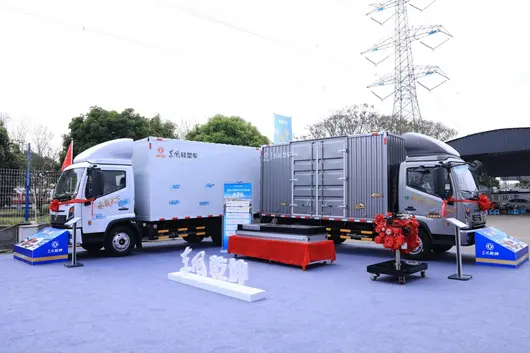
In the first half of the year, Dongfeng Shares' new energy vehicle sales reached 19,000 units, up 100.3% year-on-year, with new energy light truck sales surging 573.4% year-on-year, outperforming industry growth. Following the launch of the premium light truck brand "Dongfeng Qiankun" in 2025, multiple new energy products were densely launched in the first half, including Dongfeng Qiankun K6E pure electric light truck, Dongfeng Dolica D6E battery swap light truck, Dongfeng Tuye T9E/T5E/T7Pro light mini-truck series, Dongfeng Furuitong V8E pure electric VAN, covering light truck, mini-truck, and VAN vehicle full product lines. Dongfeng Shares, by perfecting the new energy product matrix, precisely matched urban distribution and cold chain scene needs, capturing the dividend of increased new energy commercial vehicle penetration. Dongfeng Qiankun K6E is equipped with 800V super high voltage fast charging, replenishing 80% power in ten-plus minutes; Dongfeng Furuitong V8E achieved scaled delivery in urban distribution logistics scenarios less than three months after launch. The new energy strategy released by Dongfeng Shares in 2025 is clear, aiming for 60% new energy penetration by 2030; strategic traction is converting into leapfrog market expansion. Meanwhile, Dongfeng Shares actively responded to the industry's "avoiding excessive internal competition" requirements, fully promoting value marketing, continuously advancing cost reduction and efficiency improvement across the whole value chain, optimizing production organization, and driving technical cost reduction, achieving a shift from "sales volume growth" to "efficiency growth", improving product gross margins, reducing fixed expenses, and steadily enhancing operating quality.
Engine Business Grows Strongly, Core Component Competitiveness Highlighted

In the first half of the year, Dongfeng Shares' engine business volume and profit grew significantly synchronously. Engine sales increased 26% year-on-year. Power component business operates independently from the vehicle cycle, balancing external markets, forming a countercyclical buffer. Among them, Dongfeng Cummins engine sales reached 134,000 units, up 18.4% year-on-year, net profit 677 million yuan, up 24% year-on-year. Power generation power precisely entered scenarios such as telecom base stations, hospitals, mines, and breeding bases. Relying on high-pressure common rail fuel system efficient combustion technology, as well as stable performance under extreme environments and low fuel consumption advantages, Dongfeng Cummins' off-road related business sales have hit a five-year high for the same period consecutively; light engine sales reached 26,000 units, up 89.5% year-on-year, total profit 27 million yuan, up 30% year-on-year; casting sales reached 26,000 tons, up 67.7% year-on-year. Engine business for generator sets grew significantly, making a positive contribution to Dongfeng Shares' operations. As Dongfeng Shares' core component business, the continued strength of the engine segment not only validates Dongfeng Shares' technical accumulation in the powertrain field but also provides bottom-line support for the market competitiveness of vehicle products.

 Overseas Markets Accelerate Breakthrough, Globalization Layout Continues to Deepen
Dongfeng Shares donated Dongfeng Furuitong V10E to Cuba's Latin American News Agency; Dongfeng light commercial vehicle sales stores officially opened in Mendoza, Argentina
In the first half of the year, Dongfeng Shares exported 13,000 vehicles, up 81.4% year-on-year, with growth far exceeding the industry average, and overseas markets are shifting from "layout" to "deep cultivation". In the Latin American market, Dongfeng Furuitong V8E secured 108 vehicle orders; the first sales store in Argentina received 100 unit orders immediately upon opening; in the Southeast Asian market, 830 light truck specialized vehicles were delivered in Malaysia at once. Right-hand drive product layout accelerated, light truck T17 S series and mini-truck T15 series launched smoothly; Dongfeng Cummins in Vietnam, the core market of Southeast Asia, engine export sales increased 94% year-on-year in the first half. The South Asian Pakistan market showed strong growth momentum, with engine exports soaring 155% year-on-year. The East African Tanzania market was steadily developed, with engine exports increasing 90% year-on-year in the first half, continuously broadening regional engineering and transportation equipment supply markets. Jointly donating Dongfeng Furuitong V10E to Cuba's Latin American News Agency with Xinhua News Agency further improved Dongfeng light vehicle brand's overseas visibility. Overseas business became an important growth pole to hedge domestic market competition pressure. Dongfeng Shares is accelerating the perfection of overseas marketing networks and service systems, continuously expanding the global market map with product strength and localized operation capabilities.

Dongfeng OpenVAN Global Premiere
H1 performance is a phased result of Dongfeng Shares' several-year full-domain deep transformation. This performance pre-increase is a phased result of Dongfeng Shares' transformation and upgrading, but challenges such as the sustainability of new energy growth, pressure from price wars in traditional fuel vehicles, and geopolitical risks in export markets need attention.
Aiming for the "15th Five-Year Plan" commercial vehicle "Four Firsts" goal, Dongfeng Shares is accelerating towards high-quality development with product innovation as the backbone and brand communication as the wings. Of note, Dongfeng Shares has also taken a key step in the unmanned logistics field — on June 6, the Dongfeng OpenVAN unmanned logistics vehicle brand premiered globally in Xiangyang, launching four models of L4-level full-scenario unmanned logistics vehicles, receiving over 4,000 units of strategic signing orders on-site. This is the most iconic technical brand event since the founding of Dongfeng Shares. The expansion of new businesses and new tracks is accumulating momentum for Dongfeng Shares' next stage of growth.
© 2024 Bitauto.com. All Rights Reserved.
Bitauto (www.yiche.com and www.bitauto.com) is one of the most visited automotive websites in China. We provide detailed info on Chinese car brands available in your area. Please note that the information provided on this website is based on publicly available data and is for reference only. It may not be fully updated or accurate at all times.

Help us improve our website


