

Homenusantara

Search History
Popular Searches
Dealer Login / Sign Up

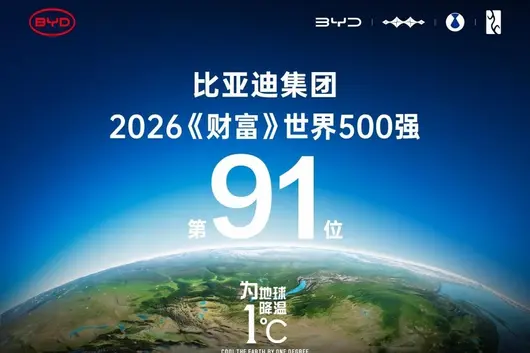
Chinese automakers are going absolutely crazy! On July 28, the 2026 Fortune Global 500 Ranking was just released, with BYD directly reaching 91st globally!

Listed for 5 consecutive years, firmly ranking among the global top 100. Do you know what this means? Among all automakers worldwide, BYD is the highest-ranked Chinese automaker, and also the only Chinese automotive brand to break into the top 100!
Some might say, what's there to brag about being ranked 91st? Come, let me run the numbers for you.
In 2025, BYD's full-year revenue was 804 billion, net profit 32.6 billion. Sold 4.6 million new energy vehicles all year, consecutively winning the title of global new energy vehicle sales champion, China market automaker sales champion, etc., and is a benchmark enterprise for global new energy vehicles. In the first half of this year, it sold another 1.8 million+, the 17 millionth new car rolled off the production line in July, making BYD the first automaker globally to achieve this number!
Do you think that's it? The most fierce part is R&D investment.
BYD has always adhered to the development concept of "Technology is King, Innovation is the Foundation". Invested 63.4 billion in R&D in 2025! A year-on-year increase of 17%, ranked 1st among all A-share listed companies for two consecutive years. Invested another 11.3 billion in Q1 this year. Until now, cumulative R&D investment has surpassed 250 billion! What concept? For many automakers, one year's revenue isn't even this much.
Where was the money spent? The 2nd Gen Blade Battery + Super Flash Charge technology released in March this year. By the end of the year, nationwide to build 20,000 Super Flash Charge stations, another 6,000 overseas. Even fiercer in May, all vehicle series can be equipped with Sky-Eye B Assisted Driving Laser Version, and also promises City Navigation Safety Guarantee for 1 year, full guarantee for smart parking, ushering in the era of public city navigation.
The overseas market is also expanding wildly. In 2025, overseas sales surpassed 1 million for the first time, surging 145%. Sold another 780,000 in the first half of this year. BYD's overseas expansion strategy has formed a pattern of "Latin America leading, Europe breaking through, Asia blooming at multiple points". This year, BYD's first overseas Cloud Rail was opened in Brazil, the Brazil factory reached the 100,000th new energy vehicle rolled off the line; Denza Z, Z9GT and D9 jointly opened a new chapter of European tech luxury; BYD's first overseas specialized model Sea Otter (BYD RACCO) landed in Japan; the Thailand factory welcomed its 2nd anniversary of production. BYD is accelerating into a deep-rooted local, high-quality development globalization new stage. As of now, BYD's business has spread to 121 countries and regions worldwide.
There is another detail: As of June 30, BYD new energy vehicles cumulative carbon emission reduction was 149 million tons, equivalent to planting 2.48 billion trees. In terms of social responsibility implementation, BYD launched a 3 billion yuan education charity fund, and reached donation agreements with 127 universities nationwide, incentivizing over 6,000 students.
From a small battery factory to a global top 100 automaker, BYD took 20 years. Some say Chinese brands are no good. Some say Chinese automakers can only compete fiercely domestically. What's the result? BYD's presence can be seen in hundreds of countries worldwide, Europeans are queuing to buy Denza, developing new models specifically for the Japanese market. What expressions are those who looked down on Chinese cars back now making?
804 billion revenue, 4.6 million sales, 63.4 billion R&D, 17 million cars rolled off, the story behind these numbers boils down to one sentence: Chinese automobiles, have truly stood up!
As the global leader in new energy vehicles, BYD firmly ranks in the world's top 100 camp, which is the result of its persistence in technological innovation and global breakthroughs. Looking forward, BYD will continue to unswervingly uphold sustainable development concepts, with more cutting-edge technology and a more perfect global layout, to cool down the Earth by 1°C.

In the Malaysian SUV market, many buyers compare Proton X50 and Honda HR-V when choosing a car. These two models are quite close in price and positioning. Today, we will make a detailed comparison from multiple aspects to help you save time on research.
The Proton X50 OTR price in Malaysia is RM 89,800 - 113,300, with a total of 4 versions, including 1.5T Executive (RM 89,800), 1.5T Premium (RM 101,800), 1.5T Flagship (RM 113,300), etc.
The Honda HR-V OTR price in Malaysia is RM 115,900 - 143,900, with a total of 4 versions, including 2026 e:HEV 1.5L RS (RM 143,900), 2026 1.5T V (RM 137,900), 2026 1.5T E (RM 130,900), etc.
In terms of price, the starting price of the Proton X50 is indeed RM 26,100 cheaper than the Honda HR-V. If your budget is limited, Proton's entry-level version can already meet daily needs. But be aware, the few thousand cheaper may involve compromises in features, depending on your needs.

Proton X50 is equipped with 1.5L 4-cyl, horsepower 105 hp. Official fuel consumption 6.0 L/100km.
Honda HR-V is equipped with 1.5L Turbo, horsepower 140 hp. Official fuel consumption 7.0 L/100km.
In terms of power, the Honda HR-V's 1.5L Turbo has 35 horsepower more than the Proton X50's 1.5L 4-cyl. However, for daily city driving, both cars have sufficient power and you won't feel it lacks power.

Proton X50 body length 4400 mm, trunk 400 L.
Honda HR-V body length 4500 mm, trunk 450 L.
In terms of space, the Honda HR-V body is 100 mm longer than the Proton X50, offering an advantage in passenger space. However, the Proton X50 is a bit more flexible for parking in the city, each has its trade-offs.

Proton X50 warranty 5 years/150,000km, service interval every 10,000km or 6 months.
Honda HR-V warranty 5 years/unlimited mileage, service interval every 10,000km or 6 months.

Overall, Proton X50 and Honda HR-V are both excellent car models in the Malaysian market. Which one to choose depends mainly on your personal needs and budget. We suggest doing your homework, compare quotes from several dealerships, and then test drive to make a final decision. Buying a car is a big matter, spending time on research is never wrong.


喺馬來西亞嘅 SUV 市場,好多買家喺揀車嘅時候都會拿 Proton X70 同 Mazda CX-60 嚟做比較。這兩款車喺價位同定位上都幾近,今日我哋就從多個方面做一個詳細嘅比較,幫你省咗做功課嘅時間。
Proton X70 喺馬來西亞嘅 OTR 售價係 RM 106,800 - 122,300,一總共有 3 個版本,包括 1.5L Standard 2WD(RM 106,800)、1.5L Executive 2WD(RM 115,800)、1.5L Premium 2WD(RM 122,300) 等。
Mazda CX-60 喺馬來西亞嘅 OTR 售價係 RM 200,510 - 252,873,一總共有 2 個版本,包括 2026 3.3T 4WD High Plus(RM 252,873)、2025 2.5L 2WD High(RM 200,510) 等。
由價錢嚟睇,Proton X70 嘅起步價確實比 Mazda CX-60 平咗 RM 93,710。如果你預算有限,Proton 嘅入門版已經可以滿足日常需要。但都係要留意,平嗰幾千蚊,可能會喺配備上有取舍,具體要看你嘅需求。

Proton X70 配備 1.5L Turbo,馬力 140 hp。官方油耗 7.0 L/100km。
Mazda CX-60 配備 2.0L 4-cyl,馬力 170 hp。官方油耗 8.0 L/100km。
動力方面,Mazda CX-60 嘅 2.0L 4-cyl 比 Proton X70 嘅 1.5L Turbo 多咗 30 匹馬力。不過日常喺市區開,兩款車嘅動力都夠用,唔使擔心唔夠力。

Proton X70 車身長 4400 mm,車尾箱 400 L。
Mazda CX-60 車身長 4500 mm,車尾箱 450 L。
空間方面,Mazda CX-60 嘅車身比 Proton X70 長咗 100 mm,乘坐空間更有優勢。不過 Proton X70 喺城市入面泊車會靈活少少,各有取舍。

Proton X70 採用 FWD 驅動方式。
Mazda CX-60 採用 FWD 驅動方式。
兩款車嘅驅動方式一樣,都係 FWD,日常駕駛感受唔會有太大分別。
總體嚟講,Proton X70 同 Mazda CX-60 都係馬來西亞市場好唔錯嘅車型。揀邊輛,關鍵仲係睇你嘅個人需求同預算。建議大家做好功課,多比較幾間車行嘅報價,再去試駕先做最終決定。買車係件大事,花少少時間做功課絕對唔會錯。


In Malaysia's SUV market, many buyers compare the Proton X70 and Toyota Corolla Cross when choosing a car. These two cars are quite close in price and positioning. Today we will make a detailed comparison from multiple aspects to help you save time on research.
The OTR selling price of Proton X70 in Malaysia is RM 106,800 - 122,300, with a total of 3 versions, including 1.5L Standard 2WD (RM 106,800), 1.5L Executive 2WD (RM 115,800), 1.5L Premium 2WD (RM 122,300), etc.
The OTR selling price of Toyota Corolla Cross in Malaysia is RM 133,800 - 148,800, with a total of 3 versions, including 2026 HEV 1.8L GR Sport (RM 148,800), 2026 HEV 1.8L Standard (RM 140,800), 2026 1.8L Standard (RM 133,800), etc.
From a price perspective, the starting price of Proton X70 is indeed RM 27,000 cheaper than Toyota Corolla Cross. If your budget is limited, Proton's entry-level version can already meet daily needs. But note that the few thousand ringgit difference might involve trade-offs in features, depending on your needs.

Proton X70 is equipped with a 1.5L Turbo, 140 hp. Official fuel consumption is 7.0 L/100km.
Toyota Corolla Cross is equipped with a 1.5L Turbo, 140 hp. Official fuel consumption is 7.0 L/100km.
Both cars use the same powertrain, and the driving feel in daily use is basically the same. Fuel consumption is also similar, so there is no need to worry too much about this.

Proton X70 body length is 4400 mm, trunk is 400 L.
Toyota Corolla Cross body length is 4400 mm, trunk is 400 L.
The dimensions of both cars are almost the same, and the interior space is not much different. For cars in this class, daily use is completely adequate.

Proton X70 and Toyota Corolla Cross are both mainstream choices in the Malaysian market, suitable for family use and daily commuting. If you value brand reputation and second-hand price more, you can prioritize the one with better reputation; if you care more about value for money and features, then choose the model with more rich configuration. Ultimately, it is recommended to test drive both, personal experience is the most important.
Overall, Proton X70 and Toyota Corolla Cross are both very good car models in the Malaysian market. Which one to choose depends mainly on your personal needs and budget. It is recommended to do your research, compare quotes from several dealerships, and then test drive to make the final decision. Buying a car is a big matter, spending some time doing research will never be wrong.


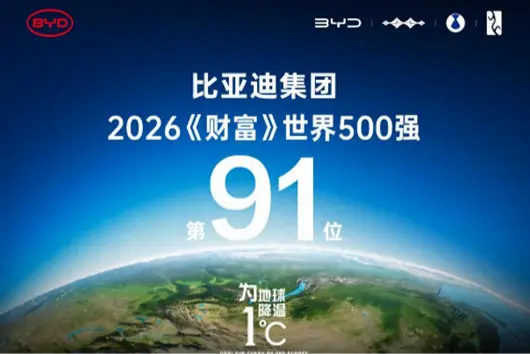
7 月 28 日,2026 年《財富》世界 500 強榜單正式公佈。比亞迪憑藉持續增長嘅經營表現同全球化發展成果,連續第五年登上榜單,位列第 91 位,首次穩居全球百強陣營。這不僅體現咗企業規模與綜合實力嘅持續提升,亦展現出中國新能源汽車產業喺全球汽車產業變革中嘅影響力。
 從一家中國汽車企業,到全球新能源汽車產業嘅重要參與者,比亞迪嘅發展歷程見證咗中國製造向中國智造嘅轉型升級。現時,比亞迪已經形成新能源汽車、軌道交通、電子產業等多領域協同發展嘅產業佈局,並憑藉技術創新、產業鏈整合以及全球化戰略,喺國際市場不斷突破。
2025 年,比亞迪實現全年營收 8040 億元,純利潤 326 億元;新能源汽車全年銷量達到 460 萬輛,連續蟬聯全球新能源汽車銷量冠軍、中國市場車企銷量冠軍等多個行業榮譽,成為全球新能源汽車標桿企業。2026 年 1 月至 6 月,比亞迪累計銷量超過 180 萬輛。7 月,比亞迪第 1700 萬輛新能源汽車正式下線,成為全球首家達成這一里程碑嘅新能源汽車企業。
持續增長嘅市場表現背後,係比亞迪長期堅持技術創新嘅發展理念。多年來,比亞迪始終堅持「技術為王,創新為本」,不斷加大研發投入,推動新能源汽車核心技術持續突破。
2025 年,比亞迪研發投入達到 634 億元,同比增長 17%,連續兩年位居 A 股上市公司研發投入第一梯隊。2026 年第一季度,比亞迪研發投入達到 113 億元,持續保持高強度技術投入。截至現時,比亞迪累計研發投入已經突破 2500 億元。
大規模研發投入推動咗一系列創新技術加速落地。今年 3 月,比亞迪正式發布第二代刀片電池及閃充技術,進一步提升新能源汽車補能效率同使用體驗。同時,比亞迪計劃喺年底前喺全國建設 2 萬座閃充站,並將會喺全球佈局 6000 座海外閃充站,持續完善新能源出行基礎設施。
喺智能化領域,比亞迪亦唔斷推動技術普及。今年 5 月,比亞迪率先承諾為城市領航安全兜底一年,並宣布全系車型均可搭載天神之眼 B 輔助駕駛激光版,推動智能駕駛技術從高端車型向更多用戶普及,開啟全民智能駕駛新階段。
除咗技術突破,比亞迪嘅全球化進程亦進入新嘅發展階段。2025 年,比亞迪海外銷量首次突破 100 萬輛,同比增長 145%;2026 年上半年,海外銷量繼續保持增長,累計銷量超過 78 萬輛。
目前,比亞迪全球化佈局已經形成「拉美領跑、歐洲突破、亞太多點開花」嘅發展格局,業務覆蓋全球 121 個國家及地區。從新能源汽車出口,到海外生產基地建設,再到本土化研發與服務體系完善,比亞迪正由「產品出海」邁向「產業鏈出海」。
今年,比亞迪首條海外雲軌喺巴西正式通車,巴西工廠迎來第 10 萬輛新能源汽車下線;騰勢 Z、騰勢 Z9GT 以及騰勢 D9 共同進入歐洲市場,開啟新能源豪華品牌全球化探索;比亞迪首款海外專研車型海獺(BYD RACCO)正式落地日本;泰國工廠亦迎來投產兩週年,進一步提升區域產業協同能力。
隨著新能源汽車產業進入全球競爭新階段,比亞迪正透過技術創新同本土化佈局,推動新能源汽車產業價值鏈升級。未來,企業將繼續深化全球市場佈局,讓中國新能源汽車技術服務更多消費者。
與此同時,比亞迪亦持續踐行綠色發展理念。截至 6 月 30 日,比亞迪新能源汽車相較傳統燃油車,喺能源生產與使用環節累計實現碳減排 1.49 億噸,相當於種植 24.8 億棵樹,為全球低碳轉型貢獻力量。
喺社會責任領域,比亞迪啟動 30 億元教育慈善基金,並與全國 127 所高校達成捐贈協議,激勵超過 6000 名學生成長發展。企業發展同社會責任相結合,成為比亞迪長期堅持嘅重要方向。
從連續五年進入《財富》世界 500 強,到躋身全球百強陣營,比亞迪嘅發展唔單止係企業自身實力提升嘅體現,亦係中國新能源汽車產業快速發展嘅縮影。
未來,比亞迪將繼續堅持科技創新驅動,以更先進新能源技術、更完善全球產業佈局以及更加開放發展理念,推動綠色出行變革,為全球可持續發展貢獻中國力量,向着「為地球降溫 1℃」嘅目標持續前行。

In the Malaysian SUV market, many buyers compare Proton X50 and Mazda CX-5 when choosing a car. These two models are quite close in price and positioning. Today, we will conduct a detailed comparison from multiple aspects to help you save time on research.
Proton X50's OTR price in Malaysia is RM 89,800 - 113,300, with 4 versions in total, including 1.5T Executive (RM 89,800), 1.5T Premium (RM 101,800), 1.5T Flagship (RM 113,300), etc.
Mazda CX-5's OTR price in Malaysia is RM 135,469 - 166,760, with 3 versions in total, including 2025 2.0L AT 35th Anniversary (RM 316,154), 2025 2.0L AT (RM 296,154), 2025 2.0L MT (RM 294,154), etc.
From a price standpoint, the Proton X50's starting price is indeed RM 45,669 cheaper than the Mazda CX-5. If your budget is limited, the Proton entry-level version can already meet daily needs. However, note that the few thousand saved might involve trade-offs in features, depending on your specific requirements.
Proton X50 features a 1.5L 4-cyl engine, power 105 hp. Official fuel consumption 6.0 L/100km.
Mazda CX-5 features a 1.5L Turbo engine, power 140 hp. Official fuel consumption 7.0 L/100km.
In terms of power, the Mazda CX-5's 1.5L Turbo has 35 more horsepower than the Proton X50's 1.5L 4-cyl. However, for daily city driving, both cars have sufficient power and do not feel underpowered.
Proton X50's safety rating is 5★ (ASEAN NCAP), active safety systems include ADAS (ACC, AEB, LKA, LDA, BSM, RCTA).
Mazda CX-5's safety rating is 5★ (ASEAN NCAP), active safety systems include .
Both cars have the same safety rating, and safety features are quite comprehensive for this class. New cars nowadays do not lack in safety, so there is no need to worry too much about this.
Proton X50 adopts a 4WD drive system.
Mazda CX-5 adopts a FWD drive system.
Proton's 4WD and Mazda's FWD will offer different driving experiences, a test drive comparison is recommended.

Overall, Proton X50 and Mazda CX-5 are both very good models in the Malaysian market. Which one to choose ultimately depends on your personal needs and budget. We recommend doing thorough research, comparing quotes from several dealerships, and then test driving to make the final decision. Buying a car is a major matter, taking time to do your research will definitely not be wrong.
In the Malaysian SUV market, many buyers compare Proton X50 and Chery Tiggo Cross when choosing a car. These two cars are quite close in price and positioning. Today, we will make a detailed comparison from multiple aspects to save you time on research.
Proton X50 OTR price in Malaysia is RM 89,800 - 113,300, with 4 versions in total, including 1.5T Executive (RM 89,800), 1.5T Premium (RM 101,800), 1.5T Flagship (RM 113,300), etc.
Chery Tiggo Cross OTR price in Malaysia is RM 88,750 - 99,750, with 2 versions in total, including 2025 HEV 1.5L CSH (RM 99,750), 2025 1.5T Standard (RM 88,750), etc.
Looking at the price, Chery Tiggo Cross starting price is RM 1,050 cheaper than Proton X50. Honestly, in this price range, the difference of a few thousand is not really significant; the key is to look at the overall value for money and long-term usage costs.
Proton X50 safety rating is 5★ (ASEAN NCAP), active safety systems include ADAS (ACC, AEB, LKA, LDA, BSM, RCTA).
Chery Tiggo Cross safety rating is TBD, active safety systems include Basic.
Regarding safety features, both cars have received good ratings. However, there are some differences in functionality between Proton X50's ADAS (ACC, AEB, LKA, LDA, BSM, RCTA) and Chery Tiggo Cross's Basic. If you value active safety more, you can compare the feature lists of both carefully.
Proton X50 body length is 4400 mm, trunk 400 L.
Chery Tiggo Cross body length is 4400 mm, trunk 400 L.
The dimensions of both cars are almost identical, and the interior space is not much different. For this class of car, it is completely sufficient for daily use.
Proton X50 and Chery Tiggo Cross are both mainstream choices in the Malaysian market, suitable for family use and daily commuting. If you value brand reputation and resale value more, you can prioritize the one with a better reputation; if you care more about value for money and features, then choose the one with richer configuration. Ultimately, it is recommended to test drive both, as personal experience is the most important.

Overall, Proton X50 and Chery Tiggo Cross are both very good models in the Malaysian market. Which one to choose depends mainly on your personal needs and budget. We recommend doing your research, comparing quotes from several dealerships, and then test driving to make the final decision. Buying a car is a big matter; spending some time doing research will never be wrong.

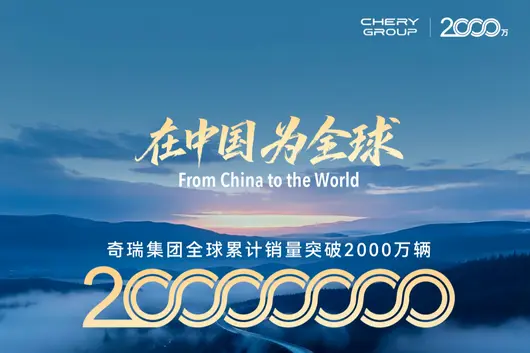
2026 年 7 月 25 日,成都科幻館。奇瑞集團全球累計整車銷量突破 2000 萬輛,而交付嘅呢第 2000 萬輛,恰恰係奇瑞嘅「初代 IP」——風雲。從 1999 年 12 月第一輛「風雲」喺蕪湖下線,到 2026 年風雲 A9 作為第 2000 萬輛交付,奇瑞用 29 年完成咗一個極具象徵意義嘅閉環。

「2000 萬輛之後,我哋不再參加內捲。」奇瑞汽車董事長尹同躍這句話嘅分量,只有放進奇瑞 29 年嘅創業坐標系入面,先至能被真正睇懂。
· 從「小草房」到 2000 萬:一條自主研發嘅逆襲曲線

1997 年 3 月,奇瑞「發動機一廠」喺蕪湖城北一片荒灘上破土動工,打下第一根樁。彼時嘅中國車壇流傳兩句話:「不搞合資就冇咗活路,唔夠百萬輛規模就唔好談自主研發。」
奇瑞偏偏唔信呢個邪。1999 年 5 月,第一台自主研發嘅發動機一次點火成功,打破「中國人造唔出自主發動機」嘅成見;1999 年 12 月,000001 號「風雲」轎車下線,開啟自主造車「從 0 到 1」;2001 年 10 月,首批 10 輛風雲經天津港出口敘利亞,開啟中國轎車批量出口先河;2007 年 8 月,第 100 萬輛下線,成為首個邁過「百萬輛門檻」嘅自主品牌;2015 年 12 月,第 500 萬輛下線;2025 年,奇瑞登陸港交所;2026 年 7 月 25 日,全球累計銷量突破 2000 萬輛。

從第一個 500 萬輛用咗 16 年,到第三個 500 萬輛僅用唔到 3 年——銷量曲線嘅陡峭化,背後係技術體系從追趕到引領嘅躍升軌跡。如今嘅奇瑞,技術儲備已延伸至電芯、芯片、智能駕駛、固態電池、飛行汽車、人形機器人等多個前沿領域,「合資宿命論」同「規模門檻論」喺實實在在嘅發展成果面前唔攻自破。
· 整車同零部件:蕪湖「汽車城」嘅全球競爭力樣本

2001 年,奇瑞首批 10 輛風雲轎車出口中東。25 年後嘅今日,奇瑞累計出口已逼近 700 萬輛,連續 23 年穩居中國乘用車品牌出口榜首,海外用戶超 623 萬。
但係奇瑞嘅「整車」故事,從來唔係孤軍作戰。喺安徽蕪湖,奇瑞已帶動各類零部件配套企業接近 4000 家,形成具有全球競爭力嘅汽車產業集群。從 ACTECO 系列發動機到無極自動變速器(CVT),從「鯤鵬動力 CHERY POWER」全域動力架構到全功能混動構型 DHT,奇瑞率先擁有完全自主知識產權嘅動力總成量產能力。
更值得一提嘅係,奇瑞喺零部件出海上都走在前列——2006 年 3 月,首批奇瑞發動機出口美國,開啟咗中國汽車核心零部件反向進入歐美市場嘅先河。呢條「整車 + 零部件」嘅雙線出海路徑,正係奇瑞區別於其他自主品牌嘅關鍵底色。
· 金融同資本:港股上市後嘅「彈藥重構」

2025 年,奇瑞登陸港交所,呢個係奇瑞發展史上嘅關鍵一躍。從自主創業,到港交所敲鐘嘅產業金融集團,奇瑞嘅資本運作能力,本身就係中國汽車工業成熟度嘅一個樣本。
尹同躍明確表示,港股募集嘅資金主要用於研發、海外業務以及針對未來出行嘅投資佈局,聚焦電動化、智能化、AI 化、輕量化四大板塊。呢個標誌住奇瑞從「自我造血」走向「產業資本 + 金融資本」雙輪驅動嘅新階段。
· 智能科技同人形機器人:奇瑞嘅「第二根樁」

2025 年 3 月 18 日,奇瑞智能化戰略發布會上,尹同躍講咗一句被業內反覆引用嘅話:「28 年前我哋打下咗建廠嘅第一根樁,今日我哋要打下第二根樁——AI 智能化嘅樁。」
獵鷹智駕,2025 年實現全品牌全系車型搭載,首款量產級端到端 L4 級智能駕駛系統「獵鷹 Robocar」已亮相;墨甲人形機器人,奇瑞佈局人形機器人領域,從造車延伸到造機器人;喺 2026 北京車展期間,與英偉達(智駕算力)、博世(電氣架構)、高通(座艙芯片)、火山引擎(雲端大模型)、寧德時代(補能網絡)達成深度戰略合作,從「甲方乙方」轉向「聯合定義」。
· 生態出海:從「賣車」到「成為當地一分子」

2026 年上半年,奇瑞集團出口 94.38 萬輛,同比大增 71.5%,連續四個月刷新中國車企單月出口紀錄,平均每 17 秒就有一台奇瑞車輛發往海外。但係數字背後,更值得書寫嘅係奇瑞出海理念嘅迭代——「In somewhere, For somewhere, Be somewhere」(喺邊度,為邊度,成為當地一分子)。
首先係研發本土化。搭建全球「1+7+N」協同創新網絡,8 大全球研發中心;2026 年 4 月西班牙巴塞羅那啟用首個海外區域運營中心,同步啟動西班牙研究院。再者係製造本土化。與西班牙 EV MOTORS 合作復活 EBRO 品牌;南非本地化生產項目預計 2027 年首款車型投產。然後係人才本土化。國際化人才僱員突破 2 萬人,本地化員工佔比達 85%。最後係市場高端化。奇瑞已進入 18 個歐洲國家市場,2026 年一季度歐洲出口量 90579 輛,同比增長 170%;Jaecoo 品牌 2025 年成為英國十年來增長最快汽車品牌。
真正嘅全球化,絕非單純嘅產品出口,而係「研發、製造、品牌、文化」嘅全生態融入。奇瑞正從「貿易出海」邁向「生態扎根」——呢個係尹同躍給全球化寫下嘅最新注腳。
· 社會責任:把 ESG 當成全球化嘅「必修課」

喺《奇瑞汽車 2025 年 ESG 報告》中,奇瑞明確提出 2037 年實現自身運營碳中和、2047 年實現全價值鏈碳中和嘅目標。目前,奇瑞整車基地綠電佔比已超過 52%,自主研發嘅再生低碳鋁合金技術可大幅降低全生命週期碳排放。
更具溫度嘅係奇瑞嘅「商業向善」。與聯合國兒童基金會(UNICEF)續約全球合作,承諾繼續投入 600 萬美元推動全球教育進步,此前合作已助力全球近 4000 萬名青少年獲得優質教育;與世界自然保護聯盟(IUCN)合作,開展西班牙海洋生態修復同馬來西亞紅樹林保護項目;2024 年攜手 10 家核心供應商發布《奇瑞汽車可持續供應鏈倡議》,連續兩年入選《財富》「中國 ESG 影響力榜」,並成為「2024-2025 福布斯中國可持續發展工業企業」評選中唯一入選嘅汽車企業。
正如尹同躍所言,奇瑞嘅全球化心得係——「去別人去唔到、唔敢去同唔願意去嘅地方」。而呢種長期主義,亦換來咗「走到邊度,就為當地創造價值」嘅雙向奔赴。
2027 年,奇瑞將迎來「三十而立」。從 1999 年第一輛風雲下線,到 2026 年風雲 A9 作為第 2000 萬輛交付——呢款「長續航智美純電轎跑」承載嘅,係奇瑞初代全球化車型嘅迭代升級成果,亦係奇瑞「向美好出發」嘅新起點。佢完整補齊咗風雲新能源序列插混、增程、純電三大動力路線,標誌著奇瑞電動化 2.0 嘅全面落地。
29 年,奇瑞踩準咗中國汽車工業從「市場換技術」到「技術輸出」、從「產品出海」到「生態出海」嘅兩大歷史轉折。2000 萬輛,唔係終點,而係奇瑞從「中國嘅汽車」邁向「全球嘅汽車」嘅新起跑線。

喺馬來西亞嘅 SUV 市場,好多買家喺揀車嘅時候都會拿 Proton X50 同 Chery Tiggo 8 PHEV 嚟做比較。呢兩款車喺價位同定位上都好接近,今日我哋就從多個方面做一個詳細嘅對比,幫你節省做功課嘅時間。
Proton X50 喺馬來西亞嘅 OTR 售價係 RM 89,800 - 113,300,一共有 4 個版本,包括 1.5T Executive(RM 89,800)、1.5T Premium(RM 101,800)、1.5T Flagship(RM 113,300) 等。
Chery Tiggo 8 PHEV 喺馬來西亞嘅 OTR 售價係 RM 159,750 - 159,750,一共有 2 個版本,包括 1.6L Turbo Standard(RM 130,000)、1.6L Turbo Premium(RM 145,000) 等。
從價錢嚟睇,Proton X50 嘅起步價確實比 Chery Tiggo 8 PHEV 便宜咗 RM 69,950。如果你預算有限,Proton 嘅入門版已經可以滿足日常需要。不過亦要注意,便宜嗰幾千塊,可能喺配備上會有取捨,具體要睇你嘅需要。
Proton X50 搭載 1.5L 4-cyl,馬力 105 hp。官方油耗 6.0 L/100km。
Chery Tiggo 8 PHEV 搭載 Hybrid,馬力 170 hp。官方油耗 4.5 L/100km。
動力方面,Chery Tiggo 8 PHEV 嘅 Hybrid 比 Proton X50 嘅 1.5L 4-cyl 多咗 65 匹馬力。不過日常喺市區開,兩款車嘅動力都夠用,唔會覺得唔夠力。
Proton X50 車身長 4400 mm,行李箱 400 L。
Chery Tiggo 8 PHEV 車身長 4400 mm,行李箱 400 L。
兩款車嘅尺寸幾乎一樣,車內空間差異唔大。呢個級別嘅車,日常使用完全夠用。
Proton X50 採用 4WD 驅動方式。
Chery Tiggo 8 PHEV 採用 FWD 驅動方式。
Proton 嘅 4WD 同 Chery 嘅 FWD 喺操控上會有唔同感受,建議試駕對比。
Proton X50 保修 5 年/150,000km,保養間隔 每 10,000km 或 6 個月。
Chery Tiggo 8 PHEV 保修 3 年/100,000km,保養間隔 每 10,000km 或 6 個月。
總括嚟講,Proton X50 同 Chery Tiggo 8 PHEV 都係馬來西亞市場好唔錯嘅車型。揀邊架,關鍵係要睇你嘅個人需求同預算。建議大家做好功課,多比較幾間車行嘅報價,再去試駕做最終決定。買車係件大事,花費少許時間做功課絕對無錯。

喺馬來西亞嘅 SUV 市場,好多買家喺揀車嘅時候都會拿寶騰 X50 同奇瑞 Tiggo 8 PHEV 嚟做比較。呢兩款車喺價位同定位上都好接近,而家我哋就從多方面做個詳細嘅比較,幫你慳咗做功課嘅時間。
寶騰 X50 喺馬來西亞嘅 OTR 售價係 RM 89,800 - 113,300,總共 4 個版本,包括 1.5T Executive(RM 89,800)、1.5T Premium(RM 101,800)、1.5T Flagship(RM 113,300)等等。
奇瑞 Tiggo 8 PHEV 喺馬來西亞嘅 OTR 售價係 RM 159,750 - 159,750,總共 2 個版本,包括 1.6L Turbo Standard(RM 130,000)、1.6L Turbo Premium(RM 145,000)等等。
從價錢嚟睇,寶騰 X50 嘅起步價確實比奇瑞 Tiggo 8 PHEV 平咗 RM 69,950。如果你預算有限,寶騰嘅入門版已經可以滿足日常需求。但都要注意,平嗰幾千塊,可能喺配備上有取捨,具體睇你嘅需求。
寶騰 X50 嘅安全評級係 5★ (ASEAN NCAP),主動安全系統包括 ADAS (ACC, AEB, LKA, LDA, BSM, RCTA)。
奇瑞 Tiggo 8 PHEV 嘅安全評級係 TBD,主動安全系統包括 Basic。
安全配備方面,兩款車都拿到唔錯嘅評級。不過寶騰 X50 嘅 ADAS (ACC, AEB, LKA, LDA, BSM, RCTA) 同奇瑞 Tiggo 8 PHEV 嘅 Basic 喺功能上有啲差異,如果你比較重視主動安全嘅話,可以仔細比較下兩者嘅功能列表。
寶騰 X50 採用 4WD 驅動方式。
奇瑞 Tiggo 8 PHEV 採用 FWD 驅動方式。
寶騰嘅 4WD 同奇瑞嘅 FWD 喺操控上會有唔同感受,建議試駕比較。
寶騰 X50 保用 5 年/150,000km,保養間隔 每 10,000km 或 6 個月。
奇瑞 Tiggo 8 PHEV 保用 3 年/100,000km,保養間隔 每 10,000km 或 6 個月。
寶騰 X50 同奇瑞 Tiggo 8 PHEV 都係馬來西亞市場嘅主流選擇,適合家庭使用、日常通勤。如果你更重視品牌口碑同二手價,可以優先考慮口碑更好嗰款;如果你更在意性價比同配備,嗰就揀配備更豐富嗰款。最終始終建議兩款都去試駕,親身體驗先係最重要嘅。
總體嚟講,寶騰 X50 同奇瑞 Tiggo 8 PHEV 都係馬來西亞市場幾唔錯嘅車型。揀邊一輛,關鍵始終都要睇你嘅個人需求同預算。建議大家做好功課,多比較幾間車行嘅報價,再去試駕做最終決定。買車係件大事,花點時間做功課絕對無錯。

喺馬來西亞嘅 SUV 市場,好買車喺揀車嗰陣都會拿 Proton X50 同 Chery Tiggo 9 嚟做比較。呢兩款車喺價位同定位上都好接近,今日我哋就從多個方面做個詳細比較,幫你節省做功課嘅時間。
Proton X50 喺馬來西亞嘅 OTR 售價係 RM 89,800 - 113,300,合共 4 個版本,包括 1.5T Executive(RM 89,800)、1.5T Premium(RM 101,800)、1.5T Flagship(RM 113,300)等。
Chery Tiggo 9 喺馬來西亞嘅 OTR 售價係 RM 166,800 - 179,800,合共 1 個版本,包括 2026 2.0T Standard(RM 179,750)等。
睇返價錢,Proton X50 嘅起步價確實比 Chery Tiggo 9 平咗 RM 77,000。如果你預算有限,Proton 嘅入門版已經可以滿足日常需求。但都要注意,平嗰幾千蚊,可能會喺配備上有取舍,具體睇你嘅需求。
Proton X50 嘅安全評級係 5★ (ASEAN NCAP),主動安全系統包括 ADAS (ACC, AEB, LKA, LDA, BSM, RCTA)。
Chery Tiggo 9 嘅安全評級係 TBD,主動安全系統包括 Basic。
安全配備方面,兩款車都拿到唔錯嘅評級。不過 Proton X50 嘅 ADAS (ACC, AEB, LKA, LDA, BSM, RCTA) 同 Chery Tiggo 9 嘅 Basic 喺功能上有啲差異,如果你比較重視主動安全嘅話,可以仔細對比下兩者嘅功能列表。
Proton X50 採用 4WD 驅動方式。
Chery Tiggo 9 採用 FWD 驅動方式。
Proton 嘅 4WD 同 Chery 嘅 FWD 喺操控上會有唔同感受,建議試駕比較。
Proton X50 同 Chery Tiggo 9 都係馬來西亞市場嘅主流選擇,適合家庭用、日常通勤。如果你更重視品牌口碑同二手價,可以優先考慮口碑更好嗰一款;如果你更在意性價比同配備,那就揀配置更豐富嗰款。最終仲係建議兩款都去試駕,親身體驗先最重要。

總體嚟講,Proton X50 同 Chery Tiggo 9 都係馬來西亞市場好唔錯嘅車型。揀邊架車,關鍵仲係要睇你嘅個人需求同預算。建議大家做好功課,多比較幾間車行之報價,再去試駕做最終決定。買車係件大事,花少少時間做功課絕對唔會錯。

In Malaysia's SUV market, many buyers compare the Proton X50 and Subaru Forester when choosing a car. Both cars are quite close in price and positioning. Today we will do a detailed comparison from multiple aspects, to help save you time on research.
The Proton X50's OTR price in Malaysia is RM 89,800 - 113,300, with a total of 4 versions, including 1.5T Executive (RM 89,800), 1.5T Premium (RM 101,800), 1.5T Flagship (RM 113,300), etc.
The Subaru Forester's OTR price in Malaysia is RM 174,000 - 197,000, with a total of 3 versions, including 2024 2.0L S EyeSight GT Edition (RM 189,538), 2024 2.0L S EyeSight (RM 177,538), 2024 2.0L L EyeSight (RM 167,538), etc.
In terms of price, the starting price of the Proton X50 is indeed RM 84,200 cheaper than the Subaru Forester. If your budget is limited, the Proton's entry-level version can already meet daily needs. However, be aware, the few thousand cheaper might involve trade-offs in features, it depends on your needs.
Proton X50 is equipped with 1.5L 4-cyl, horsepower 105 hp. Official fuel consumption 6.0 L/100km.
Subaru Forester is equipped with 2.0L 4-cyl, horsepower 170 hp. Official fuel consumption 8.0 L/100km.
In terms of power, Subaru Forester's 2.0L 4-cyl has 65 more horsepower than Proton X50's 1.5L 4-cyl. However, for daily city driving, both cars have enough power, you won't feel underpowered.
Proton X50's safety rating is 5★ (ASEAN NCAP). Active safety systems include ADAS (ACC, AEB, LKA, LDA, BSM, RCTA).
Subaru Forester's safety rating is 5★ (Euro NCAP). Active safety systems include EyeSight.
Regarding safety features, both cars have received good ratings. However, the ADAS (ACC, AEB, LKA, LDA, BSM, RCTA) of the Proton X50 and Subaru Forester's EyeSight have some functional differences. If you value active safety, you can compare their feature lists carefully.
Proton X50 body length 4400 mm, trunk 400 L.
Subaru Forester body length 4400 mm, trunk 400 L.
The dimensions of both cars are almost the same, interior space difference is small. Cars in this class, daily use is completely sufficient.

Proton X50 warranty 5 years/150,000km, maintenance interval every 10,000km or 6 months.
Subaru Forester warranty 3 years/100,000km, maintenance interval every 10,000km or 6 months.

Overall, both Proton X50 and Subaru Forester are very good car models in the Malaysian market. Choosing which one, the key is to look at your personal needs and budget. We suggest doing research, compare quotes from several dealerships, then go for a test drive to make the final decision. Buying a car is a big matter, spending some time doing research will definitely not be wrong.
喺馬來西亞嘅 SUV 市場,好多買家喺揀車嘅時候都會揀 Proton X50 同 MG MG HS 嚟做比較。呢兩款車喺價位同定位上都幾相近,今日我哋就從多個方面做一個詳細嘅對比,幫你省下做功課嘅時間。
Proton X50 喺馬來西亞嘅 OTR 售價係 RM 89,800 - 113,300,一共有 4 個版本,包括 1.5T Executive(RM 89,800)、1.5T Premium(RM 101,800)、1.5T Flagship(RM 113,300) 等。
MG MG HS 喺馬來西亞嘅 OTR 售價係 RM 130,450 - 146,450,一共有 2 個版本,包括 1.5L Standard(RM 105,000)、1.5L Executive(RM 115,000) 等。
從價錢來看,Proton X50 嘅起價確實比 MG MG HS 平咗 RM 40,650。如果你預算有限,Proton 嘅入門版已經可以滿足日常需求。但都要記住,平嗰幾千蚊,可能喺配備上面有取舍,具體要睇你嘅需求。
Proton X50 配備 1.5L 4-cyl,馬力 105 hp。官方油耗 6.0 L/100km。
MG MG HS 配備 1.5L Turbo,馬力 140 hp。官方油耗 7.0 L/100km。
動力方面,MG MG HS 嘅 1.5L Turbo 比 Proton X50 嘅 1.5L 4-cyl 多咗 35 匹馬力。不過日常喺市區開,兩款車嘅動力都夠用,唔會覺得唔夠力。
Proton X50 車身長 4400 mm,後尾箱 400 L。
MG MG HS 車身長 4400 mm,後尾箱 400 L。
兩款車嘅尺寸幾乎一樣,車內空間差別唔大。呢個級別嘅車,日常使用完全夠用。
Proton X50 保養 5 年/150,000km,保養間隔 每 10,000km 或 6 個月。
MG MG HS 保養 7 年/150,000km,保養間隔 每 10,000km 或 6 個月。
總嘅來說,Proton X50 同 MG MG HS 都係馬來西亞市場幾唔錯嘅車型。揀邊一輛,關鍵仲要睇你嘅個人需求同預算。建議大家做好功課,多比較幾間車行嘅報價,再去試駕做最終決定。買車係件大事,花啲時間做功課絕對唔會錯。

In Hanoi, Vietnam, in July 2026, it was not just the weather that was hot. When Wang Zhijian, Chairman of the Board of Shandong Heavy Industry, along with nearly 1,600 partners from 62 countries worldwide, jointly released the "Initiative to Co-create a New Ecosystem for the Green Intelligent Equipment Industry", a clear signal was sent to the world: In the next five to ten years, the development trend of the global equipment manufacturing industry lies in Hanoi, Vietnam.
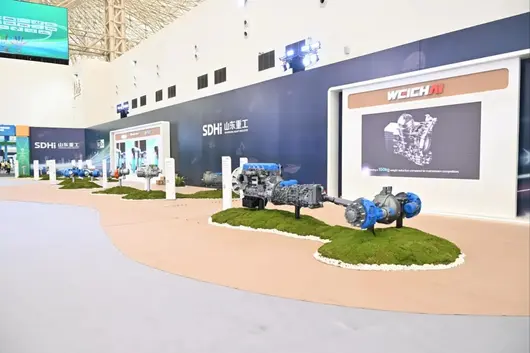
This global partner conference and green intelligent product exhibition, themed "Technology Empowering Beautiful Equipment", is the first international event held overseas by Shandong Heavy Industry in the fields of new energy and digital intelligence. In a 26,000-square-meter exhibition area, 13 major brands and 145 sets (pieces) of high-end products made their debut, covering full-scenario applications such as smart logistics, smart mines, smart construction, smart agriculture, and green energy — this is no longer a simple product exhibition, but a "comprehensive review of industrial capability" of China's high-end equipment manufacturing industry facing the world.

Spent 40 years in Vietnam, Shandong Heavy Industry treats this place as a second home
Placing such a heavyweight global premiere in Vietnam was by no means accidental. This year marks the 80th anniversary of Weichai, the core power brand under Shandong Heavy Industry, and also the 40th anniversary of Weichai serving the Vietnamese market. Over the past four decades, Weichai has deeply integrated into local industrial development, with power product sales in Vietnam exceeding 160,000 units, firmly holding the top position in Vietnam's bus power, ship power, and other sectors. Behind these numbers is the deep binding between Shandong Heavy Industry and the Vietnamese market for nearly four decades — it is not a short-term harvest of "doing the market, selling products", but truly taking root in this land, accompanying Vietnamese customers through entrepreneurship and growth.
But the reasons for choosing Vietnam go far beyond historical ties. Southeast Asia is one of the regions with the fastest growth in global new energy commercial vehicles, and countries such as Vietnam, Indonesia, and Thailand are introducing clean freight support policies in dense succession, while local charging infrastructure is not yet perfect. A single pure electric route may be unsuitable here; multi-technology combinations such as hybrid, alternative fuel, and microgrids find their place — and this is exactly the field Weichai has cultivated for many years. Vice Minister of the Ministry of Industry and Trade of Vietnam, Zhang Qinghuai, said in his address at the conference that the new technology solutions demonstrated by Shandong Heavy Industry correspond exactly to Vietnam's urgent needs in three directions: green transportation, digital transformation, and improving the quality of logistics infrastructure.

A deeper consideration lies in the significance of the strategic fulcrum. Starting from Astana in 2023, to Dubai, Jakarta, Mexico City, and then gathering globally in Qingdao, every switch of venue for Shandong Heavy Industry's Global Partner Conference corresponds to a clear strategic judgment. Now arriving in Hanoi, Vietnam, targeting the huge potential for new energy development in Southeast Asia. This is not only a strategic move by Shandong Heavy Industry to "deeply cultivate Southeast Asia and radiate globally", but also a key step in its transformation from "product going global" to "industry taking root".
Don't put all eggs in one basket, Shandong Heavy Industry brought all five technology routes here
If summarized in one sentence, the core message of this exhibition is: Shandong Heavy Industry does not bet on a single technology route, it bets on "having it all". The exhibition site specially established five core technology zones: pure electric, hybrid, proton exchange membrane fuel cell, alternative fuel internal combustion engine, and intelligent driving assistance system. The power core of these five technology routes can almost be seen with Weichai's presence — from traditional power such as diesel and gas to pure electric, hybrid, hydrogen energy, SOFC and alternative fuels, Weichai has established a complete power system layout covering diverse energy sources.
This is not a simple technology display, but a technology map covering all energy possibilities from "today" to "the day after tomorrow". The pure electric full-chain layout has achieved mass production and vehicle mounting; the WP3NNG natural gas range extender raises comprehensive range to over 1,000 kilometers in "short-distance pure electric, long-distance range extension" mode; the WEF300 hydrogen fuel cell engine is equipped with 49-ton class heavy trucks, adapting to long-distance trunk lines and port container transport scenarios; the Weichai WP15DI hydrogen internal combustion engine is the world's first product of its kind to pass China's National VI certification; unmanned mining achieves centimeter-level precise parking. In the distributed energy field, Weichai's independently developed SOFC solid oxide fuel cell products have achieved commercial application of 100kW products, accumulating nearly 70,000 hours of stable operation, becoming the core support for the group's power energy sector.

This confidence of "having it all" comes from Shandong Heavy Industry's systematic construction of core competitive advantages in the new energy industry chain. Taking Weichai as the technical foundation, from power batteries to complete vehicles and machines, from core three-electric systems to intelligent networking, this 600-billion multinational group has completed a complete industrial closed loop from diversified integrated power systems to full-scenario complete vehicles and machines. Among them, Weichai independently developed M series large cylinder diameter power generation products, the world's first 5-megawatt high-speed diesel power generating set 20M61, etc., have also become technical barrier-level products for the group's power energy sector.
Data is the best proof: In the first half of 2026, Shandong Heavy Industry's domestic new energy business revenue reached 24.4 billion yuan, a year-on-year increase of 57%. The new energy heavy trucks sales of Sinotruk under the group increased by 141% year-on-year, market share continues to climb, successfully jumping to the top of the industry. Currently, the global equipment industry is at a double turning point of energy transformation and intelligent upgrade, and the single electrification route is difficult to adapt to the differentiated needs of different regions and operating conditions globally. The answer given by Shandong Heavy Industry is a full-cycle power ecology covering "traditional low carbon, new energy transition, ultimate zero carbon, intelligent empowerment" — from Weichai's diversified power systems to full-scenario adaptation of complete vehicles and machines, constituting a complete closed loop interlinked step by step.
More notably, these technologies are not stuck on PPTs in the laboratory. Shacman heavy trucks equipped with Weichai WP13NG were delivered in batches to Nigeria's top FMCG logistics carriers; 4,950 buses equipped with Weichai WP8H, WP10 engines were delivered to Algeria, setting a new local record for bus power equipment batches; in the Brazilian market, heavy trucks equipped with Weichai WP15NG were delivered to customers in batches, becoming customers' first choice — behind each product is hardcore strength that has been widely verified by the global market. The market share of Weichai engines in Brazil and Africa continues to rise, and Weichai power systems are being tested and winning trust in every corner of the world.

Not only selling cars and engines, Shandong Heavy Industry is starting to "hand over the keys" in Vietnam
In traditional cognition, Chinese manufacturing going overseas is often equated with "cost-effectiveness" and "complete machine sales". But the Hanoi conference this time by Shandong Heavy Industry revealed a completely different narrative.
Weichai released its microgrid solution for the first time, deeply integrating mixed energy power stations, mobile photovoltaics, energy storage, storage and charging integrated machines, SOFC power generation systems, and other diverse core equipment, providing customers with low-cost, low-emission, and high-reliability one-stop closed-loop power energy services; at the same time, the mining scenario energy solution integrating "source-grid-load-storage-control" also made its debut, condensing Weichai's accumulation in the fields of power generating sets, new energy power, and intelligent control into a complete mining area energy management closed loop.
In the complete vehicle service field, Shandong Heavy Industry has built an integrated ecosystem solution of "vehicle + energy + digital + service", and in the warehousing and logistics link, its subsidiary AI intelligent warehouse uses intelligent algorithms to increase space utilization by about 30%. This is not selling a device, but delivering a system, a capability — from Weichai's power heart to the complete vehicle's intelligent brain, from single products to full-cycle services, Shandong Heavy Industry is completing the role leap from "manufacturer" to "solution provider".
Behind this "turnkey" capability is an industrial network spread across the globe. Currently, Shandong Heavy Industry has established 55 trading platform companies in 32 countries worldwide, over 60 overseas factories, and more than 2,000 employees stationed overseas. In the first half of 2026, the group's export income reached 62.4 billion yuan, a year-on-year increase of 33.4%.
When a company can autonomously complete full-cycle management from product definition to after-sales service overseas, what it outputs is no longer products, but a set of replicable industrial standards and a growth ecology rooted locally. As the power core of Shandong Heavy Industry's global layout, Weichai has always played the role of "technology engine" — from 160,000 power products in Vietnam to Weichai engines and power generating sets all over the world, Weichai's footprint extends in tandem with Shandong Heavy Industry's global map.

At the conference, projects such as SOFC, electric buses, electric heavy trucks, AI bulldozers, and intelligent agricultural machinery were signed in batches. The engineering machinery sector under Shandong Heavy Industry signed orders for 270 bulldozers with local agents. Behind these signings is the qualitative change of Shandong Heavy Industry and global partners upgrading from a "business field" to an "ecosystem" — a value community of co-creation, co-existence, and co-prosperity is taking shape.
The Hanoi conference is not the end, but a new starting point for Shandong Heavy Industry's "deeply cultivating Southeast Asia and radiating globally". When Europe and America are still discussing "who will pay for the transition", Shandong Heavy Industry has already packed the product matrix covering Weichai's diversified power systems and full-series new energy complete vehicles into containers.
From Astana to Hanoi, six conferences in four years, the world has seen the change in Shandong Heavy Industry. And the concentrated debut of 145 green intelligent equipment in Hanoi writes new coordinates of the leap from "Made in China" to "Created in China". The new decade of the global equipment industry, the positioning battle has begun, and Shandong Heavy Industry is already standing in the front row.
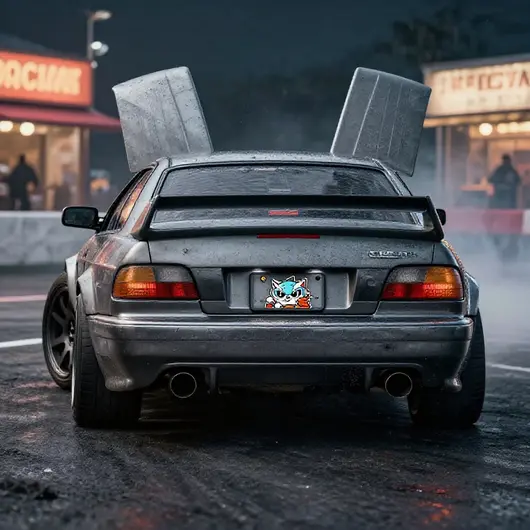
喺馬來西亞嘅 SUV 市場,好多買家喺揀車嘅時候都會拿 Proton X50 同 Hyundai Tucson 嚟比較。呢兩款車喺價位同定位上都幾接近,今日我哋就從多方面做一次詳細比較,幫你節省做功課嘅時間。
Proton X50 喺馬來西亞嘅 OTR 售價係 RM 89,800 - 113,300,合共有 4 個版本,包括 1.5T Executive(RM 89,800)、1.5T Premium(RM 101,800)、1.5T Flagship(RM 113,300)等。
Hyundai Tucson 喺馬來西亞嘅 OTR 售價係 RM 143,888 - 197,888,合共有 5 個版本,包括 2025 HEV 1.6T AT 2WD Prestige(RM 197,888)、2025 1.6T DCT 4WD Prestige(RM 186,888)、2025 1.6T DCT 2WD Prime(RM 164,888)等。
由價錢睇嚟,Proton X50 嘅起步價確實比 Hyundai Tucson 平咗 RM 54,088。如果你預算有限,Proton 嘅入門版已經可以滿足日常需求。但都要注意,便宜嗰幾千蚊,喺配備上可能有取舍,具體要睇你嘅需求。
Proton X50 車身長 4400 mm,車尾箱 400 L。
Hyundai Tucson 車身長 4400 mm,車尾箱 400 L。
兩款車嘅尺寸差唔多,車內空間分別唔大。呢個級別嘅車,日常使用完全夠用。
Proton X50 保養保修 5 年/150,000km,保養間隔 每 10,000km 或 6 個月。
Hyundai Tucson 保養保修 5 年/300,000km,保養間隔 每 10,000km 或 6 個月。
Proton X50 同 Hyundai Tucson 都係馬來西亞市場嘅主流選擇,適合家庭用途、日常通勤。如果你更看重品牌聲譽同二手價,可以優先考慮聲譽更好嗰一款;如果你更重視性價比同配備,那就揀配置更豐富嗰款。最後都建議兩款都去試駕,親身感受先至最重要。

總體嚟講,Proton X50 同 Hyundai Tucson 都係馬來西亞市場幾唔錯嘅車款。揀邊輛,關鍵都係要睇你嘅個人需求同預算。建議大家做好功課,多比較幾間車行嘅報價,再去試駕先做最終決定。買車係件大件事,花少少時間做功課絕對唔會錯。

喺馬來西亞嘅 SUV 市場,好多買家喺揀車嘅時候都會拿 寶騰 X70 同 本田 HR-V 嚟比較。呢兩款車喺價位同定位上都幾接近嘅,今日我哋就會從多個方面做一個詳細嘅比較,幫你省返做功課嘅時間。
寶騰 X70 喺馬來西亞嘅 OTR 售價係 RM 106,800 - 122,300,合共有 3 個版本,包括 1.5L Standard 2WD(RM 106,800)、1.5L Executive 2WD(RM 115,800)、1.5L Premium 2WD(RM 122,300) 等。
本田 HR-V 喺馬來西亞嘅 OTR 售價係 RM 115,900 - 143,900,合共有 4 個版本,包括 2026 e:HEV 1.5L RS(RM 143,900)、2026 1.5T V(RM 137,900)、2026 1.5T E(RM 130,900) 等。
由價錢睇,寶騰 X70 嘅起步價確實比 本田 HR-V 平咗 RM 9,100。如果你預算有限,寶騰嘅入門版已經可以滿足日常需要。但都要記住,平嗰幾千蚊,可能在配備上會有取捨,具體就要睇你嘅需求。
寶騰 X70 採用 FWD 驅動方式。
本田 HR-V 採用 FWD 驅動方式。
兩款車嘅驅動方式一樣,都係 FWD,日常駕駛感覺唔會有太大分別。

寶騰 X70 保修 5 年/150,000km,保養間隔 每 10,000km 或 6 個月。
本田 HR-V 保修 5 年/無限制里程,保養間隔 每 10,000km 或 6 個月。
寶騰 X70 同 本田 HR-V 都係馬來西亞市場嘅主流選擇,適合家庭用、日常通勤。如果你更重視品牌口碑同二手價,可以優先考慮口碑更好嗰一款;如果你更重視性價比同配備,那就揀配備更豐富嗰款。最後都係建議兩款都去試駕,親身試吓先係最重要嘅。
總體嚟講,寶騰 X70 同 本田 HR-V 都係馬來西亞市場幾唔錯嘅車型。揀邊一輛,關鍵都係要睇你嘅個人需求同預算。建議大家做足功課,多比較幾間車行嘅報價,再去做試駕做最終決定。買車係件大事情,花少少時間做功課絕對唔會錯。


喺馬來西亞嘅汽車市場,好多買家喺揀車嗰陣都會拿 BMW X7 同 Land Rover Discovery Sport 嚟比較。今日我哋從多個方面做一個詳細嘅對比,幫你省咗做功課嘅時間。


BMW X7 喺馬來西亞嘅 OTR 售價係 RM 635,800 - 694,800,總共有 3 個版本,包括 1.5L Standard 2WD(RM 106,800)、1.5L Executive 2WD(RM 115,800)、1.5L Premium 2WD(RM 122,300)等。
Land Rover Discovery Sport 喺馬來西亞嘅 OTR 售價係 RM 499,800 - 499,800,總共有 1 個版本,包括 Standard(RM 499,800)等。
由價錢睇,Land Rover Discovery Sport 嘅起步價比 BMW X7 平咗 RM 136,000。講真啲,喺呢個價位段,幾千蚊嘅差距其實唔算大,關鍵仲係睇整體嘅性價比同長期使用成本。

BMW X7 配備 3.0L Turbo,馬力 350 hp。官方油耗 12.0 L/100km。
Land Rover Discovery Sport 配備 3.0L Turbo,馬力 350 hp。官方油耗 12.0 L/100km。
兩部車用緊同一套動力系統,所以日常開嘅感覺基本冇分別。油耗方面都差唔多,唔使太糾結呢一點。

BMW X7 車身長 4400 mm,後尾箱 400 L。
Land Rover Discovery Sport 車身長 4400 mm,後尾箱 400 L。
兩部車嘅尺寸幾乎一樣,車內空間差別唔大。呢個級別嘅車,日常使用完全夠用。

BMW X7 採用 FWD 驅動方式。
Land Rover Discovery Sport 採用 4WD 驅動方式。
BMW X7 嘅 FWD 同 Land Rover Discovery Sport 嘅 4WD 喺操控上面會有唔同嘅感覺,建議試駕比較。

總嚟講,BMW X7 同 Land Rover Discovery Sport 都係馬來西亞市場幾唔錯嘅車款。揀邊一部,關鍵仲要睇你嘅個人需求同預算。建議大家做好功課,多比較幾間車行嘅報價,再過去試駕做最終決定。買車係件大事,花少少時間做功課絕對唔會錯。


在马来西亚的汽车市场,很多买家在选车的时候都会拿 Volkswagen Arteon 和 Mercedes-Benz E-Class PHEV 来做比较。今天我们从多个方面做一个详细的对比,帮你省下做功课的时间。


Volkswagen Arteon 在马来西亚的 OTR 售价是 RM 300,962 - 300,962,一共有 2 个版本,包括 2025 2.0T R-Line(RM 300,962)、DCT(RM 240,848) 等。
Mercedes-Benz E-Class PHEV 在马来西亚的 OTR 售价是 RM 427,888 - 427,888,一共有 2 个版本,包括 E 200 Avantgarde(RM 350,000)、E 300 AMG Line(RM 400,000) 等。
从价钱来看,Volkswagen Arteon 的起步价确实比 Mercedes-Benz E-Class PHEV 便宜了 RM 126,926。如果你预算有限,Volkswagen 的入门版已经可以满足日常需求。但也要注意,便宜的那几千块,可能在配备上会有取舍,具体要看你的需求。

Volkswagen Arteon 的安全评级是 TBD,主动安全系统包括 Basic。
Mercedes-Benz E-Class PHEV 的安全评级是 5★ (Euro NCAP),主动安全系统包括 Premium ADAS。
安全配备方面,两款车都拿到了不错的评级。不过 Volkswagen Arteon 的 Basic 和 Mercedes-Benz E-Class PHEV 的 Premium ADAS 在功能上有些差异,如果你比较看重主动安全的话,可以仔细对比一下两者的功能列表。

Volkswagen Arteon 车身长 4400 mm,后备箱 400 L。
Mercedes-Benz E-Class PHEV 车身长 4400 mm,后备箱 400 L。
两款车的尺寸几乎一样,车内空间差别不大。这个级别的车,日常使用完全够用。

Volkswagen Arteon 保修 3年/100,000km,保养间隔 每10,000km或6个月。
Mercedes-Benz E-Class PHEV 保修 3年/100,000km,保养间隔 每10,000km或6个月。
两款车的保修条件一样,这方面不用纠结。实际保养成本还要看品牌的服务网络和零件价格,建议去车友群问问真实车主的经验。

总的来说,Volkswagen Arteon 和 Mercedes-Benz E-Class PHEV 都是马来西亚市场很不错的车型。选择哪一辆,关键还是要看你的个人需求和预算。建议大家做好功课,多比较几间车行的报价,再去试驾做最终决定。买车是件大事,花点时间做功课绝对不会错。


在马来西亚的汽车市场,很多买家在选车的时候都会拿 Honda Civic Type R 和 Mercedes-Benz E-Class PHEV 来做比较。今天我们从多个方面做一个详细的对比,帮你省下做功课的时间。

Honda Civic Type R 在马来西亚的 OTR 售价是 RM 399,900 - 399,900,一共有 3 个版本,包括 2023 2.0T Standard(RM 399,900)、OTR NI(RM 399,900)、Volvo ES90(RM 339,888) 等。
Mercedes-Benz E-Class PHEV 在马来西亚的 OTR 售价是 RM 427,888 - 427,888,一共有 2 个版本,包括 E 200 Avantgarde(RM 350,000)、E 300 AMG Line(RM 400,000) 等。
从价钱来看,Honda Civic Type R 的起步价确实比 Mercedes-Benz E-Class PHEV 便宜了 RM 27,988。如果你预算有限,Honda 的入门版已经可以满足日常需求。但也要注意,便宜的那几千块,可能在配备上会有取舍,具体要看你的需求。

Honda Civic Type R 的安全评级是 5★ (ASEAN NCAP),主动安全系统包括 Brand ADAS。
Mercedes-Benz E-Class PHEV 的安全评级是 5★ (Euro NCAP),主动安全系统包括 Premium ADAS。
安全配备方面,两款车都拿到了不错的评级。不过 Honda Civic Type R 的 Brand ADAS 和 Mercedes-Benz E-Class PHEV 的 Premium ADAS 在功能上有些差异,如果你比较看重主动安全的话,可以仔细对比一下两者的功能列表。

Honda Civic Type R 采用 FWD 驱动方式。
Mercedes-Benz E-Class PHEV 采用 FWD 驱动方式。
两款车的驱动方式一样,都是 FWD,日常驾驶感受不会有太大区别。
Honda Civic Type R 保修 5年/无限制里程,保养间隔 每10,000km或6个月。
Mercedes-Benz E-Class PHEV 保修 3年/100,000km,保养间隔 每10,000km或6个月。
总的来说,Honda Civic Type R 和 Mercedes-Benz E-Class PHEV 都是马来西亚市场很不错的车型。选择哪一辆,关键还是要看你的个人需求和预算。建议大家做好功课,多比较几间车行的报价,再去试驾做最终决定。买车是件大事,花点时间做功课绝对不会错。


在马来西亚的汽车市场,很多买家在选车的时候都会拿 Mercedes-Benz GLS 和 Land Rover Range Rover Sport 来做比较。今天我们从多个方面做一个详细的对比,帮你省下做功课的时间。


Mercedes-Benz GLS 在马来西亚的 OTR 售价是 RM 1,020,888 - 1,020,888,一共有 1 个版本,包括 Standard(RM 1,020,888) 等。
Land Rover Range Rover Sport 在马来西亚的 OTR 售价是 RM 1,698,000 - 2,500,000,一共有 1 个版本,包括 Standard(RM 1,698,000) 等。
从价钱来看,Mercedes-Benz GLS 的起步价确实比 Land Rover Range Rover Sport 便宜了 RM 677,112。如果你预算有限,Mercedes-Benz 的入门版已经可以满足日常需求。但也要注意,便宜的那几千块,可能在配备上会有取舍,具体要看你的需求。

Mercedes-Benz GLS 的安全评级是 5★ (Euro NCAP),主动安全系统包括 Premium ADAS。
Land Rover Range Rover Sport 的安全评级是 TBD,主动安全系统包括 Basic。
安全配备方面,两款车都拿到了不错的评级。不过 Mercedes-Benz GLS 的 Premium ADAS 和 Land Rover Range Rover Sport 的 Basic 在功能上有些差异,如果你比较看重主动安全的话,可以仔细对比一下两者的功能列表。

Mercedes-Benz GLS 车身长 4400 mm,后备箱 400 L。
Land Rover Range Rover Sport 车身长 4400 mm,后备箱 400 L。
两款车的尺寸几乎一样,车内空间差别不大。这个级别的车,日常使用完全够用。

Mercedes-Benz GLS 采用 FWD 驱动方式。
Land Rover Range Rover Sport 采用 4WD 驱动方式。
Mercedes-Benz GLS 的 FWD 和 Land Rover Range Rover Sport 的 4WD 在操控上会有不同感受,建议试驾对比。
总的来说,Mercedes-Benz GLS 和 Land Rover Range Rover Sport 都是马来西亚市场很不错的车型。选择哪一辆,关键还是要看你的个人需求和预算。建议大家做好功课,多比较几间车行的报价,再去试驾做最终决定。买车是件大事,花点时间做功课绝对不会错。

© 2024 Bitauto.com. All Rights Reserved.
Bitauto (www.yiche.com and www.bitauto.com) is one of the most visited automotive websites in China. We provide detailed info on Chinese car brands available in your area. Please note that the information provided on this website is based on publicly available data and is for reference only. It may not be fully updated or accurate at all times.

Help us improve our website


