

Homesum

Search History
Popular Searches
Dealer Login / Sign Up

喺馬來西亞嘅 SUV 市場,好多買家喺揀車嗰陣都會拿 Proton X90 同 Mazda CX-5 做比較。
Proton X90 喺馬來西亞嘅 OTR 售價係 RM 106,800 至 122,800,一共有 4 個版本,包括 2026 1.5T Prime X(RM 122,800)、2026 1.5T Prime(RM 116,800)、2026 1.5T Lite(RM 106,800) 等。
Mazda CX-5 喺馬來西亞嘅 OTR 售價係 RM 135,469 至 166,760,一共有 3 個版本,包括 2025 2.0L AT 35th Anniversary(RM 316,154)、2025 2.0L AT(RM 296,154)、2025 2.0L MT(RM 294,154) 等。
由價錢睇,Proton X90 嘅入門價確實比 Mazda CX-5 平咗 RM 28,669。如果你預算有限,Proton 嘅入門版已經可以滿足日常需要。但都要留意,平嗰幾千蚊,可能喺配備上要取捨,具體要睇你嘅需要。

Proton X90 嘅安全評級係 5★ (ASEAN NCAP),主動安全系統包括 ADAS (ACC, AEB, LKA, LDA, BSM, RCTA)。
Mazda CX-5 嘅安全評級係 5★ (ASEAN NCAP),主動安全系統包括 。
兩款車嘅安全評級一樣,喺呢個級別入面安全配備都算畀好齊全。而家嘅新車安全性都好唔差,唔使太擔心呢一點。

Proton X90 車身長 4400 mm,後備箱 400 L。
Mazda CX-5 車身長 4500 mm,後備箱 450 L。
空間方面,Mazda CX-5 嘅車身比 Proton X90 長咗 100 mm,乘坐空間更有優勢。不過 Proton X90 喺城市入面泊車會靈活啲,各有取捨。

Proton X90 同 Mazda CX-5 都係馬來西亞市場嘅主流選擇,適合家庭使用、日常通勤。如果你更睇重品牌口碑同二手價,可以優先考慮口碑更好嗰一款;如果你更在乎性價比同配備,那就揀配備更豐富嗰款。最終都係建議兩款都去試駕,親身體驗先係最重要。

總括嚟講,Proton X90 同 Mazda CX-5 都係馬來西亞市場好唔錯嘅車型。揀邊一輛,關鍵始終都要睇你嘅個人需要同預算。建議大家做好功課,多比較幾間車行嘅報價,先至去試駕做最終決定。買車係件大事情,花少少時間做功課絕對無錯。


Early August, car makers typically "show off their results". BYD July sales 419,211 units, among them overseas sales 179,841 units, year-on-year increase of 124.3%, accounting for 43% of total sales; Chery Group sales 276,820 units, exports 202,533 units, year-on-year increase of 70.1%, becoming the first Chinese car company to exceed 200,000 monthly exports; Geely Automobile July sales 250,161 units, overseas exports 106,663 units, year-on-year increase of 202%.
Looking at these three sets of data and three representative car companies together, it is not difficult to find that going global has accounted for more than 40% of sales of top car companies.
From the performance of various car companies in the past, the features of going global reflected by this data are not accidental. BYD Chairman Wang Chuanfu has expressed on multiple occasions that BYD's goal is to become a "global new energy enterprise". The 43% proportion in overseas sales in July simply made this goal start to change from a slogan to reality. Chery Holdings Chairman Yin Tongyue also said: "Chery does not want to make easy money at home, but if Chinese cars only run within their own backyard, they will never produce world-class enterprises."

As for the reasons, there are several points worth paying attention to that might explain this. July new energy penetration rate created a historical high of 64.5%, but the retail scale of 1.52 million units itself was at a low level in the off-season. Fuel cars still have about 540,000 monthly sales, accounting for 35.5%. In addition, pure electric continues to strengthen internally within new energy, while plug-in hybrid/extended-range growth has slowed down. The incremental space in the domestic market is narrowing.
Considering the broader context, the attention given by top players to going global can be considered forward-looking preparation. And by this time, going global for more Chinese car companies has no longer been a "choice".
Behind the volume, the change of main battlefield is the general trend
The data of top car companies has raised the volume of going global, which also means that overseas has undoubtedly become the "main battlefield". BYD July overseas sales 179,841 units, accounting for 43% of total sales. January to July overseas cumulative 969,000 units, one step away from 1 million units. 8 RoRo ships fully deployed, annual capacity 1 million units, Thailand, Brazil, Hungary factories started production one after another, Spain's second European factory is under investigation. BYD's going global plan is huge, with the meaning of "going all in".
Chery Group July exports 202,533 units, accounting for 73% of total sales. Refreshing single-month export records for five consecutive months, January to July cumulative exports 1.146 million units, year-on-year increase of 71.2%. According to General Administration of Customs data, Chery is also a "big user" of going global. In 2025, the total export volume of Chinese automobiles is about 8.32 million units, Chery alone contributed 1.344 million units, accounting for more than 16%.

July data this year is even more pointed. Chery Automobile Co., Ltd. (9973.HK) July sales 261,876 units, year-on-year increase of 24.1%, entered the Fortune Global 500 List with the identity of a listed company for the first time, ranking 383rd, Return on Equity (ROE) 36.5%, ranking 30th among globally listed companies, and ranked first among Chinese enterprises. This shows that going global has become a key link for Chery to stand globally.
Geely's setup is also huge. Geely Automobile July exports 106,663 units, year-on-year increase of 202%, exceeding 100,000 units for two consecutive months, overseas proportion 42%. New energy exports 62,604 units, year-on-year surge of 616%, accounting for 59% of total exports. Zeekr brand July deliveries 35,837 units, year-on-year increase of 111%, winning the luxury pure electric sales champion in markets such as Australia, Malaysia, Mexico, etc.

The three top car companies combined went global by about 490,000 units, while the entire domestic narrow passenger car market July retail was also only 1.52 million units. This shows that going global for top car companies is no longer a "supplement", but the "top priority". Li Auto July deliveries 30,468 units, slight decrease of 0.9% year-on-year, but L9 still started local production in Kazakhstan. This is the first step it took overseas, showing that even new forces feel the pressure of "go global or perish".
Of course, trend is one thing, and reality issues cannot be ignored either. Does the "half of the sky" in volume equal the "main battlefield" in quality? This is a question worth further thinking. For example, Chery export proportion is 73%, but domestic monthly sales is only 74,000 units, overseas is three times domestic data. There is a risk here. If policies change suddenly in overseas markets, the impact will be huge.
Going global is really making money, or changing places to "compete"?
Volume is explicit, looking at sales proportion can tell. Profit is implicit, no matter which battlefield, this is an unavoidable issue. From the pricing space perspective, overseas markets indeed have more advantages than domestic. The price war in domestic car market has been fought for several years. July terminal average discount narrowed month-on-month, but overall is still in price competition. BYD Dynasty and Ocean series domestic main sales 100,000-200,000 yuan interval, price pressure is huge, but sold for good money abroad.
Chery's first complete financial report after listing also shows that Chery's average selling price per car overseas is 15,000 yuan more expensive than domestic. In Middle East, Jetour Traveler high-spec version sells to 450,000 yuan, twice as expensive as domestic. BYD's Fang Cheng Bao, Denza and other high-end brands are also accelerating going global, overseas single car average price far higher than domestic.

Geely's situation is also similar. Zeekr brand average price exceeds 300,000 yuan, positioning as luxury brand in Australia, Malaysia and other markets, premium pricing power far higher than domestic. Behind the new energy exports surging 616% year-on-year, it is high value-added products supporting, not low price walking volume. This shows that actually high-quality models overseas still have profit space.
However, hidden costs are also fierce. European Union imposing anti-subsidy duties on Chinese electric vehicles, United States market basically closed to Chinese car companies, tariff barrier costs should be calculated. So far, overseas is indeed worth fighting, but laying out overseas now might become more difficult, costs will also be higher.

After all, going global input is not a small number. BYD self-built 8 RoRo ships, built factories on three continents, input is billions level. Chery South Africa Roslin plant launched, Spain cooperation re-activated EBRO brand; Geely reached Ford Spain Valencia factory joint venture agreement and other operations behind, also money paving the way.
Currently mainstream car companies tried three going global modes, benefits and risk performance are completely different. For example, early Chery was pure product export model, profit margin medium, front investment low, but risk high, tariff and policy fluctuations could disrupt rhythm at any time. BYD walked product + capacity localization model, long term view profit margin higher, but front investment extremely high, testing global supply chain management and cross-cultural operation capabilities. Geely used technical cooperation + capacity sharing model, path lightest, but control ability will also correspondingly weaken.

New forces now have their own understanding. NIO July deliveries 35,934 units, year-on-year increase of 71%, battery swap station network in Europe continued to layout. Leapmotor July deliveries 101,267 units, year-on-year increase of 102%, first time breaking 100,000 units threshold, first half year overseas exports nearly 100,000 units, already exceeded last year full year. XPeng July deliveries 38,027 units, year-on-year increase only 4%, but in Germany completed XPeng Turing AI Smart Driving localization acceptance testing. Overall, new forces walk mostly differentiated route.
Can only say, going global has "profit" to earn, but absolutely not a smooth path. Overseas also need to "compete", but worth it depends on profit.
"Main battlefield" conversion behind, or domestic market incremental "not enough to share"
Going global why being pushed to "main battlefield" position, domestic market incremental space narrowing is fundamental factor. July new energy retail about 980,000 units, among them pure electric proportion about 60%, pure electric internal to new energy continues to strengthen, plug-in hybrid/extended-range growth slowed down. This means, "oil and electric" market share is being squeezed by pure electric quickly, pure electric acceptance is continuously improving.
New forces differentiation also proves this. Leapmotor July deliveries break 100,000 units, becoming domestic first single month deliveries exceed 100,000 units new force brand. Its success relies on covering 60,000-300,000 yuan full price product matrix, and overseas market simultaneous explosion. Li Auto July deliveries 30,468 units, slight decrease of 0.9% year-on-year, decrease of 1.4% month-on-month, only double decrease brand among top new forces. There indeed exists i6 due to supply chain issues reduced production about 4,000 units special situation, showing brand dependence on single model is still risk. NIO July deliveries 35,934 units, decrease of 11.5% month-on-month, even three brands collaboration exerting force, but still did not achieve effective complement between brands.

Another aspect, fuel car toughness is still there. July fuel car retail about 540,000 units, market share 35.5%. Sylphy, Lavida still firmly stable in sedan top three, Japanese SUV year-on-year decline over 10%, but not "cliff-like drop". Fuel car stock user replacement cycle still there, short term will not disappear. All this points to one core contradiction: domestic market "cake" is getting bigger, but cake stealing car companies do not yield to each other, competition is continuously intensifying.
BYD domestic monthly sales 239,000 units, already approaching single car company domestic share limit. Leapmotor at 100,000 unit level volume continue to climb, will face capacity bottleneck and supply chain pressure. XPeng July deliveries 38,027 units, new model MONA L03 orders hot but capacity ramp-up is its next biggest test. Xiaomi Auto July deliveries over 30,000 units, fourth consecutive month stuck at this threshold, Peng Cheng series September only listed deliveries, real volume pushing to fourth quarter.

Domestic auto market incremental space narrowing, stock competition new stage arriving, current Chinese auto market, "domestic demand pressure, foreign trade strength" structure or will be future relatively long term trend. Simply put, domestic market this piece of cake, already not enough to share. Not going global, wait to die; going global, maybe still have live road.
Conclusion
From July sales overseas data view, going global now is already car company "main battlefield". Domestic market growth slowing, fuel car won't die fast, stock competition intensifying, going global is inevitable choice. But overseas pricing space larger is fact, but tariffs, building factories, logistics costs not low, different mode profit structure difference huge. Who can win this "main battlefield" battle, now hard to say. Regardless of next battle situation how, Chinese car companies must be clear is, going global is not picking up money, more does not represent domestic market can relax vigilance, how to balance internal and external relations, choose suitable going global mode, is the key.
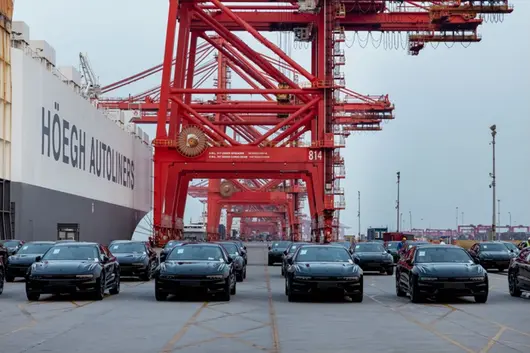

In the Malaysian SUV market, many buyers compare Proton X50 and Mazda CX-3 when choosing a car. These two cars are quite close in price and positioning. Today we will make a detailed comparison from multiple aspects to help you save time on research.
The OTR price for Proton X50 in Malaysia is RM 89,800 - 113,300, with a total of 4 versions, including 1.5T Executive (RM 89,800), 1.5T Premium (RM 101,800), 1.5T Flagship (RM 113,300), etc.
The OTR price for Mazda CX-3 in Malaysia is RM 126,159 - 139,159, with a total of 2 versions, including 2023 2.0L High (RM 139,159), 2023 2.0L Plus (RM 126,159), etc.
Looking at the price, Proton X50's entry price is indeed RM 36,359 cheaper than Mazda CX-3. If your budget is limited, Proton's entry-level version is sufficient for daily needs. However, also note that the lower price might involve trade-offs in features, depending on your specific requirements.

Proton X50 is equipped with a 1.5L 4-cyl, 105 hp. Official fuel consumption 6.0 L/100km.
Mazda CX-3 is equipped with a 1.5L Turbo, 140 hp. Official fuel consumption 7.0 L/100km.
In terms of power, Mazda CX-3's 1.5L Turbo has 35 more horsepower than Proton X50's 1.5L 4-cyl. However, for daily city driving, both cars have enough power, you won't feel it lacks power.

Proton X50's safety rating is 5★ (ASEAN NCAP), active safety systems include ADAS (ACC, AEB, LKA, LDA, BSM, RCTA).
Mazda CX-3's safety rating is 5★ (ASEAN NCAP), active safety systems include i-Activsense.
Both cars have the same safety rating, in this class safety features are considered quite complete. New cars nowadays are not bad in safety, no need to worry too much about this.

Proton X50 body length 4400 mm, trunk 400 L.
Mazda CX-3 body length 4500 mm, trunk 450 L.
In terms of space, Mazda CX-3 body is 100 mm longer than Proton X50, passenger space has more advantage. However Proton X50 parking in the city will be a bit more flexible, each has trade-offs.

Proton X50 and Mazda CX-3 are both mainstream choices in the Malaysian market, suitable for family use and daily commuting. If you value brand reputation and resale value more, you can prioritize the one with better reputation; if you care more about value for money and features, then choose the one with richer configuration. Finally, it is recommended to test drive both, personal experience is the most important.
Overall, Proton X50 and Mazda CX-3 are both very good models in the Malaysian market. Which one to choose depends on your personal needs and budget. It is recommended to do your research, compare quotes from several car dealers, then test drive to make a final decision. Buying a car is a big matter, spending some time on research will never be wrong.


Dalam pasaran SUV di Malaysia, ramai pembeli membandingkan Perodua Aruz dan Chery Tiggo Cross apabila memilih kereta.
Perodua Aruz di Malaysia mempunyai harga OTR RM 72,900 - 77,900, terdapat 2 varian, termasuk 1.5L X (RM 72,900), 1.5L AV (RM 77,900) dsb.
Chery Tiggo Cross di Malaysia mempunyai harga OTR RM 88,750 - 99,750, terdapat 2 varian, termasuk 2025 HEV 1.5L CSH (RM 99,750), 2025 1.5T Standard (RM 88,750) dsb.
Dari segi harga, harga permulaan Perodua Aruz memang lebih murah RM 15,850 berbanding Chery Tiggo Cross. Jika bajet anda terhad, versi asas Perodua sudah boleh memenuhi keperluan harian. Namun berhati-hati, perbezaan harga beberapa ribu itu mungkin ada kompromi pada kelengkapan, lihat keperluan anda sendiri.

Perodua Aruz mempunyai penarafan keselamatan 5★ (ASEAN NCAP), sistem keselamatan aktif termasuk .
Chery Tiggo Cross mempunyai penarafan keselamatan TBD, sistem keselamatan aktif termasuk Basic.
Perodua Aruz dengan jaminan 5 tahun/150,000km, jarak penyelenggaraan setiap 10,000km atau 6 bulan.
Chery Tiggo Cross dengan jaminan 3 tahun/100,000km, jarak penyelenggaraan setiap 10,000km atau 6 bulan.

Perodua Aruz dan Chery Tiggo Cross adalah pilihan utama pasaran Malaysia, sesuai untuk kegunaan keluarga dan perjalanan harian. Jika anda lebih mengutamakan reputasi jenama dan harga kereta kedua, boleh prioritaskan yang mempunyai reputasi lebih baik; jika anda lebih mempedulikan nilai dan kelengkapan, maka pilih yang mempunyai kelengkapan lebih lengkap. Akhir sekali disarankan untuk uji pemanduan kedua-dua model, pengalaman langsung adalah yang paling penting.

Secara keseluruhan, Perodua Aruz dan Chery Tiggo Cross adalah model yang sangat baik di pasaran Malaysia. Memilih mana satu, penting adalah keperluan dan bajet peribadi anda. Kami sarankan untuk melakukan kajian, bandingkan beberapa tawaran harga pengedar, kemudian uji pemanduan untuk membuat keputusan akhir. Membeli kereta adalah perkara besar, meluangkan masa untuk melakukan kajian tidak akan salah.


Dalam pasaran SUV di Malaysia, ramai pembeli membandingkan Perodua Aruz dan Proton X50 semasa memilih kereta. Kedua-dua model ini mempunyai harga dan posisi yang sangat hampir, hari ini kami akan membuat perbandingan terperinci dari pelbagai aspek untuk membantu anda menjimatkan masa mencari maklumat.
Harga OTR Perodua Aruz di Malaysia ialah RM 72,900 - 77,900, terdapat 2 varian, termasuk 1.5L X (RM 72,900), 1.5L AV (RM 77,900) dan lain-lain.
Harga OTR Proton X50 di Malaysia ialah RM 89,800 - 113,300, terdapat 4 varian, termasuk 1.5T Executive (RM 89,800), 1.5T Premium (RM 101,800), 1.5T Flagship (RM 113,300) dan lain-lain.
Dari segi harga, harga permulaan Perodua Aruz memang RM 16,900 lebih murah daripada Proton X50. Jika bajet anda terhad, varian permulaan Perodua sudah boleh memenuhi keperluan harian. Tetapi perlu diingat, perbezaan harga beberapa ribu itu mungkin mempunyai kompromi dari segi spesifikasi, bergantung pada keperluan anda.
Perodua Aruz dilengkapi enjin 1.5L 4-silinder, kuasa 105 hp. Penggunaan minyak rasmi 6.0 L/100km.
Proton X50 dilengkapi enjin 1.5L 4-silinder, kuasa 105 hp. Penggunaan minyak rasmi 6.0 L/100km.
Kedua-dua kereta menggunakan sistem enjin yang sama, pengalaman memandu sehari-hari pada dasarnya tiada perbezaan. Dari segi penggunaan minyak juga hampir sama, tidak perlu terlalu bimbang mengenai perkara ini.
Panjang badan Perodua Aruz 4400 mm, ruang bagasi 400 L.
Panjang badan Proton X50 4400 mm, ruang bagasi 400 L.
Saiz kedua-dua kereta hampir sama, ruang dalam kereta tidak banyak berbeza. Kereta kelas ini, cukup untuk penggunaan harian.
Perodua Aruz dan Proton X50 adalah pilihan utama di pasaran Malaysia, sesuai untuk kegunaan keluarga, perjalanan harian. Jika anda lebih mengutamakan reputasi jenama dan harga jualan semula, boleh prioritaskan model yang lebih ber reputasi; jika anda lebih mementingkan nilai dan spesifikasi, maka pilih model yang lebih lengkap. Pada akhirnya adalah disarankan untuk ujian memandu kedua-dua model, pengalaman langsung adalah yang paling penting.
Secara keseluruhannya, Perodua Aruz dan Proton X50 adalah model yang sangat baik di pasaran Malaysia. Memilih yang mana, penting untuk lihat keperluan dan bajet peribadi anda. Kami cadangkan anda membuat kajian terlebih dahulu, bandingkan harga beberapa kedai kereta, kemudian uji memandu untuk membuat keputusan akhir. Membeli kereta adalah perkara besar, meluangkan masa untuk membuat kajian pasti tidak akan salah.

喺馬來西亞嘅 SUV 市場,好多買家喺揀車嘅時候都會拿 Perodua Ativa 同 Toyota Yaris Cross 嚟做比較。呢兩款車喺價錢同定位上都幾接近,今日我哋就由多個方面做一次詳細比較,幫你慳返做功課嘅時間。
Perodua Ativa 喺馬來西亞嘅 OTR 售價係 RM 62,500 - 73,400,一共有 3 個型號,包括 1.0L Turbo X(RM 62,500)、1.0L Turbo H(RM 67,300)、1.0L Turbo AV(RM 73,400)等。
Toyota Yaris Cross 喺馬來西亞嘅 OTR 售價係 RM 99,900 - 109,900,一共有 2 個型號,包括 2026 1.5L Standard(RM 99,900)、2026 HEV 1.5L Standard(RM 109,900)等。
由價錢嚟睇,Perodua Ativa 嘅起價確實比 Toyota Yaris Cross 平咗 RM 37,400。如果你預算有限,Perodua 嘅入門版已經可以滿足日常需要。但都要注意,平嗰幾千蚊,可能喺配備上會有取捨,具體睇返你嘅需要。

Perodua Ativa 配備 1.5L 4-cyl,馬力 105 hp。廠方油耗 6.0 L/100km。
Toyota Yaris Cross 配備 1.5L 4-cyl,馬力 105 hp。廠方油耗 6.0 L/100km。
兩款車用緊同一套動力系統,日常開起上嚟嘅感覺基本冇乜分別。油耗方面都幾接近,唔使太糾結這一點。
Perodua Ativa 嘅安全评分係 5★ (ASEAN NCAP),主動安全系統包括 ASA 3.0 + ACC + LDA + LKA + BSM + RCTA。
Toyota Yaris Cross 嘅安全评分係 5★ (ASEAN NCAP),主動安全系統包括 TSS。
兩款車嘅安全评分一樣,喺呢個級別裡面安全配備都算給好齊全。而家嘅新車安全性都唔錯,唔使太擔心這一點。
Perodua Ativa 車身長 4400 mm,車尾箱 400 L。
Toyota Yaris Cross 車身長 4400 mm,車尾箱 400 L。
兩款車嘅尺寸幾乎一樣,車內空間差別唔大。呢個級別嘅車,日常使用完全夠用。

Perodua Ativa 同 Toyota Yaris Cross 都係馬來西亞市場嘅主流選擇,適合家庭使用、日常通勤。如果你更看重品牌口碑同二手價,可以優先考慮口碑更好嗰一款;如果你更在意性價比同配備,就揀配備更豐富嗰款。最終都建議兩款都去試駕,親身體驗先係最緊要。
總體嚟講,Perodua Ativa 同 Toyota Yaris Cross 都係馬來西亞市場好唔錯嘅車款。揀邊一輛,關鍵都係要睇返你嘅個人需求同預算。建議大家做足功課,多比較幾間車行嘅報價,再去試駕做最終決定。買車係一件大事,花少少時間做功課絕對唔會錯。


在马来西亚的汽车市场,很多买家在选车的时候都会拿 Volvo XC60 PHEV 和 BMW X5 来做比较。今天我们从多个方面做一个详细的对比,帮你省下做功课的时间。


Volvo XC60 PHEV 在马来西亚的 OTR 售价是 RM 362,888 - 362,888,一共有 2 个版本,包括 2025 2.0T 89km Ultra(RM 362,888)、What safety features does the Volvo XC60 PHEV have?(RM 296,610) 等。
BMW X5 在马来西亚的 OTR 售价是 RM 470,800 - 470,800,一共有 3 个版本,包括 1.5L Standard(RM 86,300)、1.5L Executive(RM 95,300)、1.5L Premium(RM 103,300) 等。
从价钱来看,Volvo XC60 PHEV 的起步价确实比 BMW X5 便宜了 RM 107,912。如果你预算有限,Volvo 的入门版已经可以满足日常需求。但也要注意,便宜的那几千块,可能在配备上会有取舍,具体要看你的需求。

Volvo XC60 PHEV 的安全评级是 5★ (Euro NCAP),主动安全系统包括 Premium ADAS。
BMW X5 的安全评级是 5★ (ASEAN NCAP),主动安全系统包括 ADAS (ACC, AEB, LKA, LDA, BSM, RCTA)。
安全配备方面,两款车都拿到了不错的评级。不过 Volvo XC60 PHEV 的 Premium ADAS 和 BMW X5 的 ADAS (ACC, AEB, LKA, LDA, BSM, RCTA) 在功能上有些差异,如果你比较看重主动安全的话,可以仔细对比一下两者的功能列表。

Volvo XC60 PHEV 车身长 4400 mm,后备箱 400 L。
BMW X5 车身长 4400 mm,后备箱 400 L。
两款车的尺寸几乎一样,车内空间差别不大。这个级别的车,日常使用完全够用。

Volvo XC60 PHEV 保修 5年/无限里程,保养间隔 每10,000km或6个月。
BMW X5 保修 5年/无限里程,保养间隔 每10,000km或6个月。
两款车的保修条件一样,这方面不用纠结。实际保养成本还要看品牌的服务网络和零件价格,建议去车友群问问真实车主的经验。

总的来说,Volvo XC60 PHEV 和 BMW X5 都是马来西亚市场很不错的车型。选择哪一辆,关键还是要看你的个人需求和预算。建议大家做好功课,多比较几间车行的报价,再去试驾做最终决定。买车是件大事,花点时间做功课绝对不会错。

在马来西亚的汽车市场,很多买家在选车的时候都会拿 Volvo XC90 和 Mercedes-Benz GLC 来做比较。今天我们从多个方面做一个详细的对比,帮你省下做功课的时间。

Volvo XC90 在马来西亚的 OTR 售价是 RM 418,888 - 418,888,一共有 1 个版本,包括 2025 2.0T Ultra(RM 418,888) 等。
Mercedes-Benz GLC 在马来西亚的 OTR 售价是 RM 336,888 - 336,888,一共有 2 个版本,包括 GLC 200(RM 290,000)、GLC 300(RM 340,000) 等。
从价钱来看,Mercedes-Benz GLC 的起步价比 Volvo XC90 便宜了 RM 82,000。老实讲,在这个价位段,几千块的差距其实不算大,关键还是看整体的性价比和长期使用成本。

Volvo XC90 的安全评级是 5★ (Euro NCAP),主动安全系统包括 Premium ADAS。
Mercedes-Benz GLC 的安全评级是 5★ (Euro NCAP),主动安全系统包括 Premium ADAS。
两款车的安全评级一样,在这个级别里面安全配备都算给得很齐全了。现在的新车安全性都不差,不用太担心这一点。

Volvo XC90 采用 FWD 驱动方式。
Mercedes-Benz GLC 采用 FWD 驱动方式。
两款车的驱动方式一样,都是 FWD,日常驾驶感受不会有太大区别。
Volvo XC90 和 Mercedes-Benz GLC 都是马来西亚市场的主流选择,适合家庭使用、日常通勤。如果你更看重品牌口碑和二手价,可以优先考虑口碑更好的那一款;如果你更在意性价比和配备,那就选配置更丰富的那款。最终还是建议两款都去试驾,亲身体验才是最重要的。
总的来说,Volvo XC90 和 Mercedes-Benz GLC 都是马来西亚市场很不错的车型。选择哪一辆,关键还是要看你的个人需求和预算。建议大家做好功课,多比较几间车行的报价,再去试驾做最终决定。买车是件大事,花点时间做功课绝对不会错。


在马来西亚的汽车市场,很多买家在选车的时候都会拿 Hyundai Santa Fe 和 BMW X1 来做比较。今天我们从多个方面做一个详细的对比,帮你省下做功课的时间。


Hyundai Santa Fe 在马来西亚的 OTR 售价是 RM 225,000 - 270,000,一共有 3 个版本,包括 2025 2.5T DCT 4WD Calligraphy 6 Seats(RM 270,000)、2025 HEV 1.6T AT 2WD Prestige 7 Seats(RM 245,000)、2025 HEV 1.6T AT 2WD Prime 7 Seats(RM 225,000) 等。
BMW X1 在马来西亚的 OTR 售价是 RM 252,800 - 252,800,一共有 2 个版本,包括 sDrive18i(RM 220,000)、sDrive20i(RM 250,000) 等。
从价钱来看,Hyundai Santa Fe 的起步价确实比 BMW X1 便宜了 RM 27,800。如果你预算有限,Hyundai 的入门版已经可以满足日常需求。但也要注意,便宜的那几千块,可能在配备上会有取舍,具体要看你的需求。

Hyundai Santa Fe 的安全评级是 TBD,主动安全系统包括 Basic。
BMW X1 的安全评级是 5★ (Euro NCAP),主动安全系统包括 Premium ADAS。
安全配备方面,两款车都拿到了不错的评级。不过 Hyundai Santa Fe 的 Basic 和 BMW X1 的 Premium ADAS 在功能上有些差异,如果你比较看重主动安全的话,可以仔细对比一下两者的功能列表。

Hyundai Santa Fe 保修 5年/300,000km,保养间隔 每10,000km或6个月。
BMW X1 保修 5年/无限里程,保养间隔 每10,000km或6个月。

Hyundai Santa Fe 和 BMW X1 都是马来西亚市场的主流选择,适合家庭使用、日常通勤。如果你更看重品牌口碑和二手价,可以优先考虑口碑更好的那一款;如果你更在意性价比和配备,那就选配置更丰富的那款。最终还是建议两款都去试驾,亲身体验才是最重要的。

总的来说,Hyundai Santa Fe 和 BMW X1 都是马来西亚市场很不错的车型。选择哪一辆,关键还是要看你的个人需求和预算。建议大家做好功课,多比较几间车行的报价,再去试驾做最终决定。买车是件大事,花点时间做功课绝对不会错。


在马来西亚的汽车市场,很多买家在选车的时候都会拿 Hyundai Santa Fe 和 Volkswagen Tiguan 来做比较。今天我们从多个方面做一个详细的对比,帮你省下做功课的时间。

Hyundai Santa Fe 在马来西亚的 OTR 售价是 RM 225,000 - 270,000,一共有 3 个版本,包括 2025 2.5T DCT 4WD Calligraphy 6 Seats(RM 270,000)、2025 HEV 1.6T AT 2WD Prestige 7 Seats(RM 245,000)、2025 HEV 1.6T AT 2WD Prime 7 Seats(RM 225,000) 等。
Volkswagen Tiguan 在马来西亚的 OTR 售价是 RM 206,540 - 260,024,一共有 2 个版本,包括 2025 Allspace 2.0T R-Line(RM 260,024)、2025 Allspace 1.4T Elegance(RM 206,540) 等。
从价钱来看,Volkswagen Tiguan 的起步价比 Hyundai Santa Fe 便宜了 RM 18,460。老实讲,在这个价位段,几千块的差距其实不算大,关键还是看整体的性价比和长期使用成本。
Hyundai Santa Fe 搭载 2.0L 4-cyl,马力 170 hp。官方油耗 8.0 L/100km。
Volkswagen Tiguan 搭载 2.0L 4-cyl,马力 170 hp。官方油耗 8.0 L/100km。
两款车用的是同一套动力系统,所以日常开起来的感受基本没有差别。油耗方面也差不多,不用太纠结这一点。
Hyundai Santa Fe 的安全评级是 TBD,主动安全系统包括 Basic。
Volkswagen Tiguan 的安全评级是 5★ (Euro NCAP),主动安全系统包括 IQ.Drive。
安全配备方面,两款车都拿到了不错的评级。不过 Hyundai Santa Fe 的 Basic 和 Volkswagen Tiguan 的 IQ.Drive 在功能上有些差异,如果你比较看重主动安全的话,可以仔细对比一下两者的功能列表。

Hyundai Santa Fe 保修 5年/300,000km,保养间隔 每10,000km或6个月。
Volkswagen Tiguan 保修 3年/100,000km,保养间隔 每10,000km或6个月。

总的来说,Hyundai Santa Fe 和 Volkswagen Tiguan 都是马来西亚市场很不错的车型。选择哪一辆,关键还是要看你的个人需求和预算。建议大家做好功课,多比较几间车行的报价,再去试驾做最终决定。买车是件大事,花点时间做功课绝对不会错。

在马来西亚的汽车市场,很多买家在选车的时候都会拿 Mitsubishi Xforce 和 Hyundai Tucson 来做比较。今天我们从多个方面做一个详细的对比,帮你省下做功课的时间。


Mitsubishi Xforce 在马来西亚的 OTR 售价是 RM 109,930 - 119,930,一共有 2 个版本,包括 2026 1.5L Ultimate(RM 119,930)、2026 1.5L Urban(RM 109,930) 等。
Hyundai Tucson 在马来西亚的 OTR 售价是 RM 143,888 - 197,888,一共有 5 个版本,包括 2025 HEV 1.6T AT 2WD Prestige(RM 197,888)、2025 1.6T DCT 4WD Prestige(RM 186,888)、2025 1.6T DCT 2WD Prime(RM 164,888) 等。
从价钱来看,Mitsubishi Xforce 的起步价确实比 Hyundai Tucson 便宜了 RM 33,958。如果你预算有限,Mitsubishi 的入门版已经可以满足日常需求。但也要注意,便宜的那几千块,可能在配备上会有取舍,具体要看你的需求。
Mitsubishi Xforce 搭载 1.5L Turbo,马力 140 hp。官方油耗 7.0 L/100km。
Hyundai Tucson 搭载 1.5L Turbo,马力 140 hp。官方油耗 7.0 L/100km。
两款车用的是同一套动力系统,所以日常开起来的感受基本没有差别。油耗方面也差不多,不用太纠结这一点。
Mitsubishi Xforce 的安全评级是 5★ (ASEAN NCAP),主动安全系统包括 MI-PILOT。
Hyundai Tucson 的安全评级是 5★ (ASEAN NCAP),主动安全系统包括 SmartSense。
两款车的安全评级一样,在这个级别里面安全配备都算给得很齐全了。现在的新车安全性都不差,不用太担心这一点。

Mitsubishi Xforce 采用 FWD 驱动方式。
Hyundai Tucson 采用 FWD 驱动方式。
两款车的驱动方式一样,都是 FWD,日常驾驶感受不会有太大区别。

总的来说,Mitsubishi Xforce 和 Hyundai Tucson 都是马来西亚市场很不错的车型。选择哪一辆,关键还是要看你的个人需求和预算。建议大家做好功课,多比较几间车行的报价,再去试驾做最终决定。买车是件大事,花点时间做功课绝对不会错。

在马来西亚的汽车市场,很多买家在选车的时候都会拿 MG MG HS 和 Volkswagen Tiguan 来做比较。今天我们从多个方面做一个详细的对比,帮你省下做功课的时间。
MG MG HS 在马来西亚的 OTR 售价是 RM 130,450 - 146,450,一共有 2 个版本,包括 1.5L Standard(RM 105,000)、1.5L Executive(RM 115,000) 等。
Volkswagen Tiguan 在马来西亚的 OTR 售价是 RM 206,540 - 260,024,一共有 2 个版本,包括 2025 Allspace 2.0T R-Line(RM 260,024)、2025 Allspace 1.4T Elegance(RM 206,540) 等。
从价钱来看,MG MG HS 的起步价确实比 Volkswagen Tiguan 便宜了 RM 76,090。如果你预算有限,MG 的入门版已经可以满足日常需求。但也要注意,便宜的那几千块,可能在配备上会有取舍,具体要看你的需求。
MG MG HS 搭载 1.5L Turbo,马力 140 hp。官方油耗 7.0 L/100km。
Volkswagen Tiguan 搭载 2.0L 4-cyl,马力 170 hp。官方油耗 8.0 L/100km。
动力方面,Volkswagen Tiguan 的 2.0L 4-cyl 比 MG MG HS 的 1.5L Turbo 多了 30 匹马力。不过日常在市区开的话,两款车的动力都够用,不会觉得不够力。
MG MG HS 的安全评级是 TBD,主动安全系统包括 Basic。
Volkswagen Tiguan 的安全评级是 5★ (Euro NCAP),主动安全系统包括 IQ.Drive。
安全配备方面,两款车都拿到了不错的评级。不过 MG MG HS 的 Basic 和 Volkswagen Tiguan 的 IQ.Drive 在功能上有些差异,如果你比较看重主动安全的话,可以仔细对比一下两者的功能列表。
MG MG HS 保修 7年/150,000km,保养间隔 每10,000km或6个月。
Volkswagen Tiguan 保修 3年/100,000km,保养间隔 每10,000km或6个月。
总的来说,MG MG HS 和 Volkswagen Tiguan 都是马来西亚市场很不错的车型。选择哪一辆,关键还是要看你的个人需求和预算。建议大家做好功课,多比较几间车行的报价,再去试驾做最终决定。买车是件大事,花点时间做功课绝对不会错。


在马来西亚的汽车市场,很多买家在选车的时候都会拿 Chery Tiggo 8 Pro 和 Hyundai Santa Fe 来做比较。今天我们从多个方面做一个详细的对比,帮你省下做功课的时间。
Chery Tiggo 8 Pro 在马来西亚的 OTR 售价是 RM 159,750 - 159,750,一共有 2 个版本,包括 1.6L Turbo Standard(RM 130,000)、1.6L Turbo Premium(RM 145,000) 等。
Hyundai Santa Fe 在马来西亚的 OTR 售价是 RM 225,000 - 270,000,一共有 3 个版本,包括 2025 2.5T DCT 4WD Calligraphy 6 Seats(RM 270,000)、2025 HEV 1.6T AT 2WD Prestige 7 Seats(RM 245,000)、2025 HEV 1.6T AT 2WD Prime 7 Seats(RM 225,000) 等。
从价钱来看,Chery Tiggo 8 Pro 的起步价确实比 Hyundai Santa Fe 便宜了 RM 65,250。如果你预算有限,Chery 的入门版已经可以满足日常需求。但也要注意,便宜的那几千块,可能在配备上会有取舍,具体要看你的需求。
Chery Tiggo 8 Pro 采用 FWD 驱动方式。
Hyundai Santa Fe 采用 FWD 驱动方式。
两款车的驱动方式一样,都是 FWD,日常驾驶感受不会有太大区别。
Chery Tiggo 8 Pro 保修 3年/100,000km,保养间隔 每10,000km或6个月。
Hyundai Santa Fe 保修 5年/300,000km,保养间隔 每10,000km或6个月。
Chery Tiggo 8 Pro 和 Hyundai Santa Fe 都是马来西亚市场的主流选择,适合家庭使用、日常通勤。如果你更看重品牌口碑和二手价,可以优先考虑口碑更好的那一款;如果你更在意性价比和配备,那就选配置更丰富的那款。最终还是建议两款都去试驾,亲身体验才是最重要的。
总的来说,Chery Tiggo 8 Pro 和 Hyundai Santa Fe 都是马来西亚市场很不错的车型。选择哪一辆,关键还是要看你的个人需求和预算。建议大家做好功课,多比较几间车行的报价,再去试驾做最终决定。买车是件大事,花点时间做功课绝对不会错。

在马来西亚的汽车市场,很多买家在选车的时候都会拿 Mazda CX-9 和 Chery Tiggo 9 来做比较。今天我们从多个方面做一个详细的对比,帮你省下做功课的时间。


Mazda CX-9 在马来西亚的 OTR 售价是 RM 328,810 - 345,810,一共有 2 个版本,包括 2023 2.5T 4WD(RM 345,810)、2023 2.5T 2WD(RM 328,810) 等。
Chery Tiggo 9 在马来西亚的 OTR 售价是 RM 166,800 - 179,800,一共有 1 个版本,包括 2026 2.0T Standard(RM 179,750) 等。
从价钱来看,Chery Tiggo 9 的起步价比 Mazda CX-9 便宜了 RM 162,010。老实讲,在这个价位段,几千块的差距其实不算大,关键还是看整体的性价比和长期使用成本。

Mazda CX-9 搭载 2.0L Turbo,马力 220 hp。官方油耗 9.5 L/100km。
Chery Tiggo 9 搭载 2.0L 4-cyl,马力 170 hp。官方油耗 8.0 L/100km。
动力方面,Mazda CX-9 的 2.0L Turbo 比 Chery Tiggo 9 的 2.0L 4-cyl 多了 50 匹马力,中段加速会更有信心,尤其是跑高速公路超车的时候。但 Chery Tiggo 9 的油耗表现可能更好,日常市区通勤的话差别不会太明显。

Mazda CX-9 保修 5年/150,000km,保养间隔 每10,000km或6个月。
Chery Tiggo 9 保修 3年/100,000km,保养间隔 每10,000km或6个月。

Mazda CX-9 和 Chery Tiggo 9 都是马来西亚市场的主流选择,适合家庭使用、日常通勤。如果你更看重品牌口碑和二手价,可以优先考虑口碑更好的那一款;如果你更在意性价比和配备,那就选配置更丰富的那款。最终还是建议两款都去试驾,亲身体验才是最重要的。

总的来说,Mazda CX-9 和 Chery Tiggo 9 都是马来西亚市场很不错的车型。选择哪一辆,关键还是要看你的个人需求和预算。建议大家做好功课,多比较几间车行的报价,再去试驾做最终决定。买车是件大事,花点时间做功课绝对不会错。


在马来西亚的汽车市场,很多买家在选车的时候都会拿 Mazda CX-8 和 Volvo XC60 来做比较。今天我们从多个方面做一个详细的对比,帮你省下做功课的时间。


Mazda CX-8 在马来西亚的 OTR 售价是 RM 165,360 - 201,360,一共有 5 个版本,包括 2025 2.5T 4WD High Plus Petrol(RM 201,360)、2025 2.2L 2WD High Plus Diesel(RM 193,123)、2025 2.5L 2WD High Plus Petrol(RM 186,360) 等。
Volvo XC60 在马来西亚的 OTR 售价是 RM 328,888 - 328,888,一共有 1 个版本,包括 2025 2.0T Core(RM 328,888) 等。
从价钱来看,Mazda CX-8 的起步价确实比 Volvo XC60 便宜了 RM 163,528。如果你预算有限,Mazda 的入门版已经可以满足日常需求。但也要注意,便宜的那几千块,可能在配备上会有取舍,具体要看你的需求。
Mazda CX-8 搭载 2.0L 4-cyl,马力 170 hp。官方油耗 8.0 L/100km。
Volvo XC60 搭载 2.0L Turbo,马力 220 hp。官方油耗 9.5 L/100km。
动力方面,Volvo XC60 的 2.0L Turbo 比 Mazda CX-8 的 2.0L 4-cyl 多了 50 匹马力。不过日常在市区开的话,两款车的动力都够用,不会觉得不够力。
Mazda CX-8 保修 5年/150,000km,保养间隔 每10,000km或6个月。
Volvo XC60 保修 5年/无限里程,保养间隔 每10,000km或6个月。
Mazda CX-8 和 Volvo XC60 都是马来西亚市场的主流选择,适合家庭使用、日常通勤。如果你更看重品牌口碑和二手价,可以优先考虑口碑更好的那一款;如果你更在意性价比和配备,那就选配置更丰富的那款。最终还是建议两款都去试驾,亲身体验才是最重要的。
总的来说,Mazda CX-8 和 Volvo XC60 都是马来西亚市场很不错的车型。选择哪一辆,关键还是要看你的个人需求和预算。建议大家做好功课,多比较几间车行的报价,再去试驾做最终决定。买车是件大事,花点时间做功课绝对不会错。


在马来西亚的汽车市场,很多买家在选车的时候都会拿 Mazda CX-8 和 Chery Tiggo 8 PHEV 来做比较。今天我们从多个方面做一个详细的对比,帮你省下做功课的时间。
Mazda CX-8 在马来西亚的 OTR 售价是 RM 165,360 - 201,360,一共有 5 个版本,包括 2025 2.5T 4WD High Plus Petrol(RM 201,360)、2025 2.2L 2WD High Plus Diesel(RM 193,123)、2025 2.5L 2WD High Plus Petrol(RM 186,360) 等。
Chery Tiggo 8 PHEV 在马来西亚的 OTR 售价是 RM 159,750 - 159,750,一共有 2 个版本,包括 1.6L Turbo Standard(RM 130,000)、1.6L Turbo Premium(RM 145,000) 等。
从价钱来看,Chery Tiggo 8 PHEV 的起步价比 Mazda CX-8 便宜了 RM 5,610。老实讲,在这个价位段,几千块的差距其实不算大,关键还是看整体的性价比和长期使用成本。
Mazda CX-8 的安全评级是 5★ (ASEAN NCAP),主动安全系统包括 Brand ADAS。
Chery Tiggo 8 PHEV 的安全评级是 TBD,主动安全系统包括 Basic。
安全配备方面,两款车都拿到了不错的评级。不过 Mazda CX-8 的 Brand ADAS 和 Chery Tiggo 8 PHEV 的 Basic 在功能上有些差异,如果你比较看重主动安全的话,可以仔细对比一下两者的功能列表。
Mazda CX-8 车身长 4500 mm,后备箱 450 L。
Chery Tiggo 8 PHEV 车身长 4400 mm,后备箱 400 L。
空间方面,Mazda CX-8 的车身比 Chery Tiggo 8 PHEV 长了 100 mm,车内乘坐空间会稍微宽裕一些,尤其是后座腿部空间。如果你经常载家人或者需要放婴儿车,大一点的车身确实更实用。
Mazda CX-8 采用 FWD 驱动方式。
Chery Tiggo 8 PHEV 采用 FWD 驱动方式。
两款车的驱动方式一样,都是 FWD,日常驾驶感受不会有太大区别。
总的来说,Mazda CX-8 和 Chery Tiggo 8 PHEV 都是马来西亚市场很不错的车型。选择哪一辆,关键还是要看你的个人需求和预算。建议大家做好功课,多比较几间车行的报价,再去试驾做最终决定。买车是件大事,花点时间做功课绝对不会错。

在马来西亚的汽车市场,很多买家在选车的时候都会拿 Honda CR-V 和 Ford Everest 来做比较。今天我们从多个方面做一个详细的对比,帮你省下做功课的时间。


Honda CR-V 在马来西亚的 OTR 售价是 RM 178,200 - 195,900,一共有 4 个版本,包括 2026 e:HEV 2.0L 2WD RS(RM 195,900)、2026 1.5T 4WD V(RM 181,900)、2026 e:HEV 2.0L 2WD E(RM 178,200) 等。
Ford Everest 在马来西亚的 OTR 售价是 RM 266,338 - 430,838,一共有 6 个版本,包括 2026 3.0T 4WD Platinum(RM 430,838)、2026 2.0T 4WD Platinum(RM 348,838)、2026 2.0T 4WD Sport(RM 316,838) 等。
从价钱来看,Honda CR-V 的起步价确实比 Ford Everest 便宜了 RM 88,138。如果你预算有限,Honda 的入门版已经可以满足日常需求。但也要注意,便宜的那几千块,可能在配备上会有取舍,具体要看你的需求。
Honda CR-V 采用 FWD 驱动方式。
Ford Everest 采用 FWD 驱动方式。
两款车的驱动方式一样,都是 FWD,日常驾驶感受不会有太大区别。
Honda CR-V 保修 5年/无限制里程,保养间隔 每10,000km或6个月。
Ford Everest 保修 3年/100,000km,保养间隔 每10,000km或6个月。
Honda CR-V 和 Ford Everest 都是马来西亚市场的主流选择,适合家庭使用、日常通勤。如果你更看重品牌口碑和二手价,可以优先考虑口碑更好的那一款;如果你更在意性价比和配备,那就选配置更丰富的那款。最终还是建议两款都去试驾,亲身体验才是最重要的。
总的来说,Honda CR-V 和 Ford Everest 都是马来西亚市场很不错的车型。选择哪一辆,关键还是要看你的个人需求和预算。建议大家做好功课,多比较几间车行的报价,再去试驾做最终决定。买车是件大事,花点时间做功课绝对不会错。


在马来西亚的汽车市场,很多买家在选车的时候都会拿 Honda CR-V 和 Mazda CX-3 来做比较。今天我们从多个方面做一个详细的对比,帮你省下做功课的时间。
Honda CR-V 在马来西亚的 OTR 售价是 RM 178,200 - 195,900,一共有 4 个版本,包括 2026 e:HEV 2.0L 2WD RS(RM 195,900)、2026 1.5T 4WD V(RM 181,900)、2026 e:HEV 2.0L 2WD E(RM 178,200) 等。
Mazda CX-3 在马来西亚的 OTR 售价是 RM 126,159 - 139,159,一共有 2 个版本,包括 2023 2.0L High(RM 139,159)、2023 2.0L Plus(RM 126,159) 等。
从价钱来看,Mazda CX-3 的起步价比 Honda CR-V 便宜了 RM 52,041。老实讲,在这个价位段,几千块的差距其实不算大,关键还是看整体的性价比和长期使用成本。
Honda CR-V 搭载 2.0L 4-cyl,马力 170 hp。官方油耗 8.0 L/100km。
Mazda CX-3 搭载 1.5L Turbo,马力 140 hp。官方油耗 7.0 L/100km。
动力方面,Honda CR-V 的 2.0L 4-cyl 比 Mazda CX-3 的 1.5L Turbo 多了 30 匹马力,中段加速会更有信心,尤其是跑高速公路超车的时候。但 Mazda CX-3 的油耗表现可能更好,日常市区通勤的话差别不会太明显。
Honda CR-V 的安全评级是 5★ (ASEAN NCAP),主动安全系统包括 Honda SENSING (ACC, CMBS, LKAS, RDM)。
Mazda CX-3 的安全评级是 5★ (ASEAN NCAP),主动安全系统包括 i-Activsense。
两款车的安全评级一样,在这个级别里面安全配备都算给得很齐全了。现在的新车安全性都不差,不用太担心这一点。
Honda CR-V 保修 5年/无限制里程,保养间隔 每10,000km或6个月。
Mazda CX-3 保修 5年/150,000km,保养间隔 每10,000km或6个月。

总的来说,Honda CR-V 和 Mazda CX-3 都是马来西亚市场很不错的车型。选择哪一辆,关键还是要看你的个人需求和预算。建议大家做好功课,多比较几间车行的报价,再去试驾做最终决定。买车是件大事,花点时间做功课绝对不会错。

在马来西亚的汽车市场,很多买家在选车的时候都会拿 Honda WR-V 和 Toyota Corolla Cross 来做比较。今天我们从多个方面做一个详细的对比,帮你省下做功课的时间。


Honda WR-V 在马来西亚的 OTR 售价是 RM 89,900 - 107,900,一共有 4 个版本,包括 2023 1.5L V(RM 99,900)、2023 1.5L E(RM 95,900)、2023 1.5L S(RM 89,900) 等。
Toyota Corolla Cross 在马来西亚的 OTR 售价是 RM 133,800 - 148,800,一共有 3 个版本,包括 2026 HEV 1.8L GR Sport(RM 148,800)、2026 HEV 1.8L Standard(RM 140,800)、2026 1.8L Standard(RM 133,800) 等。
从价钱来看,Honda WR-V 的起步价确实比 Toyota Corolla Cross 便宜了 RM 43,900。如果你预算有限,Honda 的入门版已经可以满足日常需求。但也要注意,便宜的那几千块,可能在配备上会有取舍,具体要看你的需求。
Honda WR-V 搭载 1.5L 4-cyl,马力 105 hp。官方油耗 6.0 L/100km。
Toyota Corolla Cross 搭载 1.5L Turbo,马力 140 hp。官方油耗 7.0 L/100km。
动力方面,Toyota Corolla Cross 的 1.5L Turbo 比 Honda WR-V 的 1.5L 4-cyl 多了 35 匹马力。不过日常在市区开的话,两款车的动力都够用,不会觉得不够力。
Honda WR-V 的安全评级是 5★ (ASEAN NCAP),主动安全系统包括 Honda SENSING。
Toyota Corolla Cross 的安全评级是 5★ (ASEAN NCAP),主动安全系统包括 TSS (PCS, LDA, ACC, LTA)。
两款车的安全评级一样,在这个级别里面安全配备都算给得很齐全了。现在的新车安全性都不差,不用太担心这一点。
Honda WR-V 采用 FWD 驱动方式。
Toyota Corolla Cross 采用 FWD 驱动方式。
两款车的驱动方式一样,都是 FWD,日常驾驶感受不会有太大区别。
总的来说,Honda WR-V 和 Toyota Corolla Cross 都是马来西亚市场很不错的车型。选择哪一辆,关键还是要看你的个人需求和预算。建议大家做好功课,多比较几间车行的报价,再去试驾做最终决定。买车是件大事,花点时间做功课绝对不会错。


在马来西亚的汽车市场,很多买家在选车的时候都会拿 Perodua Aruz 和 Honda WR-V 来做比较。今天我们从多个方面做一个详细的对比,帮你省下做功课的时间。
Perodua Aruz 在马来西亚的 OTR 售价是 RM 72,900 - 77,900,一共有 2 个版本,包括 1.5L X(RM 72,900)、1.5L AV(RM 77,900) 等。
Honda WR-V 在马来西亚的 OTR 售价是 RM 89,900 - 107,900,一共有 4 个版本,包括 2023 1.5L V(RM 99,900)、2023 1.5L E(RM 95,900)、2023 1.5L S(RM 89,900) 等。
从价钱来看,Perodua Aruz 的起步价确实比 Honda WR-V 便宜了 RM 17,000。如果你预算有限,Perodua 的入门版已经可以满足日常需求。但也要注意,便宜的那几千块,可能在配备上会有取舍,具体要看你的需求。
Perodua Aruz 搭载 1.5L 4-cyl,马力 105 hp。官方油耗 6.0 L/100km。
Honda WR-V 搭载 1.5L 4-cyl,马力 105 hp。官方油耗 6.0 L/100km。
两款车用的是同一套动力系统,所以日常开起来的感受基本没有差别。油耗方面也差不多,不用太纠结这一点。
Perodua Aruz 车身长 4400 mm,后备箱 400 L。
Honda WR-V 车身长 4400 mm,后备箱 400 L。
两款车的尺寸几乎一样,车内空间差别不大。这个级别的车,日常使用完全够用。
Perodua Aruz 保修 5年/150,000km,保养间隔 每10,000km或6个月。
Honda WR-V 保修 5年/无限制里程,保养间隔 每10,000km或6个月。
总的来说,Perodua Aruz 和 Honda WR-V 都是马来西亚市场很不错的车型。选择哪一辆,关键还是要看你的个人需求和预算。建议大家做好功课,多比较几间车行的报价,再去试驾做最终决定。买车是件大事,花点时间做功课绝对不会错。
© 2024 Bitauto.com. All Rights Reserved.
Bitauto (www.yiche.com and www.bitauto.com) is one of the most visited automotive websites in China. We provide detailed info on Chinese car brands available in your area. Please note that the information provided on this website is based on publicly available data and is for reference only. It may not be fully updated or accurate at all times.

Help us improve our website


