

Homethis

Search History
Popular Searches
Dealer Login / Sign Up

In Malaysia's SUV market, many buyers compare the Mazda CX-3 and Mitsubishi Xforce when choosing a car. These two cars are quite close in price and positioning. Today, we will make a detailed comparison from multiple aspects to help you save time on research.
The Mazda CX-3 OTR price in Malaysia is RM 126,159 - 139,159. There are 2 versions in total, including 2023 2.0L High (RM 139,159), 2023 2.0L Plus (RM 126,159), etc.
The Mitsubishi Xforce OTR price in Malaysia is RM 109,930 - 119,930. There are 2 versions in total, including 2026 1.5L Ultimate (RM 119,930), 2026 1.5L Urban (RM 109,930), etc.
From a price perspective, the Mitsubishi Xforce's starting price is RM 16,229 cheaper than the Mazda CX-3. Honestly, in this price range, a difference of a few thousand is not really significant. The key is to look at overall value for money and long-term maintenance costs.

The Mazda CX-3 is equipped with a 1.5L Turbo, 140 hp. Official fuel consumption is 7.0 L/100km.
The Mitsubishi Xforce is equipped with a 1.5L Turbo, 140 hp. Official fuel consumption is 7.0 L/100km.
Both cars use the same powertrain system, and the driving experience feels basically the same. Fuel consumption is also similar, so no need to worry too much about this point.

The Mazda CX-3 uses FWD drive system.
The Mitsubishi Xforce uses FWD drive system.
Both cars have the same drive system, both are FWD, and there won't be much difference in daily driving experience.

Mazda CX-3 warranty 5 years/150,000km, maintenance interval every 10,000km or 6 months.
Mitsubishi Xforce warranty 3 years/100,000km, maintenance interval every 10,000km or 6 months.

Both Mazda CX-3 and Mitsubishi Xforce are mainstream choices in the Malaysia market, suitable for family use and daily commuting. If you value brand reputation and resale value more, you can prioritize the one with better reputation; if you care more about value for money and equipment, then choose the one with richer features. Ultimately, it is recommended to test drive both, and personal experience is the most important.

In general, both Mazda CX-3 and Mitsubishi Xforce are very good car models in the Malaysia market. Which one to choose depends mainly on your personal needs and budget. It is recommended to do research, compare quotes from several car dealers, and then test drive to make the final decision. Buying a car is a big matter, spending time on research is never a mistake.


Dalam pasaran SUV di Malaysia, ramai pembeli membuat perbandingan antara Toyota Harrier dan Volvo XC40 apabila memilih kereta. Kedua-dua kereta ini mempunyai harga dan kedudukan pasaran yang hampir sama. Hari ini, kita akan membuat perbandingan terperinci dari pelbagai aspek untuk membantu anda menjimatkan masa membuat kajian.
Toyota Harrier dijual di Malaysia dengan harga OTR RM 289,000 - 289,000. Terdapat 1 varian, termasuk 2026 HEV 2.5L Standard (RM 289,000) dan lain-lain.
Volvo XC40 dijual di Malaysia dengan harga OTR RM 278,888 - 278,888. Terdapat 1 varian, termasuk 2025 2.0T Plus (RM 278,888) dan lain-lain.
Berdasarkan dari segi harga, harga permulaan Volvo XC40 adalah RM 10,112 lebih murah daripada Toyota Harrier. Jujur berkata, dalam julat harga ini, jurang ribuan ringgit sebenarnya tidak begitu besar, yang penting adalah nilai keseluruhan dan kos penggunaan jangka panjang.

Toyota Harrier dilengkapi enjin 2.0L Turbo, kuasa 220 hp. Penggunaan bahan api rasmi 9.5 L/100km.
Volvo XC40 dilengkapi enjin 2.0L Turbo, kuasa 220 hp. Penggunaan bahan api rasmi 9.5 L/100km.
Kedua-dua kereta menggunakan sistem enjin yang sama, pengalaman memandu sehari-hari pada dasarnya tidak ada perbezaan. Dari segi penggunaan bahan api juga hampir sama, tidak perlu terlalu berfikir mendalam mengenai hal ini.

Toyota Harrier panjang badan 4400 mm, bak bagasi 400 L.
Volvo XC40 panjang badan 4400 mm, bak bagasi 400 L.
Saiz kedua-dua kereta ini hampir sama, ruang dalam kenderaan tiada perbezaan besar. Kereta pada tahap ini, digunakan untuk sehari-hari adalah cukup.

Toyota Harrier dan Volvo XC40 adalah pilihan utama dalam pasaran Malaysia, sesuai untuk kegunaan keluarga dan perjalanan harian. Jika anda lebih menekankan nama baik jenama dan harga kedua, anda boleh mengutamakan yang mempunyai reputasi yang lebih baik; jika anda lebih mengambil kira nilai dan kelengkapan, maka pilih yang mempunyai konfigurasi lebih banyak. Akhir sekali, disyorkan kedua-dua model dicuba, pengalaman peribadi adalah yang paling penting.

Secara keseluruhan, Toyota Harrier dan Volvo XC40 adalah model kereta yang sangat baik dalam pasaran Malaysia. Memilih mana satu, kunci utamanya bergantung kepada keperluan dan bajet peribadi anda. Kami menyarankan anda membuat kajian terlebih dahulu, bandingkan beberapa harga daripada kedai kereta, kemudian cuba untuk membuat keputusan akhir. Membeli kereta adalah perkara besar, meluangkan masa untuk membuat kajian adalah tidak akan salah.


Di pasaran SUV Malaysia, ramai pembeli membandingkan Toyota Harrier dan Mazda CX-9 apabila memilih kereta. Kedua-dua kereta ini mempunyai harga dan kedudukan yang hampir sama. Hari ini kita akan membuat perbandingan terperinci dari pelbagai aspek untuk membantu anda menjimatkan masa membuat penyelidikan.
Toyota Harrier di Malaysia mempunyai harga OTR RM 289,000 - 289,000, terdapat keseluruhan 1 versi, termasuk 2026 HEV 2.5L Standard (RM 289,000) dan lain-lain.
Mazda CX-9 di Malaysia mempunyai harga OTR RM 328,810 - 345,810, terdapat keseluruhan 2 versi, termasuk 2023 2.5T 4WD (RM 345,810), 2023 2.5T 2WD (RM 328,810) dan lain-lain.
Dari segi harga, harga permulaan Toyota Harrier memang RM 39,810 lebih murah daripada Mazda CX-9. Jika bajet anda terhad, versi asas Toyota sudah boleh memenuhi keperluan harian. Tetapi perhatikan juga, perbezaan harga beberapa ribu itu mungkin memerlukan kompromi dari segi peralatan, ia bergantung pada keperluan anda.
Toyota Harrier dilengkapi enjin 2.0L Turbo, kuasa 220 hp. Jimatan bahan api rasmi 9.5 L/100km.
Mazda CX-9 dilengkapi enjin 2.0L Turbo, kuasa 220 hp. Jimatan bahan api rasmi 9.5 L/100km.
Kedua-dua kereta menggunakan sistem kuasa yang sama, pengalaman memandu harian hampir tiada perbezaan. Dari segi jimat bahan api juga hampir sama, tidak perlu terlalu bimbang tentang perkara ini.
Penarafan keselamatan Toyota Harrier ialah 5★ (ASEAN NCAP), sistem keselamatan aktif termasuk Brand ADAS.
Penarafan keselamatan Mazda CX-9 ialah 5★ (ASEAN NCAP), sistem keselamatan aktif termasuk Brand ADAS.
Penarafan keselamatan kedua-dua kereta sama, dari segi peralatan keselamatan dalam kelas ini dianggap lengkap. Kereta baharu masa kini tidak kurang keselamatan, tidak perlu risau tentang perkara ini.
Panjang badan Toyota Harrier 4400 mm, bagasi 400 L.
Panjang badan Mazda CX-9 4500 mm, bagasi 450 L.
Dari segi ruang, panjang badan Mazda CX-9 lebih 100 mm daripada Toyota Harrier, ruang penumpang lebih baik. Namun, Toyota Harrier lebih fleksibel untuk diparkir di bandar, kedua-duanya ada kompromi.

Toyota Harrier dan Mazda CX-9 adalah pilihan utama pasaran Malaysia, sesuai untuk kegunaan keluarga dan perjalanan harian. Jika anda lebih mementingkan reputasi jenama dan harga kereta terpakai, utamakan yang mempunyai reputasi lebih baik; jika anda lebih mementingkan nisbah harga dengan prestasi dan peralatan, pilih yang mempunyai konfigurasi lebih kaya. Akhir sekali adalah cadangan untuk memandu kedua-duanya, pengalaman sendiri adalah yang paling penting.

Secara keseluruhan, Toyota Harrier dan Mazda CX-9 adalah model yang sangat baik di pasaran Malaysia. Memilih mana satu, kunci utama adalah keperluan peribadi dan bajet anda. Kami cadangkan anda membuat penyelidikan, bandingkan sebutan harga daripada beberapa dealer, kemudian test drive untuk membuat keputusan akhir. Membeli kereta adalah perkara penting, mengambil masa untuk membuat penyelidikan tidak akan salah.

In the SUV market in Malaysia, many buyers often compare Toyota Fortuner and BMW X1 when choosing a car. These two cars are quite close in price range and positioning. Today we will make a detailed comparison from multiple aspects to help you save time doing research.
The OTR price of Toyota Fortuner in Malaysia is RM 195,880 - 241,880, with a total of 3 versions, including 2024 2.8T VRZ Diesel (RM 241,880), 2024 2.7L SRZ Petrol (RM 202,880), 2024 2.4L Standard Diesel (RM 195,880), etc.
The OTR price of BMW X1 in Malaysia is RM 252,800 - 252,800, with a total of 2 versions, including sDrive18i (RM 220,000), sDrive20i (RM 250,000), etc.
From the price perspective, the starting price of Toyota Fortuner is indeed RM 56,920 cheaper than BMW X1. If your budget is limited, Toyota's entry-level version can already meet daily needs. But please note, the difference of a few thousand might involve compromises in features, it depends on your specific needs.

Toyota Fortuner overall length is 4400 mm, boot capacity 400 L.
BMW X1 overall length is 4400 mm, boot capacity 400 L.
The dimensions of both cars are almost the same, interior space difference is not significant. For cars in this class, daily use is fully sufficient.

Toyota Fortuner adopts FWD drive mode.
BMW X1 adopts FWD drive mode.
The drive mode of both cars is the same, both are FWD, there won't be a huge difference in daily driving experience.

Toyota Fortuner and BMW X1 are both mainstream choices in the Malaysian market, suitable for family use and daily commuting. If you value brand reputation and resale value more, you can prioritize the one with better reputation; if you care more about cost-performance and features, then choose the model with richer configuration. Ultimately, it is still recommended to test drive both, personal experience is the most important.

In general, Toyota Fortuner and BMW X1 are both excellent models in the Malaysian market. Which one to choose, it ultimately depends on your personal needs and budget. It is recommended to do your homework, compare quotes from multiple dealerships, then go test drive to make a final decision. Buying a car is a big matter, spending some time on research will never be wrong.

In the SUV market in Malaysia, many buyers compare Toyota Corolla Cross and Mazda CX-60 when choosing a car. These two cars are quite close in price and positioning. Today we will make a detailed comparison from multiple aspects to help you save time on research.
The OTR price for Toyota Corolla Cross in Malaysia is RM 133,800 - 148,800, with a total of 3 versions, including 2026 HEV 1.8L GR Sport (RM 148,800), 2026 HEV 1.8L Standard (RM 140,800), 2026 1.8L Standard (RM 133,800), etc.
The OTR price for Mazda CX-60 in Malaysia is RM 200,510 - 252,873, with a total of 2 versions, including 2026 3.3T 4WD High Plus (RM 252,873), 2025 2.5L 2WD High (RM 200,510), etc.
From the price perspective, Toyota Corolla Cross's starting price is indeed RM 66,710 cheaper than Mazda CX-60. If your budget is limited, Toyota's entry-level version is already sufficient for daily needs. But keep in mind, the fewer thousand ringgit saved, there might be compromises in features, which depends on your specific needs.

Toyota Corolla Cross comes with 1.5L Turbo, 140 hp. Official fuel consumption 7.0 L/100km.
Mazda CX-60 comes with 2.0L 4-cyl, 170 hp. Official fuel consumption 8.0 L/100km.
In terms of power, Mazda CX-60's 2.0L 4-cyl has 30 more horsepower than Toyota Corolla Cross's 1.5L Turbo. However, for daily city driving, the power of both cars is sufficient, and you won't feel underpowered.
Toyota Corolla Cross adopts FWD drive configuration.
Mazda CX-60 adopts FWD drive configuration.
Both cars have the same drive configuration, both FWD, the daily driving experience will not differ much.
Toyota Corolla Cross warranty 5 years / unlimited mileage, maintenance interval every 10,000km or 6 months.
Mazda CX-60 warranty 5 years / 150,000km, maintenance interval every 10,000km or 6 months.

Toyota Corolla Cross and Mazda CX-60 are both mainstream choices in the Malaysian market, suitable for family use and daily commuting. If you value brand reputation and resale value more, you can prioritize the one with better reputation; if you care more about value for money and features, then choose the one with more configurations. Ultimately, it is suggested to test drive both models, as personal experience is the most important.
Overall, Toyota Corolla Cross and Mazda CX-60 are both quite good models in the Malaysian market. Choosing which one depends mainly on your personal needs and budget. We suggest doing your homework, compare quotes from several dealerships, and then test drive to make the final decision. Buying a car is a big matter, spending some time on research will never go wrong.


In the Malaysia SUV market, many buyers compare Toyota Yaris Cross and Chery Tiggo 8 when choosing a car. These two models are quite close in price and positioning. Today we will make a detailed comparison from multiple aspects to help you save time on research.
The OTR price for Toyota Yaris Cross in Malaysia is RM 99,900 - 109,900, with a total of 2 variants, including 2026 1.5L Standard (RM 99,900), 2026 HEV 1.5L Standard (RM 109,900) etc.
The OTR price for Chery Tiggo 8 in Malaysia is RM 129,750 - 129,750, with a total of 1 variant, including 2026 1.6T Standard (RM 129,750) etc.
From a price perspective, the starting price of Toyota Yaris Cross is indeed RM 29,850 cheaper than Chery Tiggo 8. If your budget is limited, Toyota's entry-level version can already meet daily needs. But note, the few thousand cheaper might involve trade-offs in features, specifically depending on your needs.

Toyota Yaris Cross is equipped with 1.5L 4-cyl, power 105 hp. Official fuel consumption 6.0 L/100km.
Chery Tiggo 8 is equipped with 1.5L Turbo, power 140 hp. Official fuel consumption 7.0 L/100km.
In terms of power, Chery Tiggo 8's 1.5L Turbo has 35 more horsepower than Toyota Yaris Cross's 1.5L 4-cyl. However, for daily city driving, the power of both cars is sufficient, you won't feel underpowered.

Toyota Yaris Cross safety rating is 5★ (ASEAN NCAP), active safety systems include TSS.
Chery Tiggo 8 safety rating is TBD, active safety systems include Basic.
In terms of safety features, both cars received good ratings. However, TSS for Toyota Yaris Cross and Basic for Chery Tiggo 8 have some differences in function. If you value active safety, you can compare the feature lists of both closely.
Toyota Yaris Cross body length 4400 mm, trunk 400 L.
Chery Tiggo 8 body length 4400 mm, trunk 400 L.
The dimensions of both cars are almost the same, interior space difference is not big. For cars in this class, it is fully sufficient for daily use.

Toyota Yaris Cross adopts FWD drive mode.
Chery Tiggo 8 adopts FWD drive mode.
The drive modes of both cars are the same, both FWD, daily driving experience will not differ much.
In general, Toyota Yaris Cross and Chery Tiggo 8 are both very good car models in the Malaysia market. Which one to choose, key is still depends on your personal needs and budget. We suggest you do your research, compare quotes from several dealerships, then go test drive to make final decision. Buying a car is a big matter, spending some time doing research will never be wrong.


喺馬來西亞嘅 SUV 市場,好多買家喺揀車嘅時候都會拿 Honda CR-V 同 Subaru Forester 嚟做比較。呢兩款車喺價位同定位上都幾接近,今日我哋就嚟由多個方面做一個詳細嘅比較,幫你節省做功課嘅時間。
Honda CR-V 喺馬來西亞嘅 OTR 售價係 RM 178,200 - 195,900,一共有 4 個版本,包括 2026 e:HEV 2.0L 2WD RS(RM 195,900)、2026 1.5T 4WD V(RM 181,900)、2026 e:HEV 2.0L 2WD E(RM 178,200) 等。
Subaru Forester 喺馬來西亞嘅 OTR 售價係 RM 174,000 - 197,000,一共有 3 個版本,包括 2024 2.0L S EyeSight GT Edition(RM 189,538)、2024 2.0L S EyeSight(RM 177,538)、2024 2.0L L EyeSight(RM 167,538) 等。
由價錢嚟睇,Subaru Forester 嘅入門價比 Honda CR-V 平咗 RM 4,200。老實講,喺呢個價位段,幾千塊嘅差距其實唔算大,關鍵都係睇整體嘅性價比同長期使用成本。

Honda CR-V 配備 2.0L 4-cyl,馬力 170 hp。官方油耗 8.0 L/100km。
Subaru Forester 配備 2.0L 4-cyl,馬力 170 hp。官方油耗 8.0 L/100km。
兩款車用嘅係同一套動力系統,日常開起嚟嘅感受基本冇分別。油耗方面都差唔多,唔使太糾結這一點。

Honda CR-V 嘅安全評級係 5★ (ASEAN NCAP),主動安全系統包括 Honda SENSING (ACC, CMBS, LKAS, RDM)。
Subaru Forester 嘅安全評級係 5★ (Euro NCAP),主動安全系統包括 EyeSight。
安全配備方面,兩款車都拿到唔錯嘅評級。不過 Honda CR-V 嘅 Honda SENSING (ACC, CMBS, LKAS, RDM) 同 Subaru Forester 嘅 EyeSight 喺功能上有少少分別,如果你比較重視主動安全嘅話,可以仔細對比一下兩者嘅功能列表。

Honda CR-V 採用 FWD 驅動方式。
Subaru Forester 採用 FWD 驅動方式。
兩款車嘅驅動方式一樣,都係 FWD,日常駕駛感受唔會有太大分別。

總括嚟講,Honda CR-V 同 Subaru Forester 都係馬來西亞市場好好嘅車型。揀邊一輛,關鍵都係睇你嘅個人需求同預算。建議大家做功課,多比較幾間車行嘅報價,先至去試車做最終決定。買車係件大事,花少少時間做功課絕對唔會錯。



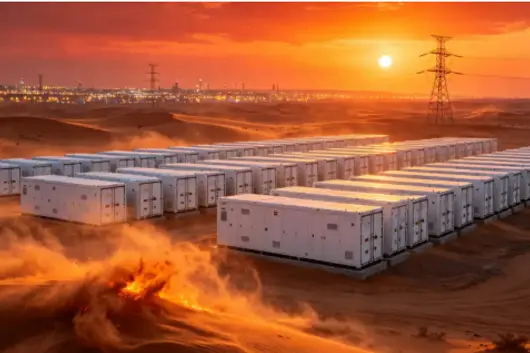
On September 11, Gotion High-Tech (002074.SZ) announced winning a bid for the core 6GWh order of the first batch of large-scale battery energy storage projects in Saudi Arabia, marking the company's single largest energy storage order.
Just one day prior, at the "AI Frontier Forum" of the Shanghai Bund Conference, it also jointly initiated the "AI Computing Power + Digital Energy Convention" with 24 enterprises including China Southern Power Grid, Sungrow, and Ant Digital Technologies.
One convention looks to the future, one order lands in the desert, Gotion High-Tech's energy storage story appears beautiful and moving.
However, if you open the 2026 Semi-Annual Report, you will see another version: the company's energy storage revenue declined nearly 20% against the trend, and leverage kept rising.

A Veteran's Second Curve
Gotion High-Tech was founded in Hefei in 2006, listed via backdoor with Dongyuan Electric in 2015, and is one of the earliest domestic enterprises focused on power lithium batteries.

The uniqueness of its equity structure lies in the fact that Volkswagen (China) Investment Co., Ltd. holds 24.28%, making it the largest shareholder.
This makes it both a Chinese battery company and a company repeatedly calibrated by global automotive industry standards.
For Gotion, energy storage is not just another leg of diversification, but a business about "time". Power batteries sell energy density and cost; energy storage sells the certainty of no accidents over 15 or 25 years.
The entry requirements for the Saudi project are typical: extremely arid, frequent wind and sand, huge temperature difference between day and night. Combined with the 15-year ownership and operation responsibility under the BOO model, it places nearly harsh requirements on product reliability, durability, and maintainability.
Gotion's answer is "Qianyuan Smart Storage" — runs at an ultra-wide temperature range of -30°C to 55°C, with a 25-year design life, 7-level security protection, equipped with exclusive high-temperature and wind-sand solutions, and has passed CSA large-scale fire certification and TÜV Rheinland EU Battery Regulation Certification.

The company's global footprint is expanding rapidly. Saudi Arabia 6GWh faces extreme working conditions from -30°C to 55°C and wind and sand; Australia's Lower Wonga PV-storage project (281MW/843MWh) is one of the largest local PV-storage DC-coupling projects, capable of meeting electricity needs for 126,000 households; Egypt's two independent energy storage stations totaling 1.5GWh have landed, with a 3GWh local base planned simultaneously; Brazil office opened, South America becomes the new anchor.
Factories in Gottingen, Vietnam, Indonesia, and Thailand are already in production; Morocco and Slovakia are poised to follow.

The Other Side of the Report Card: Are They Falling Behind?
Numbers are honest, and they are also cruel.

In the first half of 2026, Gotion High-Tech achieved operating revenue of 27.776 billion yuan, a year-over-year increase of 43.22%; net profit attributable to the parent company was 1.386 billion yuan, up 278.05% year-over-year; non-recurring net profit attributable to the parent company was 107 million yuan, up 46.71% year-over-year.
However, looking separately, the energy storage sector showed a reverse trend. In the first half, revenue from energy storage battery systems was 3.689 billion yuan, down 19.14% year-over-year. The revenue share dropped from 23.52% in the same period last year to 13.28%. The gross margin was 19.50%, a slight year-over-year increase of 0.15 percentage points.
What's more striking is the horizontal comparison: the industry overall expanded rapidly in the same period. According to SNE Research data, global energy storage battery shipments in the first half of 2026 reached 461.3 GWh, a 71% year-over-year increase; China market shipments were 202.5 GWh, up 49% year-over-year.
In the first half, Gotion High-Tech shipped 20.8 GWh of energy storage products, with a year-over-year growth rate of 41%, which is lower than the industry average. Market share dropped from 5.5% to 4.5%, and global ranking slipped to ninth.
The reason is not hard to understand. In the first half, power battery system revenue was 22.597 billion yuan, up 61.01% year-over-year, accounting for 81.36% of total revenue; domestic new energy heavy truck sales increased 85% year-over-year; the company's commercial vehicle power battery installation volume reached 7.66 GWh, up 87.29% year-over-year; VW standard cells have entered stable mass delivery since the end of 2025.
Against the backdrop of limited energy storage large-capacity capacity, the company tilted production lines towards power orders with more certain demand. This is the result of phased resource allocation, not strategic contraction.
Currently, Gotion High-Tech is at the peak of heavy asset expansion.
As of the end of June 2026, the company's total assets were 143.505 billion yuan, with an asset-liability ratio of 71.73%; in 2021, this indicator was 55.58%, and it climbed all the way over the five years.
Interest-bearing debt exceeds 55 billion yuan, of which short-term borrowing and non-current liabilities due within one year total approximately 30.4 billion yuan; total debt is 72.061 billion yuan, with short-term debt approximately 45.4 billion yuan, accounting for 63%; construction in progress is 20.653 billion yuan, up significantly 62.93% compared to the end of the previous year;
Capital expenditure in the first half was 9.779 billion yuan, while net cash flow from operating activities was only 428 million yuan. Furthermore, of the 13.86 billion yuan net profit attributable to the parent, the non-recurring portion was only 107 million yuan, with nearly 90% coming from non-recurring gains and losses.
In February 2026, the company disclosed a plan for private placement not exceeding 5 billion yuan; in April, it also announced a plan to register debt financing instruments not exceeding 7 billion yuan, which was approved in August.
The Sea of Energy Storage is Getting Redder
The energy storage track is widening at an amazing speed and becoming equally crowded.

InfoLink data shows that in the first half of 2026, global energy storage cell shipments were 467.84 GWh, up 94.76% year-over-year, with the full year expected to break 1000 GWh. However, the structure is changing: CR10 dropped to 82.3%, reaching a historical low; in the same period, under SNE Research methodology, the combined market share of the top 10 enterprises was about 89% — head concentration and mid-waist battle happening simultaneously.
The "tail of the top 10" where Gotion High-Tech resides is very fragile, described as "a gap above and pursuers below". Shipments of CALB, REPT, and Chunnan Energy are all around 30 GWh, with a gap of just over 1 GWh; Pine New Energy's growth rate reached 202%, LG Energy Solution's growth rate 357%. Rankings may change due to one or two large orders.
The Middle East has become a new arena. Since the beginning of 2026, Chinese enterprises have obtained energy storage orders exceeding 40 GWh in the Middle East.
But "going overseas" is still largely competition between Chinese enterprises — Hithium previously won the bid for a Saudi 4GWh project, with a quote of about 73–75 USD/kWh, close to domestic levels, setting a record for the lowest price of large overseas energy storage. Industry experts point out that in overseas project bidding, "of 10 enterprises bidding, at least 7 or 8 are Chinese enterprises."
More binding constraints than price come from the EU. Starting August 2026, EU Customs entered a mandatory random inspection phase for carbon footprint declarations and battery passport data for imported power and energy storage batteries. Several batches of battery products exported from China to the Port of Rotterdam have been detained due to non-standard battery passport data entry and insufficient additional conditions for green power certificates.
According to industry estimates, top enterprises have large shipment volumes, with additional costs per MWh at the level of thousands of yuan, which can be diluted by massive capacity; SME integrators have small shipment volumes, with significantly higher additional costs per MWh, where the one-time investment to go through the full compliance process reaches millions of yuan.
Benchmark IRR for independent energy storage projects in Europe is mostly between 8% and 11%; when costs cannot be fully passed on, IRR may drop by 0.5 to 1.5 percentage points. Snatching orders at low prices is failing in Europe; compliance has become a hard threshold for bidding.
For overseas players like Gotion, this "passport" is both a checkpoint and a reshuffle — full-chain data and compliance capabilities are exactly its strong point.
The waves of energy storage are huge, big enough to lift a company, and big enough to drown those half a beat late. Gotion has cards in hand: full chain, dual Tier 1, entry tickets to Middle East and Australia high-end markets; but also pitfalls underfoot: declining energy storage revenue, rising leverage, slower large battery core rhythm.
From the second half of 2026 to 2027, with capacity concentrated release from bases in the US, Morocco, and Southeast Asia, will the market see a "completely different" Gotion, or just another footnote in an expansion cycle?

【車市百曉生】比亞迪喺馬來西亞嘅建廠計劃,改咗。根據報道,比亞迪已經擱置喺馬來西亞建設自有汽車組裝工廠嘅計劃,轉而與當地合作夥伴展開「深入談判」,以實現本地生產目標。比亞迪馬來西亞董事總經理 Jacob Ma 透露咗呢個決定。
此前,比亞迪於 2025 年 8 月宣布,計劃喺馬來西亞霹靂州丹绒马林建設一座組裝工廠。而家,Ma 明確表示:「丹绒马林工廠將唔會繼續推進。」

比亞迪嘅替代方案,係同一家「成熟嘅當地企業」合作。
Ma 表示,呢位合作夥伴「具備滿足比亞迪要求、支持完整本地組裝業務所需嘅產能同能力」,雙方討論「已經進入非常深入嘅階段」。
據今年 5 月嘅報道,呢位合作夥伴很有可能就係 Sime Motors——比亞迪喺馬來西亞嘅官方經銷商。合作可能利用 Sime Motors 旗下子公司位於吉打州居林嘅工廠進行代工組裝。
從「自建工廠」轉向「本地代工」,比亞迪嘅邏輯好務實:唔背建廠嘅重資產,又能快速實現本地組裝,繞開政策門檻。

比亞迪點解放棄自建工廠?答案喺政策入面。
馬來西亞財經媒體《The Edge》今年 3 月曾報道,比亞迪未能同馬來西亞投資、貿易同工業部就相關條件達成一致。其中一項分歧,涉及本地組裝車輛嘅出口比例要求——最高可能需要將 80% 嘅本地組裝車輛出口。
80% 嘅出口要求,意味著比亞迪如果自建廠,大部分產能要拿去出口,而唔係供應馬來西亞本土市場。這對一家想喺當地「深耕」嘅車企嚟講,成本結構並唔划算。
另一個背景係:今年 7 月 1 日起,馬來西亞要求進口整車電動車嘅最低 CIF(成本、保險及運費)達到 20 萬令吉(約 4.9 萬美元),最低輸出功率 245 馬力。而比亞迪喺馬來西亞銷售嘅部分主力電動車,售價低於 20 萬令吉——這意味著,呢啲車如果繼續走進口,會卡喺政策門檻上,本地組裝嘅重要性因此進一步凸顯。

儘管建廠計劃調整,比亞迪喺馬來西亞嘅成績並唔差。
自 2022 年進入馬來西亞市場以來,比亞迪已累計銷售超過 3.5 萬輛電動車。去年,比亞迪喺當地銷售 14,407 輛電動車,成為馬來西亞銷量最高嘅電動車品牌。今年上半年,銷量超過 7,000 輛。
高端品牌亦喺推進:今年 7 月,騰勢 Z9GT 喺吉隆坡推出,售價 35.88 萬令吉,首批已經售罄。
Ma 強調,比亞迪「將繼續深耕馬來西亞」:「工廠具體地點同合作方式可能會發生變化,但我哋嘅目標冇改變。」

比亞迪取消馬來西亞自建工廠,係一次「重資產 → 輕合作」嘅務實調整。
佢嘅邏輯好清晰:馬來西亞嘅「80% 出口要求」同「20 萬令吉 CIF 門檻」,令自建工廠嘅經濟賬算唔掂,亦令本地組裝變得必須。與其背著建廠嘅重資產去滿足出口要求,不如借當地夥伴嘅現成產能,快速實現本地化生產。
呢其實係中國車企出海嘅一個縮影:出海唔係簡單噉把國內模式複製出去,而係要適應目標市場嘅政策、成本同本地化規則。比亞迪喺馬來西亞嘅轉向,係「靈活調整」而唔係「撤退」——佢嘅銷量基本盤(當地第一)仲在,騰勢嘅高端化亦喺推進。
從「自建」到「合作」,反映嘅係比亞迪出海策略嘅成熟:唔再追求形式上嘅「自己建廠」,而係以結果為導向,用更輕嘅方式攞到本地化嘅好處。

喺馬來西亞嘅 SUV 市場,好多買家喺揀車嘅時候都會拎本田 CR-V 同馬自達 CX-5 做比較。呢兩款車喺價位同定位上都幾接近,今日我哋就從多個方面做一個詳細對比,幫你省回做功課嘅時間。
本田 CR-V 喺馬來西亞嘅 OTR 售價係 RM 178,200 - 195,900,總共有 4 個版本,包括 2026 e:HEV 2.0L 2WD RS(RM 195,900)、2026 1.5T 4WD V(RM 181,900)、2026 e:HEV 2.0L 2WD E(RM 178,200) 等。
馬自達 CX-5 喺馬來西亞嘅 OTR 售價係 RM 135,469 - 166,760,總共有 3 個版本,包括 2025 2.0L AT 35th Anniversary(RM 316,154)、2025 2.0L AT(RM 296,154)、2025 2.0L MT(RM 294,154) 等。
從價錢嚟睇,馬自達 CX-5 嘅起步價比本田 CR-V 平咗 RM 42,731。講真嘅,喺呢個價位段,幾千蚊嘅差距其實唔算大,關鍵仲係睇整體嘅性價比同長期使用成本。
本田 CR-V 搭載 2.0L 4-cyl,馬力 170 hp。官方油耗 8.0 L/100km。
馬自達 CX-5 搭載 1.5L Turbo,馬力 140 hp。官方油耗 7.0 L/100km。
動力方面,本田 CR-V 嘅 2.0L 4-cyl 比馬自達 CX-5 嘅 1.5L Turbo 多咗 30 匹馬力,中段加速更有信心,尤其係跑高速路超車嘅時候。不過馬自達 CX-5 嘅油耗可能更抵用,日常市區通勤差別唔會太大。
本田 CR-V 嘅安全評級係 5★ (ASEAN NCAP),主動安全系統包括本田 SENSING (ACC, CMBS, LKAS, RDM)。
馬自達 CX-5 嘅安全評級係 5★ (ASEAN NCAP),主動安全系統包括 。
兩款車嘅安全評級一樣,喺呢個級別入面安全配備都算好齊全。而家嘅新車安全性都唔差,唔使太擔心呢一點。
本田 CR-V 車身長 4500 mm,行李廂 450 L。
馬自達 CX-5 車身長 4500 mm,行李廂 450 L。
兩款車嘅尺寸幾乎一樣,車內空間差別唔大。呢個級別嘅車,日常使用完全夠用。

本田 CR-V 採用 FWD 驅動方式。
馬自達 CX-5 採用 FWD 驅動方式。
兩款車嘅驅動方式一樣,都係 FWD,日常駕駛感受唔會有太大分別。

總體嚟講,本田 CR-V 同馬自達 CX-5 都係馬來西亞市場幾唔錯嘅車型。揀邊一輛,關鍵仲係要睇你嘅個人需求同預算。建議大家做好功課,多比較幾間車行嘅報價,再去做試駕做最終決定。買車係件大事,花少少時間做功課絕對唔會錯。

喺馬來西亞嘅 SUV 市場,好多買家喺揀車嗰陣都會拿本田 HR-V 同起亚 Sportage 嚟做比較。呢兩款車喺價錢同定位上都幾近,而家我哋就從多個方面做一個詳細比較,幫你省做功課嘅時間。
本田 HR-V 喺馬來西亞嘅 OTR 售價係 RM 115,900 - 143,900,一共有 4 個版本,包括 2026 e:HEV 1.5L RS(RM 143,900)、2026 1.5T V(RM 137,900)、2026 1.5T E(RM 130,900) 等。
Kia Sportage 喺馬來西亞嘅 OTR 售價係 RM 129,639 - 179,320,一共有 4 個版本,包括 2025 1.6T DCT 4WD High(RM 179,320)、2025 1.6T DCT 2WD High(RM 159,320)、2025 2.0L AT 2WD High(RM 139,639) 等。
從價錢睇,本田 HR-V 嘅起價確實比 Kia Sportage 平咗 RM 13,739。如果你預算有限,本田嘅入門版已經可以滿足日常需要。但要留意,平嗰幾千蚊,可能喺配備上會有取捨,具體睇你嘅需要。

本田 HR-V 嘅安全評級係 5★ (ASEAN NCAP),主動安全系統包括本田 SENSING (ACC, CMBS, LKAS, RDM)。
Kia Sportage 嘅安全評級係 5★ (ASEAN NCAP),主動安全系統包括 Drive Wise。
兩款車嘅安全評級一樣,喺呢個級別裡面安全配備都算好齊全。而家嘅新車安全性都唔差,唔使太擔心呢一點。
本田 HR-V 車身長 4500 mm,尾箱 450 L。
Kia Sportage 車身長 4400 mm,尾箱 400 L。
空間方面,本田 HR-V 嘅車身比 Kia Sportage 長咗 100 mm,車內乘坐空間會稍微闊少少,尤其係後座腳掙空間。如果你經常載家人或者需要放嬰兒車,大一點嘅車身確實更實用。
本田 HR-V 同 Kia Sportage 都係馬來西亞市場嘅主流選擇,適合家庭使用、日常通勤。如果你更重視品牌口碑同二手價,可以優先考慮口碑更好嗰一款;如果你更在意性價比同配備,就揀配置更豐富嗰款。最終都建議兩款都去試駕,親身體驗先係最重要。

總嘅嚟講,本田 HR-V 同 Kia Sportage 都係馬來西亞市場好唔錯嘅車型。揀邊一輛,關鍵仲要睇你嘅個人需要同預算。建議大家做好功課,多比較幾間車行嘅報價,再去試駕做最終決定。買車係件大事,花點時間做功課絕對唔會錯。


日前,比亚迪2026上半年财报出炉。
上半年,比亚迪实现营业收入3448.15亿元,归母净利润123.25亿元,规模继续稳居国内汽车行业前列;研发投入289亿元,现金储备1674亿元,一边是真金白银的技术投入,一边是厚实的现金底盘。
销量端,上半年整车销量超过180万辆,继续稳坐全球新能源销量第一。把这几个数摆在一块儿,一家体量庞大、现金流稳健、还在持续高强度投入的龙头轮廓,基本就立住了。

今年这行情大家都看在眼里,价格战从年初打到现在,国内外主流车企的营收和利润多多少少都受了影响,这种时候翻龙头的报表,反而最能看出谁在硬扛、谁在攒劲。
为什么当期利润看着不算亮眼?
很多人都会问这个问题,其实是受两方面:
一是汇率,去年同期人民币这边还给比亚迪贡献了31亿多汇兑收益,今年反过来录得几十亿损失,一进一出小80亿,都体现在财务费用里,这部分跟主营业务的盈利能力无关;
二是研发,上半年289亿投入比同期净利润还高出165亿,其中费用化部分直接冲减了当期利润。
一个是外部扰动,一个是主动砸钱,都不代表主业出了问题。主业到底行不行,二季度的数据最诚实,单季净利润同比增长30%,毛利率18.9%,创近一年新高,盈利能力回升的信号相当明确。

再看销量结构,比亚迪这几年把高端化这条线走得很扎实。
方程豹、腾势、仰望这三个高端牌子合计卖了22.8万辆,同比涨61%,占到集团总销量的12.6%,平均每卖出8台车就有1台是高端车。
方程豹最猛,半年16万辆、同比163%;腾势6月第一次月销破2万,均价站到36万上下;仰望在百万级这个段位,是国产新能源里最快卖到1万辆的。
高端矩阵放量,直接把单车均价稳步抬了上去,这一项在主流车企里已经排在前列。

国际化这一段,是我认为含金量最高的部分。
上半年海外销量79万辆,同比涨68%,业务铺进120多个国家,英国、巴西、泰国好几个核心市场直接拿下新能源销冠。更关键的分水岭在收入端,上半年境外营收占比第一次过半,头一回超过了国内。
有机构算过一笔账,比亚迪海外单车均价大概18.44万元,国内是12.72万元,差了将近一半,同样一台车卖到海外就是更赚钱。
比亚迪现在还在把工厂往海外搬,巴西、泰国已经投产,匈牙利下半年接上,从产品出海走到产能出海,关税这道坎就有了绕过去的底气。

研发投入289亿元,都投哪儿去了?
比亚迪上半年289亿研发砸下去,累计已经超过2700亿,3月亮相的第二代刀片电池和闪充,把量产补能速度顶到全球第一梯队,配套闪充站建了10000座、覆盖332城;5月又成了全球唯一同时给“智能泊车”和“城市领航”兜底的车企,中国首款自研4nm智驾芯片璇玑A3已经量产,到7月底搭载辅助驾驶的车在路上跑了352万辆。
这些投入短期都费钱,拉长看全是护城河。对上游供应商它也没含糊,中小供应商账期已经压到60天现金支付,应付账款和票据周转天数141天,在主流车企里属于较低水平。

行业整体放慢脚步的时候,恰恰是企业之间拉开身位的窗口。
比亚迪这份半年报走的路子很清楚,一边靠高端化把单车价格提上去,一边靠国际化把利润空间打开,同时用远超当期利润的研发把未来的门槛垒高,彰显持续稳健的发展底色。
二季度那根重新翘起来的盈利曲线,就是这套打法开始兑现的第一个信号,后面几个季度,值得继续盯。


Di pasaran SUV di Malaysia, ramai pembeli membandingkan Honda WR-V dan Mazda CX-5 semasa memilih kereta. Kedua-dua kereta ini sangat hampir dari segi harga dan penempatan, hari ini kami akan membuat perbandingan terperinci dari pelbagai aspek untuk membantu anda menjimatkan masa membuat kajian.
Honda WR-V dijual dengan harga OTR di Malaysia sebanyak RM 89,900 - 107,900, terdapat 4 versi termasuk 2023 1.5L V (RM 99,900), 2023 1.5L E (RM 95,900), 2023 1.5L S (RM 89,900) dan lain-lain.
Mazda CX-5 dijual dengan harga OTR di Malaysia sebanyak RM 135,469 - 166,760, terdapat 3 versi termasuk 2025 2.0L AT 35th Anniversary (RM 316,154), 2025 2.0L AT (RM 296,154), 2025 2.0L MT (RM 294,154) dan lain-lain.
Dari segi harga, permulaan harga Honda WR-V memang lebih murah RM 45,569 daripada Mazda CX-5. Jika bajet anda terhad, versi masuk Honda sudah cukup untuk keperluan harian. Tetapi perlu diingat, perbezaan harga beberapa ribu ringgit itu mungkin mempunyai pengorbanan pada kelengkapan, bergantung pada keperluan anda.

Honda WR-V dilengkapi enjin 1.5L 4-cyl, kuasa 105 hp. Penggunaan minyak rasmi 6.0 L/100km.
Mazda CX-5 dilengkapi enjin 1.5L Turbo, kuasa 140 hp. Penggunaan minyak rasmi 7.0 L/100km.
Dari segi kuasa, Mazda CX-5 1.5L Turbo mempunyai 35 hp lebih daripada Honda WR-V 1.5L 4-cyl. Tetapi untuk penggunaan harian di bandar, kedua-dua kereta mempunyai kuasa yang mencukupi, tidak akan terasa kurang tenaga.

Honda WR-V mendapat penilaian keselamatan 5★ (ASEAN NCAP), sistem keselamatan aktif termasuk Honda SENSING.
Mazda CX-5 mendapat penilaian keselamatan 5★ (ASEAN NCAP), sistem keselamatan aktif termasuk .
Penilaian keselamatan kedua-dua kereta adalah sama, pada kelas ini perlengkapan keselamatan dianggap lengkap. Keselamatan kereta baharu sekarang tidak buruk, tidak perlu risau tentang hal ini.

Honda WR-V dijamin 5 tahun/jarak tanpa had, selang penyelenggaraan setiap 10,000km atau 6 bulan.
Mazda CX-5 dijamin 5 tahun/150,000km, selang penyelenggaraan setiap 10,000km atau 6 bulan.
Secara keseluruhan, Honda WR-V dan Mazda CX-5 adalah model yang sangat baik di pasaran Malaysia. Memilih yang mana, ia bergantung pada keperluan peribadi dan bajet anda. Disarankan untuk membuat kajian terlebih dahulu, bandingkan harga antara beberapa kedai kereta, kemudian buat ujian pusingan untuk membuat keputusan akhir. Membeli kereta adalah perkara besar, meluangkan masa membuat kajian tidak akan salah.


Di pasaran SUV Malaysia, ramai pembeli yang membandingkan Honda WR-V dan Toyota Yaris Cross ketika memilih kenderaan. Kedua-dua kereta ini hampir sama dari segi harga dan kategori, hari ini kita akan buat perbandingan terperinci dari pelbagai aspek, membantu anda menjimatkan masa membuat kajian.
Honda WR-V dijual di Malaysia pada harga OTR RM 89,900 - 107,900, terdapat 4 varian, termasuk 2023 1.5L V (RM 99,900), 2023 1.5L E (RM 95,900), 2023 1.5L S (RM 89,900) dan lain-lain.
Toyota Yaris Cross dijual di Malaysia pada harga OTR RM 99,900 - 109,900, terdapat 2 varian, termasuk 2026 1.5L Standard (RM 99,900), 2026 HEV 1.5L Standard (RM 109,900) dan lain-lain.
Dari segi harga, harga permulaan Honda WR-V memang lebih murah RM 10,000 berbanding Toyota Yaris Cross. Jika bajet anda terhad, model permulaan Honda sudah memadai untuk keperluan harian. Tetapi perlu diingat, beberapa ribu ringgit yang murah itu, mungkin ada kompromi dari segi peralatan, lihatlah keperluan anda.
Honda WR-V dilengkapi enjin 1.5L 4-silinder, kuasa 105 hp. Penggunaan minyak rasmi 6.0 L/100km.
Toyota Yaris Cross dilengkapi enjin 1.5L 4-silinder, kuasa 105 hp. Penggunaan minyak rasmi 6.0 L/100km.
Kedua-dua kereta menggunakan sistem kuasa yang sama, rasa ketika memandu sehari-hari hampir tiada perbezaan. Dari segi penggunaan minyak juga hampir sama, tiada perlu terlalu bimbang dengan hal ini.
Gred keselamatan Honda WR-V adalah 5★ (ASEAN NCAP), sistem keselamatan aktif termasuk Honda SENSING.
Gred keselamatan Toyota Yaris Cross adalah 5★ (ASEAN NCAP), sistem keselamatan aktif termasuk TSS.
Gred keselamatan kedua-dua kereta sama, dalam kelas ini kelengkapan keselamatan sudah agak lengkap. Keselamatan kereta baharu sekarang tidak begitu teruk, tiada perlu terlalu risau hal ini.
Honda WR-V panjang badan 4400 mm, ruang bonet 400 L.
Toyota Yaris Cross panjang badan 4400 mm, ruang bonet 400 L.
Saiz kedua-dua kereta hampir sama, perbezaan ruang dalaman tidak begitu besar. Untuk kereta dalam kelas ini, penggunaan sehari-hari sudah memadai.
Honda WR-V garansi 5 tahun / jarak tidak terhad, selang servis setiap 10,000km atau 6 bulan.
Toyota Yaris Cross garansi 5 tahun / jarak tidak terhad, selang servis setiap 10,000km atau 6 bulan.
Keadaan garansi kedua-dua kereta sama, hal ini tiada perlu bimbang. Kos servis sebenar bergantung pada rangkaian servisy jenama dan harga komponen, cadangkan bertanya pengalaman pemilik sebenar di komuniti pemilik kereta.
Secara keseluruhan, Honda WR-V dan Toyota Yaris Cross kedua-duanya adalah model yang agak baik di pasaran Malaysia. Memilih yang mana satu, penting adalah lihat keperluan peribadi dan bajet anda. Disarankan buat kajian, bandingkan beberapa tawaran dealer, kemudian buat uji jalan untuk putuskan akhir. Membeli kereta adalah perkara penting, luangkan masa membuat kajian tidak akan salah.

原创:北方车市 吴书豪
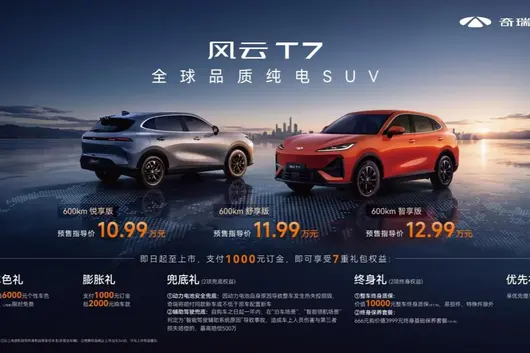
8月12日,奇瑞风云全新全球品质纯电SUV——风云T7正式开启全国预售。新车以“慢功造好车,久等了”为发布会主题,传递奇瑞长期主义造车坚守,拒绝行业速成内卷,以全球研发、全球验证、全球质造标准,为中国家庭打造全能安心纯电座驾。新车共推出三款版型,预售价格10.99万—12.99万元,并同步上线多重预售权益,以越级全球品质、亲民国民定价,重塑十万级家用纯电SUV价值新标准。

全球淬炼归来,以长期主义造国民好车
当下中国新能源汽车全面进入“全球领跑时代”,行业竞争从参数堆砌、快速迭代,迈向品质、可靠、耐久、全场景适配的下半场。深耕出海市场23年、累计收获2000万全球用户的奇瑞汽车,坚持不速成、不妥协的造车理念,历时两年策划、三年研发,严格按照2026版E‑NCAP五星安全标准、ASILD最高功能安全等级打造风云T7。

作为一台真正“先出海、再归国”的全球车型,风云T7同源海外车型Lepas L6已登陆泰国、南非、印尼等市场,凭借稳定可靠品质收获海外用户高度认可。新车累计投入81台专属耐久测试车,完成超600万公里全域路试、145万公里专项耐久验证,深度走访15个典型国家、调研5000余名全球用户,历经极寒、极热、高湿、高盐碱、复杂烂路极限试炼,适配-40℃至55℃超宽温域环境与全球95%道路工况,以全球严苛标准,解决家用电车耐用性、适应性、稳定性痛点。

颜值质感双在线,全球审美融合东方雅韵
风云T7由奇瑞十大全球设计中心联合创作,吸纳多国设计美学,曾随同源车型亮相米兰设计周,国际口碑亮眼。整车采用驭风前脸、风塑绸缎车身、天际霞光尾门设计,线条克制舒展,兼顾国际简约高级感与东方内敛气韵,耐看不过时。
新车提供炽焰橙、山烟紫、云粉米等六款东方自然主题车漆,采用豪车级喷涂工艺,强化抗老化、抗紫外线性能,长期使用不易褪色发黄。座舱打造云翼环抱式布局,大面积软性包覆搭配鹅卵石悬浮扬声器、菱格绗缝精致细节,提供黑棕居家、极夜黑曜双内饰风格。全车密封件、皮革、塑料件均经过全球极端气候验证,从根源解决家用车久用老化、异响、质感廉价问题,实现新车好看、越用越新。

六维全能均衡实力,一车拉满家用全部刚需
聚焦当代家庭用户选车取舍难题,风云T7打破行业配置分级溢价套路,一次性拉满颜值、安全、续航、智能、舒享、操控六大核心刚需,实现家用纯电SUV的全面均衡。
续航层面,风云T7实现全系600km续航平权,标配65.05kWh犀牛电池,CLTC纯电续航600km,实测可达667km,真实续航反向虚标。22分钟即可完成30%-80%快充,搭配双源宽温域热泵+高压PTC系统,北方冬季低温制热稳定、南方高温散热高效,彻底告别季节续航焦虑。

安全层面,新车采用九横五纵笼式车身,80%高强度钢占比搭配专属Shotgun结构、双框副车架与电池防撞梁,配备9安全气囊全域防护。犀牛电池拥有31层6D锁子甲防护,IP68级防水能力达国标96倍,可从容应对雨季涉水、内涝路况,极限防护远超同级。

智能方面,风云T7搭载4nm制程8775舱驾一体高算力芯片,80ms极速响应,开机速度大幅提升。15.6英寸2.5K防眩光超清大屏支持全平台手机互联,灵犀智舱2.0搭载豆包大模型,拥有六大人声IP与小憩、露营、宠物等全场景一键模式。同时配备猎鹰500高阶智驾系统,22颗高精度传感器加持,支持300+场景自动泊车、100米循迹倒车、跨楼层泊车,彻底解决城市停车难题。

空间与舒适性全面越级,2700mm轴距实现84%超高得房率,后排911mm腿部纯平空间,后排放倒可形成1955mm超大纯平大床。9层云感座椅支持通风、三档加热,-20℃低温快速升温。底盘由玛莎拉蒂前底盘专家团队调校,50.8:49.2黄金轴荷比,高速稳定、过弯从容,兼顾城市通勤与长途自驾舒适质感。
全周期安心保障,双兜底+双终身权益护航用车
为彻底打消家庭用户购车、用车顾虑,风云T7推出两大安全兜底、两大终身权益,以行业顶配诚意,实现全生命周期用车无忧。
两大重磅兜底权益包含:动力电池因自身问题引发热失控,可赔付同款全新车辆;一年内智能驾驶辅助场景事故,最高可享500万专项赔付,从根源规避用车风险。同时用户可享整车含三电终身质保、666元抢购终身基础保养套餐,大幅降低长期养车成本。

从全球研发标准、全球极限试炼,到全能均衡产品力、全周期安心权益,风云T7以“慢研发、高标准、强实力、真诚意”,重新定义十万级纯电SUV品质上限。未来,风云T7将持续以全球造车实力,陪伴万千中国品质家庭奔赴美好生活。
#风云T7预售价10.99万元起#
#全球车快不了一点#
#风云T7慢功造好车#

In the Malaysia SUV market, many buyers compare Perodua Aruz and Proton X50 when choosing a car. These two models are quite close in price and positioning. Today we will make a detailed comparison from multiple aspects to help you save time on research.
Perodua Aruz's OTR selling price in Malaysia is RM 72,900 - 77,900, with a total of 2 versions, including 1.5L X (RM 72,900), 1.5L AV (RM 77,900), etc.
Proton X50's OTR selling price in Malaysia is RM 89,800 - 113,300, with a total of 4 versions, including 1.5T Executive (RM 89,800), 1.5T Premium (RM 101,800), 1.5T Flagship (RM 113,300), etc.
From a price perspective, Perodua Aruz's starting price is indeed RM 16,900 cheaper than Proton X50. If your budget is limited, Perodua's entry-level version can already meet daily needs. However, be aware that the few thousand difference might involve compromises in features, depending on your specific needs.

Perodua Aruz comes with a 1.5L 4-cyl, 105 hp. Official fuel consumption 6.0 L/100km.
Proton X50 comes with a 1.5L 4-cyl, 105 hp. Official fuel consumption 6.0 L/100km.
Both cars use the same powertrain, the driving experience feels basically the same in daily use. Fuel consumption is also similar, no need to worry too much about this.
Perodua Aruz safety rating is 5★ (ASEAN NCAP), active safety systems include.
Proton X50 safety rating is 5★ (ASEAN NCAP), active safety systems include ADAS (ACC, AEB, LKA, LDA, BSM, RCTA).
Both cars have the same safety rating, safety features are quite comprehensive in this class. New cars nowadays are not lacking in safety, no need to worry too much about this.
Perodua Aruz warranty 5 years/150,000km, maintenance interval every 10,000km or 6 months.
Proton X50 warranty 5 years/150,000km, maintenance interval every 10,000km or 6 months.
Both cars have the same warranty conditions, no need to worry about this. Actual maintenance costs also depend on the brand's service network and part prices, suggest asking real owners in car groups for experience.

Overall, Perodua Aruz and Proton X50 are both excellent models in the Malaysia market. Which one to choose depends mainly on your personal needs and budget. We recommend doing research, compare quotes from several dealerships, and then test drive to make the final decision. Buying a car is a big deal, taking time to do research is never wrong.


喺馬來西亞嘅 SUV 市場,好多買家喺揀車嗰陣都會用 Perodua Aruz 同 MG MG HS 嚟做比較。呢兩部車喺價位同定位上都有啲接近,今日我哋就由多個方面做一個詳細比較,幫你省返做功課嘅時間。
Perodua Aruz 喺馬來西亞嘅 OTR 售價係 RM 72,900 - 77,900,一共有 2 個版本,包括 1.5L X(RM 72,900)、1.5L AV(RM 77,900)等。
MG MG HS 喺馬來西亞嘅 OTR 售價係 RM 130,450 - 146,450,一共有 2 個版本,包括 1.5L Standard(RM 105,000)、1.5L Executive(RM 115,000)等。
由價錢睇落嚟,Perodua Aruz 嘅起步價確實比 MG MG HS 平咗 RM 57,550。如果你預算有限,Perodua 嘅入門版已經可以滿足日常需求。但都要留意,平嗰幾千蚊,可能會喺配備上有取舍,具體要睇你嘅需求。
Perodua Aruz 搭載 1.5L 4-cyl,馬力 105 hp。官方油耗 6.0 L/100km。
MG MG HS 搭載 1.5L Turbo,馬力 140 hp。官方油耗 7.0 L/100km。
動力方面,MG MG HS 嘅 1.5L Turbo 比 Perodua Aruz 嘅 1.5L 4-cyl 多咗 35 匹馬力。不過日常喺市區開,兩款車嘅動力都夠用,唔會覺得唔夠力。
Perodua Aruz 車身長 4400 mm,行李箱 400 L。
MG MG HS 車身長 4400 mm,行李箱 400 L。
兩款車嘅尺寸幾乎一樣,車內空間差別唔大。呢個級別嘅車,日常使用完全夠用。
Perodua Aruz 採用 FWD 驅動方式。
MG MG HS 採用 FWD 驅動方式。
兩款車嘅驅動方式一樣,都係 FWD,日常駕駛感受唔會有太大分別。
總括嚟講,Perodua Aruz 同 MG MG HS 都係馬來西亞市場幾唔錯嘅車型。揀邊一部,關鍵都要睇返你嘅個人需求同預算。建議大家做好功課,多比較幾間車行嘅報價,先至去試車做最終決定。買車係件大事,花少少時間做功課絕對唔會錯。

Dalam pasaran SUV Malaysia, ramai pembeli semasa memilih kereta akan membandingkan Proton X70 dan Mazda CX-60. Kedua-dua kereta ini agak dekat dari segi harga dan kedudukan. Hari ini, kami akan membuat perbandingan terperinci dari pelbagai aspek untuk membantu anda menjimatkan masa membuat kajian.
Proton X70 harga OTR di Malaysia ialah RM 106,800 - 122,300, terdapat 3 versi, termasuk 1.5L Standard 2WD (RM 106,800), 1.5L Executive 2WD (RM 115,800), 1.5L Premium 2WD (RM 122,300) dan lain-lain.
Mazda CX-60 harga OTR di Malaysia ialah RM 200,510 - 252,873, terdapat 2 versi, termasuk 2026 3.3T 4WD High Plus (RM 252,873), 2025 2.5L 2WD High (RM 200,510) dan lain-lain.
Dari segi harga, Proton X70 harga permulaan memang RM 93,710 lebih murah daripada Mazda CX-60. Jika bajet anda terhad, versi permulaan Proton sudah boleh memenuhi keperluan harian. Tetapi perhatikan juga, perbezaan harga yang lebih murah itu mungkin melibatkan kompromi pada kelengkapan, bergantung kepada keperluan anda.
Proton X70 menggunakan cara pemacu FWD.
Mazda CX-60 menggunakan cara pemacu FWD.
Kedua-dua kereta menggunakan cara pemacu yang sama, iaitu FWD, tiada perbezaan besar dalam pengalaman memandu harian.
Proton X70 jaminan 5 tahun/150,000km, selang penyelenggaraan setiap 10,000km atau 6 bulan.
Mazda CX-60 jaminan 5 tahun/150,000km, selang penyelenggaraan setiap 10,000km atau 6 bulan.
Kedua-dua kereta mempunyai syarat jaminan yang sama, tidak perlu bimbang dari segi ini. Kos penyelenggaraan sebenar bergantung pada rangkaian servis jenama dan harga komponen, disyorkan bertanya kepada pemilik sebenar dalam komuniti pengguna kereta.
Proton X70 dan Mazda CX-60 adalah pilihan utama pasaran Malaysia, sesuai untuk kegunaan keluarga, perjalanan harian. Jika anda lebih menghargai reputasi jenama dan harga kereta terpakai, utamakan yang mempunyai reputasi lebih baik; jika anda lebih mengutamakan nilai harga dan kelengkapan, pilih yang mempunyai kelengkapan lebih kaya. Akhir sekali disyorkan kedua-dua model dicuba untuk memandu, pengalaman peribadi adalah yang paling penting.
Secara keseluruhannya, Proton X70 dan Mazda CX-60 adalah model kereta yang sangat baik di pasaran Malaysia. Memilih yang mana, penting bergantung kepada keperluan peribadi dan bajet anda. Kami cadangkan anda membuat kajian, bandingkan sebut harga di beberapa kedai kereta, kemudian buat keputusan akhir selepas cubaan memandu. Membeli kereta adalah perkara besar, mengambil masa membuat kajian pasti tidak salah.

In Malaysia's SUV market, many buyers compare Perodua Aruz and Subaru Crosstrek when choosing a car. These two cars are quite close in price and positioning. Today, we will make a detailed comparison from multiple aspects to help you save time doing research.
Perodua Aruz OTR price in Malaysia is RM 72,900 - 77,900, with a total of 2 versions, including 1.5L X (RM 72,900), 1.5L AV (RM 77,900), etc.
Subaru Crosstrek OTR price in Malaysia is RM 145,000 - 160,000, with a total of 1 version, including 2.0L e-Boxer (RM 150,000), etc.
In terms of price, the starting price of Perodua Aruz is indeed RM 72,100 cheaper than Subaru Crosstrek. If your budget is limited, Perodua's entry-level version can already meet daily needs. However, also note that saving the few thousand ringgit might involve compromises on features, depending on your specific needs.
Perodua Aruz features a 1.5L 4-cyl, horsepower 105 hp. Official fuel consumption 6.0 L/100km.
Subaru Crosstrek features a 1.5L Turbo, horsepower 140 hp. Official fuel consumption 7.0 L/100km.
Regarding power, Subaru Crosstrek's 1.5L Turbo has 35 more horsepower than Perodua Aruz's 1.5L 4-cyl. However, for daily driving in the city, both cars have sufficient power, you won't feel like they lack power.
Perodua Aruz body length 4400 mm, trunk 400 L.
Subaru Crosstrek body length 4400 mm, trunk 400 L.
The dimensions of both cars are almost the same, interior space difference is not significant. For this level of car, daily use is fully sufficient.
Perodua Aruz and Subaru Crosstrek are both mainstream choices in the Malaysian market, suitable for family use and daily commuting. If you value brand reputation and resale value more, you can prioritize the one with better reputation; if you care more about value for money and features, choose the one with richer configuration. Ultimately, it is recommended to test drive both models, personal experience is the most important.

Overall, Perodua Aruz and Subaru Crosstrek are both very good car models in the Malaysian market. Which one to choose depends mainly on your personal needs and budget. It is recommended to do your research, compare quotes from several car dealers, and then test drive to make a final decision. Buying a car is a big matter, spending some time researching will definitely not be wrong.

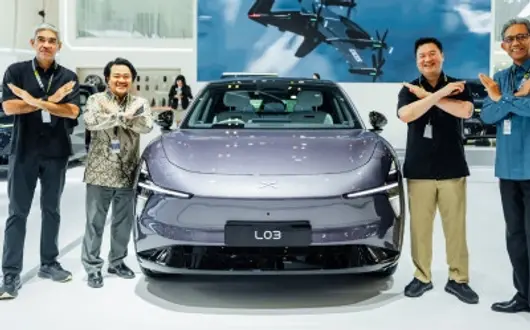
[Berita Kereta Pintar] 31 Julai, Kenderaan XPeng mengumumkan bahawa MONA L03 membuat persembahan perdana Asia Tenggara di Pameran Automotif Antarabangsa Indonesia, versi stereng kanan juga memaparkan diri serentak. Mengikut maklumat rasmi yang dikongsi, kereta ini akan memasuki lebih 65 negara dan wilayah di seluruh dunia pada tahun ini, melanjutkan lagi susun atur pasaran luar negaranya.

Kawasan Pameran XPeng
MONA L03 merupakan produk SUV pertama Siri MONA XPeng yang dilancarkan untuk pasaran global, sudah disiapkan untuk jualan pada Julai, menyediakan dua bentuk kuasa iaitu elektrik tulen dan penghampiran julat, sebanyak 9 konfigurasi dilancarkan, harga cadangan runcit dalam negara ialah 123,800 Yuan hingga 156,800 Yuan. Berdasarkan parameter rasmi, julat CLTC versi elektrik tulen tertinggi boleh mencecah 650 kilometer, julat gabungan CLTC versi penghampiran julat tertinggi boleh mencecah 1,380 kilometer, julat elektrik tulen tertinggi ialah 325 kilometer. Dimensi badan ialah 4650×1920×1600 milimeter, jarak paksi 2850 milimeter, kapasiti ruang muatan belakang ialah 539 liter, boleh dikembangkan kepada 1,640 liter selepas baris kedua dilipat.


Dari segi konfigurasi produk, MONA L03 menggunakan susun atur 5 pintu dan 5 tempat duduk, model elektrik tulen dilengkapi dengan dua pelan bateri 56 kWh dan 69 kWh, bateri model penghampiran julat ialah 37.2 kWh. Maklumat rasmi menunjukkan kereta baharu dilengkapi dengan bateri AI cas pantas 3C, dan telah melakukan pelbagai penambahbaikan untuk kecekapan tenaga. Maklumat yang didedahkan sebelum ini menunjukkan kereta ini melalui 22 penambahbaikan aerodinamik, nombor rintangan angin ialah 0.228.
Untuk pasaran luar negara, MONA L03 juga akan dikesan sistem kabin pintar versi antarabangsa, menyokong pengenal suara pelbagai bahasa, untuk menyesuaikan dengan persekitaran penggunaan berbeza. Kemunculan versi stereng kanan di Indonesia kali ini juga dianggap sebagai sebahagian daripada usaha XPeng untuk memajukan susun atur produk tempatan di pasaran Asia Tenggara. Maklumat awam menunjukkan perniagaan luar negara Kenderaan XPeng pada masa ini telah meliputi 65 negara dan wilayah, pasaran Asia Tenggara telah memasuki negara seperti Thailand, Malaysia, Indonesia dan Singapura. Dengan penyampaian model stereng kanan dan pengangkutan susun atur rantau, MONA L03 kemudian akan menjadi salah satu model baharu dalam sistem jualan luar negaranya.
© 2024 Bitauto.com. All Rights Reserved.
Bitauto (www.yiche.com and www.bitauto.com) is one of the most visited automotive websites in China. We provide detailed info on Chinese car brands available in your area. Please note that the information provided on this website is based on publicly available data and is for reference only. It may not be fully updated or accurate at all times.

Help us improve our website


