

Hometreks

Search History
Popular Searches
Dealer Login / Sign Up

中歐混動諒解落地後,歐洲給予中國混動車一個向上嘅出口空間。然而,一個容易被忽略嘅問題係,即使喺去年 30.2 萬輛嘅基礎上再多畀啲,落到每家車企頭上,能分到嘅亦唔會好多。據媒體報道,最近多家車企就係往北京跑,就出口額度點分同主管部門協商。
「爭配額」表面上係車企出海積極性嘅體現,但再細想下,就真係值得琢磨。過去中國車企出海,比嘅係邊個價格低、邊個鋪得快。而家歐洲市場收窄,入場券有限,邊個能拿到、拿到之後能否接得住,就唔再係單純嘅銷量問題,而係你手入邊有冇技術底牌,有冇喺別人劃定嘅規則入邊靈活調整產品、快速適應法規。也就是說,中國汽車出海,正係從「把車賣出去」,進入一個更硬核嘅階段。
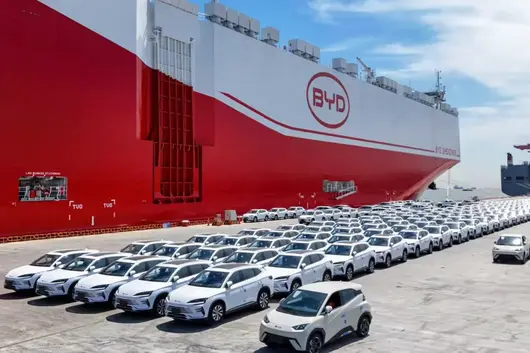
呢個判斷放喺 10 月嘅銷量數據入邊睇會更具體。例如比亞迪,10 月賣咗 490168 輛,再度成為銷冠,應該冇咩懸念。其中佢嘅海外銷量為 169564 輛,佔佢總銷量嘅比例接近 35%,同比增長 103%。放喺幾年前,呢個海外占比同增速幾乎不可想象。

而且,比亞迪唔係把國內車型原封唔動搬到歐洲,而係針對唔同市場嘅法規、路況、消費習慣去改產品、調方案。呢個就引咗出有關比亞迪一個被討論得唔夠充分嘅事實,即佢嘅自研縱深,遠唔止「混動 + 刀片電池」呢一層。

喺多數人印象入邊,比亞迪嘅長板係電池同混動技術。呢啲冇錯,但這隻係佢從「技術魚池」撈出嘅「大鱼」入邊嘅一部分。佢嘅電機、電控、功率半導體、車規級晶片,一直都係自己喺度做,能獨立生產刀片電池、永磁同步電機、電控同 IGBT/碳化硅功率模組等,核心環節嘅自給率好高。
更值一提嘅係晶片。比亞迪自己組建咗 IC 設計部,係國內最早量產車規級 IGBT 同 SiC 功率晶片嘅車企。智能化層面,4nm 車規級智駕晶片璇玑 A3,已經實現規模化量產,單顆算力超過 700 TOPS,三顆協同超過 2100 TOPS,支持 L3、L4 自動駕駛輔助。更重要嘅係,佢嘅晶片同自研算法係協同設計嘅,唔係好似好多車企咁,買來別人嘅晶片再做適應。

呢啲能力相加,唔再係單純嘅某項技術領先,而係一種結構性嘅領先。從功率半導體到三電,從混動系統到智駕晶片,關鍵環節唔依賴外購,整車嘅大部分零部件可以自己做。瑞銀(UBS)之前拆解比亞迪海豹嘅時候,曾算過一筆賬,超七成嘅零部件係比亞迪自產嘅,呢個比例係特斯拉嘅兩倍多。講到底,好多車企走嘅係「設計車、採購件、組裝交付」嘅路子,而比亞迪係將相當一部分供應鏈裝喺自己體內。
呢種結構喺平時體現為成本同節奏優勢,去到海外市場體現嘅係改方案嘅彈性。如果歐洲突然調咗某類排放標準,或者對功率器件嘅本地化比例提出要求,電控同功率晶片若係外購嘅,改一個參數就要跟供應商重走一圈周期;而涉及嘅零部件係自研自產嘅,調整嘅鏈條自然就短咗好多。海外建廠同樣係一樣嘅邏輯,比亞迪喺泰國、巴西、烏茲別克斯坦嘅工廠已經投產,匈牙利工廠亦都係推進緊,本地化生產唔只係繞開關稅,更加係將能自己控制嘅供應鏈,直接搬咗去離市場更近嘅地方。
當然,呢個唔係話垂直自研係唯一一條路。外購模式有外購嘅靈活,研發周期短,車型落地快,喺國內市場快速迭代好有效。但全球市場嘅規則喺變,配額、法規、專利審查、本地化比例等變數,車企控制唔到。手入邊冇核心技术,遇到規則調整就只能等靠供應商;而係自己手入邊有,就可以自主修改同調整。

事實上,因技術路線、市場表現等原因,比亞迪天然成為一個值得且方便觀察嘅樣本。喺中國車企中,走自研路線嘅唔止一家,只係深淺唔同、側重點唔同。但出海走到配額都需要「進京爭取」呢一步,說明競爭已經唔喺展廳入邊,而喺邊個能用自己嘅技術體系,接住一個不斷變化嘅全球市場。短期看銷量,長期看嘅係當海內外規則變咗嘅時候,你手入邊仲有冇牌可以打。

In the Malaysian SUV market, many buyers compare Toyota Corolla Cross and Hyundai Tucson when choosing a car. Both models are quite close in price and positioning. Today, we will make a detailed comparison from multiple aspects to help you save time on research.
The OTR price for Toyota Corolla Cross in Malaysia is RM 133,800 - 148,800, with a total of 3 versions, including 2026 HEV 1.8L GR Sport (RM 148,800), 2026 HEV 1.8L Standard (RM 140,800), 2026 1.8L Standard (RM 133,800), etc.
The OTR price for Hyundai Tucson in Malaysia is RM 143,888 - 197,888, with a total of 5 versions, including 2025 HEV 1.6T AT 2WD Prestige (RM 197,888), 2025 1.6T DCT 4WD Prestige (RM 186,888), 2025 1.6T DCT 2WD Prime (RM 164,888), etc.
From a price perspective, the starting price of Toyota Corolla Cross is indeed RM 10,088 cheaper than Hyundai Tucson. If your budget is limited, Toyota's entry-level version can already meet daily needs. However, be aware that the few thousand dollars saved might involve trade-offs in equipment, depending on your specific needs.

The safety rating for Toyota Corolla Cross is 5★ (ASEAN NCAP), with active safety systems including TSS (PCS, LDA, ACC, LTA).
The safety rating for Hyundai Tucson is 5★ (ASEAN NCAP), with active safety systems including SmartSense.
Both cars have the same safety rating, and safety features in this class are quite comprehensive. New car safety is generally good these days, so you don't need to worry too much about this point.

Toyota Corolla Cross adopts FWD drive mode.
Hyundai Tucson adopts FWD drive mode.
Both cars have the same drive mode, both FWD, so there won't be much difference in daily driving feel.

Toyota Corolla Cross and Hyundai Tucson are both mainstream choices in the Malaysian market, suitable for family use and daily commuting. If you value brand reputation and resale value more, prioritize the one with better reputation; if you care more about cost-performance ratio and equipment, choose the model with richer configurations. Ultimately, we recommend test driving both, as personal experience is the most important.

Overall, Toyota Corolla Cross and Hyundai Tucson are both very good models in the Malaysian market. Which one to choose depends mainly on your personal needs and budget. We suggest doing research, comparing quotes from several dealerships, and then test driving to make a final decision. Buying a car is a big matter, spending time doing research will definitely not go wrong.



In the automotive market environment where over 600 new car models are launched in six months, for car companies to achieve breaking even is already a blessing, those who can actually profit are extremely rare, especially for new EV brands to achieve profitability is even harder, of course this also explains from the side that this new EV brand is healthy enough, future prospects are also promising.
On August 24, Leapmotor submitted its 2026 semi-annual report results: Revenue 38.11 billion yuan, up 57.2% year-on-year; Net profit 210 million yuan, up about 600% year-on-year; Global delivery 356,487 units, up 60.8% year-on-year. In July it became the first domestic single-month delivery breakthrough 100,000 new EV brand with a result of 101,267 units.
But many noticed that the day after the financial report was released, Leapmotor's stock price fell nearly 4%, market value only HK$60.8 billion, far lower than NIO's 88.6 billion, XPeng's 91.36 billion and Li Auto's 101.4 billion HK dollars. Founder Zhu Jiangming also directly stated the company is severely undervalued.
Monthly sales break 100,000, new EV brand sales champion, continuous profitability — why can't it change the favor of the capital market? So what exactly is the market worrying about? Is Leapmotor truly overvalued?
By|La Jiang
Editor|Li Jiaqi
Image Source|Internet
1
What level is a 589 yuan per-unit profit actually?
Since Leapmotor affordable friendly cars occupy the main sales volume, so the market undervaluing Leapmotor's first concern, points directly to Leapmotor's profit quality.
In the first half of the year, Leapmotor's gross margin slid from 14.1% in the same period last year to 11.7%, dropping 2.4 percentage points. According to net profit and delivery volume calculation, per-unit net profit is about 589 yuan — for every car sold, net earning is less than 600 yuan.
589 yuan per-unit profit, what level is it in the automotive industry?

China Association of Automobile Manufacturers data shows, first half of 2026 domestic whole car manufacturing segment average profit rate has dropped to 1.5%, for the lowest level in nearly ten years. Based on per-unit average price about 202,000 yuan conversion, industry average per-unit net profit attributable to parent company is about 3,000 yuan. 589 yuan is less than 1/5 of industry average. Horizontal comparison, 2026 Q1 NIO whole car gross margin 18.8%, XPeng first half auto gross margin 12.1% — Leapmotor's profit space is indeed rather thin.
However "thin" does not equal "weak". In Q2 Leapmotor has already shown clear marginal improvement signals, its Q2 gross margin improved 3.2 percentage points quarter-on-quarter to 12.6%, single quarter profit close to 600 million yuan. Q2 per-unit average price increased about 12,000 yuan quarter-on-quarter to about 110,000 yuan. The core variable driving this improvement is product structure optimization — D19 since launching in April has monthly average over 7,000 units, July breakthrough 10,000 units; A10 launched 135 days realized the 100,000th mass production vehicle off the line. Higher priced D series and C series proportion increased, directly raised per-unit average price and gross margin level.
More to see macro background: 2026 first half, Lithium Carbonate etc. raw material prices rose sharply; Jan-May auto manufacturing profit rate only 3.4%, whole car manufacturing total profit year-on-year down 43%. The whole industry is experiencing "incremental volume without incremental profit" pain.

So Leapmotor revenue growth without profit growth situation is not an isolated case — Li Auto 2026 Q1 whole car gross margin from same period last year 19.8% plummeted to 6.1%, net loss about 2.3 billion yuan. In the period of industry profit comprehensive pressure, Leapmotor not only held the profit bottom line, but also achieved 600% profit growth, this itself is a competitiveness.
Li Tengfei at financial report conference call clearly stated, full year overall gross margin expected to rebound to 13% to 14%. 589 yuan per-unit profit is a static section, dynamic improvement trend is the key.
2
Scale is the key vitality for Leapmotor's development
If profit quality is the market's "near worry", then scale moat is what Leapmotor is writing as its "long-term concern".
Sales end, Leapmotor's growth curve is steep: From April delivery 71,387 units to May breakthrough 80,000, June breakthrough 90,000, July breakthrough 100,000. First half 356,000 units delivery volume ranks first in new EV brands, leaving the second place more than 110,000 units behind. In global new energy passenger car brands ranks fourth, only behind BYD, Tesla, Geely.
Market share is a more critical number. As of end of June, Leapmotor in new energy passenger car market share has risen to 5.71%, compared to end of Q1 4.22% further climbed. Market share breakthrough 5% is an important industry watershed — it means the brand has already from "participant" stepped into "major player" ranks, possessed ability to influence market landscape.

Channel end, as of end of June, Leapmotor sales service network has covered 298 cities, cumulative layout 1,064 sales stores and 562 service stores. More noteworthy is channel structure — 3rd and 4th tier city stores proportion reached 70%. This is a market logic totally different from "NIO XPeng Li Auto": not in 1st tier cities close combat high-end market, but cultivate the broadest mass market.
As of end of June 2026, Leapmotor in new energy passenger car market share has risen to 5.71%. In 3rd tier cities, Leapmotor June single month sales reached 64,400 units. A10 occupies obvious advantage in 2nd tier and below 3rd tier cities. C11 in 3rd tier and below cities also performance outstanding. Comparing "NIO XPeng Li Auto", Leapmotor's sinking advantage is more highlighted. April 2026, Leapmotor sold 70,100 units, where A10 one model contributed 21,000 units; And NIO, XPeng, Li Auto, Xiaomi, Harmony Intelligence sales are between 29,000 to 35,000. The core of gap is not in product power, but in who understands China's broadest consumption market better.

Outbound end, first half export 96,294 units, up 372.6% year-on-year, already exceeded 2025 full year export total, accounted for first half total sales 27%. Overseas sales target already from 100,000-150,000 units adjusted up to 200,000 units. In overseas localization production aspect, relying on Stellantis Malaysia, Spain, Brazil factory layout is accelerating promotion. Overseas market has become Leapmotor important second growth curve.
Scale effect is being realized. Q2 per-unit average price increased 12,000 yuan quarter-on-quarter; With production sales volume increase, raw material cost and manufacturing expense expected to further optimize. Leapmotor's scale moat — from sales volume to market share, from domestic to overseas — is turning from blueprint to reality.
3
Unchanged car making original intention, rare strategic determination
In the wave of car-making new EV brands rushing high-end, telling stories, cross-border expansion, Leapmotor always doing one thing: making "good not expensive" National Economy cars.
This positioning never shaken. From founding initial establish "full-domain self-research" route, to 10 years later core parts self-research proportion reached 65%; From C series locking 120,000 to 170,000 yuan price band, to putting 800V high voltage platform, LiDAR etc. configurations down to 150,000 level market; From ABCD four major product matrix covering 60,000 to 300,000 yuan full price range, to clearly "make National Economy cars" strategic declaration — Leapmotor's strategic path clear as nearly "stubborn".

This determination in industry price war heated up today is particularly precious. When others "compete on price", Leapmotor "competes on assets" — using full-domain self-research tech dividends to realize cost advantage. Jinhua 20 km radius industrial cluster realized 70% major parts nearby supply; Model change insists "add configuration not add price", use 800,000 user scale dilute R&D cost.
Short term view, this indeed lets gross margin bear pressure. First half raw material cost increase and product mix change is main cause. But management has clarified path: through new model ramp-up and cost control, pull back full year gross margin to 13% to 14%. Full year net profit target although from 5 billion yuan down to 3 billion yuan, but in industry overall profit rate only 1.5% background, this still is top new EV brand most certain profit expectation.
More worthy of attention is tech reserve forward-looking. Leapmotor will in September hold 2026 annual tech launch conference, publish reaching "whole industry first tier level" intelligent assisted driving world model, and 3-electric field a series latest tech results. R&D expense first half reached 2.32 billion yuan, up 22.8% year-on-year. Meanwhile, Leapmotor has confirmed will enter embodied robotics track. Full-domain self-research tech accumulation is evolving from "cost advantage" to "tech barrier".

Clearly, Leapmotor is walking a path totally different from "NIO XPeng Li Auto" — not relying on brand premium earning high gross margin, but relying on scale effect and tech self-research building moat, letting most broad consumers with reasonable price enjoy tech progress dividends.
This road destined harder to walk. 589 yuan per-unit profit, 60.8 billion HKD market value, are all thorns on this road. But when monthly sales breakthrough 100,000 units, market share breakthrough 5.7%, overseas export year-on-year 372%, global new energy rank fourth — behind these numbers, is a forming, irrepressible industrial power.
Capital market habit using "NIO XPeng Li Auto" valuation model to measure every new EV brand. But Leapmotor proved one thing: National Economy car road, can also walk far. When an enterprise uses 10 years time sticking to same strategic direction, uses full-domain self-research taking high-end configs "hit" into 150,000 level market, uses scale and efficiency building peers hard to copy cost barrier — market will eventually re-recognize its value.

So really don't worry too much about Leapmotor, truly worth thinking is: In a whole car manufacturing profit rate only left 1.5% industry, who can still continuous profit, continuous growth, and in every key indicator constantly refresh records? China auto industry needs, never only "sell expensive" brand story, more is "make well" industrial strength. No doubt, Leapmotor is with action writing latter.


Dalam pasaran SUV di Malaysia, ramai pembeli membandingkan Honda WR-V dan Kia Sportage semasa memilih kereta. Kedua-dua kereta ini mempunyai harga dan kedudukan pasaran yang agak hampir, hari ini kita akan membuat perbandingan terperinci dari pelbagai aspek, membantu anda menjimatkan masa untuk membuat kajian.
Harga OTR Honda WR-V di Malaysia ialah RM 89,900 - 107,900, terdapat 4 varian, termasuk 2023 1.5L V (RM 99,900), 2023 1.5L E (RM 95,900), 2023 1.5L S (RM 89,900) dan lain-lain.
Harga OTR Kia Sportage di Malaysia ialah RM 129,639 - 179,320, terdapat 4 varian, termasuk 2025 1.6T DCT 4WD High (RM 179,320), 2025 1.6T DCT 2WD High (RM 159,320), 2025 2.0L AT 2WD High (RM 139,639) dan lain-lain.
Dari segi harga, harga permulaan Honda WR-V memang RM 39,739 lebih murah daripada Kia Sportage. Jika bajet anda terhad, versi asas Honda sudah cukup untuk memenuhi keperluan harian. Namun, perlu diambil tahu, penjimatan beberapa ribu ringgit ini mungkin melibatkan kompromi pada kelengkapan, bergantung pada keperluan anda.

Pengelasan keselamatan Honda WR-V ialah 5★ (ASEAN NCAP), sistem keselamatan aktif termasuk Honda SENSING.
Pengelasan keselamatan Kia Sportage ialah 5★ (ASEAN NCAP), sistem keselamatan aktif termasuk Drive Wise.
Kadar pengelasan keselamatan kedua-dua kereta adalah sama, di peringkat ini kelengkapan keselamatan dianggap lengkap. Keselamatan kereta baru masa kini tidak buruk, tidak perlu terlalu bimbang tentang perkara ini.

Honda WR-V menggunakan penggerak roda depan (FWD).
Kia Sportage menggunakan penggerak roda depan (FWD).
Kedua-dua kereta menggunakan penggerak yang sama, iaitu FWD, tiada perbezaan ketara dalam pengalaman memandu harian.

Honda WR-V mempunyai jaminan 5 tahun/jarak tanpa had, selang penyelenggaraan setiap 10,000km atau 6 bulan.
Kia Sportage mempunyai jaminan 5 tahun/300,000km, selang penyelenggaraan setiap 10,000km atau 6 bulan.

Honda WR-V dan Kia Sportage kedua-duanya adalah pilihan utama di pasaran Malaysia, sesuai untuk kegunaan keluarga dan perjalanan harian. Jika anda lebih menitikberatkan reputasi jenama dan harga jual semula, pertimbangkan yang lebih berkualiti; jika anda lebih mementingkan nilai dan kelengkapan, pilih yang lebih lengkap. Pada akhirnya, disyorkan untuk memandu kedua-duanya, pengalaman langsung adalah yang paling penting.
Secara umumnya, Honda WR-V dan Kia Sportage adalah model kereta yang bagus di pasaran Malaysia. Memilih yang mana, bergantung pada keperluan dan bajet peribadi anda. Kami menyarankan anda membuat kajian, bandingkan beberapa tawaran kedai kereta, lalu uji drive untuk keputusan akhir. Membeli kereta adalah urusan besar, meluangkan masa untuk kajian pasti tidak salah.


Dalam pasaran SUV di Malaysia, ramai pembeli membandingkan Honda WR-V dan Chery Tiggo 8 PHEV semasa memilih kereta.
Harga OTR Honda WR-V di Malaysia ialah RM 89,900 - 107,900, terdapat keseluruhan 4 varian, termasuk 2023 1.5L V (RM 99,900), 2023 1.5L E (RM 95,900), 2023 1.5L S (RM 89,900) dan lain-lain.
Harga OTR Chery Tiggo 8 PHEV di Malaysia ialah RM 159,750 - 159,750, terdapat keseluruhan 2 varian, termasuk 1.6L Turbo Standard (RM 130,000), 1.6L Turbo Premium (RM 145,000) dan lain-lain.
Dari segi harga, harga permulaan Honda WR-V memang lebih murah RM 69,850 berbanding Chery Tiggo 8 PHEV. Jika bajet anda terhad, versi masuk Honda sudah boleh memenuhi keperluan harian. Namun, perlu diingat, perbezaan harga beberapa ribu ringgit ini mungkin melibatkan pemotongan pada kelengkapan, bergantung pada keperluan anda.
Honda WR-V dilengkapi enjin 1.5L 4-silinder, kuasa 105 hp. Konsumsi bahan api rasmi 6.0 L/100km.
Chery Tiggo 8 PHEV dilengkapi sistem Hybrid, kuasa 170 hp. Konsumsi bahan api rasmi 4.5 L/100km.
Dari segi kuasa, sistem Hybrid Chery Tiggo 8 PHEV mempunyai 65 hp lebih berbanding enjin 1.5L 4-silinder Honda WR-V. Namun, untuk pemanduan harian di bandar, kedua-dua kereta ini mempunyai kuasa yang mencukupi dan tidak akan terasa kurang tenaga.
Honda WR-V menggunakan sistem penggerak roda depan (FWD).
Chery Tiggo 8 PHEV menggunakan sistem penggerak roda depan (FWD).
Kedua-dua kereta ini menggunakan sistem penggerak yang sama, iaitu FWD, jadi pengalaman memandu harian tidak akan berbeza banyak.
Honda WR-V mempunyai waranti 5 tahun/jarak tanpa had, interval penyelenggaraan setiap 10,000km atau 6 bulan.
Chery Tiggo 8 PHEV mempunyai waranti 3 tahun/100,000km, interval penyelenggaraan setiap 10,000km atau 6 bulan.
Sama ada Honda WR-V atau Chery Tiggo 8 PHEV, kedua-duanya adalah pilihan utama dalam pasaran Malaysia, sesuai untuk kegunaan keluarga dan perjalanan harian. Jika anda lebih mementingkan reputasi jenama dan harga jual semula, utamakan model yang mempunyai reputasi lebih baik; jika anda lebih mengambil berat tentang nilai dan kelengkapan, pilih model yang mempunyai kelengkapan lebih lengkap. Pada akhirnya, disyorkan untuk memandu ujian kedua-dua model, pengalaman langsung adalah yang paling penting.
Secara keseluruhannya, Honda WR-V dan Chery Tiggo 8 PHEV adalah model yang sangat baik dalam pasaran Malaysia. Memilih mana satu, utamanya bergantung pada keperluan peribadi dan bajet anda. Kami menyarankan anda menyiapkan kajian dengan baik, bandingkan pelbagai penawaran daripada beberapa dealer kereta, kemudian buat ujian memandu untuk membuat keputusan akhir. Membeli kereta adalah perkara besar, meluangkan masa untuk kajian pasti tidak akan rugi.

In Malaysia's SUV market, many buyers compare the Proton X50 and Chery Tiggo 8 when choosing a car. These two models are quite close in price and positioning. Today, we will make a detailed comparison from multiple aspects to help you save time on research.
The OTR price of Proton X50 in Malaysia is RM 89,800 - 113,300, with a total of 4 versions, including 1.5T Executive (RM 89,800), 1.5T Premium (RM 101,800), 1.5T Flagship (RM 113,300), etc.
The OTR price of Chery Tiggo 8 in Malaysia is RM 129,750 - 129,750, with a total of 1 version, including 2026 1.6T Standard (RM 129,750), etc.
From a price perspective, the starting price of Proton X50 is indeed RM 39,950 cheaper than Chery Tiggo 8. If your budget is limited, Proton's entry-level version can already meet daily needs. But note that saving a few thousand might involve compromises in features, depending on your specific requirements.

Proton X50 uses 4WD drive system.
Chery Tiggo 8 uses FWD drive system.
Proton's 4WD and Chery's FWD will have different handling experiences; test driving and comparison is recommended.
Proton X50 warranty 5 years/150,000km, service interval every 10,000km or 6 months.
Chery Tiggo 8 warranty 3 years/100,000km, service interval every 10,000km or 6 months.
Both Proton X50 and Chery Tiggo 8 are mainstream choices in the Malaysian market, suitable for family use and daily commuting. If you value brand reputation and resale value more, prioritize the one with better reputation; if you care more about cost-performance ratio and features, choose the one with richer configurations. Ultimately, we recommend test driving both; personal experience is most important.

In general, both Proton X50 and Chery Tiggo 8 are very good models in the Malaysian market. Which one to choose depends mainly on your personal needs and budget. We suggest doing your research, comparing quotes from several dealerships, and then test driving to make a final decision. Buying a car is a big matter; spending time on research will never go wrong.


Dalam pasaran SUV di Malaysia, ramai pembeli membandingkan Perodua Aruz dan Hyundai Tucson semasa memilih kereta. Kedua-dua kereta ini mempunyai harga dan kedudukan pasaran yang agak hampir. Pada hari ini, kita akan membuat perbandingan terperinci dari pelbagai aspek untuk membantu anda menjimatkan masa membuat kajian.
Perodua Aruz mempunyai harga OTR di Malaysia sebanyak RM 72,900 - 77,900, terdapat 2 variasi, termasuk 1.5L X (RM 72,900), 1.5L AV (RM 77,900) dan lain-lain.
Hyundai Tucson mempunyai harga OTR di Malaysia sebanyak RM 143,888 - 197,888, terdapat 5 variasi, termasuk 2025 HEV 1.6T AT 2WD Prestige (RM 197,888), 2025 1.6T DCT 4WD Prestige (RM 186,888), 2025 1.6T DCT 2WD Prime (RM 164,888) dan lain-lain.
Dari segi harga, harga permulaan Perodua Aruz memang lebih murah RM 70,988 berbanding Hyundai Tucson. Jika anda mempunyai bajet terhad, varian pemula Perodua sudah cukup untuk memenuhi keperluan harian. Namun, berhati-hatilah, perbezaan harga yang sedikit ini mungkin melibatkan kompromi pada kelengkapan, bergantung sepenuhnya pada keperluan anda.

Perodua Aruz dikuasakan enjin 1.5L 4-silinder, kuasa 105 hp. Konsumsi bahan api rasmi 6.0 L/100km.
Hyundai Tucson dikuasakan enjin 1.5L Turbo, kuasa 140 hp. Konsumsi bahan api rasmi 7.0 L/100km.
Dari segi kuasa, enjin 1.5L Turbo Hyundai Tucson mempunyai 35 kuasa kuda lebih banyak berbanding enjin 1.5L 4-silinder Perodua Aruz. Namun untuk penggunaan harian di kawasan bandar, kuasa kedua-dua kereta ini sudah mencukupi dan tidak akan terasa kurang tenaga.
Perodua Aruz mempunyai peringkat keselamatan 5★ (ASEAN NCAP), sistem keselamatan aktif termasuk.
Hyundai Tucson mempunyai peringkat keselamatan 5★ (ASEAN NCAP), sistem keselamatan aktif termasuk SmartSense.
Kedua-dua kereta ini mempunyai peringkat keselamatan yang sama, kelengkapan keselamatan dalam kategori ini adalah cukup lengkap. Keselamatan kereta baharu kini tidak perlu dikhawatirkan.

Perodua Aruz mempunyai waranti 5 tahun/150,000km, selang penyelenggaraan setiap 10,000km atau 6 bulan.
Hyundai Tucson mempunyai waranti 5 tahun/300,000km, selang penyelenggaraan setiap 10,000km atau 6 bulan.
Perodua Aruz dan Hyundai Tucson adalah pilihan utama dalam pasaran Malaysia, sesuai untuk kegunaan keluarga dan perjalanan komuter harian. Jika anda lebih mengutamakan reputasi jenama dan harga pasaran kedua, lebih baik pilih model yang lebih terkenal; jika anda lebih mengutamakan nilai harga dan kelengkapan, pilih model yang kelengkapannya lebih banyak. Akhir sekali, disarankan untuk uji jalan kedua-dua kereta, pengalaman peribadi adalah yang paling penting.

Secara keseluruhan, Perodua Aruz dan Hyundai Tucson adalah model yang sangat baik di pasaran Malaysia. Memilih yang mana satu, penting melihat keperluan dan bajet peribadi anda. Kami menyarankan untuk melakukan kajian, bandingkan tawaran harga dari beberapa dealer kereta, kemudian lakukan uji jalan untuk membuat keputusan akhir. Membeli kereta adalah perkara besar, menghabiskan masa untuk kajian pasti tidak salah.


喺馬來西亞嘅 SUV 市場,好多買家喺揀車嗰陣都會拎 馬自達 CX-80 同 速霸陸 森林人嚟比較。呢兩款車喺價位同定位上都幾接近,而家我哋就從多個方面做個詳細比較,幫你要返做功課嘅時間。
馬自達 CX-80 喺馬來西亞嘅 OTR 售價係 RM 296,610 - 296,610,總共有一 1 個版本,包括 2025 2.5L 65km High Plus(RM 296,610) 等。
速霸陸 森林人 喺馬來西亞嘅 OTR 售價係 RM 174,000 - 197,000,總共有 3 個版本,包括 2024 2.0L S EyeSight GT Edition(RM 189,538)、2024 2.0L S EyeSight(RM 177,538)、2024 2.0L L EyeSight(RM 167,538) 等。
從價錢睇落,速霸陸 森林人嘅起跳價比 馬自達 CX-80 平咗 RM 122,610。老實講,喺呢個價位段,幾千蚊嘅差距其實唔算大,關鍵仲係睇整體嘅性價比同長遠使用成本。

馬自達 CX-80 嘅安全評級係 5★ (ASEAN NCAP),主動安全系統包括 Brand ADAS。
速霸陸 森林人 嘅安全評級係 5★ (Euro NCAP),主動安全系統包括 EyeSight。
安全配備方面,兩款車都拿到唔錯嘅評級。不過 馬自達 CX-80 嘅 Brand ADAS 同 速霸陸 森林人 嘅 EyeSight 喺功能上有啲分別,如果你比較睇重主動安全嘅話,可以仔細比較下兩者嘅功能列表。

馬自達 CX-80 採用 FWD 驅動方式。
速霸陸 森林人 採用 FWD 驅動方式。
兩款車嘅驅動方式一樣,都係 FWD,日常駕駛感受唔會好大分別。

馬自達 CX-80 同 速霸陸 森林人 都係馬來西亞市場嘅主流選擇,適合家庭使用、日常通勤。如果你更睇重品牌口碑同二手價,可以優先考慮口碑更好嗰一款;如果你更在意性價比同配備,那就揀配備更豐富嗰款。最終仲係建議兩款都去試駕,親身試吓先係最重要嘅。

總嚟講,馬自達 CX-80 同 速霸陸 森林人 都係馬來西亞市場好唔錯嘅車型。揀邊一輛,關鍵仲係要看你嘅個人需求同預算。建議大家做好功課,多比較幾間車行嘅報價,再去試駕做最後決定。買車係件大事,花點時間做功課絕對唔會錯。


在马来西亚的汽车市场,很多买家在选车的时候都会拿 Volvo XC40 和 Mercedes-Benz GLB 来做比较。今天我们从多个方面做一个详细的对比,帮你省下做功课的时间。


Volvo XC40 在马来西亚的 OTR 售价是 RM 278,888 - 278,888,一共有 1 个版本,包括 2025 2.0T Plus(RM 278,888) 等。
Mercedes-Benz GLB 在马来西亚的 OTR 售价是 RM 299,888 - 352,888,一共有 1 个版本,包括 Standard(RM 299,888) 等。
从价钱来看,Volvo XC40 的起步价确实比 Mercedes-Benz GLB 便宜了 RM 21,000。如果你预算有限,Volvo 的入门版已经可以满足日常需求。但也要注意,便宜的那几千块,可能在配备上会有取舍,具体要看你的需求。

Volvo XC40 的安全评级是 5★ (Euro NCAP),主动安全系统包括 Pilot Assist, City Safety (标准)。
Mercedes-Benz GLB 的安全评级是 5★ (Euro NCAP),主动安全系统包括 Premium ADAS。
两款车的安全评级一样,在这个级别里面安全配备都算给得很齐全了。现在的新车安全性都不差,不用太担心这一点。
Volvo XC40 车身长 4400 mm,后备箱 400 L。
Mercedes-Benz GLB 车身长 4400 mm,后备箱 400 L。
两款车的尺寸几乎一样,车内空间差别不大。这个级别的车,日常使用完全够用。

Volvo XC40 采用 FWD 驱动方式。
Mercedes-Benz GLB 采用 FWD 驱动方式。
两款车的驱动方式一样,都是 FWD,日常驾驶感受不会有太大区别。
总的来说,Volvo XC40 和 Mercedes-Benz GLB 都是马来西亚市场很不错的车型。选择哪一辆,关键还是要看你的个人需求和预算。建议大家做好功课,多比较几间车行的报价,再去试驾做最终决定。买车是件大事,花点时间做功课绝对不会错。


在马来西亚的汽车市场,很多买家在选车的时候都会拿 Chery Tiggo 9 和 Volvo XC60 来做比较。今天我们从多个方面做一个详细的对比,帮你省下做功课的时间。


Chery Tiggo 9 在马来西亚的 OTR 售价是 RM 166,800 - 179,800,一共有 1 个版本,包括 2026 2.0T Standard(RM 179,750) 等。
Volvo XC60 在马来西亚的 OTR 售价是 RM 328,888 - 328,888,一共有 1 个版本,包括 2025 2.0T Core(RM 328,888) 等。
从价钱来看,Chery Tiggo 9 的起步价确实比 Volvo XC60 便宜了 RM 162,088。如果你预算有限,Chery 的入门版已经可以满足日常需求。但也要注意,便宜的那几千块,可能在配备上会有取舍,具体要看你的需求。

Chery Tiggo 9 车身长 4400 mm,后备箱 400 L。
Volvo XC60 车身长 4400 mm,后备箱 400 L。
两款车的尺寸几乎一样,车内空间差别不大。这个级别的车,日常使用完全够用。

Chery Tiggo 9 保修 3年/100,000km,保养间隔 每10,000km或6个月。
Volvo XC60 保修 5年/无限里程,保养间隔 每10,000km或6个月。

Chery Tiggo 9 和 Volvo XC60 都是马来西亚市场的主流选择,适合家庭使用、日常通勤。如果你更看重品牌口碑和二手价,可以优先考虑口碑更好的那一款;如果你更在意性价比和配备,那就选配置更丰富的那款。最终还是建议两款都去试驾,亲身体验才是最重要的。

总的来说,Chery Tiggo 9 和 Volvo XC60 都是马来西亚市场很不错的车型。选择哪一辆,关键还是要看你的个人需求和预算。建议大家做好功课,多比较几间车行的报价,再去试驾做最终决定。买车是件大事,花点时间做功课绝对不会错。


在马来西亚的汽车市场,很多买家在选车的时候都会拿 Honda CR-V 和 Subaru Forester 来做比较。今天我们从多个方面做一个详细的对比,帮你省下做功课的时间。

Honda CR-V 在马来西亚的 OTR 售价是 RM 178,200 - 195,900,一共有 4 个版本,包括 2026 e:HEV 2.0L 2WD RS(RM 195,900)、2026 1.5T 4WD V(RM 181,900)、2026 e:HEV 2.0L 2WD E(RM 178,200) 等。
Subaru Forester 在马来西亚的 OTR 售价是 RM 174,000 - 197,000,一共有 3 个版本,包括 2024 2.0L S EyeSight GT Edition(RM 189,538)、2024 2.0L S EyeSight(RM 177,538)、2024 2.0L L EyeSight(RM 167,538) 等。
从价钱来看,Subaru Forester 的起步价比 Honda CR-V 便宜了 RM 4,200。老实讲,在这个价位段,几千块的差距其实不算大,关键还是看整体的性价比和长期使用成本。
Honda CR-V 的安全评级是 5★ (ASEAN NCAP),主动安全系统包括 Honda SENSING (ACC, CMBS, LKAS, RDM)。
Subaru Forester 的安全评级是 5★ (Euro NCAP),主动安全系统包括 EyeSight。
安全配备方面,两款车都拿到了不错的评级。不过 Honda CR-V 的 Honda SENSING (ACC, CMBS, LKAS, RDM) 和 Subaru Forester 的 EyeSight 在功能上有些差异,如果你比较看重主动安全的话,可以仔细对比一下两者的功能列表。
Honda CR-V 车身长 4500 mm,后备箱 450 L。
Subaru Forester 车身长 4400 mm,后备箱 400 L。
空间方面,Honda CR-V 的车身比 Subaru Forester 长了 100 mm,车内乘坐空间会稍微宽裕一些,尤其是后座腿部空间。如果你经常载家人或者需要放婴儿车,大一点的车身确实更实用。
Honda CR-V 保修 5年/无限制里程,保养间隔 每10,000km或6个月。
Subaru Forester 保修 3年/100,000km,保养间隔 每10,000km或6个月。
总的来说,Honda CR-V 和 Subaru Forester 都是马来西亚市场很不错的车型。选择哪一辆,关键还是要看你的个人需求和预算。建议大家做好功课,多比较几间车行的报价,再去试驾做最终决定。买车是件大事,花点时间做功课绝对不会错。


在马来西亚的轿车市场,很多买家在选车的时候都会拿 Toyota Camry 和 BMW 3 Series 来做比较。这两款车在价位和定位上都蛮接近的,今天我们就从多个方面做一个详细的对比,帮你省下做功课的时间。
Toyota Camry 在马来西亚的 OTR 售价是 RM 221,800 - 248,800,一共有 2 个版本,包括 2025 HEV 2.5L Standard(RM 248,800)、2025 2.5L Standard(RM 221,800) 等。
BMW 3 Series 在马来西亚的 OTR 售价是 RM 267,800 - 392,800,一共有 2 个版本,包括 320i Sport(RM 248,000)、330i M Sport(RM 298,000) 等。
从价钱来看,Toyota Camry 的起步价确实比 BMW 3 Series 便宜了 RM 46,000。如果你预算有限,Toyota 的入门版已经可以满足日常需求。但也要注意,便宜的那几千块,可能在配备上会有取舍,具体要看你的需求。

Toyota Camry 的安全评级是 5★ (ASEAN NCAP),主动安全系统包括 TSS 2.5。
BMW 3 Series 的安全评级是 5★ (Euro NCAP),主动安全系统包括 Driving Assistant Professional (ACC, AEB, LKA, BSM)。
安全配备方面,两款车都拿到了不错的评级。不过 Toyota Camry 的 TSS 2.5 和 BMW 3 Series 的 Driving Assistant Professional (ACC, AEB, LKA, BSM) 在功能上有些差异,如果你比较看重主动安全的话,可以仔细对比一下两者的功能列表。

Toyota Camry 车身长 4400 mm,后备箱 400 L。
BMW 3 Series 车身长 4400 mm,后备箱 400 L。
两款车的尺寸几乎一样,车内空间差别不大。这个级别的车,日常使用完全够用。

Toyota Camry 采用 FWD 驱动方式。
BMW 3 Series 采用 FWD 驱动方式。
两款车的驱动方式一样,都是 FWD,日常驾驶感受不会有太大区别。

总的来说,Toyota Camry 和 BMW 3 Series 都是马来西亚市场很不错的车型。选择哪一辆,关键还是要看你的个人需求和预算。建议大家做好功课,多比较几间车行的报价,再去试驾做最终决定。买车是件大事,花点时间做功课绝对不会错。


在马来西亚的SUV市场,很多买家在选车的时候都会拿 Proton X50 和 Mazda CX-8 来做比较。这两款车在价位和定位上都蛮接近的,今天我们就从多个方面做一个详细的对比,帮你省下做功课的时间。
Proton X50 在马来西亚的 OTR 售价是 RM 89,800 - 113,300,一共有 4 个版本,包括 1.5T Executive(RM 89,800)、1.5T Premium(RM 101,800)、1.5T Flagship(RM 113,300) 等。
Mazda CX-8 在马来西亚的 OTR 售价是 RM 165,360 - 201,360,一共有 5 个版本,包括 2025 2.5T 4WD High Plus Petrol(RM 201,360)、2025 2.2L 2WD High Plus Diesel(RM 193,123)、2025 2.5L 2WD High Plus Petrol(RM 186,360) 等。
从价钱来看,Proton X50 的起步价确实比 Mazda CX-8 便宜了 RM 75,560。如果你预算有限,Proton 的入门版已经可以满足日常需求。但也要注意,便宜的那几千块,可能在配备上会有取舍,具体要看你的需求。
Proton X50 采用 4WD 驱动方式。
Mazda CX-8 采用 FWD 驱动方式。
Proton 的 4WD 和 Mazda 的 FWD 在操控上会有不同感受,建议试驾对比。
Proton X50 保修 5年/150,000km,保养间隔 每10,000km或6个月。
Mazda CX-8 保修 5年/150,000km,保养间隔 每10,000km或6个月。
两款车的保修条件一样,这方面不用纠结。实际保养成本还要看品牌的服务网络和零件价格,建议去车友群问问真实车主的经验。
Proton X50 和 Mazda CX-8 都是马来西亚市场的主流选择,适合家庭使用、日常通勤。如果你更看重品牌口碑和二手价,可以优先考虑口碑更好的那一款;如果你更在意性价比和配备,那就选配置更丰富的那款。最终还是建议两款都去试驾,亲身体验才是最重要的。

总的来说,Proton X50 和 Mazda CX-8 都是马来西亚市场很不错的车型。选择哪一辆,关键还是要看你的个人需求和预算。建议大家做好功课,多比较几间车行的报价,再去试驾做最终决定。买车是件大事,花点时间做功课绝对不会错。
© 2024 Bitauto.com. All Rights Reserved.
Bitauto (www.yiche.com and www.bitauto.com) is one of the most visited automotive websites in China. We provide detailed info on Chinese car brands available in your area. Please note that the information provided on this website is based on publicly available data and is for reference only. It may not be fully updated or accurate at all times.

Help us improve our website


