

Homewaste

Search History
Popular Searches
Dealer Login / Sign Up

In Malaysia's SUV market, many buyers compare the Proton X90 and Honda HR-V when choosing a car. These two models are quite close in price and positioning. Today, we will make a detailed comparison from multiple aspects to help you save time on research.
Proton X90 is priced at RM 106,800 - 122,800 OTR in Malaysia. There are 4 versions in total, including 2026 1.5T Prime X (RM 122,800), 2026 1.5T Prime (RM 116,800), 2026 1.5T Lite (RM 106,800), etc.
Honda HR-V is priced at RM 115,900 - 143,900 OTR in Malaysia. There are 4 versions in total, including 2026 e:HEV 1.5L RS (RM 143,900), 2026 1.5T V (RM 137,900), 2026 1.5T E (RM 130,900), etc.
Looking at the price, Proton X90's entry price is indeed RM 9,100 lower than the Honda HR-V. If your budget is tight, Proton's entry-level model can already meet daily needs. However, keep in mind that the cost savings might come with compromises in features, depending on your specific requirements.

Proton X90 features a 1.5L Turbo engine with 140 hp. Official fuel consumption is 7.0 L/100km.
Honda HR-V features a 1.5L Turbo engine with 140 hp. Official fuel consumption is 7.0 L/100km.
Both cars use the same powertrain, so the driving experience is basically the same. Fuel consumption is also similar, no need to worry too much about this.

Proton X90's safety rating is 5★ (ASEAN NCAP). Active safety systems include ADAS (ACC, AEB, LKA, LDA, BSM, RCTA).
Honda HR-V's safety rating is 5★ (ASEAN NCAP). Active safety systems include Honda SENSING (ACC, CMBS, LKAS, RDM).
Both cars have the same safety rating. In this class, safety features are quite comprehensive. Safety on new cars these days is generally good, so no need to worry too much about this.

Proton X90 body length is 4400 mm, trunk 400 L.
Honda HR-V body length is 4500 mm, trunk 450 L.
Regarding space, Honda HR-V's body is 100 mm longer than Proton X90, giving it an advantage in passenger space. However, Proton X90 is more flexible for parking in the city, each has its trade-offs.

Proton X90 warranty 5 years/150,000km, service interval every 10,000km or 6 months.
Honda HR-V warranty 5 years/unlimited mileage, service interval every 10,000km or 6 months.
Overall, Proton X90 and Honda HR-V are both excellent models in the Malaysian market. Which one to choose depends mainly on your personal needs and budget. We recommend doing your research, compare quotes from multiple dealerships, and then take a test drive for the final decision. Buying a car is a big deal, spending some time researching is never wrong.


車款概覽

Chery Tiggo 9 值唔值得買,關鍵唔係佢睇落幾吸引,而係佢係咪能夠解決你嘅真實用車需求。呢篇文章會重點放喺付出嘅錢係咪換嚟每日用得着嘅便利。近期圍繞呢款車嘅討論包括「全新 2026 Chery Tiggo 9 於馬來西亞推出:暫無混合動力,比 Tiggo 8 Pro 大,起售價 RM 166k 附有早鳥優惠」,說明佢喺本地買家視野入面仍有關注度。
價格定喺 RM 179,750,買家可以先用佢判斷預算壓力同同級定位。
購車價格指南
Chery Tiggo 9 嘅購車預算可以先從 RM 179,750 開始衡量。呢個數字真正影響嘅係供款、保險同現金流,而不係展廳入面嘅標價。
如果你喺幾個版本之間猶豫,可以把 2026 2.0T 標準版(RM 179,750) 放喺同一張清單度比較。日常通勤買家優先睇舒適同安全,經常跑高速嘅買家則更應重視動力、輔助駕駛同車廂便利。
核心參數彙總
睇 Chery Tiggo 9 嘅核心規格,最重要係將數字轉譯成生活中嘅感受。
渦輪增壓、4 缸嘅動力底子,適合拿來判斷市區跟車同高速巡航係咪輕鬆。256 Ps、390 N·m嘅輸出,真正意義喺於滿載、爬坡同超車時唔會太吃力。8.3 L/100km 嘅油耗,對每日通勤嘅人會直接影響加油頻率。車長 4810 mm、車寬 1925 mm、車高 1741 mm、軸距 2800 mm,可以幫哂你預判停車難度同後排乘坐空間。
優缺點分析
Chery Tiggo 9 嘅優點唔使誇張,真正有價值係佢係咪能夠令日常使用更省心:預算位置清楚,方便同車直接比較、日常能源成本有明確參考、動力輸出能夠支撐高速同超車需求。
需要留意係,市區停車同狹窄路段仍要睇個人駕駛習慣。呢啲唔係扣分項,而係落訂前應該諗清楚嘅生活細節。
購車常見問題解答
購買 Chery Tiggo 9 前,買家最常見問嘅唔係單一規格,而係佢係咪能夠融入自己嘅生活。
呢部車適合邊個?適合將付出嘅錢係咪換嚟每日用得着嘅便利放喺首位嘅買家。家庭用戶睇咩?優先睇後排乘坐、兒童座椅、行李同日常上下車係唔係順手。每日開會唔會麻煩?8.3 L/100km 嘅油耗參考令通勤成本更容易預估。
競爭對手對比內容
把 Chery Tiggo 9 放喺同級車名單入面時,唔建議只睇品牌或外形。真正有用嘅比較順序係:先用 RM 179,750 鎖定預算範圍、再睇動力夠唔夠應付高速同滿載、接著比較能源成本同補能便利、最後睇空間係唔適合家人同行李。
咁樣篩選出嚟嘅結果更貼近日常生活。你會更清楚佢係適合城市通勤、家庭代步、長途巡航,定係更加適合作為一輛講求個性嘅選擇。
用車全週期指南

擁有 Chery Tiggo 9 嘅日常成本,最直接會反映喺燃油、保險、輪胎同定期保養上。8.3 L/100km 嘅油耗令通勤預算更容易掌握。
如果你經常跑南北大道,動力同車廂舒適度會比單純低價更重要;如果主要喺市區,停車靈活性、視野同低速順滑度會更影響心情。


"Bought the car only two days ago, my Chinese brand electric car turned from new to old model. From signing the contract to picking up the car, neither the salesman nor the agent mentioned any information about the new model launch."
"The Chinese electric car I bought, navigation cannot plan charging routes, this is terrible."
"After picking up the car, the software version was found to be the old version, but the vehicle system falsely displayed it as the latest version."
"The dashboard displayed motor fault warning, accompanied by low-speed vibration and noise similar to a fuel engine. After sending to the official service center, they only connected software to clear error codes and cleared the dashboard warning, but the vibration and noise remained."
Without explanation, can you guess these criticisms and complaints come from overseas users of Chinese cars? And they are concentrated in overseas social media platforms, local forums, and media exposure in the recent half-year. While Chinese cars are racing in overseas markets, they are also kicking up more dust of problems.
Going overseas is the current lifeline for Chinese cars. This year, domestic auto market sales collapsed, price system breached, profit margin fell to 3.4%, going overseas has become an inevitable choice for everyone.

Moreover, Chinese cars lead in smart and electric technology, backed by industrial chain advantages, under the necessity of global market energy transition, going overseas is a convergence of timing, location, and people.
But it needs to be noted, this is a prepared industrial expedition, cannot because of intensified domestic competition, that pressure spills over, and crowding and trampling is played out overseas.
Knocking on the door of the global market, Chinese cars find it difficult
First, tell a recent story. In January 2026, China and Canada signed an electric vehicle tariff quota agreement: Canada grants 49,000 units annual import quota for Chinese-made electric vehicle models, tariffs within the quota drop to 6.1%, rising to 70,000 units by 2030.
This is a rare chance for Chinese cars to re-enter the North American market. The last time Chinese-made cars could enter Canada was before October 2024. After that, the country implemented 100% punitive tariffs on all Chinese-made cars, the entire North American market closed doors to Chinese cars, until this time reopening a crack.
How important this opportunity is for Chinese brands, look at the response of independent car companies. BYD, Geely, Chery, started planning immediately. BYD previously had Seagull, Dolphin, Yuan Plus (Atto 3), and Seal four cars entered the Canadian Ministry of Transportation pre-review list, favorable timing assisted, immediately selected site plans to open 20 stores first, and simultaneously researched building factories in Canada.

Geely relied on previous Volvo and Polestar channel resources, stated letting Zeekr land in Canada first within the year. Chery's action was most agile, completed trademark registration for Exeed, Omoda, Jaecoo and other brands, core position recruitment, vehicles shipped to Canada in May, first batch of 10 dealers open before end of June, almost done in one go.
The speed of three top independent car companies reveals the importance of entering the North American market, and also reflects the "anxiety" of Chinese cars, a situation urgent, first come first served, opportunity cannot be lost, time doesn't wait anxiety, mixed with strong offensive power and anxiety behind the attack.
Why so urgent? Because this road is not easy. 30 years ago, Chinese cars started the earliest overseas expansion, could only rely on low-price fuel cars, seizing price troughs lacking local auto industry, weak coverage by Europe, US, Japan, Korea. Many years later, relying on upgraded cost-performance, step by step broke into Europe, US edges, Oceania, Central Asia, Africa, etc.
Until smart electrification overtaking, Chinese cars had strength and confidence, strong attack Middle East high-end, European core and North American market. Clearing thorns and brambles all the way, only then got the ticket to join the world auto industry today.
So, the more so in the "internal cold, external hot" current, the more opportunity and challenge coexist, more cannot let problems breed even spread. A thousand-li dike collapses at an ant hole, let alone Chinese car globalization dike is being built.
Sharp tool or "lethal weapon"? Don't be rash with "fast iteration"
Overseas users' criticisms and complaints about Chinese cars actually had precedents long ago. Three years ago when Chinese car exports topped the global first place for the first time, exploded with a round of concentrated quality issue complaints, even triggered recalls. After that, product-related complaints and criticisms gradually decreased, praises for Chinese cars intelligent leading technology online increased more and more.
But since this year, problems became frequent again, cases cited at article start are just tip of iceberg. While Chinese car companies busy with overseas expansion, probably also need to see timely: product quality, after-sales network and brand trust three curves slopes, are not keeping up with sales curve's steep rise.
In the years new energy accelerated capturing ground, Chinese car companies accustomed to a set of tactics: fast iteration, exchange price for volume, use OTA to clean up. This logic works in domestic market because domestic consumers have high tolerance for new brands, car replacement cycle short, used residual value anxiety offset by low purchase cost.
But overseas market completely different. European consumers average car replacement cycle is 8 to 10 years, Australian consumers legal protection awareness for after-sales service far exceeds domestic, UK consumers check Euro NCAP ratings and J.D.Power reliability surveys before buying cars. In these markets, one serious software fault or one perfunctory after-sales handling, might not be "deal with later" problem, but directly terminate a brand's future locally.
In January this year, foreign car review website driveauthority.com published "Common Problems With Chinese Electric Cars in 2026", summarized Chinese electric cars' five high-frequency problems: software instability, insufficient after-sales network, parts supply delays, ADAS calibration weaknesses, rapid residual value depreciation.
Software instability or function not perfect, fundamental reason is product not mature adaptation pushed to market, this not technical capability insufficient, but anxious to occupy market and hoping for luck. Currently, such problems although not formed scale complaints overseas, this is by no means ignore-able reason. Avoid delivering vehicles with faults, avoid giving brand negative impact, is Chinese cars should learn lesson.
After-sales network and parts supply, prerequisite for survival and rooting, according to relevant survey shows, currently indeed not well solved. Compared with Japan and Korea brands, Chinese cars overseas after-sales three structural dilemmas: outlets not enough, parts unavailable, technicians cannot repair, still need to continue effort as top priority.
However, already Chinese car companies took action, Great Wall in Australia, South Africa established overseas parts central warehouse; Changan in Saudi Arabia, Qatar and other countries did 325 person-times technician training.

As for Chinese ADAS calibration problems exposed overseas, this structural mismatch between Chinese development and global validation, probably still needs Chinese car companies constantly conquer overseas road rights, data return, regulations, certifications and other barriers related to smart driving. This not one day two-night matter, but only conquered these difficulties, Chinese smart driving advantage can truly win overseas users' praise.
More hidden is residual value problem, yet most lethal. With overseas base expansion and domestic pressure continuing increase, Chinese cars overseas "same category fighting" inevitably intensifies, brands more familiar with fast iteration tactics, inevitably will accelerate speed of new cars and iteration placed overseas.
Jan-May this year, statistics show domestic new car releases exceeded 500 models. Same period overseas market, conservative estimate Chinese brand average each at least launched 2-5 new models/facelifts/generation products. Each model change accompanied configuration upgrade, even "more features no price increase", inevitably will impact previous generation model residual value.
Fast iteration is competitiveness in domestic, but overseas if handle improperly, may become trust killer. Especially in UK, Australia and other countries with strong used car culture, negative impact will be significantly amplified.
But tech competition doesn't allow slowing down, solution path perhaps can under premise of fast iteration, establish overseas consumer expectation management and old user compensation mechanisms. At least can advance publicity product roadmap, let consumers have time to make purchase decision, rather than after buying car find self "backstabbed".
Chinese car overseas expansion is moving from "selling cars" Phase 1.0, entering "establishing brand" Phase 2.0. This stage won't because holding "full industry chain + low cost + high tech + fast iteration" advantage loop, have shortcut to walk. At first, Japanese cars spent twenty years to establish global network and brand system. Now Chinese cars probably also need down to earth, do every detail in every market, can truly establish brand in global market.
Volume and price rise, why profit can't catch up?
Chinese car overseas expansion, also facing another unavoidable challenge.
First look at results: Five years ago, Chinese car overseas average unit price was about 100,000 yuan, now risen to 300,000 yuan. Volume and price rising, report card is not bad. But turn to profit side is: This year Q1, Chinese car overseas profit contribution ratio overall below 10%, compared to 2.226 million vehicles export at same period, profit margin obviously low.
Where is problem? Main reasons lie in: Exchange rate and price war.
Statistics show, this year Q1, only A-shares/H-shares mainstream listed auto companies, due to RMB appreciation exchange loss, total exceeded 10 billion yuan, largest loss were BYD and Geely.
This scene like exactly Japanese cars' experience in early 90s. At that time, Japanese car exports large, but localization seriously insufficient, exchange rate fluctuation directly swallowed profit. Just that crisis, forced Toyota's global localization transformation, investment build factories, supply chain localization, Toyota finally stood at global No.1. Chinese car companies although long ago realized localization importance, but in implementation, mostly still cognition and action not in sync.
BYD is active action group, overseas investment build factories, rapid expansion. Few days ago shareholder meeting, Wang Chuanfu stated "By 2030, BYD in scale can achieve true global No.1". Target clear, but outside scale, profit structure optimization equally urgent.

Except exchange rate, price war problem also unavoidable. Although overseas average unit price already risen to 300,000 yuan, when domestic price war fought to "A jin of car cheaper than a jin of pork", many car companies still unconsciously moved this logic to overseas.
End of last year, some Chinese brands fought price war in Thailand market, some models price reduction reached 38%. Early this year, Chinese brand price war drama played in UK.
EU attitude to price war quite decisive. January 2026, China-EU reached "Price Commitment Agreement", by setting "floor price" (price floors) replace previous anti-subsidy tariffs. This "price instead of tax" operation, let Chinese cars lose using low price leverage European mass market chance, but looking in reverse, it forces Chinese brands must go higher.
Players can stay in Europe, must possess two abilities: one product power indeed solid, two brand story allows European middle class to pay. This road very narrow, any walked through are kings, because this not only needs car, but system investment of over ten years.
Chinese car globalization victory hand, never lies in who faster than who, nor lies in who sells more. Lies in who still selected, trusted, recommended to friends by local consumers ten years later. This not a beautiful export sprint, but a trust long run spanning at least ten years; needs not "Western Pass" survival instinct, but "Nanyang" city building determination.
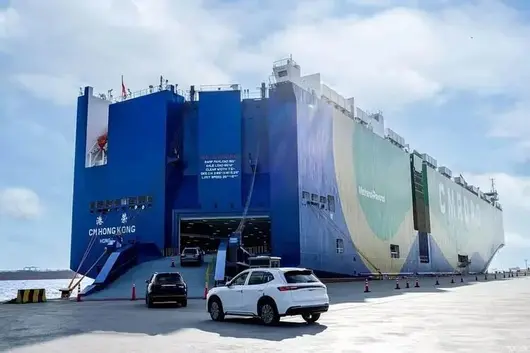

在马来西亚的汽车市场,很多买家在选车的时候都会拿 Toyota Hilux 和 Ford Ranger 来做比较。今天我们从多个方面做一个详细的对比,帮你省下做功课的时间。


Toyota Hilux 在马来西亚的 OTR 售价是 RM 104,880 - 173,280,一共有 6 个版本,包括 2025 2.8T AT Double Cab GR Sport(RM 173,280)、2025 2.8T AT Double Cab Rogue(RM 163,080)、2025 2.4T AT Double Cab V(RM 149,580) 等。
Ford Ranger 在马来西亚的 OTR 售价是 RM 116,838 - 273,838,一共有 13 个版本,包括 2026 3.0T AT Raptor Sport Petrol(RM 273,838)、2025 3.0T AT Raptor Petrol(RM 263,888)、2025 3.0T AT WildTrak Diesel(RM 192,838) 等。
从价钱来看,Toyota Hilux 的起步价确实比 Ford Ranger 便宜了 RM 11,958。如果你预算有限,Toyota 的入门版已经可以满足日常需求。但也要注意,便宜的那几千块,可能在配备上会有取舍,具体要看你的需求。

Toyota Hilux 搭载 2.5L Diesel,马力 187 hp。官方油耗 8.5 L/100km。
Ford Ranger 搭载 2.5L Diesel,马力 187 hp。官方油耗 8.5 L/100km。
两款车用的是同一套动力系统,所以日常开起来的感受基本没有差别。油耗方面也差不多,不用太纠结这一点。

Toyota Hilux 的安全评级是 5★ (ASEAN NCAP),主动安全系统包括 Brand ADAS。
Ford Ranger 的安全评级是 5★ (ASEAN NCAP),主动安全系统包括 Co-Pilot360。
两款车的安全评级一样,在这个级别里面安全配备都算给得很齐全了。现在的新车安全性都不差,不用太担心这一点。

Toyota Hilux 保修 5年/无限制里程,保养间隔 每10,000km或6个月。
Ford Ranger 保修 3年/100,000km,保养间隔 每10,000km或6个月。
总的来说,Toyota Hilux 和 Ford Ranger 都是马来西亚市场很不错的车型。选择哪一辆,关键还是要看你的个人需求和预算。建议大家做好功课,多比较几间车行的报价,再去试驾做最终决定。买车是件大事,花点时间做功课绝对不会错。


在马来西亚的汽车市场,很多买家在选车的时候都会拿 Volvo XC90 和 BMW X7 来做比较。今天我们从多个方面做一个详细的对比,帮你省下做功课的时间。


Volvo XC90 在马来西亚的 OTR 售价是 RM 418,888 - 418,888,一共有 1 个版本,包括 2025 2.0T Ultra(RM 418,888) 等。
BMW X7 在马来西亚的 OTR 售价是 RM 635,800 - 694,800,一共有 3 个版本,包括 1.5L Standard 2WD(RM 106,800)、1.5L Executive 2WD(RM 115,800)、1.5L Premium 2WD(RM 122,300) 等。
从价钱来看,Volvo XC90 的起步价确实比 BMW X7 便宜了 RM 216,912。如果你预算有限,Volvo 的入门版已经可以满足日常需求。但也要注意,便宜的那几千块,可能在配备上会有取舍,具体要看你的需求。

Volvo XC90 的安全评级是 5★ (Euro NCAP),主动安全系统包括 Premium ADAS。
BMW X7 的安全评级是 5★ (ASEAN NCAP),主动安全系统包括 ADAS (ACC, AEB, LKA, LDA, BSM, RCTA)。
安全配备方面,两款车都拿到了不错的评级。不过 Volvo XC90 的 Premium ADAS 和 BMW X7 的 ADAS (ACC, AEB, LKA, LDA, BSM, RCTA) 在功能上有些差异,如果你比较看重主动安全的话,可以仔细对比一下两者的功能列表。

Volvo XC90 车身长 4400 mm,后备箱 400 L。
BMW X7 车身长 4400 mm,后备箱 400 L。
两款车的尺寸几乎一样,车内空间差别不大。这个级别的车,日常使用完全够用。

Volvo XC90 采用 FWD 驱动方式。
BMW X7 采用 FWD 驱动方式。
两款车的驱动方式一样,都是 FWD,日常驾驶感受不会有太大区别。

总的来说,Volvo XC90 和 BMW X7 都是马来西亚市场很不错的车型。选择哪一辆,关键还是要看你的个人需求和预算。建议大家做好功课,多比较几间车行的报价,再去试驾做最终决定。买车是件大事,花点时间做功课绝对不会错。

在马来西亚的汽车市场,很多买家在选车的时候都会拿 MG MG HS 和 BMW X1 来做比较。今天我们从多个方面做一个详细的对比,帮你省下做功课的时间。

MG MG HS 在马来西亚的 OTR 售价是 RM 130,450 - 146,450,一共有 2 个版本,包括 1.5L Standard(RM 105,000)、1.5L Executive(RM 115,000) 等。
BMW X1 在马来西亚的 OTR 售价是 RM 252,800 - 252,800,一共有 2 个版本,包括 sDrive18i(RM 220,000)、sDrive20i(RM 250,000) 等。
从价钱来看,MG MG HS 的起步价确实比 BMW X1 便宜了 RM 122,350。如果你预算有限,MG 的入门版已经可以满足日常需求。但也要注意,便宜的那几千块,可能在配备上会有取舍,具体要看你的需求。

MG MG HS 的安全评级是 TBD,主动安全系统包括 Basic。
BMW X1 的安全评级是 5★ (Euro NCAP),主动安全系统包括 Premium ADAS。
安全配备方面,两款车都拿到了不错的评级。不过 MG MG HS 的 Basic 和 BMW X1 的 Premium ADAS 在功能上有些差异,如果你比较看重主动安全的话,可以仔细对比一下两者的功能列表。

MG MG HS 车身长 4400 mm,后备箱 400 L。
BMW X1 车身长 4400 mm,后备箱 400 L。
两款车的尺寸几乎一样,车内空间差别不大。这个级别的车,日常使用完全够用。
MG MG HS 保修 7年/150,000km,保养间隔 每10,000km或6个月。
BMW X1 保修 5年/无限里程,保养间隔 每10,000km或6个月。
总的来说,MG MG HS 和 BMW X1 都是马来西亚市场很不错的车型。选择哪一辆,关键还是要看你的个人需求和预算。建议大家做好功课,多比较几间车行的报价,再去试驾做最终决定。买车是件大事,花点时间做功课绝对不会错。


在马来西亚的SUV市场,很多买家在选车的时候都会拿 Proton X70 和 Chery Tiggo Cross 来做比较。这两款车在价位和定位上都蛮接近的,今天我们就从多个方面做一个详细的对比,帮你省下做功课的时间。
Proton X70 在马来西亚的 OTR 售价是 RM 106,800 - 122,300,一共有 3 个版本,包括 1.5L Standard 2WD(RM 106,800)、1.5L Executive 2WD(RM 115,800)、1.5L Premium 2WD(RM 122,300) 等。
Chery Tiggo Cross 在马来西亚的 OTR 售价是 RM 88,750 - 99,750,一共有 2 个版本,包括 2025 HEV 1.5L CSH(RM 99,750)、2025 1.5T Standard(RM 88,750) 等。
从价钱来看,Chery Tiggo Cross 的起步价比 Proton X70 便宜了 RM 18,050。老实讲,在这个价位段,几千块的差距其实不算大,关键还是看整体的性价比和长期使用成本。

Proton X70 的安全评级是 5★ (ASEAN NCAP),主动安全系统包括 ADAS (ACC, AEB, LKA, LDA, BSM, RCTA)。
Chery Tiggo Cross 的安全评级是 TBD,主动安全系统包括 Basic。
安全配备方面,两款车都拿到了不错的评级。不过 Proton X70 的 ADAS (ACC, AEB, LKA, LDA, BSM, RCTA) 和 Chery Tiggo Cross 的 Basic 在功能上有些差异,如果你比较看重主动安全的话,可以仔细对比一下两者的功能列表。

Proton X70 车身长 4400 mm,后备箱 400 L。
Chery Tiggo Cross 车身长 4400 mm,后备箱 400 L。
两款车的尺寸几乎一样,车内空间差别不大。这个级别的车,日常使用完全够用。

Proton X70 和 Chery Tiggo Cross 都是马来西亚市场的主流选择,适合家庭使用、日常通勤。如果你更看重品牌口碑和二手价,可以优先考虑口碑更好的那一款;如果你更在意性价比和配备,那就选配置更丰富的那款。最终还是建议两款都去试驾,亲身体验才是最重要的。
总的来说,Proton X70 和 Chery Tiggo Cross 都是马来西亚市场很不错的车型。选择哪一辆,关键还是要看你的个人需求和预算。建议大家做好功课,多比较几间车行的报价,再去试驾做最终决定。买车是件大事,花点时间做功课绝对不会错。

在马来西亚的SUV市场,很多买家在选车的时候都会拿 Proton X70 和 Mazda CX-60 来做比较。这两款车在价位和定位上都蛮接近的,今天我们就从多个方面做一个详细的对比,帮你省下做功课的时间。
Proton X70 在马来西亚的 OTR 售价是 RM 106,800 - 122,300,一共有 3 个版本,包括 1.5L Standard 2WD(RM 106,800)、1.5L Executive 2WD(RM 115,800)、1.5L Premium 2WD(RM 122,300) 等。
Mazda CX-60 在马来西亚的 OTR 售价是 RM 200,510 - 252,873,一共有 2 个版本,包括 2026 3.3T 4WD High Plus(RM 252,873)、2025 2.5L 2WD High(RM 200,510) 等。
从价钱来看,Proton X70 的起步价确实比 Mazda CX-60 便宜了 RM 93,710。如果你预算有限,Proton 的入门版已经可以满足日常需求。但也要注意,便宜的那几千块,可能在配备上会有取舍,具体要看你的需求。

Proton X70 的安全评级是 5★ (ASEAN NCAP),主动安全系统包括 ADAS (ACC, AEB, LKA, LDA, BSM, RCTA)。
Mazda CX-60 的安全评级是 5★ (Euro NCAP),主动安全系统包括 i-Activsense Pro。
安全配备方面,两款车都拿到了不错的评级。不过 Proton X70 的 ADAS (ACC, AEB, LKA, LDA, BSM, RCTA) 和 Mazda CX-60 的 i-Activsense Pro 在功能上有些差异,如果你比较看重主动安全的话,可以仔细对比一下两者的功能列表。

Proton X70 车身长 4400 mm,后备箱 400 L。
Mazda CX-60 车身长 4500 mm,后备箱 450 L。
空间方面,Mazda CX-60 的车身比 Proton X70 长了 100 mm,乘坐空间更有优势。不过 Proton X70 在城市里停车会灵活一点,各有取舍。

Proton X70 采用 FWD 驱动方式。
Mazda CX-60 采用 FWD 驱动方式。
两款车的驱动方式一样,都是 FWD,日常驾驶感受不会有太大区别。
总的来说,Proton X70 和 Mazda CX-60 都是马来西亚市场很不错的车型。选择哪一辆,关键还是要看你的个人需求和预算。建议大家做好功课,多比较几间车行的报价,再去试驾做最终决定。买车是件大事,花点时间做功课绝对不会错。

© 2024 Bitauto.com. All Rights Reserved.
Bitauto (www.yiche.com and www.bitauto.com) is one of the most visited automotive websites in China. We provide detailed info on Chinese car brands available in your area. Please note that the information provided on this website is based on publicly available data and is for reference only. It may not be fully updated or accurate at all times.

Help us improve our website


