For many driving enthusiasts, the Mazda 3 has always stood out in the C-segment market. Since the fourth-generation model made its debut in late 2018, it has won over countless drivers with Mazda's Kodo design philosophy and its signature Jinba Ittai driving experience. Now entering its eighth year, the Mazda 3 has yet to receive a full model change. Instead, Mazda has introduced the 2027 model year with a remarkably subtle update.
So, how should we interpret the absence of a long-awaited new generation? Is it a sign that Mazda's product development has slowed, or does it reflect the brand's determination to preserve the art of traditional driving during the transition towards electrification?
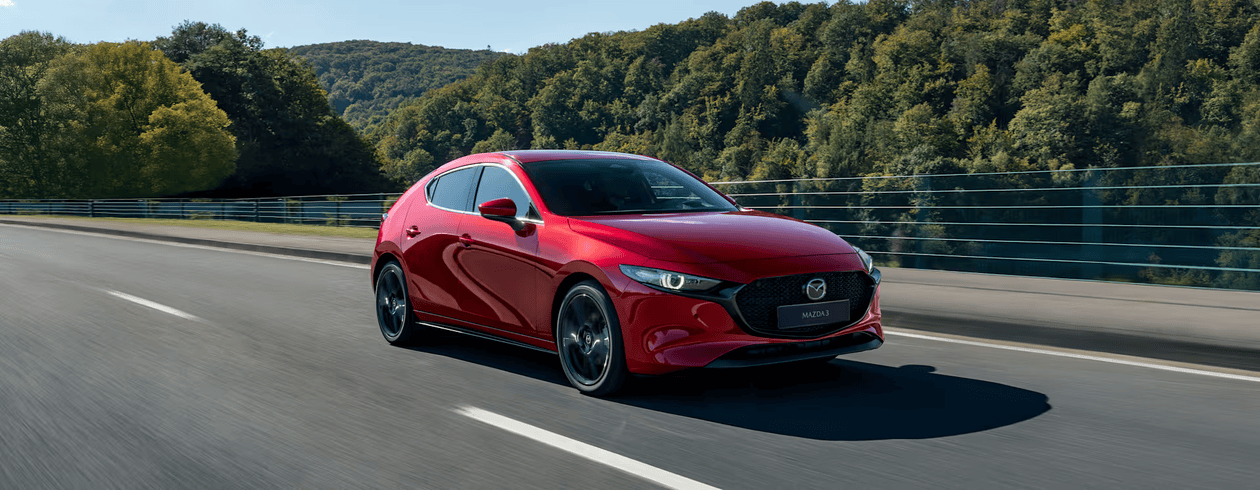
Image shown is the European-spec model
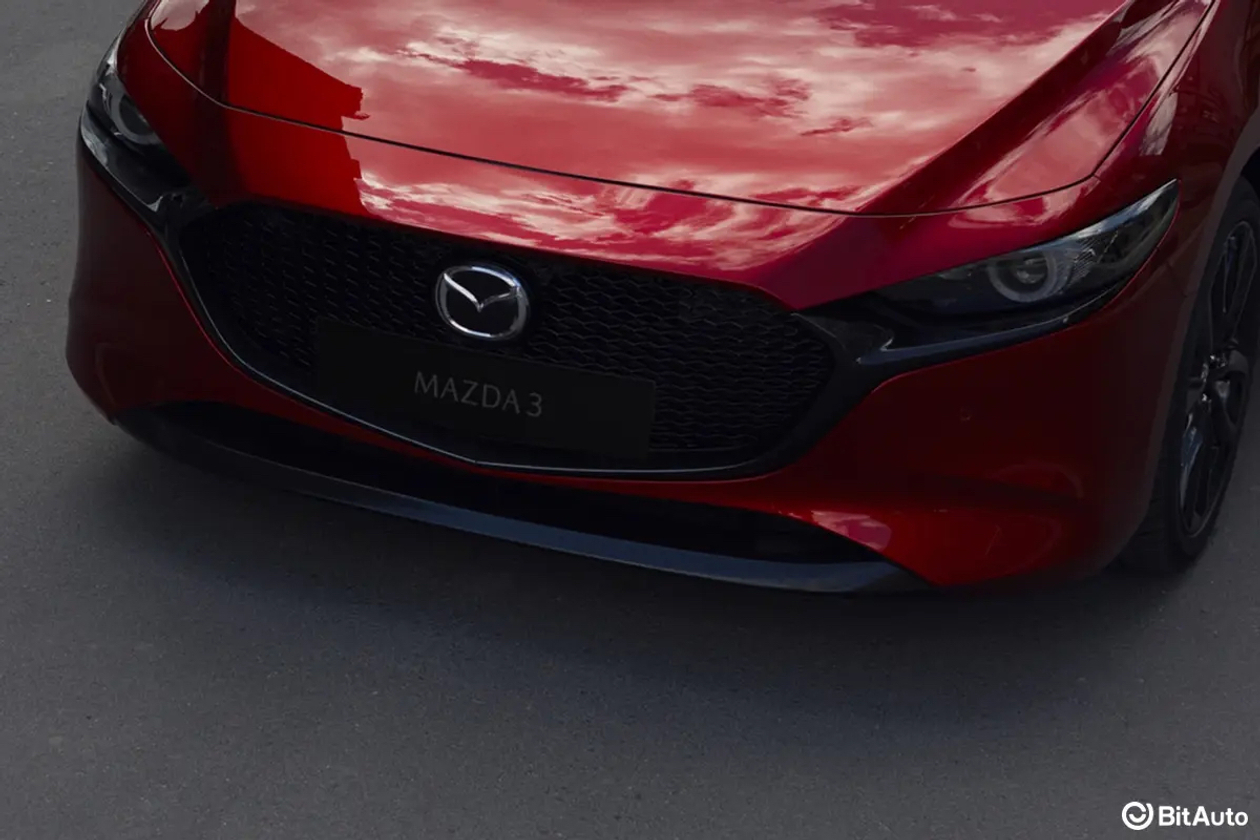
According to reports from European and Australian media, the 2027 Mazda 3 receives one of the lightest mid-cycle updates in recent automotive history. Unless the old and new models are parked side by side, the differences are difficult to spot. However, beneath the subtle exterior changes, Mazda has continued to refine areas that directly improve the ownership experience.
Improved visibility: The new model features updated Matrix LED headlamps with a pedestrian illumination function. More thoughtfully, the headlights automatically reduce their brightness when the vehicle is stationary at traffic lights, helping to minimise glare for other road users. This attention to detail has long been part of Mazda's appeal.
Smarter safety: The i-Activsense safety suite has been further enhanced. Adaptive Cruise Control (ACC) can now work seamlessly with the Traffic Sign Recognition system, allowing drivers to adjust the vehicle's speed according to road conditions with a single command. In addition, both Autonomous Emergency Braking (AEB) and Blind Spot Monitoring are now capable of detecting motorcycles, a particularly useful improvement for markets such as Malaysia, where motorcycles are a common part of everyday traffic.
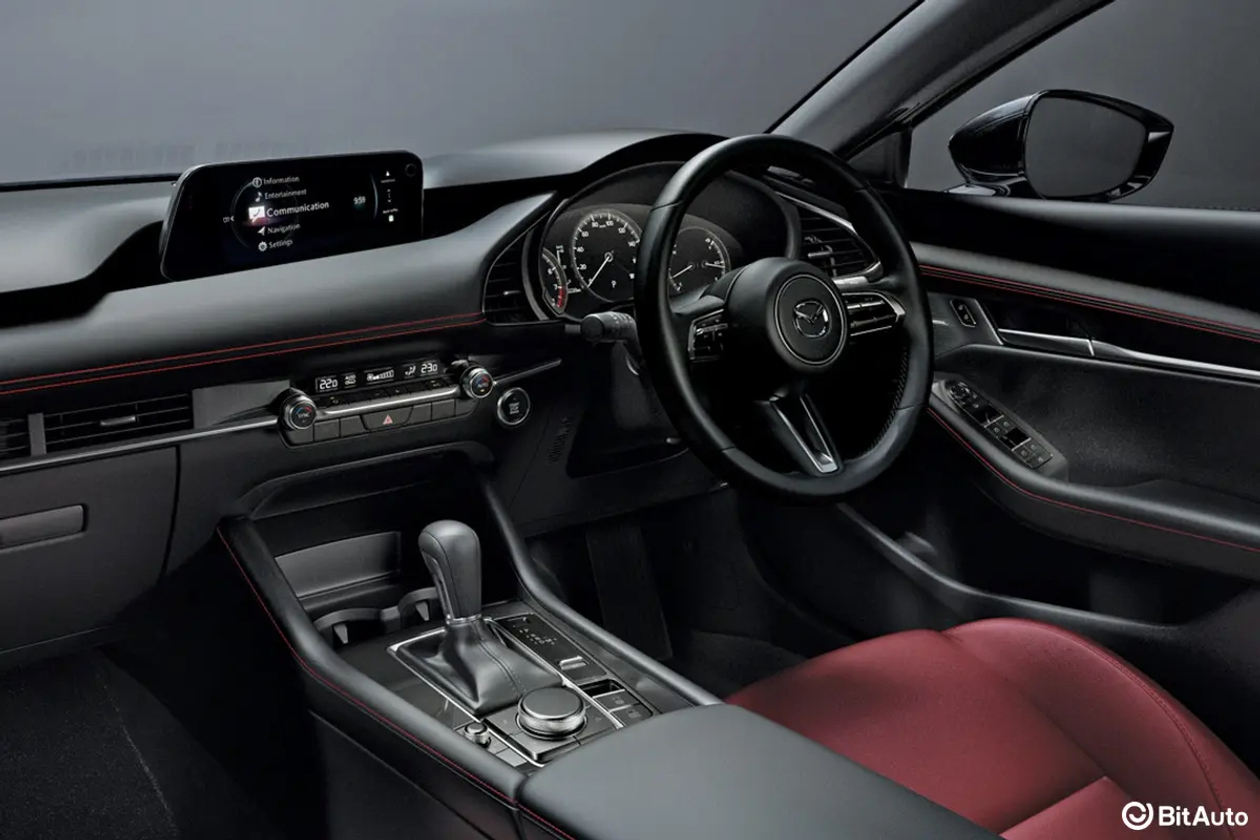
Cabin refinements: The European market also gains a new Homura Plus variant featuring premium gunmetal-look interior trim. Although the gloss black surfaces that often divide opinion remain, the cabin continues to offer one of the more premium interiors in its class.
At a time when many manufacturers are reducing investment in conventional ICE cars to accelerate their shift towards electrification, the Mazda 3's long product life is particularly noteworthy.
Mazda continues to offer a 2.5-litre naturally aspirated engine, as well as the Skyactiv-X mild hybrid powertrain in Europe, paired with either a six-speed manual or six-speed automatic transmission. This commitment to traditional mechanical engineering is increasingly rare in a C-segment market where CVT gearboxes have become the norm.
The extended product lifecycle also reflects Mazda's broader strategy. As manufacturers continue investing heavily in electrification, the development cycle for internal combustion platforms has naturally become longer. It is not that Mazda is unable to launch a new generation, but rather that it has chosen to focus its resources on developing its next-generation hybrid and electric vehicle platforms.
For the 2027 Mazda 3, these carefully considered updates are the most effective way to maintain its competitiveness towards the end of its product lifecycle. It does not need dramatic styling changes to remain relevant, as Mazda's Kodo design language continues to look modern even after eight years.
Although the updated Mazda 3 has been introduced in Europe first, we expect some of these technology upgrades, particularly the enhanced safety features, to gradually make their way to Asia-Pacific markets, including Malaysia, over the coming months.
If you are planning to buy a Mazda 3, there is little reason to delay your purchase simply because of this latest update. The 2027 Mazda 3 proves that during this period of transformation in the automotive industry, a car with proven mechanical engineering, a premium-quality interior and an engaging driving experience still has plenty to offer.
It may not be the most technology-focused car on the market, but it remains one of the few models that continues to embody Mazda's original "Zoom-Zoom" spirit. For drivers who value driving enjoyment and are unwilling to settle for a CVT transmission, this long-standing favourite still deserves a place on the shortlist.


Your go-to source for all things automotive in Malaysia. 🚗 Latest reviews, breaking news, launches & industry trends.
+ Follow Kereta Rally Karamjit Singh & Proton Wira Schumacher Ada Sini! | HME Asia 2026
Hujung minggu dah tiba dan anda mencari sesuatu untuk cuci mata? Jemput datang ke Heritage Motor Exchange Asia 2026 yang berlangsung di Dewal Merdeka, World Trade Centre (WTC) Kuala Lumpur!
Berbeza dengan pameran biasa, acara ini memberi tumpuan khas kepada kenderaan-kenderaan warisan dan klasik yang menggamit memori. Antara daya tarikan utama yang dipamerkan termasuk:
🏎️ Kereta Rally Legenda: Kereta rally ikonik yang pernah dipandu oleh pemandu legenda negara, Karamjit Singh!
🏎️ Proton Wira Schumacher: Model Proton Wira penuh sejarah yang pernah dipandu oleh pelumba F1 legenda, Michael Schumacher!
🚘 Kereta Klasik & Mewah: Mercedes-Benz W111 Cabriolet (1960-an), Rolls-Royce Silver Cloud, Jaguar E-Type, dan pelbagai lagi model berprestasi tinggi.
Membawa tema "When Passion Meets Acquisition", pameran ini menghimpunkan lebih 50 buah kereta daripada pelbagai era. Ia turut memperkenalkan sistem penilaian Concours 100 mata serta kemudahan urusan pemeriksaan, insurans, dan cukai jalan bersama agensi seperti Puspakom dan JPJ di lokasi.
📅 Tarikh: 23 – 25 Oktober 2026
📍 Lokasi: Dewan Merdeka, WTC Kuala Lumpur
Tonton video ini sampai habis untuk lihat sendiri kehebatan jentera-jentera klasik ini! Jangan lupa untuk Like, Comment, dan Subscribe ke saluran BitAuto!
#HeritageMotorExchange #HMEAsia2026 #BitAuto #WTCKL #KeretaKlasik 20 hours ago
Kereta Rally Karamjit Singh & Proton Wira Schumacher Ada Sini! | HME Asia 2026
Hujung minggu dah tiba dan anda mencari sesuatu untuk cuci mata? Jemput datang ke Heritage Motor Exchange Asia 2026 yang berlangsung di Dewal Merdeka, World Trade Centre (WTC) Kuala Lumpur!
Berbeza dengan pameran biasa, acara ini memberi tumpuan khas kepada kenderaan-kenderaan warisan dan klasik yang menggamit memori. Antara daya tarikan utama yang dipamerkan termasuk:
🏎️ Kereta Rally Legenda: Kereta rally ikonik yang pernah dipandu oleh pemandu legenda negara, Karamjit Singh!
🏎️ Proton Wira Schumacher: Model Proton Wira penuh sejarah yang pernah dipandu oleh pelumba F1 legenda, Michael Schumacher!
🚘 Kereta Klasik & Mewah: Mercedes-Benz W111 Cabriolet (1960-an), Rolls-Royce Silver Cloud, Jaguar E-Type, dan pelbagai lagi model berprestasi tinggi.
Membawa tema "When Passion Meets Acquisition", pameran ini menghimpunkan lebih 50 buah kereta daripada pelbagai era. Ia turut memperkenalkan sistem penilaian Concours 100 mata serta kemudahan urusan pemeriksaan, insurans, dan cukai jalan bersama agensi seperti Puspakom dan JPJ di lokasi.
📅 Tarikh: 23 – 25 Oktober 2026
📍 Lokasi: Dewan Merdeka, WTC Kuala Lumpur
Tonton video ini sampai habis untuk lihat sendiri kehebatan jentera-jentera klasik ini! Jangan lupa untuk Like, Comment, dan Subscribe ke saluran BitAuto!
#HeritageMotorExchange #HMEAsia2026 #BitAuto #WTCKL #KeretaKlasik 20 hours ago  Rare cars, legendary icons and automotive dreams come alive at Heritage Motor Exchange Asia!
#HMEA #HeritageMotorExchangeAsia #ClassicCars #Supercars #CarCulture #MalaysiaCars 22 hours ago
Rare cars, legendary icons and automotive dreams come alive at Heritage Motor Exchange Asia!
#HMEA #HeritageMotorExchangeAsia #ClassicCars #Supercars #CarCulture #MalaysiaCars 22 hours ago  Waze could be banned?
IT seems like the Malaysian government may look into banning Waze, but only when local alternatives are ready. 1 day ago
Waze could be banned?
IT seems like the Malaysian government may look into banning Waze, but only when local alternatives are ready. 1 day ago Get the latest car news first!
Your go-to source for all things automotive in Malaysia. 🚗 Latest reviews, breaking news, launches & industry trends.
Kereta Rally Karamjit Singh & Proton Wira Schumacher Ada Sini! | HME Asia 2026
Hujung minggu dah tiba dan anda mencari sesuatu untuk cuci mata? Jemput datang ke Heritage Motor Exchange Asia 2026 yang berlangsung di Dewal Merdeka, World Trade Centre (WTC) Kuala Lumpur!
Berbeza dengan pameran biasa, acara ini memberi tumpuan khas kepada kenderaan-kenderaan warisan dan klasik yang menggamit memori. Antara daya tarikan utama yang dipamerkan termasuk:
🏎️ Kereta Rally Legenda: Kereta rally ikonik yang pernah dipandu oleh pemandu legenda negara, Karamjit Singh!
🏎️ Proton Wira Schumacher: Model Proton Wira penuh sejarah yang pernah dipandu oleh pelumba F1 legenda, Michael Schumacher!
🚘 Kereta Klasik & Mewah: Mercedes-Benz W111 Cabriolet (1960-an), Rolls-Royce Silver Cloud, Jaguar E-Type, dan pelbagai lagi model berprestasi tinggi.
Membawa tema "When Passion Meets Acquisition", pameran ini menghimpunkan lebih 50 buah kereta daripada pelbagai era. Ia turut memperkenalkan sistem penilaian Concours 100 mata serta kemudahan urusan pemeriksaan, insurans, dan cukai jalan bersama agensi seperti Puspakom dan JPJ di lokasi.
📅 Tarikh: 23 – 25 Oktober 2026
📍 Lokasi: Dewan Merdeka, WTC Kuala Lumpur
Tonton video ini sampai habis untuk lihat sendiri kehebatan jentera-jentera klasik ini! Jangan lupa untuk Like, Comment, dan Subscribe ke saluran BitAuto!
#HeritageMotorExchange #HMEAsia2026 #BitAuto #WTCKL #KeretaKlasik 20 hours ago Rare cars, legendary icons and automotive dreams come alive at Heritage Motor Exchange Asia!
#HMEA #HeritageMotorExchangeAsia #ClassicCars #Supercars #CarCulture #MalaysiaCars 22 hours ago Waze could be banned?
IT seems like the Malaysian government may look into banning Waze, but only when local alternatives are ready. 1 day ago 
© 2024 Bitauto.com. All Rights Reserved.
Bitauto (www.yiche.com and www.bitauto.com) is one of the most visited automotive websites in China. We provide detailed info on Chinese car brands available in your area. Please note that the information provided on this website is based on publicly available data and is for reference only. It may not be fully updated or accurate at all times.

Help us improve our website


