Mitsubishi Motors has announced plans to invest 16 billion baht (approximately RM1.94 billion) in Thailand by 2030, clueing that models like a Mitsubishi Triton Hybrid and electrified next-gen all-new Pajero are on the way.
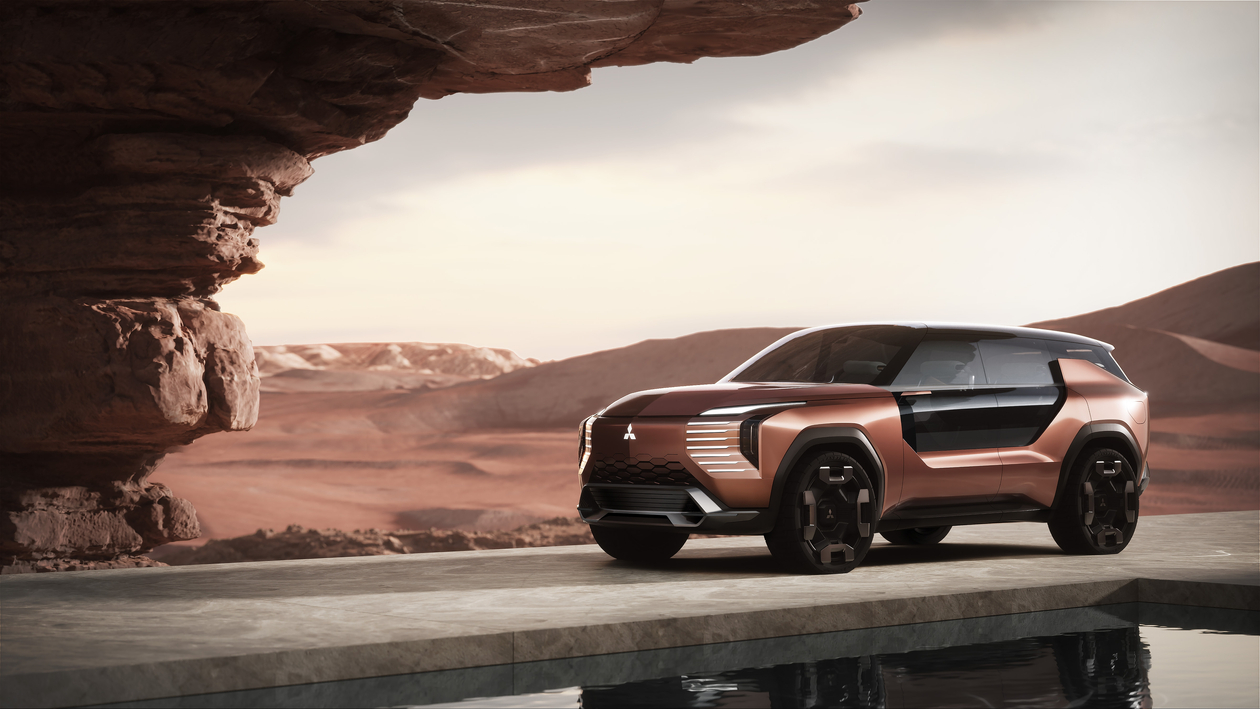
Mitsubishi Elevance Concept, as seen at JMS 2025. Clues to the new Pajero?
Company president and CEO, Takao Kato, announced the carmaker's plan following a meeting between him and Thailand's prime minister, Anutin Charnvirakul at the capital on Friday, 24 July 2026.
Sources report that this investment will support Mitsubishi's transition towards electrification, and includes studies into manufacturing and exporting pick up trucks and the upcoming Pajero with electrified powertrains.
However, this doesn't mean that a Triton EV will launch first. Kaoru Sawase, Mitsubishi Enginering Fellow, told Australian media late last year that while the company is still looking to make electrified Tritons, a hybrid is to come before a fully-electric variant.
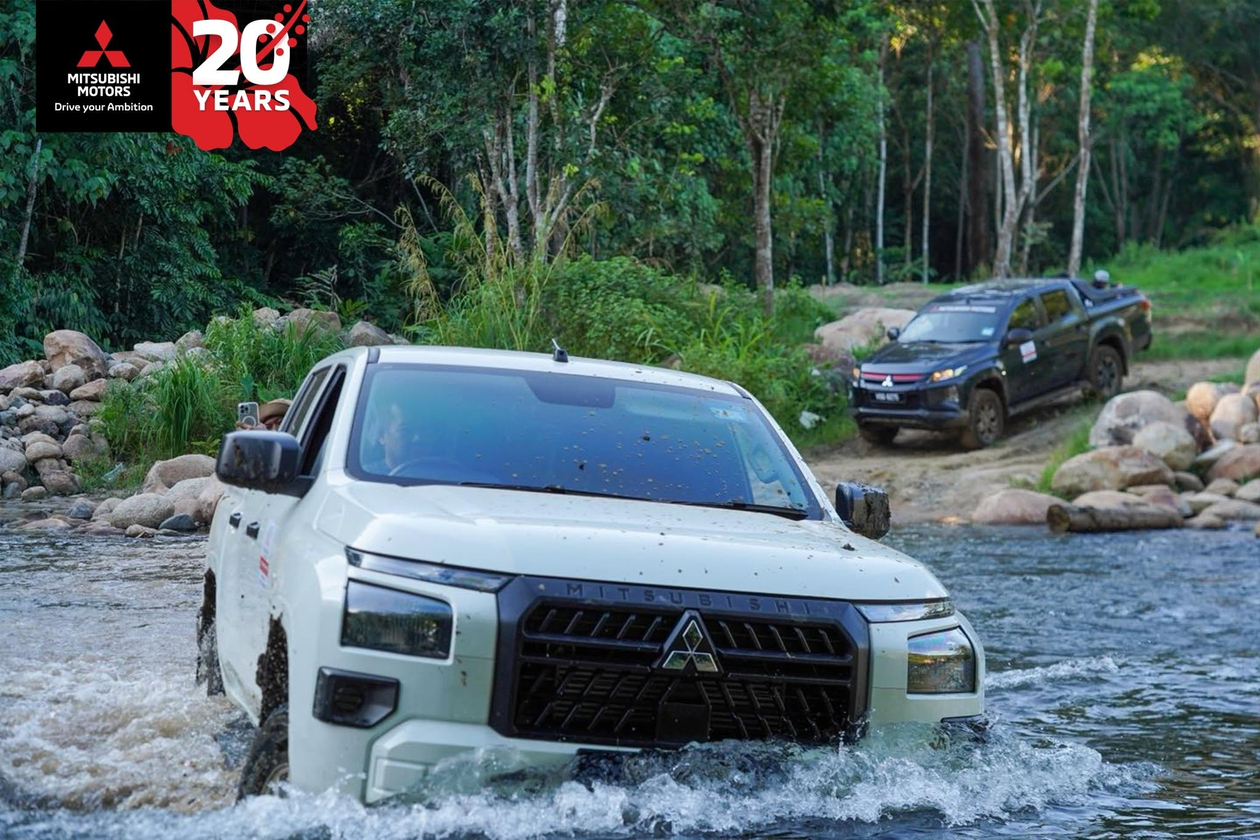
The Triton in Malaysia.
"So along with the flow of the times, there is a need to develop Triton HEV, so we are working on that. So first we have to work on hybrid, not the way of the plug-in hybrid. In the past, we have announced to launch the BEV Triton, but now the reaction has shifted a little bit. We are now trying to quickly launch the electrified vehicle," Sawase was reported as saying by CarsGuide.
The more interesting bit is that this news sheds more light on the upcoming Pajero. The model hasn't been revealed just yet, but its expected to share componentry with the popular pick-up truck.
More pertinently, the plant has the capability to produce electrified vehicles. At its Thai base, the company makes the Xforce Hybrid, Xpander Hybrid, and Xpander Cross Hybrid.
Meanwhile, the Triton sold in Malaysia is also fully-imported (CBU) from Thailand.
According to Kato, Mitsubishi has invested more than 100 billion baht (around RM12.1 billion) in Thailand since entering the market more than 65 years ago. During that time, the company has exported over five million Thailand-built vehicles to markets around the world.


Your go-to source for all things automotive in Malaysia. 🚗 Latest reviews, breaking news, launches & industry trends.
+ Follow 1 minute ago
  Details you missed earlier?
Fret not, as we have detailed photos on our site! 2 hours ago
Details you missed earlier?
Fret not, as we have detailed photos on our site! 2 hours ago  20 hours ago
 Get the latest car news first!
Your go-to source for all things automotive in Malaysia. 🚗 Latest reviews, breaking news, launches & industry trends.
 ProtonGWMVolkswagenJAECOOVolvoPeroduaToyotaHondaTESLAMitsubishiMazdaJetourCheryBYDLexusBMWMercedes-BenziCAURZeekrIsuzuNissanLeapmotorPorscheFordOMODAMINIMGSuzukiXPengHyundaiWulingKiaSubaruDenzaGACLand RoverDongfengCAMAudiPeugeotFotonMAXUSsmartDaihatsuJACJMCMaseratiLotusAlfa RomeoRenaultGolden DragonKaiceneSeresLamborghiniFerrariJeepRolls-RoyceLepasAston MartinMcLarenChevroletBentleyFiatBAICForthingGeelyRoeweAeolusChanganARCFOXDeepalExeedHongqiVoyahJaguarKGMBuforiAcuraCadillacDodgeAbarthINEOSMHEROJMEVFreelander
© 2024 Bitauto.com. All Rights Reserved.
Bitauto (www.yiche.com and www.bitauto.com) is one of the most visited automotive websites in China. We provide detailed info on Chinese car brands available in your area. Please note that the information provided on this website is based on publicly available data and is for reference only. It may not be fully updated or accurate at all times.
Help us improve our website


