Who would have thought that Mazda, now renowned for its striking design and often hailed as the "BMW of Japan", actually began life as a cork manufacturer over a century ago?
From a struggling cork factory in Hiroshima to the automaker that defied conventional engineering by bringing the rotary engine into mass production, Mazda's 100-year journey is nothing short of remarkable. Along the way, it survived the devastation of World War II, endured the consequences of rapid expansion, and repeatedly pulled itself back from the brink through an unwavering challenger spirit.
This is the story of an automaker that has always dared to be different.
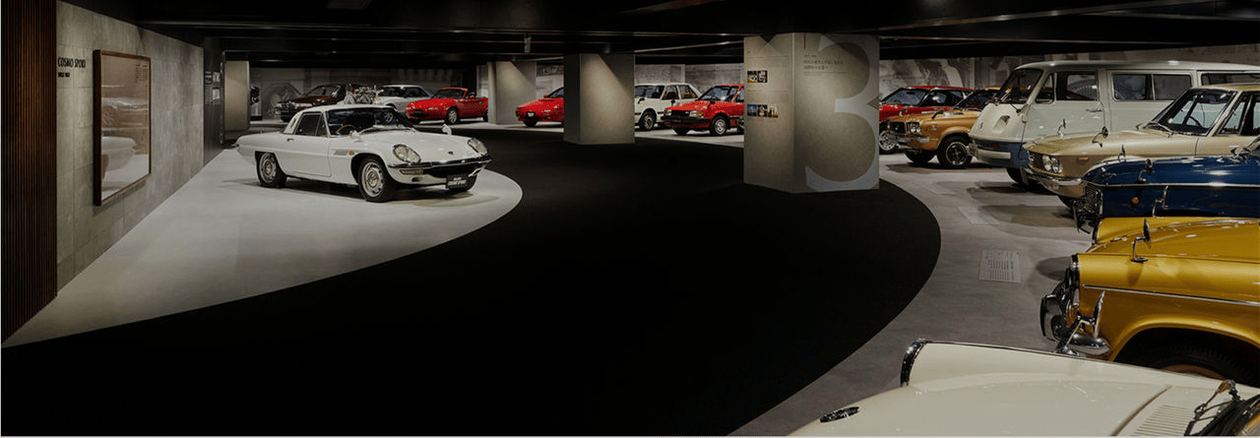
Mazda Museum
Looking back at the history of the Hiroshima-based marque, its journey is more than a tale of survival through war, economic downturns and financial hardship. It is also a story of bold innovation, engineering excellence and an uncompromising commitment to craftsmanship.
Join us as we explore Mazda's century-long history and discover how decades of challenges and perseverance have shaped one of the automotive industry's most distinctive brands.
A New Beginning: From Cork to Industry
Mazda's story began on 30 January 1920, when Toyo Cork Kogyo Co., Ltd. was established in Hiroshima. The company initially specialised in the processing and manufacture of cork products. However, its early years were far from smooth.
In 1921, Jujiro Matsuda, widely regarded as the driving force behind Mazda's rise, was appointed the company's second president.
Born into a fishing family in Hiroshima, Matsuda left home at the age of 13 to work as an apprentice at a blacksmith's workshop in Osaka before later becoming a shipbuilding technician at a naval dockyard, where he developed a solid foundation in mechanical engineering.
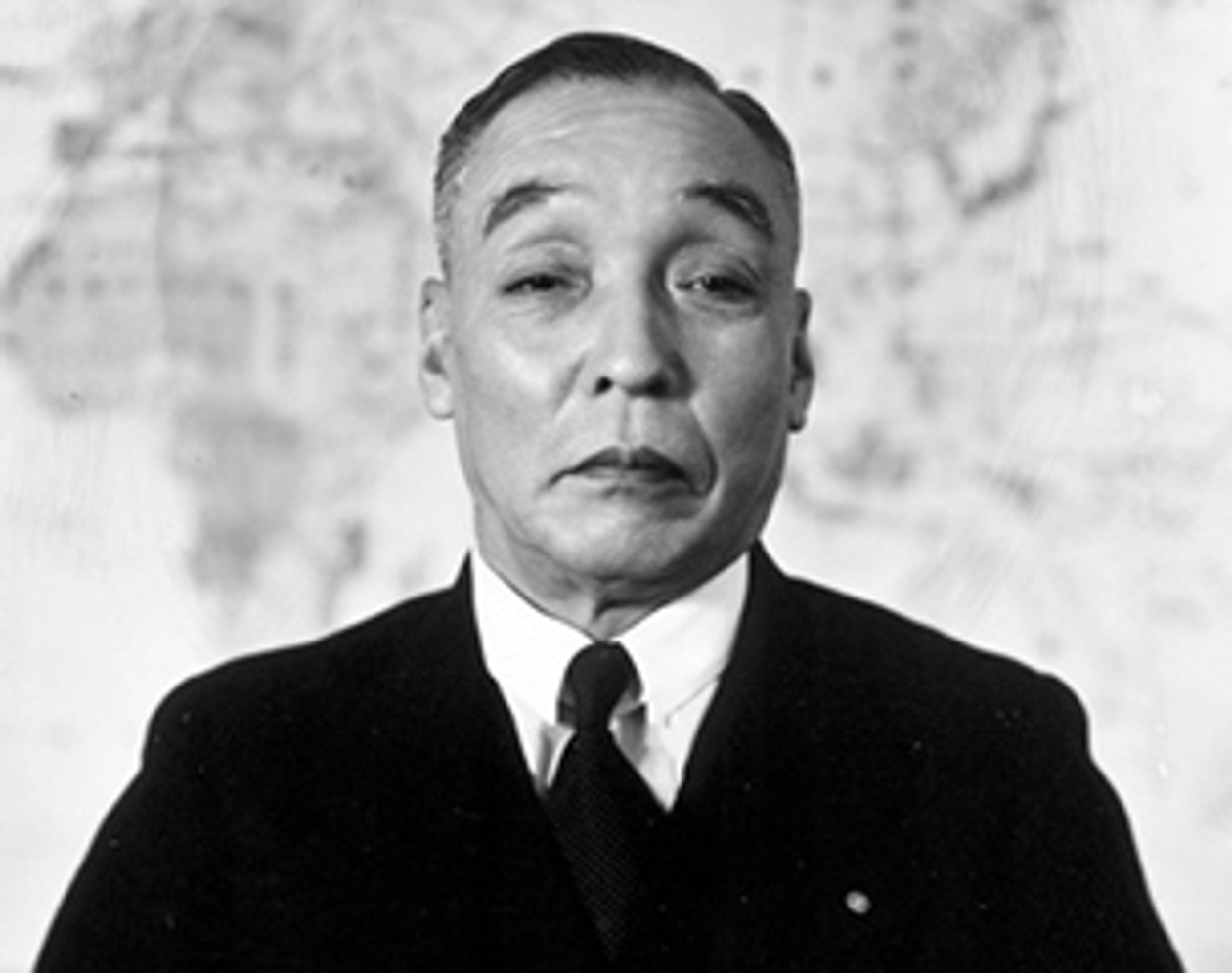
Jujiro Matsuda (8 August 1875 - 27 March 1952)
Shortly after Matsuda took charge, a devastating fire destroyed around 70% of the company's factory buildings.
Faced with the crisis, he demonstrated remarkable business acumen by instructing workers to collect waste cork generated during production and compress it into a new type of cork board.
The product quickly found commercial success, serving as insulation material for refrigerator manufacturers and as cushioning material for storing artillery shells in military factories. This innovative solution provided the company with much-needed capital during its formative years.
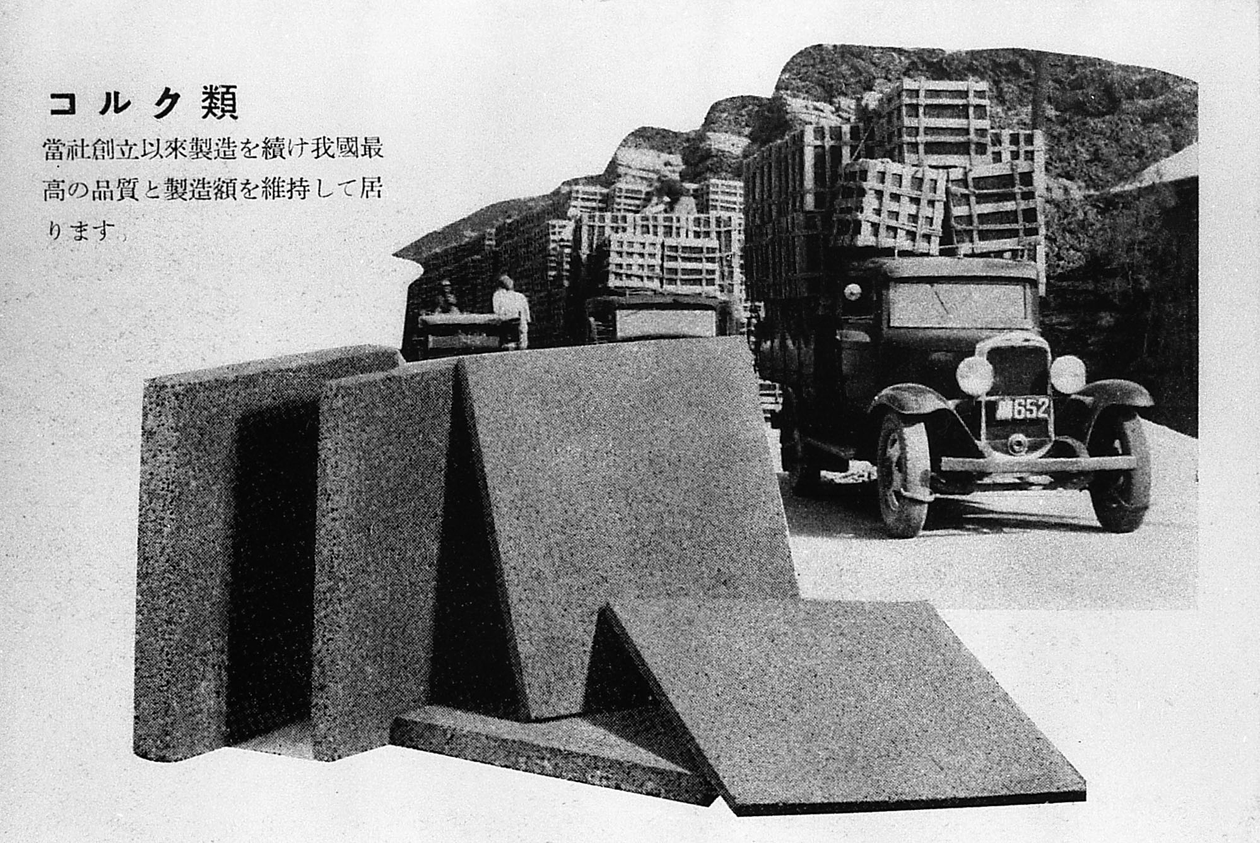
Pressed cork boards
A Shift to Engineering and the Birth of the Mazda Name
Following the Great Kantō Earthquake in 1923, Japan's economy entered a downturn, severely affecting demand for cork products. Recognising the need for change, Matsuda steered the company towards the field he knew best—mechanical engineering.
In 1927, the company was renamed Toyo Kogyo Co., Ltd., marking its transition into a machinery manufacturer.

Toyo Kogyo Co., Ltd. (circa 1931)
As Japan accelerated its military build-up during the 1930s, Toyo Kogyo secured numerous defence contracts. The resulting investment in capital and manufacturing equipment enabled Matsuda to pursue an even more ambitious goal: entering the rapidly growing motor vehicle industry.
In 1929, the company completed the development of a 250 cc two-stroke engine, before launching its first three-wheeled commercial vehicle, the Mazda-Go, in 1931.
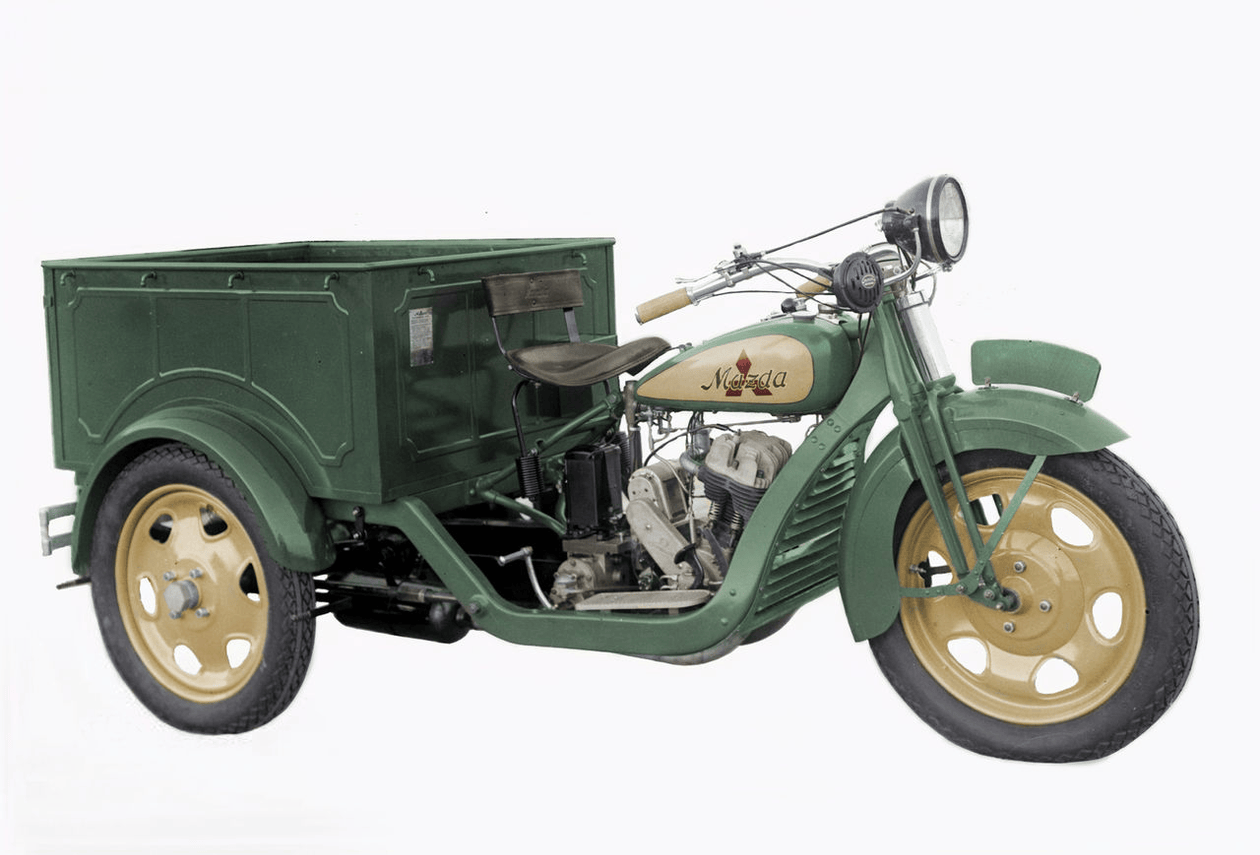
Mazda-Go 3-wheeled truck (from 1931)
While naming the vehicle, Matsuda drew inspiration from Ahura Mazda, the ancient Persian deity representing wisdom, harmony and light. The name also closely resembled the pronunciation of his own surname, Matsuda, making it a fitting choice for the company's first vehicle.
Thus, the Mazda name was born, appearing proudly on the side of the Mazda-Go's fuel tank.
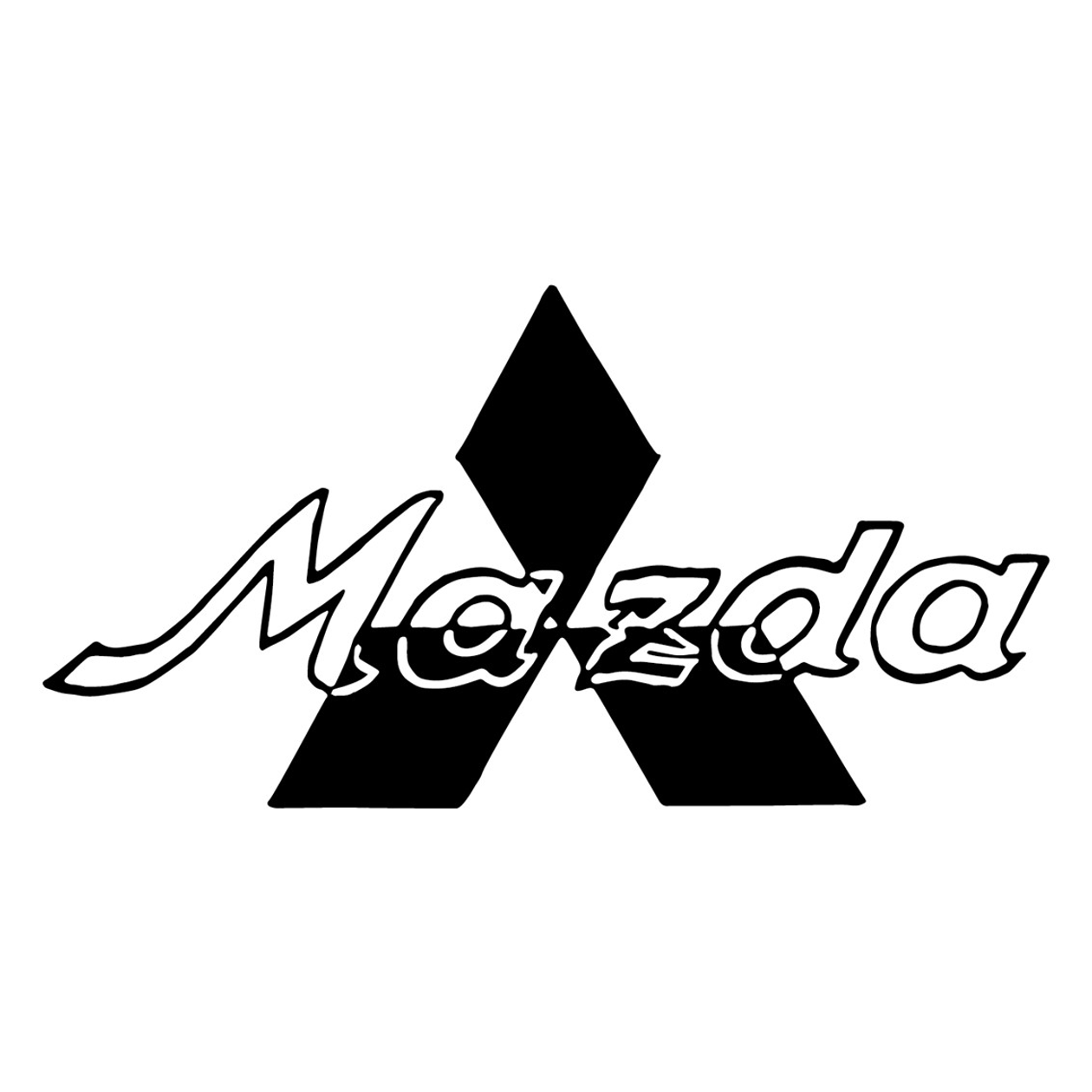
Product Mark (1931–) – Mazda first used this emblem on the Mazda-Go Type DA. The design combined the "Mazda" lettering with the three-diamond motif of Mitsubishi, which served as Mazda's sales distributor at the time.
Surviving the Devastation of War
As the Second World War intensified, Toyo Kogyo was drawn into Japan's wartime industrial effort, shifting its production almost entirely to military equipment and components.
When the atomic bomb was dropped on Hiroshima in 1945, the company's main factory escaped catastrophic destruction thanks to its location on the outskirts of the city and the surrounding terrain, which provided a degree of protection.
Following Japan's surrender, Toyo Kogyo moved quickly to support Hiroshima's reconstruction while clearing wartime infrastructure and preparing its facilities for the return to civilian manufacturing.
These efforts laid the foundations for the company's post-war recovery and its eventual transformation into one of Japan's most distinctive automotive brands.
Returning to Civilian Production and the Birth of Mazda's First Passenger Car
In the years immediately following the Second World War, Japan faced severe shortages of materials and industrial resources. Despite these challenges, Toyo Kogyo demonstrated remarkable resilience. By 1953, monthly production of its three-wheeled commercial vehicles had surpassed 3,000 units.
During this period, the company modernised its manufacturing operations by introducing advanced casting technologies through overseas technical partnerships, while strengthening its leadership in Japan's three-wheeled commercial vehicle market.
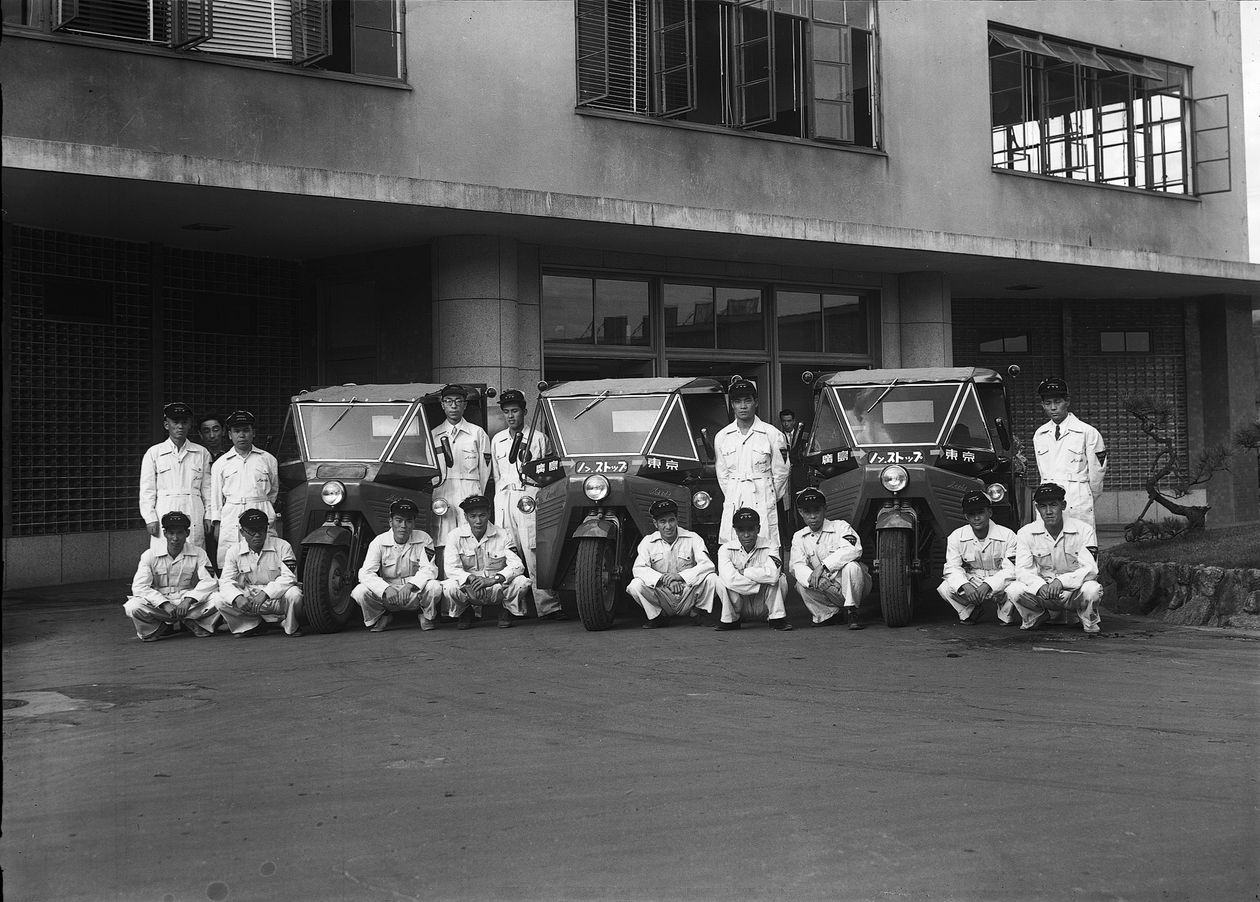
In October 1952, the CTL1 three-wheeled truck completed a non-stop 1,000 km journey from Hiroshima to Tokyo as part of a promotional campaign.
A major milestone came in 1960, when Mazda's first passenger car, the R360 Coupe, rolled off the production line at its modern, computer-controlled manufacturing facility.
Thanks to its lightweight construction and highly competitive pricing, the R360 Coupe proved an immediate success. It not only marked Mazda's entry into the passenger car market but also helped Toyo Kogyo become Japan's best-selling kei car manufacturer for three consecutive years.
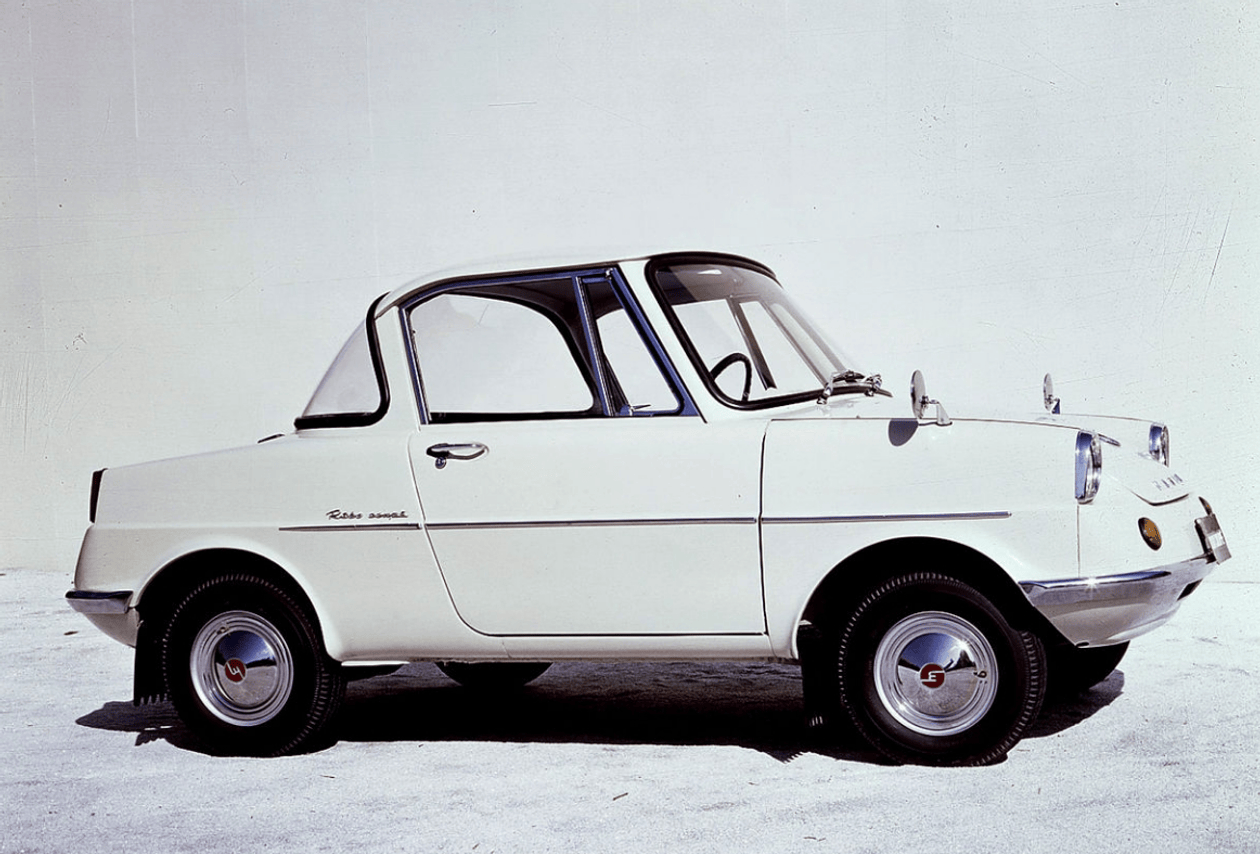
Mazda R360 Coupe – Mazda's first passenger car
The company continued to expand by establishing the Ujina Plant in Hiroshima and the Miyoshi Proving Grounds, laying the foundations for large-scale vehicle production and future product development.
The "Dream Engine": The Rise and Challenges of the Rotary Engine
Few technologies have become as closely associated with Mazda as the Wankel rotary engine. Celebrated for its compact design, smooth power delivery and high power output relative to its size, it was widely regarded as the automotive industry's "dream engine".
However, challenges such as high fuel consumption and sealing durability discouraged most manufacturers from pursuing the technology.
Mazda chose a different path.
Driven by its challenger spirit, the company committed significant engineering resources to overcoming the rotary engine's technical limitations.
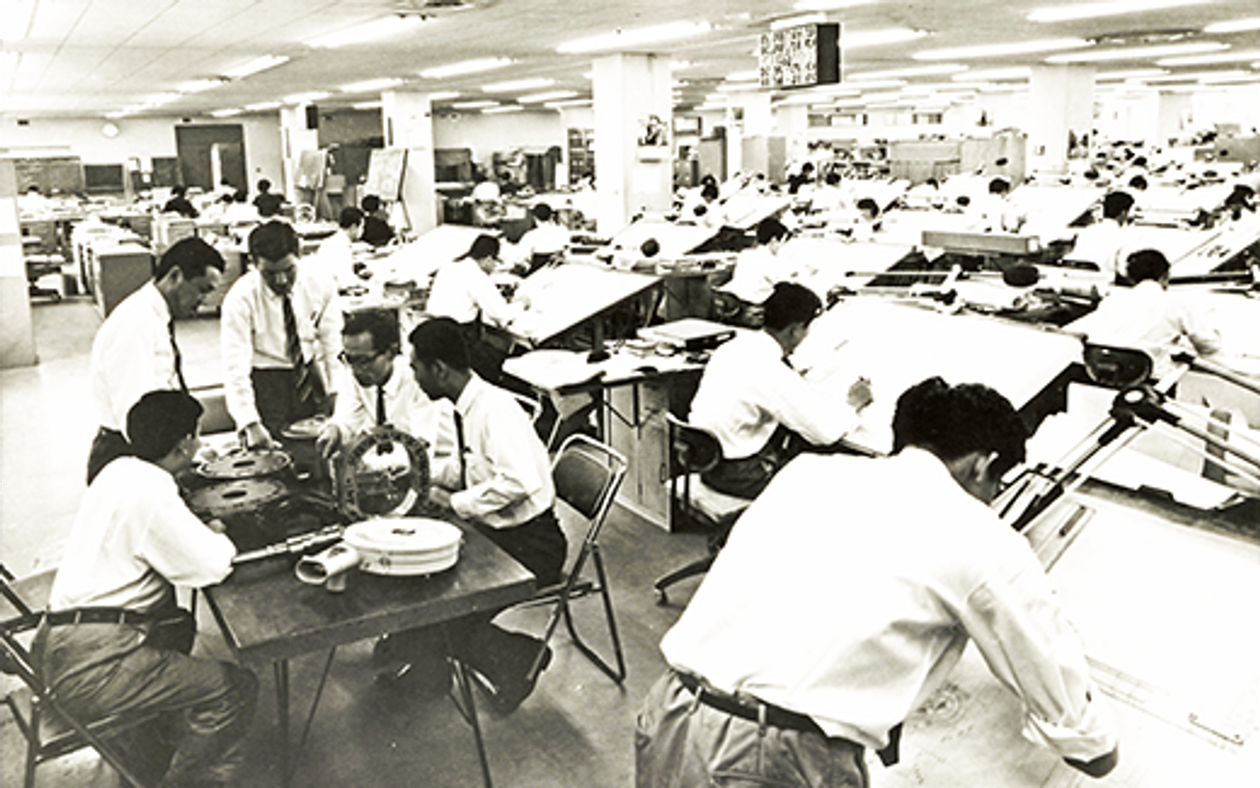
Rotary Engine Design Office, Rotary Engine Research Department (1967)
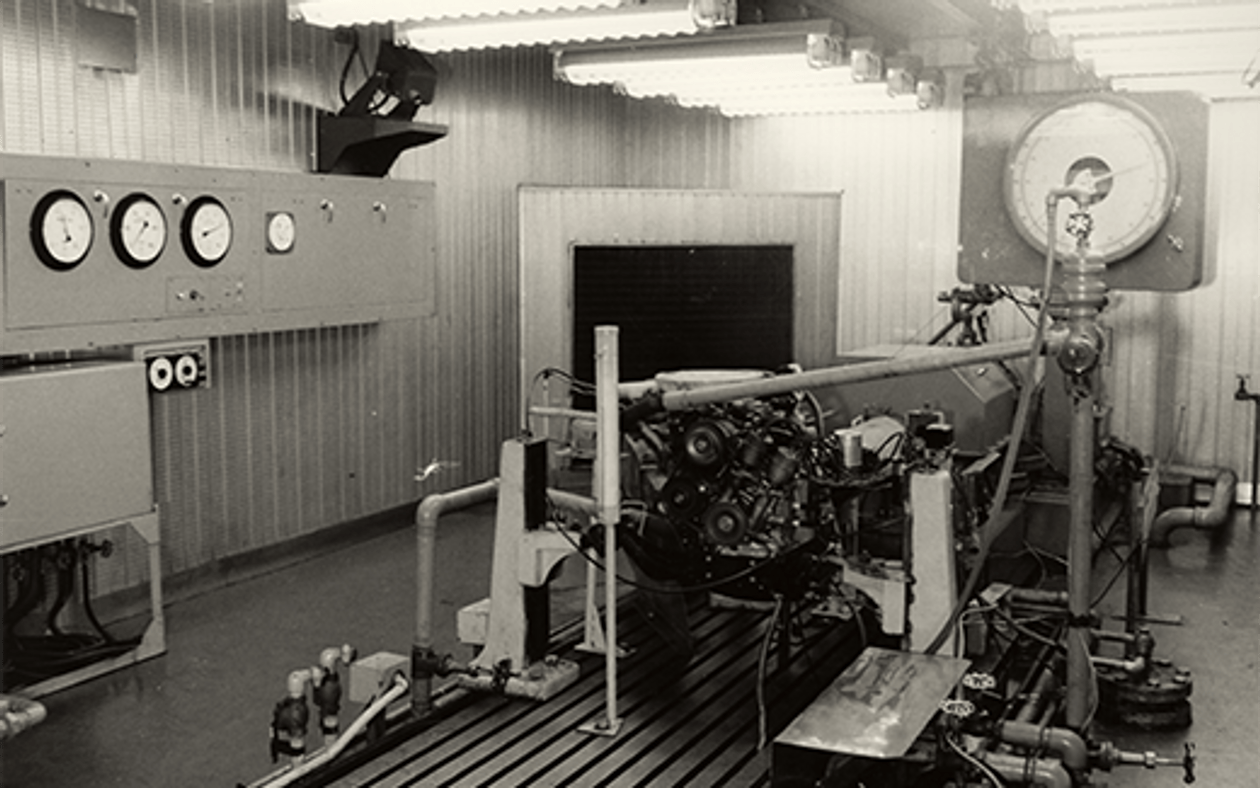
Rotary Engine Research Laboratory
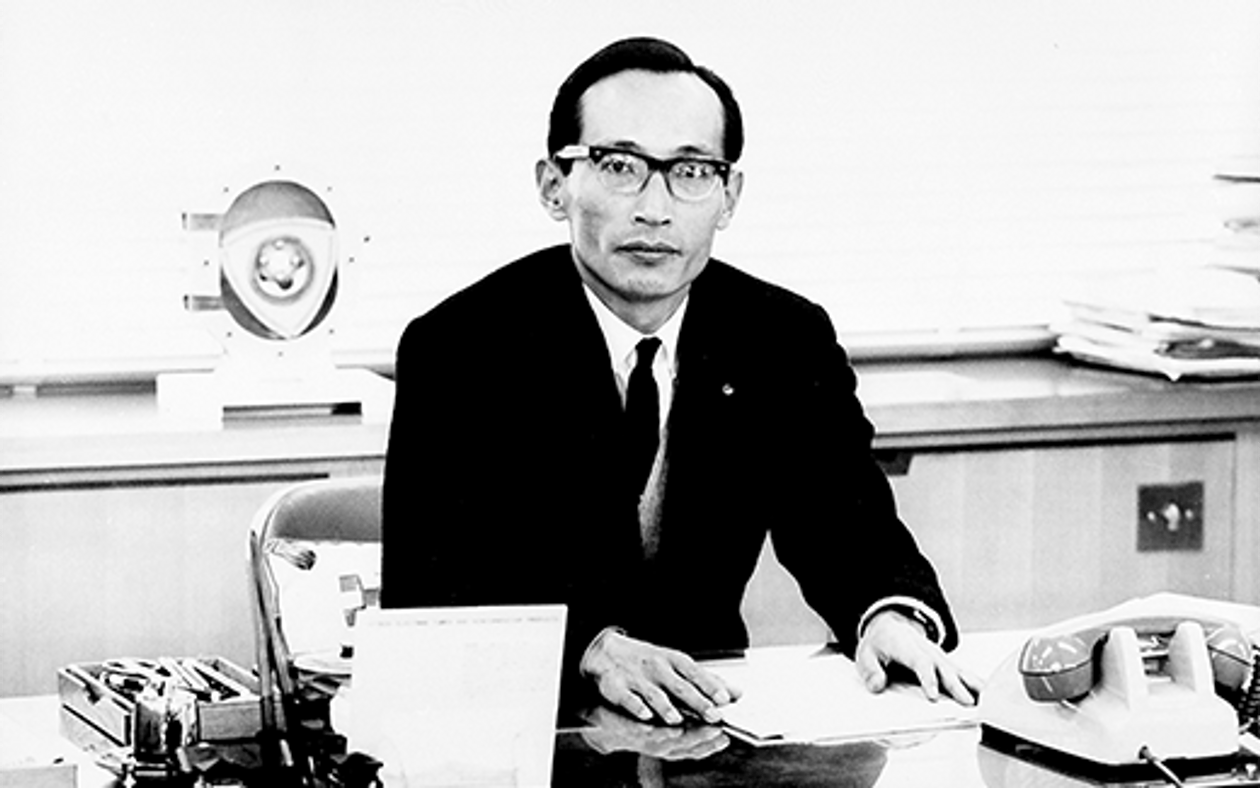
Kenichi Yamamoto, General Manager of the Rotary Engine Research Department
In 1967, Mazda unveiled the Cosmo Sport, the world's first mass-produced sports car powered by a twin-rotor rotary engine. The model showcased the company's engineering expertise and established Mazda as the world's leading advocate of rotary technology.
The rotary engine subsequently found its way into a range of performance models, including the R130, RX-2, RX-3, and later the iconic RX-7.
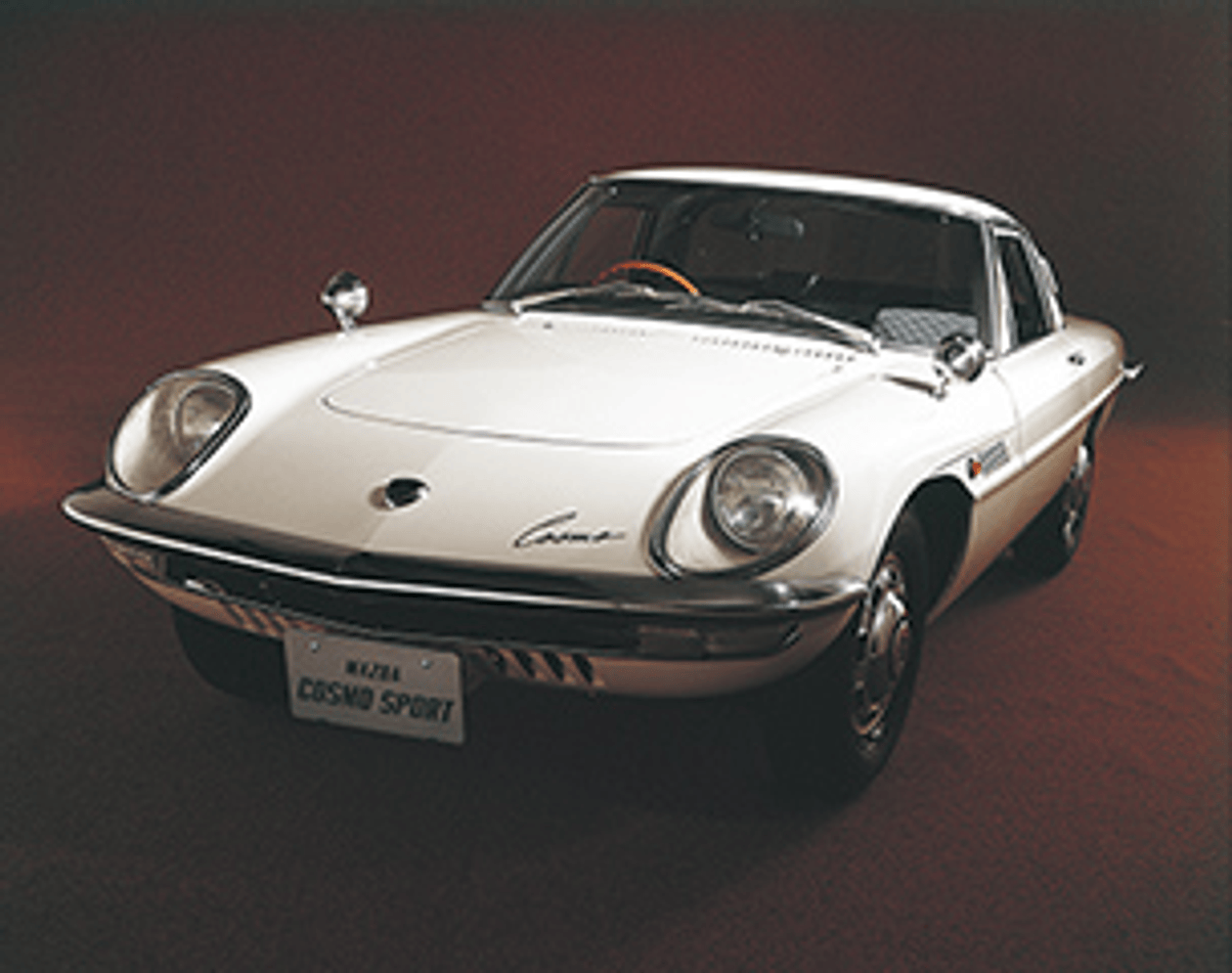
Mazda Cosmo Sport (sold overseas as the 110S), the world's first mass-produced sports car equipped with a twin-rotor rotary engine.
However, Mazda's rotary success would soon face its greatest test.
The 1973 oil crisis sent global fuel prices soaring, exposing the rotary engine's biggest weakness—its relatively high fuel consumption. Demand for rotary-powered models, including the Cosmo Sport, declined sharply as consumers shifted towards more fuel-efficient vehicles.
The crisis forced Mazda to fundamentally rethink its product strategy. Rather than relying heavily on rotary-powered models, the company began diversifying its powertrain portfolio while continuing to refine and preserve the rotary engine as one of its defining technologies.
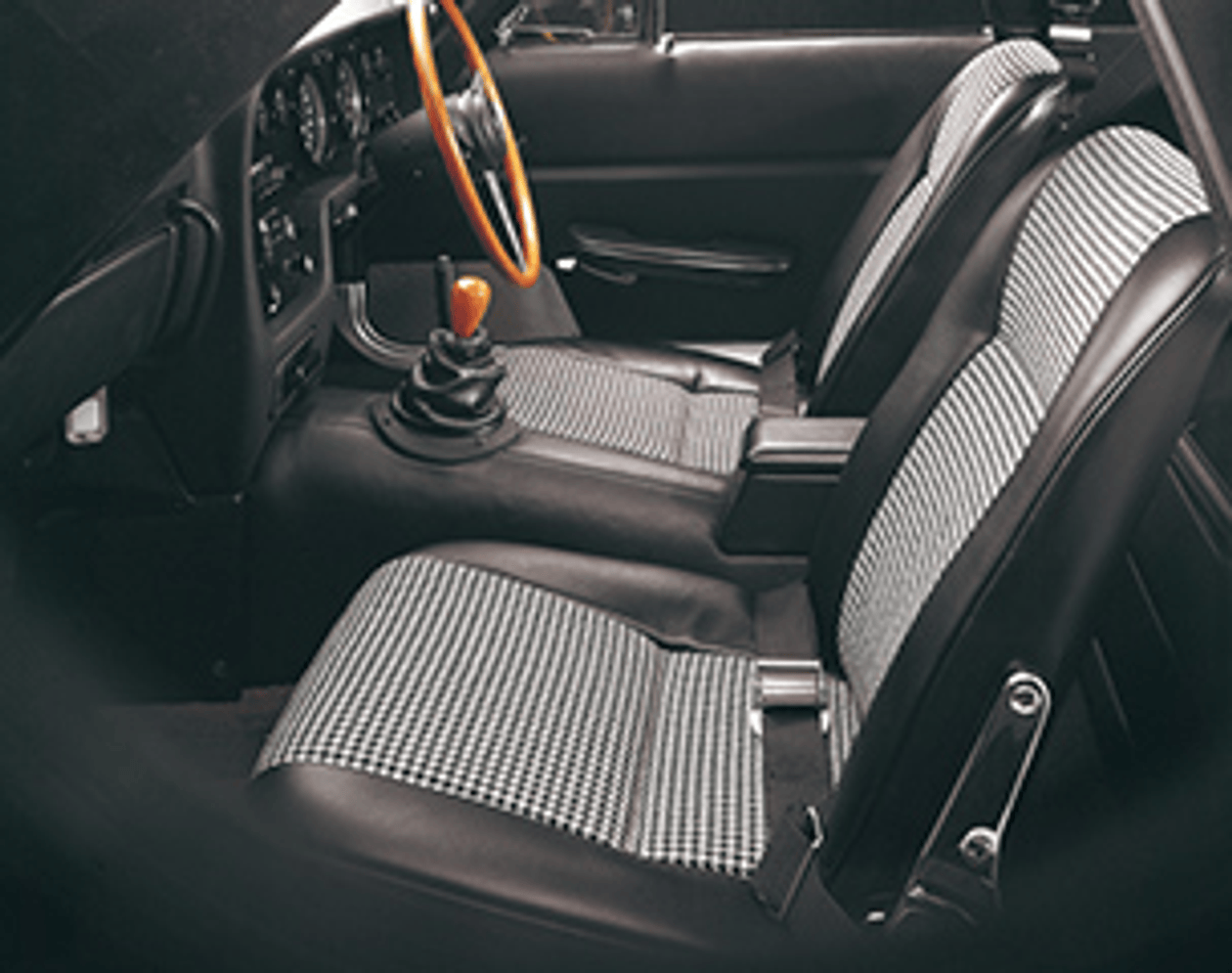
Mazda Cosmo Sport interior
Strategic Restructuring and the Success of the Familia
Facing mounting financial pressure in the mid-1970s, Mazda quickly reshaped its product lineup by introducing models that appealed to a broader market. These included the Familia AP—later sold globally as the Mazda 323—and the versatile Bongo van.
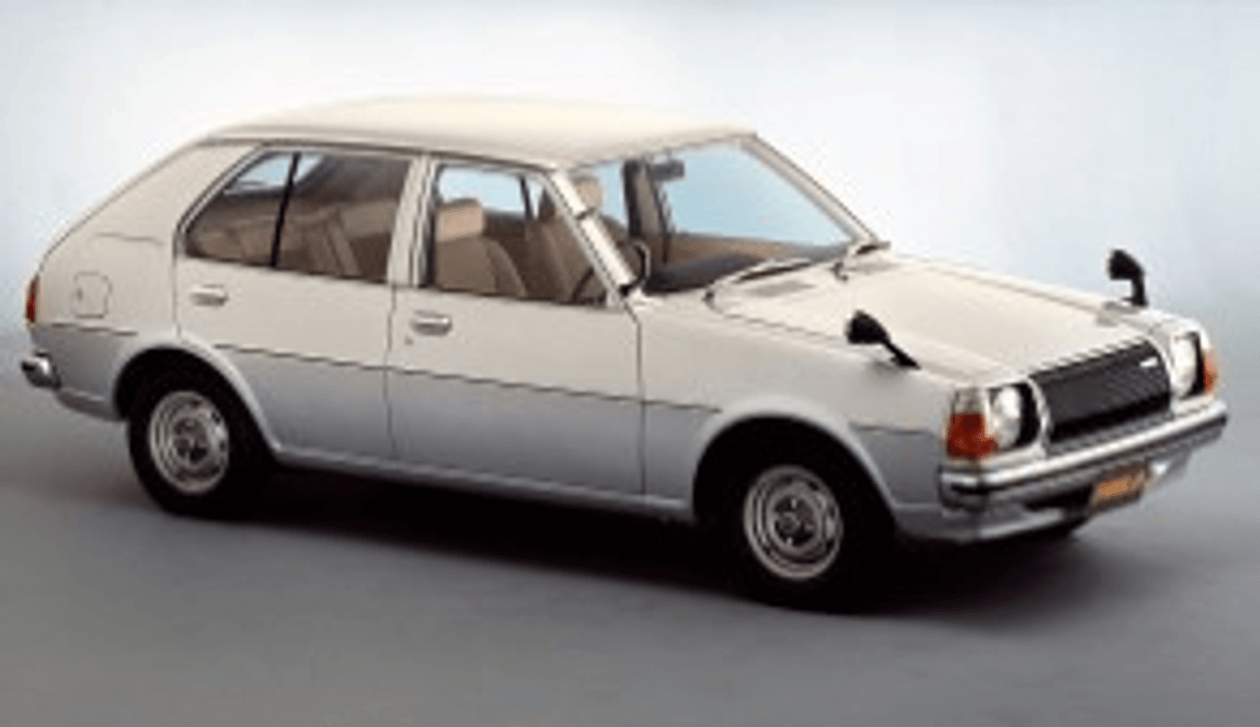
January 1977 – Fourth-generation Familia (original GLC/323) introduced.
At the same time, Mazda remained committed to rotary technology. Rather than applying it across its entire range, the company reserved the engine for dedicated sports cars such as the Savanna RX-7.
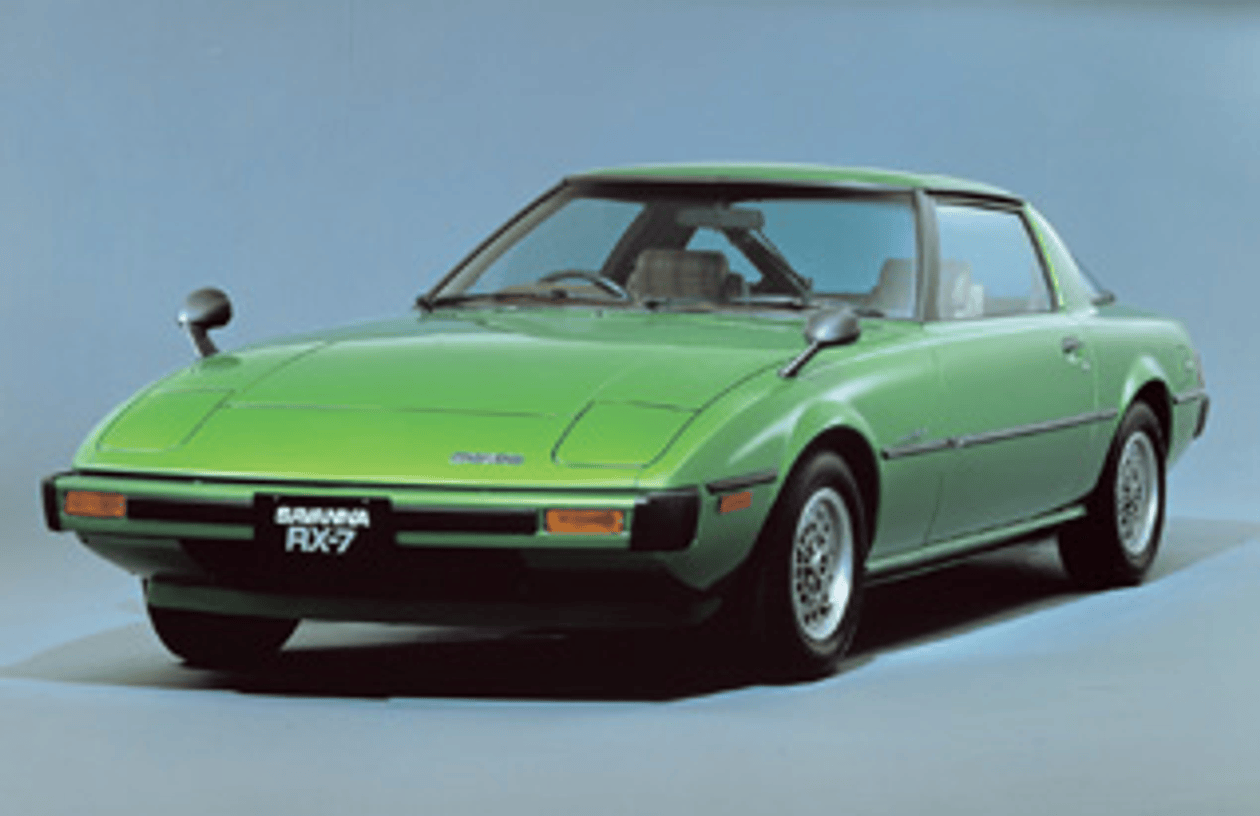
March 1978 – First-generation Savanna RX-7 (RX-7) introduced.
In 1984, the company completed a major corporate rebranding, officially changing its name from Toyo Kogyo Co., Ltd. to Mazda Motor Corporation, reinforcing a unified global identity.
Joining Forces with Ford and Reaching One Million Vehicles a Year
To strengthen its international presence, Mazda entered into a capital and business alliance with the Ford Motor Company in 1979. The partnership enabled Mazda to manufacture compact commercial vehicles, passenger cars and transmissions for Ford.
The alliance helped Mazda expand rapidly, with annual production surpassing one million vehicles.
In 1982, Mazda opened its Hofu Plant in Yamaguchi Prefecture, establishing a second major manufacturing base in Japan alongside its Hiroshima facilities.
During this period, the company's front-wheel-drive Familia and Capella both received the Japan Car of the Year award.
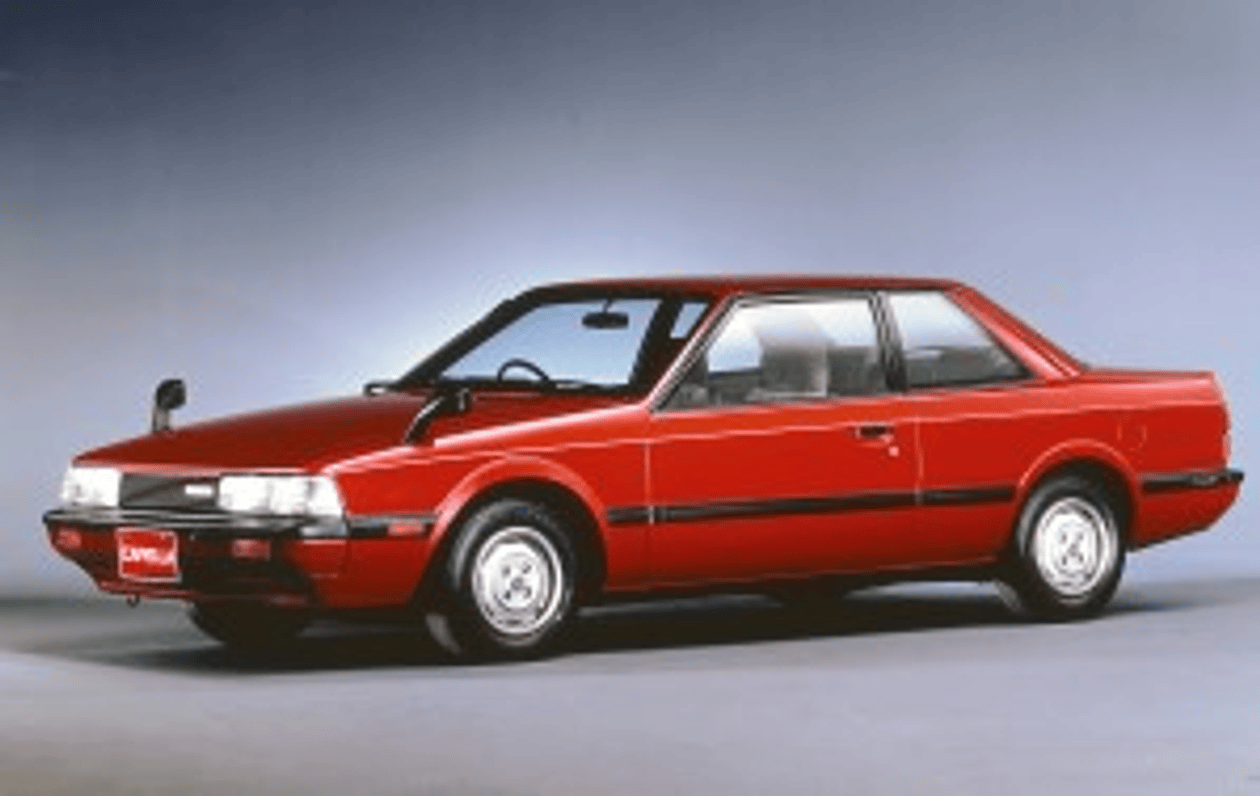
Fourth-generation Capella (626)
The Costly Lesson of the Five-Channel Strategy
By the late 1980s, Japan's asset bubble was at its peak. At the same time, the rapid appreciation of the Japanese yen weakened Mazda's export competitiveness, prompting the company to shift greater emphasis to its domestic market.
In response, Mazda embarked on an ambitious expansion strategy that would later prove to be one of the most challenging chapters in its history—the Five-Channel Sales Strategy.
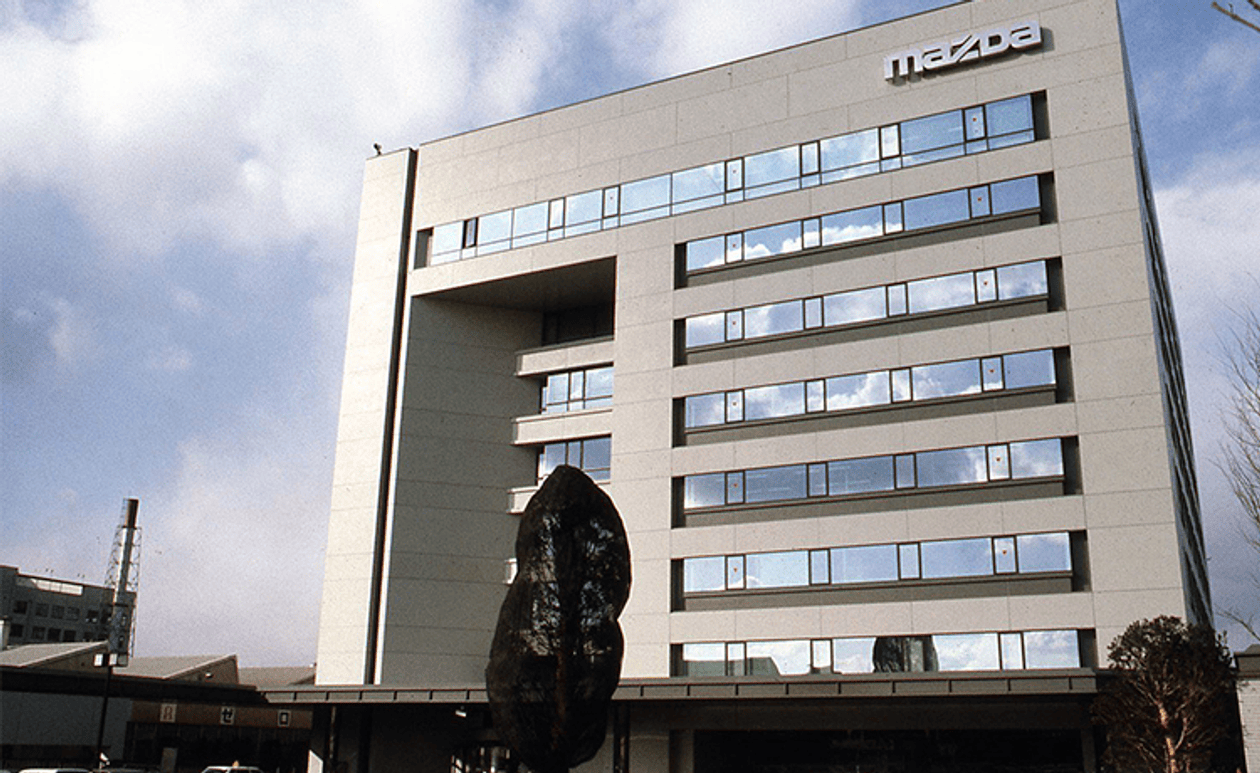
Mazda's new headquarters building (1986)
Alongside the core Mazda brand, the company established several dedicated sales channels, including Eunos for premium and sports cars, Autozam for kei cars and microvans, and ɛ̃fini for performance-oriented models.
Flagship products such as the Eunos Cosmo and the Eunos Roadster (MX-5/Miata) were introduced as part of this multi-brand strategy, which aimed to compete more directly with domestic rivals such as Toyota and Nissan.
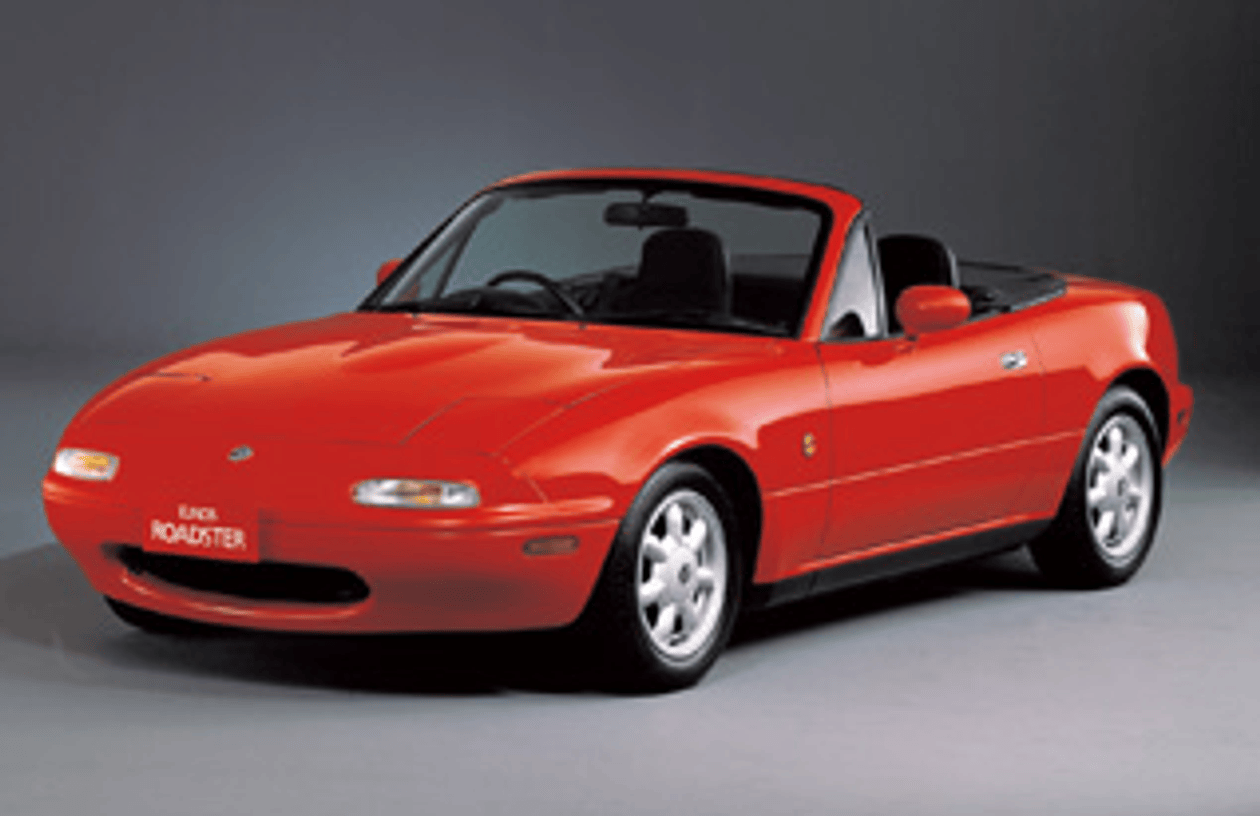
First-generation Eunos Roadster (MX-5 / MX-5 Miata)
However, the collapse of Japan's economic bubble soon exposed the weaknesses of the strategy.
Maintaining multiple sales networks and an increasingly complex model range drove research, production and marketing costs sharply higher. As sales slowed, Mazda found itself under severe financial pressure.
Ford Increases Its Stake as Mazda Undergoes Radical Reform
By the mid-1990s, Mazda was facing one of the most difficult periods in its history. With the company on the brink of financial collapse, Ford Motor Company increased its shareholding from 25% to 33.4% in 1996, strengthening its management control.
For the first time, Mazda appointed non-Japanese presidents and CEOs, including Henry Wallace and later Mark Fields, to lead the company's turnaround.
The new management team quickly implemented sweeping restructuring measures, including closing underutilised plants, reducing the workforce and divesting non-core assets.
At the same time, Mazda repositioned itself within Ford's global brand portfolio as the marque focused on youthful styling, engaging driving dynamics and driver enjoyment.
As part of its medium-term Millennium Plan, Mazda also took the opportunity to redefine its brand identity and lay the foundations for its long-term recovery.
The "Zoom-Zoom" Era Begins
Around 2002, Mazda introduced what would become one of the most recognisable global automotive slogans of the modern era—"Zoom-Zoom".
Rather than simply promoting speed, the campaign was designed to capture the pure joy of movement and the excitement people experience from driving, evoking the sense of wonder many first felt as children.
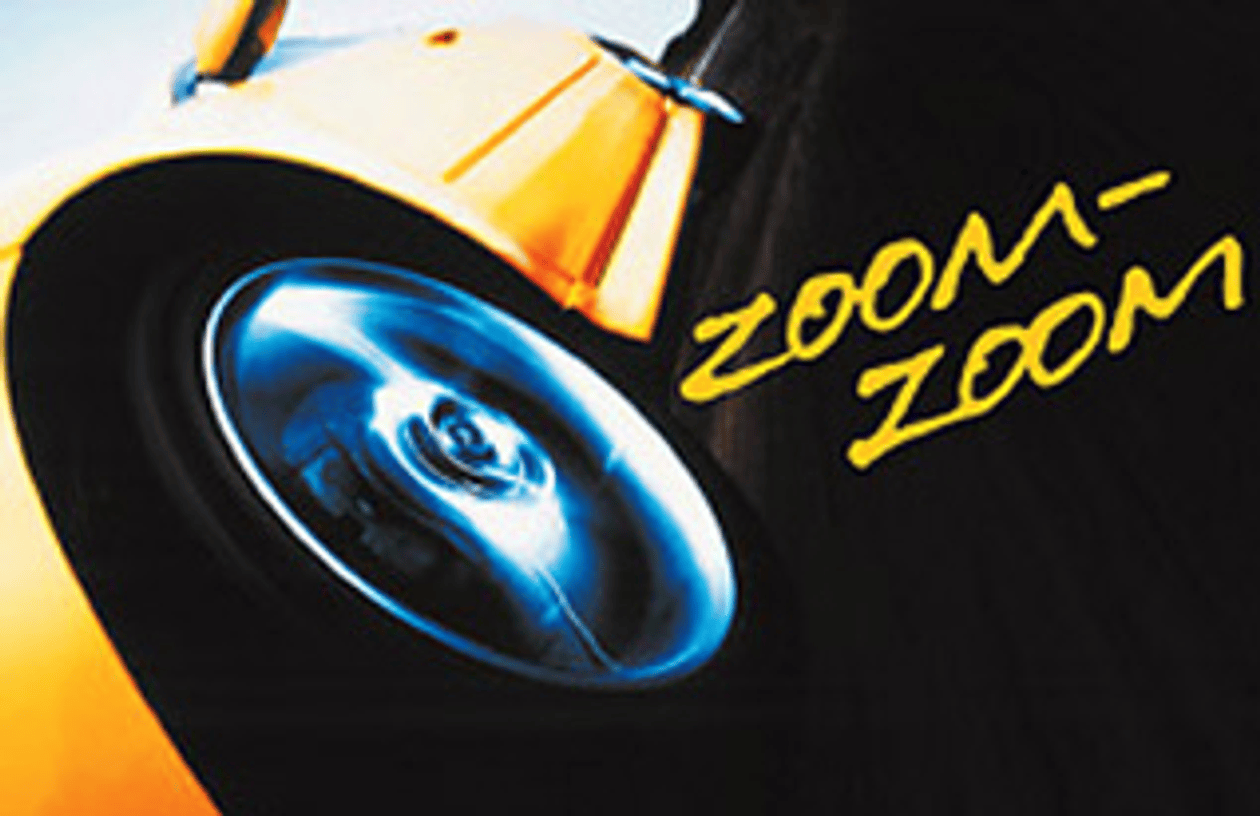
"Zoom-Zoom" was introduced as Mazda's new global brand message, using a simple and memorable expression to communicate the joy of motion across different languages and cultures.
During this period, Mazda launched an all-new generation of global models built around a more unified product strategy.
The Atenza (Mazda6) became the brand's flagship mid-size sedan, winning widespread praise for its striking design and rewarding driving dynamics, while helping to revitalise Mazda's global image.
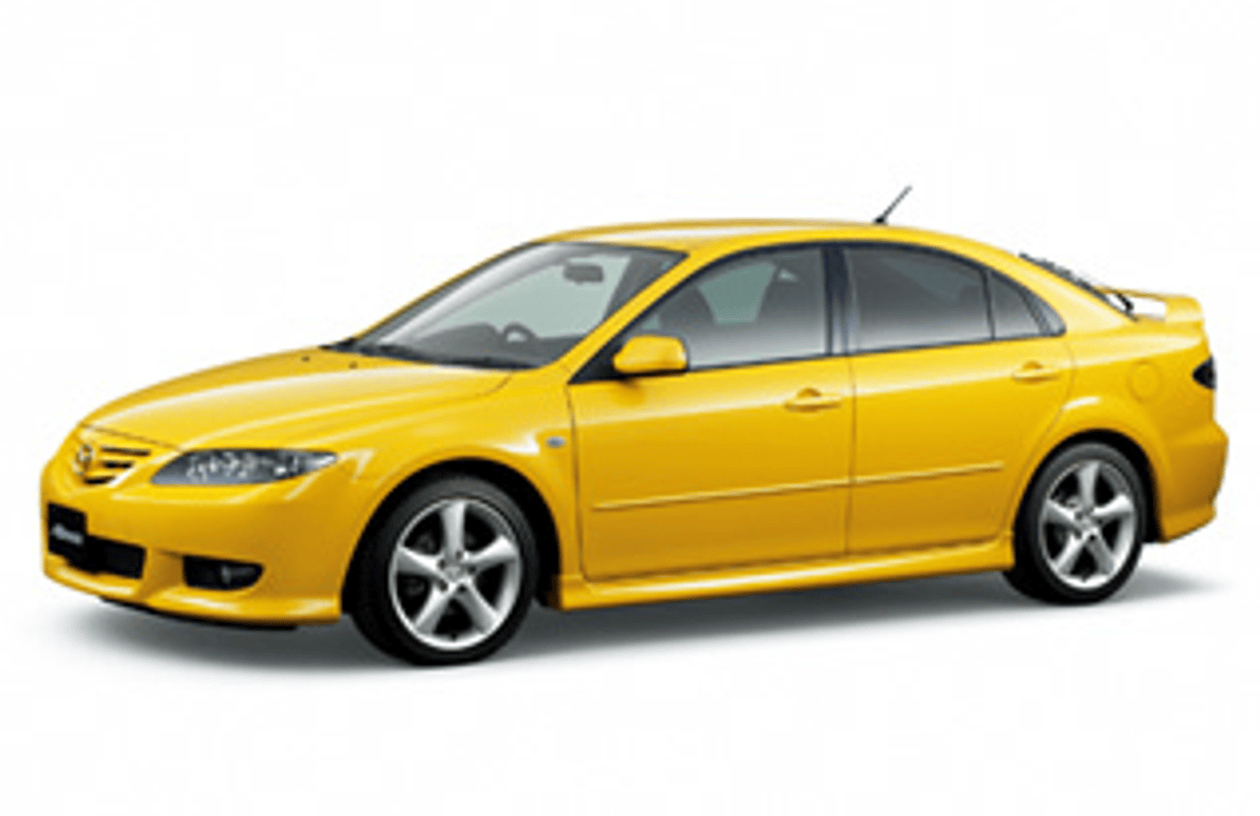
Mazda Atenza (Mazda6)
The Demio (Mazda2) and Axela (Mazda3) further strengthened the brand's presence in the small and compact car segments, establishing the sporty character that continues to define Mazda today.
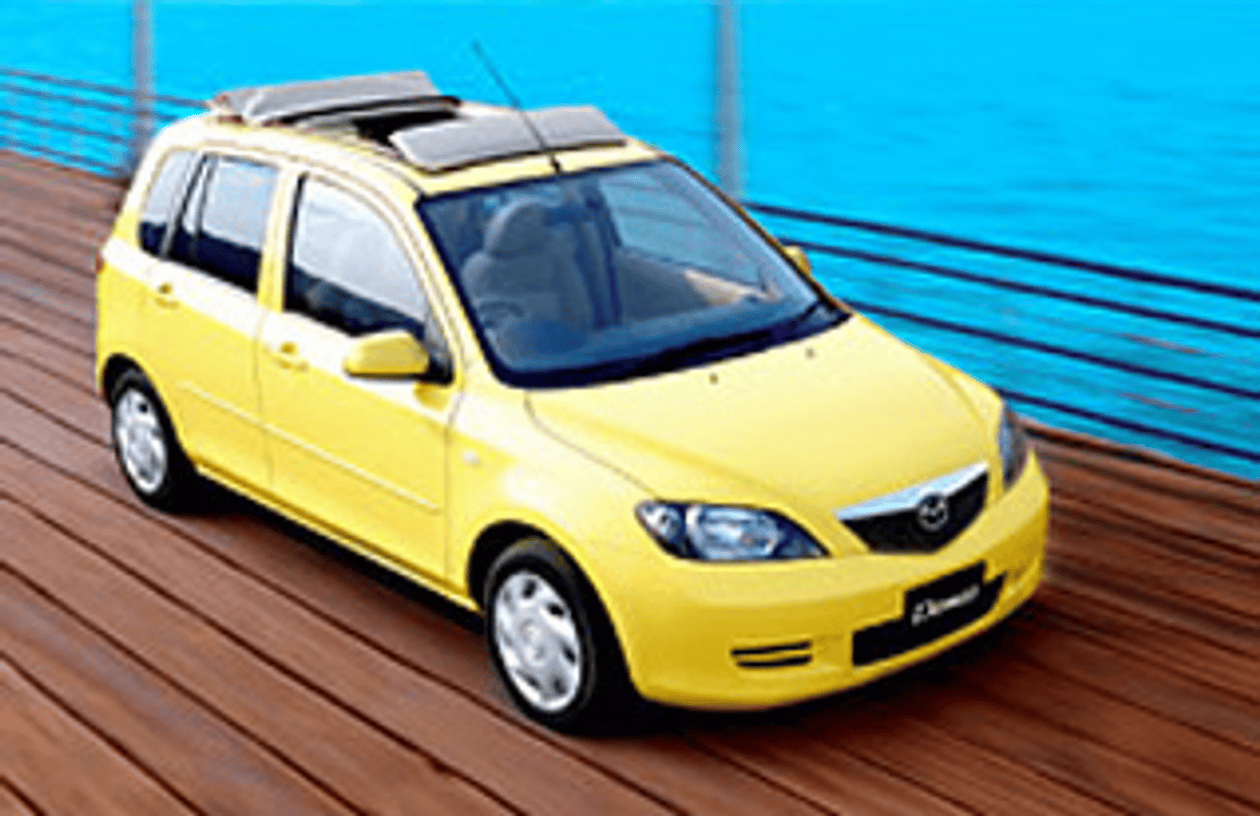
Mazda Demio (Mazda2)
Towards Sustainable Zoom-Zoom
In 2007, Mazda unveiled its long-term technology vision known as Sustainable Zoom-Zoom, committing to improve average fuel efficiency by 30% while continuing to deliver engaging driving dynamics, enhanced environmental performance and higher levels of safety.
However, the following year brought another major challenge. The 2008 global financial crisis, triggered by the collapse of Lehman Brothers, severely affected the global automotive industry.
As Ford sought to strengthen its own financial position, it gradually reduced its stake in Mazda, eventually bringing to an end more than a decade of management influence over the Japanese automaker.
Regaining its independence, Mazda relied on disciplined cost management, operational efficiency and a resilient corporate culture to weather yet another crisis—setting the stage for the next chapter of its transformation.
The Perfect Pairing of SKYACTIV and KODO
Following its separation from Ford, Mazda entered a new chapter defined by technological innovation and design excellence.
At a time when much of the industry was shifting its focus towards electrification, Mazda chose a different path.
Rather than abandoning the internal combustion engine, the company introduced its next-generation SKYACTIV Technology suite while establishing a new design philosophy known as KODO – Soul of Motion.
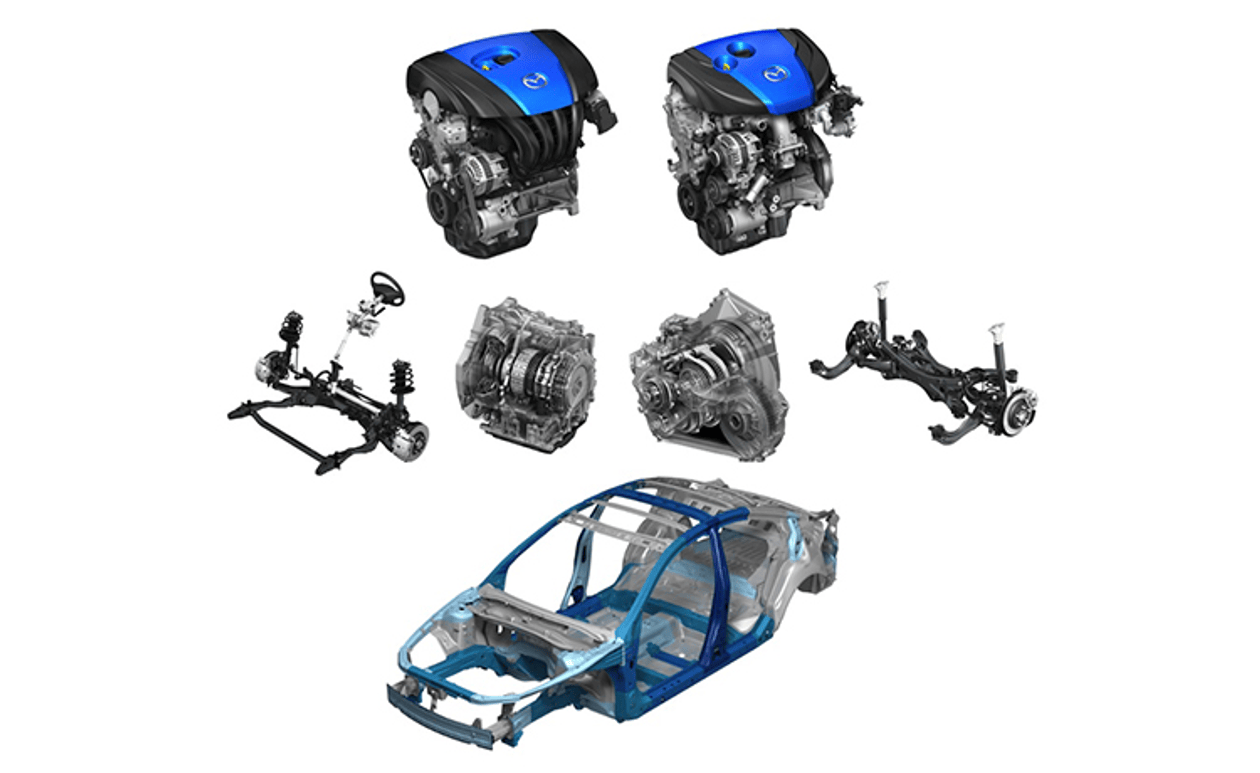
In 2010, Mazda unveiled SKYACTIV Technology, its next-generation suite of innovations covering engines, transmissions, body structures and chassis.
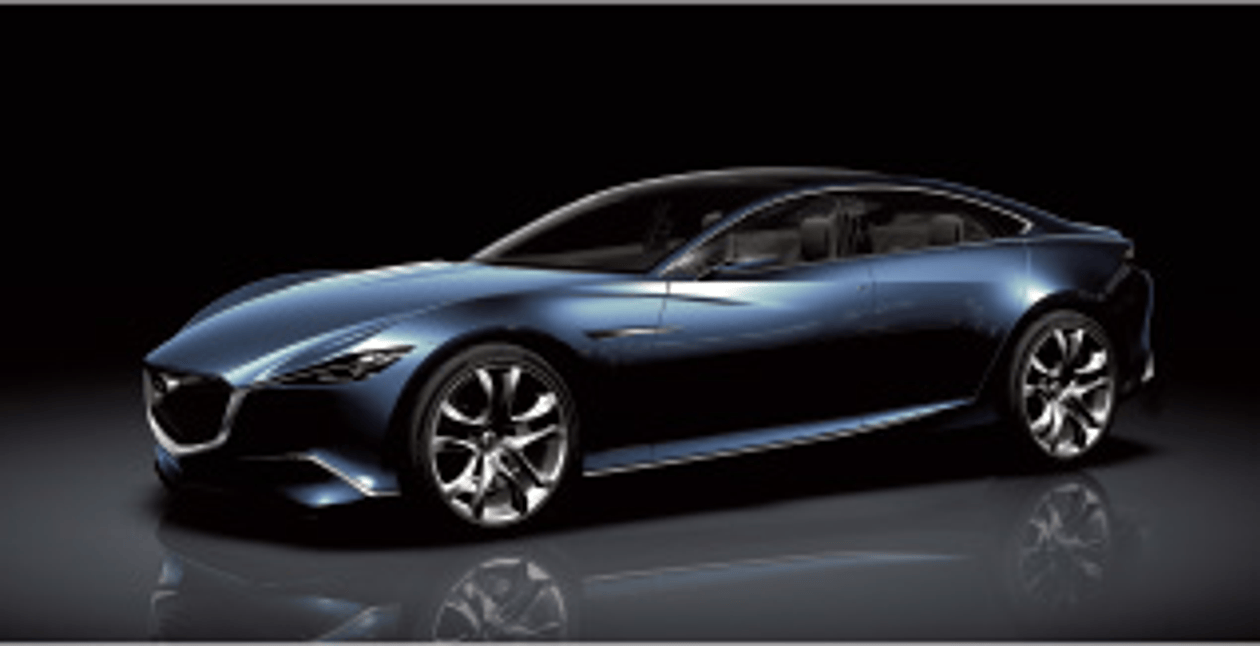
Mazda also introduced its new "KODO – Soul of Motion" design language in 2010, alongside the Shinari concept car.
Mazda also embraced its Monotsukuri manufacturing philosophy by integrating product planning, engineering and production into a highly coordinated development process.
This approach improved manufacturing efficiency while maximising parts commonality across its vehicle lineup.
In 2012, Mazda launched the CX-5, the first production model to fully incorporate SKYACTIV Technology. The SUV became a global success, with its high-compression petrol engines and efficient SKYACTIV-D clean diesel engines delivering an impressive balance of performance, fuel efficiency and lower emissions without relying solely on electrification.
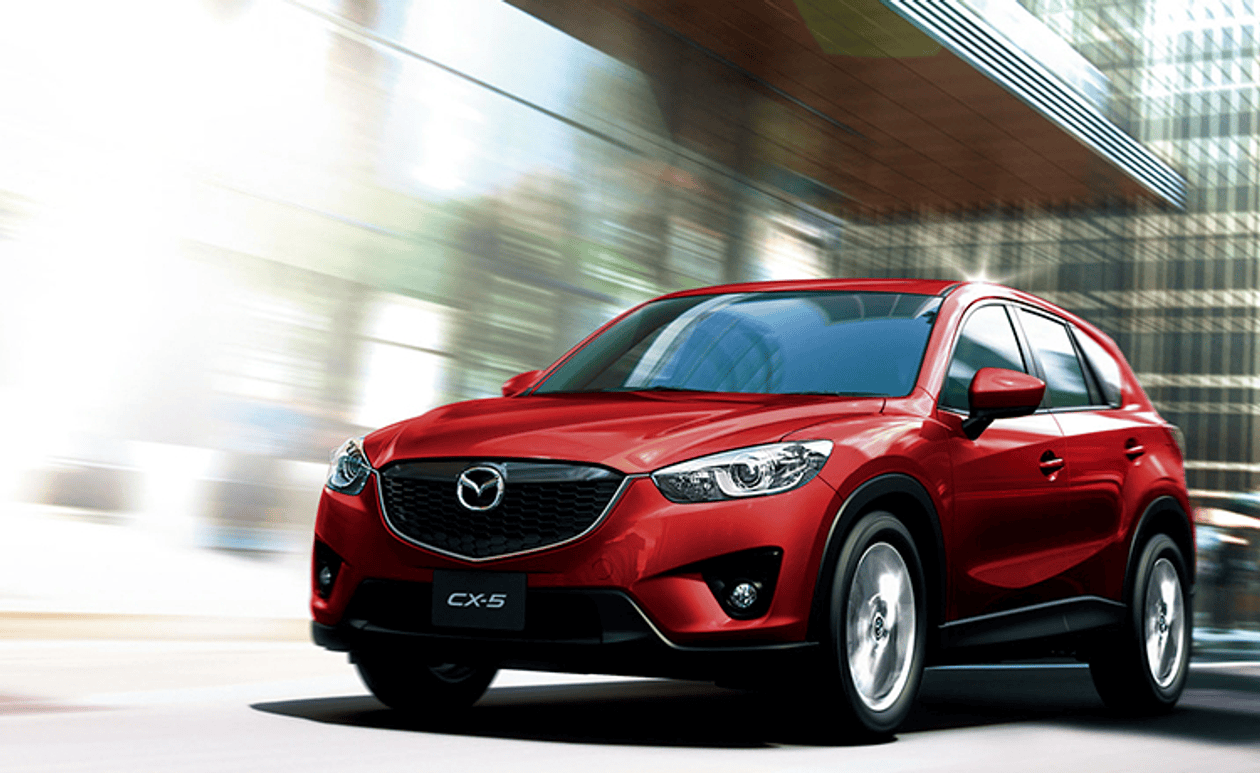
2012 Mazda CX-5
At the same time, Mazda expanded its international manufacturing footprint by establishing local assembly operations and business partnerships in emerging markets including Vietnam, Malaysia and Russia, while also opening a new manufacturing plant in Mexico.
Partnering with Toyota and Embracing a Multi-Solution Strategy
As the automotive industry entered an era of rapid electrification and digital transformation, Mazda strengthened its long-term competitiveness by forming a capital and business alliance with Toyota Motor Corporation in 2015.
The partnership extended beyond joint vehicle production in the United States to include collaboration on connected vehicle technologies, battery-electric vehicles and the development of core automotive technologies.
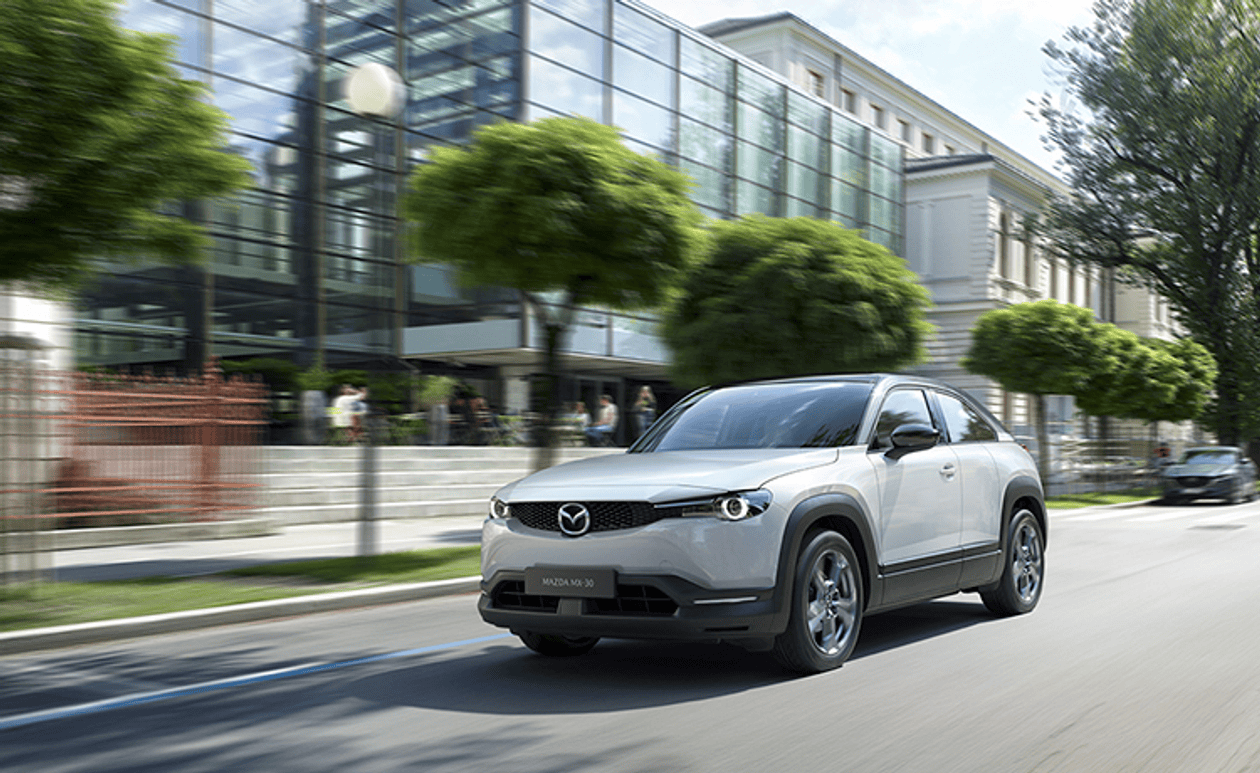
Mazda MX-30 (2019), Mazda's first mass-produced battery-electric vehicle
As part of its long-term Sustainable Zoom-Zoom 2030 vision, Mazda outlined a comprehensive strategy to reduce carbon emissions throughout the entire Well-to-Wheel lifecycle, reflecting its commitment to sustainable mobility.
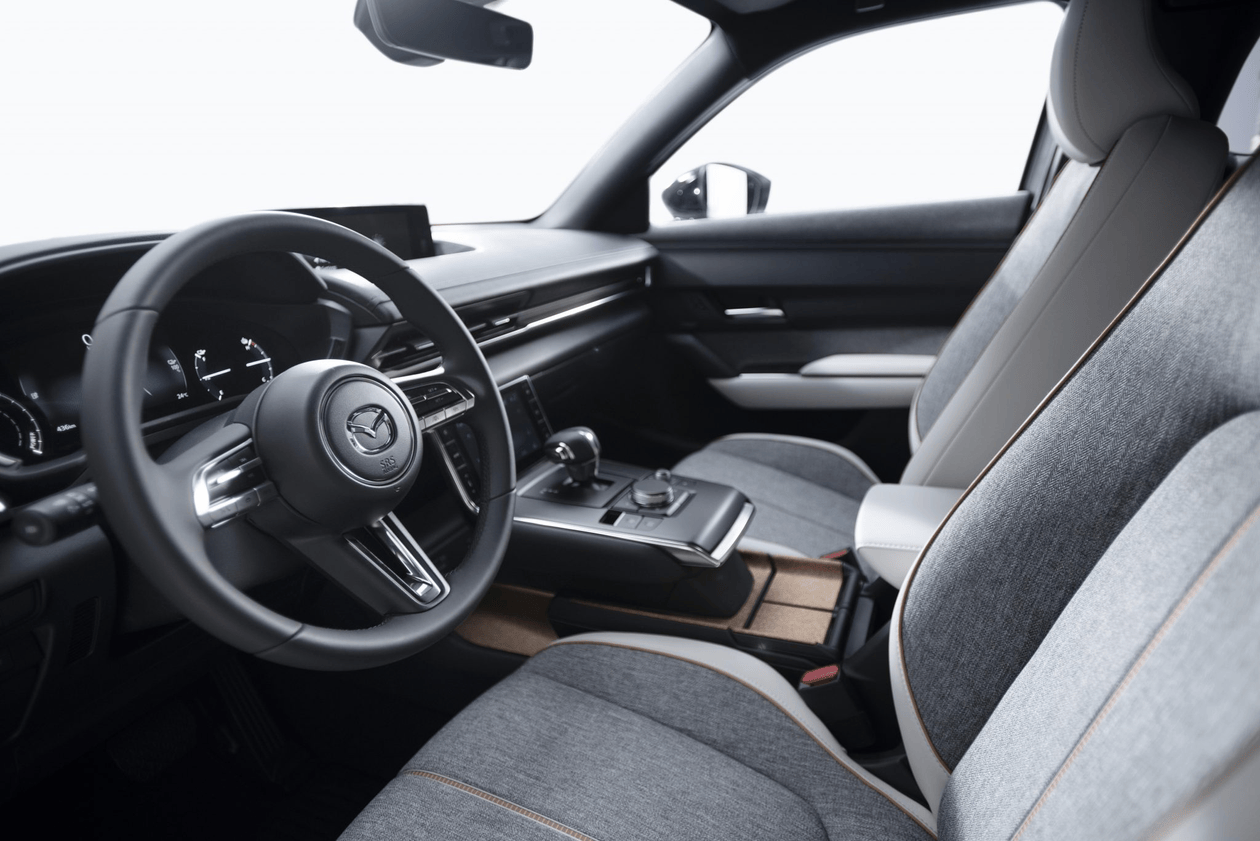
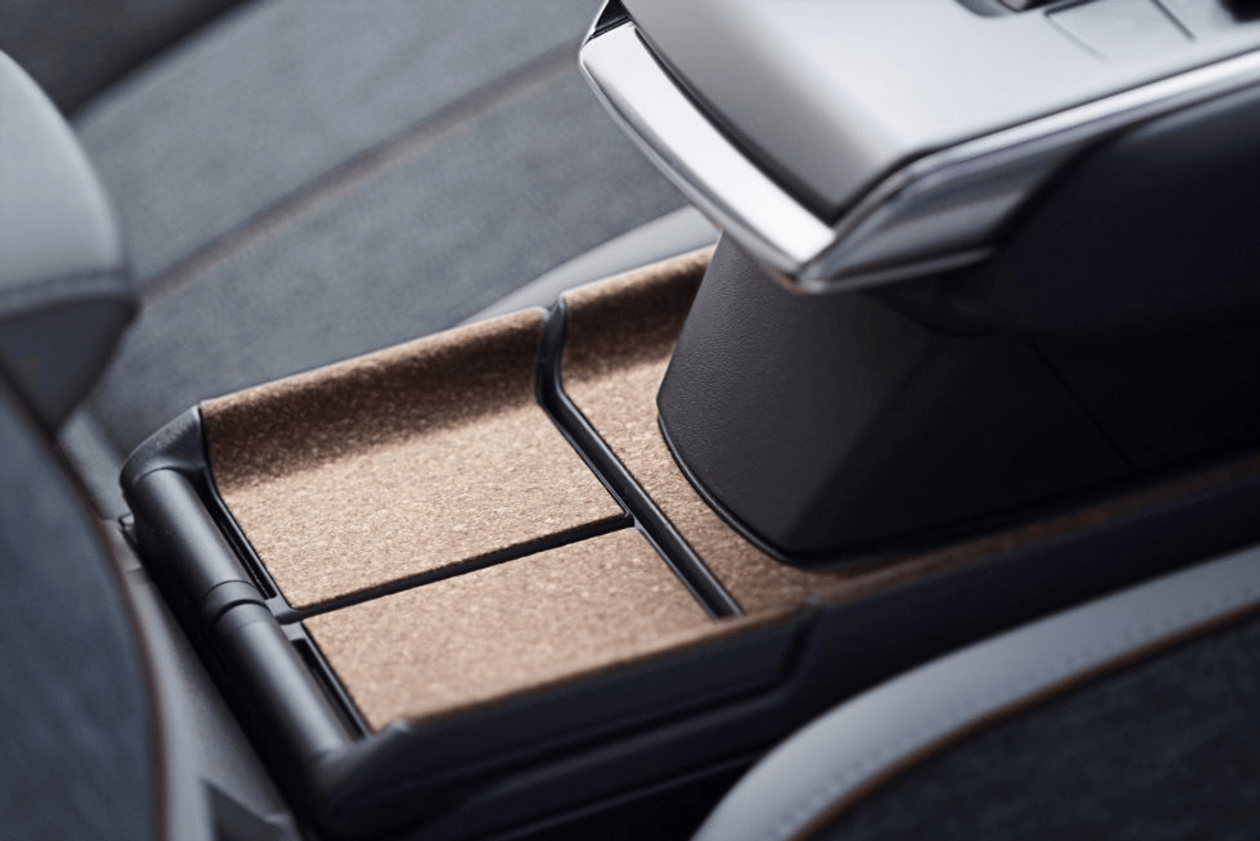
Interior of the Mazda MX-30. As a tribute to Mazda's origins as a cork manufacturer, the cabin incorporates sustainably sourced cork materials—developed in collaboration with Uchiyama Kogyo—into the centre console, blending environmental responsibility with the brand's heritage.
Rather than relying on a single technology, Mazda adopted its Multi-Solution Strategy to address varying market conditions around the world.
Recognising that energy infrastructure and customer needs differ from country to country, the company continues to invest in a diverse range of powertrains, including more efficient internal combustion engines, mild hybrids (MHEV), plug-in hybrids (PHEV) and battery-electric vehicles (BEV).
Celebrating a Century While Moving Upmarket
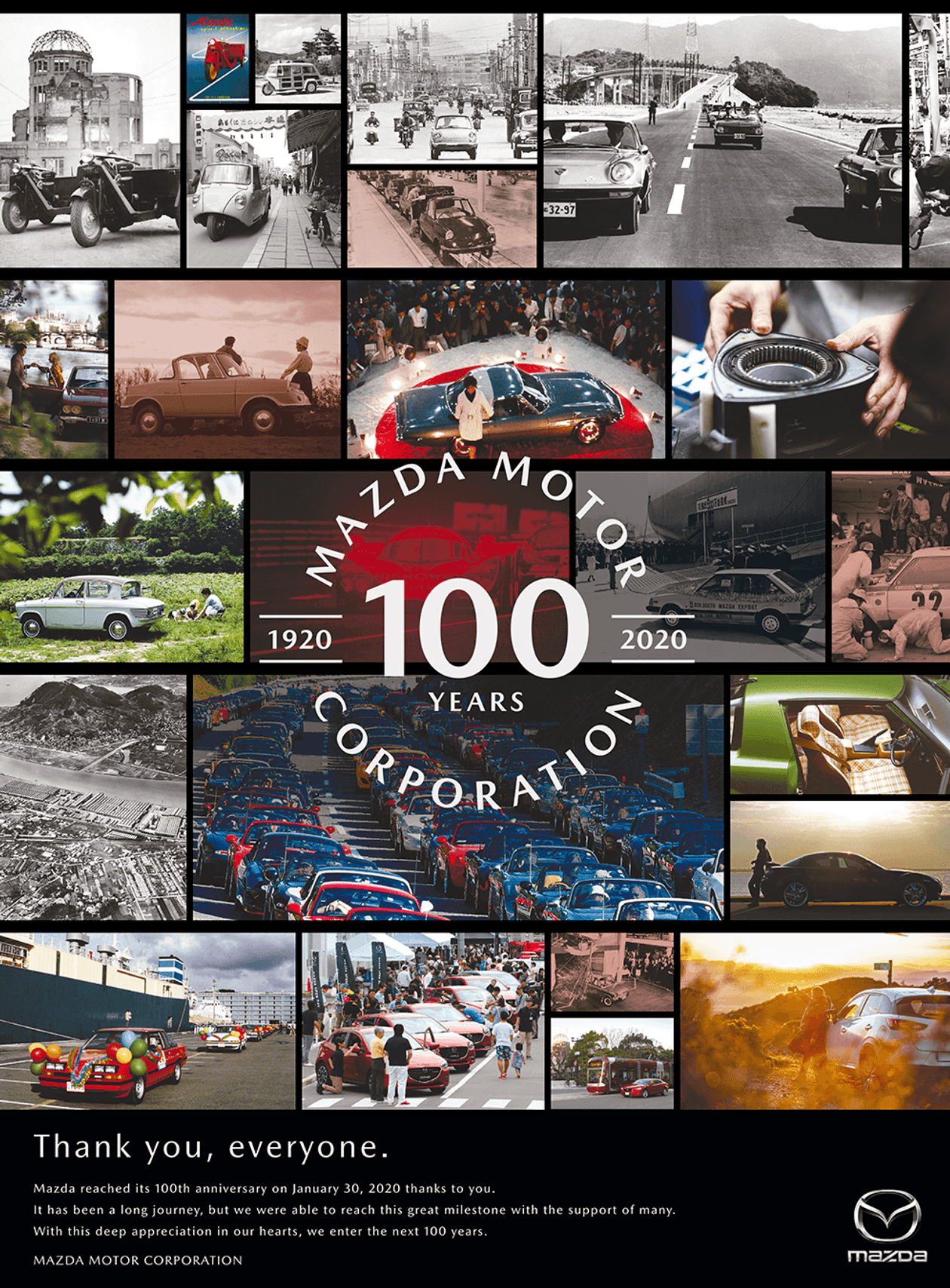
On 30 January 2020, Mazda celebrated its 100th anniversary.
During the centenary celebrations, then President and CEO Akira Marumoto reflected on the company's century-long challenger spirit and reaffirmed Mazda's commitment to its people-first philosophy and continued collaboration with partners around the world.
The same year also saw the European launch of the MX-30, Mazda's first mass-produced battery-electric vehicle.
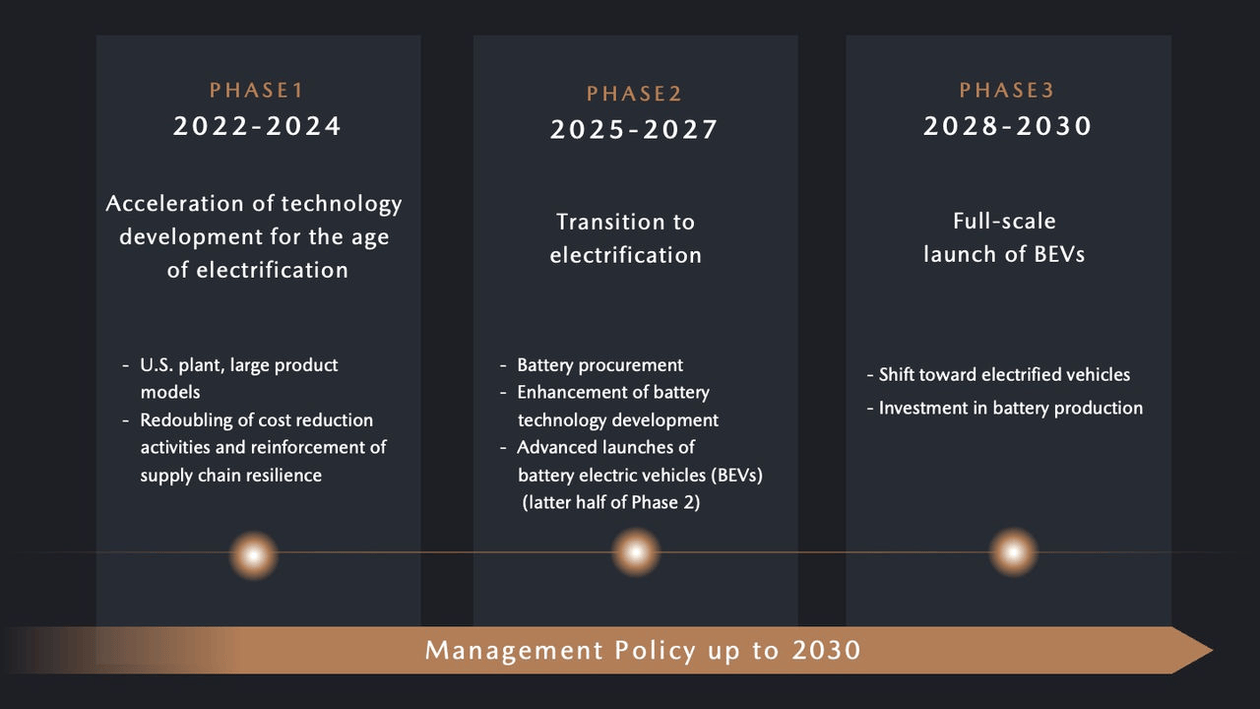
From 2022, Mazda began rolling out its Large Product Group strategy, introducing a new generation of premium models built on an all-new rear-wheel-drive/all-wheel-drive architecture.
Models such as the CX-60 and CX-90 marked the brand's move further upmarket, combining refined craftsmanship, improved driving dynamics and premium interior quality to compete more directly with established luxury marques.

From a small cork manufacturer in Hiroshima that survived by repurposing discarded cork scraps to a distinctive automaker renowned for its Jinba Ittai philosophy and its independent approach to electrification, Mazda's century-long journey has been anything but conventional.
More than 100 years after its founding, Mazda continues to demonstrate that a truly enduring brand is not defined by following industry trends, but by having the courage to challenge convention, embrace innovation and remain true to its identity through every generation.

Your go-to source for all things automotive in Malaysia. 🚗 Latest reviews, breaking news, launches & industry trends.
+ Follow We saw this accident this morning, and here’s a reminder to everyone: please drive safe. 2 days ago
  The G50 BMW 3 series is now here, adopting much of the i3's design elements.
So, where's the BMW M3?
#bmw #BMW3Series 4 days ago
The G50 BMW 3 series is now here, adopting much of the i3's design elements.
So, where's the BMW M3?
#bmw #BMW3Series 4 days ago  DRIFT PARTY in Malaysia! Can the Xiaomi SU7, Yangwang U8 mix it up against JDM favourites in KL?
Our adventure with the Xiaomi SU7 and Yangwang U8 brings us to APDCrew circuit as we give witness a drift show. With pro drifters and fan-favourites - RX7s, S15s, Skylines, Supras, and more - in the mix, can our Xiaomi SU7 and Yangwang U8 hold their own?
It's also a quick look at Malaysian car culture, including some wildly modified minivans, and more!
#drift #malaysia #xiaomisu7 #yangwangu8 #larrychen #drifting #JDM跑車 4 days ago
DRIFT PARTY in Malaysia! Can the Xiaomi SU7, Yangwang U8 mix it up against JDM favourites in KL?
Our adventure with the Xiaomi SU7 and Yangwang U8 brings us to APDCrew circuit as we give witness a drift show. With pro drifters and fan-favourites - RX7s, S15s, Skylines, Supras, and more - in the mix, can our Xiaomi SU7 and Yangwang U8 hold their own?
It's also a quick look at Malaysian car culture, including some wildly modified minivans, and more!
#drift #malaysia #xiaomisu7 #yangwangu8 #larrychen #drifting #JDM跑車 4 days ago Get the latest car news first!
Your go-to source for all things automotive in Malaysia. 🚗 Latest reviews, breaking news, launches & industry trends.
We saw this accident this morning, and here’s a reminder to everyone: please drive safe. 2 days ago The G50 BMW 3 series is now here, adopting much of the i3's design elements.
So, where's the BMW M3?
#bmw #BMW3Series 4 days ago DRIFT PARTY in Malaysia! Can the Xiaomi SU7, Yangwang U8 mix it up against JDM favourites in KL?
Our adventure with the Xiaomi SU7 and Yangwang U8 brings us to APDCrew circuit as we give witness a drift show. With pro drifters and fan-favourites - RX7s, S15s, Skylines, Supras, and more - in the mix, can our Xiaomi SU7 and Yangwang U8 hold their own?
It's also a quick look at Malaysian car culture, including some wildly modified minivans, and more!
#drift #malaysia #xiaomisu7 #yangwangu8 #larrychen #drifting #JDM跑車 4 days ago  ProtonGWMVolkswagenJAECOOVolvoPeroduaToyotaHondaTESLAMitsubishiMazdaJetourCheryBYDLexusBMWMercedes-BenziCAURZeekrIsuzuNissanLeapmotorPorscheFordOMODAMINIMGSuzukiXPengHyundaiWulingKiaSubaruDenzaGACLand RoverDongfengCAMAudiPeugeotFotonMAXUSsmartDaihatsuJACJMCMaseratiLotusAlfa RomeoRenaultGolden DragonKaiceneSeresLamborghiniFerrariJeepRolls-RoyceLepasAston MartinMcLarenChevroletBentleyFiatBAICForthingGeelyRoeweAeolusChanganARCFOXDeepalExeedHongqiVoyahJaguarKGMBuforiAcuraCadillacDodgeAbarthINEOSMHEROJMEVFreelander
© 2024 Bitauto.com. All Rights Reserved.
Bitauto (www.yiche.com and www.bitauto.com) is one of the most visited automotive websites in China. We provide detailed info on Chinese car brands available in your area. Please note that the information provided on this website is based on publicly available data and is for reference only. It may not be fully updated or accurate at all times.
Help us improve our website


