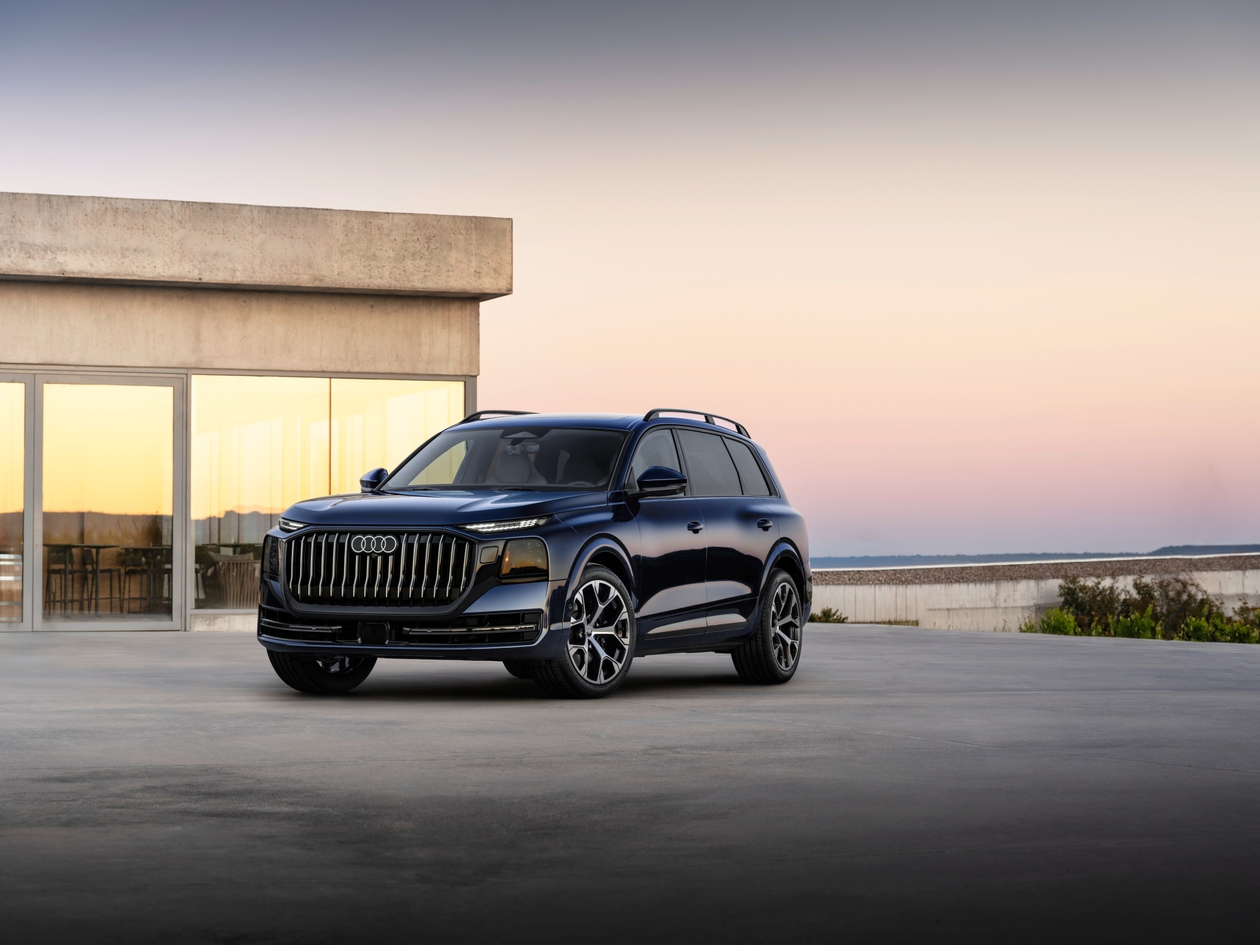
Audi has unveiled the Q9 as its largest SUV to date, marking the first time the brand has used the number 9 for an SUV. Positioned as the new flagship of the range, the full-size SUV combines three-row seating, new comfort features and the latest driver-assistance and lighting technologies.
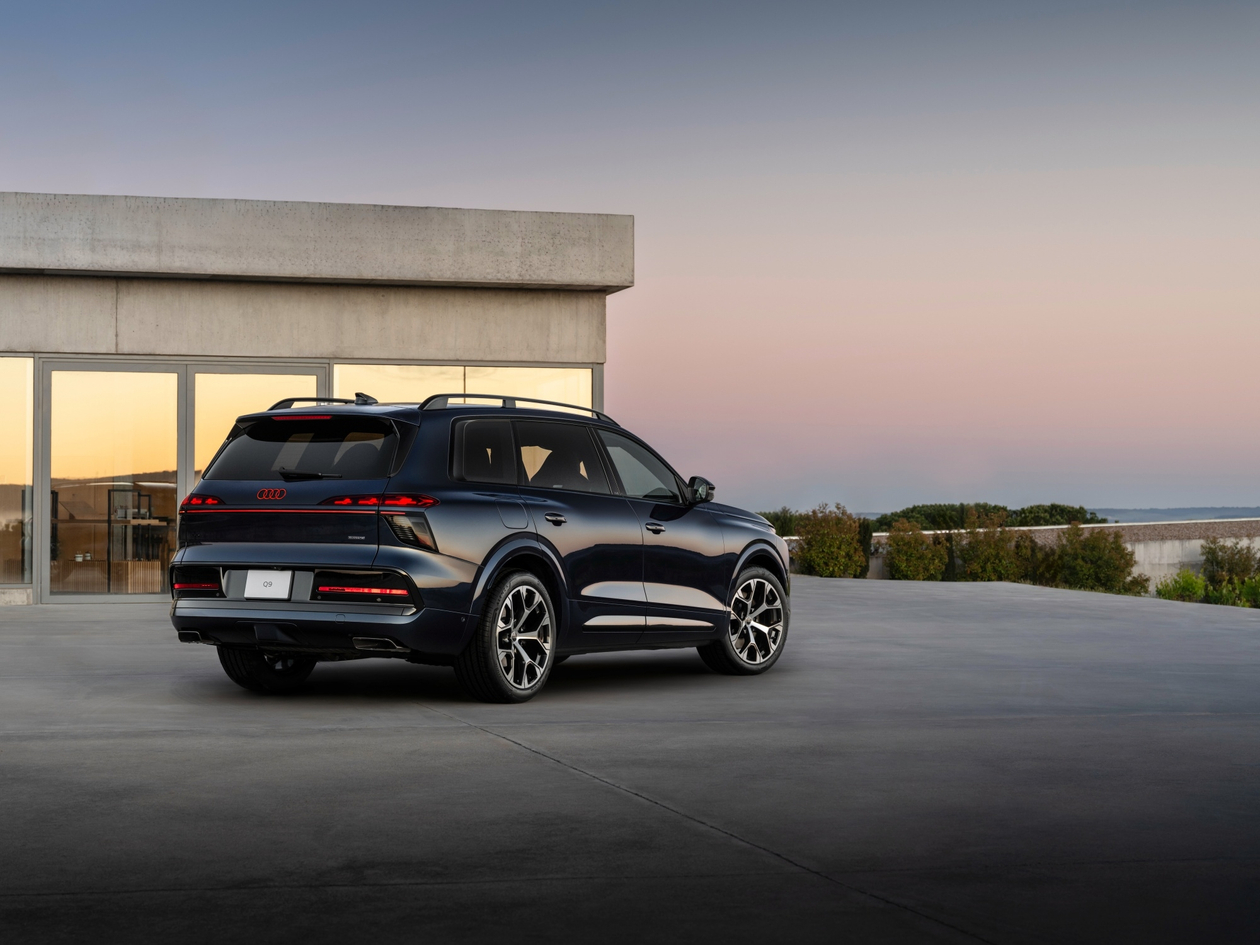
Orders for the Q9 are scheduled to open in Germany at the end of July 2026, with deliveries expected to begin in the fourth quarter. The entry price for the Q9 TDI 220 kW is EUR 108,400 (~RM 505k), placing it firmly in the upper tier of the luxury SUV market.
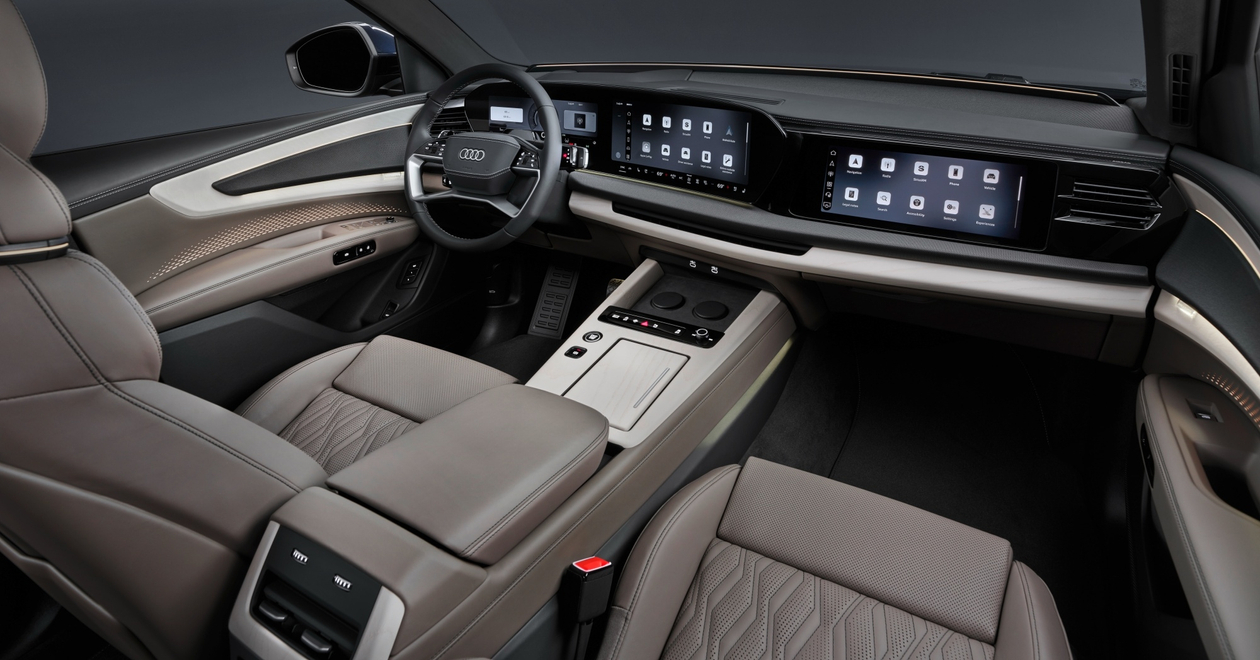
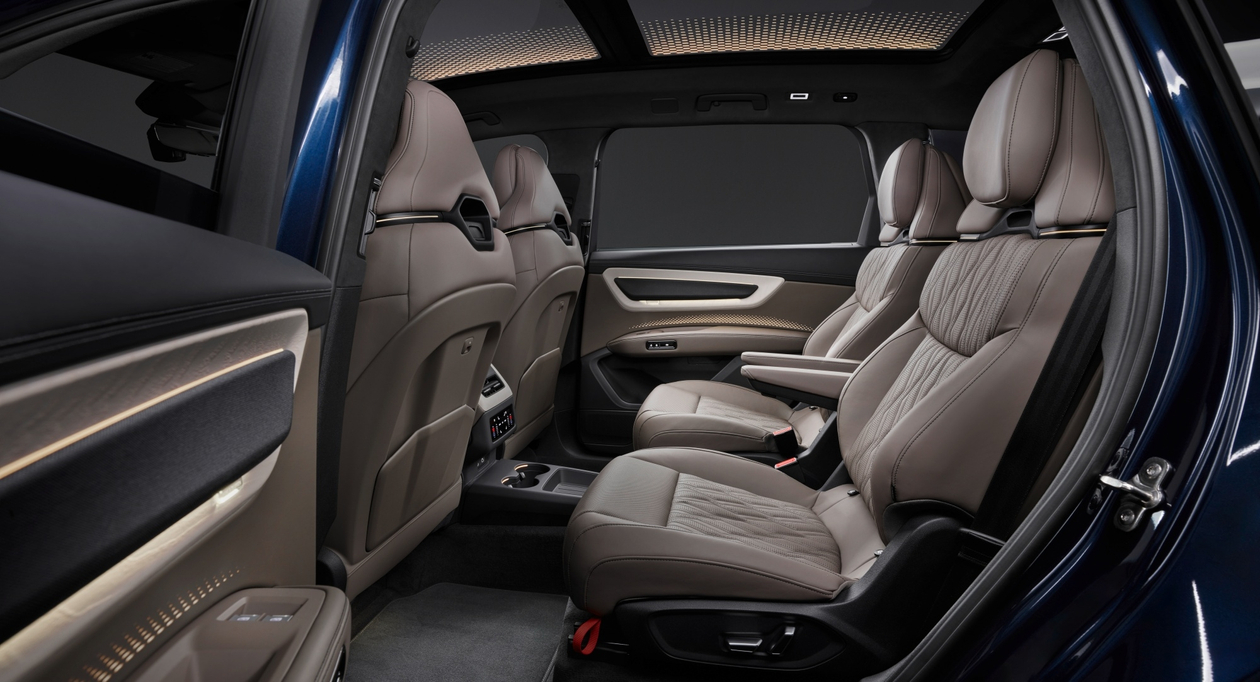
Audi says the Q9 is designed to move the brand deeper into the “mobile living space” direction, with the cabin treated as a major part of the vehicle’s appeal rather than just a place to sit. That strategy is reflected in the seating layout, interior materials and a long list of comfort-focused equipment.
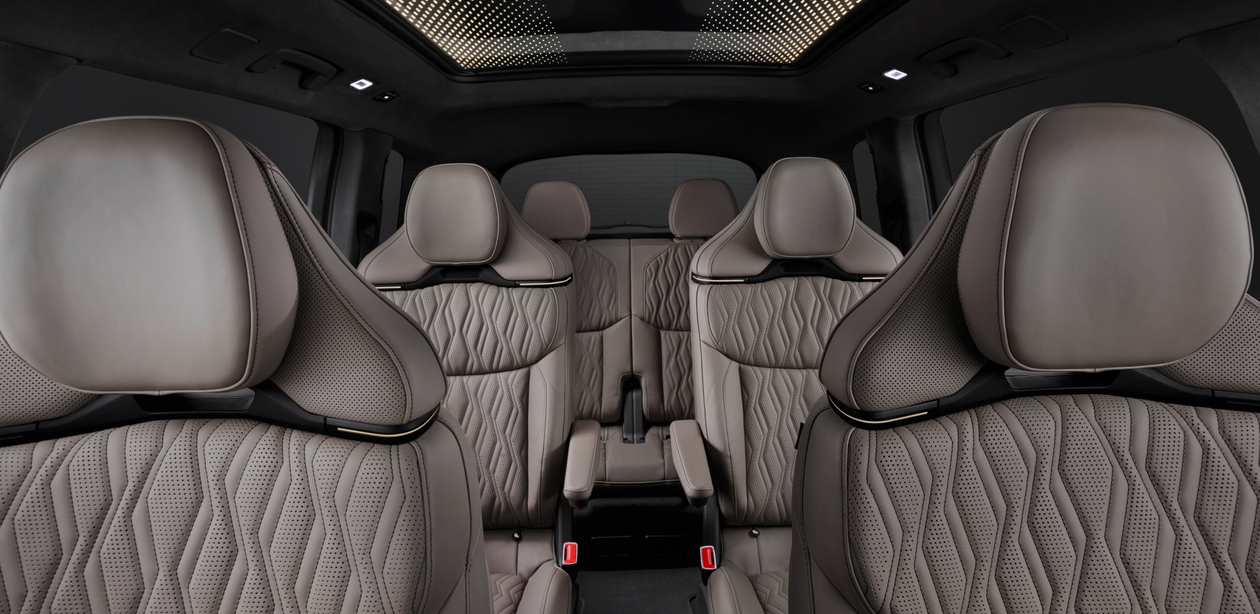
The Q9 comes standard with seven seats. In that configuration, all three seats in the second row have Isofix mounting points, making the SUV more family-oriented than many luxury rivals. Buyers can also choose a six-seat layout, which replaces the bench with two individual second-row seats and creates a more business-class-style cabin.
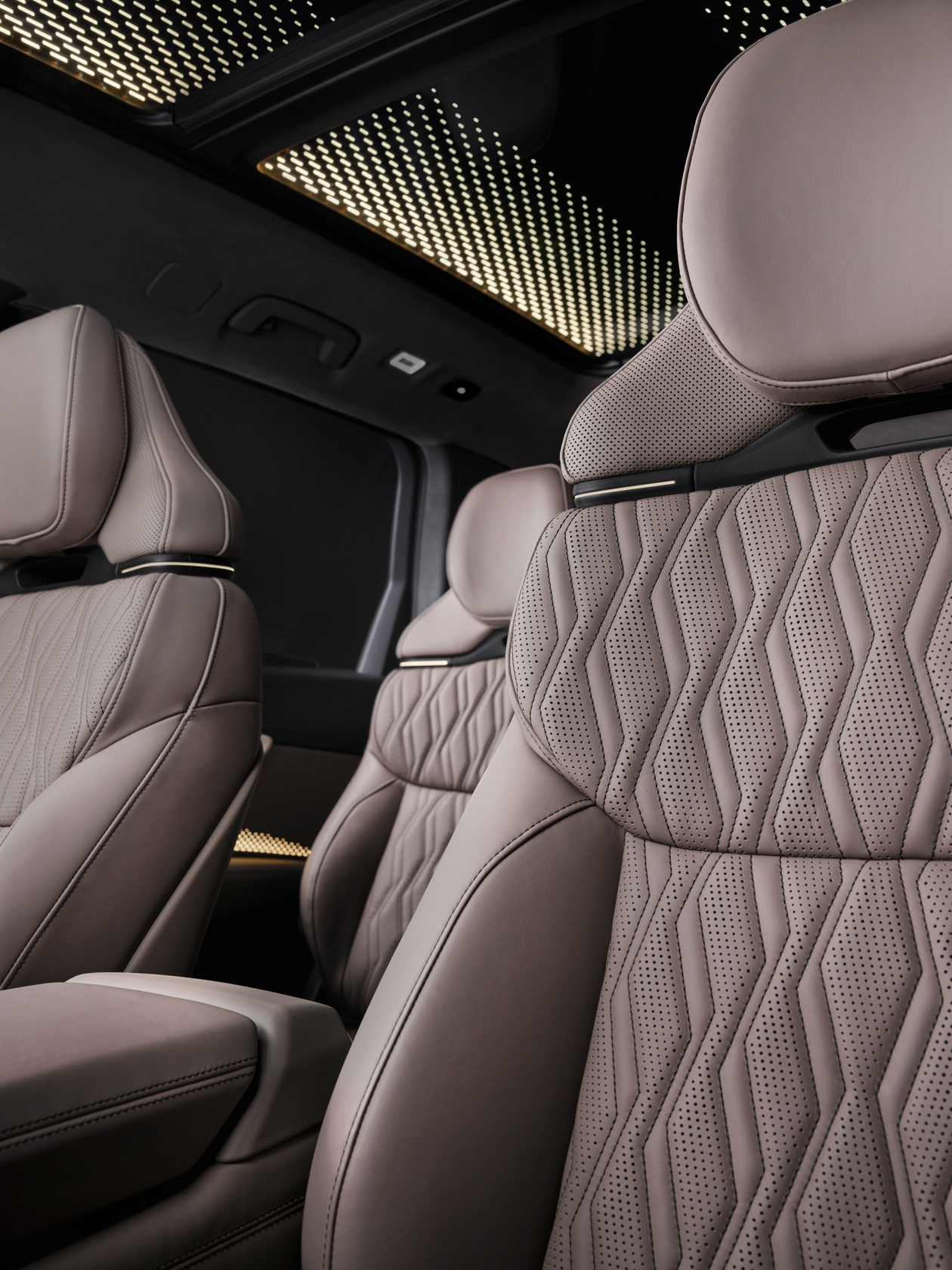
Audi has also added electric functionality across the seating package. The six-seat version gets partially power-adjustable seats, while the two second-row individual seats can be power adjusted and optionally heated. In the front, the sports seats plus can be specified with ventilation and massage functions. Seat folding is also powered in several areas, including the third row.
One of the more notable new features is automatic doors, offered by Audi for the first time in this model. They can be opened and closed from multiple control points and via the myAudi app. Surround sensors are used to detect obstacles, while a soft-close function helps the doors shut gently. Audi says the system is intended to improve both convenience and safety when entering or leaving the vehicle.
The Q9 is also fitted with Audi’s largest panoramic sunroof to date. The standard roof measures more than 1.5 square metres of glass and can slide or tilt open. Depending on specification, it can be ordered with switchable transparency, while a lighting function for the glass roof is available in higher trims and can match the chosen ambient lighting theme.

At 5.31 metres long, 2.21 metres wide and 1.81 metres tall, with a 3.14-metre wheelbase, the Q9 is officially Audi’s biggest production model. The exterior is split into Advanced and S line identities, with the former using vertical grille bars and the latter taking a sportier approach. Wheel sizes range from 20 to 23 inches.
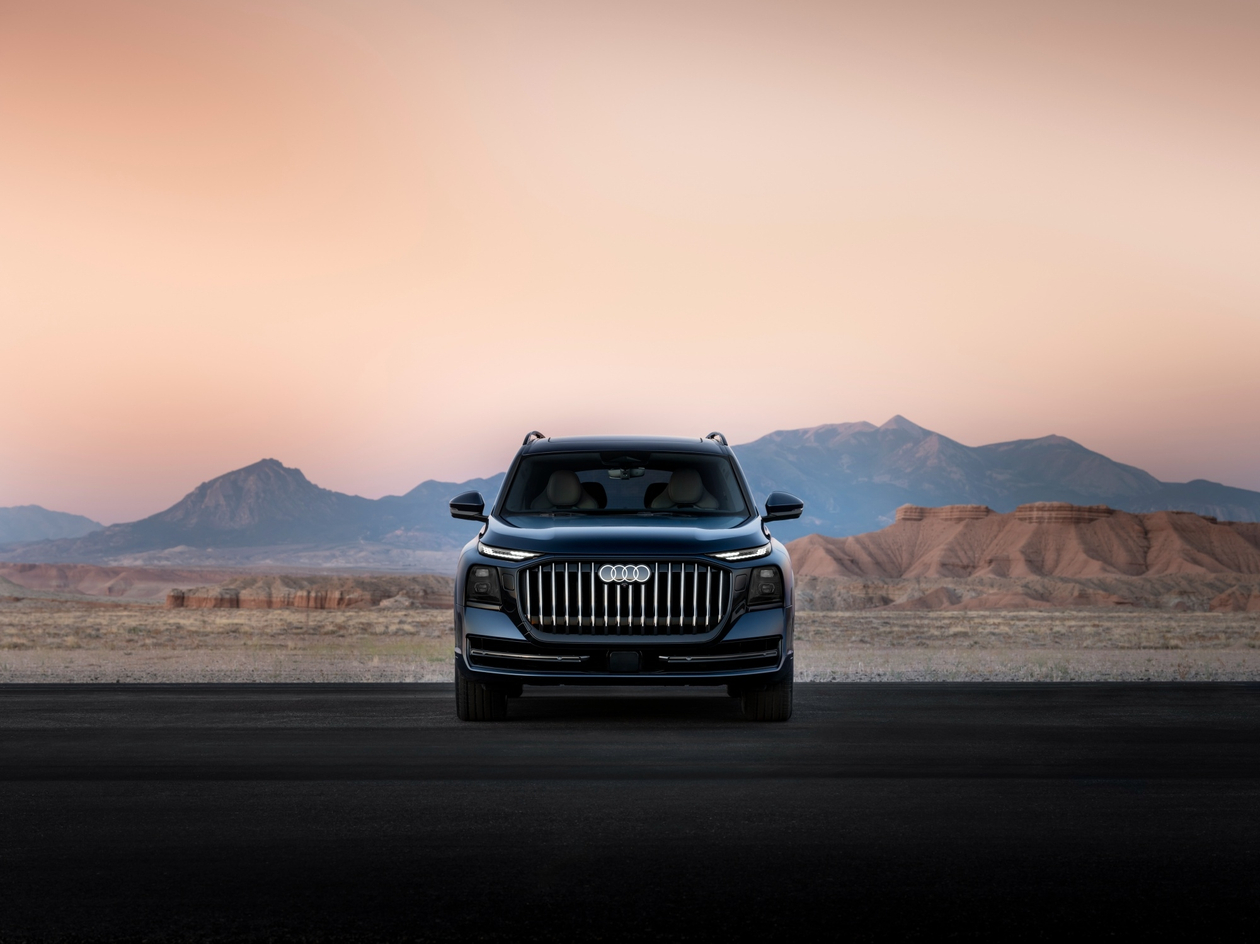
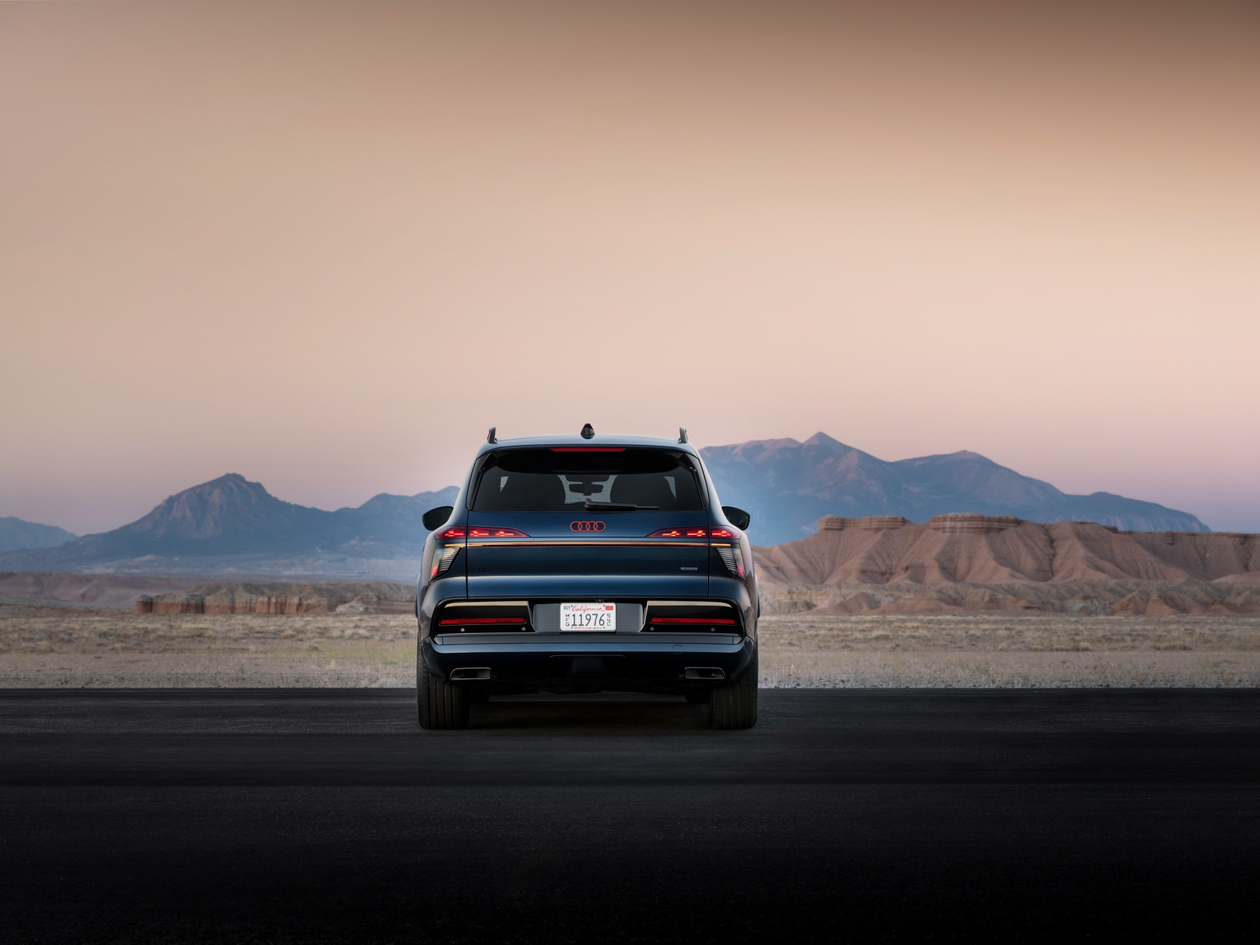
Lighting is another area where Audi is using the Q9 to showcase new technology. The rear end features third-generation digital OLED lights, including curved outer OLED panels that Audi describes as a world first in production use. A continuous light strip connects the rear lamps, while the front end can also be specified with an illuminated Singleframe grille.
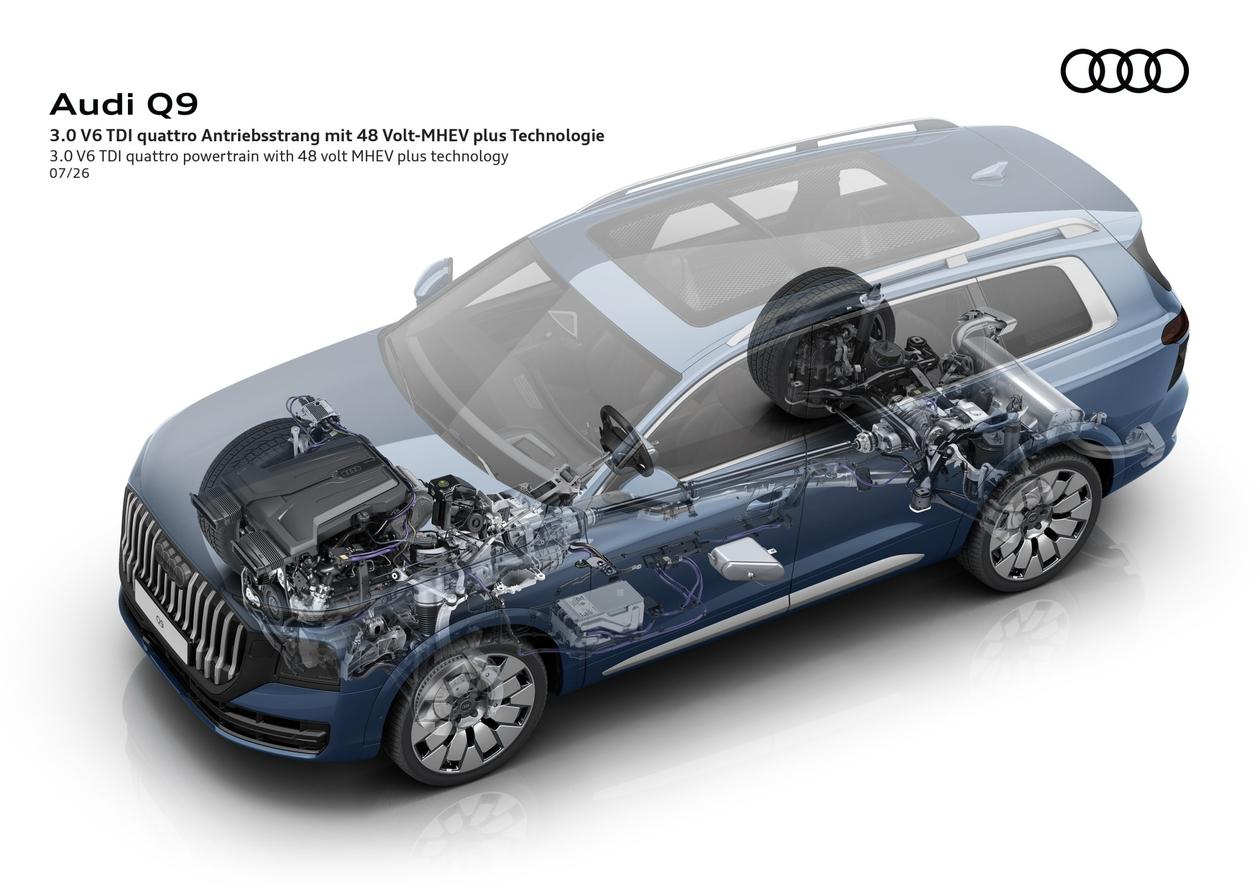
The brand is pairing the Q9 with a 3.0-litre V6 diesel engine at launch. In Germany, the Q9 TDI 220 kW produces 220 kW (299 PS) and 630 Nm of torque, and comes with MHEV plus mild-hybrid assistance, an electric compressor and an eight-speed tiptronic automatic gearbox. Quattro permanent all-wheel drive (AWD) is standard. Audi says the mild-hybrid system can contribute up to 18 kW (24 PS) of extra assistance.
In selected European markets, Audi will also offer a lower-output version with 180 kW (245 PS) and 500 Nm. Fuel consumption for the Q9 TDI 220 kW is quoted at 8.0–7.4 L/100 km, with CO2 emissions of 209–194 g/km, under the brand’s official test data.
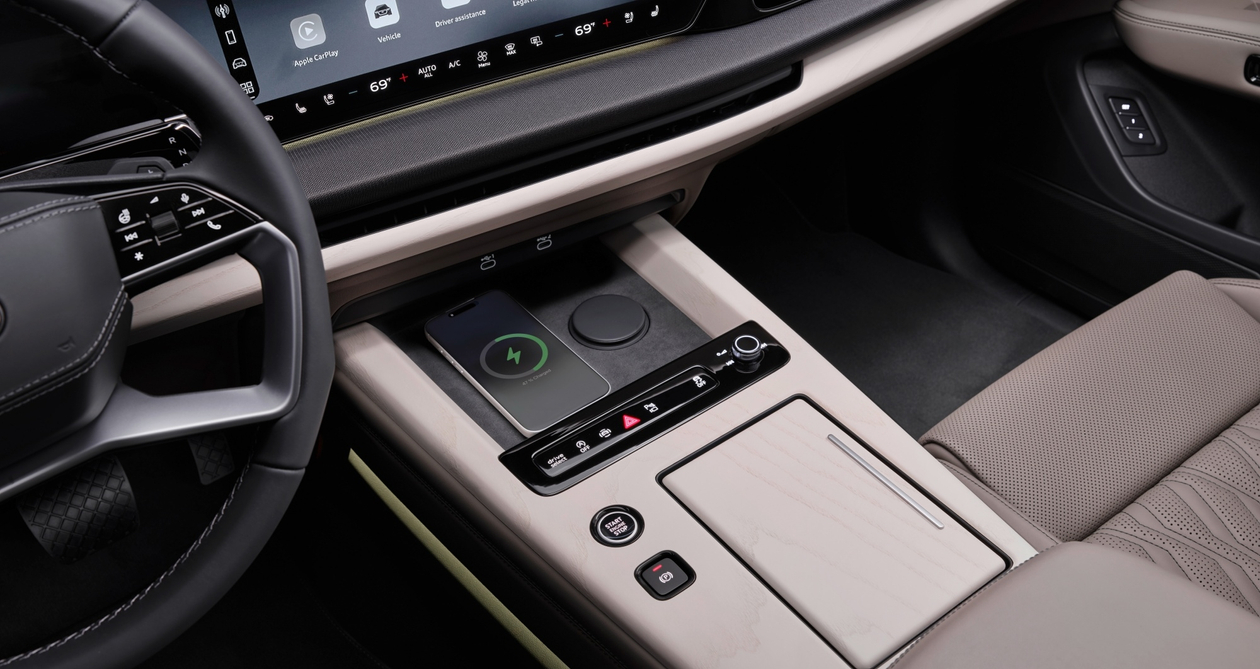
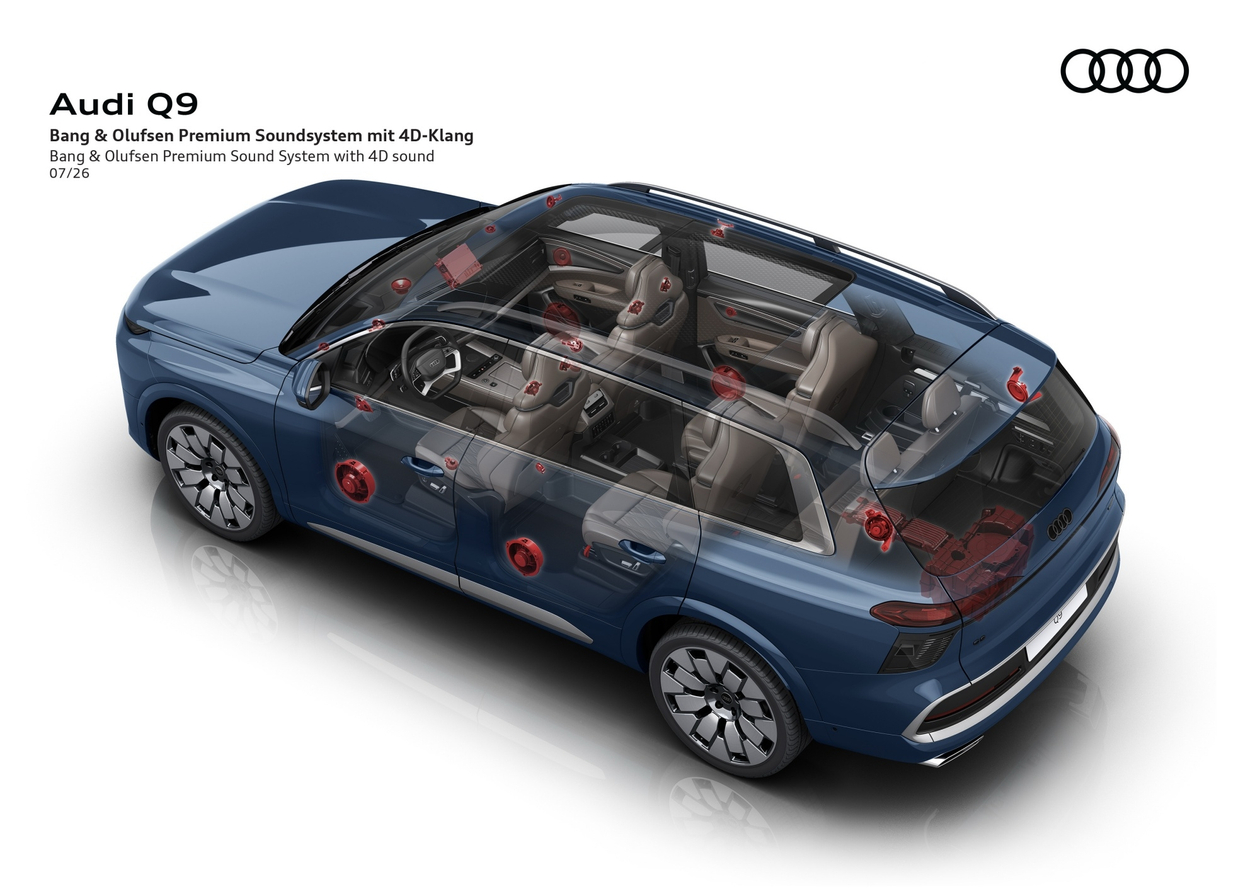
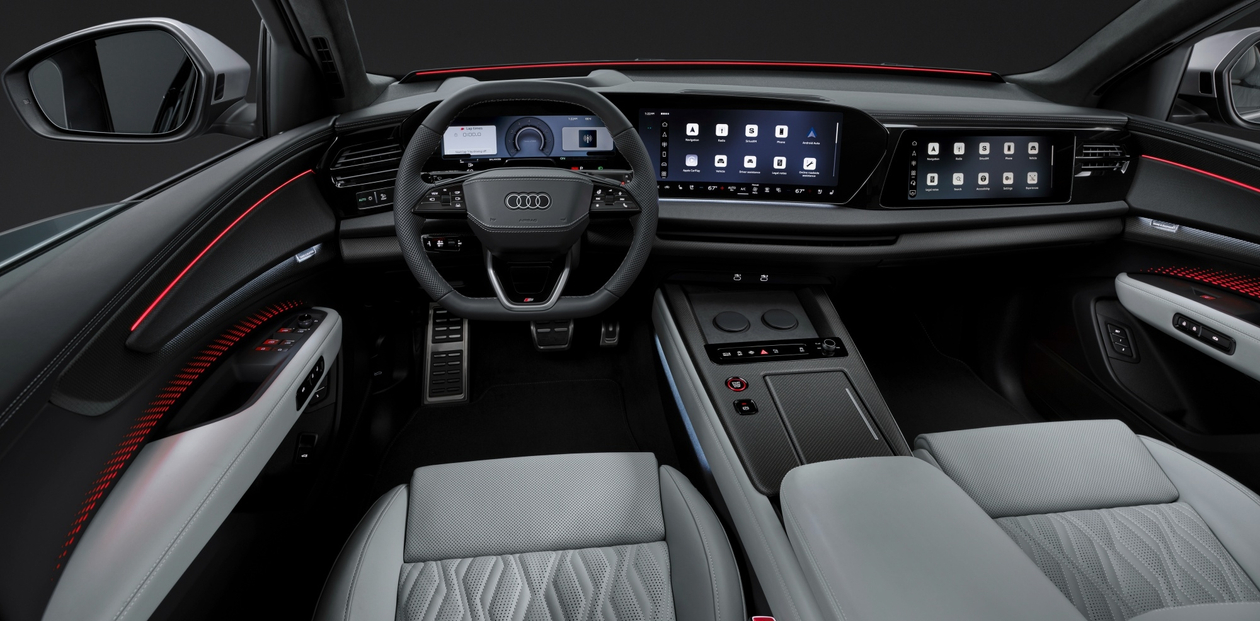
Inside, Audi has focused on material quality, storage and digital equipment. The Q9 offers premium upholstery choices, wood and textile trims, wireless phone charging for two smartphones using Qi2.2, and USB-C fast charging rated at up to 60 watts in the front, 100 watts in the second row and 45 watts in the third row. A Bang & Olufsen premium sound system with 4D sound, 22 speakers and 1,360 watts is also available.
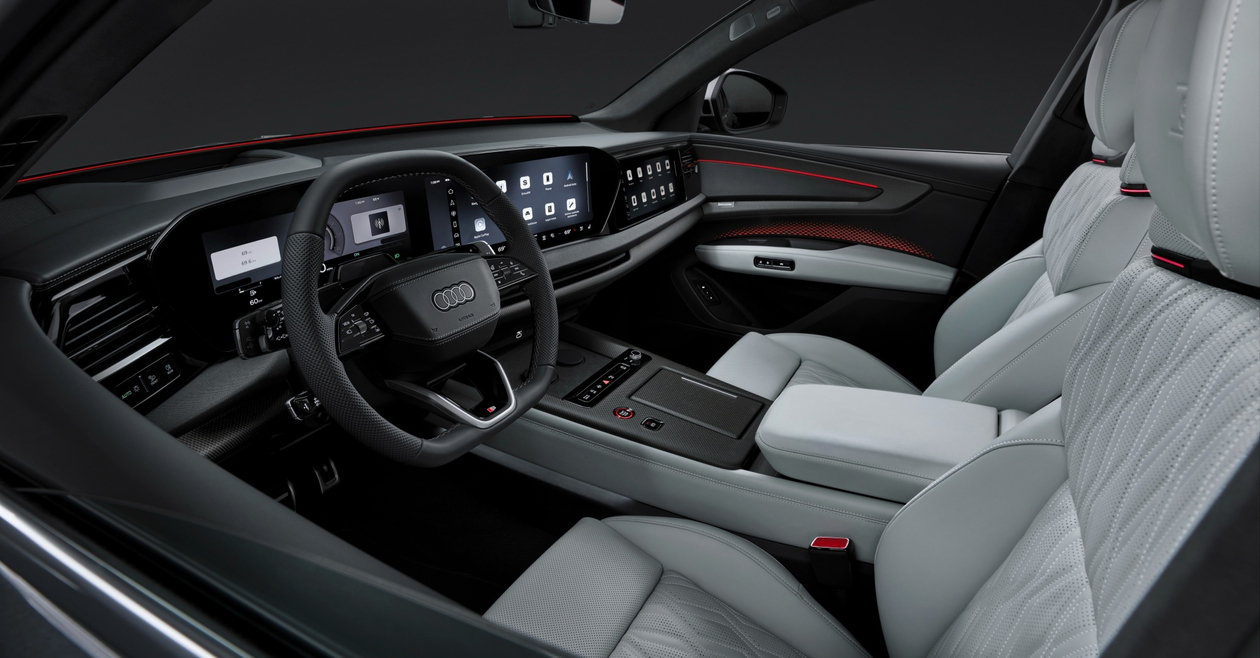
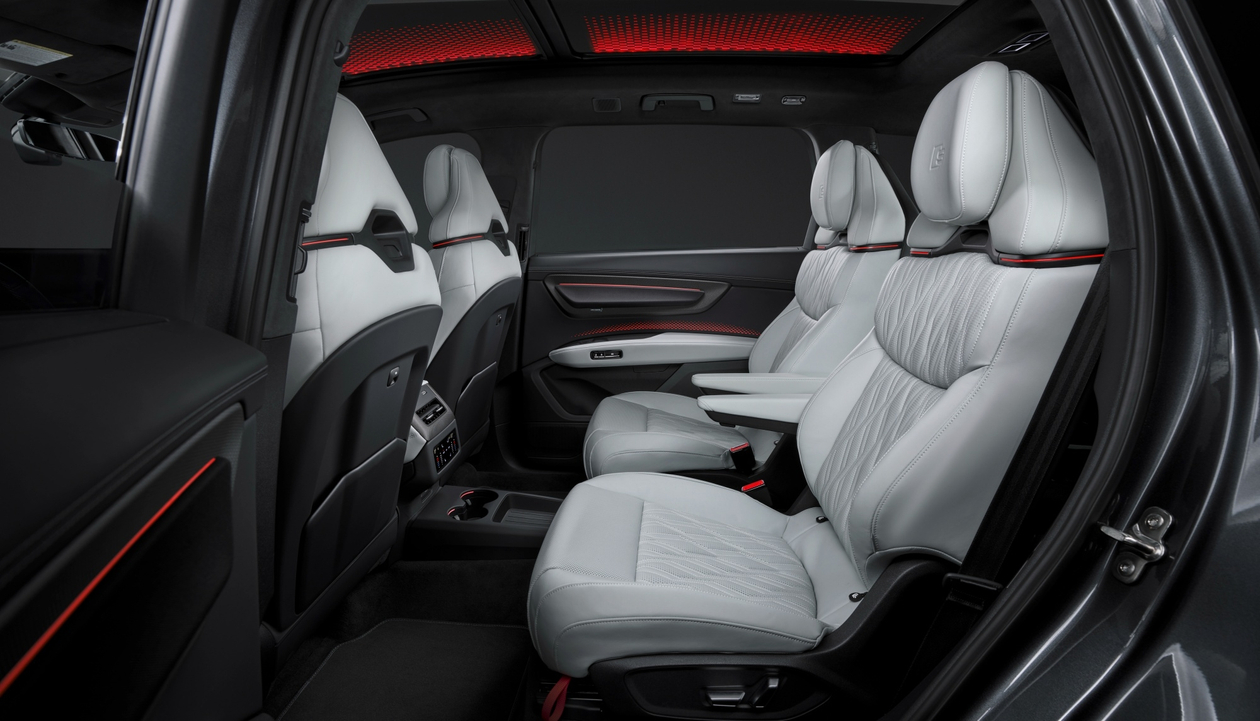
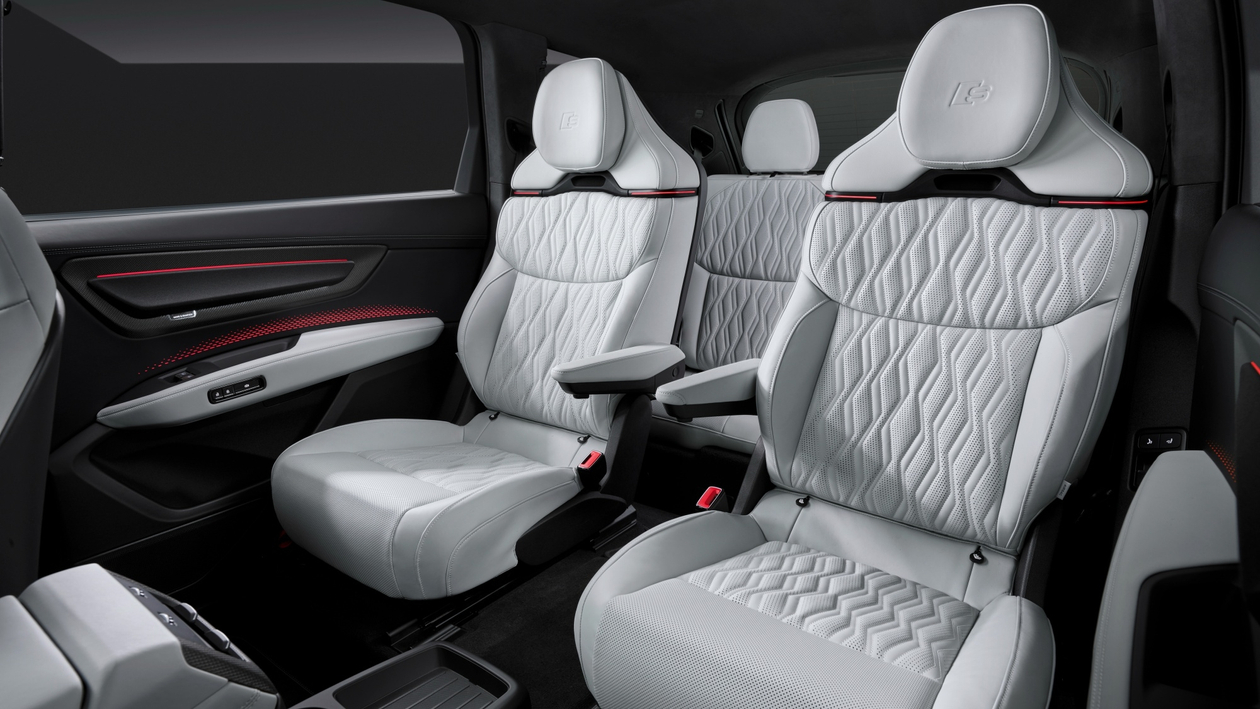
For cargo use, the SUV gets a standard aluminium rail system in the boot to secure items in multiple directions. With its size, seating flexibility and high-end equipment, the Q9 is aimed squarely at buyers who want a large luxury SUV with a stronger focus on space and rear-seat comfort than the brand’s existing line-up.

Your go-to source for all things automotive in Malaysia. 🚗 Latest reviews, breaking news, launches & industry trends.
+ Follow This weekend is your chance to own a Volvo Selekt Certified Used Car, priced from just RM 148,000.
What are you waiting for?
#volvo 1 minute ago
This weekend is your chance to own a Volvo Selekt Certified Used Car, priced from just RM 148,000.
What are you waiting for?
#volvo 1 minute ago  We saw this accident this morning, and here’s a reminder to everyone: please drive safe. 2 days ago
  The G50 BMW 3 series is now here, adopting much of the i3's design elements.
So, where's the BMW M3?
#bmw #BMW3Series 4 days ago
The G50 BMW 3 series is now here, adopting much of the i3's design elements.
So, where's the BMW M3?
#bmw #BMW3Series 4 days ago Get the latest car news first!
Your go-to source for all things automotive in Malaysia. 🚗 Latest reviews, breaking news, launches & industry trends.
This weekend is your chance to own a Volvo Selekt Certified Used Car, priced from just RM 148,000.
What are you waiting for?
#volvo 1 minute ago We saw this accident this morning, and here’s a reminder to everyone: please drive safe. 2 days ago The G50 BMW 3 series is now here, adopting much of the i3's design elements.
So, where's the BMW M3?
#bmw #BMW3Series 4 days ago  ProtonGWMVolkswagenJAECOOVolvoPeroduaToyotaHondaTESLAMitsubishiMazdaJetourCheryBYDLexusBMWMercedes-BenziCAURZeekrIsuzuNissanLeapmotorPorscheFordOMODAMINIMGSuzukiXPengHyundaiWulingKiaSubaruDenzaGACLand RoverDongfengCAMAudiPeugeotFotonMAXUSsmartDaihatsuJACJMCMaseratiLotusAlfa RomeoRenaultGolden DragonKaiceneSeresLamborghiniFerrariJeepRolls-RoyceLepasAston MartinMcLarenChevroletBentleyFiatBAICForthingGeelyRoeweAeolusChanganARCFOXDeepalExeedHongqiVoyahJaguarKGMBuforiAcuraCadillacDodgeAbarthINEOSMHEROJMEVFreelander
© 2024 Bitauto.com. All Rights Reserved.
Bitauto (www.yiche.com and www.bitauto.com) is one of the most visited automotive websites in China. We provide detailed info on Chinese car brands available in your area. Please note that the information provided on this website is based on publicly available data and is for reference only. It may not be fully updated or accurate at all times.
Help us improve our website


