
Search History
Popular Searches
English
Dealer Login / Sign Up
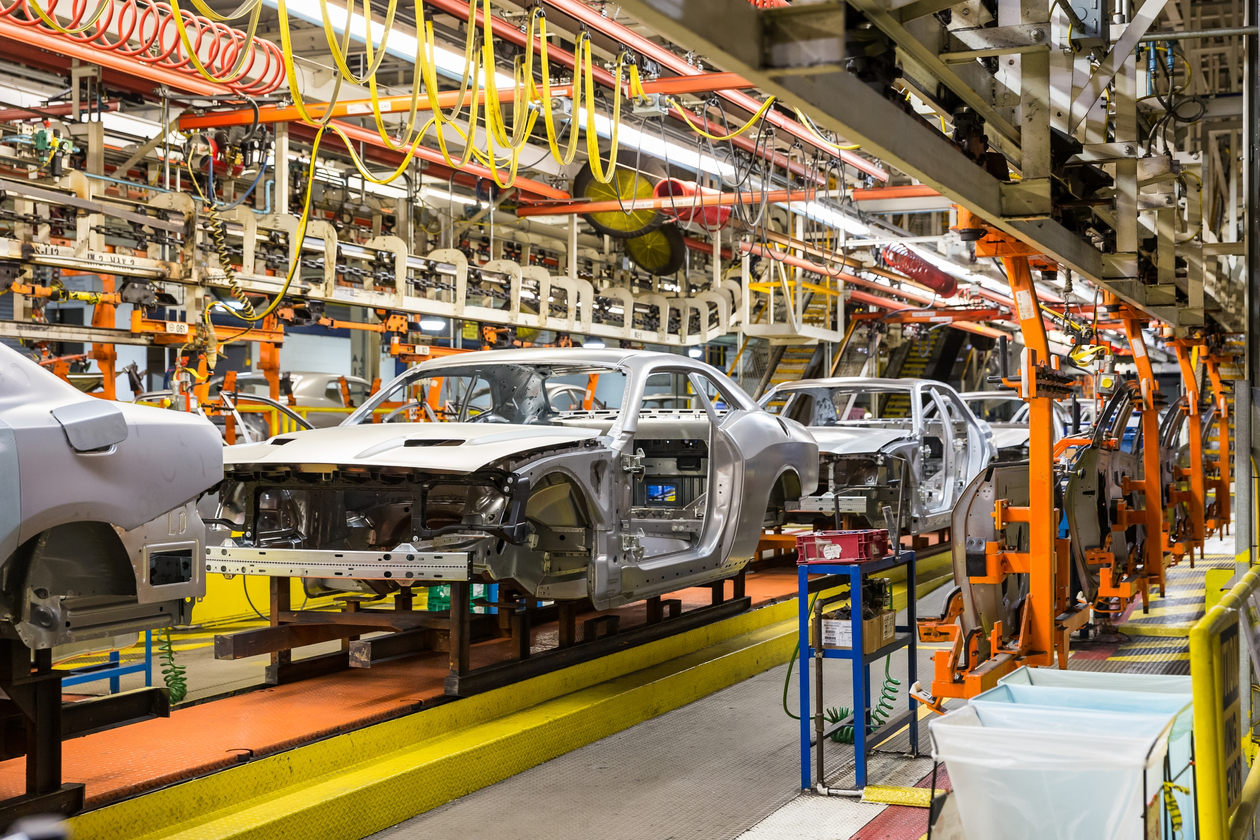
Chinese automaker BYD has discussed taking over the idled Stellantis assembly plant in Brampton, Ontario, to produce buses, local officials said, marking a development that could reshape job prospects at the factory and the regional automotive supply chain.
Brampton Mayor Patrick Brown said BYD contacted him about six months ago to explore bus production at the facility. The factory has been idle since late 2023 after Stellantis halted plans to retool the line for Jeep Compass assembly, citing deteriorating economics linked to US trade measures.
The Brampton plant was due to receive new tooling for the Compass before plans were paused. Stellantis has since been reported to be weighing options for the site, including a possible sale, leaving thousands of hourly workers in uncertainty and the plant’s future unresolved, reports Autonews.
Brown also said he received inquiries from Leapmotor International — a joint venture between Zhejiang Leapmotor Technology and Stellantis — and from an unnamed Italian automaker. Bloomberg earlier reported discussions between Stellantis and Leapmotor about electric vehicle production in Canada.
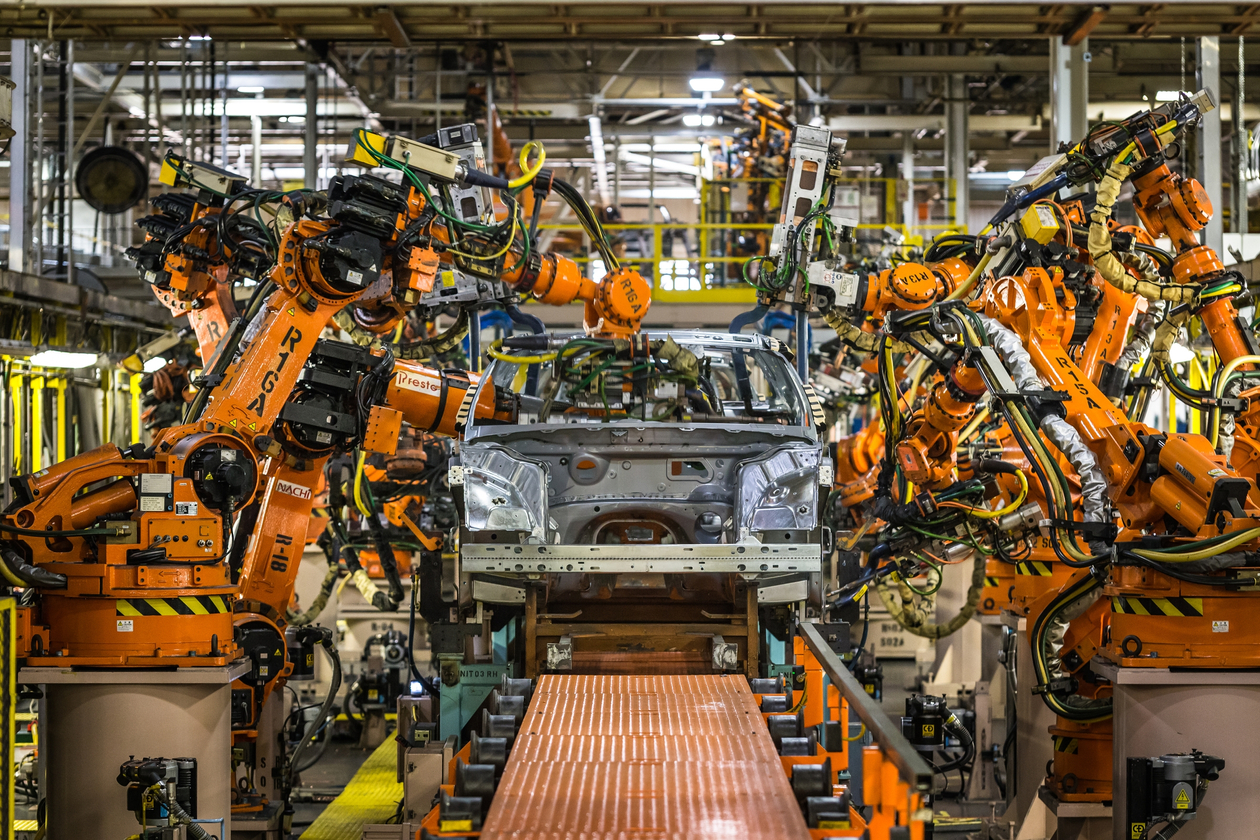
BYD has experience producing buses in the Toronto suburbs in the past, but the company does not currently manufacture passenger cars or light trucks anywhere in Canada or the United States. The Brampton approach would be focused on commercial vehicle output rather than passenger-car assembly.
Unifor, the union representing the Brampton plant workforce, has warned that the absence of a committed new product and the trade environment leave the factory’s future uncertain. Stellantis reportedly told local officials that ongoing tariffs on imported autos make a business case for Canadian vehicle assembly difficult.
The US imposes a 25% tariff on foreign-made cars and trucks, and Washington’s statements about raising tariffs further and applying duties to parts from Canada have heightened concerns among North American manufacturers. Most vehicles built in Canada are exported to the United States, so cross-border trade rules heavily influence investment decisions.
For Brampton and regional policymakers, fresh interest from global automakers offers a potential route to preserve manufacturing employment, but any takeover would depend on commercial terms, investment commitments and how trade policy evolves. BYD’s inquiry signals that international firms are evaluating Canada as a location for electric and commercial vehicle output, even while broader tariff questions remain unresolved.
 ProtonGWMVolkswagenJAECOOVolvoPeroduaToyotaHondaBYDJetourMazdaMitsubishiCheryTESLALexusMercedes-BenzBMWZeekriCAURNissanIsuzuLeapmotorFordPorscheMGOMODAMINISuzukiWulingSubaruLand RoverGACDongfengXPengHyundaiKiaDenzaAudiFotonCAMsmartPeugeotDaihatsuJMCJACLotusMAXUSAlfa RomeoMaseratiRenaultGolden DragonKaiceneSeresLamborghiniFerrariJeepBentleyRolls-RoyceChevroletJaguarMcLarenAston MartinDodgeAbarthBAICForthingGeelyRoeweAeolusChanganARCFOXDeepalExeedHongqiVoyahKGMBuforiAcuraCadillacFiatINEOSLepasMHEROJMEVFreelander
 © 2024 Bitauto.com. All Rights Reserved.
Bitauto (www.yiche.com and www.bitauto.com) is one of the most visited automotive websites in China. We provide detailed info on Chinese car brands available in your area. Please note that the information provided on this website is based on publicly available data and is for reference only. It may not be fully updated or accurate at all times.


