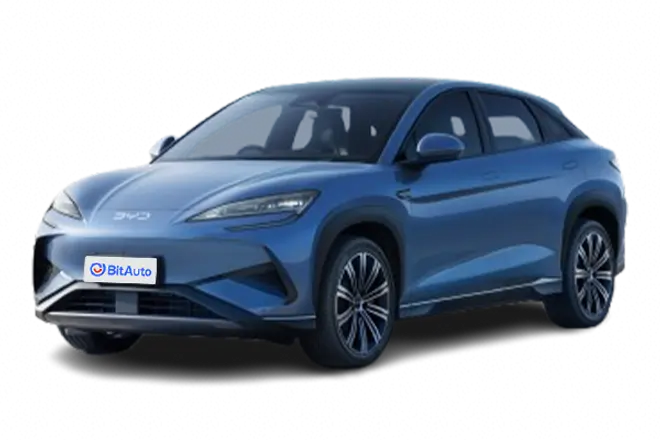
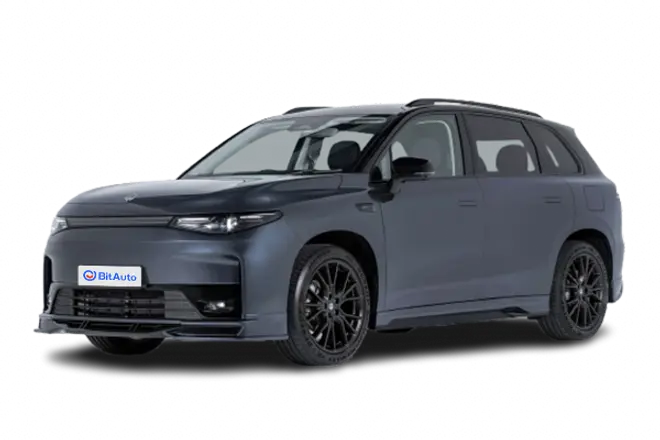
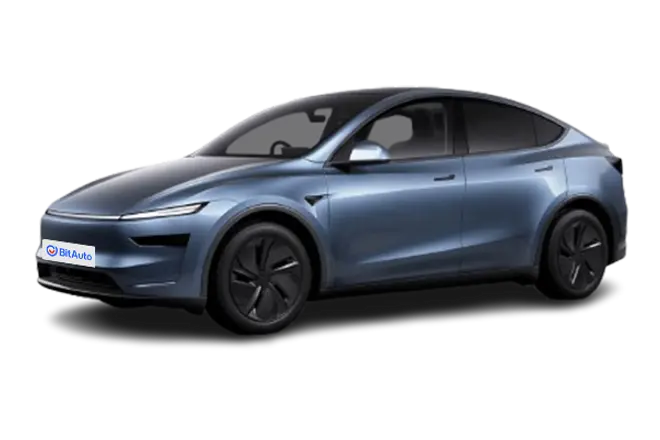
In Malaysia, the BYD Sealion 7 Premium is priced at RM188,800, while the Model Y Premium RWD goes for RM198,000—a difference of RM9,200. Frankly, that is not a negligible amount. But if you are already torn between these two, nitpicking the price difference is not going to get you very far.
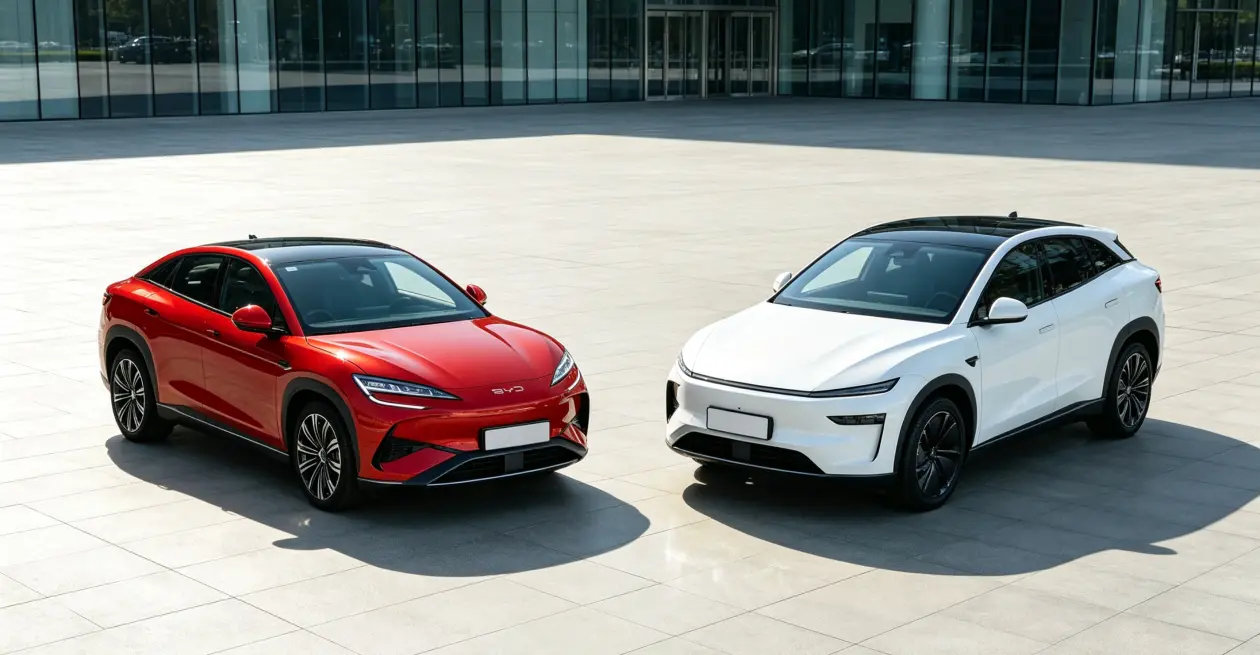
What likely caught your attention is that both are fully imported EVs: one hails from China’s intensely cutthroat automotive market, while the other remains the undisputed benchmark in the pure EV space. On equipment alone, BYD undoubtedly packs in far more kit than Tesla—there is no contest there. But where do the real differences lie that could ultimately make or break your purchasing decision?
This analogy might seem out of left field, but the fundamental differences between these two EVs mirror today's rivalry between Android and the iPhone almost to a tee. Why? Hear me out.
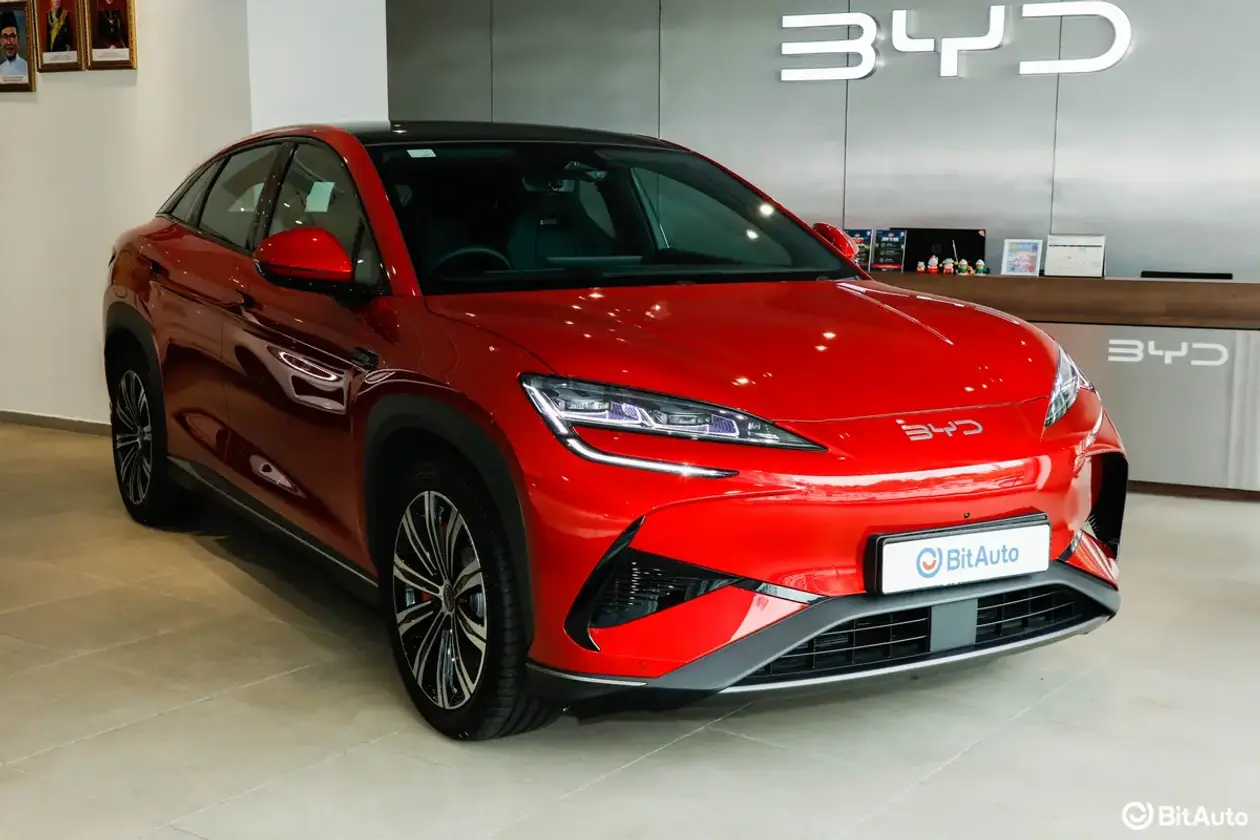
To begin with, the battery comparison is particularly intriguing. The Sealion 7 Premium adopts an outright "hardware first" approach: it rides on an 800V architecture (do note that the entry-level Sealion 7 runs on a 400V setup) paired with silicon carbide (SiC) inverters.
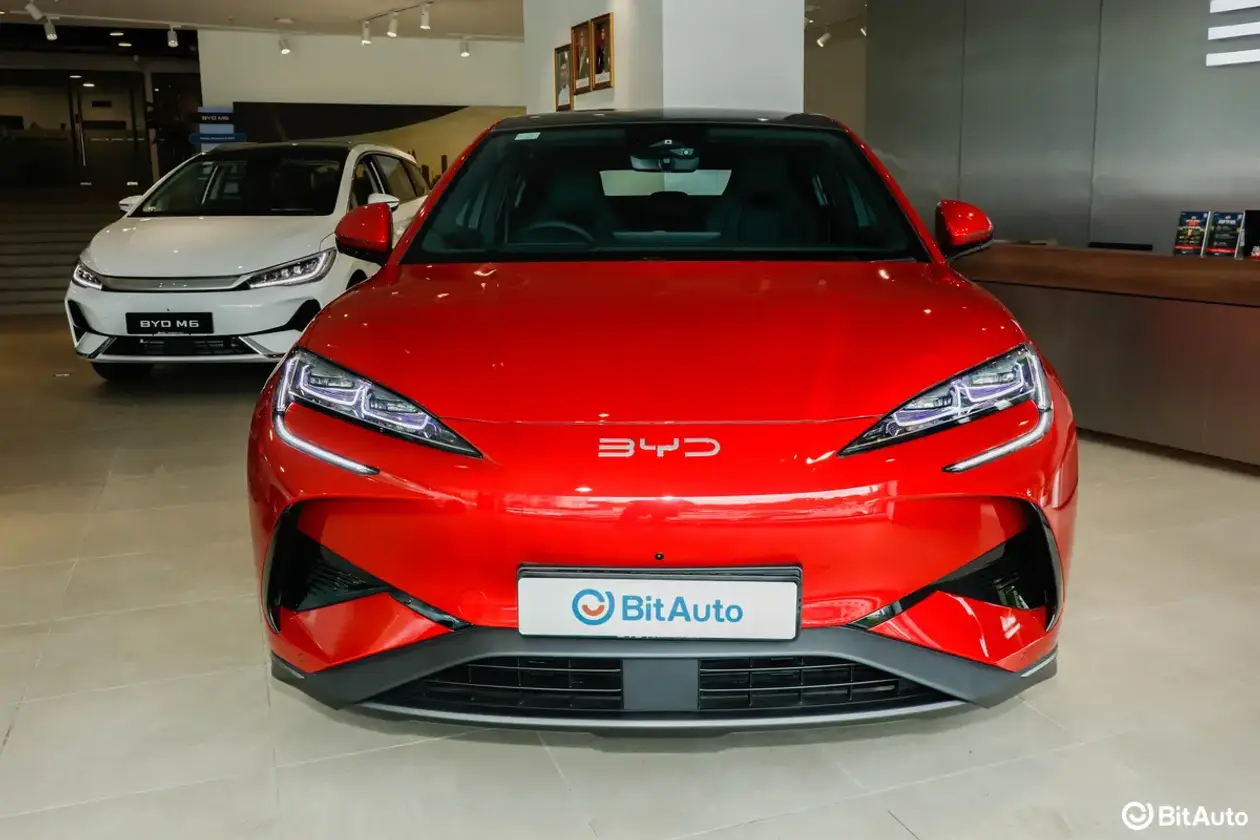
It packs a massive 91.39 kWh BYD Blade battery (lithium iron phosphate / LFP), supporting peak DC fast charging of up to 230 kW, which juices the battery from 10% to 80% in just 24 minutes. Furthermore, the Sealion 7 Premium incorporates Cell-to-Body (CTB) technology, integrating the battery directly into the monocoque chassis—a cutting-edge structural engineering feat.
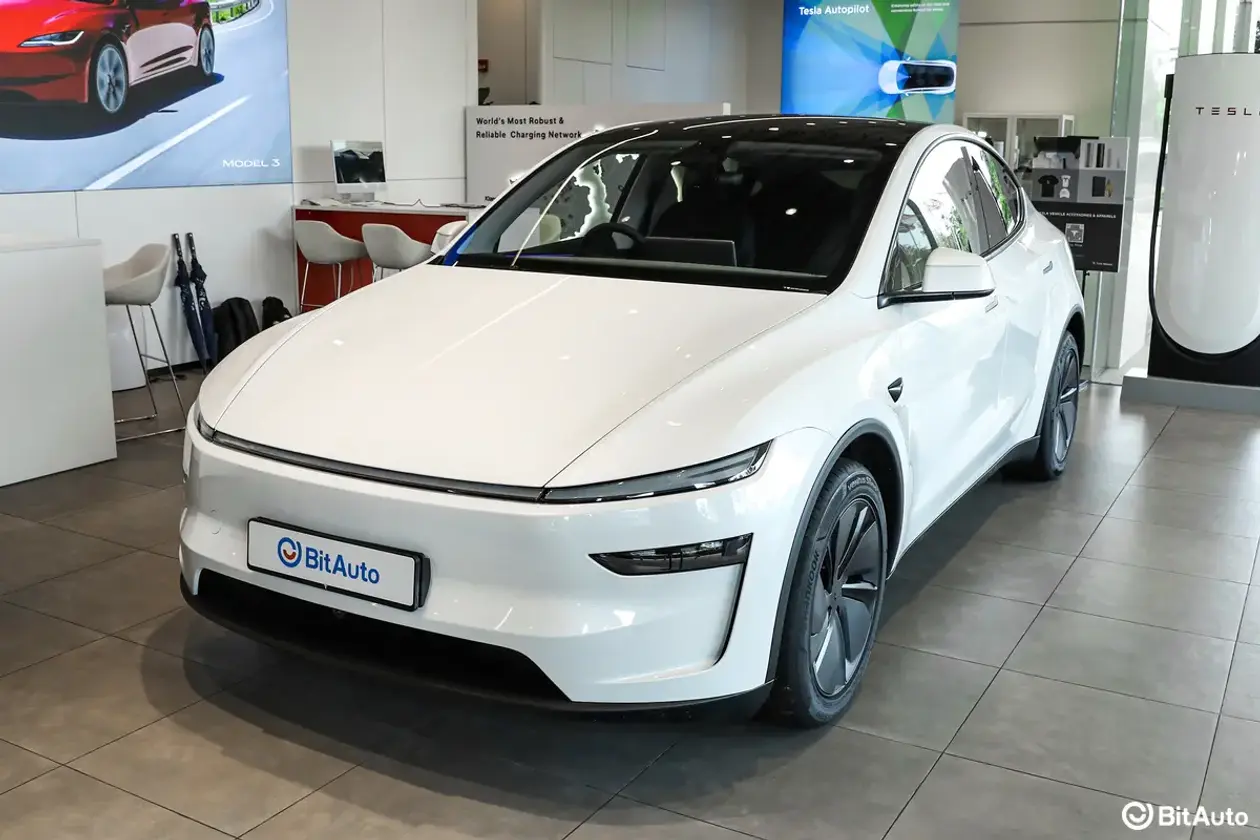
Over on Tesla’s end, the on-paper specs look notably more modest: a 400V architecture, a 62.5 kWh LFP battery pack, and a peak DC charging rate capped at 175 kW. It also misses out on CTB integration.
The Model Y does feature trick battery technology of its own—namely 4680 cylindrical cells—but that is reserved exclusively for the pricier Long Range RWD variant (offering up to 821 km of range). In true iPhone fashion, the hierarchy between standard and Pro-tier models is strictly enforced.
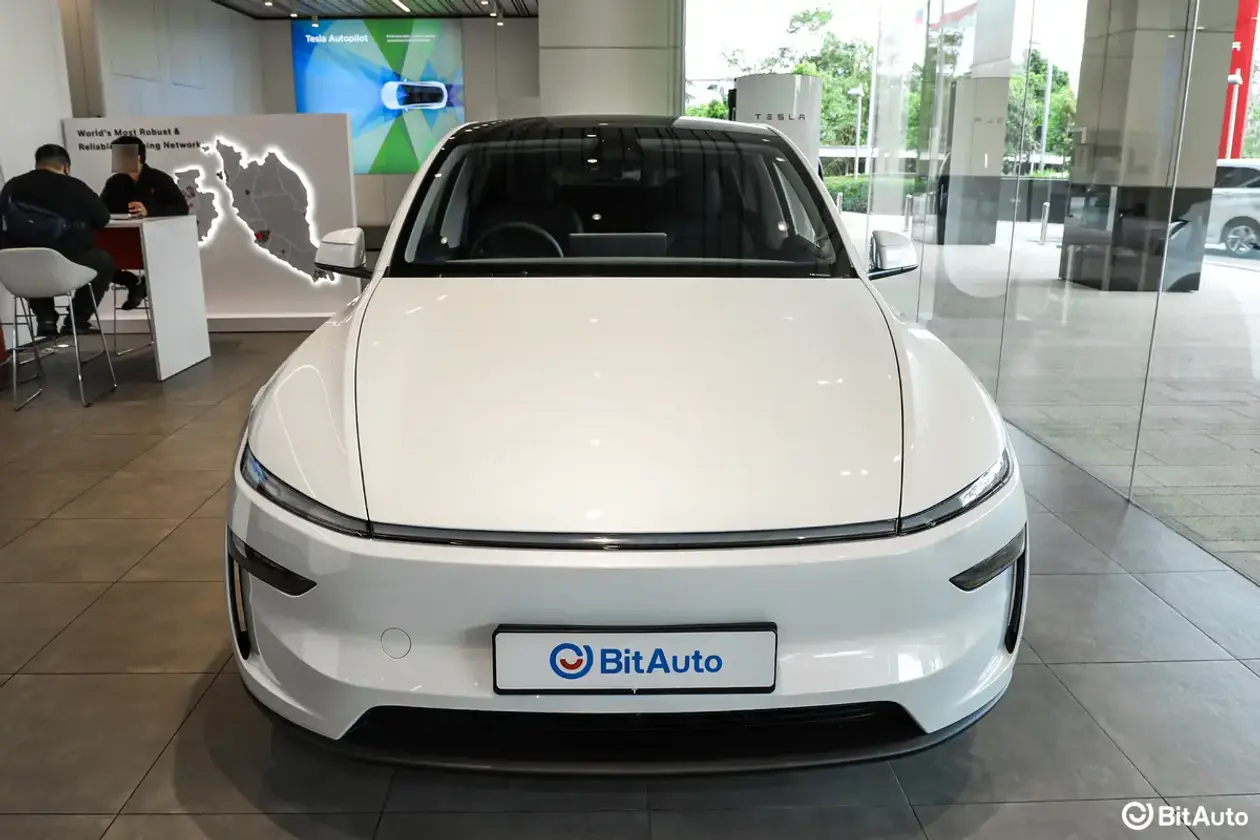
Judging purely by the figures, you would expect the Tesla's range to lag miles behind the BYD. Here is where it gets interesting: the Sealion 7 Premium delivers a claimed WLTP range of around 502 km, yet the Model Y, despite its significantly smaller battery, still manages a claimed WLTP range of 466 km.
Bear in mind that the Sealion 7 Premium carries a battery that is 28.9 kWh larger than that in the Model Y Premium RWD. With such a massive capacity deficit, why is the range gap between them so marginal?
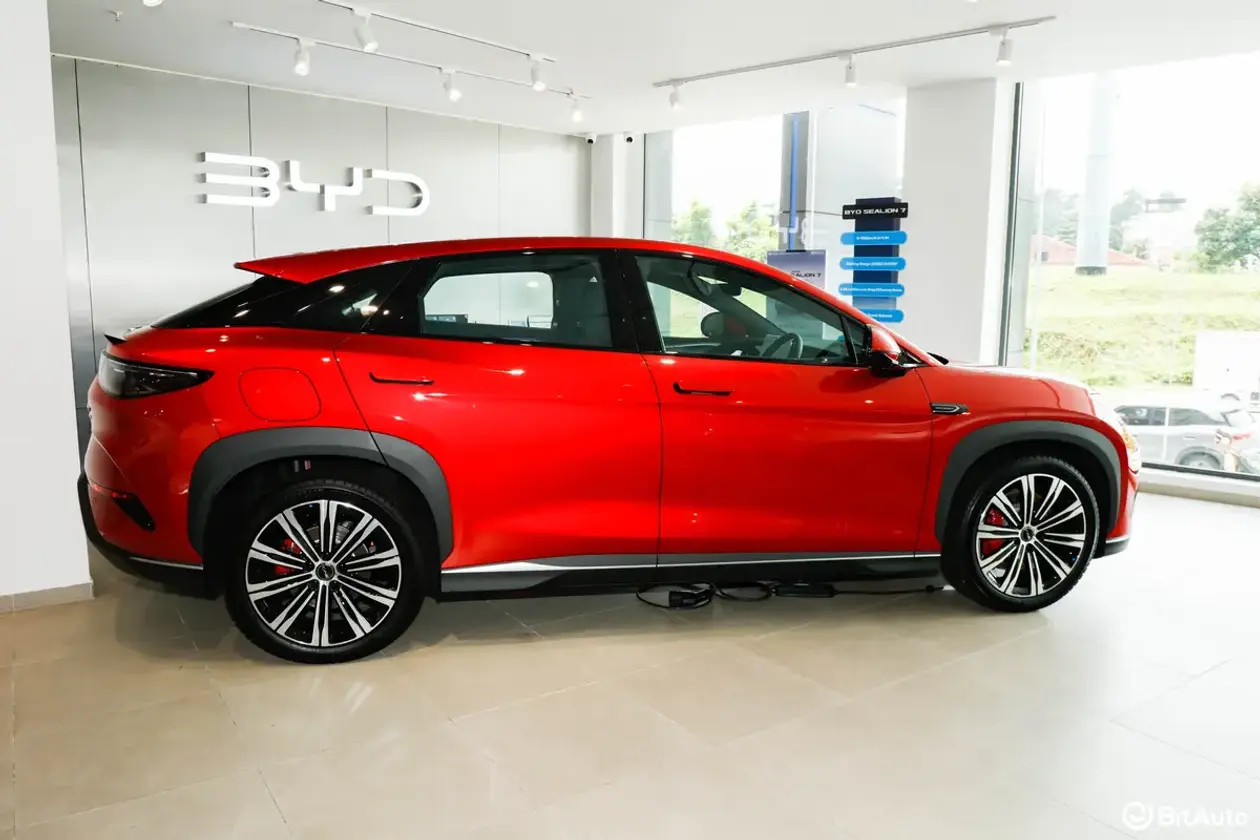
In simple terms, Tesla still holds the upper hand when it comes to powertrain efficiency, vehicle lightweighting, and aerodynamic design. This is Tesla’s core systemic advantage: a smaller battery running on superior efficiency can still comfortably trade blows with a rival lugging around a much heavier pack.
Another drawback for the Sealion 7's real-world efficiency is that its oversized battery directly contributes to a heftier kerb weight—it weighs over 300 kg more than the Model Y. That substantial extra mass takes an undeniable toll on overall range.
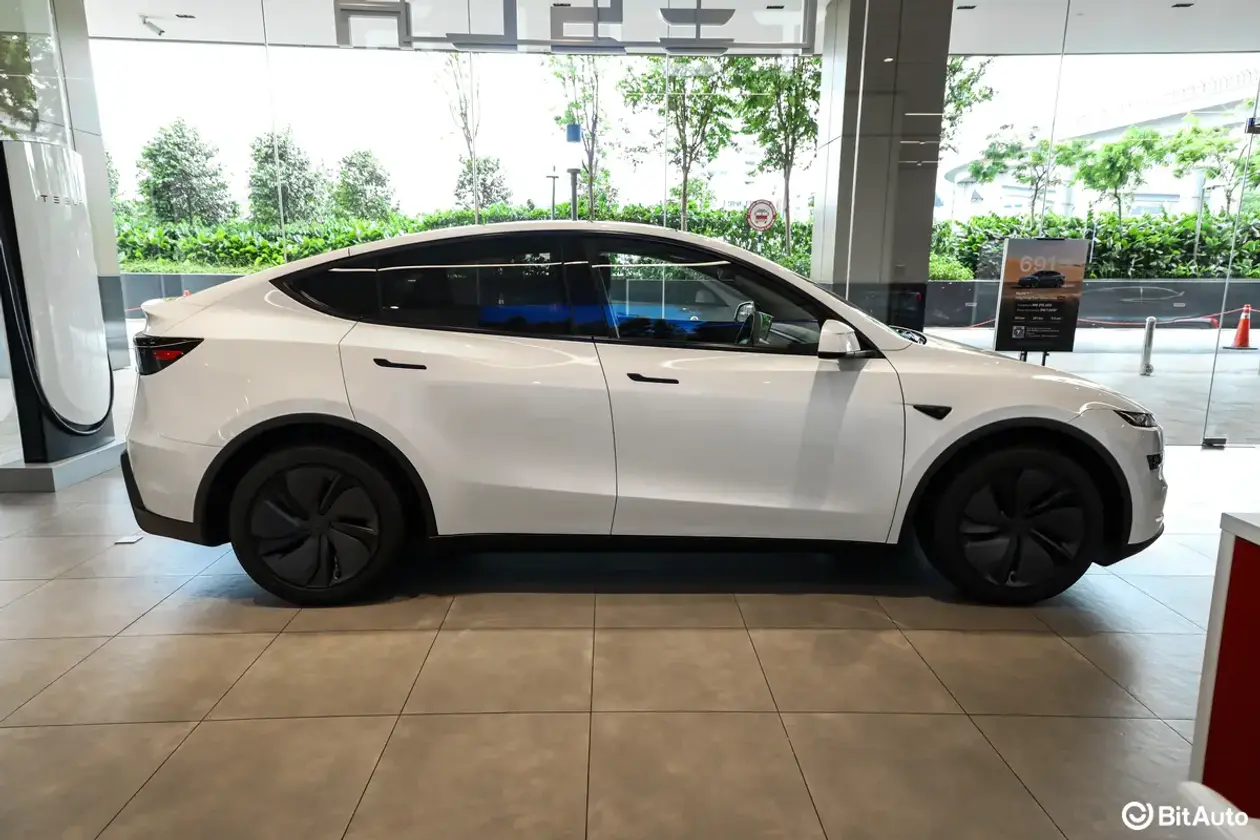
What we are looking at here are two diametrically opposed design philosophies: BYD banks on brute-force battery capacity to deliver range, whereas Tesla leverages an efficient, lightweight setup to extract maximum mileage from a smaller pack.
Now, let us talk about charging. While the previous round boiled down to contrasting engineering philosophies, the real world paints a very different picture. On paper, BYD’s 230 kW peak charging power comprehensively trumps Tesla’s 175 kW output.
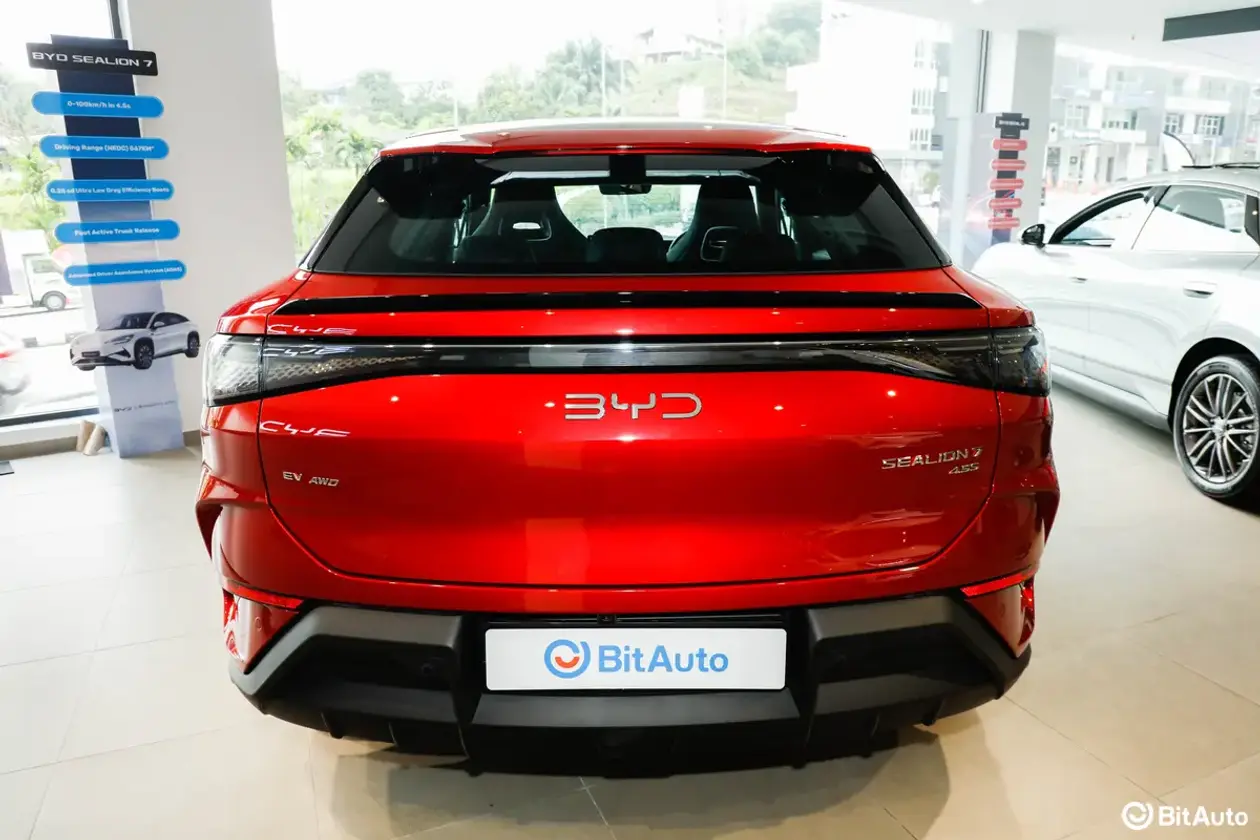
However, extracting that full 230 kW from the BYD comes with a catch: the public DC fast charger must be capable of delivering that output and must successfully handshake with BYD's charging protocol. While such ultra-fast chargers are widespread in China, the charging infrastructure in Malaysia is a different story. If the charger you pull up to only pushes 120 kW, that 230 kW rating on the Sealion 7 remains purely academic.

The Model Y also relies on proprietary charging protocols, but Tesla backs this up with its dedicated Supercharger network, which already boasts extensive coverage across Malaysia. Ultimately, one EV offers higher peak speeds that depend entirely on third-party infrastructure, while the other benefits from a mature, seamless proprietary charging ecosystem.
When it comes to charging convenience on local roads, Tesla unexpectedly holds the upper hand.
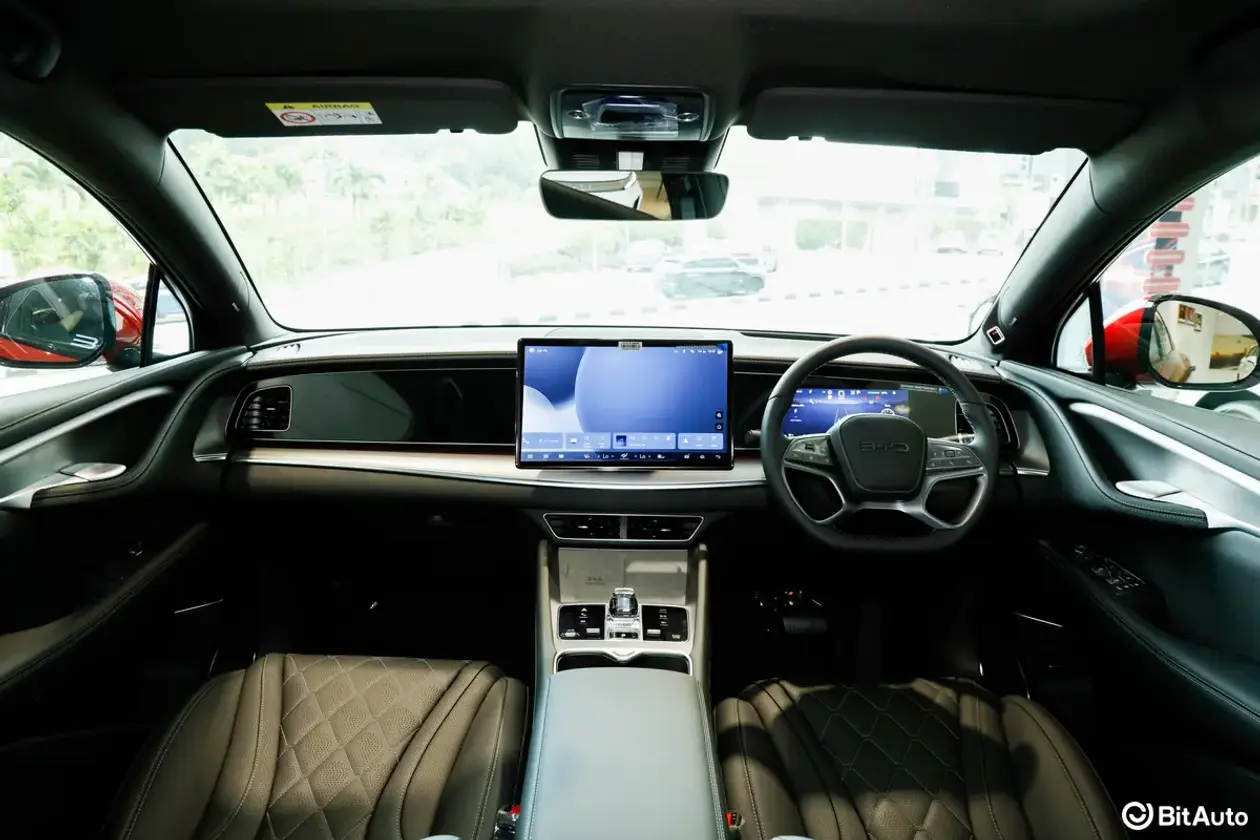
Having tackled the headline mechanical talking points, let us look at daily usability. Starting with cabin space: both are undeniably roomy, but the Sealion 7 prioritises passenger comfort. It boasts a longer wheelbase than the Model Y, more accommodating rear seats, and a suspension setup tuned squarely for ride comfort. It is, through and through, a car built to cosset its occupants.
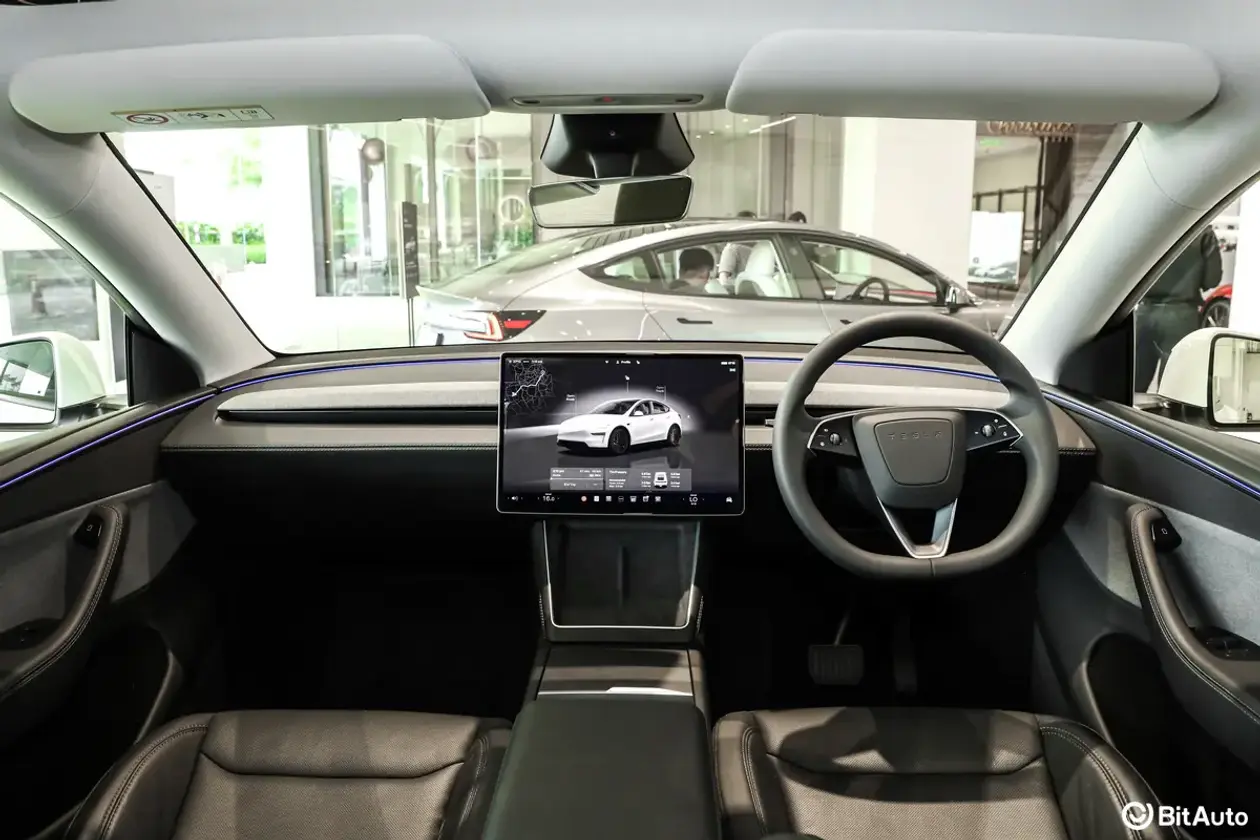
The Model Y, on the other hand, directs its spaciousness toward sheer cargo capacity. You get a standard boot volume of 854 litres, expandable to a cavernous 2,138 litres with the rear seats folded flat, complemented by a handy 117-litre front boot (frunk). Some owners have jokingly remarked that the Model Y’s luggage capacity rivals that of a pick-up truck.
While that is certainly an overstatement, when judged purely on raw cargo-hauling ability, the Model Y wins hands down.
Additionally, for the Malaysian market, the Sealion 7 comes backed by a 6-year vehicle warranty, compared to the 4-year coverage offered with the Model Y—an important factor that deserves serious consideration.
To sum up, the Sealion 7 Premium undercuts the Model Y Premium RWD by RM9,200, rewarding buyers with a longer warranty, a significantly larger battery, theoretically faster charging capability, and a far more generous list of standard equipment.
Meanwhile, the more expensive Tesla justifies its premium with genuinely faster and more dependable real-world charging—courtesy of its robust Supercharger network—alongside truly peerless boot space.
Leave your number, an advisor will contact you


Your go-to source for all things automotive in Malaysia. 🚗 Latest reviews, breaking news, launches & industry trends.
+ Follow Where are the side mirrors on the new Honda Avancier? Caught testing before Auto Guangzhou 2026 with a 15.4-inch screen and DualPower eAWD hybrid tech.
Check out the full photo breakdown here 👇
#HondaAvancier #Honda #OnSitePhotos #AutoNews #HybridSUV #CarSpotting 1 minute ago
 Actually, a quite interesting concept. No need to keep banging on about power or how much savings - just find something in the middle and do things like putting on a 'Baby Mode'. Read it, ya won't regret it.
#kia #turbohybrid #sportage #carnival 1 minute ago
 Behind every smooth Toyota service visit is serious training and 1,986 staff from 114 Toyota and Lexus outlets nationwide just put their skills to the test at the Toyota Skills Contest 2026 in Shah Alam, with PCM Subang Motor taking home the President Cup and RM 20,000. 1 minute ago
Get the latest car news first!
Your go-to source for all things automotive in Malaysia. 🚗 Latest reviews, breaking news, launches & industry trends.
Where are the side mirrors on the new Honda Avancier? Caught testing before Auto Guangzhou 2026 with a 15.4-inch screen and DualPower eAWD hybrid tech.
Check out the full photo breakdown here 👇
#HondaAvancier #Honda #OnSitePhotos #AutoNews #HybridSUV #CarSpotting 1 minute ago Actually, a quite interesting concept. No need to keep banging on about power or how much savings - just find something in the middle and do things like putting on a 'Baby Mode'. Read it, ya won't regret it.
#kia #turbohybrid #sportage #carnival 1 minute ago Behind every smooth Toyota service visit is serious training and 1,986 staff from 114 Toyota and Lexus outlets nationwide just put their skills to the test at the Toyota Skills Contest 2026 in Shah Alam, with PCM Subang Motor taking home the President Cup and RM 20,000. 1 minute ago 
© 2024 Bitauto.com. All Rights Reserved.
Bitauto (www.yiche.com and www.bitauto.com) is one of the most visited automotive websites in China. We provide detailed info on Chinese car brands available in your area. Please note that the information provided on this website is based on publicly available data and is for reference only. It may not be fully updated or accurate at all times.

Help us improve our website