BYD has notched up several popular models in the Malaysian market, two of which not only sound similar, but are also priced remarkably close to each other. One is the Sealion 7, and the other is the Seal. Back in China, both are built on BYD's e-Platform 3.0 Evo architecture.
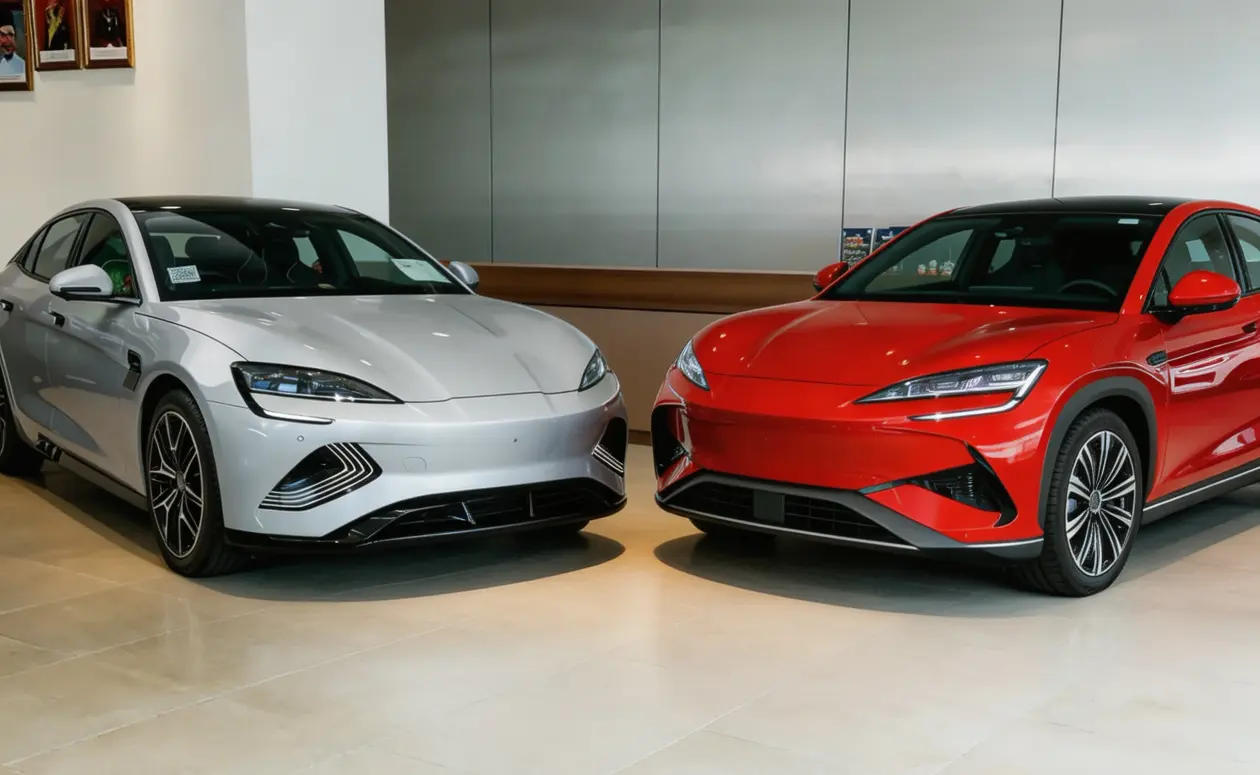
Looking purely at the pricing, there is only an RM8,000 difference between the Sealion 7 Dynamic and the Seal Premium. From photos alone, apart from one being an SUV and the other a sedan, the two siblings appear to share plenty in common.
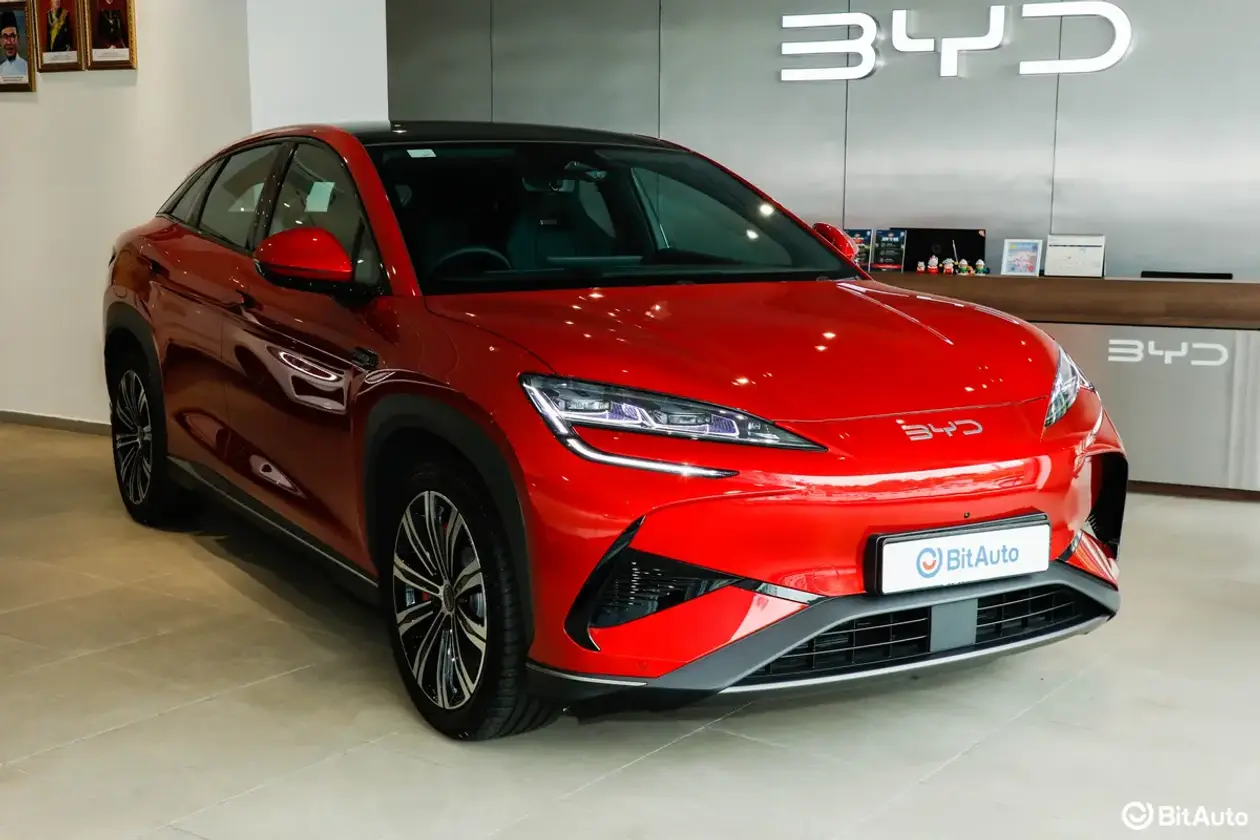
As full EVs, driving range is naturally the headline figure buyers look at first. The Sealion 7 Dynamic packs a 71.8 kWh battery rated at 520 km under the NEDC cycle. Meanwhile, the Seal Premium gets an 82.5 kWh battery delivering an official WLTP-rated range of 570 km. On paper, both figures seem comfortably in the "500 km" ballpark, right?
The catch lies in the testing standards between NEDC and WLTP. The NEDC test cycle is notoriously optimistic, whereas WLTP is substantially closer to real-world driving conditions. If we standardise both to the WLTP cycle, the Sealion 7's 520 km NEDC figure translates to roughly 440 km in practice.
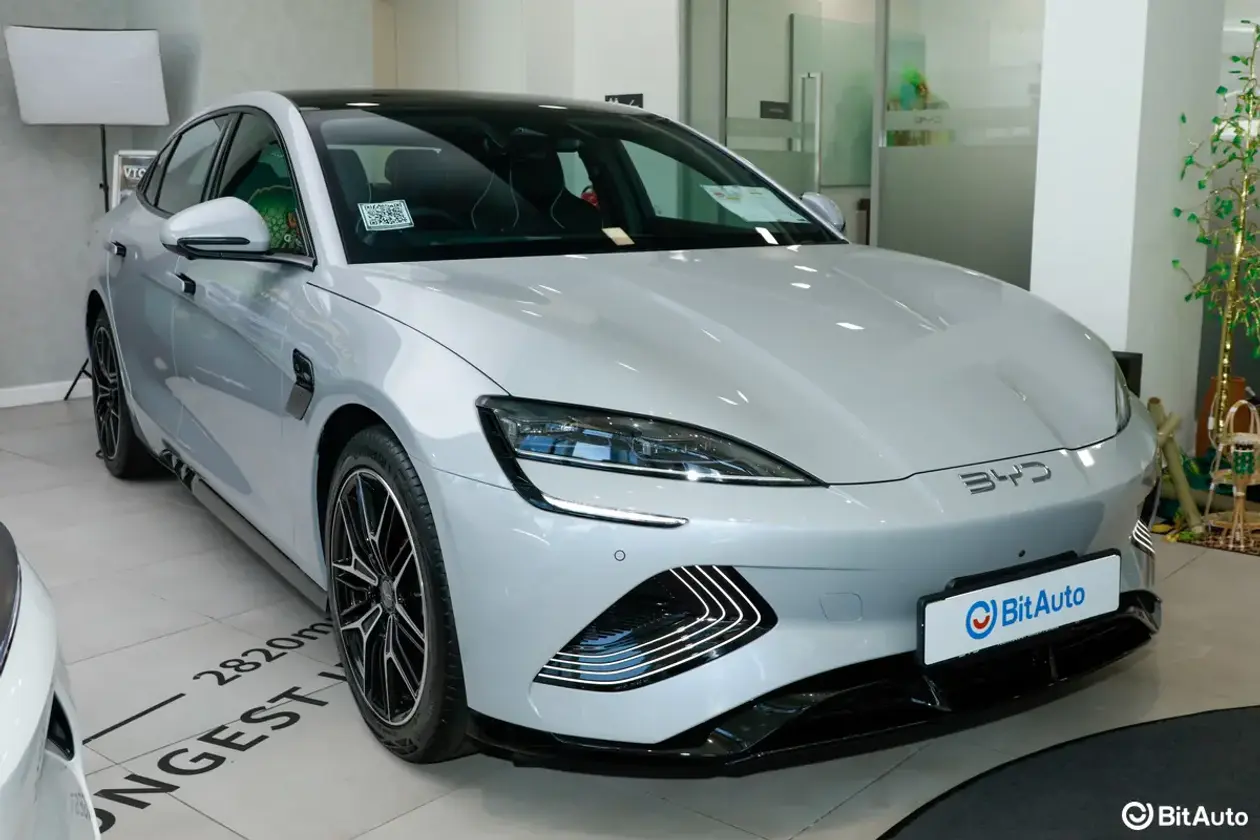
Right away, the gap becomes crystal clear: 440 km against 570 km gives the Seal a distinct, undeniable range advantage. You might wonder, if both cars share the same underpinnings and only have about a 10 kWh difference in battery size, why is the range discrepancy so vast? To start with, both vehicles utilise BYD's proprietary LFP Blade battery technology, meaning there is no generational gap in chemistry.
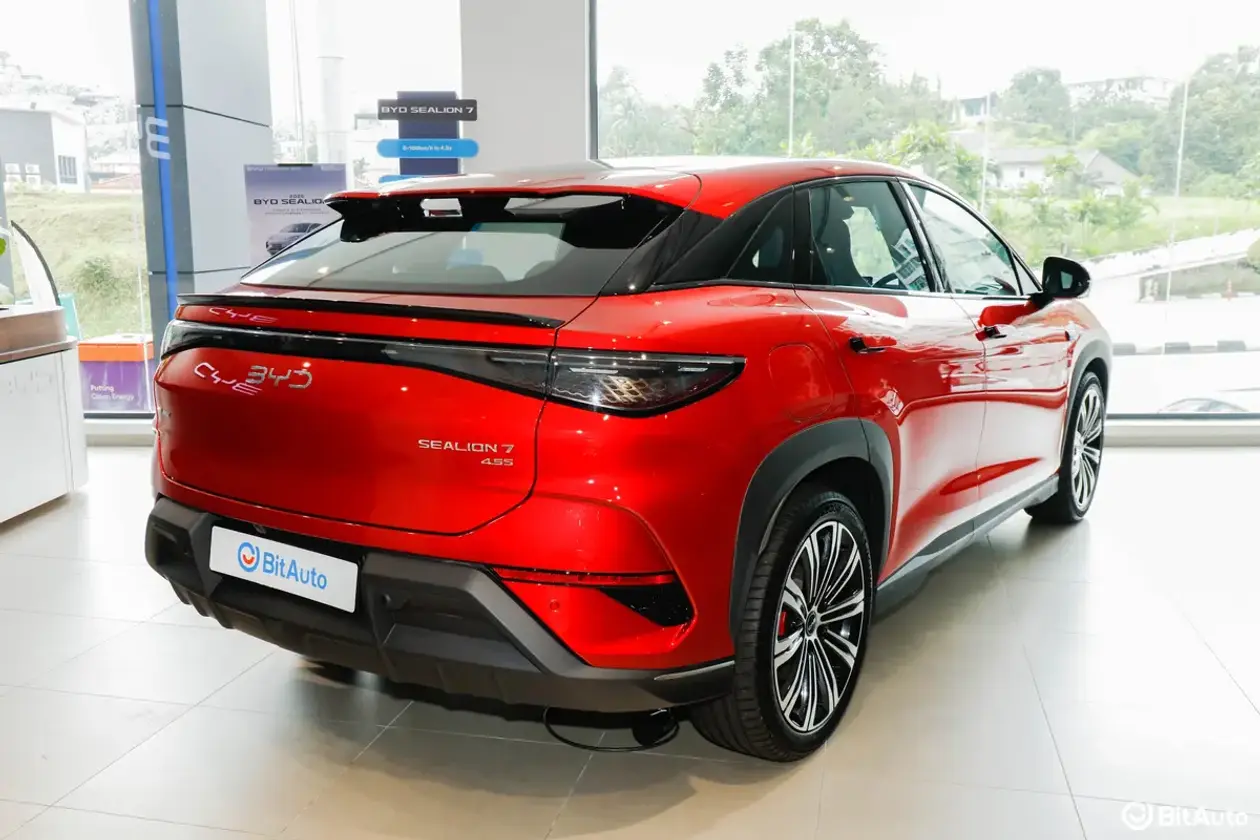
The decisive factor is body style: the Sealion 7 is an SUV, carrying higher kerb weight and a bulkier, less aerodynamic frontal profile than a sedan. Even if both had identical battery packs, an SUV inherently suffers from higher energy consumption. Factor in that the Sealion 7 has around 10 kWh less capacity than the Seal, and the deficit widens further.
Therefore, if daily or long-distance range is a dealbreaker for you, this limitation on the Sealion 7 is something you truly need to weigh up.
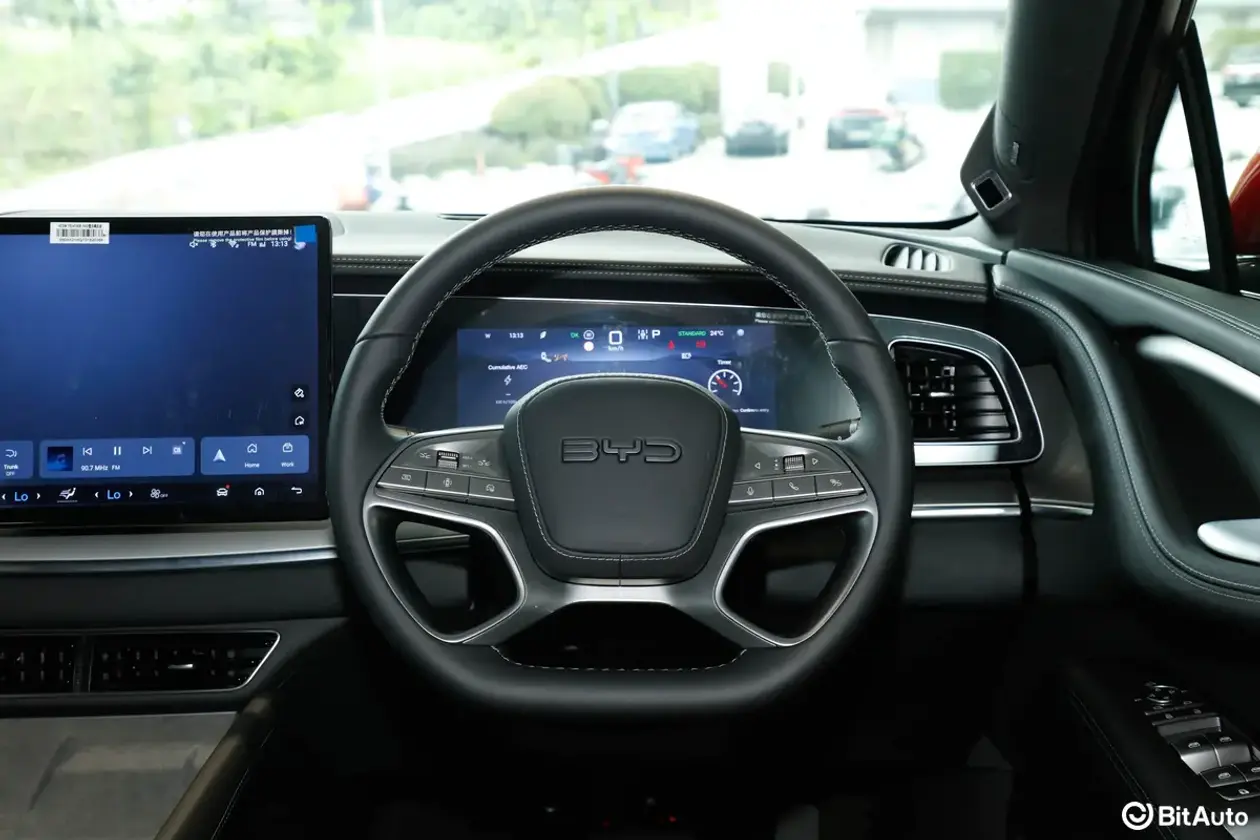
As noted earlier, both models are underpinned by BYD's e-Platform 3.0 Evo. A key highlight of this architecture is its 800V electrical system paired with SiC (silicon carbide) inverters, which dramatically accelerates charging speeds. However, the Sealion 7 misses out on the SiC setup and settles for a conventional 400V architecture instead.
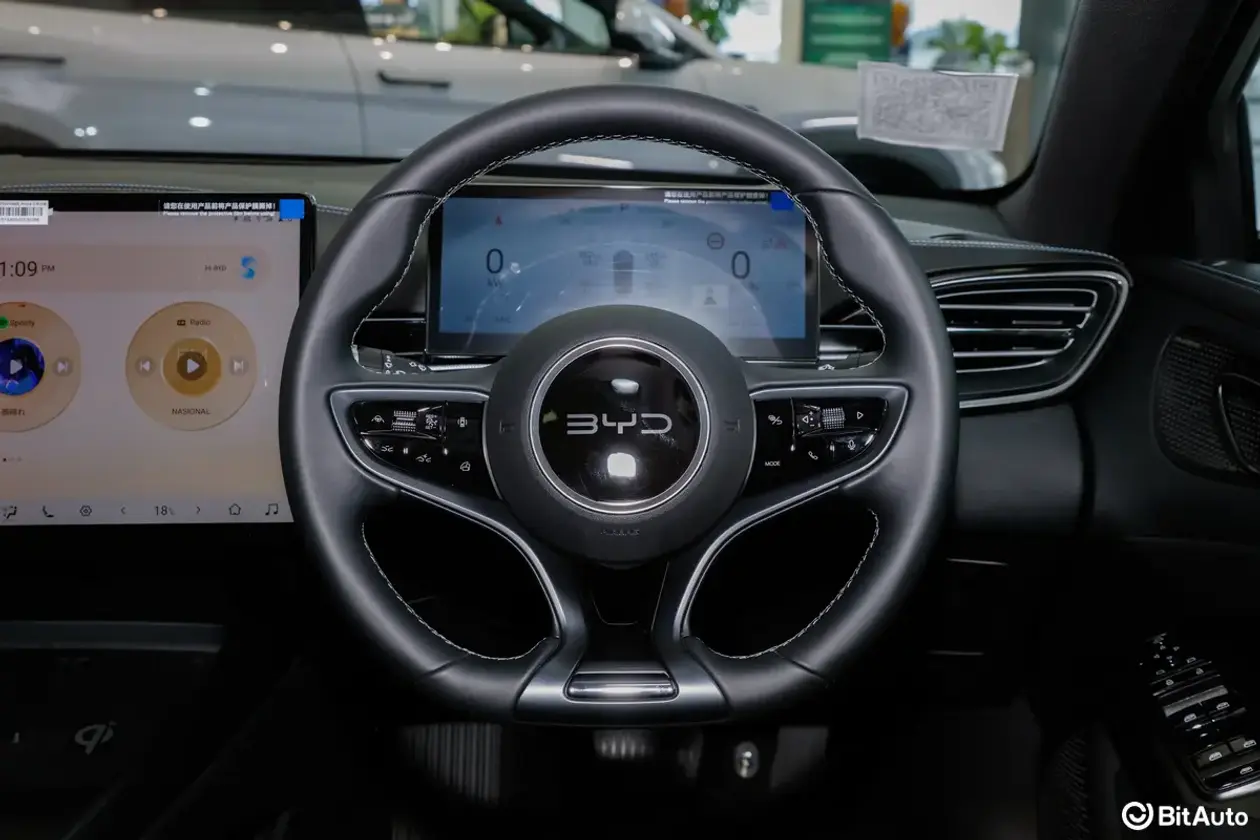
Yet, looking at official charging data, the on-paper numbers appear fairly close. The Sealion 7 supports a DC fast charging input of 110 kW, taking 21.5 minutes from 30% to 80% SoC. The Seal, meanwhile, peaks higher at 150 kW DC, taking 32 minutes for the same 30% to 80% sprint.
While those durations might look comparable at a glance, factoring in the difference in battery pack capacities leads to an obvious conclusion: in an identical 30-minute charging window, the actual driving range replenished in the Seal is noticeably greater than in the Sealion 7.
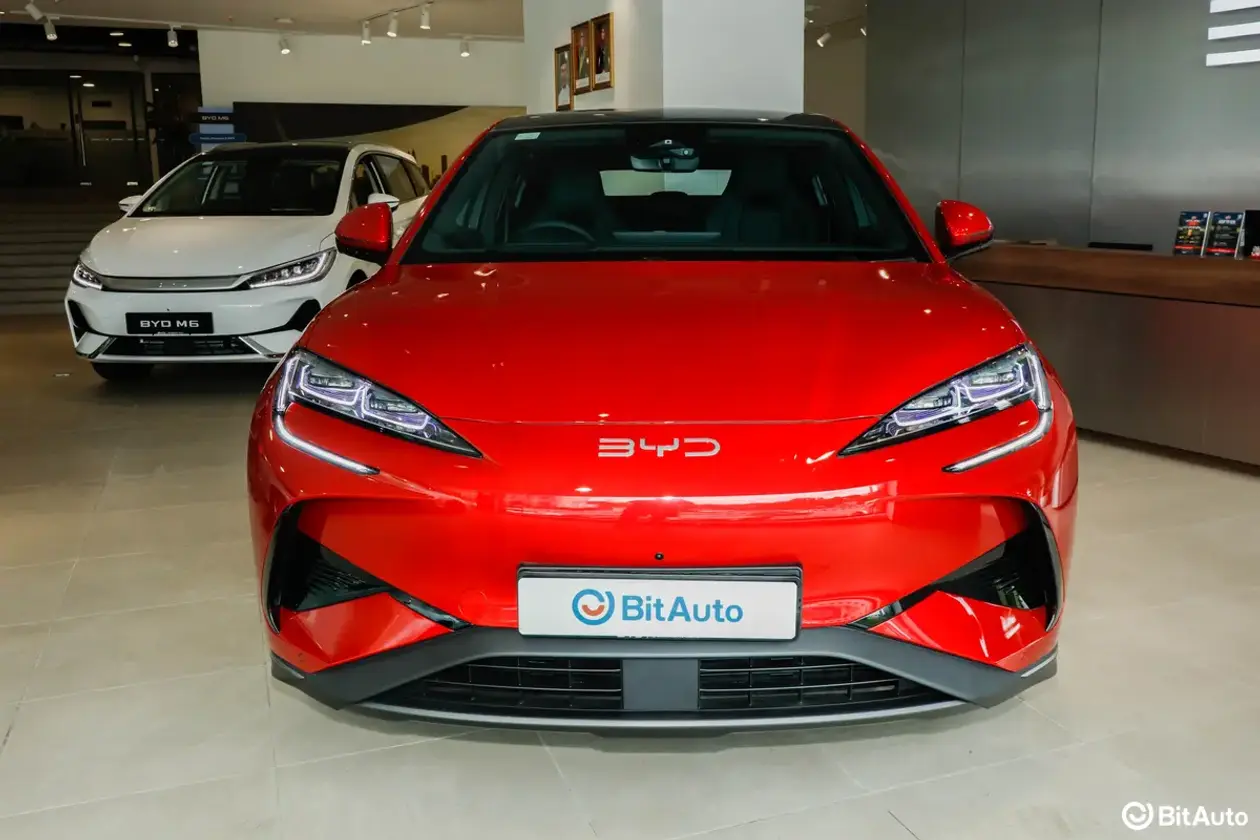
If you solely compare range and charging performance, the Sealion 7 clearly concedes ground to the Seal. But as an SUV, it offers several tangible advantages that spec sheets simply do not convey.
Consider everyday usability: if you regularly ferry elderly parents with back or knee ailments, or need to strap toddlers into child seats, the Sealion 7's elevated hip point and ride height make ingress and egress substantially easier than the Seal's low-slung, sporty stance.
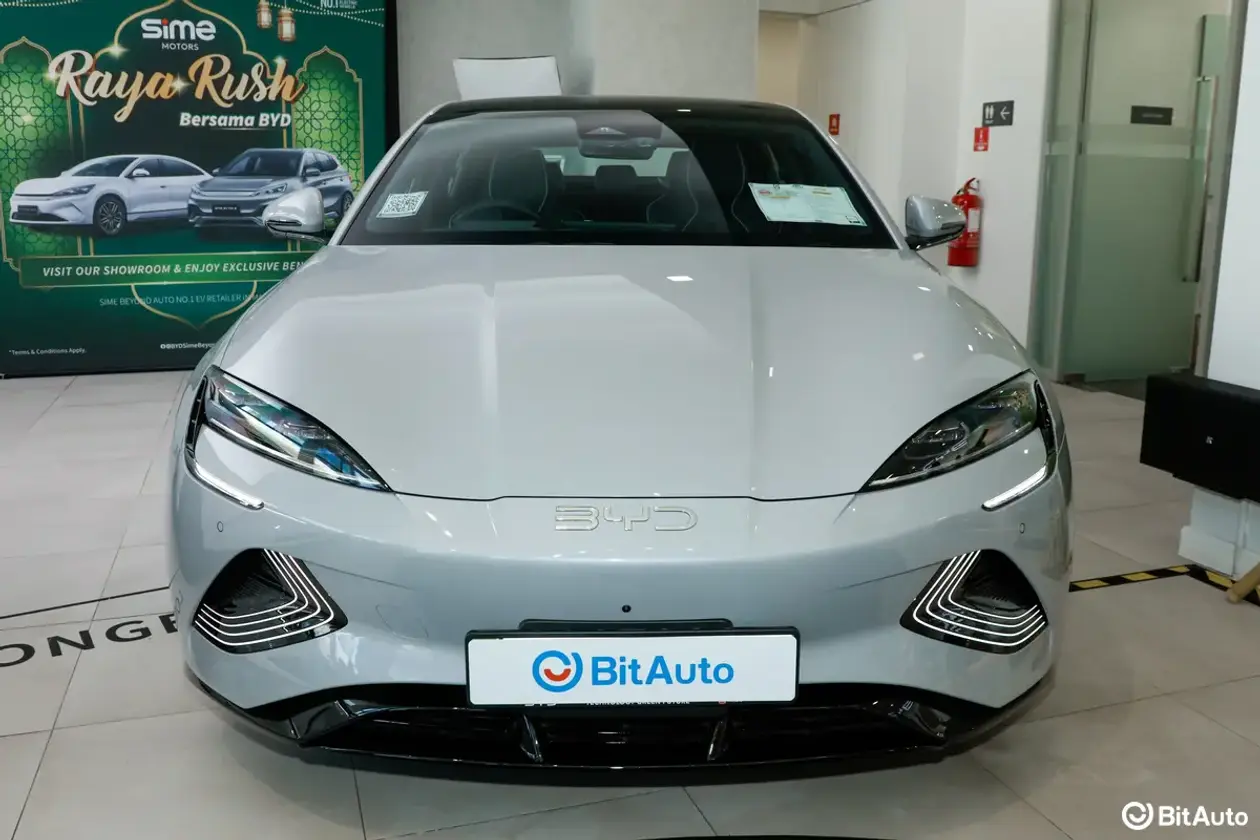
Furthermore, while difficult to quantify on paper, passengers prone to motion sickness often find the taller greenhouse and upright seating position of an SUV far less claustrophobic than a sedan.
When it comes to tackling flash floods, potholes, or rougher roads, the Sealion 7's extra ground clearance as an urban crossover provides slightly better peace of mind—though only by a modest margin.
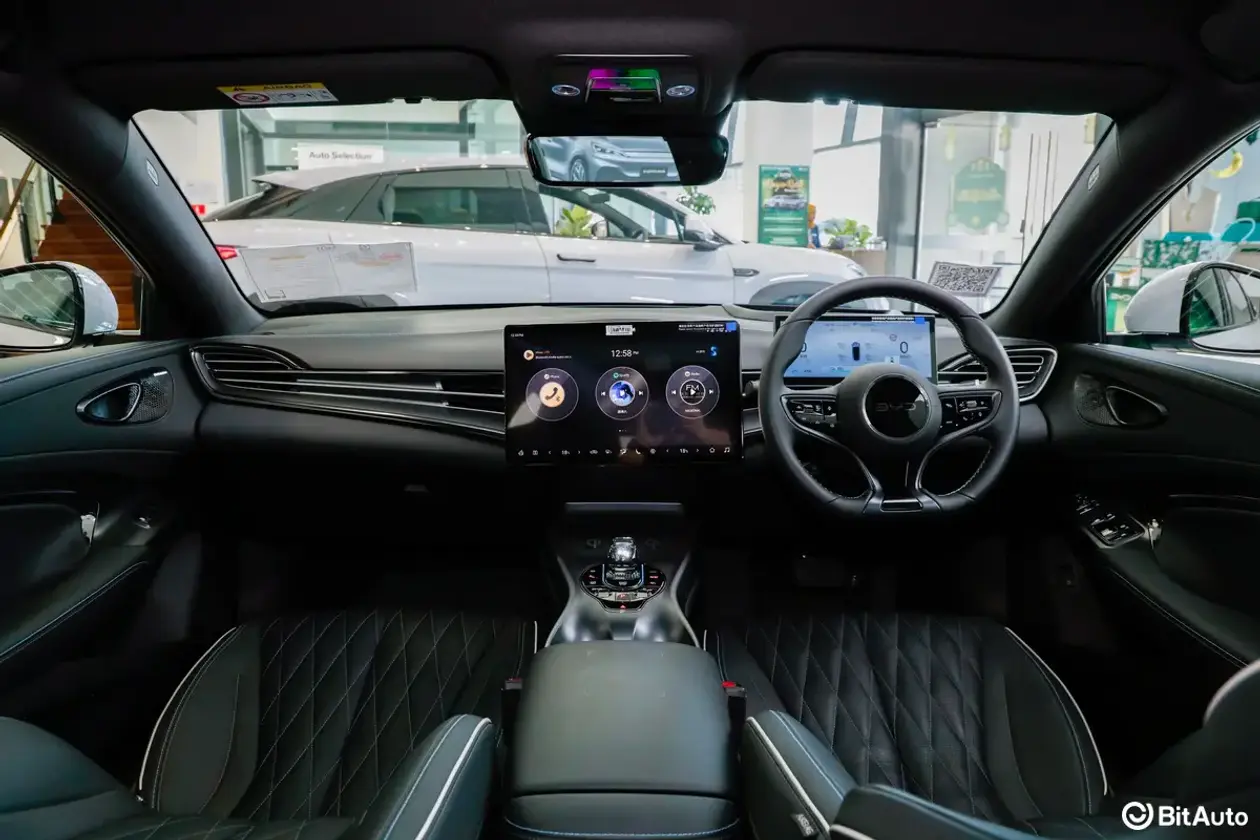
By now, you will notice I haven't laboured over dimensions, wheelbase, or kit levels. In truth, these aren't the primary differentiators here; cars emerging from China's hyper-competitive domestic market are rarely short on equipment or cabin room. As a prospective buyer, choosing between these two really boils down to just two practical questions:
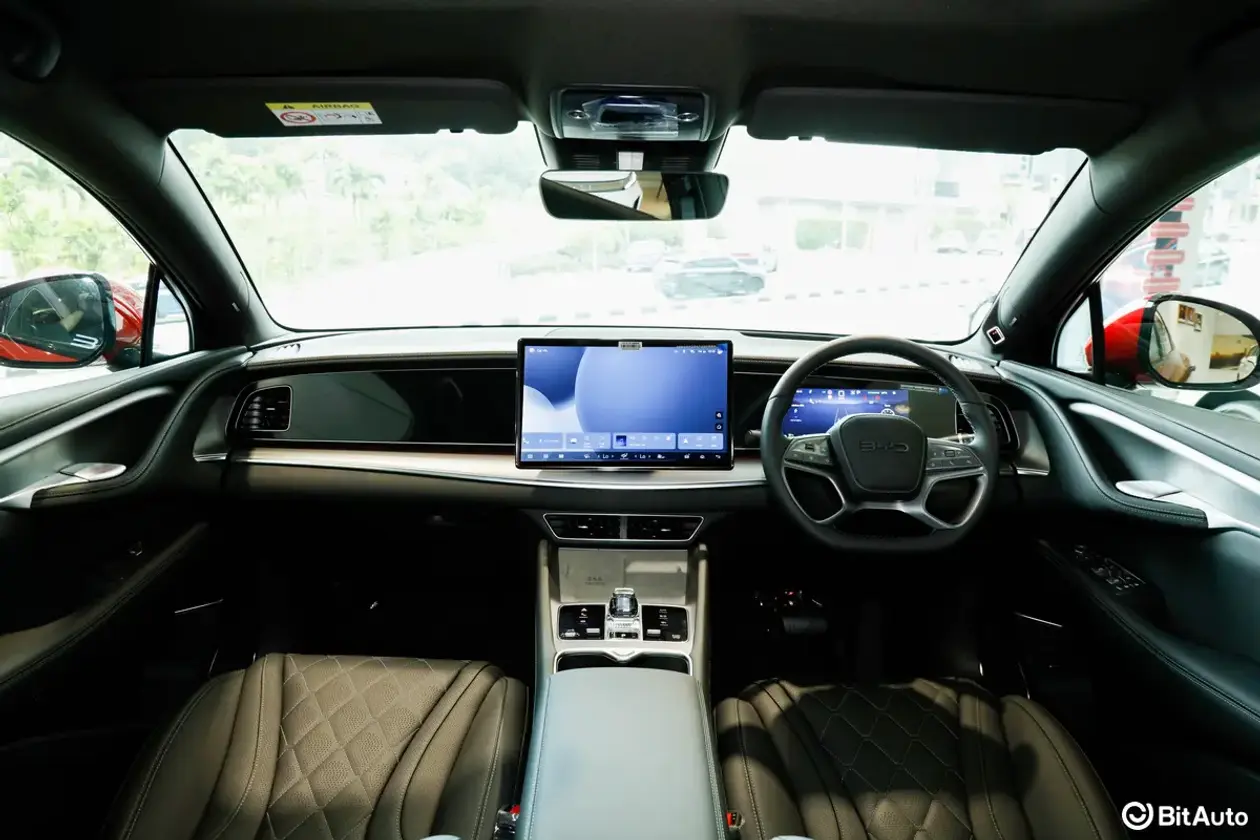
If point 1 takes precedence, go for the Seal. If point 2 matters more, the Sealion 7 is the way forward. It really is that straightforward.
Leave your number, an advisor will contact you


Your go-to source for all things automotive in Malaysia. 🚗 Latest reviews, breaking news, launches & industry trends.
+ Follow Following job postings in Malaysia earlier this July, Xiaomi has started recruiting automotive personnel in Australia. What does it mean though? 1 minute ago
 Volvo’s biggest sale of the year is back. Which EVs and SUVs get the biggest savings? 14 hours ago
 Fuel contamination claims are finally moving forward!
Caltex & Petron have stepped up with goodwill payouts for damaged engines. 15 hours ago
Get the latest car news first!
Your go-to source for all things automotive in Malaysia. 🚗 Latest reviews, breaking news, launches & industry trends.
Following job postings in Malaysia earlier this July, Xiaomi has started recruiting automotive personnel in Australia. What does it mean though? 1 minute ago Volvo’s biggest sale of the year is back. Which EVs and SUVs get the biggest savings? 14 hours ago Fuel contamination claims are finally moving forward!
Caltex & Petron have stepped up with goodwill payouts for damaged engines. 15 hours ago 
© 2024 Bitauto.com. All Rights Reserved.
Bitauto (www.yiche.com and www.bitauto.com) is one of the most visited automotive websites in China. We provide detailed info on Chinese car brands available in your area. Please note that the information provided on this website is based on publicly available data and is for reference only. It may not be fully updated or accurate at all times.

Help us improve our website


