

Home燒賣必點

Search History
Popular Searches
Dealer Login / Sign Up

车型概览

Mercedes-Benz EQE AMG 值不值得买,关键不是它看起来有多吸引,而是它能不能解决你的真实用车需求。这篇文章会把重点放在长途稳定感和乘客舒适度。
价格落在 RM 649,888,买家可以先用它判断预算压力和同级定位。
购车价格指南
Mercedes-Benz EQE AMG 的购车预算可以先从 RM 649,888 开始衡量。这个数字真正影响的是月供、保险和现金流,而不只是展厅里的标价。
如果你在几个版本之间犹豫,可以把 2023 AMG EQE 53 4MATIC+(RM 649,888) 放在同一张清单里比较。日常通勤买家优先看舒适与安全,常跑高速的买家则更应重视动力、辅助驾驶和座舱便利。
核心参数汇总
看 Mercedes-Benz EQE AMG 的核心规格,最重要是把数字翻译成生活里的感受。
460 kW的输出,让高速并线和短距离超车更有底气。 车长 4964 mm、车宽 2104 mm、车高 1495 mm,可以帮助你预判停车难度和后排乘坐空间。 固定齿比 变速箱、四轮驱动布局 的设定,会影响起步顺滑度、湿地稳定感和长途巡航感。
优缺点分析
Mercedes-Benz EQE AMG 的优点不必夸张,真正有价值的是它能不能让日常使用更省心:预算位置清楚,方便和同级车直接比较、动力输出能支撑高速和超车需求、空间和车身尺寸便于家庭买家预判实用性。
需要留意的是,需要先确认家里、公司或常去商场的充电条件、市区停车和狭窄路段仍要看个人驾驶习惯。这些不是扣分项,而是下订前应该先想清楚的生活细节。
购车常见问题解答
购买 Mercedes-Benz EQE AMG 前,买家最常问的不是单一规格,而是它能不能融入自己的生活。
这辆车适合谁?适合把长途稳定感和乘客舒适度放在首位的买家。 家庭用户要看什么?优先看后排乘坐、儿童座椅、行李和日常上下车是否顺手。 每天开会不会麻烦?只要充电条件稳定,电动车的通勤体验通常更安静,也更容易控制日常能源成本。
竞品对比内容
把 Mercedes-Benz EQE AMG 放进同级车名单时,不建议只看品牌或外形。真正有用的比较顺序是:先用 RM 649,888 锁定预算圈、再看动力是否足够应付高速和满载、最后看空间是否适合家人和行李。
这样筛选出来的结果更贴近日常生活。你会更清楚它是适合城市通勤、家庭代步、长途巡航,还是更适合作为一辆讲求个性的选择。
用车全周期指南
拥有 Mercedes-Benz EQE AMG 的关键,是先把充电安排想清楚。家充、公司充电或商场快充只要其中一项稳定,日常体验就会轻松很多。
如果你常跑南北大道,动力和座舱舒适度会比单纯低价更重要;如果主要在市区,停车灵活性、视野和低速顺滑度会更影响心情。


车型概览

Mazda 2 值不值得买,关键不是它看起来有多吸引,而是它能不能解决你的真实用车需求。这篇文章会把重点放在版本之间的取舍。
价格落在 RM 108,670,买家可以先用它判断预算压力和同级定位。
购车价格指南
Mazda 2 的购车预算可以先从 RM 108,670 开始衡量。这个数字真正影响的是月供、保险和现金流,而不只是展厅里的标价。
如果你在几个版本之间犹豫,可以把 2024 Hatchback 1.5L High(RM 108,670) 放在同一张清单里比较。日常通勤买家优先看舒适与安全,常跑高速的买家则更应重视动力、辅助驾驶和座舱便利。
核心参数汇总
看 Mazda 2 的核心规格,最重要是把数字翻译成生活里的感受。
自然进气、4缸的动力底子,适合拿来判断市区跟车和高速巡航是否轻松。 116 Ps、149 N·m的输出,真正意义在于满载、上坡和超车时不会太吃力。 车长 4065 mm、车宽 1695 mm、车高 1495 mm、轴距 2570 mm,可以帮助你预判停车难度和后排乘坐空间。 自动变速箱 变速箱、前轮驱动布局 的设定,会影响起步顺滑度、湿地稳定感和长途巡航感。
优缺点分析
Mazda 2 的优点不必夸张,真正有价值的是它能不能让日常使用更省心:预算位置清楚,方便和同级车直接比较、动力输出能支撑高速和超车需求、空间和车身尺寸便于家庭买家预判实用性。
需要留意的是,市区停车和狭窄路段仍要看个人驾驶习惯。这些不是扣分项,而是下订前应该先想清楚的生活细节。
购车常见问题解答
购买 Mazda 2 前,买家最常问的不是单一规格,而是它能不能融入自己的生活。
这辆车适合谁?适合把版本之间的取舍放在首位的买家。 家庭用户要看什么?优先看后排乘坐、儿童座椅、行李和日常上下车是否顺手。 每天开会不会麻烦?如果能源成本、停车便利和版本配置都符合你的生活节奏,它会比较容易相处。
竞品对比内容
把 Mazda 2 放进同级车名单时,不建议只看品牌或外形。真正有用的比较顺序是:先用 RM 108,670 锁定预算圈、再看动力是否足够应付高速和满载、最后看空间是否适合家人和行李。
这样筛选出来的结果更贴近日常生活。你会更清楚它是适合城市通勤、家庭代步、长途巡航,还是更适合作为一辆讲求个性的选择。
用车全周期指南
拥有 Mazda 2 的重点,是确认保险、路税、保养和轮胎成本都在可接受范围内。买车不是一次付款结束,而是每天都要相处。
如果你常跑南北大道,动力和座舱舒适度会比单纯低价更重要;如果主要在市区,停车灵活性、视野和低速顺滑度会更影响心情。


车型概览

MG ZS 值不值得买,关键不是它看起来有多吸引,而是它能不能解决你的真实用车需求。这篇文章会把重点放在版本之间的取舍。
版本方面,MG ZS 目前可围绕 2026 1.5T Lux、2026 HEV 1.5L Lux 来比较。
购车价格指南
评估 MG ZS 的购车预算时,建议先从版本定位和后续拥车成本下手。价格不是唯一重点,真正决定是否划算的是每天会不会用到那些配置。
如果你在几个版本之间犹豫,可以把 2026 1.5T Lux、2026 HEV 1.5L Lux 放在同一张清单里比较。日常通勤买家优先看舒适与安全,常跑高速的买家则更应重视动力、辅助驾驶和座舱便利。
核心参数汇总
看 MG ZS 的核心规格,最重要是把数字翻译成生活里的感受。
1.83 kWh的电池容量,重点是能不能支撑一周通勤和周末出门。 170 Ps、275 N·m的输出,让高速并线和短距离超车更有底气。 车长 4430 mm、车宽 1818 mm、轴距 2610 mm,可以帮助你预判停车难度和后排乘坐空间。 CVT 变速箱、前轮驱动布局 的设定,会影响起步顺滑度、湿地稳定感和长途巡航感。
优缺点分析
MG ZS 的优点不必夸张,真正有价值的是它能不能让日常使用更省心:动力输出能支撑高速和超车需求、空间和车身尺寸便于家庭买家预判实用性。
需要留意的是,需要先确认家里、公司或常去商场的充电条件、市区停车和狭窄路段仍要看个人驾驶习惯。这些不是扣分项,而是下订前应该先想清楚的生活细节。
购车常见问题解答
购买 MG ZS 前,买家最常问的不是单一规格,而是它能不能融入自己的生活。
这辆车适合谁?适合把版本之间的取舍放在首位的买家。 家庭用户要看什么?优先看后排乘坐、儿童座椅、行李和日常上下车是否顺手。 每天开会不会麻烦?只要充电条件稳定,电动车的通勤体验通常更安静,也更容易控制日常能源成本。
竞品对比内容
把 MG ZS 放进同级车名单时,不建议只看品牌或外形。真正有用的比较顺序是:再看动力是否足够应付高速和满载、接着比较能源成本和补能便利、最后看空间是否适合家人和行李。
这样筛选出来的结果更贴近日常生活。你会更清楚它是适合城市通勤、家庭代步、长途巡航,还是更适合作为一辆讲求个性的选择。
用车全周期指南

拥有 MG ZS 的关键,是先把充电安排想清楚。家充、公司充电或商场快充只要其中一项稳定,日常体验就会轻松很多。
如果你常跑南北大道,动力和座舱舒适度会比单纯低价更重要;如果主要在市区,停车灵活性、视野和低速顺滑度会更影响心情。

车型概览

Lamborghini Temerario 值不值得买,关键不是它看起来有多吸引,而是它能不能解决你的真实用车需求。这篇文章会把重点放在长途稳定感和乘客舒适度。
版本方面,Lamborghini Temerario 目前可围绕 2025 4.0T Standard 来比较。
购车价格指南
评估 Lamborghini Temerario 的购车预算时,建议先从版本定位和后续拥车成本下手。价格不是唯一重点,真正决定是否划算的是每天会不会用到那些配置。
如果你在几个版本之间犹豫,可以把 2025 4.0T Standard 放在同一张清单里比较。日常通勤买家优先看舒适与安全,常跑高速的买家则更应重视动力、辅助驾驶和座舱便利。
核心参数汇总
看 Lamborghini Temerario 的核心规格,最重要是把数字翻译成生活里的感受。
588 kW、730 N·m的输出,让高速并线和短距离超车更有底气。 车长 4706 mm、车宽 1996 mm、车高 1201 mm、轴距 2658 mm,可以帮助你预判停车难度和后排乘坐空间。 DCT 双离合 变速箱、四轮驱动布局 的设定,会影响起步顺滑度、湿地稳定感和长途巡航感。
优缺点分析
Lamborghini Temerario 的优点不必夸张,真正有价值的是它能不能让日常使用更省心:动力输出能支撑高速和超车需求、空间和车身尺寸便于家庭买家预判实用性。
需要留意的是,需要先确认家里、公司或常去商场的充电条件、市区停车和狭窄路段仍要看个人驾驶习惯。这些不是扣分项,而是下订前应该先想清楚的生活细节。
购车常见问题解答
购买 Lamborghini Temerario 前,买家最常问的不是单一规格,而是它能不能融入自己的生活。
这辆车适合谁?适合把长途稳定感和乘客舒适度放在首位的买家。 家庭用户要看什么?优先看后排乘坐、儿童座椅、行李和日常上下车是否顺手。 每天开会不会麻烦?只要充电条件稳定,电动车的通勤体验通常更安静,也更容易控制日常能源成本。
竞品对比内容
把 Lamborghini Temerario 放进同级车名单时,不建议只看品牌或外形。真正有用的比较顺序是:再看动力是否足够应付高速和满载、最后看空间是否适合家人和行李。
这样筛选出来的结果更贴近日常生活。你会更清楚它是适合城市通勤、家庭代步、长途巡航,还是更适合作为一辆讲求个性的选择。
用车全周期指南
拥有 Lamborghini Temerario 的关键,是先把充电安排想清楚。家充、公司充电或商场快充只要其中一项稳定,日常体验就会轻松很多。
如果你常跑南北大道,动力和座舱舒适度会比单纯低价更重要;如果主要在市区,停车灵活性、视野和低速顺滑度会更影响心情。


车型概览

Ferrari Purosangue 值不值得买,关键不是它看起来有多吸引,而是它能不能解决你的真实用车需求。这篇文章会把重点放在它和同级车相比的生活适配度。
版本方面,Ferrari Purosangue 目前可围绕 2025 6.5L Standard 来比较。
购车价格指南
评估 Ferrari Purosangue 的购车预算时,建议先从版本定位和后续拥车成本下手。价格不是唯一重点,真正决定是否划算的是每天会不会用到那些配置。
如果你在几个版本之间犹豫,可以把 2025 6.5L Standard 放在同一张清单里比较。日常通勤买家优先看舒适与安全,常跑高速的买家则更应重视动力、辅助驾驶和座舱便利。
核心参数汇总
看 Ferrari Purosangue 的核心规格,最重要是把数字翻译成生活里的感受。
自然进气、12缸的动力底子,适合拿来判断市区跟车和高速巡航是否轻松。 533 kW、716 N·m的输出,真正意义在于满载、上坡和超车时不会太吃力。 车长 4973 mm、车宽 2028 mm、车高 1589 mm、轴距 3018 mm,可以帮助你预判停车难度和后排乘坐空间。 DCT 双离合 变速箱、四轮驱动布局 的设定,会影响起步顺滑度、湿地稳定感和长途巡航感。
优缺点分析
Ferrari Purosangue 的优点不必夸张,真正有价值的是它能不能让日常使用更省心:动力输出能支撑高速和超车需求、空间和车身尺寸便于家庭买家预判实用性。
需要留意的是,市区停车和狭窄路段仍要看个人驾驶习惯。这些不是扣分项,而是下订前应该先想清楚的生活细节。
购车常见问题解答
购买 Ferrari Purosangue 前,买家最常问的不是单一规格,而是它能不能融入自己的生活。
这辆车适合谁?适合把它和同级车相比的生活适配度放在首位的买家。 家庭用户要看什么?优先看后排乘坐、儿童座椅、行李和日常上下车是否顺手。 每天开会不会麻烦?如果能源成本、停车便利和版本配置都符合你的生活节奏,它会比较容易相处。
竞品对比内容
把 Ferrari Purosangue 放进同级车名单时,不建议只看品牌或外形。真正有用的比较顺序是:再看动力是否足够应付高速和满载、最后看空间是否适合家人和行李。
这样筛选出来的结果更贴近日常生活。你会更清楚它是适合城市通勤、家庭代步、长途巡航,还是更适合作为一辆讲求个性的选择。
用车全周期指南

拥有 Ferrari Purosangue 的重点,是确认保险、路税、保养和轮胎成本都在可接受范围内。买车不是一次付款结束,而是每天都要相处。
如果你常跑南北大道,动力和座舱舒适度会比单纯低价更重要;如果主要在市区,停车灵活性、视野和低速顺滑度会更影响心情。


车型概览

Bufori La Joya 值不值得买,关键不是它看起来有多吸引,而是它能不能解决你的真实用车需求。这篇文章会把重点放在乘坐空间、行李安排和家人舒适度。
版本方面,Bufori La Joya 目前可围绕 2025 2.7L Standard 来比较。
购车价格指南
评估 Bufori La Joya 的购车预算时,建议先从版本定位和后续拥车成本下手。价格不是唯一重点,真正决定是否划算的是每天会不会用到那些配置。
如果你在几个版本之间犹豫,可以把 2025 2.7L Standard 放在同一张清单里比较。日常通勤买家优先看舒适与安全,常跑高速的买家则更应重视动力、辅助驾驶和座舱便利。
核心参数汇总
看 Bufori La Joya 的核心规格,最重要是把数字翻译成生活里的感受。
自然进气、6缸的动力底子,适合拿来判断市区跟车和高速巡航是否轻松。 170 Ps、245 N·m的输出,真正意义在于满载、上坡和超车时不会太吃力。 车长 4330 mm、车宽 1365 mm、车高 1807 mm、轴距 2800 mm,可以帮助你预判停车难度和后排乘坐空间。 SMG 变速箱、后轮驱动布局 的设定,会影响起步顺滑度、湿地稳定感和长途巡航感。
优缺点分析
Bufori La Joya 的优点不必夸张,真正有价值的是它能不能让日常使用更省心:动力输出能支撑高速和超车需求、空间和车身尺寸便于家庭买家预判实用性。
需要留意的是,市区停车和狭窄路段仍要看个人驾驶习惯。这些不是扣分项,而是下订前应该先想清楚的生活细节。
购车常见问题解答
购买 Bufori La Joya 前,买家最常问的不是单一规格,而是它能不能融入自己的生活。
这辆车适合谁?适合把乘坐空间、行李安排和家人舒适度放在首位的买家。 家庭用户要看什么?优先看后排乘坐、儿童座椅、行李和日常上下车是否顺手。 每天开会不会麻烦?如果能源成本、停车便利和版本配置都符合你的生活节奏,它会比较容易相处。
竞品对比内容
把 Bufori La Joya 放进同级车名单时,不建议只看品牌或外形。真正有用的比较顺序是:再看动力是否足够应付高速和满载、最后看空间是否适合家人和行李。
这样筛选出来的结果更贴近日常生活。你会更清楚它是适合城市通勤、家庭代步、长途巡航,还是更适合作为一辆讲求个性的选择。
用车全周期指南

拥有 Bufori La Joya 的重点,是确认保险、路税、保养和轮胎成本都在可接受范围内。买车不是一次付款结束,而是每天都要相处。
如果你常跑南北大道,动力和座舱舒适度会比单纯低价更重要;如果主要在市区,停车灵活性、视野和低速顺滑度会更影响心情。


车型概览

BMW X6 值不值得买,关键不是它看起来有多吸引,而是它能不能解决你的真实用车需求。这篇文章会把重点放在乘坐空间、行李安排和家人舒适度。 近期围绕这款车的讨论包括「All-New BMW X6 (G66) Revealed in Digital Renders — First-Ever Electric iX6 Coming in 2028」,说明它在本地买家视野里仍有关注度。
价格落在 RM 735,800,买家可以先用它判断预算压力和同级定位。
购车价格指南
BMW X6 的购车预算可以先从 RM 735,800 开始衡量。这个数字真正影响的是月供、保险和现金流,而不只是展厅里的标价。
如果你在几个版本之间犹豫,可以把 2025 xDrive40i M Sport(RM 735,800) 放在同一张清单里比较。日常通勤买家优先看舒适与安全,常跑高速的买家则更应重视动力、辅助驾驶和座舱便利。
核心参数汇总
看 BMW X6 的核心规格,最重要是把数字翻译成生活里的感受。
0.4 kWh的电池容量,重点是能不能支撑一周通勤和周末出门。 530 Ps、750 N·m的输出,让高速并线和短距离超车更有底气。 车长 4960 mm、车宽 2004 mm、车高 1700 mm、轴距 2975 mm,可以帮助你预判停车难度和后排乘坐空间。 自动变速箱 变速箱、四轮驱动布局 的设定,会影响起步顺滑度、湿地稳定感和长途巡航感。
优缺点分析
BMW X6 的优点不必夸张,真正有价值的是它能不能让日常使用更省心:预算位置清楚,方便和同级车直接比较、动力输出能支撑高速和超车需求、空间和车身尺寸便于家庭买家预判实用性。
需要留意的是,需要先确认家里、公司或常去商场的充电条件、市区停车和狭窄路段仍要看个人驾驶习惯。这些不是扣分项,而是下订前应该先想清楚的生活细节。
购车常见问题解答
购买 BMW X6 前,买家最常问的不是单一规格,而是它能不能融入自己的生活。
这辆车适合谁?适合把乘坐空间、行李安排和家人舒适度放在首位的买家。 家庭用户要看什么?优先看后排乘坐、儿童座椅、行李和日常上下车是否顺手。 每天开会不会麻烦?只要充电条件稳定,电动车的通勤体验通常更安静,也更容易控制日常能源成本。
竞品对比内容
把 BMW X6 放进同级车名单时,不建议只看品牌或外形。真正有用的比较顺序是:先用 RM 735,800 锁定预算圈、再看动力是否足够应付高速和满载、接着比较能源成本和补能便利、最后看空间是否适合家人和行李。
这样筛选出来的结果更贴近日常生活。你会更清楚它是适合城市通勤、家庭代步、长途巡航,还是更适合作为一辆讲求个性的选择。
用车全周期指南

拥有 BMW X6 的关键,是先把充电安排想清楚。家充、公司充电或商场快充只要其中一项稳定,日常体验就会轻松很多。
如果你常跑南北大道,动力和座舱舒适度会比单纯低价更重要;如果主要在市区,停车灵活性、视野和低速顺滑度会更影响心情。


Valentino Debius, pembalap profesional Kejuaraan Super Motor Dunia WSBK, terkenal sejak muda kerjaya profesionalnya agak mencabar. Pada awal kerjaya kerana kekurangan dana sokongan yang cukup, untuk jangka masa panjang hanya boleh menyertai acara peringkat rendah melalui status pembalap pengganti dan peserta wildcard. Lagipun Debius tidak putus asa, sentiasa mengejar impian dirinya di jalan perlumbaan, sehingga 33 tahun baru memenangi trofi kejuaraan pertama WSBK. Tahun ini menyertai Kereta Motor Zhang Xue, menunggu letupan besar dalam kerjaya, sudah merekod enam kejuaraan stesen musim ini, serentak itu juga telah dikenali oleh ramai warganet China.

Bekerjasama dengan Pembalap Juara, Dari Leapmotor ke Dunia
Dulu tidak diundi oleh ramai, Debius berlari hampir 10 tahun di WSBK sebelum menunggu kejuaraan, dia dan Zhang Xue sendiri sama, ada impian untuk mengejar, kekal dengan arah tuju sendiri, walaupun terumbang-ambing juga perlu terus ke depan, kini akhirnya terkenal di seluruh dunia. Kereta Leapmotor juga sama, dulu diperolok oleh orang, berusaha buat kereta selama 10 tahun, kini akhirnya menjadi juara jualan kumpulan baharu China, serentak itu juga berdiri di pentas dunia yang lebih luas.

Baru-baru ini, Kereta Leapmotor mengisytiharkan Debius menjadi pemilik pertama di Eropah bagi Leapmotor Lafa5, slogan pada poster ialah "Dari Leapmotor ke Dunia", memang sangat sesuai dengan keadaan positif Kereta Leapmotor serta Debius sekarang. Leapmotor mampu menonjol di kalangan banyak kumpulan baharu, bukan sahaja pelabelan produk sangat tepat, melalui kos keupayaan yang ekstrem buat kuasa teknologi rata, pelabelan pemasaran juga sangat tepat, seperti menyambut pemilik pertama Eropah Debius Leapmotor Lafa5, ialah sebuah Hot Hatch Elektrik, penuh bergaya dan dinamik, membolehkan orang menikmati keseronokan memandu penuh semangat, dan imej pembalap juara Debius saling melengkapi.

Pemasaran Tepat, Leapmotor Masih Ada Chen Duling, Fei Xiang Sebagai Duta
Sebelum ini, Kereta Leapmotor juga telah mengisytiharkan Chen Duling sebagai duta Siri A, Fei Xiang sebagai duta Siri D. Leapmotor bersama Chen Duling drama baharu "Pengembara" melakukan pemasaran kreatif, membentuk imez Leapmotor A10 sebagai pemimpin muda bergaya di kalangan kereta, harga model asas lebih daripada 60,000 sangat mesra untuk kelompok pelanggan muda.

Fei Xiang berpostur 1.91 meter, matang, elegan, duduk di dalam kerusi Graviti Sifar SUV Flagship D19 Leapmotor, menerusi pengalaman peribadi sebagai pemilik pertama mentafsirkan "Kelas Pertama di Darat". Leapmotor berharap pengguna dapat merasakan daya tarikan SUV flagship ini daripada wibawa dan personaliti Fei Xiang, mempunyai kualiti mewah melampaui kelas, malah lebih ada harga mesra pengguna yang membolehkan ketenangan, tidak akan menimbulkan tekanan besar kepada kehidupan harian.

Menguasai Pasaran Luar Negara, Berlari ke Jalan Globalisasi
Dalam bulan Mei yang baru lalu, Kereta Leapmotor menghantar kereta baru melebihi 81,000 unit, bukan sahaja menduduki tempat pertama kumpulan baharu, serentak itu juga mencatatkan rekod tertinggi historik jualan bulanan jenama. 5 bulan pertama tahun ini, jumlah kumulatif jualan Leapmotor kira-kira 263,000 unit, peningkatan tahun-ke-tahun 49.6%. Serentak itu, Kereta Leapmotor juga aktif mengembangkan pasaran luar negara, 2025 dengan rekod 67,000 unit menduduki puncak kejuaraan keluaran luar negara kumpulan baharu China, suku pertama tahun ini eksport melebihi 40,000 unit, Mei Itali pendaftaran tunggal bulan tunggal 4,765 unit, bahagian pasaran kereta elektrik tulen mengambil 34.5%. Baru-baru ini, model utama di bawah jenamanya Leapmotor C10 telah rasmi bermula pengeluaran dan pemasangan tempatan di kilang Gurun, negeri Kedah, Malaysia, menandakan sistem pengeluaran luar negara Leapmotor semakin berjaya.

Kereta Leapmotor bermula dari sifar, cepat tumbuh menjadi pemimpin jualan kumpulan baharu China, dua tahun pertama bersama kumpulan automotif keempat terbesar di dunia, menubuhkan syarikat perkongsian Leapmotor Antarabangsa, di Eropah, Asia Tenggara dan tempat lain menjadi pilihan elektrik. Kini Kereta Leapmotor bersama Debius, satu pihak boleh memanfaatkan pengaruh pembalap juara ini di Eropah, meningkatkan ketenaran luar negara sendiri, satu pihak juga menunjukkan pendiriannya, Leapmotor bukan sahaja mahu menjadi juara jualan kumpulan baharu China, malah mahu berlari ke puncak dunia.


Recently, Tesla showed distinctly different trends in the world's three major markets: launching unprecedented price-cut promotions in Japan, accelerating FSD global approval in the autonomous driving field, and officially terminating the five-year factory construction plan in India.
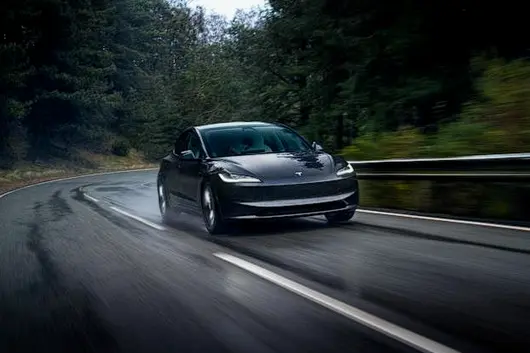
Tesla Japan launched an unprecedented car purchase discount. After combining the Model 3 Rear-Wheel Drive version with the Japanese government's 1.27 million yen subsidy and local subsidies in Tokyo and other places ranging from 800,000 to 1 million yen, the actual minimum payment is about 3.14 million yen, equivalent to only 134,000 yuan in RMB.

For comparison, the domestic Model 3 starts at 235,500 yuan, nearly 100,000 yuan cheaper than the subsidized price in Japan. This price point is close to traditional fuel A-segment cars like the Toyota Corolla Hybrid (about 2.38 million yen) and the Honda Civic (about 3.5 million yen).

A Tesla Japan representative stated hope to break the Model 3 "luxury car" impression and promote it as a mass-market model. Additionally, Tesla launched 0% interest financial schemes and three years of free Supercharging benefits, orders must be completed before July 31. Japan's NEV penetration rate has long been around 3%, far lower than China and Europe, with insufficient charging infrastructure and high loyalty to local brands still posing challenges. FSD Global Acceleration. Tesla's AI head revealed at the CVPR conference that 1.3 million Tesla vehicles globally have activated the FSD function.

For Asia, China has completed approval, FSD 13.0 version launched last year, FSD equipped with the latest 14.0 version expected soon; Japan plans to officially launch by end of this year, India, Malaysia, Thailand pending approval. For Americas, US, Canada, Mexico and Puerto Rico have large-scale launch, next phase targeting Chile and Colombia. Europe progress fastest, April this year Netherlands Vehicle Licensing Bureau approved first, Lithuania and Estonia approved in succession, Latvia about to finish, 21 EU countries waiting approval (including Germany, France, Italy), 15 non-EU countries (including UK, Switzerland, Norway). Middle East has carried out road testing in UAE, Israel about to arrive, waiting approval markets include Qatar, Saudi Arabia, Turkey. Africa appeared for first time, only Ethiopia is advancing local approval. India Factory Construction Termination. Indian Ministry of Heavy Industry Minister confirmed, Tesla has terminated the plan to build Super Factory in India, nearly 5-year negotiations failed.

Core divergence lies in: Tesla hopes to import cars at lower tariffs first to test market demand before deciding on building a factory; Indian government requires must commit to local manufacturing first to enjoy lower tariffs. 2025 Tesla registered volume in India only 200+ vehicles, initial orders about 600 vehicles. 1.4 billion population has not converted to effective demand.

Additionally, India's industrial support shortcomings are obvious, supplier network, engineer team, logistics system and quality control far behind Yangtze River Delta. Vodafone, Ford, Volkswagen and other foreign capital all once encountered tax or loss disputes, policy risks high. Tesla believes, building new capital-intensive factories in markets where demand is not verified, risks far exceed benefits.


By: 308
Edited by: Wen Wei
"From the first growth curve to the second growth curve, Hesai is at a strategic engine switch period, and there is indeed uncertainty."
In response to Hesai Technology's first quarter 2026 financial report released on May 19, an investor who has long followed the LiDAR industry commented like this. Behind this evaluation, the most direct evidence is that Hesai optimized the financial report structure in this report, dividing the business into two major sectors: "LiDAR Business" and "Strategic Growth Business (SGI)".
However, at the same time, in this switching period, Hesai Technology also inevitably faces some doubts.
In fact, Hesai Technology provided a revenue of 680 million yuan in the first quarter, and the net profit performance was indeed quite good. Its net profit under non-GAAP increased by 452.9% compared to the same period in 2025—moreover, on the day the financial report was released, Hesai also announced becoming Mercedes-Benz's L3 LiDAR strategic partner.
Despite this, after the release of Hesai Technology's first quarter financial report, Hesai Technology's US stock and HK stock prices still both fell more than 9% in a single day.
Behind a series of phenomena, the aforementioned investor stated: Any enterprise's strategic engine switch essentially requires a process from being questioned to being recognized, and we still need to give Hesai some patience.
Performance and Stock Price: Why the Mismatch?If looking at Hesai Technology's own business vertical development, it is undoubtedly in its best state since inception.
Looking back at the full year of 2025, Hesai's 2025 revenue reached 3.0276 billion yuan, a year-on-year increase of 45.8% compared to 2.0772 billion yuan in 2024. Moreover, Hesai achieved full-year profitability for the first time in 2025, with a full-year GAAP net profit of 435.9 million yuan.
This best annual performance in history laid a solid foundation for Hesai Technology's financial performance in the first quarter of 2026.
The latest financial report shows that in the first quarter of 2026, Hesai Technology's revenue was 680.6 million yuan, a year-on-year increase of 29.6% compared to 525.3 million yuan in the first quarter of 2025—of which the product revenue from LiDAR was 679.7 million yuan, occupying the absolute main position.
From the profit performance perspective, Hesai Technology's net profit in the first quarter was 18.3 million yuan RMB. In comparison, the net loss in the first quarter of 2025 was 33.4 million yuan. Under non-GAAP, excluding share-based compensation expenses, Hesai Technology's net profit in the first quarter was 47.7 million yuan. Compared to 8.6 million yuan in the same period of 2025, it increased by 452.9%.
If looking at the above two most key financial indicators, Hesai Technology's overall business development and financial status are actually constantly improving.

So why did the capital market still give negative feedback?
At its core, a high-probability factor is still related to gross margin.
Specifically, Hesai Technology's gross margin in the first quarter was 39.1%, which is also when Hesai Technology's single-quarter gross margin again fell below 40. In comparison, in the first quarter of 2025, Hesai Technology's gross margin was 41.7%—this means that Hesai Technology's gross margin showed a clear decline.
In response, Hesai Technology explained that this is mainly because the product revenue with a relatively lower profit margin increased.
If looking at the gross margin change from a longer perspective, Hesai's gross margin in 2024 was 42.6%, and the full-year gross margin in 2025 was 41.8%—this means that from 2024 to the first quarter of 2026, Hesai Technology's gross margin overall showed a downward trend.
In fact, the decrease in Hesai Technology's gross margin is essentially the result of its ASP decrease.
First quarter data shows that Hesai Technology's LiDAR shipment volume was 471,723 units, an increase of 140.9% compared to 195,818 units in the same period of 2025, of which ADAS LiDAR shipments increased by 141.9% year-on-year, and robot LiDAR shipments increased by 137.8% year-on-year.
However, under the 140.9% LiDAR shipment growth year-on-year, Hesai Technology's first quarter total revenue only increased by 29.6%. The reason behind this is that the average selling price (ASP) of its LiDAR clearly dropped significantly.
So, why did Hesai LiDAR ASP drop so significantly?
In fact, in a previous financial report conference call, Hesai CFO Fan Peng clearly stated that Hesai Technology LiDAR ASP decline is driven by product mix, because ADAS LiDAR prices are lower than robot LiDAR, and follow the typical annual automobile price decline trend.
He also emphasized at the time that the expected future decline will shrink.
But it is clear that from the first quarter's performance, in the background of increasingly fierce competition in the Chinese automobile industry as a whole and thin industry-wide profit margins, Hesai Technology inevitably was affected by the macro environment in the ADAS business sector, and its LiDAR ASP also declined to a certain extent on the basis of 2025.
Support Points, Not Just Partnering with MercedesFor Hesai Technology, LiDAR ASP decline is actually a double-edged sword.
After all, on one hand, it indeed helps Hesai Technology cut through the weeds in the LiDAR market, gain more automobile client customers, and even penetrate into the market below 100,000 yuan, which can help Hesai gain a larger ADAS LiDAR market share; and sales volume after the fact helps dilute R&D costs. This also constitutes the foundation of Hesai's entire business system.
In this financial report, Hesai Technology also cited data from Gasgoo, stating that its market share in the field of on-vehicle main LiDAR in China has been the leader for 14 consecutive months, and reached 55% market share in March 2026.
But on the other hand, ASP decline erosion of gross margin is obvious, which in turn affects the capital market's value assessment of Hesai Technology to a certain extent.
For this point, Hesai actually knows well.
It is precisely because of this that Hesai Technology has talked about strategies to improve ASP and gross margin on multiple public occasions.
Previously, Hesai management has stated multiple times that the decline in ASP will, to a certain extent, be offset by the increase in the number of LiDARs per vehicle and higher performance, higher-priced L3 products (ETX)—at the same time, gross margins in international markets will also be higher.
Now, from the latest dynamics, Hesai has achieved certain business breakthroughs in these established strategies.
For example, in mid-May, Li Auto newly released the new Li Auto L9 full series standard equipment Hesai LiDAR, among which the new Li Auto L9 Livis single vehicle carries 4 Hesai LiDARs, including 1 ATL-P forward main radar and 2 side and 1 rear FTX pure solid-state radar—this car also became the world's first production model equipped with Hesai FTX pure solid-state LiDAR.
With the release of this car, Hesai Technology has indeed achieved a leap from "one car one LiDAR" to "one car multiple LiDARs" on the ADAS LiDAR shipment path.
More worth attention is the L3 technology platform.

In addition, Hesai also clearly stated that the previously released ETX is expected to start SOP in 2026, has already obtained multiple LiDAR design orders from Li Auto, Xiaomi, and Changan Automobile, and plans to start SOP in 2026-2027—this new technology platform facing L3, to a certain extent, helps support the improvement of Hesai LiDAR profit space.
Of course, from the current dynamics, Hesai has also found another support point, which is internationalization.
On the same day the May 19 financial report was released, Hesai announced becoming Mercedes-Benz's LiDAR strategic partner, and was confirmed as its L3 autonomous driving model supplier. The new supply agreement signed this time will comprehensively support Mercedes-Benz's vehicle projects in European and Chinese markets, and the required capacity will be guaranteed by Hesai's newly completed Thailand "Galileo" manufacturing center.
Not only that, after reaching the L3 cooperation with Mercedes-Benz, Hesai also announced winning a new European top OEM award, with an order scale exceeding 1 million units, covering more than ten models of its joint brands in China—this can also be seen as another layer of breakthrough for Hesai in the international dimension.
It is worth mentioning that at the NVIDIA GTC conference held in March this year, Hesai was selected as the LiDAR partner for NVIDIA's L4 solution Hyperion 10—clearly, reaching such cooperation with tech giant NVIDIA is more beneficial for Hesai to layout L4 and the international market.
Second Growth Curve: When Will It Arrive?As the company's business foundation, Hesai's LiDAR still has a lot of potential.
From Hesai's implementation practice, its LiDAR not only covers the ADAS scenario, but has also long targeted the robot scenario, and the gross margin space in the robot scenario is larger than the ADAS scenario—moreover, through cooperation with NIU, Hesai even applied LiDAR to the two-wheeled electric vehicle scenario.
Despite this, Hesai has long been dissatisfied with being just a LiDAR enterprise.
In fact, earlier in 2026, Hesai CEO Li Yifan publicly emphasized that Hesai is evolving into a key enabler of Physical AI, digitalizing the real world, redefining human and robot perception and action methods, which places Hesai at the forefront of the AI-driven Fourth Industrial Revolution.
Not only that, at the Hesai Technology Open Day held in April, Hesai used Physical AI as the company's focus, announced starting strategic elevation, evolving from "Spatial Perception" to "Spatial Intelligence", and thereby released a series of new dynamics outside of LiDAR business.
The highlight is Hesai's new Spatial Intelligence AI hardware product Kosmo. It is essentially a handheld productivity device that can be used to record the 3D world, integrating Hesai's specially developed LiDAR and several cameras, achieving 3D world recording through hardware-level 3D fusion perception and software-level spatial perception algorithms and AIGC algorithms.

Hesai stated that this product will be officially released in the second half of the year.
Regarding Kosmo, in the financial report, Hesai Technology stated that as the first product of Hesai Technology SGI, it has already received the first batch of orders, and will start a new scaled business model centered on hardware, AI software, spatial data, and future platform services.
Hesai expects that it will not only bring steady recurring revenue, but also unlock huge potential market space in robot simulation training, immersive media, 4D Entertainment and other fields.
Not only that, regarding Kosmo's gross margin, Hesai management emphasized in this financial report's conference call that Kosmo's profit structure is higher.
It is worth emphasizing that Hesai Technology also stated that this product may initially face the B-side market, and in the long run may face C-side individual consumers for sales. This means that in Hesai's long-term business model construction, it may shift from a To B enterprise to a "To B + To C" enterprise. This clearly means a larger revenue space.
Besides Kosmo, Hesai's business reach in the robot field has extended from "eyes" to "muscles". Hesai stated that it has gone deep into the power module underlying architecture, independently developed and mastered the core technology in this field—Hesai's layout in this business field is also part of its SGI strategy.
In this financial report, Hesai also announced that SGI is expected to start contributing revenue in the second quarter of 2026, expected to contribute about 100 million yuan RMB net income in 2026, and expected to contribute about 500 million yuan RMB net income in 2027—and with the expansion of SGI business and its synergy with LiDAR business, Hesai's 2026 financial performance is expected to strengthen quarter by quarter.
Clearly, in Hesai's overall development strategy, SGI business has become a new strategic support point.
From this perspective, the reason why Hesai's first quarter financial report faced negative feedback in the capital market is essentially because Hesai is at a jump from a single pivot of LiDAR to a "LiDAR + SGI" dual pivot strategic focus, and SGI has not yet formed financial support, causing this jump to be momentarily void for Hesai, and leading to capital market questioning and confidence decline in the short term.
In a certain sense, this questioning is also something Hesai Technology must experience in the strategic transformation process.
In response, the aforementioned investor stated that what Hesai wants to do is, through a new strategic elevation, to play the role of "Physical AI Infrastructure", and from a long-term perspective, once Hesai achieves a clear support point in SGI business in the future, it has the opportunity to become "The CATL of Spatial Intelligence".
So, from the outside world perspective, for Hesai to truly welcome the real second growth curve, it still needs to wait for Kosmo and other SGI new businesses belonging to give clear support in the financial and profit level, so that there is a chance to land on the Physical AI battlefield with larger volume and profit space, thereby meeting the market's high expectations.
This process will not be particularly fast—but undoubtedly, Kosmo's listing time and pricing strategy will be a most worth observing point when Hesai Technology SGI strategy goes to implementation.


你哋唔諗到咩?!一台月銷超一萬五嘅國民電車,正喺出海當全球車。
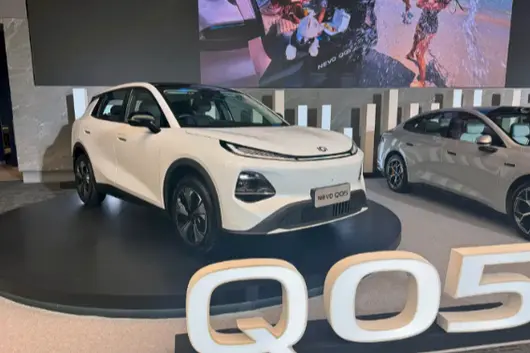
日前,長安NEVO Q05正式喺泰國上市,呢台喺國內叫啟源Q05嘅車,泰國定價62.99到70.99萬泰銖,仲有個早鳥價,最低減到59.99萬。
換算成人幣大概12萬上下,比國內貴出唔少,呢筆溢價跑嘅係品牌出海嘅賬。

睇返未來,今年六月進烏茲別克斯坦,八月打印尼同南美,十月攻歐洲,長安把呢台4月單月賣出15814台嘅城市純電SUV,嚟當全球化佈局嘅大單品,步數迈得好堅定。
國內嘅底气先攤開嚟講。啟源Q05能穩住月銷呢個數字,靠嘅係一套實打實嘅邏輯。
喺10萬以內呢個價位,把通常要多花兩三萬先可以買到嘅配置,打包放落去。買車唔係比參數表,係比同樣嘅錢,到底多拿到咗咩。

空間呢件事,先講清楚。
軸距2735毫米,車身全長先4435毫米,呢個比例喺同級裡算激進,意思係能留畀乘客嘅都盡量留咗出嚟。
1.78米嘅人坐入後排,腿部空間真係好舒服,唔係嗰種夠唔夠嘅狀態。

後備廂540升,仲有90升下沉儲物格,後排放倒能到1380升。屋企三人口週末出去玩耍,裝備往後面一塞,行李同後備廂爭位呢個頭疼事,基本上解決咗。
3C快充下放係呢個價位,係真正嘅殺招。高速公路服務區停車充15分鐘,續航補返120公里,食碗麵飲杯咖啡,出嚟可以继续跑。

呢台車仲有6.6千瓦嘅外放電功能,出去露營畀電器供電,應急畀其他車補電,移動充電站嘅角色佢亦能頂上。
同價位做到快充同外放電同時在線嘅,數得過嚟冇幾台。
激光雷達呢件事挑嚟講清楚。Ultra+版本配有激光雷達,比純視覺方案喺弱光,雨霧天氣下穩定得多,高速跟車嘅流暢度亦有感知差異。

但係如果買嘅入門款,呢個優勢就冇咗,入門版係標準L2水平。
消費者選購時要想清楚,唔係買咗Q05就全系都有激光雷達,版本之間嘅配置差距係實在嘅。
車主嘅槽點,亦唔能繞過去。
全系冇热泵空調,冬天開暖風靠PTC加熱,電耗會飆升30%到40%,蘇州車主實測,506版冬季實際只能跑到350公里左右,北方零下地區車主仲要提前做好心理準備,實際續航普遍喺250到300公里。

呢一點對東北,西北用戶嚟講唔係小問題,係實打實嘅購車門檻。
高速行車胎噪風噪存在,過咗120明顯,內飾硬塑料係呢個價位嘅正常配置,但係從日系燃油車換過嚟嘅,第一星期會有落差感。
方向盤冇加熱,北方冬季係個遺漏。Max版冇自動泊車,10萬級別裡呢個已經算少數派了,另外藍牙鑰匙兼容嘅手機品牌亦唔夠全,語音偶爾卡頓。
呢啲槽點加埋一齊,就理解為咩有車主覺得配置表睇落好厚,但用起嚟總有啲細節令人嘆氣。

打入泰國,對手換咗一班。
比亞迪Atto 2同零跑B10係老對手,Jaecoo 5 EV係東南亞特供產品,豐田本田嘅燃油陣營仲牢牢壓住主流價格帶。
NEVO Q05嘅組合牌喺呢度,大空間,3C快充,激光雷達,同價位放出來確實夠夠眼。
泰國消費者面對一個新品牌,腦海入面轉嘅第一個問題唔係參數夠唔夠,係壞咗邊度修,零件等唔等得到,服務靠唔靠得住。
呢種信任感,產品表格回答唔到,要靠時間同網點密度一點點堆出嚟。

長安喺泰國羅勇工廠已經實現本地化生產,NEVO Q05唔係整車漂洋過海過嚟嘅,本地製造喺價格同交付上都有優勢,未來向東南亞周邊右舵市場輻射嘅基礎已經搭好咗。
質保層面,三電終身質保,整車6年或15萬公里質保,電池衰減超30%只換唔修。
呢套政策放喺海外市場,係用承諾降低用戶嘅購車風險感,亦係長安喺品牌知名度唔夠厚嘅時候,攞出嚟建信任嘅方式之一。
泰國係東南亞新能源滲透率最高嘅國家,2025年新能源車滲透率已突破15%,市場仲喺擴張期。窗口期仲開住,但唔會一直等。
產品力能打,製造體系已經落地,下一步真正嘅考驗係經銷商網絡點樣鋪密,服務體驗點樣穩定,以及長安NEVO呢個名字,點樣喺東南亞家庭用戶心入面,慢慢變成一個放心選擇。
© 2024 Bitauto.com. All Rights Reserved.
Bitauto (www.yiche.com and www.bitauto.com) is one of the most visited automotive websites in China. We provide detailed info on Chinese car brands available in your area. Please note that the information provided on this website is based on publicly available data and is for reference only. It may not be fully updated or accurate at all times.

Help us improve our website


