

HomeChongqing

Search History
Popular Searches
Dealer Login / Sign Up

[Lead: Not boosting volume in the volume-boosting season, what will the Chinese auto market rely on to break through in the next stage?]
Author: Cai Yan
The chessboard of the auto market's "Golden September and Silver October" is undergoing change, "Golden September" lacks substance, and the situation for "Silver October" is also not optimistic.
Recently, data released by the CPCA showed that September domestic narrow-sense passenger car retail sales were 1.618 million units, a year-on-year decline of 28.0%, approximately 620,000 fewer units sold than the same period last year. Cumulative sales from January to September were 13.334 million units, a year-on-year drop of 21.7%. During the same period, dozens of new cars were launched since September, and nearly 30 car company executives reported new job moves within two months. GAC and FAW are planning equity binding, while Geely and Nio have successively completed charging and battery swapping capital cooperation. September sales data look unfavorable, but more noteworthy than sales figures are the actions taken by car companies during the peak season. Selling cars itself is yielding to "how to support the system with fewer repetitive investments".

△Nearly 30 car company executives reported new job moves within two months
No longer boosting volume, what are car companies busy with?
"Golden September" auto sales shrank. CPCA Secretary-General Cui Dongshu attributed this to the misalignment of the Mid-Autumn Festival holidays, the high base of panic buying stimulated by last year's subsidy phase-out, and the slowing of new car launches due to chip and memory price hikes. By energy source, September fuel vehicle retail sales were 534,000 units, a year-on-year decline of over 40%; pure fuel vehicles dropped 49%; new energy retail sales were 1.084 million units, a decrease of 16.7%, and the 67.0% penetration rate actually hit a new high. October also saw no improvement. The CPCA estimated on October 23 that full-month retail would be about 1.6 million units, with the year-on-year decline expanding to 28.9%. The year-on-year decline in five-week average daily retail moved from 25.0% to 33.3%. In past peak seasons, everyone rose; this year, fuel vehicles are sinking, and new energy vehicles cannot make up the total volume; however, the drop in production and wholesale was only in single digits. 917,000 units of exports absorbed the capacity, with pressure concentrated more on retail terminals.

△September domestic narrow-sense passenger car retail sales 1.618 million units, down 28.0% year-on-year
According to CNR statistics, since September, there have been over 50 newly launched, facelifted, or modified new cars. In September alone, 111 new cars and versions entered the market, ranging from 60,000 yuan commuter cars to 500,000 yuan flagship models. Supply-side firepower was fully open, demand-side did not keep up, and the "anti-involution" direction blocked the path of exchanging price for volume.
The manufacturer survey by the CPCA in early October was very straightforward: in the first three quarters, the annual goal completion rate for most car companies was less than 60%. Terminal profitability pressure made October inventory strategies tend towards stability. Looking at where the pressure lies: Zeekr's 300,000 unit target was 96.1% complete, the only one close to hitting the line; Chery 69%, Leapmotor 66.7%, Geely 64.8%, SAIC 62.9%, BYD 62.6%; Changan 51.7%, Great Wall 51.1%, Li Auto about 53%; XPeng about 47%, HIMA only about 36.5%. Zeekr passed because the base was small, while SAIC and BYD need to average 600,000 units per month in the fourth quarter.
Even the road of price cuts has narrowed: in the first three quarters, the operating income of the automotive manufacturing industry reached 8.04 trillion yuan, up 2.6% year-on-year, but operating costs grew by 3.8%, reaching 7.16 trillion yuan. The operating profit margin of the automotive manufacturing industry was only 3.33%, lower than the national average of 5.68% for industrial enterprises above designated size. Based on the profit scale of the same period last year, China's automotive manufacturing industry earned approximately 79 billion yuan less year-on-year in the first three quarters this year.

△Many newly launched, facelifted, or modified new cars since September
Money is tight, and the front end cannot generate incremental volume, so the actions of leading car companies have focused on organization and capital. According to incomplete statistics, nearly 30 car company executives reported new job moves in the last two months, involving 12 car companies and 13 brands. On October 16, China Changan and Changan Automobile jointly announced that Zhu Rong would no longer concurrently serve as the chairman of the listed company, with Zhao Fei taking over, further clarifying the management boundary between the group and the listed company; in late September, Changan internally established an Avatr and Deepal coordination organization to coordinate middle and back-end resource sharing, Deng Chenghao was promoted to Executive Vice President, and the two brands' front ends remain independent. The movement on the capital side was greater: GAC Group disclosed a restructuring plan on September 28, proposing to issue shares at 5.75 yuan per share to purchase 50% equity of FAW Toyota; on October 8, China FAW, Toyota Motor, and GAC Group signed a new strategic cooperation framework agreement, subject to audit, valuation, and regulatory approval. According to the plan, after the transaction, FAW Toyota will still operate independently, FAW will become an important strategic shareholder of GAC, and North and South Toyota will jointly undertake functions such as R&D, procurement, production, and sales in the next stage. On September 28, Geely Holding invested in Nio Energy with 100% equity of Yiyi Interconnect plus 640 million yuan cash; after the transaction, it holds 30% equity; Nio simultaneously invested in Geely's Hanran Energy 10%, and both sides' charging and battery swapping networks will be fully interconnected.

△China FAW, Toyota Motor, and GAC Group sign new strategic cooperation framework agreement
Next Stage, Relying on What to Break Through?
The path to breaking through is not at the new car launch event, but in three tables: export reports, policy documents, and car company organizational charts. Looking at export data. September passenger car exports were 917,000 units, up 73.7% year-on-year, with the proportion of manufacturer sales rising from 19% to 36%. New energy exports were 558,000 units, up 163.5%; the proportion of top car companies overseas is generally over 30%, going overseas has changed from a bonus item to the basic foundation. Chery has handed over domestic and overseas to the same person to manage, with Executive Vice President Zhang Guibing directly managing Chery Brand's domestic business group, while also concurrently serving as General Manager of the International Business Group. Domestic and foreign businesses have merged from two lines into "one game plan" before, and the organizational structure follows the profit source.
But going overseas is not a safe haven. The EU's anti-subsidy tax on pure electric vehicles is still in place, and hybrid models will be bound by total volume constraints. These trade frictions force Chinese car companies to accelerate localization overseas: Changan has already established 8 sales subsidiaries in Europe, planning for 180,000 units capacity by 2028; BYD took over Ford's Camaçari plant in Brazil; Great Wall acquired GM's Rayong plant in Thailand.
From the perspective of technology and policy, in September 2026, nine departments including the Ministry of Industry and Information Technology issued the "15th Five-Year Plan". By 2030, the sales proportion of new energy passenger cars and commercial vehicles should reach 70% and 40%. Policy has shifted from encouraging production expansion and volume boosting to supporting the strong and eliminating inferior; in terms of consumption, new energy sales in the first three quarters were 12.472 million units, up 11.1%. Users' questions have shifted from range and screen count to whether city navigation will exit frequently and whether narrow parking spaces can be parked in one go. Finally, it is to let the reorganized organizations truly mesh: North and South Toyota need to connect R&D to sales, moving two teams and two channels; Changan AD coordination organization takes over the middle and back offices of the two brands, "front end fully independent" depends on how price brackets are staggered; after Geely and Nio cross-shareholding, they first connect the charging and battery swapping network. In 2025, industry capacity was about 48.7 million units, actual sales 26.938 million units, utilization rate 59%. It will only return to 70.8% in Q2 2026, still below the 75% health line—capacity hasn't cleared, volume boosting in the peak season is just storing ammunition for the next round of price wars.

△Geely and Nio connect charging and battery swapping network after cross-shareholding
Comment
"Golden September" of 2026 did not bring a sales recovery, but brought a more important signal: the Chinese auto market is moving from the stage of "everyone can sit at the table" to the stage of "who has the qualification to stay". Changing personnel, merging, and allying are not footnotes of recession, but the replacement of scale by efficiency under stock competition. When the price war cannot work, the real competition has just begun — it is not about who dares to lower prices more, but who can run the system lighter, faster, and more irreplaceable within a 3.33% profit margin.
(This article is original from "He Yan Auto View", reproduction without authorization is prohibited.)
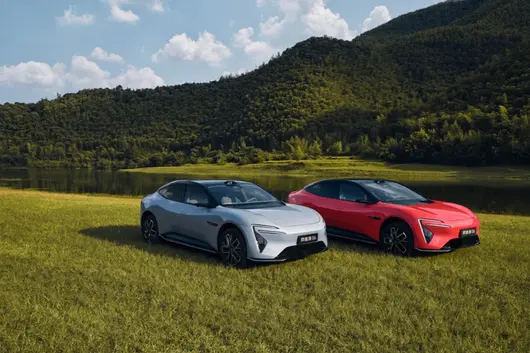

Recently, JPMorgan released a 58-page "China Auto Industry 2027" report, which was recently circulated wildly in the automotive community. It didn't offer positive vibes to the China car market, but instead poured cold water: domestic passenger car retail sales in 2027 might continue to decline, the price war isn't over, and European tariffs and non-tariff barriers are lining up at the door. More heart-wrenching is that the report downgraded ratings for BYD, Geely, Xpeng, and Leapmotor, yet still said BYD is the toughest fighter. Contradictory? No—the second half of the car market competition isn't about who sells more, but who can still make money and retain cash flow. This article only deconstructs the report logic and does not constitute investment advice.

1. A Drop in Sales Isn't the Worst Pain
First, look at demand. In the report model, passenger car retail sales will be about 24 million units in 2025, possibly dropping 21% to 18.96 million units in 2026, and dropping another 5% to 18.01 million units in 2027. The wholesale side, supported by exports, will drop 5% in 2026 and only 1% in 2027. These numbers act like a knife, slicing open "hot production" and "cold consumption": factories can support wholesale via exports, but if domestic consumers don't spend, terminals will continue to squeeze water. JPMorgan provided two scenarios: if the government continues stimulus, sales remain roughly flat; if subsidies phase out, sales drop about 5%. The base forecast assumes policy support, but analysts remain cautious. My judgment is that in 2027, what to watch most isn't "new models launched", but the speed of capacity clearance. If capacity doesn't decrease and demand doesn't rise, inventory will become stones pressing on dealers and automakers. Sales decline is just a symptom; overcapacity is the root cause.

2. Price Wars Thin Profits
The profit picture looks even worse. The report estimates that actual transaction prices still average a 15%-16% discount relative to guide prices, though slightly lower than the 17% high point in the first half of 2025, it is still "hard discounts trading price for volume". More troubling is that new models, smart driving, and cabin chips require continuous burning of cash. As selling prices go down, R&D and marketing go up, revenue growth and profit growth decouple. JPMorgan added another blow: DRAM and NAND prices might rise over 20% in 2027; the deeper the intelligence, the more sensitive automakers are to memory chips. As of the report release, market profit forecasts for China's auto industry have been adjusted down over 40% this year, but JPMorgan's profit forecasts for 2026-2027 are still 10%-11% lower than consensus. Translation: Everyone has already cut once, but it thinks another cut is needed. Dealers shouldn't hide either; inventory turnover relies on short-term loans. Slow sales, falling prices mean a double blow to cash flow and inventory value. Price wars today aren't about who is cowardly who loses, but who collapses the income statement first.

3. European Tariffs Are Just Appetizers
Overseas markets are the growth engine and also a new minefield. China brands' market share outside China surged from 1.5% in 2020 to 8.2% in the first seven months of 2026; overseas PHEV share is about 44%, pure electric 23%, and HEV about 5%. This achievement is fierce, but Europe has started to ramp up pressure: countervailing taxes on China-made pure electric vehicles started in October 2024, and JPMorgan expects trade defense might expand to PHEV by the end of 2027. After mid-2027, relevant entry requirements for the "Industrial Accelerator Act" will gradually take effect; localization production, procurement, minimum selling price, and quotas might all be put on the table. Export VAT refund adjustment adjustments were also listed as risks, but the report explicitly stated they were not officially announced at that time. The solution isn't continuing hard exports, but localization: BYD bets on Thailand, Brazil, Hungary; Geely leverages partners; Leapmotor uses the Stellantis network; Chery deploys Malaysia, Spain, Brazil. My view: Going overseas moves from "selling cars phase" to "building factories phase". Whoever can land supply chain, compliance, and costs together will have a second growth curve.
Conclusion: The harshest part of this report isn't forecasting another 5% drop in sales for 2027, but dragging the industry valuation anchor from the "sales list" to the "income statement". If anti-involution only targets low prices without solving overcapacity, price wars will return in disguise. 2027 is worth watching for four things: whether terminal prices can stabilize, whether capacity can truly clear, whether Europe localization can be delivered, and whether automakers' cash flow can withstand. Don't rush to pop champagne; first see who can still keep their pants on when the tide recedes.

喺馬來西亞嘅 SUV 市場,好多買家喺揀車嘅時候都會拿 豐田 Corolla Cross 同 奇瑞 Tiggo 7 PHEV 嚟做比較。這兩款車喺價位同定位上都好接近,今日我哋就從多個方面做一個詳細嘅對比,幫你省咗做功課嘅時間。
豐田 Corolla Cross 喺馬來西亞嘅 OTR 售價係 RM 133,800 - 148,800,一共有 3 個版本,包括 2026 HEV 1.8L GR Sport(RM 148,800)、2026 HEV 1.8L Standard(RM 140,800)、2026 1.8L Standard(RM 133,800) 等等。
奇瑞 Tiggo 7 PHEV 喺馬來西亞嘅 OTR 售價係 RM 129,750 - 129,750,一共有 2 個版本,包括 2025 1.5T 90km CSH(RM 129,750)、Tiggo 7 PHEV 支援咩充電方法?可唔可以用家用電源插座充電?(RM 117,478) 等等。
由價錢睇落,奇瑞 Tiggo 7 PHEV 嘅起步價比 豐田 Corolla Cross 平咗 RM 4,050。講真,喺呢個價位段,幾千蚊嘅差額其實唔算大,關鍵仲係睇整體嘅性價比同長期使用成本。

豐田 Corolla Cross 配備 1.5L Turbo,馬力 140 hp。官方油耗 7.0 L/100km。
奇瑞 Tiggo 7 PHEV 配備 Hybrid,馬力 170 hp。官方油耗 4.5 L/100km。
動力方面,奇瑞 Tiggo 7 PHEV 嘅 Hybrid 比 豐田 Corolla Cross 嘅 1.5L Turbo 多咗 30 匹馬力。不過平日喺市區開,兩款車嘅動力都足夠,唔會覺得唔夠力。

豐田 Corolla Cross 車身長 4400 mm,尾箱 400 L。
奇瑞 Tiggo 7 PHEV 車身長 4400 mm,尾箱 400 L。
兩款車嘅尺寸幾乎一樣,車內空間差別唔大。呢個級別嘅車,日常使用完全足夠。

豐田 Corolla Cross 同 奇瑞 Tiggo 7 PHEV 都係馬來西亞市場嘅主流選擇,適合家庭使用、日常通勤。如果你更睇重品牌口碑同二手價,可以优先考虑口碑更好嗰款;如果你更在意性價比同配備,就揀配置更豐富嗰款。最後都建議兩款都去試駕,親身體驗先係最重要。

總括嚟講,豐田 Corolla Cross 同 奇瑞 Tiggo 7 PHEV 都係馬來西亞市場幾唔錯嘅車型。揀邊一輛,關鍵仲係睇你嘅個人需求同預算。建議大家做好功課,多比較幾間車行嘅報價,再去試駕先做最終決定。買車係件大事,花少少時間做功課絕對唔會錯。


Zhiliao Auto / Fei De

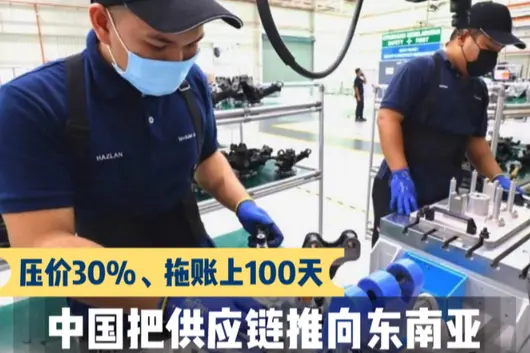
Price competition in the domestic automotive market continues. To protect sales volume, car manufacturers constantly pressure suppliers to cut prices. Years ago, the industry default annual price reduction was 3% to 5%, now annual reduction requirements of 10% to 30% are appearing frequently.

Some OEMs require suppliers to cut prices directly by 10% starting from January 2025. Suppliers are no longer excited about large orders; instead, they must carefully calculate capital occupancy and profit margins. The larger the order volume, the heavier the funding pressure, and the higher the risk of losses.
Supplier profit margins are being systematically compressed. Taking domestic parts leader Huayu Automotive as an example, the company's 2025 revenue reached 183.999 billion yuan, but the gross margin dropped from 14.38% in 2021 to 12.30%.

Revenue continues to grow year on year, but net profit hovers around 7.2 billion yuan, with no substantial breakthrough in four years. This is not an operational issue for individual companies. Body parts see annual reduction rates ranging from 0.03% to 13.34%, while chassis parts also see significant cuts. Suppliers must invest in raw material procurement and production line operations before production, but payment may take months or even longer to arrive.
Payment term issues worsen the cash flow situation for suppliers. Before June 2025, the payment cycle for top domestic car manufacturers was generally over 125 days, with some companies having single-term spans exceeding half a year. In comparison, Toyota's supplier payment cycle is 52 days, Volkswagen is 40 days, and Mercedes-Benz is 36 days.

After profits and cash flow are squeezed simultaneously, suppliers are forced to make choices. Cutting R&D investment became the first reaction for most companies. Equipment investment for new projects is delayed, and the technical team's scale is compressed. The Chairman of Konghui Technology once released a public letter on Children's Day in 2025, writing that suppliers' dream was simply to reconcile invoices after goods are delivered and accepted, with payment arriving within a month. This letter resonated widely in the industry because it voiced the real situation of most suppliers. Once R&D is cut, product iteration speed slows down, and quality risks rise accordingly.
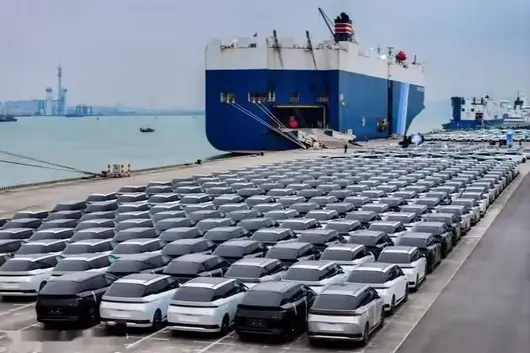
Supply chain relocation overseas is also a major trend. In 2025, China's total automotive parts export reached $59.051 billion, up 4.07% year-on-year. Southeast Asian countries such as Malaysia, Vietnam, and Thailand have become rapidly growing markets.

In the past, suppliers going overseas followed the footsteps of OEMs. Now, more companies are actively looking for safe havens for profits and cash flow. Overseas markets have more reasonable payment term rules and fuller profit margins. Some parts companies' overseas business gross margin reached 31.44%, significantly higher than the domestic business's 24%.
A common saying in the automotive supply chain industry is: "Being a supplier to domestic carmakers means payment terms of half a year or more, and profits thinner than paper. Working with overseas clients means payment within two months, and prices are 20% higher." This reflects suppliers' true feelings about payment terms and profits from domestic and foreign car manufacturers.

Chenyuan Sealing Parts, a leading domestic company in the rubber sealing parts field, is a typical case of shifting industry overseas. Facing rising domestic raw material costs and continuous price pressure from OEMs, the company decisively transferred its production lines to Southeast Asia.
These judgments from frontline practitioners indicate that if car manufacturers continue to save money by cutting prices and delaying payments, suppliers will inevitably gradually move high-quality capacity and R&D overseas. Pressuring purchase prices and extending payment terms can improve financial performance in the short term, but the cost is the simultaneous decline in suppliers' R&D capabilities and delivery quality.

Changes are being driven at the policy level. In June 2025, 17 key car manufacturers promised supplier payment terms of no more than 60 days. A China Association of Automobile Manufacturers survey shows the industry average payment term has dropped to 54 days. This is just the beginning. Truly sustainable competitiveness comes from improving technical efficiency and creating product value, rather than continuously shifting operational pressure onto upstream suppliers. When high-quality suppliers invest capacity and R&D into overseas markets, domestic car manufacturers will lose not just a few supporting partners, but the entire industrial foundation.
Original article by Zhiliao Auto. If reprinting is required, please contact us
*Images from the internet. If infringing, please contact the author for deletion*


營業額破百億利潤卻跌17%,丁正祥接掌的中集車輛正陷毛利率困局。
9 月 4 日盤後,中集車輛(301039.SZ)發布公告,聘任高級副總裁丁正祥為公司總裁,填補原總裁王柱江因個人身體原因辭職後的空缺。
丁正祥 1991 年加入中集集團,2004 年進入中集車輛體系,從生產調度一路做到總裁,在中集體系深耕三十五年。
人事變動的背後,是一份增收不增利的中期報告。
2026 年上半年,中集車輛實現營業收入 107.37 億元,同比增長 10.09%,但歸屬母公司股東之淨利潤僅 3.34 億元,同比下降 17.04%,扣除非經常性損益後淨利潤同比下降 13.13%。
真正要提升毛利率,還得靠產品結構升級,靠高附加值產品佔比的提升,靠從價格競爭轉向價值競爭。

三十五年生產老兵的逆襲
從車間調度到半掛車龍頭總裁
營業額破百億,利潤卻在縮水。
問題出在毛利率。全球半掛車業務收入實現增長,但市場競爭加劇,產品毛利率有所回落,造成盈利水平同比下降。丁正祥這位從生產一線走出來的老兵,接掌的不是一份輕鬆的家業,而是一場毛利率保衛戰。
丁正祥的履歷,是一部典型的中集成長史。

1967 年出生的他,1991 年加入中國國際海運集裝箱集團,從最基礎的生產調度做起。
二十世紀九十年代的中集,正是集裝箱業務全球擴張的黃金期,丁正祥在生產一線摸爬滾打,積累了紮實的製造管理功底。
2004 年是丁正祥職業生涯的轉折點。
這一年,他正式加入中集車輛體系,進入深圳中集專用車有限公司,先後擔任生產部副經理、質控部副經理。從集裝箱到專用車,丁正祥完成了業務領域的跨越,但不變的是他對生產製造的深耕。
2007 年至 2010 年,丁正祥被外派至中集車輛泰國有限公司擔任總經理助理,隨後返回深圳中集專用車有限公司,歷任總經理助理、副總經理。
此後,他又先後執掌中集車輛江門公司、深圳中集專用車公司、山東萬事達專用汽車公司,足跡遍布中集車輛在華南、華東、華北的核心產能基地。
2023 年 2 月,丁正祥出任公司助理總裁,正式進入集團核心管理層。同年 12 月,他兼任星鏈 LTP 集團 CEO,負責這一創新業務板塊的運營。
2026 年 6 月卸任星鏈 LTP 集團 CEO 後,丁正祥出任公司高級副總裁,兼任星辰 LTP 板塊協管領導。從生產一線到集團總裁,三十五年的履歷沒有短板。
這種從車間走出來的總裁,在 A 股上市公司中並不多見。大多數上市公司總裁,要么是財務出身,要么是營銷出身,要么是海歸精英。
丁正祥不一樣,他的每一步晉升,都踩在生產製造的實地上。這種背景,恰恰是中集車輛當前最需要的。

丁正祥的真正考題
中期報告數據已經說明了問題。2026 年上半年,中集車輛實現營業收入 107.37 億元,同比增長 10.09%,但歸屬母公司股東之淨利潤僅 3.34 億元,同比下降 17.04%。
扣除非經常性損益後淨利潤 3.34 億元,同比下降 13.13%。經營活動產生的現金流量淨額 7.78 億元,同比下降 16.14%。營業額在漲,利潤和現金流都在跌。

公司自己給出的解釋很直白。全球半掛車業務收入實現增長,但是市場競爭加劇,產品毛利率有所回落,造成盈利水平同比下降。
一句話,賣得更多了,但賺得更少了。這不是中集車輛一家的問題,而是整個半掛車行業面臨的共同困境。
毛利率回落不是短期波動,而是行業競爭格局的深層變化。半掛車行業技術門檻相對不高,產能過剩問題長期存在。
當需求增長放緩時,價格戰就成了最直接的競爭手段。中集車輛作為全球半掛車龍頭,雖然規模優勢明顯,但也難以獨善其身。量增價減,是龍頭也繞不開的魔咒。
丁正祥的生產背景,恰恰是破解毛利率困局的关键。從生產一線走出來的人,最懂成本控制和效率提升。
三十五年的製造管理經驗,讓他對每一個生產環節的成本構成了如指掌。在原材料價格波動、人工成本上升的背景下,精細化生產管理就是提升毛利率的最直接手段。
但毛利率困局不只是生產端的問題,更是市場端和產品端的問題。生產端降本增效,能解決的是內部效率問題。但如果外部市場價格持續下行,內部降本的空間終究有限。
丁正祥此前執掌的星鏈 LTP 業務,或許正是破局方向之一。LTP 是物流運輸裝備的創新模式,通過數位化、平台化的方式,重構半掛車的生產、銷售和運營生態。
如果這一創新業務能夠成功,將為中集車輛打開新的增長空間,也能從根本上改善毛利率結構。丁正祥對這一業務的熟悉,是他的獨特優勢。
三十五年的生產老兵,接掌的是一份營業額破百億卻利潤下滑的家業。
丁正祥能否把三十五年的生產經驗轉化為毛利率的回升,能否把星鏈 LTP 的創新模式轉化為新的增長引擎,才是檢驗這次換帥成敗的真正標準。
車間裡走出來的總裁,能不能在董事會的位置上坐得穩,市場會給出答案。


During this period, "fast-tracked cars" have become a hot topic in the industry. Fast-tracked cars refer to models that significantly compress the R&D cycle, cut necessary verification processes, and result in insufficient product maturity.
Car Riff did not participate in the discussion. We believe focusing on this negative example is far less effective than letting everyone see how industry positive examples handle it.
Excellent cases came soon. On the afternoon of August 19, CCTV's "Top Laboratory" program conducted a live broadcast lasting over 2 hours. For the first time in the industry, the same car was used to continuously complete six super-national standard chain tests, all passing. There were also rain/fog intelligent driving active safety tests. It also deeply visited the New Energy Vehicle National Quality Standard Laboratory and the Smart Island Manufacturing System, revealing the hardcore strength of SAIC-GM-Wuling's full-link self-research and self-construction behind the hot sales of Hua Jing S.
Industry conventional crash tests are mostly independent single-direction tests, and national standards only assess single conditions. This live test of Hua Jing S used the same car for continuous multi-round destructive tests, simulating real-world scenarios where the undercarriage is scraped followed by wading, front and rear collision followed by side collision, then crashing into a utility pole, pulling possible accident scenarios to the limit.

This live test also provided new verification ideas for the industry: Compliance is just the baseline, better products need to benchmark against real traffic scenarios for more complex limit validation.
The protagonist Hua Jing S is Wuling's latest flagship large SUV, launched on May 8. By August 17, cumulative deliveries broke 20,000 units. In July, single-month deliveries reached 7,203 units, jumping to first place in plug-in hybrid large SUV deliveries.
Many people's impression of Wuling remains focused on its expertise in making small cars and national cars. Hua Jing S shows the market that Wuling also has such strong competitiveness in large SUVs.
Xiao Xiao, General Manager of Planning and Operations Management Department of SAIC-GM-Wuling, said in the live broadcast: "Wuling used to make tool cars to help everyone create wealth. Later, it made family cars to accompany everyone through life. Now it makes intelligent technology new energy vehicles. Essentially, it still follows the needs of the people, satisfying the people's needs for a better life in the new era."
Creating wealth - Living life - Better life in the new era. Xiao Xiao summarized Wuling's three development stages and three generations of product logic, which is also the leap in lifestyle of Chinese consumers and Chinese people in the recent decades. No matter the era, Chinese people always have a suitable Wuling companion.

The CCTV broadcast also visited Wuling's industry-only National Quality Standard Laboratory and industry-only Leading-level Smart Factory.
The National Quality Standard Laboratory changed the industry model where most car manufacturers rely on third-party testing agencies for compliance testing. It allowed Wuling to achieve full-link autonomous verification from materials, components, simulation, whole-vehicle crash, three-electrics, to intelligent driving. It can also reverse-define corporate internal test specifications higher than national standards based on big data from 32 million users, upgrading from "meeting national standards" to "higher than national standards, benchmarking real accidents". It also exported China's new energy vehicle safety standards to ASEAN, achieving a zero breakthrough in ASEAN technical standard formulation by Chinese car manufacturers.
The industry-only Leading-level Smart Factory, the Leading-level Smart Island I²MS Manufacturing System, converts the laboratory's safety standards into mass production capabilities through digital manufacturing. It improved assembly process precision, enhanced production efficiency and logistics efficiency, shortened manufacturing cycles, and improved flexibility.
More importantly, it used the parallel island production method of "cars finding workstations, materials finding cars", subverting the series assembly line production method practiced by the automotive industry for over 100 years. It is the third manufacturing mode innovation in the industry after Ford's assembly line and Toyota's lean production.
Wuling's manufacturing mode innovation this time will be an important symbol of China leading and dominating the transformation of the automotive industry.
Out-of-Syllabus One-Car Six Tests
Crash, wading, undercarriage collision tests are not rare in the industry, generally one car is used for one test. This time, Hua Jing S used one car to continuously complete six tests: undercarriage collision, wading, rear-end truck collision, rear collision, side collision, side pole collision. And the standard for each test exceeded national standards, finally all passed.

One car passing all six super-national standard tests consecutively is because Hua Jing S has high standards and strict requirements in design, materials, testing, and manufacturing links.
For example, the intrusion depth of the undercarriage collision increased by 33% compared to the national standard. After completing the six tests, the battery pack was removed, and the entire battery pack structure remained very complete, with no bulging, no leakage, no smoking, and no fire. Because of the chassis protection frame with five vertical and eleven horizontal members, the chassis has large-area steel protective plates, and a buffering layer. The protection ability is far higher than national standard requirements.

Solid materials and high-standard, multi-redundant body design are the solid foundation for Hua Jing S to continuously withstand six major severe tests on a single vehicle.
The biggest difference between this live test and industry conventional tests is the superposition of scenarios, accidents, and damage to the car. Industry conventional tests require each test car to face only one scenario, single-item damage, and challenge. Hua Jing S experienced 6 types of destructive tests sequentially with one car, pulling the challenge of the vehicle responding to accidents to the limit.
Will such a six-consecutive accident happen in reality? Probably not. But precisely this continuous destruction, difficulty upon difficulty, proves the safety and reliability of Hua Jing S. This reliability beyond standards also greatly reduces the probability of new cars meeting national standards and appearing various problems after mass market road tests.
Two Uniques Give Birth to Two "As Ones"
To do a good job, one must first sharpen one's tools. Hua Jing S's rigid safety and whole-vehicle quality come from Wuling's industry-only National Quality Standard Laboratory and industry-only Leading-level Smart Factory.
In the live broadcast, Wuling staff mentioned multiple times that Hua Jing S quality is "Ten Thousand Cars As One, Ten Thousand Miles As One", referring to consistency and reliability reaching a new level. Behind the two "As Ones" are the two Uniques providing protection and support.

Wuling's New Energy Vehicle National Quality Standard Laboratory is the only National Quality Standard Laboratory approved in the automotive industry. It includes 14 international-level sub-laboratories, covering three-electrics, crash safety, NVH, EMC electromagnetic compatibility, thermal management, intelligent connectivity, lightweight materials. It is equipped with a large-scale whole-vehicle test field, possessing the first set in China and the third set in the world whole-vehicle virtual simulation test system. It can run tens of thousands of extreme accident scenarios in simulation in advance, without entirely relying on real vehicle crashes.
The verification for undercarriage, wading, chain collision, pole collision, and white body press shown in the live broadcast was completed here.

Wuling's New Energy Vehicle National Quality Standard Laboratory has three major significances.
First is covering all enterprise testing needs, Wuling no longer relies on external third-party laboratories.
Second is not only verifying based on national standards, but reverse-defining test standards based on 32 million user data to raise standards.
Third is that 81 tests obtained ECE European International Certification. Part of the safety standards were included in ASEAN official technical specifications. Charging standards obtained Indonesia SNI certification. This helps Chinese new energy products when going global, no longer simply passively complying with overseas standards, but having the ability to output China's technical standards.
The live broadcast concluded with the National Leading-level Smart Factory, Wuling's I²MS Smart Island Manufacturing System.
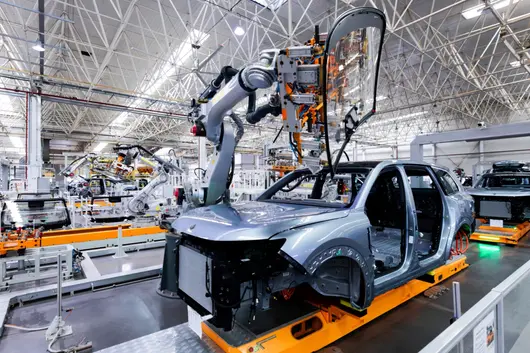
It is called Smart Island because this factory changed the waterline mode started by Ford's assembly line in the automotive industry. It splits the final assembly into 78 independent Smart Island workstations: Tire Island, Glass Island, Interior Island, Quality Inspection Island, etc. IGV carts carry the body, automatically cars finding workstations, materials finding cars, parallel assembly.
The workshop has over 280 robots, over 250 IGV unmanned logistics vehicles. They autonomously plan the body flow path. Jointly with Huawei Industrial 5G Network, communication zero error is guaranteed, achieving parallel assembly.

The assembly line used by the automotive industry for over a hundred years has become Smart Islands. The advantages are decoupled processes, adaptive capacity, evolvable systems, and expandable models. One production line can support mixed production of 24 car models. New car iterations do not require rebuilding production lines. Development periods are shortened, and changeover costs are significantly reduced.
Wuling's Smart Island production efficiency increased by 30%, logistics efficiency increased by 80%, manufacturing cycle shortened by 33%, and final assembly automation rate is 50%. It can be said that this is another major manufacturing mode innovation in the automotive industry since Ford's assembly line and Toyota's lean production.
The automobile was invented in Germany. Ford's assembly line significantly reduced car costs, allowing it to enter every household. The first automotive industrial revolution made American cars and American industry lead the world.

Toyota's lean production once again changed the production mode and supply chain model of automobiles. The second automotive industrial revolution put Japan at the pinnacle of the global automotive industry.
In the new energy era, China has already led the world in technology and products. Wuling's manufacturing mode innovation will be another important symbol of China leading and dominating the transformation of the automotive industry.

Pada Julai 2026, pasaran kenderaan penumpang China telah mengemukakan laporan prestasi yang bercanggah. Data daripada CPCA menunjukkan jualan eceran kenderaan penumpang domestik sebanyak 1.461 juta unit pada Julai, turun 20.9% berbanding tahun lepas.

Kesan pendingin pasaran secara keseluruhan tidak menutupi keceriaan struktur, di mana kadar penetrasi kenderaan baharu naik ke 65.1%. Jenama tempatan memimpin dengan kuat, manakala konsortium melancarkan "serangan balik" yang tertangguh dalam bidang kenderaan baharu.
BYD: Raja "400,000 Unit" yang Melampaui Orang Lain
Dalam senarai jualan borong pengeluar kereta Julai, BYD kekal di tempat pertama dengan kelebihan mutlak 410,612 unit. Angka ini bukan sahaja 2.6 kali ganda Geely Automobile di tempat kedua, malah bermaksud jualan borong bulanan BYD telah menembusi ambang 400,000 unit.

Di peringkat model, BYD Yuan UP dengan 63,258 unit, keluarga Song dengan 61,012 unit masing-masing menduduki tempat pertama dan kedua jualan borong. Lebih penting, BYD juga tampil kuat dalam bidang eksport kenderaan baharu, dengan eksport Julai sebanyak 173,721 unit, hampir sama dengan jumlah eksport Chery dan Tesla China. Dari Rangkaian Dinasti hingga Rangkaian Laut, dari Denza hingga Fang Cheng Bao, BYD凭借 strategi "penggerak ganda" elektrik tulen dan hibrid mencungkil, mengukuhkan kedudukan terutamanya di pasaran kenderaan baharu.
Eksport Menjadi Enjin Pertumbuhan Utama, Jenama Tempatan Membuka Medan Kedua
Jika kepimpinan BYD yang terpisah adalah "di luar jangkaan", maka tumpuan sebenar jenama tempatan pada Julai adalah letupan penuh garis pertumbuhan kedua melalui eksport.

Kumpulan Chery pasti protagonis yang paling dramatik bulan ini. Dengan rekod eksport bulanan pertama kali melebihi 200,000 unit, Chery dengan jualan 261,900 unit mengunduli Geely Automobile, memasuki tempat kedua pengeluar. Eksport 202,500 unit, naik 70.1% berbanding tahun lepas, bukan sahaja memecahkan rekod eksport bulanan jenama China, malah menjadikan Chery pengeluar China pertama menembusi eksport bulanan 200,000 unit. Setiap 16 saat, sebuah "Chery" meluncur ke luar negara. Lebih penting lagi, dalam 203,000 unit jualan eksport, kadar kenderaan baharu telah naik ke 41%. Cerita Chery di luar negara, kini berkembang dari "eksport kereta bahan api" kepada "eksport kenderaan baharu".
Geely Automobile pula memperagakan keajaiban pertumbuhan. Eksport Julai sebanyak 106,700 unit, melonjak 202% berbanding tahun lepas, terus menembusi ambang 100,000 unit selama dua bulan berturut-turut. Di antaranya eksport kenderaan baharu sebanyak 62,604 unit, peningkatan berbanding tahun lepas mencecah 616%, kelajuan penggerak elektrifikasi eksport amat mengejutkan. Pada masa yang sama, jenama Zeekr dengan 35,800 unit, naik 111% berbanding tahun lepas, menjadi titik terang terbesar dalam kumpulan. Eksport dan pemegang utama dua roda memacu, Geely cuba meniru kelebihan kenderaan baharu domestik di pasaran luar negara.

Kumpulan SAIC juga tidak boleh diabaikan. Jualan kenderaan baharu Julai mencecah 176,700 unit, melonjak 50.67% berbanding tahun lepas; jualan eksport dan tapak luar negara sebanyak 141,700 unit, naik 72.55% berbanding tahun lepas. Dalam latar belakang jualan keseluruhan meningkat sedikit 0.32%, kenderaan baharu dan eksport hampir menyokong semua peningkatan SAIC. Kesungguhan transformasi pengeluar tradisional, boleh dilihat dari angka.
Eksport kenderaan penumpang Julai mencecah 918,000 unit, naik 87.8% berbanding tahun lepas, menduduki 41% daripada jumlah jualan pembuat. Apabila jualan eceran pasaran domestik turun 20.9% berbanding tahun lepas, eksport telah menjadi sokongan utama untuk mengimbangi kelemahan permintaan dalam negeri. BYD, Chery, Geely, Changan, SAIC, jenama tempatan sedang membuka medan kedua di pasaran luar negara, dan ini mungkin bahagian paling bernilai untuk ditulis pada pasaran kereta Julai.
Gubahan Kuasa Baharu Diformulakan: Leapmotor "Satu Menentang Tiga"
Kejutan terbesar Julai datang dari sektor pemain baharu. Leapmotor dengan jumlah penghantaran global sebanyak 101,267 unit meningkat ke tempat ketiga pengeluar, naik 102% berbanding tahun lepas, menjadi jenama pembuat kereta baharu pertama di dalam negara menembusi penghantaran bulanan 100,000 unit.

Apa erti angka ini? Pada masa yang sama Nio menghantar 35,934 unit, Xpeng menghantar 38,027 unit, Li Auto menghantar 30,468 unit, ketiga-tiganya jumlahnya kira-kira 104,000 unit. Hanya satu Leapmotor, hampir sama dengan jumlah tiga "Nio, Xpeng dan Li". Dalam jalur harga utama 100,000 hingga 200,000 yuan, Leapmotor membuktikan kemampuan penembusan pemain baharu dengan penskalaan. Penempatan luar negara juga berlanjutan, Leapmotor B10 dan C10 telah secara rasmi mendarat di pasaran Indonesia, dan melancarkan pengumpulan KD tempatan.
Pasukan Konsortium: Awal Mula Serangan Balik Kenderaan Baharu
Dalam landasan kenderaan baharu yang lama "bisu", jenama konsortium pada Julai akhirnya menunjukkan taring serangan balik. Walaupun kadar penetrasi kenderaan baharu jenama konsortium utama hanya naik ke 13.7%, jualan borong kenderaan baharu SAIC General Motors, GAC Toyota, Volkswagen Anhui masing-masing menembusi 10,000 unit, iaitu 12,662 unit, 12,002 unit dan 10,079 unit. Dalam pasaran hibrid biasa, FAW Toyota dan GAC Toyota masing-masing menjual 34,883 unit dan 24,495 unit, prestasi mantap.

Lebih penting lagi, harga minyak antarabangsa Julai naik mendakak受 pengaruh halangan pelayaran di Selat Hormuz, bahan api siap domestik naik dua kali sebanyak 985 yuan/ton. Ini secara langsung menaikkan kos penggunaan kereta bahan api, secara objektif memberikan tolakan luar untuk transformasi kenderaan baharu jenama konsortium. Dengan pelancaran produk kenderaan baharu yang padat oleh pengeluar konsortium, "serangan balik" ini baru sahaja bermula.
Penutup
Pasaran kereta China Julai, di bawah tekanan keseluruhan telah menyelesaikan gubahan baru. BYD dengan jualan bulanan tahap 400,000 unit membina parit pertahanan, Leapmotor dengan kedudukan tiga teratas mengisytiharkan era penskalaan pemain baharu telah tiba, manakala serangan balik kenderaan baharu jenama konsortium menandakan persaingan bahagian kedua akan lebih sengit. Apabila kadar penetrasi kenderaan baharu menembusi 65%, tangan kemenangan pasaran telah berubah dari "sama ada perlu bertukar" kepada "seberapa cepat dan sedalam mana bertukar". Perang tanpa asap ini, jauh belum sampai ke penentu.

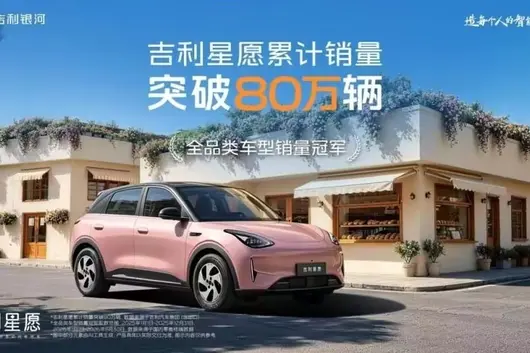
800,000 orang membeli kereta, jawapan apa yang akan dipilih? Senarai jualan mencatatkan dengan jelas: Geely Harapan Bintang. Dilancarkan selama 21 bulan, 800,000 pengguna mengundi dengan wang sebenar, meng angkat kereta kecil kelas A0 ini ke takhta jualan teratas. Ada yang bertanya, mengapa dia? Tanpa penapis pemasaran, kita buka dan lihat aset keras kereta kecil ini, anda akan terkejut: Produk laris, bukan pernah bergantung pada nasib, tetapi kekuatan produk yang melampaui kelas secara nyata.

I. Bateri Bagus, Tidak Bermain Kotak Buta
Apa yang paling ditakuti oleh kereta kecil? Julat kurang, bateri tidak boleh dipercayai. Harapan Bintang terus beri ketenangan: Keseluruhan model memuatkan sel CATL, tanpa bezakan versi, tanpa bezakan lot, pengguna tidak perlu membuka kotak buta. Dilengkapi dengan sistem pengawalan suhu sejukan cecair menyeluruh, julat CLTC tertinggi 480 km, kadar penebusan julat ujian suhu bilik lebih 100%; cas pantas dari 30% ke 80% hanya 19 minit, kecekapan cas sama kelas terkemuka. Dikaitkan sistem keselamatan bateri Shen Dun dan sistem penggerak pintar 11 dalam 1, dari perlindungan sel hingga pengurusan pintar BMS sepanjang laluan. Dalam aspek bateri, Harapan Bintang "tanpa risau" dikimpal mati pada kereta.

II. Kerangka Bagus, Pemula Juga Berani Bermain Gembira
Hanya ada bateri bagus tidak cukup, memandu puaslah kebolehan sebenar. Kerangka Harapan Bintang diasah dengan teknik sebenar: Penyeteman bersama China-Jerman, pemacu belakang + gantungan bebas pelbagai batang standard semua versi, jejari pusing 4.95 m, lorong sempit pusing balik sekali lepas. Januari tahun ini, pasukan bersama kejuruteraan Lotus jauh ke Sweden, dalam salji dan ais -30°C berulang kali mengasah ESC dan sistem anti tergelincir, menumpukan pengalaman litar jadi kestabilan harian. Uji 130 km/j Hook, uji 80.7 km/j Rusa, tunggal sama kelas. Pemilik kereta Wenzhou hari berkabut tebal dua kali elak kecemasan selamat, itu adalah iklan langsung terbaik untuk sistem kerangka ini.

III. Keselamatan Bagus, Hadapan Ketat Tidak Rasa Takut
Pengawalan memandu adalah muka, keselamatan adalah inti. Harapan Bintang bersama Televisi Negara China cabar perlanggaran depan 50 km/j + sisi 55 km/j berterusan, sistem tegang terus padam, beg bateri tidak asap tidak api, kabin penumpang struktur utuh; AEB 120 km/j brek berhenti, AES 130 km/j elak aktif, keselamatan aktif dan pasif terus penuh. Pemilik kereta di Chengdu keretanya digempak lori van dari belakang, rosak tahap "kerusakan lengkap" tetapi tiada kecederaan, kemudian beli lagi satu Harapan Bintang; Pemilik Thailand digempak lori berat 18 roda dari belakang, sama-sama selamat keluar dari bahaya. Soal keselamatan ini, Harapan Bintang tidak pernah main-main.


Kereta kecil tidak boleh hanya mahu murah, lebih mahu boleh percaya. Harapan Bintang lakukan bateri, kerangka, keselamatan tiga perkara besar hingga melampaui kelas, barulah dapat sokongan 800,000 pengguna. Bagaimana memilih kereta kecil kelas A0? Ingat satu ayat: Seperti Harapan Bintang yang berani padu spesifikasi, berani kimpal batas keselamatan mati, beli sambil mata tertutup sudah betul.

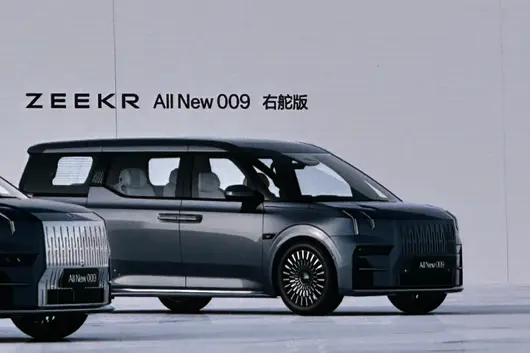
Dalam masa terdekat, versi sisi kanan Zeekr 009 secara rasmi serentak dilancarkan di tiga pasaran utama Asia Tenggara iaitu Thailand, Malaysia, dan Singapura. Dari sudut pandangan saya, nilai pelancaran ke luar negara ini sangat tinggi, ia bukan pelancaran model biasa yang bergantung pada harga rendah untuk kuantiti, tetapi jenama China terus mengeluarkan MPV flagship konfigurasi tertinggi, pada lapisan mewah 600,000 hingga 1,000,000, secara langsung bertentangan dengan Toyota Alphard yang menguasai Asia Tenggara selama beberapa dekad. Jualan berterusan Zeekr 009 juga benar-benar menghancurkan imej suci MPV mewah Jepun.

Dalam tempoh masa yang lama, pasaran MPV perniagaan mewah Asia Tenggara adalah wilayah eksklusif Alphard sepenuhnya. Walaupun model lama, spesifikasi kedekut, dan perlu caj tambahan, pelanggan kerajaan dan perniagaan tempatan serta perjalanan perniagaan mewah masih memilih dua model Jepun sebagai pilihan utama. Tetapi dalam dua tahun kebelakangan ini pasaran berubah sepenuhnya, di mana Zeekr 009 menyumbang paling besar dan paling bernilai. Berdasarkan kekuatan produk yang kukuh, Zeekr 009 pada Januari hingga Mei 2026 telah menduduki kejuaraan jualan MPV listrik mewah Thailand dan Malaysia secara berturut-turut, dan merupakan MPV domestik satu-satunya yang kini mampu bersaing setara dengan Alphard di pasaran mewah antarabangsa.
Kekuatan Produk Keras Menindas, Zeekr 009 Membuka Jurang Generasi
Alasan MPV Jepun kehilangan kuasa dengan cepat terletaknya produk yang terlalu ketinggalan, sedangkan Zeekr 009 menghadirkan pengalaman kelas atas menyeluruh tanpa kelemahan. Alphard hingga kini masih menggunakan arkitektur petrol lama, cassang biasa, gantungan keras, bising pada kelajuan tinggi, suspensi udara, stereng belakang, cas pantas voltan tinggi tidak ada langsung. Pemijatan baris kedua, peti sejuk kereta, kaca privasi, semua konfigurasi kemewahan asas ini perlu bayaran tambahan untuk dipilih, pengalaman keseluruhan tidak layak dengan harga kemewahannya.

Versi luar negara sisi kanan Zeekr 009 pula mempunyai logik kelas atas yang berbeza, harga permulaan Thailand 664,000, konfigurasi tertinggi hampir 990,000, meliputi harga konfigurasi tertinggi Alphard, sepenuh tidak bergantung pada harga rendah untuk persaingan, hanya bergantung pada kekuatan produk. Ia adalah MPV flagship di pasaran Asia Tenggara yang sedikit yang memiliki platform tekanan tinggi 900V + suspensi udara dwi-kawasan + penahan gegaran magnetik CCD secara standard, menyokong cas pantas 10 minit menambah 500km, dalam situasi perjalanan lebuh raya dan jarak jauh, kecekapan cas mengatasi kelajuan isi petrol kereta petrol. Serentak dengan standard底盘 magik pintar, ketinggian底盘 boleh laras, sama ada pelayaran kelajuan tinggi atau jalan bergelora, penapisan gegaran, kestabilan, ketenangan, semua lebih tinggi satu tahap daripada MPV petrol tradisional.

Mengatasi keadaan jalan khas Asia Tenggara seperti suhu tinggi, hujan lebat, sesak lalu lintas, dan jalan sempit di bandar lama, Zeekr 009 melakukan banyak penyesuaian tempatan khusus. Sistem pengurusan haba bateri diperkuatkan, tidak gentar dengan panas terik tropika sepanjang tahun; penghawa dingin kuasa tinggi merentasi kawasan penyejukan pantas, penumpang penuh tidak akan terasa pengap; proses anti-korrosi底盘 khas, sesuai dengan iklim basah dan berbujan. Selain itu bergantung pada penyetelan badan yang fleksibel, memusing di jalan sempit, parkir di parkir bawah tanah lebih fleksibel daripada Alphard yang berat. Dari segi interiornya, kaca akustik berlapis penuh, kerusi kapten Nappa asli, pengudaraan pemanasan pemijatan, peti sejuk sejuk/hangat kereta, skrin besar belakang semua standard, tidak perlu tambah harga, kualiti mewah terus maksimum. Berdasarkan perbandingan, Zeekr 009 adalah produk flagship yang benar-benar sesuai dengan perjalanan mewah moden.
Dasar dan Pereputan Pengguna, Memperbesarkan Keunggulan Zeekr 009 Sepenuhnya
Dari sudut pandangan saya, kemampuan Zeekr 009 berdiri teguh di pasaran mewah luar negara dengan cepat adalah hasil gabungan kelebihan produk dan kelebihan pasaran. Kebijakan EV3.5 Thailand baru, mengurangkan cukai import, cukai jualan untuk kereta listrik sepenuhnya, ditambah subsidi pembelian kereta, potongan tol lebuh raya, secara besar menurunkan ambang penggunaan MPV listrik mewah. Sebaliknya Alphard enjin besar, cukai tinggi, penggunaan minyak tinggi, penyelenggaraan mahal, pengiraan industri kos penggunaan sepanjang kitar hayat, sekitar 30% lebih tinggi daripada Zeekr 009, perbezaan nilai guna kos jangka panjang amat besar. Sekarang kadar penetrasi tenaga baru Thailand sudah mencapai 45.6%, pengguna tempatan sudah menerima kereta listrik, tidak lagi buta percaya label kereta mewah petrol.

Yang lebih penting, kumpulan pengguna telah diganti sepenuhnya. Masa lalu pembeli MPV mewah Asia Tenggara adalah generasi lama usahawan tradisional, hanya menghargai premium jenama Toyota. Sekarang utama adalah usahawan muda, kelas pertengahan generasi baru, mereka memilih kereta secara pragmatik dan rasional, lebih menghargai keselesaan, pintar, kos dan pengalaman. Kualiti memandu listrik Zeekr 009 yang lancar, tenang, tanpa hentakan, sokongan penuh kabin pintar, pemanduan bantuan pintar, ditambah kos penyelenggaraan harian yang sangat rendah, menangkap tepat keperluan utama pengguna mewah generasi baru, sememangnya pantas menguasai pasaran perniagaan mewah.
Perkhidmatan Eksklusif Kelas Atas Luar Negara, Menyokong Penetapan Mewah Zeekr 009
Kereta mewah tidak pernah hanya berbanding produk, tetapi juga perkhidmatan, ini juga kunci Zeekr 009 menindas Jepun. Toyota mendalam Asia Tenggara selama puluhan tahun, masih model pengedar pihak ketiga tradisional, jualan kereta berselerak, standard pasca jualan kacau, tiada sistem perkhidmatan mewah khusus, tidak boleh sokong kedudukan kereta mewah.
Zeekr telah membina keseluruhan sistem penjualan langsung mewah untuk 009, menerbangkan galeri penjualan langsung mewah di bandar utama Asia Tenggara, padan dengan lokasi model mewah. Serentak merentasi kawasan melaraskan rangkaian cas pantas lebuh raya, kawasan tarikan, pusat perniagaan, disokong pusat penyelenggaraan tempatan dan rantai bekalan komponen lengkap, merealisasikan servis kitaran tertutup satu langkah lihat kereta, beli kereta, cas, pasca jualan. Perkhidmatan mewah bertaraf tinggi, ditambah kekuatan produk mutlak,让 Zeekr 009 reputasi mewah luar negara beransur berkembang.

Penutup: Secara objektif, Jepun masih mempunyai tapak asas di pasaran MPV petrol harga biasa, tetapi dalam trek tenaga baru mewah sudah ketinggalan sepenuhnya. Jualan berterusan Zeekr 009 di luar negara amat bermakna. Ia benar-benar mencabut label kereta China "harga rendah volume tinggi", menggunakan teknologi keras, produk mewah, perkhidmatan mewah, memecahkan monopoli MPV mewah Jepun selama puluhan tahun, juga menandakan masa depan pasaran MPV mewah Asia Tenggara, akan didefinisikan semula oleh jenama China.

喺馬來西亞嘅 SUV 市場,好多次家揀車嘅時候都會拿馬自達 CX-60 同梅賽德斯 - 奔馳 GLC 嚟做比較。呢兩款車喺價位同定位上都幾接近,今日我哋就從多個方面做一個詳細比較,幫你節省咗做功課嘅時間。
馬自達 CX-60 喺馬來西亞嘅 OTR 售價係 RM 200,510 - 252,873,合共 2 個版本,包括 2026 3.3T 4WD High Plus(RM 252,873)、2025 2.5L 2WD High(RM 200,510)等。
梅賽德斯 - 奔馳 GLC 喺馬來西亞嘅 OTR 售價係 RM 336,888 - 336,888,合共 2 個版本,包括 GLC 200(RM 290,000)、GLC 300(RM 340,000)等。
從價錢睇嚟,馬自達 CX-60 嘅起價確實比梅賽德斯 - 奔馳 GLC 平咗 RM 136,378。如果你預算有限,馬自達嘅入門版已經可以滿足日常需要。但都要注意,平嗰幾千塊,可能喺配備上會有取捨,具體要睇你嘅需要。

馬自達 CX-60 搭載 2.0L 4 缸,馬力 170 hp。官方油耗 8.0 L/100km。
梅賽德斯 - 奔馳 GLC 搭載 2.0L Turbo,馬力 220 hp。官方油耗 9.5 L/100km。
動力方面,梅賽德斯 - 奔馳 GLC 嘅 2.0L Turbo 比馬自達 CX-60 嘅 2.0L 4 缸多咗 50 匹馬力。不過日常喺市區開,兩款車嘅動力都夠用,唔會覺得唔夠力。

馬自達 CX-60 保固 5 年/150,000km,保養間隔 每 10,000km 或 6 個月。
梅賽德斯 - 奔馳 GLC 保固 3 年/100,000km,保養間隔 每 10,000km 或 6 個月。

馬自達 CX-60 同梅賽德斯 - 奔馳 GLC 都係馬來西亞市場嘅主流選擇,適合家庭使用、日常通勤。如果你更加睇重品牌口碑同二手價,可以優先考慮口碑更好嘅嗰一款;如果你更加注重性價比同配備,那就揀配置更豐富嗰款。最終都係建議兩款都去試駕,親身體驗先係最重要嘅。
總體嚟講,馬自達 CX-60 同梅賽德斯 - 奔馳 GLC 都係馬來西亞市場好唔錯嘅車款。揀邊一部,關鍵都要睇你嘅個人需要同預算。建議大家做足功課,多比較幾間車行嘅報價,先去試駕先做最終決定。買車係件大事,花啲時間做功課絕對唔會錯。

喺馬來西亞嘅 SUV 市場,好多買家喺揀車嘅時候都會拿 BMW X5 PHEV 同 Land Rover Defender 嚟做比較。呢兩部車喺價位同定位上都幾接近,而家我哋就由多個方面做一個詳細嘅比較,幫你省咗做功課嘅時間。
BMW X5 PHEV 喺馬來西亞嘅 OTR 售價係 RM 486,800 - 494,800,總共有 2 個版本,包括 xDrive20i(RM 420,000)、xDrive30e(RM 480,000)等。
Land Rover Defender 喺馬來西亞嘅 OTR 售價係 RM 688,000 - 688,000,總共有 1 個版本,包括 Standard(RM 688,000)等。
由價錢睇,BMW X5 PHEV 嘅起步價確實比 Land Rover Defender 平咗 RM 201,200。如果你預算有限,BMW 嘅入門版已經可以滿足日常需要。但都要注意,平嗰幾千塊,可能喺配備上有取捨,具體要睇你嘅需求。

BMW X5 PHEV 配備 Hybrid,馬力 170 hp。官方油耗 4.5 L/100km。
Land Rover Defender 配備 3.0L Turbo,馬力 350 hp。官方油耗 12.0 L/100km。
動力方面,Land Rover Defender 嘅 3.0L Turbo 比 BMW X5 PHEV 嘅 Hybrid 多咗 180 匹馬力。不過日常喺市區開,兩部車嘅動力都夠用,唔會覺得唔夠力。

BMW X5 PHEV 嘅安全評級係 5★ (Euro NCAP),主動安全系統包括 Premium ADAS。
Land Rover Defender 嘅安全評級係 TBD,主動安全系統包括 Basic。
安全配備方面,兩部車都拿到唔錯嘅評級。不過 BMW X5 PHEV 嘅 Premium ADAS 同 Land Rover Defender 嘅 Basic 喺功能上有啲分別,如果你比較睇重主動安全嘅話,可以仔細比較下兩者嘅功能列表。

BMW X5 PHEV 車身長 4400 mm,後尾箱 400 L。
Land Rover Defender 車身長 4400 mm,後尾箱 400 L。
兩部車嘅尺寸幾近一樣,車廂空間分別唔大。呢個級別嘅車,日常使用完全夠用。

BMW X5 PHEV 保養 5 年/無限里程,保養間隔 每 10,000km 或 6 個月。
Land Rover Defender 保養 3 年/100,000km,保養間隔 每 10,000km 或 6 個月。

總括嚟講,BMW X5 PHEV 同 Land Rover Defender 都係馬來西亞市場好唔錯嘅車型。揀邊一部,關鍵仲係要睇你嘅個人需求同預算。建議大家做好功課,多比較幾間車行嘅報價,再去試駕做最終決定。買車係件大件事,花少少時間做功課絕對唔會錯。


在马来西亚的轿车市场,很多买家在选车的时候都会拿 Mercedes-Benz E-Class 和 Porsche 718 来做比较。这两款车在价位和定位上都蛮接近的,今天我们就从多个方面做一个详细的对比,帮你省下做功课的时间。
Mercedes-Benz E-Class 在马来西亚的 OTR 售价是 RM 363,888 - 363,888,一共有 2 个版本,包括 E 200 Avantgarde(RM 350,000)、E 300 AMG Line(RM 400,000) 等。
Porsche 718 在马来西亚的 OTR 售价是 RM 545,000 - 1,700,000,一共有 6 个版本,包括 2025 AMG G 63(RM 1,948,888)、2025 Cayman 2.0T(RM 585,000)、2025 Boxster 2.0T(RM 545,000) 等。
从价钱来看,Mercedes-Benz E-Class 的起步价确实比 Porsche 718 便宜了 RM 181,112。如果你预算有限,Mercedes-Benz 的入门版已经可以满足日常需求。但也要注意,便宜的那几千块,可能在配备上会有取舍,具体要看你的需求。

Mercedes-Benz E-Class 搭载 2.0L Turbo,马力 220 hp。官方油耗 9.5 L/100km。
Porsche 718 搭载 3.0L Turbo,马力 350 hp。官方油耗 12.0 L/100km。
动力方面,Porsche 718 的 3.0L Turbo 比 Mercedes-Benz E-Class 的 2.0L Turbo 多了 130 匹马力。不过日常在市区开,两款车的动力都够用,不会觉得不够力。

Mercedes-Benz E-Class 的安全评级是 5★ (Euro NCAP),主动安全系统包括 。
Porsche 718 的安全评级是 TBD,主动安全系统包括 Basic。

Mercedes-Benz E-Class 车身长 4400 mm,后备箱 400 L。
Porsche 718 车身长 4400 mm,后备箱 400 L。
两款车的尺寸几乎一样,车内空间差别不大。这个级别的车,日常使用完全够用。

Mercedes-Benz E-Class 采用 FWD 驱动方式。
Porsche 718 采用 FWD 驱动方式。
两款车的驱动方式一样,都是 FWD,日常驾驶感受不会有太大区别。

总的来说,Mercedes-Benz E-Class 和 Porsche 718 都是马来西亚市场很不错的车型。选择哪一辆,关键还是要看你的个人需求和预算。建议大家做好功课,多比较几间车行的报价,再去试驾做最终决定。买车是件大事,花点时间做功课绝对不会错。


在马来西亚的MPV市场,很多买家在选车的时候都会拿 Mitsubishi Xpander 和 Kia Carnival 来做比较。这两款车在价位和定位上都蛮接近的,今天我们就从多个方面做一个详细的对比,帮你省下做功课的时间。
Mitsubishi Xpander 在马来西亚的 OTR 售价是 RM 99,930 - 109,930,一共有 2 个版本,包括 2024 1.5L Standard(RM 99,930)、2024 1.5L Plus(RM 109,930) 等。
Kia Carnival 在马来西亚的 OTR 售价是 RM 189,849 - 249,849,一共有 6 个版本,包括 2025 2.2T Standard 7 Seats(RM 249,849)、2025 2.2T Standard 8 Seats(RM 239,849)、2025 2.2T Standard 11 Seats(RM 189,849) 等。
从价钱来看,Mitsubishi Xpander 的起步价确实比 Kia Carnival 便宜了 RM 89,919。如果你预算有限,Mitsubishi 的入门版已经可以满足日常需求。但也要注意,便宜的那几千块,可能在配备上会有取舍,具体要看你的需求。

Mitsubishi Xpander 的安全评级是 TBD,主动安全系统包括 Basic。
Kia Carnival 的安全评级是 TBD,主动安全系统包括 Basic。
两款车的安全评级一样,在这个级别里面安全配备都算给得很齐全了。现在的新车安全性都不差,不用太担心这一点。

Mitsubishi Xpander 车身长 4400 mm,后备箱 400 L。
Kia Carnival 车身长 4400 mm,后备箱 400 L。
两款车的尺寸几乎一样,车内空间差别不大。这个级别的车,日常使用完全够用。

Mitsubishi Xpander 和 Kia Carnival 都是马来西亚市场的主流选择,适合家庭使用、日常通勤。如果你更看重品牌口碑和二手价,可以优先考虑口碑更好的那一款;如果你更在意性价比和配备,那就选配置更丰富的那款。最终还是建议两款都去试驾,亲身体验才是最重要的。

总的来说,Mitsubishi Xpander 和 Kia Carnival 都是马来西亚市场很不错的车型。选择哪一辆,关键还是要看你的个人需求和预算。建议大家做好功课,多比较几间车行的报价,再去试驾做最终决定。买车是件大事,花点时间做功课绝对不会错。


在马来西亚的MPV市场,很多买家在选车的时候都会拿 Toyota Innova Zenix 和 Mitsubishi Xpander 来做比较。这两款车在价位和定位上都蛮接近的,今天我们就从多个方面做一个详细的对比,帮你省下做功课的时间。
Toyota Innova Zenix 在马来西亚的 OTR 售价是 RM 165,000 - 202,000,一共有 2 个版本,包括 2023 HEV 2.0L Standard(RM 202,000)、2023 2.0L V(RM 165,000) 等。
Mitsubishi Xpander 在马来西亚的 OTR 售价是 RM 99,930 - 109,930,一共有 2 个版本,包括 2024 1.5L Standard(RM 99,930)、2024 1.5L Plus(RM 109,930) 等。
从价钱来看,Mitsubishi Xpander 的起步价比 Toyota Innova Zenix 便宜了 RM 65,070。老实讲,在这个价位段,几千块的差距其实不算大,关键还是看整体的性价比和长期使用成本。

Toyota Innova Zenix 搭载 Hybrid,马力 170 hp。官方油耗 4.5 L/100km。
Mitsubishi Xpander 搭载 1.5L 4-cyl,马力 105 hp。官方油耗 6.0 L/100km。
动力方面,Toyota Innova Zenix 的 Hybrid 比 Mitsubishi Xpander 的 1.5L 4-cyl 多了 65 匹马力,中段加速更有信心,尤其是跑高速公路超车的时候。不过 Mitsubishi Xpander 的油耗可能更友好,日常市区通勤差别不会太大。

Toyota Innova Zenix 车身长 4400 mm,后备箱 400 L。
Mitsubishi Xpander 车身长 4400 mm,后备箱 400 L。
两款车的尺寸几乎一样,车内空间差别不大。这个级别的车,日常使用完全够用。

Toyota Innova Zenix 保修 5年/无限制里程,保养间隔 每10,000km或6个月。
Mitsubishi Xpander 保修 3年/100,000km,保养间隔 每10,000km或6个月。
总的来说,Toyota Innova Zenix 和 Mitsubishi Xpander 都是马来西亚市场很不错的车型。选择哪一辆,关键还是要看你的个人需求和预算。建议大家做好功课,多比较几间车行的报价,再去试驾做最终决定。买车是件大事,花点时间做功课绝对不会错。


在马来西亚的SUV市场,很多买家在选车的时候都会拿 Honda WR-V 和 Toyota Yaris Cross 来做比较。这两款车在价位和定位上都蛮接近的,今天我们就从多个方面做一个详细的对比,帮你省下做功课的时间。
Honda WR-V 在马来西亚的 OTR 售价是 RM 89,900 - 107,900,一共有 4 个版本,包括 2023 1.5L V(RM 99,900)、2023 1.5L E(RM 95,900)、2023 1.5L S(RM 89,900) 等。
Toyota Yaris Cross 在马来西亚的 OTR 售价是 RM 99,900 - 109,900,一共有 2 个版本,包括 2026 1.5L Standard(RM 99,900)、2026 HEV 1.5L Standard(RM 109,900) 等。
从价钱来看,Honda WR-V 的起步价确实比 Toyota Yaris Cross 便宜了 RM 10,000。如果你预算有限,Honda 的入门版已经可以满足日常需求。但也要注意,便宜的那几千块,可能在配备上会有取舍,具体要看你的需求。

Honda WR-V 搭载 1.5L 4-cyl,马力 105 hp。官方油耗 6.0 L/100km。
Toyota Yaris Cross 搭载 1.5L 4-cyl,马力 105 hp。官方油耗 6.0 L/100km。
两款车用的是同一套动力系统,日常开起来的感受基本没有差别。油耗方面也差不多,不用太纠结这一点。

Honda WR-V 的安全评级是 5★ (ASEAN NCAP),主动安全系统包括 Honda SENSING。
Toyota Yaris Cross 的安全评级是 5★ (ASEAN NCAP),主动安全系统包括 TSS。
两款车的安全评级一样,在这个级别里面安全配备都算给得很齐全了。现在的新车安全性都不差,不用太担心这一点。

Honda WR-V 车身长 4400 mm,后备箱 400 L。
Toyota Yaris Cross 车身长 4400 mm,后备箱 400 L。
两款车的尺寸几乎一样,车内空间差别不大。这个级别的车,日常使用完全够用。

Honda WR-V 和 Toyota Yaris Cross 都是马来西亚市场的主流选择,适合家庭使用、日常通勤。如果你更看重品牌口碑和二手价,可以优先考虑口碑更好的那一款;如果你更在意性价比和配备,那就选配置更丰富的那款。最终还是建议两款都去试驾,亲身体验才是最重要的。

总的来说,Honda WR-V 和 Toyota Yaris Cross 都是马来西亚市场很不错的车型。选择哪一辆,关键还是要看你的个人需求和预算。建议大家做好功课,多比较几间车行的报价,再去试驾做最终决定。买车是件大事,花点时间做功课绝对不会错。

© 2024 Bitauto.com. All Rights Reserved.
Bitauto (www.yiche.com and www.bitauto.com) is one of the most visited automotive websites in China. We provide detailed info on Chinese car brands available in your area. Please note that the information provided on this website is based on publicly available data and is for reference only. It may not be fully updated or accurate at all times.

Help us improve our website


