

HomeHonda Jazz

Search History
Popular Searches
Dealer Login / Sign Up

中欧混动谅解落地后,欧洲给了中国混动车一个向上的出口空间。然而,一个容易被忽略的问题是,即使在去年30.2万辆的基础上再多给点,落到每家车企头上,能分到的也不会很多。据媒体报道,最近多家车企就在往北京跑,就出口额度怎么分与主管部门协商。
“争配额”表面上是车企出海积极性的体现,但再细想一下,就很值得琢磨了。过去中国车企出海,比的是谁价格低、谁铺得快。现在欧洲市场收窄,入场券有限,谁能拿到、拿到之后能否接得住,就不再是单纯的销量问题,而是你手里有没有技术底牌,能否在别人划定的规则里灵活调整产品、快速适配法规。也就是说,中国汽车出海,正在从“把车卖出去”,进入一个更硬核的阶段。
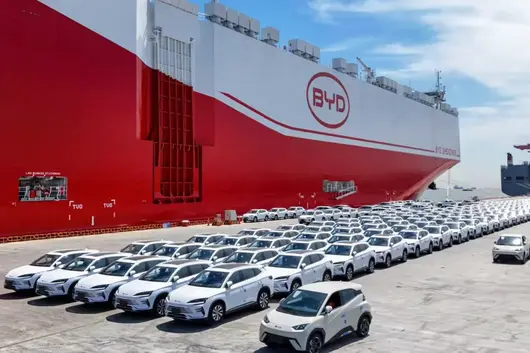
这个判断放到10月的销量数据里看会更具体。比如比亚迪,10月卖了490168辆,再度成为销冠,应该没什么悬念。其中它的海外销量为169564辆,占其总销量的比例接近35%,同比增长103%。放在几年前,这个海外占比和增速几乎不可想象。

而且,比亚迪不是把国内车型原封不动搬到欧洲,而是针对不同市场的法规、路况、消费习惯去改产品、调方案。这就引出了有关比亚迪一个被讨论得不够充分的事实,即它的自研纵深,远不止“混动+刀片电池”这一层。

在多数人印象中,比亚迪的长板是电池和混动技术。这没错,但这只是它从“技术鱼池”捞出的“大鱼”中的一部分。它的电机、电控、功率半导体、车规级芯片,也都一直自己在做,能独立生产刀片电池、永磁同步电机、电控和IGBT/碳化硅功率模块等,核心环节的自给率很高。
更值得一提的是芯片。比亚迪自己组建了IC设计部,是国内最早量产车规级IGBT和SiC功率芯片的车企。智能化层面,4nm车规级智驾芯片璇玑A3,已经实现规模化量产,单颗算力超过700 TOPS,三颗协同超过2100 TOPS,支持L3、L4自动驾驶辅助。更重要的是,它的芯片和自研算法是协同设计的,不是像很多车企那样,买来别人的芯片再做适配。

这些能力相加,不再是单纯的某项技术领先,而是一种结构性的领先。从功率半导体到三电,从混动系统到智驾芯片,关键环节不依赖外购,整车的大部分零部件可以自己造。瑞银(UBS)之前拆解比亚迪海豹时,曾算过一笔账,超七成的零部件是比亚迪自产的,这个比例是特斯拉的两倍多。说白了,很多车企走的是“设计车、采购件、组装交付”的路子,而比亚迪是把相当一部分供应链装在了自己体内。
这种结构在平时体现为成本和节奏优势,到了海外市场体现的是改方案的弹性。如果欧洲突然调了某类排放标准,或是对功率器件的本地化比例提出要求,电控和功率芯片若是外购的,改一个参数就要跟供应商重走一轮周期;而所涉的零部件是自研自产的,调整的链条自然就短了很多。海外建厂也是同样的逻辑,比亚迪在泰国、巴西、乌兹别克斯坦的工厂已经投产,匈牙利工厂也在推进,本地化生产不只是绕开关税,更是把能自己控制的供应链,直接搬到了离市场更近的地方。
当然,这不是说垂直自研是唯一一条路。外购模式有外购的灵活,研发周期短,车型落地快,在国内市场快速迭代很有效。但全球市场的规则在变,配额、法规、专利审查、本地化比例等变量,车企控制不了。手里没有核心技术,遇到规则调整就只能等靠供应商;而自己手里有,就可以自主修改和调整。

事实上,因技术路线、市场表现等的原因,比亚迪天然地成为一个值得且方便观察的样本。在中国车企中,走自研路线的不止一家,只是深浅不同、侧重点不同。但出海走到配额都需要“进京争取”这一步,说明竞争已经不在展厅里了,而在谁能用自己的技术体系,接住一个不断变化的全球市场。短期看销量,长期看的是当海内外规则变了的时候,你手里还有没有牌可以打。

Dalam pasaran SUV Malaysia, ramai pembeli membandingkan Mazda CX-3 dan Hyundai Santa Fe semasa memilih kereta. Kedua-dua kereta ini mempunyai harga dan kedudukan pasaran yang agak hampir, hari ini kita akan buat perbandingan terperinci dari pelbagai aspek, membantu anda menjimatkan masa membuat kajian.
Harga OTR Mazda CX-3 di Malaysia adalah RM 126,159 - 139,159, terdapat 2 varian, termasuk 2023 2.0L High (RM 139,159), 2023 2.0L Plus (RM 126,159) dan lain-lain.
Harga OTR Hyundai Santa Fe di Malaysia adalah RM 225,000 - 270,000, terdapat 3 varian, termasuk 2025 2.5T DCT 4WD Calligraphy 6 Seats (RM 270,000), 2025 HEV 1.6T AT 2WD Prestige 7 Seats (RM 245,000), 2025 HEV 1.6T AT 2WD Prime 7 Seats (RM 225,000) dan lain-lain.
Dari segi harga, harga permulaan Mazda CX-3 memang RM 98,841 lebih murah daripada Hyundai Santa Fe. Jika bajet anda terhad, varian asas Mazda sudah boleh memenuhi keperluan harian. Tetapi perlu diingat, perbezaan harga beberapa ribu itu, mungkin ada kompromi pada ciri, ia bergantung pada keperluan anda.

Mazda CX-3 menggunakan enjin 1.5L Turbo, kuasa 140 hp. Penggunaan minyak rasmi 7.0 L/100km.
Hyundai Santa Fe menggunakan enjin 2.0L 4-cyl, kuasa 170 hp. Penggunaan minyak rasmi 8.0 L/100km.
Dari segi kuasa, enjin 2.0L 4-cyl Hyundai Santa Fe mempunyai 30 hp lebih daripada 1.5L Turbo Mazda CX-3. Namun dalam memandu harian di bandar, kuasa kedua-dua kereta sudah mencukupi, tidak akan terasa kurang kuasa.

Penggredan keselamatan Mazda CX-3 adalah 5★ (ASEAN NCAP), sistem keselamatan aktif termasuk i-Activsense.
Penggredan keselamatan Hyundai Santa Fe adalah TBD, sistem keselamatan aktif termasuk Basic.
Dari segi peralatan keselamatan, kedua-dua kereta telah mendapat penggredan yang bagus. Namun i-Activsense Mazda CX-3 dan Basic Hyundai Santa Fe mempunyai perbezaan dalam fungsi, jika anda mengutamakan keselamatan aktif, anda boleh membandingkan senarai fungsi kedua-duanya dengan teliti.

Mazda CX-3 mempunyai jaminan 5 tahun/150,000km, selang penyelenggaraan setiap 10,000km atau 6 bulan.
Hyundai Santa Fe mempunyai jaminan 5 tahun/300,000km, selang penyelenggaraan setiap 10,000km atau 6 bulan.

Secara keseluruhan, Mazda CX-3 dan Hyundai Santa Fe adalah model kereta yang sangat bagus di pasaran Malaysia. Memilih yang mana, utama adalah lihat keperluan dan bajet peribadi anda. Kami sarankan anda membuat kajian, bandingkan kutipan harga dari kedai kereta, kemudian buat ujian memandu untuk membuat keputusan akhir. Membeli kereta adalah perkara penting, menghabiskan sedikit masa untuk membuat kajian tidak akan salah.


喺馬來西亞嘅 SUV 市場,好多買家喺揀車嘅時候都係會用 Mazda CX-3 同 Hyundai Santa Fe 嚟做比較。兩款車喺價位同定位上都蠻接近,今日我哋就從多個方面做一個詳細嘅比較,幫你省下做功課嘅時間。
Mazda CX-3 喺馬來西亞嘅 OTR 售價係 RM 126,159 - 139,159,總共 2 個版本,包括 2023 2.0L High(RM 139,159)、2023 2.0L Plus(RM 126,159) 等。
Hyundai Santa Fe 喺馬來西亞嘅 OTR 售價係 RM 225,000 - 270,000,總共 3 個版本,包括 2025 2.5T DCT 4WD Calligraphy 6 Seats(RM 270,000)、2025 HEV 1.6T AT 2WD Prestige 7 Seats(RM 245,000)、2025 HEV 1.6T AT 2WD Prime 7 Seats(RM 225,000) 等。
從價錢嚟睇,Mazda CX-3 嘅起步價確實比 Hyundai Santa Fe 便宜咗 RM 98,841。如果你預算有限,Mazda 嘅入門版已經可以滿足日常需求。但亦都要注意,嗰幾千蚊,可能喺配備上會有取舍,具體要看你嘅需求。
Mazda CX-3 搭載 1.5L Turbo,馬力 140 hp。官方油耗 7.0 L/100km。
Hyundai Santa Fe 搭載 2.0L 4-cyl,馬力 170 hp。官方油耗 8.0 L/100km。
動力方面,Hyundai Santa Fe 嘅 2.0L 4-cyl 比 Mazda CX-3 嘅 1.5L Turbo 多咗 30 匹馬力。不過日常喺市區開,兩款車嘅動力都夠用,唔會覺得唔夠力。
Mazda CX-3 嘅安全評級係 5★ (ASEAN NCAP),主動安全系統包括 i-Activsense。
Hyundai Santa Fe 嘅安全評級係 TBD,主動安全系統包括 Basic。
安全配備方面,兩款車都拿到唔錯嘅評級。不過 Mazda CX-3 嘅 i-Activsense 同 Hyundai Santa Fe 嘅 Basic 功能上有一啲差異,如果你比較重視主動安全嘅話,可以仔細對比下兩者嘅功能列表。
Mazda CX-3 車身長 4500 mm,後備箱 450 L。
Hyundai Santa Fe 車身長 4400 mm,後備箱 400 L。
空間方面,Mazda CX-3 嘅車身比 Hyundai Santa Fe 長咗 100 mm,車內乘坐空間會稍微闊少少,尤其係後座腿部空間。如果你經常載家人或者需要放嬰兒車,大少少嘅車身確實更實用。
Mazda CX-3 採用 FWD 驅動方式。
Hyundai Santa Fe 採用 FWD 驅動方式。
兩款車嘅驅動方式一樣,都係 FWD,日常駕駛感受唔會有太大分別。

總體嚟講,Mazda CX-3 同 Hyundai Santa Fe 都係馬來西亞市場嘅幾款唔錯車型。揀邊一輛,關鍵始終都要睇你嘅個人需求同預算。建議大家做足功課,多比較幾間車行嘅報價,先試駕做最終決定。買車係件大事,花少少時間做功課絕對唔會錯。

In the Malaysian SUV market, many buyers compare Toyota Harrier and Land Rover Discovery Sport when choosing a car. These two vehicles are quite close in price and positioning. Today we will make a detailed comparison from multiple aspects to help you save time on research.
The OTR price for Toyota Harrier in Malaysia is RM 289,000 - 289,000, with a total of 1 version, including 2026 HEV 2.5L Standard (RM 289,000), etc.
The OTR price for Land Rover Discovery Sport in Malaysia is RM 499,800 - 499,800, with a total of 1 version, including Standard (RM 499,800), etc.
From the price perspective, the starting price of Toyota Harrier is indeed RM 210,800 cheaper than Land Rover Discovery Sport. If your budget is limited, Toyota's entry-level version can already meet daily needs. However, you should also note that the difference of a few thousand might involve trade-offs in features, depending specifically on your needs.

Toyota Harrier's safety rating is 5★ (ASEAN NCAP), and the active safety system includes Brand ADAS.
Land Rover Discovery Sport's safety rating is TBD, and the active safety system includes Basic.
Regarding safety features, both vehicles have received decent ratings. However, there are some differences in functionality between Toyota Harrier's Brand ADAS and Land Rover Discovery Sport's Basic. If you value active safety highly, you can compare their feature lists in detail.

Toyota Harrier has a 5-year/unlimited mileage warranty, maintenance interval every 10,000km or 6 months.
Land Rover Discovery Sport has a 3-year/100,000km warranty, maintenance interval every 10,000km or 6 months.

Toyota Harrier and Land Rover Discovery Sport are both mainstream choices in the Malaysian market, suitable for family use and daily commuting. If you value brand reputation and resale value more, you can prioritize the one with better reputation; if you care more about cost-performance ratio and features, choose the model with richer configurations. Ultimately, it is recommended to test drive both, as personal experience is the most important.

Overall, Toyota Harrier and Land Rover Discovery Sport are both excellent models in the Malaysian market. Which one to choose depends on your personal needs and budget. It is recommended to do your research, compare quotes from several dealerships, and then test drive to make a final decision. Buying a car is a major decision; spending some time on research is never wrong.


8 Consecutive Months of Dual Growth, Geely's Highlights Go Beyond 310,000 Units
— In-depth Breakdown of the Three Growth Curves of October New Energy, Premiumization, and Globalization
On November 1, Geely Automobile Holdings Limited (0175.HK) announced the latest sales data: October sales totaled 310,183 units, exceeding 300,000 units for the first time this year. It achieved dual month-over-month and year-on-year growth for 8 consecutive months, with a monthly increase of 6%. Monthly data is never scarce in the industry; what is truly scarce is the ability to consistently deliver on monthly figures.
Breaking down this report reveals that 310,000 units are merely the result; the real variables lie within the structure: New Energy products broke the 200,000 unit mark in a single month for the first time, overseas exports stood at 100,000 units for 5 consecutive months, and luxury brands completed their full-year goals first. In the past, growth for many enterprises relied on single hit products for pulse-like spikes, while this scorecard from Geely presents a synergy formed by several curves moving upward simultaneously. The following sections will unpack the true substance behind these data points layer by layer from five dimensions: total volume foundation, New Energy matrix, premiumization, technology reserve, and globalization.
I. Total Volume Foundation: 8 Consecutive Months of Dual Growth, It's Never About Spiking High, But Withstanding Volatility
A single monthly spike can be achieved through marketing nodes; achieving dual month-over-month and year-on-year growth for 8 consecutive months tests the thickness of a company's foundation to navigate industry cycles.
In October, Geely Group sales reached 310,183 units, up 6% month-over-month. Looking at segments, Geely Brand sold 255,742 units, up 8% year-on-year and 4% month-over-month; Zeekr delivered 32,483 units, up 52% year-on-year; Lynk & Co sold 21,958 units, up 19% month-over-month. All three segments moved upward in the same direction, avoiding an overall decline caused by the failure of a single pillar.
The stability of the fuel base is equally key. Geely China Star sales reached 102,357 units in October, retaining the title of China Brand Fuel Passenger Vehicle Sales Champion for the 10th consecutive year. Among them, the Boyue Family contributed 25,075 units, while the China Star Premium Series sold 39,094 units, with a cumulative historical sales volume exceeding 2 million vehicles. Against the backdrop of a continuous contraction in the overall fuel vehicle market, this business line did not passively wait for shrinkage but proactively shifted gears and upgraded using HEV technology: i-HEV models sold 19,631 units in October, accounting for over 19% of China Star sales, with cumulative sales approaching 76,000 vehicles. Standing firm on both oil and electric legs is the underlying reason why the 8-month dual growth showed no interruption.

Figure 1 Geely Automobile October Group Sales Performance Report
II. New Energy Matrix: From One Xingyuan Ruling the Market to Multi-Model Synergy for Volume
The true significance of breaking the 200,000-unit mark in a single month lies not in setting a record, but in the model structure supporting the record having changed.
In October, Geely New Energy product sales (including Geely, Lynk & Co, Zeekr) reached 214,996 units, up 21% year-on-year, breaking the 200,000-unit mark in a single month for the first time and setting a historical high. The New Energy sales share reached 69.31%, also breaking the historical record. This means New Energy has transformed from a marginal contributor to growth into the actual foundation of the Group's sales volume.
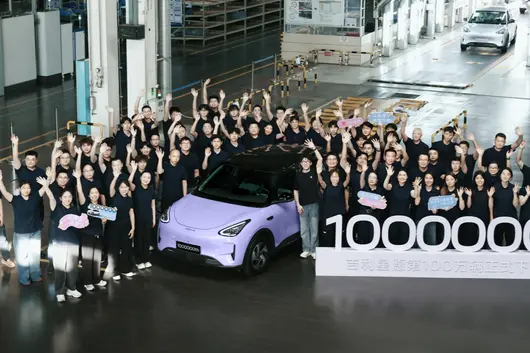
The volume-driving Galaxry Brand sold 153,385 units in October, setting a new monthly sales record. Cumulative sales from January to October reached 1,030,569 units, solidifying its position in the first tier of mainstream New Energy. Among them, Galaxy Xingyuan sold 71,337 units, with monthly sales exceeding 50,000 units for 5 consecutive months; the 1 millionth mass-produced whole vehicle officially rolled off the production line at the Xiangtan manufacturing base, with one vehicle rolling off the line every 55 seconds on average, breaking the global automotive market record for one-million-vehicle roll-off speed. The phase where one car alone carries the market load is passing: waist models like Xingjian sold 25,476 units in July, Galaxy E5 sold 14,194 units, with stable breakthroughs over 10,000 units for consecutive months; upward breakthrough models are taking over, with the C-class AI pure electric sports sedan Galaxy TT delivering 10,225 units in its first complete delivery month; on October 10, the New Energy rugged SUV Galaxy Warship 700 launched. Confirmed orders broke 10,000 units within 12 minutes of launch, with monthly sales reaching 8,285 units.
From mainstream home use to pure electric sports coupes to rugged off-road, the Galaxy product line is completing its length and width. The value of matrix sales lies in: when the popularity of a single model fluctuates, the overall market load has other models to support it, thereby significantly enhancing the certainty of growth.

Figure 2 Geely Xingyuan 1 Millionth Whole Vehicle Officially Rols Off the Line at Xiangtan Base

Figure 3 Galaxy Warship 700: A New Option for Rugged SUVs in the New Energy Era
III. Premiumization Report: Scale and Premium Value Established Simultaneously, Breaking the Habit of "Volume Without Price"
The difficulty in building a premium brand domestically is not in selling a single high-priced car, but in forming a stable scale for high-priced cars; Zeekr's October data offers a feasible sample.
In October, Zeekr deliveries reached 32,483 units, up 52% year-on-year, with monthly sales exceeding 30,000 units for 7 consecutive months; cumulative deliveries from January to October exceeded 320,000 units, up 94.4% year-on-year, with an average transaction price close to 370,000 Yuan, completing the 300,000-unit annual sales target. There is also a product foothold in the high-price segment: Zeekr 9X delivered 6,030 units this month, with an average transaction price per vehicle above 530,000 Yuan. More than 80% of owners actively recommend it, ranking first in sales volume for vehicles above 500,000 Yuan from January to September; Zeekr 009 topped the sales volume ranking for pure electric MPVs above 400,000 Yuan from January to September. Meanwhile, Zeekr overseas deliveries in October reached 14,162 units, with monthly sales exceeding 10,000 units for 3 consecutive months. Overseas sales share exceeded 40%, with premium models copying product power verified in the domestic market to the global market.
On the other pole, Lynk & Co is in a stage of stabilizing and recovering: October sales reached 21,958 units, up 19% month-over-month. New Energy model share exceeded 80%, with Lynk & Co 07 GT retaining the title of China Wagon Sales Champion for two consecutive months. Achievements off the track also feed back into brand perception—Lynk & Co swept the annual Team, Driver, and Vehicle Championship three titles in the 2026 season TCR China Championship, solidifying the tag of "China's Number 1 Automotive Sports Brand" with racing results. One is responsible for scaling up volume, the other is in a storage phase after structural adjustment; the two together constitute the price ladder product tier of the Group.

Figure 4 Lynk & Co Sweeps 2026 Season TCR China Championship Team, Driver, Vehicle Three Championships
IV. Technology Dark Line: Smart Driving for Mass Scale, Charging Energy Building Eco-Network, Methanol Reserve for Long-Term Options
Monthly sales reflect current product power, while what determines the industry ranking two years later is the technology layout buried beneath the report.
Regarding intelligence, the deployment scale of the Qianli Haohan assisted driving system and actual usage are simultaneously entering the scale stage. According to the "Qianli Haohan 2026 Mid-Autumn and National Day Travel Report", as of October 7, cumulative Qianli Haohan owners reached 1.073 million. Assisted driving activation rate was 93.9%, cumulative assisted driving mileage was 3.14 billion kilometers, up 252.6% year-on-year, leading the industry with two firsts: domestic brand deployment scale growth rate and assisted driving mileage growth rate. Unlike the route of concentrating deployment only on high-price flagship models, Geely relies on multi-brand, multi-price band models to bring assisted driving to more mass-market user groups. The real usage data at scale will in turn accelerate algorithm iteration.
Charging infrastructure is another mid-term infrastructure project. The Megawatt-level smart charging technology released by Geely has a single gun power reaching 2.2 Megawatts, combined with the industry's first AI temperature control technology and full-link five-end liquid cooling solution, setting a new benchmark for charging energy safety. At the network level, Geely is carrying out strategic cooperation with NIO in the charging and battery swap field. It plans to build 6,000 smart charging stations and over 20,000 smart charging guns by the end of 2026, and over 22,000 charging stations and over 100,000 charging guns by the end of 2027, promoting high-density "County Connectivity" coverage.
On long-term energy routes, Geely's next-generation methanol hybrid technology will be officially released on November 3. The world's first methanol hybrid family sedan Galaxy Starshine 6 EF will also go on sale soon. Previously, the vehicle completed ground shuttle trials as the conference's official designated vehicle. Smart driving corresponds to current popularity, charging energy corresponds to mid-term ecosystem, methanol corresponds to long-term energy options. The three technology lines constitute a tiered reserve in the time dimension.

Figure 5 Qianli Haohan Deployment Volume and Assisted Driving Mileage Growth Rate Dual Firsts

Figure 6 Galaxy Starshine 6 EF: World's First Methanol Hybrid Family Sedan Launching Soon
V. Globalization 2.0: After Exports Exceed 100,000 Units for 5 Consecutive Months, the Competition Is Root Depth
Early overseas expansion competed on single-car price-performance; current overseas expansion competes on comprehensive system capabilities of channels, brands, and localization operations.
In October, Geely overseas export sales reached 107,153 units, up 158% year-on-year, with single-month exports exceeding 100,000 units for 5 consecutive months. Structural changes are even more worth noting: New Energy product exports reached 82,565 units in the same month, skyrocketing 506% year-on-year, with New Energy share of export sales rising to 77%. Cumulative exports for the first three quarters reached 798,000 units, up 169%. The contour of the second growth curve is clearly visible.
Market layout is moving from single-point breakthrough to multi-regional synergy. At the 2026 Paris Auto Show, Geely debuted for the first time with a Group line-up bringing Geely, Lynk & Co, and Zeekr three brands to the collective stage, with core technologies such as SEA-S Galaxy Architecture and Smart Electric Drive displayed externally; in September, sales of Geely, Lynk & Co, and Zeekr in Europe exceeded 10,000 units in a single month for the first time. In the UK market, the 100th retail outlet was signed up. Entering the market for only 11 months, cumulative vehicle registrations broke 10,000 units, with September single-month registrations exceeding 5,000 units. On October 9, Geely announced formal entry into the Canadian market, with the first batch of models planned to meet consumers locally in 2027. Regional scorecards blossom in multiple points: Zeekr ranked first in luxury brand sales volume in Australia in the third quarter; in September, it rose to second in the Malaysian electric brand ranking; Geely took the top spot in China Brand Passenger Vehicle Sales in Panama in September.
From outputting products to laying out channels to precipitating local systems, Chinese brand overseas expansion has passed the phase of "whether there are cars to sell" and entered a new phase of "whether it can sustain rooting".

Figure 7 Geely Group Debuts at 2026 Paris Auto Show for the First Time with Three-Brand Line-up
Conclusion: The Moat Is Growth Structure, Not Single-Month Peak
Observing the five clues side-by-side yields a conclusion more complete than "310,000 units": the core driver of Geely's October growth is not the pulse-like explosion of a single new car, but the structural growth woven together by mainstream brands driving volume, premium brands commanding premiums, fuel foundation HEV-ization, multi-route technology reserves, and multi-regional overseas landing. Monthly figures fluctuate with seasons and promotional rhythms, while once the growth structure is formed, it brings resilience that transcends the cycle.
The fourth quarter ahead is still node-heavy: November 3 next-generation methanol hybrid technology will be officially released; November 5 the 2027 model Lynk & Co 08 EM-P goes on sale, Galaxy M8, Lynk & Co 900L, 2027 model Zeekr 7X and other new cars will be sequentially introduced; combined with the 40th Anniversary of Founding and Hangzhou Marathon "Add Energy Together" brand node, the market will still see dense product and buzz placement. For automakers at the 300,000 units monthly sales level, the true moat is never a single month's sales peak, but the growth structure behind the peak that does not rely on single points—this is precisely the reading focus this October report leaves for the industry.

Dalam pasaran SUV Malaysia, ramai pembeli membandingkan Toyota Harrier dan Land Rover Discovery Sport semasa memilih kereta. Kedua-dua kereta ini hampir sama dari segi harga dan penargetan, hari ini kami akan buat perbandingan terperinci dari pelbagai aspek untuk membantu anda menjimatkan masa membuat kajian.
Toyota Harrier di Malaysia mempunyai harga OTR RM 289,000 - 289,000, secara keseluruhan mempunyai 1 varian, termasuk 2026 HEV 2.5L Standard (RM 289,000) dan lain-lain.
Land Rover Discovery Sport di Malaysia mempunyai harga OTR RM 499,800 - 499,800, secara keseluruhan mempunyai 1 varian, termasuk Standard (RM 499,800) dan lain-lain.
Dari segi harga, harga permulaan Toyota Harrier memang lebih rendah daripada Land Rover Discovery Sport sebanyak RM 210,800. Jika bajet anda terhad, varian masuk Toyota sudah boleh memenuhi keperluan harian. Tetapi perlu diingat juga, perbezaan harga beberapa ribu ringgit ini mungkin ada pengorbanan dari segi kelengkapan, bergantung pada keperluan anda.
Toyota Harrier panjang badan 4400 mm, ruang muatan belakang 400 L.
Land Rover Discovery Sport panjang badan 4400 mm, ruang muatan belakang 400 L.
Saiz kedua-dua kereta hampir sama, ruang dalaman juga tidak banyak berbeza. Untuk kereta kategori ini, ruang sudah mencukupi untuk kegunaan harian.
Toyota Harrier jaminan 5 tahun/jarak tidak terhad, selang servis setiap 10,000 km atau 6 bulan.
Land Rover Discovery Sport jaminan 3 tahun/100,000 km, selang servis setiap 10,000 km atau 6 bulan.
Toyota Harrier dan Land Rover Discovery Sport adalah pilihan utama di pasaran Malaysia, sesuai untuk kegunaan keluarga dan perjalanan harian. Jika anda lebih mementingkan nama baik jenama dan nilai jualan semula, boleh mengutamakan model yang mempunyai reputasi lebih baik; Jika anda lebih mementingkan nilai harga dan kelengkapan, pilih model yang mempunyai kelengkapan lebih lengkap. Pada akhirnya, disarankan untuk memandu kedua-dua model, pengalaman langsung adalah yang paling penting.
Secara keseluruhannya, Toyota Harrier dan Land Rover Discovery Sport adalah model yang sangat bagus di pasaran Malaysia. Memilih yang mana satu, kunci utamanya bergantung pada keperluan dan bajet peribadi anda. Disarankan agar anda membuat kajian terlebih dahulu, bandingkan harga dari beberapa kedai kereta, kemudian buat ujian pemanduan sebelum membuat keputusan akhir. Membeli kereta adalah perkara besar, menghabiskan masa membuat kajian tidak akan pernah salah.

Dalam pasaran SUV di Malaysia, ramai pembeli membandingkan Toyota Harrier dan Audi Q7 apabila memilih kereta. Kedua-dua kereta ini mempunyai harga dan kedudukan yang agak hampir, hari ini kita akan buat perbandingan terperinci dari pelbagai aspek untuk membantu anda menjimatkan masa membuat penyelidikan.
Toyota Harrier dijual dengan harga OTR di Malaysia sebanyak RM 289,000 - 289,000, terdapat 1 varian, termasuk 2026 HEV 2.5L Standard (RM 289,000) dan lain-lain.
Audi Q7 dijual dengan harga OTR di Malaysia sebanyak RM 462,222 - 462,222, terdapat 1 varian, termasuk Standard (RM 462,222) dan lain-lain.
Dilihat dari harga, harga permulaan Toyota Harrier memang lebih murah RM 173,222 daripada Audi Q7. Jika bajet anda terhad, model permulaan Toyota sudah cukup untuk memenuhi keperluan harian. Tetapi perlu diingat, perbezaan harga beberapa ribu itu mungkin ada pertukaran dari segi kelengkapan, lihat mengikut keperluan anda.
Penarafan keselamatan Toyota Harrier adalah 5★ (ASEAN NCAP), sistem keselamatan aktif termasuk Brand ADAS.
Penarafan keselamatan Audi Q7 adalah 5★ (Euro NCAP), sistem keselamatan aktif termasuk Premium ADAS.
Dari segi kelengkapan keselamatan, kedua-dua kereta mendapat penarafan yang baik. Namun, Brand ADAS pada Toyota Harrier dan Premium ADAS pada Audi Q7 mempunyai perbezaan dari segi fungsi. Jika anda mementingkan keselamatan aktif, anda boleh membandingkan senarai fungsi kedua-duanya dengan teliti.
Panjang Toyota Harrier 4400 mm, ruang muatan 400 L.
Panjang Audi Q7 4400 mm, ruang muatan 400 L.
Saiz kedua-dua kereta itu hampir sama, ruang dalaman tidak banyak berbeza. Kereta dalam kategori ini, penggunaan harian sudah memadai.
Toyota Harrier dan Audi Q7 kedua-duanya pilihan utama pasaran Malaysia, sesuai untuk penggunaan keluarga, perjalanan harian. Jika anda lebih mementingkan reputasi jenama dan nilai kedua, boleh utamakan yang mempunyai reputasi lebih baik; jika anda lebih mementingkan nilai dan kelengkapan, maka pilih yang lebih kaya dengan konfigurasi. Akhir sekali, cadangan adalah untuk memandu kedua-duanya, pengalaman sendiri adalah yang paling penting.

Secara keseluruhannya, Toyota Harrier dan Audi Q7 kedua-duanya model yang cukup bagus di pasaran Malaysia. Memilih mana satu, penting adalah melihat keperluan dan bajet anda sendiri. Kami sarankan anda buat penyelidikan, bandingkan banyak sebutan harga dari pelbagai kedai kereta, kemudian lakukan ujian memandu untuk membuat keputusan akhir. Membeli kereta adalah perkara besar, meluangkan masa membuat penyelidikan tidak akan salah.

一組數據,難以置信。
9 月銷量,日產同本田,喺中國市場均係 2 萬多輛。咩概念?唔如盛年一款車嘅單月銷量。喺華份額降至 10.7%,五年前仲係 23%。
當然,好漢唔提當年勇。因為,無顏以對。
10 月走勢,亦唔容樂觀,车市期待嘅「金九銀十」並冇如期而至,日系車嘅局面更加急迫。目前,日系「三巨頭」入面,唯一能夠勉強維持體面嘅,淨係得豐田。
不過,這份所剩唔多嘅體面,已經難以成為日系車嘅「遮羞布」。
步入諾基亞後塵?
崩潰,定係崩盤?
皆有之。
喺華份額,日系車淨得一成,呢個成績可以稱為「崩盤」,但係搵唔到止跌辦法嘅日系,的確處於「崩潰」嘅邊緣。
「除非情況發生改變,否則我哋將無法生存。」
「公司已經去到生存危亡嘅邊緣。」
邁入 2026 年以來,日系車多次發出類似嘅預警。到了 9 月,日系巨頭連預警都難以講出。呢份銷量表現,好似一記重錘,再次錘到日系車企嘅心頭。
兩個本田,東風本田靠著 CR-V 同 HR-V 呢兩個經典 SUV 車型撐門面,賣咗 1.7 萬輛,下滑依舊。呢已經算係好尷尬嘅數字,比呢更為尷尬嘅係廣汽本田,單月銷量唔足 5000 輛,跌咗 8 成以上。

本田坦言,銷量下滑唔單止受到汽油價格上漲嘅影響,更關鍵嘅係內部產品問題。從產品結構嚟睇,目前本田在售車型中超九成仲係燃油車型。
日產喺華銷量 2.36 萬輛,同比暴跌 60%,已經連續多月下滑。日產計劃削減喺華 30% 產能,同奇瑞接手日產喺南非嘅工廠,交織在一起。都知道,呢唔係買咗幾台機器,而是代表咗汽車產業邏輯嘅徹底更迭。
被取代嘅係日系。
只有豐田,仲在努力,成為日系車喺華銷量嘅主要支撐。卡羅拉、凱美瑞、RAV4 等車型積累咗長期用戶,燃油車同混合動力車型都保留住競爭力,單月銷量維持喺 10 萬輛。
不過下滑速度亦喺加快。因為,喺純電市場,豐田尚未建立起同傳統燃油車相當嘅規模優勢。
如果話,日系走到咗諾基亞時刻,已經唔算誇張。

豐田,都無力遮羞日系。
症結都知道喺邊。
用英國《經濟學人》雜誌嘅話嚟講,「日本汽車產業正面臨數十年來最嚴峻嘅結構性危機,多家企業同時承受獲利下滑、電動化轉型落後,以及來自中國車廠嘅強勢競爭壓力。」
短短五年,日系車喺華銷量佔從 23% 一路快速跌去唔足一成,下滑嘅速度,以及每出一次不及預期嘅財報,疼痛都會順住產業鏈傳到日本經濟嘅神經末梢。
中國市場嘅表現,對日系嚟講,係致命一擊。
「夕陽西下」
日媒唔止一次問到,「我哋最後一個支柱產業都要崩盤啦?」
單睇中國市場,日系的確唔樂觀。甚至去到「生死存亡」之際。不過,放喺全球市場,日系車嘅形勢,都唔樂觀。
幾個月前,《紐約時報》記錄咗一個刺眼嘅事實,本田自 1957 年上市以來第一次交出咗年度淨虧損,觸發這筆虧損嘅電動化戰略回撤,賬單超過 90 億美元。
至於日產,裁員、賣樓、砍掉多條產品線,日子難熬到不得不動用「賣大樓」呢種「孤注一擲」嘅自救手段,但效果唔好。

喺技術路線抉擇上,日本又賭錯咗一把,押注過於集中,滿心以為氫能、混動、油改電能各打七分,不肯喺純電上重倉下注。
比如豐田,將氫燃料電池乘用車視為未來核心,豐田 Mirai 十年淨售約 2.7 萬輛,加氫站建設遠低於計劃,陷入「車少站少」死循環。
如果話,喺中國市場,日系車係被技術路線打敗嘅,那麼喺另外嘅核心市場,中東市場就係被地緣政治嚴重牽連。地緣衝突導致關鍵供應鏈路線中斷,物流成本飆升,出口通道被卡死,使得日系喺呢個核心市場出現大幅度下滑。
9 月,中東銷量同比大跌 29.8%,同同期中國市場嘅 19.7% 降幅,共同拖累豐田全球銷量連續第三個月走低。
豐田喺聲明中表示,由於較高嘅汽油價格抑制咗對汽油車同混合動力汽車嘅需求,中國市場降幅已延長至連續第八個月,喺中東市場暴跌,喺日本同美國(豐田最大市場)分別增長 1.8% 同 8.4%。
喺日系長據嘅東南亞市場,亦出現咗一場「一場遲到十年嘅技術自殺」。日系車喺各大市場都出現咗同樣嘅三大致命傷,押錯混動技術、供應鏈僵化、傲慢定價。
所以,當比亞迪們用 240% 增速衝破舊賽道,普華永道合夥人帕特里克·齊希曼嘅判詞正喺成為現實,「日本車喺東南亞嘅無敵時代,徹底結束咗。」
當比亞迪用 Atto3 拿下泰國出租車市場時,本田 CR-V 喺馬來西亞嘅配置單仲停留在 12 年前嘅水平。當比亞迪泰國工廠向歐洲反向出口時,豐田先匆匆宣布 2030 年電動車計劃。
當東南亞、中東、拉美呢啲曾經嘅日系鐵盤區,一眼望落去都係中國電車嘅時候,全球汽車權力規則改寫嘅速度,再明顯不過。

日系車喺東南亞嘅教訓,堪比柯達錯過數碼相機革命。喺歐洲市場,外電用詞都唔客氣,日本品牌已經「夕陽西下」,表現唔佳嘅部分原因在於,日系通常係喺本土市場研發嘅,動力系統同歐洲市場嘅需求少少契合。
日產汽車首席執行官埃斯皮諾薩曾指出呢一點,「來自中國企業嘅競爭日益激烈。過去,我哋曾大力投資歐洲市場嘅特定產品。但喺我哋目前嘅規模嚟講,呢種模式已難以為繼。」
據《日經亞洲評論》報道,豐田、本田、日產、鈴木、馬自達、斯巴魯同三菱呢七間日本主要車企,預計 2026 財年合計淨利潤為 3.9 萬億日元,較 2023 財年 7.54 萬億日元嘅歷史峰值下降 48%,接近腰斬。
目前,唯有美國市場仲能為日系銷量撐下顏面,只係困境仍多,關稅大棒始終懸喺頭上。日系車企,喺北美市場依賴過重。
點錯科技樹
好多人亦問過,「點解日系總喺最正確嘅路上走錯方向?」
其實,日系車企每一次押注路線嘅速度並唔慢,但係往往會出現,極致嘅技術同市場需求嘅發展唔匹配,就係一場昂貴嘅自嗨。
從 2000 年開始,日本喺混合動力技術上就佔咗絕對嘅優勢,曾經豐田普銳斯一問世,就係節能車輛嘅標竿。不過,因為固守內燃機先機,錯失擁抱純電佔上風嘅時機。
而且,喺過往多年多次科技領域嘅證明入面,日本企業一旦掌握咗某項先進技術後,最鍾意乾嘅事,透過構築密不透風嘅專利壁壘,躺收全球製造業利潤。
喺新能源汽車嘅發展上,日系亦係咁樣做。此前,日系押注嘅係氫能源。可以話,日本喺氫能源領域嘅投入,堪稱舉國之力。

喺 2008 年,日本就開始研究燃料電池,到 2013 年憑藉復興戰略確立咗優勢。可以話,從技術專利到基礎設施,從制氫到儲氫到燃料電池,幾乎把氫能源嘅每個環節都佈局咗專利壁壘。
日本手傭全球 83% 氫燃料電池專利,試圖建「收費站」壟斷利潤。意圖過於明顯,以至全球市場都看透咗。
「中美兩大市場根本冇按照日本設想嘅劇本走」,業內人士表示,中美市場唔願受制於人,集體轉向純電。「中國選擇純電路線,美國喺特斯拉旗下亦押注純電。」
咁嚟,日本技術失去咗喺中美主要市場嘅支撐。再加上氫能源汽車銷量慘淡,加氫站佈局緩慢,冇保有量,充電速度唔佔優,使得呢啲技術專利暫無用武之地。
「賭咗半日,發現投咗幾萬億日元嘅賽道,完全冇幾多人跟住跑。」
所以,當純電市場飛快發展嘅時候,市場嘅持續下滑,令到日系慌咗陣腳,又唔願意放棄耗費心力嘅氫能源佈局,亦未能對純電佈局「斬釘截鐵」,以至出現「多點押注,主次失衡」嘅局面。「燃油 + 混動 + 純電 + 氫能」並行,但資源分配嚴重偏向氫能同混動,純電投入唔足。
「此前我哋高估咗全球純電市場嘅普及速度,激進嘅單一純電路線佈局同區域市場分化格局、企業自身技術節奏嚴重錯配。」本田社長三部敏宏承認預判錯誤。

所以,好多人總係調侃,「日本人總係點錯科技樹。」
不過,對於日系車企嚟講,唔係睇唔到趨勢,係睇到冇辦法全力轉變。龐大嘅財閥體系同毛細血管般嘅供應鏈網絡,亦全力阻礙住日系車嘅轉型。而且,當舊技術嘅利潤結構根深蒂固嘅時候,即係新技术再誘人,都冇哪個掌門人有勇氣主動砸掉賴以為生嘅「基本盤」。
猶豫不決,又大象席地而坐,所以經常喺技術變換嘅節點,點錯科技樹。一旦點錯,所有嘅努力,一秒钟歸零。
「邊個躺喺功勞簿上食老本,邊個就離淘汰唔遠。」
時代嘅車輪滾動,對任何參與者嚟講,都係一次新嘅開始。日系車嘅故事遠未夠到終局,但舊路已經行唔通。
「車到山前必有路,有路必有豐田車」,無力為日系遮羞嘅豐田,能為日系車搵到新嘅路嗎?
註:圖片部分係網絡來源,如有侵權,聯絡刪除。

喺馬來西亞嘅 SUV 市場,好多買家喺揀車嘅時候都會拎 Toyota Harrier 同 Mercedes-Benz GLB 嚟做比較。呢兩款車喺價位同定位上都幾接近,而家我哋就從多個方面做一個詳細嘅比較,幫你節省做功課嘅時間。
Toyota Harrier 喺馬來西亞嘅 OTR 售價係 RM 289,000 - 289,000,一共有 1 個版本,包括 2026 HEV 2.5L Standard(RM 289,000)等。
Mercedes-Benz GLB 喺馬來西亞嘅 OTR 售價係 RM 299,888 - 352,888,一共有 1 個版本,包括 Standard(RM 299,888)等。
從價錢睇嚟,Toyota Harrier 嘅起步價的確比 Mercedes-Benz GLB 平咗 RM 10,888。如果你預算有限,Toyota 嘅入門版已經可以滿足日常需要。但都要注意,平嗰幾千蚊,喺配備上可能会有取捨,具體就要睇你嘅需要。
Toyota Harrier 嘅安全評級係 5★ (ASEAN NCAP),主動安全系統包括 Brand ADAS。
Mercedes-Benz GLB 嘅安全評級係 5★ (Euro NCAP),主動安全系統包括 Premium ADAS。
安全配備方面,兩款車都拿到唔錯嘅評級。不過 Toyota Harrier 嘅 Brand ADAS 同 Mercedes-Benz GLB 嘅 Premium ADAS 喺功能上有啲差異,如果你比較睇重主動安全嘅話,可以仔細比較下兩者嘅功能列表。
Toyota Harrier 採用 FWD 驅動方式。
Mercedes-Benz GLB 採用 FWD 驅動方式。
兩款車嘅驅動方式一樣,都係 FWD,日常駕駛感受唔會有太大區別。
Toyota Harrier 保修 5 年/無限里程,保養間隔 每 10,000km 或 6 個月。
Mercedes-Benz GLB 保修 3 年/100,000km,保養間隔 每 10,000km 或 6 個月。

Toyota Harrier 同 Mercedes-Benz GLB 都係馬來西亞市場嘅主流選擇,適合家庭使用、日常通勤。如果你更睇重品牌口碑同二手價,可以優先考慮口碑更好嗰一款;如果你更在意性價比同配備,那就揀配置更豐富嗰款。最後都係建議兩款都去試駕,親身體驗先係最重要嘅。

總體嚟講,Toyota Harrier 同 Mercedes-Benz GLB 都係馬來西亞市場幾唔錯嘅車款。揀邊一輛,關鍵都要睇你嘅個人需要同預算。建議大家做好功課,多比較間車行嘅報價,再去試駕做最後決定。買車係件大事,花啲時間做功課絕對唔會錯。

喺馬來西亞嘅 SUV 市場,好多買家在揀車嗰陣都會拿豐田 Harrier 同現代 Palisade 嚟做比較。呢兩款車喺價位同定位上都幾接近,而家我哋就從多個方面做一個詳細嘅比較,幫你省返做功課嘅時間。
豐田 Harrier 喺馬來西亞嘅 OTR 售價係 RM 289,000 - 289,000,一共有 1 個版本,包括 2026 HEV 2.5L Standard(RM 289,000)等。
現代 Palisade 喺馬來西亞嘅 OTR 售價係 RM 368,838 - 399,838,一共有 4 個版本,包括 2023 3.8L 2WD Luxe 7 Seats Petrol(RM 399,838)、2023 2.2T 4WD Executive 7 Seats Diesel(RM 389,838)、2023 3.8L 2WD Luxe 8 Seats Petrol(RM 378,838)等。
從價錢嚟睇,豐田 Harrier 嘅起步價確實比現代 Palisade 平咗 RM 79,838。如果你預算有限,豐田嘅入門版已經可以滿足日常需求。但都要注意,平嗰啲幾千蚊,可能喺配備上有取舍,具體要睇你嘅需求。
豐田 Harrier 車身長 4400 mm,車廂後廂 400 公升。
現代 Palisade 車身長 4400 mm,車廂後廂 400 公升。
兩款車嘅尺寸幾乎一樣,車內空間分別唔大。呢個級別嘅車,日常使用完全夠用。
豐田 Harrier 採用 FWD 驅動方式。
現代 Palisade 採用 FWD 驅動方式。
兩款車嘅驅動方式一樣,都係 FWD,日常駕駛感受唔會有太大分別。
豐田 Harrier 同現代 Palisade 都係馬來西亞市場嘅主流選擇,適合家庭使用、日常通勤。如果你更睇重品牌口碑同二手價,可以優先考慮口碑更好嗰一款;如果你更在意性價比同配備,嗰就揀配備更豐富嗰款。最終都係建議兩款都去試駕,親身體驗先係最重要嘅。

總嘅嚟講,豐田 Harrier 同現代 Palisade 都係馬來西亞市場幾唔錯嘅車型。揀邊一部,關鍵仲要睇你嘅個人需求同預算。建議大家做足功課,多比較幾間車行嘅報價,先去試駕做最終決定。買車係件大事,花少少時間做功課絕對唔會錯。

In Malaysia's SUV market, many buyers compare Toyota Harrier and Chery Tiggo 8 Pro when choosing a car. These two cars are quite close in price and positioning. Today, we will do a detailed comparison from multiple aspects to help you save time doing research.
Toyota Harrier's OTR price in Malaysia is RM 289,000 - 289,000, with a total of 1 version, including 2026 HEV 2.5L Standard (RM 289,000) etc.
Chery Tiggo 8 Pro's OTR price in Malaysia is RM 159,750 - 159,750, with a total of 2 versions, including 1.6L Turbo Standard (RM 130,000), 1.6L Turbo Premium (RM 145,000) etc.
From the price perspective, the starting price of Chery Tiggo 8 Pro is RM 129,250 cheaper than Toyota Harrier. Honestly, in this price range, a difference of a few thousand is not really big. The key is still looking at overall value for money and long-term usage cost.
Toyota Harrier comes with 2.0L Turbo, horsepower 220 hp. Official fuel consumption 9.5 L/100km.
Chery Tiggo 8 Pro comes with 2.0L 4-cyl, horsepower 170 hp. Official fuel consumption 8.0 L/100km.
Regarding power, Toyota Harrier's 2.0L Turbo has 50 more horsepower than Chery Tiggo 8 Pro's 2.0L 4-cyl, giving more confidence in mid-range acceleration, especially when overtaking on highways. However, Chery Tiggo 8 Pro's fuel consumption might be friendlier, and daily city commuting differences won't be too large.
Toyota Harrier body length 4400 mm, trunk 400 L.
Chery Tiggo 8 Pro body length 4400 mm, trunk 400 L.
The dimensions of both cars are almost the same, interior space difference is not big. For cars at this level, daily use is completely sufficient.
Toyota Harrier uses FWD drive type.
Chery Tiggo 8 Pro uses FWD drive type.
The drive types of both cars are the same, both are FWD, daily driving feel won't be too different.
Toyota Harrier warranty 5 years/unlimited mileage, maintenance interval every 10,000km or 6 months.
Chery Tiggo 8 Pro warranty 3 years/100,000km, maintenance interval every 10,000km or 6 months.
Overall, Toyota Harrier and Chery Tiggo 8 Pro are both very good models in the Malaysia market. Which one to choose depends mainly on your personal needs and budget. We suggest you do your homework, compare quotes from several dealerships, and test drive to make the final decision. Buying a car is a big thing, spending time doing homework will never be wrong.

Dalam pasaran SUV di Malaysia, ramai pembeli membandingkan Toyota Harrier dan Chery Tiggo 8 Pro semasa memilih kereta. Kedua-dua model ini mempunyai harga dan pelarasan yang agak hampir, hari ini kita akan membuat perbandingan terperinci dari pelbagai aspek, membantu anda menjimatkan masa membuat penyelidikan.
Harga OTR Toyota Harrier di Malaysia ialah RM 289,000 - 289,000, terdapat sebanyak 1 versi, termasuk 2026 HEV 2.5L Standard (RM 289,000) dan lain-lain.
Harga OTR Chery Tiggo 8 Pro di Malaysia ialah RM 159,750 - 159,750, terdapat sebanyak 2 versi, termasuk 1.6L Turbo Standard (RM 130,000), 1.6L Turbo Premium (RM 145,000) dan lain-lain.
Dari segi harga, harga permulaan Chery Tiggo 8 Pro adalah RM 129,250 lebih murah berbanding Toyota Harrier. Jujurlah, dalam julat harga ini, perbezaan beberapa ribu sebenarnya tidak besar, yang penting adalah melihat keupayaan nilai keseluruhan dan kos penggunaan jangka panjang.
Toyota Harrier dilengkapi dengan 2.0L Turbo, kuasa 220 hp. Penggunaan bahan api rasmi 9.5 L/100km.
Chery Tiggo 8 Pro dilengkapi dengan 2.0L 4-silinder, kuasa 170 hp. Penggunaan bahan api rasmi 8.0 L/100km.
Dari segi kuasa, enjin 2.0L Turbo Toyota Harrier mempunyai 50 kuasa kuda lebih banyak berbanding 2.0L 4-silinder Chery Tiggo 8 Pro, lebih yakin dalam pecutan pertengahan, terutamanya semasa memotong di lebuh raya. Namun, penggunaan bahan api Chery Tiggo 8 Pro mungkin lebih mesra, perbezaan semasa perjalanan harian di bandar tidak akan terlalu besar.
Panjang kereta Toyota Harrier adalah 4400 mm, ruang bagasi 400 L.
Panjang kereta Chery Tiggo 8 Pro adalah 4400 mm, ruang bagasi 400 L.
Saiz kedua-dua kereta hampir sama, ruang dalaman tidak terlalu berbeza. Kereta kelas ini, penggunaannya sehari-hari cukup memadai.
Toyota Harrier dan Chery Tiggo 8 Pro kedua-duanya adalah pilihan utama di pasaran Malaysia, sesuai untuk kegunaan keluarga, perjalanan harian. Jika anda lebih mementingkan reputasi jenama dan nilai semula, boleh utamakan model yang lebih baik reputasinya; jika anda lebih mementingkan keupayaan nilai dan kelengkapan, maka pilih model dengan konfigurasi yang lebih kaya. Pada akhirnya adalah disyorkan kedua-duanya dicuba terlebih dahulu, pengalaman peribadi adalah yang paling penting.
Secara keseluruhannya, Toyota Harrier dan Chery Tiggo 8 Pro kedua-duanya adalah model yang sangat bagus di pasaran Malaysia. Memilih mana satu, kuncinya bergantung pada keperluan peribadi dan bajet anda. Kami sarankan anda buat penyelidikan, bandingkan sebut harga di beberapa agensi kereta, kemudian pergi memandu uji untuk membuat keputusan akhir. Membeli kereta adalah perkara besar, meluangkan masa untuk membuat penyelidikan tidak akan pernah salah.

In the Malaysian SUV market, many buyers compare Toyota Fortuner and Volkswagen Tiguan when choosing a car. These two cars are quite close in price and positioning. Today we will make a detailed comparison from multiple aspects to help you save time on research.
The OTR selling price of Toyota Fortuner in Malaysia is RM 195,880 - 241,880. There are 3 versions in total, including 2024 2.8T VRZ Diesel (RM 241,880), 2024 2.7L SRZ Petrol (RM 202,880), 2024 2.4L Standard Diesel (RM 195,880), etc.
The OTR selling price of Volkswagen Tiguan in Malaysia is RM 206,540 - 260,024. There are 2 versions in total, including 2025 Allspace 2.0T R-Line (RM 260,024), 2025 Allspace 1.4T Elegance (RM 206,540), etc.
From a price perspective, Toyota Fortuner's starting price is indeed RM 10,660 cheaper than Volkswagen Tiguan. If your budget is limited, Toyota's entry-level version can already meet daily needs. But also note, the few thousand cheaper might have trade-offs in features; it depends on your needs.

Toyota Fortuner adopts FWD drive system.
Volkswagen Tiguan adopts FWD drive system.
Both cars have the same drive system, both are FWD, there won't be much difference in daily driving experience.

Toyota Fortuner comes with a 5-year/unlimited mileage warranty, maintenance interval every 10,000km or 6 months.
Volkswagen Tiguan comes with a 3-year/100,000km warranty, maintenance interval every 10,000km or 6 months.

Both Toyota Fortuner and Volkswagen Tiguan are mainstream choices in the Malaysian market, suitable for family use and daily commuting. If you value brand reputation and resale value more, consider the one with better reputation first; if you care more about value for money and features, choose the one with richer configuration. Ultimately, it is recommended to test drive both, personal experience is the most important.

Overall, both Toyota Fortuner and Volkswagen Tiguan are quite good car models in the Malaysian market. Which one to choose depends on your personal needs and budget. It is recommended to do your research, compare quotes from several dealers, and then test drive to make a final decision. Buying a car is a big matter, spending time on research will never be wrong.


喺馬來西亞嘅 SUV 市場,好多買家喺揀車嘅時候都會拿 Toyota Fortuner 同 Volkswagen Tiguan 嚟做比較。呢兩款車喺價位同定位上都幾接近,今日我哋就由多方面做一个詳細比較,幫你省返做功課嘅時間。
Toyota Fortuner 喺馬來西亞嘅 OTR 售價係 RM 195,880 - 241,880,總共 3 個版本,包括 2024 2.8T VRZ Diesel(RM 241,880)、2024 2.7L SRZ Petrol(RM 202,880)、2024 2.4L Standard Diesel(RM 195,880) 等等。
Volkswagen Tiguan 喺馬來西亞嘅 OTR 售價係 RM 206,540 - 260,024,總共 2 個版本,包括 2025 Allspace 2.0T R-Line(RM 260,024)、2025 Allspace 1.4T Elegance(RM 206,540) 等等。
由價錢睇,Toyota Fortuner 嘅起步價確實比 Volkswagen Tiguan 平咗 RM 10,660。如果你預算有限,Toyota 嘅入門版已經滿足日常需要。不過要留意,平嗰幾千蚊,可能喺配備上會有取舍,具體要睇你嘅需要。
Toyota Fortuner 車身長 4400 mm,尾箱 400 L。
Volkswagen Tiguan 車身長 4400 mm,尾箱 400 L。
兩款車嘅尺寸幾乎一樣,車內空間分別唔大。呢級車,日常使用完全夠用。
Toyota Fortuner 保修 5 年/里程無限,保養間隔 每 10,000km 或 6 個月。
Volkswagen Tiguan 保修 3 年/100,000km,保養間隔 每 10,000km 或 6 個月。
Toyota Fortuner 同 Volkswagen Tiguan 都係馬來西亞市場嘅主流選擇,適合家用、日常通勤。如果你更睇重品牌口碑同二手價,可以優先考慮口碑更好嗰款;如果你更在意性價比同配備,就揀配置更豐富嗰款。最終都係建議兩款都去試駕,親身試下先最重要。
總括嚟講,Toyota Fortuner 同 Volkswagen Tiguan 都係馬來西亞市場幾唔錯嘅車型。揀邊一部,關鍵都要睇你嘅個人需要同預算。建議大家做好功課,多比較幾間車行嘅報價,先去試駕先做最終決定。買車係件大事,花少少時間做功課絕對無錯。

Di pasaran SUV di Malaysia, ramai pembeli semasa memilih kereta membandingkan Toyota Fortuner dan Hyundai Tucson. Kedua-dua kereta ini mempunyai julat harga dan penempatan yang agak hampir, hari ini kita akan membuat perbandingan terperinci dari pelbagai aspek, untuk membantu anda menjimatkan masa menyiapkan kerja penyelidikan.
Toyota Fortuner di Malaysia harga OTR adalah RM 195,880 - 241,880, ada sebanyak 3 versi, termasuk 2024 2.8T VRZ Diesel (RM 241,880), 2024 2.7L SRZ Petrol (RM 202,880), 2024 2.4L Standard Diesel (RM 195,880) dan lain-lain.
Hyundai Tucson di Malaysia harga OTR adalah RM 143,888 - 197,888, ada sebanyak 5 versi, termasuk 2025 HEV 1.6T AT 2WD Prestige (RM 197,888), 2025 1.6T DCT 4WD Prestige (RM 186,888), 2025 1.6T DCT 2WD Prime (RM 164,888) dan lain-lain.
Dari segi harga, Hyundai Tucson harga permulaan adalah RM 51,992 lebih murah daripada Toyota Fortuner. Jujur dikatakan, dalam julat harga ini, perbezaan beberapa ribu tidak terlalu besar, kuncinya adalah melihat nilai keseluruhan dan kos penggunaan jangka panjang.
Toyota Fortuner dilengkapi enjin 2.5L Diesel, kuasa 187 hp. Penggunaan minyak rasmi 8.5 L/100km.
Hyundai Tucson dilengkapi enjin 1.5L Turbo, kuasa 140 hp. Penggunaan minyak rasmi 7.0 L/100km.
Dari segi kuasa, Toyota Fortuner 2.5L Diesel mempunyai 47 kuasa kuda lebih daripada Hyundai Tucson 1.5L Turbo, akselerasi pertengahan lebih meyakinkan, terutamanya ketika memotong di lebuh raya. Namun, penggunaan minyak Hyundai Tucson mungkin lebih efisien, perbezaan untuk perjalanan harian di bandar tidak terlalu besar.
Penarafan keselamatan Toyota Fortuner adalah 5★ (ASEAN NCAP), sistem keselamatan aktif termasuk.
Penarafan keselamatan Hyundai Tucson adalah 5★ (ASEAN NCAP), sistem keselamatan aktif termasuk SmartSense.
Penarafan keselamatan kedua-dua kereta sama, dalam tahap ini perlengkapan keselamatan agak lengkap. Keselamatan kereta baru sekarang tidak terlalu buruk, tidak perlu terlalu bimbang mengenai ini.
Toyota Fortuner panjang kenderaan 4400 mm, kompang belakang 400 L.
Hyundai Tucson panjang kenderaan 4400 mm, kompang belakang 400 L.
Saiz kedua-dua kereta hampir sama, ruang dalam tidak terlalu berbeza. Kereta dalam tahap ini, cukup untuk kegunaan harian.

Toyota Fortuner menggunakan cara pemacu FWD.
Hyundai Tucson menggunakan cara pemacu FWD.
Cara pemacu kedua-dua kereta sama, sama-sama FWD, perasaan memandu harian tidak akan terlalu berbeza.

Secara keseluruhan, Toyota Fortuner dan Hyundai Tucson adalah model kereta yang cukup bagus di pasaran Malaysia. Memilih yang mana, bergantung pada keperluan peribadi dan bajet anda. Kami menyarankan anda mencari maklumat, bandingkan beberapa tawaran dari dealer kereta, kemudian test drive untuk membuat keputusan akhir. Membeli kereta adalah perkara besar, meluangkan masa mencari maklumat tidak akan salah.

In Malaysia's SUV market, many buyers compare the Toyota Fortuner and Chery Tiggo 8 PHEV when choosing a car. These two cars are quite close in price and positioning. Today, we will make a detailed comparison from multiple aspects to help you save time on research.
The Toyota Fortuner OTR price in Malaysia is RM 195,880 - 241,880, with a total of 3 versions, including 2024 2.8T VRZ Diesel (RM 241,880), 2024 2.7L SRZ Petrol (RM 202,880), 2024 2.4L Standard Diesel (RM 195,880), etc.
The Chery Tiggo 8 PHEV OTR price in Malaysia is RM 159,750 - 159,750, with a total of 2 versions, including 1.6L Turbo Standard (RM 130,000), 1.6L Turbo Premium (RM 145,000), etc.
From the price perspective, the starting price of the Chery Tiggo 8 PHEV is RM 36,130 cheaper than the Toyota Fortuner. Honestly, in this price segment, a difference of a few thousand is actually not significant. The key is to look at the overall value for money and long-term ownership costs.
The Toyota Fortuner is equipped with 2.5L Diesel, horsepower 187 hp. Official fuel consumption 8.5 L/100km.
The Chery Tiggo 8 PHEV is equipped with Hybrid, horsepower 170 hp. Official fuel consumption 4.5 L/100km.
In terms of power, the Toyota Fortuner's 2.5L Diesel has 17 more horsepower than the Chery Tiggo 8 PHEV's Hybrid, providing more confidence in mid-range acceleration, especially when overtaking on highways. However, the Chery Tiggo 8 PHEV's fuel consumption might be more favorable, and the difference for daily city commuting will not be large.
The Toyota Fortuner safety rating is 5★ (ASEAN NCAP), active safety systems include.
The Chery Tiggo 8 PHEV safety rating is TBD, active safety systems include Basic.
The Toyota Fortuner body length is 4400 mm, trunk 400 L.
The Chery Tiggo 8 PHEV body length is 4400 mm, trunk 400 L.
The dimensions of both cars are almost the same, and the interior space difference is not large. For this class of cars, daily use is completely sufficient.
Both the Toyota Fortuner and Chery Tiggo 8 PHEV are mainstream choices in the Malaysia market, suitable for family use and daily commuting. If you value brand reputation and resale value more, you can prioritize the one with better reputation. If you care more about value for money and features, then choose the one with richer configuration. In the end, it is suggested to test drive both, personal experience is the most important.
Overall, the Toyota Fortuner and Chery Tiggo 8 PHEV are both very good models in the Malaysia market. Which one to choose depends mainly on your personal needs and budget. It is recommended that everyone do their research, compare quotes from several dealerships, and then test drive to make the final decision. Buying a car is a big matter, spending time doing research will never be wrong.

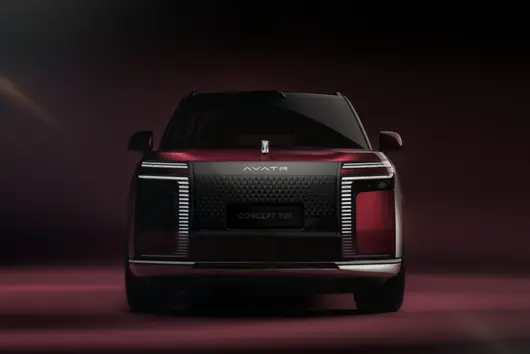
2026年10月11日(巴黎),阿维塔T09概念版在巴黎完成全球首秀,并首次公开内饰设计。作为阿维塔旗舰序列的开山之作,新车依托全新旗舰设计语言打造,凝聚长安、华为、宁德时代三方最高规格技术合力,锚定50万级旗舰豪华SUV市场,计划于2026年内正式上市。10月12日至18日,阿维塔T09还将与阿维塔06T、阿维塔07L等车型亮相巴黎车展,在全球舞台展示中国汽车在原创设计与智能科技上的体系化成果。

以建筑之形,立不彰自显的尊崇气场
阿维塔T09以“情感新奢”为设计哲学,通过果敢自信、和谐巧思、活力个性三大核心体验,重塑旗舰豪华标准。外观上,新车前脸呈现强烈建筑感,格栅采用立体浮雕结构,362个不同立体高度的阿维塔LOGO元素疏密有致地衔接,于光影间流转生辉;晶钻阵列灯组运用内外双层钻石切割设计,形成钻石般火彩质感。2.1㎡超大蚌式前舱盖结合两侧岛屿式隆起,将沉稳力量与动态张力融为一体,尊贵霸气不怒自威。

来到侧面,刀锋般锐利的线条刻画于车身之上,轮拱与侧面运用收腰曲面,配合平面剪切曲面与饱满扩张的体量,塑造出精密感、力量感与雕塑深度交织的动态张力。D柱采用铝饰板装饰,融入车窗轮廓与尾翼,形成悬浮车顶视觉效果;水晶装饰门把手与Dtof传感器岛错落其间。车尾一体式晶钻尾灯同样采用双层钻石切割设计,与前灯组交相呼应,点亮后晶莹剔透。

以情感赋能座舱,让科技有了温度
内饰方面,阿维塔T09延续阿维塔VISION XPECTRA设计理念,构筑以宁静、慷慨与连接为核心的空间。行业独有的Vortex情感涡流以全车功能、状态全域联动的系统表达,架起数字情感世界与物理座舱结构之间的桥梁。其采用360°无缝两段式反曲面与可升降设计,内置118颗RGB LED矩阵光源,可与整车氛围灯搭配多种智慧灯效;同时优化静音电机与机构运行,并设计防夹功能,于细微处守护情感交互。

座舱搭载沉浸式一体三联屏,10.25英寸主驾仪表盘搭配双17.2英寸中控屏与副驾屏,连同两侧空调出风口无缝融为一体,内置NFC功能,一碰即连,交互流畅便捷。在T09座舱中,科技不再是冰冷功能堆砌,而是能感知、能预判、能共鸣的出行伙伴。

技术密度最高,旗舰科技全面拉满
阿维塔T09是品牌迄今技术密度最高的量产车型。新车深度融合华为乾崑智驾、鸿蒙座舱与全新太行智控技术,实现领先同级的智慧灵活操控与百万级豪华行驶质感。动力方面,新车搭载全新智能超级混动技术,配备2.0T混动发动机与三电机分布式电驱,系统总功率超千匹马力;配备71.24kWh宁德时代骁遥超级增·混电池,CLTC纯电续航最高超400km,兼顾长续航与高安全。

阿维塔科技董事长陈卓表示:“随着T09的推出,阿维塔将形成数字和旗舰两大产品序列。数字序列随性奢华,对应优雅、运动与个性的先锋设计;旗舰序列尊崇奢华,对应尊贵、从容与气场的旗舰设计。两条设计序列,同一个阿维塔,同一份对原创和品味的坚持。”阿维塔科技执行副总裁兼首席设计师Nader Faghihzadeh则表示,T09概念版将VISION XPECTRA理念转化为沉稳、自信的尊崇气质,为阿维塔开辟更广阔的“尊崇奢华”世界。

以巴黎为支点,新豪华阿维塔加速全球
以巴黎为支点,阿维塔正加速走向全球,并将于2027年正式进军欧洲。阿维塔06T与07L将作为首批核心产品率先进入挪威、西班牙等市场。目前,阿维塔海外业务已扩展至70个国家及地区,产品平均售价超30万元,并已实现盈利;在埃及高端电动车市占率达10%,阿维塔11在泰国豪华纯电SUV市场销量第一。2030年,阿维塔计划进入超110个国家和地区,海外销量占总销量超50%。
情感新奢,跃然而生。随着T09全球首秀与内饰首次曝光,阿维塔品牌向上与全球化进程再进一步。面向未来,阿维塔将持续丰富产品矩阵,为全球用户提供兼具原创设计与顶尖技术的新豪华出行体验。

Di pasaran SUV di Malaysia, ramai pembeli semasa memilih kereta akan membandingkan Toyota Fortuner dengan Mazda CX-30. Kedua-dua kereta ini hampir sama dari segi harga dan kedudukan pasaran, hari ini kita akan membuat perbandingan terperinci dari pelbagai aspek, membantu anda menjimatkan masa membuat kajian.
Harga OTR Toyota Fortuner di Malaysia ialah RM 195,880 - 241,880, terdapat 3 varian, termasuk 2024 2.8T VRZ Diesel (RM 241,880), 2024 2.7L SRZ Petrol (RM 202,880), 2024 2.4L Standard Diesel (RM 195,880) dan lain-lain.
Harga OTR Mazda CX-30 di Malaysia ialah RM 122,409 - 146,409, terdapat 4 varian, termasuk 2025 2.0L High+ Premium (RM 146,409), 2025 2.0L High+ (RM 138,409), 2025 2.0L High (RM 130,409) dan lain-lain.
Dari segi harga, harga permulaan Mazda CX-30 lebih murah RM 73,471 berbanding Toyota Fortuner. Jujur berkata, pada julat harga ini, jurang ribuan ringgit sebenarnya tidak besar, yang penting adalah nilai berbanding harga keseluruhan dan kos penggunaan jangka panjang.
Panjang badan Toyota Fortuner 4400 mm, ruang bagasi 400 L.
Panjang badan Mazda CX-30 4500 mm, ruang bagasi 450 L.
Dari segi ruang, badan Mazda CX-30 lebih panjang 100 mm berbanding Toyota Fortuner, ruang penumpang mempunyai kelebihan. Namun Toyota Fortuner lebih fleksibel untuk diparkir di bandar, masing-masing mempunyai kompromi sendiri.
Toyota Fortuner waranti 5 tahun/jarak tanpa had, selang servis setiap 10,000km atau 6 bulan.
Mazda CX-30 waranti 5 tahun/150,000km, selang servis setiap 10,000km atau 6 bulan.
Toyota Fortuner dan Mazda CX-30 adalah pilihan utama pasaran Malaysia, sesuai untuk kegunaan keluarga, komuter harian. Jika anda lebih menghargai reputasi jenama dan harga kereta terpakai, boleh pertimbangkan terdahulu model yang lebih baik reputasinya; jika anda lebih mengutamakan nilai berbanding harga dan kelengkapan, maka pilih model yang kelengkapannya lebih banyak. Akhir sekali disyorkan kedua-dua model uji pemanduan, pengalaman sendiri adalah yang paling penting.

Secara umumnya, Toyota Fortuner dan Mazda CX-30 adalah model yang sangat baik di pasaran Malaysia. Memilih mana satu, yang penting adalah keperluan peribadi dan bajet anda. Disarankan buat kajian, bandingkan tawaran harga beberapa dealer, kemudian buat uji pemanduan untuk membuat keputusan akhir. Membeli kereta adalah perkara besar, meluangkan masa membuat kajian tidak akan salah.
In Malaysia's SUV market, many buyers compare Toyota Corolla Cross and BMW X1 when choosing a car. These two models are quite close in price and positioning. Today, we will conduct a detailed comparison from multiple aspects to help you save time on research.
The OTR price of Toyota Corolla Cross in Malaysia is RM 133,800 - 148,800, with a total of 3 variants, including 2026 HEV 1.8L GR Sport (RM 148,800), 2026 HEV 1.8L Standard (RM 140,800), 2026 1.8L Standard (RM 133,800) etc.
The OTR price of BMW X1 in Malaysia is RM 252,800 - 252,800, with a total of 2 variants, including sDrive18i (RM 220,000), sDrive20i (RM 250,000) etc.
From the price perspective, Toyota Corolla Cross's starting price is indeed RM 119,000 cheaper than BMW X1. If your budget is limited, Toyota's entry-level model can already meet daily needs. However, also note that the few thousand ringgit saved might involve compromises on features, depending on your specific needs.

Toyota Corolla Cross uses FWD drive system.
BMW X1 uses FWD drive system.
Both cars have the same drive system, both are FWD, so there won't be much difference in daily driving feel.
Toyota Corolla Cross comes with a 5-year/unlimited mileage warranty, service interval every 10,000km or 6 months.
BMW X1 comes with a 5-year/unlimited mileage warranty, service interval every 10,000km or 6 months.
Both Toyota Corolla Cross and BMW X1 are mainstream choices in the Malaysia market, suitable for family use and daily commuting. If you value brand reputation and resale value more, you can prioritize the one with better reputation; if you care more about value for money and features, then choose the one with richer configurations. Ultimately, it is recommended to test drive both, as firsthand experience is the most important.

In general, both Toyota Corolla Cross and BMW X1 are very good models in the Malaysia market. Which one to choose depends mainly on your personal needs and budget. It is recommended to do your research, compare quotes from multiple dealerships, and then test drive to make the final decision. Buying a car is a big matter, taking some time to do research will definitely not be wrong.

In Malaysia's SUV market, many buyers compare Toyota Corolla Cross and Ford Everest when choosing a car. These two cars are quite close in price and positioning. Today, we will make a detailed comparison from multiple aspects to help you save time on research.
The OTR price of Toyota Corolla Cross in Malaysia is RM 133,800 - 148,800, with a total of 3 versions, including 2026 HEV 1.8L GR Sport (RM 148,800), 2026 HEV 1.8L Standard (RM 140,800), 2026 1.8L Standard (RM 133,800) etc.
The OTR price of Ford Everest in Malaysia is RM 266,338 - 430,838, with a total of 6 versions, including 2026 3.0T 4WD Platinum (RM 430,838), 2026 2.0T 4WD Platinum (RM 348,838), 2026 2.0T 4WD Sport (RM 316,838) etc.
From a price perspective, the starting price of Toyota Corolla Cross is indeed RM 132,538 cheaper than Ford Everest. If your budget is limited, Toyota's entry-level version can already meet daily needs. But be aware, the few thousand cheaper might involve trade-offs in features, it depends on your specific needs.
Toyota Corolla Cross adopts FWD drive mode.
Ford Everest adopts FWD drive mode.
Both cars have the same drive mode, both are FWD, daily driving experience will not be too different.
Toyota Corolla Cross warranty 5 years/unlimited mileage, maintenance interval every 10,000km or 6 months.
Ford Everest warranty 3 years/100,000km, maintenance interval every 10,000km or 6 months.
Toyota Corolla Cross and Ford Everest are both mainstream choices in the Malaysian market, suitable for family use and daily commuting. If you value brand reputation and resale value more, you can prioritize the one with better reputation; if you care more about cost-performance ratio and features, then choose the one with richer configuration. Finally, it is recommended to test drive both models, personal experience is the most important.

Overall, Toyota Corolla Cross and Ford Everest are both quite good models in the Malaysian market. Which one to choose depends mainly on your personal needs and budget. It is recommended to do research, compare quotes from multiple car dealerships, and then test drive to make the final decision. Buying a car is a big matter, spending time doing research will definitely not be wrong.
© 2024 Bitauto.com. All Rights Reserved.
Bitauto (www.yiche.com and www.bitauto.com) is one of the most visited automotive websites in China. We provide detailed info on Chinese car brands available in your area. Please note that the information provided on this website is based on publicly available data and is for reference only. It may not be fully updated or accurate at all times.

Help us improve our website


