

HomeHonda Jazz

Search History
Popular Searches
Dealer Login / Sign Up

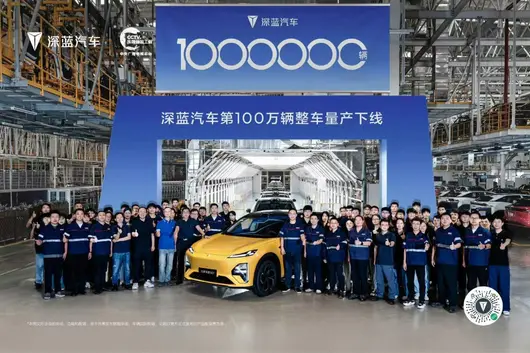
September 28, Deep Blue Auto announced that the 1 millionth complete vehicle officially mass-produced and rolled off. September 1, the company announced August global sales of 28,659 units, with global cumulative sales exceeding 947,600 units, business coverage spanning over 100 countries and regions worldwide.

Deep Blue Auto has formed a product matrix including SL03, L07, L06, S05, S07, S09, and G318. Its origins trace back to May 28, 2018, with the establishment of Chongqing Changan New Energy Automobile Technology Co., Ltd., which is the main carrier for Changan Auto's "Shangri-La Plan". In January 2022, Changan Auto released the "Deep Blue" new energy brand and announced its first model SL03; in April 2023, the company was renamed Deep Blue Auto Technology Co., Ltd., with Changan Auto holding 50.9959% equity as the controlling shareholder.
Deep Blue SL03 is built based on the EPA1 all-electric digital platform, compatible with pure electric, extended-range, and hydrogen power forms. It launched in July 2022, delivery volume exceeded 10,000 units in December 2022, achieving a sales figure of 100,000 units in just 17 months. In the core three-electric domain, Deep Blue's self-developed Super Integrated Drive welcomed the 1 millionth unit roll-off in March 2026, the new generation assembly operating efficiency reached 94.13%, power density not less than 4.25kW/kg.

Regarding the overseas market, the Deep Blue Thailand Rayong Factory has started production, with a total investment of approximately 10 billion Thai Baht. Phase 1 design capacity is 100,000 units/year, mainly supplying right-hand drive models. As of August 2026, overseas cumulative sales reached 52,647 units, a year-on-year increase of 76.98%.
On the same day as the 1 millionth vehicle mass-produced roll-off, the brand new Deep Blue S07 AI Laser Edition officially launched, co-created in depth by Deep Blue Auto and Volc Engine around the Doubao Large Model and Smart Cockpit, positioned as a long-range AI Laser Smart SUV.
At the capital level, in December 2025, Changan Auto announced that Deep Blue Auto plans to increase capital and expand shares, expected to raise approximately 6.122 billion yuan, for new car R&D, intelligent and electrification core technology innovation, and global brand power enhancement.

The 1 millionth vehicle mass-produced roll-off is a leap in Deep Blue Auto's production scale, and also means its product layout, technical R&D, and overseas market expansion have entered a new stage.

喺馬來西亞嘅 SUV 市場,好多買家喺揀車嘅時候都會拿 Toyota Yaris Cross 同 Chery Tiggo 8 嚟做比較。呢兩款車喺價錢同定位上都好接近,今日我就從多個方面做一個詳細比較,幫你節省做功課嘅時間。
Toyota Yaris Cross 喺馬來西亞嘅 OTR 售價係 RM 99,900 - 109,900,一共有 2 個版本,包括 2026 1.5L Standard(RM 99,900)、2026 HEV 1.5L Standard(RM 109,900)等。
Chery Tiggo 8 喺馬來西亞嘅 OTR 售價係 RM 129,750 - 129,750,一共有 1 個版本,包括 2026 1.6T Standard(RM 129,750)等。
從價錢嚟講,Toyota Yaris Cross 嘅起步價確實比 Chery Tiggo 8 平咗 RM 29,850。如果你預算有限,Toyota 嘅入門版已經可以滿足日常需求。但都要注意,平嗰幾千蚊,可能喺配備上會有取舍,具體要睇你嘅需求。

Toyota Yaris Cross 配備 1.5L 4-cyl,馬力 105 hp。官方油耗 6.0 L/100km。
Chery Tiggo 8 配備 1.5L Turbo,馬力 140 hp。官方油耗 7.0 L/100km。
動力方面,Chery Tiggo 8 嘅 1.5L Turbo 比 Toyota Yaris Cross 嘅 1.5L 4-cyl 多咗 35 匹馬力。不過日常喺市區開,兩款車嘅動力都足夠,唔會覺得唔夠力。

Toyota Yaris Cross 車身長 4400 mm,行李廂 400 L。
Chery Tiggo 8 車身長 4400 mm,行李廂 400 L。
兩款車嘅尺寸幾乎一樣,車內空間分別唔大。呢個級別嘅車,日常使用完全夠用。

Toyota Yaris Cross 採用 FWD 驅動方式。
Chery Tiggo 8 採用 FWD 驅動方式。
兩款車嘅驅動方式一樣,都係 FWD,日常駕駛感受唔會有太大分別。

總體嚟講,Toyota Yaris Cross 同 Chery Tiggo 8 都係馬來西亞市場好唔錯嘅車型。選擇邊一台,關鍵仲要睇你嘅個人需求同預算。建議大家做好功課,多比較幾間車行之報價,再去試駕做最終決定。買車係件大事,花啲時間做功課絕唔會錯。


In Malaysia's SUV market, many buyers compare the Toyota Yaris Cross and Mazda CX-8 when choosing a car. These two cars are quite close in price and positioning. Today, we will make a detailed comparison from multiple aspects to save you time on research.
The OTR selling price of the Toyota Yaris Cross in Malaysia is RM 99,900 - 109,900, with a total of 2 versions, including 2026 1.5L Standard (RM 99,900), 2026 HEV 1.5L Standard (RM 109,900), etc.
The OTR selling price of the Mazda CX-8 in Malaysia is RM 165,360 - 201,360, with a total of 5 versions, including 2025 2.5T 4WD High Plus Petrol (RM 201,360), 2025 2.2L 2WD High Plus Diesel (RM 193,123), 2025 2.5L 2WD High Plus Petrol (RM 186,360), etc.
From a price perspective, the Toyota Yaris Cross starting price is indeed RM 65,460 cheaper than the Mazda CX-8. If your budget is limited, Toyota's entry-level version can already meet daily needs. However, be aware that the savings might come with trade-offs in features, depending on your specific needs.
Toyota Yaris Cross is equipped with 1.5L 4-cyl, 105 hp. Official fuel consumption 6.0 L/100km.
Mazda CX-8 is equipped with 2.0L 4-cyl, 170 hp. Official fuel consumption 8.0 L/100km.
In terms of power, the Mazda CX-8's 2.0L 4-cyl has 65 more horsepower than the Toyota Yaris Cross's 1.5L 4-cyl. However, for daily city driving, the power of both cars is sufficient, you won't feel underpowered.
The Toyota Yaris Cross safety rating is 5★ (ASEAN NCAP), active safety systems include TSS.
The Mazda CX-8 safety rating is 5★ (ASEAN NCAP), active safety systems include Brand ADAS.
Both cars have the same safety rating, safety features are quite comprehensive in this class. New cars nowadays are not bad in safety, no need to worry too much about this.
Toyota Yaris Cross warranty 5 years/unlimited mileage, service interval every 10,000km or 6 months.
Mazda CX-8 warranty 5 years/150,000km, service interval every 10,000km or 6 months.

In general, Toyota Yaris Cross and Mazda CX-8 are both very good models in the Malaysian market. Which one to choose depends on your personal needs and budget. We suggest doing your research, compare quotes from several dealerships, and test drive before making the final decision. Buying a car is a big matter, taking time to research will never go wrong.

In Malaysia's SUV market, many buyers compare Toyota Yaris Cross and Mazda CX-5 when choosing a car.
The OTR price of Toyota Yaris Cross in Malaysia is RM 99,900 - 109,900, with a total of 2 versions, including 2026 1.5L Standard (RM 99,900), 2026 HEV 1.5L Standard (RM 109,900), etc.
The OTR price of Mazda CX-5 in Malaysia is RM 135,469 - 166,760, with a total of 3 versions, including 2025 2.0L AT 35th Anniversary (RM 316,154), 2025 2.0L AT (RM 296,154), 2025 2.0L MT (RM 294,154), etc.
In terms of price, the starting price of Toyota Yaris Cross is indeed RM 35,569 cheaper than Mazda CX-5. If your budget is limited, Toyota's entry-level version is already sufficient for daily needs. However, note that the few thousand savings might involve compromises in features, depending on your specific needs.
Toyota Yaris Cross uses FWD drive mode.
Mazda CX-5 uses FWD drive mode.
Both cars use the same drive mode, both are FWD, there will not be much difference in daily driving experience.
Toyota Yaris Cross warranty 5 years/Unlimited mileage, maintenance interval Every 10,000km or 6 months.
Mazda CX-5 warranty 5 years/150,000km, maintenance interval Every 10,000km or 6 months.
Toyota Yaris Cross and Mazda CX-5 are both mainstream choices in the Malaysian market, suitable for family use and daily commuting. If you value brand reputation and resale value more, you can prioritize the one with better reputation; if you care more about value for money and features, then choose the one with richer configuration. Ultimately, it is recommended to test drive both, personal experience is the most important.

All in all, Toyota Yaris Cross and Mazda CX-5 are both very good models in the Malaysian market. Which one to choose depends mainly on your personal needs and budget. It is recommended to do your homework, compare quotes from several dealerships, and then go for a test drive to make a final decision. Buying a car is a big matter, spending some time doing research will never be wrong.

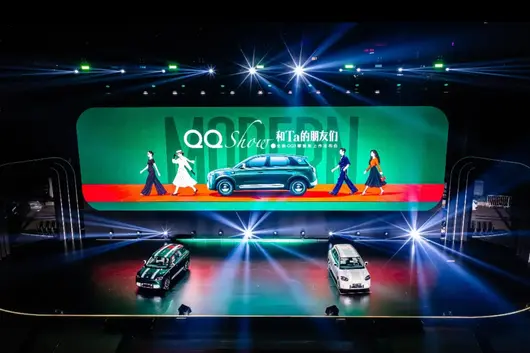
22 September, Chery mengadakan pelancaran di Kuadran Jiuzi, Wuhu, Anhui, bertajuk 'QQ Show dan Rakan-rakan TA', QQ3 Edisi Moden rasmi hadir menemui orang ramai.
Dari segi harga, harga panduan rasmi 88,900; jika sudah ada kereta di rumah untuk pembelian tambahan, harga akhir 86,900; bagi pertukaran berhad masa, boleh dibeli dengan harga serendah 83,900.
Faedah pembelian kereta ada 4 tahap, ambil perhatian subsidi pembelian tambahan 2,000 dan subsidi pertukaran 5,000 tidak boleh diterima serentak. Rancangan kewangan sehingga maksimum 70,000, 36 bulan tanpa faedah, sokongan 0% down payment untuk memandu. Dari segi data, data asas percuma sepanjang hayat, data hiburan diberi 2 tahun, 10GB sebulan, kemaskini OTA kenderaan juga percuma sepanjang hayat.

Dari segi jaminan, pemilik kenderaan bukan komersial pertama dapat jaminan seumur hidup kenderaan, bateri diberi 8 tahun atau 150,000 km jaminan penurunan, dan bantuan jalan seumur hidup percuma. Sekarang tempahan, boleh pilih model kereta bertanda tangan Sun Li, reka bentuk perlumbaan kilang asal hadiah kecil. Walau bagaimanapun kelayakan subsidi, perbezaan harga tempatan, semakan pertukaran, masih perlu lihat dasar masa kini Chery dan pengedar tempatan.
Secara ringkas, penentuan posisi: ini dianggap versi kesan ubah suai bawaan asal QQ3, bukan kereta baru yang dibangunkan daripada platform baru, hanya buat pengubahsuaian kilang asal gaya klasik di atas QQ3 semasa, fokus pada gaya Neo-Retro. Ubah suai terutamanya pada warna cat, alat luar kenderaan, bahan dalam kenderaan dan sebahagian konfigurasi keselesaan. Khas untuk rakan-rakan yang mahukan kereta sendiri cantik berbeza, tetapi malu kemudian ubah cat, pasang aksesori rumit, tidak perlu sendiri bersusah payah pendokumenan ubah suai.

Penampilan luar ada 2 warna unik: Zaman Moden, Mutiara Anne. Disertai cakera roda lencana masa eksklusif, reka bentuk perlumbaan kilang asal, bumper hadapan dan belakang putih klasik, hiasan krom bersinar, fender dan skirt sisi sama warna badan. Cat badan guna 6 lapisan 2K, pembekal cat ada Kansai, PPG jenis besar. Bermaksud gaya ubah suai biasa rakyat suka main seperti gaya negara, kota klasik, perkhemahan cuti buat terus konfigurasi kilang asal, elak sendiri pendokumenan ubah suai, aksesori tidak padan perkara buruk.

Badan kenderaan termasuk dalam kelas A0 kereta elektrik kecil, saiz keseluruhan 4229/1812/1573mm, jarak paksi 2700mm. Tempat simpanan dalaman ada banyak, kerusi belakang boleh dilipat kembangkan ruang, keupayaan muatan belakang sebenar lihat jadual konfigurasi rasmi.
Penting ia bawa satu 70 liter boleh salur elektrik peti hadapan, cukup 8 cara buka, luar kereta suara, telefon pintar APP boleh buka. Biasa barang beli letak barang terbiar, perkhemahan benda kotor barang basah, lebih berguna banyak dari kereta biasa pengangkutan.
Warna utama dalaman panggil 'Krem Beludru Awan', bumbung, tiang A/B, papan matahari ada beludru angsa balut, kawalan tengah dan papan pintu ada corak houndstooth, peti sandaran tangan ada kain warna bertentangan, rasa suasana penuh.
Pada konfigurasi ada cermin solek cahaya lembut ganda, cas pantas wayarles 50W, lampu suasana 256 warna, kemudi pemanas, kerusi hadapan pemanas pengudaraan semua diberi. Banding kereta biasa pengangkutan harga sama, kualiti dalaman jauh lebih indah.

Bahagian kecerdasan, mesin kereta ada cip Qualcomm 8155, disusun skrin besar kawalan tengah 15.6 inci 2.5K, bawa pembantu pintar AI Carmind, bercakap boleh kawal kereta, semak keadaan kereta, kawal kereta suara bagus, CarPlay, HiCar jenis sambungan telefon pintar semua sokong.
Pengawasan memandu konfigurasi juga diberi cukup: imej panoramik 540 darjah, 12 radar ultrasonik, sokong lebih seratus senario parkir automatik; ada lengkap bantuan L2, kelajuan adaptif, kekalkan lorong, AEB brek kecemasan, pemantauan buta, amaran berlanggar, amaran buka pintu semua ada. Luar kereta panggil, suara buka peti hadapan belakang sokong, telefon pintar APP boleh pemanasan jauh kenderaan, awal buka AC kerusi.
Dari segi keselamatan dan bateri, badan struktur sangkar lima menegak lapan melintang, peratusan keluli kuat 82%, keluli termal 16%, 1300MPa satu bentuk panas pintu cincin, semua versi bawa 6 beg udara keselamatan.
Bateri panggil Bateri Badak, guna sel bateri CATL, capai IP68 kalis air kalis habuk, juga lulus Pusat Kenderaan China NESTA enam dimensi keselamatan elektrik pengesahan, brek kecemasan aktif, pemantauan buta keselamatan konfigurasi juga lengkap.
Tenaga bahagi 2 versi:
Semua versi pemacu belakang, depan MacPherson, belakang multi-link gantungan bebas, radius pusingan minimum 5.2 meter, bandar pusing sangat lincah. Cas pantas dari 30% ke 80% pantas paling cepat cuma 16 setengah minit, juga bawa 6.6kW keluar elektrik, perkhemahan guna elektrik sangat mudah. Ketahui kelas A0 elektrik kecil, pemacu belakang ditambah gantungan belakang bebas tidak banyak, bandar tukar lorong, penapis getaran lebih baik.

Omong lagi keadaan pasaran: Siri QQ bertahun-tahun kumpul jual lebih 1.6 juta unit, jual ke seluruh dunia seratus negara wilayah. QQ3 semasa berturut-turut 5 bulan penjualan pecah 10,000, bulan 8 satu bulan serahan 19,103 unit, pusing naik 64.07%, tempahan dalam luar negara lebih 100,000, semata-sematanya Thailand, Indonesia luar negara pra-pembelian lebih 20,000.
Posisi Edisi Moden bukan guna untuk tekan jumlah paling rendah, ia sasar kelas 80,000 elektrik pasar, guna kilang gaya klasik luar, naik dalaman, peti hadapan, luar cas fungsi perbezaan. Dengan Gull, Bingo, Star Wish, Nano 01 pesaing banding, ia lebih lihat keluar berbeza dan pelbagai skenario guna, bukan semata-mata kalah harga rendah.
Pandang keseluruhan, Edisi Moden lantai, tiga elektrik perkakas tidak ubah, buat kereta kawan suka buat keluar warna, hiasan, naik dalaman terus kilang siap, tambah 8155 mesin kereta, 70L peti hadapan, pemacu belakang gantungan bebas, pertukaran 83,900 harga ini, memang cukup memikat.

Dalam pasaran SUV Malaysia, ramai pembeli membandingkan Honda CR-V dan Audi Q5 semasa memilih kereta. Kedua-dua kereta ini berada di kelas dan penjenamaan yang agak hampir, hari ini kami akan buat perbandingan terperinci dari pelbagai aspek untuk membantu anda menjimatkan masa membuat kajian.
Harga OTR Honda CR-V di Malaysia adalah RM 178,200 - 195,900, terdapat keseluruhan 4 varian, termasuk 2026 e:HEV 2.0L 2WD RS (RM 195,900), 2026 1.5T 4WD V (RM 181,900), 2026 e:HEV 2.0L 2WD E (RM 178,200) dan lain-lain.
Harga OTR Audi Q5 di Malaysia adalah RM 354,174 - 423,174, terdapat keseluruhan 2 varian, termasuk 40 TDI (RM 320,000), 45 TFSI (RM 350,000) dan lain-lain.
Dari segi harga, harga permulaan Honda CR-V memang lebih murah RM 175,974 berbanding Audi Q5. Jika bajet anda terhad, versi permulaan Honda sudah boleh memenuhkan keperluan harian. Tetapi perlu diingat, beza harga beribu-ribu ini mungkin melibatkan pengecualian dalam kelengkapan, bergantung pada keperluan anda.

Penilaian keselamatan Honda CR-V adalah 5★ (ASEAN NCAP), sistem keselamatan aktif termasuk Honda SENSING (ACC, CMBS, LKAS, RDM).
Penilaian keselamatan Audi Q5 adalah 5★ (Euro NCAP), sistem keselamatan aktif termasuk Pre Sense + ACC.
Dari segi kelengkapan keselamatan, kedua-dua kereta mendapat penilaian yang baik. Walau bagaimanapun, Honda SENSING (ACC, CMBS, LKAS, RDM) pada Honda CR-V dan Pre Sense + ACC pada Audi Q5 mempunyai perbezaan dari segi fungsi, jika anda mengutamakan keselamatan aktif, anda boleh membandingkan senarai fungsi kedua-duanya dengan teliti.

Honda CR-V menggunakan cara pemacu FWD.
Audi Q5 menggunakan cara pemacu FWD.
Cara pemacu kedua-dua kereta adalah sama, iaitu FWD, tiada perbezaan besar dalam pengalaman memandu harian.

Honda CR-V mempunyai jaminan 5 tahun/jarak tanpa had, selang penyelenggaraan setiap 10,000km atau 6 bulan.
Audi Q5 mempunyai jaminan 5 tahun/150,000km, selang penyelenggaraan setiap 10,000km atau 6 bulan.

Honda CR-V dan Audi Q5 adalah pilihan utama pasaran Malaysia, sesuai untuk kegunaan keluarga dan perjalanan harian. Jika anda lebih mengutamakan reputasi jenama dan harga jualan semula, anda boleh utamakan model yang mempunyai reputasi lebih baik; jika anda lebih mengutamakan nilai untuk wang dan kelengkapan, maka pilih model dengan konfigurasi yang lebih kaya. Pada akhirnya, disarankan untuk uji jalan kedua-dua model, pengalaman peribadi adalah yang paling penting.

Secara keseluruhannya, Honda CR-V dan Audi Q5 adalah model yang sangat baik di pasaran Malaysia. Memilih mana satu, penting melihat keperluan dan bajet peribadi anda. Disarankan untuk membuat kajian, bandingkan beberapa penawaran daripada pengedar kereta, kemudian buat uji jalan untuk membuat keputusan akhir. Membeli kereta adalah perkara besar, meluangkan masa untuk membuat kajian tidak akan salah.


Dalam pasaran SUV di Malaysia, ramai pembeli membandingkan Honda CR-V dan Mercedes-Benz GLC semasa memilih kenderaan. Kedua-dua kereta ini mempunyai harga dan posisi yang hampir sama, hari ini kita akan membuat perbandingan terperinci dari pelbagai aspek untuk membantu anda menjimatkan masa melakukan penyelidikan.
Harga OTR Honda CR-V di Malaysia adalah RM 178,200 - 195,900, terdapat总共 4 versi, termasuk 2026 e:HEV 2.0L 2WD RS (RM 195,900), 2026 1.5T 4WD V (RM 181,900), 2026 e:HEV 2.0L 2WD E (RM 178,200) dan lain-lain.
Harga OTR Mercedes-Benz GLC di Malaysia adalah RM 336,888 - 336,888, terdapat总共 2 versi, termasuk GLC 200 (RM 290,000), GLC 300 (RM 340,000) dan lain-lain.
Dari segi harga, harga permulaan Honda CR-V memang RM 158,688 lebih murah daripada Mercedes-Benz GLC. Jika bajet anda terhad, model permulaan Honda sudah boleh memenuhi keperluan harian. Tetapi perlu diingat, ribuan ringgit yang lebih murah ini mungkin mempunyai pertukaran pada kelengkapan, ia bergantung pada keperluan anda.
Honda CR-V dilengkapi enjin 2.0L 4-silinder, kuasa 170 hp. Penggunaan bahan api rasmi 8.0 L/100km.
Mercedes-Benz GLC dilengkapi enjin 2.0L Turbo, kuasa 220 hp. Penggunaan bahan api rasmi 9.5 L/100km.
Dari segi kuasa, 2.0L Turbo Mercedes-Benz GLC mempunyai 50 hp lebih banyak daripada enjin 2.0L 4-silinder Honda CR-V. Namun, penggunaan sehari-hari di bandar, kuasa kedua-dua kereta sudah mencukupi, tidak akan rasa kurang tenaga.
Penggredan keselamatan Honda CR-V adalah 5★ (ASEAN NCAP), sistem keselamatan aktif termasuk Honda SENSING (ACC, CMBS, LKAS, RDM).
Penggredan keselamatan Mercedes-Benz GLC adalah 5★ (Euro NCAP), sistem keselamatan aktif termasuk Premium ADAS.
Dari segi kelengkapan keselamatan, kedua-dua kereta ini memperoleh penggredan yang baik. Namun, Honda SENSING (ACC, CMBS, LKAS, RDM) Honda CR-V dan Premium ADAS Mercedes-Benz GLC mempunyai sedikit perbezaan dari segi fungsi, jika anda lebih mementingkan keselamatan aktif, anda boleh membandingkan senarai fungsi kedua-duanya.
Waranti Honda CR-V 5 tahun/jarak tanpa had, selang penyelenggaraan setiap 10,000km atau 6 bulan.
Waranti Mercedes-Benz GLC 3 tahun/100,000km, selang penyelenggaraan setiap 10,000km atau 6 bulan.
Secara keseluruhannya, Honda CR-V dan Mercedes-Benz GLC adalah model kenderaan yang sangat baik di pasaran Malaysia. Memilih yang mana satu, kuncinya bergantung pada keperluan peribadi dan bajet anda. Disarankan untuk membuat penyelidikan, bandingkan beberapa tawaran dari dealer kereta, kemudian buat keputusan akhir selepas ujian pemanduan. Membeli kereta adalah perkara besar, meluangkan masa untuk penyelidikan tidak akan rugi.

In Malaysia's SUV market, many buyers compare Honda CR-V and Mercedes-Benz GLA when choosing a car. These two cars are quite close in price and positioning. Today we will do a detailed comparison from multiple aspects to help you save time on research.
The OTR price of Honda CR-V in Malaysia is RM 178,200 - 195,900. There are 4 variants in total, including 2026 e:HEV 2.0L 2WD RS (RM 195,900), 2026 1.5T 4WD V (RM 181,900), 2026 e:HEV 2.0L 2WD E (RM 178,200), etc.
The OTR price of Mercedes-Benz GLA in Malaysia is RM 258,888 - 295,888. There is 1 variant in total, including Standard (RM 258,888), etc.
In terms of price, the starting price of Honda CR-V is indeed RM 80,688 cheaper than Mercedes-Benz GLA. If your budget is limited, Honda's entry-level version can already meet daily needs. But also note, the few thousand difference in price might involve trade-offs in features, depending on your specific needs.
Honda CR-V's safety rating is 5★ (ASEAN NCAP). Active safety systems include Honda SENSING (ACC, CMBS, LKAS, RDM).
Mercedes-Benz GLA's safety rating is 5★ (Euro NCAP). Active safety systems include Premium ADAS.
In terms of safety features, both cars received good ratings. However, there are some differences in functionality between Honda CR-V's Honda SENSING (ACC, CMBS, LKAS, RDM) and Mercedes-Benz GLA's Premium ADAS. If you value active safety, you can compare the feature lists of both in detail.
Honda CR-V body length is 4500 mm, trunk is 450 L.
Mercedes-Benz GLA body length is 4400 mm, trunk is 400 L.
Regarding space, Honda CR-V's body is 100 mm longer than Mercedes-Benz GLA. The interior passenger space is slightly more spacious, especially the rear seat legroom. If you often carry family members or need to fit a stroller, a larger body is indeed more practical.
Honda CR-V warranty is 5 years/unlimited mileage. Maintenance interval is every 10,000km or 6 months.
Mercedes-Benz GLA warranty is 3 years/100,000km. Maintenance interval is every 10,000km or 6 months.

Both Honda CR-V and Mercedes-Benz GLA are mainstream choices in the Malaysian market, suitable for family use and daily commuting. If you value brand reputation and resale value more, prioritize the one with better reputation. If you care more about value for money and features, choose the one with richer configuration. Ultimately, it is suggested to test drive both, as personal experience is the most important.

Overall, both Honda CR-V and Mercedes-Benz GLA are very good models in the Malaysian market. Which one to choose depends mainly on your personal needs and budget. We recommend doing your research, comparing quotes from multiple dealerships, and then test driving to make the final decision. Buying a car is a big matter, spending time on research will never be wrong.

In Malaysia's SUV market, many buyers compare Honda CR-V and BMW X3 when choosing a car. These two cars are quite close in price and positioning. Today, we will do a detailed comparison from multiple aspects to help you save time on research.
Honda CR-V's OTR price in Malaysia is RM 178,200 - 195,900, with 4 versions in total, including 2026 e:HEV 2.0L 2WD RS (RM 195,900), 2026 1.5T 4WD V (RM 181,900), 2026 e:HEV 2.0L 2WD E (RM 178,200), etc.
BMW X3's OTR price in Malaysia is RM 325,800 - 358,800, with 2 versions in total, including xDrive20i (RM 320,000), xDrive30e (RM 360,000), etc.
In terms of price, Honda CR-V's starting price is indeed RM 147,600 cheaper than BMW X3. If your budget is limited, Honda's entry-level model can already meet daily needs. However, note that the saving of a few thousand ringgit might mean compromises on features, depending on your specific requirements.
Honda CR-V comes with a 2.0L 4-cylinder, 170 hp. Official fuel consumption 8.0 L/100km.
BMW X3 comes with a 2.0L Turbo, 220 hp. Official fuel consumption 9.5 L/100km.
Regarding power, the BMW X3's 2.0L Turbo has 50 horsepower more than Honda CR-V's 2.0L 4-cylinder. However, for daily city driving, both cars have enough power, and you won't feel underpowered.
Honda CR-V's safety rating is 5★ (ASEAN NCAP), active safety systems include Honda SENSING (ACC, CMBS, LKAS, RDM).
BMW X3's safety rating is 5★ (Euro NCAP), active safety systems include Premium ADAS.
In terms of safety features, both vehicles received good ratings. However, there are some differences in function between Honda CR-V's Honda SENSING (ACC, CMBS, LKAS, RDM) and BMW X3's Premium ADAS. If you place emphasis on active safety, it is advisable to compare their function lists carefully.
Honda CR-V comes with a 5-year/unlimited mileage warranty, service interval every 10,000km or 6 months.
BMW X3 comes with a 5-year/unlimited mileage warranty, service interval every 10,000km or 6 months.

Honda CR-V and BMW X3 are both mainstream choices in the Malaysian market, suitable for family use and daily commuting. If you value brand reputation and resale value more, prioritize the one with better reputation; If you care more about cost-effectiveness and features, choose the model with richer configuration. Ultimately, it is recommended to test drive both models, as firsthand experience is the most important.

Overall, Honda CR-V and BMW X3 are both excellent models in the Malaysian market. Which one to choose depends on your personal needs and budget. We suggest you do your research, compare quotes from several dealerships, and then test drive to make the final decision. Buying a car is a major decision, spending time doing research will never be a mistake.

In Malaysia's SUV market, many buyers compare the Honda CR-V and BMW X3 when choosing a car. These two cars are quite close in price and positioning. Today, we will make a detailed comparison from multiple aspects to help you save time on research.
The Honda CR-V's OTR price in Malaysia is RM 178,200 - 195,900, with a total of 4 versions, including 2026 e:HEV 2.0L 2WD RS (RM 195,900), 2026 1.5T 4WD V (RM 181,900), 2026 e:HEV 2.0L 2WD E (RM 178,200), etc.
The BMW X3's OTR price in Malaysia is RM 325,800 - 358,800, with a total of 2 versions, including xDrive20i (RM 320,000), xDrive30e (RM 360,000), etc.
From a price perspective, the Honda CR-V's starting price is indeed RM 147,600 cheaper than the BMW X3. If your budget is limited, Honda's entry-level version can already meet daily needs. But be aware that the few thousand bucks cheaper might mean compromises in features, depending on your specific requirements.
The Honda CR-V is equipped with a 2.0L 4-cyl, horsepower 170 hp. Official fuel consumption 8.0 L/100km.
The BMW X3 is equipped with a 2.0L Turbo, horsepower 220 hp. Official fuel consumption 9.5 L/100km.
In terms of power, the BMW X3's 2.0L Turbo has 50 more horsepower than the Honda CR-V's 2.0L 4-cyl. However, for daily city driving, the power of both cars is sufficient and won't feel lacking.
The Honda CR-V's safety rating is 5★ (ASEAN NCAP), active safety systems include Honda SENSING (ACC, CMBS, LKAS, RDM).
The BMW X3's safety rating is 5★ (Euro NCAP), active safety systems include Premium ADAS.
Regarding safety features, both cars have received good ratings. However, the Honda CR-V's Honda SENSING (ACC, CMBS, LKAS, RDM) and BMW X3's Premium ADAS have some differences in functionality. If you value active safety highly, you can compare the feature lists of both carefully.
Honda CR-V warranty 5 years/unlimited mileage, service interval every 10,000km or 6 months.
BMW X3 warranty 5 years/unlimited mileage, service interval every 10,000km or 6 months.
Overall, the Honda CR-V and BMW X3 are both very good models in the Malaysian market. Which one to choose depends mainly on your personal needs and budget. We suggest doing your homework, comparing quotes from multiple dealerships, and then test driving to make the final decision. Buying a car is a big matter, spending some time on research will definitely not be wrong.

From September 17 to 20, 2026, the 2026 22nd China Automotive Industry Development (TEDA) International Forum was held in Binhai New Area, Tianjin.
Since 2005 to present, the TEDA Auto Forum has successfully held 22 consecutive sessions. Known for its perfect organization, high authority, strong professionalism, precise topics, rich content, and strong guidance, it has become the most authoritative, highest specification, largest scale, and most widely influential high-end automotive forum in China's automotive industry. It is known as the "China Auto Davos".
This TEDA Auto Forum is co-organized by China Automotive Technology and Research Center, China Society of Automotive Engineers, China Association of Automobile Manufacturers, and China Automotive News. Centering on the concept of "Content Empowers Intelligence, Brand Empowers Effectiveness", it launched "17+N" events, including 3 core high-end dialogues, 6 ecological special sessions, 8 thematic forums, and featured activities.

This forum, themed "Smart Green Foundation · Ecological Momentum · Co-creation and Win-Win", gathered representatives from national ministries, industry associations, car companies, research institutions, and overseas industry leaders. Focusing on topics such as the opening transformation of the automotive industry's "15th Five-Year Plan", technical breakthroughs, market upgrades, ecological co-construction, and global competition and cooperation, it released several major signals, clarifying the core pathways and implementation measures for the high-quality development of China's automotive industry in the coming years.
Final Verdict on Important Auto Policy TrendsThis year marks the beginning of China's national "15th Five-Year" development plan. Prior to the forum opening, the "15th Five-Year Plan for the Development of Intelligent Connected New Energy Vehicle Industry", compiled by the Ministry of Industry and Information Technology and other nine departments, was officially released, becoming a guiding document for the development of the automotive industry in the next five years. Focusing on high-quality and standardized development, abandoning extensive scale expansion, and focusing on strengthening basic research, common technology research and development, and industrial order optimization, it provides systematic guidance for industrial technology routes, layout planning, and market regulation.
 Chief Engineer of the Ministry of Industry and Information Technology Wang Weiming
 stated at the opening ceremony that in the next five years, efforts will be focused on four aspects: technological innovation, market consumption, industry governance, and open cooperation. Focusing on industrialization in four major fields: automotive chips, all-solid-state batteries, operating systems, and autonomous driving large models.
The Ministry of Industry and Information Technology will officially implement a special action to improve automotive standards, synchronously optimize the industry management system, and fill gaps in industrial supervision. At the same time, lead industrial upgrade with standards, promote the construction of a self-controllable and adaptable automotive intelligent manufacturing standard system, and help the industry move from scale leadership to quality leadership.
Lock Core Shortcomings Focus on Frontier Technology ImplementationThis forum revealed that existing technical achievements in China's automotive industry have firmly secured a spot in the global first echelon. Lithium-ion battery energy density reaches 300 Wh/kg, megawatt flash charging technology has achieved mass production application, and intelligent technologies such as human-machine interaction, end-to-end control, and in-vehicle large models are at the forefront globally. China's automotive production and sales have ranked first globally for 17 consecutive years, with new energy vehicle production and sales ranking first for 11 consecutive years. It has led the formulation of 18 global regulatory coordination documents and 30 international standards.
 Deputy Secretary of the Party Committee of China Automotive Technology and Research Center, General Manager Gong Jinfeng
Addressing existing shortcomings in the automotive industry, the state has clarified key research directions: concentrate on breakthroughs in "chokepoint" technologies such as high-end automotive chips, in-vehicle operating systems, all-solid-state batteries, and autonomous driving large models, accelerating the industrial implementation of frontier technologies. At the same time, focus on the pain points of autonomous driving scenario implementation, overcoming industry challenges such as vehicle-road collaboration, all-weather perception, and data silos.
 Standing Member of the Party Committee of China National Machine Building Industry Federation, Vice President Luo Junjie
Attendees proposed that the development of smart vehicles needs to solidify the safety bottom line, focus on preventing multiple risks in vehicle operation, data transmission, and network security, and put an end to "bloating innovation" and "fast-track products", adhering to the quality and safety bottom line.
Multiple Measures Activate Domestic Demand Broaden Diverse Application ScenariosAiming at the current industry dilemma of insufficient domestic automotive consumer demand and low manufacturing profit margins, relevant ministries and commissions announced multiple measures to expand domestic demand and broaden the market at the forum. Continuously implement policies for automobile trade-ins and new energy vehicles going to the countryside, carry out pilot programs for short-board filling of county-level charging and swapping facilities and comprehensive hydrogen energy application, and improve the supporting system for new energy vehicle use at the grassroots level.
These measures also include key promotion of scaled commercial operation of new energy heavy trucks, issuance of automobile modification management measures, and enrichment of automotive consumption and application scenarios. At the same time, improve the automotive export guarantee system, open up channels for connection between domestic and export markets, and counter the pressure of domestic market growth rate.
 Director of the Industrial Economy Research Department of the Development Research Center of the State Council Tian Jietang
Multiple guests at the forum predicted that China's domestic automotive industry has entered a stage of stock competition and elimination. The market focus has shifted from scale expansion to profitability improvement and order standardization. Channel models have shifted from single car sales to full lifecycle service operation for users.
Curb Irrational Competition Promote Orderly Industry DevelopmentAiming at prominent issues such as involution in the current automotive industry, malicious low-price competition, data falsification, blind hardware stacking, and pseudo-innovation. Attendees proposed regularly carrying out rectification of chaos, guiding the industry to bid farewell to extensive incremental competition, and shifting to value competition, quality competition, safety competition, and user value competition.
Industry experts explicitly proposed the development idea of "counter-involution, stabilize order" at the forum, suggested establishing an industry value evaluation system, abandoning the extensive development model of parameter comparison, building a regular joint research mechanism for whole vehicles, technology companies, and upstream and downstream supporting industries, reducing low-level repetitive exploration. At the same time, strengthen the recall supervision mechanism, force product quality upgrade with proactive recalls, clarify "safety is the core color of automotive industry development", and put an end to valueless false innovation.

This forum innovatively reconstructed the topic architecture, broke the traditional automotive industry chain segmentation model, set four theme days: scenario, technology, policy, and industry, promoted deep cross-boundary collaboration between automobiles and fields such as artificial intelligence, energy, transportation, aviation, and consumption, and reconstructed the boundaries of automotive industry development. Focusing on the integration of "Vehicle-Energy-Road-Cloud", building a three-dimensional intelligent transportation industry ecosystem.
The forum clearly pointed out the core direction for future ecosystem development: promote car companies and equipment companies to shift from simple supply and demand cooperation to joint innovation and symbiotic win-win. Promote standardization of in-vehicle domain interfaces and hardware platforms, reduce industry invalid involution and customization losses, and build a scaled shared technology platform. Establish a national-level collaborative innovation platform and data sharing rules, regulate the safe circulation of smart vehicle data security, and achieve closed-loop upgrades of the industrial chain, technology chain, and data chain.
 2026 TEDA Auto Forum Think Tank Matrix
Since the beginning of this year, Chinese automobile exports have become an important driving force for Chinese automotive development. Facing the external environment where protectionism is intensifying, the forum sent a firm signal of opening up to the outside world. Firmly oppose trade protectionism, continuously promote mutual recognition of international automotive standards and regulations, welcome overseas enterprises to increase investment in China and participate in joint technological research. At the same time, support Chinese car companies and industry chain enterprises to deepen global cultivation, shifting from single product overseas to brand, technology, standard, supply chain, and service system all-round overseas expansion.
Emerging markets centered on Southeast Asia have become a key area for Chinese automotive industry overseas expansion. Attending Thai representatives clearly welcomed Chinese car companies' localization layout and co-building of regional new energy vehicle industry ecosystems, promoting localization production and industry chain supporting upgrades. (Article / Final Verdict Zhang Yi)

In the Malaysia SUV market, many buyers compare Honda CR-V and Subaru Forester when choosing a car. These two cars are quite close in price and positioning. Today we will make a detailed comparison from multiple aspects to help you save time on research.
Honda CR-V OTR price in Malaysia is RM 178,200 - 195,900, there are 4 versions in total, including 2026 e:HEV 2.0L 2WD RS (RM 195,900), 2026 1.5T 4WD V (RM 181,900), 2026 e:HEV 2.0L 2WD E (RM 178,200), etc.
Subaru Forester OTR price in Malaysia is RM 174,000 - 197,000, there are 3 versions in total, including 2024 2.0L S EyeSight GT Edition (RM 189,538), 2024 2.0L S EyeSight (RM 177,538), 2024 2.0L L EyeSight (RM 167,538), etc.
From a price perspective, Subaru Forester's starting price is RM 4,200 cheaper than Honda CR-V. Honestly, in this price range, a difference of a few thousand is actually not big, the key is still to look at overall cost-effectiveness and long-term usage costs.
Honda CR-V comes with 2.0L 4-cyl, 170 hp. Official fuel consumption 8.0 L/100km.
Subaru Forester comes with 2.0L 4-cyl, 170 hp. Official fuel consumption 8.0 L/100km.
Both cars use the same powertrain system, the driving experience in daily use is basically no difference. Fuel consumption is also similar, no need to worry too much about this point.
Honda CR-V safety rating is 5★ (ASEAN NCAP), active safety system includes Honda SENSING (ACC, CMBS, LKAS, RDM).
Subaru Forester safety rating is 5★ (Euro NCAP), active safety system includes EyeSight.
Regarding safety features, both cars received good ratings. However, Honda CR-V's Honda SENSING (ACC, CMBS, LKAS, RDM) and Subaru Forester's EyeSight have some differences in functions, if you value active safety more, you can compare the function lists of both carefully.
Honda CR-V warranty 5 years/unlimited mileage, maintenance interval every 10,000km or 6 months.
Subaru Forester warranty 3 years/100,000km, maintenance interval every 10,000km or 6 months.

Overall, Honda CR-V and Subaru Forester are both very good models in the Malaysia market. Choosing which one depends mainly on your personal needs and budget. We suggest doing your research well, compare quotes from several car dealers, then test drive to make the final decision. Buying a car is a big thing, spending time on research will definitely not be wrong.

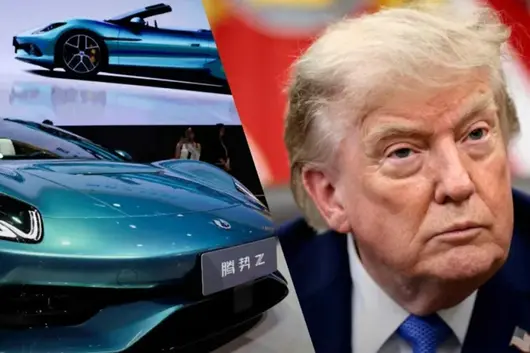
11 September, Trump dalam temu bual di Fox News menyebut satu ayat yang agak mencolok: "Jika China ingin datang sini membina kilang menghasilkan kereta, saya tidak akan menentang."
Bagi pengeluar kereta China yang telah dibentengi keluar dari pintu oleh Amerika Syarikat melalui cukai melebihi 100%, larangan kereta bersambung internet, dan satu siri undang-undang, ini terdengar seolah-olah Washington akhirnya melonggarkan sedikit celah pintu.
Tetapi Trump serta-merta menambah: Jepun juga berbuat begitu, intinya ialah memperkerjakan orang Amerika. Dia tidak mahu kereta China memasuki Amerika melalui laluan Mexico, dan juga tidak berniat membiarkan kereta buatan China terus membanjiri pasaran Amerika.

Jadi, ini bukan sepucuk jemputan bertulis "selamat datang", lebih mirip satu arahan pelaburan dengan syarat yang ditulis dengan jelas: Kilang boleh datang, pelaburan boleh datang, teknologi boleh datang, tetapi pekerjaan, cukai dan pengeluaran mesti kekal di Amerika.
Trump mungkin tidak tiba-tiba jatuh hati pada kereta China, dia masih yakin dengan bisnes yang paling dia fahami – letakkan akses pasaran di atas meja, tukar semula dengan kilang dan pekerjaan.
Cuma, kata OK seorang presiden, jauh lagi daripada kereta China benar-benar memperoleh plat nombor Amerika.

Pada permulaan 2025, kerajaan Biden meletakkan peraturan kereta bersambung internet sebelum Trump naik ke jawatan, pada asalnya telah mengunci laluan pengeluaran dan penjualan kereta persendirian oleh pengeluar kereta China di Amerika. Mengikut susun atur semasa, sekatan perisian akan berkuat kuasa dari tahun model 2027, sekatan perkakasan pula akan berkuat kuasa dari tahun model 2030.
Julai 2026, Jawatankuasa Perniagaan Senat Amerika meluluskan undang-undang, bertujuan melarang syarikat dengan pegangan asing melebihi 15% memasuki pasaran Amerika. Gabungan Inovasi Kereta yang mewakili pengeluar seperti General Motors, Ford, Toyota, Volkswagen, Hyundai, Honda dan Stellantis, juga mendesak Kongres untuk segera mengenakan "larangan kekal" ke atas kereta China.
Jadi, dasar kereta Amerika mewujudkan satu gambaran yang agak absurd:
Presiden di televisyen berkata pengeluar kereta China boleh datang, Menteri Pengangkutan pula menulis surat menegur Ford, menuduh ia terlalu dekat dengan teknologi China; Rumah Putih baru-baru ini mengiklankan kilang bateri Ford di negeri Michigan, Menteri Pengangkutan seketika kemudian membuatkan projek yang sama sebagai contoh negatif.
Kilang ini sebenarnya paling memenuhi syarat yang disebut Trump. Kilang dimiliki oleh Ford, dikendalikan oleh Ford, mengupah pekerja Amerika, hanya menggunakan teknologi bateri yang diluluskan oleh CATL.

CEO Ford, Jim Farley, bertanya balas: dakwaan "bergantung pada syarikat China" boleh dijelaskan dalam panggilan telefon lima minit. Sekitar 80% kereta yang dijual Ford di Amerika dihasilkan di Amerika, pekerja pembuatan tempatan dan bilangan eksport kereta juga berada di kalangan teratas pengeluar kereta Amerika, namun begitu, sekali nama syarikat China muncul dalam surat kuasa teknologi, masih boleh diseret ke dalam lampu sorot politik Washington.
Ini menjelaskan mengapa Farley di satu pihak sentiasa memperingatkan bahawa kereta China akan membawa "ancaman kewujudan" kepada pengeluar kereta Amerika, di satu pihak lain mengakui, jika Ford ingin kekal kompetitif di pasaran global, ia mesti bekerjasama dengan syarikat China pada tahap tertentu.
Tahun lepas, Ford hanya mengira kos pelaburan kereta elektrik kira-kira $19.5 bilion, kemudian mengeluarkan $2 bilion untuk memulakan perniagaan penyimpanan tenaga; di Eropah, ia juga perlu menggabungkan dengan kilang Sepanyol untuk menghasilkan dan membangunkan kereta baharu untuk pasaran luar negara bersama Geely.
Secara politik mahu mengasingkan kereta China, dalam industri semakin sukar mengelak teknologi China, inilah bahagian yang benar-benar perlu diperhatikan daripada kata "saya tidak menentang" Trump ini.

Kereta China sudah lama bukan lagi rakan saing khayalan dalam dokumen dengar bicara Amerika, ia sudah muncul dalam teknologi bateri kilang Amerika, di talian pengeluaran kilang Eropah, dan juga dalam senarai pembelian kereta semakin ramai pengguna luar negara.
Data sebelum ini telah menunjukkan, Mei 2026, pasaran kereta China di Eropah mencapai 12%, melebihi 11% kereta Jepun; di United Kingdom, pasaran kereta China mencapai 15.4%, lebih tinggi daripada 12.4% Jepun.
Tambahan pula, cara pengeluar kereta China melangkah keluar negara juga tidak lagi hanya memuatkan kereta di kapal pengangkut: XPeng melalui pembelian 90.1% ekuiti EIDO Indonesia untuk mengambil kilang luar negeri pertama, Geely dengan Ford mencari cara kerjasama di Sepanyol yang masing-masing mengambil keperluan. Semakin tinggi cukai, semakin rumit peraturan, pengeluar kereta China sebaliknya perlu bergerak daripada "menjual kereta", menuju ke betul-betul meletakkan kilang, rantaian bekalan dan pekerjaan di lokasi.

Tentu, Amerika masih merupakan salah satu pasaran kereta yang paling penting, paling untung di dunia. Boleh masuk atau tidak masuk ke Amerika, akan mempengaruhi peta dunia satu pengeluar kereta China.
Tetapi, ia sudah lama tidak boleh menentukan sama ada kereta China ada peta dunia atau tidak. Ujaran Trump mungkin penerokaan sebelum mesyuarat puncak, mungkin hanya satu langkah menangkis spekulasi pemilihan dalam negeri.
Washington hari ini membuka satu celah pintu, esok mungkin juga menggantung satu lagi gembok, pengeluar kereta China tidak perlu bersorak kerana kata OK, malah lebih tidak boleh menyerahkan arah haluan mereka ke cuaca politik Amerika.

Ulasan Editor Utama
Kereta China dijual atau tidak, dijual ke luar negara atau tidak, bagaimana jayanya di luar negara, pada akhirnya tidak bergantung pada kata OK seorang Presiden Amerika, tidak juga bergantung pada Amerika Syarikat memberi tempat dalam bantuan.
Ia bergantung pada adakah bateri orang China boleh lebih selamat, adakah hibrid boleh lebih cekap, adakah perisian boleh lebih boleh dipercayai, adakah jenama boleh membuat pengguna asing dengan rela hati mengeluarkan wang.
Trump boleh menentukan bila kereta China memandu ke jalan raya Amerika, namun tidak boleh menentukan adakah kereta China akan memandu ke seluruh dunia. Tiket mungkin berpegang pada tangan orang lain, tetapi roda gandar, sentiasa berpegang dalam tangan orang China sendiri.

In the Malaysian SUV market, many buyers compare the Honda CR-V and Hyundai Tucson when choosing a car. These two cars are quite close in price and positioning, today we will do a detailed comparison from multiple aspects to help you save time on research.
Honda CR-V in Malaysia OTR price is RM 178,200 - 195,900, there are a total of 4 versions, including 2026 e:HEV 2.0L 2WD RS (RM 195,900), 2026 1.5T 4WD V (RM 181,900), 2026 e:HEV 2.0L 2WD E (RM 178,200) etc.
Hyundai Tucson in Malaysia OTR price is RM 143,888 - 197,888, there are a total of 5 versions, including 2025 HEV 1.6T AT 2WD Prestige (RM 197,888), 2025 1.6T DCT 4WD Prestige (RM 186,888), 2025 1.6T DCT 2WD Prime (RM 164,888) etc.
Looking at the price, Hyundai Tucson's starting price is RM 34,312 cheaper than Honda CR-V. Honestly, in this price range, a difference of a few thousand is actually not big, the key is still looking at overall cost-effectiveness and long-term usage costs.
Honda CR-V is equipped with 2.0L 4-cyl, horsepower 170 hp. Official fuel consumption 8.0 L/100km.
Hyundai Tucson is equipped with 1.5L Turbo, horsepower 140 hp. Official fuel consumption 7.0 L/100km.
In terms of power, Honda CR-V's 2.0L 4-cyl has 30 more horsepower than Hyundai Tucson's 1.5L Turbo, mid-range acceleration is more confident, especially when overtaking on highways. However, Hyundai Tucson's fuel consumption might be friendlier, daily city commuting difference won't be too big.
Honda CR-V safety rating is 5★ (ASEAN NCAP), active safety systems include Honda SENSING (ACC, CMBS, LKAS, RDM).
Hyundai Tucson safety rating is 5★ (ASEAN NCAP), active safety systems include SmartSense.
Both cars have the same safety rating, safety features in this level are quite comprehensive. New cars' safety nowadays are not bad, no need to worry too much about this point.
Honda CR-V body length 4500 mm, boot 450 L.
Hyundai Tucson body length 4400 mm, boot 400 L.
In terms of space, Honda CR-V body is 100 mm longer than Hyundai Tucson, in-car seating space will be slightly more spacious, especially rear legroom. If you often carry family or need to put in a stroller, slightly larger body is indeed more practical.

Honda CR-V and Hyundai Tucson are both mainstream choices in Malaysian market, suitable for family use, daily commuting. If you value brand reputation and resale value more, you can prioritize the one with better reputation; if you value cost-effectiveness and features more, then choose the one with richer configuration. Finally it is still recommended to test drive both, personal experience is the most important.

Overall, Honda CR-V and Hyundai Tucson are both very good models in Malaysian market. Choosing which one, the key still depends on your personal needs and budget. We suggest everyone do research, compare quotes from several dealerships, then test drive to make final decision. Buying a car is a big matter, spending some time on research will definitely not be wrong.

喺馬來西亞嘅 SUV 市場,好多買家揀車嗰陣都會拿 Honda CR-V 同 Hyundai Tucson 嚟做比較。呢兩款車喺價位同定位上都幾接近,今日我哋就從多個方面做個詳細比較,幫你節省咗做功課嘅時間。
Honda CR-V 喺馬來西亞嘅 OTR 售價係 RM 178,200 - 195,900,一共有 4 個版本,包括 2026 e:HEV 2.0L 2WD RS(RM 195,900)、2026 1.5T 4WD V(RM 181,900)、2026 e:HEV 2.0L 2WD E(RM 178,200) 等。
Hyundai Tucson 喺馬來西亞嘅 OTR 售價係 RM 143,888 - 197,888,一共有 5 個版本,包括 2025 HEV 1.6T AT 2WD Prestige(RM 197,888)、2025 1.6T DCT 4WD Prestige(RM 186,888)、2025 1.6T DCT 2WD Prime(RM 164,888) 等。
由價錢睇,Hyundai Tucson 嘅起步價比 Honda CR-V 平咗 RM 34,312。講真嘅,喺呢個價位段,幾千蚊嘅差距其實唔算大,關鍵仲係睇整體嘅性價比同長期使用成本。
Honda CR-V 嘅安全評級係 5★ (ASEAN NCAP),主動安全系統包括 Honda SENSING (ACC, CMBS, LKAS, RDM)。
Hyundai Tucson 嘅安全評級係 5★ (ASEAN NCAP),主動安全系統包括 SmartSense。
兩款車嘅安全評級一樣,喺呢個級別入面安全配備都算好齊全。而家嘅新車安全性都唔差,唔使太擔心呢一點。
Honda CR-V 車身長 4500 mm,行李廂 450 L。
Hyundai Tucson 車身長 4400 mm,行李廂 400 L。
空間方面,Honda CR-V 嘅車身比 Hyundai Tucson 長咗 100 mm,車內坐位空間會稍微寬裕啲,尤其係後座腳位空間。如果你經常載家人或者需要放手推車,車身大少少真係更加實用。
Honda CR-V 保養 5 年/無限制里程,保養間隔 每 10,000km 或 6 個月。
Hyundai Tucson 保養 5 年/300,000km,保養間隔 每 10,000km 或 6 個月。
總體嚟講,Honda CR-V 同 Hyundai Tucson 都係馬來西亞市場好唔錯嘅車型。揀邊一輛,關鍵仲係睇你個人需要同預算。建議大家做好功課,多比較幾間車行嘅報價,先去試駕駛做最終決定。買車係件大事情,花少少時間做功課絕對唔會錯。

喺馬來西亞嘅 SUV 市場,好多買家喺揀車嗰陣都會拿本田 CR-V 同 GWM 哈弗 H6 嚟比較。呢兩部車喺價位同定位上都幾接近,今日我哋就由多個方面做個詳細比較,幫你省咗做功課嘅時間。
本田 CR-V 喺馬來西亞嘅 OTR 售價係 RM 178,200 - 195,900,一共有 4 個版本,包括 2026 e:HEV 2.0L 2WD RS(RM 195,900)、2026 1.5T 4WD V(RM 181,900)、2026 e:HEV 2.0L 2WD E(RM 178,200) 等。
GWM 哈弗 H6 喺馬來西亞嘅 OTR 售價係 RM 139,750 - 139,750,一共有 2 個版本,包括 1.5L Turbo Standard(RM 140,000)、1.5L Turbo Premium(RM 155,000) 等。
由價錢睇落,GWM 哈弗 H6 嘅起步價比本田 CR-V 平咗 RM 38,450。實講,喺呢個價位段,幾千塊嘅差距其實都唔算大,關鍵仲係睇整體嘅性價比同長期使用成本。
本田 CR-V 搭載 2.0L 4-cyl,馬力 170 hp。官方油耗 8.0 L/100km。
GWM 哈弗 H6 搭載 Hybrid,馬力 170 hp。官方油耗 4.5 L/100km。
動力方面,GWM 哈弗 H6 嘅 Hybrid 比本田 CR-V 嘅 2.0L 4-cyl 多咗 0 匹馬力。不過日常喺市區開,兩部車嘅動力都夠用,唔會覺得唔夠力。
本田 CR-V 車身長 4500 mm,車尾箱 450 L。
GWM 哈弗 H6 車身長 4400 mm,車尾箱 400 L。
空間方面,本田 CR-V 嘅車身比 GWM 哈弗 H6 長咗 100 mm,車內乘坐空間會稍為寬裕啲,尤其係後座腳位空間。如果你經常載家人或者要放手推車,大少少嘅車身確實更實用。
本田 CR-V 同 GWM 哈弗 H6 都係馬來西亞市場嘅主流選擇,適合家庭使用、日常通勤。如果你更睇重品牌口碑同二手價,可以優先考慮口碑更好嗰款;如果你更在意性價比同配備,那就揀配置更豐富嗰款。最終始終建議兩款都去試駕,親身試下先係最重要嘅。
總體嚟講,本田 CR-V 同 GWM 哈弗 H6 都係馬來西亞市場幾唔錯嘅車型。揀邊部,關鍵仲係要睇你嘅個人需求同預算。建议大家做好功課,多比較幾間車行嘅報價,再去試駕做最終決定。買車係件大事,花少少時間做功課絕對唔會錯。

Dalam pasaran SUV di Malaysia, ramai pembeli yang membandingkan Honda CR-V dan Chery Tiggo 7 Pro semasa memilih kereta. Kedua-dua kereta ini mempunyai harga dan kedudukan yang agak hampir, hari ini kita akan buat perbandingan terperinci dari pelbagai aspek untuk membantu anda menjimatkan masa membuat kajian.
Honda CR-V di Malaysia harga OTR ialah RM 178,200 - 195,900, terdapat 4 variasi termasuk 2026 e:HEV 2.0L 2WD RS (RM 195,900), 2026 1.5T 4WD V (RM 181,900), 2026 e:HEV 2.0L 2WD E (RM 178,200) dan lain-lain.
Chery Tiggo 7 Pro di Malaysia harga OTR ialah RM 123,750 - 123,750, terdapat 2 variasi termasuk 1.6L Turbo Standard (RM 125,000), 1.6L Turbo Premium (RM 140,000) dan lain-lain.
Dari segi harga, harga permulaan Chery Tiggo 7 Pro lebih murah RM 54,450 berbanding Honda CR-V. Jujur berkata, dalam julat harga ini, perbezaan beberapa ribu sebenarnya tidak besar, yang penting ialah nisbah harga dan prestasi keseluruhan serta kos penggunaan jangka panjang.
Gred keselamatan Honda CR-V ialah 5★ (ASEAN NCAP), sistem keselamatan aktif termasuk Honda SENSING (ACC, CMBS, LKAS, RDM).
Gred keselamatan Chery Tiggo 7 Pro ialah TBD, sistem keselamatan aktif termasuk Basic.
Dari segi kelengkapan keselamatan, kedua-dua kereta telah mendapat gred yang baik. Walau bagaimanapun, Honda SENSING (ACC, CMBS, LKAS, RDM) pada Honda CR-V dan Basic pada Chery Tiggo 7 Pro mempunyai perbezaan dari segi fungsi, jika anda lebih mementingkan keselamatan aktif, anda boleh membandingkan senarai fungsi kedua-dua produk ini dengan teliti.
Panjang badan Honda CR-V ialah 4500 mm, ruang bagasi 450 L.
Panjang badan Chery Tiggo 7 Pro ialah 4400 mm, ruang bagasi 400 L.
Dari segi ruang, badan Honda CR-V 100 mm lebih panjang daripada Chery Tiggo 7 Pro, ruang penumpang di dalam kereta sedikit lebih luas, terutamanya ruang kaki di kerusi belakang. Jika anda sering membawa ahli keluarga atau perlu meletakkan kereta bayi, badan yang lebih besar memang lebih praktikal.
Honda CR-V dan Chery Tiggo 7 Pro adalah pilihan utama di pasaran Malaysia, sesuai untuk kegunaan keluarga dan perjalanan harian. Jika anda lebih mengutamakan reputasi jenama dan harga pasaran kedua, anda boleh mempertimbangkan yang mempunyai reputasi lebih baik terlebih dahulu; jika anda lebih mementingkan nisbah harga dan prestasi serta kelengkapan, maka pilih yang mempunyai konfigurasi lebih kaya. Pada akhirnya disarankan untuk mencuba memandu kedua-dua model, pengalaman sendiri adalah yang paling penting.
Secara keseluruhan, Honda CR-V dan Chery Tiggo 7 Pro adalah model kereta yang sangat baik di pasaran Malaysia. Memilih mana satu, yang penting bergantung pada keperluan dan bajet peribadi anda. Disarankan membuat kajian terlebih dahulu, bandingkan banyak tawaran dari kedai kereta berbeza, kemudian cuba memandu untuk membuat keputusan akhir. Membeli kereta adalah perkara besar, meluangkan masa membuat kajian tidak akan meleset.

Mythology says Taiyi Zhenren reshaped Nezha's body using lotus roots. In reality, a company called "Taiyi Shenglian" is attempting to inject 3 billion yuan to "resurrect" Neta Auto.

On September 11, the fourth creditors' meeting for the bankruptcy reorganization case of Neta Auto's parent company, Hozon New Energy, was held online. The "Draft Plan of Reorganization" first disclosed the reorganization investor as Zhejiang Taiyi Shenglian Enterprise Management Partnership (Limited Partnership). Taiyi Shenglian plans to invest 3 billion yuan to acquire approximately 70.62% equity of Hozon New Energy, gaining operational control of the reorganized enterprise. Among this, 1.167 billion yuan will be used to repay related claims corresponding to assets to be retained and bankruptcy expenses, while the remaining 1.833 billion yuan will supplement working capital.

Business registration information shows that Taiyi Shenglian was registered and established in April 2026, formed by Zhejiang Shanzi Holdings Co., Ltd. and Zhejiang Shanzi Yuxu Technology Co., Ltd. in partnership. The former's actual controller is Ye Ji, Chairman of Shanzi Gaoke. Shanzi Gaoke has had a long-term layout in the vehicle production field: In 2023, it acquired Hebei Hongxing Motor to obtain passenger car production qualifications. In 2025, its subsidiary Shanzi Youqian collaborated with Tmall to launch its first model which has entered the engineering verification stage, with plans for mass production in the third quarter of 2026. During the public recruitment of reorganization investors for Hozon New Energy in December 2025, Shanzi Gaoke was the only interested investor to pay a 50 million yuan security deposit.

However, Shanzi Gaoke's own financial situation is not ample. In the first half of 2026, the company's operating revenue was 1.371 billion yuan, down 20.87% year-on-year; net profit attributable to parents was only 30.83 million yuan, down 85.69% year-on-year; and deducted non-recurring net profit loss was 349 million yuan. The registered capital of 3.001 billion yuan is still in subscribed status, and there are uncertainties regarding whether funds can arrive on schedule.

Debt is the most direct test. The "Draft Plan of Reorganization" shows that ordinary claims for Hozon New Energy are approximately 11.7 billion yuan, involving over 1,600 households; priority claims are approximately 2.2 billion yuan, involving 9 households. The repayment rate for ordinary claims below 800,000 yuan is approximately 12%, with only 10,000 yuan paid in the first 12 months, while the excess portion is converted into equity; priority claims only pay interest for the first three years, and principal repayment starts from the fourth year. Since 2017, Neta Auto has completed 10 rounds of financing, with a total financing amount of 22.844 billion yuan, but the gross margins from 2021 to 2023 were -34.4%, -22.5%, and -14.9% respectively, remaining in a loss state for a long time. At the time of bankruptcy reorganization, Hozon New Energy's net loss reached 18.3 billion yuan.

According to the "Three-Step Strategy" in the "Draft Plan of Reorganization", the first phase involves resuming production of the Neta X model, focusing on overseas markets with a target annual sales volume of 10,000 units; the second phase involves developing models adapted for regions such as Asia, Africa, and Latin America, with a target annual production of 300,000 units; the third phase aims to create global intelligent models, striving for an annual output value of 40 billion yuan and starting IPO preparation.

The time window for resuming production is very tight. Neta Auto halted production since November 2024, which has been nearly two years. According to relevant regulations from the Ministry of Industry and Information Technology, a production volume below 2,000 units for two consecutive years may result in being listed on the special publicity list. The situation in overseas markets is also not optimistic — in the first half of 2026, Neta Auto's cumulative sales in Thailand were only 365 units, and the Thailand Ministry of Finance had previously filed a lawsuit against it for failing to meet local production targets, seeking recovery of over 2 billion Thai Baht in subsidies.
Precedents are not distant. HiPhi Auto announced in 2025 that it received a 600 million USD investment from the Lebanese company EV Electra, but the funds never arrived, and the reorganization ultimately fell through.

According to Shanghai Securities News, some Neta Auto creditors stated that the probability of the reorganization plan passing is high, but whether Neta Auto can restart mass production depends on many factors such as paid-in capital arrival and capacity integration. The 3 billion yuan is a huge gap compared to the 13.9 billion yuan debt hole and the continuous capital investment required for vehicle manufacturing. Whether Neta can truly achieve rebirth, the answer is not in the draft, but in whether the money can arrive and whether it can smoothly return to the market.

Dalam pasaran SUV Malaysia, ramai pembeli semasa memilih kereta akan membandingkan Honda CR-V dan Mazda CX-9.
Honda CR-V di Malaysia dijual dengan harga OTR RM 178,200 - 195,900, terdapat 4 varian, termasuk 2026 e:HEV 2.0L 2WD RS (RM 195,900), 2026 1.5T 4WD V (RM 181,900), 2026 e:HEV 2.0L 2WD E (RM 178,200) dan lain-lain.
Mazda CX-9 di Malaysia dijual dengan harga OTR RM 328,810 - 345,810, terdapat 2 varian, termasuk 2023 2.5T 4WD (RM 345,810), 2023 2.5T 2WD (RM 328,810) dan lain-lain.
Dari segi harga, harga permulaan Honda CR-V memang lebih murah RM 150,610 berbanding Mazda CX-9. Jika bajet anda terhad, versi asas Honda sudah boleh memenuhi keperluan harian. Namun, perlu diambil perhatian, beberapa ribu ringgit itu, mungkin terdapat pengorbanan pada peralatan, bergantung pada keperluan anda.
Honda CR-V dilengkapi enjin 2.0L 4-cyl, kuasa 170 hp. Konsumsi bahan api rasmi 8.0 L/100km.
Mazda CX-9 dilengkapi enjin 2.0L Turbo, kuasa 220 hp. Konsumsi bahan api rasmi 9.5 L/100km.
Dari segi kuasa, 2.0L Turbo Mazda CX-9 mempunyai 50 kuasa kuda lebih daripada 2.0L 4-cyl Honda CR-V. Walau bagaimanapun, untuk pemanduan harian di bandar, kuasa kedua-dua kereta sudah mencukupi, anda tidak akan rasa kurang kuasa.
Penarafan keselamatan Honda CR-V ialah 5★ (ASEAN NCAP), sistem keselamatan aktif termasuk Honda SENSING (ACC, CMBS, LKAS, RDM).
Penarafan keselamatan Mazda CX-9 ialah 5★ (ASEAN NCAP), sistem keselamatan aktif termasuk Brand ADAS.
Penarafan keselamatan kedua-dua kereta sama, dalam kelas ini peralatan keselamatan dianggap cukup lengkap. Keselamatan kereta baru kini tidak kurang baik, anda tidak perlu terlalu bimbang tentang hal ini.
Honda CR-V dijamin 5 tahun/tanpa had kilometer, selang servis setiap 10,000km atau 6 bulan.
Mazda CX-9 dijamin 5 tahun/150,000km, selang servis setiap 10,000km atau 6 bulan.
Honda CR-V dan Mazda CX-9 kedua-duanya merupakan pilihan utama di pasaran Malaysia, sesuai untuk kegunaan keluarga dan perjalanan harian. Jika anda lebih mementingkan reputasi jenama dan harga terpakai, anda boleh utamakan yang mempunyai reputasi lebih baik; jika anda lebih mengambil berat tentang nilai dan peralatan, pilih yang mempunyai peralatan lebih lengkap. Akhir sekali, disyorkan untuk uji kereta kedua-dua model, pengalaman sendiri adalah yang paling penting.

Secara keseluruhan, Honda CR-V dan Mazda CX-9 kedua-duanya merupakan model kereta yang agak bagus di pasaran Malaysia. Memilih mana satu, kunci utamanya adalah melihat keperluan peribadi dan bajet anda. Kami cadangkan anda membuat riset, bandingkan beberapa sebut harga dari kedai kereta, baru pergi uji kereta untuk membuat keputusan akhir. Membeli kereta adalah perkara besar, meluangkan masa untuk riset tidak akan salah.
In Malaysia's SUV market, many buyers compare the Honda CR-V and Toyota Yaris Cross when choosing a car. These two models are quite close in price and positioning. Today, we will make a detailed comparison from multiple aspects to save you time doing research.
Honda CR-V's OTR price in Malaysia is RM 178,200 - 195,900, with a total of 4 versions, including 2026 e:HEV 2.0L 2WD RS (RM 195,900), 2026 1.5T 4WD V (RM 181,900), 2026 e:HEV 2.0L 2WD E (RM 178,200), etc.
Toyota Yaris Cross's OTR price in Malaysia is RM 99,900 - 109,900, with a total of 2 versions, including 2026 1.5L Standard (RM 99,900), 2026 HEV 1.5L Standard (RM 109,900), etc.
Looking at the price, the starting price of the Toyota Yaris Cross is RM 78,300 cheaper than the Honda CR-V. Honestly, in this price range, a difference of a few thousand is actually not significant; the key is looking at the overall cost-performance ratio and long-term usage costs.
Honda CR-V comes with a 2.0L 4-cylinder engine, 170 hp. Official fuel consumption 8.0 L/100km.
Toyota Yaris Cross comes with a 1.5L 4-cylinder engine, 105 hp. Official fuel consumption 6.0 L/100km.
In terms of power, the Honda CR-V's 2.0L 4-cyl has 65 more horsepower than the Toyota Yaris Cross's 1.5L 4-cyl, giving more confidence in mid-range acceleration, especially when overtaking on highways. However, the Toyota Yaris Cross's fuel consumption might be more friendly, with little difference in daily city commuting.
Honda CR-V body length 4500 mm, trunk 450 L.
Toyota Yaris Cross body length 4400 mm, trunk 400 L.
In terms of space, the Honda CR-V body is 100 mm longer than the Toyota Yaris Cross, the interior seating space will be slightly more spacious, especially rear legroom. If you often carry family members or need to fit a stroller, a larger body is indeed more practical.
Honda CR-V uses FWD drive system.
Toyota Yaris Cross uses FWD drive system.
The drive systems of both cars are the same, both FWD, there will not be much difference in daily driving experience.
Honda CR-V warranty 5 years/unlimited mileage, maintenance interval every 10,000km or 6 months.
Toyota Yaris Cross warranty 5 years/unlimited mileage, maintenance interval every 10,000km or 6 months.
The warranty conditions for both cars are the same, no need to worry about this aspect. Actual maintenance costs depend on the brand's service network and parts prices, suggest asking real owners in car clubs for experience.
In general, both Honda CR-V and Toyota Yaris Cross are very good models in the Malaysia market. Which one to choose depends on your personal needs and budget. We suggest doing research, compare quotes from multiple car dealers, and then test drive to make a final decision. Buying a car is a big matter, spending time doing research will definitely not be wrong.
© 2024 Bitauto.com. All Rights Reserved.
Bitauto (www.yiche.com and www.bitauto.com) is one of the most visited automotive websites in China. We provide detailed info on Chinese car brands available in your area. Please note that the information provided on this website is based on publicly available data and is for reference only. It may not be fully updated or accurate at all times.

Help us improve our website


