

HomeJapanese

Search History
Popular Searches
Dealer Login / Sign Up

In Malaysia's SUV market, many buyers compare the Honda HR-V and Mitsubishi Xforce when choosing a car. These two models are quite close in price and positioning. Today, we will make a detailed comparison from multiple aspects to help you save time on research.
The OTR price of the Honda HR-V in Malaysia is RM 115,900 - 143,900, with a total of 4 versions, including 2026 e:HEV 1.5L RS (RM 143,900), 2026 1.5T V (RM 137,900), 2026 1.5T E (RM 130,900), etc.
The OTR price of the Mitsubishi Xforce in Malaysia is RM 109,930 - 119,930, with a total of 2 versions, including 2026 1.5L Ultimate (RM 119,930), 2026 1.5L Urban (RM 109,930), etc.
From a price perspective, the starting price of the Mitsubishi Xforce is RM 5,970 cheaper than the Honda HR-V. Honestly, in this price segment, a difference of a few thousand is not really big; the key is to look at overall value for money and long-term usage costs.

The Honda HR-V is equipped with a 1.5L Turbo, 140 hp. Official fuel consumption is 7.0 L/100km.
The Mitsubishi Xforce is equipped with a 1.5L Turbo, 140 hp. Official fuel consumption is 7.0 L/100km.
Both cars use the same powertrain, and the driving experience is basically the same. Fuel consumption is also similar, no need to worry too much about this point.

The Honda HR-V's safety rating is 5★ (ASEAN NCAP), active safety systems include Honda SENSING (ACC, CMBS, LKAS, RDM).
The Mitsubishi Xforce's safety rating is 5★ (ASEAN NCAP), active safety systems include MI-PILOT.
Both cars have the same safety rating, safety features in this class are quite comprehensive. New cars nowadays are not lacking in safety, no need to worry too much about this.

Honda HR-V comes with a 5-year/unlimited mileage warranty, service interval every 10,000km or 6 months.
Mitsubishi Xforce comes with a 3-year/100,000km warranty, service interval every 10,000km or 6 months.

Both the Honda HR-V and Mitsubishi Xforce are mainstream choices in the Malaysian market, suitable for family use and daily commuting. If you value brand reputation and resale value more, you can prioritize the one with a better reputation; if you care more about value for money and features, choose the one with richer configurations. Ultimately, it is suggested to test drive both, as personal experience is the most important.
Overall, both the Honda HR-V and Mitsubishi Xforce are quite good models in the Malaysian market. Which one to choose depends mainly on your personal needs and budget. It is recommended to do your research, compare quotes from several dealerships, and then test drive before making a final decision. Buying a car is a big matter, taking time to research is definitely not a mistake.



Autonomous driving that has been burning cash for over a decade is showing an uncommon signal.
A company that still allocates over 70% of its revenue to R&D is approaching operational break-even.
Momenta's first semi-annual report after listing shows that in the first half of this year, the company's revenue was 1.601 billion yuan, a year-on-year increase of 76%; the adjusted net loss was only 14.097 million yuan, narrowing by 96.6% year-on-year.
More notably, this was not achieved by cutting R&D.
Momenta's R&D investment reached 1.163 billion yuan, a year-on-year increase of 18.7%, with revenue growth being four times the R&D growth rate.

Profitability for Robotaxi still needs to be waited for in years, but Momenta seems to be sprinting. At the performance meeting, Momenta Executive Director and Chief of Staff An Ren broke the **myth that 'Autonomous driving is naturally a continuous money burner'**.
If continuous burning of cash is not the fate of autonomous driving, then what is this new path Momenta found?
01. Autonomous Driving Begins to Become a Scalable Business for the First Time
When everyone is pursuing full autonomy in autonomous driving, Momenta is actually solving another more fundamental problem: how can autonomous driving first become a scalable software business.
In 2016, L4 autonomous driving was in the peak of its success, Robotaxi was the hottest story in the capital market, but Momenta simultaneously chose the less sexy L2 mass production route.
And this less sexy path of L2 mass production laid the foundation for three key chips: **an entry point into more vehicle models, real-world data, and engineering skills polished through continuous adaptation**.
Autonomous driving is not pure software. It must enter cars, experience different vehicle models, sensors, computing platforms, and body control, and also face regulations, road conditions, and safety verification standards in different markets.
Every layer of adaptation involves real engineering investment.
The true difficulty lies here: the scaling of autonomous driving requires 'repeated adaptation'. How to turn a technology that relies heavily on engineering adaptation into a product that can be continuously replicated.
At the end of the competition in autonomous driving, it is no longer about the intensity of algorithms, but about **who can replicate the technology to enough cars**.
And Momenta recognized early on that **both mass production auxiliary driving and unmanned driving walk on two legs**:
Engineering standardization allows technical capabilities to be replicated across different vehicle models.
From securing Mercedes-Benz investment in 2017 to the mass production of the first project by the end of 2025, the mass production scale and engineering system buried for ten years begin to change the growth formula of autonomous driving today.
Resources needed to deliver one vehicle project were compressed from 400 people working for two years in the early stage to dozens of people in three months.

Building a set of replicable engineering capabilities lays the foundation for a scaled business.
The strategy of 'Blanket Coverage' is not a tactic of 'signing more clients', revealing Momenta's operational logic: not betting on a few blockbusters, but covering enough vehicle models.
The underlying logic is the law of large numbers: fluctuations in the sales of a single vehicle model will be diluted by the certainty of the overall scale.
OEMs themselves cannot accurately predict the sales of a single vehicle model. Momenta does not gamble on luck; it spreads the fluctuations by coverage.
In the first half of 2026, Momenta added 49 new designations, meaning an average of more than 8 models per month, cumulative 219. New installations reached 321,000 units, cumulatively breaking through 1 million units.
The first 100,000 units took 24 months, while the latest 100,000 units delivery took only 36 days.
'Blanket Coverage' truly hedges not only the uncertainty of sales of a single vehicle model, but also the uncertainty of autonomous driving commercialization.
For traditional Tier 1 suppliers, selling one more component is one more unit of income.
But for autonomous driving, mass production vehicles are not only a source of income, but also the largest real-world data entry point. Mass production scale brings the breadth, density, and continuity of data to another level.
With enough models, single-vehicle fluctuations are flattened by scale. And the larger the scale, the better the data, income, and R&D efficiency will improve simultaneously.
The essence of 'Blanket Coverage' is **actively turning business scale into technical scale**.
The more models are deployed, the more real data there is, the faster model iteration, and the thicker the technical barrier. Momenta's mass production business has rolled into a self-accelerating flywheel.
Scale is the entry ticket to the autonomous driving table. Standing firm in the scale competition, there is a chance to take the initiative in the 'data-model-commerce' closed loop of autonomous driving.

02. True Profit Comes from 'Replication', Not 'Selling More'
Once scale is built up, profits do not automatically follow.
In the 2026 Chinese automotive market, the price war has reached a white-hot state. From complete vehicles to components, from hardware to software, almost all links are being rolled into the vortex of price cuts.
'Blanket Coverage' sounds like a price war approach, but on the contrary, Momenta did not fall into this pit, but rather increased its own technical value.
Entering a new project, re-adapting different sensors, chips, and body control, was once a headache for intelligent driving suppliers. If adaptation costs cannot be reduced, income cannot roll up.
What truly determines whether an intelligent driving supplier can make money is not how many sets are sold, but how much cost is needed to add a set of new systems. Behind this is the fundamental difference between two business models:
The true threshold of scaling lies in engineering standardization, turning 'start every time' into 'accumulate once'.
After technology becomes platformized, the marginal cost brought by each additional customer continues to decrease, and profits will naturally emerge.
Momenta's revenue is divided into two layers:
Digging wells is getting faster, drinking water is getting more, the structure naturally improves.
In the past three years, the proportion of licensing income has continued to increase, pushing gross margins upward.
After vehicle models are mass-produced, for every car sold, Momenta charges a one-time software licensing fee without needing to invest a large amount of engineering manpower.
Compared to the same period in 2025, although the proportion of software licensing income decreased from 39.8% to 37.9%, the income itself still grew by 67.5%.
The decline in proportion is not a stall in the licensing business, but technical development services grew faster, increasing the proportion by 1.9 percentage points. This means **Momenta's expansion efficiency is improving, locking more vehicle model entry points with lighter investment**.
Supporting efficiency improvement is the R7 World Model. Compared to the previous generation R6, R7 achieved performance improvements of 3 to 5 times in multiple scenarios.
More noteworthy is: it does not require customers to switch hardware. Sensor and chip configurations continue R6, upgrades mainly rely on software and algorithms.

SAIC Volkswagen Flagship SUV ID. ERA 9X, Global Premiere Equipped with Momenta R7 World Model
For an intelligent driving supplier, the most important significance of software upgrades is on the one hand **improving user experience**. Customers who have already used R6 do not need to spend extra hardware money, one OTA exchange can replace several times the experience upgrade.
On the other hand, it is **allowing past R&D investment to continuously generate income and value**. R7 allows hardware to continue releasing value through OTA, and R&D investment is called repeatedly.
R&D results continue to release, users continue to stay on the platform, **the lifetime value of a single set of technology is thus improved, which is the true technical moat**.
Domestic mass production verification tests scaling capabilities, overseas verification tests the generalization capability of technology.
Daily operations can form efficiency advantages through long-term cooperation, supply chain, regulations, and road environments.
But overseas, different countries' roads, regulations, driving habits, and vehicle platforms all change. Whether original technology can be migrated at low cost is the real test.
Overseas business expansion has become Momenta's core growth main line. Vehicle models equipped with Momenta solutions have entered more than 10 countries and regions, including Norway, UK, UAE, Singapore, Australia, New Zealand, Thailand.
Robotaxi business is testing or operating in 3 countries and 6 cities.

Momenta approaching operational break-even is not because it won in a price war.
Under higher intensity R&D investment, delivery efficiency is up, platform reuse is running, revenue growth 76%, R&D growth 18.7%, making every penny of R&D investment leverage more income.
The self-generation logic of autonomous driving is **maximizing the efficiency of R&D investment and making revenue growth continuously outpace investment growth**.
03. When the Scale Flywheel Spins, Autonomous Driving is Not Just Autonomous Driving
If Momenta just wanted to become a more profitable intelligent driving supplier, stopping here is actually enough.
What is truly worth noting is why Momenta continues to put a lot of funds into the world model, Robotaxi, Robovan, and even robots.
The answer may be hidden in the three words 'Scale'.
When mass production vehicles accumulate data, computing power, models, and engineering capabilities to a certain scale, the value of this capability no longer belongs only to cars.

Cao Xudong drew an analogy: realizing autonomous driving is like landing on the moon. Some choose to climb Mount Everest which is closest to the moon, Momenta chooses to build a rocket.
Mass production business is the process of building the rocket; R7 World Model is the engine of this rocket.
The operation of the R7 World Model is based on the closed loop of 'four Scaling':
First layer: **Data Scaling**, more data, model understands the world better.
As of June 2026, over 1 million mass production vehicles are equipped with Momenta solutions, over 13 billion kilometers of real driving mileage, over 100 million segments of 'Golden Data', helping the model understand the operational laws of the physical world more accurately.
Second layer: **Compute Scaling**, more computing power, higher training efficiency.
Momenta's daily over 10 million kilometers of simulation, computing power scale is increasing year by year, models can repeatedly deduce, make mistakes, and optimize in the virtual environment.
Third layer: **Model Scaling**, stronger models, better product experience.
With the growth of data and computing power, the parameter size of the R7 World Model is expanding rapidly, stronger scenario understanding capabilities, more human-like driving behavior, and safer decision-making performance are converted into user-perceivable product experiences.
Fourth layer: **Business Scaling**, more cars, more data.
Data flows to training computing power, computing power feeds models, models get stronger, experience gets better, more vehicle models are willing to place orders, commercial income comes in.
And these new orders of cars on the road become the source of the next round of data. R7 is not an ordinary model, it is a machine that accelerates itself by scale.

If only mass production business is done, R&D investment is expenses, every penny spent, profits get thinner.
But in this model, R&D investment is the fuel of the flywheel, exchanging for the ability to continue rotating and self-accelerating.
Passenger cars, Robotaxi, Robovan, Robotruck, and even future robots can share the same world model foundation.
In the past, R&D investment in autonomous driving was like project costs one by one.
At this stage, **the world model is more like an infrastructure that can be reused across vehicle models and scenarios**, it should not be limited by 'auxiliary driving'.
The break-even path, the core lies in the technical foundation being called repeatedly, the vehicle mounting volume is just a natural result on this road.

Momenta Robovan for scenarios such as express delivery and night delivery
Momenta bets 70% of revenue into R&D, looking not just at immediate profits, but also the larger value space beyond mass production business, promoting from 'ADAS' to a broader physical world.
Robovan is already in trial operation in Suzhou, targeting urban last-mile logistics. Momenta's timeline is also very clear:
Momenta approaching operational break-even is not because it suddenly found the secret to cost reduction and efficiency improvement.
Precisely speaking, **autonomous driving has changed from an expensive technology to an industrial system capable of self-generation and continuous expansion**, the profit inflection point is just a signal that this system starts to turn.
Automotive software may just be the starting point for Momenta to enter physical AI.
If the world model eventually becomes a universal foundation for understanding the physical world, then cars may just be one of its scenarios that are scaled first.
Once real-world data, model capabilities, and mass production scale are ready, the boundaries of business are no longer auxiliary driving, but entering any field that requires understanding the physical world.


On September 1st, Deep Blue released its August performance report, with global sales reaching 28,659 units. Cumulative sales from January to August reached 222,028 units, a year-over-year increase of 11.77%; overseas performance was even stronger, with 52,647 units sold in the first 8 months, a year-over-year growth of 76.98%.

Fitting LiDAR into the 150,000 yuan tier segment, whose business did S05 disrupt?
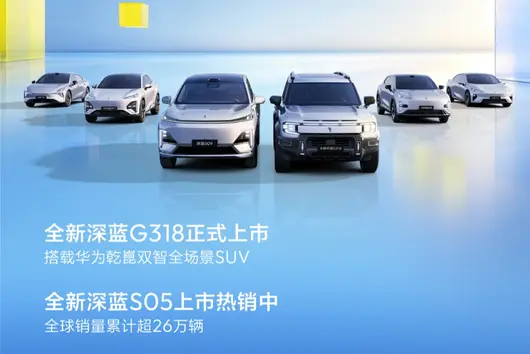
Launched refreshed on August 6th, it sold 17,474 units globally that month, a 43.42% year-over-year increase and a 24.29% month-over-month increase. You might not believe it, but in the compact SUV segment at the 150,000 yuan tier, S05 is one of the few that can equip LiDAR, one-stage end-to-end algorithm, 3nm automotive-grade chip, and FSD+HRS variable suspension all at once. Gymnastics Olympic champion He Kexin became the first owner, and champions have keen eyes for cars.
S05 has accumulated over 260,000 users globally and is exported to 73 countries and regions, with overseas monthly sales consistently breaking 6,000 units. Winning the German iF Design Award and achieving good results in the J.D. Power 2026 Compact Pure Electric SUV Quality Study certainly gave China's car exports a lot of face.

Huawei Dual Intelligence Invades the 200,000 Yuan Tier, G318 Redraws the Line
The new G318 has entered the market, adding a Huawei option to the 200,000 yuan box-style SUV segment. Launched at the Chengdu Auto Show on August 21st, the limited-time offer price is 196,800 to 236,800 yuan. It is one of the few box-style SUVs at this price range equipped with Huawei Qiankun Dual Intelligence, with ADS 5 Pro and HarmonySpace 5 Cockpit as standard across all models. Plus the "Air Suspension + CDC + Magic Carpet" comfort trio, dual-motor real 4WD, two differential locks, and ET all-terrain system.
Deep Blue defines the scenario for G318 as "90% City, 10% Wild", meaning 90% of the time is for city commuting and 10% for off-roading. The actual usage radius of most box-style SUV owners is generally like this. For box-style SUVs at this price range in the past, high-level intelligent driving was often optional within the optional features. With this cut from the G318, the configuration baseline for 200,000 yuan family box-style SUVs has been redrawn.

Magnetorheological Suspension + Track Package, Whose Pulse Did L06 Hit?
L06 is known as the first sports coupe for young people, and the 300,000 yuan Ferrari-same magnetorheological suspension is the highlight of the full line. A special edition debuted at the Chengdu Auto Show, equipped with 3D air blades, an integrated front splitter, and a carbon fiber fixed large wing, with a maximum downforce of 1,000N. Cornering is tighter, the highway is steadier, and it can still comfortably go grocery shopping and pick up kids in daily life. This "Track Atmosphere + Home Base" combination hits the needs of young users well within the 150,000 yuan tier.

Tech Foundation Supports Sales, 1 Million Users Are Just Outside the Door
Behind the sales figures, Deep Blue's self-developed technology never stopped. The "Battery Boost Charging Technology" won the China Patent Excellent Award; the Golden Bell Battery won the National Science and Technology Progress Award 2nd Prize twice; the Micro-core High-frequency Pulse Heating Technology won the China Patent Gold Medal. The overseas layout has entered over 100 countries and regions, with S05 and S07 landing at the Indonesia and South Africa auto shows this month. S07 also won the 26th China Patent Design Silver Award.

As of the end of August, Deep Blue's global cumulative sales exceeded 947,600 units. Pushing at the current pace, hitting the 1 million mark this year is a high probability event. Actually, August's single-month sales of 28,659 units, within Deep Blue's own pace, is not the strongest wave. July was 29,213 units, and August saw a slight month-over-month drop. Fortunately, S05 was just refreshed, the new G318 was just launched, and the L06 special edition just debuted, so the momentum of the three new cars has not been fully released. Whether the remaining months can push higher will determine the completion rate of the annual goal.
From a consumer's perspective, Deep Blue's work over the past half year was quite solid, putting configurations like LiDAR, Huawei Dual Intelligence, and magnetorheological suspension, which were previously on 300,000+ yuan models, down one by one. With a 150,000 yuan budget, you can buy a compact SUV with LiDAR; with a 200,000 yuan budget, you can buy a Huawei Dual Intelligence box-style SUV. Users' car buying lists definitely have new options added.


作者:管宏业
用十余年时间,中国新能源汽车完成了一场波澜壮阔的换道超车。渗透率逼近48%、年产销跃上千万级,全球汽车工业的坐标轴因此而重定。
然而规模登顶之后,赛道开始变奏。
"十五五"开局之年的夏末,工信部用了不寻常的措辞——"非理性竞争问题仍然突出","必须加力解决"。监管层严厉表态,这不是规劝,是警示。
行业利润持续压缩,市场整体剧烈动荡。中国新能源车正在告别野蛮生长,迎来价值重构的大时代。在这场变奏中,智己汽车的"二次创业"恰好踩在了时代节拍上。

2026年8月,智己召开员工干部大会,定调"二次创业",统一战略节奏。成都车展上亮出底牌——"NEXT·2028"战略:三款即将落地的纯电车型,以及一句来自管理层的直言,"市场卷,但上汽智己拿着最好的牌。"
一
2020年12月创立,智己的前五年,是典型的国家队新品牌历练史。早期的产品更多是技术能力的验证,在市场震荡起伏中打磨用户认知。
去年,智己打出关键的一步棋:推出恒星超级增程,以大电池增程开辟差异化赛道。这套兼顾纯电体验与长途无忧的技术方案,迅速拿到市场反馈,全年8万台以上的销量,稳稳跻身增程市场第一梯队,收获"增程新王"的行业评价。LS6、LS8、LS9增程版在各自细分赛道站稳脚跟,市场用订单完成了对智己产品定义、制造能力的第一轮大考。

增程赛道的突围,给智己打开了宝贵的窗口期,但管理层看得清楚,市场的底层结构正在发生变化。外部环境信号,叠加内部技术沉淀,推动智己把重心重新压回纯电主战场。
内部干部大会上,"二次创业"成为全员共识:告别小步试错,进入主动进攻周期。过去增程业务积累的渠道、用户认知、供应链经验,全部转化为纯电反攻的弹药,NEXT·2028战略,正是这场进攻的总纲领。
2026年8月至10月,智己将连环出击三款纯电车型:全新一代LS6、L6,以及LS8纯电版。这三款车全系标配三项核心资产——NEO三电架构、全线控底盘、IM Claw智能体。

这不是一次简单的新品发布,而是一次技术储备的集中释放。
线控底盘是什么?对于普通用户,它或许是一个陌生的技术词汇。但对于行业而言,它是从"人开车"到"车自己开"的分水岭。按照智己此前透露,线控转向的可靠性已达到航空级10FIT标准(10亿小时失效低于10次),响应速度仅20毫秒,比人类本能反应快10倍以上。更重要的是,上汽正是线控转向国家标准的牵头制定者之一。
"全系标配"这四个字,在汽车行业通常意味着将高配配置下放,但在智己的语境下,它更像是用"国家队"的底蕴,对市场进行一场技术平权。
二
"市场卷,但上汽智己拿着最好的牌。"智己汽车副总经理徐崟的这句话,在采访间里抛出来,声音不大,分量不轻。这句话不是即兴发挥,而是一个背靠万亿级汽车集团的品牌,在行业低迷时刻亮出的底牌。

这张牌,是上汽70年造车积累的工程体系。从临港数字化工厂的制造精度,到全球顶级供应链的议价能力,再到覆盖全国的经销商网络——这些看似笨重的重资产,在行业从"轻装上阵"转向"体系决胜"时,反而成为护城河。当新势力为产能爬坡焦头烂额时,智己的上游制造已在按节奏排产;当市场为供应链断裂惴惴不安时,上汽的全球采购网络早已完成多源备份。
这张牌,是定义规则的技术话语权。2026年7月,由上汽牵头制定的线控转向国家标准正式实施。从行业跟随者到标准制定者,这是一次产业地位的宣示。线控底盘之于智能汽车,如同底盘之于燃油车——谁掌握底层架构的定义权,谁就在下一代竞争中占据制高点。

这张牌的意义,在行业上行时或许不明显,但在市场下行、融资收缩的周期里,却是一道实实在在的安全垫。所以,当徐崟说出"拿着最好的牌"时,他说的不是自信,是事实。
三
发布会现场,一个细节值得玩味:徐崟首次以智己副总经理身份公开亮相。
在这之前,他在泰国市场操盘MG品牌已有六年。在日系车垄断的泰国,他带领团队将MG保有量推至22万辆,并让智己顺利落地成为出海首站。
他毫不回避市场的残酷。上半年国内有527款新车发布,1-7月市场整体下降了20%。但他也看到了增长的信号——纯电市场在涨,这正是智己下半年的发力方向。

"在习惯'慢慢来'的市场,要跑出中国品牌的'快快快'。"这是徐崟在泰国总结的经验。如今回到国内,节奏更快,但他并不急。他说:"我更关注的是,消费者对细节是否满意。如果这些都能做到,销量自然是水到渠成的。"
务实,但不怯战。
四
6月份才回到国内,徐崟说了一句旁观者清的话:"不要一味只讲参数,要多想想能给用户提供什么情绪价值。"
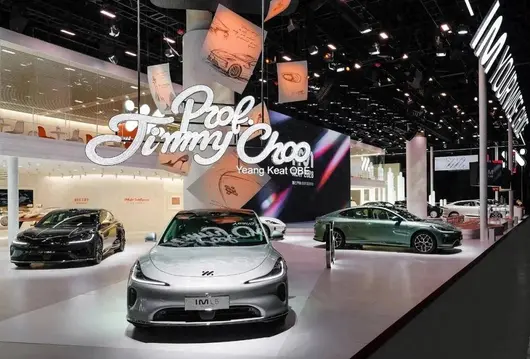
全新一代L6与高定大师Prof. Jimmy Choo的合作,让外界看到了智己"情绪"的一面。
它不再只是强调2.74秒加速或800伏快充,而是开始讲述"水晶标"、"高定蓝"和"Not For Everyone"的设计叙事。

这在同质化严重的新能源市场,几乎是一种"反内卷"的尝试。当大家都在比拼冰箱、彩电、大沙发的数量时,智己试图用审美和情绪价值划出一条分界线。
从技术立身到温度共情,智己的沟通正在升维。
五
今天的中国汽车,站在宏大的历史节点之上。一方面,中国制造走向全球,新能源成为国家名片;另一方面,同质化内卷、非理性竞争,成为必须跨过的关口。工信部强调要"刹住车",意味着行业必须从"比谁跑得快"转向"比谁刹得住、走得远"。
2026年正是分水岭。在这样一个时间节点,智己的"二次创业"选择了一条艰难但清晰的路:把未来两到三年的技术,提前放到当下的产品里,用"技术普惠"对抗低水平内卷。

8月全新一代L6预售,9月全新LS6上市,10月LS8纯电版亮相——三款纯电连环出击。大时代的产业竞争,短期看营销造势,长期回归产品与体系。NEXT·2028战略拉开序幕,智己要在变奏中,重新定义自己的节拍。

近日,風雲 T7 正式上市。面對行業追求快速造車嘅內捲情況,風雲 T7 堅持「慢功造好車,全球車快唔得啲」嘅長期主義思路,造一台原生全球純電 SUV。車型先完成海外嚴苛驗證,先回歸本地市場,由源頭配合全球各地法例與用車環境。

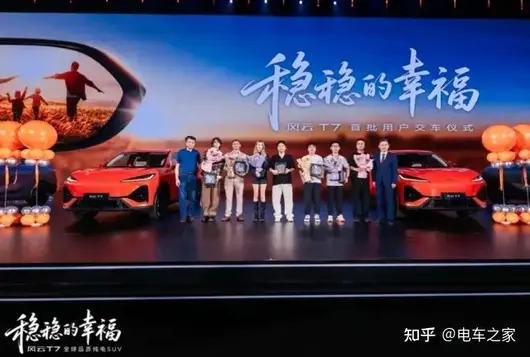
發布會現場,海外驗證、底盤、造型工程師現場站台,結合海外車主真實證言,充分展示風雲 T7**超能跑、美全球、更安全、好智慧**四大優勢,建立「超美更好」純電 SUV 產品形象。活動一齊舉行交車儀式,做到上市即交付,將經過全球實測打磨嘅產品質素交到車主手頭上。
講句話慢功造好車,唔係進度拖慢,而係將更多時間投放研發、設計、安全、測試每個環節。
研發上,風雲 T7 歷盡 3 年打磨,憑藉奇瑞全球 1+7+N 研發體系開發;設計集結全球百幾名設計師,吸納 5000 + 用戶共創建議;安全對標 2026 版 E‑NCAP 五星標準,瞄準歐洲高法規市場。

全車耐用專項測試達 145 萬公里,總測試里程超 600 萬公里,動用 81 部耐用車輛同步路試。車輛闖過高溫、高寒、高濕、高鹽鹼五大極限考驗,北歐寒冬之下製熱性能加倍,多雨地區可以輕鬆通過 500mm 深水涉水,極端環境行駛依舊穩定。
風雲 T7 並唔係國內車型簡單改款出海,建立全球研發‑標準‑驗證‑品質完整體系,可配合全球 210 個國家同地區用車需求。奇瑞連續 23 年佔中国品牌乘用車出口首位,全球用戶超 2000 萬,產品銷往 130 多個海外市場。

同源車型 Lepas L6 已登陸泰國、南非,後續印尼、歐盟、澳新、英國、以色列、馬來西亞市場將陸續上市。項目走訪 15 個典型國家,完成 5000 多份全球用戶調研;全球 10 大設計中心聯合創作,Lepas L6 亮相米蘭設計週獲好評。

實車完成 95% 全球道路類型驗證,跑過巴西減速坎、墨西哥鵝卵石路、德國高速彎道、南非非鋪裝泥路。工作溫度區間‑40℃~55℃,抵得住中東高溫、北歐極寒、高原強紫外線,足跡覆蓋 100 多個海外實測環境,全部數據來自真實道路,唔靠實驗室模擬。

早喺國內發布前,風雲 T7 就啟動全球路試,世界各地頻頻出現實車測試身影。同源車型海外市場口碑向好好,今次上市,唔少喺華外籍用戶成為首批車主。車型獲得美聯社肯定,成都車展外籍睇車團亦作出積極回饋,全球品質得到多個國家用戶共同見證。

8 月 26 日,暑假將近尾聲,各大中小學開學在即,一些汽車企業亦公佈上半年成績單,睇邊家公司上半場考得好,進而捲起袖子加油幹、加電幹,幹好下半場。
在國內汽車行業競爭白熱化、新能源賽道內捲加劇、多數汽車企業面臨增收不增利嘅行業困境下,東風股份交出一份銷量穩增、營業額上升、利潤大漲、轉型提速嘅高質量年中答卷。
(一)再唔可以咁樣活
與一啲新勢力同老實力以規模換市場,甚至係犧牲收益同利潤都要令友商冇路行嘅畸形競爭路徑唔同,東風股份立足輕型商用車主業,深耕場景化新能源、智能化同海外市場,闖出一条穩健盈利、務實轉型、技術落地嘅國資車企轉型新路線,為傳統車企新能源升級提供全新範本。

從核心經營數據嚟睇,東風股份 2026 年上半年經營韌性凸顯,增長質量遠超行業平均水平,喺行業需求結構調整、市場競爭持續加劇嘅複雜環境中,通過全面轉型變革、創新賦能同精细化運營,實現穩健高質量增長。
報告期內,公司實現營業收入 55.16 億元,同比增長 9.64%;
利潤總額 1.69 億元,同比大幅增長 83.56%;
歸屬於上市公司股東嘅淨利潤 1.24 億元,同比增長 27.83%,盈利增速大幅跑贏營收增速,全鏈條降本增效、產品結構優化成效落地見效。
整車銷量 6.9 萬輛,同比微增 0.44%,逆勢跑贏整體平淡嘅商用車大市。
核心增長板塊表現尤為亮眼,新能源整車銷量達 1.8 萬輛,同比增長 99.2%,翻倍式增速大幅領先行業 40.2% 嘅新能源商用車整體增速;
海外整車出口 1.3 萬輛,同比增長 81.4%,顯著高於行業 32.5% 嘅商用車出口增速,成為公司兩大核心增長極。
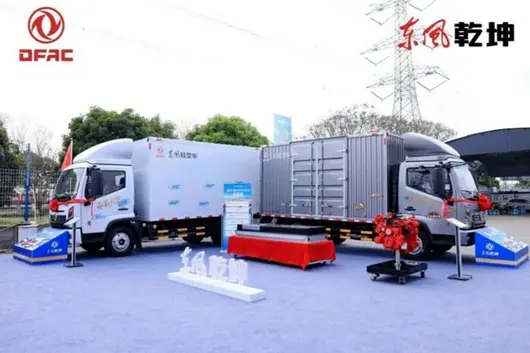
同時,核心零部件板塊穩健賦能,東風康明斯發動機上半年銷量 13.4 萬台,同比增長 18.39%,發電機組配套業務同步大幅增長,夯實整車產品嘅動力性能同成本優勢,構建起整車同零部件協同增收嘅良性格局。
(二)跳出東風看東風
我哋換個視角,將東風股份置於整個新能源汽車行業橫向對比,其與零跑、小鵬、賽力斯、廣汽等新老勢力嘅發展邏輯、增長結構、經營理念形成鮮明差異化,亦演繹咗當下车企嘅兩大生存賽道。

銷量維度,行業呈現「新勢力衝規模,國資車企重質量」嘅鮮明分化。
2026 年上半年,零跑汽車以 35.65 萬輛嘅累計交付量登頂新勢力銷量榜首,同比增長 60.8%,憑藉極致性價比策略、大單品同海外放量實現規模斷層領先。
小鵬汽車聚焦智能駕駛迭代,上半年銷量穩步修復。
賽力斯依托華為深度賦能,深耕 30 萬級高端乘用車市場,主打高端智能化溢價。
廣汽集團依靠埃安品牌支撐,新能源整體銷量穩居傳統車企第一梯隊,增速穩健。
反觀東風股份,並唔追求乘用車式嘅海量規模,6.9 萬輛嘅整體銷量體量遠唔及主流乘用車企,但增量含金行業領先。

其新能源增長聚焦城配、冷鏈、城鄉配送等垂直商用場景,新能源輕卡銷量同比暴漲 573.4%,福瑞通 VAN 車交付同比提升 153.9%,細分賽道實現爆發式增長,避開乘用車紅海內捲,走出專屬商用車新能源嘅增長曲線。
盈利維度,東風股份嘅優勢更為突出,破解咗新能源行業「規模越大、虧損越高」嘅普遍難題。
多數新勢力依舊處於規模擴張期,依靠銷量沖高搶佔市場份額,前期研發、渠道、營銷投入巨大,長期面臨盈利壓力,屬於「以規模換未來」嘅發展模式。
而東風股份依托成熟嘅商用車產業鏈、穩定嘅大客戶體系同極致嘅全鏈條降本策略,實現銷量穩、營收增、利潤增嘅良性循環,83.56% 嘅利潤同比增速,喺新老新能源車企中極為稀缺,展現出傳統國資車企扎實嘅經營底盤同極強嘅抗風險能力。
經營策略同轉型理念嘅差異,係東風股份與新勢力、主流車企最核心嘅區別。
零跑、小鵬嘅核心邏輯係全域自研、規模突圍、全球化放量,以智能化、性價比搶佔大眾乘用車市場,通過海量攤薄研發同生產成本;賽力斯主打科技賦能、高端溢價、生態協同,依托華為技術打造高端智能汽車品牌;廣汽堅持多品牌、全品類、全賽道佈局,覆蓋高低端乘用車、新能源全市場。
東風股份走嘅係垂直深耕、場景落地、技術務實、穩步迭代嘅國資穩健路線,唔盲目跟風乘用車賽道內捲,聚焦自身輕型商用車主業優勢。
(三)就係咁樣轉型
轉型路上,東風股份堅持研發賦能、技術落地、智造升級三位一體推進,築牢長期發展壁壘。
公司持續加大科創投入,上半年研發費用達 2.13 億元,同比大幅增長 74.48%,研發力度跨越式提升。

依托自有獨立研發中心,公司聚焦純電平台車型、氫燃料卡車、滑板底盤、高階智能駕駛等前沿賽道深耕研產,構建自主可控嘅核心技術體系。產品端持續完善新能源矩陣,同時重磅推出 OpenVAN 無人物流運力品牌,落地多款 L4 級高階智能物流產品,實現自動駕駛物流車、智能環衛車常態化示範運營,斬獲超 4000 戰略訂單,令智能化從技術概念轉化為商業化增量,完成產品向綠色化、智能化嘅深度迭代。
製造端更係补齐硬核實力,公司以「綠色環保、數字貫通、柔性製造、平台共享」為核心目標,搭建新一代整車綜合製造平台,打造LCV數智化標杆工廠,通過嚴苛嘅品控體系、優化嘅終端售後服務,持續提升產品品質、運營效率同市場口碑,為轉型提質、銷量增長提供堅實智造支撐。
海外業務同核心零部件業務嘅雙增長,進一步夯實咗東風股份嘅發展底氣。

上半年整車出口 1.3 萬輛,同比增長 81.4%,喺馬來西亞、古巴、拉美、東南亞等市場持續突破,海外品牌影響力快速提升;
發動機業務銷量同比增長 26%,發電機組配套業務大幅增長,動力總成核心技術積澱,為整車品質同盈利空間提供咗雙重保障。
區別於多數車企單一依賴整車銷售嘅模式,東風股份形成「整車 + 核心零部件 + 海外出口 + 智能新業務」嘅多元盈利結構,抗週期能力遠超行業平均水平。
(四)「增量亦增利」
縱觀 2026 年車企半年考,行業內捲加劇、價格戰持續,乘用車賽道紅海競爭愈演愈烈,多數車企陷入「增量唔增利」嘅困境。
零跑、小鵬等新勢力贏喺規模速度,東風股份贏喺經營質量;廣汽、賽力斯勝喺品牌勢能,東風股份勝喺穩健務實。
作為傳統國資車企,東風股份冇固守燃油車舒適區,亦冇盲目跨界跟風,而是立足自身稟賦,精準把握商用車新能源、智能化、國際化機遇,以結構優化、技術創新、降本增效、生態拓展實現高質量轉型。

從行業長遠發展嚟睇,汽車下半場嘅競爭早已告別單純嘅銷量比拼,盈利能力、轉型質量、技術落地、抗風險韌性成為核心競爭力。
東風股份呢份半年報,印證咗傳統商用車車企嘅轉型潛力,更為主流車企提供新思路:
唔盲目追規模、唔跟風捲價格,深耕細分賽道、做實技術落地、夯實盈利底盤,方喺激烈嘅行業洗牌中站穩腳跟、持續領先。面
東風股份表示,將持續聚焦新質商品、營銷能力、高質量運營、生態融合、價值創享五大核心發展方向,持續加速新能源同智能化轉型,持續優化產品結構、強化產業生態佈局,搶抓行業轉型新機遇,穩步推進高質量發展。

8月26日,奇瑞风云T7正式迎来上市,共推出3款车型,售价区间9.79至11.89万元;限时抢先置换价更是低至9.49万起。作为一台面向全球家庭打造的原生全球品质纯电SUV,风云T7摒弃行业“国内车型简单改款出海”的捷径思路,以慢功造好车,全球车快不了一点为产品理念,依托奇瑞全球质造体系正向开发,把全球法规、全球用户需求前置到产品策划阶段,经过严苛的全球多环境实车试炼,为国内消费者带来兼具全球品质与国民价格的纯电SUV新选择。

当下新能源行业内卷加剧,不少品牌压缩研发与验证周期,追求快速迭代上新。但真正面向全球市场的车型,无法依靠实验室模拟数据、本地化改款完成打磨。风云T7完整走完2年产品策划、3年整车正向研发周期,依托奇瑞1+7+N全球研发体系,集结百余名来自全球各地的设计师、底盘与研发工程师协同开发,深度收集5000+全球用户共创反馈,覆盖15个典型国家用车场景,把不同地区用户的驾驶习惯、乘坐偏好、泊车需求,全部纳入早期产品定义当中,从源头适配全球210个国家与地区的用车条件。

在安全标准层面,风云T7提前两年预研全球法规,直接对标2026版E‑NCAP安全标准,为进军欧洲等高法规海外市场做好充分准备。为把全球标准落到实处,品牌投入81台耐久试验车,完成累计145万公里实车路试验证,拒绝纸上仿真数据,奔赴全球各地完成极限环境试炼。整车经历七大极限环境考验:北欧极寒工况下实现双源制热效能翻倍;东南亚雨季完成500mm深度涉水测试;中东高温暴晒、印尼高湿盐雾、巴西砂石路面、墨西哥鹅卵石颠簸路况全部实车实测。项目累计完成10000+次制动专项、19000+次满打转向、400+次底盘冲击测试,所有发现问题做到100%闭环整改。本次上市发布会现场,海外底盘、造型、研发工程师集体站台背书,以一线研发视角,解读这台全球车背后的打磨逻辑。

产品方面,风云T7拒绝行业“入门版短续航拉低售价,高配长续航加价”的套路,全系标配600km CLTC长续航,入门版与顶配续航完全一致,消费者选车只需关注配置差异,不用再为续航等级权衡取舍。新车搭载65.05kWh犀牛电池,实测续航可达667km,实现“反向虚标”;30%-80%快充仅需20分钟,一杯咖啡时间即可补充300公里续航。电池循环寿命超过2500次,可实现‑40℃‑60℃超宽温域稳定工作。全系标配双源宽温域热泵空调,零下10℃环境续航提升30%,兼顾北方寒冬与南方酷暑的用车场景,南北方家庭都可以告别里程焦虑。

安全是全球车的立身之本。风云T7打造磐石笼式车身,高强度钢占比80%、热成型钢占比18.84%,采用九横五纵车身结构,搭配同级独有的Shotgun结构、双框副车架+Pack防撞梁,构建多重碰撞能量分散通道。整车配备9安全气囊,电池拥有6D锁子甲31层立体防护,IP68级防水、侧边抗挤压达到国标2倍,盐雾、火烧测试均超越国标要求,筑牢座舱与电池双重安全堡垒。底盘由国际化专家团队调校,实现50.8:49.2黄金轴荷比,针对高速工况专项优化,兼顾操控稳定性与乘坐舒适性。

智能座舱搭载同级首发舱驾一体8775芯片,4nm工艺带来72TOPS NPU算力,系统响应延迟低至80ms;灵犀智舱2.0接入豆包大模型,拥有多套真人感交互体验,支持CarPlay、HiCar等全品牌手机直连;猎鹰500智驾系统配备22颗高精度传感器,可实现300+全场景自动泊车、高速领航辅助、100米循迹倒车,解决日常停车、长途出行痛点。空间上,2700mm轴距带来84%车内得房率,后排地板纯平,支持4/6放倒形成1955mm*1310mm纯平大床模式;9层复合云感座椅,配备通风、双区加热功能,全车多场景储物设计,兼顾家庭通勤、自驾露营、带娃出行多元需求。

作为原生全球车,风云T7同源海外车型Lepas L6已经登陆南非、泰国市场,后续将陆续登陆印尼、欧盟、澳新、英国、以色列等市场,还亮相米兰设计周收获国际审美认可。截至目前,风云T7预售9天订单突破16787台,上市发布会同步举办交车仪式,外籍在华用户成为首批车主,打破新车发布与交付之间的行业时间差,把全球品质即刻兑现给用户。

从研发策划到百万公里实车试炼,风云T7的“慢”,不是效率低下,而是对全球用户的敬畏。在十万级纯电SUV赛道,它把原本属于海外高端车型的研发、安全、验证标准带给国内普通家庭,让中国消费者,在家门口就能够拥有一台经过全球路况检验的高品质纯电SUV。
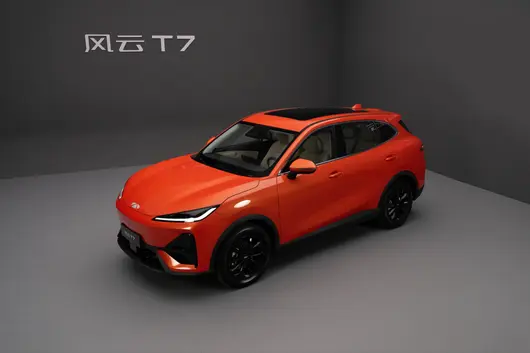

Di pasaran SUV di Malaysia, ramai pembeli membuat perbandingan antara Honda WR-V dan MG MG HS apabila memilih kereta. Kedua-dua kereta ini agak hampir dari segi harga dan penarafan, hari ini kita akan membuat perbandingan terperinci dari pelbagai aspek, membantu anda menjimatkan masa membuat penyelidikan.
Harga OTR Honda WR-V di Malaysia ialah RM 89,900 - 107,900, terdapat 4 varian, termasuk 2023 1.5L V (RM 99,900), 2023 1.5L E (RM 95,900), 2023 1.5L S (RM 89,900) dan lain-lain.
Harga OTR MG MG HS di Malaysia ialah RM 130,450 - 146,450, terdapat 2 varian, termasuk 1.5L Standard (RM 105,000), 1.5L Executive (RM 115,000) dan lain-lain.
Dari segi harga, harga permulaan Honda WR-V memang RM 40,550 lebih murah daripada MG MG HS. Jika bajet anda terhad, versi masuk Honda sudah boleh memenuhi keperluan harian. Tetapi perlu diingat, beberapa ratus atau ribu ringgit yang lebih murah itu, mungkin ada kompromi dari segi kelengkapan, bergantung pada keperluan anda.

Honda WR-V dilengkapi enjin 1.5L 4-silinder, kuasa 105 hp. Penggunaan bahan api rasmi 6.0 L/100km.
MG MG HS dilengkapi enjin 1.5L Turbo, kuasa 140 hp. Penggunaan bahan api rasmi 7.0 L/100km.
Dari segi kuasa, 1.5L Turbo MG MG HS mempunyai 35 hp lebih banyak berbanding 1.5L 4-silinder Honda WR-V. Walau bagaimanapun, untuk penggunaan harian di bandar, kuasa kedua-dua kereta ini sudah mencukupi, anda tidak akan berasa kurang tenaga.

Penarafan keselamatan Honda WR-V ialah 5★ (ASEAN NCAP), sistem keselamatan aktif termasuk Honda SENSING.
Penarafan keselamatan MG MG HS ialah TBD, sistem keselamatan aktif termasuk Basic.
Dari segi kelengkapan keselamatan, kedua-dua kereta telah mendapat penarafan yang baik. Walau bagaimanapun, Honda SENSING pada Honda WR-V dan Basic pada MG MG HS mempunyai perbezaan dari segi fungsi, jika anda lebih mengambil berat tentang keselamatan aktif, anda boleh membandingkan senarai fungsi keduanya dengan teliti.

Honda WR-V dijamin 5 tahun/tanpa had kilometer, tempoh selang servis setiap 10,000 km atau 6 bulan.
MG MG HS dijamin 7 tahun/150,000 km, tempoh selang servis setiap 10,000 km atau 6 bulan.
Honda WR-V dan MG MG HS adalah pilihan utama pasaran Malaysia, sesuai untuk kegunaan keluarga, perjalanan harian. Jika anda lebih menitikberatkan reputasi jenama dan nilai jual semula, terutamanya pilih yang mempunyai reputasi lebih baik; jika anda lebih mengambil berat tentang nilai dan kelengkapan, pilih yang mempunyai konfigurasi lebih kaya. Pada akhirnya disarankan untuk memandu kedua-dua kereta tersebut, pengalaman sendiri adalah yang paling penting.
Secara keseluruhan, Honda WR-V dan MG MG HS adalah model kereta yang sangat baik di pasaran Malaysia. Memilih yang mana, ia bergantung kepada keperluan dan bajet peribadi anda. Kami menyarankan anda membuat penyelidikan terlebih dahulu, membandingkan beberapa sebut harga dari dealer kereta yang berbeza, baru memandu uji untuk membuat keputusan akhir. Membeli kereta adalah perkara besar, mengambil sedikit masa untuk membuat penyelidikan pasti tidak salah.


In the Malaysian SUV market, many buyers compare Honda WR-V and Chery Tiggo 7 PHEV when choosing a car. These two cars are quite close in price and positioning. Today we will make a detailed comparison from multiple aspects to help you save time on research.
The OTR price of Honda WR-V in Malaysia is RM 89,900 - 107,900, with a total of 4 versions, including 2023 1.5L V (RM 99,900), 2023 1.5L E (RM 95,900), 2023 1.5L S (RM 89,900), etc.
The OTR price of Chery Tiggo 7 PHEV in Malaysia is RM 129,750 - 129,750, with a total of 2 versions, including 2025 1.5T 90km CSH (RM 129,750), What charging methods does the Tiggo 7 PHEV support? Can it be charged using a home power socket? (RM 117,478), etc.
From the price perspective, Honda WR-V's starting price is indeed RM 39,850 cheaper than Chery Tiggo 7 PHEV. If your budget is limited, Honda's entry-level version can meet daily needs. But also note, the few thousand ringgit cheaper might have trade-offs in equipment, depending on your needs.
Honda WR-V is equipped with 1.5L 4-cyl, horsepower 105 hp. Official fuel consumption 6.0 L/100km.
Chery Tiggo 7 PHEV is equipped with Hybrid, horsepower 170 hp. Official fuel consumption 4.5 L/100km.
In terms of power, Chery Tiggo 7 PHEV's Hybrid has 65 more horsepower than Honda WR-V's 1.5L 4-cyl. However, for daily city driving, the power of both cars is sufficient, you won't feel it lacks power.
Honda WR-V safety rating is 5★ (ASEAN NCAP), active safety system includes Honda SENSING.
Chery Tiggo 7 PHEV safety rating is TBD, active safety system includes Basic.
Regarding safety features, both cars have received good ratings. However, Honda WR-V's Honda SENSING and Chery Tiggo 7 PHEV's Basic have some differences in functions. If you value active safety, you can compare their function lists carefully.
Honda WR-V body length 4400 mm, trunk 400 L.
Chery Tiggo 7 PHEV body length 4400 mm, trunk 400 L.
The dimensions of both cars are almost the same, interior space difference is not large. For this level of car, it is fully sufficient for daily use.

Honda WR-V warranty 5 years/unlimited mileage, service interval every 10,000km or 6 months.
Chery Tiggo 7 PHEV warranty 3 years/100,000km, service interval every 10,000km or 6 months.

Overall, Honda WR-V and Chery Tiggo 7 PHEV are both very good car models in the Malaysian market. Which one to choose depends on your personal needs and budget. It is recommended to do homework well, compare quotes from several car dealerships, and test drive to make a final decision. Buying a car is a big matter, spending time on research will never go wrong.

In the Malaysian SUV market, many buyers compare Honda WR-V and Mazda CX-30 when choosing a car. These two cars are quite close in price and positioning, so today we will do a detailed comparison from multiple aspects to help you save time on research.
Honda WR-V's OTR price in Malaysia is RM 89,900 - 107,900. There are 4 versions in total, including 2023 1.5L V (RM 99,900), 2023 1.5L E (RM 95,900), 2023 1.5L S (RM 89,900), etc.
Mazda CX-30's OTR price in Malaysia is RM 122,409 - 146,409. There are 4 versions in total, including 2025 2.0L High+ Premium (RM 146,409), 2025 2.0L High+ (RM 138,409), 2025 2.0L High (RM 130,409), etc.
From the price perspective, Honda WR-V's starting price is indeed RM 32,509 cheaper than Mazda CX-30. If your budget is limited, Honda's entry-level version can already meet daily needs. But note, the few thousand difference might involve trade-offs in specifications, it depends on your specific needs.
Honda WR-V's safety rating is 5★ (ASEAN NCAP). Active safety systems include Honda SENSING.
Mazda CX-30's safety rating is 5★ (ASEAN NCAP). Active safety systems include i-Activsense.
Both cars have the same safety rating, and safety features in this segment are considered quite comprehensive. New car safety nowadays is not poor, no need to worry too much about this point.
Honda WR-V warranty 5 years/unlimited mileage. Service interval every 10,000km or 6 months.
Mazda CX-30 warranty 5 years/150,000km. Service interval every 10,000km or 6 months.
Honda WR-V and Mazda CX-30 are both mainstream choices in the Malaysian market, suitable for family use and daily commuting. If you value brand reputation and resale value more, you can prioritize the one with better reputation; if you care more about value for money and specifications, then choose the one with richer configurations. In the end, it is recommended to test drive both, personal experience is the most important.

Overall, Honda WR-V and Mazda CX-30 are both very good car models in the Malaysian market. Which one to choose depends mainly on your personal needs and budget. We suggest everyone do their research, compare quotes from multiple dealerships, and then go for a test drive to make the final decision. Buying a car is a big matter, spending time researching will never be wrong.

In the Malaysian SUV market, many buyers compare Proton X90 and Kia Sportage when choosing a car. These two models are quite close in price and positioning. Today, we will make a detailed comparison from multiple aspects to help you save time on research.
The OTR price of Proton X90 in Malaysia is RM 106,800 - 122,800. There are 4 versions in total, including 2026 1.5T Prime X (RM 122,800), 2026 1.5T Prime (RM 116,800), 2026 1.5T Lite (RM 106,800) etc.
The OTR price of Kia Sportage in Malaysia is RM 129,639 - 179,320. There are 4 versions in total, including 2025 1.6T DCT 4WD High (RM 179,320), 2025 1.6T DCT 2WD High (RM 159,320), 2025 2.0L AT 2WD High (RM 139,639) etc.
Looking at the price, Proton X90's starting price is indeed RM 22,839 cheaper than Kia Sportage. If your budget is limited, Proton's entry-level version can already meet daily needs. But also note that the few thousand cheaper might involve trade-offs in features, depending on your specific needs.

Proton X90's safety rating is 5★ (ASEAN NCAP). Active safety systems include ADAS (ACC, AEB, LKA, LDA, BSM, RCTA).
Kia Sportage's safety rating is 5★ (ASEAN NCAP). Active safety systems include Drive Wise.
Both cars have the same safety rating. In this class, safety features are quite comprehensive. New cars nowadays are generally safe, so no need to worry too much about this.
Proton X90 uses FWD drive configuration.
Kia Sportage uses FWD drive configuration.
Both cars have the same drive configuration, both are FWD, so there won't be a big difference in daily driving experience.
Proton X90 and Kia Sportage are both mainstream choices in the Malaysian market, suitable for family use and daily commuting. If you value brand reputation and resale value more, prioritize the one with better reputation; if you care more about value for money and features, choose the model with richer configuration. Ultimately, it is recommended to test drive both, experiencing it firsthand is the most important.

Overall, Proton X90 and Kia Sportage are both quite good models in the Malaysian market. Which one to choose mainly depends on your personal needs and budget. It is recommended to research thoroughly, compare quotes from multiple dealerships, and then test drive before making a final decision. Buying a car is a major matter, spending time doing research will never be wrong.

In the Malaysian SUV market, many buyers compare Proton X90 and GWM Haval H6 when choosing a car. These two cars are quite close in price and positioning. Today we will make a detailed comparison from multiple aspects to help you save time on research.
The OTR selling price of Proton X90 in Malaysia is RM 106,800 - 122,800, with a total of 4 versions, including 2026 1.5T Prime X (RM 122,800), 2026 1.5T Prime (RM 116,800), 2026 1.5T Lite (RM 106,800), etc.
The OTR selling price of GWM Haval H6 in Malaysia is RM 139,750 - 139,750, with a total of 2 versions, including 1.5L Turbo Standard (RM 140,000), 1.5L Turbo Premium (RM 155,000), etc.
In terms of price, the starting price of Proton X90 is indeed RM 32,950 cheaper than GWM Haval H6. If your budget is limited, Proton's entry-level version can already meet daily needs. However, also note that the few thousand cheaper might involve trade-offs in equipment, depending on your specific needs.
Proton X90 is equipped with 1.5L Turbo, 140 hp. Official fuel consumption 7.0 L/100km.
GWM Haval H6 is equipped with Hybrid, 170 hp. Official fuel consumption 4.5 L/100km.
In terms of power, GWM Haval H6's Hybrid has 30 more horsepower than Proton X90's 1.5L Turbo. However, for daily driving in the city, the power of both cars is sufficient, you won't feel it lacks power.
Proton X90 body length 4400 mm, trunk 400 L.
GWM Haval H6 body length 4400 mm, trunk 400 L.
The dimensions of both cars are almost the same, with little difference in interior space. Cars of this class are completely sufficient for daily use.
Proton X90 adopts FWD drive method.
GWM Haval H6 adopts FWD drive method.
Both cars have the same drive method, both are FWD, there won't be much difference in daily driving experience.
Proton X90 and GWM Haval H6 are both mainstream choices in the Malaysian market, suitable for family use and daily commuting. If you value brand reputation and resale price more, you can prioritize the one with better reputation; if you care more about cost-performance and features, choose the one with richer configuration. Finally, it is recommended to test drive both, personal experience is the most important.
Overall, Proton X90 and GWM Haval H6 are both very good models in the Malaysian market. Which one to choose, key is still to look at your personal needs and budget. We recommend everyone do their research, compare quotes from more dealerships, then go test drive to make the final decision. Buying a car is a big matter, spending some time doing research will never be wrong.

Dalam pasaran SUV di Malaysia, ramai pembeli sering membandingkan Proton X90 dan Chery Tiggo 9 semasa memilih kereta. Kedua-dua kereta ini berada pada julat harga dan kedudukan pasaran yang agak hampir, hari ini kita akan buat perbandingan terperinci dari pelbagai aspek, membantu anda menjimatkan masa melakukan kajian.
Proton X90 mempunyai harga OTR di Malaysia iaitu RM 106,800 - 122,800, terdapat 4 varian, termasuk 2026 1.5T Prime X (RM 122,800), 2026 1.5T Prime (RM 116,800), 2026 1.5T Lite (RM 106,800) dan lain-lain.
Chery Tiggo 9 mempunyai harga OTR di Malaysia iaitu RM 166,800 - 179,800, terdapat 1 varian, termasuk 2026 2.0T Standard (RM 179,750) dan lain-lain.
Dari segi harga, harga permulaan Proton X90 memang RM 60,000 lebih murah berbanding Chery Tiggo 9. Jika bajet anda terhad, varian pengenalan Proton sudah boleh memenuhkan keperluan harian. Namun, perlu diingat, perbezaan harga beberapa ribu itu mungkin melibatkan pertukaran pada kelengkapan, ia bergantung pada keperluan anda.
Proton X90 dilengkapi dengan enjin 1.5L Turbo, kuasa 140 hp. Penggunaan minyak rasmi 7.0 L/100km.
Chery Tiggo 9 dilengkapi dengan enjin 2.0L 4-cyl, kuasa 170 hp. Penggunaan minyak rasmi 8.0 L/100km.
Dari segi kuasa, enjin 2.0L 4-cyl pada Chery Tiggo 9 mempunyai 30 kuasa kuda lebih daripada enjin 1.5L Turbo pada Proton X90. Namun, dalam memandu harian di bandar, kuasa kedua-dua kereta ini sudah mencukupi, anda tidak akan berasa kurang tenaga.
Proton X90 panjang badan 4400 mm, but 400 L.
Chery Tiggo 9 panjang badan 4400 mm, but 400 L.
Saiz kedua-dua kereta hampir sama, perbezaan ruang dalaman tidak banyak. Untuk kereta kelas ini, sudah cukup untuk kegunaan harian.
Proton X90 menggunakan sistem pemindahan kuasa FWD.
Chery Tiggo 9 menggunakan sistem pemindahan kuasa FWD.
Cara pemindahan kuasa kedua-dua kereta sama, semuanya FWD, pengalaman memandu harian tidak akan berbeza banyak.

Proton X90 waranti 5 tahun/150,000km, selang penyelenggaraan setiap 10,000km atau 6 bulan.
Chery Tiggo 9 waranti 3 tahun/100,000km, selang penyelenggaraan setiap 10,000km atau 6 bulan.

Secara keseluruhannya, Proton X90 dan Chery Tiggo 9 adalah model kereta yang sangat baik di pasaran Malaysia. Memilih mana satu, kunci utamanya masih pada keperluan dan bajet peribadi anda. Kami menasihati anda melakukan kajian, membandingkan beberapa tawaran di pusat jualan kereta, kemudian buat uji jalan untuk membuat keputusan akhir. Membeli kereta adalah perkara penting, meluangkan masa melakukan kajian tidak akan salah.

喺馬來西亞嘅 SUV 市場,好多買家喺揀車嘅時候都會拿 Proton X90 同 MG MG HS 來做比較。這兩款車喺價位同定位上都幾接近嘅,今日我哋就從多個方面做一個詳細嘅比較,幫你節省做功課嘅時間。
Proton X90 喺馬來西亞嘅 OTR 售價係 RM 106,800 - 122,800,合共有 4 個版本,包括 2026 1.5T Prime X(RM 122,800)、2026 1.5T Prime(RM 116,800)、2026 1.5T Lite(RM 106,800)等。
MG MG HS 喺馬來西亞嘅 OTR 售價係 RM 130,450 - 146,450,合共有 2 個版本,包括 1.5L Standard(RM 105,000)、1.5L Executive(RM 115,000)等。
從價錢來看,Proton X90 嘅入門價的確比 MG MG HS 平咗 RM 23,650。如果你預算有限,Proton 嘅入門版已經可以滿足日常需要。但都要注意,平嘅嗰幾千塊,可能喺配備上會有取舍,具體睇你需要。
Proton X90 配 1.5L Turbo,馬力 140 hp。官方油耗 7.0 L/100km。
MG MG HS 配 1.5L Turbo,馬力 140 hp。官方油耗 7.0 L/100km。
兩款車用咗同一套動力系統,日常開起嚟嘅感覺基本冇分別。油耗方面都差唔多,唔使太糾結這一點。
Proton X90 車身長 4400 mm,行李廂 400 L。
MG MG HS 車身長 4400 mm,行李廂 400 L。
兩款車嘅尺寸差唔多,車內空間分別唔大。呢個級別嘅車,日常使用完全夠用。
Proton X90 採 FWD 驅動方式。
MG MG HS 採 FWD 驅動方式。
兩款車嘅驅動方式一樣,都係 FWD,日常駕駛感覺唔會有太大分別。
總體嚟講,Proton X90 同 MG MG HS 都係馬來西亞市場幾不錯嘅車型。揀邊一輛,關鍵係要睇你嘅個人需要同預算。建議大家做足功課,多比較幾間車行嘅報價,再試駕先做最終決定。買車係件大事,花少少時間做功課絕對唔會錯。


Memimpin dalam keadaan pasaran yang mencabar.
Memerhatikan perubahan global, pasaran kereta di seluruh dunia telah berubah dengan drastik. Dan tahun 2026 sudah berlalu lebih separuh, penyesuaian struktur pasaran kereta China, sedang semakin diperdalamkan.
Data daripada Pusat Pemegang Pasaran Kereta Penumpang China menunjukkan, jualan runcit pasaran kereta penumpang seluruh negara pada Julai mencecah 1,461,000 kenderaan, turun 20.9% secara tahunan, terkumpul 7 bulan pertama sebanyak 10,173,000 kenderaan, turun 20.3% secara tahunan. Jualan runcit kereta penumpang bahan api konvensional pada bulan itu hanyalah 510,000 kenderaan, turun 41%, pasaran menunjukkan keadaan keseluruhan masih tertekan dan perbezaan struktur sangat melampau.
Dalam keadaan sedemikian, laporan jualan daripada Syarikat Kereta Geely kelihatan cukup penting, dan menonjolkan tekad serta kekuatan Geely untuk mengembangkan pelbagai laluan tenaga secara serentak.

Data menunjukkan, Geely Boyue pada Julai menjual sebanyak 16,700 kenderaan, menjuarai jualan SUV bahan api kelas A China secara berturut-turut selama 12 bulan. Pada tahun ini, 1 hingga 7 bulan, model utama siri ini Boyue L terkumpul runcit sebanyak 123,700 kenderaan. Setelah meraih kejuaraan jualan kereta bahan api separuh tahun 2026 dengan 110,600 kenderaan pada 6 bulan pertama tahun ini, Boyue L terus menguasai tangga teratas, dan masih merupakan satu-satunya kereta bahan api di antara Top 5 jualan semua kategori kereta.
AutosKline berpendapat, dalam persekitaran pasaran persaingan yang sengit, pencapaian jualan teratas pada model tunggal hanya sesaat tidaklah sesuatu yang jarang. Tetapi sejak tahun ini, prestasi jualan Boyue L lebih seperti satu isyarat. Apabila pasaran bertukar kepada permainan jumlah tetap, pilihan pengguna semakin dipercepatkan ke arah produk utama.
Satu fenomena yang lebih berkesan ialah, sejak kenderaan generasi pertama dilancarkan pada 2016 sehingga kini, siri Boyue hanya menggunakan masa 25 bulan untuk mencapai pengeluaran 500,000 kenderaan, hingga kini mengumpulkan lebih 2.4 juta pengguna di seluruh dunia.
Dibandingkan dengan keadaan baharu kini yang tidak bertahan 3 bulan tetapi masih bertalu-talu masuk, Boyue adalah satu perlumbaan jauh yang berterusan selama 10 tahun!
01
Untuk memahami status juara jualan Boyue L hari ini, AutosKline berpendapat ia sukar berpisah daripada kesinambungan empat generasi produk siri Boyue selama 10 tahun. Mereka bukan hubungan iterasi mudah, tetapi satu estafet berbeza keperluan pengguna pada setiap zaman.
Pada 2016, Boyue generasi pertama membuka jalan penghubung pintar SUV jenama China dengan interaksi suara "Hello Boyue", dan menjadi produk pertama di kelasnya yang mencapai kemas kini awan OTA. Pada 2019, Boyue generasi kedua fokus kepada keselamatan pintar, membawa sistem prahantaman AEB, sistem amaran sisi apabila memundurkan, dan sistem bantuan tukar lorong ke pasaran utama, memacu peng普及an pelbagai konfigurasi keselamatan.

Mencapai generasi ketiga, dibina berdasarkan platform kemewahan global CMA, dan kali pertama di kelasnya dilengkapi dengan bantuan navigasi高速 NOA, Boyue mula menerokai air dalam yang mendalam di bidang kawalan memandu dan kecerdasan, mematahkan pandangan tetap "kereta bahan api kekurangan konsep keemasan".
Pada masa kini, tongkat estafet telah diserahkan kepada Boyue L generasi keempat. Kali ini, tujuannya ialah memberi nama sebenar kepada kecerdasan kereta bahan api.
Apabila industri sibuk memiringkan teknologi kecerdasan canggih ke arah produk tenaga baharu, Boyue L generasi keempat dengan ketekunan membuat kereta selama 10 tahun yang tidak berubah, GEEA 3.0 arsitektur elektronik elektrik, sistem kokpit pintar Flyme Auto dan konfigurasi keras yang kukuh, diletakkan dengan kukuh pada SUV bahan api kelas 120,000, membolehkan setiap generasi pengguna menikmati bonus teknologi paling realistik era ini.
02
Iterasi 10 tahun 4 kali, setiap kali orang dapat melihat, Geely menurunkan teknologi paling terkini pada masa itu ke harga utama, melaksanakan dan mewariskan strategi "Tiga Baik" "Cantik, Mudah, Pintar" pada setiap zaman.

Lebih penting untuk diperhatikan ialah, dari sudut yang lebih tinggi industri perkembangan kereta China, irama iterasi Boyue tepat sekali pada beberapa titik penting peningkatan pengeluaran pengguna kereta China dalam 10 tahun lalu—kesedaran kecerdasan 2016,普及an konfigurasi keselamatan 2019, pembinaan kereta berstruktur 2022, teknologi AI masuk kereta 2025.
AutosKline berpendapat, ini bukan rekaan yang disengajakan, tetapi keputusan semula jadi berdasarkan maklum balas benar berjuta pengguna, berterusan dioptimumkan. Prestasi Boyue L generasi keempat hari ini, ialah buah yang dikumpulkan daripada peta teknologi 10 tahun ini.
03
Bagi sebuah kereta, kehormatan juara jualan akhirnya perlu kembali kepada produk itu sendiri. Masalah yang dihadapi Boyue L generasi keempat sangat jelas, dalam pasaran kereta bahan api, bagaimana menentukan piawaian nilai zaman baharu.
Jawabannya bukan tumpukan konfigurasi mudah, tetapi respon mendalam kepada situasi penggunaan sebenar.
Sistem kokpit pintar yang dilengkapkan berdasarkan Cip Nuri 1, mengejar bukan nilai skor, tetapi kelancaran operasi, ketepatan interaksi suara, butiran ini pengguna boleh rasai setiap hari.
Teknik pengawalan digital StarRui AI-Drive yang diperkenalkan, menyelesaikan masalah batas tetapan kilang kereta bahan api tradisional, membolehkan tindak balas kuasa kenderaan, logik gear dapat terus belajar dan berkembang, mencapai nilai jangkaan semakin baik apabila semakin dibuka.

Di bidang keselamatan, deklasi "Keselamatan adalah Geely" ini, juga terpapar secara melampau pada SUV kelas 100,000 Yuan—kekakuan pusingan badan 32000N·m/deg dan ring pintu boron beracuan panas 1500MPa, membentuk garis dasar keselamatan pasif; 21 jenis fungsi keselamatan aktif memindahkan perlindungan ke hadapan sebelum bahaya berlaku.
Aplikasi teknologi ini, mencerminkan satu pandangan inovasi yang sangat pragmatik oleh Syarikat Kereta Geely: tidak mengejar gajet yang berpanjangan sementara, tetapi menukarkan teknologi yang matang dan boleh dipercayai kepada bonus yang boleh dinikmati pengguna setiap hari.
Ini mungkin dapat menjelaskan, mengapa dalam pasaran SUV bahan api utama yang begitu terikat, Boyue L mampu menarik undian pengguna yang begitu besar dan berterusan.
04
AutosKline percaya, kejayaan sebuah kereta boleh disebabkan definisi produk, tetapi satu siri kereta boleh laris selama 10 tahun, di belakangnya pasti ada satu kemampuan sistem syarikat kereta yang menyokong.
2.4 juta jualan terkumpul, membolehkan Geely membawa kemampuan taburan kos yang kuat dalam pembelian, pengeluaran dan penyelidikan, membolehkan ia masih mempunyai kekuatan untuk melabur teknologi前沿 pada ruang harga 100,000 hingga 130,000 Yuan yang keuntungan sangat nipis, merupakan kitaran positif yang dibawa oleh kesan skala.
Dan rangkaian jualan yang menyeluruh di seluruh negara, juga kerana model yang laris berterusan ini, memperoleh arus tunai stabil, membolehkannya memberikan servis yang lebih baik kepada pengguna.
Seterusnya, ialah penambahbaikan kualiti yang dibawa oleh penempatan global Syarikat Kereta Geely.

Percaya banyak pelancong China, berjalan di jalan Kuala Lumpur, kadang-kadang dapat melihat bayang-bayang sebuah kereta China, kemudian发出 "Di sini ada banyak Boyue!" seruan.
Sebagai model global yang dijual di lebih 60 negara dan wilayah, dan mencapai pengeluaran tempatan di Belarus, Malaysia, Boyue dari saat lahirannya perlu memenuhi keperluan peraturan, iklim dan keadaan jalan yang berbeza-beza. Standard global yang ketat ini, secara terbalik menggodam kebolehpercayaan dan kebolehgunaan produk Boyue, akhirnya memberi manfaat kepada pengguna pasaran China.
Apabila satu siri produk berevolusi dari "Sukan Panas China" menjadi "Kartu Nama Global", dasar pasarnya bukan pesaing biasa boleh dibandingkan.
Perkara yang perlu diperhatikan, data Pusat Pemegang Pasaran Kereta Penumpang China menunjukkan, jualan eksport kereta penumpang pada Julai tahun ini mencecah 918,000 kenderaan, naik 87.8% secara tahunan, eksport menjadi enjin pertumbuhan penting kereta China.

Boyue凭借 kehebatan juara jualan negara yang dikumpul, di pasaran luar negara juga menerima banyak kepercayaan pengguna. Kepercayaan ini tidak berkaitan dengan bonus dasar, hanya berkaitan produk itu sendiri. Boyue dari pasaran domestik menuju ke pentas dunia, ia membuktikan sebuah kereta bahan api China boleh sepenuhnya凭借 kekuatan memenangi kegemaran pengguna global.
05
Berhadapan dengan prestasi jualan Boyue L kini, AutosKline berpendapat di dalamnya terdapat tiga nilai yang lebih mendalam.
CEO Syarikat Kereta Geely Han Jiayue berkali-kali menyatakan secara umum, Geely tidak akan keluar dari pasaran kereta bahan api. Oleh itu, di dalam Syarikat Kereta Geely, Boyue L adalah tiang penstabil sektor bahan api.
Apabila tingkat penembusan tenaga baharu di dalam Geely melebihi 60%, Boyue L dengan prestasi Top 5 semua kategori membuktikan, sebagai sebuah kereta bahan api, ia masih boleh menghasilkan kekuatan secara bersendirian.
Di peringkat jenama, Boyue L adalah salah satu produk paling berkesan dalam strategi "Minyak dan Elektrik Berjalan Selari, Kecerdasan Sama" Syarikat Kereta Geely. Boyue L bukan sekadar kemenangan nombor jualan, tetapi satu kejayaan penghantar aset jenama dalam perubahan generasi.

Pengguna lama mahu menukar ke model baru, pengguna baharu mahu memilih sebuah Geely bahan api dalam julat harga ini, pembinaan dan lanjutan kepercayaan ini, jauh lebih sukar direplikasi daripada nombor jualan.
Dan di peringkat industri, kejayaan Boyue L membuktikan satu perkara, kereta bahan api di pasaran China jauh belum masanya untuk keluar, ia hanya sedang mengalami evolusi mendalam.
Semakin tinggi tingkat penembusan tenaga baharu, semakin telus penyingkiran jenama pasaran kereta bahan api, sebagai model utama sebaliknya dapat meraih jualan model tunggal yang lebih besar. Boyue L, ialah bukti kukuh logik ini.
Pandangan AutosKline:
Dari 2016 hingga 2026, Boyue menggunakan masa 10 tahun untuk menyelesaikan daripada pengasas SUV penghubung pintar pertama, menjadi model juara yang mempunyai kedudukan penting dalam pasaran semua kategori.
Jawapan juara jualan yang Boyue L generasi keempat berikan tahun ini, nilainya bukan sahaja pada nombor itu sendiri, tetapi lebih penting ia menyediakan contoh hidup long-termism untuk industri kereta China.
Dalam era perubahan pantas, juara sebenar tidak mengejar angin sementara, tetapi melalui berterusan mewujudkan nilai sebenar kepada pengguna yang paling luas.
Teks ini adalah orisinal daripada [Garis K Kereta], bahan rujukan kandungan berasal dari pengumuman syarikat tersenarai dan maklumat industri awam (syarikat dan institusi berkaitan sepatutnya berkewajiban benar); sebahagian daripada gambar adalah sumber internet, hak cipta milik pengarang.
Artikel ini, tanpa kebenaran, tidak boleh salin, yang melanggar akan dikenakan tindakan. Pada masa yang sama, kandungan artikel tidak membentuk sebarang cadangan pelaburan kepada sesiapa! Risiko pasaran saham tinggi, pelaburan hendaklah berhati-hati!

Seeing Chery Fengyun T7's pre-sale this time, my first reaction was: "Domestic car brands have gone overseas for so many years, finally a brand is turning back, taking the overseas market to 'gild' its own cars first, then selling them back in China." On August 12, Fengyun T7 opened pre-sales, three configurations 109,900 to 129,900, all series CLTC range 600km, the same-source overseas version is called Lepas L6, has been selling for a while in Thailand, South Africa, also appeared at Milan Design Week. Chery gave this strategy a name called "Reverse Going Global" — cars verify quality overseas first, then with global standards return to domestic market to grab market share.

But to be honest, what makes the T7 worth discussing isn't how beautiful the spec sheet is, but whether Chery's plan to use a pure electric SUV that "levels up overseas first, then fights back domestically" to snatch rice bowls from BYD Yuan PLUS and Geely Galaxy E5 territories is actually reliable.
The foundation of a global car is indeed impressive
First, regarding the product, Chery Fengyun T7 offers plenty at the 100,000 range price point. Body dimensions 4570×1852×1694mm, wheelbase 2700mm, standard size for a compact pure electric SUV. All models come standard with a 65.05kWh Rhinoceros Lithium Iron Phosphate battery, CLTC range 600km, official test results exceed 667km, fast charging from 30% to 80% takes about 20 minutes. Single motor max power 178kW, peak torque 275N·m, top speed 180km/h, sufficient for daily commuting and occasional highways. The chassis features front MacPherson and rear multi-link independent suspension for all models, tuned with participation from the European Research Institute and a former Maserati chassis engineer. Front-to-rear axle load ratio of 50.8 to 49.2, truly a cross-class configuration within the 100,000 range.

The accumulation of intelligence and safety features resembles a 120,000 range or higher. For intelligent driving, the Falcon 500 system is used, equipped with 3 millimeter-wave radars, 7 cameras, 12 ultrasonic radars, totaling 22 sensors. Supports over 300 scenarios for automatic parking, cross-floor memory parking, plus highway navigation assistance. The chip is the Qualcomm 8775 cockpit-driving integration, 4nm process, 72 TOPS. In the cockpit, there is a 15.6-inch 2.5K screen combined with Lingxi Smart Cockpit 2.0 and Doubao Large Model, compatible with CarPlay, HiCar, CarLink. Safety level directly benchmarks 2026 E-NCAP 5-star and ASIL-D, nine horizontal and five vertical cage body structure, 80% high-strength steel, 18.84% hot-formed steel, 9 airbags. Battery IP68 waterproofing reaches 96 times the national standard. Chery also provided a "smart driving insurance" — up to 5 million RMB compensation for smart driving accidents within one year. Space efficiency is 84%, rear floor is completely flat, legroom 911mm. Seats folded flat can form a 1955mm pure flat large bed, trunk expands from 450L to 1550L, 38 storage spots plus 4 rivet rings bearing 300kg each, home-use details are very generous.


But in the most competitive segment, it is still a newcomer
Product power looks impressive, but the 100,000 range pure electric SUV market that Fengyun T7 intends to enter is the most competitive water pond domestically today. And Chery Fengyun in this segment is, frankly speaking, still a newcomer.
The most direct close competitor is Geely Galaxy E5. The Qihang edition guide price 109,800, almost the same price as T7 Yuexiang edition 109,900. But E5 wheelbase 2750mm is 50mm longer than T7. God Shield Short Blade Battery secured dual 5-star ratings from Euro NCAP and ANCAP. Flyme Auto cockpit reputation is also established, monthly sales stable at ten thousand level since launch. A step up is BYD Yuan PLUS, 3rd generation just launched in May, guide price 119,900 to 149,900. Car length 4665mm, wheelbase 2770mm, a bit larger than T7. All models 800V platform, rear wheel drive, 540 to 630km range. Also brought Divine Eye advanced smart driving and Yun-Nian-C down to this price point. BYD's appeal in the 100,000 range pure electric market needs no mention, monthly sales long-term exceed ten thousand. T7 is not inferior in configuration compared to these two, even all models 600km, independent suspension, 22 sensors are generous. But wheelbase is 50 to 70mm smaller, dimensions also slightly shorter. More crucial is the brand — the mindset of Galaxy and BYD in the pure electric family car market, is what Chery Fengyun relies on one
new car in a short time cannot make up.

Can "Slow Work" Exchange for Sales Volume?
To be honest, I quite like the story Chery tells for the T7: "Slow work makes good cars, long wait". 5 years R&D, 6 million km global road test, reverse verification of overseas then domestic. Compared to cars rushing for launch, the attitude is right there. All models 600km plus independent suspension and smart driving backing, the sincerity starting at 109,900 is sufficient. The problem is, 100,000 range consumers never buy just the three words "Global Car". It's about which relatives drove them nearby, how is the residual value, whether after-sales outlets are nearby. These are areas where Chery Fengyun is still immature in the pure electric family market.
The real test for the T7 is whether it can translate the "overseas gilding" narrative into real money orders from domestic users. Galaxy E5 and Yuan PLUS have already raised the pass line for 100,000 range pure electric SUVs very high. T7 product power meets standards, but brand momentum and channel density differ by magnitude. Relying solely on generous configuration and a good story, can it snatch meat from the mouths of these two hard-core sellers with monthly sales over ten thousand? It depends on the final launch pricing and terminal discounts. Personally, I actually hope this Chery car can succeed. After all, the Fengyun series made a comeback before relying on plug-in hybrid T9, T10. As the opening of pure electric SUV, if T7 can stand firm, then the pure electric map of the following 12 new cars over the next three years will be truly laid out. But the principle that "Good Car Does Not Mean Good Seller", Chery itself should be clearer than anyone.
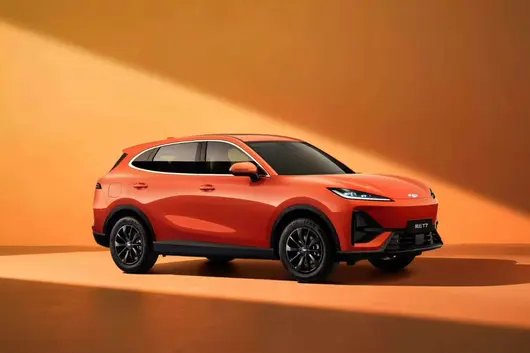

8 月 12 日,奇瑞風雲 T7 開啟預售,10.99 萬至 12.99 萬元。喺呢場以「慢功造好車」為主題嘅發布會上,奇瑞傳遞咗一個喺當下略顯另類嘅信號——唔捲速度,捲標準。

風雲 T7 嘅研發路徑好有意思:反向出海試煉。倚靠奇瑞 23 年全球化技術積累,呢台車喺東南亞雨季、中東高溫、印尼高濕等全球極端環境完成驗證,整車測試超 600 萬公里,耐用專項 145 萬公里。這種「先出海、再返屋企」嘅開發邏輯,喺 10 萬級純電 SUV 入面確實少見。

產品力層面,六大剛需嘅定位清晰務實。全系標配 65.05kWh 電池,CLTC 續航 600km,實測 667km——反向虛標係奇瑞嘅慣用操作,但對用戶嚟講,呢種「超預期」恰恰係最實在嘅。30%-80% 快充 20 分鐘,配合 -30°C 到 55°C 寬域熱泵,南北用戶都係可以放心用。

安全係風雲 T7 嘅重頭戲。對標 2026 版 E-NCAP 五星標準、ASILD 最高功能安全等級、80% 高強度鋼 +18.84% 熱成型鋼籠式車身、9 安全氣囊(含雙腔遠端氣囊同後排側氣囊)、IP68 級犀牛電池——喺 10 萬級 SUV 上見到呢套配置,說明奇瑞把安全優先級放得好高。

艙駕一體 8775 晶片、15.6 吋 2.5K 屏、獵鷹 500 智駕、300+ 場景泊車,智能層面冇明顯短板。空間方面得房率 84%、後排放倒秒變 1.95 米純平大牀,瑪莎拉蒂前底盤專家調校嘅懸掛——呢啲係家庭用戶感知明顯嘅加分項。
兩項兜底權益值得注意:電池熱失控換新車、智駕事故最高賠償 500 萬——呢啲唔單止係誠意,更係對產品自信嘅量化表達。
風雲 T7 嘅「慢」,換來咗一台唔需要用戶妥協嘅 10 萬級純電 SUV。佢唔係最快嘅,但係可能係喺呢個價位入面最讓人放心嘅。
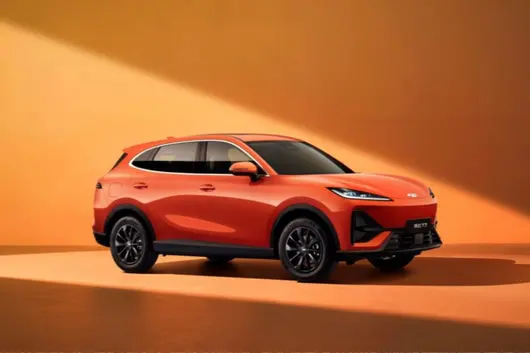

In Malaysia's SUV market, many buyers compare Proton X70 and Chery Tiggo 8 Pro when choosing a car. These two cars are quite close in price and positioning. Today we will make a detailed comparison from multiple aspects to help you save time on research.
Proton X70's OTR price in Malaysia is RM 106,800 - 122,300, with a total of 3 versions, including 1.5L Standard 2WD (RM 106,800), 1.5L Executive 2WD (RM 115,800), 1.5L Premium 2WD (RM 122,300), etc.
Chery Tiggo 8 Pro's OTR price in Malaysia is RM 159,750 - 159,750, with a total of 2 versions, including 1.6L Turbo Standard (RM 130,000), 1.6L Turbo Premium (RM 145,000), etc.
From a price perspective, Proton X70's starting price is indeed RM 52,950 cheaper than Chery Tiggo 8 Pro. If your budget is limited, Proton's entry-level version can already meet daily needs. But also note, the few thousand RM saved might involve trade-offs in features, depending on your specific needs.
Proton X70 is equipped with a 1.5L Turbo, 140 hp. Official fuel consumption 7.0 L/100km.
Chery Tiggo 8 Pro is equipped with a 2.0L 4-cyl, 170 hp. Official fuel consumption 8.0 L/100km.
In terms of performance, Chery Tiggo 8 Pro's 2.0L 4-cyl has 30 more horsepower than Proton X70's 1.5L Turbo. However, for daily city driving, the power of both cars is sufficient, you won't feel it's lacking.
Proton X70 body length 4400 mm, trunk 400 L.
Chery Tiggo 8 Pro body length 4400 mm, trunk 400 L.
The dimensions of both cars are almost the same, with little difference in interior space. For a car of this class, it is completely sufficient for daily use.
Proton X70 warranty 5 years/150,000km, maintenance interval every 10,000km or 6 months.
Chery Tiggo 8 Pro warranty 3 years/100,000km, maintenance interval every 10,000km or 6 months.
Overall, both Proton X70 and Chery Tiggo 8 Pro are quite good car models in the Malaysian market. Which one to choose depends mainly on your personal needs and budget. It is recommended to do your research, compare quotes from several car dealerships, and then go for a test drive to make the final decision. Buying a car is a big matter, spending time doing research is never wrong.

喺馬來西亞嘅 SUV 市場,好多買家喺揀車嗰陣都會拿 Proton X70 同 Chery Tiggo 7 PHEV 嚟做比較。呢兩款車喺價位同定位上都好接近,今日我哋就從多個方面做一個詳細嘅比較,幫你省咗做功課嘅時間。
Proton X70 喺馬來西亞嘅 OTR 售價係 RM 106,800 - 122,300,一共有 3 個版本,包括 1.5L Standard 2WD(RM 106,800)、1.5L Executive 2WD(RM 115,800)、1.5L Premium 2WD(RM 122,300) 等。
Chery Tiggo 7 PHEV 喺馬來西亞嘅 OTR 售價係 RM 129,750 - 129,750,一共有 2 個版本,包括 2025 1.5T 90km CSH(RM 129,750)、Chery Tiggo 7 PHEV 支援邊幾種充電方法?可唔可以用家用插座充電?(RM 117,478) 等。
從價錢嚟睇,Proton X70 嘅起步價真係比 Chery Tiggo 7 PHEV 平咗 RM 22,950。如果你預算有限,Proton 嘅入門版已經可以滿足日常需求。但亦要留意,平嗰幾千塊,可能喺配備上會有取舍,具體要睇你嘅需求。
Proton X70 搭載 1.5L Turbo,馬力 140 hp。官方油耗 7.0 L/100km。
Chery Tiggo 7 PHEV 搭載 Hybrid,馬力 170 hp。官方油耗 4.5 L/100km。
動力方面,Chery Tiggo 7 PHEV 嘅 Hybrid 比 Proton X70 嘅 1.5L Turbo 多咗 30 匹馬力。不過日常喺市區開,兩款車嘅動力都夠用,唔會覺得唔夠力。
Proton X70 嘅安全評級係 5★ (ASEAN NCAP),主動安全系統包括 ADAS (ACC, AEB, LKA, LDA, BSM, RCTA)。
Chery Tiggo 7 PHEV 嘅安全評級係 TBD,主動安全系統包括基本。
安全配備方面,兩款車都拿到唔錯嘅評級。不過 Proton X70 嘅 ADAS (ACC, AEB, LKA, LDA, BSM, RCTA) 同 Chery Tiggo 7 PHEV 嘅 基本喺功能上有啲差異,如果你比較鍾意主動安全嘅話,可以仔細比較下兩者嘅功能列表。

Proton X70 採用 FWD 驅動方式。
Chery Tiggo 7 PHEV 採用 FWD 驅動方式。
兩款車嘅驅動方式一樣,都係 FWD,日常駕駛感受唔會有太大分別。
Proton X70 同 Chery Tiggo 7 PHEV 都係馬來西亞市場嘅主流選擇,適合家庭使用、日常通勤。如果你更鍾意品牌口碑同二手價,可以優先考慮口碑更好嗰一款;如果你更在意性價比同配備,就揀配置更豐富嗰款。最終都係建議兩款都去試駕,親身體驗先係最重要嘅。
總括嚟講,Proton X70 同 Chery Tiggo 7 PHEV 都係馬來西亞市場幾唔錯嘅車型。揀邊一輛,關鍵都係要睇你嘅個人需求同預算。建议大家做好功課,多比較幾間車行嘅報價,再去試駕做最終決定。買車係件大事,花少少時間做功課絕對唔會錯。


In Malaysia's SUV market, many buyers compare the Proton X50 and Chery Tiggo 8 PHEV when selecting a car. These two vehicles are quite close in terms of price and positioning. Today, we will make a detailed comparison from multiple aspects to save you the time doing your research.
The Proton X50 OTR price in Malaysia is RM 89,800 - 113,300, with a total of 4 versions, including 1.5T Executive (RM 89,800), 1.5T Premium (RM 101,800), 1.5T Flagship (RM 113,300) etc.
The Chery Tiggo 8 PHEV OTR price in Malaysia is RM 159,750 - 159,750, with a total of 2 versions, including 1.6L Turbo Standard (RM 130,000), 1.6L Turbo Premium (RM 145,000) etc.
Looking at the price, the Proton X50's starting price is indeed RM 69,950 cheaper than the Chery Tiggo 8 PHEV. If your budget is limited, Proton's entry-level version can already meet daily needs. However, be aware that the savings of a few thousand might involve compromises on features, depending on your specific needs.

Proton X50's safety rating is 5★ (ASEAN NCAP), active safety systems include ADAS (ACC, AEB, LKA, LDA, BSM, RCTA).
Chery Tiggo 8 PHEV's safety rating is TBD, active safety systems include Basic.
In terms of safety features, both cars have received good ratings. However, there are some differences in functionality between Proton X50's ADAS (ACC, AEB, LKA, LDA, BSM, RCTA) and Chery Tiggo 8 PHEV's Basic. If you value active safety more, you can compare the feature lists of both in detail.
Proton X50 uses 4WD drive system.
Chery Tiggo 8 PHEV uses FWD drive system.
Proton's 4WD and Chery's FWD will have different handling experiences; test driving and comparing is recommended.
Proton X50 warranty 5 years/150,000km, maintenance interval every 10,000km or 6 months.
Chery Tiggo 8 PHEV warranty 3 years/100,000km, maintenance interval every 10,000km or 6 months.
Both Proton X50 and Chery Tiggo 8 PHEV are mainstream choices in the Malaysian market, suitable for family use and daily commuting. If you value brand reputation and resale value more, you can prioritize the one with better reputation; if you care more about value for money and features, choose the one with richer configurations. Ultimately, it is recommended to test drive both, as personal experience is the most important.
In general, Proton X50 and Chery Tiggo 8 PHEV are both very good car models in the Malaysian market. Which one to choose depends mainly on your personal needs and budget. We recommend doing your research, comparing quotes from several car dealerships, and then test driving to make a final decision. Buying a car is a big matter, taking some time to do your research will never be wrong.

© 2024 Bitauto.com. All Rights Reserved.
Bitauto (www.yiche.com and www.bitauto.com) is one of the most visited automotive websites in China. We provide detailed info on Chinese car brands available in your area. Please note that the information provided on this website is based on publicly available data and is for reference only. It may not be fully updated or accurate at all times.

Help us improve our website


