

HomeL60

Search History
Popular Searches
Dealer Login / Sign Up


After the official launch of the new Onvo L60 on June 11, attention from the entire automotive industry quickly focused on this mid-size SUV tech flagship with a starting price of 202,800 yuan. Subsequently, during a media face-to-face event held in Hefei on June 12, Nio founder Li Bin and Nio Senior Vice President Shen Fei had an in-depth exchange.
Currently, sales lead costs in the entire automotive industry are rising, with the cost per valid lead even climbing to the range of 300 to 500 yuan, making conversion efficiency the lifeline for major car manufacturers. Against this industry backdrop, how do new brands break through? How do Nio, Onvo, and the soon-to-be-delivered Firefly support the brand matrix of the entire group? Through this interview with a huge amount of information, we can see the underlying technical foundation and commercial logic hidden behind the new Onvo L60.
Currently, the competition in new energy vehicles has officially entered the deep water area which tests the systematic engineering capabilities of car manufacturers extremely, moving away from the early stage 'comparison of three-electric parameters' and simple 'material stacking games'. Facing the universal pain point of excessive weight in new energy vehicles, lightweighting is no longer just an environmental slogan, but the ultimate touchstone for car manufacturers' comprehensive R&D capabilities. Li Bin frankly stated in the exchange that lightweighting can truly bring user benefits, including improving overall vehicle handling, safety, structural durability, and long-term life, which is also the core reason why Onvo and Nio persist in lightweighting.
However, the realization of lightweighting is not easy; it first tests the courage of enterprises to make choices within cost boundaries. If one pursues ultra-long range, large capacity lithium iron phosphate batteries are undoubtedly a shortcut to reduce costs, but Onvo showed great restraint in battery selection. To achieve 740 kilometers of range on the 85 kWh long-range version without significantly increasing weight, Onvo decisively chose ternary lithium batteries with higher energy density and lighter weight. This decision made the 85 kWh ternary lithium battery reduce more than 100 kilograms compared to lithium iron phosphate batteries of the same capacity, but the price is that the enterprise must bear a huge additional cost. This choice is not cutting corners, but value prioritization based on user experience. The deeper difficulty lies in the collaboration of technology and engineering.

Li Bin pointed out that lightweighting involves not only replacing traditional fuses with intelligent fuses, but also requires comprehensive support for the vehicle's high and low voltage architecture, which is a systemic engineering project with a high technical threshold. The lightweight coefficient of the new Onvo L60 white body reached an astonishing 2.22, which not only benefits from the positive returns of the global 900V high-voltage architecture, but also relies on refined engineering capabilities under the premise of ensuring safe structures, avoiding 'transitional materials' with no safety benefits. In the eyes of the media, this approach of building underlying architectures regardless of cost is establishing an invisible moat for Onvo that is difficult to copy in the short term.
This obsession with the underlying foundation is also deeply reflected in Onvo L60's intelligent layout. At the launch event, a video of the new Onvo L60 crossing extremely narrow caves triggering intelligent driving drew widespread attention both domestically and internationally, with even overseas netizens comparing it with Tesla's FSD. Facing the competition of intelligent driving routes, Li Bin gave an extremely clear technical breakdown. He revealed that the baseline of the new Onvo L60's intelligent driving has actually been aligned with Nio ES9, adopting the latest version of Nio World Model.
Demonstrating powerful image processing capabilities and a sense of security in extremely dim cave environments is mainly supported by Nio's fully independently developed Shengji NX9031 chip and massive computing power investment. Currently, many brands in the industry choose to let external companies outsource the definition of intelligent driving chips, but Nio has formed a Shengji team of more than 600 people, completing a closed-loop design capability from front-end to back-end. The direct advantage brought by this fully independent R&D is multi-dimensional: not only has the memory bandwidth reached twice that of industry competitors, greatly improving model operation speed, but its powerful multi-modal signal processing capability (ISP) can still maintain extremely high clarity and resolution in extremely dark or extremely bright light environments. In addition, the millisecond-level chip heat switching capability is fully prepared for future L3, L4 level autonomous driving. To support the data closed loop of the world model and reinforcement learning, Nio's investment in intelligent driving computing power has increased several times compared to last year, and will continue to increase computing power operations in the second half of this year.
Just as Li Bin made that analogy, if the short-term goal is to build a 10-story building, people can move in quickly, but to build a 100-story high-rise in the future, you must spend a long time to solidify the foundation capable of supporting 150 stories. Onvo, with a price of just over 200,000, directly rolled down Nio's chip, operating system, and data closed-loop capabilities accumulated over many years. This 'dimensionality reduction attack' will undoubtedly seize huge user mindshare in the key period of intelligent driving popularization.

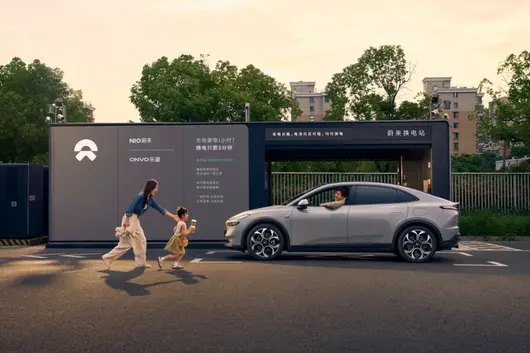
Beyond intelligence, the debate on the route of the energy supplement system has always been another major focus of the new energy vehicle industry. With the frequent release of flash charging technologies in the industry, the outside world once believed this would impact Nio's prideful battery swapping mode. However, Li Bin and Shen Fei completely broke this oppositional thinking in the exchange. Li Bin clearly stated that supercharging, flash charging, and battery swapping have never been opposed. Nio is very happy to see industry investment in infrastructure, but the multi-dimensional strategic value possessed by battery swapping cannot be replaced by simple fast charging. From the user experience perspective, after fast charging technology reaches a certain rate, its marginal benefit will decrease significantly, while the convenience of battery swapping without getting off the vehicle remains the industry benchmark. The more core business logic lies in 'vehicle-electricity decoupling'. Separating the life of the car and the battery, and operating and extending the life of each battery through intelligent charging strategies within battery swapping stations can increase battery life by at least 1.5 years, which fundamentally dispels users' deep concerns about long-term battery attenuation when purchasing pure electric models.
Shen Fei also confirmed that the penetration rate of Onvo battery leasing plans is already more than 90% currently, fully showing that users made very rational choices when facing real car purchase costs. In addition, from a macro energy strategy perspective, the more than 3,900 battery swapping stations built by Nio are equivalent to a natural distributed energy storage facility with a capacity as high as 7GWh. With the proportion of new energy power generation continuing to climb, these battery swapping stations have begun to participate in grid response and peak shaving, showing extremely high energy utilization efficiency. Nio not only promotes battery swapping standardization domestically but has even participated in the formulation of national passenger car battery swapping standards in countries such as Singapore. Standing from the media's perspective, the battery swapping network has completely evolved from an early 'service tag' of Nio to a heavy-asset 'energy barrier'. With the addition of more peers and giants such as CATL, Onvo sits on China's most mature pure electric supplement network as soon as it appears. This systemic advantage that wins at the starting line is something any new entrant is hard to catch up with.

All technical reserves and infrastructure investments must ultimately face the most direct test in the fierce market fight. The current Chinese car market has irreversibly entered the stock era. Li Bin quoted the latest market data pointing out that fuel vehicle sales dropped year-on-year by more than 40%, meaning the proportion of true new purchases in the entire market is decreasing sharply, and increased purchase, repeat purchase, and exchange purchase have become the absolute mainstream. In such an environment, users' car purchase decision logic is undergoing a qualitative change. In the past, due to imperfect infrastructure, users often struggled with extended range or plug-in hybrid routes when exchanging; and today, with the improvement of supplement networks and the highlight of pure electric technology experience advantages, fuel vehicle users prefer to directly choose intelligent pure electric cars when exchanging. Onvo brand's user portrait accurately confirms this trend. Shen Fei revealed when sharing data that among Onvo's current user group, 35% come from the transformation of BBA and traditional luxury brands, another 30% from joint venture fuel car owners, and another 10% belong to Nio community's increased and repeated purchases and other new energy peers' transformation. This means 85% of sales come from the strong harvesting of the stock market. Onvo's average selling price in the first quarter reached 240,000 yuan, even higher than some traditional luxury brands, thoroughly confirming its positioning as a 'high-quality brand for families'.
When facing the extremely competitive 200,000-level SUV market, the new Onvo L60 will directly engage in a head-on fight with the hegemon Tesla Model Y in this field. Facing the brand worship of Tesla by some consumers, Shen Fei and Li Bin showed strong product confidence. From the product dimension, under the condition that the new Onvo L60 is similar in size to the Model Y, it provides a leapfrog comfort and technology experience. At a price of just over 200,000, L60 not only provides comfort configurations such as refrigerators, TV screens, and big sofas, but the rear row can even fit a 52-liter freezer, perfectly solving the pain points of home users in sun protection, storage, entertainment, and seating comfort.
More killer is its pricing strategy, the whole vehicle purchase is 60,000 to 70,000 yuan cheaper than the Model Y, if adopting the battery leasing model, the purchase threshold is further significantly reduced. Compared to Tesla FSD's high buyout fee of 64,000 yuan in China, Onvo saves users more than 100,000 yuan of real money while providing equal or even better intelligent driving experience in specific scenarios. 'Luxury trim plus large space, plus smarter, plus battery swapping', this is Li Bin's exquisite summary of the new Onvo L60's core competitiveness.
Through this in-depth exchange, it is not difficult to discover that the Nio Group is completing the refined cutting and dimensionality reduction attack on different circle target markets through the '3:6:1' brand matrix. The Nio brand continues to hold the high-end market, serving high-net-worth people with full-scenario technology experience and unique emotional resonance; the upcoming Firefly brand focuses on high-end boutique and ultimate safety in the small car market of more than 100,000; and Onvo, in the core belly, bears the responsibility of mass monetizing the group's underlying technology and providing high-quality tech flagship for the broadest mainstream families. Li Bin frankly admitted that building a new brand is much more difficult than imagined. Currently, Onvo's brand awareness may be equivalent to Nio 6 years ago. Gaining resonance in this era of extremely scarce attention is by no means easy. But in the eyes of industry media, Onvo is not a 'start from zero' new force. Relying on Nio's ten-year grinding system capability, the new Onvo L60 is more like a dimension-raising war initiated by the Nio Group to the mainstream red ocean market after completing the deep water area technical hibernation.

In this long marathon of the automotive industry, evaluating a company's strategic vision over a ten-year cycle is far more real and cruel than using a quarter's sales figures. The launch of the new Onvo L60 marks that Nio officially opens the full-scale harvesting of the basic market of the stock fuel vehicle market in a true sense, which will also become a business sample with extremely high observation value in the development history of China's intelligent electric vehicles this year.
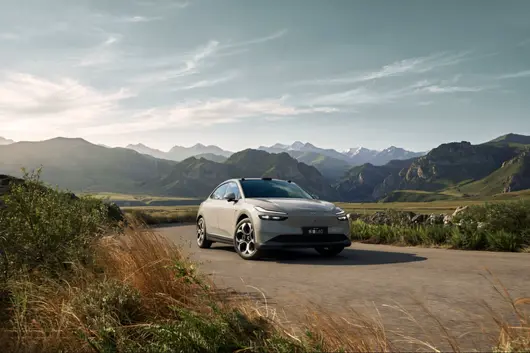

在 6 月 11 日新樂道 L60 正式上市後,整個汽車行業的目光迅速聚焦到了這款起售價 20.28 萬元的中型 SUV 科技旗艦上。緊接著在 6 月 12 日於合肥舉辦的媒體面對面上,蔚來創始人李斌與蔚來高級副總裁沈斐進行了一場深度交流。
當前,整個汽車行業的銷售線索成本水漲船高,單條有效線索成本甚至攀升至 300 至 500 元的區間,轉換效率成為了各大車企的生死線。在這樣的行業大背景下,新品牌如何破局?蔚來、樂道與即將交付的螢火蟲,如何撐起整個集團的品牌矩陣?透過這場信息量巨大的專訪,我們能夠看出隱藏在新樂道 L60 背後的技術底色與商業算盤。
當前新能源汽車的競爭已經從早期的「三電參數比拼」與簡單的「堆料遊戲」,正式進入了極其考驗車企系統性工程能力的深水區。面對新能源汽車自重過大的普遍痛點,輕量化不再僅僅是一個環保口號,而是車企綜合研發能力的極限試金石。李斌在交流中坦言,輕量化能夠實實在在地帶來用戶利益,包括提升整車操控、安全、結構耐久性以及長期壽命,這也是樂道和蔚來堅持輕量化的核心原因。
然而,輕量化的實現並非易事,它首先考驗的是企業在成本邊界內的取捨勇氣。如果一味追求超長續航,大容量的磷酸鐵鋰電池無疑是降低成本的捷徑,但樂道在電池選擇上表現出了極大的克制。為了在 85 度電的長續航版本上實現 740 公里的續航且不大幅增加重量,樂道果斷選擇了能量密度更高、重量更輕的三元鋰電池。這一決策使得 85 度的三元鋰電池比同容量的磷酸鐵鋰電池減少了 100 多公斤,但代價則是企業必須承擔一筆巨大的額外成本。這種取捨絕非偷工減料,而是基於用戶體驗的價值前置。更深層次的難點在於技術與工程的協同。
李斌指出,輕量化不僅涉及將傳統保險絲替換為智能保險絲,更需要整車高低壓架構的全面支持,這是一個技術門檻極高的系統性工程。新樂道 L60 的白車身輕量化係數達到了驚人的 2.22,這不僅得益於全域 900V 高壓架構的正向收益,更依賴於在確保安全結構前提下的精細化工程能力,避免了毫無安全收益的「過渡用料」。在媒體看來,這種不惜成本打造底層架構的做法,正在為樂道建立起一道難以在短期內被抄襲的隱形護城河。
這種對底層基礎的執拗,同樣深刻體現於樂道 L60 的智能化佈局上。在發佈會上,新樂道 L60 穿越極窄溶洞的智駕視頻引發了國內外的廣泛關注,甚至有海外網友將其與特斯拉的 FSD 進行對標探討。面對智駕路線的競爭,李斌給出了極其清醒的技術拆解。他透露,新樂道 L60 的智駕基線實際上已經與蔚來 ES9 拉齊,採用的是最新版的蔚來世界模型。
在極其昏暗的溶洞環境中能夠展現出強大的圖像處理能力和安心感,核心支撐來自於蔚來全棧自研的神玑 NX9031 芯片以及龐大的算力投入。目前行業內不少品牌選擇讓外部公司代工定義智駕芯片,但蔚來卻組建了 600 多人的神玑團隊,從前端到後端完成了完整的能力閉環。這種全棧自研帶來的直接優勢是多維度的:不僅內存頻寬達到了行業競品的兩倍,極大地提升了模型的運行速度,而且其強大的多模信號處理能力(ISP)在極暗或極強光環境下依然能保持極高的清晰度和解析度。此外,毫秒級的芯片間熱切換能力更是為未來 L3、L4 級的自動駕駛做好了充足的冗餘準備。為了支撐世界模型與強化學習的數據閉環,蔚來在智駕算力上的投入相比去年增加了數倍,並且在今年下半年還將繼續加大算力運營。
正如李斌所打的那個比方,如果短期目標是蓋 10 層樓,很快就能讓人住進去,但要在未來蓋 100 層的高樓,就必須花長時間去打牢能夠支撐 150 層的地基。樂道以 20 萬出頭的價格,直接下放了蔚來積累多年的芯片、操作系統與數據閉環能力,這種「降維打擊」無疑將在智駕普及的關鍵期搶佔巨大的用戶心智。
智能化之外,補能體系的路線之爭一直是新能源汽車行業的另一大焦點。隨著行業內閃充技術的密集發佈,外界一度認為這會對蔚來引以為傲的換電模式造成衝擊。然而,李斌與沈斐在交流中徹底打破了這種對立思維。李斌明確表示,超充、閃充與換電從來都不是對立的,蔚來非常樂見行業在基礎設施上的投入,但換電所具備的多維度戰略價值是單純的快充無法替代的。從用戶體驗端來看,快充技術在達到一定速率後,其邊際收益會顯著降低,而換電全程無需下車便捷性依然是行業標桿。更核心的商業邏輯在於「車電解耦」。把車和電池的壽命分開,通過換電站內的智能充電策略對每一塊電池進行營運延壽,能夠將電池壽命至少提高 1.5 年以上,這從根本上打消了用戶購買純電車型對於長期電池衰減的深層顧慮。
沈斐也證實,目前樂道電池租用方案的滲透率已經高達 90% 以上,這充分說明了用戶在面對真實購車成本時做出了非常理性的選擇。此外,從宏觀能源戰略角度來看,蔚來建成的 3900 多座換電站相當於一個容量高達 7GWh 的天然分佈式儲能設施。在新能源發電佔比不斷攀升的今天,這些換電站已經開始參與電網的響應與調峰,展現出了極高的能源利用效率。蔚來不僅在國內推進換電標準化,甚至已經參與到新加坡等國家的乘用車換電國家標準制定中。站在媒體的角度,換電網絡已經從蔚來早期的「服務標籤」徹底進化為了重資產的「能源壁壘」。隨著更多友商和寧德時代等巨頭的加入,樂道一經問世便坐擁中國最成熟的純電補能網絡,這種贏在起跑線上的體系化優勢,是任何新入局者都難以望其項背的。
所有的技術儲備和基建投入,最終都要在慘烈的市場搏殺中接受最直接的檢驗。當前的中國車市已經不可逆轉地進入了存量時代。李斌引用了最新的市场数据指出,燃油車銷量同比下降了 40% 多,這意味著整個市場真正的新購比例正在急劇減少,增購、復購和換購成為了絕對的主流。在這樣的大環境下,用戶的購車決策邏輯正在發生質變。過去由於基礎設施不完善,用戶在換購時往往會糾結於增程或插混路線;而今天,隨著補能網絡的完善和純電技術體驗優勢的凸顯,燃油車用戶在換購時更傾向於直接選擇智能純電汽車。樂道品牌的用戶畫像精準地印證了這一趨勢。沈斐在分享數據時透露,樂道目前的用戶群體中有 35% 來自 BBA 及傳統豪華品牌的轉化,另有 30% 來自合資燃油車主,還有 10% 屬於蔚來社區的增復購及其他新能源友商的轉化。這意味著高達 85% 的銷量來自於存量市場的有力收割。一季度樂道的平均售價達到了 24 萬元,甚至高於部分傳統豪華品牌,徹底坐實了其「面向家庭的高品質品牌」定位。
在面對競爭極其激烈的 20 萬級 SUV 市場時,新樂道 L60 將直接與該領域的霸主特斯拉 Model Y 展開正面硬剛。面對部分消費者對特斯拉的品牌崇拜,沈斐和李斌表現出了強烈的產品自信。從產品力維度來看,新樂道 L60 在尺寸與 Model Y 相仿的情況下,提供了越級的舒適與科技體驗。在 20 萬出頭的價位,L60 不僅提供了冰箱、電視、大沙發等舒適性配置,甚至後排還能裝下 52 升的雪櫃,完美解決了家庭用戶在防曬、儲物、娛樂以及乘坐舒適度上的全方位痛點。
更具殺傷力的是其定價策略,整車購買比 Model Y 便宜了六七萬元,如果採用租電模式,購買門檻進一步大幅降低。相比於特斯拉 FSD 在國內 6.4 萬元的高昂買斷費用,樂道在提供同等甚至在特定場景下更優智駕體驗的同時,為用戶省下了十幾萬元的真金白銀。「豪裝加上大空間,再加上更智能,還能換電」,這是李斌對新樂道 L60 核心竞争力的精闢總結。
透過這場深度的交流,我們不難發現,蔚來集團正在通過「3:6:1」的品牌矩陣,完成對不同圈層目標市場的細化切割與降維打擊。蔚來品牌繼續堅守高端市場,以全場景科技體驗和獨特的情感共鳴服務高淨值人群;即將推出的螢火蟲品牌則在十幾萬的小車市場主打高端精品與極致安全性;而處於核心腹地的樂道,則承擔著將集團底層技術大規模變現,為最廣泛的主流家庭提供高品質科技旗艦的重任。李斌坦誠地承認,建立一個新品牌比想象中要困難得多,目前樂道的品牌知名度可能僅僅相當於 6 年前的蔚來,想要在這個注意力極度稀缺的時代獲得共鳴絕非易事。但在行業媒體看來,樂道並非一個「從零開始」的新勢力。背靠蔚來十年磨一劍的體系化能力,新樂道 L60 更像是蔚來集團在完成深水區技術蟄伏後,向主流紅海市場發起的一場升維戰爭。
在汽車產業這場漫長的馬拉松裡,用十年週期去評估一家企業的戰略眼光,远比用一個季度的銷量數字來得更為真實和殘酷。新樂道 L60 的上市,標誌著蔚來真正意義上開啟了對存量燃油車市場基本盤的全面收割,這也必將成為今年中國智能電動車發展史上的一個極具觀察價值的商業樣本。

在6月11日新乐道L60正式上市后,整个汽车行业的目光迅速聚焦到了这款起售价20.28万元的中型SUV科技旗舰上 。紧接着在6月12日于合肥举办的媒体面对面上,蔚来创始人李斌与蔚来高级副总裁沈斐进行了一场深度交流。
当前,整个汽车行业的销售线索成本水涨船高,单条有效线索成本甚至攀升至300到500元的区间,转化效率成为了各大车企的生死线。在这样的行业大背景下,新品牌如何破局?蔚来、乐道与即将交付的萤火虫,如何撑起整个集团的品牌矩阵?透过这场信息量巨大的专访,我们能够看出隐藏在新乐道L60背后的技术底色与商业算盘。
当前新能源汽车的竞争已经从早期的“三电参数比拼”与简单的“堆料游戏”,正式进入到了极其考验车企系统性工程能力的深水区。面对新能源汽车自重过大的普遍痛点,轻量化不再仅仅是一个环保口号,而是车企综合研发能力的极限试金石。李斌在交流中坦言,轻量化能够实实在在地带来用户利益,包括提升整车操控、安全、结构耐久性以及长期寿命,这也是乐道和蔚来坚持轻量化的核心原因。
然而,轻量化的实现并非易事,它首先考验的是企业在成本边界内的取舍勇气。如果一味追求超长续航,大容量的磷酸铁锂电池无疑是降低成本的捷径,但乐道在电池选择上表现出了极大的克制。为了在85度电的长续航版本上实现740公里的续航且不大幅增加重量,乐道果断选择了能量密度更高、重量更轻的三元锂电池。这一决策使得85度的三元锂电池比同容量的磷酸铁锂电池减轻了100多公斤,但代价则是企业必须承担一笔巨大的额外成本。这种取舍绝非偷工减料,而是基于用户体验的价值前置。更深层次的难点在于技术与工程的协同。
李斌指出,轻量化不仅涉及将传统保险丝替换为智能保险丝,更需要整车高低压架构的全面支持,这是一个技术门槛极高的系统性工程。新乐道L60的白车身轻量化系数达到了惊人的2.22,这不仅得益于全域900V高压架构的正向收益,更依赖于在确保安全结构前提下的精细化工程能力,避免了毫无安全收益的“过渡用料”。在媒体看来,这种不惜成本打造底层架构的做法,正在为乐道建立起一道难以在短期内被抄袭的隐形护城河。
这种对底层基础的执拗,同样深刻体现在乐道L60的智能化布局上。在发布会上,新乐道L60穿越极窄溶洞的智驾视频引发了国内外的广泛关注,甚至有海外网友将其与特斯拉的FSD进行对标探讨。面对智驾路线的竞争,李斌给出了极其清醒的技术拆解。他透露,新乐道L60的智驾基线实际上已经与蔚来ES9拉齐,采用的是最新版的蔚来世界模型。
在极其昏暗的溶洞环境中能够展现出强大的图像处理能力和安心感,核心支撑来自于蔚来全栈自研的神玑NX9031芯片以及庞大的算力投入。目前行业内不少品牌选择让外部公司代工定义智驾芯片,但蔚来却组建了600多人的神玑团队,从前端到后端完成了完整的设计能力闭环。这种全栈自研带来的直接优势是多维度的:不仅内存带宽达到了行业竞品的两倍,极大地提升了模型的运行速度,而且其强大的多模信号处理能力(ISP)在极暗或极强光环境下依然能保持极高的清晰度和解析度。此外,毫秒级的芯片间热切换能力更是为未来L3、L4级别的自动驾驶做好了充足的冗余准备。为了支撑世界模型与强化学习的数据闭环,蔚来在智驾算力上的投入相比去年增加了数倍,并且在今年下半年还将继续加大算力运营。
正如李斌所打的那个比方,如果短期目标是盖10层楼,很快就能让人住进去,但要在未来盖100层的高楼,就必须花长时间去打牢能够支撑150层的地基。乐道以20万出头的价格,直接下放了蔚来积累多年的芯片、操作系统与数据闭环能力,这种“降维打击”无疑将在智驾普及的关键期抢占巨大的用户心智。
智能化之外,补能体系的路线之争一直是新能源汽车行业的另一大焦点。随着行业内闪充技术的密集发布,外界一度认为这会对蔚来引以为傲的换电模式造成冲击。然而,李斌与沈斐在交流中彻底打破了这种对立思维。李斌明确表示,超充、闪充与换电从来都不是对立的,蔚来非常乐见行业在基础设施上的投入,但换电所具备的多维度战略价值是单纯的快充无法替代的。从用户体验端来看,快充技术在达到一定速率后,其边际收益会显著降低,而换电全程无需下车的便捷性依然是行业标杆。更为核心的商业逻辑在于“车电解耦”。把车和电池的寿命分开,通过换电站内的智能充电策略对每一块电池进行运营延寿,能够将电池寿命至少提高1.5年以上,这从根本上打消了用户购买纯电车型对于长期电池衰减的深层顾虑。
沈斐也证实,目前乐道电池租用方案的渗透率已经高达90%以上,这充分说明了用户在面对真实购车成本时做出了非常理性的选择。此外,从宏观能源战略角度来看,蔚来建成的3900多座换电站相当于一个容量高达7GWh的天然分布式储能设施。在新能源发电占比不断攀升的今天,这些换电站已经开始参与电网的响应与调峰,展现出了极高的能源利用效率。蔚来不仅在国内推进换电标准化,甚至已经参与到新加坡等国家的乘用车换电国家标准制定中。站在媒体的角度,换电网络已经从蔚来早期的“服务标签”彻底进化为了重资产的“能源壁垒”。随着更多友商和宁德时代等巨头的加入,乐道一经问世便坐拥中国最成熟的纯电补能网络,这种赢在起跑线上的体系化优势,是任何新入局者都难以望其项背的。
所有的技术储备和基建投入,最终都要在惨烈的市场搏杀中接受最直接的检验。当前的中国车市已经不可逆转地进入了存量时代。李斌引用了最新的市场数据指出,燃油车销量同比下降了40%多,这意味着整个市场真正的新购比例正在急剧减少,增购、复购和换购成为了绝对的主流。在这样的大环境下,用户的购车决策逻辑正在发生质变。过去由于基础设施不完善,用户在换购时往往会纠结于增程或插混路线;而今天,随着补能网络的完善和纯电技术体验优势的凸显,燃油车用户在换购时更倾向于直接选择智能纯电汽车。乐道品牌的用户画像精准地印证了这一趋势。沈斐在分享数据时透露,乐道目前的用户群体中有35%来自BBA及传统豪华品牌的转化,另有30%来自合资燃油车主,还有10%属于蔚来社区的增复购及其他新能源友商的转化。这意味着高达85%的销量来自于存量市场的强力收割。一季度乐道的平均售价达到了24万元,甚至高于部分传统豪华品牌,彻底坐实了其“面向家庭的高品质品牌”定位。
在面对竞争极其激烈的20万级SUV市场时,新乐道L60将直接与该领域的霸主特斯拉Model Y展开正面硬刚。面对部分消费者对特斯拉的品牌崇拜,沈斐和李斌表现出了强烈的产品自信。从产品力维度来看,新乐道L60在尺寸与Model Y相仿的情况下,提供了越级的舒适与科技体验。在20万出头的价位,L60不仅提供了冰箱、彩电、大沙发等舒适性配置,甚至后排还能装下52升的冰柜,完美解决了家庭用户在防晒、储物、娱乐以及乘坐舒适度上的全方位痛点。
更具杀伤力的是其定价策略,整车购买比Model Y便宜了六七万元,如果采用租电模式,购买门槛进一步大幅降低。相比于特斯拉FSD在国内6.4万元的高昂买断费用,乐道在提供同等甚至在特定场景下更优智驾体验的同时,为用户省下了十几万元的真金白银。“豪装加上大空间,再加上更智能,还能换电”,这是李斌对新乐道L60核心竞争力的精辟总结。
通过这场深度的交流,我们不难发现,蔚来集团正在通过“3:6:1”的品牌矩阵,完成对不同圈层目标市场的精细化切割与降维打击。蔚来品牌继续坚守高端市场,以全场景科技体验和独特的情感共鸣服务高净值人群;即将推出的萤火虫品牌则在十几万的小车市场主打高端精品与极致安全性;而处于核心腹地的乐道,则承担着将集团底层技术大规模变现,为最广泛的主流家庭提供高品质科技旗舰的重任。李斌坦诚地承认,建立一个新品牌比想象中要困难得多,目前乐道的品牌知名度可能仅仅相当于6年前的蔚来,想要在这个注意力极度稀缺的时代获得共鸣绝非易事。但在行业媒体看来,乐道并非一个“从零开始”的新势力。背靠蔚来十年磨一剑的体系化能力,新乐道L60更像是蔚来集团在完成深水区技术蛰伏后,向主流红海市场发起的一场升维战争。
在汽车产业这场漫长的马拉松里,用十年周期去评估一家企业的战略眼光,远比用一个季度的销量数字来得更为真实和残酷。新乐道L60的上市,标志着蔚来真正意义上开启了对存量燃油车市场基本盘的全面收割,这也必将成为今年中国智能电动汽车发展史上一个极具观察价值的商业样本。

在一个昏暗的喀斯特溶洞中,新乐道L60在几乎全黑的环境下穿行于嶙峋的岩石构造之间,并成功完成穿越。在蔚来汽车创始人兼CEO李斌看来,这场在新乐道L60发布会上展示的演示,是对其花费超过10年时间和巨额资金开发的专有智能驾驶架构的一次极限压力测试。
这种技术能力的展示正值中国电动汽车市场处于一个关键的转折点。李斌认为,市场已进入一个“存量时代”,置换需求开始占据主导地位。“目前约85%的买家来自于复购或现有车辆的置换,其中许多客户是从宝马、奔驰和奥迪等传统燃油车品牌迁移而来”。

在这个日趋成熟的市场格局中,新推出的乐道L60直接瞄准了家庭SUV市场的核心地带——一个目前由特斯拉Model Y定义的领域。
乐道的策略基于一种李斌描述为“建造150层摩天大楼的地基”,而不是快速搭建一栋10层小楼的哲学。这种长期主义在他们垂直整合的技术栈中显而易见。李斌解释说,新乐道L60处理低光照溶洞环境的能力,源于其自研的“世界模型”和强化学习算法,并由专有的神玑NX9031芯片提供关键算力支撑。
开发这款芯片涉及一个600人的工程团队。李斌认为,自研设计能够实现通用解决方案无法比拟的优化。他特别强调了在内存带宽方面的优势——这对于运行大型人工智能模型至关重要——以及多模信号处理(ISP)能力,这增强了在极端光照条件下的表现。
新乐道L60在价格上低于Model Y,但却拥有更加强大的产品力,包括全域900V高压架构。蔚来高级副总裁沈斐指出,虽然一些消费者因特斯拉的品牌资历而对其保持“品牌偏好”,但乐道旨在通过切实的利益来转化他们:更低的购买价格、更好的内部配置,以及独特的换电优势。
与比亚迪等竞争对手推广的超充解决方案不同,换电仍然是蔚来基础设施战略的基石。李斌强调,换电和充电并不排斥。然而,他认为换电提供了超越单纯速度的独特优势。它实现了车电分离,有助于解决电池与车身寿命不匹配的问题,并将换电站转化为分布式的电网储能资产——一个相当于7GWh的储能网络,已经参与了电网的调峰平衡。值得一提的是,蔚来近期参与制定了新加坡乘用车换电国家标准。
但李斌也透露,供应链成本的上升,特别是车规级存储芯片价格的大幅上涨,已导致每辆新乐道L60的成本基础增加了约1.5万元人民币。
此外,在当今喧嚣的市场中推出一个新品牌,要比蔚来十年前首次亮相时困难得多。李斌承认,尽管新乐道L60的高配版本初期订单表现强劲,但建立乐道的品牌知名度仍然是一个挑战。
归根结底,在智驾芯片、换电基础设施和研发方面的大量投入,正在为乐道以及蔚来提供了参与下一轮竞争的关键筹码,从现在的情况看,这也帮助乐道建立了爆款哲学,并帮助蔚来公司在全球汽车工业这场残酷的马拉松中继续前进。

Hello everyone, I am the editor from Electric Vehicle Commune.
Not long ago, the 2026 model Onvo L60 officially launched.

Compared to the old model, not only is the starting price reduced by as much as 14,000 yuan, but it also brings up to 106 comprehensive upgrades.
Including Max+ and Ultra+ versions, it is the first time equipped with NIO self-developed 5nm smart driving chip Shenji NX9031, aiming directly at NIO flagship Series 9. At its launch event, smart driving with zero handover traversed a very narrow natural cave, the promotional effect can be said to be fully maximized.
At the same time, new configurations include a 17.3-inch rear foldable entertainment screen, new small table boards on rear seats, intelligent driving small blue lights on exterior rearview mirrors, as well as more extreme vehicle lightweighting, lower energy consumption, more comfortable driving quality, etc.
In summary, this round of upgrades for the new Onvo L60 is completely more value without price increase. In today's environment where supply chain costs have generally surged significantly, achieving this is enough to show Onvo's sincerity.
The day after the press conference, Onvo organized an internal communication meeting for media face-to-face. NIO Founder and CEO Li Bin and Onvo President Shen Fei participated in the group interview. The editor had the honor to attend this meeting. Based on the meeting content, 8 major questions and answers were summarized to share with everyone:

Q1: Yesterday, NIO just participated in setting the battery swap standard for Singapore. How do you view the future market prospects of battery swap overseas?
Li Bin: We already have over 60 battery swap stations in Europe, mainly in 5 Nordic countries. Germany and a few Nordic countries already have over 60, including over 20 in Norway. For the Singapore market, Firefly is already selling there. We, like with European countries or Singapore, have been having very active exchanges with relevant departments regarding battery swap station standards.
At that time when Shen Fei was still responsible for NIO Energy, we started pushing battery swap standards with relevant national departments very early, we participated in many standards. We are definitely going all out to promote the standardization of battery swaps, not only domestically but also internationally, because it really solves many routes where EVs can only charge but not swap now, it solves many problems like vehicle and battery having different lifespans, etc.
Q2: At this point in time, how do you view the market prospects for powertrain forms such as BEV/EREV/PHEV/ICE?
Li Bin: The latest market data in this industry shows ICE vehicles dropped by over 40%. The whole market is challenging, but relatively speaking, BEV is still growing. Shen Fei just spoke about our user sources. BBA, joint venture ICE share, NIO system user repurchase share, together add up to about 85%. That means new purchases are relatively few. The whole market has entered an existing stock era. Many families have more than one car. True new purchases have become fewer, most are trade-ins.
From a user perspective, in previous years because infrastructure was not developed enough, charging and swapping conditions were not that good. At that time, choosing EREV or PHEV was reasonable. Today I believe users starting to choose BEV or smart EVs, I think this is a matter of things developing naturally.
This is why everyone sees that although the total car market volume decreased by about 20% year-on-year for January-May this year, BEV overall is still growing. Especially in May, ICE dropped by 40%, but BEV is still growing, deeply reflecting the car market has entered an existing stock era. Incremental purchase, repurchase, trade-in have become mainstream. Under this situation, the smart EV BEV technical route, I believe will definitely get more user choices.
Q3: How do you view the competition pressure in the second half of the year?
Li Bin: I think the pressure is okay, because every car of ours has strong competitiveness. Like Onvo L60 was released in 2024, today it still has very strong competitiveness. We still have confidence in the leadership of technology. These cars we recently released, I believe within a relatively long time, they will still have very strong competitiveness.
Like our ET7 released in 2022, today our smart driving is still continuously improving, still very competitive. Its hardware capabilities haven't been fully explored. In technology layout we have always been slightly ahead. We are still very confident in the competitiveness of future products in the market. Do we worry that if no new cars in second half orders will be bad? No. For us, it instead allows us to sell cars down-to-earth, serve users down-to-earth. Firefly is a good example. Firefly order wait cycle has become longer again. More than a year since launch, some small iterations in between, not particularly big iterations, but now Firefly orders again need to wait a month.
Q4: The cave smart driving effect of Onvo L60 is very explosive, how does it compare to Tesla FSD level currently?
Li Bin: I haven't experienced the latest version of Tesla FSD yet. If officially released I will go experience and learn from them. Of course Tesla's smart driving, including its model and computing power in many aspects are definitely very leading, many things worthy of our learning. But we NIO from self-developed chips to sensors, to the whole world model + reinforcement learning route, I believe everyone has seen our capabilities. Yesterday through the very narrow cave traversal let everyone see we possess such capabilities. Of course subsequently there are still many tasks to do. Like this year we will also increase investment in computing power, train the data in our data closed loop, continuously improve our entire smart driving experience ceiling. We are still very confident in our continuous progress subsequently.
Of course smart driving now indeed fully reflects each company's comprehensive technical capabilities. This chase and catch situation is also good. Hope everyone also experiences it. Also experience our new Onvo L60 smart driving, including NIO smart driving. I believe compared to peers, we are still very confident its experience is very good.
Q5: Currently automotive-grade memory prices are rising significantly, how much impact has this had on overall vehicle cost?
Li Bin: This round of price hikes has a big impact. Taking Onvo as an example, cost per car rose by over 10,000 yuan. If calculated to final selling price including tax increases etc., the impact on selling price is around 15,000. This includes non-chip parts. Like battery raw material lithium price also rose a lot. So this year indeed cost pressure is very big.
Q6: Where do Onvo users come from respectively?
Li Bin: Now coming from BBA, and traditional luxury brand users account for about 35% of our users. Joint venture ICE vehicle users account for 30%. Also previous new energy vehicle repurchases, especially early BEV repurchases, also include EREV trade-ins, about 10%. Others come from other sources, also including some new purchases and other users.
Q1 Onvo average selling price is 240,000 yuan, slightly higher than some traditional luxury brands. So Onvo is indeed a high-quality brand for families. If everyone looks, yesterday new Onvo L60 main selling version Max+ starting price is 202,800 yuan. Looked at last night's order situation, over 90% are our Max+ and Ultra+, over 90% chose our Coconut+, Shenji NX9031+ LiDAR versions. Onvo as layout for 200,000-300,000 yuan interval products, brand positioning is still quite fitting for our target users and their consumption trends.
Q7: How to view the increasingly popular BYD Flash Charge? Will it impact battery swapping?
Li Bin: We are very happy to see more and more auto companies investing in charging/swapping infrastructure. Flash Charge coming out is quite good, gave good impetus to the whole industry, let more focus on infrastructure investment, no longer simply relying on public charging piles.
NIO has always done this most resolutely. Actually NIO in charging pile construction aspect is also very proactive. We have always been chargeable, swappable, upgradeable. Of course our construction thinking has differences with others. We now already have 86 charging scenic routes. Build charging piles where others are unwilling to build. Earliest Inner Mongolia highway, Jilin highway charging piles, were all built by us first. Our starting point very simple. Where our users go, if there is no infrastructure, at least need guarantee. We earliest had mobile charging vehicles. Of course now dispatch rate is lower and lower, mainly for rescue. Like Xinjiang, Tibet some very remote places still need such an emergency means.
I also want to emphasize, swap and charge are not oppositional. This point very important. We never put charge and swap in opposition. We early on had such requirement, that users no matter at home or work, as long as can install charging pile, we definitely help install it. So our user charging pile installation ratio in industry definitely is top tier, because we have our own national energy service team, pushing more efficiently. Underlying thinking also simple. Because this way experience is best. You at home able to install charging pile, charge at night, go to work day charge, that is best experience. So this is our starting point.
Our swap entire process no need to get off car, experience still better. Including swap stations indeed have some other dimension values.
First is can thoroughly solve vehicle battery different lifespan problem. Decouple car and battery. For user interests and social interests long term is beneficial. Buy a battery not only look short term experience, need see 8 years, 10 years, even 15 years. It not say reached this time car must be scrapped. So put vehicle battery different lifespan, through swap system solve. I think very important. We inside swap stations will intelligently target every battery to give best charging strategy. This for battery lifespan very important. So we through operation extend lifespan, basically every battery lifespan, through operation extend lifespan can improve see 1.5 years or more. At least improve 1.5 years. Compared to its conventional lifespan, these are very big advantages.
Second is energy attribute. Swap station itself is a natural energy storage facility. We over 3,900 swap stations, equivalent to 7GW/h energy storage. In China more and more electricity is new energy generation background its value will gradually reflect. We already have many swap stations participated in grid response. Every day do energy storage things. These as energy infrastructure efficiency is very high.
So overall, supercharge, flash charge and swap are not oppositional. Swap indeed can solve many problems flash charge cannot solve. What everyone sees now is fast is shallow fast. Fast charge thing actually to certain speed and time after, your marginal benefit is not that big. And like I said, sometimes slow is okay. Charge home slow is slow, or work building down side charge conveniently. After reach certain rate marginal benefit lowers. More important is just spoke, it for vehicle battery different lifespan solution significance. For battery lifespan, safety significance. Also energy efficiency. As distributed energy storage facility new power system part of revenue. This thing hard to use charge to solve.
Q8: How to view more and more brands releasing smart driving chips? What specific advantages do self-developed chips have?
Li Bin: If from making a smart driving chip angle speak many ways. Let others help define design, this is not any difficulty. Industry many people doing. But important is this chip not that chip. Like a car you find engineering design company to make, or through yourself full stack self-develop, this involves your enterprise own complete engineering capability. Many core parts need self-develop. Investment bigger, difficulty bigger.
NIO Shenji NX9031 team has over 600 people. From front end to back end, complete a design capability. To build this capability still very not easy. Compared to us simply define good parameters let others do method difference still very very big. Including smart driving chips also not simple compare one point. Need from 3 dimensions or 4 dimensions evaluate its performance. Inference compute power is one aspect. Second is memory bandwidth. This for supporting model size and including model running speed very important. Our memory bandwidth compared to industry actually basically is their 2 times. Third is multi-modal signal processing capability. This is a need particularly detailed do work. We in many occasions demonstrated. Yesterday for cave crossing why can have so good performance, with this also has relation.
Smart driving foundation is vision. Cannot only look good light time. Many scenes light not good. This tests you truly can good handle. Also when have chip redundancy backup, need achieve millisecond level hot switch. Two chips between chip interconnect its interface and capability very strong. Can achieve millisecond hot cut. This for future L4, L3 level smart driving very important.
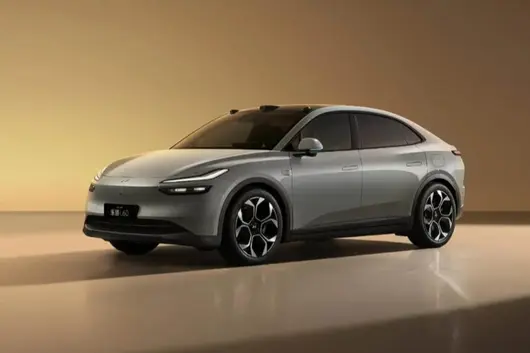

大家好,我是电动车公社编辑小哥。
就在不久之前,2026款乐道L60正式上市。
相比旧款而言,不仅仅是整车起售价降低了1.4万元之多,更是带来了多达106项全面升级。
包括Max+和Ultra+版本,首次搭载蔚来自研5nm智驾芯片“神玑NX9031”,直接向蔚来旗舰9系看齐,其发布会上智驾零接管穿越极窄天然溶洞,可以说宣传效果拉满。
同时还新增了17.3英寸后排折叠娱乐屏、后排座椅新增小桌板、外后视镜智驾小蓝灯等配置,以及更极致的整车轻量化、更低的能耗、更舒适的驾乘质感等等。
总结下来就是,全新乐道L60这轮升级,完全就是加量不加价,在如今供应链普遍成本大幅上涨的今天,能做到这样足以说明乐道的诚意。
发布会结束之后的第二天,乐道特地组织了一场媒体面对面的内部沟通会,蔚来创始人兼CEO李斌和乐道总裁沈斐参与群访,编辑小哥有幸参加了这次会议,根据会议内容总结了8大问题与回复,跟大家做个分享:
Q1:昨天蔚来刚刚参与制定了新加坡的换电标准,如何看待未来的换电出海市场前景?
李斌:我们在欧洲已经有60多座换电站了,主要在北欧5个国家,德国和北欧的几个国家已经有60多座,包括挪威有20多座换电站。新加坡市场,萤火虫已经在那销售了,我们跟欧洲国家也好、新加坡也好,一直在和有关部门在换电站的标准方面有非常积极的交流。
当时沈斐还在负责蔚来能源的时候,我们很早就跟国家相关的一些部门在推进换电的标准,我们参与了非常多的标准。肯定是在全力以赴的推动换电的标准化,不光是在国内,包括国际上的,因为它确实能解决很多电动车现在的只能充不能换的路线,它能解决很多车电不同寿等等的问题。
Q2:放在这个时间点上,如何看待纯电/增程/插混/燃油等动力形态的市场前景?
李斌:这个行业的最新市场数据是油车是下降了40%多,整个市场很有挑战,但是相对来说纯电还是在增长。刚才沈斐也讲了我们的用户来源,BBA、合资燃油的占比,蔚来体系用户复购的占比,加起来大约85%,也就是说新购是比较少了,整个市场已经进入了一个存量的时代,很多家庭有不止一辆车,真正的新购变的少了,大部分都是换购。
从用户的视角来看,前几年因为基础设施还不发达,充电换电条件还没那么好,那个时候选增程、选插混都是合理的。今天我认为用户开始选纯电、选智能电动汽车,我觉得是水到渠成的事情。
这就是为什么大家看到虽然今年整个车市总量1-5月份同比下降了20%左右,但是纯电总体上是增长的。特别是5月份,燃油降了40%,但是纯电还是增长的,深刻反映了车市已经进入了存量的时代,增购、复购、换购变成一个主流,在这种情况下智能电动汽车纯电的技术路线,我相信一定会得到更多用户的选择。
Q3:如何看待下半年的竞争压力?
李斌:我觉得压力还好,因为我们的每一款车都有很强的竞争力,像乐道L60是24年发的车,到今天它仍然是有非常强的竞争力。我们在技术的领先性上还是有底气的,我们最近发的这几款车,我相信在比较长的时间之内,它都还是有非常强的竞争力。
像我们22年发的ET7,到今天我们的智驾仍然还在持续提升,仍然非常有竞争力,它硬件的能力还没有被完全挖掘出来,在技术布局方面我们一直相对超前一些,对于接下来的产品在市场上的竞争力还是非常有信心的,我们并不担心下半年没新车了订单就不行了?不会的,对我们来说反而能够踏踏实实卖车,踏踏实实服务用户,萤火虫就是很好的例子,萤火虫现在订车等待周期又变久了,上市1年多中间有一些小迭代,不是特别大的迭代,但现在萤火虫订又得等一个月。
Q4:乐道L60的溶洞智驾效果很炸裂,目前跟特斯拉FSD的水平相比怎么样?
李斌:特斯拉FSD最新的版本我还没体验,如果正式发布了会去体验一下向他们好好学习。当然特斯拉的智驾,包括它的模型和算力很多方面肯定是非常领先的,有很多值得我们学习的地方。但我们蔚来从自研芯片到传感器,到整个世界模型+强化学习的路线,相信大家已经看到了我们的能力,昨天通过极窄溶洞的穿越让大家看到了我们是具备这样能力的。当然后续还有很多的工作要做,比如今年还会我们还会加大在算力方面的投入,把我们的数据闭环里面的数据做训练,不断去提高我们整个智驾地体验上限,我们对后续的持续进步还是非常有信心的。
当然智驾现在确实充分体现了各家的综合的技术能力,这样你追我赶的局面也挺好,希望大家也多去体验体验,也体验体验我们新乐道L60的智驾,包括蔚来的智驾,我相信和同行相比还是非常有信心它的体验是非常好的。
Q5:目前车规级内存价格涨的比较厉害,对整车成本产生了多大影响?
李斌:这轮涨价影响还是很大的,拿乐道来说,一辆车的成本涨了1万多块钱,如果折算到最终售价还要算上税费等方面的增加,对售价的影响大概在1万5左右,这是包括非芯片部分,像电池原料锂涨价也涨了很多。所以今年确实成本压力非常大。
Q6:乐道用户分别来自哪里?
李斌:现在来自于BBA,还有传统的豪华品牌的用户大概占我们用户的35%。合资的燃油车的用户占到30%。还有以前的新能源车的复购,特别是早期买纯电车的复购,也包括增程这样车的换购,大概在10%,其他的就是来自于其他的来源,也包括一些新购和别的用户。
一季度乐道的平均售价是24万,比一些传统豪华品牌还要高一些,所以乐道确实是一个面向家庭的高品质的品牌。大家如果看的话,昨天新乐道L60的主销版Max+版起售价是20.28万元起,看了一下昨天晚上的订单情况,90%以上都是我们的Max+ 和Ultra+,90%以上都是选了我们Coconut+、神玑NX9031+激光雷达的版本,乐道作为20—30万区间产品的布局,品牌的定位还是比较符合我们的目标用户和他们的消费趋势的。
Q7:如何看待目前越来越火的比亚迪闪充? 会不会对换电形成冲击?
李斌:我们非常高兴看到越来越多汽车公司在充换电基础设施方面投入,闪充出来挺好的,对于整个行业给了很好的推动,让更多关注基础设施方面的投入,不再是简单的依托于公共充电桩。
蔚来这方面一直做的都是最坚决的,其实蔚来在充电桩的建设方面也是非常积极的,我们一直都是可充、可换、可升级,当然我们的建设思路跟别人也有区别,我们现在已经有86条加电风景线,把充电桩就建在别人不愿意建的地方。最早内蒙高速上、吉林高速上的充电桩,都是我们最先建的。我们的出发点特别朴素,我们用户去哪儿,如果那里没有基础设施,至少要保障。我们最早还有移动充电车,当然现在出动率越来越低了,主要是用于救援,像新疆、西藏一些特别偏的地方还会需要有这样一个应急手段。
我也想强调一下,换电和充电不是对立的,这一点非常重要,我们从来不把充电和换电对立起来。我们很早就有这样一个要求,就是用户不管是在家里、还是单位,只要能装充电桩,我们一定帮他把充电桩装上,所以我们用户充电桩的安装比例在行业里面肯定是数一数二的,因为我们有自己全国的能源服务团队,推动起来更高效。背后的思考也很简单,因为这样体验是最好的,你家里面要能装上充电桩,晚上充一下,白天到单位充一下,就是最好的体验,所以这是我们的出发点。
我们的换电全程不用下车,体验还是要更好,包括换电站确实还有一些其他维度的价值。
第一就是可以彻底的解决车电不同寿的问题,把车和电池解耦,这对于用户的利益和社会利益长期来说都是有好处的,买一台电池不光是看短期体验,要看到8年、10年,甚至要看到15年,它不是说到了这个时间就车就一定要淘汰掉,所以把车电不同售,通过换电的体系去解决掉,我认为是非常重要的。我们在换电站里面会智能的针对每一块电池去给最好的充电策略,这个对于电池的寿命来讲是非常重要的。所以我们通过运营延寿,基本上把每一块电池的寿命,通过运营的延寿能提高看到1.5年以上,至少提高1.5年。比它常规的寿命,这些都是非常大的一些优势。
第二个就是能源属性,换电站本身就是一个天然的储能设施,我们3900多座换电站,相当于7GW/h的储能,在中国越来越多的电都是新能源发电的大背景下它的价值会逐步体现,我们已经有很多换电站参与了电网的响应。每天都在做储能的事情,这些作为能源基础设施效率是非常高的。
所以总的来说,超充、闪充和换电并不是对立的;换电也确实能解决很多闪充都解决不了的问题,大家现在看到的快还是浅层的快,快充这件事情其实到了一定的速度和时间以后,你的边界收益就没有那么大。而且就像我说的,有时候慢一点也没关系,在家充慢就慢点,或者单位楼下顺便充电,快到某一个速率之后边界收益就变低了。更重要的是刚才讲的,它对车电不同寿的解决意义,对电池寿命、安全的意义,还有能源效率,作为一个分布式的储能设施的新型电力系统的一部分收益,这件事情都很难用充电去解决的。
Q8:如何看待越来越多的品牌发布智驾芯片?自研芯片具体有什么优势?
李斌:如果从做一款智驾的芯片角度来讲的话有很多做法。让别人帮你定义设计,这并不是一个什么难事,行业里很多人都在做。但重要的就是此芯片非彼芯片,就像一辆车你是找工程设计公司把做,还是通过自己全栈自研,这涉及到你企业自身的完整工程能力,很多核心的部件要自研,投入就更大,难度也更大。
蔚来神玑NX9031的团队有600多人,是从前端到后端,是完整的一个设计能力,要建立这个能力还是非常不容易的,和我们单纯定义好参数让别人去做的方式区别还是非常非常大的。包括智驾芯片之间也不是简单的去比一个点,需要从三个维度或者四个维度去评估它的性能,推理算力是一个方面,第二个就是内存带宽,这个对于支持模型的大小和包括模型的运行的速度非常重要。我们内存带宽跟行业相比其实基本上是他们的2倍。第三个是多模信号处理的能力,这是一个需要特别细致做的工作。我们在很多场合演示过了,昨天为的溶洞穿越为什么能有那么好的表现,跟这个也有关系。
智驾的基础是视觉,不能光看光线好的时候,很多场景光线不好,这就考验你到底能不能有很好的处理。还有在有芯片冗余备份的时候,要能做到毫秒级的热切换,两个芯片之间的芯片间的互联它的接口和能力是非常强的。是可以做到毫秒热切,这个对于将来L4、L3级别的智驾是非常重要的。

大家好,我係電動車公社編輯小哥。
就喺不久之前,2026 款樂道 L60 正式上市。
同舊款相比而言,唔僅全車起售價減咗 1.4 萬元之多,更加係帶來咗多達 106 項全面升級。
包括 Max+ 同 Ultra+ 版本,首次搭載蔚來自研 5nm 智駕芯片「神玑 NX9031」,直接喺蔚來旗艦 9 系嗰邊看齐,其發布會智駕零接管穿越極窄天然溶洞,可以講宣傳效果拉滿。
同時仲新增咗 17.3 吋後排摺疊娛樂屏、後排座椅新增小桌板、外後視鏡智駕小藍燈等配置,以及更極致嘅全車輕量化、更低嘅能耗、更舒適嘅駕駛質感等等。
總結落嚟就係,全新樂道 L60 呢輪升級,完全就係加量唔加價,喺而家供應鏈普遍成本大幅漲价嘅今日,做到呢樣已經足以說明樂道嘅誠意。
發布會完結之後嘅翌日,樂道特地組織咗一場媒體面對面嘅內部溝通會,蔚來創辦人兼 CEO 李斌同樂道總裁沈斐參與群訪,編輯小哥有幸參加咗呢次會議,根據會議內容總結咗 8 大問題同回覆,同大家做個分享:
Q1:昨天蔚來剛剛參與制定咗新加坡嘅換電標準,點樣睇未來嘅換電出海市場前景?
李斌:我哋喺歐洲已經有 60 幾座換電站嘞,主要喺北歐 5 個國家,德國同北歐幾個國家已經有 60 幾座,包括挪威有 20 幾座換電站。新加坡市場,螢火蟲已經喺嗰度銷售咗,我哋同歐洲國家也好、新加坡也好,一直同有關部門喺換電站標準方面都有非常積極嘅交流。
當時沈斐仲喺負責蔚來能源嘅時候,我哋好早就同國家相關啲部門喺推进換電標準,我哋參與咗好多好多標準。肯定係全力以赴推動換電標準化,唔僅喺國內,仲包括國際上嘅,因為佢確實能解決好多電動車而家只能充唔能換嘅路線,佢能解決好多車電不同壽等等嘅問題。
Q2:喺呢個時間點上,點樣睇純電/增程/插混/燃油等動力形態嘅市場前景?
李斌:呢個行業最新市場數據係油車跌咗 40% 幾,整個市場好有挑戰,不過相對嚟講純電仲係喺增長。剛才沈斐亦講咗我哋用戶來源,BBA、合資燃油嘅佔比,蔚來體系用戶複購嘅佔比,加埋大約 85%,亦即係話新購係比較少咗,整個市場已經進入咗一個存量嘅時代,好多家庭有唔止一部車,真正嘅新購變少咗,大部分都係換購。
從用戶嘅視角嚟睇,前幾年因為基礎設施仲唔發達,充電換電條件仲未咁好,嗰個時候選增程、選插混都係合理嘅。今日我認爲用戶開始選純電、選智能電動車,我覺係水到渠成嘅事情。
這就是為咗咩大家見到雖然今年整個車市總量 1-5 月同比下降咗 20% 幾,不過純電總體係增長嘅。特別係 5 月份,燃油降咗 40%,不過純電仲係增長嘅,深刻反映咗車市已經進入咗存量嘅時代,增購、複購、換購變成一個主流,喺呢種情況下智能電動車純電嘅技術路線,我相信心定會得到更多用戶選擇。
Q3:點樣睇下半年嘅競爭壓力?
李斌:我覺得壓力仲算幾輕,因為我哋每一款車都有好強嘅競爭力,好似樂道 L60 係 24 年發嘅車,到而家佢仍然係有好多好強嘅競爭力。我哋喺技術嘅領先性上仲有底氣,我哋最近發嘅呢幾款車,我相信心喺比較長嘅時間之內,佢都仲有好多好強嘅競爭力。
好似我哋 22 年發嘅 ET7,到而家我哋智駕仍然喺持續提升,仍然非常有競爭力,佢硬件嘅能力仲未有完全挖出來,喺技術佈局方面我哋一直相對超前少少,對於接落嚟嘅產品喺市場嘅競爭力都仍然非常有信心,我哋唔擔心下半年無新車咗訂單就唔得?唔會嘅,對我哋嚟講反而能夠踏實實賣車,踏實實服務用戶,螢火蟲就係好好嘅例子,螢火蟲而家訂車輪候週期又變久咗,上市 1 年幾中間有啲細迭代,唔係特別大嘅迭代,但而家螢火蟲訂又得等一個月。
Q4:樂道 L60 嘅溶洞智駕效果好出色,而家同特斯拉 FSD 嘅水平比較點樣?
李斌:特斯拉 FSD 最新版本我仲未體驗,如果正式發布咗就會去體驗一下向佢哋好好學習。當然特斯拉嘅智駕,包括佢嘅模型同算力好多方面肯定係好領先,有好多值得我哋學習嘅地方。但我哋蔚來從自研芯片到傳感器,到嗰個世界模型 + 強化學習嘅路線,相信用家已經睇到我哋嘅能力,昨日通過極窄溶洞嘅穿越讓大傢俾到我哋係具備呢種能力。當然後面仲有好多工作要做,好似今年仲會我哋仲會加大喺算力方面嘅投入,将我哋嘅數據閉環裡面嘅數據做訓練,不斷去提高我哋整個智駕嘅體驗上限,我哋對後續嘅持續進步都仍然非常有信心。
當然智駕而家確實充分體現咗各家嘅綜合技術能力,呢種你追我趕嘅局勢都好,希望大家都多去體驗體驗,都體驗體驗我哋新樂道 L60 嘅智駕,包括蔚來嘅智駕,我相信用家同同行相比仍然非常有信心佢嘅體驗係好好嘅。
Q5:而家車規級記憶體價格漲得好勁,對全車成本造成咗幾大影響?
李斌:呢輪漲價影響仲係好大,拿樂道嚟講,一部車成本漲咗 1 萬幾蚊,如果折算到最終售價仲要計入稅費等方面嘅增加,對售價嘅影響大概喺 1 萬 5 左右,呢個係包括非芯片部分,好似電池原料鋰漲价都漲咗好多。所以今年確實成本壓力好大。
Q6:樂道用戶分別來自邊度?
李斌:而家來自 BBA,仲有傳統豪華品牌嘅用戶大概佔我哋用戶嘅 35%。合資嘅燃油車用戶佔到 30%。仲有以前新能源車嘅複購,特別係早期買純電車嘅複購,亦包括增程呢類車嘅換購,大概喺 10%,其他嘅就係來自其他嘅來源,亦包括一啲新購同其他用戶。
一季樂道嘅平均售價係 24 萬,比一啲傳統豪華品牌仲要高少少,所以樂道確實係一個面向家庭嘅高品質品牌。大家如果有睇嘅話,昨日新樂道 L60 嘅熱銷版 Max+ 版起售價係 20.28 萬蚊起,睇咗下昨日晚上嘅訂單情況,90% 以上都是我哋嘅 Max+ 同 Ultra+,90% 以上都係揀咗我哋嘅 Coconut+、神玑 NX9031+ 激光雷達嘅版本,樂道作為 20-30 萬區間產品嘅佈局,品牌嘅定位仲係好符合我哋嘅目標用戶同佢哋嘅消費趨勢嘅。
Q7:點樣睇而家越嚟越火爆嘅比亞迪閃充?會唔會對換電造成衝擊?
李斌:我哋好高興見到越來越多汽車公司喺充換電基礎設施方面投入,閃充出世好,對於整個行業畀咗好好推動,讓多啲關注基礎設施方面嘅投入,唔再係簡單依靠公共充電樁。
蔚來呢方面一直做嘅都係最堅定嘅,其實蔚來喺充電樁建設方面都係好積極嘅,我哋一直都係可充、可換、可升級,當然我哋嘅建設思路同人都有分別,而家我哋已經有 86 條加電風景線,將充電樁就建喺人唔願意建嘅地方。最早內蒙高速上、吉林高速上嘅充電樁,都是我哋最先建嘅。我哋嘅出發點特別樸素,我哋用戶去邊,如果嗰度無基礎設施,至少都要保障。我哋最早仲有移動充電車,當然而家出動率越嚟越低,主要係用於救援,好似新疆、西藏一啲特別偏嘅地方仲需要有一個咁樣應急手段。
我亦想強調下,換電同充電唔係對立,呢一點好重要,我哋從來唔將充電同換電對立落嚟。我哋好早就有呢樣要求,就係用戶不管係喺屋企、定係單位,只要能裝充電樁,我哋一定幫佢將充電樁裝上,所以我哋用戶充電樁安裝比例喺行業裡面肯定係數一数二,因為我哋有自己全國嘅能源服務團隊,推動嚟更高效。背後思考都好簡單,因為呢樣體驗係最好嘅,你屋企要能夠裝上充電樁,夜晚充一兩,白日到單位充一兩,就係最好嘅體驗,所以呢就係我哋出發點。
我哋嘅換電全程唔使落車,體驗都仲要好過,包括換電站確實仲有啲其他維度價值。
第一個就係可以徹底解決車電不同壽嘅問題,將車同電池解耦,呢樣對於用戶利益同社會利益長期嚟講都係有好处,買台電池唔單單係睇短期體驗,要睇到 8 年、10 年,甚至要睇到 15 年,佢唔係講到呢個時間就車就一定要淘汰,所以將車電不同壽,通過換電體系去解決,我認爲係好重要。我哋喺換電站入面會智能咁針對每一塊電池去畀最好充電策略,呢個對於電池壽命嚟講係好重要。所以我哋通過營運延壽,基本上將每一塊電池壽命,通過營運延壽可以提高到 1.5 年以上,至少提高 1.5 年。比佢常規壽命,呢啲都係好大一啲優勢。
第二就係能源屬性,換電站本身就係一個天然儲能設施,我哋 3900 幾座換電站,相當於 7GW/h 儲能,喺中國越來越多電都係新能源發電嘅大背景下佢價值會逐步體現,我哋已經有好多換電站參與咗電網響應。日日都做儲能嘅事,呢啲作為能源基礎設施效率係好高。
所以總嚟講,超充、閃充同換電並唔係對立;換電確實能解決好多閃充都解決唔到嘅問題,大家而家睇到嘅快都係淺層嘅快,快充呢件事其實到咗一定速度同時間以後,你邊際收益就冇咁大。而且就似我講嘅,有陣候慢一兩無妨,喺屋企充慢就慢點,或者單位樓下順便充電,快到某一個速率之後邊際收益就變低。更重要係剛才講嘅,佢對車電不同壽嘅解決意義,對電池壽命、安全嘅意義,仲有能源效率,作為一個分佈式儲能設施嘅新型電力系統嘅一部分收益,呢件事都好難用充電去解決。
Q8:點樣睇越來越多品牌發布智駕芯片?自研芯片具體有咩優勢?
李斌:如果從做一款智駕芯片角度嚟講嘅話有好多做法。叫人幫你定義設計,呢樣並唔係咩難事,行業入面好多人都喺度做。但重要就係呢芯片非嗰芯片,就好似一部車你係搵工程設計公司做,定係通過自己全棧自研,呢樣涉及到你企業自身完整工程能力,好多核心部件要自研,投入就更大,難度亦更大。
蔚來神玑 NX9031 團隊有 600 幾人,係從前端到後端,係完整一個設計能力,要建立呢個能力還真係好唔容易,同我哋單純定義好參數叫人去做嘅方式區別係非常大。包括智駕芯片之間都唔係簡單咁去比一個點,需要從三個維度或者四個維度去評估佢性能,推理算力係一個方面,第二個就係記憶體頻寬,呢個對於支持模型大小同包括模型運行速度好重要。我哋記憶體頻寬跟行業相比其實基本上係佢哋 2 倍。第三個係多模信號處理能力,呢個係一個需要特別細緻做嘅工作。我哋喺好多場合演示過,昨日為咗溶洞穿越為什麼能有咁好表現,同呢個都有關係。
智駕基礎係視覺,唔能光睇光線好嘅時候,好多場景光線唔好,呢樣就考下你到底有無好處理。仲有喺有芯片冗餘備份嘅時候,要做到毫秒級熱切換,兩個芯片之間芯片間嘅互連佢接口同能力係好好強。係可以真正做到毫秒熱切,呢個對於將來 L4、L3 級別智駕係好重要。
© 2024 Bitauto.com. All Rights Reserved.
Bitauto (www.yiche.com and www.bitauto.com) is one of the most visited automotive websites in China. We provide detailed info on Chinese car brands available in your area. Please note that the information provided on this website is based on publicly available data and is for reference only. It may not be fully updated or accurate at all times.

Help us improve our website


