

HomeMitsubishi Lancer

Search History
Popular Searches
Dealer Login / Sign Up

In Malaysia's SUV market, many buyers compare the Mazda CX-3 and Mitsubishi Xforce when choosing a car. These two cars are quite close in price and positioning. Today, we will make a detailed comparison from multiple aspects to help you save time on research.
The Mazda CX-3 OTR price in Malaysia is RM 126,159 - 139,159. There are 2 versions in total, including 2023 2.0L High (RM 139,159), 2023 2.0L Plus (RM 126,159), etc.
The Mitsubishi Xforce OTR price in Malaysia is RM 109,930 - 119,930. There are 2 versions in total, including 2026 1.5L Ultimate (RM 119,930), 2026 1.5L Urban (RM 109,930), etc.
From a price perspective, the Mitsubishi Xforce's starting price is RM 16,229 cheaper than the Mazda CX-3. Honestly, in this price range, a difference of a few thousand is not really significant. The key is to look at overall value for money and long-term maintenance costs.

The Mazda CX-3 is equipped with a 1.5L Turbo, 140 hp. Official fuel consumption is 7.0 L/100km.
The Mitsubishi Xforce is equipped with a 1.5L Turbo, 140 hp. Official fuel consumption is 7.0 L/100km.
Both cars use the same powertrain system, and the driving experience feels basically the same. Fuel consumption is also similar, so no need to worry too much about this point.

The Mazda CX-3 uses FWD drive system.
The Mitsubishi Xforce uses FWD drive system.
Both cars have the same drive system, both are FWD, and there won't be much difference in daily driving experience.

Mazda CX-3 warranty 5 years/150,000km, maintenance interval every 10,000km or 6 months.
Mitsubishi Xforce warranty 3 years/100,000km, maintenance interval every 10,000km or 6 months.

Both Mazda CX-3 and Mitsubishi Xforce are mainstream choices in the Malaysia market, suitable for family use and daily commuting. If you value brand reputation and resale value more, you can prioritize the one with better reputation; if you care more about value for money and equipment, then choose the one with richer features. Ultimately, it is recommended to test drive both, and personal experience is the most important.

In general, both Mazda CX-3 and Mitsubishi Xforce are very good car models in the Malaysia market. Which one to choose depends mainly on your personal needs and budget. It is recommended to do research, compare quotes from several car dealers, and then test drive to make the final decision. Buying a car is a big matter, spending time on research is never a mistake.


Di pasaran SUV Malaysia, ramai pembeli membandingkan Mazda CX-3 dan Kia Sportage semasa memilih kereta. Kedua-dua kereta ini hampir sama dari segi harga dan segmen. Hari ini, kita akan membuat perbandingan terperinci dari pelbagai aspek untuk membantu anda menjimatkan masa mengkaji.
Mazda CX-3 dijual di Malaysia dengan harga OTR RM 126,159 - 139,159, terdapat 2 versi termasuk 2023 2.0L High (RM 139,159) dan 2023 2.0L Plus (RM 126,159).
Kia Sportage dijual di Malaysia dengan harga OTR RM 129,639 - 179,320, terdapat 4 versi termasuk 2025 1.6T DCT 4WD High (RM 179,320), 2025 1.6T DCT 2WD High (RM 159,320), 2025 2.0L AT 2WD High (RM 139,639) dan lain-lain.
Dari segi harga, harga permulaan Mazda CX-3 memang lebih murah RM 3,480 berbanding Kia Sportage. Jika bajet anda terhad, versi pengenalan Mazda sudah memadai untuk keperluan harian. Namun, perlu diingat, perbezaan harga ribuan ringgit ini mungkin melibatkan kompromi pada kelengkapan, bergantung kepada keperluan anda.
Mazda CX-3 menggunakan enjin 1.5L Turbo, kuasa 140 hp. Penggunaan minyak rasmi 7.0 L/100km.
Kia Sportage menggunakan enjin 1.5L Turbo, kuasa 140 hp. Penggunaan minyak rasmi 7.0 L/100km.
Kedua-dua kereta menggunakan sistem pemacu yang sama, pengalaman memandu harian hampir tiada perbezaan. Penggunaan minyak juga serupa, tidak perlu terlalu bimbang tentang perkara ini.
Mazda CX-3 panjang kereta 4500 mm, ruang bonet 450 L.
Kia Sportage panjang kereta 4400 mm, ruang bonet 400 L.
Dari segi ruang, kereta Mazda CX-3 lebih panjang 100 mm berbanding Kia Sportage, ruang duduk di dalam kereta sedikit lebih luas, terutamanya ruang kaki di bangku belakang. Jika anda sering membawa keluarga atau perlu meletakkan kereta bayi, kereta yang lebih besar memang lebih praktikal.
Mazda CX-3 menggunakan sistem pemacu FWD.
Kia Sportage menggunakan sistem pemacu FWD.
Sistem pemacu kedua-dua kereta adalah sama, iaitu FWD, pengalaman memandu harian tidak akan berbeza banyak.

Secara keseluruhan, Mazda CX-3 dan Kia Sportage adalah model kereta yang sangat bagus di pasaran Malaysia. Memilih mana satu, kunci utamanya bergantung kepada keperluan peribadi dan bajet anda. Kami menyarankan anda membuat kajian terlebih dahulu, bandingkan lebih banyak tawaran dari pengedar kereta, kemudian lakukan uji jalan untuk membuat keputusan akhir. Membeli kereta adalah perkara besar, mengambil masa untuk mengkaji pasti tidak salah.

喺馬來西亞嘅 SUV 市場,好多買家揀車嘅時候都會拎 Mazda CX-3 同 GWM Haval H6 來比較。這兩款車喺價位同定位上都幾接近,今日我哋就從多個方面做一個詳細嘅比較,幫你節省做功課嘅時間。
Mazda CX-3 喺馬來西亞嘅 OTR 售價係 RM 126,159 - 139,159,一共有 2 個版本,包括 2023 2.0L High(RM 139,159)、2023 2.0L Plus(RM 126,159) 等。
GWM Haval H6 喺馬來西亞嘅 OTR 售價係 RM 139,750 - 139,750,一共有 2 個版本,包括 1.5L Turbo Standard(RM 140,000)、1.5L Turbo Premium(RM 155,000) 等。
由價錢睇,Mazda CX-3 嘅起步價確實比 GWM Haval H6 平咗 RM 13,591。如果你預算有限,Mazda 嘅入門版已經可以滿足日常需要。但要緊記,平嗰幾千塊,可能喺配備上會有取捨,具體要睇你嘅需求。
Mazda CX-3 配備 1.5L Turbo,馬力 140 hp。官方油耗 7.0 L/100km。
GWM Haval H6 配備 Hybrid,馬力 170 hp。官方油耗 4.5 L/100km。
動力方面,GWM Haval H6 嘅 Hybrid 比 Mazda CX-3 嘅 1.5L Turbo 多咗 30 匹馬力。不過日常喺市區開,兩款車嘅動力都夠用,唔會覺得唔夠力。
Mazda CX-3 保養 5 年/150,000km,保養間隔 每 10,000km 或 6 個月。
GWM Haval H6 保養 7 年/150,000km,保養間隔 每 10,000km 或 6 個月。
Mazda CX-3 同 GWM Haval H6 都係馬來西亞市場嘅主流選擇,適合家庭使用、日常通勤。如果你更看重品牌口碑同二手價,可以優先考慮口碑更好嗰款;如果你更在意性價比同配備,就揀配備更豐富嗰款。最終都係建議兩款都去試駕,親身體驗先係最重要。
總體嚟講,Mazda CX-3 同 GWM Haval H6 都係馬來西亞市場幾唔錯嘅車型。揀邊一輛,關鍵都要睇你嘅個人需求同預算。建議大家做好功課,多比較幾間車行嘅報價,再去試駕做最終決定。買車係件大事,花少少時間做功課絕對唔會錯。

In the Malaysian SUV market, many buyers compare the Mazda CX-3 and Chery Tiggo 8 PHEV when choosing a car. These two models are quite close in price and positioning. Today, we will make a detailed comparison from multiple aspects to help you save time on research.
The OTR price of the Mazda CX-3 in Malaysia is RM 126,159 - 139,159, with a total of 2 versions, including 2023 2.0L High (RM 139,159), 2023 2.0L Plus (RM 126,159), etc.
The OTR price of the Chery Tiggo 8 PHEV in Malaysia is RM 159,750 - 159,750, with a total of 2 versions, including 1.6L Turbo Standard (RM 130,000), 1.6L Turbo Premium (RM 145,000), etc.
From the price perspective, the starting price of the Mazda CX-3 is indeed RM 33,591 cheaper than the Chery Tiggo 8 PHEV. If your budget is limited, Mazda's entry-level version is enough to meet daily needs. But also note, the few thousand cheaper might involve trade-offs in features, depending on your specific needs.
Mazda CX-3 is equipped with 1.5L Turbo, 140 hp. Official fuel consumption 7.0 L/100km.
Chery Tiggo 8 PHEV is equipped with Hybrid, 170 hp. Official fuel consumption 4.5 L/100km.
In terms of power, Chery Tiggo 8 PHEV's Hybrid has 30 hp more than Mazda CX-3's 1.5L Turbo. However, for daily city driving, both cars have enough power, you won't feel underpowered.
The safety rating of Mazda CX-3 is 5★ (ASEAN NCAP), active safety system includes i-Activsense.
The safety rating of Chery Tiggo 8 PHEV is TBD, active safety system includes Basic.
In terms of safety features, both cars have received good ratings. However, there are some differences in function between Mazda CX-3's i-Activsense and Chery Tiggo 8 PHEV's Basic. If you value active safety, you can carefully compare the feature lists of both.
Mazda CX-3 warranty 5 years/150,000km, maintenance interval every 10,000km or 6 months.
Chery Tiggo 8 PHEV warranty 3 years/100,000km, maintenance interval every 10,000km or 6 months.
Overall, both Mazda CX-3 and Chery Tiggo 8 PHEV are very good car models in the Malaysian market. Which one to choose mainly depends on your personal needs and budget. We recommend doing your research, comparing quotes from several dealerships, and then test driving to make a final decision. Buying a car is a big matter, spending time on research will never go wrong.

喺馬來西亞嘅 SUV 市場,好多買家喺選車嘅時候都會拎 馬自達 CX-3 同 奇瑞 Tiggo 8 黎做比較。呢兩款車喺價位同定位上都好接近,今日我哋就從多個方面做一個詳細嘅對比,幫你省下做功課嘅時間。
馬自達 CX-3 喺馬來西亞嘅 OTR 售價係 RM 126,159 - 139,159,一共有 2 個版本,包括 2023 2.0L High(RM 139,159)、2023 2.0L Plus(RM 126,159) 等。
奇瑞 Tiggo 8 喺馬來西亞嘅 OTR 售價係 RM 129,750 - 129,750,一共有 1 個版本,包括 2026 1.6T Standard(RM 129,750) 等。
從價錢嚟睇,馬自達 CX-3 嘅起步價確實比 奇瑞 Tiggo 8 平咗 RM 3,591。如果你預算有限,馬自達嘅入門版已經可以滿足日常需求。但都要注意,平嗰幾千蚊,可能在配備上會有取舍,具體要睇你嘅需求。
馬自達 CX-3 嘅安全评分係 5★ (ASEAN NCAP),主動安全系統包括 i-Activsense。
奇瑞 Tiggo 8 嘅安全评分係 TBD,主動安全系統包括 Basic。
安全配備方面,兩款車都拿到唔錯嘅評級。不過 馬自達 CX-3 嘅 i-Activsense 同 奇瑞 Tiggo 8 嘅 Basic 喺功能上有些差異,如果你比較睇重主動安全嘅話,可以仔細對比下兩者嘅功能列表。
馬自達 CX-3 採用 FWD 驅動方式。
奇瑞 Tiggo 8 採用 FWD 驅動方式。
兩款車嘅驅動方式一樣,都係 FWD,日常駕駛感受唔會有太大分別。
馬自達 CX-3 保修 5 年/150,000km,保養間隔 每 10,000km 或 6 個月。
奇瑞 Tiggo 8 保修 3 年/100,000km,保養間隔 每 10,000km 或 6 個月。

馬自達 CX-3 同 奇瑞 Tiggo 8 都係馬來西亞市場嘅主流選擇,適合家庭使用、日常通勤。如果你更睇重品牌口碑同二手價,可以優先考慮口碑更好嗰一款;如果你更在意性價比同配備,那就揀配置更豐富嗰款。最終都係建議兩款都去試駕,親身體驗先係最重要嘅。
總體嚟講,馬自達 CX-3 同 奇瑞 Tiggo 8 都係馬來西亞市場幾唔錯嘅車型。揀邊一部,關鍵都係要睇你嘅個人需求同預算。建議大家做好功課,多比較幾間車行嘅報價,再去試駕做最終決定。買車係件大事,花少少時間做功課絕對唔會錯。

In Malaysia's SUV market, many buyers compare Toyota Harrier and Porsche Macan when choosing a car. Both cars are quite close in price and positioning, so today we will make a detailed comparison from multiple aspects to help you save time on research.
Toyota Harrier's OTR price in Malaysia is RM 289,000 - 289,000, with a total of 1 version, including 2026 HEV 2.5L Standard (RM 289,000), etc.
Porsche Macan's OTR price in Malaysia is RM 469,000 - 469,000, with a total of 4 versions, including 2025 55 quattro S line (RM 467,285), 2025 50 quattro Advanced (RM 361,135), PMT 1874, Lorong IKS BukitTengah 14000 Bukit Mertajam (RM 296,610), etc.
From a price perspective, Toyota Harrier's starting price is indeed RM 180,000 cheaper than Porsche Macan. If your budget is limited, Toyota's entry-level version can already meet daily needs. But also note, saving a few thousand might involve trade-offs in features, it depends on your specific needs.

Toyota Harrier is equipped with a 2.0L Turbo, 220 hp. Official fuel consumption 9.5 L/100km.
Porsche Macan is equipped with a 3.0L Turbo, 350 hp. Official fuel consumption 12.0 L/100km.
In terms of power, Porsche Macan's 3.0L Turbo has 130 more horsepower than Toyota Harrier's 2.0L Turbo. However, for daily city driving, both cars have enough power, you won't feel underpowered.

Toyota Harrier's safety rating is 5★ (ASEAN NCAP), active safety systems include Brand ADAS.
Porsche Macan's safety rating is 5★ (Euro NCAP), active safety systems include InnoDrive.
Regarding safety features, both cars have received good ratings. However, there are some differences in functions between Toyota Harrier's Brand ADAS and Porsche Macan's InnoDrive. If you value active safety highly, you can compare their feature lists in detail.

Toyota Harrier uses FWD drive configuration.
Porsche Macan uses FWD drive configuration.
Both cars have the same drive configuration, both are FWD, daily driving feel will not differ too much.

Toyota Harrier and Porsche Macan are both mainstream choices in the Malaysia market, suitable for family use, daily commuting. If you value brand reputation and resale value more, prioritize the one with better reputation; if you care more about value for money and features, choose the one with richer configurations. Ultimately, it is recommended to test drive both, personal experience is the most important.

In general, Toyota Harrier and Porsche Macan are both very good car models in the Malaysia market. Choosing which one mainly depends on your personal needs and budget. We recommend doing your research, compare quotes from multiple dealerships, then test drive to make a final decision. Buying a car is a big matter, spending time on research will never be wrong.


In Malaysia's SUV market, many buyers compare Toyota Harrier and Audi Q5 when choosing a car. These two models are quite close in price and positioning. Today, we will make a detailed comparison from multiple aspects to help you save time on research.
The OTR price for Toyota Harrier in Malaysia is RM 289,000 - 289,000, with a total of 1 version, including 2026 HEV 2.5L Standard (RM 289,000), etc.
The OTR price for Audi Q5 in Malaysia is RM 354,174 - 423,174, with a total of 2 versions, including 40 TDI (RM 320,000), 45 TFSI (RM 350,000), etc.
From a price perspective, Toyota Harrier's starting price is indeed RM 65,174 cheaper than Audi Q5. If your budget is limited, Toyota's entry-level version can already meet daily needs. However, also note that the few thousand cheaper might involve compromises in features, specifically depends on your needs.
Toyota Harrier is equipped with a 2.0L Turbo, 220 hp power. Official fuel consumption is 9.5 L/100km.
Audi Q5 is equipped with a 2.0L Turbo, 220 hp power. Official fuel consumption is 9.5 L/100km.
Both cars use the same powertrain system, the driving experience feels basically no difference. Fuel economy is also about the same, no need to worry too much about this point.
Toyota Harrier's safety rating is 5★ (ASEAN NCAP), active safety systems include Brand ADAS.
Audi Q5's safety rating is 5★ (Euro NCAP), active safety systems include Pre Sense + ACC.
Regarding safety features, both cars have received good ratings. However, Toyota Harrier's Brand ADAS and Audi Q5's Pre Sense + ACC have some differences in functionality. If you value active safety highly, you can compare the feature lists of both carefully.
Toyota Harrier body length 4400 mm, trunk 400 L.
Audi Q5 body length 4400 mm, trunk 400 L.
The dimensions of both cars are almost the same, with little difference in interior space. Cars in this class are fully sufficient for daily use.

Toyota Harrier warranty 5 years/unlimited mileage, service interval every 10,000km or 6 months.
Audi Q5 warranty 5 years/150,000km, service interval every 10,000km or 6 months.

Overall, Toyota Harrier and Audi Q5 are both very good models in the Malaysian market. Which one to choose depends mainly on your personal needs and budget. It is recommended to do your research well, compare quotes from several car dealerships, and then go for a test drive to make the final decision. Buying a car is a big matter, spending some time on research will never be wrong.

In Malaysia's SUV market, many buyers compare Toyota Harrier and Mercedes-Benz GLE when choosing a car. These two models are quite close in terms of price and positioning. Today, we will make a detailed comparison from multiple aspects to save you time on research.
Toyota Harrier's OTR price in Malaysia is RM 289,000 - 289,000, with 1 version available, including 2026 HEV 2.5L Standard (RM 289,000), etc.
Mercedes-Benz GLE's OTR price in Malaysia is RM 544,888 - 544,888, with 1 version available, including Standard (RM 544,888), etc.
In terms of price, Toyota Harrier's starting price is indeed RM 255,888 cheaper than Mercedes-Benz GLE. If your budget is limited, Toyota's entry-level version can already meet daily needs. However, be aware that the savings of a few thousand Ringgit might involve trade-offs in features, depending on your specific requirements.
Toyota Harrier is equipped with a 2.0L Turbo, 220 hp. Official fuel consumption is 9.5 L/100km.
Mercedes-Benz GLE is equipped with a 3.0L Turbo, 350 hp. Official fuel consumption is 12.0 L/100km.
In terms of power, Mercedes-Benz GLE's 3.0L Turbo has 130 more horsepower than Toyota Harrier's 2.0L Turbo. However, for daily city driving, both cars have sufficient power and will not feel underpowered.
Toyota Harrier's safety rating is 5★ (ASEAN NCAP), active safety systems include Brand ADAS.
Mercedes-Benz GLE's safety rating is 5★ (Euro NCAP), active safety systems include Premium ADAS.
Regarding safety features, both cars have received good ratings. However, there are some differences in functionality between Toyota Harrier's Brand ADAS and Mercedes-Benz GLE's Premium ADAS. If you value active safety, you can compare the feature lists of both in detail.
Toyota Harrier warranty is 5 years/unlimited mileage, maintenance interval every 10,000km or 6 months.
Mercedes-Benz GLE warranty is 3 years/100,000km, maintenance interval every 10,000km or 6 months.

Both Toyota Harrier and Mercedes-Benz GLE are mainstream choices in the Malaysian market, suitable for family use and daily commuting. If you value brand reputation and resale value more, prioritize the one with better reputation; if you care more about cost-performance and features, choose the one with richer configurations. Ultimately, it is recommended to test drive both, as hands-on experience is the most important.

In summary, both Toyota Harrier and Mercedes-Benz GLE are very good models in the Malaysian market. Which one to choose depends mainly on your personal needs and budget. We suggest doing your research, comparing quotes from several dealerships, and then test driving to make the final decision. Buying a car is a major event, spending time on research will never be wrong.

Malam 29 Oktober, Xiaopeng MONA L05 dilancarkan di Guangzhou. Acara pelancaran mengumpulkan 5,000 pemilik kenderaan dan peminat Xiaopeng, He Xiaopeng naik ke atas pentas, kalimat pertamanya adalah untuk mengucapkan terima kasih kepada semua orang. Siri MONA melalui dua tahun pengembangan, penghantaran terkumpul global telah mencapai 360,000 unit, penghantaran purata bulanan stabil di atas 14,000 unit. 5,000 orang yang hadir di bawah panggung ini, ramai adalah antara 360,000 pengguna ini.

MONA L05 dikeluarkan dalam enam model, harga promosi 139,800 hingga 171,800, pada masa yang sama pengguna juga boleh menikmati faedah promosi bernilai sehingga lebih daripada 49,000 Yuan.

Seolah saat pengumuman harga, Xiaopeng menyediakan 5,000 unit kereta sedia ada terlebih dahulu, menyokong pembayaran untuk mengunci pesanan, paling cepat pada malam pelancaran boleh menyiapkan penentuan kereta, 1 November secara rasmi memulakan penghantaran.

Sepelah pengumuman harga, 5,000 unit kereta sedia ada habis terjual dalam masa singkat tiga minit, prestasi pasaran yang cemerlang ini cukup untuk menunjukkan pengiktirafan semua orang terhadap kereta ini.
Hari ini kita ubah sudut pandangan, bincang tentang pemikiran perancangan jangka panjang di sebalik kereta ini.
Xiaopeng sedang tegas mempromosikan laluan pembangunan globalisasi, pelaburan jangka panjang ini adalah untuk menyokong brand menuju ke pasaran luar negara yang lebih luas. Kompetisi laluan tenaga baharu di dalam negara sekarang sangat sengit, setiap brand sedang mencari laluan pertumbuhan jangka panjang yang sesuai untuk mereka, arah pilihan Xiaopeng, tersembunyi dalam tiga perkataan "kereta global".
Dalam sidang akhbar, Xiaopeng mentakrifkan L05 sebagai model yang disesuaikan dan dibangunkan untuk 82 negara dan wilayah di seluruh dunia. Satu baris pengenalan ringkas dalam PPT, di sebaliknya adalah satu sistem pembangunan berpencapaian tinggi.
Jual kereta ke 82 negara, dan mengembangkan serentak mengikut peraturan 82 negara, keperluan penggunaan, adalah dua logik pembangunan yang sepenuhnya berbeza. Eksport produk, adalah kenderaan dihasilkan dalam negara kemudian dihantar ke luar negara untuk jualan; pembangunan serentak global, adalah dari permulaan pengesahan projek, serentak mempertimbangkan keperluan peraturan dan persekitaran penggunaan di seluruh dunia.

Bagi merealisasikan matlamat ini, Xiaopeng melabur 660 unit kenderaan ujian, pergi ke 25 negara dan wilayah untuk menjalankan pengesahan, jumlah jarak ujian terkumpul melebihi 5 juta kilometer. Dari persekitaran sejuk melampau -25°C, ke senario suhu tinggi 50°C, semua diselesaikan pengesahan. Keseluruhan kenderaan serentak disandingkan mengikut tiga set piawaian keselamatan bintang lima China, Eropah, Australia, piawai 7 beg udara, menyesuaikan keperluan peraturan wilayah yang berbeza; versi range extender dioptimumkan menyesuaikan jenis minyak global, di pasaran berbeza boleh digunakan dengan stabil dan yakin.

Bulan Julai tahun ini, Xiaopeng membawa L03 ke pasaran Eropah, bulan 9 pasaran Eropah pesanan buta melebihi 12,136 unit, 13 Oktober secara rasmi memulakan penghantaran Eropah. Dalam pameran kereta Paris tahun ini, He Xiaopeng juga mengumumkan matlamat jangka panjang yang jelas: hujung 2030 merealisasikan penjualan tahunan global 1 juta unit, di mana pasaran Eropah sasaran 500,000 unit.
Matlamat ini bukan hanya eksport kenderaan lengkap mudah, juga merangkumi perancangan pengeluaran tempatan. Kilang Indonesia sekarang telah berjaya memulakan pengeluaran, pangkalan pengeluaran baharu Eropah sedang dalam perancangan, peringkat sekarang bergantung pada model pembuat kerjasama untuk memulakan langkah dengan stabil. Ini juga sebab utama mengapa MONA L05 dibangunkan mengikut piawaian 82 negara dari awal pengembangan, ia memikul tugas Xiaopeng untuk mengembangkan pasaran global.
Kembali ke harga bermula 139,800. Dalam harga ini, ada nilai kelengkapan yang boleh dilihat semua orang, juga merangkumi pelaburan pengesahan yang besar untuk pembangunan global. Konfigurasi 7 beg udara, tiga set piawaian keselamatan bintang lima, beberapa ratus unit kereta ujian, ujian jalan global beberapa juta kilometer, pelaburan yang pengguna biasa sukar lihat secara langsung, semuanya terserap ke dalam asas produk kereta ini. Pengguna dalam negara dapat menguji dahulu standard globalisasi ini带来 keselamatan, kebolehpercayaan, juga menyaksikan bersama proses model China menuju ke seluruh dunia.
Kenderaan yang dibangunkan untuk global, dalam rekaan akan mempertimbangkan kebiasaan penggunaan pengguna kawasan berbeza, mencari penyelesaian yang seimbang dan cemerlang antara keperluan pelbagai. Fikiran rekaan yang mempertimbangkan global ini, akan membawa apa rasa pemanduan kepada pengguna dalam negara, masih tunggu setelah kenderaan sebenar dihantar, pengguna dalam negara dan luar negara pengalaman jangka panjang penggunaan kenderaan untuk bersama membuktikan.
Serentak, pesanan permulaan yang cemerlang adalah permulaan yang baik, brand juga akan terus membuat jaminan penghantaran selanjutnya, mengubah kehangatan jangka pendek kepada ritma penghantaran yang stabil, boleh kekal.
Akhirnya, bajet yang sama, sebuah kereta yang berfokus melayani pasaran dalam negara dibangunkan, dan sebuah kereta global mengikut piawaian peraturan 82 negara dibangunkan, membawa kekuatan ke luar negara, anda lebih menyokong yang mana satu?

Banyak orang akan lebih gemar model yang berfokus keperluan tempatan, sesuai dengan penggunaan harian. Sementara Xiaopeng, tegas memilih laluan membina kereta global, membawa kekuatan produk tenaga baharu China, menuju ke seluruh dunia.

In the Malaysia SUV market, many buyers compare Toyota Harrier and BMW X5 when choosing a car. These two cars are quite close in price and positioning, so today we will make a detailed comparison from multiple aspects to help you save time doing research.
The Toyota Harrier's OTR price in Malaysia is RM 289,000 - 289,000, with a total of 1 version, including 2026 HEV 2.5L Standard (RM 289,000), etc.
The BMW X5's OTR price in Malaysia is RM 470,800 - 470,800, with a total of 3 versions, including 1.5L Standard (RM 86,300), 1.5L Executive (RM 95,300), 1.5L Premium (RM 103,300), etc.
From a price perspective, the Toyota Harrier's starting price is indeed RM 181,800 cheaper than the BMW X5. If your budget is limited, Toyota's entry-level version can already meet daily needs. But also note, that few thousand cheaper, there might be compromises on features, it depends specifically on your needs.
Toyota Harrier body length 4400 mm, trunk 400 L.
BMW X5 body length 4400 mm, trunk 400 L.
The dimensions of both cars are almost the same, interior space difference is not significant. Cars of this class are more than sufficient for daily use.
Toyota Harrier adopts FWD drive mode.
BMW X5 adopts 4WD drive mode.
Toyota's FWD and BMW's 4WD will have different handling sensations, it is recommended to test drive and compare.
Toyota Harrier and BMW X5 are both mainstream choices in the Malaysia market, suitable for family use, daily commuting. If you value brand reputation and resale value more, you can prioritize the one with better reputation; if you care more about value for money and features, then choose the one with richer configuration. Finally it is still recommended to test drive both, hands-on experience is the most important.

Overall, Toyota Harrier and BMW X5 are both very good models in the Malaysia market. Choosing which one, the key still depends on your personal needs and budget. It is recommended that everyone do their research, compare quotes from several dealers, then go for a test drive to make the final decision. Buying a car is a major decision, spending some time doing research will never be wrong.

喺馬來西亞嘅 SUV 市場,好多買家喺揀車嘅時候都會拿 Toyota Harrier 同 Subaru Forester 嚟比較。呢兩款車喺價位同定位上都幾接近,今日我哋就由多個方面做一個詳細嘅比較,幫你節省咗做功課嘅時間。
Toyota Harrier 喺馬來西亞嘅 OTR 售價係 RM 289,000 - 289,000,一共有 1 個版本,包括 2026 HEV 2.5L Standard(RM 289,000) 等等。
Subaru Forester 喺馬來西亞嘅 OTR 售價係 RM 174,000 - 197,000,一共有 3 個版本,包括 2024 2.0L S EyeSight GT Edition(RM 189,538)、2024 2.0L S EyeSight(RM 177,538)、2024 2.0L L EyeSight(RM 167,538) 等等。
由價錢睇落,Subaru Forester 嘅入門價比 Toyota Harrier 平咗 RM 115,000。講真,喺呢個價位段,幾千塊嘅差距其實唔算大,關鍵仲係睇整體嘅性價比同長期使用成本。
Toyota Harrier 配備 2.0L Turbo,馬力 220 hp。官方油耗 9.5 L/100km。
Subaru Forester 配備 2.0L 4-cyl,馬力 170 hp。官方油耗 8.0 L/100km。
動力方面,Toyota Harrier 嘅 2.0L Turbo 比 Subaru Forester 嘅 2.0L 4-cyl 多咗 50 匹馬力,中段加速更有信心,尤其係跑高速公路超車嘅時候。不過 Subaru Forester 嘅油耗可能更抵,日常市區通勤差別唔會太大。
Toyota Harrier 嘅安全評級係 5★ (ASEAN NCAP),主動安全系統包括 Brand ADAS。
Subaru Forester 嘅安全評級係 5★ (Euro NCAP),主動安全系統包括 EyeSight。
安全配備方面,兩款車都拿到唔錯嘅評級。不過 Toyota Harrier 嘅 Brand ADAS 同 Subaru Forester 嘅 EyeSight 喺功能上有啲差異,如果你比較睇重主動安全嘅話,可以仔細比較吓兩者嘅功能列表。
Toyota Harrier 採用 FWD 驅動方式。
Subaru Forester 採用 FWD 驅動方式。
兩款車嘅驅動方式一樣,都係 FWD,日常駕駛感受唔會有太大區別。

總括嚟講,Toyota Harrier 同 Subaru Forester 都係馬來西亞市場好唔錯嘅車型。揀邊輛,關鍵仲係睇你嘅個人需求同預算。建議大家做好功課,多比較吓幾間車行嘅報價,再去試駕做最後決定。買車係件大事,花少少時間做功課絕對唔會錯。

In Malaysia's SUV market, many buyers often compare Toyota Harrier and Volvo XC90 PHEV when choosing a car. These two cars are quite close in price and positioning. Today, we will make a detailed comparison from multiple aspects to help you save time on research.
The Toyota Harrier OTR price in Malaysia is RM 289,000 - 289,000, with 1 version available, including 2026 HEV 2.5L Standard (RM 289,000) etc.
The Volvo XC90 PHEV OTR price in Malaysia is RM 434,888 - 434,888, with 2 versions available, including 2025 2.0T 77km Ultra (RM 434,888), What safety features does the Volvo XC90 PHEV have? (RM 362,888) etc.
From the price perspective, the Toyota Harrier's starting price is indeed RM 145,888 cheaper than the Volvo XC90 PHEV. If your budget is limited, the Toyota entry-level version is already sufficient for daily needs. But be aware, the few thousand saved might involve compromises in features, depending on your specific needs.
The Toyota Harrier is equipped with a 2.0L Turbo, 220 hp. Official fuel consumption 9.5 L/100km.
The Volvo XC90 PHEV is equipped with Hybrid, 170 hp. Official fuel consumption 4.5 L/100km.
In terms of power, the Toyota Harrier's 2.0L Turbo has 50 more horsepower than the Volvo XC90 PHEV's Hybrid, providing more confidence in mid-range acceleration, especially when overtaking on highways. However, the Volvo XC90 PHEV might have friendlier fuel consumption, and the difference for daily city commuting won't be huge.
The Toyota Harrier safety rating is 5★ (ASEAN NCAP), active safety system includes Brand ADAS.
The Volvo XC90 PHEV safety rating is 5★ (Euro NCAP), active safety system includes Premium ADAS.
Regarding safety features, both cars have received good ratings. However, the Brand ADAS of Toyota Harrier and Premium ADAS of Volvo XC90 PHEV have some differences in functionality. If you value active safety, you can compare their feature lists carefully.
The Toyota Harrier uses FWD drive mode.
The Volvo XC90 PHEV uses FWD drive mode.
Both cars use the same drive mode, FWD, so there won't be a huge difference in daily driving feel.

Toyota Harrier and Volvo XC90 PHEV are both mainstream choices in the Malaysian market, suitable for family use, daily commuting. If you value brand reputation and resale value more, prioritize the one with better reputation; if you care more about cost-performance ratio and features, choose the one with richer configuration. Ultimately, we suggest test driving both models, as personal experience is the most important.

Overall, Toyota Harrier and Volvo XC90 PHEV are both very good models in the Malaysian market. Which one to choose depends mainly on your personal needs and budget. We recommend doing your research, comparing quotes from several dealerships, and then test driving to make a final decision. Buying a car is a big matter, spending time on research will definitely not go wrong.

In the Malaysian SUV market, many buyers compare the Toyota Harrier and Volvo XC60 PHEV when choosing a car. These two cars are quite close in price and positioning. Today, we will make a detailed comparison from multiple aspects to save you time doing research.
The OTR price of the Toyota Harrier in Malaysia is RM 289,000 - 289,000, with a total of 1 version, including 2026 HEV 2.5L Standard (RM 289,000), etc.
The OTR price of the Volvo XC60 PHEV in Malaysia is RM 362,888 - 362,888, with a total of 2 versions, including 2025 2.0T 89km Ultra (RM 362,888), What safety features does the Volvo XC60 PHEV have? (RM 296,610), etc.
In terms of price, the Toyota Harrier's starting price is indeed RM 73,888 cheaper than the Volvo XC60 PHEV. If your budget is limited, Toyota's entry-level version can already meet daily needs. However, you should also note that for the cheaper price, there might be trade-offs in equipment, depending on your specific needs.
The Toyota Harrier body length is 4400 mm, trunk 400 L.
The Volvo XC60 PHEV body length is 4400 mm, trunk 400 L.
The dimensions of both cars are almost the same, with little difference in interior space. For this class of car, it is more than enough for daily use.
The Toyota Harrier uses FWD drive mode.
The Volvo XC60 PHEV uses FWD drive mode.
The drive modes of both cars are the same, both are FWD, and there won't be much difference in daily driving experience.
Toyota Harrier and Volvo XC60 PHEV are both mainstream choices in the Malaysian market, suitable for family use and daily commuting. If you value brand reputation and resale price more, you can prioritize the one with better reputation; if you care more about price-performance ratio and equipment, then choose the one with richer configuration. Ultimately, it is recommended to test drive both, and experiencing it personally is the most important.

Overall, Toyota Harrier and Volvo XC60 PHEV are both very good models in the Malaysian market. Which one to choose depends on your personal needs and budget. We suggest doing your homework, comparing quotes from several car dealerships, and then test driving to make the final decision. Buying a car is a big matter, spending some time doing research will never be wrong.


Written by | Du Yongfang
Editor | Huang Dalu
Design | Zhen Youmei
Cover Image | XY-AI
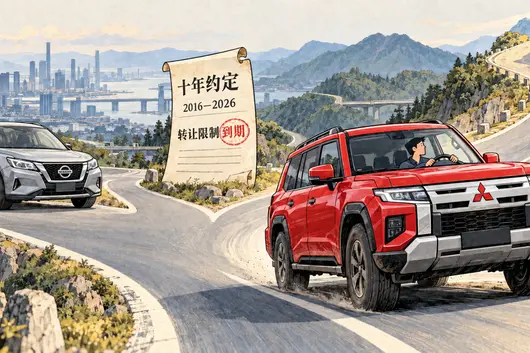
In 2016, under the leadership of then-chairman Carlos Ghosn, Nissan Motor acquired newly issued shares of Mitsubishi Motors for about 237.4 billion yen, securing a 34% stake to become the largest shareholder.
At that time, Mitsubishi had just admitted to fuel consumption data falsification, stock prices plummeted, and this cash infusion allowed it to breathe. Nissan intended to make both companies stronger by sharing technology, parts, and plants.

In October 2016, then Nissan Motor Chairman and President Carlos Ghosn (left) and then Mitsubishi Motors Chairman and President Osamu Masuko (right) after attending a press conference in Tokyo.
The transaction included a clause: for ten years from October 20, 2016, Nissan must obtain prior consent from Mitsubishi to transfer Mitsubishi shares. On October 20, 2026, this transfer restriction expired.
The initial savior itself fell into restructuring. In fiscal 2025, Nissan reported a net loss of about 533 billion yen, marking the second consecutive year of losses.
Although Mitsubishi maintained profitability, its financial situation is tight. For the same fiscal year, operating profit was about 75.5 billion yen, down 45.6% year-on-year; net profit was about 10 billion yen, down 75.6%.
More notably, sales: global sales dropped from 1.244 million units in fiscal 2018 to 797,000 units, a decrease of over one-third over seven years. Competition from Chinese brands in the Southeast Asian market, US tariffs, and the Middle East conflict are all adding pressure.
With both companies' situations deteriorating simultaneously, their capital relationship naturally needed re-evaluation.
Before the transfer restriction expired, Nissan stated it would maintain the existing capital relationship. According to a Kyodo News report on September 25, Nissan leans towards continuing to hold 26.67% of Mitsubishi's shares.
The reasons not to sell are realistic: shared lightweight car development is still needed for Nissan's reconstruction; factory restructuring is progressing as planned, with no pressure to cash out immediately; Mitsubishi's stock price is below the investment level, selling now might result in a loss.
The shareholding being 26.67% instead of 34% is related to a reduction in November 2024. At that time, Nissan's performance plunged, announcing layoffs of 9,000 people, while selling back about 149 million shares of Mitsubishi to Mitsubishi Motors, equivalent to 10.02% of Mitsubishi's then issued shares (excluding treasury shares). The selling price was 460.6 Yen per share, lower than the entry price of 468.52 Yen eight years ago.
Since Mitsubishi's buyback also changed the share base used to calculate shareholding, Nissan's shareholding dropped to 26.67%. In other words, before the transfer restriction expired, the capital tie between both parties had already loosened once.
Product relations are also changing. Mitsubishi is giving its own answer: The new-generation Outlander is preparing to switch to an independent platform, the Pajero is returning at a higher price, while establishing product cooperation with Honda and Honghua Advanced.
Nissan remains a major shareholder, but Mitsubishi is taking back more decision-making power in product development and re-selecting partners.

10-Year Alliance, Shared Benefits Come with Costs
The alliance has indeed left visible results. The Outlander shares a platform with the Nissan X-Trail; Nissan Sakura and Mitsubishi eK X, two lightweight pure electric vehicles, were co-developed by both sides.

The Mizushima Plant located in Okayama Prefecture used to produce the Lancer Evolution; now about 80% of output is lightweight vehicles, including models of Nissan brand. Nissan provides some core development capabilities, Mitsubishi undertakes manufacturing, so both sides share investments and utilize existing capacity.
But outside of lightweight vehicles, the cost advantages of shared development are not always realized.
A Mitsubishi executive believes some Nissan part specifications are higher than the demand of Mitsubishi's target markets, which actually weakens the cost advantage brought by sharing.
Mitsubishi's main markets are emerging economies like Southeast Asia. Specifications developed by Nissan according to North American and European demands, placed in price-sensitive Southeast Asia, may not make consumers pay more, but could drive up Mitsubishi's costs.
The premise for platform and part sharing is that product requirements between the two are close enough. Facing different customers and price ranges, after sharing they need to re-adapt and validate, and the development fees originally intended to be saved could be offset by these extra costs. The division of labor that works on lightweight vehicles is hard to replicate verbatim across the entire product line.
The next step for Outlander reflects Mitsubishi's adjustment to development methods. The new-generation Outlander expected to be launched around 2028 will switch to an independently developed Mitsubishi platform; the company judges this can bring higher profitability.
Independent development means bearing more development expenses and sales risks. In fiscal 2025, Mitsubishi's R&D expenses were 116.8 billion Yen. To allow limited budgets to undertake more tasks, the company plans to integrate platforms from five to three, shortening the development cycle from 45 months to 36 months.
Mitsubishi hopes to digest potentially increased investment after reducing alliance sharing through internal reuse and faster pace. Whether the independent platform is ultimately cost-effective depends on how many models it can support and how many vehicles it sells.

Elevate Brand with Niche Products
Mitsubishi places hope for the new round of growth on its strengths: four-wheel drive, off-roading, and durability, hoping consumers pay for these capabilities.
Behind this is a lesson. Mitsubishi once expanded scale by rushing sales, but deep discounts damaged brand value; after shocks like the pandemic arrived, it had to close factories and contract business. The new round of product plans needs to find reasons that better support selling prices.
The Pajero undertakes this task. On October 19, the new-generation Pajero launched in Thailand, produced by Mitsubishi's Thailand Laem Chabang plant; Japan and Australia plan to start sales in mid-December, and the Middle East, Central and South America, etc., will be targeted from the next fiscal year.

Mitsubishi Motors positions the new Pajero SUV as a flagship model in the Japanese market, thereby demonstrating its new strategy of creating niche models.
Pricing in the Japanese market best illustrates Mitsubishi's intent. The new Pajero is expected to start at 6.19 million Yen in Japan, the previous generation started at 4.53 million Yen.
Although the specs and cost environment of the two generations differ and cannot be simply compared, the new car is clearly striving for a higher price segment. Japanese pre-order bookings have reached 4,000 units, showing the Pajero still has brand appeal.
Mitsubishi also prepares to launch mid-size and compact Pajeros. The mid-size version is expected to launch in Japan around 2028-2029, sharing some parts with Outlander; the compact version targets around 2030. Large cars build brand image, smaller cars expand coverage, and shared parts help share investment.
The Japanese market provides a realistic basis for this approach. The Delica D:5 MPV and the light vehicle Delica Mini drove Mitsubishi's sales growth in Japan. The performance of the two cars indicates that Mitsubishi's niche products still have demand in the home market; the company hopes to replicate this experience to the Pajero family.
The Japanese market is also one of the export directions for Mitsubishi to reduce dependence on Southeast Asia. Southeast Asia accounts for about 30% of Mitsubishi's global sales, but operating profit in the region dropped from 63.6 billion Yen in fiscal 2019 to 22.9 billion Yen in fiscal 2025.
Competition from Chinese brands, plus weak demand in Thailand and Indonesia, is eroding Mitsubishi's original profit sources.
However, product upgrade does not equal unlimited price hikes. Some dealers are already worried that prices are rising too fast for some rural customers to afford.
Flagship models can attract new customers but may also keep existing familiar Mitsubishi customers at bay. After the first batch of Pajero orders, the more important question is whether demand will sustain.
Mitsubishi also incorporated used car business into growth plans. Previously, trade-in cars were mainly purchased and resold by individual dealers, with some circulating via auctions, at lower prices. In the future, HQ plans to strengthen centralized management and sell high-quality used cars through its own channels.
For old car owners, the higher the trade-in price, the less the price difference to pay for a new car; for customers with limited budgets, used cars are also an entry point to this brand. Whether this arrangement can support new car sales depends on whether Mitsubishi can improve vehicle residual value and circulation efficiency.
By fiscal 2029, Mitsubishi hopes to raise global sales from 797,000 units to 900,000 units, operating profit from about 75.5 billion Yen to 160 billion Yen, and operating profit margin to 4.5%.
Sales grow by only about 13%, but profits more than double.
Reversing from a 4.5% operating profit margin, 160 billion Yen operating profit corresponds to about 3.6 trillion Yen in revenue.
Mitsubishi needs to improve model structure and revenue per vehicle while increasing sales to support larger revenue scale. Reducing development and manufacturing costs helps turn increased revenue into profit.
Whether the Pajero can maintain its selling price, family models can share investment, and used car business can support new car trade-ins will affect how far this goal can go.

Build Core Independently, Borrow Shortcomings from Partners
Striving for more autonomy does not equal breaking up with Nissan. The product cooperation between the two has instead seen a clearer two-way division of labor.
Mitsubishi produces Rogue PHEV models for Nissan, and Nissan's mid-size pickup Navara developed based on Mitsubishi Triton; conversely, Mitsubishi prepares to use Nissan to return to the North American pickup market.

The US business needs this complementarity the most. Mitsubishi has no complete vehicle factories in the US, relying on exports from Japan, and faces tariff pressure.
Mitsubishi plans to introduce a pickup around 2029, based on products from Nissan's Canton plant in Mississippi, and continuously launch new cars, expanding the North American model lineup from 4 in 2024 to 8 around 2030.
Borrowing from partners to complete the product lineup can first stabilize the dealer network, buying time for independent model generations.
Honda has also entered this division of labor network. At the end of 2024, Honda and Nissan started business integration negotiations, Mitsubishi once considered joining; negotiations broke down in early 2025, but specific business cooperation continues.
Now, Honda and Mitsubishi are planning a pickup supply cooperation for the Southeast Asian market, with timing pointing to around 2028.
Mitsubishi's pickup products and manufacturing experience can help Honda expand business, and Mitsubishi has the opportunity to increase supply volume and share production costs.
Pure electric products reflect another trade-off of Mitsubishi: independent R&D focuses on hybrids, plug-in hybrids, and vehicle driving performance, while some pure electric models are purchased externally.
The pure electric version of Eclipse Sportback for North America is supplied by Nissan; the ASX VR-e announced in August is provided by Honghua Advanced, a joint venture electric vehicle company between Hon Hai Precision and Yulon Group. ASX VR-e is planned to launch in Australia and New Zealand within 2026, Mitsubishi conducted local road tests and exclusive suspension tuning for it.
This saves some investment from developing from scratch, filling the product lineup faster. But after putting the Mitsubishi badge on it, consumer expectations for driving feel, quality, and after-sales still need to be fulfilled by Mitsubishi.
For Mitsubishi with annual sales of less than 800,000 units, the direction is clear: master core models and key technologies independently, and supplement missing products, capacity, and development resources through cooperation.
Whether this path works depends on business results. From April to June 2026, Mitsubishi's operating profit increased by 80% year-on-year, but global sales dropped by 8%. Part of the profit improvement comes from exchange rates and selling prices.
Whether the Pajero family can expand sales, whether the independent platform can lower costs, and whether cooperative models can bring sustained revenue will determine if the goal of doubling profits can be realized.
Ten years ago, Mitsubishi first needed Nissan's money. Ten years later, it needs to make its four-wheel drive, plug-in hybrid, and manufacturing capabilities reasons for partners to want to procure and invest long-term.
The transfer restriction expiration opens up capital choices. Ultimately, what decides Mitsubishi's next chapter is what it can present in its own hands.

喺馬來西亞嘅 SUV 市場,好買家在揀車嘅時候都會拿豐田 Harrier 同富豪 XC60 PHEV 來做比較。這兩款車喺價位同定位上都幾接近,今日我哋就從多個角度做一個詳細嘅比較,幫你節省做功課嘅時間。
豐田 Harrier 喺馬來西亞嘅 OTR 售價係 RM 289,000 - 289,000,總共有 1 個版本,包括 2026 HEV 2.5L Standard(RM 289,000) 等。
富豪 XC60 PHEV 喺馬來西亞嘅 OTR 售價係 RM 362,888 - 362,888,總共有 2 個版本,包括 2025 2.0T 89km Ultra(RM 362,888)、What safety features does the Volvo XC60 PHEV have?(RM 296,610) 等。
由價錢睇落,豐田 Harrier 嘅起價確實比富豪 XC60 PHEV 平咗 RM 73,888。如果你預算有限,豐田嘅入門版已經可以滿足日常需求。但都要注意,平嗰幾千塊,可能喺配備上會有取舍,具體要看你嘅需求。
豐田 Harrier 搭載 2.0L Turbo,馬力 220 hp。官方油耗 9.5 L/100km。
富豪 XC60 PHEV 搭載 Hybrid,馬力 170 hp。官方油耗 4.5 L/100km。
動力方面,豐田 Harrier 嘅 2.0L Turbo 比富豪 XC60 PHEV 嘅 Hybrid 多咗 50 匹馬力,中段加速更有信心,尤其係跑高速公路超車嘅時候。不過富豪 XC60 PHEV 嘅油耗可能更友善,日常市區通勤差別唔會太大。
豐田 Harrier 車身長 4400 mm,後尾箱 400 L。
富豪 XC60 PHEV 車身長 4400 mm,後尾箱 400 L。
兩款車嘅尺寸幾乎一樣,車內空間差別唔大。呢個級別嘅車,日常使用完全夠用。
豐田 Harrier 保修 5 年/無限里程,保養間隔 每 10,000km 或 6 個月。
富豪 XC60 PHEV 保修 5 年/無限里程,保養間隔 每 10,000km 或 6 個月。
總體嚟講,豐田 Harrier 同富豪 XC60 PHEV 都係馬來西亞市場幾唔錯嘅車款。揀邊一部,關鍵係睇你個人需求同預算。建議大家做好功課,多比較幾間車行嘅報價,再去試駕先做最終決定。買車係件大事,花少少時間做功課絕對唔會錯。

Di pasaran SUV Malaysia, ramai pembeli semasa memilih kereta akan membandingkan Toyota Harrier dan Ford Everest. Kedua-dua kereta ini hampir sama dari segi harga dan kedudukan. Hari ini, kita akan buat perbandingan terperinci dari pelbagai aspek untuk menjimatkan masa anda membuat kajian.
Toyota Harrier di Malaysia dijual pada harga OTR RM 289,000 - 289,000, terdapat 1 versi, termasuk 2026 HEV 2.5L Standard (RM 289,000) dan lain-lain.
Ford Everest di Malaysia dijual pada harga OTR RM 266,338 - 430,838, terdapat 6 versi, termasuk 2026 3.0T 4WD Platinum (RM 430,838), 2026 2.0T 4WD Platinum (RM 348,838), 2026 2.0T 4WD Sport (RM 316,838) dan lain-lain.
Dari segi harga, Ford Everest bermula RM 22,662 lebih murah daripada Toyota Harrier. Jujur berkata, dalam julat harga ini, perbezaan beberapa ribu sebenarnya tidak besar, yang penting ialah melihat nisbah nilai keseluruhan dan kos penggunaan jangka panjang.
Toyota Harrier dilengkapi enjin 2.0L Turbo, kuasa 220 hp. Konsumsi bahan api rasmi 9.5 L/100km.
Ford Everest dilengkapi enjin 2.5L Diesel, kuasa 187 hp. Konsumsi bahan api rasmi 8.5 L/100km.
Dari segi kuasa, 2.0L Turbo pada Toyota Harrier mempunyai 33 hp lebih berbanding enjin 2.5L Diesel pada Ford Everest, pecutan pertengahan lebih meyakinkan, terutamanya semasa memotong kenderaan di lebuh raya. Walau bagaimanapun, konsumsi bahan api Ford Everest mungkin lebih menjimatkan, perbezaan untuk komuter bandar harian tidak akan terlalu besar.
Toyota Harrier panjang 4400 mm, Bekas Bagasi 400 L.
Ford Everest panjang 4400 mm, Bekas Bagasi 400 L.
Saiz kedua-dua kereta hampir sama, ruang dalam kenderaan tidak banyak berbeza. Kereta pada kelas ini, untuk penggunaan harian sudah cukup.
Toyota Harrier menggunakan sistem pemacu FWD.
Ford Everest menggunakan sistem pemacu FWD.
Kaedah pemacu kedua-dua kereta sama, iaitu FWD, pengalaman memandu harian tidak akan berbeza banyak.

Toyota Harrier dan Ford Everest adalah pilihan utama pasaran Malaysia, sesuai untuk kegunaan keluarga, komuter harian. Jika anda lebih mengutamakan reputasi jenama dan harga jualan semula, anda boleh pertimbangkan yang mempunyai reputasi lebih dahulu; jika anda lebih mementingkan nisbah nilai dan peralatan, maka pilih yang mempunyai konfigurasi lebih banyak. Akhir sekali, disarankan untuk memandu kedua-duanya, pengalaman sendiri adalah yang paling penting.

Secara keseluruhannya, Toyota Harrier dan Ford Everest adalah model kereta yang sangat baik di pasaran Malaysia. Memilih yang mana, kuncinya bergantung pada keperluan dan bajet peribadi anda. Kami cadangkan anda membuat kajian yang baik, bandingkan beberapa tawaran daripada dealer kereta, kemudian buat ujian pemanduan untuk membuat keputusan akhir. Membeli kereta adalah perkara besar, meluangkan masa membuat kajian tidak akan pernah salah.

喺馬來西亞嘅 SUV 市場,好多買家喺揀車嘅時候都會拿 Toyota Harrier 同 Hyundai Palisade 嚟做比較。呢兩款車喺價位同定位上都蠻接近嘅,今日我就從多個方面做一個詳細嘅比較,幫你省咗做功課嘅時間。
Toyota Harrier 喺馬來西亞嘅 OTR 售價係 RM 289,000 - 289,000,一共有 1 個版本,包括 2026 HEV 2.5L Standard(RM 289,000)等等。
Hyundai Palisade 喺馬來西亞嘅 OTR 售價係 RM 368,838 - 399,838,一共有 4 個版本,包括 2023 3.8L 2WD Luxe 7 Seats Petrol(RM 399,838)、2023 2.2T 4WD Executive 7 Seats Diesel(RM 389,838)、2023 3.8L 2WD Luxe 8 Seats Petrol(RM 378,838)等等。
從價錢嚟睇,Toyota Harrier 嘅起步價確實比 Hyundai Palisade 平咗 RM 79,838。如果你預算有限,Toyota 嘅入門版已經可以滿足日常需求。但都要注意,平嗰啲幾千蚊,可能喺配備上會有取舍,具體要睇你嘅需求。
Toyota Harrier 嘅安全評級係 5★ (ASEAN NCAP),主動安全系統包括 Brand ADAS。
Hyundai Palisade 嘅安全評級係 TBD,主動安全系統包括 Basic。
安全配備方面,兩款車都拿到唔錯嘅評級。不過 Toyota Harrier 嘅 Brand ADAS 同 Hyundai Palisade 嘅 Basic 喺功能上有些差異,如果你比較重視主動安全嘅話,可以仔細比較下兩者嘅功能列表。
Toyota Harrier 車身長 4400 mm,行李廂 400 L。
Hyundai Palisade 車身長 4400 mm,行李廂 400 L。
兩款車嘅尺寸幾乎一樣,車內空間分別唔大。呢個級別嘅車,日常使用完全夠用。
Toyota Harrier 保修 5 年/無限制里程,保養間隔 每 10,000km 或 6 個月。
Hyundai Palisade 保修 5 年/300,000km,保養間隔 每 10,000km 或 6 個月。

總嘅嚟講,Toyota Harrier 同 Hyundai Palisade 都係馬來西亞市場幾唔錯嘅車型。揀邊一輛,關鍵係要睇你嘅個人需求同預算。建议大家做好功課,多比較幾間車行嘅報價,再去試駕做最終決定。買車係件大事,花啲時間做功課絕對唔會錯。

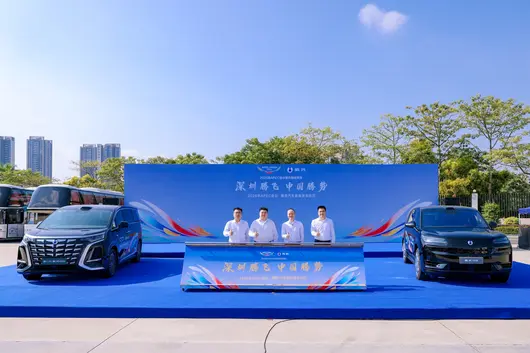
On October 22, outside the lobby building of the Denza Headquarters in Shenzhen, the official departure ceremony for the first batch of APEC official designated vehicles, themed 'Shenzhen Takes Off, China Denza', was officially held. Nearly 700 Denza vehicles were ready for departure, with over 600 units being the second-generation Denza D9, which will provide high-spec travel support in November 2026 for high-ranking officials, delegations, and overseas and domestic media of the 21 economies at the APEC meeting.

At the departure ceremony scene, Denza Auto General Manager Li Hui: "Denza involvement in global major events is never just a slogan, but hard power tested by numerous international grand events. Today, cars made in Shenzhen welcome an international grand event organized in Shenzhen, this is not only Shenzhen's green answer sheet to the world, but also a contemporary footnote to the upward development of China's automotive industry — Shenzhen Takes Off, China Denza!"
Shenzhen Hosts the World, China Denza Bears Heavy Responsibilities
This year marks China's third time hosting the APEC meeting, and Shenzhen's first time hosting this top-level international grand event. In past international large-scale conferences, high-end reception vehicles were long occupied by overseas luxury brands, in the market's default evaluation system, 'Foreign Luxury' was almost equivalent to 'Diplomatic Reception Standards'. This time, BYD, as the 2026 APEC meeting official partner, with the Denza brand undertaking core travel service guarantees, means this industry convention lasting for many years is being completely rewritten.

The screening for official designated vehicles for world-class conferences has never been a single-product competition, but a systematic verification of the brand's full-chain capabilities. From vehicle safety, stability, supply scale, to service team dispatch response, cross-scenario adaptation capabilities, every link must undergo multiple rounds of strict verification.

That Denza could secure a service order of nearly 700 units, behind it is the industry-unprecedented large-scale delivery and synchronous guarantee capability — this not only requires the brand to complete the centralized delivery of hundreds of high-quality vehicles in a short time, but also build an operation, dispatch, and emergency response system covering the entire conference cycle, this level of comprehensive service capability belongs to the first tier in the global high-end MPV market.
Top Grand Event 'Regular Guest': Denza D9 Product Power and Service Dual Verification
Before this APEC departure ceremony, Denza D9 had already completed the service landing of multiple top-level international grand events in 2026: from guest reception at the Boao Forum for Asia, to full-scenario business commuting at the China-ASEAN Expo, and to travel support at the Summer Davos Forum, Denza D9 has become a 'regular guest' in top-level political and business activities. This high-frequency top-level scenario landing is not a coincidental marketing cooperation, but a natural result after product strength and service capabilities were repeatedly verified.

As a high-end new energy brand under BYD, the Denza D9 is equipped with the DiSus-C Intelligent Damping Body Control System, relying on the Road Preview 2.0 technology, can adjust suspension stiffness at the millisecond level, achieving a driving experience of 'no head lift when starting, no nodding when braking, no motion sickness when riding', perfectly adapting to the extreme requirements for stability in diplomatic reception. Its second-row zero-gravity aviation seats are equipped with 16-point massage, ventilation and heating functions, combined with 'Privacy Sound Shield' acoustic isolation technology, creating an independent private negotiation space inside the vehicle, meeting the needs of prestige and business privacy simultaneously during mobile travel. While the low fuel consumption and long range characteristics brought by DM-i Super Hybrid Technology, and the supercharging capability of the pure electric version's 800V high-voltage platform, also allow the centralized dispatch of hundreds of vehicles and long-distance cross-regional travel to be freed from energy replenishment anxiety.

At the market end, Denza D9 also turned in a phenomenological industry report: Since its launch in 2022, cumulative sales have broken through 350,000 units, winning the Chinese all-category MPV annual sales championship for three consecutive years, becoming the world's first new energy MPV to reach this milestone, while topping the list of '2026 Hurun China New Energy MPV Brand TOP10'. From the user structure perspective, 90% of Denza D9 users come from additional purchases or trade-ins, among whom 50% come from converting from traditional luxury brands, even including many Rolls-Royce and Bentley owners, this cross-layer user recognition allows Denza D9 to break out of the traditional positioning of 'New Energy Substitute', truly establishing a luxury value system belonging to Chinese brands.
Denza's APEC Moment is a New Starting Point for Chinese Automotive Globalization
Nearly 700 Denza units serving APEC, the industry impact of this matter, far exceeds a single brand exposure. It is equivalent to handing over a 'China Card' to the global luxury MPV market: In the past, when global users mentioned high-end MPVs, the first thought was overseas brands, now, Denza uses actual service performance at world-class grand events, to redefine the standards of 'Luxury New Energy MPV'.

Before this, Denza had already secured the first place in luxury MPV sales in multiple Southeast Asian countries, even in mature automotive markets like Singapore, Denza D9's sales price exceeded traditional imported luxury MPVs, and still gained recognition from a large number of high-end users. And this global communication of this APEC, is equivalent to giving Denza's globalization path a most weighty 'credit endorsement' — in the future, political and business activities in more countries globally, high-end users, will all, because of the travel experience of this world-class grand event, re-understand the strength of Chinese luxury new energy vehicles.
When over 600 second-generation Denza D9s slowly drove out from the Shenzhen headquarters, what this departure ceremony carried, was long not just travel support for a meeting. It is a green smart manufacturing card handed by Shenzhen to the world, but also a contemporary footnote to China's automotive industry moving from 'Chasers' to 'Leaders'. On the track of the global new energy vehicle industry, Chinese brands represented by Denza, are redefining the standards of luxury MPVs, also showing the world, the upward breakthrough of China's automotive industry, has already moved from the product market, truly to the center of the world stage. (Written by Chen)

Dalam pasaran SUV Malaysia, ramai pembeli membandingkan Toyota Harrier dan Mazda CX-8 semasa memilih kereta. Kedua-dua kereta ini mempunyai harga dan penjenamaan yang agak hampir, hari ini kita akan melakukan perbandingan terperinci dari pelbagai aspek, untuk membantu anda menjimatkan masa membuat penyelidikan.
Harga OTR Toyota Harrier di Malaysia ialah RM 289,000 - 289,000, sebanyak 1 varian, termasuk 2026 HEV 2.5L Standard (RM 289,000) dan lain-lain.
Harga OTR Mazda CX-8 di Malaysia ialah RM 165,360 - 201,360, sebanyak 5 varian, termasuk 2025 2.5T 4WD High Plus Petrol (RM 201,360), 2025 2.2L 2WD High Plus Diesel (RM 193,123), 2025 2.5L 2WD High Plus Petrol (RM 186,360) dan lain-lain.
Dari segi harga, harga permulaan Mazda CX-8 lebih murah RM 123,640 berbanding Toyota Harrier. Jujur berkata, pada julat harga ini, perbezaan beberapa ribu sebenarnya tidak terlalu besar, kuncinya ialah melihat nisbah harga dan kos penggunaan jangka panjang.
Toyota Harrier dilengkapi enjin 2.0L Turbo, kuasa kuda 220 hp. Penggunaan minyak rasmi 9.5 L/100km.
Mazda CX-8 dilengkapi enjin 2.0L 4-silinder, kuasa kuda 170 hp. Penggunaan minyak rasmi 8.0 L/100km.
Dari segi kuasa, enjin 2.0L Turbo Toyota Harrier mempunyai 50 kuasa kuda lebih daripada 2.0L 4-silinder Mazda CX-8, lebih bersemangat pada pecutan sederhana, terutamanya semasa memotong di lebuh raya. Bagaimanapun, penggunaan minyak Mazda CX-8 mungkin lebih jimat, perbezaan dalam perjalanan harian bandar tidak akan terlalu besar.
Panjang badan Toyota Harrier ialah 4400 mm, ruang bagasi 400 L.
Panjang badan Mazda CX-8 ialah 4500 mm, ruang bagasi 450 L.
Dari segi ruang, badan Mazda CX-8 lebih panjang 100 mm berbanding Toyota Harrier, ruang duduk mempunyai kelebihan. Walau bagaimanapun, Toyota Harrier lebih mudah diparkir di bandar, tiada pilihan yang sempurna.
Toyota Harrier menggunakan cara pemanduan FWD.
Mazda CX-8 menggunakan cara pemanduan FWD.
Cara pemanduan kedua-dua kereta adalah sama, iaitu FWD, perasaan memandu harian tidak akan terlalu berbeza.

Toyota Harrier dan Mazda CX-8 adalah pilihan utama di pasaran Malaysia, sesuai untuk kegunaan keluarga dan perjalanan harian. Jika anda lebih mementingkan reputasi jenama dan harga second, boleh mempertimbangkan terlebih dahulu model yang mempunyai reputasi lebih baik; jika anda lebih memprihatinkan nisbah harga dan pelengkapan, pilih model yang mempunyai pelengkapan lebih banyak. Pada akhirnya, disarankan untuk uji kenderaan kedua-dua model, pengalaman peribadi adalah yang paling penting.

Secara keseluruhannya, Toyota Harrier dan Mazda CX-8 adalah model yang sangat bagus di pasaran Malaysia. Memilih mana satu, kuncinya adalah melihat keperluan dan bajet anda. Kami sarankan anda membuat penyelidikan, bandingkan tawaran harga beberapa dealer kereta, baru kemudian lakukan uji kenderaan untuk membuat keputusan akhir. Membeli kereta adalah perkara besar, meluangkan masa untuk penyelidikan adalah tidak akan salah.

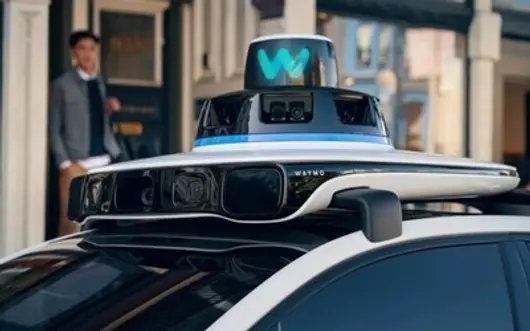
【CNMO科技消息】10月20日,据外媒报道,谷歌母公司Alphabet旗下的自动驾驶部门Waymo计划利用本月初筹集的50亿美元资金,在明年年底前将其自动驾驶车队规模扩大至原来的五倍,达到2万辆。Waymo目前拥有约4000辆汽车,计划在今年年底前先将车队规模翻倍至8000辆,随后在2027年底进一步增至2万辆。

Waymo
此次车队扩张的资金来源,是Waymo本月早些时候从包括PIMCO、黑石集团和Sixth Street在内的贷款方处获得的50亿美元贷款,该公司表示将把这笔资金用于美国各地及国际市场的服务拓展。在此之前,Waymo今年早些时候已完成160亿美元的股权融资,当时估值为1260亿美元。

Waymo
车队扩张的底气来自Waymo持续扩大的运营版图。Waymo目前在美国15座城市运营无人出租车服务,并已宣布计划在伦敦、东京、新加坡和加拿大推出乘车服务。2026年9月1日,Waymo在丹佛、圣迭戈和坦帕三座城市向公众开放服务,将商业运营范围扩大至14座美国城市,车队总规模当时已超过4000辆。从凤凰城、旧金山、洛杉矶到奥斯汀、亚特兰大、迈阿密,Waymo的扩张节奏在2025年与优步合作进入奥斯汀后明显加快,此后相继进入多个美国主要城市。

Waymo
支撑2万辆目标的产品基础,是Waymo第六代自动驾驶系统的多车型适配能力。该系统率先搭载于与极氪合作开发的电动MPV Ojai(由极氪RT更名而来),后续适配现代Ioniq 5机器人出租车。
© 2024 Bitauto.com. All Rights Reserved.
Bitauto (www.yiche.com and www.bitauto.com) is one of the most visited automotive websites in China. We provide detailed info on Chinese car brands available in your area. Please note that the information provided on this website is based on publicly available data and is for reference only. It may not be fully updated or accurate at all times.

Help us improve our website


