

HomeNissan Sunny

Search History
Popular Searches
Dealer Login / Sign Up

In the Malaysian SUV market, many buyers compare Proton X50 and Chery Tiggo 8 when choosing a car. These two models are quite close in price and positioning. Today we will conduct a detailed comparison from multiple aspects to help you save time doing research.
Proton X50 OTR price in Malaysia is RM 89,800 - 113,300, with a total of 4 versions, including 1.5T Executive (RM 89,800), 1.5T Premium (RM 101,800), 1.5T Flagship (RM 113,300), etc.
Chery Tiggo 8 OTR price in Malaysia is RM 129,750 - 129,750, with a total of 1 version, including 2026 1.6T Standard (RM 129,750), etc.
From a price perspective, the starting price of Proton X50 is indeed RM 39,950 cheaper than Chery Tiggo 8. If your budget is limited, the entry-level Proton can already meet daily needs. But keep in mind, the few thousand dollars cheaper might mean compromises in features, it depends on your specific needs.

Proton X50 is equipped with a 1.5L 4-cyl, 105 hp. Official fuel consumption 6.0 L/100km.
Chery Tiggo 8 is equipped with a 1.5L Turbo, 140 hp. Official fuel consumption 7.0 L/100km.
Regarding power, Chery Tiggo 8's 1.5L Turbo has 35 hp more than Proton X50's 1.5L 4-cyl. However, for daily city driving, both cars have enough power, you won't feel underpowered.

Proton X50 body length 4400 mm, trunk 400 L.
Chery Tiggo 8 body length 4400 mm, trunk 400 L.
Both cars' dimensions are almost the same, interior space difference is not significant. Cars in this class are completely adequate for daily use.

Proton X50 uses 4WD drive system.
Chery Tiggo 8 uses FWD drive system.
Proton's 4WD and Chery's FWD will feel different in handling, test drive comparison is recommended.

Proton X50 and Chery Tiggo 8 are both mainstream choices in the Malaysian market, suitable for family use and daily commuting. If you value brand reputation and resale value more, consider the one with better reputation first; if you care more about cost-performance and features, choose the one with richer configuration. Ultimately, it is recommended to test drive both, personal experience is the most important.

Overall, Proton X50 and Chery Tiggo 8 are both very good car models in the Malaysian market. Which one to choose mainly depends on your personal needs and budget. We suggest doing your research, compare quotes from several car dealers, and then test drive to make a final decision. Buying a car is a big matter, spending time doing research will never be wrong.


喺馬來西亞嘅 SUV 市場,好多買家喺揀車嘅時候都會拎 Proton X50 同 Chery Tiggo 8 PHEV 嚟做比較。兩款車喺價位同定位上都蠻接近嘅,而家我哋就從多個方面做一個詳細嘅對比,幫你省番做功課嘅時間。
Proton X50 喺馬來西亞嘅 OTR 售價係 RM 89,800 - 113,300,一共有 4 個版本,包括 1.5T Executive(RM 89,800)、1.5T Premium(RM 101,800)、1.5T Flagship(RM 113,300) 等。
Chery Tiggo 8 PHEV 喺馬來西亞嘅 OTR 售價係 RM 159,750 - 159,750,一共有 2 個版本,包括 1.6L Turbo Standard(RM 130,000)、1.6L Turbo Premium(RM 145,000) 等。
由價錢嚟睇,Proton X50 嘅起步價確實比 Chery Tiggo 8 PHEV 平咗 RM 69,950。如果你預算有限,Proton 嘅入門版已經可以滿足日常需求。但亦要留意,平嗰幾千蚊,可能喺配備上會有取捨,具體就要睇你嘅需求。
Proton X50 搭載 1.5L 4-cyl,馬力 105 hp。官方油耗 6.0 L/100km。
Chery Tiggo 8 PHEV 搭載 Hybrid,馬力 170 hp。官方油耗 4.5 L/100km。
動力方面,Chery Tiggo 8 PHEV 嘅 Hybrid 比 Proton X50 嘅 1.5L 4-cyl 多咗 65 匹馬力。不過日常喺市區行,兩款車嘅動力都夠用,唔會覺得唔夠力。
Proton X50 車身長 4400 mm,後備箱 400 L。
Chery Tiggo 8 PHEV 車身長 4400 mm,後備箱 400 L。
兩款車嘅尺寸幾乎一樣,車內空間差別唔大。呢個級別嘅車,日常使用完全夠用。
Proton X50 採用 4WD 驅動方式。
Chery Tiggo 8 PHEV 採用 FWD 驅動方式。
Proton 嘅 4WD 同 Chery 嘅 FWD 喺操控上會有唔同感受,建議試駕對比。
Proton X50 同 Chery Tiggo 8 PHEV 都係馬來西亞市場嘅主流選擇,適合家庭使用、日常通勤。如果你更看重品牌口碑同二手價,可以優先考慮口碑更好嗰一款;如果你更在意性價比同配備,就揀配置更豐富嗰款。最終都係建議兩款都去試駕,親身體驗先至係最重要嘅。
總嘅嚟講,Proton X50 同 Chery Tiggo 8 PHEV 都係馬來西亞市場幾唔錯嘅車型。揀邊一輛,關鍵仲要睇你嘅個人需求同預算。建議大家做好功課,多比較幾間車行嘅報價,再嚟試駕做最終決定。買車係件大事,花少少時間做功課絕對唔會錯。

Dalam pasaran SUV di Malaysia, ramai pembeli semasa memilih kereta sering membandingkan Proton X50 dan Subaru Crosstrek. Kedua-dua kereta ini mempunyai julat harga dan segmen pasaran yang hampir sama, hari ini kita akan membuat perbandingan terperinci dari pelbagai aspek, membantu anda menjimatkan masa membuat kajian.
Proton X50 di Malaysia mempunyai harga OTR RM 89,800 - 113,300, terdapat 4 varian, termasuk 1.5T Executive (RM 89,800), 1.5T Premium (RM 101,800), 1.5T Flagship (RM 113,300) dan lain-lain.
Subaru Crosstrek di Malaysia mempunyai harga OTR RM 145,000 - 160,000, terdapat 1 varian, termasuk 2.0L e-Boxer (RM 150,000) dan lain-lain.
Dari segi harga, harga permulaan Proton X50 memang RM 55,200 lebih murah daripada Subaru Crosstrek. Jika bajet anda terhad, varian asas Proton sudah boleh memenuhi keperluan harian. Namun perlu diingat, perbezaan harga beberapa ribu itu mungkin mempunyai kompromi pada kelengkapan, ia bergantung kepada keperluan anda.
Penarafan Keselamatan Proton X50 adalah 5★ (ASEAN NCAP), sistem keselamatan aktif termasuk ADAS (ACC, AEB, LKA, LDA, BSM, RCTA).
Penarafan Keselamatan Subaru Crosstrek adalah 5★ (Euro NCAP), sistem keselamatan aktif termasuk EyeSight.
Dari segi kelengkapan keselamatan, kedua-dua kereta telah mendapat penarafan yang baik. Namun ADAS (ACC, AEB, LKA, LDA, BSM, RCTA) pada Proton X50 dan EyeSight pada Subaru Crosstrek mempunyai perbezaan dari segi fungsi, jika anda mengutamakan keselamatan aktif, boleh bandingkan senarai fungsi kedua-duanya dengan teliti.
Panjang kenderaan Proton X50 4400 mm, bak bagasi 400 L.
Panjang kenderaan Subaru Crosstrek 4400 mm, bak bagasi 400 L.
Saiz kedua-dua kereta hampir sama, perbezaan ruang dalaman tidak banyak. Kereta kelas ini sudah cukup untuk penggunaan harian.
Proton X50 dan Subaru Crosstrek adalah pilihan utama pasaran Malaysia, sesuai untuk kegunaan keluarga dan perjalanan harian. Jika anda mengutamakan reputasi jenama dan harga kereta terpakai, boleh utamakan model yang lebih reput; jika anda lebih mengutamakan nilai dan kelengkapan, pilih model yang lebih banyak kelengkapan. Pada akhirnya disarankan untuk mencuba kedua-dua model, pengalaman peribadi adalah yang paling penting.

Secara keseluruhannya, Proton X50 dan Subaru Crosstrek adalah model yang sangat baik di pasaran Malaysia. Memilih mana satu, kunci utamanya bergantung pada keperluan dan bajet peribadi anda. Kami menggesa anda membuat kajian, bandingkan sebut harga dari beberapa dealer, kemudian pergi uji memandu untuk membuat keputusan akhir. Membeli kereta adalah perkara besar, menghabiskan masa membuat kajian pasti tidak salah.
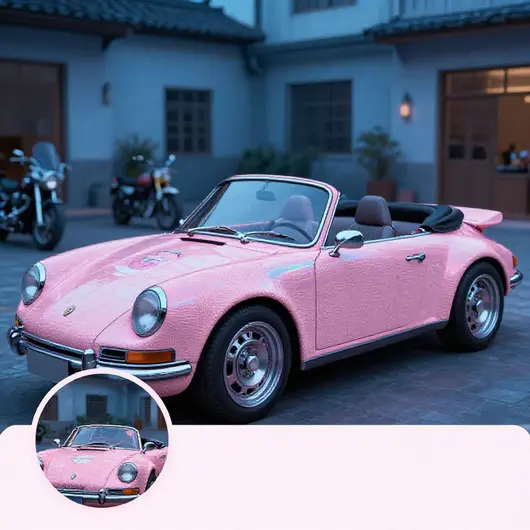
喺馬來西亞嘅 SUV 市場,好多買家喺揀車嘅時候都會拎 寶騰 X50 同 起亞 Sportage 嚟做比較。呢兩款車喺價位同定位上都幾接近,今日我哋就從多個方面做個詳細嘅比較,幫你慳返做功課嘅時間。
寶騰 X50 喺馬來西亞嘅 OTR 售價係 RM 89,800 - 113,300,合共有 4 個版本,包括 1.5T Executive(RM 89,800)、1.5T Premium(RM 101,800)、1.5T Flagship(RM 113,300) 等。
起亞 Sportage 喺馬來西亞嘅 OTR 售價係 RM 129,639 - 179,320,合共有 4 個版本,包括 2025 1.6T DCT 4WD High(RM 179,320)、2025 1.6T DCT 2WD High(RM 159,320)、2025 2.0L AT 2WD High(RM 139,639) 等。
由價錢睇落,寶騰 X50 嘅起步價確實比 起亞 Sportage 平咗 RM 39,839。如果你預算有限,寶騰嘅入門版已經可以滿足日常需求。但都要留意,平嗰幾千蚊,可能喺配備上會有取捨,具體睇返你嘅需求。
寶騰 X50 搭載 1.5L 4-cyl,馬力 105 hp。官方油耗 6.0 L/100km。
起亞 Sportage 搭載 1.5L Turbo,馬力 140 hp。官方油耗 7.0 L/100km。
動力方面,起亞 Sportage 嘅 1.5L Turbo 比 寶騰 X50 嘅 1.5L 4-cyl 多咗 35 匹馬力。不過日常喺市區開,兩款車嘅動力都夠用,唔會覺得唔夠力。
寶騰 X50 保修 5 年/150,000km,保養間隔 每 10,000km 或 6 個月。
起亞 Sportage 保修 5 年/300,000km,保養間隔 每 10,000km 或 6 個月。
寶騰 X50 同 起亞 Sportage 都係馬來西亞市場嘅主流選擇,適合家庭使用、日常通勤。如果你更睇重品牌口碑同二手價,可以優先考慮口碑更好嗰款;如果你更在意性價比同配備,那就揀配置更豐富嗰款。最終都係建議兩款都去試駕,親身體驗先係最重要嘅。

總嘅嚟講,寶騰 X50 同 起亞 Sportage 都係馬來西亞市場幾唔錯嘅車型。揀邊一輛,關鍵都係要睇你嘅個人需求同預算。建議大家做好功課,多比較幾間車行嘅報價,再去試駕做最終決定。買車係件大事,花少少時間做功課絕對唔會錯。

喺馬來西亞嘅 SUV 市場,好多買家喺揀車嗰陣都會拿 Proton X70 同 Honda HR-V 嚟做比較。這兩款車喺價位同定位上都幾接近,今日我哋就由多個方面做一個詳細嘅比較,幫你省下做功課嘅時間。
Proton X70 喺馬來西亞嘅 OTR 售價係 RM 106,800 - 122,300,合共 3 個版本,包括 1.5L Standard 2WD(RM 106,800)、1.5L Executive 2WD(RM 115,800)、1.5L Premium 2WD(RM 122,300) 等。
Honda HR-V 喺馬來西亞嘅 OTR 售價係 RM 115,900 - 143,900,合共 4 個版本,包括 2026 e:HEV 1.5L RS(RM 143,900)、2026 1.5T V(RM 137,900)、2026 1.5T E(RM 130,900) 等。
由價錢睇,Proton X70 嘅入門價的確比 Honda HR-V 平咗 RM 9,100。如果你預算有限,Proton 嘅入門版已經可以滿足日常需求。但都要注意,平嗰幾千蚊,可能喺配備上有取捨,具體要睇你嘅需求。

Proton X70 嘅安全評級係 5★ (ASEAN NCAP),主動安全系統包括 ADAS (ACC, AEB, LKA, LDA, BSM, RCTA)。
Honda HR-V 嘅安全評級係 5★ (ASEAN NCAP),主動安全系統包括 Honda SENSING (ACC, CMBS, LKAS, RDM)。
兩款車嘅安全評級一樣,喺呢個級別入面安全配備都算好齊全啦。而家嘅新車安全性都唔差,唔使太擔心呢一點。

Proton X70 車身長 4400 mm,行李箱 400 L。
Honda HR-V 車身長 4500 mm,行李箱 450 L。
空間方面,Honda HR-V 嘅車身比 Proton X70 長咗 100 mm,乘坐空間更有優勢。不過 Proton X70 喺城市入面停車會靈活啲,各有取捨。
Proton X70 採用 FWD 驅動方式。
Honda HR-V 採用 FWD 驅動方式。
兩款車嘅驅動方式一樣,都係 FWD,日常駕駛感覺唔會有太大分別。
總體嚟講,Proton X70 同 Honda HR-V 都係馬來西亞市場好唔錯嘅車型。揀邊一輛,關鍵主要要睇你嘅個人需求同預算。建議大家做好功課,多比較幾間車行嘅報價,再去試駕做最終決定。買車係件大事,花少少時間做功課絕對唔會錯。


In the Malaysia SUV market, many buyers compare Proton X50 and Mitsubishi Xforce when choosing a car. These two models are quite close in price and positioning. Today, we will make a detailed comparison from multiple aspects to help you save time on research.
The Proton X50 OTR price in Malaysia is RM 89,800 - 113,300, with a total of 4 versions, including 1.5T Executive (RM 89,800), 1.5T Premium (RM 101,800), 1.5T Flagship (RM 113,300), etc.
The Mitsubishi Xforce OTR price in Malaysia is RM 109,930 - 119,930, with a total of 2 versions, including 2026 1.5L Ultimate (RM 119,930), 2026 1.5L Urban (RM 109,930), etc.
In terms of price, the Proton X50's starting price is indeed RM 20,130 cheaper than the Mitsubishi Xforce. If your budget is limited, Proton's entry-level version can already meet daily needs. However, note that the few thousand savings might involve compromises in features, depending on your specific needs.
Proton X50 body length 4400 mm, trunk 400 L.
Mitsubishi Xforce body length 4400 mm, trunk 400 L.
The dimensions of both cars are almost identical, with little difference in interior space. For this car class, it is more than adequate for daily use.
Proton X50 adopts 4WD drive system.
Mitsubishi Xforce adopts FWD drive system.
Proton's 4WD and Mitsubishi's FWD will offer different handling experiences; a test drive comparison is recommended.
Both Proton X50 and Mitsubishi Xforce are mainstream choices in the Malaysia market, suitable for family use and daily commuting. If you value brand reputation and resale value more, consider the one with better reputation first; if you care more about cost-performance and features, choose the model with richer configurations. Ultimately, it is recommended to test drive both, as personal experience is the most important.

Overall, both Proton X50 and Mitsubishi Xforce are very good models in the Malaysia market. Which one to choose depends mainly on your personal needs and budget. We recommend doing your homework, comparing quotes from several dealerships, and then test driving to make the final decision. Buying a car is a big deal, spending time on research will never go wrong.

智驭车联讯 早些年国内有钱人想入手顶级豪车,基本都会盯着奔驰、宾利、劳斯莱斯这类海外老牌,觉得开出去才有排面,不过现在市场风向彻底变了,不少高净值买家纷纷转向咱们本土超豪华品牌红旗,市场数据直观体现出这股变化。

红旗旗下定位天花板的金葵花系列 2024 年正式推出,仅仅一年时间就拿下 1400 位车主,对比行业机构统计的 2025 年劳斯莱斯国内约 700 台销量,红旗这款国产顶级豪车的销量直接达到对方两倍,本土超豪终于在高端市场站稳了脚跟。

这款旗舰车型金葵花国雅今年北京车展正式亮相,顶配定制版本折合人民币超 1100 万,直接杀入劳斯莱斯幻影等顶级定制豪车的价格区间,定价底气十足。红旗不靠堆马力、拼赛道成绩吸引客户,而是主打独一份的中式美学和手工工艺,就连车内顶棚刺绣都大有讲究,匠人要耗费 1200 多个小时手工缝制,用上百种比发丝还细的彩丝织出祥云纹样,精致程度完全不输海外顶级豪车的星空顶设计。

车内内饰随处可见中式雕花、细腻真皮与高端木饰,双拼车身、大气竖条格栅搭配可升降金葵花立标,气场拉满,不少企业家、收藏爱好者都愿意为这份国风豪华买单,民族情怀、本土精工成为打动富豪买家的关键。一汽高层也直言,金葵花国雅不只是一台轿车,更是承载文化自信的艺术品,精准戳中当下高端消费群体的选择偏好。

如今红旗不只想守住国内市场,还把目光投向海外,已经筹备进军马来西亚市场,同时加大俄罗斯市场布局。受国际局势影响,宝马、奔驰等品牌在当地官方渠道受限,恰好给红旗这类国产豪华品牌留出发展空间,打算把中式豪华轿车推向更多海外高端消费者。
不少网友也感慨消费观念的转变,从前顶级圈层追捧海外豪车,现在越来越多有钱人主动选择红旗,国货豪华不再只是代步工具,更成了彰显本土品味与身份的新选择,后续红旗金葵花系列还会持续推出更多定制版本,国产超豪华赛道的竞争热度只会越来越高。
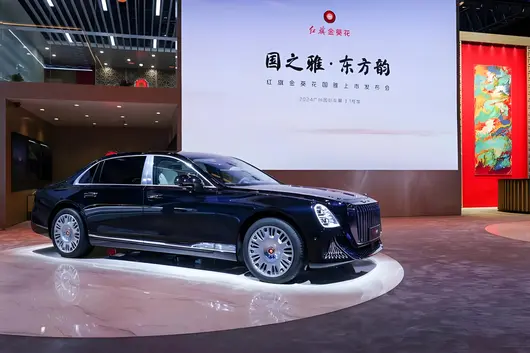

在马来西亚的汽车市场,很多买家在选车的时候都会拿 Honda Civic Type R 和 Mercedes-Benz C-Class AMG 来做比较。今天我们从多个方面做一个详细的对比,帮你省下做功课的时间。


Honda Civic Type R 在马来西亚的 OTR 售价是 RM 399,900 - 399,900,一共有 3 个版本,包括 2023 2.0T Standard(RM 399,900)、OTR NI(RM 399,900)、Volvo ES90(RM 339,888) 等。
Mercedes-Benz C-Class AMG 在马来西亚的 OTR 售价是 RM 443,888 - 443,888,一共有 2 个版本,包括 C 200 Avantgarde(RM 260,000)、C 300 AMG Line(RM 310,000) 等。
从价钱来看,Honda Civic Type R 的起步价确实比 Mercedes-Benz C-Class AMG 便宜了 RM 43,988。如果你预算有限,Honda 的入门版已经可以满足日常需求。但也要注意,便宜的那几千块,可能在配备上会有取舍,具体要看你的需求。

Honda Civic Type R 搭载 2.0L Turbo,马力 220 hp。官方油耗 9.5 L/100km。
Mercedes-Benz C-Class AMG 搭载 3.0L Turbo,马力 350 hp。官方油耗 12.0 L/100km。
动力方面,Mercedes-Benz C-Class AMG 的 3.0L Turbo 比 Honda Civic Type R 的 2.0L Turbo 多了 130 匹马力。不过日常在市区开的话,两款车的动力都够用,不会觉得不够力。

Honda Civic Type R 车身长 4450 mm,后备箱 470 L。
Mercedes-Benz C-Class AMG 车身长 4400 mm,后备箱 400 L。
空间方面,Honda Civic Type R 的车身比 Mercedes-Benz C-Class AMG 长了 50 mm,车内乘坐空间会稍微宽裕一些,尤其是后座腿部空间。如果你经常载家人或者需要放婴儿车,大一点的车身确实更实用。

Honda Civic Type R 和 Mercedes-Benz C-Class AMG 都是马来西亚市场的主流选择,适合家庭使用、日常通勤。如果你更看重品牌口碑和二手价,可以优先考虑口碑更好的那一款;如果你更在意性价比和配备,那就选配置更丰富的那款。最终还是建议两款都去试驾,亲身体验才是最重要的。
总的来说,Honda Civic Type R 和 Mercedes-Benz C-Class AMG 都是马来西亚市场很不错的车型。选择哪一辆,关键还是要看你的个人需求和预算。建议大家做好功课,多比较几间车行的报价,再去试驾做最终决定。买车是件大事,花点时间做功课绝对不会错。

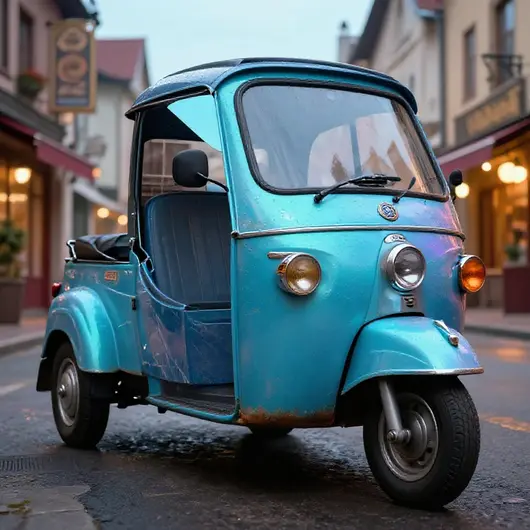
在马来西亚的轿车市场,很多买家在选车的时候都会拿 Volkswagen Arteon 和 Mercedes-Benz E-Class PHEV 来做比较。这两款车在价位和定位上都蛮接近的,今天我们就从多个方面做一个详细的对比,帮你省下做功课的时间。
Volkswagen Arteon 在马来西亚的 OTR 售价是 RM 300,962 - 300,962,一共有 2 个版本,包括 2025 2.0T R-Line(RM 300,962)、DCT(RM 240,848) 等。
Mercedes-Benz E-Class PHEV 在马来西亚的 OTR 售价是 RM 427,888 - 427,888,一共有 2 个版本,包括 E 200 Avantgarde(RM 350,000)、E 300 AMG Line(RM 400,000) 等。
从价钱来看,Volkswagen Arteon 的起步价确实比 Mercedes-Benz E-Class PHEV 便宜了 RM 126,926。如果你预算有限,Volkswagen 的入门版已经可以满足日常需求。但也要注意,便宜的那几千块,可能在配备上会有取舍,具体要看你的需求。

Volkswagen Arteon 搭载 2.0L Turbo,马力 220 hp。官方油耗 9.5 L/100km。
Mercedes-Benz E-Class PHEV 搭载 Hybrid,马力 170 hp。官方油耗 4.5 L/100km。
动力方面,Volkswagen Arteon 的 2.0L Turbo 比 Mercedes-Benz E-Class PHEV 的 Hybrid 多了 50 匹马力,中段加速更有信心,尤其是跑高速公路超车的时候。不过 Mercedes-Benz E-Class PHEV 的油耗可能更友好,日常市区通勤差别不会太大。

Volkswagen Arteon 保修 3年/100,000km,保养间隔 每10,000km或6个月。
Mercedes-Benz E-Class PHEV 保修 3年/100,000km,保养间隔 每10,000km或6个月。
两款车的保修条件一样,这方面不用纠结。实际保养成本还要看品牌的服务网络和零件价格,建议去车友群问问真实车主的经验。

Volkswagen Arteon 和 Mercedes-Benz E-Class PHEV 都是马来西亚市场的主流选择,适合家庭使用、日常通勤。如果你更看重品牌口碑和二手价,可以优先考虑口碑更好的那一款;如果你更在意性价比和配备,那就选配置更丰富的那款。最终还是建议两款都去试驾,亲身体验才是最重要的。

总的来说,Volkswagen Arteon 和 Mercedes-Benz E-Class PHEV 都是马来西亚市场很不错的车型。选择哪一辆,关键还是要看你的个人需求和预算。建议大家做好功课,多比较几间车行的报价,再去试驾做最终决定。买车是件大事,花点时间做功课绝对不会错。


Model Overview

Is the Audi A3 worth buying? The key isn't how attractive it looks, but whether it can meet your real driving needs. This article will focus on fuel consumption, refueling frequency, and long-term costs.
Priced at RM 340,112, buyers can use this to assess budget pressure and market positioning.
Pricing Guide
The purchase budget for the Audi A3 can be estimated starting from RM 340,112. This figure truly impacts monthly payments, insurance, and cash flow, not just the showroom sticker price.
If you are hesitating between several versions, you can include the 2025 2.0T S line (RM 340,112) in the same list for comparison. Daily commuters should prioritize comfort and safety, while frequent highway drivers should place more emphasis on power, assisted driving, and cabin convenience.
Key Specifications Summary
When looking at the Audi A3's core specifications, the most important thing is translating the numbers into real-life impressions.
A turbocharged, 4-cylinder powertrain base is suitable for evaluating city traffic following and highway cruising ease. An output of 190 Ps and 320 N·m truly matters for not struggling too much when fully loaded, going uphill, or overtaking. A fuel consumption of 6.2 L/100km directly affects refueling frequency for daily commuters. Length 4495 mm, width 1816 mm, height 1425 mm, wheelbase 2636 mm can help you predict parking difficulty and rear seating space.
Pros and Cons Analysis
There is no need to exaggerate the Audi A3's pros; the real value lies in whether it makes daily use more worry-free: clear budget positioning for direct comparison with competitors, clear reference for daily energy costs, and power output capable of supporting highway and overtaking needs.
It should be noted that city parking and narrow road handling still depend on individual driving habits. These are not deductions, but life details that should be considered clearly before placing an order.
Frequently Asked Questions (FAQ)
Before purchasing the Audi A3, buyers most frequently ask not about a single specification, but whether it can fit into their lifestyle.
Who is this car suitable for? Buyers who prioritize fuel consumption, refueling frequency, and long-term costs. What should family users look for? Prioritize rear seat seating, child seats, luggage space, and daily ease of entry/exit. Will driving daily be troublesome? A 6.2 L/100km fuel reference makes commuting costs easier to estimate.
Competitor Comparison
When comparing the Audi A3 within the same segment, it is not recommended to look only at brand or appearance. The truly useful comparison order is: first lock the budget range with RM 340,112, then check if power is sufficient for highway driving and full loads, followed by comparing energy costs and refueling convenience, and finally see if the space suits family and luggage.
The results filtered this way are more close to daily life. You will be clearer whether it suits city commuting, family transport, long-distance cruising, or is a choice that emphasizes individuality.
Full Lifecycle Ownership Guide

The daily costs of owning the Audi A3 will most directly reflect in fuel, insurance, tires, and regular maintenance. The 6.2 L/100km fuel consumption makes the commuting budget easier to manage.
If you often drive on the North-South Highway, power and cabin comfort will be more important than just a low price; if mainly in the city, parking flexibility, visibility, and low-speed smoothness will affect your mood more.

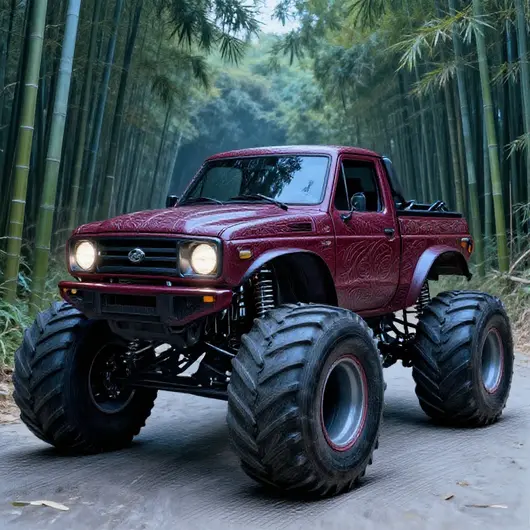
Di pasaran SUV Malaysia, ramai pembeli akan membandingkan Perodua Aruz dan Mazda CX-3 ketika memilih kereta.
Harga OTR Perodua Aruz di Malaysia adalah RM 72,900 - 77,900, terdapat 2 versi, termasuk 1.5L X (RM 72,900), 1.5L AV (RM 77,900), dan lain-lain.
Harga OTR Mazda CX-3 di Malaysia adalah RM 126,159 - 139,159, terdapat 2 versi, termasuk 2023 2.0L High (RM 139,159), 2023 2.0L Plus (RM 126,159), dan lain-lain.
Dari segi harga, harga permulaan Perodua Aruz memang lebih murah RM 53,259 berbanding Mazda CX-3. Jika bajet anda terhad, versi pemula Perodua sudah mencukupi untuk keperluan harian. Namun perlu diingat, penjimatan beberapa ribu itu mungkin melibatkan kompromi pada kelengkapan, bergantung pada keperluan anda.

Perodua Aruz dilengkapi dengan 1.5L 4-cyl, kuasa 105 hp. Kecekapan bahan api rasmi 6.0 L/100km.
Mazda CX-3 dilengkapi dengan 1.5L Turbo, kuasa 140 hp. Kecekapan bahan api rasmi 7.0 L/100km.
Dari segi kuasa, 1.5L Turbo Mazda CX-3 mempunyai 35 hp lebih berbanding 1.5L 4-cyl Perodua Aruz. Walau bagaimanapun, untuk penggunaan harian di bandar, kuasa kedua-dua kereta sudah memadai dan tidak terasa kurang tenaga.
Gred keselamatan Perodua Aruz ialah 5★ (ASEAN NCAP), sistem keselamatan aktif termasuk .
Gred keselamatan Mazda CX-3 ialah 5★ (ASEAN NCAP), sistem keselamatan aktif termasuk i-Activsense.
Gred keselamatan kedua-dua kereta adalah sama, pada tahap ini kelengkapan keselamatan dianggap sangat lengkap. Keselamatan kereta baharu sekarang tidak buruk, tiada perlu bimbang mengenai perkara ini.

Perodua Aruz panjang badan 4400 mm, storan belakang 400 L.
Mazda CX-3 panjang badan 4500 mm, storan belakang 450 L.
Dari segi ruang, badan Mazda CX-3 lebih panjang 100 mm berbanding Perodua Aruz, ruang penumpang lebih baik. Namun Perodua Aruz lebih lincah untuk parkir di bandar, masing-masing ada kompromi.

Perodua Aruz jaminan 5 tahun/150,000km, selang penyelenggaraan setiap 10,000km atau 6 bulan.
Mazda CX-3 jaminan 5 tahun/150,000km, selang penyelenggaraan setiap 10,000km atau 6 bulan.
Syarat jaminan kedua-dua kereta adalah sama, tiada perlu ragu-ragu dalam hal ini. Kos penyelenggaraan sebenar bergantung kepada rangkaian perkhidmatan jenama dan harga komponen, disyorkan bertanya kepada pemilik sebenar dalam kumpulan peminat kereta.
Secara keseluruhannya, Perodua Aruz dan Mazda CX-3 adalah kedua-duanya model kereta yang sangat baik di pasaran Malaysia. Memilih mana satu, kunci utama bergantung kepada keperluan peribadi dan bajet anda. Kami mengesyorkan anda menyiapkan kajian, bandingkan tawaran banyak kedai kereta, lalu uji jalan untuk membuat keputusan akhir. Membeli kereta adalah perkara besar, meluangkan masa untuk kajian tidak akan salah.



The "midterm exam" report card for China's car market in the first half of 2026 presents a rare picture of ice and fire.
Data from the China Association of Automobile Manufacturers shows that domestic car sales (including commercial vehicles) were 9.921 million in the first half, a year-on-year decline of 21.1%. Retail data for passenger cars compiled by the China Passenger Car Association is also not optimistic; cumulative retail sales from January to June were 8.701 million, a year-on-year decline of 20.2%. The fuel vehicle market even suffered an "avalanche"—under CAAM figures, domestic fuel passenger car sales in June were only 490,000, down 489,000 from the same period last year, a drop of nearly half.
The export side is a completely different story. Data from the General Administration of Customs shows that 1.037 million cars were exported in June, breaking the million-unit monthly threshold for the first time, a year-on-year growth of 75.1%; cumulative exports for the first half were 5.096 million, a year-on-year growth of 65.3%, with semi-annual export volume breaking the 5 million unit mark for the first time. Among them, 2.355 million New Energy Vehicles were exported, a year-on-year increase of 1.2 times. Chen Shihua, Deputy Secretary-General of the CAAM, said plainly: "In the first half of this year, car market sales were mainly driven by exports."
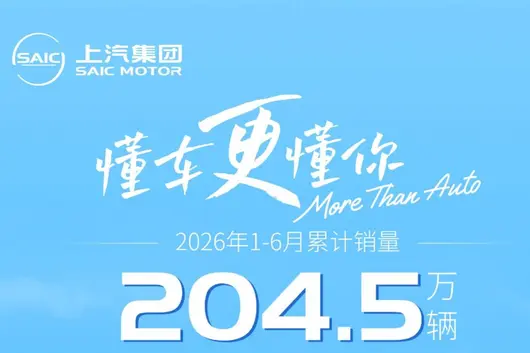
In this structural shift of "cool inside, hot outside," SAIC Motor returned to the industry's first place with cumulative sales of 2.045 million, becoming the only full-vehicle group to break 2 million in the first half. The value of this "first place" does not lie in the number itself, but in the fact it reveals: the competitive logic of China's automotive industry has completely changed.

Exports Are Reshaping the Sales Ranking
In the first half, SAIC's overseas markets accumulated sales of 735,000, up 48.7% year-on-year. In June alone, SAIC's overseas sales reached 146,000, surging 61.2% year-on-year, setting a new historical record. Europe is SAIC's largest overseas market; the MG brand accumulated sales of over 190,000 in the first half, with year-on-year growth exceeding 20%.

The 735,000 overseas sales account for 35.9% of SAIC Motor Group's total sales of 2.045 million — over one-third of the pie comes from overseas. Without the pull of nearly 50% growth in the export sector, SAIC would not only struggle to return to first place but would also find it very difficult to hold the 2 million unit scale threshold.
In June, SAIC's full vehicle sales were 395,000, up 8.1% year-on-year. While most domestic automakers were still worried about declining sales, SAIC achieved counter-trend growth relying on overseas markets.
BYD, Geely, and Chery also found incremental growth overseas. BYD accumulated sales of 1.809 million in the first half; the overseas market was the key support for its June sales rebounding to 403,500 units. Chery exported 943,800 units in the first half, a surge of 71.5% year-on-year, setting a new record for semi-annual exports by a Chinese automaker. Cui Dongshu, Secretary-General of the China Passenger Car Association, summarized this: "The essence of wholesale-retail divergence is a dividing line in enterprise globalization capabilities."
Why Was SAIC Able to Catch This Wave of Dividend?
Export dividends are not equally distributed. SAIC's ability to continuously increase volume in overseas markets relies on the layout set up over the past decade.
The brand and time barriers formed by first-mover advantage are the hardest to overcome. The MG brand has held the title of "Best-selling Chinese Brand in Europe" for eleven consecutive years. In the UK, MG climbed to sixth place on the May brand sales ranking; in Denmark, MG sales surged 315% from January to May; in Romania, MG rose to sixth place in May auto sales. On the European continent, cumulative over 1 million MG brand cars are on the road — this is the first "million club" for a Chinese brand in Europe. A decade of channel construction and brand awareness accumulation cannot be copied in the short term simply by burning money.

Precise adaptation at the product level is also key. SAIC did not simply "move" domestic models abroad, but created over ten brand new models targeting overseas markets covering all power forms: ICE, HEV, PHEV, and EV. MG has become the world's first automotive brand to achieve mass production of semi-solid-state batteries. IM AD intelligent driving systems cover all five continents globally, and the overseas travel i-Smart system global activations have broken one million. From the Frankfurt Motor Show to the Goodwood Festival of Speed, the formation of technical labels has allowed MG to gradually shift from a "value-for-money choice" to a "technical brand" in overseas markets.
The upgrade of operation models from "selling cars" to "operating markets" is also accelerating. On July 1st, MG established direct sales companies in Belgium and Luxembourg, shifting from an agency model to direct management. In Thailand, MG launched full-service standards and provided lifetime warranties for the core electric systems for pure electric models. In Central Asia, SAIC achieved localized production with the Allur Group in Kazakhstan, and also achieved a "zero breakthrough" for SAIC Volkswagen in the Central Asian market. When overseas annual sales reach the million-unit level, pure trade exports are no longer enough; transforming towards systematic operation is the necessary path.

Accumulations at these three levels support each other — brand awareness makes products easier to accept, product strength reinforces brand image in turn, and the perfection of the operation system allows the value of the former two to be continuously realized. SAIC executed this combination punch exactly during the window period when export dividends were released in a concentrated manner.
Overseas Share Exceeds One-Third, Is SAIC Still "SAIC"?
When overseas sales account for 35.9% of the group's total sales, a question worth asking is: Is SAIC still the domestic automaker with Shanghai as its base?
In terms of volume, 735,000 units of overseas annual sales has already exceeded the total annual sales of many domestic automakers. MG's cumulative sales in Europe broke 1 million units, becoming the first "million club" member for a Chinese brand in Europe. Overseas business is no longer an "incremental supplement," but a core sector running parallel to domestic business.

The impact brought by this structural change is profound. Fluctuations in overseas markets — whether tariff policy adjustments, exchange rate changes, or intensified local competition — will affect the group's overall performance in the form of SAIC's "core variables" rather than "marginal disturbances." SAIC's valuation logic, management structure, and resource allocation methods all need to adapt to this new "dual-core" landscape.
The deeper change lies in the fact that when a Chinese automaker's overseas sales exceed one-third, its competitors are no longer just those domestic ones — in Europe, MG faces Volkswagen, Stellantis, and Tesla; in Southeast Asia, it must fight for territory with Japanese cars; in Central Asia, it must wrestle with Korean cars. This ability of "dancing with wolves" cannot be practiced in the domestic market.

The "midterm exam" of China's car market in the first half of 2026, the most core conclusion might not be who took the first place, but that the "cool inside, hot outside" structural differentiation is reshaping the competitive logic of the entire industry. For any automaker with a performance not worse in the first half, a "second growth curve" was found overseas. The era of determining ranking by "delivery volume" has passed; whoever can sell cars to more places and take root in more markets is the one who will survive the elimination round in the second half.

Dalam pasaran SUV di Malaysia, ramai pembeli membandingkan Perodua Aruz dan Honda HR-V semasa memilih kereta. Kedua-dua kereta ini mempunyai harga dan kedudukan yang hampir sama. Hari ini, kami akan membandingkannya dari pelbagai aspek secara terperinci, untuk membantu anda menjimatkan masa membuat kajian.
Harga OTR Perodua Aruz di Malaysia adalah RM 72,900 - 77,900, terdapat 2 varian, termasuk 1.5L X (RM 72,900), 1.5L AV (RM 77,900) dan lain-lain.
Harga OTR Honda HR-V di Malaysia adalah RM 115,900 - 143,900, terdapat 4 varian, termasuk 2026 e:HEV 1.5L RS (RM 143,900), 2026 1.5T V (RM 137,900), 2026 1.5T E (RM 130,900) dan lain-lain.
Dari segi harga, harga permulaan Perodua Aruz sememangnya lebih murah RM 43,000 berbanding Honda HR-V. Jika bajet anda terhad, varian asas Perodua sudah dapat memenuhi keperluan harian. Namun, perlu diingat, selisih harga yang kecil itu mungkin melibatkan kompromi pada kelengkapan, bergantung kepada keperluan anda.
Perodua Aruz menggunakan sistem pemacu FWD.
Honda HR-V menggunakan sistem pemacu FWD.
Kedua-dua kereta menggunakan sistem pemacu yang sama, iaitu FWD, pengalaman memandu harian tidak akan banyak berbeza.
Jaminan Perodua Aruz 5 tahun/150,000km, selang penyelenggaraan setiap 10,000km atau 6 bulan.
Jaminan Honda HR-V 5 tahun/tanpa had jarak, selang penyelenggaraan setiap 10,000km atau 6 bulan.
Perodua Aruz dan Honda HR-V kedua-duanya adalah pilihan utama pasaran Malaysia, sesuai untuk kegunaan keluarga dan perjalanan harian. Jika anda lebih mengutamakan reputasi jenama dan harga jualan semula, utamakan model yang lebih baik reputasinya. Jika anda lebih mementingkan nilai terbaik dan kelengkapan, pilih model yang lebih kaya perincian. Pada akhirnya, disyorkan kedua-dua model untuk menjalani ujian jalan, pengalaman sendiri adalah yang paling penting.
Secara keseluruhannya, Perodua Aruz dan Honda HR-V kedua-duanya adalah model yang sangat bagus di pasaran Malaysia. Memilih yang mana, penentu utama adalah keperluan dan bajet peribadi anda. Kami mencadangkan anda melakukan kajian terlebih dahulu, bandingkan harga tawaran daripada beberapa kedai kereta, kemudian jalani ujian jalan sebelum membuat keputusan akhir. Membeli kereta adalah satu urusan besar, mengambil masa untuk membuat kajian tidak akan rugi.

喺馬來西亞嘅 SUV 市場,好多買家喺揀車嗰陣都會拿 Hyundai Palisade 同 Audi Q7 做比較。這兩款車喺價位同定位上都幾接近,今日我哋就從多個方面做一個詳細嘅對比,幫你省返做功課嘅時間。
Hyundai Palisade 喺馬來西亞嘅 OTR 售價係 RM 368,838 - 399,838,一共有 4 個版本,包括 2023 3.8L 2WD Luxe 7 Seats Petrol(RM 399,838)、2023 2.2T 4WD Executive 7 Seats Diesel(RM 389,838)、2023 3.8L 2WD Luxe 8 Seats Petrol(RM 378,838) 等。
Audi Q7 喺馬來西亞嘅 OTR 售價係 RM 462,222 - 462,222,一共有 1 個版本,包括 Standard(RM 462,222) 等。
從價錢來看,Hyundai Palisade 嘅起價確實比 Audi Q7 平咗 RM 93,384。如果你預算有限,Hyundai 嘅入門版已經可以满足日常需要。但都要注意,平嗰幾千蚊,可能喺配備上會有取舍,具體要睇你嘅需求。

Hyundai Palisade 搭載 2.0L Turbo,馬力 220 hp。官方油耗 9.5 L/100km。
Audi Q7 搭載 3.0L Turbo,馬力 350 hp。官方油耗 12.0 L/100km。
動力方面,Audi Q7 嘅 3.0L Turbo 比 Hyundai Palisade 嘅 2.0L Turbo 多咗 130 匹馬力。不過日常喺市區開,兩款車嘅動力都夠用,唔會覺得唔夠力。

Hyundai Palisade 嘅安全評級係 TBD,主動安全系統包括 Basic。
Audi Q7 嘅安全評級係 5★ (Euro NCAP),主動安全系統包括 Premium ADAS。
安全配備方面,兩款車都拿到唔錯嘅評級。不過 Hyundai Palisade 嘅 Basic 同 Audi Q7 嘅 Premium ADAS 喺功能上有些差異,如果你比較重視主動安全嘅話,可以仔細對比一下兩者嘅功能列表。

Hyundai Palisade 車身長 4400 mm,尾箱 400 L。
Audi Q7 車身長 4400 mm,尾箱 400 L。
兩款車嘅尺寸幾乎一樣,車內空間差別唔大。呢個級別嘅車,日常使用完全夠用。

Hyundai Palisade 同 Audi Q7 都係馬來西亞市場嘅主流選擇,適合家庭使用、日常通勤。如果你更重視品牌口碑同二手價,可以優先考慮口碑更好嗰一款;如果你更在意性價比同配備,那就揀配置更豐富嗰款。最終都係建議兩款都去試車,親自體驗先係最重要嘅。

總嘅嚟講,Hyundai Palisade 同 Audi Q7 都係馬來西亞市場幾唔錯嘅車型。揀邊一輛,關鍵仲係要睇你嘅個人需要同預算。建議大家做好做功課,多比較幾間車行嘅報價,再去試車做最終決定。買車係件大事,花少少時間做功課絕對唔會錯。


喺馬來西亞嘅 SUV 市場,好多買家喺揀車嘅時候都會拿富豪 XC90 同賓士 GLB 嚟做比較。呢兩款車喺價位同定位上都好接近,今日我哋就從多個方面做一個詳細嘅比較,幫你節省咗做功課嘅時間。
富豪 XC90 喺馬來西亞嘅 OTR 售價係 RM 418,888 - 418,888,一共有 1 個版本,包括 2025 2.0T Ultra(RM 418,888) 等等。
賓士 GLB 喺馬來西亞嘅 OTR 售價係 RM 299,888 - 352,888,一共有 1 個版本,包括 Standard(RM 299,888) 等等。
從價錢嚟睇,賓士 GLB 嘅起步價比富豪 XC90 平咗 RM 119,000。老實講,喺呢個價位段,幾千蚊嘅差距其實唔算大,關鍵仲要睇整體嘅性價比同長期使用成本。

富豪 XC90 搭載 3.0L Turbo,馬力 350 hp。官方油耗 12.0 L/100km。
賓士 GLB 搭載 2.0L Turbo,馬力 220 hp。官方油耗 9.5 L/100km。
動力方面,富豪 XC90 嘅 3.0L Turbo 比賓士 GLB 嘅 2.0L Turbo 多咗 130 匹馬力,中段加速更有信心,尤其係跑高速公路超車嗰陣。不過賓士 GLB 嘅油耗可能更節省,日常市區通勤差別唔會太大。
富豪 XC90 嘅安全評級係 5★ (Euro NCAP),主動安全系統包括 Premium ADAS。
賓士 GLB 嘅安全評級係 5★ (Euro NCAP),主動安全系統包括 Premium ADAS。
兩款車嘅安全評級一樣,喺呢個級別入面安全配備都算給得好齊全。而家嘅新車安全性都唔錯,唔使太擔心這一點。

富豪 XC90 保修 5 年/無限里程,保養間隔 每 10,000km 或 6 個月。
賓士 GLB 保修 3 年/100,000km,保養間隔 每 10,000km 或 6 個月。

富豪 XC90 同賓士 GLB 都係馬來西亞市場嘅主流選擇,適合家庭用途、日常通勤。如果你更睇重品牌口碑同二手價,可以優先考慮口碑更好嗰一款;如果你更在意性價比同配備,就嗰款選配備更豐富嗰款。最終都係建議兩款都去試駕,親身體驗先係最緊要。

總體嚟講,富豪 XC90 同賓士 GLB 都係馬來西亞市場幾唔錯嘅車款。揀邊一輛,關鍵仲要睇你嘅個人需求同預算。建議大家做好功課,多比較幾間車行嘅報價,再去試駕做最終決定。買車係一件大事,花少少時間做功課絕對唔會錯。


在马来西亚的汽车市场,很多买家在选车的时候都会拿 BMW M4 和 Porsche 718 来做比较。今天我们从多个方面做一个详细的对比,帮你省下做功课的时间。


BMW M4 在马来西亚的 OTR 售价是 RM 887,800 - 887,800,一共有 1 个版本,包括 Standard(RM 887,800) 等。
Porsche 718 在马来西亚的 OTR 售价是 RM 545,000 - 1,700,000,一共有 6 个版本,包括 2025 AMG G 63(RM 1,948,888)、2025 Cayman 2.0T(RM 585,000)、2025 Boxster 2.0T(RM 545,000) 等。
从价钱来看,Porsche 718 的起步价比 BMW M4 便宜了 RM 342,800。老实讲,在这个价位段,几千块的差距其实不算大,关键还是看整体的性价比和长期使用成本。

BMW M4 的安全评级是 5★ (Euro NCAP),主动安全系统包括 Premium ADAS。
Porsche 718 的安全评级是 TBD,主动安全系统包括 Basic。
安全配备方面,两款车都拿到了不错的评级。不过 BMW M4 的 Premium ADAS 和 Porsche 718 的 Basic 在功能上有些差异,如果你比较看重主动安全的话,可以仔细对比一下两者的功能列表。

BMW M4 采用 FWD 驱动方式。
Porsche 718 采用 FWD 驱动方式。
两款车的驱动方式一样,都是 FWD,日常驾驶感受不会有太大区别。

BMW M4 和 Porsche 718 都是马来西亚市场的主流选择,适合家庭使用、日常通勤。如果你更看重品牌口碑和二手价,可以优先考虑口碑更好的那一款;如果你更在意性价比和配备,那就选配置更丰富的那款。最终还是建议两款都去试驾,亲身体验才是最重要的。

总的来说,BMW M4 和 Porsche 718 都是马来西亚市场很不错的车型。选择哪一辆,关键还是要看你的个人需求和预算。建议大家做好功课,多比较几间车行的报价,再去试驾做最终决定。买车是件大事,花点时间做功课绝对不会错。


在马来西亚的汽车市场,很多买家在选车的时候都会拿 Volkswagen Golf 和 BMW 5 Series 来做比较。今天我们从多个方面做一个详细的对比,帮你省下做功课的时间。


Volkswagen Golf 在马来西亚的 OTR 售价是 RM 186,530 - 186,530,一共有 1 个版本,包括 2026 1.5T R-Line(RM 186,530) 等。
BMW 5 Series 在马来西亚的 OTR 售价是 RM 340,800 - 407,800,一共有 2 个版本,包括 520i Sport(RM 320,000)、530e M Sport(RM 380,000) 等。
从价钱来看,Volkswagen Golf 的起步价确实比 BMW 5 Series 便宜了 RM 154,270。如果你预算有限,Volkswagen 的入门版已经可以满足日常需求。但也要注意,便宜的那几千块,可能在配备上会有取舍,具体要看你的需求。

Volkswagen Golf 搭载 2.0L 4-cyl,马力 170 hp。官方油耗 8.0 L/100km。
BMW 5 Series 搭载 2.0L Turbo,马力 220 hp。官方油耗 9.5 L/100km。
动力方面,BMW 5 Series 的 2.0L Turbo 比 Volkswagen Golf 的 2.0L 4-cyl 多了 50 匹马力。不过日常在市区开的话,两款车的动力都够用,不会觉得不够力。

Volkswagen Golf 车身长 4400 mm,后备箱 400 L。
BMW 5 Series 车身长 4400 mm,后备箱 400 L。
两款车的尺寸几乎一样,车内空间差别不大。这个级别的车,日常使用完全够用。
Volkswagen Golf 和 BMW 5 Series 都是马来西亚市场的主流选择,适合家庭使用、日常通勤。如果你更看重品牌口碑和二手价,可以优先考虑口碑更好的那一款;如果你更在意性价比和配备,那就选配置更丰富的那款。最终还是建议两款都去试驾,亲身体验才是最重要的。

总的来说,Volkswagen Golf 和 BMW 5 Series 都是马来西亚市场很不错的车型。选择哪一辆,关键还是要看你的个人需求和预算。建议大家做好功课,多比较几间车行的报价,再去试驾做最终决定。买车是件大事,花点时间做功课绝对不会错。


在马来西亚的汽车市场,很多买家在选车的时候都会拿 Toyota Camry 和 Mercedes-Benz E-Class PHEV 来做比较。今天我们从多个方面做一个详细的对比,帮你省下做功课的时间。

Toyota Camry 在马来西亚的 OTR 售价是 RM 221,800 - 248,800,一共有 2 个版本,包括 2025 HEV 2.5L Standard(RM 248,800)、2025 2.5L Standard(RM 221,800) 等。
Mercedes-Benz E-Class PHEV 在马来西亚的 OTR 售价是 RM 427,888 - 427,888,一共有 2 个版本,包括 E 200 Avantgarde(RM 350,000)、E 300 AMG Line(RM 400,000) 等。
从价钱来看,Toyota Camry 的起步价确实比 Mercedes-Benz E-Class PHEV 便宜了 RM 206,088。如果你预算有限,Toyota 的入门版已经可以满足日常需求。但也要注意,便宜的那几千块,可能在配备上会有取舍,具体要看你的需求。

Toyota Camry 的安全评级是 5★ (ASEAN NCAP),主动安全系统包括 TSS 2.5。
Mercedes-Benz E-Class PHEV 的安全评级是 5★ (Euro NCAP),主动安全系统包括 Premium ADAS。
安全配备方面,两款车都拿到了不错的评级。不过 Toyota Camry 的 TSS 2.5 和 Mercedes-Benz E-Class PHEV 的 Premium ADAS 在功能上有些差异,如果你比较看重主动安全的话,可以仔细对比一下两者的功能列表。

Toyota Camry 保修 5年/无限制里程,保养间隔 每10,000km或6个月。
Mercedes-Benz E-Class PHEV 保修 3年/100,000km,保养间隔 每10,000km或6个月。

Toyota Camry 和 Mercedes-Benz E-Class PHEV 都是马来西亚市场的主流选择,适合家庭使用、日常通勤。如果你更看重品牌口碑和二手价,可以优先考虑口碑更好的那一款;如果你更在意性价比和配备,那就选配置更丰富的那款。最终还是建议两款都去试驾,亲身体验才是最重要的。

总的来说,Toyota Camry 和 Mercedes-Benz E-Class PHEV 都是马来西亚市场很不错的车型。选择哪一辆,关键还是要看你的个人需求和预算。建议大家做好功课,多比较几间车行的报价,再去试驾做最终决定。买车是件大事,花点时间做功课绝对不会错。


在马来西亚的汽车市场,很多买家在选车的时候都会拿 Honda Civic Type R 和 Mercedes-Benz A-Class 来做比较。今天我们从多个方面做一个详细的对比,帮你省下做功课的时间。

Honda Civic Type R 在马来西亚的 OTR 售价是 RM 399,900 - 399,900,一共有 3 个版本,包括 2023 2.0T Standard(RM 399,900)、OTR NI(RM 399,900)、Volvo ES90(RM 339,888) 等。
Mercedes-Benz A-Class 在马来西亚的 OTR 售价是 RM 241,888 - 269,888,一共有 1 个版本,包括 Standard(RM 241,888) 等。
从价钱来看,Mercedes-Benz A-Class 的起步价比 Honda Civic Type R 便宜了 RM 158,012。老实讲,在这个价位段,几千块的差距其实不算大,关键还是看整体的性价比和长期使用成本。
Honda Civic Type R 车身长 4450 mm,后备箱 470 L。
Mercedes-Benz A-Class 车身长 4400 mm,后备箱 400 L。
空间方面,Honda Civic Type R 的车身比 Mercedes-Benz A-Class 长了 50 mm,车内乘坐空间会稍微宽裕一些,尤其是后座腿部空间。如果你经常载家人或者需要放婴儿车,大一点的车身确实更实用。
Honda Civic Type R 采用 FWD 驱动方式。
Mercedes-Benz A-Class 采用 FWD 驱动方式。
两款车的驱动方式一样,都是 FWD,日常驾驶感受不会有太大区别。
Honda Civic Type R 和 Mercedes-Benz A-Class 都是马来西亚市场的主流选择,适合家庭使用、日常通勤。如果你更看重品牌口碑和二手价,可以优先考虑口碑更好的那一款;如果你更在意性价比和配备,那就选配置更丰富的那款。最终还是建议两款都去试驾,亲身体验才是最重要的。

总的来说,Honda Civic Type R 和 Mercedes-Benz A-Class 都是马来西亚市场很不错的车型。选择哪一辆,关键还是要看你的个人需求和预算。建议大家做好功课,多比较几间车行的报价,再去试驾做最终决定。买车是件大事,花点时间做功课绝对不会错。
© 2024 Bitauto.com. All Rights Reserved.
Bitauto (www.yiche.com and www.bitauto.com) is one of the most visited automotive websites in China. We provide detailed info on Chinese car brands available in your area. Please note that the information provided on this website is based on publicly available data and is for reference only. It may not be fully updated or accurate at all times.

Help us improve our website


