

HomePengembaraan

Search History
Popular Searches
Dealer Login / Sign Up

在马来西亚的SUV市场,很多买家在选车的时候都会拿 Proton X70 和 Mitsubishi Xforce 来做比较。这两款车在价位和定位上都蛮接近的,今天我们就从多个方面做一个详细的对比,帮你省下做功课的时间。
Proton X70 在马来西亚的 OTR 售价是 RM 106,800 - 122,300,一共有 3 个版本,包括 1.5L Standard 2WD(RM 106,800)、1.5L Executive 2WD(RM 115,800)、1.5L Premium 2WD(RM 122,300) 等。
Mitsubishi Xforce 在马来西亚的 OTR 售价是 RM 109,930 - 119,930,一共有 2 个版本,包括 2026 1.5L Ultimate(RM 119,930)、2026 1.5L Urban(RM 109,930) 等。
从价钱来看,Proton X70 的起步价确实比 Mitsubishi Xforce 便宜了 RM 3,130。如果你预算有限,Proton 的入门版已经可以满足日常需求。但也要注意,便宜的那几千块,可能在配备上会有取舍,具体要看你的需求。

Proton X70 的安全评级是 5★ (ASEAN NCAP),主动安全系统包括 ADAS (ACC, AEB, LKA, LDA, BSM, RCTA)。
Mitsubishi Xforce 的安全评级是 5★ (ASEAN NCAP),主动安全系统包括 MI-PILOT。
两款车的安全评级一样,在这个级别里面安全配备都算给得很齐全了。现在的新车安全性都不差,不用太担心这一点。

Proton X70 车身长 4400 mm,后备箱 400 L。
Mitsubishi Xforce 车身长 4400 mm,后备箱 400 L。
两款车的尺寸几乎一样,车内空间差别不大。这个级别的车,日常使用完全够用。

Proton X70 保修 5年/150,000km,保养间隔 每10,000km或6个月。
Mitsubishi Xforce 保修 3年/100,000km,保养间隔 每10,000km或6个月。
总的来说,Proton X70 和 Mitsubishi Xforce 都是马来西亚市场很不错的车型。选择哪一辆,关键还是要看你的个人需求和预算。建议大家做好功课,多比较几间车行的报价,再去试驾做最终决定。买车是件大事,花点时间做功课绝对不会错。


在马来西亚的SUV市场,很多买家在选车的时候都会拿 Perodua Aruz 和 Mazda CX-3 来做比较。这两款车在价位和定位上都蛮接近的,今天我们就从多个方面做一个详细的对比,帮你省下做功课的时间。
Perodua Aruz 在马来西亚的 OTR 售价是 RM 72,900 - 77,900,一共有 2 个版本,包括 1.5L X(RM 72,900)、1.5L AV(RM 77,900) 等。
Mazda CX-3 在马来西亚的 OTR 售价是 RM 126,159 - 139,159,一共有 2 个版本,包括 2023 2.0L High(RM 139,159)、2023 2.0L Plus(RM 126,159) 等。
从价钱来看,Perodua Aruz 的起步价确实比 Mazda CX-3 便宜了 RM 53,259。如果你预算有限,Perodua 的入门版已经可以满足日常需求。但也要注意,便宜的那几千块,可能在配备上会有取舍,具体要看你的需求。

Perodua Aruz 搭载 1.5L 4-cyl,马力 105 hp。官方油耗 6.0 L/100km。
Mazda CX-3 搭载 1.5L Turbo,马力 140 hp。官方油耗 7.0 L/100km。
动力方面,Mazda CX-3 的 1.5L Turbo 比 Perodua Aruz 的 1.5L 4-cyl 多了 35 匹马力。不过日常在市区开,两款车的动力都够用,不会觉得不够力。

Perodua Aruz 的安全评级是 5★ (ASEAN NCAP),主动安全系统包括 。
Mazda CX-3 的安全评级是 5★ (ASEAN NCAP),主动安全系统包括 i-Activsense。
两款车的安全评级一样,在这个级别里面安全配备都算给得很齐全了。现在的新车安全性都不差,不用太担心这一点。

Perodua Aruz 车身长 4400 mm,后备箱 400 L。
Mazda CX-3 车身长 4500 mm,后备箱 450 L。
空间方面,Mazda CX-3 的车身比 Perodua Aruz 长了 100 mm,乘坐空间更有优势。不过 Perodua Aruz 在城市里停车会灵活一点,各有取舍。

Perodua Aruz 保修 5年/150,000km,保养间隔 每10,000km或6个月。
Mazda CX-3 保修 5年/150,000km,保养间隔 每10,000km或6个月。
两款车的保修条件一样,这方面不用纠结。实际保养成本还要看品牌的服务网络和零件价格,建议去车友群问问真实车主的经验。
总的来说,Perodua Aruz 和 Mazda CX-3 都是马来西亚市场很不错的车型。选择哪一辆,关键还是要看你的个人需求和预算。建议大家做好功课,多比较几间车行的报价,再去试驾做最终决定。买车是件大事,花点时间做功课绝对不会错。


车型概览

Forthing Lingzhi Plus 值不值得买,关键不是它看起来有多吸引,而是它能不能解决你的真实用车需求。这篇文章会把重点放在长途稳定感和乘客舒适度。
版本方面,Forthing Lingzhi Plus 目前可围绕 2024 2.0L Luxury、2024 2.0L Comfort 来比较。
购车价格指南
评估 Forthing Lingzhi Plus 的购车预算时,建议先从版本定位和后续拥车成本下手。价格不是唯一重点,真正决定是否划算的是每天会不会用到那些配置。
如果你在几个版本之间犹豫,可以把 2024 2.0L Luxury、2024 2.0L Comfort 放在同一张清单里比较。日常通勤买家优先看舒适与安全,常跑高速的买家则更应重视动力、辅助驾驶和座舱便利。
核心参数汇总
看 Forthing Lingzhi Plus 的核心规格,最重要是把数字翻译成生活里的感受。
自然进气、4缸、1997 mL 排量的动力底子,适合拿来判断市区跟车和高速巡航是否轻松。 200 N·m的输出,真正意义在于满载、上坡和超车时不会太吃力。 车长 5140 mm、车宽 1920 mm、车高 1920 mm、轴距 3198 mm,可以帮助你预判停车难度和后排乘坐空间。 手排变速箱 变速箱、后轮驱动布局 的设定,会影响起步顺滑度、湿地稳定感和长途巡航感。
优缺点分析
Forthing Lingzhi Plus 的优点不必夸张,真正有价值的是它能不能让日常使用更省心:动力输出能支撑高速和超车需求、空间和车身尺寸便于家庭买家预判实用性。
需要留意的是,市区停车和狭窄路段仍要看个人驾驶习惯。这些不是扣分项,而是下订前应该先想清楚的生活细节。
购车常见问题解答
购买 Forthing Lingzhi Plus 前,买家最常问的不是单一规格,而是它能不能融入自己的生活。
这辆车适合谁?适合把长途稳定感和乘客舒适度放在首位的买家。 家庭用户要看什么?优先看后排乘坐、儿童座椅、行李和日常上下车是否顺手。 每天开会不会麻烦?如果能源成本、停车便利和版本配置都符合你的生活节奏,它会比较容易相处。
竞品对比内容
把 Forthing Lingzhi Plus 放进同级车名单时,不建议只看品牌或外形。真正有用的比较顺序是:再看动力是否足够应付高速和满载、最后看空间是否适合家人和行李。
这样筛选出来的结果更贴近日常生活。你会更清楚它是适合城市通勤、家庭代步、长途巡航,还是更适合作为一辆讲求个性的选择。
用车全周期指南
拥有 Forthing Lingzhi Plus 的重点,是确认保险、路税、保养和轮胎成本都在可接受范围内。买车不是一次付款结束,而是每天都要相处。
如果你常跑南北大道,动力和座舱舒适度会比单纯低价更重要;如果主要在市区,停车灵活性、视野和低速顺滑度会更影响心情。


车型概览

Maserati Grecale 值不值得买,关键不是它看起来有多吸引,而是它能不能解决你的真实用车需求。这篇文章会把重点放在市区驾驶、停车和日常灵活性。
版本方面,Maserati Grecale 目前可围绕 2025 3.0T Trofeo、2024 3.0T Trofeo、2024 2.0T Modena、2024 2.0T GT 来比较。
购车价格指南
评估 Maserati Grecale 的购车预算时,建议先从版本定位和后续拥车成本下手。价格不是唯一重点,真正决定是否划算的是每天会不会用到那些配置。
如果你在几个版本之间犹豫,可以把 2025 3.0T Trofeo、2024 3.0T Trofeo、2024 2.0T Modena、2024 2.0T GT 放在同一张清单里比较。日常通勤买家优先看舒适与安全,常跑高速的买家则更应重视动力、辅助驾驶和座舱便利。
核心参数汇总
看 Maserati Grecale 的核心规格,最重要是把数字翻译成生活里的感受。
Twin-Turbocharged、6缸的动力底子,适合拿来判断市区跟车和高速巡航是否轻松。 390 kW、620 N·m的输出,真正意义在于满载、上坡和超车时不会太吃力。 11.2 L/100km的油耗,对每天通勤的人来说会直接影响加油频率。 车长 4859 mm、车宽 1979 mm、车高 1659 mm、轴距 2901 mm,可以帮助你预判停车难度和后排乘坐空间。
优缺点分析
Maserati Grecale 的优点不必夸张,真正有价值的是它能不能让日常使用更省心:日常能源成本有明确参考、动力输出能支撑高速和超车需求、空间和车身尺寸便于家庭买家预判实用性。
需要留意的是,市区停车和狭窄路段仍要看个人驾驶习惯。这些不是扣分项,而是下订前应该先想清楚的生活细节。
购车常见问题解答
购买 Maserati Grecale 前,买家最常问的不是单一规格,而是它能不能融入自己的生活。
这辆车适合谁?适合把市区驾驶、停车和日常灵活性放在首位的买家。 家庭用户要看什么?优先看后排乘坐、儿童座椅、行李和日常上下车是否顺手。 每天开会不会麻烦?11.2 L/100km 的油耗参考让通勤成本更容易预估。
竞品对比内容
把 Maserati Grecale 放进同级车名单时,不建议只看品牌或外形。真正有用的比较顺序是:再看动力是否足够应付高速和满载、接着比较能源成本和补能便利、最后看空间是否适合家人和行李。
这样筛选出来的结果更贴近日常生活。你会更清楚它是适合城市通勤、家庭代步、长途巡航,还是更适合作为一辆讲求个性的选择。
用车全周期指南
拥有 Maserati Grecale 的日常成本,最直接会反映在燃油、保险、轮胎和定期保养上。11.2 L/100km 的油耗让通勤预算更容易掌握。
如果你常跑南北大道,动力和座舱舒适度会比单纯低价更重要;如果主要在市区,停车灵活性、视野和低速顺滑度会更影响心情。


车型概览

Volkswagen Golf R 值不值得买,关键不是它看起来有多吸引,而是它能不能解决你的真实用车需求。这篇文章会把重点放在乘坐空间、行李安排和家人舒适度。 近期围绕这款车的讨论包括「Facelifted Volkswagen Golf R Mk8.5 Launched In Malaysia–RM 338k, 333 PS/420 Nm with upgraded interior」,说明它在本地买家视野里仍有关注度。
价格落在 RM 338,812,买家可以先用它判断预算压力和同级定位。
购车价格指南
Volkswagen Golf R 的购车预算可以先从 RM 338,812 开始衡量。这个数字真正影响的是月供、保险和现金流,而不只是展厅里的标价。
如果你在几个版本之间犹豫,可以把 2026 2.0T Standard(RM 338,812)、2025 2.0T Standard(RM 334,012) 放在同一张清单里比较。日常通勤买家优先看舒适与安全,常跑高速的买家则更应重视动力、辅助驾驶和座舱便利。
核心参数汇总
看 Volkswagen Golf R 的核心规格,最重要是把数字翻译成生活里的感受。
涡轮增压、4缸的动力底子,适合拿来判断市区跟车和高速巡航是否轻松。 333 Ps、420 N·m的输出,真正意义在于满载、上坡和超车时不会太吃力。 8.1 L/100km的油耗,对每天通勤的人来说会直接影响加油频率。 车长 4296 mm、车宽 1789 mm、车高 1454 mm、轴距 2629 mm,可以帮助你预判停车难度和后排乘坐空间。
优缺点分析
Volkswagen Golf R 的优点不必夸张,真正有价值的是它能不能让日常使用更省心:预算位置清楚,方便和同级车直接比较、日常能源成本有明确参考、动力输出能支撑高速和超车需求。
需要留意的是,市区停车和狭窄路段仍要看个人驾驶习惯。这些不是扣分项,而是下订前应该先想清楚的生活细节。
购车常见问题解答
购买 Volkswagen Golf R 前,买家最常问的不是单一规格,而是它能不能融入自己的生活。
这辆车适合谁?适合把乘坐空间、行李安排和家人舒适度放在首位的买家。 家庭用户要看什么?优先看后排乘坐、儿童座椅、行李和日常上下车是否顺手。 每天开会不会麻烦?8.1 L/100km 的油耗参考让通勤成本更容易预估。
竞品对比内容
把 Volkswagen Golf R 放进同级车名单时,不建议只看品牌或外形。真正有用的比较顺序是:先用 RM 338,812 锁定预算圈、再看动力是否足够应付高速和满载、接着比较能源成本和补能便利、最后看空间是否适合家人和行李。
这样筛选出来的结果更贴近日常生活。你会更清楚它是适合城市通勤、家庭代步、长途巡航,还是更适合作为一辆讲求个性的选择。
用车全周期指南

拥有 Volkswagen Golf R 的日常成本,最直接会反映在燃油、保险、轮胎和定期保养上。8.1 L/100km 的油耗让通勤预算更容易掌握。
如果你常跑南北大道,动力和座舱舒适度会比单纯低价更重要;如果主要在市区,停车灵活性、视野和低速顺滑度会更影响心情。


车型概览

Jaguar F-PACE PHEV 值不值得买,关键不是它看起来有多吸引,而是它能不能解决你的真实用车需求。这篇文章会把重点放在长期相处时会不会带来额外压力。
版本方面,Jaguar F-PACE PHEV 目前可围绕 2025 90th Anniversary Edition P400E R-Dynamic S、2025 90th Anniversary Edition P400E R-Dynamic SE、2025 90th Anniversary Edition P400E R-Dynamic HSE 来比较。
购车价格指南
评估 Jaguar F-PACE PHEV 的购车预算时,建议先从版本定位和后续拥车成本下手。价格不是唯一重点,真正决定是否划算的是每天会不会用到那些配置。
如果你在几个版本之间犹豫,可以把 2025 90th Anniversary Edition P400E R-Dynamic S、2025 90th Anniversary Edition P400E R-Dynamic SE、2025 90th Anniversary Edition P400E R-Dynamic HSE 放在同一张清单里比较。日常通勤买家优先看舒适与安全,常跑高速的买家则更应重视动力、辅助驾驶和座舱便利。
核心参数汇总
看 Jaguar F-PACE PHEV 的核心规格,最重要是把数字翻译成生活里的感受。
Jaguar F-PACE PHEV 的核心价值应回到日常场景判断:你要它负责通勤、家庭出行、长途,还是作为更有个性的选择。
优缺点分析
Jaguar F-PACE PHEV 的优点不必夸张,真正有价值的是它能不能让日常使用更省心:车型定位清楚,适合先作为同级比较对象。
需要留意的是,最终取舍会落在版本配置、保险和长期保养成本。这些不是扣分项,而是下订前应该先想清楚的生活细节。
购车常见问题解答
购买 Jaguar F-PACE PHEV 前,买家最常问的不是单一规格,而是它能不能融入自己的生活。
这辆车适合谁?适合把长期相处时会不会带来额外压力放在首位的买家。 家庭用户要看什么?优先看后排乘坐、儿童座椅、行李和日常上下车是否顺手。 每天开会不会麻烦?如果能源成本、停车便利和版本配置都符合你的生活节奏,它会比较容易相处。
竞品对比内容
把 Jaguar F-PACE PHEV 放进同级车名单时,不建议只看品牌或外形。真正有用的比较顺序是:先从版本定位、品牌售后和日常用途开始比较。
这样筛选出来的结果更贴近日常生活。你会更清楚它是适合城市通勤、家庭代步、长途巡航,还是更适合作为一辆讲求个性的选择。
用车全周期指南
拥有 Jaguar F-PACE PHEV 的重点,是确认保险、路税、保养和轮胎成本都在可接受范围内。买车不是一次付款结束,而是每天都要相处。
如果你常跑南北大道,动力和座舱舒适度会比单纯低价更重要;如果主要在市区,停车灵活性、视野和低速顺滑度会更影响心情。


车型概览

iCAUR V23 值不值得买,关键不是它看起来有多吸引,而是它能不能解决你的真实用车需求。这篇文章会把重点放在电池、续航和补电安排。 近期围绕这款车的讨论包括「iCaur Malaysia Hits 1,800 Deliveries, Launches Official Owners Club」,说明它在本地买家视野里仍有关注度。
价格落在 RM 119,870 - 132,980,买家可以先用它判断预算压力和同级定位。
购车价格指南
iCAUR V23 的购车预算可以先从 RM 119,870 - 132,980 开始衡量。这个数字真正影响的是月供、保险和现金流,而不只是展厅里的标价。
如果你在几个版本之间犹豫,可以把 2025 430km 4WD Standard(RM 132,980)、2025 360km RWD Standard(RM 119,870) 放在同一张清单里比较。日常通勤买家优先看舒适与安全,常跑高速的买家则更应重视动力、辅助驾驶和座舱便利。
核心参数汇总
看 iCAUR V23 的核心规格,最重要是把数字翻译成生活里的感受。
81.76 kWh的电池容量,重点是能不能支撑一周通勤和周末出门。 155 kW、292 N·m的输出,让高速并线和短距离超车更有底气。 车长 4220 mm、车宽 1915 mm、车高 1845 mm、轴距 2735 mm,可以帮助你预判停车难度和后排乘坐空间。 固定齿比 变速箱、四轮驱动布局 的设定,会影响起步顺滑度、湿地稳定感和长途巡航感。
优缺点分析
iCAUR V23 的优点不必夸张,真正有价值的是它能不能让日常使用更省心:预算位置清楚,方便和同级车直接比较、动力输出能支撑高速和超车需求、空间和车身尺寸便于家庭买家预判实用性。
需要留意的是,需要先确认家里、公司或常去商场的充电条件、市区停车和狭窄路段仍要看个人驾驶习惯。这些不是扣分项,而是下订前应该先想清楚的生活细节。
购车常见问题解答
购买 iCAUR V23 前,买家最常问的不是单一规格,而是它能不能融入自己的生活。
这辆车适合谁?适合把电池、续航和补电安排放在首位的买家。 家庭用户要看什么?优先看后排乘坐、儿童座椅、行李和日常上下车是否顺手。 每天开会不会麻烦?只要充电条件稳定,电动车的通勤体验通常更安静,也更容易控制日常能源成本。
竞品对比内容
把 iCAUR V23 放进同级车名单时,不建议只看品牌或外形。真正有用的比较顺序是:先用 RM 119,870 - 132,980 锁定预算圈、再看动力是否足够应付高速和满载、接着比较能源成本和补能便利、最后看空间是否适合家人和行李。
这样筛选出来的结果更贴近日常生活。你会更清楚它是适合城市通勤、家庭代步、长途巡航,还是更适合作为一辆讲求个性的选择。
用车全周期指南

拥有 iCAUR V23 的关键,是先把充电安排想清楚。家充、公司充电或商场快充只要其中一项稳定,日常体验就会轻松很多。
如果你常跑南北大道,动力和座舱舒适度会比单纯低价更重要;如果主要在市区,停车灵活性、视野和低速顺滑度会更影响心情。

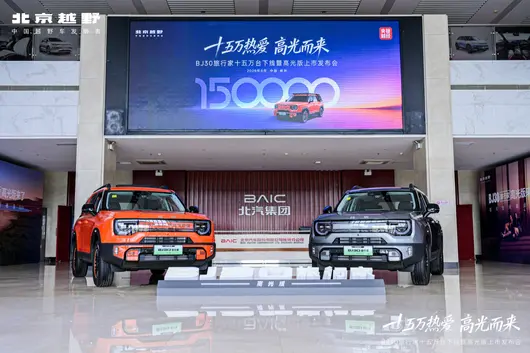
June 12, 2026, the "150,000 Loves, Highlights Arrive" BJ30 Traveler 150,000th Unit Off-the-Line Ceremony and Highlight Edition Launch Event was held grandly at the BAIC Zhuzhou Super Factory. The event welcomed a brand sales milestone, with the annual new BJ30 Traveler Highlight Edition launching simultaneously. Beijing Off-road also partnered with CCTV Finance to complete the industry's first 150,000 km real vehicle network-wide disassembly live stream, comprehensively showcasing the hard power of this domestic light off-road SUV through hard-core testing and intelligent manufacturing. Officially launched simultaneously was a 30,000 yuan super trade-in subsidy, with trade-in prices for the full series starting from 69,900 yuan, significantly lowering the entry threshold and letting light off-road life enter thousands of homes.
Relying on over 60 years of off-road technology accumulation from Beijing Off-road, the BJ30 Traveler accurately fits the diverse needs of family users for commuting, traveling, and light off-roading, leading the market with three core advantages: ultra-off-road, ultra-large, and ultra-efficient. Today, the vehicle has successfully achieved a 150,000-unit sales milestone, becoming the fastest domestic light off-road SUV model to break through 150,000 units. The choice of 150,000 users is the most direct recognition of the product's strength, also allowing it to solidify its position as a benchmark in the sub-segment.
Market performance is enough to verify reputation. The BJ30 Traveler has taken the first place in sales for both HEV Hybrid Boxy Shape and Domestic HEV Hybrid Models for two consecutive years, and has also topped the sales of domestic HEV Hybrid SUVs for 24 consecutive months. In the field of value retention, it won the value retention champion of the domestic compact SUV in the 100,000-150,000 yuan class, with outstanding value performance throughout the cycle. Not only has it deepened its focus on the domestic market, but the car has also been exported overseas, winning international awards such as Best Hybrid SUV in the Arab Region and Argentina's Best Import SUV of the Year, showcasing China's intelligent manufacturing strength to the world.
The BJ30 Traveler Highlight Edition, honed based on real user feedback from 150,000 car owners, officially premiered. Building on original advantages, the new car achieved comprehensive upgrades in three dimensions: Highlight Appearance, Highlight Performance, and Highlight Experience, balancing the personalized aesthetic of younger groups with the practical needs of large families, further advancing the product strength.
In terms of appearance, the Highlight Edition continues the classic boxy shape, cleverly blending a rugged off-road style with exquisite design. The iconic five-star ring through-light group is highly recognizable, and three exclusive paint colors, Lava Orange, Dome Blue, and Cold River Grey, have been added to the body, offering diverse styles. The whole vehicle is equipped with an electric tactile trendy modification kit, exclusive star ring wheels, and a sports bumper, full of dynamic sense; the cockpit is upgraded with orange interior trim paired with metal texture panels, combined with the family mountain-shaped dashboard design, blending off-road heritage with light luxury texture, making the appearance suitable for all-scenario travel.
Performance upgrade is the core highlight of the Highlight Edition. The new car adopts the industry-leading three-engine four-wheel drive six-mode HEV hybrid architecture, and completed multiple optimizations: replaced with long-life AGM batteries, with cycle life reaching 3 times that of ordinary batteries, making electricity usage and starting more stable; equipped with Porsche's same VGT variable geometry turbocharging technology, combined with 41% high thermal efficiency engine, the whole vehicle charging efficiency reaches up to 99%, balancing power and energy consumption; rear axle motor power increased from 55 kW to 70 kW, with more rapid power response during acceleration, lane changing, and overtaking.
This hybrid system is also the foundation of the whole vehicle's off-road capability. Three-engine power combined with intelligent electric four-wheel drive with 30 ms ultra-fast response has six operating modes that can automatically switch according to road conditions. Assisted by electronic controlled energy central locking, four-wheel electronic limited slip, and smart electric ATS all-terrain control system, combined with 5,928 N·m maximum wheel end torque, muddy ground, sandy ground, cross-axle and other light off-road conditions can be easily handled. The whole vehicle has undergone 4 million km extreme environment durability testing, with a cage-type body made of 63.4% high-strength steel, with torsional stiffness reaching 24,800 N·m/deg, comprehensively protecting travel safety.
In terms of space performance, the BJ30 Traveler is fully advantageous. A 2,820 mm extra-long wheelbase combined with 66% ultra-high usable rate makes it the only large seven-seat boxy SUV in the 100,000 yuan class. The third row space is spacious, and 1.8-meter adults can sit without any feeling of oppression. A 1,496-liter ultra-large trunk can accommodate camping and skiing complete equipment, jokingly called by users "no need for moving vans when moving house"; the rear row can be folded flat to form a 1.92-meter flat large bed, combined with a panoramic sunroof, unlocking outdoor travel fun anytime and anywhere. 38 storage spaces in the whole vehicle, detail design is thoughtful and comprehensive.
The "Ultra-Efficient" advantage is reflected in three levels: saving money, saving time, and saving worry. Automotive bloggers from five countries, South Africa, Indonesia, UAE, Poland, and Mexico, tested the vehicle under various extreme road conditions, with fuel consumption per 100 km all controlled within 5 liters, the lowest being only 4.4 liters. One tank of fuel has a range exceeding 1,000 km, saving considerable fuel costs in long-term use. The model adopts HEV hybrid technology that does not require external charging, ready to go after refueling, saving the trouble of finding charging piles, charging, and installing piles, saving dozens of hours of time costs annually. Meanwhile, the first owner enjoys a lifetime warranty for the whole vehicle, covering 99% of parts, with parts availability and convenient maintenance, completely eliminating concerns about vehicle use.
In terms of driving experience, the Highlight Edition creates a "Mobile Living Room". The body height is superior to peers, offering an open driving and riding vision, not easy to feel suppressed during long-distance travel. The new car is equipped with seat heating, ventilation, and steering wheel heating, with temperature control that can be preset in advance; on rainy days, the vehicle can automatically sense and close windows, details fully showing humanization. The car interior 64-color dynamic ambient lighting combined with 10-speaker HiFi sound system makes the travel atmosphere full; dual large screens have clear zoning and convenient operation, combining technology sense and practicality.
One of the biggest highlights of this press conference was CCTV Finance live streaming the disassembly of a BJ30 Traveler driven for 150,000 km. 150,000 km is close to a normal family's 10-year vehicle usage mileage, and after disassembly, the vehicle state was still excellent: the engine has no obvious carbon buildup, the transmission has no leakage, the battery pack is intact with no degradation, and chassis parts have no rust or oil leakage, with the overall vehicle condition close to new.
Cameras also visited the BAIC Zhuzhou Super Factory simultaneously, revealing the intelligent manufacturing strength behind high quality. The welding workshop uses fully automated robot operations, with glue application error not exceeding a single hair strand, strengthening body rigidity; 5,000-plus ton stamping equipment forms body plates in one body, ensuring neat appearance lines; the fully automatic painting workshop uses environmental water-based paint, greatly reducing harmful substances, the new car has no odor and the paint surface is more durable. Multi-level quality control throughout the process, guaranteeing the quality of every vehicle from the source.
In terms of purchase policies, Beijing Off-road launched a major benefit, with the full series enjoying a 30,000 yuan super trade-in subsidy. Trade-in vehicles are not limited by brand or years, motorcycles and old cars can participate; new users can enjoy the subsidy by showing their driver's license at the store, the process is simple. Specific trade-in prices: Fuel Standard Edition 69,900 yuan, Fuel Advanced Edition 79,900 yuan, Fuel Seven-Seater Edition 84,900 yuan; Fuel Highlight Edition 82,900 yuan; Hybrid Advanced Edition 106,900 yuan, Hybrid Highlight Edition 109,900 yuan.
On this basis, the official added five layers of exclusive privileges: Gifting first non-operational owners a lifetime warranty worth 6,000 yuan; providing diverse financial plans such as 0 down payment; existing customers referring new ones can receive up to an 800 yuan JD.com Gift Card; lifetime free OTA upgrades for the full series; lifetime free basic data flow, entertainment data flow free without limits for two years. The brand also launched a time-limited event "Passionate World Cup, Highlights Win Prizes", participating in predictions when purchasing at the store, correctly predicting the champion and final match scores can get an additional 50,000 yuan purchase subsidy, the cost-performance ratio is further fully loaded.
 From the sales milestone of 150,000 units off-the-line line, to the comprehensive upgrade of the Highlight Edition, and then to CCTV disassembly verifying quality, the BJ30 Traveler has achieved comprehensive breakthroughs in product, market, and quality levels. As an all-around light off-road SUV, it blends professional off-road performance, ultra-large family space, and ultra-low vehicle use costs, breaking the boundary between city SUVs and off-road vehicles. An approachable price starting from 69,900 yuan allows ordinary families to easily own a travel seat that can be city or wild, practical and worry-free.
150,000 shares of love, casting the confidence to move forward; continuous product upgrades, not betraying user trust. Relying on Beijing Off-road's years of off-road accumulation and solid Chinese manufacturing standards, the BJ30 Traveler has become a sub-segment benchmark. The arrival of the all-new Highlight Edition will also continuously activate the vitality of the light off-road SUV market. In the future, the BJ30 Traveler will continue to accompany the vast number of car owners to traverse cities and rush to mountains and wilds, letting every trip have its exclusive highlight.

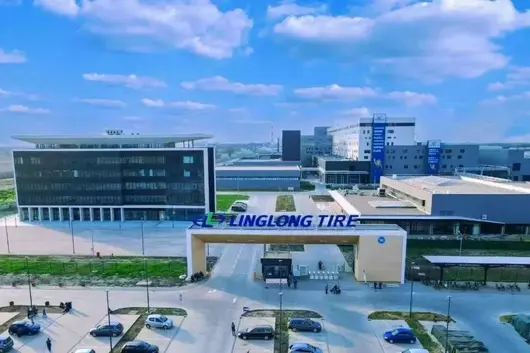
日前,據塞爾維亞商業新聞網消息,玲瓏輪胎計劃在當地徵用70公頃土地擴建生產基地,新廠區將吸收400-800名員工。在歐美汽車零部件巨頭收縮撤離的背景下,玲瓏輪胎逆勢“抄底”,不僅順勢承接了德企留下的產業與勞動力真空,更持續深耕其全球化佈局。

斥資6.45億美元,打造綠色全產業鏈
據悉,玲瓏輪胎已簽署70公頃廠區擴建協議,擴建地塊位於茲雷尼亞寧市東南工業園區。目前其經營規劃正由塞爾維亞發展局審核,玲瓏也期待新項目能獲得政府新增就業補貼。
上個月,玲瓏集團副總裁孫松濤透露,公司擬斥資6.45億美元推進茲雷尼亞寧工廠二期項目,重點建設“從輪胎生產到回收的綠色產業鏈”。他強調,塞爾維亞與泰國是玲瓏優化生產體系、拓展歐洲及全球市場的兩大核心支柱。
此前,玲瓏在塞一期項目已完成近10億美元投資,獲批約100公頃土地,累計獲得超8000萬歐元國家扶持資金。該工廠於2024年正式投產,目前在崗員工已達2500人。

逆勢接盤:吸納德企1800流失職位
玲瓏的擴建對茲雷尼亞寧市而言無異於一場“及時雨”。德國高端汽車零部件製造商Dräxlmaier一年前決定撤出塞爾維亞,這是其退出歐洲市場整體戰略的一部分。儘管塞政府多次挽留,該企業仍決定至今年底或明年初徹底撤出,共波及1800名本地員工。
茲雷尼亞寧市長薩拉普拉表示,玲瓏的產能擴建意義重大,與準時達(JUSDA Europe)啟用Dräxlmaier原部分設施的配送倉庫一起,有效承接了餘裕勞動力,避免了當地失業率的大幅飆升。

基建賦能:交通樞紐升級助力輻射歐洲
除了勞動力資源的平穩接續,當地交通基建的升級也將為玲瓏擴張保駕護航。目前,貝爾格萊德-茲雷尼亞寧-諾維薩德高速公路已有兩處點位啟動前期施工,途經該市的鐵路也迎來翻新改造。這兩大工程將大幅提升物流運作效率,為玲瓏進一步降低物流成本、高效輻射歐洲市場提供硬支撐。
業內人士指出,從一期10億美元落地,到二期6.45億美元打造綠色閉環產業鏈,玲瓏在塞爾維亞的深耕,不僅享受了當地的政策與區位紅利,更在國際車企重構供應鏈的當下,憑藉逆勢“抄底”穩紮穩打,正逐步提升其在全球高端輪胎市場的話語權。

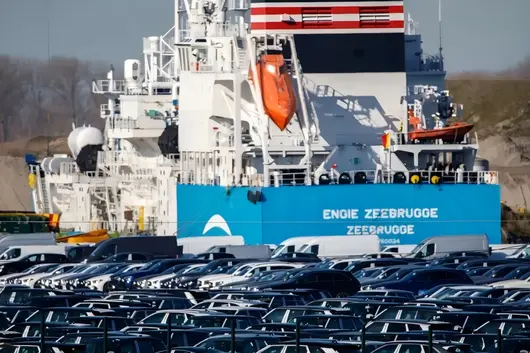
Have you ever seen the roads in India?
I've seen them online.
The scene is usually like this: a sedan blocked behind a cow, motorcycles running wild nearby, even milk tea vendors nearby, so "clean and hygienic".

However, in a place where many feel physically uncomfortable after watching, Toyota, Suzuki, Honda and other Japanese car companies decided to bet on India.
According to the Indian "Brand Quality Foundation" website, the three car companies will invest nearly $11 billion to build factories, increase capacity, and develop exports in India.
Some netizens commented: Did the three Japanese car companies have too much money?
In fact, they didn't have endless money to spend, nor were they bewildered by Indian curry. These Japanese car executives are much clearer than us.
Current Japanese car revenue and market share are declining. Raw material costs are soaring. Looking at the world map, finding a market that can accommodate capacity, expand share, and has gentle competition is not easy.
So, it wasn't that Japanese car companies chose India, but because they had no choice.
The Pain of Japanese Car Companies
Past Japanese cars were truly the envy of others.
Ask old drivers who drove Japanese cars over ten years ago, talking about Japanese cars, almost no one doesn't give a thumbs up, cheap price, fuel saving, durable...
Even many Japanese cars needed to be bought at a markup, but who would think this iron fortress would be beaten out of sight in a few short years.
With the wave of new energy vehicles coming, electrification and intelligence became the goal for many domestic car companies to "leapfrog". Relying on China's strong new energy vehicle industry chain advantages and car companies' own persistence on R&D and technology, Chinese independent brands quickly achieved "leapfrogging".
Domestic cars once criticized are now becoming more and more common on the roads, even surpassing joint ventures in share.
According to CPCA data, in April 2026, the share of independent brands reached as high as 62.5%, far exceeding Japan's 13.1%.

You need to know, the Chinese car market is the largest car market in the world. Losing speed in the Chinese market is like losing a huge piece of cake.
Meanwhile, the main theme of the Chinese market in recent years is still price wars. Racing on configuration, price, and service has become a normal state, which also had a huge impact on Japanese cars' profits.
Apart from China, Japanese cars are also not doing well in the US.
On January 20, 2025, Trump swore in as the 47th US President, starting a series of chaotic operations, including imposing additional car tariffs in the name of national security, causing the tariff rate for imported Japanese cars to reach as high as 27.5% at one point. Although it decreased later, it was still far higher than the initial tax rate.
This operation directly led to a tariff loss of over 2 trillion yen for seven Japanese car companies in fiscal year 2025.
Looking at Japan itself, it is actually not easy either.
Middle East geopolitical conflicts blocked shipping in the Strait of Hormuz, transportation costs and raw material costs soared, Japanese car companies also had to suffer in silence.

Executives looking at the reports, their backs went cold, only to find a new growth curve.
So, Japanese car companies didn't fall in love with India, there was nowhere else to go.
Deep Thought on Choosing India
So, what magic does India have, to make Japanese car companies invest heavily?
The first advantage is big. In 2025, the Indian car market achieved 5.517 million new car sales, up 6% year-on-year, breaking the historical record, ranking as the third largest car market in the world, exceeding Japan for four consecutive years, second only to China and the United States.
The value of this doesn't need me to say much. India achieved this result mainly because India has been promoting tax reduction policies to promote consumption, which led to a significant increase in domestic consumption willingness.
The second advantage is close, meaning it is close to places where Japanese cars sell well, such as Africa.
So, India for Japanese car companies is more like a convenience store built in the center of a crossroad. You don't need to ship cars to eight countries separately, just build well at this stop in India, then unload ship by ship, and you can save a lot of costs.

The Nikkei also believes that India is expected to become its global car supply center.
The third advantage is stability. You know, Japanese cars' advantage is fuel cars, after all, the three major components of engines, gearboxes, and chassis, they have played for many years, technology accumulation is number one in the world.
But the Chinese car market has fully promoted electrification and intelligence development, leading to Japanese cars' advantage becoming weaker and weaker, impossible to play out. But India is different, it has the characteristics of few charging piles and slow electrification process. Indian old people buying cars still look for cheap, fuel saving, easy to fix, and these three points are exactly Japanese cars' old trade.
Especially Suzuki, always been India's car market evergreen, almost always sitting on the best-selling model throne, reputation of being worry-free, better than any advertisement.
So, Japanese car companies' vigorous layout of the Indian market is obviously carefully considered.
But, is the Indian market really that easy to mix?
The Hard-to-Bite Indian Market
Of course, India is not perfect like a hot commodity, its disadvantages are as obvious as its advantages, and every one is enough for Japanese car companies to face a hard time.
First talk about electrification. Yes, right now India has few charging piles and electric cars don't sell well, it is indeed a shelter for Japanese fuel cars. But you have to think, how long can this "shelter" avoid?
India previously shouted the slogan of 30% of new cars being electric vehicles by 2030. Although it sounds like bragging, but can't help but they really give subsidies, really build charging stations.
Imagine, what if one day India suddenly wakes up, starts vigorously promoting electrification, doing infrastructure, charging piles popping out like mushrooms after rain, then Japanese cars will be dumbfounded?
Isn't this a version of the Thai market?
Back then Japanese cars in Thailand won easily. The entire Southeast Asian market was called Japanese cars' backyard. Result Thailand took the lead in promoting electrification. Chinese electric vehicles came in, directly became a hot commodity. Look at Japanese cars again, share in Thailand falling down rapidly.

If India accelerates electrification, history will likely repeat, and this time, Japanese cars don't even have a place to flee, how to prevent will become the first problem for Japanese car companies.
Next talk about policy. India's policy is like a pot of curry, you never know if you will eat chicken or potato next time.
This magical country, today low tariff encourages building factories, tomorrow may fine you a huge amount. What's more annoying is mandatory joint venture. Foreign car companies want to sell cars in India, have to find local partners to partner up. When your factory is built, supply chain is done, India directly backstabs you. At that time whether adding money or withdrawing capital, what you get is heartache.
So you see, this market like India is like a mango that looks very sweet, bite the first mouth it's okay, chew two more mouths hit the hard core.
Japanese cars now is calculating, while the core hasn't bit the tooth, hurry up to nibble a few more mouths, but the core will bite sooner or later, just don't know which day.
Epilogue
Japanese cars this trip to India, not go for tourism, is go to make a living.
Chinese and Southeast Asian dining tables are more crowded, production and transportation costs have risen. Looking around the world, only this pot in India is still steaming, even if what is boiling inside is curry-flavored stones, have to bite hard and chew down.
Japanese car companies want to expand market, India wants to pull economy, solve employment, both sides have their own thoughts.
As for the ending is Japanese cars in India regain their glory, or like past competitors shamefully walk away, then is not known.
But no matter how, this play just started, we slowly watch is okay.
Anyway India's story, never bored.

2026 年 5 月 28 日,上海北外灘。當智己 LS9 Hyper 嘅匙交俾 Momenta CEO 曹旭東手中嗰陣,上汽集團正式達成咗「中國首個產銷量突破一億」嘅成就。

一億輛,這唔單單係一個冰冷嘅工業數據,更係中國汽車工業由無到有、由弱到強嘅生動註腳。從 1955 年弄堂入面嘅敲敲打打,當時嘅人恐怕唔會想到,70 幾年後,呢個「小弄堂」能夠到而家嘅「億」鳴驚人,簡直係中國汽車嘅「逆襲爽文」。
而家,我哋就嚟扒一扒,呢位「老牌頂流」究竟係點樣做到而家嘅地位。
踩「風口」、搶 C 位係上汽嘅獨門秘訣回顧上汽呢大半輩子,只有一個感覺:呢位兄弟嘅「KPI」定得太準啦!其他人係被時代推住行,上汽係掐住秒錶搶 C 位,每一次技術變革,佢都好似提前拿到咗答案。
上世紀 50 年代,嗰時係草台班子嘅硬核開局。嗰陣時冇高精尖設備,冇歸國技術大牛,只係滿腔熱血同埋一把榔頭。1958 年,工人硬係喺簡陋嘅條件下敲出咗「鳳凰牌」轎車。就好似其他人仲喺玩泥巴,上汽已經開始搞「手工定制」啦。雖然嗰陣時嘅車可能「皮薄餡大」,但嗰份「我要造车」嘅倔强,絕對係嗰個時代最硬核嘅宣言。

上世紀 80 年代,上汽抱咗「大膊頭」,順手完成咗「逆襲」。改革開放嘅風口,上汽直接拉來咗大衆。桑塔納一出,邊個同佢爭鋒?嗰陣時嘅桑塔納,可係「財力」嘅代名詞。但上汽啲正點?正佢冇只諗住賣車,係搞出咗「桑塔納國產化共同體」,硬係將零件產業盤活咗。呢波操作,唔單止令自己賺得盆滿缽滿,仲順手畀中國汽車工業整咗個樣。

進入 2000 年後,上汽開始左手「財力」,右手「黑科技」。當其他人仲喺燃油夾縫入面求生存嗰陣,上汽早在 2006 年就已經搞出咗榮威,2016 年仲係聯手阿里搞出咗全球首輛互聯網汽車榮威 RX5。嗰陣時,友商嘅車機仲喺研究點樣播放 CD,上汽嘅車已經喺刷淘寶、傾微信啦。呢波「降維打擊」,直接令上汽喺智能化賽道上搶佔先機。
來到 2026 年,上汽開始技術「端上嚟」,價格「打落嚟」。智能化下半場,上汽直接祭出咗「技術全家桶」:智己嘅全线控底盤、Momenta 嘅智駕、華為嘅乾崑,連緊啲固態電池都裝車啦(MG4 半固態版)。
最正係咩?係上汽將呢啲原本幾十萬豪車先至有嘅配置,下放喺十幾萬嘅車上面。呢邊係幾時造車,呢簡直係「科技平權」嘅踐行者,令普通老百姓都能享受到「未來座艙」嘅快樂。

產銷量突破一億,聽落去係個冷冷冰冰嘅數字,但睇完今次嘅交車儀式,只想講:呢邊係交車,分明係一場全球粉絲大聯歡!今次嘅陣容,簡直係「全品牌 Cosplay 大會」。由上海到倫敦,由印尼到新加坡,上汽將旗下十幾個品牌嘅幾十款車型一次過交付,呢排場,比車展仲車展。

喺高端局,嗰時係大佬互捧,場面一度失控。第 1 億位車主係 Momenta 嘅 CEO 曹旭東,呢個叫「雙向奔赴」。智己 LS9 Hyper 畀咗技術大佬,奧迪 E7X 畀咗時尚主編,呢個叫「專業嘅人開專業嘅車」。特別係智己 LS9 Hyper,搭載咗全线控四輪轉向同埋英偉達 Thor 芯片,呢啲配置,簡直係將「未來」焊喺底盤上。
喺家用局,上汽仲展現咗接地氣嘅一面,因為接地氣,先至最有底氣。別克至境 E7 畀咗公益博主劉佳,五菱榮光純電版畀咗村支書龐富強。特別係嗰位村支書,以前用三輪車送飯,唔單止慢仲顛得慌,而家開住五菱,直言「送餐效率拉滿,腰都唔疼啦」。呢就係咪「人民需要咩,五菱就造咩」嘅最好證明?先係真正嘅「接地氣,長出參天樹」。

喺全球局,中國車,都係世界車。英國小哥喜提 MG4,印尼國腳開走五菱星光。而家嘅 MG 喺歐洲可係銷冠,呢啲說明咩?說明我哋嘅車,唔單止中國人愛開,老外都覺得「City 唔 City」(時髦唔時髦)。上汽呢波「出海」,簡直係將「中國智造」變咗「全球爆款」。
耿直點評:上汽贏喺邊?站喺汽車媒體嘅角度看,上汽能夠坐穩呢個「億級」寶座,絕對唔係靠運氣,而係實打實嘅「硬核實力」。
首先係戰略定力。好多車企鍾意追風口,PPT 造車、名字亂改。上汽由 2014 年開始全面轉型新能源,砸咗 1500 億研發,呢先至有今日嘅「技術紅利」。長期主義,永遠係打敗投機取巧嘅王炸。

其次係開放心態。上汽從來都唔覺得自己能夠搞定一切。造車有大大衆通用,搞智駕拉埋 Momenta,玩生態牽手華為阿里。呢種「你負責優秀,我負責將你嘅優秀裝落車入面」嘅策略,效率極高,簡直係「最強輔助」。
最後係良心底線。無論係早期嘅桑塔納「絕唔搞瓜菜代」,定係而家嘅魔方電池「零自燃」,上汽喺品控上一直比較「軸」。喺呢個爛尾樓都能買車嘅時代,靠譜,就係最大嘅豪華。
當然,完美男神都有「小瑕疵」當然,人冇完人,車都一樣。我哋要客觀公正,唔好淨係講好聽嘢。雖然上汽今次交車儀式搞到風生水起,但喺日常嘅產品細節上面,有時仲會被吐槽「審美掉線」。例如某些低端車型嘅設計,有時會令人覺得「設計師係咪飲咗多?」另外,喺純電平台嘅迭代速度上,有時亦會被新勢力追得有點緊,偶爾會令人有一種「起得大早,趕咗晚集」嘅錯覺。當然,呢僅係小編我嘅個人觀點,切勿狂噴。

唔過,瑕不掩瑜。總括嚟講,上汽呢 70 年,用三個字概括:贏足晒。
最後仲想講多兩句
由 1955 到 2026,由鳳凰牌到智己,上汽呢 70 年,係一部奮鬥史,亦係一部「爽文」。都話而家國內汽車市場超級捲,但對我哋消費者嚟講,最大嘅贏家其實係自己。因為只有車企捲得好勁,我哋先用更少嘅錢,買到更爽嘅車!下一個一億輛,我哋拭目以待!
© 2024 Bitauto.com. All Rights Reserved.
Bitauto (www.yiche.com and www.bitauto.com) is one of the most visited automotive websites in China. We provide detailed info on Chinese car brands available in your area. Please note that the information provided on this website is based on publicly available data and is for reference only. It may not be fully updated or accurate at all times.

Help us improve our website


