

HomePerodua Ativa

Search History
Popular Searches
Dealer Login / Sign Up

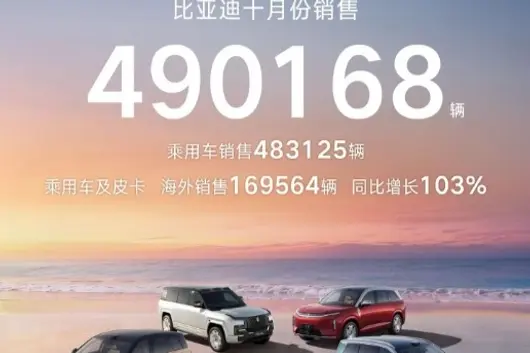
2026 年 10 月的車市,有一個比任何單月銷量都更值得先說的變化:新能源零售滲透率站上了 67.8%,而整體乘用車零售同比下降了 25%。兩個數字放在一起,意味著市場的收縮與動力形式的切換在同一時間發生。燃油車的退潮不再是趨勢判斷,而是正在落地的現實。在這個節點上,再去項項拆解誰多賣了幾萬輛,信息量反而有限。更值得問的是:當新能源本身已經成為大盤的多數,領先這件事,還和幾年前一樣嗎?

比亞迪 10 月交出的 49.0168 萬輛,放在這個背景下看,意義不在「創年內新高」這幾個字,而在於它所處的位置。批發榜單上,比亞迪 48.31 萬輛,身後第二名的體量不到它的一半,再往後是一串月銷十萬級、五萬級的名字,中間是一道清晰的斷層。與此同時,蔚來、理想、鴻蒙智行在 10 月同時出現同比回落,鴻蒙智行的同比降幅超過 50%。新能源賽道的總量還在擴張,但參與者之間的溫差在急劇拉大。新能源市場持續領先在這裡的含義,已經不單純是誰的份額更高,而是當滲透率越過臨界點之後,領先者與追趕者之間是否已經進入了不同的競爭維度。

這個不同維度,首先體現在增長從哪裡來的問題上。國內新能源零售 10 月同比是下降的,滲透率的抬升更多來自燃油車份額的萎縮,而不是新能源自身增量的爆發。換句話說,國內市場的競爭正在從「搶新用戶」轉向「替換存量」。在這種結構裡,依賴單一國內市場和單一價格帶衝量的品牌,彈性天然受限。比亞迪 10 月數據中更具信號意義的部分,是海外銷量在單月總盤子中的權重已經穩定在一個足以改變整體節奏的水平。泰國、印尼、巴西、匈牙利工廠的本地化投產,以及自有滾裝船隊的運營,讓出口不再是國內產能的溢出,而是一條有獨立產能和渠道支撐的第二曲線。當國內大盤的波動性上升時,這條曲線提供的是對沖,而不是錦上添花。

另一條容易被銷量數字遮蔽的線,是補能網絡。截至 10 月,閃充站已經鋪到超過 1.2 萬座,覆蓋 341 座城市,年底的目標是 2 萬座,海外另有數千座的規劃。純電車型的競爭,走到滲透率接近七成的階段,勝負手正在從「續航標稱」轉向「補能確定性」。充電體驗的密度和一致性,會直接改變一個普通家庭在油車同電車之間做選擇時的心理門檻。這件事沒有單月銷量那麼顯眼,但它決定的是一輛車的使用體驗能不能撐住回購同口碑。銷量是終端結果,補能網絡是讓這個結果可持續的基礎設施。兩者之間的時間差,往往在兩三年後才會在數據裡顯現出來。

還有一個數字值得放在最後說:前三季度研發費用 363 億元,累計研發投入超過 2800 億元。在一個價格競爭仍然激烈、多數品牌在收縮開支的週期裡,把遠高於当期利潤的金額持續投向研發,短期看是利潤的拖累,長期看是下一個產品週期入場券的價格。第二代刀片電池、自研智駕芯片、輔助駕駛車型超 395 萬輛的保有量數據,都是這筆投入在終端開始兌現的跡象。銷量的高低每個月都會變,技術儲備的厚度不會在一個季度裡逆轉。

回到 10 月。49 萬輛是一個體面的數字,但 2026 年的新能源市場已經過了用單月排名定義成敗的階段。國內滲透率接近七成,意味著新能源不再是「替代選項」,而是「默認選項」。在這個前提之下,領先者的課題已經從「證明自己能被選擇」,悄悄換成了「證明自己能在多個市場、多條技術線上同時站住」。海外產能的落地節奏、補能網絡的覆蓋密度、研發投入的轉化效率,這些不會出現在月度傳播的標題裡,但它們才是決定下一個「10 月」還能不能站在這個位置的東西。

Dalam pasaran SUV di Malaysia, ramai pembeli semasa memilih kereta akan membandingkan Mazda CX-3 dan Hyundai Santa Fe. Kedua-dua kereta ini agak hampir dari segi harga dan segmen, hari ini kita akan membuat perbandingan terperinci dari pelbagai aspek untuk membantu anda menjimatkan masa melakukan kajian.
Mazda CX-3 di Malaysia mempunyai harga OTR sebanyak RM 126,159 - 139,159, terdapat 2 versi, termasuk 2023 2.0L High (RM 139,159), 2023 2.0L Plus (RM 126,159) dan lain-lain.
Hyundai Santa Fe di Malaysia mempunyai harga OTR sebanyak RM 225,000 - 270,000, terdapat 3 versi, termasuk 2025 2.5T DCT 4WD Calligraphy 6 Seats (RM 270,000), 2025 HEV 1.6T AT 2WD Prestige 7 Seats (RM 245,000), 2025 HEV 1.6T AT 2WD Prime 7 Seats (RM 225,000) dan lain-lain.
Dari segi harga, harga permulaan Mazda CX-3 memang lebih murah RM 98,841 berbanding Hyundai Santa Fe. Jika bajet anda terhad, versi permulaan Mazda sudah cukup memenuhi keperluan harian. Namun perlu juga diperhatikan, beberapa ribu ringgit yang lebih murah itu mungkin ada kompromi dari segi kelengkapan, ia bergantung pada keperluan anda.

Penilaian keselamatan Mazda CX-3 ialah 5★ (ASEAN NCAP), sistem keselamatan aktif termasuk i-Activsense.
Penilaian keselamatan Hyundai Santa Fe ialah TBD, sistem keselamatan aktif termasuk Basic.
Dari segi kelengkapan keselamatan, kedua-dua kereta mendapat penilaian yang baik. Namun, i-Activsense Mazda CX-3 dan Basic Hyundai Santa Fe mempunyai perbezaan dari segi fungsi. Jika anda lebih mementingkan keselamatan aktif, anda boleh membandingkan senarai fungsi kedua-duanya dengan teliti.

Panjang kenderaan Mazda CX-3 ialah 4500 mm, kapasiti bagasi 450 L.
Panjang kenderaan Hyundai Santa Fe ialah 4400 mm, kapasiti bagasi 400 L.
Dari segi ruang, badan Mazda CX-3 lebih panjang 100 mm daripada Hyundai Santa Fe, ruang dalaman penumpang akan agak lebih luas, terutamanya ruang kaki di kerusi belakang. Jika anda sering membawa keluarga atau perlu meletakkan kerusi bayi, kenderaan yang lebih besar memang lebih praktikal.

Mazda CX-3 dan Hyundai Santa Fe merupakan pilihan utama pasaran Malaysia, sesuai untuk kegunaan keluarga dan perjalanan kerja harian. Jika anda lebih mementingkan reputasi jenama dan harga kereta terpakai, utamakan versi yang mempunyai reputasi lebih baik; jika anda lebih mementingkan nilai untuk wang dan kelengkapan, maka pilih versi yang lebih kaya konfigurasi. Pada akhirnya disyorkan untuk menguji uji kedua-dua versi, pengalaman peribadi adalah yang paling penting.

Secara keseluruhan, Mazda CX-3 dan Hyundai Santa Fe adalah model yang sangat baik di pasaran Malaysia. Memilih yang mana, kunci utamanya masih bergantung pada keperluan peribadi dan bajet anda. Disyorkan lakukan kajian terlebih dahulu, bandingkan banyak tawaran daripada pengedar kereta, baru uji jalan buat keputusan akhir. Membeli kereta adalah perkara besar, meluangkan masa melakukan kajian pasti tidak akan salah.


Dalam pasaran SUV di Malaysia, ramai pembeli semasa memilih kereta akan membandingkan Mazda CX-3 dan Hyundai Tucson. Kedua-dua kereta ini agak hampir dari segi harga dan kedudukan. Hari ini, kita akan buat perbandingan terperinci dari pelbagai aspek, membantu anda menjimatkan masa melakukan kajian.
Harga OTR Mazda CX-3 di Malaysia ialah RM 126,159 - 139,159, terdapat jumlah 2 varian, termasuk 2023 2.0L High (RM 139,159), 2023 2.0L Plus (RM 126,159) dan lain-lain.
Harga OTR Hyundai Tucson di Malaysia ialah RM 143,888 - 197,888, terdapat jumlah 5 varian, termasuk 2025 HEV 1.6T AT 2WD Prestige (RM 197,888), 2025 1.6T DCT 4WD Prestige (RM 186,888), 2025 1.6T DCT 2WD Prime (RM 164,888) dan lain-lain.
Dari segi harga, harga permulaan Mazda CX-3 memang lebih murah RM 17,729 berbanding Hyundai Tucson. Jika bajet anda terhad, model asas Mazda sudah boleh memenuhi keperluan harian. Tetapi juga perlu ambil perhatian, perbezaan harga yang lebih murah itu mungkin ada kompromi dalam kelengkapan, bergantung kepada keperluan anda.
Mazda CX-3 dilengkapi enjin 1.5L Turbo, kuasa kuda 140 hp. Penggunaan bahan api rasmi 7.0 L/100km.
Hyundai Tucson dilengkapi enjin 1.5L Turbo, kuasa kuda 140 hp. Penggunaan bahan api rasmi 7.0 L/100km.
Kedua-dua kereta menggunakan sistem kuasa yang sama, rasa semasa memandu harian hampir tiada perbezaan. Dari segi penggunaan bahan api juga sama, tidak perlu terlalu bimbang mengenai hal ini.
Gred Keselamatan Mazda CX-3 ialah 5★ (ASEAN NCAP), sistem keselamatan aktif termasuk i-Activsense.
Gred Keselamatan Hyundai Tucson ialah 5★ (ASEAN NCAP), sistem keselamatan aktif termasuk SmartSense.
Gred Keselamatan kedua-dua kereta sama, dalam kelas ini kelengkapan keselamatan dianggap cukup lengkap. Keselamatan kereta baharu sekarang tidak buruk, tidak perlu terlalu bimbang mengenai hal ini.
Mazda CX-3 Waranti 5 tahun/150,000km, selang penyelenggaraan setiap 10,000km atau 6 bulan.
Hyundai Tucson Waranti 5 tahun/300,000km, selang penyelenggaraan setiap 10,000km atau 6 bulan.

Secara keseluruhannya, Mazda CX-3 dan Hyundai Tucson adalah model kereta yang sangat baik di pasaran Malaysia. Memilih yang mana, kuncinya masih bergantung kepada keperluan dan bajet peribadi anda. Kami mengesyorkan anda melakukan kajian, bandingkan lebih banyak harga dari dealer kereta, kemudian buat ujian pemanduan untuk membuat keputusan akhir. Membeli kereta adalah perkara besar, meluangkan masa untuk melakukan kajian pasti tidak salah.

Dalam pasaran SUV di Malaysia, banyak pembeli akan membandingkan Mazda CX-3 dan Hyundai Tucson ketika memilih kereta. Kedua-dua kereta ini mempunyai harga dan kedudukan pasaran yang hampir sama, hari ini kita akan membuat perbandingan terperinci dari pelbagai aspek untuk membantu anda menjimatkan masa membuat kajian.
Harga OTR Mazda CX-3 di Malaysia ialah RM 126,159 - 139,159, mempunyai 2 varian, termasuk 2023 2.0L High (RM 139,159), 2023 2.0L Plus (RM 126,159) dan lain-lain.
Harga OTR Hyundai Tucson di Malaysia ialah RM 143,888 - 197,888, mempunyai 5 varian, termasuk 2025 HEV 1.6T AT 2WD Prestige (RM 197,888), 2025 1.6T DCT 4WD Prestige (RM 186,888), 2025 1.6T DCT 2WD Prime (RM 164,888) dan lain-lain.
Dilihat dari segi harga, harga permulaan Mazda CX-3 memang RM 17,729 lebih murah berbanding Hyundai Tucson. Jika bajet anda terhad, varian permulaan Mazda sudah boleh memenuhi keperluan harian. Namun, perlu diambil kira, beribu-ribu ringgit yang lebih murah itu mungkin ada kompromi dari segi kelengkapan, bergantung pada keperluan anda.
Mazda CX-3 menggunakan kaedah pemacu FWD.
Hyundai Tucson menggunakan kaedah pemacu FWD.
Kaedah pemacu kedua-dua kereta sama, iaitu FWD, tidak akan ada perbezaan besar dalam pengalaman memandu harian.
Mazda CX-3 diberi jaminan 5 tahun/150,000km, selang penyelenggaraan setiap 10,000km atau 6 bulan.
Hyundai Tucson diberi jaminan 5 tahun/300,000km, selang penyelenggaraan setiap 10,000km atau 6 bulan.
Mazda CX-3 dan Hyundai Tucson adalah pilihan utama di pasaran Malaysia, sesuai untuk kegunaan keluarga dan perjalanan harian. Jika anda lebih mengutamakan reputasi jenama dan nilai kereta terpakai, boleh utamakan yang mempunyai reputasi lebih baik; jika anda lebih mengambil berat tentang nilai dan kelengkapan, pilih yang mempunyai kelengkapan lebih lengkap. Akhir sekali, disarankan untuk menguji pusing kedua-duanya, pengalaman peribadi adalah yang paling penting.
Secara keseluruhannya, Mazda CX-3 dan Hyundai Tucson adalah model kereta yang sangat bagus di pasaran Malaysia. Pilihan mana satu bergantung pada keperluan peribadi dan bajet anda. Disarankan supaya membuat kajian, membandingkan beberapa tawaran daripada dealer, baru buat ujian pusing untuk membuat keputusan akhir. Membeli kereta adalah perkara besar, meluangkan masa membuat kajian tidak akan salah.

Dalam pasaran SUV di Malaysia, ramai pembeli membandingkan Mazda CX-3 dan Mitsubishi Xforce ketika memilih kereta. Kedua-dua kereta ini mempunyai harga dan kategori yang agak hampir, hari ini kita akan membuat perbandingan terperinci dari pelbagai aspek untuk membantu anda menjimatkan masa membuat kajian.
Mazda CX-3 di Malaysia dijual dengan harga OTR RM 126,159 - 139,159, mempunyai 2 varian, termasuk 2023 2.0L High (RM 139,159), 2023 2.0L Plus (RM 126,159) dan lain-lain.
Mitsubishi Xforce di Malaysia dijual dengan harga OTR RM 109,930 - 119,930, mempunyai 2 varian, termasuk 2026 1.5L Ultimate (RM 119,930), 2026 1.5L Urban (RM 109,930) dan lain-lain.
Dari segi harga, harga permulaan Mitsubishi Xforce lebih murah RM 16,229 daripada Mazda CX-3. Jujurnya, pada julat harga ini, beza beberapa ribu tidak dianggap besar, yang penting adalah melihat nisbah harga kepada prestasi keseluruhan dan kos penggunaan jangka panjang.
Mazda CX-3 dilengkapi enjin 1.5L Turbo, kuasa kuda 140 hp. Penggunaan minyak rasmi 7.0 L/100km.
Mitsubishi Xforce dilengkapi enjin 1.5L Turbo, kuasa kuda 140 hp. Penggunaan minyak rasmi 7.0 L/100km.
Kedua-dua kereta menggunakan sistem pemacu yang sama, rasa memandu harian hampir tidak berbeza. Dari segi penggunaan minyak juga hampir sama, tidak perlu terlalu berfikir tentang hal ini.
Mazda CX-3 panjang badan 4500 mm, beg bagasi 450 L.
Mitsubishi Xforce panjang badan 4400 mm, beg bagasi 400 L.
Dari segi ruang, badan Mazda CX-3 lebih panjang 100 mm daripada Mitsubishi Xforce, ruang tempat duduk di dalam kereta akan lebih selesa sedikit, terutamanya ruang kaki di tempat duduk belakang. Jika anda kerap membawa keluarga atau perlu letak kerusi bayi, badan kereta yang lebih besar memang lebih praktikal.
Mazda CX-3 menggunakan cara pemacu FWD.
Mitsubishi Xforce menggunakan cara pemacu FWD.
Cara pemacu kedua-dua kereta adalah sama, iaitu FWD, rasa memandu harian tidak akan berbeza besar.

Mazda CX-3 jaminan 5 tahun/150,000km, selang penyelenggaraan setiap 10,000km atau 6 bulan.
Mitsubishi Xforce jaminan 3 tahun/100,000km, selang penyelenggaraan setiap 10,000km atau 6 bulan.

Secara keseluruhan, Mazda CX-3 dan Mitsubishi Xforce adalah model kereta yang sangat baik di pasaran Malaysia. Memilih yang mana, yang penting adalah melihat keperluan dan bajet peribadi anda. Kami cadangkan anda membuat kajian, bandingkan beberapa harga daripada kedai kereta, kemudian buat ujian memandu untuk membuat keputusan akhir. Membeli kereta adalah perkara besar, mengambil masa membuat kajian tidak akan salah.

喺馬來西亞嘅 SUV 市場,好多買家喺揀車嗰陣都會拿馬自達 CX-3 同 Kia Sportage 嚟做比較。這兩款車喺價格同定位上都幾接近,今日我哋就從多個方面做一個詳細嘅比較,幫你節省做功課嘅時間。
馬自達 CX-3 喺馬來西亞嘅 OTR 售價係 RM 126,159 - 139,159,一共有 2 個版本,包括 2023 2.0L High(RM 139,159)、2023 2.0L Plus(RM 126,159)等等。
起亞 Sportage 喺馬來西亞嘅 OTR 售價係 RM 129,639 - 179,320,一共有 4 個版本,包括 2025 1.6T DCT 4WD High(RM 179,320)、2025 1.6T DCT 2WD High(RM 159,320)、2025 2.0L AT 2WD High(RM 139,639)等等。
從價錢嚟睇,馬自達 CX-3 嘅入門價的確比 Kia Sportage 平咗 RM 3,480。如果你預算有限,馬自達嘅入門版已經可以應付日常需求。但都要注意,平嗰幾千蚊,可能喺配備方面可能有取捨,具體要睇你嘅需求。
馬自達 CX-3 嘅安全評級係 5★ (ASEAN NCAP),主動安全系統包括 i-Activsense。
起亞 Sportage 嘅安全評級係 5★ (ASEAN NCAP),主動安全系統包括 Drive Wise。
兩款車嘅安全評級一樣,喺呢個級數入面安全配備都算畀晒好齊。而家嘅新車安全性都唔差,唔使太擔心呢一點。
馬自達 CX-3 車身長 4500 mm,行李箱 450 L。
起亞 Sportage 車身長 4400 mm,行李箱 400 L。
空間方面,馬自達 CX-3 嘅車身比起亞 Sportage 長咗 100 mm,車廂內乘坐空間會較寬鬆啲,尤其係後座腳位空間。如果你經常載家人或者需要推車,大啲嘅車身的確更加實用。
馬自達 CX-3 同起亞 Sportage 都係馬來西亞市場嘅主流選擇,適合家庭使用、日常上落。如果你更鍾意品牌口碑同二手價,可以優先考慮口碑更好嗰一款;如果你更在意性價比同配備,就揀配備更豐富嗰款。最終都係建議兩款都去試駕,親身體驗先係最緊要嘅。

總體嚟講,馬自達 CX-3 同起亞 Sportage 都係馬來西亞市場好唔錯嘅車型。揀邊輛,關鍵都要睇你嘅個人需求同預算。建議大家做好功課,多比較幾間車行嘅報價,先去試駕做最終決定。買車係件大件事,花少少時間做功課絕對唔會錯。

近日,豪邁科技發布 2026 年三季報:前三季營收 92.70 億元,同比增長 14.78%;歸屬母公司股東淨利潤 16.12 億元,同比下跌 9.84%。其中 Q3 營收 32.54 億元,增長 15.74%,歸屬母公司股東淨利潤 4.79 億元,下跌 19.05%,“增收不增利”成為最醒目標籤。

匯兌與成本擠壓利潤
利潤下滑有兩個關鍵詞:匯兌同成本。前三季財務費用由 -7048 萬元轉為 1.50 億元,同比變動 312.57%,主要受匯兌損失增多影響;營業成本增速高於營收,Q3 單季毛利率 26.85%,同比下降 6.21 個百分點。對海外業務佔比較高嘅裝備製造企業而講,匯率波動正從「財務小項」變成「利潤大項」。

輪胎模具滿產滿銷,擴產蓄力
利潤承壓嘅另一面係訂單飽滿。合約負債增至 4.39 億元,較期初增長 31.18%;在建工程 6.79 億元,較期初增長 35.79%;研發費用 5.16 億元,同比增長約 13%。
作為輪胎模具龍頭,公司主業滿負荷運轉。奎文模具項目投資總額約 10.97 億元,將新增高性能子午線輪胎模具產能 2.5 萬套/年,預計 2026 年底陸續投產。喺輪胎模具訂單飽滿嘅背景下,新產能有機會突破交付瓶頸,加速業績釋放。

電加熱硫化機連獲大單
公司最近接連中標萬力輪胎電加熱硫化機改造項目同馬來西亞基地新機項目,合計金額超 3800 萬元,第二增長曲線加速兌現。

整體睇落嚟,呢份三季報呈現嘅係「規模喺漲、訂單唔弱、擴產繼續,但匯率同成本短期擠壓利潤」嘅畫面。券商預計 2026-2028 年公司歸屬母公司股東淨利潤分別係 25.9/32.5/41.0 億元。需關注輪胎模具需求放緩及匯率波動等風險。


In the Malaysian SUV market, many buyers compare the Mazda CX-3 and Chery Tiggo 7 PHEV when choosing a car. These two models are quite close in price and positioning. Today, we will make a detailed comparison from multiple aspects to help you save time on research.
The Mazda CX-3 OTR price in Malaysia is RM 126,159 - 139,159, with a total of 2 versions, including 2023 2.0L High (RM 139,159), 2023 2.0L Plus (RM 126,159), etc.
The Chery Tiggo 7 PHEV OTR price in Malaysia is RM 129,750 - 129,750, with a total of 2 versions, including 2025 1.5T 90km CSH (RM 129,750), What charging methods does the Tiggo 7 PHEV support? Can it be charged using a home power socket? (RM 117,478), etc.
From a price perspective, the Mazda CX-3's starting price is indeed RM 3,591 cheaper than the Chery Tiggo 7 PHEV. If your budget is limited, the Mazda entry-level version can already meet daily needs. But also note, those few thousand cheaper may involve trade-offs in equipment, depending on your specific needs.
Mazda CX-3 is equipped with 1.5L Turbo, 140 hp. Official fuel consumption 7.0 L/100km.
Chery Tiggo 7 PHEV is equipped with Hybrid, 170 hp. Official fuel consumption 4.5 L/100km.
In terms of power, the Chery Tiggo 7 PHEV's Hybrid has 30 more horsepower than the Mazda CX-3's 1.5L Turbo. However, in daily city driving, both cars have sufficient power, and you won't feel underpowered.
Mazda CX-3 safety rating is 5★ (ASEAN NCAP), active safety systems include i-Activsense.
Chery Tiggo 7 PHEV safety rating is TBD, active safety systems include Basic.
Regarding safety equipment, both cars have received decent ratings. However, there are some functional differences between Mazda CX-3's i-Activsense and Chery Tiggo 7 PHEV's Basic. If you value active safety highly, you can carefully compare the feature lists of both.
Mazda CX-3 warranty 5 years/150,000km, maintenance interval every 10,000km or 6 months.
Chery Tiggo 7 PHEV warranty 3 years/100,000km, maintenance interval every 10,000km or 6 months.

Overall, the Mazda CX-3 and Chery Tiggo 7 PHEV are both very good models in the Malaysian market. Which one to choose depends on your personal needs and budget. It is recommended to do your research, compare quotes from several dealerships, and then test drive to make the final decision. Buying a car is a big deal, spending time researching is never wrong.

Dalam pasaran SUV di Malaysia, ramai pembeli membandingkan Mazda CX-3 dan GWM Haval H6 ketika memilih kereta. Kedua-dua model ini mempunyai harga dan kedudukan yang agak hampir, hari ini kita akan membuat perbandingan terperinci dari pelbagai aspek, membantu anda menjimatkan masa membuat kajian.
Harga OTR Mazda CX-3 di Malaysia ialah RM 126,159 - 139,159, terdapat 2 varian, termasuk 2023 2.0L High (RM 139,159), 2023 2.0L Plus (RM 126,159) dan lain-lain.
Harga OTR GWM Haval H6 di Malaysia ialah RM 139,750 - 139,750, terdapat 2 varian, termasuk 1.5L Turbo Standard (RM 140,000), 1.5L Turbo Premium (RM 155,000) dan lain-lain.
Daripada segi harga, harga permulaan Mazda CX-3 memang lebih murah RM 13,591 daripada GWM Haval H6. Jika bajet anda terbatas, versi asas Mazda sudah cukup untuk keperluan harian. Namun perlu diingat, beberapa ribu yang murah itu mungkin melibatkan pemotongan pada peralatan, ia bergantung pada keperluan anda.
Pemeriksaan keselamatan Mazda CX-3 ialah 5★ (ASEAN NCAP), sistem keselamatan aktif termasuk i-Activsense.
Pemeriksaan keselamatan GWM Haval H6 ialah TBD, sistem keselamatan aktif termasuk Basic.
Dari segi pelengkapan keselamatan, kedua-dua kereta mendapat penilaian yang baik. Namun i-Activsense pada Mazda CX-3 dan Basic pada GWM Haval H6 mempunyai sedikit perbezaan dari segi fungsi, jika anda mengutamakan keselamatan aktif, anda boleh membandingkan senarai fungsi keduanya dengan teliti.
Panjang badan Mazda CX-3 4500 mm, beg bagasi 450 L.
Panjang badan GWM Haval H6 4400 mm, beg bagasi 400 L.
Daripada segi ruang, badan Mazda CX-3 lebih panjang 100 mm daripada GWM Haval H6, ruang duduk dalam kereta sedikit lebih lapang, terutamanya ruang kaki baris belakang. Jika anda kerap membawa keluarga atau perlu letak kerusi bayi, badan kereta yang lebih besar memang lebih praktikal.
Jaminan Mazda CX-3 5 tahun/150,000km, selang penyelenggaraan setiap 10,000km atau 6 bulan.
Jaminan GWM Haval H6 7 tahun/150,000km, selang penyelenggaraan setiap 10,000km atau 6 bulan.
Mazda CX-3 dan GWM Haval H6 kedua-duanya merupakan pilihan utama di pasaran Malaysia, sesuai untuk kegunaan keluarga dan perjalanan harian. Jika anda lebih mementingkan reputasi jenama dan harga semula, anda boleh utamakan yang mempunyai reputasi lebih baik; jika anda lebih mementingkan nisbah harga dan pelengkapan, pilihlah model yang mempunyai konfigurasi lebih lengkap. Akhir sekali, disarankan untuk memandu uji kedua-dua model, pengalaman langsung adalah yang paling penting.
Secara keseluruhan, Mazda CX-3 dan GWM Haval H6 adalah model yang sangat bagus di pasaran Malaysia. Memilih yang mana, penting bergantung pada keperluan dan bajet peribadi anda. Kami menyarankan anda membuat kajian yang baik, bandingkan beberapa sebutan harga dari dealer kereta yang berbeza, kemudian uji suarakan sebelum membuat keputusan akhir. Membeli kereta adalah perkara besar, luangkan masa untuk membuat kajian tidak akan salah.


出口冠军的组织手术与试图缝起来的质量裂缝。
2026年10月,奇瑞汽车(HK:09973)的信息密度高到近乎过载;该公司董事长尹同跃的两句话,尤其值得玩味。
一句是在2026全球创新大会上:“奇瑞是一家披着车企马甲的高科技创新公司。”另一句是在2026世界智能网联汽车大会上,回应马来西亚OMODA 5召回事件时:“出海不是收割,一定要谦虚低调,不能海吹,盲目出海容易变填海。”
一句是进攻性的身份宣言,一句是防御性的自我告诫。
两句话放在一起,奇瑞的真实处境才浮现:它正用高科技公司的新马甲,争取估值弹性和战略纵深;但马甲底下那个以出口规模定义自身、体系能力尚未同步全球化的制造组织,才是决定它能走多远的里子。
更引人注意的是,张贵兵的人事调整,正是奇瑞汽车试图把“马甲”和“里子”缝合起来时,落下的一根关键针脚。
01
11月1日,奇瑞汽车发布公告:10月销售28.25万辆,同比增长7.2%。
其中,奇瑞品牌销售20.06万辆,同比增长18.2%;星途销售5637辆,同比减少40.6%;捷途销售5.84万辆,同比减少1.1%;iCAR销售1.17万辆,同比减少5.5%;智界销售6090辆,同比减少52.5%。

前10个月,奇瑞累计销售235.93万辆,同比增长10.1%,其中出口近170万辆,占比约72%;新能源汽车累计销售91.8万辆,占比约38.9%。
这组数据说明,奇瑞的增长仍主要由出口和主品牌拉动,且品牌间分化已经非常明显,同比增长的只有奇瑞品牌。
规模仍在增长,但增长的结构已经暴露问题:奇瑞越来越像一家由出口定义的公司,而不是一家由全球体系能力定义的公司。
02
销量发布前一天,奇瑞汽车发布的三季报,把规模增长的另一面摊开。
今年前三季度,奇瑞汽车收入2412.34亿元,同比增长12.3%;归母净利润139.63亿元,同比减少2.8%。

更值得注意的是,去年同期奇瑞获得汇兑收益29.74亿元,今年前三季度却面对31.71亿元的汇兑损失。
收入在增,利润在收。出口占比越高,汇率波动对利润表的扰动越大;研发越激进,短期利润越需要规模和质量信用来托底。
然而,奇瑞近来在海外市场遭遇多事之秋。国庆假期还没过完,奇瑞就玩儿了把大的。
03
10月6日,在马来西亚柔佛新山,一辆2023款OMODA 5在行驶过程中后桥纵臂断裂,后轴连着两个后轮直接脱落,车辆停在道路中间,所幸未造成人身伤害。
10月11日晚间,奇瑞汽车发布声明,称该批次车辆可能存在后桥纵臂局部焊接位置焊接强度不足,极端情况下存在焊接撕裂风险;奇瑞马来西亚子公司已对受影响的8878辆OMODA 5车型启动召回。
这起事件与尊界刹车踏板事件前后脚发生,基本落在同一个舆论窗口,也以极高能见度,为工信部等四部门10月10日出台新规的紧迫性提供了现实佐证。

不论是对连续23年位居中国品牌乘用车出口第一的奇瑞,还是对其他正将出口作为第二增长极的中国车企,这简直是一次对中国品牌品质招牌的动摇和灾难。
更关键的是,奇瑞正把马来西亚当作东南亚的本地化支点。
在这个准备长期扎根、投入产能和渠道的市场里,主力走量车型OMODA 5在两年内以同一种方式断两次后轴,受冲击的就不只是销量,而是当地监管部门和消费者对奇瑞制造体系是否可靠的根本判断。
04
马来西亚陆路交通局(JPJ)的反应,印证了这种判断的严重性。
2024年第一次断轴时,JPJ只是要求召回,没有冻结车型认证。但这一次,JPJ直接暂停了OMODA 5的车型认证(VTA),新车注册全面停止,同时把审核范围从某一批零件扩大到奇瑞的生产组装线、质量控制体系和后轴供应商的焊接检验程序。
监管的刀锋,从产品切向了体系,这比8878辆召回本身要重要得多。尹同跃近日当面向马来西亚工业副部长高官道歉,已经说明问题的严重性。

以快完成的规模积累,正在要求这家公司用慢的能力来为其续航。犯两次同样的错误,就很难得到原谅。
《汽车K线》认为,上市车企销售体系的全球化可以在几年内用渠道和产品铺开,但质量体系的全球化无法用速度压缩,也容不得一点差错。
从时间线看,马来西亚召回并不是触发奇瑞人事调整的诱因,但它以不留情面的方式,证明了人事调整要处理的那个病灶的真实性:当销售端的全球化跑在质量端前面时,速度本身就会成为品牌信用的负资产。
05
当出口成为唯一增长引擎,而高端化无法在国内市场创造品牌溢价时,奇瑞面临的是一个必须打破的困局——国内国外分开运行,而真正决定长期利润的品牌能力和质量信用,却必须在全球标准下达成统一。
因此,张贵兵的任务不只是去救一次召回的场,还要去拆掉这堵墙。
10月7日,奇瑞汽车发布《关于深化全球化3.0战略高管分工调整的公告》,宣布将奇瑞主品牌整体纳入全球市场体系,由奇瑞汽车常务副总裁张贵兵直接分管奇瑞品牌国内事业群,同时兼任国际业务事业群总经理、市场与营销管理委员会主任;执行副总裁李学用则分管捷途品牌事业部,聚焦推动捷途品牌高端化发展。

张贵兵在奇瑞27年,最亮的底色来自海外。
他从质量工程师起步,跑通奇瑞第一个海外CKD项目,在巴西的关税、汇率与工会环境中磨出属地化经验,此后长期执掌国际业务,将渠道铺到130多个国家和地区。
把这样一个人放到奇瑞品牌国内事业群的位置上,同时让他继续兼任国际业务事业群总经理,并统筹全球造型、人力、法务、备件和墨甲机器人,奇瑞的意图很明显:用最熟悉海外战场标准的人,来倒逼国内体系接受全球化的质量基准与运营纪律。
10月销量中,奇瑞是唯一同比增长的主品牌,这使张贵兵的任务更具分量:主品牌既是奇瑞当下的增长担当,也是质量体系全球化的试验田。
出口占比超过七成,意味着海外不再是奇瑞汽车的补充,而是主战场;但主品牌的产研、供应链和渠道团队仍然带着浓厚的国内市场惯性运行。

让张贵兵同时握住两端,实质是把全球资源池与区域市场拉进同一个决策闭环,用海外已经验证过的体系化能力反向灌溉国内。张贵兵行事结果导向、雷厉风行,这恰恰是拆墙所需要的性格。
不过,一个人同时承载主品牌经营、国际业务、全球职能和机器人新业务,权责高度集中本身,构成了一个需要被观察的风险变量。
06
张贵兵的另一个身份,是墨甲机器人总经理。
他对墨甲的定位说得很直白,汽车与具身机器人约70%的技术可以协同复用,墨甲是国内首个将供应链体系移植至汽车零部件供应商的机器人企业,协同覆盖技术、制造体系和渠道售后三个层面。
在2026墨甲机器人全球发布会上,张贵兵披露,墨甲机器人全球销量已超3000台,覆盖100多个应用场景,产品与服务进入60多个国家和地区。

然而,墨甲对奇瑞真正的战略价值,不在短期销量,而在于它是奇瑞唯一一个能够以非汽车身份进入全球市场的载体。机器人作为技术产品进入海外市场,其发展弹性和容错空间与整车不在同一个量级。
将墨甲置于张贵兵的统筹之下,与全球造型、人力、法务、备件并列,说明奇瑞在组织上已经把它当作全球经营体系的一个组成部分,而不是一个需要单独培养的新赛道。
尹同跃在2026年4月就曾公开抱怨:“尽管我们在各个维度都在拥抱AI,但在很多资本市场人士眼里,还把我们当成传统车企,所以我们的市盈率还是偏低。”
诚然,奇瑞港股当前市盈率约6.5倍,市值徘徊在1300亿港元,市场定价逻辑仍然是一个出口导向的传统整车制造商。

墨甲、Robotaxi、eVTOL、农机这些延伸,短期都不足以改变奇瑞汽车的利润结构。
不过,它们共同承担着一个功能,那就是在汽车主业的高端化尚未兑现品牌溢价之前,为奇瑞在产业话语和资本市场中争取一套不同于出口车企的蓝图框架和更长的时间窗口,用技术复用打造战略纵深。
07
不过,技术纵深本身并不能自动解决体系信用问题。
就在马来西亚召回声明之后不到十天,奇瑞于10月16日正式启用行业首个车网互联V2G规模化运营场站,400Wh/kg固态电池亮相并给出2027年中试线投用计划。
10月19日,宁德时代奇瑞(芜湖)新能源科技有限公司成立,注册资本10亿元,宁德时代持股51%、奇瑞持股49%,这已是双方今年第二家电池合资公司。

三季报显示,奇瑞前三季度研发开支110.46亿元,同比增长40%,为这些技术动作提供了财务注脚。奇瑞在电动化核心环节上的进攻纵深不仅没有停,还在加速。
但恰恰因为纵深是真实的,马来西亚后桥焊缝暴露的防守裂缝,也许才更加刺眼。
V2G和固态电池指向的是未来的产品竞争力,后桥脱落指向的是当下已经在路上跑着的产品的安全信用。
在《汽车K线》看来,奇瑞有能力把技术纵深推到2027年,却在防守端没能阻止一根后桥纵臂在2026年的马来西亚道路上裂开。进攻的纵深越厚,防守的底线就越不应该被撕裂。
08
另外值得注意的一件事是,智界在10月16日进入工信部第412批“拟发布新准入车辆生产企业”清单,生产地址是芜湖皖江大道8号;同一批文件中,奇瑞汽车申请注销的正是这个厂区。
这意味着智界获得的不是新增产能,而是奇瑞将一座现成工厂的生产主体身份,连同产能整体平移给了智界。这也意味着,从今往后,新车车尾标识不再必须挂着“奇瑞”。

资质的落地,让智界在法律上不再只是“奇瑞工厂里的一条产品线”,但市场层面的独立短时间内不会因为一纸公告而自动解决。
2026年前10个月,智界累计销售4.97万辆,同比减少29.6%,平均月销量不到5000辆;2026年初定下的30万至35万辆年销目标,如今完成度不到20%。
销量下滑和独立资质落地叠加在一起,使智界“被推出去”的紧迫性更强。
智界管理层也在2026年经历了集体换血,郭锐、赵长江等具有华为和比亚迪背景的人进入核心位置。将智界推出去独立核算、独立融资,甚至为未来的独立上市留出制度空间,本质上是奇瑞在上市公司报表层面的一次“止血”动作。
这与张贵兵的人事调整构成了同一场组织手术的两个侧面。
张贵兵的任务是把国内主品牌拉进全球体系,用海外标准倒逼国内体系升级;智界独立的任务则是把高端化的包袱从主品牌和上市公司体内剥离出去,让奇瑞的核心资源能够更集中地投向出口主战场和质量体系的修补。

一个做加法,一个做减法。
在10月31日举行的业绩沟通会上,奇瑞汽车执行副总裁戚士龙回应智界独立时表示,希望智界团队更像新势力企业,而不是简单做成“大一号”的传统车企。
三季报发布后,花旗下调奇瑞汽车纯利预测和目标价,东吴证券将出口退税退坡影响纳入盈利预期,国泰海通证券下调归母净利润预期,这些举动可能一定程度上反映了市场担忧。
对于外界关心的盈利时间表,奇瑞汽车管理层预计,国内新能源业务有望在2027年下半年逐步实现盈亏平衡;对于2027年海外市场,管理层给出了同比增长约20%的目标,并表示实际表现有望超过这一预期。
Views of AutosKline:
对中国上市车企而言,全球化上半场比的是谁把车卖得更远,下半场比的则是谁能在别人的道路上、监管下和消费者面前,把车做得更可靠!
文字为【汽车K线】原创,内容参考素材源自上市公司公告和行业公开信息(相关公司和机构应有义务对其真实性负责);部分图片来源于网络,版权归原作者所有。
本号文章,未经授权,不得转载,违者必究。同时,文章内容不构成对任何人的投资建议!股市风险大,投资需谨慎!



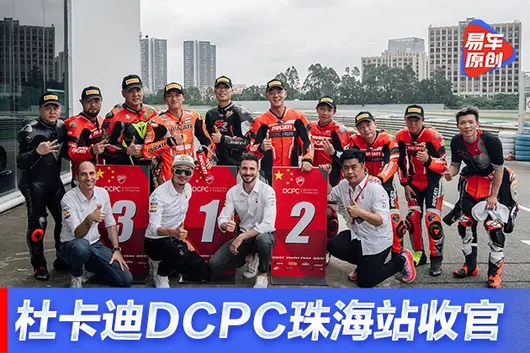
Bitauto News (May 25 - 26, Zhuhai) The 2024 DCPC Ducati China Super Cup Challenge makes a strong comeback, kicking off the first leg of the 2024 season, consisting of two rounds, at the Zhuhai International Circuit. After fierce competition in rainy conditions, rider No. 24 Guo Jie secured the championship in both rounds with times of 14:24.820 and 14:21.749 respectively, and currently leads the standings with 50 points. The DCPC Ducati China Super Cup Challenge, a brand-exclusive event tailored for Ducati fans, offers participating Ducati owners an unprecedented professional racing experience, highlighting Ducati's focus and importance placed on the Chinese market.

This year's first leg of DCPC has attracted attention from Ducati owners and motorcycle enthusiasts from all over the country. 16 riders from across the country drove the Ducati Panigale V2 Bayliss models modified for official races, experiencing professional racing at its best during the two rounds over the weekend. While finishing the races smoothly, they also embodied the sportsmanship of challenging oneself.
Video is loading...
Since Ducati's establishment in 1926, passion and sports have accompanied the brand's development and glory, carrying infinite longing for track competition. Ducati China officially launched the DCPC Ducati China Super Cup Challenge project in 2019. Currently, the event has become an important part of China's racing sports, attracting many Ducati owners who love speed and passion to participate.

The 2024 DCPC Ducati China Super Cup Challenge adopts a system of three legs and six rounds, starting in May and closing in October. The finale will be held at Sepang International Circuit in Malaysia, aiming to provide Ducati's enthusiastic owners with a series of professional and exciting racing experiences. The event is divided into three different groups: Group A, Group B, and Group C, with annual points calculated separately. The annual champion of each group will receive a special invitation from Ducati Corse to attend the MotoGP event, visit the Ducati GP team, and personally experience the charm of the world's top motorcycle racing.

All participating riders drive the Panigale V2 Bayliss model, specially tuned and optimized by Ducati's professional racing team. The model is equipped with a 955 cc twin-cylinder Superquadro engine, with a maximum power output of 155 hp and a maximum torque of 104 Nm, ensuring strong performance on the track. The Panigale V2 was driven by rider Bulega in the 2023 WorldSSP World Supersport Championship, successfully winning both the rider's world championship and the manufacturer's championship, further verifying its excellent performance in professional racing.

The optimized DCPC official race car has reduced its dry weight to 175 kg, with a top speed reaching 280 km/h and capable of delivering 160 hp. The DCPC Ducati China Super Cup Challenge has received professional technical support and services from top-tier racing teams, including professional race pits and on-site technical teams. Ducati official coaches are responsible for the entire teaching process, and organize pre-race and post-race technical seminars. Riders can choose to participate individually or as a team, and wear Ducati customized racing suits and professional equipment. Meanwhile, the 2024 DCPC Ducati China Super Cup Challenge has also attracted numerous world-class brand official sponsors and partners, providing solid guarantees in performance and safety.

The continuous rainfall in Zhuhai caused standing water on the track surface, and the slippery road surface brought greater tests to the riders. After comprehensive analysis of weather and track conditions, the technical management team decided that all race cars would use Pirelli wet tires. The entire event was highly challenging starting from the qualifying session, as every participating rider did their utmost on the track with full sprint efforts.

During the exceptionally intense competition process, riders demonstrated superb riding skills and fearless competitive spirit. Finally, after qualifying and each of the first and second rounds of 8 laps, rider No. 24 Guo Jie ultimately won the champion trophy in both rounds, ranking first on the standings with 50 points. Rider No. 49 Fu Yisheng ranked second on the standings with 36 points, while No. 37 Yu Xiaochen with 33 points took third place. The successful conclusion of the first leg laid a good foundation for this season's DCPC events.

It is worth mentioning that this event was held simultaneously with the well-known racing event Speed Hero at the Zhuhai International Circuit, further enhancing the attention and influence of DCPC. Ducati utilized its experience and technology in international events to provide participating riders with MotoGP-level racing experiences.

Ducati has always focused on racing on tracks,组建 professional racing teams to participate in major world events such as MotoGP, WorldSBK, and WorldSSP, winning numerous championship honors. Especially in the highest level of motorcycle racing, MotoGP, Ducati has consecutively defended the rider and manufacturer annual world championship titles, confirming Ducati's important position and absolute strength in the motorcycle field.

The return of the DCPC Ducati China Super Cup Challenge not only provided Ducati customers who love racing a chance to challenge themselves and their limits, but also demonstrated Ducati's leadership in motorsports and its commitment to improving the racing culture in the Chinese market. This brand-exclusive event tailored for the Chinese market once again interpreted Ducati's brand spirit of "Style, Refinement, Performance", and contributed to Chinese motorcycle racing culture, reflecting Ducati's long-term commitment to the Chinese market.

The second leg of the 2024 DCPC Ducati China Super Cup Challenge will be held again at the Zhuhai International Circuit from September 7 to 8.
Exclusive Interview Session

Question 1: For Ducati, what does the first return of a single-brand non-professional rider event for over 500cc in China mean?
Joshua: Ducati's mission is to enrich people's lives through the experiences brought by high-end motorcycles. Racing is part of our company's DNA, and this cup race is the best way to promote the essence of Ducati. Ducati has already provided a world of unique experiences, such as: Ducati DRE Road Riding Academy, Track Experience and Motorcycle Travel Academy. DCPC is another complement to the brand essence because it provides a unique track experience for non-professional riders, allowing them to enjoy the passion and excitement of participating in racing themselves.

Question 2: DCPC will head to Asia for the first time this year. What different experience do you think overseas events will bring to riders?
Joshua: Ducati has rich experience in hosting international track events through DRE. We are always seeking to expand exciting experiential activities. This will be the first time DCPC is held outside China. Everyone is excited to race on a landmark track like Sepang International Circuit, which is also the venue for MotoGP. We believe this will be a great place to host the DCPC final.


喺馬來西亞嘅 SUV 市場,好多買家喺揀車嗰陣都會拎 Mazda CX-3 同 GWM Haval H6 嚟做比較。
Mazda CX-3 喺馬來西亞嘅 OTR 售價係 RM 126,159 - 139,159,合共有 2 個版本,包括 2023 2.0L High(RM 139,159)、2023 2.0L Plus(RM 126,159) 等。
GWM Haval H6 喺馬來西亞嘅 OTR 售價係 RM 139,750 - 139,750,合共有 2 個版本,包括 1.5L Turbo Standard(RM 140,000)、1.5L Turbo Premium(RM 155,000) 等。
從價錢睇,Mazda CX-3 嘅起步價確實比 GWM Haval H6 平咗 RM 13,591。如果你預算有限,Mazda 嘅入門版已經可以滿足日常需要。但亦都要留意,平嗰幾千蚊,可能喺配備上要有取捨,具體要睇你嘅需要。
Mazda CX-3 搭載 1.5L Turbo,馬力 140 hp。官方油耗 7.0 L/100km。
GWM Haval H6 搭載 Hybrid,馬力 170 hp。官方油耗 4.5 L/100km。
動力方面,GWM Haval H6 嘅 Hybrid 比 Mazda CX-3 嘅 1.5L Turbo 多咗 30 匹馬力。不過日常喺市區開,兩部車嘅動力都夠用,唔會覺得唔夠力。
Mazda CX-3 車身長 4500 mm,後備箱 450 L。
GWM Haval H6 車身長 4400 mm,後備箱 400 L。
空間方面,Mazda CX-3 嘅車身比 GWM Haval H6 長咗 100 mm,車內乘坐空間會稍微寬裕少少,尤其係後座腿部空間。如果你經常載家人或者需要放嬰兒車,大一點嘅車身確實更實用。
Mazda CX-3 採用 FWD 驅動方式。
GWM Haval H6 採用 FWD 驅動方式。
兩部車嘅驅動方式一樣,都係 FWD,日常駕駛感受唔會有太大區別。
總體嚟講,Mazda CX-3 同 GWM Haval H6 都係馬來西亞市場幾靚嘅車型。揀邊一輛,關鍵仲要睇你嘅個人需要同預算。建議大家做好功課,多比較幾間車行嘅報價,再去試駕做最終決定。買車係件大事,花少少時間做功課絕對唔會錯。

喺馬來西亞嘅 SUV 市場,好多買家喺揀車嘅時候都會拿 Mazda CX-3 同 GWM Haval H6 做比較。呢兩款車喺價位同定位上都幾接近,今日我哋就從多個方面做一個詳細嘅對比,幫你省下做功課嘅時間。
Mazda CX-3 喺馬來西亞嘅 OTR 售價係 RM 126,159 - 139,159,一共有 2 個版本,包括 2023 2.0L High(RM 139,159)、2023 2.0L Plus(RM 126,159) 等。
GWM Haval H6 喺馬來西亞嘅 OTR 售價係 RM 139,750 - 139,750,一共有 2 個版本,包括 1.5L Turbo Standard(RM 140,000)、1.5L Turbo Premium(RM 155,000) 等。
從價錢嚟睇,Mazda CX-3 嘅起步價確實比 GWM Haval H6 平咗 RM 13,591。如果你預算有限,Mazda 嘅入門版已經可以滿足日常需求。但都要注意,平嘅那幾千蚊,可能喺配備上會有取捨,具體要睇你嘅需求。
Mazda CX-3 嘅安全評級係 5★ (ASEAN NCAP),主動安全系統包括 i-Activsense。
GWM Haval H6 嘅安全評級係 TBD,主動安全系統包括 Basic。
安全配備方面,兩款車都拿到唔錯嘅評級。不過 Mazda CX-3 嘅 i-Activsense 同 GWM Haval H6 嘅 Basic 喺功能上有啲差異,如果你比較睇重主動安全嘅話,可以仔細對比下兩者嘅功能列表。
Mazda CX-3 採用 FWD 驅動方式。
GWM Haval H6 採用 FWD 驅動方式。
兩款車嘅驅動方式一樣,都係 FWD,日常駕駛感受唔會有太大分別。
Mazda CX-3 同 GWM Haval H6 都係馬來西亞市場嘅主流選擇,適合家庭使用、日常通勤。如果你更睇重品牌口碑同二手價,可以優先考慮口碑更好嗰一款;如果你更在意性價比同配備,那就揀配置更豐富嗰款。最終都係建議兩款都去試駕,親身體驗先係最重要。
總體嚟講,Mazda CX-3 同 GWM Haval H6 都係馬來西亞市場好唔錯嘅車型。揀邊一輛,關鍵都係要睇你嘅個人需求同預算。建議大家做好功課,多比較幾間車行嘅報價,再去試駕做最終決定。買車係件大事,花少少時間做功課絕對唔會錯。

喺馬來西亞嘅 SUV 市場,好買家在揀車嗰陣都會拎 Mazda CX-3 同 MG MG HS 嚟比較。呢兩款車喺價位同定位上都幾近,今日我哋就由多個方面做一個詳細嘅比較,幫你省返做功課嘅時間。
Mazda CX-3 喺馬來西亞嘅 OTR 售價係 RM 126,159 - 139,159,合共 2 個版本,包括 2023 2.0L High(RM 139,159)、2023 2.0L Plus(RM 126,159) 等等。
MG MG HS 喺馬來西亞嘅 OTR 售價係 RM 130,450 - 146,450,合共 2 個版本,包括 1.5L Standard(RM 105,000)、1.5L Executive(RM 115,000) 等等。
睇返價錢,Mazda CX-3 嘅起價真係比 MG MG HS 平 RM 4,291。如果你預算有限,Mazda 嘅入門版已經可以滿足日常需求。但都要注意,平嗰幾千蚊,可能喺配備上會有犧牲,具體睇你嘅需求。
Mazda CX-3 搭載 1.5L Turbo,馬力 140 hp。官方油耗 7.0 L/100km。
MG MG HS 搭載 1.5L Turbo,馬力 140 hp。官方油耗 7.0 L/100km。
兩款車用住同一套動力系統,日常開起嚟嘅感覺基本冇乜分別。油耗方面亦都差不多,唔使太糾結呢一點。
Mazda CX-3 採用 FWD 驅動方式。
MG MG HS 採用 FWD 驅動方式。
兩款車嘅驅動方式一樣,都係 FWD,日常駕駛感覺唔會有太大分別。
Mazda CX-3 保用 5 年/150,000km,保養間隔 每 10,000km 或 6 個月。
MG MG HS 保用 7 年/150,000km,保養間隔 每 10,000km 或 6 個月。
Mazda CX-3 同 MG MG HS 都係馬來西亞市場嘅主流選擇,適合家庭使用、日常通勤。如果你更睇重品牌口碑同二手價,可以優先考慮口碑更好嗰款;如果你更在意性價比同配備,那就揀配備更加豐富嗰款。最終都建議兩款都去試駕,親身體驗先係最重要嘅。
總嚟講,Mazda CX-3 同 MG MG HS 都係馬來西亞市場幾唔錯嘅車型。揀邊一部,關鍵都係睇你嘅個人需求同預算。建議大家做好功課,多比較幾間車行嘅報價,再去試駕先做最終決定。買車係件大事,花少少時間做功課絕對唔錯。

喺馬來西亞嘅 SUV 市場,好多買家揀車嗰陣都會拿 馬自達 CX-3 同 奇瑞 Tiggo 7 PHEV 嚟比較。呢兩款車喺價位同定位上都好接近,而家我哋就由多個方面做個詳細對比,幫你省返做功課嘅時間。
馬自達 CX-3 喺馬來西亞嘅 OTR 售價係 RM 126,159 - 139,159,合共有 2 個版本,包括 2023 2.0L High(RM 139,159)、2023 2.0L Plus(RM 126,159)等。
奇瑞 Tiggo 7 PHEV 喺馬來西亞嘅 OTR 售價係 RM 129,750 - 129,750,合共有 2 個版本,包括 2025 1.5T 90km CSH(RM 129,750)、奇瑞 Tiggo 7 PHEV 支持邊種充電方法?可唔可以喺家用電源插座度充電?(RM 117,478)等。
由價錢睇,馬自達 CX-3 嘅起步價確實比 奇瑞 Tiggo 7 PHEV 平咗 RM 3,591。如果你預算唔夠,馬自達嘅入門版已經可以滿足日常需要。但亦都要注意,平咗嘅幾千蚊,可能喺配備上會有取捨,具體要睇你嘅需要。
馬自達 CX-3 嘅安全评分係 5★ (ASEAN NCAP),主動安全系統包括 i-Activsense。
奇瑞 Tiggo 7 PHEV 嘅安全评分係 TBD,主動安全系統包括 Basic。
安全配備方面,兩款車都拿到唔錯嘅評分。不過馬自達 CX-3 嘅 i-Activsense 同 奇瑞 Tiggo 7 PHEV 嘅 Basic 喺功能上有少少分別,如果你比較重視主動安全嘅話,可以仔細對比吓兩者嘅功能列表。
馬自達 CX-3 車身長 4500 mm,行李箱 450 L。
奇瑞 Tiggo 7 PHEV 車身長 4400 mm,行李箱 400 L。
空間方面,馬自達 CX-3 嘅車身比 奇瑞 Tiggo 7 PHEV 長咗 100 mm,車內坐位空間會稍微闊少少,尤其係後座腳位空間。如果你經常載家人或者需要放嬰兒車,大少少嘅車身確實更實用。
馬自達 CX-3 保用 5 年/150,000km,保養間隔 每 10,000km 或 6 個月。
奇瑞 Tiggo 7 PHEV 保用 3 年/100,000km,保養間隔 每 10,000km 或 6 個月。
總體嚟講,馬自達 CX-3 同 奇瑞 Tiggo 7 PHEV 都係馬來西亞市場幾唔錯嘅車型。揀邊一部,關鍵都係睇你嘅個人需要同預算。建议大家做足功課,多比較幾間車行嘅報價,再去試駕先做最後決定。買車係件大件事,花少少時間做功課絕對唔會錯。

In the Malaysian SUV market, many buyers compare Mazda CX-3 and Chery Tiggo 8 Pro when choosing a car. These two cars are quite close in price and positioning. Today, we will make a detailed comparison from multiple aspects to help you save time doing research.
The OTR price of Mazda CX-3 in Malaysia is RM 126,159 - 139,159, with a total of 2 versions, including 2023 2.0L High (RM 139,159), 2023 2.0L Plus (RM 126,159), etc.
The OTR price of Chery Tiggo 8 Pro in Malaysia is RM 159,750 - 159,750, with a total of 2 versions, including 1.6L Turbo Standard (RM 130,000), 1.6L Turbo Premium (RM 145,000), etc.
From a price perspective, the starting price of Mazda CX-3 is indeed RM 33,591 cheaper than Chery Tiggo 8 Pro. If your budget is limited, Mazda's entry-level version can already meet daily needs. However, be aware that the price difference might involve trade-offs in features, depending on your needs.
Mazda CX-3 is equipped with 1.5L Turbo, 140 hp. Official fuel consumption 7.0 L/100km.
Chery Tiggo 8 Pro is equipped with 2.0L 4-cyl, 170 hp. Official fuel consumption 8.0 L/100km.
Regarding power, Chery Tiggo 8 Pro's 2.0L 4-cyl has 30 more horsepower than Mazda CX-3's 1.5L Turbo. However, for daily city driving, both cars have sufficient power and won't feel underpowered.
Mazda CX-3 body length 4500 mm, trunk 450 L.
Chery Tiggo 8 Pro body length 4400 mm, trunk 400 L.
Regarding space, Mazda CX-3's body is 100 mm longer than Chery Tiggo 8 Pro, making the interior seating space slightly more spacious, especially rear legroom. If you often carry family members or need to store a stroller, the larger body is indeed more practical.
Mazda CX-3 adopts FWD drive system.
Chery Tiggo 8 Pro adopts FWD drive system.
Both cars have the same drive system, both are FWD, so there won't be much difference in daily driving feel.
Mazda CX-3 warranty 5 years/150,000 km, maintenance interval every 10,000 km or 6 months.
Chery Tiggo 8 Pro warranty 3 years/100,000 km, maintenance interval every 10,000 km or 6 months.
In summary, both Mazda CX-3 and Chery Tiggo 8 Pro are excellent models in the Malaysian market. Which one to choose depends mainly on your personal needs and budget. We suggest doing your homework, comparing quotes from multiple car dealerships, and test driving to make the final decision. Buying a car is a big matter, spending time doing research is never wrong.


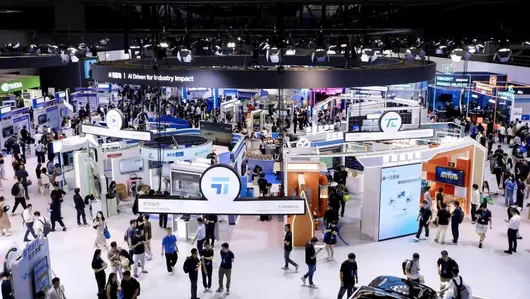
When in-vehicle Agents become industry buzzwords, most attention focuses on human-machine dialogue inside the cockpit, easily overlooking the deep transformation AI is stirring within the automaker system itself. Recently, the 2026 Tencent Global Digital Ecosystem Conference was held in Shenzhen, where a batch of heavy-hitting results such as TAI Cockpit Agent, the Overseas Version of Smart Driving Maps, and the Automaker AI Organizational Efficiency Solutions solution were showcased to the public.
During the simultaneous closed-door exchanges, Tencent Cloud Vice President and Head of Smart Mobility Zhong Xuedan, Tencent Cloud Vice President Li Bo, and Tencent Cloud Vice President Sun Yan conducted in-depth sharing on industry reality propositions, clarifying the two evolutionary mainlines of AI in the current automotive industry: Oriented towards the C-end, AI on board vehicles, moving from 'being able to chat' to 'being able to get things done', reconstructing the full-cycle travel experience; Oriented towards the B-side, AI 'joins' automakers, condensing individual employee capabilities into reusable organizational assets, realizing bidirectional mutual feeding of product iteration and organizational evolution.
 Zhong Xiangping proposes 'Product Evolution Drives Organizational Change' at the Smart Mobility session
Dialogue Is Just the Starting Point; Closed-loop Capabilities Are the True Test
In-vehicle Agents have now become a hot track in the industry, and many products treat conversational interaction capabilities as their biggest selling point. But amidst the noise, what truly widens the experience gap is the complete chain from understanding speech to implementing tasks, maintaining the right balance on safety boundaries, and more about how to serve different automakers to create unique texture belonging to the brand itself.
In Zhong Xuedan's view, the watershed moment for cockpit AI has arrived: 'Being able to chat is the first step, more importantly, it really helps users get things done.'
Many agents on the market stay at the Q&A level, giving a response, and interaction stops there. The upgraded TAI Cockpit Agent is committed to walking through the full process from intent recognition, service invocation to business fulfillment. It integrates Yuanbao full-duplex voice, Yuanbao Search, and Hunyuan Large Models, connecting 157 authoritative sources from 13 vertical industries. With a solid source foundation, it counteracts hallucination risks prone to large models, ensuring the reliability of output information in driving scenarios. Relying on the ecological accumulation of Tencent Maps, WeChat Mini Programs, and WeChat Pay, user voice commands for table reservations, ticket purchasing, route adjustment, parking fee payments, etc., the whole service can be done seamlessly, without jumping between multiple apps for manual operation.
 TAI Agent Connects Cockpit Service Closed Loop
This system adopts a cloud-edge synergy hybrid architecture, balancing safety, privacy, and practicality. Perception information collected in the vehicle is retained locally, not leaking to the cloud; the edge side handles simple intent parsing, while the cloud side is responsible for complex task coordination and reasoning. 'When the network environment is poor, cloud capabilities will be limited, but basic edge capabilities can still guarantee user basic interaction.' In the real driving environment with signal fluctuations, this division of labor model balances the needs of response speed, data privacy, and complex task processing.
Vehicle control permissions have always been a sensitive proposition that cockpit Agents cannot avoid. Zhong Xuedan's attitude was very clear: Tencent will not cross the boundary to take over the whole vehicle's underlying control logic. 'The key to vehicle control permissions is held by the automaker, we only do intent recognition and invocation protocols. Which instructions are allowed to be executed and in what scenarios can be executed, all safety boundaries are defined by the automaker.'
Li Bo also added that the technical conditions for Agent orchestration are already mature, but the degree of openness of vehicle domain interfaces, whole vehicle safety assessment, and compliance testing, the initiative is always in the hands of the OEM.
When the whole industry shares the large model base, how to shape differentiated experiences for different vehicle models? Zhong Xuedan believes that characteristics are not hidden inside general large models, but come from three real elements: the perception hardware capabilities of the vehicle itself, the user habit memory condensed by the automaker over the years, and the brand's own understanding and aesthetics of cockpit experience. Large models are just general tools; the unique warmth of a car ultimately needs the automaker to polish it in combination with its user group.
On the safety front, the entire system sets up multiple protection nets, adhering to the data compliance standards of the automotive industry, intercepting malicious input; vehicle control instructions are paired with context verification and permission tiering mechanisms, while relying on a continuously iterated evaluation system to keep risks and hazards in vehicle scenarios out of the door.
TAI also connects the cross-terminal capabilities of Yuanbao and XiaoWei, extending the travel experience beyond the vehicle infotainment system, building service continuity before, during, and after trips. Users can plan routes on the WeChat side and stream to the vehicle infotainment system with one click; after arriving at the destination, local consumption services flow back to the phone. Phones and vehicle infotainment systems do not replace each other, but more scenario complementarity. The core mission of cockpit AI is to serve the complete travel full cycle, rather than persisting in pursuing endless conversation duration inside the vehicle.
Break Out of the Individual Efficiency Improvement Dilemma; Let AI Sediment into Corporate Organizational Assets
 Sun Yan Analyzes Automaker Organizational Efficiency and AI Implementation Pain Points
Now almost all automakers are introducing various AI office tools, but a common practical dilemma emerges in industrial practice: Employees significantly improve work efficiency with the help of AI, but when magnified to the department or even the entire enterprise level, the returns are not obvious. Practical experience accumulated by core employees over days and years often dissipates along with personnel turnover. Individual efficiency gains are difficult to convert into long-term organizational capabilities, which is also the practical soil for this conference to propose the concept of 'New Organization'.
Sun Yan has a clear judgment on this: 'Employee efficiency improvement is the foundation of organizational efficiency improvement, but employee effectiveness improvement does not equal organizational effectiveness improvement.'
WorkBuddy and CodeBuddy can certainly liberate individual productivity, but if excellent ideas and judgment logic cannot be solidified into reusable assets within the enterprise, the enterprise will fall into a cycle of repeatedly making wheels and stepping on old pits. Tencent's solution is to condense individual practical experience into reusable Skill intelligent capabilities, penetrating into R&D, production, sales, supply, and service business links of the automaker.
A domestic OEM applied WorkBuddy to the product definition and validation links, with business overall efficiency achieving a 90% leap. Previously, engineers had to write a large number of scripts to complete data cleaning, labeling, verification, processes were cumbersome, results were saved separately in personal equipment, and traceability was difficult. With the help of DataBuddy, engineers can initiate tasks using natural language, the system automatically matches operators, generates a complete runnable processing process, schedules elastic computing power to complete operations, processing results are automatically stored in the library, and every step of the operation can be traced and verified.
 AI Productivity Platform Sediments Automaker Organizational Capabilities
'Not simply giving employees an AI chat tool, we hope to solidify the thinking logic and judgment standards of excellent employees, new hires don't need to start everything from scratch.' Tencent created the FDE 'Rocket Class' co-creation model, forming an agile squad composed of Tencent technical experts and automaker business experts, prioritizing high value and high implementation feasibility business scenarios for in-depth polishing, delivering tools while condensing methodologies to the automaker itself. Changan Automotive is a typical case. The two sides jointly created eight major business agents, covering product planning, production-sales coordination, quality operations, AI Coding, and other scenarios, all put into actual operation, bringing several-fold business efficiency improvements.
Production-sales coordination has always been a tough problem for traditional automakers. Sales, production, supply chain, and inventory belong to different departments, information is isolated. In the past, it took weeks of meeting seminars to complete a round of business decisions. After introducing Agents, the system automatically summarizes cross-departmental business data, outputs multiple alternative plans, such as prioritizing profit protection or prioritizing market sales volume, submitted to business personnel for confirmation and execution. The original decision cycle of several weeks is compressed to one to two days.
Sun Yan also observed an interesting industry phenomenon: Compared with new EV automakers, traditional large automakers are actually more desperate for this organizational efficiency improvement solution. Huge business volume and long industrial chains have spawned a large number of information silos, and AI Agents can just connect the fragmented data to build an enterprise global business observation perspective.
This solution does not force automakers to completely replace existing tools. WorkBuddy has good compatibility and can connect with multiple large models. Its core demand is to truly embed AI into existing enterprise business processes, not to build a castles-in-the-air Demo for demonstration purposes only.
Solve Complex Practical Issues; Going Global Becomes the Second Growth Curve
 Li Bo Interprets Outbound Intelligence and Tencent's 'Smart Co-pilot' Positioning
The domestic market stock game is becoming increasingly fierce, and going global has become a growth proposition that Chinese automakers cannot avoid. But intelligent globalization is certainly not simply copying domestic software directly. Cross-border data compliance, overseas cloud service infrastructure, and vastly different ecological environments in various places are hurdles in front.
Li Bo sorted out three major practical obstacles on the road of going global. First is fragmented data compliance. European GDPR and Vietnam's data localization storage requirements, different countries and regions have their own sets of rules; secondly, overseas cloud service costs remain high, the traditional ticket-based response rhythm is difficult to match the severe requirements for real-time in intelligent driving R&D; thirdly, the overseas Internet ecosystem is highly fragmented, not as highly aggregated as in the domestic market. Basic services like maps, music, and payment all need to complete adaptation docking again.
Tencent continues to expand global cloud infrastructure. Data centers in Frankfurt, Malaysia, Mexico, Osaka, Thailand, and other places have completed new construction and expansion, helping automakers build cloud-native cross-border compliance gateways to resolve the tough problems of cross-border data flow during intelligent driving R&D. The cloud base, data loop, and compliance system behind BYD Europe's self-developed intelligent driving project were supported by Tencent.
Outside the technical base, AI tools are also going global. WorkBuddy Overseas Version has landed. The Agent capabilities that have been run through domestically can be efficiently reused in overseas teams, bridging the gap in overseas collaboration. The Smart Driving Map Overseas Version, which has attracted industry attention, will be officially launched at the end of this year, creating 'One Map for the World'. Cockpit maps and intelligent driving maps share the same underlying engine, unified interfaces, reducing the cost for automakers to maintain two independent systems. On the landing rhythm, it prioritizes deep cultivation in the Southeast Asia market, then gradually expands to Europe and South America.
 Smart Driving Map Overseas Version Helps Automakers Go Global
Li Bo talked about, Tencent going global is not just outputting underlying cloud capabilities, but also playing the role of ecosystem connector. Overseas local content service providers have complex access thresholds. Tencent will assist automakers in docking local resources, prioritizing solving the business 'availability' issue, then polishing experience advanced optimization.
Looking towards Robotaxi and Embodied Intelligence these frontier tracks, Li Bo analyzed that autonomous driving and Embodied Intelligence are highly similar in technical origins. Both are built on Physical AI and World Models. Tencent does not go down to build the Robotaxi whole vehicle, but outputs cloud base, simulation environment, data loop kit; at the same time, relying on Tencent Mobility's C-end traffic entry, the Robotaxi service is accessed into the travel Mini Program, connecting the B-end fleet operation and ordinary user ride-hailing link. Pony.ai, WeRide, Apollo Go and other enterprises have completed access.
Willing to be the Car Maker's Intelligent 'Co-pilot', Not Seizing the C-end Frontend
Currently, many tech companies are enthusiastic about creating independent C-end brands for consumers for in-vehicle large models, while TAI always maintains a B-end positioning. This is also a topic repeatedly discussed in exchanges.
Li Bo reiterated Tencent Smart Mobility's usual stance: Be the automaker's 'Smart Co-pilot', the main driver is always the automaker itself. 'Consumers buying cars recognize the automaker brand, ownership of all whole vehicle experiences should belong to the OEM. Tencent outputs underlying platforms, ecosystems, and Agent capabilities, not rushing to the front to replace the automaker in establishing brand perception for C-end users.'
Such a positioning also determines the diversity of commercialization paths. Cockpit Agents can adopt License authorization, Token, cloud services, and other billing methods, flexibly adjusted with the automaker's cooperation model. Speaking of the industry hotly discussed Token payment model, Li Bo has a pragmatic judgment: The domestic market is unlikely to sell Tokens directly to ordinary car owners by count. Domestic users have long been accustomed to Internet inclusiveness experience, accepting direct charging by interaction count is very low. The more feasible path in the future is to bind closely with membership benefits and after-sales service, relying on business revenue sharing to realize business loops, rather than simply selling Tokens.
Speaking of long-term competitive barriers, Zhong Xuedan believes Tencent's advantage lies not in a single-point model, but in the comprehensive ability of 'Base + Ecosystem + Business Co-creation' integrated. There is Hunyuan Large Model and AI Infra computing power base as the cornerstone, sitting on the complete ecosystem of WeChat, Pay, Mini Programs, Maps, and Content, and relying on FDE Co-creation model to dive into automaker real business, letting AI capabilities land in real business scenarios, not stopping at PPT and Demo.
Zhong Xiangping's opening argument ran through the whole exchange: Product evolution drives organizational change, organizational change supports product evolution. Judging the value of AI high and low, it is never to see how many Agents are piled up, but to see if it can really solve business pain points and create real value for enterprises and ordinary users.
The AI wave sweeps the automotive industry, changing far more than just a smarter voice assistant in the cockpit, but reshaping the travel experience users have in cars on one side, and deeply entering the automaker operational texture, transforming the whole operation logic from R&D to service. Tencent's train of thought is clear and firm: On one hand, promote AI on board, upgrading simple dialogue to a complete service closed loop; on the other hand, promote AI 'joining' automakers, condensing scattered personal experience into enterprise reusable organizational assets, providing a complete digital support for the Chinese automotive industry facing stock competition and the global wave.

© 2024 Bitauto.com. All Rights Reserved.
Bitauto (www.yiche.com and www.bitauto.com) is one of the most visited automotive websites in China. We provide detailed info on Chinese car brands available in your area. Please note that the information provided on this website is based on publicly available data and is for reference only. It may not be fully updated or accurate at all times.

Help us improve our website


