

HomePerodua Bezza

Search History
Popular Searches
Dealer Login / Sign Up

In the Malaysian SUV market, many buyers compare the Mazda CX-3 and Mitsubishi Xforce when choosing a car. These two cars are quite close in price and positioning. Today, we will make a detailed comparison from multiple aspects to help you save time on research.
The OTR price of the Mazda CX-3 in Malaysia is RM 126,159 - 139,159, with a total of 2 versions, including 2023 2.0L High (RM 139,159), 2023 2.0L Plus (RM 126,159), etc.
The OTR price of the Mitsubishi Xforce in Malaysia is RM 109,930 - 119,930, with a total of 2 versions, including 2026 1.5L Ultimate (RM 119,930), 2026 1.5L Urban (RM 109,930), etc.
From a price perspective, the starting price of the Mitsubishi Xforce is RM 16,229 cheaper than the Mazda CX-3. Honestly, in this price range, a difference of a few thousand isn't actually that big, the key is still looking at the overall value for money and long-term operating costs.

The Mazda CX-3 is equipped with a 1.5L Turbo, with 140 hp. Official fuel consumption 7.0 L/100km.
The Mitsubishi Xforce is equipped with a 1.5L Turbo, with 140 hp. Official fuel consumption 7.0 L/100km.
Both cars use the same powertrain system, so the driving experience daily is basically the same. Fuel consumption is also similar, no need to worry too much about this point.

The safety rating of the Mazda CX-3 is 5★ (ASEAN NCAP), active safety systems include i-Activsense.
The safety rating of the Mitsubishi Xforce is 5★ (ASEAN NCAP), active safety systems include MI-PILOT.
Both cars have the same safety rating, safety features are quite complete within this class. The safety of new cars nowadays is not bad, no need to worry too much about this point.

Mazda CX-3 body length 4500 mm, trunk 450 L.
Mitsubishi Xforce body length 4400 mm, trunk 400 L.
In terms of space, the Mazda CX-3 body is 100 mm longer than the Mitsubishi Xforce, the interior seating space will be slightly more spacious, especially the rear legroom. If you often carry family or need to put in a stroller, a slightly larger body is indeed more practical.

Mazda CX-3 and Mitsubishi Xforce are both mainstream choices in the Malaysian market, suitable for family use, daily commuting. If you value brand reputation and resale price more, you can prioritize the one with better reputation; if you care more about value for money and features, then choose the one with richer configurations. Ultimately, it is suggested to test drive both, personal experience is the most important.

Overall, the Mazda CX-3 and Mitsubishi Xforce are both very good models in the Malaysian market. Which one to choose depends on your personal needs and budget. It is recommended to do your research, compare quotes from multiple car dealerships, and then test drive to make a final decision. Buying a car is a big deal, spending some time doing research will never be wrong.


Di pasaran SUV di Malaysia, ramai pembeli semasa memilih kereta akan membandingkan Mazda CX-3 dan Hyundai Tucson. Kedua-dua kereta ini agak hampir dari segi harga dan penempatan. Hari ini, kita akan membuat perbandingan terperinci dari pelbagai aspek, membantu anda menjimatkan masa untuk kerja persediaan.
Mazda CX-3 mempunyai harga OTR di Malaysia sebanyak RM 126,159 - 139,159, mempunyai 2 versi, termasuk 2023 2.0L High(RM 139,159), 2023 2.0L Plus(RM 126,159)dan lain-lain.
Hyundai Tucson mempunyai harga OTR di Malaysia sebanyak RM 143,888 - 197,888, mempunyai 5 versi, termasuk 2025 HEV 1.6T AT 2WD Prestige(RM 197,888), 2025 1.6T DCT 4WD Prestige(RM 186,888), 2025 1.6T DCT 2WD Prime(RM 164,888)dan lain-lain.
Dari segi harga, harga permulaan Mazda CX-3 memang lebih murah RM 17,729 berbanding Hyundai Tucson. Jika bajet anda terhad, versi permulaan Mazda sudah cukup untuk memenuhi keperluan harian. Tetapi anda juga perlu mengambil kira, beribu-ribu yang lebih murah itu mungkin mempunyai kompromi dari segi kelengkapan, bergantung pada keperluan anda.
Mazda CX-3 dilengkapi dengan 1.5L Turbo, kuasa 140 hp. Penggunaan bahan api rasmi 7.0 L/100km.
Hyundai Tucson dilengkapi dengan 1.5L Turbo, kuasa 140 hp. Penggunaan bahan api rasmi 7.0 L/100km.
Kedua-dua kereta menggunakan sistem kuasa yang sama, pengalaman memandu harian hampir tiada perbezaan. Dari segi penggunaan bahan api juga hampir sama, tidak perlu terlalu bimbang dengan hal ini.
Mazda CX-3 panjang badan 4500 mm, begasi 450 L.
Hyundai Tucson panjang badan 4400 mm, begasi 400 L.
Dari segi ruang, badan Mazda CX-3 lebih panjang 100 mm berbanding Hyundai Tucson, ruang duduk di dalam kereta sedikit lebih lapang, terutamanya ruang kaki untuk kerusi belakang. Jika anda kerap membawa ahli keluarga atau perlu meletakkan kerusi bayi, badan kereta yang lebih besar memang lebih praktikal.
Mazda CX-3 dan Hyundai Tucson adalah pilihan utama di pasaran Malaysia, sesuai untuk kegunaan keluarga, perjalanan harian. Jika anda lebih mementingkan reputasi jenama dan harga pasaran kedua, anda boleh mempertimbangkan model yang lebih mempunyai reputasi; jika anda lebih mementingkan nilai kos dan kelengkapan, maka pilih model dengan konfigurasi lebih kaya. Akhir sekali disyorkan kedua-dua model untuk diuji pemanduan, pengalaman sendiri adalah yang paling penting.

Secara keseluruhannya, Mazda CX-3 dan Hyundai Tucson adalah model kereta yang sangat baik di pasaran Malaysia. Memilih yang mana, kuncinya masih bergantung pada keperluan peribadi dan bajet anda. Disyorkan anda membuat kerja riset, bandingkan sebut harga beberapa tempat jualan kereta, kemudian pergi uji pemanduan untuk membuat keputusan akhir. Membeli kereta adalah perkara besar, meluangkan sedikit masa untuk kerja riset tidak akan salah.

喺馬來西亞嘅 SUV 市場,好多買家喺揀車嗰陣都會用馬自達 CX-3 同起亞 Sportage 嚟做比較。呢兩部車喺價位同定位上都幾接近,今日我哋就從多個方面做個詳細嘅比較,幫你省返做功課嘅時間。
馬自達 CX-3 喺馬來西亞嘅 OTR 售價係 RM 126,159 - 139,159,一共有 2 個版本,包括 2023 2.0L High(RM 139,159)、2023 2.0L Plus(RM 126,159) 等。
起亞 Sportage 喺馬來西亞嘅 OTR 售價係 RM 129,639 - 179,320,一共有 4 個版本,包括 2025 1.6T DCT 4WD High(RM 179,320)、2025 1.6T DCT 2WD High(RM 159,320)、2025 2.0L AT 2WD High(RM 139,639) 等。
從價錢嚟睇,馬自達 CX-3 嘅起步價確實比起亞 Sportage 平咗 RM 3,480。如果你預算有限,馬自達嘅入門版已經可以滿足日常需要。但都要注意,平少少嗰幾千蚊,可能喺配備上會有取舍,具體要睇你需要。
馬自達 CX-3 搭載 1.5L Turbo,馬力 140 hp。官方油耗 7.0 L/100km。
起亞 Sportage 搭載 1.5L Turbo,馬力 140 hp。官方油耗 7.0 L/100km。
兩部車用緊同一套動力系統,日常開起嚟嘅感受基本冇分別。油耗方面都差唔多,唔使太糾結呢一點。
馬自達 CX-3 車身長 4500 mm,行李箱 450 L。
起亞 Sportage 車身長 4400 mm,行李箱 400 L。
空間方面,馬自達 CX-3 嘅車身比起亞 Sportage 長咗 100 mm,車內乘坐空間會稍為寬鬆一啲,尤其係後座腿部空間。如果你經常載家人或者需要放嬰兒車,大少少嘅車身確實更抵用。
馬自達 CX-3 採用 FWD 驅動方式。
起亞 Sportage 採用 FWD 驅動方式。
兩部車嘅驅動方式一樣,都係 FWD,日常駕駛感受唔會有太大分別。

馬自達 CX-3 同起亞 Sportage 都係馬來西亞市場嘅主流選擇,適合家用、日常通勤。如果你更重視品牌口碑同二手價,可以優先考慮口碑更好嗰一款;如果你更在意性價比同配備,就揀配備更豐富嗰款。最終都係建議兩部都去試駕,親身體驗先係最重要。
總而言之,馬自達 CX-3 同起亞 Sportage 都係馬來西亞市場幾唔錯嘅車款。揀邊一輛,關鍵都係要睇你嘅個人需要同預算。建议大家做好功課,多比較幾間車行嘅報價,再去試駕做最終決定。買車係件大事,花少少時間做功課絕對唔會錯。

喺馬來西亞嘅 SUV 市場,好多買家喺揀車嘅時候都會拿 Mazda CX-3 同 Kia Sportage 嚟做比較。呢兩款車喺價位同定位上都幾接近,今日我哋就從多個方面做一個詳細嘅比較,幫你省咗做功課嘅時間。
Mazda CX-3 喺馬來西亞嘅 OTR 售價係 RM 126,159 - 139,159,共有 2 個版本,包括 2023 2.0L High(RM 139,159)、2023 2.0L Plus(RM 126,159) 等。
Kia Sportage 喺馬來西亞嘅 OTR 售價係 RM 129,639 - 179,320,共有 4 個版本,包括 2025 1.6T DCT 4WD High(RM 179,320)、2025 1.6T DCT 2WD High(RM 159,320)、2025 2.0L AT 2WD High(RM 139,639) 等。
從價錢嚟睇,Mazda CX-3 嘅起步價確實比 Kia Sportage 平咗 RM 3,480。如果你預算有限,Mazda 嘅入門版已經可以滿足日常需要。但亦要小心,平嗰幾千蚊,可能喺配備上面會有取捨,具體要睇你嘅需要。
Mazda CX-3 嘅安全評級係 5★ (ASEAN NCAP),主動安全系統包括 i-Activsense。
Kia Sportage 嘅安全評級係 5★ (ASEAN NCAP),主動安全系統包括 Drive Wise。
兩款車嘅安全評級一樣,喺呢個級別入面安全配備都算好齊全㗎啦。而家嘅新車安全性都唔錯,唔使太擔心呢一點。
Mazda CX-3 保養 5 年/150,000km,保養間隔 每 10,000km 或 6 個月。
Kia Sportage 保養 5 年/300,000km,保養間隔 每 10,000km 或 6 個月。
Mazda CX-3 同 Kia Sportage 都係馬來西亞市場嘅主流選擇,適合家庭使用、日常通勤。如果你更睇重品牌口碑同二手價,可以優先考慮口碑更好嗰一款;如果你更在意性價比同配備,嗰就揀配置更豐富嗰款。最終都係建議兩款都去試駕,親身體驗先至係最重要㗎。
總體嚟講,Mazda CX-3 同 Kia Sportage 都係馬來西亞市場好唔錯嘅車型。揀邊一輛,關鍵都係要睇你嘅個人需要同預算。建議大家做好功課,多比較幾間車行嘅報價,再去試駕先至做最終決定。買車係一件大事,花啲時間做功課絕對唔會錯。

In the Malaysian SUV market, many buyers tend to compare Mazda CX-3 and Hyundai Santa Fe when choosing a car. These two cars are quite close in terms of price and positioning. Today we will make a detailed comparison from multiple aspects to help you save time on research.
The OTR price of Mazda CX-3 in Malaysia is RM 126,159 - 139,159, with a total of 2 versions, including 2023 2.0L High (RM 139,159), 2023 2.0L Plus (RM 126,159) etc.
The OTR price of Hyundai Santa Fe in Malaysia is RM 225,000 - 270,000, with a total of 3 versions, including 2025 2.5T DCT 4WD Calligraphy 6 Seats (RM 270,000), 2025 HEV 1.6T AT 2WD Prestige 7 Seats (RM 245,000), 2025 HEV 1.6T AT 2WD Prime 7 Seats (RM 225,000) etc.
From a price perspective, the starting price of Mazda CX-3 is indeed RM 98,841 cheaper than Hyundai Santa Fe. If your budget is limited, Mazda's entry-level version can already meet daily needs. But keep in mind, the thousands cheaper might involve trade-offs in features, it depends on your specific needs.
Mazda CX-3 car body length is 4500 mm, trunk capacity 450 L.
Hyundai Santa Fe car body length is 4400 mm, trunk capacity 400 L.
In terms of space, the Mazda CX-3 body is 100 mm longer than Hyundai Santa Fe, making the interior seating space slightly more spacious, especially the rear legroom. If you often carry family or need to fit a stroller, a larger body is indeed more practical.
Mazda CX-3 adopts FWD drive mode.
Hyundai Santa Fe adopts FWD drive mode.
Both cars have the same drive mode, both are FWD, there will not be much difference in daily driving feel.
Mazda CX-3 and Hyundai Santa Fe are both mainstream choices in the Malaysian market, suitable for family use and daily commuting. If you value brand reputation and resale value more, you can prioritize the one with better reputation; if you care more about value for money and features, then choose the one with richer configuration. Ultimately it is recommended to test drive both, personal experience is most important.

Overall, Mazda CX-3 and Hyundai Santa Fe are both very good car models in the Malaysian market. Which one to choose mainly depends on your personal needs and budget. It is recommended to do your homework, compare quotes from a few more dealerships, and then test drive to make the final decision. Buying a car is a big thing, spending time on research will never be wrong.

The current Chinese automotive industry is at a historical juncture full of tension. Data from the China Association of Automobile Manufacturers shows that in 2025, total vehicle exports reached 7.098 million units, a year-on-year increase of 21.1%; in the first three quarters of 2026, it climbed to 8.205 million units, a year-on-year increase of 65.8%, while domestic sales declined by more than 20% year-on-year. "Cool domestic market, hot overseas market" reveals a new reality: Chinese automobiles have bid farewell to the chasing phase and entered an era of competing on the same platform with European, American, Japanese, and Korean established industrial powers, while overseas markets are no longer simply incremental space.
A simple linear narrative has long been popular in the industry: electrification in the first half, intelligence in the second half, going overseas in the first half. Such staged discourse has a low barrier to dissemination, but subtly distorts the industry's strategic judgment, simplifying the global process of layered interweaving and multi-party gaming into a race proceeding in sequence. From a political economy perspective, electrification, intelligence, and globalization resemble three long-term parallel, mutually constrained systems; every country is an independent political economy with exclusive industrial rhythms, labor structures, energy routes, and electoral politics, with no unified global schedule. Going overseas has no clear stage switching point, only continuous adaptation, negotiation, and gaming.
The deep reason for the change lies in the nature of this industry. Automotive manufacturing is an industrial sector with extremely high externalities. It carries a country's manufacturing employment base, tax sources, parts clusters, energy transition routes, mineral distribution, and data security, and is deeply bound to local votes and the interests of local capital. When Chinese automobiles transform from supplementary imported goods into forces that replace original local industries, market competition will escalate into a game of benefit distribution.

▲Fig: Shanghai Waigaoqiao Automotive Ro-Ro Terminal, export-bound vehicles parked densely, waiting to drive onto a Ro-Ro ship for shipment overseas. Image source: Xinhua News Agency
The following four groups of observations constitute the basic framework for understanding the political economy of going global.
The Vote Logic Behind Trade Tools
No economy is willing to publicly accept the shrinkage of its local automotive industry, the loss of blue-collar jobs, and the decline of supporting supply chains. The EU's final anti-subsidy ruling on Chinese electric vehicles landed in October 2024, with countries adding layers to local content requirements—on paper, these are trade rules; at the core, they are industrial protections oriented towards employment and votes. Understanding this layer, one will notice a frequently overlooked share phenomenon: when market share is still small, foreign brands are viewed as supplements; after shares continue to expand, if communication still revolves around low-price advantages, it is easy to be shaped into a predator of local industries and become the priority target of trade protection. This is a narrative turning point, unrelated to price itself.
Companies already in action have made jobs into verifiable local commitments. After Great Wall Motor acquired the former Mercedes-Benz factory in Iracema, Brazil, it rehired about 10% of the original factory's technical backbone and co-established technician training projects with SENAI, Brazil's national industrial training agency; Chery's communication focus in South Africa is industrial revitalization and inclusive employment.

▲Fig: Employees at Great Wall Motor's Iracema plant in Brazil pose for a group photo in the workshop. Image source: Great Wall Motor (republished by Ifeng)
Factory Implementation and Equity Arrangements are Both Risk Assessments
Host countries accepting foreign investment to build factories usually do not want just one more factory, but the retention of high-value-added segments—local procurement, R&D implementation, battery recycling, and continued tax and reinvestment. "Enclave factories" (island-style factories with almost no industrial connection to the local economy) that only do simple assembly, import all core components externally, and prioritize profit repatriation to the home country are easily recorded as disguised exports in the host country's ledger; policy tightening is only a matter of time. Equating "building factories overseas, completing assembly" with localization is the most common cognitive misalignment of the past few years.
Another approach is to truly bring down the industrial chain. BYD's bases in Rayong, Thailand, and Brazil, offer value beyond complete vehicle capacity; they are deeply embedded in local energy planning, drive the growth of supporting clusters, and align with the host country's carbon neutrality goals. There isn't much difference between the two types of projects in good times; when protectionist sentiments rise, subsidies are cancelled, thresholds raised, and profit repatriation restricted, they will first land on the former type.
Automakers' heavy asset investments have a ten-year cycle, but many countries' industrial policies sway with election cycles and may turn in three to five years; static commercial calculations are hard to cover this dynamic risk. Looking back at equity choices in this context leads to a judgment contrary to intuition: insisting on wholly-owned holdings in high-sensitivity markets, intended to firmly grasp technology and management rights, actually results in bearing all political risks alone, lacking the buffer of local shareholders in lobbying, communication, and public opinion. Equity arrangements themselves are risk hedging tools; blindly pursuing complete control is sometimes equivalent to going global naked.
The variable distinguishing joint ventures from high holdings is, less so whether "policy is stable or not"—according to the above logic, no market is called stable—than exit costs: heavy asset, long cycle, deeply embedded projects tend towards joint venture sharing; light asset, parts assembly (KD), and easily exitable businesses often retain higher holdings. Chery's Spain project provides a sample of the former: cooperating with local enterprises to revitalize idle complete vehicle assets, retaining the local brand Ebro (Ebro), allowing local capital and teams to share returns, the oppositional color of foreign capital fades accordingly.

▲Fig: On November 23, 2024, the first model S700 of the Chery and Spanish Ebro joint venture factory rolled off the line in Barcelona. Image source: Xinhua News Agency
Standards and Data are Both Political Variables
New energy vehicles are deeply bound to national energy strategies. Europe builds new trade thresholds with carbon neutrality—the Carbon Border Adjustment Mechanism (CBAM) enters the implementation period in 2026, and the EU Battery Regulation's "Battery Passport" (digital record of the battery's full lifecycle) becomes applicable starting February 2027. Carbon footprint, mineral tracing, and scrapping recycling appear as technical standards, but essentially they are tools for a new round of global industrial value distribution.
During the stage of dense rule generation, the inertia of most automakers is to wait for finalization before passive adaptation, long absent from the agenda table. Local established enterprises and parts alliances, however, have sufficient motivation to promote standards favorable to themselves—the compliance cost and defensive position of absentees are structural. Some top automakers are also starting to change participation methods: partnering with local universities, think tanks, and industry associations, conducting joint research around carbon accounting, battery standards, and intelligent connectivity access, putting forward solutions that balance emission reduction, industrial development, and supply chain security on the table first. Whether participating or not, the cost curve after two or three years will give the answer.
Intelligent vehicles are mobile data terminals; road conditions, driving, maps, user information, and even algorithm training data all touch upon national security and privacy sovereignty. Many access restrictions targeting intelligent models are not product defects but direct manifestations of digital geopolitical gaming. Treating data compliance as ordinary legal processes, feeling relieved upon meeting basic filing requirements, underestimates the sovereignty attribute of this issue; copying the domestic data closed-loop model easily touches the red line.
XPeng's practice in Europe provides an observation sample: completing localization verification with the same set of models, publicly conducting intelligent driving tests in Germany and the Netherlands (European regulatory approval expected to land in the first half of 2027), while clearly distinguishing from the industry's routine route of "data localization, model localization". How to draw the boundary between output capability and surrendering sovereignty, various solutions have not yet converged; this case is worth watching.
Brands are Trust Precipitated from Symbiosis
The accounts of political economy must ultimately be calculated within the enterprise. Local talent cultivation, industrial chain support, industry co-construction, and community investment take time to show results, but exactly these are the foundation of long-term resilience. When headquarters only assess overseas business based on short-term sales and profits, overseas teams' behavior will naturally tilt towards volume pushing; when budgets tighten, these long-term efforts are the first to be cut. The mismatch between assessment cycles and investment cycles is the root of many "knowing what to do, but unable to do it within the organization"—writing localization rates, local employment, and supply chain cultivation into assessment indicators, essentially gives long-term commitments an anchor within the organization.

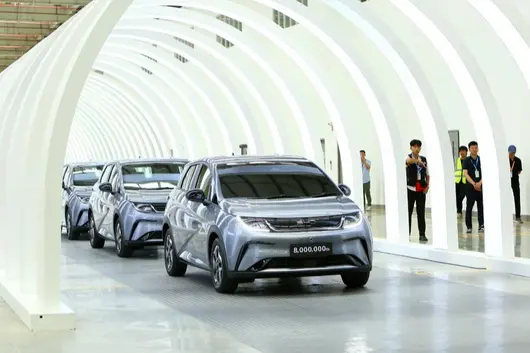
▲Fig: On July 4, 2024, the BYD Rayong Province factory in Thailand was completed, and the 8 millionth new energy vehicle rolled off the line on site. Image source: Xinhua News Agency
The industry often equates brand global expansion with advertising placement, auto show hype, and traffic marketing; the actual logic is exactly the opposite: advertising can quickly create awareness, but only continuous interest compatibility can shape public credibility. Lynk & Co's trajectory in Europe is a mirror—once entered with a subscription mobility model, due to high customer acquisition costs and low repurchase rates, abandoned pure subscription for traditional distribution at the end of 2024, further signed in September 2026, with Volvo serving as the exclusive distributor in Europe starting January 2027. Single-point business model innovation cannot replace the embedding of interest structures. BYD obtaining positive endorsements from governments and industry associations in multiple countries, Chery breaking through European protection barriers, Great Wall rooting and producing in Brazil, all explain the same thing: overseas brand influence is social trust precipitated from long-term interest symbiosis. Brands lacking a foundation in political economy are just castles in the air.
What needs a fraction of restraint is that the above framework comes from the induction of recent cases, the sample is still expanding, and explanatory power must be left to time for testing. Fluctuations in election cycles, sudden turns in geopolitical relationships, could all rewrite the direction of individual cases.
In the coming years, this is the deep water zone and watershed of Chinese automotive globalization. Products are the entry ticket, technology is the foundation, business is the surface, political economy is the base for long-term development. Chinese automobiles have already obtained the entry ticket to go global; next, they must read, understand, and master this course on political economy. It determines how far and how stably we can go in this round of automotive industry globalization.




Di pasaran SUV Malaysia, ramai pembeli semasa memilih kereta akan membandingkan Mazda CX-3 dan Mitsubishi Xforce. Kedua-dua kereta ini mempunyai harga dan kedudukan yang hampir sama. Hari ini, kita akan membuat perbandingan terperinci dari pelbagai aspek untuk membantu anda menjimatkan masa membuat penyelidikan.
Mazda CX-3 dijual dengan harga OTR di Malaysia sebanyak RM 126,159 - 139,159, terdapat 2 versi, termasuk 2023 2.0L High (RM 139,159), 2023 2.0L Plus (RM 126,159) dan lain-lain.
Mitsubishi Xforce dijual dengan harga OTR di Malaysia sebanyak RM 109,930 - 119,930, terdapat 2 versi, termasuk 2026 1.5L Ultimate (RM 119,930), 2026 1.5L Urban (RM 109,930) dan lain-lain.
Dari segi harga, harga permulaan Mitsubishi Xforce adalah RM 16,229 lebih murah daripada Mazda CX-3. Jujurlah, dalam julat harga ini, beza beberapa ribu sebenarnya tidak besar, yang penting adalah melihat nisbah harga dan prestasi keseluruhan serta kos penggunaan jangka panjang.
Mazda CX-3 dilengkapi enjin Turbo 1.5L, kuasa 140 hp. Penggunaan minyak rasmi 7.0 L/100km.
Mitsubishi Xforce dilengkapi enjin Turbo 1.5L, kuasa 140 hp. Penggunaan minyak rasmi 7.0 L/100km.
Kedua-dua kereta menggunakan sistem kuasa yang sama, pengalaman memandu harian pada dasarnya tidak berbeza. Penggunaan minyak juga hampir sama, tidak perlu terlalu bimbang mengenai perkara ini.
Panjang badan Mazda CX-3 ialah 4500 mm, stor belakang 450 L.
Panjang badan Mitsubishi Xforce ialah 4400 mm, stor belakang 400 L.
Dari segi ruang, badan Mazda CX-3 adalah 100 mm lebih panjang daripada Mitsubishi Xforce, ruang duduk dalam kenderaan akan sedikit lebih lapang, terutamanya ruang kaki untuk tempat duduk belakang. Jika anda sering membawa ahli keluarga atau memerlukan meletakkan kereta bayi, badan yang lebih besar memang lebih praktikal.
Mazda CX-3 jaminan 5 tahun/150,000km, selang penyelenggaraan setiap 10,000km atau 6 bulan.
Mitsubishi Xforce jaminan 3 tahun/100,000km, selang penyelenggaraan setiap 10,000km atau 6 bulan.
Secara keseluruhan, Mazda CX-3 dan Mitsubishi Xforce adalah model kereta yang sangat baik di pasaran Malaysia. Memilih yang mana, yang penting adalah melihat keperluan dan bajet peribadi anda. Kami menasihatkan anda untuk membuat kajian dengan baik, bandingkan lebih banyak tawaran dari beberapa kedai kereta, kemudian buat ujian memandu untuk membuat keputusan akhir. Membeli kereta adalah perkara besar, meluangkan masa membuat kajian pasti tidak akan salah.

Dalam pasaran SUV di Malaysia, ramai pembeli yang membandingkan Mazda CX-3 dan GWM Haval H6 ketika memilih kereta. Kedua-dua kereta ini mempunyai harga dan kategori yang agak hampir. Hari ini, kami akan membuat perbandingan terperinci dari pelbagai aspek untuk membantu anda menjimatkan masa membuat kajian.
Harga OTR Mazda CX-3 di Malaysia ialah RM 126,159 - 139,159. Terdapat 2 varian, termasuk 2023 2.0L High (RM 139,159), 2023 2.0L Plus (RM 126,159), dan lain-lain.
Harga OTR GWM Haval H6 di Malaysia ialah RM 139,750 - 139,750. Terdapat 2 varian, termasuk 1.5L Turbo Standard (RM 140,000), 1.5L Turbo Premium (RM 155,000), dan lain-lain.
Dari segi harga, harga permulaan Mazda CX-3 memang lebih murah RM 13,591 berbanding GWM Haval H6. Jika bajet anda terhad, varian permulaan Mazda sudah dapat memenuhi keperluan harian. Tetapi perlu diingat, ribuan ringgit yang lebih murah itu mungkin mempunyai kompromi dari segi kelengkapan, bergantung pada keperluan anda.
Mazda CX-3 dilengkapi dengan 1.5L Turbo, kuasa 140 hp. Penggunaan bahan api rasmi 7.0 L/100km.
GWM Haval H6 dilengkapi dengan Hybrid, kuasa 170 hp. Penggunaan bahan api rasmi 4.5 L/100km.
Dari segi kuasa, Hybrid GWM Haval H6 mempunyai 30 bhp lebih daripada 1.5L Turbo Mazda CX-3. Namun, penggunaan harian dalam bandar, kuasa kedua-dua kereta sudah mencukupi, tidak terasa kurang tenaga.
Penarafan keselamatan Mazda CX-3 ialah 5★ (ASEAN NCAP), sistem keselamatan aktif termasuk i-Activsense.
Penarafan keselamatan GWM Haval H6 ialah TBD, sistem keselamatan aktif termasuk Basic.
Dari segi kelengkapan keselamatan, kedua-dua kereta mendapat penarafan yang baik. Walau bagaimanapun, terdapat perbezaan dalam fungsi antara i-Activsense Mazda CX-3 dan Basic GWM Haval H6. Jika anda mengutamakan keselamatan aktif, anda boleh membandingkan senarai fungsi kedua-duanya.
Mazda CX-3 mempunyai waranti 5 tahun/150,000km, selang penyelenggaraan setiap 10,000km atau 6 bulan.
GWM Haval H6 mempunyai waranti 7 tahun/150,000km, selang penyelenggaraan setiap 10,000km atau 6 bulan.
Mazda CX-3 dan GWM Haval H6 adalah pilihan utama pasaran Malaysia, sesuai untuk kegunaan keluarga dan perjalanan harian. Jika anda mengutamakan reputasi jenama dan harga terpakai, pilih yang mana reputasinya lebih baik; jika anda lebih mengutamakan nilai harga dan kelengkapan, pilih yang mempunyai konfigurasi lebih lengkap. Akhir sekali, disyorkan untuk uji pusing kedua-duanya, pengalaman sendiri adalah yang paling penting.
Secara keseluruhan, Mazda CX-3 dan GWM Haval H6 adalah model kereta yang sangat bagus di pasaran Malaysia. Memilih yang mana, terutamanya bergantung pada keperluan peribadi dan bajet anda. Kami cadangkan anda membuat kajian, bandingkan pelbagai harga dari beberapa dealer, kemudian buat uji pusing untuk membuat keputusan akhir. Membeli kereta adalah perkara besar, meluangkan masa untuk kajian pasti tidak salah.

Di pasaran SUV Malaysia, ramai pembeli semasa memilih kereta akan membandingkan Mazda CX-3 dan Chery Tiggo 9.
Mazda CX-3 dijual di Malaysia dengan harga OTR antara RM 126,159 - 139,159, terdapat sebanyak 2 versi, termasuk 2023 2.0L High (RM 139,159), 2023 2.0L Plus (RM 126,159) dan lain-lain.
Chery Tiggo 9 dijual di Malaysia dengan harga OTR antara RM 166,800 - 179,800, terdapat sebanyak 1 versi, termasuk 2026 2.0T Standard (RM 179,750) dan lain-lain.
Dari segi harga, harga permulaan Mazda CX-3 memang lebih murah RM 40,641 berbanding Chery Tiggo 9. Jika bajet anda terhad, versi permulaan Mazda sudah cukup untuk keperluan harian. Tetapi perhatikan juga, beribu ringgit yang murah ini mungkin ada kompromi dari segi kelengkapan, bergantung pada keperluan anda.
Mazda CX-3 dilengkapi dengan 1.5L Turbo, kuasa 140 hp. Penggunaan bahan api rasmi 7.0 L/100km.
Chery Tiggo 9 dilengkapi dengan 2.0L 4-cyl, kuasa 170 hp. Penggunaan bahan api rasmi 8.0 L/100km.
Dari segi kuasa, 2.0L 4-cyl Chery Tiggo 9 mempunyai 30 hp lebih berbanding 1.5L Turbo Mazda CX-3. Namun untuk pemanduan harian di kawasan bandar, kuasa kedua-dua kereta adalah mencukupi, tidak akan rasa kurang tenaga.
Penarafan keselamatan Mazda CX-3 ialah 5★ (ASEAN NCAP), sistem keselamatan aktif termasuk i-Activsense.
Penarafan keselamatan Chery Tiggo 9 ialah TBD, sistem keselamatan aktif termasuk Basic.
Dari segi kelengkapan keselamatan, kedua-dua kereta memperoleh penarafan yang baik. Namun, i-Activsense Mazda CX-3 dan Basic Chery Tiggo 9 mempunyai perbezaan tertentu dari segi fungsi, jika anda mengutamakan keselamatan aktif, anda boleh membandingkan senarai fungsi kedua-duanya dengan teliti.
Mazda CX-3 panjang badan 4500 mm, ruang bagasi 450 L.
Chery Tiggo 9 panjang badan 4400 mm, ruang bagasi 400 L.
Dari segi ruang, badan Mazda CX-3 lebih panjang 100 mm berbanding Chery Tiggo 9, ruang penumpang di dalam kenderaan sedikit lebih lapang, terutamanya ruang kaki di kerusi belakang. Jika anda kerap membawa keluarga atau perlu meletakkan kereta bayi, badan yang lebih besar memang lebih praktikal.

Mazda CX-3 jaminan 5 tahun/150,000km, selang servis setiap 10,000km atau 6 bulan.
Chery Tiggo 9 jaminan 3 tahun/100,000km, selang servis setiap 10,000km atau 6 bulan.

Secara keseluruhannya, Mazda CX-3 dan Chery Tiggo 9 adalah model kereta yang sangat baik di pasaran Malaysia. Memilih mana satu, kuncinya bergantung pada keperluan dan bajet peribadi anda. Kami cadangkan anda membuat penyelidikan, membandingkan beberapa harga daripada pengedar kereta, kemudian lakukan ujian memandu untuk membuat keputusan akhir. Membeli kereta adalah perkara besar, meluangkan masa membuat penyelidikan pasti tidak salah.

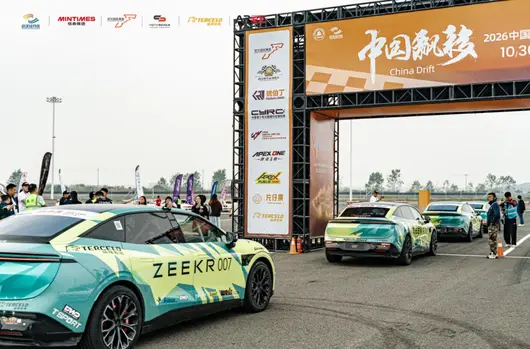
10 月 30 日至 11 月 1 日,2026 新能源汽車飄移武漢公開賽喺武漢國際賽道舉行。參賽嘅 16 名車手來自中國、蒙古國、俄羅斯、韓國同泰國,官方用車統一為賽事化改裝嘅煥新極氪 007,賽事指定輪胎係鷹雄 TAMIR EV01。
這係繼今年 5 月海南全球首發之後嘅第二站,亦係新能源飄移賽事首次落地上中部地區。
比賽分排位同決賽兩個階段,評分圍繞行線精準度、角度控制、速度維持同整體流暢性四個維度展開。鷹雄輪胎集團銷售總監金哲出席開幕式,同中國汽摩聯、武漢市相關部門負責人、行業專家同車手代表共同見證。

電動車跑飄移,對輪胎嘅要求變咗
電動車跑飄移,對輪胎嘅要求同燃油車分別好大。電機喺起步瞬間即可輸出峰值扭力,冇轉速攀升嘅過程,輪胎要喺極短時間內承接全部驅動力;電池帶嚟嘅整備質量增加,令同樣幅度嘅橫滑動作產生更大嘅側向力同剪切力;飄移賽事中,胎面長時間處於側滑狀態,溫度上升速度明顯高於燃油車。
更麻煩係連貫性。排位賽、決賽同多回合對抗集中喺三日內完成,輪胎要反復經歷升溫同降溫,性能唔可以一輪比一輪差。

燃油飄移常用嘅半熱熔輪胎,思路係透過胎面升溫軟化嚟提升抓地力,呢套邏輯喺電動飄移上面唔太成立。
半熱熔嘅工作溫度窗口本身唔寬,電動車產生嘅熱量更集中,好容易將輪胎頂出範圍,抓地力唔升反降。
業界對新能源飄移輪胎嘅要求概括為穩、控、耐、勻四個字,分別對應抗熱衰、滑行可控、高耐用同磨損均勻。
EV01 喺賽道上跑完咗第二站
鷹雄為本站賽事提供嘅 TAMIR EV01,係一條新能源專用輪胎。針對電動飄移工況,設計重點放喺三處:胎體結構要承受瞬間大扭力帶嚟嘅變形,花紋要保證側滑狀態下嘅排水同散熱,膠料要喺高溫環境下維持抓地力。


喺此前嘅海南首站,呢條胎完成咗全程無故障、無爆胎嘅比賽記錄。
本站賽程集中喺三日內,排位同決賽連續進行。EV01 全程護航,助力車手完成排位同決賽,賽方同車手均給予認可。
賽事同期,30 多位客戶代表受邀到場。賽會負責人畀佢哋講解咗賽事規則同賽況,客戶喺專業車手駕馭下登上用車,體驗咗電動車飄移嘅離心力同操控,並喺起跑區同賽道邊全程觀摩比賽。

賽道旁同時展出鷹雄嘅四條 EV 產品線,包括 TAMIR EV01、馳風 PremEnergy EV07、三 A NeoEnerZ EV Pro 同力貝德 RevoEpic EV Pro,覆蓋唔同使用場景。


賽道上嘅數據,最後會用到民用车
輪胎企業投入賽事嘅回報,並唔體現喺曝光上面。民用车好難遇到連續三日高溫側滑、胎面反復被拉扯嘅工況,賽道將呢啲壓縮進一個週末,邊樣性能先撐唔順,數據會直接反饋畀工程師。
換到民用產品上面,邏輯係一致嘅。電動車嘅輪胎問題集中喺幾個方向:車更重、扭力更大、噪音更低、對滾阻更敏感。賽道上將呢啲放大到極限,日常使用先有餘量。

由海南到武漢,鷹雄喺呢項賽事上完成咗第二站。海南站係首秀,行業入面唔少人當佢係一次性嘅品牌動作;武漢站再嚟一次,話呢條產品線打算長期投入。
新能源飄移賽事後續點樣發展仲唔明朗,但肯將產品反復放喺呢類工況度驗證嘅企業,拿到嘅數據比實驗室更加有價值。

喺馬來西亞嘅 SUV 市場,好多人買家在揀車嗰陣都會拿馬自達 CX-3 同 長城哈弗 H6 嚟做比較。呢兩款車喺價位同定位上都好接近,今日我哋就從多個方面做一個詳細嘅比較,幫你慳啲做功課嘅時間。
馬自達 CX-3 喺馬來西亞嘅 OTR 售價係 RM 126,159 - 139,159,總共有 2 個版本,包括 2023 2.0L High(RM 139,159)、2023 2.0L Plus(RM 126,159) 等。
長城哈弗 H6 喺馬來西亞嘅 OTR 售價係 RM 139,750 - 139,750,總共有 2 個版本,包括 1.5L Turbo Standard(RM 140,000)、1.5L Turbo Premium(RM 155,000) 等。
從價錢嚟睇,馬自達 CX-3 嘅起步價確實比 長城哈弗 H6 平咗 RM 13,591。如果你預算有限,馬自達嘅入門版已經可以滿足日常需要。但都要留意,平嗰幾千塊,可能喺配備上有取捨,具體要睇你嘅需求。
馬自達 CX-3 搭載 1.5L Turbo,馬力 140 hp。官方油耗 7.0 L/100km。
長城哈弗 H6 搭載 Hybrid,馬力 170 hp。官方油耗 4.5 L/100km。
動力方面,長城哈弗 H6 嘅 Hybrid 比 馬自達 CX-3 嘅 1.5L Turbo 多咗 30 匹馬力。不過日常喺市區開,兩款車嘅動力都夠用,唔會覺得夠唔夠力。
馬自達 CX-3 嘅安全評級係 5★ (ASEAN NCAP),主動安全系統包括 i-Activsense。
長城哈弗 H6 嘅安全評級係 TBD,主動安全系統包括 Basic。
安全配備方面,兩款車都拿到唔錯嘅評級。不過 馬自達 CX-3 嘅 i-Activsense 同 長城哈弗 H6 嘅 Basic 喺功能上有少少分別,如果你比較看重主動安全嘅話,可以仔細對比下兩者嘅功能列表。
馬自達 CX-3 採用 FWD 驅動方式。
長城哈弗 H6 採用 FWD 驅動方式。
兩款車嘅驅動方式一樣,都係 FWD,日常駕駛感覺唔會有太大分別。
馬自達 CX-3 同 長城哈弗 H6 都係馬來西亞市場嘅主流選擇,適合家庭使用、日常通勤。如果你更睇重品牌口碑同二手價,可以優先考慮口碑更好嗰一款;如果你更在意性價比同配備,就揀配置更豐富嗰款。最終都係建議兩款都去試駕,親身感受先係最重要嘅。
總體嚟講,馬自達 CX-3 同 長城哈弗 H6 都係馬來西亞市場好唔錯嘅車款。揀邊一輛,關鍵都係睇你嘅個人需求同預算。建議大家做好功課,多比較幾間車行嘅報價,再去試駕做最終決定。買車係件大事,花點時間做功課絕對唔會錯。

喺馬來西亞嘅 SUV 市場,好多買家揀車嗰陣都會揀 Mazda CX-3 同 GWM Haval H6 比較。
Mazda CX-3 喺馬來西亞嘅 OTR 售價係 RM 126,159 - 139,159,合共有 2 個版本,包括 2023 2.0L High(RM 139,159)、2023 2.0L Plus(RM 126,159)等等。
GWM Haval H6 喺馬來西亞嘅 OTR 售價係 RM 139,750 - 139,750,合共有 2 個版本,包括 1.5L Turbo Standard(RM 140,000)、1.5L Turbo Premium(RM 155,000)等等。
由價錢睇嚟,Mazda CX-3 嘅起步價的確比 GWM Haval H6 平咗 RM 13,591。如果你預算有限,Mazda 嘅入門版已經滿足日常需要。但都要注意,平嗰幾千塊,可能喺配備上有取捨,具體要看你嘅需要。
Mazda CX-3 搭載 1.5L Turbo,馬力 140 hp。官方油耗 7.0 L/100km。
GWM Haval H6 搭載 Hybrid,馬力 170 hp。官方油耗 4.5 L/100km。
動力方面,GWM Haval H6 嘅 Hybrid 比 Mazda CX-3 嘅 1.5L Turbo 多咗 30 匹馬力。不過日常喺市區開,兩款車嘅動力都夠用,唔會覺得唔夠力。
Mazda CX-3 嘅安全評級係 5★ (ASEAN NCAP),主動安全系統包括 i-Activsense。
GWM Haval H6 嘅安全評級係 TBD,主動安全系統包括 Basic。
安全配備方面,兩款車都拿到唔錯嘅評級。不過 Mazda CX-3 嘅 i-Activsense 同 GWM Haval H6 嘅 Basic 喺功能上有啲分別,如果你比較睇重主動安全嘅話,可以仔細對比一下兩者嘅功能列表。
Mazda CX-3 保修 5 年/150,000km,保養間隔 每 10,000km 或 6 個月。
GWM Haval H6 保修 7 年/150,000km,保養間隔 每 10,000km 或 6 個月。
總而言之,Mazda CX-3 同 GWM Haval H6 都係馬來西亞市場幾唔錯嘅車型。揀邊一部,關鍵仲係要看你嘅個人需要同預算。建議大家做好功課,多比較幾間車行嘅報價,再去試駕先做最終決定。買車係件大事,花啲時間做功課絕對無錯。

喺馬來西亞嘅 SUV 市場,好多買家喺揀車嘅時候都會拿馬自達 CX-3 同名爵 MG HS 嚟做比較。這兩款車喺價錢同定位上都幾接近,今日我哋就從多個方面做個詳細嘅比較,幫你省咗做功課嘅時間。
馬自達 CX-3 喺馬來西亞嘅 OTR 售價係 RM 126,159 - 139,159,一共有 2 個版本,包括 2023 2.0L High(RM 139,159)、2023 2.0L Plus(RM 126,159)等等。
名爵 MG HS 喺馬來西亞嘅 OTR 售價係 RM 130,450 - 146,450,一共有 2 個版本,包括 1.5L Standard(RM 105,000)、1.5L Executive(RM 115,000)等等。
從價錢睇落去,馬自達 CX-3 嘅起步價確實比名爵 MG HS 平咗 RM 4,291。如果你預算有限,馬自達嘅入門版已經可以滿足日常需要。但要留意,平咗嗰幾千蚊,喺配備上可能有取舍,具體要睇你嘅需要。
馬自達 CX-3 搭載 1.5L Turbo,馬力 140 hp。官方油耗 7.0 L/100km。
名爵 MG HS 搭載 1.5L Turbo,馬力 140 hp。官方油耗 7.0 L/100km。
兩款車用同一套動力系統,日常開落嚟嘅感覺基本冇咩分別。油耗方面都差唔多,唔使太糾結呢一點。
馬自達 CX-3 車身長 4500 mm,尾箱 450 L。
名爵 MG HS 車身長 4400 mm,尾箱 400 L。
空間方面,馬自達 CX-3 嘅車身比名爵 MG HS 長咗 100 mm,車內乘坐空間會稍微寬鬆啲,尤其係後座腳位空間。如果你經常載家人或者需要放嬰兒車,大少少嘅車身確實更實用。
馬自達 CX-3 採用 FWD 驅動方式。
名爵 MG HS 採用 FWD 驅動方式。
兩款車嘅驅動方式一樣,都係 FWD,日常駕駛感覺唔會有太大分別。
馬自達 CX-3 同名爵 MG HS 都係馬來西亞市場嘅主流選擇,適合家庭使用、日常通勤。如果你更看重品牌口碑同二手價,可以優先考慮口碑更好嗰一款;如果你更在意性價比同配備,那就揀配置更豐富嗰款。最終都建議兩款都去試車,親身體驗先係最重要嘅。
總括嚟講,馬自達 CX-3 同名爵 MG HS 都係馬來西亞市場幾不錯嘅車款。揀邊一輛,關鍵仲係睇你嘅個人需要同預算。建議大家做好功課,多比較幾間車行嘅報價,再去試車做最終決定。買車係件大事,花少少時間做功課絕對唔會錯。

喺馬來西亞嘅 SUV 市場,好多買家喺揀車嘅時候都會拿 Mazda CX-3 同 MG MG HS 嚟做比較。呢兩款車喺價位同定位上都好相近,今日我哋就由多個方面做個詳細比較,幫到你省咗做功課嘅時間。
Mazda CX-3 喺馬來西亞嘅 OTR 售價係 RM 126,159 - 139,159,合共 2 個版本,包括 2023 2.0L High(RM 139,159)、2023 2.0L Plus(RM 126,159)等。
MG MG HS 喺馬來西亞嘅 OTR 售價係 RM 130,450 - 146,450,合共 2 個版本,包括 1.5L Standard(RM 105,000)、1.5L Executive(RM 115,000)等。
由價錢睇,Mazda CX-3 嘅入門價確實比 MG MG HS 平咗 RM 4,291。如果你預算有限,Mazda 嘅入門版已經可以滿足日常需求。但亦要留意,平嗰幾千蚊,或者喺配備上會有取捨,具體要看你嘅需求。
Mazda CX-3 搭載 1.5L Turbo,馬力 140 hp。官方油耗 7.0 L/100km。
MG MG HS 搭載 1.5L Turbo,馬力 140 hp。官方油耗 7.0 L/100km。
兩款車用嘅係同一套動力系統,日常開起嚟嘅感受基本冇分別。油耗方面都差唔多,唔使太糾結呢一點。
Mazda CX-3 保修 5 年/150,000km,保養間隔 每 10,000km 或 6 個月。
MG MG HS 保修 7 年/150,000km,保養間隔 每 10,000km 或 6 個月。
Mazda CX-3 同 MG MG HS 都係馬來西亞市場嘅主流選擇,適合家庭使用、日常通勤。如果你更重視品牌口碑同二手價,可以優先考慮口碑好嗰款;如果你更在意性價比同配備,咁就揀配備更豐富嗰款。最終都好建議兩款都去試駕,親身體驗先係最重要。
總括嚟講,Mazda CX-3 同 MG MG HS 都係馬來西亞市場幾好嘅車款。揀邊架,關鍵始終係要看你嘅個人需求同預算。建議大家做好功課,多比較幾間車行嘅報價,再去試駕做最終決定。買車係件大事,花少少時間做功課絕對唔會錯。
© 2024 Bitauto.com. All Rights Reserved.
Bitauto (www.yiche.com and www.bitauto.com) is one of the most visited automotive websites in China. We provide detailed info on Chinese car brands available in your area. Please note that the information provided on this website is based on publicly available data and is for reference only. It may not be fully updated or accurate at all times.

Help us improve our website


