

HomeProton Gen2

Search History
Popular Searches
Dealer Login / Sign Up
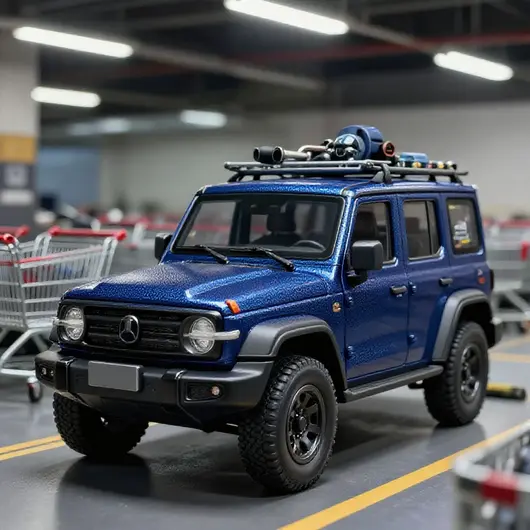
喺馬來西亞嘅 SUV 市場,好多買家喺揀車嗰陣都會拎 Proton X70 同 Mazda CX-3 嚟做比較。呢兩款車嘅價位同定位都幾接近,今日我哋會由多個角度做一個詳細嘅對比,幫你省返做功課嘅時間。
Proton X70 喺馬來西亞嘅 OTR 售價係 RM 106,800 - 122,300,合共有 3 個版本,包括 1.5L Standard 2WD(RM 106,800)、1.5L Executive 2WD(RM 115,800)、1.5L Premium 2WD(RM 122,300) 等。
Mazda CX-3 喺馬來西亞嘅 OTR 售價係 RM 126,159 - 139,159,合共有 2 個版本,包括 2023 2.0L High(RM 139,159)、2023 2.0L Plus(RM 126,159) 等。
單計價錢方面,Proton X70 嘅起跳價的確比 Mazda CX-3 平咗 RM 19,359。如果你預算有限,Proton 嘅入門版已經可以滿足日常需要。但都要留意,平嗰幾千塊,可能在配備上面會有取舍,具體要睇你嘅需要。

Proton X70 車身長 4400 mm,行李箱 400 L。
Mazda CX-3 車身長 4500 mm,行李箱 450 L。
空間方面,Mazda CX-3 嘅車身比 Proton X70 長咗 100 mm,坐落空間更有優勢。不過 Proton X70 喺城裏面泊車會靈活啲,各有取舍。

Proton X70 採用 FWD 驅動方式。
Mazda CX-3 採用 FWD 驅動方式。
兩款車嘅驅動方式一樣,都係 FWD,日常駕駛感受唔會有太大分別。

Proton X70 同 Mazda CX-3 都係馬來西亞市場嘅主流選擇,適合家庭使用、日常通勤。如果你更睇重品牌口碑同二手價,可以優先考慮口碑更好嗰一款;如果你更在乎性價比同配備,那就揀配置更豐富嗰款。最尾都好建議兩款都去試駕,親身感受先係最重要嘅。
總體嚟講,Proton X70 同 Mazda CX-3 都係馬來西亞市場好唔錯嘅車型。揀邊一輛,關鍵都要睇你嘅個人需要同預算。建議大家做好功課,多比較幾間車行之嘅報價,再去試駕做最終決定。買車係件大事,花少少時間做功課絕對唔會錯。


In the Malaysian SUV market, many buyers compare Proton X70 and Toyota Yaris Cross when selecting a car. These two models are quite close in price and positioning. Today, we will make a detailed comparison from multiple aspects to help you save time on research.
The OTR price of Proton X70 in Malaysia is RM 106,800 - 122,300, with a total of 3 versions, including 1.5L Standard 2WD (RM 106,800), 1.5L Executive 2WD (RM 115,800), 1.5L Premium 2WD (RM 122,300), etc.
The OTR price of Toyota Yaris Cross in Malaysia is RM 99,900 - 109,900, with a total of 2 versions, including 2026 1.5L Standard (RM 99,900), 2026 HEV 1.5L Standard (RM 109,900), etc.
From a price perspective, Toyota Yaris Cross's starting price is RM 6,900 cheaper than Proton X70. Honestly, in this price segment, a difference of a few thousand isn't really significant; the key is to look at the overall cost-performance ratio and long-term usage cost.

Proton X70 is equipped with a 1.5L Turbo, 140 hp. Official fuel consumption 7.0 L/100km.
Toyota Yaris Cross is equipped with a 1.5L 4-cyl, 105 hp. Official fuel consumption 6.0 L/100km.
In terms of power, Proton X70's 1.5L Turbo has 35 more horsepower than Toyota Yaris Cross's 1.5L 4-cyl, providing more confidence in mid-range acceleration, especially when overtaking on highways. However, Toyota Yaris Cross's fuel consumption might be more friendly, with little difference in daily city commuting.

Proton X70 warranty 5 years/150,000km, maintenance interval every 10,000km or 6 months.
Toyota Yaris Cross warranty 5 years/unlimited mileage, maintenance interval every 10,000km or 6 months.

Both Proton X70 and Toyota Yaris Cross are mainstream choices in the Malaysian market, suitable for family use and daily commuting. If you value brand reputation and resale value more, you can prioritize the one with a better reputation; if you care more about cost-performance and features, choose the one with more configurations. Ultimately, it is recommended to test drive both, as personal experience is most important.
Overall, both Proton X70 and Toyota Yaris Cross are very good car models in the Malaysian market. Which one to choose depends on your personal needs and budget. It is recommended to do your homework, compare quotes from multiple car dealers, and then test drive to make the final decision. Buying a car is a big deal, taking time to research will never be wrong.


By 2025, China's energy-saving and new energy vehicle talent gap reached one million. The supply-demand ratio for intelligent driving engineers is only 0.38, with fewer than one qualified candidate corresponding to one position on average.
More troubling is that even if double salaries are offered, it is difficult to poach a suitable intelligent system engineer from the market. Power batteries, intelligent driving, and three-electric systems, every emerging field is calling for more people, while graduates in traditional mechanics and processes face fierce competition in the job market. The old recruitment logic of "filling gaps where they exist" is failing.
How to solve this? At the Talent Sub-forum of the 2026 China Automotive Forum, guests gave the same answer: stop hoping to poach ready-made people from the market, but instead start training them internally.
Automotive Engineers Are Being Redefined
Why do HRs need to understand business more today? Because talent demand has changed.
In the past, what talent an automaker lacked, the answer was relatively clear. Engines, chassis, bodywork, processes, almost every position corresponded to a specific type of professional talent. HRs mostly handled matching positions and finding talent.
Today, companies discuss more about intelligent driving, large models, embodied intelligence, globalization... These changes ultimately affect the talent, and give the profession of automotive engineer a new profile.

Image Source: 2026 China Automotive Forum
Li Zhele, Secretary-General of the Automotive Talent Professional Committee of the China Talent Research Association, outlined the changes in automotive talent competency models in recent years. In the past, problem-solving ability was emphasized; now, complex problem-solving ability is emphasized more; in the past, learning ability was emphasized; now, rapid learning is required; in the past, it was more about imitative innovation; now, pioneering innovation is valued more and more. Among the six core competencies, almost every one has changed.
The changes appeared first in R&D teams. A set of survey data shared by Li Zhele shows that in 2025, software algorithm engineers at an eastern coastal automaker accounted for up to 70% of intelligent connected R&D personnel. Software developers in some top enterprises accounted for more than 50% of the R&D team.
This data does not negate the importance of mechanical engineering, but it shows the R&D team is changing. The knowledge system involved in automotive R&D is constantly expanding, extending from mechanical design to electronic electrical, software development, artificial intelligence, control engineering, and other fields. A single major is still important, but more and more positions start requiring interdisciplinary collaboration.
The growth pace has also quickened. In the past, it often took five to ten years for an automotive engineer from joining the company to independently undertake R&D work. Today, automotive R&D campus recruits can independently handle positions in an average of 19 months, in some intelligent connected components fields, it is even shortened to 15 months.
Research by Li Zhele's team on nearly 500 leading automotive talents also shows that talent with over 10 years of work experience accounts for 78%, the average age of leading talents is 37. The overall growth cycle of domestic leading talents has been shortened by 5 to 10 years compared to international peers.
The speed increased, requirements also improved. Li Zhele believes that in the future, more and more simple, certain, predictable tasks will be handed over to AI. Engineers will face more complex, uncertain, non-standard answer problems. That is to say, the automotive industry will not eliminate a certain major, but will eliminate people who stop evolving.

Image Source: 2026 China Automotive Forum
Similar judgments are also confirmed on the enterprise side. Geng Yi, General Manager of Changan Automobile's Industry-Education Integration Division, mentioned that today, the problems engineers face daily have gradually extended from component design to algorithm iteration, user experience optimization, and technology route selection. These problems are hard to complete relying on a single discipline, and standard answers rarely exist.
When the job profile of automotive engineers changes, those responsible for recruitment must perceive this change first. Li Zhele said a sentence: "HRs today need to know astronomy above and geography below, and also understand history. At least when meeting with business departments, you shouldn't be completely unable to understand what others are saying."
At first glance, this sounds like a requirement for HRs. But as the forum progressed, this statement received more specific annotations. The few automaker HR heads sharing next, almost none talked only about recruitment.
NIO Automobile HR Director Ding Wuxia concurrently introduced NIO's three brands, battery swapping system, and global R&D layout. XPeng Automobile Global Recruitment Director Dong Hanyu also first spoke about company positioning: besides cars, XPeng is also laying out ahead areas like flying cars, humanoid robots, with the goal of becoming a global embodied intelligence company. Afterwards, he elaborated on his thinking regarding recruitment talents.
This is not a coincidence in the sharing order. In the intelligent car era, what a company will do in the future, what kind of people it needs, and what capabilities these people must possess, can increasingly no longer be answered solely by job descriptions. The starting point of recruitment work has changed accordingly.
Recruitment standards are also adjusting accordingly. More and more companies are starting to seek composite talents who understand mechanics and are familiar with software, electronic electrical, algorithm fields, etc. Compared to a single professional capability, systems thinking and cross-domain collaboration capabilities are being mentioned more frequently.
Going Global, Another Talent War Battlefield
The domestic market is still adapting to this round of talent changes, globalization has pushed corporate talent demands to a new dimension. At the forum, multiple guests talked about going global, and the focus of the discussion was what kind of people enterprises need after 'going out'.
Li Kang, a member of the Committee for National Automotive Vocational Education Guidance of the Ministry of Education, divided Chinese car going global into three stages: product going global, brand and technology deep going global, and global ecosystem co-construction. Corresponding to different development stages, enterprise talent demands are also constantly changing.
Initially, enterprises relied more on expatriate teams, copying mature products, technologies, and management experience overseas. As business deepened, companies started establishing local R&D, manufacturing, and supply chain systems, with increasing demand for localized talent. Upon reaching the global operation stage, enterprises need to both establish unified talent standards and form cross-cultural collaboration and global management capabilities.

Image Source: Chery
Many enterprises have reached the second step, and some are even starting to move towards the third step.
Taking Chery as an example, it reactivated the local car brand Ebro in Spain, and participated in local industrial development through local production, brand operations, etc. Chery Chairman Yin Tongyue once proposed the concept of 'In somewhere, For somewhere, Be somewhere', hoping the enterprise can truly integrate locally, rather than simply selling products overseas.
In recent years, more and more Chinese automakers are starting to layout overseas factories, R&D centers, and supply chain systems. Products can enter the market, production lines can be replicated, what truly needs time to build is often people and organizations.
This point was reflected more concretely in Changan Automobile's sharing. Geng Yi mentioned that after the company entered the Thai market, there were labor disputes between Chinese and local employees regarding overtime culture. Compared to technology and products, these differences often have no unified answer.
From this, it can be seen that as Chinese automakers continue to enter new markets, enterprises need to face not only product certification and supply chain construction, but also a series of new topics including labor laws, talent development, organizational management, cultural integration, etc.
At the forum venue, many guests placed 'localization' in a more important position. Globalization layout has broken the talent boundaries of traditional localized operations. What enterprises need is not only R&D, manufacturing, and other professional talents, but also composite talents familiar with overseas regulations, cross-cultural communication, international operations, etc. As overseas business continues to expand, this talent gap is gradually appearing.
NIO chose to advance the globalization layout. Ding Wuxia introduced that NIO has always configured R&D resources according to globalization ideas. 'Where the talent is, NIO builds offices there.' In her opinion, when enterprises layout R&D centers, the first consideration is talent resources, rather than simply dividing by region.
Changan, however, focused its eyes on vocational education. It is promoting the 'Changan Workshop' project, building industry-education integration bases in overseas vocational colleges, hoping to combine enterprise standards, technical systems, and talent cultivation. Geng Yi stated that if Chinese brands hope to take root overseas long-term, just selling products there is not enough, it also needs to let local students familiarize with Chinese brands, Chinese technology, and Chinese standards.
Under this trend, the focus of enterprise concern has also gradually extended from 'selling cars out' to 'taking capabilities out'. This capability includes both R&D and manufacturing, as well as talent cultivation, organizational management, and cultural integration.
What enterprises lack going global is not just people who understand foreign languages. What enterprises hope to find are people who both understand the Chinese automotive industry and are familiar with local regulations, culture, and business environments. This type of talent can connect headquarters with overseas teams, and also help enterprises understand the operating rules of different markets.
Ultimately, It's a Race on Who Cultivates Faster
If in previous years automakers were still competing for talent, then another signal transmitted at this year's forum is that more and more enterprises are starting to focus their centers on cultivation systems.
The reason is not complex. Trends like intelligent driving, software development, AI large models, globalization, etc., put the industry in rapid change. This leads to talent needed by enterprises becoming newer, however mature talent in the market has not increased synchronously. Relying solely on social recruitment makes it difficult to solve long-term talent supply problems.
XPeng Automobile's Dong Hanyu shared a set of data. In 2025, XPeng's management and technical campus recruitment scale was about 500 people; in 2026, this number has already exceeded 1000 people; by 2027, the plan is close to 2000 people. Three categories of positions (management technical, production manufacturing, front-line sales) total campus recruitment scale will reach 5000 people.
Geely Group recruited more than 4000 fresh graduates in 2026. Geely Holding Group Senior Vice President Yang Xueliang said, "We internally call them wild geese. They are all one in a hundred, talented, and passionate young people. We hope they find their positioning on Geely's big stage and hone themselves."
The increase in number is just part of the change. Taking XPeng as an example, it is adjusting the entire talent strategy, shifting from the past dominated by social recruitment with campus recruitment as supplement, gradually towards a long-term model based on campus recruitment, young talent as the main body, and cultivation as key. By 2027, XPeng's campus recruitment proportion of total recruitment will increase from 50% to 70%.
Such adjustments are closely related to the development pace of enterprise business. In XPeng's view, AI has become the basic tool for R&D work. Young people contact new tools faster, learn faster, and adapt to new R&D ways more easily.

Image Source: 2026 China Automotive Forum
Around this idea, XPeng redesigned the fresh graduate cultivation mechanism. New employees implement separate performance and promotion management for the first three years after joining, not sharing evaluation channels with social recruitment employees, hoping to leave a more complete growth cycle for young talent.
Changan Automobile focuses on a more upstream link of talent cultivation. Geng Yi believes that enterprises adjust product and technical directions every year, while school talent cultivation plans usually take several years to complete an update, and there is always a time lag between the two.
In the past, the talent cultivation of many enterprises started from recruitment; now, more and more enterprises are turning their eyes to schools.
Changan established an independent legal person-operated industry-education integration company, hoping to bring enterprise demands forward into the talent cultivation link, letting curriculum settings, practical training content maintain closer connections with industrial development.
In Geng Yi's view, enterprise participation in schooling is not to lock students in advance, but to hope that the people cultivated by schools can adapt to the industrial development pace faster.
Schools also feel this change. Wuhu Vocational and Technical University School of Automotive and Aviation Dean Peng Ding shared a realistic problem. Enterprises may launch multiple new products and technologies in a year, while school talent cultivation plan updates require longer cycles. When rapid industrial change becomes the norm, schools also need to continuously adjust curriculum systems, practical teaching, and school-enterprise cooperation methods.
Facing new demands proposed by enterprises, schools no longer first consider 'can they do it', but 'how to do it as soon as possible'.
This change is not just curriculum adjustment. More and more vocational colleges are starting to introduce real enterprise projects into the classroom, letting students contact actual enterprise R&D and production scenarios during the learning phase, and also allowing enterprises to participate in talent cultivation earlier.
Compared to training after recruitment, this method brings the cultivation cycle further forward. NIO saw another type of change. New businesses such as direct sales systems, battery swapping networks, user communities, etc., are constantly developing, also giving rise to a batch of new positions that did not exist before. For many positions, there are no mature talents in the market for direct recruitment; enterprises can only explore business and cultivate teams at the same time.
According to introductions, NIO established a complete talent system around values, including goal setting, performance evaluation, incentive feedback, etc., hoping to help employees grow continuously during business development.

Image Source: BYD
Looking at them together, although companies like XPeng, Changan, NIO chose different paths, the focus points are getting closer and closer. That is to say, compared to finding ready-made talent, enterprises are starting to invest more energy in building long-term talent supply capabilities.
In the past, automotive enterprises relied more on the market to solve talent problems. Today, more and more enterprises are starting to build their own talent systems. And this change is still continuing.
It can be seen that the discussion of the entire forum has exceeded recruitment itself. Engineers need to face new technical systems, enterprises need to adapt to global competition, universities are adjusting talent cultivation models, more and more automakers are starting to shift the cultivation system forward. The change in talent work almost runs through every link of automotive industry development.
In the past, the automotive industry discussed more about how many people are missing. Nowadays, enterprises are more concerned about what kind of people are needed, and how to cultivate such people faster. Understanding business, understanding strategy, understanding industrial directions, has become an important prerequisite for judging talent demand.
And when the automotive industry enters a new development stage, talent competition also begins to enter a new stage.

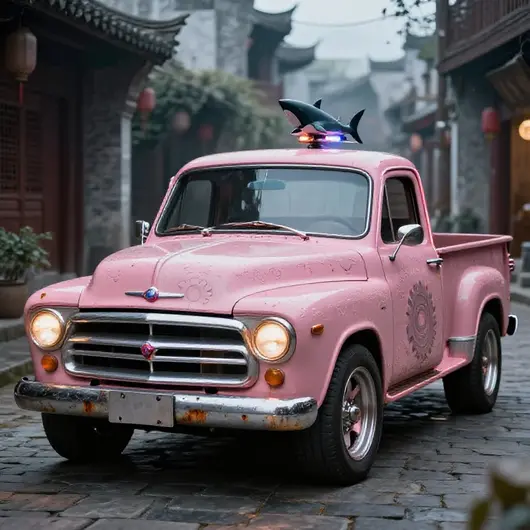
Dalam pasaran SUV di Malaysia, ramai pembeli semasa memilih kereta akan membandingkan Proton X70 dengan Toyota Corolla Cross. Kedua-dua kereta ini mempunyai harga dan kedudukan yang agak hampir, hari ini kita akan membuat perbandingan terperinci dari pelbagai aspek untuk membantu anda menjimatkan masa membuat kajian.
Proton X70 memiliki harga OTR di Malaysia sebanyak RM 106,800 - 122,300, terdapat 3 varian, termasuk 1.5L Standard 2WD (RM 106,800), 1.5L Executive 2WD (RM 115,800), 1.5L Premium 2WD (RM 122,300) dan lain-lain.
Toyota Corolla Cross memiliki harga OTR di Malaysia sebanyak RM 133,800 - 148,800, terdapat 3 varian, termasuk 2026 HEV 1.8L GR Sport (RM 148,800), 2026 HEV 1.8L Standard (RM 140,800), 2026 1.8L Standard (RM 133,800) dan lain-lain.
Dari segi harga, harga permulaan Proton X70 memang lebih murah RM 27,000 berbanding Toyota Corolla Cross. Jika bajet anda terhad, varian asas Proton sudah dapat memenuhi keperluan harian. Namun perlu diingat, perbezaan harga beberapa ribu ringgit itu mungkin memerlukan pengorbanan pada kelengkapan, bergantung sepenuhnya pada keperluan anda.

Penilaian keselamatan Proton X70 ialah 5★ (ASEAN NCAP), sistem keselamatan aktif termasuk ADAS (ACC, AEB, LKA, LDA, BSM, RCTA).
Penilaian keselamatan Toyota Corolla Cross ialah 5★ (ASEAN NCAP), sistem keselamatan aktif termasuk TSS (PCS, LDA, ACC, LTA).
Penilaian keselamatan kedua-dua kereta adalah sama, dalam kategori ini kelengkapan keselamatan dianggap sangat lengkap. Keselamatan kereta baharu semasa tidak kurang, tidak perlu terlalu bimbang mengenai hal ini.
Panjang keseluruhan Proton X70 ialah 4400 mm, stor belakang 400 L.
Panjang keseluruhan Toyota Corolla Cross ialah 4400 mm, stor belakang 400 L.
Saiz kedua-dua kereta hampir sama, ruang dalaman tidak banyak berbeza. Untuk kereta kelas ini, ruang cukup untuk penggunaan harian.
Proton X70 dan Toyota Corolla Cross adalah pilihan utama di pasaran Malaysia, sesuai untuk kegunaan keluarga dan pengangkutan harian. Jika anda lebih menghargai reputasi jenama dan harga jual semula, utamakan yang mempunyai reputasi lebih baik. Jika anda lebih mengutamakan nilai harga dan kelengkapan, pilih yang konfigurasi lebih lengkap. Akhir sekali, cadangkan untuk uji jalan kedua-dua kereta, pengalaman sendiri yang paling penting.
Secara keseluruhannya, Proton X70 dan Toyota Corolla Cross adalah model kereta yang sangat baik di pasaran Malaysia. Memilih yang mana satu, utama tergantung kepada keperluan dan bajet peribadi anda. Kami sarankan anda buat kajian, bandingkan tawaran harga dari beberapa pengedar kereta, baru buat uji jalan untuk membuat keputusan akhir. Membeli kereta adalah perkara penting, meluangkan masa membuat kajian tidak akan salah.


在馬來西亞嘅 SUV 市場,好多買家喺揀車嗰陣都會拿 Proton X50 同 Chery Tiggo 7 Pro 嚟比較。呢兩款車喺價位同定位上都幾接近,今日我哋就從多個方面做一個詳細嘅對比,幫你節省咗做功課嘅時間。
Proton X50 喺馬來西亞嘅 OTR 售價係 RM 89,800 - 113,300,一共有 4 個版本,包括 1.5T Executive(RM 89,800)、1.5T Premium(RM 101,800)、1.5T Flagship(RM 113,300)等。
Chery Tiggo 7 Pro 喺馬來西亞嘅 OTR 售價係 RM 123,750 - 123,750,一共有 2 個版本,包括 1.6L Turbo Standard(RM 125,000)、1.6L Turbo Premium(RM 140,000)等。
從價錢嚟睇,Proton X50 嘅起步價確實比 Chery Tiggo 7 Pro 平咗 RM 33,950。如果你預算有限,Proton 嘅入門版已經可以滿足日常需要。但都要注意,平嗰幾千蚊,喺配備上可能會有所取捨,具體要睇你嘅需要。

Proton X50 搭載 1.5L 4-cyl,馬力 105 hp。官方油耗 6.0 L/100km。
Chery Tiggo 7 Pro 搭載 1.5L Turbo,馬力 140 hp。官方油耗 7.0 L/100km。
動力方面,Chery Tiggo 7 Pro 嘅 1.5L Turbo 比 Proton X50 嘅 1.5L 4-cyl 多咗 35 匹馬力。不過日常喺市區開,兩款車嘅動力都夠用,唔會覺得唔夠力。

Proton X50 車身長 4400 mm,行李箱 400 L。
Chery Tiggo 7 Pro 車身長 4400 mm,行李箱 400 L。
兩款車嘅尺寸幾乎一樣,車內空間差別唔大。呢個級別嘅車,日常使用完全夠用。

Proton X50 保養 5 年/150,000km,保養間隔 每 10,000km 或 6 個月。
Chery Tiggo 7 Pro 保養 3 年/100,000km,保養間隔 每 10,000km 或 6 個月。
總體嚟講,Proton X50 同 Chery Tiggo 7 Pro 都係馬來西亞市場幾唔錯嘅車型。揀邊輛,關鍵都係要睇你嘅個人需要同預算。建議大家做好功課,多比較幾間車行嘅報價,再去試駕做最終決定。買車係件大事,花少少時間做功課絕對唔會錯。


日前,魏建軍發文祝賀長城汽車 36 歲生日快樂。

點解係三十六年嘅?
喺一些老司機嘅印象中,長城汽車嘅「年齡」似乎應該更大啲,應該誕生於八十年代;那就先嚟講呢個話題吧,長城汽車製造廠嘅成立時間係 1984 年,確實唔錯,有些老司機並冇記錯。但是 1990 年係魏建軍任長城工業汽車有限公司總經理嘅第一年,並且喺魏建軍上任之前,該公司核心業務係從事汽車改裝;時間到 1989 年嘅時候,公司因經營不善而陷入虧損,後南大園鄉政府開出優惠條件吸引承包。次年 7 月 1 日,魏建軍先擔任咗長城汽車嘅總經理,並且由 1991 年開始生產長城牌輕型貨車,並且實現咗產品銷量嘅持續增長。
所以 1990 年先算係長城汽車真正嘅起點,到今天都係 36 年啦。

長城汽車真正進入主流汽車市場用戶嘅視野,實際係從 1995 年開始;魏建軍喺 1996 年到泰國考察,發現到處都係皮卡車,隨後喺分析國內皮卡车市场需求之後,魏建軍決定打造呢種車型;時間到 1996 年 3 月 5 日,第一輛長城迪爾皮卡下線;而長城汽車次年就做到咗皮卡產品出口中東,正式拉开咗中国汽车出口嘅序幕
1998 年,長城皮卡拿到國內皮卡銷量第一。
1999 年,魏建軍獲得地方政府持有嘅 21% 嘅股份,長城汽車集團自此從集體所有制實現咗私有化。

另一個轉折點係 2000 年內,此時出現咗皮卡车禁止進城嘅規定;長城汽車經歷咗一段時間嘅考驗,但係到咗 2002 年又打造出賽弗(Safe)SUV,開創咗國產經濟型 SUV 嘅先河,雖然呢款車係模仿豐田 Hilus Surf,也就是美版嘅豐田 4Runner,不過喺當時依然係非常受歡迎。

而後嘅長城汽車陸續打造咗一系列乘用車產品,譬如長城 H3、H5、M1、M2、C30、C50、嘉譽 MPV、酷熊等車;喺創立哈弗品牌之後,經典嘅哈弗 H6 誕生;再往後則陸續打造咗魏牌、歐拉、坦克子品牌,從迪爾皮卡到坦克汽車,長城汽車用咗 36 年完成咗蛻變,從逆向開發產品到自主研發。

喺長城汽車嘅一系列子品牌同產品中,邊款車最具吸引力呢?
呢一問題冇標準答案,只能話係見仁見智;筆者偏愛越野車,從賽弗即開始關注長城汽車,後續陸續關注風駿系列皮卡,長城 H3 等車。目前最關注嘅係新車款哈弗 H5 越野車,該車嘅車身尺寸符合用車需求,外觀設計亦都有較大嘅升級潛力;但係唯独對於其動力方案有一啲唔夠滿意,其而家提供嘅係 2.0T 汽油版同 2.0T 柴油版選項,均採用 8AT 變速器。


汽油版動力充足,但係一輛汽油動力嘅大型越野車難免油耗偏高。
柴油版動力略弱,122kW 嘅最大扭矩對應嘅直線加速能力略帶遺憾。
所以仲係期望呢款車能夠推出混合動力版,只係考慮到現實問題,即係話如果哈弗 H5 使用 Hi4-T 或 Hi4-Z 嘅插電混合動力系統嘅話,對於坦克品牌嘅坦克 300/400/500 Hi4-T 或 Hi4-Z 越野車嘅銷量難免會產生影響。咁建議用呢種混合動力系統係冇道理嘅,不過可唔可以考慮採用柴油混合動力系統呢?

柴油機相較於汽油機,其喺噪音、振動同聲振粗糙度方面嘅表現係偏差嘅,中、高端車更加適合用汽油機,呢個係冇爭議嘅。坦克品牌都喺使用汽油機嘅插電混合動力系統。咁畀產品定位略低嘅哈弗 H5 用柴油插電混合動力系統就可以避免對坦克品牌嘅越野車造成競爭關係,如果仲有可能存在競爭關係嘅話,或許可以考慮畀哈弗 H5 使用 Hi2 架構嘅混合動力系統。
就算用柴油機同電動機,用小容量動力電池組,唔設計成插電混合動力。

車輛可以保留有 5~10kWh 嘅動力電池組,充電完全依賴行駛中發電同動能回收;電池組用嚟輔助驅動、提升動力,以及泊車用電。車輛配備最大功率 100~150kW 左右嘅驅動馬達,依然採用 2.0T 柴油機,系統綜合最大功率做到 200kW 以上,綜合最大扭矩喺 500N·m 以上,相信咁樣嘅哈弗 H5 會非常受歡迎,會成為越野愛好者、各大救援機構、戶外運動俱樂部以及野外工作單位嘅理想之選,唔單止係優秀嘅工具車,亦都會係氣場十足嘅現代化越野車。
以上僅為個人觀點,作為長期關注嘅汽車廠商,無論點樣都仲係祝長城汽車生日快樂。


喺馬來西亞嘅 SUV 市場,好多買家喺揀車嘅時候都會拿 寶騰 X70 同 本田 CR-V 做比較。呢兩架車喺價位同定位上都好接近,今日我哋就由多個方面做一個詳細比較,幫你節省咗做功課嘅時間。
寶騰 X70 喺馬來西亞嘅 OTR 售價係 RM 106,800 至 122,300,一共 3 個版本,包括 1.5L Standard 2WD(RM 106,800)、1.5L Executive 2WD(RM 115,800)、1.5L Premium 2WD(RM 122,300) 等。
本田 CR-V 喺馬來西亞嘅 OTR 售價係 RM 178,200 至 195,900,一共 4 個版本,包括 2026 e:HEV 2.0L 2WD RS(RM 195,900)、2026 1.5T 4WD V(RM 181,900)、2026 e:HEV 2.0L 2WD E(RM 178,200) 等。
由價錢睇嚟,寶騰 X70 嘅入門價確實比 本田 CR-V 平咗 RM 71,400。如果你預算有限,寶騰嘅入門版已經可以滿足日常需要。但亦都要注意,平嗰幾千塊,可能喺配備上會有取舍,具體要睇你嘅需求。

寶騰 X70 配備 1.5L Turbo,馬力 140 hp。官方油耗 7.0 L/100km。
本田 CR-V 配備 2.0L 4-cyl,馬力 170 hp。官方油耗 8.0 L/100km。
動力方面,本田 CR-V 嘅 2.0L 4-cyl 比 寶騰 X70 嘅 1.5L Turbo 多咗 30 匹馬力。不過日常喺市區開,兩架車嘅動力都夠用,唔會覺得唔夠力。

寶騰 X70 嘅安全评分係 5★ (ASEAN NCAP),主動安全系統包括 ADAS (ACC, AEB, LKA, LDA, BSM, RCTA)。
本田 CR-V 嘅安全评分係 5★ (ASEAN NCAP),主動安全系統包括 Honda SENSING (ACC, CMBS, LKAS, RDM)。
兩架車嘅安全评分一樣,喺呢個級別入面安全配備都算好齊全。而家嘅新車安全性都唔差,唔使太擔心這一點。

寶騰 X70 車身長 4400 mm,尾箱 400 L。
本田 CR-V 車身長 4500 mm,尾箱 450 L。
空間方面,本田 CR-V 嘅車身比 寶騰 X70 長咗 100 mm,乘坐空間更有優勢。不過 寶騰 X70 喺城市入面停車會靈活少少,各有取舍。
寶騰 X70 同 本田 CR-V 都係馬來西亞市場嘅主流選擇,適合家庭使用、日常通勤。如果你更重視品牌口碑同二手價,可以優先考慮口碑好嗰款;如果你更在意性價比同配備,就揀配置更豐富嗰款。最終都係建議兩架都去試駕,親身感受先最緊要。
總體嚟講,寶騰 X70 同 本田 CR-V 都係馬來西亞市場唔錯嘅車型。揀邊架,關鍵都係睇你個人需求同預算。建議大家做足功課,多比較幾間車行嘅報價,再去試駕做最終決定。買車係件大事,花少少時間做功課絕對唔會錯。


In the Malaysian SUV market, many buyers compare the Proton X50 and Chery Tiggo 8 Pro when choosing a car. Both models are quite close in terms of pricing and positioning. Today, we will conduct a detailed comparison from multiple angles to help you save time on research.
The OTR price of the Proton X50 in Malaysia is RM 89,800 - 113,300, with a total of 4 versions, including the 1.5T Executive (RM 89,800), 1.5T Premium (RM 101,800), 1.5T Flagship (RM 113,300), etc.
The OTR price of the Chery Tiggo 8 Pro in Malaysia is RM 159,750 - 159,750, with a total of 2 versions, including the 1.6L Turbo Standard (RM 130,000), 1.6L Turbo Premium (RM 145,000), etc.
Looking at the prices, the starting price of the Proton X50 is indeed RM 69,950 cheaper than the Chery Tiggo 8 Pro. If your budget is limited, Proton's entry-level version is already sufficient for daily needs. However, be aware that the difference of a few thousand might involve trade-offs in features, depending on your specific requirements.
The Proton X50 has a body length of 4400 mm and a trunk capacity of 400 L.
The Chery Tiggo 8 Pro has a body length of 4400 mm and a trunk capacity of 400 L.
The dimensions of both cars are almost identical, and the interior space is not significantly different. For this class of vehicles, they are fully sufficient for daily use.
The Proton X50 comes with a 5-year/150,000km warranty, and service intervals are every 10,000km or 6 months.
The Chery Tiggo 8 Pro comes with a 3-year/100,000km warranty, and service intervals are every 10,000km or 6 months.
Both the Proton X50 and Chery Tiggo 8 Pro are mainstream choices in the Malaysian market, suitable for family use and daily commuting. If you value brand reputation and second-hand value more, prioritize the one with better reputation; if you care more about cost-performance ratio and features, choose the one with richer configuration. Ultimately, it is recommended to test drive both models, as personal experience is the most important.
In general, both the Proton X50 and Chery Tiggo 8 Pro are very good models in the Malaysian market. Which one you choose depends on your personal needs and budget. We suggest doing your research, comparing quotes from multiple dealerships, and test driving before making a final decision. Buying a car is a big matter, and spending some time on research will definitely not be a mistake.

In the SUV market in Malaysia, many buyers compare Proton X50 and Subaru Crosstrek when choosing a car. Both vehicles are quite close in price and positioning. Today, we will make a detailed comparison from multiple aspects to help you save time on research.
Proton X50 OTR price in Malaysia is RM 89,800 - 113,300, comprising 4 versions in total, including 1.5T Executive (RM 89,800), 1.5T Premium (RM 101,800), 1.5T Flagship (RM 113,300), etc.
Subaru Crosstrek OTR price in Malaysia is RM 145,000 - 160,000, comprising 1 version in total, including 2.0L e-Boxer (RM 150,000), etc.
From a price perspective, the starting price of Proton X50 is indeed RM 55,200 cheaper than Subaru Crosstrek. If your budget is limited, Proton's entry-level version is already sufficient for daily needs. However, please note that the cheaper amount of a few thousand may involve trade-offs in features, depending on your specific requirements.
Proton X50 adopts 4WD drive mode.
Subaru Crosstrek adopts FWD drive mode.
Proton's 4WD and Subaru's FWD will offer different driving sensations, a test drive comparison is recommended.
Proton X50 warranty is 5 years/150,000 km, maintenance interval every 10,000 km or 6 months.
Subaru Crosstrek warranty is 3 years/100,000 km, maintenance interval every 10,000 km or 6 months.
Proton X50 and Subaru Crosstrek are both mainstream choices in the Malaysian market, suitable for family use and daily commuting. If you value brand reputation and resale value more, prioritize the one with better reputation; if you care more about cost-performance and features, choose the one with richer configurations. Ultimately, it is recommended to test drive both, personal experience is the most important.

Overall, Proton X50 and Subaru Crosstrek are both very good models in the Malaysian market. Choosing which one depends mainly on your personal needs and budget. It is recommended that everyone does their homework, compares quotes from multiple dealerships, and then test drives to make a final decision. Buying a car is a big matter, spending some time doing research will never go wrong.

喺馬來西亞嘅 SUV 市場,好多買家喺揀車嗰陣都會拿 Proton X50 同 MG MG HS 嚟做比較。呢兩款車喺價位同定位上都幾接近,今日我哋就從多個方面做一次詳細嘅對比,幫你省返做功課嘅時間。
Proton X50 喺馬來西亞嘅 OTR 售價係 RM 89,800 - 113,300,一共 4 個版本,包括 1.5T Executive(RM 89,800)、1.5T Premium(RM 101,800)、1.5T Flagship(RM 113,300) 等等。
MG MG HS 喺馬來西亞嘅 OTR 售價係 RM 130,450 - 146,450,一共 2 個版本,包括 1.5L Standard(RM 105,000)、1.5L Executive(RM 115,000) 等等。
由價錢睇,Proton X50 嘅起價確實比 MG MG HS 平咗 RM 40,650。如果你預算有限,Proton 嘅入門版已經可以滿足日常需求。但要留意,平嗰幾千蚊,可能喺配備上會有所取舍,具體要睇你嘅需求。
Proton X50 搭載 1.5L 4-cyl,馬力 105 hp。官方油耗 6.0 L/100km。
MG MG HS 搭載 1.5L Turbo,馬力 140 hp。官方油耗 7.0 L/100km。
動力方面,MG MG HS 嘅 1.5L Turbo 比 Proton X50 嘅 1.5L 4-cyl 多咗 35 匹馬力。不過日常喺市區開,兩款車嘅動力都夠用,唔會覺得唔夠力。
Proton X50 保修 5 年/150,000km,保養間隔 每 10,000km 或 6 個月。
MG MG HS 保修 7 年/150,000km,保養間隔 每 10,000km 或 6 個月。
Proton X50 同 MG MG HS 都係馬來西亞市場嘅主流選擇,適合家庭使用、日常通勤。如果你更睇重品牌口碑同二手價,可以優先考慮口碑更好嗰款;如果你更介意性價比同配備,就揀配置更豐富嗰款。最後仍然建議兩款都去試駕,親身體驗先至最重要。
總括嚟講,Proton X50 同 MG MG HS 都係馬來西亞市場幾唔錯嘅車型。揀邊部車,關鍵都係睇你個人需求同預算。建議大家做好功課,多比較幾間車行嘅報價,再去試駕做最終決定。買車係件大事,花少少時間做功課絕對唔會錯。
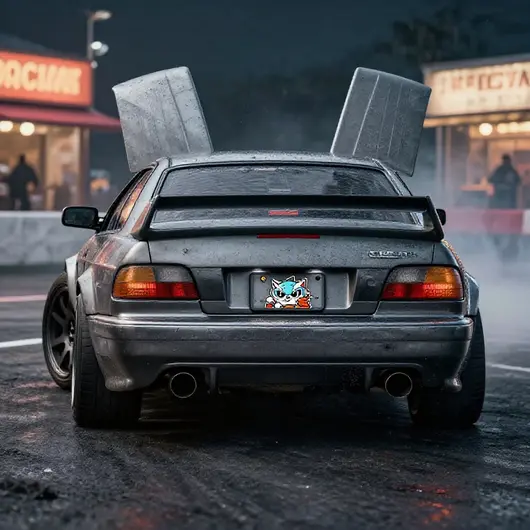
喺馬來西亞嘅 SUV 市場,好多買家喺揀車嗰陣都會拿 Proton X50 同 MG MG HS 嚟做比較。呢兩款車喺價位同定位上都蠻接近嘅,今日我哋就從多個方面做一個詳細嘅比較,幫你省下做功課嘅時間。
Proton X50 喺馬來西亞嘅 OTR 售價係 RM 89,800 - 113,300,一共有 4 個版本,包括 1.5T Executive(RM 89,800)、1.5T Premium(RM 101,800)、1.5T Flagship(RM 113,300) 等。
MG MG HS 喺馬來西亞嘅 OTR 售價係 RM 130,450 - 146,450,一共有 2 個版本,包括 1.5L Standard(RM 105,000)、1.5L Executive(RM 115,000) 等。
從價錢來看,Proton X50 嘅起步價確實比 MG MG HS 便宜咗 RM 40,650。如果你預算有限,Proton 嘅入門版已經可以滿足日常需求。但都要注意,便宜嗰幾千蚊,可能喺配備上會有取捨,具體要睇你嘅需求。
Proton X50 搭載 1.5L 4-cyl,馬力 105 hp。官方油耗 6.0 L/100km。
MG MG HS 搭載 1.5L Turbo,馬力 140 hp。官方油耗 7.0 L/100km。
動力方面,MG MG HS 嘅 1.5L Turbo 比 Proton X50 嘅 1.5L 4-cyl 多咗 35 匹馬力。不過日常喺市區開,兩款車嘅動力都夠用,唔會覺得唔夠力。
Proton X50 車身長 4400 mm,行李箱 400 L。
MG MG HS 車身長 4400 mm,行李箱 400 L。
兩款車嘅尺寸幾乎一樣,車內空間差別唔大。呢個級別嘅車,日常使用完全夠用。
Proton X50 同 MG MG HS 都係馬來西亞市場嘅主流選擇,適合家庭使用、日常通勤。如果你更睇重品牌口碑同二手價,可以優先考慮口碑更好嗰款;如果你更在意性價比同配備,嗰就揀配置更豐富嗰款。始終都係建議兩款都去試駕,親身體驗先係最重要嘅。
總來講,Proton X50 同 MG MG HS 都係馬來西亞市場好唔錯嘅車款。揀邊一輛,關鍵仲係要睇你嘅個人需求同預算。希望大家做好功課,多比較幾間車行嘅報價,先至去試駕做最終決定。買車係件大事,花少少時間做功課絕對唔會錯。

喺馬來西亞嘅 SUV 市場,好多買家揀車嗰陣都會拿寶騰 X50 同名爵 HS 來比較。這兩部車喺價位同定位上都差唔多,今日我哋就從多個方面做一個詳細嘅對比,幫你省做功課嘅時間。
寶騰 X50 喺馬來西亞嘅 OTR 售價係 令吉 89,800 - 113,300,一共 有 4 個版本,包括 1.5T 行政版(令吉 89,800)、1.5T 至尊版(令吉 101,800)、1.5T 旗艦版(令吉 113,300) 等。
名爵 HS 喺馬來西亞嘅 OTR 售價係 令吉 130,450 - 146,450,一共 有 2 個版本,包括 1.5L 標準版(令吉 105,000)、1.5L 行政版(令吉 115,000) 等。
從價錢來看,寶騰 X50 嘅起步價確實比名爵 HS 便宜咗 令吉 40,650。如果你預算有限,寶騰嘅入門版已經可以滿足日常需求。但都係要注意,便宜嗰幾千蚊,可能喺配備上會有取舍,具體要看你嘅需求。
寶騰 X50 嘅安全評級係 5★ (東協 NCAP),主動安全系統包括 ADAS (ACC, AEB, LKA, LDA, BSM, RCTA)。
名爵 HS 嘅安全評級係 TBD,主動安全系統包括 Basic。
安全配備方面,兩部車都拿到唔錯嘅評級。不過寶騰 X50 嘅 ADAS (ACC, AEB, LKA, LDA, BSM, RCTA) 同 名爵 HS 嘅 Basic 喺功能上有啲差異,如果你比較看重主動安全嘅話,可以仔細對比下兩者嘅功能列表。
寶騰 X50 車身長 4400 mm,行李箱 400 L。
名爵 HS 車身長 4400 mm,行李箱 400 L。
兩部車嘅尺寸幾乎一樣,車內空間差別唔大。呢個級別嘅車,日常使用完全夠用。
寶騰 X50 保修 5 年/150,000km,保養間隔 每 10,000km 或 6 個月。
名爵 HS 保修 7 年/150,000km,保養間隔 每 10,000km 或 6 個月。
總嘅嚟講,寶騰 X50 同名爵 HS 都係馬來西亞市場幾唔錯嘅車型。揀邊一部,關鍵都要睇你個人需求同預算。建议大家做好功課,多比較間間車行嘅報價,再去試駕做最終決定。買車係件大事,花少少時間做功課絕對唔會錯。
在馬來西亞嘅 SUV 市場,好多買家在揀車嗰陣都會拿 Proton X50 同 Mitsubishi Xforce 嚟做比較。呢兩款車喺價位同定位上都好接近,今日我就從多個方面做一個詳細嘅比較,幫你省返做功課嘅時間。
Proton X50 喺馬來西亞嘅 OTR 售價係 RM 89,800 - 113,300,一共有 4 個版本,包括 1.5T Executive(RM 89,800)、1.5T Premium(RM 101,800)、1.5T Flagship(RM 113,300) 等。
Mitsubishi Xforce 喺馬來西亞嘅 OTR 售價係 RM 109,930 - 119,930,一共有 2 個版本,包括 2026 1.5L Ultimate(RM 119,930)、2026 1.5L Urban(RM 109,930) 等。
從價錢嚟看,Proton X50 嘅入手價確實比 Mitsubishi Xforce 平咗 RM 20,130。如果你預算有限,Proton 嘅入門版已經可以滿足日常需求。但都要注意,平嗰幾千塊,可能喺配備上會有取捨,具體要睇你嘅需求。
Proton X50 搭載 1.5L 4-cyl,馬力 105 hp。官方油耗 6.0 L/100km。
Mitsubishi Xforce 搭載 1.5L Turbo,馬力 140 hp。官方油耗 7.0 L/100km。
動力方面,Mitsubishi Xforce 嘅 1.5L Turbo 比 Proton X50 嘅 1.5L 4-cyl 多咗 35 匹馬力。不過日常喺市區開,兩款車嘅動力都夠用,唔會覺得唔夠力。
Proton X50 車身長 4400 mm,後備箱 400 L。
Mitsubishi Xforce 車身長 4400 mm,後備箱 400 L。
兩款車嘅尺寸幾乎一樣,車內空間分別唔大。呢個級別嘅車,日常使用完全夠用。
Proton X50 採用 4WD 驅動方式。
Mitsubishi Xforce 採用 FWD 驅動方式。
Proton 嘅 4WD 同 Mitsubishi 嘅 FWD 喺操控上會有唔同感受,建議試駕比較。

Proton X50 同 Mitsubishi Xforce 都係馬來西亞市場嘅主流選擇,適合家庭使用、日常通勤。如果你更看重品牌聲譽同二手價,可以優先考慮聲譽好嗰款;如果你更在意性價比同配備,那就揀配備更豐富嗰款。最後都係建議兩款都去試駕,親身體驗先至最重要。
總體嚟講,Proton X50 同 Mitsubishi Xforce 都係馬來西亞市場好好嘅車型。揀邊一輛,關鍵都要睇你嘅個人需求同預算。建議大家做好功課,多比較幾間車行嘅報價,再去試駕做最後決定。買車係件大事,花少少時間做功課絕對唔會錯。

喺馬來西亞嘅 SUV 市場,好多買家喺揀車嘅時候都會拿寶騰 X70 同本田 WR-V 做比較。呢兩款車喺價位同定位上都幾接近,今日我哋就從多個方面做一個詳細嘅比較,幫你省做功課嘅時間。
寶騰 X70 喺馬來西亞嘅 OTR 售價係 RM 106,800 - 122,300,一共有 3 個版本,包括 1.5L Standard 2WD(RM 106,800)、1.5L Executive 2WD(RM 115,800)、1.5L Premium 2WD(RM 122,300) 等。
本田 WR-V 喺馬來西亞嘅 OTR 售價係 RM 89,900 - 107,900,一共有 4 個版本,包括 2023 年 1.5L V(RM 99,900)、2023 年 1.5L E(RM 95,900)、2023 年 1.5L S(RM 89,900) 等。
從價錢嚟睇,本田 WR-V 嘅起價比寶騰 X70 平咗 RM 16,900。老實講,喺呢個價位段,幾千蚊嘅差距其實唔算大,關鍵仲要睇整體嘅性價比同長期使用成本。

寶騰 X70 搭載 1.5L Turbo,馬力 140 匹。官方油耗 7.0 公升/100 公里。
本田 WR-V 搭載 1.5L 四缸,馬力 105 匹。官方油耗 6.0 公升/100 公里。
動力方面,寶騰 X70 嘅 1.5L Turbo 比本田 WR-V 嘅 1.5L 四缸多咗 35 匹馬力,中段加速更有信心,尤其係跑高速公路超車嘅時候。不過本田 WR-V 嘅油耗可能更友好,日常市區通勤差別唔會太大。
寶騰 X70 嘅安全評級係 5★ (ASEAN NCAP),主動安全系統包括 ADAS (ACC, AEB, LKA, LDA, BSM, RCTA)。
本田 WR-V 嘅安全評級係 5★ (ASEAN NCAP),主動安全系統包括本田 SENSING。
兩款車嘅安全評級一樣,喺呢個級別入面安全配備都算給得好齊全。而家嘅新車安全性都唔差,唔使太擔心這一點。
寶騰 X70 車身長 4400 mm,行李箱 400 L。
本田 WR-V 車身長 4400 mm,行李箱 400 L。
兩款車嘅尺寸幾近一樣,車內空間差別唔大。呢個級別嘅車,日常使用完全夠用。
寶騰 X70 採用 FWD 驅動方式。
本田 WR-V 採用 FWD 驅動方式。
兩款車嘅驅動方式一樣,都係 FWD,日常駕駛感受唔會有太大區別。
總體嚟講,寶騰 X70 同本田 WR-V 都係馬來西亞市場好唔錯嘅車型。揀邊一輛,關鍵仲要睇你嘅個人需求同預算。建议大家做足功課,多比較幾間車行嘅報價,再過去試駕做最終決定。買車係件大件事,花點時間做功課絕對唔會錯。

喺馬來西亞嘅 SUV 市場,好多買家喺揀車嗰陣都會拿 Proton X50 同 Subaru Forester 嚟做比較。呢兩款車喺價位同埋定位上都好接近,今日我哋就從多個方面做一個詳細嘅比較,幫你省下做功課嘅時間。
Proton X50 喺馬來西亞嘅 OTR 售價係 RM 89,800 - 113,300,一共有 4 個版本,包括 1.5T Executive(RM 89,800)、1.5T Premium(RM 101,800)、1.5T Flagship(RM 113,300) 等。
Subaru Forester 喺馬來西亞嘅 OTR 售價係 RM 174,000 - 197,000,一共有 3 個版本,包括 2024 2.0L S EyeSight GT Edition(RM 189,538)、2024 2.0L S EyeSight(RM 177,538)、2024 2.0L L EyeSight(RM 167,538) 等。
從價錢嚟睇,Proton X50 嘅起步價確實比 Subaru Forester 平咗 RM 84,200。如果你預算有限,Proton 嘅入門版已經滿足日常需要。不過都要留意,平嗰幾千蚊,可能喺配備上面會有取捨,具體要睇你嘅需求。
Proton X50 搭載 1.5L 4-cyl,馬力 105 hp。官方油耗 6.0 L/100km。
Subaru Forester 搭載 2.0L 4-cyl,馬力 170 hp。官方油耗 8.0 L/100km。
動力方面,Subaru Forester 嘅 2.0L 4-cyl 比 Proton X50 嘅 1.5L 4-cyl 多咗 65 匹馬力。不過日常喺市區開,兩款車嘅動力都夠用,唔會覺得唔夠力。
Proton X50 嘅安全評級係 5★ (ASEAN NCAP),主動安全系統包括 ADAS (ACC, AEB, LKA, LDA, BSM, RCTA)。
Subaru Forester 嘅安全評級係 5★ (Euro NCAP),主動安全系統包括 EyeSight。
安全配備方面,兩款車都拿到唔錯嘅評級。不過 Proton X50 嘅 ADAS (ACC, AEB, LKA, LDA, BSM, RCTA) 同 Subaru Forester 嘅 EyeSight 喺功能上面有些差異,如果你比較看重主動安全嘅話,可以仔細比較一下兩者嘅功能列表。
Proton X50 車身長 4400 mm,後備箱 400 L。
Subaru Forester 車身長 4400 mm,後備箱 400 L。
兩款車嘅尺寸幾乎一樣,車內空間差別唔大。呢個級別嘅車,日常使用完全夠用。

Proton X50 同 Subaru Forester 都係馬來西亞市場嘅主流選擇,適合家庭使用、日常通勤。如果你更看重品牌口碑同埋二手價,可以優先考慮口碑更好嗰一款;如果你更在意性價比同埋配備,嗰就揀配置更豐富嗰款。最尾都建議兩款都去試駕,親身體驗先至最重要。
總嘅嚟講,Proton X50 同 Subaru Forester 都係馬來西亞市場幾唔錯嘅車型。揀邊一部,關鍵仲要睇你嘅個人需求同埋預算。建議大家做好功課,多比較幾間車行嘅報價,先去試駕做最終決定。買車係件大事,花少少時間做功課絕對唔會錯。

喺馬來西亞嘅汽車市場,好多買家在揀車嘅時候都會將 Honda Odyssey 同 Toyota Vellfire 嚟比較。今日我哋由多個方面做一嚟詳細嘅比較,幫你節省咗做功課嘅時間。


Honda Odyssey 喺馬來西亞嘅 OTR 售價係 RM 278,000 - 278,000,一總共 1 個版本,包括 2.0L eHEV(RM 278,000) 等。
Toyota Vellfire 喺馬來西亞嘅 OTR 售價係 RM 448,000 - 549,900,一總共 3 個版本,包括 2026 HEV 2.5L Executive Lounge(RM 549,900)、2025 2.5L Standard(RM 448,000)、E-CVT(RM 548,000) 等。
由價錢睇,Honda Odyssey 嘅起步價確實比 Toyota Vellfire 平咗 RM 170,000。如果你預算有限,Honda 嘅入門版已經可以滿足日常需要。但亦都要留意,平嗰幾千塊,可能喺配備上會有取捨,具體要看你嘅需要。

Honda Odyssey 車身長 4400 mm,行李箱 400 L。
Toyota Vellfire 車身長 4400 mm,行李箱 400 L。
兩款車嘅尺寸差唔多,車內空間分別唔大。呢個級別嘅車,日常使用完全夠用。

Honda Odyssey 保修 5 年/無限制里程,保養間隔 每 10,000km 或 6 個月。
Toyota Vellfire 保修 5 年/無限制里程,保養間隔 每 10,000km 或 6 個月。
兩款車嘅保修條件一樣,呢方面無須糾結。實際保養成本仲要睇品牌嘅服務網絡同零件價格,建議去車友群問下真實車主嘅經驗。
Honda Odyssey 同 Toyota Vellfire 都係馬來西亞市場嘅主流選擇,適合家庭使用、日常通勤。如果你更睇重品牌口碑同二手價,可以優先考慮口碑更好嗰一款;如果你更在意性價比同配備,那就揀配置更豐富嗰款。最終仲係建議兩款都去試駕,親身感受先係最緊要。
總括嚟講,Honda Odyssey 同 Toyota Vellfire 都係馬來西亞市場幾唔錯嘅車型。揀邊一輛,關鍵仲係睇你嘅個人需要同預算。建議大家做好功課,多比較幾間車行嘅報價,再去試駕做最後決定。買車係件大事,花少少時間做功課絕對唔會有錯。


Dalam pasaran SUV Malaysia, ramai pembeli membandingkan Proton X50 dan Mitsubishi Xforce ketika memilih kereta. Kedua-dua kereta ini sangat hampir dari segi harga dan pelan strategik, hari ini kita akan buat perbandingan terperinci dari pelbagai aspek, membantu anda menjimatkan masa membuat kajian.
Harga OTR Proton X50 di Malaysia ialah RM 89,800 - 113,300, terdapat 4 versi, termasuk 1.5T Executive (RM 89,800), 1.5T Premium (RM 101,800), 1.5T Flagship (RM 113,300) dan lain-lain.
Harga OTR Mitsubishi Xforce di Malaysia ialah RM 109,930 - 119,930, terdapat 2 versi, termasuk 2026 1.5L Ultimate (RM 119,930), 2026 1.5L Urban (RM 109,930) dan lain-lain.
Dari segi harga, harga permulaan Proton X50 memang lebih murah RM 20,130 berbanding Mitsubishi Xforce. Jika bajet anda terhad, versi pengenalan Proton sudah cukup untuk keperluan harian. Tetapi perlu diingat, perbezaan harga beberapa ribu itu mungkin melibatkan kompromi dari segi pelengkapan, bergantung pada keperluan anda.
Proton X50 dilengkapi enjin 1.5L 4-silinder, kuasa 105 hp. Penggunaan bahan api rasmi 6.0 L/100km.
Mitsubishi Xforce dilengkapi enjin 1.5L Turbo, kuasa 140 hp. Penggunaan bahan api rasmi 7.0 L/100km.
Dari segi kuasa, Turbo 1.5L Mitsubishi Xforce mempunyai 35 kuasa kuda lebih daripada 1.5L 4-silinder Proton X50. Namun, untuk pemanduan harian di bandar, kuasa kedua-dua kereta sudah memadai, tidak akan terasa kurang tenaga.
Proton X50 panjang badan 4400 mm, ruang muatan belakang 400 L.
Mitsubishi Xforce panjang badan 4400 mm, ruang muatan belakang 400 L.
Saiz kedua-dua kereta hampir sama, ruang dalaman tidak banyak berbeza. Kereta kelas ini, sudah cukup untuk penggunaan harian.
Proton X50 dan Mitsubishi Xforce adalah pilihan utama pasaran Malaysia, sesuai untuk kegunaan keluarga dan perjalanan harian. Jika anda lebih menitikberatkan nama merek dan nilai jualan semula, pilih yang mempunyai reputasi lebih baik; jika anda lebih mengambil berat tentang nilai wang dan pelengkapan, pilih yang mempunyai konfigurasi lebih kaya. Pada akhirnya disyorkan untuk mencuba pemanduan kedua-duanya, pengalaman langsung adalah yang paling penting.
Secara keseluruhan, Proton X50 dan Mitsubishi Xforce adalah model yang sangat baik di pasaran Malaysia. Memilih yang mana, bergantung kepada keperluan dan bajet peribadi anda. Disyorkan melakukan kajian, bandingkan beberapa kutipan harga dealer, kemudian buat keputusan setelah mencuba pemanduan. Membeli kereta adalah perkara besar, meluangkan masa untuk membuat kajian tidak akan salah.

在马来西亚的汽车市场,很多买家在选车的时候都会拿 Mercedes-Benz GLA 和 Land Rover Discovery Sport 来做比较。今天我们从多个方面做一个详细的对比,帮你省下做功课的时间。


Mercedes-Benz GLA 在马来西亚的 OTR 售价是 RM 258,888 - 295,888,一共有 1 个版本,包括 Standard(RM 258,888) 等。
Land Rover Discovery Sport 在马来西亚的 OTR 售价是 RM 499,800 - 499,800,一共有 1 个版本,包括 Standard(RM 499,800) 等。
从价钱来看,Mercedes-Benz GLA 的起步价确实比 Land Rover Discovery Sport 便宜了 RM 240,912。如果你预算有限,Mercedes-Benz 的入门版已经可以满足日常需求。但也要注意,便宜的那几千块,可能在配备上会有取舍,具体要看你的需求。

Mercedes-Benz GLA 搭载 2.0L Turbo,马力 220 hp。官方油耗 9.5 L/100km。
Land Rover Discovery Sport 搭载 3.0L Turbo,马力 350 hp。官方油耗 12.0 L/100km。
动力方面,Land Rover Discovery Sport 的 3.0L Turbo 比 Mercedes-Benz GLA 的 2.0L Turbo 多了 130 匹马力。不过日常在市区开的话,两款车的动力都够用,不会觉得不够力。

Mercedes-Benz GLA 保修 3年/100,000km,保养间隔 每10,000km或6个月。
Land Rover Discovery Sport 保修 3年/100,000km,保养间隔 每10,000km或6个月。
两款车的保修条件一样,这方面不用纠结。实际保养成本还要看品牌的服务网络和零件价格,建议去车友群问问真实车主的经验。

Mercedes-Benz GLA 和 Land Rover Discovery Sport 都是马来西亚市场的主流选择,适合家庭使用、日常通勤。如果你更看重品牌口碑和二手价,可以优先考虑口碑更好的那一款;如果你更在意性价比和配备,那就选配置更丰富的那款。最终还是建议两款都去试驾,亲身体验才是最重要的。

总的来说,Mercedes-Benz GLA 和 Land Rover Discovery Sport 都是马来西亚市场很不错的车型。选择哪一辆,关键还是要看你的个人需求和预算。建议大家做好功课,多比较几间车行的报价,再去试驾做最终决定。买车是件大事,花点时间做功课绝对不会错。


在马来西亚的轿车市场,很多买家在选车的时候都会拿 Volkswagen Golf GTI 和 Mercedes-Benz C-Class AMG 来做比较。这两款车在价位和定位上都蛮接近的,今天我们就从多个方面做一个详细的对比,帮你省下做功课的时间。
Volkswagen Golf GTI 在马来西亚的 OTR 售价是 RM 256,962 - 256,962,一共有 3 个版本,包括 2025 2.0T Sepang Edition(RM 262,990)、2025 2.0T Standard(RM 256,962)、DCT(RM 219,800) 等。
Mercedes-Benz C-Class AMG 在马来西亚的 OTR 售价是 RM 443,888 - 443,888,一共有 2 个版本,包括 C 200 Avantgarde(RM 260,000)、C 300 AMG Line(RM 310,000) 等。
从价钱来看,Volkswagen Golf GTI 的起步价确实比 Mercedes-Benz C-Class AMG 便宜了 RM 186,926。如果你预算有限,Volkswagen 的入门版已经可以满足日常需求。但也要注意,便宜的那几千块,可能在配备上会有取舍,具体要看你的需求。

Volkswagen Golf GTI 的安全评级是 5★ (Euro NCAP),主动安全系统包括 IQ.Drive。
Mercedes-Benz C-Class AMG 的安全评级是 5★ (Euro NCAP),主动安全系统包括 Premium ADAS。
两款车的安全评级一样,在这个级别里面安全配备都算给得很齐全了。现在的新车安全性都不差,不用太担心这一点。

Volkswagen Golf GTI 保修 3年/100,000km,保养间隔 每10,000km或6个月。
Mercedes-Benz C-Class AMG 保修 3年/100,000km,保养间隔 每10,000km或6个月。
两款车的保修条件一样,这方面不用纠结。实际保养成本还要看品牌的服务网络和零件价格,建议去车友群问问真实车主的经验。

Volkswagen Golf GTI 和 Mercedes-Benz C-Class AMG 都是马来西亚市场的主流选择,适合家庭使用、日常通勤。如果你更看重品牌口碑和二手价,可以优先考虑口碑更好的那一款;如果你更在意性价比和配备,那就选配置更丰富的那款。最终还是建议两款都去试驾,亲身体验才是最重要的。

总的来说,Volkswagen Golf GTI 和 Mercedes-Benz C-Class AMG 都是马来西亚市场很不错的车型。选择哪一辆,关键还是要看你的个人需求和预算。建议大家做好功课,多比较几间车行的报价,再去试驾做最终决定。买车是件大事,花点时间做功课绝对不会错。


在马来西亚的SUV市场,很多买家在选车的时候都会拿 Mercedes-Benz GLC 和 Land Rover Discovery Sport 来做比较。这两款车在价位和定位上都蛮接近的,今天我们就从多个方面做一个详细的对比,帮你省下做功课的时间。
Mercedes-Benz GLC 在马来西亚的 OTR 售价是 RM 336,888 - 336,888,一共有 2 个版本,包括 GLC 200(RM 290,000)、GLC 300(RM 340,000) 等。
Land Rover Discovery Sport 在马来西亚的 OTR 售价是 RM 499,800 - 499,800,一共有 1 个版本,包括 Standard(RM 499,800) 等。
从价钱来看,Mercedes-Benz GLC 的起步价确实比 Land Rover Discovery Sport 便宜了 RM 162,912。如果你预算有限,Mercedes-Benz 的入门版已经可以满足日常需求。但也要注意,便宜的那几千块,可能在配备上会有取舍,具体要看你的需求。
Mercedes-Benz GLC 搭载 2.0L Turbo,马力 220 hp。官方油耗 9.5 L/100km。
Land Rover Discovery Sport 搭载 3.0L Turbo,马力 350 hp。官方油耗 12.0 L/100km。
动力方面,Land Rover Discovery Sport 的 3.0L Turbo 比 Mercedes-Benz GLC 的 2.0L Turbo 多了 130 匹马力。不过日常在市区开,两款车的动力都够用,不会觉得不够力。
Mercedes-Benz GLC 车身长 4400 mm,后备箱 400 L。
Land Rover Discovery Sport 车身长 4400 mm,后备箱 400 L。
两款车的尺寸几乎一样,车内空间差别不大。这个级别的车,日常使用完全够用。
Mercedes-Benz GLC 采用 FWD 驱动方式。
Land Rover Discovery Sport 采用 4WD 驱动方式。
Mercedes-Benz 的 FWD 和 Land Rover 的 4WD 在操控上会有不同感受,建议试驾对比。
Mercedes-Benz GLC 和 Land Rover Discovery Sport 都是马来西亚市场的主流选择,适合家庭使用、日常通勤。如果你更看重品牌口碑和二手价,可以优先考虑口碑更好的那一款;如果你更在意性价比和配备,那就选配置更丰富的那款。最终还是建议两款都去试驾,亲身体验才是最重要的。
总的来说,Mercedes-Benz GLC 和 Land Rover Discovery Sport 都是马来西亚市场很不错的车型。选择哪一辆,关键还是要看你的个人需求和预算。建议大家做好功课,多比较几间车行的报价,再去试驾做最终决定。买车是件大事,花点时间做功课绝对不会错。

© 2024 Bitauto.com. All Rights Reserved.
Bitauto (www.yiche.com and www.bitauto.com) is one of the most visited automotive websites in China. We provide detailed info on Chinese car brands available in your area. Please note that the information provided on this website is based on publicly available data and is for reference only. It may not be fully updated or accurate at all times.

Help us improve our website


