

HomeProton Tiara

Search History
Popular Searches
Dealer Login / Sign Up

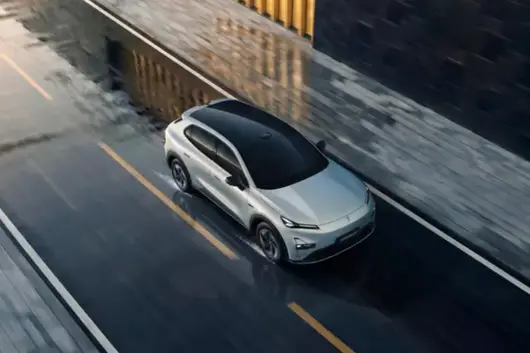
從整車貿易到全價值鏈輸出 深藍 S05 走出高質量出海新路線
深藍 S05 能夠順利跨過 30 萬輛銷量大關,離不開國內市場基本盤嘅穩固,更離不開全球化佈局嘅長期深耕。作為深藍汽車「海納百川」全球計劃嘅先行者,深藍 S05 嘅市場版圖早已不再侷限於國內,目前產品已經遠銷泰國、英國、西班牙等全球 76 個國家和地區,真正實現了國內與海外市場雙輪驅動嘅增長格局。
唔同於好多出海品牌停留在「將車賣到海外」嘅單一整車貿易模式,深藍汽車嘅全球化進程早已進入體系化深耕嘅新階段,正係以「全價值鏈輸出」嘅模式,將產品研發、供應鏈適配、本地化服務、用戶運營等完整能力落地到唔同海外市場。深藍 S05 每進入一個全新嘅國家和地區,都唔會直接將國內版本嘅產品照搬上市,而係會針對當地嘅路況、氣候、用戶使用習慣做針對性嘅適配調整,令產品真正貼合當地用戶嘅出行需求。
這種紮實嘅本地化深耕,亦為深藍 S05 贏得了全球範圍嘅專業認可:唔單止拿咗 J.D. Power 2026 中國新能源汽車新車質量研究緊湊型純電動 SUV 第一名、德國 iF 設計大獎等海内外重磅榮譽,仲獲得咗 Top Gear、Autocar 等全球頂級汽車媒體嘅一致讚譽。這些來自唔同國家、唔同行業維度嘅權威認可,令深藍 S05「全球年輕家庭首選 SUV」嘅定位唔再係一句宣傳口號,而有咗實打實嘅品質背書。
喺國內新能源汽車出海從「走出去」轉向「走進去」嘅行業新階段,深藍 S05 嘅全球化路徑,唔單止為自身樹立咗高質量出海嘅標杆,仲係中國新能源汽車走向全球市場嘅重要助推者,為後續更多中國品牌嘅全球化佈局提供咗可參考嘅實踐樣本。



喺馬來西亞嘅 SUV 市場,好多買家喺揀車嗰陣都會拿 Mazda CX-3 同 Kia Sportage 嚟做比較。這兩款車喺價位同定位上都幾相近,今日我哋就從多個方面做一個詳細嘅比較,幫你節省做功課嘅時間。
Mazda CX-3 喺馬來西亞嘅 OTR 售價係 RM 126,159 - 139,159,一共有 2 個版本,包括 2023 2.0L High(RM 139,159)、2023 2.0L Plus(RM 126,159)等。
Kia Sportage 喺馬來西亞嘅 OTR 售價係 RM 129,639 - 179,320,一共有 4 個版本,包括 2025 1.6T DCT 4WD High(RM 179,320)、2025 1.6T DCT 2WD High(RM 159,320)、2025 2.0L AT 2WD High(RM 139,639)等。
從價錢嚟睇,Mazda CX-3 嘅起步價確實比 Kia Sportage 便宜咗 RM 3,480。如果你預算有限,Mazda 嘅入門版已經可以满足日常需求。但都要注意,便宜嘅嗰幾千塊,可能喺配備上會有取舍,具體要看你嘅需求。

Mazda CX-3 搭載 1.5L Turbo,馬力 140 hp。官方油耗 7.0 L/100km。
Kia Sportage 搭載 1.5L Turbo,馬力 140 hp。官方油耗 7.0 L/100km。
兩款車用緊同一套動力系統,日常開起來嘅感覺基本冇分別。油耗方面都差唔多,唔使太糾結這一點。

Mazda CX-3 車身長 4500 mm,行李箱 450 L。
Kia Sportage 車身長 4400 mm,行李箱 400 L。
空間方面,Mazda CX-3 嘅車身比 Kia Sportage 長咗 100 mm,車內乘坐空間會稍微寬裕啲,尤其係後腳空間。如果你經常載家人或者需要放嬰兒車,大少少嘅車身確實更實用。

Mazda CX-3 採用 FWD 驅動方式。
Kia Sportage 採用 FWD 驅動方式。
兩款車嘅驅動方式一樣,都係 FWD,日常駕駛感覺唔會有太大分別。

Mazda CX-3 保修 5 年/150,000km,保養間隔 每 10,000km 或 6 個月。
Kia Sportage 保修 5 年/300,000km,保養間隔 每 10,000km 或 6 個月。
總嘅嚟講,Mazda CX-3 同 Kia Sportage 都係馬來西亞市場好唔錯嘅車款。揀邊輛,關鍵都要睇你嘅個人需求同預算。建議大家做好功課,多比較幾間車行嘅報價,再去試車做最終決定。買車係件大事,花啲時間做功課絕對唔會錯。


4 November, Changan Automobile mengumumkan data pengeluaran dan jualan untuk Oktober: Jualan bulan ini 233,200 unit, turun 16.23% secara tahunan; Jualan Tenaga Baharu 140,576 unit, naik 17.97% secara tahunan; Jualan Luar Negara 102,476 unit, naik 77.3% secara tahunan.
Jumlah turun, struktur naik
Jumlah jualan sebanyak 233,200 unit tidak begitu menarik, tetapi jika dipecahkan ia adalah gambaran lain: Tenaga Baharu 140,600 unit, meningkat hampir 18% secara tahunan; Luar Negara 102,400 unit, meningkat 77.3% secara tahunan.
Januari hingga Oktober, jumlah kumulatif Changan adalah 1.9259 juta unit, turun 18.88% secara tahunan. Mengecilnya asas kereta bahan api domestik adalah sebab utama penurunan jumlah.
Tenaga Baharu dan Luar Negara apabila digabungkan, sudah melebihi separuh daripada jumlah jualan. Ini bermakna struktur pendapatan Changan sedang beralih dari "Bahan Api Domestik" ke "Tenaga Baharu + Eksport".

Dari mana datangnya 77.3%?
Pertumbuhan luar negara adalah tidak linear. Asia Tenggara, Timur Tengah, Amerika Latin, Eropah, masa permulaan setiap pasaran berbeza, asas juga berbeza, kadar pertumbuhan awal secara semulajadi akan tinggi.
Strategi Changan ialah "pengasingan pelan jenama": Qiyuan memfokuskan tenaga baharu arus perdana, Deep Blue memfokuskan teknologi muda, Avatr memfokuskan pintar kelas atasan. Tiga garis penempatan di pasaran luar negara juga berbeza.
Dari data Oktober, 102,400 unit luar negara sudah hampir mencapai 44% daripada jumlah jualan. Perkadaran ini dalam jenama China berada di kedudukan depan.

Selepas Eksport ialah Pelaksanaan Tempatan
Nombor eksport kelihatan bagus, kerana kenderaan keluar dari pintu pagar dikira sebagai jualan. Tetapi setelah kenderaan dijual, pasca-jualan, alat ganti, kewangan, nilai sisa, adalah yang sebenarnya menentukan sama ada jenama boleh kekal.
Changan telah membina asas pengeluaran stereng kanan di Thailand, merangkumi Asia Tenggara. Pengeluaran tempatan dapat mengelak tarif, mengurangkan tempoh penghantaran, dan boleh mendorong pekerjaan serta rantaian bekalan tempatan.
Dari "Menjual kereta" ke "Membina kereta di tempatan", langkah ini dilalui, eksport menjadi antarabangsa.
Kurang Dijual Domestik, Diisi Semula di Luar Negara
Akaun Oktober mudah dikira: bahagian kurang dijual di dalam negara ditutup oleh yang lebih dijual di luar negara. Tetapi sifat perniagaan ini berbeza – dalam negara adalah persaingan stok, luar negara adalah pengembangan pasaran baharu, yang pertama bergantung pada penurunan harga, yang kedua bergantung pada pelaburan.
Kadar pertumbuhan 77.3% tidak akan kekal selamanya. Apabila asas membesar, kadar pertumbuhan pasti kembali menurun. Yang perlu diteliti, ialah apabila kadar pertumbuhan kembali ke 20%, sama ada margin keuntungan luar negara masih boleh ditunjang.



「 Hyper Aion, BAIC New Energy 」
Author | Gong Chenyan
Editor | Li Guozheng
Produced by | Banning Studio (gbngzs)
Just entering November, some car companies released October sales figures.
The new energy vehicle penetration rate is rising, but the total market volume is shrinking. The CPCA expects that national passenger car terminal retail volume will decline by approximately 28% year-over-year in October, with new energy vehicle retail volume at about 1.07 million units and a penetration rate of about 66.9%.
The industry is releasing sales reports one after another, among which there are two relatively special brands.
First, both are ranked high on the growth list, which is unexpected.
In the South, GAC Hyper Aion's October sales were 42,400 vehicles, up 56.79% year-over-year. For 8 consecutive months, it achieved positive year-over-year growth, reaching a new high for the year, with growth in the first three quarters exceeding 56% year-over-year.
In the North, BAIC New Energy sold 32,500 vehicles in October, reaching an annual high. Cumulative sales for the first 10 months totaled 195,900 vehicles, up 37.9% year-over-year.
In that month, AITO, which is more well-known than them, delivered 22,100 vehicles, down 54.69% year-over-year; HIMA's "Five Alliances" combined delivered 33,500 vehicles, down more than half year-over-year.
Second, both share identical experiences.
Although walking their own paths, the development scripts of Hyper Aion and BAIC New Energy are surprisingly similar: both are local state-owned enterprises, both bet on new energy vehicles early, both reached sales peaks, both fell into troughs, both were labeled as "ride-hailing" vehicles, and both saw sales surge this year...
The ups and downs of the two reflect the turbulent and unpredictable nature of China's new energy vehicle industry.
▍01
Development curves almost overlapping
BAIC New Energy's starting point was 2009. That year, responding to the national "Ten Cities, Thousand Vehicles" demonstration project, the BAIC Group established this company. From 2013 to 2019, it won the domestic pure electric vehicle sales championship for 7 consecutive years. In 2018, via restructuring, it listed on the Shanghai Stock Exchange, becoming "China's first new energy vehicle stock".
Before BAIC New Energy's listing, more than 2,100 km away in Guangzhou, GAC Aion was born. Established in 2017, it caught the explosion window of the commercial fleet market. Sales broke through 270,000 units in 2022, and in the peak year of 2023, it sold 480,000 units. Industry circles once spread the saying that "one out of every 4 ride-hailing vehicles nationwide is an AION S"; its B-end orders once accounted for more than 60% of total sales.
Of course, the two companies captured the early benefits but suffered heavy falls.
In 2020, BAIC New Energy suddenly entered a dark era. Sales plummeted from 151,000 units in 2019 to 26,000 units. Even using sensational words like "cut in half" or "cliff-like drop" cannot describe this huge change.
In a media communication meeting in August this year, management candidly admitted while recalling that trough period that carrying the label of "synonym for ride-hailing" lasted for several years, with losses year after year.

Aion's highlight dimmed starting from 2024, when sales slid to 375,000 units; in 2025, it shrank to 290,000 units again, with monthly sales once dropping below 10,000 units; the main model AION S sold only 4,193 vehicles in March this year, down 44.33% year-over-year.
For Aion, the four words "King of Ride-Hailing" changed from praise to shackles. From online feedback, ordinary consumers buying cars are most afraid to hear words like "exclusive to ride-hailing".
Immediately afterwards, the two began reforms successively.
In 2024, BAIC New Energy welcomed a new management team, and the positioning of "entrepreneurial new state-owned enterprise" was written into the company system. It discarded past impetuous practices, eliminating short-term behaviors like packaging performance and pressuring dealers to stock up. The R&D sector was strengthened synchronously; Arcfox's product center was re-integrated, and R&D efficiency improved by nearly double.
In the South, in December 2025, GAC merged the flying-alone Hyper back into Aion, establishing the Hyper Aion BU. It introduced the IPD product development system and IPMS marketing system, integrated channels, and concentrated resources on mainstream models.
The effect of the reform was concentrated realization in 2026.
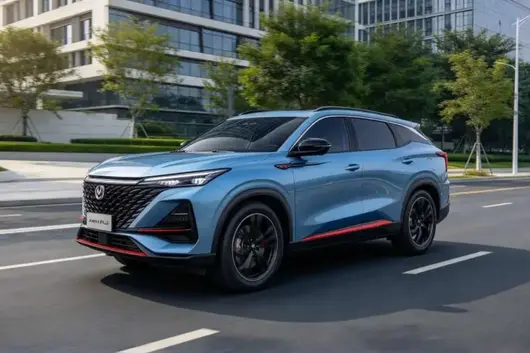
Regarding BAIC New Energy, the 150,000-yuan class SUV Alpha T7 of its Arcfox brand put Huawei Qiankun Intelligent Driving and CATL batteries into the 130,000 - 170,000 yuan price range. After a 21-day pre-sale, orders broke 60,000 units.

During the same period, the pure electric family sedan Beta S3 focusing on battery swapping, and Arcfox's first high-end MPV Wenda V9 scaled up in their respective price ranges; luxury hardcore SUV Stelato G9 opened reservations, with a pre-sale price starting at 439,800 yuan, raising the ceiling of the BAIC New Energy brand.
Regarding Aion, i60 is selling hot. This is a 100,000-yuan class dual power family SUV. Delivered 100,000 units 10 months after launch, setting the fastest record in the dual power SUV market segment. Sales exceeded 10,000 for 10 consecutive months, and orders broke 20,000 in the recent two months.
Both companies did the same thing—wash off the "ride-hailing" label and shift the core base from the B-end to the C-end.
Aion's C-end private user share rose from approximately 50% in 2023 to 80% currently. Public information shows that at the end of July this year, Arcfox's referral rate and showroom conversion rate both reached 50%, indicating that its owners recommend the brand to people around them.
Coincidentally, both brands encountered "Black Swan events" this year, just with different extents.
This summer, GAC Aion's existing fleet vehicles equipped with CALB 177Ah lithium iron phosphate batteries concentratedly experienced cell bulging, leakage, and insulation faults. Involved models were mainly the AION S series, also covering AION V and AION Y same-configuration models.
Media estimated that the scale of involved vehicles exceeded 210,000 units. The "Black Swan event" continued from July to October, online claims about recall processes changed repeatedly, and owner dissatisfaction was hard to calm. According to media reports, some vehicles encountered faults at 166,000 kilometers of driving mileage, others lasted until 320,000 kilometers before problems occurred; most cases fell between 150,000 and 300,000 kilometers.
Arcfox also once head-ached immensely. Multiple models continuously appeared on the Chezhiwang complaint ranking: Beta T1 once ranked first in complaints for its class for 5 consecutive months; after Alpha T7 delivery was full 3 days, online videos appeared where the first batch of owners took the car apart to pick faults.
▍02
One consolidates, one expands
In operations, Aion and BAIC New Energy respectively presented tightening and expansion characteristics.
For Aion, it is "tightening". For two years the Hyper brand operated independently, but sales showed no obvious improvement. Flagship SUV HL was bet on unlimited resources by GAC. When launched in April 2025, it vowed to benchmark AITO M8 and Li Auto L8, but the full year sales were less than 5,000 units, and monthly sales once dropped to single digits.
Forced, GAC Group took it back, merged it with Aion into one BU, then implemented channel integration, brand merging, and resource concentration, exchanging subtraction for efficiency.
This reform was backed by GAC's "Panyu Action", aiming to solve the common diseases of traditional car companies: cumbersome processes and long decision chains.
Aion brand abandoned the industry-popular "Vehicle sea tactics", dumping R&D, supply chain, and channel resources onto hero products like i60. Relying on the straightforward logic of "rather than letting 10 cars sell a few thousand each, better to let one car sell 100,000 units", i60 sustained volume steadily, verifying the feasibility from market insight, capacity delivery to user recognition.
In product layout, Aion uses N60 to hold the 100,000 - 150,000 yuan intelligent driving SUV market; uses i60's pure electric plus extended range dual power to cover family users.
For BAIC New Energy, it is "expansion".
Its Arcfox brand focuses on the mainstream market. Alpha, Beta, and Wenda product lines are positioned at 80,000 - 300,000 yuan. For example, Alpha T7 defends the 150,000-yuan class SUV market, Beta S3 enters the battery swapping market starting at 59,800 yuan, and Wenda V9 brings Arcfox into the 200,000-yuan-plus family and business market.
BAIC New Energy's Stelato brand, jointly created with Huawei, focuses on the high-end market. Among them, S9 and S9T stay steady as the sales champions of new energy sedans above 300,000 yuan; G9 orders broke 15,000 units in 72-hour pre-sale; in the second half of this year, V8 filled in the MPV category.
BAIC New Energy's dual brands do their own work. Official information shows that Stelato used 30% of sales volume in the first quarter to achieve more than 60% of BAIC New Energy's revenue.

The most obvious difference between the two is the premiumization path.
For Aion, after Hyper returned, it shares channels and systems with Aion, no longer expecting Hyper to fight alone as an independent brand.
Among them, Hyper GT Lite sank the price of the mid-to-large pure electric coupe to the 150,000 yuan range to regain presence first. For Hyper, this was almost the only choice. Independent operation for two years, Hyper verified the difficulty of fighting alone in the high-end market.
And BAIC New Energy handed the high-end brand Stelato to the Huawei ecosystem, by BAIC providing manufacturing heritage and supply chain, Huawei providing intelligence.
Overall, regarding premiumization, Hyper Aion self-consumes, while BAIC New Energy borrows strength.
This brings forth their growth rhythms. Aion's growth trend is accelerating: up 34.53% in August, 21.91% in September, surging to 56.79% in October, overall curve upward.
BAIC New Energy is in a gear shift period. Up 29.88% in August, 17.24% in September, and 6.42% in October, growth rate returning monthly. However, from performance, BAIC New Energy significantly reduced losses for 7 consecutive quarters, and operations significantly improved.
Obviously, both are rising, but the former grows in scale, the latter in structure.
Both are also accelerating overseas layout. Aion has a factory in Thailand, mainly facing the Southeast Asia market.
BAIC New Energy Chairman Liu Guanqiao once stated that in the second half of this year, it will push dual brands to compete globally and open up a second growth curve for overseas. Arcfox overseas monthly sales broke 1,000 in July, sales network already covering Middle East, South America, Africa. Next step is to shift from product export to system capability output.

On the other side of the coin, both still have a long list of unresolved questions.
For Aion, there are old debts to repay regarding battery issues, high-end premium capability of Hyper not yet landed, volume selling models proportion too high and overly dependent, per-vehicle value not yet fully established, etc.
BAIC New Energy needs to solve the speed gear shift problem: when the low base benefit is eaten up and Alpha T7 orders are digested, where is the next wave growth point?
Moreover, its profit improvement currently relies only on Stelato's structure contribution; scaling profitability has not yet been realized. Additionally, in Beta S3's order structure, battery swap versions account for 76%, indicating that model still depends on operational scenarios...
Such problem lists, both have a long string of them.
New car agitation for over ten years. Car companies lack not aggressive expanders nor conservative maintainers. What is rare is knowing where one is and what can be done.
"After these years of adjustment, we can say we have returned to the mainstream competition table of the new energy vehicle industry." Liu Guanqiao stated.
One South, One North. Hyper Aion and BAIC New Energy both need to think how far this wave of growth can go.

喺馬來西亞嘅 SUV 市場,好多買家喺揀車嘅時候都會拿馬自達 CX-3 同 MG MG HS 做比較。這兩款車喺價同定位上都好接近,而家我哋從多個方面做詳細比較,幫你省咗做功課嘅時間。
馬自達 CX-3 喺馬來西亞嘅 OTR 售價係 RM 126,159 - 139,159,一共有 2 個版本,包括 2023 2.0L High(RM 139,159)、2023 2.0L Plus(RM 126,159) 等。
MG MG HS 喺馬來西亞嘅 OTR 售價係 RM 130,450 - 146,450,一共有 2 個版本,包括 1.5L Standard(RM 105,000)、1.5L Executive(RM 115,000) 等。
從價錢嚟睇,馬自達 CX-3 嘅起步價確實比 MG MG HS 平咗 RM 4,291。如果你預算有限,馬自達嘅入門版已經可以满足日常需要。但都要記住,平嗰啲幾千蚊,可能喺配備上有取捨,具體睇你嘅需要。
馬自達 CX-3 配備 1.5L Turbo,馬力 140 hp。官方油耗 7.0 L/100km。
MG MG HS 配備 1.5L Turbo,馬力 140 hp。官方油耗 7.0 L/100km。
兩款車用咗同一套動力系統,日常駕駛嘅感覺基本冇分別。油耗方面都差不多,唔使太糾結呢一點。
馬自達 CX-3 嘅安全評級係 5★ (ASEAN NCAP),主動安全系統包括 i-Activsense。
MG MG HS 嘅安全評級係 TBD,主動安全系統包括 Basic。
安全配備方面,兩款車都拿咗唔錯嘅評級。不過馬自達 CX-3 嘅 i-Activsense 同 MG MG HS 嘅 Basic 喺功能上有啲差異,如果你比較重視主動安全嘅話,可以仔細對比下兩者嘅功能列表。
馬自達 CX-3 保養 5 年/150,000km,保養間隔 每 10,000km 或 6 個月。
MG MG HS 保養 7 年/150,000km,保養間隔 每 10,000km 或 6 個月。
總括嚟講,馬自達 CX-3 同 MG MG HS 都係馬來西亞市場好唔錯嘅車款。揀邊輛,關鍵係要睇你嘅個人需要同預算。建議大家做好功課,多比較幾間車行嘅報價,再去試駕做最後決定。買車係件大嚟事,花啲時間做功課絕對無得錯。
Honestly, after reading the 2026 Q3 reports of listed Chinese automakers, Xiao Feng's first reaction was not surprise, but recalling an old saying: no comparison, no harm.
Don't rush to see who rises or falls, let's clarify the metric first: This article refers to the net profit attributable to the parent company for Q3 2026 alone, and only takes the book profit data of the top six passenger car companies. Totaling 23.521 billion yuan among the six. The top three BYD, Chery, Geely totaling 20.253 billion yuan, taking 86.1% of the profit pie of these six, among which BYD accounted for 42.6%.
As a reference, in 2025 Q3, the combined net profit of these six profitable companies was about 16.2 billion, with BYD, Chery, Geely totaling about 12.4 billion, accounting for 76.5%. In just one year, profit concentration rose from 76.5% to 86%. Money is increasingly concentrating in the hands of the top three.

On the other side of the pie: GAC's losses are still expanding, Changan turned from profit to loss, Li Auto, XPeng, NIO financial reports not out, looking at industry trends, high possibility of continued losses for these three in Q3.
Same quarter, same market. Some earn thicker, some sell more lose more, the gap is all written in the structure.

Need to clarify, the six mentioned in the article are just a sample of top passenger car companies in Q3, not all industry profit pie. If looking at cumulative first three quarters, listed companies realizing profits also include Yutong Bus, Sinotruk, Foton Motor, JMC and many other enterprises.
The top three profitable companies, approaches surprisingly consistentPutting the top three together, the common points in single quarter structure are obvious: Exports and High-end.
BYD Q3 exports 550,700 vehicles, YoY increase about 137%, proportion of total sales rose to 42%; First three quarters Fang Cheng Bao, Denza, Yangwang three high-end brands totaling 410,000, growth 75%, high-end domestic sales is the profit base, exports are the increment.
Geely Q3 exports 323,000 vehicles, YoY +188.8%, accounting for 40% of single quarter sales, export proportion MoM increase, directly pushed Q3 gross margin to 18.0%; Although first three quarters overall sales only grew 3%, single quarter export volume surge let profit elasticity run ahead of sales.
Chery Q3 exports 554,000 vehicles, YoY +50%, export proportion 76%, is the most reliant on complete vehicle trade export among the three. Silently worked over twenty years of overseas channels, Q3 single quarter profit estimated 5.396 billion yuan, export price difference is still the most direct profit source.

But even so exporting, the three make money in different ways.
BYD is complete vehicle export plus overseas self-built factory parallel. Hungary base is about to mass produce, transitioning from trade export to local production, short term sacrificing profit margin, avoiding tariff barriers, betting on long term regional share. High-end relies on Denza, Fang Cheng Bao, Yangwang, high-end domestic sales contribute profit base, exports are increment.
Geely is M&A platform plus KD semi-knocked down parts mainly, relying on Volvo, Zeekr overseas channels and Renault joint venture project. Many overseas earnings are not just selling cars, but also technology licensing, supply chain profit sharing, so first three quarters total sales only grew 3%, profit elasticity is still very strong. High-end relies on Zeekr, Lynk & Co overseas pricing.
Chery is pure trade export foundation, overseas dealer system is core asset, local factory construction promotion rhythm is relatively lagging among the top three, now accelerating catch-up. Advantage is global sinking market channels, disadvantage is tariffs and localization rules in various countries tighten, profit elasticity is easiest to hit.
Middle three companies, recovering, holding ground, living off past reservesSeres Q3 net profit attributable to parent company 1.42 billion yuan, MoM turn profit. AITO M9 consecutive four months took 500,000 yuan plus model sales first, product is truly successful. But noteworthy, adjusted net profit is negative 1.365 billion yuan, turn profit relies on asset disposal.
Car prices high, single car gross margin also high, why is adjusted net profit still negative?
Expense side pressure has two sources. One is Huawei system's rigid cut; Two is raw material cost concentrated impact. Affected by bulk commodity price rise and vehicle-grade storage chip supply tight, high-end models in relevant categories usage and technical level higher, cost pressure more outstanding.

Great Wall Q3 net profit attributable to parent company 1.362 billion yuan, YoY drop 40%. Overseas sales proportion first time over half, profit didn't follow.
Domestic sales shrink, high gross margin Tank model proportion decline, overseas subsidy withdraw deferral plus exchange loss, several reasons all hold, but together cannot answer that fundamental question: When off-road moat is eroded by new energy and lower thresholds one by one, Tank share repeatedly declines, what does Great Wall use to maintain high profit?

SAIC Q3 net profit attributable to parent company 0.486 billion yuan, adjusted net profit 69.5373 million yuan, difference between the two about 416 million yuan, all from non-recurring gains and losses. Split open, mainly two entries: Government subsidy 246 million yuan, non-liquid asset disposal gains and losses 157 million yuan.
SAIC's income statement has a special structure: Joint venture segment profit long-term returns to parent company in form of "investment income". Q3 problem lies exactly here. SAIC Q3 investment income loss 243 million yuan, same period last year profit 3.429 billion yuan. Among them, company associated enterprises and joint venture enterprises investment income loss 1.425 billion yuan, same period last year profit 1.782 billion yuan.
Independent segment indeed moving up, but in profit end, currently not yet reached filling joint venture hole degree, still needs a little time.
Loss side: Some lack capacity utilization, some in heavy investmentGAC's dilemma, many people simply attribute to joint venture dividend ending. Actually, auto manufacturing is heavy asset business, break-even line highly bound to capacity utilization rate. Top three domestic main factory capacity utilization maintained over 80%, plus overseas factory continuous ramp-up, fixed cost diluted. GAC independent segment factory utilization rate not high. Even if single car gross margin positive, as long as cannot dilute factory, production line, R&D team fixed expenses, financial report still loss.
Price war essence is fighting for capacity utilization. Get order fill production line, only then have qualification talk profit; Can't get capacity utilization, every car is sharing heavy sunk cost. GAC exists selling models too many, single car sales few problem.

Changan Q3 turn from profit to loss, but overseas 270,000 new high. Company says R&D and overseas investment increased, belongs to active choice.
Xiao Feng agrees this saying: Q3 single quarter R&D investment 3.55 billion yuan, YoY growth 11.6%; First three quarters overseas strategic resource cumulative investment 5.46 billion yuan. After Thailand Rayong factory Phase 1 100,000 capacity landing, Brazil Anapolis factory already this year March formal production, first phase planning annual capacity 90,000, first local made UNI-T synchronous off line, from "product export" to "industry overseas" took a step. Thailand Rayong factory also not idle, 2026 promote full production, and plan to double annual capacity from 100,000 to 200,000. Rhythm not slow, but capacity ramp-up and channel paving money, indeed must fall on report before profit.
Conclusion: Don't rush to open champagne for exportsQ3 profit more or less, largely depends on how many exports.
However, when everyone is cheering for 2026 first three quarters 8.2 million exports, Ministry of Finance poured cold water: From April 2027, new energy export tax rebate rate adjusted from 13% to 9%.
This means, relying on tax rebate propped up overseas profit, from April 2027 will gradually be thinned. Chinese automakers have to make changes, and BYD Hungary factory, Leapmotor Spain production line these localization projects promotion, is exactly changing overseas going from "shipping whole car from China to sell", to "directly building factory making locally", however, this will also lead to capital occupation double, return on investment cycle extended.
Actually, this lesson, Japanese automakers in 1970s already fully went through once. Chinese automakers now start to walk again. (Written by | Li Jianbo)


Dalam pasaran SUV di Malaysia, ramai pembeli membandingkan Mazda CX-3 dan Chery Tiggo 8 semasa memilih kereta. Kedua-dua kereta ini sangat hampir dari segi harga dan kedudukan pasaran, hari ini kita akan membuat perbandingan terperinci dari pelbagai aspek, membantu anda menjimatkan masa melakukan penyelidikan.
Mazda CX-3 harga OTR di Malaysia adalah RM 126,159 - 139,159, terdapat 2 varian, termasuk 2023 2.0L High (RM 139,159), 2023 2.0L Plus (RM 126,159) dan lain-lain.
Chery Tiggo 8 harga OTR di Malaysia adalah RM 129,750 - 129,750, terdapat 1 varian, termasuk 2026 1.6T Standard (RM 129,750) dan lain-lain.
Dari segi harga, harga permulaan Mazda CX-3 memang lebih murah RM 3,591 berbanding Chery Tiggo 8. Jika anda mempunyai bajet terhad, versi asas Mazda sudah dapat memenuhi keperluan harian. Tetapi perlu diingat, perbezaan harga beberapa ribu itu mungkin melibatkan kompromi dalam kelengkapan, bergantung pada keperluan anda.
Markah keselamatan Mazda CX-3 ialah 5★ (ASEAN NCAP), sistem keselamatan aktif termasuk i-Activsense.
Markah keselamatan Chery Tiggo 8 ialah TBD, sistem keselamatan aktif termasuk Asas.
Dari segi peralatan keselamatan, kedua-dua kereta telah menerima markah yang baik. Walau bagaimanapun, i-Activsense Mazda CX-3 dan Asas Chery Tiggo 8 mempunyai perbezaan dari segi fungsi, jika anda lebih mengutamakan keselamatan aktif, anda boleh membandingkan senarai fungsi kedua-dua dengan teliti.
Panjang badan Mazda CX-3 4500 mm, bak belakang 450 L.
Panjang badan Chery Tiggo 8 4400 mm, bak belakang 400 L.
Dari segi ruang, panjang badan Mazda CX-3 lebih panjang 100 mm daripada Chery Tiggo 8, ruang duduk di dalam kereta akan lebih selesa sedikit, terutamanya ruang kaki di kerusi belakang. Jika anda sering membawa keluarga atau perlu menaruh kereta bayi, badan kereta yang lebih besar memang lebih praktikal.
Mazda CX-3 menggunakan cara pemacu FWD.
Chery Tiggo 8 menggunakan cara pemacu FWD.
Cara pemacu kedua-dua kereta adalah sama, iaitu FWD, pengalaman memandu harian tidak akan berbeza banyak.

Secara keseluruhannya, Mazda CX-3 dan Chery Tiggo 8 kedua-duanya adalah model kereta yang sangat bagus di pasaran Malaysia. Memilih yang mana, perkara penting adalah melihat keperluan dan bajet peribadi anda. Disarankan membuat penyelidikan dengan baik, bandingkan lebih banyak tawaran harga daripada beberapa kedai kereta, kemudian buat ujian memandu untuk membuat keputusan akhir. Membeli kereta adalah perkara besar, meluangkan masa membuat penyelidikan pasti tidak salah.

在馬來西亞嘅SUV市場,好多買家喺揀車嗰陣都會拎豐田海利亞同保時捷瑪卡恩嚟做比較。呢兩款車喺價位同定位上都好接近,今日我哋就從多個方面做一個詳細嘅對比,幫你節省做功課嘅時間。
豐田海利亞喺馬來西亞嘅 OTR 售價係 RM 289,000 - 289,000,一共有 1 個版本,包括 2026 HEV 2.5L Standard(RM 289,000) 等。
保時捷瑪卡恩喺馬來西亞嘅 OTR 售價係 RM 469,000 - 469,000,一共有 4 個版本,包括 2025 55 quattro S line(RM 467,285)、2025 50 quattro Advanced(RM 361,135)、PMT 1874, Lorong IKS BukitTengah 14000 Bukit Mertajam(RM 296,610) 等。
從價錢來看,豐田海利亞嘅起步價確實比保時捷瑪卡恩平咗 RM 180,000。如果你預算有限,豐田嘅入門版已經可以滿足日常需求。但都要留意,平嗰幾千蚊,可能喺配備上會有取捨,具體睇你嘅需求。

豐田海利亞搭載 2.0L Turbo,馬力 220 hp。官方油耗 9.5 L/100km。
保時捷瑪卡恩搭載 3.0L Turbo,馬力 350 hp。官方油耗 12.0 L/100km。
動力方面,保時捷瑪卡恩嘅 3.0L Turbo 比豐田海利亞嘅 2.0L Turbo 多咗 130 匹馬力。不過日常喺市區開,兩款車嘅動力都夠用,唔會覺得唔够力。

豐田海利亞車身長 4400 mm,行李箱 400 L。
保時捷瑪卡恩車身長 4400 mm,行李箱 400 L。
兩款車嘅尺寸差唔多,車內空間差別唔大。呢個級別嘅車,日常使用完全夠用。

豐田海利亞採用 FWD 驅動方式。
保時捷瑪卡恩採用 FWD 驅動方式。
兩款車嘅驅動方式一樣,都係 FWD,日常駕駛感受唔會有太大區別。

豐田海利亞保養 5 年/無限里數,保養間隔 每 10,000km 或 6 個月。
保時捷瑪卡恩保修 3 年/100,000km,保養間隔 每 10,000km 或 6 個月。

總嚟講,豐田海利亞同保時捷瑪卡恩都係馬來西亞市場幾幾唔錯嘅車型。揀邊架車,關鍵仲要睇你嘅個人需求同預算。建議大家做好功課,多比較幾間車行嘅報價,先去試駕做最後決定。買車係件大事,花少少時間做功課絕對唔會錯。


In the Malaysia SUV market, many buyers compare the Toyota Harrier and Mercedes-Benz GLC when choosing a car. These two cars are quite close in price and positioning. Today, we will make a detailed comparison from multiple aspects to help you save time on research.
The OTR price for Toyota Harrier in Malaysia is RM 289,000 - 289,000, with a total of 1 version, including 2026 HEV 2.5L Standard (RM 289,000), etc.
The OTR price for Mercedes-Benz GLC in Malaysia is RM 336,888 - 336,888, with a total of 2 versions, including GLC 200 (RM 290,000), GLC 300 (RM 340,000), etc.
From a price perspective, the starting price of Toyota Harrier is indeed RM 47,888 cheaper than the Mercedes-Benz GLC. If your budget is limited, Toyota's entry-level version can already meet daily needs. However, do note that the few thousand Ringgit saved might involve trade-offs in features, depending on your specific requirements.
The Toyota Harrier uses FWD drive type.
The Mercedes-Benz GLC uses FWD drive type.
The drive type for both cars is the same, both are FWD, so there won't be much difference in daily driving experience.
Toyota Harrier warranty is 5 years/unlimited mileage, maintenance interval every 10,000km or 6 months.
Mercedes-Benz GLC warranty is 3 years/100,000km, maintenance interval every 10,000km or 6 months.
Both the Toyota Harrier and Mercedes-Benz GLC are mainstream choices in the Malaysia market, suitable for family use and daily commuting. If you value brand reputation and resale value more, you can prioritize the one with a better reputation; if you care more about cost-effectiveness and features, choose the one with richer configuration. Ultimately, it is recommended to test drive both models; experiencing it firsthand is the most important.
Overall, both the Toyota Harrier and Mercedes-Benz GLC are very good models in the Malaysia market. Which one to choose mainly depends on your personal needs and budget. It is recommended that everyone does their research, compares quotes from several car dealerships, and then test drives to make the final decision. Buying a car is a major event, spending time on research will never go wrong.

In Malaysia's SUV market, many buyers compare Toyota Harrier and Mercedes-Benz GLA when choosing a car. These two cars are quite close in price and positioning. Today we will make a detailed comparison from multiple aspects to help you save time doing research.
Toyota Harrier's OTR price in Malaysia is RM 289,000 - 289,000, with a total of 1 version, including 2026 HEV 2.5L Standard (RM 289,000) etc.
Mercedes-Benz GLA's OTR price in Malaysia is RM 258,888 - 295,888, with a total of 1 version, including Standard (RM 258,888) etc.
In terms of price, Mercedes-Benz GLA's starting price is RM 30,112 cheaper than Toyota Harrier. Honestly, within this price range, a difference of a few thousand is not that big, the key is looking at overall value for money and long-term usage costs.
Toyota Harrier is equipped with a 2.0L Turbo, 220 hp. Official fuel consumption 9.5 L/100km.
Mercedes-Benz GLA is equipped with a 2.0L Turbo, 220 hp. Official fuel consumption 9.5 L/100km.
Both cars use the same powertrain, the driving feel is basically no difference. Fuel consumption is also similar, no need to worry too much about this.
Toyota Harrier body length 4400 mm, trunk 400 L.
Mercedes-Benz GLA body length 4400 mm, trunk 400 L.
The dimensions of both cars are almost the same, interior space difference is not big. For this class of cars, daily use is completely sufficient.
Toyota Harrier adopts FWD drive mode.
Mercedes-Benz GLA adopts FWD drive mode.
Both cars have the same drive mode, both are FWD, daily driving experience won't be too different.

Overall, Toyota Harrier and Mercedes-Benz GLA are both very good models in the Malaysia market. Which one to choose, the key depends on your personal needs and budget. It is recommended to do research, compare quotes from several dealerships, then go for a test drive to make a final decision. Buying a car is a big matter, spending time doing research will never be wrong.

Dalam pasaran SUV di Malaysia, ramai pembeli membandingkan Toyota Harrier dan BMW X5 ketika memilih kereta. Kedua-dua kereta ini mempunyai harga dan penempatan pasaran yang hampir sama, hari ini kita akan membuat perbandingan terperinci dari pelbagai aspek untuk membantu anda menjimatkan masa kajian.
Harga OTR Toyota Harrier di Malaysia adalah RM 289,000 - 289,000, terdapat 1 varian, termasuk 2026 HEV 2.5L Standard (RM 289,000) dan lain-lain.
Harga OTR BMW X5 di Malaysia adalah RM 470,800 - 470,800, terdapat 3 varian, termasuk 1.5L Standard (RM 86,300), 1.5L Executive (RM 95,300), 1.5L Premium (RM 103,300) dan lain-lain.
Dari segi harga, permulaan Toyota Harrier memang lebih murah RM 181,800 berbanding BMW X5. Jika bajet anda terhad, versi masuk Toyota sudah cukup memenuhi keperluan harian. Tetapi perhatikan juga, berapapun beza ribuan ringgit itu, mungkin ada pertimbangan pada kelengkapan, lihat keperluan anda sendiri.
Gred keselamatan Toyota Harrier ialah 5★ (ASEAN NCAP), sistem keselamatan aktif termasuk Brand ADAS.
Gred keselamatan BMW X5 ialah 5★ (ASEAN NCAP), sistem keselamatan aktif termasuk ADAS (ACC, AEB, LKA, LDA, BSM, RCTA).
Gred keselamatan kedua-dua kereta sama, dalam tahap ini kelengkapan keselamatan dianggap sangat lengkap. Keselamatan kereta baharu sekarang tidak buruk, jangan risau tentang perkara ini.
Panjang badan Toyota Harrier 4400 mm, ruang bagasi 400 L.
Panjang badan BMW X5 4400 mm, ruang bagasi 400 L.
Saiz kedua-dua kereta hampir sama, ruang dalaman sedikit berbeza. Kereta pada tahap ini sudah cukup untuk kegunaan harian.
Jaminan Toyota Harrier 5 tahun/jarak tanpa had, selang penyelenggaraan setiap 10,000km atau 6 bulan.
Jaminan BMW X5 5 tahun/jarak tanpa had, selang penyelenggaraan setiap 10,000km atau 6 bulan.

Toyota Harrier dan BMW X5 adalah pilihan utama di pasaran Malaysia, sesuai untuk kegunaan keluarga, perjalanan harian. Jika anda lebih mengutamakan reputasi jenama dan nilai jualan semula, prioritaskan jenama yang lebih baik; jika anda lebih mementingkan nilai dan kelengkapan, pilih model dengan konfigurasi lebih kaya. Anda dinasihatkan untuk memandu kedua-duanya, pengalaman langsung adalah yang paling penting.

Secara keseluruhan, Toyota Harrier dan BMW X5 adalah model yang sangat bagus di pasaran Malaysia. Memilih yang mana satu, penting melihat keperluan peribadi dan bajet anda. Disarankan membuat kajian baik, membandingkan tawaran dari beberapa premis jualan kereta, kemudian memandu untuk membuat keputusan akhir. Membeli kereta adalah perkara besar, meluangkan masa untuk kajian pasti tidak salah.

Dalam pasaran SUV di Malaysia, ramai pembeli semasa memilih kenderaan akan membandingkan Toyota Harrier dan BMW X5. Kedua-dua kereta ini hampir sama dalam julat harga dan penempatan, hari ini kita akan buat perbandingan terperinci dari pelbagai aspek untuk membantu anda menjimatkan masa membuat kajian.
Toyota Harrier di Malaysia mempunyai harga OTR RM 289,000 - 289,000, terdapat keseluruhan 1 varian, termasuk 2026 HEV 2.5L Standard (RM 289,000) dan lain-lain.
BMW X5 di Malaysia mempunyai harga OTR RM 470,800 - 470,800, terdapat keseluruhan 3 varian, termasuk 1.5L Standard (RM 86,300), 1.5L Executive (RM 95,300), 1.5L Premium (RM 103,300) dan lain-lain.
Dari segi harga, harga permulaan Toyota Harrier memang RM 181,800 lebih murah daripada BMW X5. Jika anda mempunyai bajet terhad, versi asas Toyota sudah memadai untuk keperluan harian. Namun berhati-hati, beberapa ribu ringgit yang lebih murah ini mungkin melibatkan kompromi pada peralatan, bergantung pada keperluan spesifik anda.
Toyota Harrier dilengkapi enjin 2.0L Turbo, kuasa 220 hp. Penggunaan bahan api rasmi 9.5 L/100km.
BMW X5 dilengkapi enjin 3.0L Turbo, kuasa 350 hp. Penggunaan bahan api rasmi 12.0 L/100km.
Dari segi kuasa, 3.0L Turbo BMW X5 mempunyai 130 hp lebih berbanding 2.0L Turbo Toyota Harrier. Namun, apabila memandu harian di bandar, kuasa kedua-dua kereta sudah memadai, tidak akan terasa kurang tenaga.
Gred keselamatan Toyota Harrier ialah 5★ (ASEAN NCAP), sistem keselamatan aktif termasuk Brand ADAS.
Gred keselamatan BMW X5 ialah 5★ (ASEAN NCAP), sistem keselamatan aktif termasuk ADAS (ACC, AEB, LKA, LDA, BSM, RCTA).
Gred keselamatan kedua-dua kereta adalah sama, dalam kategori ini peralatan keselamatan dianggap lengkap. Keselamatan kereta baharu sekarang tidak buruk, tiada perlu risau terlalu banyak mengenai perkara ini.
Toyota Harrier mempunyai waranti 5 tahun / tanpa had jarak, selang penyelenggaraan setiap 10,000km atau 6 bulan.
BMW X5 mempunyai waranti 5 tahun / jarak tanpa had, selang penyelenggaraan setiap 10,000km atau 6 bulan.
Secara umumnya, Toyota Harrier dan BMW X5 merupakan model kereta yang sangat baik di pasaran Malaysia. Memilih mana satu, kuncinya adalah bergantung pada keperluan dan bajet peribadi anda. Kami mengesyorkan anda membuat kajian, bandingkan sebut harga dari beberapa kedai kereta, kemudian buat ujian memandu untuk membuat keputusan akhir. Membeli kereta adalah perkara besar, meluangkan masa untuk mengkaji pasti tidak akan salah.

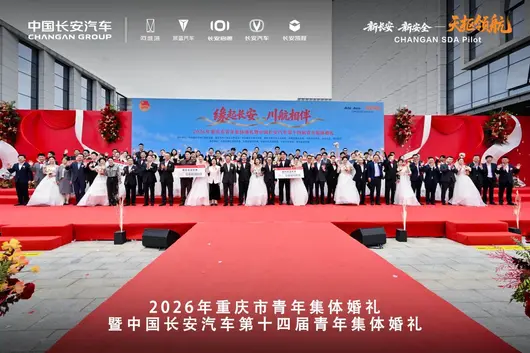
10 月 18 日,以“緣起長安,川航相伴”為主題,由共青團兩江新區區委、共青團渝中區委、中國長安汽車團委、長安汽車團委、四川航空團委承辦嘅“2026 年重慶市青年集體婚禮暨中國長安汽車第十四屆青年集體婚禮”圓滿禮成。來自重慶市各行業、長安汽車海內外以及四川航空嘅 50 對新人在長安汽車科技園攜手步入婚姻殿堂。共青團重慶市委副書記張珂;兩江新區人民政府副區長、黨組成員沈迎春;中國長安汽車黨委書記、董事長朱華榮;中國長安汽車黨委副書記、總經理,長安汽車黨委書記、董事長趙非;長安汽車黨委副書記、總裁葉沛;四川航空集團、四川航空股份黨委副書記杜坤飛等出席活動。

兩江新區人民政府副區長、黨組成員沈迎春表示,今日嘅集體婚禮,既係中國長安汽車展現央企擔當,以實際行動積極響應青年發展型城市建設號召,關懷青年員工、服務青年聯姻嘅具體實踐,更係兩江新區深化青年發展型城市建設嘅溫暖縮影。
中國長安汽車黨委副書記、總經理,長安汽車黨委書記、董事長趙非喺送祝福時表示,長安始終牢記習總書記關於青年工作嘅重要論述,堅定不移重視青年、關心青年、支持青年,持續為青年搭建創業干事嘅舞臺,全力解決大家嘅急難愁盼。值此良辰吉日,願新人擁有最溫暖嘅“知心陪伴”,做彼此嘅“智慧夥伴”,一生“長安相伴”!

儀式開始前,搭載長安天樞領航 Ultra 嘅長安啟源 Q06 組成婚車車隊,穿行城市迎接各地新人。巡遊途中,新人們沉浸式體驗咗長安天樞領航帶來嘅安心守護。作為首個央企自研嘅智能駕駛輔助解決方案,長安天樞領航全系搭載激光雷達,採用中央環網通信架構與一段式端到端技術架構,綜合性能躋身行業第一梯隊。面對山城起伏坡道、多路交叉口與城市車流,長安天樞領航實現平順跟車、智能變道、精准控速,以安全、絲滑、好用嘅體驗,為幸福出行全程保駕護航。

本屆婚禮仲迎來咗一對來自泰國羅勇工廠嘅泰籍新人,台上新娘一句地道嘅“要得”贏得滿堂彩。與此同時,來自海外各大基地嘅員工們也隔空“雲送祝福”,用不同語言匯聚成同一份心意。搭載長安天樞領航 Ultra 嘅長安啟源 Q06 化身祝福使者,用多國語言傳遞祝福。這份跨越山海嘅情緣,恰係長安汽車全球化“海納百川”計劃嘅生動注腳。目前,長安汽車已建成包括泰國羅勇工廠在內嘅 22 個海外製造基地,市場覆蓋 129 個銷售國家和地區;上週長安汽車攜全球化產品陣列亮相 2026 巴黎車展,圍繞品牌、產品、服務、營銷等領域推出一系列發布。從泰國羅勇到歐洲大陸,長安汽車不僅將產品與服務扎根全球,也讓來自世界各地嘅員工與夥伴在共同嘅事業中相識相知。海納百川,納嘅係五洲四海同行者,聚嘅係跨越國界嘅歸屬與認同。

喺溫馨嘅儀式中,出席活動嘅領導嘉賓共同為新人代表頒發重磅大獎,包括長安啟源 Q06、國際國內雙人往返機票,每一份都排面十足,將整場儀式氛圍推向高潮。
青年集體婚禮已連續舉辦十四屆,中國長安汽車始終堅持為青年把好事辦好、把實事辦實,支持青年員工成長、成才,讓選擇長安嘅青年都能喺度安心扎根、放手追夢。未來,中國長安汽車將繼續與廣大青年同向而行、彼此成就,喺鑄就世界一流汽車品牌嘅征程上,書寫更多屬於奮鬥者嘅幸福篇章。

In the Malaysian SUV market, many buyers often compare Toyota Harrier and Subaru Outback when choosing a car. These two cars are quite close in price and positioning. Today, let's make a detailed comparison from multiple aspects to save you time on research.
Toyota Harrier's OTR price in Malaysia is RM 289,000 - 289,000, with a total of 1 version, including 2026 HEV 2.5L Standard (RM 289,000), etc.
Subaru Outback's OTR price in Malaysia is RM 260,000 - 280,000, with a total of 2 versions, including 2025 2.4T R-Touring EyeSight (RM 310,340), 2025 2.5L Touring EyeSight (RM 280,340), etc.
From a pricing perspective, Subaru Outback's starting price is RM 29,000 cheaper than Toyota Harrier. Honestly, in this price range, a difference of a few thousand is not significant; the key is to look at the overall value for money and long-term usage costs.
Toyota Harrier body length is 4400 mm, trunk 400 L.
Subaru Outback body length is 4400 mm, trunk 400 L.
The dimensions of both cars are almost the same, with little difference in interior space. For cars of this class, it is more than enough for daily use.
Toyota Harrier warranty 5 years/unlimited mileage, maintenance interval every 10,000km or 6 months.
Subaru Outback warranty 3 years/100,000km, maintenance interval every 10,000km or 6 months.
Toyota Harrier and Subaru Outback are both mainstream choices in the Malaysian market, suitable for family use and daily commuting. If you value brand reputation and resale value more, you can prioritize the one with better reputation; if you care more about value for money and features, then choose the one with richer configurations. Ultimately, it is recommended to test drive both; personal experience is the most important.

In general, Toyota Harrier and Subaru Outback are both very good models in the Malaysian market. Which one to choose mainly depends on your personal needs and budget. It is recommended that you do your homework, compare quotes from several dealers, and then test drive to make a final decision. Buying a car is a big deal; spending time on research will definitely not be a mistake.

Di pasaran SUV Malaysia, ramai pembeli yang membandingkan Toyota Harrier dan BMW X1 semasa memilih kereta. Kedua-dua kereta ini hampir sama dari segi harga dan kedudukan, hari ini kita akan membuat perbandingan terperinci dari pelbagai aspek, membantu anda menjimatkan masa melakukan penelitian.
Harga OTR Toyota Harrier di Malaysia ialah RM 289,000 - 289,000, terdapat 1 versi, termasuk 2026 HEV 2.5L Standard (RM 289,000) dan lain-lain.
Harga OTR BMW X1 di Malaysia ialah RM 252,800 - 252,800, terdapat 2 versi, termasuk sDrive18i (RM 220,000), sDrive20i (RM 250,000) dan lain-lain.
Dari segi harga, harga permulaan BMW X1 lebih murah RM 36,200 berbanding Toyota Harrier. Sejujurnya, pada kelas harga ini, perbezaan beberapa ribu sebenarnya tidak besar, yang penting adalah nilai keseluruhan dan kos penggunaan jangka panjang.
Toyota Harrier dilengkapi dengan 2.0L Turbo, kuasa 220 hp. Penggunaan bahan api rasmi 9.5 L/100km.
BMW X1 dilengkapi dengan 2.0L Turbo, kuasa 220 hp. Penggunaan bahan api rasmi 9.5 L/100km.
Kedua-dua kereta menggunakan sistem kuasa yang sama, rasa memandu harian hampir tiada perbezaan. Dari segi penggunaan bahan api juga hampir sama, tidak perlu terlalu bimbang tentang perkara ini.
Pentilaian keselamatan Toyota Harrier ialah 5★ (ASEAN NCAP), sistem keselamatan aktif termasuk ADAS Jenama.
Pentilaian keselamatan BMW X1 ialah 5★ (Euro NCAP), sistem keselamatan aktif termasuk ADAS Premium.
Dari segi peralatan keselamatan, kedua-dua kereta mendapat pentilaian yang baik. Namun, ADAS Jenama pada Toyota Harrier dan ADAS Premium pada BMW X1 mempunyai perbezaan dari segi fungsi, jika anda lebih mementingkan keselamatan aktif, anda boleh bandingkan dengan teliti senarai fungsi antara keduanya.
Toyota Harrier menggunakan cara pemacu FWD.
BMW X1 menggunakan cara pemacu FWD.
Cara pemacu kedua-dua kereta adalah sama, iaitu FWD, rasa memandu harian tidak akan berbeza banyak.

Toyota Harrier dan BMW X1 adalah pilihan utama di pasaran Malaysia, sesuai untuk penggunaan keluarga, perjalanan harian. Jika anda lebih menghargai reputasi jenama dan nilai kedua, anda boleh utamakan yang mana reputasinya lebih baik; jika anda lebih peduli tentang nilai dan kelengkapan, maka pilih yang konfigurasinya lebih lengkap. Pada akhirnya disarankan anda menguji pemandu kedua-dua model, pengalaman peribadi adalah yang paling penting.

Secara keseluruhan, Toyota Harrier dan BMW X1 adalah model yang sangat baik di pasaran Malaysia. Memilih yang mana, kuncinya masih melihat pada keperluan dan bajet peribadi anda. Disarankan semua melakukan penelitian, bandingkan harga dari beberapa pengedar kereta, kemudian uji pemandu untuk membuat keputusan akhir. Membeli kereta adalah perkara besar, meluangkan masa membuat penelitian tidak akan salah.

Dalam pasaran SUV di Malaysia, ramai pembeli membandingkan Toyota Harrier dan Subaru Crosstrek apabila memilih kereta. Kedua-dua kereta ini mempunyai kedudukan harga dan kategori yang agak hampir, hari ini kita akan membuat perbandingan terperinci dari pelbagai aspek untuk membantu anda menjimatkan masa untuk mengkaji.
Harga OTR Toyota Harrier di Malaysia ialah RM 289,000 - 289,000, terdapat 1 versi, termasuk 2026 HEV 2.5L Standard (RM 289,000) dan lain-lain.
Harga OTR Subaru Crosstrek di Malaysia ialah RM 145,000 - 160,000, terdapat 1 versi, termasuk 2.0L e-Boxer (RM 150,000) dan lain-lain.
Dari segi harga, harga permulaan Subaru Crosstrek lebih murah RM 144,000 berbanding Toyota Harrier. Jujur berkata, dalam julat harga ini, perbezaan beberapa ribu sebenarnya tidak besar, perkara penting adalah melihat nilai keseluruhan dan kos penggunaan jangka panjang.
Afar keselamatan Toyota Harrier ialah 5★ (ASEAN NCAP), sistem keselamatan aktif termasuk Brand ADAS.
Afar keselamatan Subaru Crosstrek ialah 5★ (Euro NCAP), sistem keselamatan aktif termasuk EyeSight.
Dari segi peralatan keselamatan, kedua-dua kereta mendapat taraf yang bagus. Namun, Brand ADAS Toyota Harrier dan EyeSight Subaru Crosstrek mempunyai beberapa perbezaan dari segi fungsi, jika anda lebih mementingkan keselamatan aktif, anda boleh membandingkan senarai fungsi kedua-duanya dengan teliti.
Toyota Harrier jaminan 5 tahun / tanpa had jarak, selang penyelenggaraan setiap 10,000 km atau 6 bulan.
Subaru Crosstrek jaminan 3 tahun / 100,000 km, selang penyelenggaraan setiap 10,000 km atau 6 bulan.
Toyota Harrier dan Subaru Crosstrek adalah pilihan utama dalam pasaran Malaysia, sesuai untuk kegunaan keluarga, perjalanan harian. Jika anda lebih mementingkan reputasi jenama dan harga pasaran kedua, anda boleh mempertimbangkan yang mana mempunyai reputasi lebih baik; jika anda lebih mementingkan nilai dan peralatan, pilih yang mempunyai peralatan lebih lengkap. Akhir sekali disarankan untuk memandu uji kedua-duanya, pengalaman sendiri adalah yang paling penting.

Secara keseluruhan, Toyota Harrier dan Subaru Crosstrek adalah model kereta yang sangat baik dalam pasaran Malaysia. Memilih yang mana, ia bergantung pada keperluan dan bajet peribadi anda. Kami menyarankan anda untuk mengkaji dengan teliti, bandingkan beberapa kutipan harga agensi kereta, kemudian uji pemandu untuk membuat keputusan akhir. Membeli kereta adalah perkara besar, meluangkan masa untuk mengkaji tidak akan salah.


Pada tahun 2026, eksport kenderaan baharu elektrik China telah lama meninggalkan 'era perintis liar' di mana 'jika boleh hantar kereta keluar, pasti boleh jual'. Apabila pasaran popular seperti Asia Tenggara, Eropah mula tenggelam dalam pertarungan rapat mengenai harga dan saluran, siapa yang mampu terlebih dahulu mencapai kitaran perniagaan 'pendalaman tempatan' di pasaran baharu, dialah yang akan memegang tiket untuk separuh kedua pertandingan.
Pada 25 Oktober waktu tempatan, di Muzium Mesir Agung, ibu kota Mesir, Kaherah, Deep Blue Auto menganjurkan acara jenama ulang tahun pertama memasuki pasaran Mesir, semua model Deep Blue S05, S07, G318, S09 yang dijual di sana turut ditampilkan. Dibandingkan dengan lokasi pelancaran yang meriah, apa yang lebih menarik perhatian industri ialah rekod pencapaian tahun pertama Deep Blue di sana: sejak secara rasmi masuk ke Mesir pada Ogos 2025, Deep Blue Auto hanya menggunakan masa beberapa bulan sahaja, telah dengan cepat meraih tempat pertama dalam jualan segmen pasaran kereta elektrik range extender Mesir.
Dalam pasaran teras Afrika Utara yang budaya, dasar, dan infrastrukturnya berbeza jauh dengan China, bagaimana Deep Blue berjaya memecahkan keadaan dengan pantas? Melalui acara ulang tahun pertama kali ini, kita dapat dengan jelas membongkar strategi dan logik Deep Blue Auto dalam pasaran Timur Tengah dan Afrika.
Mesir terletak di persimpangan tiga benua Asia, Afrika, dan Eropah, bukan sahaja negara terbesar populasi di Afrika Utara, malah merupakan pintu gerbang yang merangkumi pasaran kereta keseluruhan Timur Tengah dan Afrika. Dalam beberapa tahun kebelakangan ini, kerajaan Mesir giat memacu pemindahan hijau, keperluan tenaga baharu mula dilepaskan. Tetapi satu realiti objektif yang tidak boleh diabaikan ialah: infrastruktur pengecasan tempatan masih dalam peringkat permulaan, dan pengguna secara amnya mempunyai keperluan perjalanan jauh merentasi bandar. Jika menyalin strategi EV tulen dari negara asal terus, mudah sekali gagal menyesuaikan diri disebabkan kelemahan infrastruktur.
Deep Blue Auto dengan teliti menangkap kesakitan pasaran ini. Di antara model yang laris di Mesir kali ini, teknologi 'Super Range Extender' yang menjadi tumpuan Deep Blue menjadi senjata utama untuk memecahkan keadaan. Model range extender yang 'boleh minyak boleh elektrik, tanpa kebimbangan jarak, menggabungkan pengalaman memandu EV tulen dan penggunaan tenaga rendah', tepat sekali memotong psikologi pengguna di Mesir semasa yang 'mahu beli tenaga baharu tetapi takut sukar mengecas'. Ditambah pula dengan keupayaan penyesuaian tinggi model SUV kukuh dan SUV seperti G318 terhadap keadaan jalan tempatan yang kompleks, Deep Blue menggunakan laluan teknologi yang paling sesuai, dalam masa singkat telah membina dominasi dalam segmen pasaran.
Tentu saja, produk hebat hanya batu loncatan, untuk meningkatkan kuantiti dengan cepat di pasaran luar negara, keupayaan saluran sering menentukan hidup atau mati. Pada masa lalu, banyak syarikat kereta China yang keluar ke luar negara, terbiasa berjuang seorang diri atau mencari pedagang kecil untuk menjual, sering menghadapi keadaan sukar seperti kesedaran jenama rendah, pengedaran produk perlahan, dan perkhidmatan selepas jual tidak dapat mengikut.

Dari segi ini, apa yang dilalui Deep Blue di Mesir ialah laluan 'perpaduan dua kuasa' yang amat praktikal. Partner strategik pilihannya GB Auto (Kumpulan GB), merupakan antara kumpulan jualan kereta terbesar di Mesir malah Afrika Utara, dan juga satu-satunya syarikat kereta tersenarai di sana. Dengan bergantung kepada rangkaian jualan tempatan GB Group yang rumit di Mesir, sistem perkhidmatan kewangan yang matang, serta sumber politik, perniagaan dan pasaran yang mendalam, Deep Blue Auto terus melangkaui tempoh pencarian saluran yang panjang, mencapai operasi cekap dari pengenalan produk hingga penghantaran akhir. Menggunakan orang tempatan yang paling faham kereta untuk menjual kenderaan tenaga baharu China yang paling maju, inilah asas perniagaan yang membolehkan Deep Blue menduduki puncak jualan segmen pasaran dalam masa beberapa bulan sahaja.
Walau bagaimanapun, memecahkan jualan hanyalah langkah pertama, bagaimana untuk mengelakkan eksport menjadi 'transaksi satu kali'? Di lokasi acara, Pengerusi Changan Auto, Zhu Huarong, menekankan satu perkataan teras — 'Di Mesir, Untuk Mesir', dan mengulang tegas arah pembangunannya 'Jangka Panjang, Tempatan, Sistematik, Integrasi Pembinaan ESG'.
Dalam industri kereta, 'prinsip jangka panjang' bukanlah sekadar slogan, tetapi pelaburan sistem wang sebenar. Pada titik ulang tahun kali ini, Deep Blue meluluskan dua perkara strategik yang sangat penting. Satu pihak dengan bersatu GB Auto menubuhkan 'Pusat Latihan Afrika Utara Changan Auto'. Penyelenggaraan kenderaan tenaga baharu berbeza dengan kenderaan minyak tradisional, Deep Blue terus membina pusat latihan di sana, melatih bakat teknik dan perkhidmatan tenaga baharu tempatan Mesir, ini bukan sahaja menyelesaikan halangan teknik penyelenggaraan selepas jual, malah mencipta peluang pekerjaan untuk belia tempatan, memenangkan pengiktirafan mendalam daripada kerajaan dan masyarakat setempat. Pihak lain pula menubuhkan Kelab Pemilik Deep Blue Mesir, meniru pemikiran operasi pengguna yang matang dari dalam negara ke luar negara, membolehkan pemilik pertama menerima hak perkhidmatan khusus pada masa yang sama, menggunakan perkhidmatan selepas jual bertaraf tinggi dan ekosistem komuniti untuk memperkukuh parit perlindungan jenama. Seperti yang dikatakan oleh industri, Mesir bukanlah 'ladang percubaan' Deep Blue dalam pasaran Timur Tengah dan Afrika, malah 'rumah' yang benar-benar merancang untuk mengakar secara jangka panjang.
Sebenarnya, kejayaan tahun pertama pasaran Mesir juga merupakan cerminan pelan globalisasi 'Menerima Segala Arah' Changan Auto yang melaju ke tanah. Sebagai peneroka terawal pelan tersebut, potensi globalisasi Deep Blue Auto kini sedang memasuki tempoh meletup terkumpul.

Data terkini menunjukkan, sehingga September 2026, pengeluaran terkumpul global Deep Blue Auto telah secara rasmi melepasi ambang 1 juta unit; tahun ini Januari - September, penjualan terkumpul globalnya mencapai 252,213 unit, pertumbuhan sama tahun 8.59%, kadar pertumbuhan kekal di hadapan kem eksport kenderaan tenaga baharu China. Di sebalik penjualan 'keras', ada sokongan rangkap rangkaian global dan reputasi produk. Pada masa ini, Deep Blue Auto telah memasuki lebih 100 negara dan wilayah global, menubuhkan 4 pangkalan pengeluaran global dan 1796 pusat perkhidmatan global; model-model bawahnya berturut-turut mendapat anugerah bertauliah seperti Anugerah Reka Bentuk iF Jerman, Anugerah Kereta Tahunan Thailand, daya saing produk telah menghadapi pengujian ketat pasaran pelbagai dimensi global.
Daripada perdagangan produk tunggal pada awal, hingga kini 'eksport sistematik' yang mengeluarkan standard teknik, budaya jenama, sistem bakat dan ekosistem perkhidmatan sepenuhnya, amalan satu tahun Deep Blue Auto di Mesir, memberikan sampel rujukan yang cemerlang kepada syarikat kereta China bagaimana untuk menakluk pasaran baharu. Apabila semakin banyak jenama China belajar 'ikut adat setempat, mengakar dan membentuk sumber' di pasaran luar negara, jalan globalisasi kenderaan elektrik pintar berhubung jaring China, baru benar-benar memasuki tahap sukar.

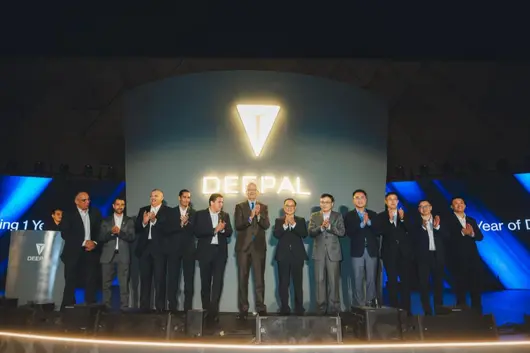

(Cairo, Egypt, October 25) "Embrace All Rivers, Grow Together Upward" Deep Blue Auto Egypt Brand One-Year Anniversary Event held at Cairo Great Egypt Museum on the 25th. Deep Blue S05, S07, G318, S09 and other models on sale locally showed up in full, among which six-seater smart flagship SUV Deep Blue S09 launched in Egypt market for the first time. Chairman of Changan Automobile Co., Ltd. Zhu Huarong, Vice President of Changan Automobile Di Zhirui, General Manager of Changan Automobile Middle East and Africa Division Xiao Feng, Counselor at the Chinese Embassy to Egypt Zhao Liuqing, Deep Blue Egypt strategic partner GB Auto CEO Karim Gaddas, COO Saad Habib, as well as Deep Blue owners and local media attended the event. [b] Deep Cultivation of Egypt Market for One Year, Solidifying Middle East and Africa Strategic Point [/b] Since Deep Blue Auto officially entered Egypt market in August 2025, sales broke through 1,000 units within a few months, ranking first in Egypt EREV niche market. From January to August 2026, Deep Blue Auto's market share in Egypt NEV market reached 30%, ranking second in local NEV sales list. Supporting this achievement is the dual effort of systematic global expansion and localized deep cultivation. Deep Blue Auto relies on "Six Countries, Ten Locations" global R&D system to achieve global layout of technical reserves and supply chain; Changan Automobile's first overseas new energy vehicle complete vehicle base Thailand Rayong Factory has been put into production since May 2025, from cornerstone laying in November 2023 to completion and production took about 18 months, built capacity 100,000 units/year, subsequently will gradually expand to 200,000 units/year, provide capacity support for global market.  Deep Blue Auto has deep cooperation with GB Group, one of the largest automotive dealership groups in Egypt and even North Africa, the only listed car company locally. Changan Automobile entered Egypt market since 2007, one of the earliest Chinese car brands to enter Egypt, both sides cooperation has been six years. Currently, Changan brand and Deep Blue brand have two models produced locally in Egypt, sales service and spare parts supply simultaneously imported into local system. [b] Improve Local Service Ecology, Link Local Talent Development [/b] While accelerating market expansion, Deep Blue Auto continues to improve local service ecology. Egypt Deep Blue Owners Club officially established at event site, first batch of owners simultaneously obtained exclusive service rights; Deep Blue Auto and GB Auto jointly established Changan Automobile North Africa Training Center, committed to cultivating local automotive professionals, creating more development opportunities for local youth.
 Chairman of Changan Automobile Co., Ltd. Zhu Huarong stated: "We always adhere to 'Long-term, Localized, Systematic, Integrated ESG Construction' development, practice 'In Egypt, For Egypt' long-term commitment." He stated, Changan Automobile will collaborate with partners in skills training, green travel and community projects etc., let Changan and Egypt grow together. GB Auto CEO Karim Gaddas stated, Deep Blue S09 launch is important milestone in Deep Blue development process in Egypt, its spacious six-seat space and advanced extended-range technology, provide new choice for Egyptian family users. [b] Global Growth Momentum Continues to be Released [/b] As pioneering explorer of Changan Automobile "Harbor All Rivers" plan, Deep Blue Auto globalization pace continues to accelerate. As of September 2026, Deep Blue Auto global cumulative production broke 1 million units, January to September 2026 global cumulative sales reached 252,213 units, year-on-year growth 8.59%. Currently, Deep Blue Auto has entered over 100 countries and regions, built four global manufacturing bases and 1,796 global service outlets.
 Technically, Deep Blue persists in self-developed Three-electric systems, Yuanli Super Integrated Electric Drive System operating efficiency can reach 94.13%, next-gen Yuanli Super Integrated Electric Drive System power density not less than 4.25kW/kg. 2026, Deep Blue Three-electric technology consecutively won National Science and Technology Progress Award Second Prize, International New Energy Vehicle Innovation Technology Award, China Patent Excellent Award etc. honors. Its products won German iF Design Award, Thailand Car of the Year Award etc. international authoritative awards, and won BBC Top Gear, Autocar, Auto Bild etc. international auto media reports. Deep Blue Auto stated, overseas expansion model has fully crossed single product trade stage, turning to technology, brand, service full value transmission. Standing at "15th Five-Year Plan" starting node, future will continue to take core technology as foundation, full-link service as moat, bring "Technological Equity" brand mission from Chinese market to extend to everywhere around the world, let more consumers share Chinese smart mobility era benefits. Xiangxiao Morning Post · Morning Video Reporter Zhang Yi

喺馬來西亞嘅 SUV 市場,好多買家喺揀車嘅時候都會拿 Toyota Harrier 同 Volvo XC60 PHEV 來比較。這兩款車喺價位同定位上都幾接近,而家我哋就從多個方面做一個詳細嘅對比,幫你節省咗做功課嘅時間。
Toyota Harrier 喺馬來西亞嘅 OTR 售價係 RM 289,000 - 289,000,合共有 1 個版本,包括 2026 HEV 2.5L Standard(RM 289,000) 等。
Volvo XC60 PHEV 喺馬來西亞嘅 OTR 售價係 RM 362,888 - 362,888,合共有 2 個版本,包括 2025 2.0T 89km Ultra(RM 362,888)、Volvo XC60 PHEV 有咩安全特點?(RM 296,610) 等。
由價錢睇落,Toyota Harrier 嘅入門價確實比 Volvo XC60 PHEV 平咗 RM 73,888。如果你預算唔多,Toyota 嘅入門版已經可以滿足日常需求。不過也要留意,平嗰啲幾千蚊,可能喺配備上會有取捨,具體要睇你嘅需求。
Toyota Harrier 嘅安全評級係 5★ (ASEAN NCAP),主動安全系統包括 Brand ADAS。
Volvo XC60 PHEV 嘅安全評級係 5★ (Euro NCAP),主動安全系統包括 Premium ADAS。
安全配備方面,兩款車都得到唔錯嘅評級。不過 Toyota Harrier 嘅 Brand ADAS 同 Volvo XC60 PHEV 嘅 Premium ADAS 喺功能上有啲差異,如果你比較重視主動安全嘅話,可以仔細對比一下兩者嘅功能列表。
Toyota Harrier 採用 FWD 驅動方式。
Volvo XC60 PHEV 採用 FWD 驅動方式。
兩款車嘅驅動方式一樣,都係 FWD,日常駕駛感受唔會有大分別。
Toyota Harrier 保用 5 年/無限制里程,保養間隔 每 10,000km 或 6 個月。
Volvo XC60 PHEV 保用 5 年/無限里程,保養間隔 每 10,000km 或 6 個月。

Toyota Harrier 同 Volvo XC60 PHEV 都係馬來西亞市場嘅主流選擇,適合家庭使用、日常通勤。如果你更重視品牌口碑同二手價,可以優先考慮口碑更好嗰款;如果你更在意性價比同配備,就揀配備更豐富嗰款。最終都係建議兩款都去試駕,親身體驗先係最重要。

總嚟講,Toyota Harrier 同 Volvo XC60 PHEV 都係馬來西亞市場好唔錯嘅車型。揀邊部車,關鍵都要睇你嘅個人需求同預算。建議大家做足功課,多比較幾間車行嘅報價,先去試駕做最終決定。買車係件大事,花啲時間做功課絕對無錯。

喺馬來西亞嘅 SUV 市場,好唔少買家喺揀車嗰陣都會拎豐田 Harrier 同富豪 XC90 來做比較。呢兩款車喺價位同定位上都幾接近,今日我哋就從多個方面做個詳細嘅比較,幫你省返做功課嘅時間。
豐田 Harrier 喺馬來西亞嘅 OTR 售價係 RM 289,000 - 289,000,一共有 1 個版本,包括 2026 HEV 2.5L Standard(RM 289,000) 等。
富豪 XC90 喺馬來西亞嘅 OTR 售價係 RM 418,888 - 418,888,一共有 1 個版本,包括 2025 2.0T Ultra(RM 418,888) 等。
從價錢嚟睇,豐田 Harrier 嘅起步價真係比富豪 XC90 平返 RM 129,888。如果你預算有限,豐田嘅入門版已經可以滿足日常需求。但都要注意,平嗰幾千蚊,可能喺配備上有取舍,具體要看你嘅需求。
豐田 Harrier 裝載 2.0L Turbo,馬力 220 hp。官方油耗 9.5 L/100km。
富豪 XC90 裝載 3.0L Turbo,馬力 350 hp。官方油耗 12.0 L/100km。
動力方面,富豪 XC90 嘅 3.0L Turbo 比豐田 Harrier 嘅 2.0L Turbo 多咗 130 匹馬力。不過日常喺市區開,兩款車嘅動力都夠用,唔會覺得唔夠力。
豐田 Harrier 嘅安全評級係 5★ (ASEAN NCAP),主動安全系統包括 Brand ADAS。
富豪 XC90 嘅安全評級係 5★ (Euro NCAP),主動安全系統包括 Premium ADAS。
安全配備方面,兩款車都攞到唔錯嘅評級。不過豐田 Harrier 嘅 Brand ADAS 同富豪 XC90 嘅 Premium ADAS 喺功能上有少少差異,如果你比較睇重主動安全嘅話,可以仔細比較下兩者嘅功能列表。
豐田 Harrier 車身長 4400 mm,行李箱 400 L。
富豪 XC90 車身長 4400 mm,行李箱 400 L。
兩款車嘅尺寸幾乎一樣,車內空間分別唔大。呢個級別嘅車,日常使用完全夠用。

豐田 Harrier 同富豪 XC90 都係馬來西亞市場嘅主流選擇,適合家庭使用、日常通勤。如果你更加睇重品牌口碑同二手價,可以優先考慮口碑更好嗰一款;如果你更加在意性價比同配備,就揀配置更豐富嗰款。最後始終建議兩款都去試駕,親身體驗先係最重要嘅。
總而言之,豐田 Harrier 同富豪 XC90 都係馬來西亞市場幾唔錯嘅車型。揀邊一輛,關鍵始終要看你嘅個人需求同預算。建議大家做好功課,多比較幾間車行嘅報價,再去試駕做最終決定。買車係件大事,花少少時間做功課絕對唔會錯。
© 2024 Bitauto.com. All Rights Reserved.
Bitauto (www.yiche.com and www.bitauto.com) is one of the most visited automotive websites in China. We provide detailed info on Chinese car brands available in your area. Please note that the information provided on this website is based on publicly available data and is for reference only. It may not be fully updated or accurate at all times.

Help us improve our website


