

HomeProton Tiara

Search History
Popular Searches
Dealer Login / Sign Up

喺馬來西亞嘅 SUV 市場,好多買家喺揀車嘅時候都會將 Toyota Fortuner 同 Kia Sportage 做比較。呢兩款車喺價位同定位上都幾接近,今日我哋就由多個方面做一個詳細比較,幫你省返做功課嘅時間。
Toyota Fortuner 喺馬來西亞嘅 OTR 售價係 RM 195,880 - 241,880,合共 3 個版本,包括 2024 2.8T VRZ Diesel(RM 241,880)、2024 2.7L SRZ Petrol(RM 202,880)、2024 2.4L Standard Diesel(RM 195,880) 等。
Kia Sportage 喺馬來西亞嘅 OTR 售價係 RM 129,639 - 179,320,合共 4 個版本,包括 2025 1.6T DCT 4WD High(RM 179,320)、2025 1.6T DCT 2WD High(RM 159,320)、2025 2.0L AT 2WD High(RM 139,639) 等。
從價錢睇落,Kia Sportage 嘅入門價比 Toyota Fortuner 平咗 RM 66,241。講真,喺呢個價位段,幾千塊嘅差距其實唔算大,關鍵都係睇整體嘅性價比同長期使用成本。

Toyota Fortuner 搭載 2.5L Diesel,馬力 187 hp。官方油耗 8.5 L/100km。
Kia Sportage 搭載 1.5L Turbo,馬力 140 hp。官方油耗 7.0 L/100km。
動力方面,Toyota Fortuner 嘅 2.5L Diesel 比 Kia Sportage 嘅 1.5L Turbo 多咗 47 匹馬力,中段加速更有把握,尤其係跑高速超車嗰陣。不過 Kia Sportage 嘅油耗可能更抵,日常市區通勤差別唔會太大。

Toyota Fortuner 車身長 4400 mm,後備箱 400 L。
Kia Sportage 車身長 4400 mm,後備箱 400 L。
呢兩款車嘅尺寸幾乎一樣,車內空間差別唔大。呢個級別嘅車,日常使用完全夠用。

Toyota Fortuner 保修 5 年/無限里程,保養間隔 每 10,000km 或 6 個月。
Kia Sportage 保修 5 年/300,000km,保養間隔 每 10,000km 或 6 個月。

總體嚟講,Toyota Fortuner 同 Kia Sportage 都係馬來西亞市場幾唔錯嘅車型。揀邊輛,關鍵都要睇你嘅個人需求同預算。建議大家做好功課,多比較幾間車行嘅報價,再去試駕先做最終決定。買車係件大事,花少少時間做功課絕對無錯。


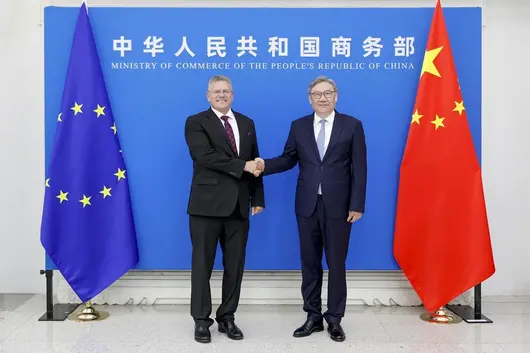
【車市百曉生】近日,中國同歐盟貿易投資磋商機制第二次例會在北京舉行,雙方以符合世貿組織規則嘅方式就混合動力汽車貿易達成諒解。10 月 14 日,上汽、長城、東風、廣汽、比亞迪、奇瑞、吉利控股集團等多家車廠陸續發表聲明表示支持,中國汽車工業協會同日發布相關聲明。

根據商務部消息,10 月 12 日商務部新聞發言人就中歐混合動力汽車、電動汽車磋商共識答記者問時表示:雙方本着相互尊重、平等協商嘅原則,就混合動力汽車、電動汽車貿易進行咗密集磋商,平衡處理經貿分歧同彼此關注。
關於混合動力汽車,雙方強調並確認三項基本原则:尊重事實、非歧視、合規。
⭐ 崔東樹:今年插混對歐出口預計近 80 萬輛,明年或回落中国汽车流通协会乘联分会负责人崔东树表示,本次中歐通過談判達成混合動力汽車相關貿易安排,以協商方式替代直接加徵關稅嘅強硬手段,為中國車廠喺歐盟經營帶嚟穩定預期,整體係雙贏局面。
佢同時指出:
「從規模上睇,今年國內插混車型對歐盟出口量預計接近 80 萬輛,受新嘅貿易安排影響,明年呢個出口量或會回落,插混車對歐出口短期承受壓力。」
崔東樹認為,中國車廠要加快歐盟本土化產能佈局,扎根當地產業鏈。
七間車廠嘅聲明
中國汽車工業協會同日發布聲明,對磋商取得嘅積極成果表示「歡迎同支持」。
⭐⭐ 同日嘅另一條消息:比亞迪歐洲建廠10 月 14 日有消息話,比亞迪執行副總裁李柯喺 2026 巴黎車展上表示,比亞迪將會喺歐洲大規模投資製造,法國已進入比亞迪歐洲建廠嘅候選名單。
據報道,比亞迪位於匈牙利嘅歐洲首座乘用車工廠計劃於今年第四季啟動大規模生產,未來計劃喺歐洲佈局第二、第三整車工廠以及一座電池工廠。 ⚠️ 對於呢條消息,媒體向比亞迪方面進行咗查詢,但截至發稿暫未獲得回應。
比亞迪喺歐洲嘅銷量:2025 年新車註冊量超 18.7 萬輛、同比增長 268.6%,市場份額從 1.9% 提升至 4.3%,首次進入歐洲電動車品牌銷量前十;2026 年 1–8 月約 23.41 萬輛、同比增長 144.1%。
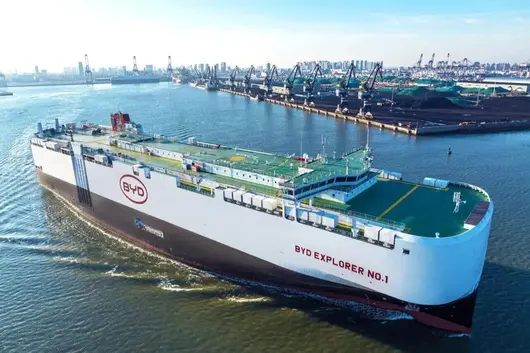
目前比亞迪已形成泰國、烏茲別克斯坦、巴西、匈牙利四大海外工廠,除匈牙利外其餘三大均已投產。
我嘅觀點:共識解決嘅係「唔會更加差」核心判斷:七間車廠喺一日發聲明支持中歐磋商共識,措辭各不相同——上汽話「高度讚賞」,東風話「完全支持」,比亞迪話「高度關注」。但冇一家提到「出口增長目標」,全部落喺「環境」同「合規」上。而崔東樹畀出嘅數字說明咗原因:今年插混對歐盟出口預計接近 80 萬輛,明年或會回落。
第一,首先睇睇共識嘅內容。 今次安排嘅核心,係「唔專門針對中國產品」,而係「俾中國產品額外優惠」——佢將原本可能走向加徵關稅嘅路徑,改成咗協商處理。 商務部明確嘅「尊重事實、非歧視、合規」三項原則,正係呢個意思。
第二,⭐ 而崔東樹嘅判斷點出咗佢嘅實際含義。 佢畀出嘅數字係:今年國內插混車型對歐盟出口量預計接近 80 萬輛;受新貿易安排影響,明年呢個出口量或會回落,短期承受壓力。 呢兩句話要放埋一齊讀:「穩定預期」係對企業而言嘅——規則明確咗、唔會突然加稅;而「短期承受壓力」係對出口量而言嘅——規模增長會受到約束。 共識解決嘅係「唔會更加差」,而唔係「會更好」——佢改變咗車廠做生意嘅方式:過去靠整車出口就能快速放量,而家增長必須建立喺本地產能上。 呢亦解釋咗佢接住講嗰句「中國車廠要加快歐盟本土化產能佈局」。
第三,⭐ 七間車廠嘅聲明恰恰印證咗呢個轉向。 上汽「高度讚賞」、長城「歡迎……並將積極落實」、東風「完全支持」並稱將「持續完善海外業務合規體系建設」、廣汽「支持」、比亞迪「高度關注」、奇瑞「支持」、吉利控股「歡迎和支持」。 措辭各異,但共同點係都喺度強調「穩定、可預期、公平嘅環境」。 而中汽協專務副秘書長何毅嘅表述更加直接:中國汽車出海模式正在從整車出口為主嘅初步階段,演進為涵蓋技術品牌、供應鏈以至標準嘅全價值鏈出海,企業出海戰略佈局更加注重本地化深耕。 七份聲明冇一家講出口目標,全部落喺「環境」同「合規」上——用字嘅選擇本身就說明咗佢哋對下一步嘅判斷。
第四,⭐ 而真正回答「下一步點算」嘅,係同日另一條消息。 10 月 14 日有消息話,比亞迪執行副總裁李柯喺巴黎車展表示比亞迪將會喺歐洲大規模投資製造,法國已進入佢建廠候選名單;匈牙利首座乘用車工廠計劃今年第四季啟動大規模生產,未來仲計劃佈局第二、第三整車工廠以及一座電池工廠。 ⚠️ 對於呢條消息,媒體向比亞迪方面查詢後截至發稿未獲回應——佢目前仍有「有消息話」嘅狀態。 不過比亞迪嘅歐洲銷量能解釋佢點解需要產能:2025 年歐洲新車註冊量超 18.7 萬輛、同比增長 268.6%,市場份額從 1.9% 升至 4.3%,首次進入歐洲電動車品牌銷量前十;今年 1 至 8 月約 23.41 萬輛、同比增長 144.1%。 喺呢個增速下,單靠整車出口會持續受貿易安排約束;而喺當地建廠既規避咗呢個問題,亦能更快響應本地需求。
第五,而呢唔係邊一家嘅事。 今年以來嘅消息顯示,小鵬喺洽購歐洲工廠,吉利收購咗福特西班牙工廠嘅 Body 3 裝配線,上汽將會喺西班牙加利西亞建佢喺歐洲嘅首間電動車工廠。 貿易安排越明確,本地建廠嘅必要性就越突出——而代價係一座整車工廠從選址到投產通常都需要数年,仲要配套供應鏈與售後體系。
兩個檢驗點:① 明年插混對歐出口量係咪如預判咁樣回落——呢係對共識實際效果直接嘅驗證;② 比亞迪歐洲第二工廠可唔可以落地、落喺邊——目前法國僅係候選之一,且消息未獲官方確認
總結10 月 14 日,上汽、長城、東風、廣汽、比亞迪、奇瑞、吉利控股集團等多家車廠陸續發表聲明,對中國同歐盟就混合動力汽車貿易達成嘅諒解表示支持,中國汽車工業協會同日發布相關聲明。 中國汽車流通協會乘聯分会负责人崔东树表示,今次用協商方式代替直接加徵關稅,為中國車廠喺歐盟經營帶嚟穩定預期,整體係雙贏局面;但佢同時指出,今年國內插混車型對歐盟出口量預計接近 80 萬輛,明年呢個出口量或會回落,短期承受壓力。
值得記住嘅一點係:今次共識嘅價值在於把不確定性降低,而唔係把出口量嘅天花板抬高。七份聲明嘅措辭雖然各異,但都指向同一件事——企業真正需要嘅唔係更高嘅配額,而係一個能算得清嘅環境;而算得清之後,佢哋嘅選擇全部都係往當地建廠。

Dalam pasaran SUV Malaysia, banyak pembeli yang membandingkan Toyota Fortuner dan Hyundai Santa Fe semasa memilih kereta. Kedua-dua kereta ini mempunyai harga dan kedudukan yang agak hampir, hari ini kita akan membuat perbandingan terperinci dari pelbagai aspek, membantu anda menjimatkan masa membuat kajian.
Harga OTR Toyota Fortuner di Malaysia ialah RM 195,880 - 241,880, terdapat 3 varian, termasuk 2024 2.8T VRZ Diesel (RM 241,880), 2024 2.7L SRZ Petrol (RM 202,880), 2024 2.4L Standard Diesel (RM 195,880) dan lain-lain.
Harga OTR Hyundai Santa Fe di Malaysia ialah RM 225,000 - 270,000, terdapat 3 varian, termasuk 2025 2.5T DCT 4WD Calligraphy 6 Seats (RM 270,000), 2025 HEV 1.6T AT 2WD Prestige 7 Seats (RM 245,000), 2025 HEV 1.6T AT 2WD Prime 7 Seats (RM 225,000) dan lain-lain.
Dari segi harga, harga permulaan Toyota Fortuner memang lebih murah RM 29,120 berbanding Hyundai Santa Fe. Jika bajet anda terhad, varian Toyota yang asas sudah boleh memenuh keperluan harian. Tetapi perlu diingat, ribuan ringgit yang lebih murah itu, mungkin ada kompromi dalam kelengkapan, ia bergantung pada keperluan anda.
Toyota Fortuner dilengkapi enjin Diesel 2.5L, kuasa 187 hp. Penggunaan minyak rasmi 8.5 L/100km.
Hyundai Santa Fe dilengkapi enjin 2.0L 4-cyl, kuasa 170 hp. Penggunaan minyak rasmi 8.0 L/100km.
Dari segi kuasa, enjin Diesel 2.5L Toyota Fortuner mempunyai 17 hp lebih berbanding enjin 2.0L 4-cyl Hyundai Santa Fe, memberi keyakinan lebih dalam pecutan sederhana, terutamanya semasa memotong di lebuh raya. Namun, penggunaan minyak Hyundai Santa Fe mungkin lebih jimat, perbezaan untuk perjalanan harian di bandar tidak akan terlalu besar.
Panjang kenderaan Toyota Fortuner 4400 mm, ruang muatan 400 L.
Panjang kenderaan Hyundai Santa Fe 4400 mm, ruang muatan 400 L.
Saiz kedua-dua kereta ini hampir sama, ruang dalaman tidak banyak berbeza. Kereta dalam julat harga ini, penggunaan harian sudah cukup.
Toyota Fortuner dan Hyundai Santa Fe kedua-duanya pilihan utama di pasaran Malaysia, sesuai untuk kegunaan keluarga, perjalanan harian. Jika anda lebih mementingkan reputasi jenama dan nilai jualan semula, anda boleh memprioritaskan model yang mempunyai reputasi lebih baik; jika anda lebih mementingkan nilai wang dan kelengkapan, maka pilih model yang mempunyai konfigurasi lebih lengkap. Akhir sekali, disarankan untuk memandu ujian kedua-dua kereta, pengalaman sendiri adalah yang paling penting.

Kesimpulannya, Toyota Fortuner dan Hyundai Santa Fe kedua-duanya model yang sangat bagus di pasaran Malaysia. Memilih yang mana, kunci utama melihat keperluan peribadi dan bajet anda. Disarankan anda membuat kajian, membandingkan harga dari beberapa dealer, kemudian buat keputusan akhir setelah memandu ujian. Membeli kereta adalah perkara besar, meluangkan masa membuat kajian tidak akan salah.


In three months, BYD made statements 4 times, announcing its goal of being number one globally.
The first time was at the global shareholder meeting in June, BYD Chairman Wang Chuanfu announced within five years to become the number one car enterprise by scale globally. Subsequently in July, BYD Executive Vice President Li Ke stated "We set this grand goal, relying on endogenous growth, can also achieve without relying on the US market", while also stating no need to pull sales volume through acquiring car companies. In September BYD held the 2026 first extraordinary shareholder meeting in Shenzhen, Wang Chuanfu reiterated that by 2030, BYD must be truly the number one globally in scale. On October 11, Li Ke clarified the company's next stage global strategic goals at a summit in Singapore, planning to overtake Toyota and Volkswagen within the next five years, becoming the world's largest automobile manufacturer.
Such frequent emphasis on the "global number one" goal is relatively rare in the industry. On one hand, it demonstrates BYD's determination to achieve this goal, but it also showcases BYD reinforcing capital market confidence by reshaping the goal. Of course, this is also a goal Wang Chuanfu set back in 2007.
In reality, in the first half of this year, BYD's revenue was 344.8 billion yuan, a year-over-year decrease of 7.1%; net profit attributable to the parent company was 12.3 billion yuan, a year-over-year decrease of 20.5%. In the first half, BYD sold approximately 1.81 million new energy vehicles, a year-over-year decrease of 15.7%. Exports during the same period were approximately 792,000 units, a year-over-year increase of 67.8%. Sales volume, revenue, and profit have not recovered growth. In terms of stock price, performance remains basically consistent with earnings. BYD needs to answer: where is its next growth?
In June, BYD explained that overall sales performance was constrained by the production capacity of the 2nd Gen Blade Battery, and would gradually recover starting from the second half. Through strategies such as Flash Charge + 2nd Gen Blade Battery + Intelligent Driving backup, etc., it aims to strengthen sales performance in the domestic market. Meanwhile, strengthening layout in the international market has become BYD's focus this year.
Looking at the performance of the third quarter, BYD has resumed growth starting from August, with September sales of 463,561 units, a year-over-year increase of 17.0%, breaking a sales record; cumulatively for the first three quarters, BYD's sales totaled 3,131,576 units, still a decline of 3.9%. Among them, domestic sales were 1,788,616 units, a year-over-year decline of 30%; while overseas sales grew directly from 700,000 units year-on-year to 1.34 million units, nearly doubling year-on-year, and the overseas sales share also grew directly from 21% year-on-year to 43%.
According to the current sales progress, BYD is expected to complete 4.5 million or even higher sales volume this year. If it can break through 500,000 units per month, it will have milestone significance. But this is not enough for BYD aiming to hit number one globally. In September, a screenshot of a supply chain document circulated online mentioned BYD's "forecast for material preparation for next year's 7 million whole vehicle production volume, material preparation orders need to be placed urgently", interpreted as BYD preparing materials for a scale of about 7 million vehicles in 2027. Although this number might seem shocking, considering completing annual sales number one in 4 years, this is quite consistent with the growth demand.
From the current view, both BYD and Volkswagen are at the forefront of global sales volume, and both have previously won the global sales number one spot. In 2025, Toyota Group (including Daihatsu, Hino, Lexus) global total sales volume was approximately 11.3 million units, while Volkswagen was 8.98 million units. From the development trend, the Toyota 2026 first half global automobile enterprise sales list was released, with the sales champion in the first half still being Toyota Motor, its global sales volume approximately 5.39 million units, down 2%. Volkswagen Group ranked second with approximately 4.126 million units, down 6.3% year-over-year. From this, under the impact of electrification, both automotive companies have actually shown a trend of decline.
If we assume Toyota declines 2% annually, its global sales in 2030 would be around 10.21 million units, possibly falling below 10 million. Under another assumption, if Toyota maintains 2% growth annually, its 2030 sales would be 12.4761 million units. Therefore, BYD's most optimistic sales volume in 2030 would need to reach above 10 million to achieve the goal. Calculating based on BYD's current annual sales volume of approximately 4.6 million, the current gap is a minimum of 6.4 million.

Of course, as China's largest automobile enterprise, shouting such a slogan is naturally not mere empty talk; this shows that after surpassing Tesla to become the world's largest new energy vehicle enterprise, this Chinese automobile enterprise ranking in the global top ten has enough confidence to complete this goal. The question is, where will these 6.4 million sales volumes come from?
From the domestic market perspective, the overall automobile market has fallen into negative growth. The Passenger Car Association (CPCA) data released on October 12 shows that national passenger car retail sales were 1.618 million units in September, down 28.0% year-over-year, up 5.0% month-over-month; cumulative retail sales from January to September were 13.334 million units, down 21.7% year-over-year. Against this background, domestic sales data for most car enterprises are negative growth, and BYD is no exception. BYD's January-September sales volume was 3.1316 million units, with 1.3378 million units from overseas markets. BYD's January-September domestic market sales volume was 1.7938 million. The changes within are that domestic sales dropped from approximately 2.57 million to 1.79 million (−30%), exports rose from approximately 690,000 to 1.34 million (approximately +95%). Export share nearly doubled, growing from 21% to 43%.
From the current view, the domestic market is unlikely to provide much growth momentum for domestic car enterprises in the future. However, BYD's domestic market performance is not currently bad, with September domestic sales at 276,800 units and overseas sales at 179,800 units. Currently maintaining growth, it may stabilize the domestic market at a 300,000 unit scale. This will contribute 3.6 million sales volume for a year. This means in the overseas market, BYD needs to obtain at least 6.4 million sales volume annually. According to statements from BYD senior management earlier, its focus layout markets are Europe, Central America, South America, Asia, and Oceania markets, and it has clearly stated temporarily not entering the US market. So, how large is the overseas market scale left for BYD?
According to OICA (International Organization of Motor Vehicle Manufacturers) data, the 2025 global automobile market new vehicle sales (passenger cars, commercial vehicles, and all types) was 99.7984 million units, among which China accounted for 34.5%, the US accounted for 16.7%, EU27 + EFTA (Iceland, Liechtenstein, Norway, and Switzerland) + UK accounted for 15.5%. Then India, Japan, and other markets combined accounted for nearly 80%. Then Brazil, Canada, and Mexico in the Americas, plus Russia, South Korea, Turkey, and Australia reached approximately 88% of the global market.
This means, after removing the Chinese domestic market and the temporarily not entering US market, BYD needs to obtain 6.4 million scale in the remaining 48.8% market (approximately annual sales 48.7 million units).
Referring to Toyota and Volkswagen's sales structure, this still has some challenges. The US market, as one of the global three major markets, has always been a key area for Toyota and Volkswagen. Toyota's 2025 sales volume in the North American market was 2.9297 million units, up 7.3% year-over-year. Among them, only the US market sales volume accounted for 86% of North American total sales, reaching 2.517 million units. The Volkswagen Group has not been very well received in the US market, but even so, it contributed over 570,000 sales volume in the US market in 2025, but the gap in the US market led to a 2 million unit gap with Toyota. Additionally, the Japanese and South Korean markets' preference for local brands is also quite obvious, and it is obviously not easy to take over these two markets.

In the European market, local brands are equally strong. After superimposing the new automobile export policy reached between China and Europe, subsequent market changes are still hard to judge. According to foreign media reports, it is estimated that Chinese hybrid and plug-in hybrid electric vehicles exports to Europe will decrease by "millions of units" within four years, equivalent to halving on the original expected scale. According to German independent market research institution Dataforce data, the top three European plug-in hybrid sales in the first half of 2026 were all Chinese models,依次为 BYD Song PLUS DM-i approx 44,700 units, Yuan UP DM-i (ATTO 2 DM-i) approx 31,600 units, Chery Explore 06 C-DM (JAECOO J7 SHS) approx 29,900 units.
BYD is building multiple factories locally to cope with the impact. After production, BYD's dependence on Chinese exports will decrease, but the local procurement ratio will determine whether the factory can continue its original cost advantage. Previously, Europe had restricted Chinese-made electric vehicles, increasing tariffs. However, after tariffs were lowered, the development of Chinese independent brands in Europe was very rapid, and the advantages of the Chinese new energy supply chain and development efficiency are indeed incomparable. Europe, Southeast Asia, Middle East, Central America, South America, and other regions will become the core pillars for BYD. In the situation of lacking ICE vehicles, relying only on plug-in hybrid and pure electric, whether BYD can defeat Toyota depends on oil price changes, electricity price, and infrastructure situations.
From the current trend, the result does not seem too pessimistic. For example, in the Southeast Asian market, Chinese automobiles have already completed a market reversal against Japanese cars. In the Australian market, this used to be a key market for Japanese cars, but this year, BYD's cumulative sales volume has already exceeded 60,000 units, surpassing Ford, Mazda, and Hyundai and other car enterprises, market share reached 8.5%, second only to Japanese Toyota. Calculating obtaining 6.4 million sales volume in the 48.7 million market, each market needs to obtain approximately 13% share. This means no matter which market, it may need to enter the top three or even first place.
However, for BYD there is still four years. With Flash Charge layout overseas, and the development of Intelligent Driving technology, subsequent potential is still continuously improving. BYD started from 2021, in just 4 years completed export volume from less than 20,000 to the 2 million level, growth approaching 100 times. In the coming time, it needs to grow about three times to complete the goal. Of course, subsequently for BYD, its opponents are not just Toyota and Volkswagen, there may be more like Chery, SAIC, Geely and other opponents. The fierce battle in the domestic market will further extend to the overseas market.

喺馬來西亞嘅 SUV 市場,好多買家喺揀車嘅時候都會拿 Toyota Fortuner 同 Mitsubishi Xforce 來比較。呢兩部車喺價位同定位上都好接近,今日我哋就由多個方面做個詳細比較,幫你省返做功課嘅時間。
Toyota Fortuner 喺馬來西亞嘅 OTR 售價係 RM 195,880 - 241,880,一共有 3 個版本,包括 2024 2.8T VRZ Diesel(RM 241,880)、2024 2.7L SRZ Petrol(RM 202,880)、2024 2.4L Standard Diesel(RM 195,880) 等。
Mitsubishi Xforce 喺馬來西亞嘅 OTR 售價係 RM 109,930 - 119,930,一共有 2 個版本,包括 2026 1.5L Ultimate(RM 119,930)、2026 1.5L Urban(RM 109,930) 等。
從價錢嚟睇,Mitsubishi Xforce 嘅起價比 Toyota Fortuner 平咗 RM 85,950。老實講,喺呢個價位段,幾千塊嘅差距其實唔算大,關鍵都要睇整體嘅性價比同長期使用成本。
Toyota Fortuner 嘅安全評級係 5★ (ASEAN NCAP),主動安全系統包括。
Mitsubishi Xforce 嘅安全評級係 5★ (ASEAN NCAP),主動安全系統包括 MI-PILOT。
兩部車嘅安全評級一樣,喺呢個級別入面安全配備都算好齊全。而家嘅新車安全性都唔差,唔使太擔心呢一點。
Toyota Fortuner 採用 FWD 驅動方式。
Mitsubishi Xforce 採用 FWD 驅動方式。
兩部車嘅驅動方式一樣,都係 FWD,日常駕駛感受唔會有太大分別。
Toyota Fortuner 保修 5 年/無限里程,保養間隔 每 10,000km 或 6 個月。
Mitsubishi Xforce 保修 3 年/100,000km,保養間隔 每 10,000km 或 6 個月。

總體嚟講,Toyota Fortuner 同 Mitsubishi Xforce 都係馬來西亞市場幾唔錯嘅車型。揀邊一輛,關鍵都要睇你嘅個人需求同預算。建議大家做足功課,多比吓幾間車行嘅報價,先去試駕先做最終決定。買車係一件大事,花少少時間做足功課絕對唔會錯。

Bagaimanakah ekspansi syarikat automobil Tiongkok ke luar negara, apakah tempahan paling sukar? Bukan kereta peribadi, bukan juga kenderaan komersial, tetapi kenderaan rasmi kerajaan. Perolehan kerajaan bermaksud ambang pematuhan tertinggi, kitaran pengesahan terpanjang dan keperluan kepercayaan yang paling ketat.
Disebabkan itulah, rekod prestasi BYD bagi separuh tahun 2026 ini amat layak diberi perhatian: jualan eksport kereta persendirian dan pikap hampir 790,000 unit, meningkat 67.9% berbanding tahun lalu, perniagaan menjangkau lebih 120 negara dan wilayah. Di sebalik angka-angka ini, laluan ekspor kenderaan rasmi kerajaan telah terbentuk dengan jelas.
 Pandangan saya ialah: terobosan berterusan BYD di pasaran kenderaan rasmi kerajaan global bukanlah nasib baik, tetapi hasil sistem daripada tiga keupayaan iaitu matriks produk, kepercayaan setempat dan asas global. Ia bermakna ekspansi tenaga baharu Tiongkok, sedang beralih daripada "jualan produk" ke peringkat baharu "membina kepercayaan".
1. Kenderaan Rasmi Kerajaan: Jenis Tempahan Paling Sukar Bagi Syarikat Automobil
Mengapa kenderaan rasmi kerajaan perlu dilihat secara berasingan? Oleh kerana perolehan pentadbiran awam dan pasaran pengguna biasa adalah dua logik yang sepenuhnya berbeza: rantai keputusan panjang, piawaian pematuhan ketat, ruang kesilapan kecil. Di sebalik setiap pembelian, terdapat penilaian gabungan terhadap jenama, kualiti, penjagaan selepas jualan dan kepercayaan politik. Pasaran ini lama dikuasai oleh jenama perkongsian, jenama Tiongkok hampir sukar mendapat tempat.
Disebabkan ambang itu tinggi, makna tempahan kenderaan rasmi kerajaan jauh melebihi tempahan itu sendiri — ia adalah "wang tulen" bagi kredibiliti jenama. Sama ada sebuah syarikat automobil dipilih oleh institusi peringkat kebangsaan, lebih meyakinkan daripada mana-mana penempatan iklan.
2. Rangkaian Bukti Luar Negara: Daripada Pingat Kebangsaan ke Kenderaan Polis
Ekspor kenderaan rasmi kerajaan BYD sedang meresap dari pasaran teladan ke julat yang lebih luas, buktinya ialah satu rantai yang lengkap:
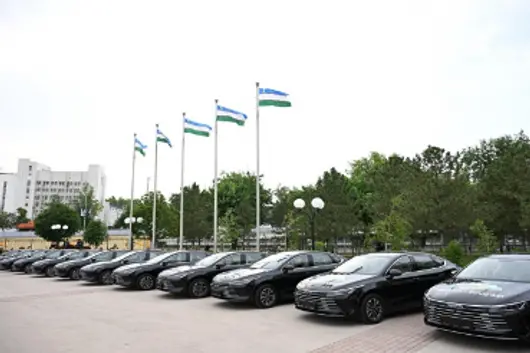
 Di Uzbekistan, Presiden menandatangani perintah Presiden, menganugerahkan "Pingat Persahabatan" peringkat kebangsaan kepada pasukan BYD. Ini adalah sokongan peringkat tertinggi daripada pihak berkuasa negara itu selepas kilang tenaga baharu tempatan mula beroperasi dan kereta rasmi kerajaan Presiden dipilih BYD, sekaligus merupakan cerminan bagaimana jenama tenaga baharu Tiongkok menang kepercayaan pentadbiran awam luar negara berdasarkan kekuatan.
Di Pakistan, hampir 100 unit kenderaan rasmi kerajaan sepenuhnya elektrik telah siap diserahkan dan digunakan secara besar-besaran, ini merupakan pembelian kenderaan rasmi kerajaan tenaga baharu skala besar pertama negara itu, dan juga menjadikan Pakistan sebagai pasaran bersejarah bagi kerjasama kenderaan polis luar negara BYD. Pasukan kenderaan rasmi kerajaan Cape Verde telah bertukar sepenuhnya ke BYD, Hungary, Austria dan negara lain juga kemudiannya memasukkan BYD ke dalam sistem kenderaan rasmi seperti penyambutan hal ehwal luar negeri.
 Bidang pakar kenderaan polis ini, peningkatan lebih ketara: BYD telah menyerahkan polis Dolphin ke polis Filipina, beberapa puluh unit Destroyer 05 sebagai kenderaan polis secara rasmi masuk ke dalam pasukan polis Mexico; ditambah dengan pelbagai model seperti SHARK pikap, Seal, Yuan UP, Seagull yang telah diserahkan sebelum ini, menutupi pelbagai keperluan tugas seperti rondaan keselamatan dan penguatkuasaan trafik. Penerapan berterusan di kedua-dua negara ini menandakan kenderaan polis tenaga baharu BYD sedang bergerak dari demonstrasi titik tunggal ke arah skala besar dan amalan biasa.
3. Mengapa Berjaya: Penggerak Ganda Tiga Bukan Nasib Baik
Jika disambungkan bukti-bukti, faktor penggerak sebenarnya sangat jelas:
Yang pertama ialah matriks produk. Dengan liputan keseluruhan kategori dari sedan, SUV hingga pikap, membolehkan BYD disesuaikan dengan pelbagai senario seperti rondaan keselamatan, penguatkuasaan trafik, tindakan kecemasan — pelanggan awam mahukan bukan sekadar satu kereta, tetapi satu set penyelesaian lengkap.
Yang kedua ialah kepercayaan setempat. Pelan setempat seperti pengeluaran kilang Uzbekistan, penggunaan kenderaan di Kediaman Presiden, menjadikan "persetujuan kebangsaan" sebagai aset kepercayaan yang boleh disalin, bukan sekadar satu peristiwa.
Yang ketiga ialah asas global. Liputan lebih 120 negara dan wilayah, kedudukan terlaris di pasaran seperti United Kingdom, Brazil, Thailand, bermaksud rangkaian selepas jualan dan kesedaran jenama telah disahkan global — pelanggan awam secara semula jadi cenderung memilih jenama yang "digunakan seluruh dunia".
 Penulisan Penutup:
Bagi industri, persaingan ekspor sedang bergerak dari persaingan kekuatan produk ke persaingan kekuatan kepercayaan, terobosan kenderaan rasmi kerajaan adalah penanda aras yang paling jelas bagi perubahan ini. Bagi pemerhati, mengukur kualiti ekspor sebuah syarikat automobil, tidak boleh hanya melihat ranking jualan, tetapi juga melihat "tempahan paling sukar" mana yang direbut.
Kembali ke soalan di awal: tiada jalan pintas untuk kenderaan rasmi kerajaan. Laluan BYD sebenarnya tidak aneh — buat dulu liputan kategori produk lengkap, kemudian tanam kilang dan kepercayaan di lokasi tersebut, akhirnya menggunakan asas global sebagai sokongan. Laluan ini boleh disalin, tetapi memerlukan masa.
Bagi industri automobil Tiongkok, makna terobosan kenderaan rasmi kerajaan, bukan pada berapa banyak kenderaan dijual, tetapi ia membuktikan satu perkara: jenama Tiongkok, sudah mampu mentakluki ujian paling kritis di pasaran pentadbiran awam global.

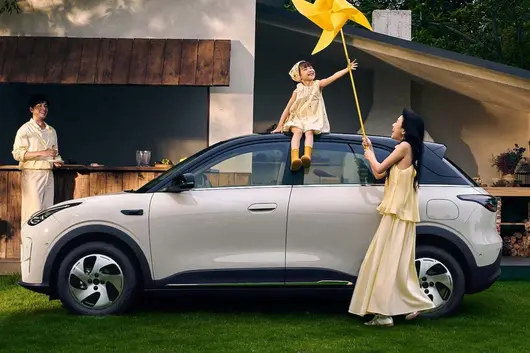
Recently, September sales figures from the auto industry have been released one after another, and Geely Xingyuan has delivered a stunning performance report again: selling 60,871 units in a single month! This is already the second consecutive month its sales have exceeded 60,000 units. Not to mention in the small car circle, but looking at the entire passenger car market, this performance is in a league of its own.

1. Sales Exploding: 800,000 Sold in 21 Months, 60,000+ Stable for Two Months
As the undisputed all-category sales champion last year, Xingyuan's momentum this year is only increasing, never diminishing, truly achieving that no matter whether you compare brands, segments, fuel cars, or new energy vehicles, it can lead by a significant margin.
In the first half of this year, it sold 249,418 units, a 21% year-on-year increase, directly taking the first place in overall market model sales for the first half of the year. Even more surprisingly, just 21 months after launch, cumulative sales have surpassed 800,000 units; this growth rate is absolutely unique among domestic small cars.
From single-month performance, it is incredibly stable: July sold over 55,000 units, August smashed the 60,000 mark, and we thought this was the peak, only for September to sell another 60,871 units, steadily holding the 60,000+ position. To sell over 60,000 units for two consecutive months, not to mention A0 class small cars, even many popular A-class cars and SUVs cannot do this; Xingyuan's ability to attract fans is truly impeccable.

2. Truly Dominating Performance: The King of Small Cars, Capable in All Categories
Why does Xingyuan sell so wildly? Because its advantages are all-encompassing—not only is it the absolute leader in the small car sub-market, but even the sales champion title for all passenger car categories is held by it, constituting a "dimensionality reduction attack" on same-level rivals while also able to compete with higher-priced models.
Many people think commuter cars in the tens of thousands price range "just need to work", Xingyuan does not. The entire lineup adopts rear-wheel drive plus a rear multi-link independent suspension, while most at this price point are still using front-wheel drive plus a torsion beam, resulting in a vastly different driving quality; the battery uses CATL cells, equipped with the God Shield Safety System, and a 30%-80% fast charge takes only 19 minutes, so daily commuting range is not inferior at all, directly pushing the three-electric experience to the ceiling of its class; don't look at the car length being just over 4 meters, space utilization is particularly high, seating passengers and placing items is ample, far exceeding the experience of same-class small cars.
It is precisely because it does not engage in the "low price, reduced features" approach that Xingyuan has gathered a solid reputation, sales are becoming more stable, and its current market position is basically unshakeable, calling it a national-level God Car is truly no exaggeration.

3. Explosive Sales Overseas! Hot in 30+ Countries, Foreigners Accept Chinese Small Cars
Domestic sales are hot enough, but Xingyuan is just as popular when driven abroad, definitely the face of Chinese intelligence and manufacturing.
Now it is sold in more than 30 countries and regions worldwide, and in January-June this year, it was the second-place export for Chinese new energy hatchbacks. Good news from various markets follows one after another: it won the Thailand electric vehicle sales champion in July and the first place for pure electric models in Jordan; it ranked second in all-category pure electric sales in Mexico, since its launch in Brazil it has sold over 20,000 units, and Thailand has also accumulated over 10,000 units sold.
Just in August, Xingyuan also entered developed market countries like Australia, the United Kingdom, and France. Especially in Australia, in just the first month after launch, it achieved a great second place result in the AB-class HB BEV sub-market, proving the car's strength as foreigners voted with their wallets.
From domestic hit to global bestseller, Geely Xingyuan relies not on marketing gimmicks, but on genuine product power. With this momentum, this small car can continue to break records, delivering the name card of Chinese new energy small cars to more countries.

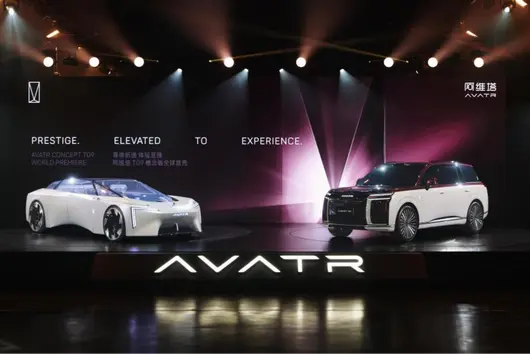
10月11日,阿维塔T09概念版在巴黎完成全球首秀。新车锚定50万级旗舰豪华SUV市场,成为旗舰序列的开山之作。与此同时,阿维塔T09还将与阿维塔06T、阿维塔07L等明星车型一道,亮相10月12日-18日举办的巴黎车展,在全球舞台展示中国汽车在原创设计、智能科技上的体系化成果。

阿维塔科技董事长陈卓表示:“随着T09的推出,阿维塔将形成数字和旗舰两大产品序列,数字序列随性奢华,对应的是优雅、运动与个性的先锋设计;旗舰序列尊崇奢华,对应的是尊贵、从容与气场的旗舰设计。两条设计序列,同一个阿维塔,同一份对原创和品味的坚持。”
以建筑之形,立不彰自显的尊崇气场
阿维塔T09远观威仪,近鉴考究,尽显旗舰风范。新车前脸呈现出强烈的建筑感,格栅采用立体浮雕结构,362个不同立体高度的阿维塔LOGO元素疏密有致地衔接,于光影间流转生辉;晶钻阵列灯组运用内外双层钻⽯切割设计,形成钻石般火彩质感,更加适配全尺寸SUV的体量感;气势十足的2.1㎡超大蚌式前舱盖结合两侧岛屿式隆起,将沉稳的力量与灵动的动态张力融为一体,尊贵霸气不怒自威。

来到侧面,刀锋般锐利的线条刻画于车身之上,轮拱与侧面运用收腰曲面,仿佛内在能量向外迸发;平面剪切曲面与饱满扩张的体量相互对比,塑造出精密感、力量感与雕塑深度交织的动态张力。整个D柱采用铝饰板装饰,融入车窗轮廓与尾翼,形成悬浮车顶的视觉效果;水晶装饰门把手与Dtof传感器岛错落其间,气势强大,不彰自显。车尾部分,一体式晶钻尾灯同样运用双层钻石切割设计,与前灯组交相呼应,点亮后晶莹剔透,不同角度呈现丰富明暗变化,闪烁之间流露科技魅力。

以情感赋能座舱,让科技有了温度
延续阿维塔VISION XPECTRA的设计理念,阿维塔T09将同一套设计哲学引入座舱,构筑一个以宁静、慷慨与连接为核心的空间,营造出笃定、舒适与被关照的自在感。
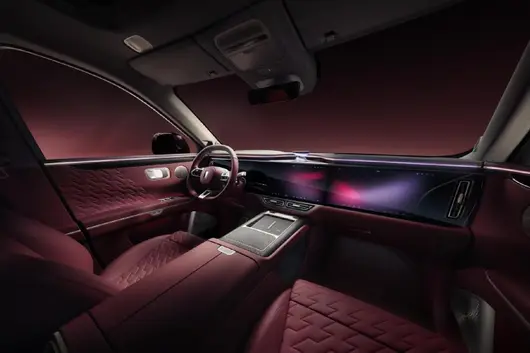
作为行业独有的情感交互设计,Vortex情感涡流以全车功能、状态全域联动的系统表达,架起了数字情感世界与物理座舱结构之间的桥梁。它采用360°无缝两段式反曲面与可升降设计,内置118颗RGB LED矩阵光源,可与整车氛围灯搭配出多种智慧灯效。在质感层面,Vortex优化静音电机与机构运行,并特意设计防夹功能,于细微处守护每一份有温度的情感交互。

阿维塔T09搭载沉浸式一体三联屏,10.25英寸主驾仪表盘搭配双17.2英寸中控屏与副驾屏,连同两侧空调出风口无缝融为一体,宛若巨幅超宽画布,内置NFC功能,一碰即连,交互流畅便捷。
在独树一帜的设计之外,阿维塔T09具备旗舰级科技配置,是品牌迄今技术密度最高的量产车型。新车深度融合华为乾崑智驾、全新太行智控技术,实现领先同级的智慧灵活操控与百万级豪华行驶质感。动力方面,新车搭载全新智能超级混动技术,配备2.0T混动发动机与三电机分布式电驱,系统总功率超千匹马力;配备71.24kWh宁德时代骁遥超级增·混电池,CLTC纯电续航最高超400km,兼顾长续航与高安全,覆盖用户全场景出行需求。
品牌势能持续向上,新豪华阿维塔走向全球
以巴黎为支点,阿维塔正加速走向全球,并将于2027年正式进军欧洲。目前,阿维塔海外业务已扩展至70个国家及地区,产品平均售价超30万元,并已实现盈利。其中,在埃及高端电动车市占率达10%;阿维塔11在泰国豪华纯电SUV市场销量第一。2030年,阿维塔计划进入超110个国家和地区,海外销量占总销量超50%。

海外版图扩张的背后,是持续迭代的产品矩阵。阿维塔现已推出阿维塔11、阿维塔12、阿维塔06/06T、阿维塔07/07L等多款车型。其中,阿维塔06T与07L将作为首批核心产品率先登陆挪威、西班牙。与之配套的是,阿维塔以“统一标准、本地执行、体系支撑、品牌监督”为原则搭建的海外服务体系,让服务更灵活、体验更一致。未来三年,阿维塔将持续完善欧洲产品矩阵和服务。

情感新奢,跃然而生。面向未来,阿维塔将稳步推进品牌向上,持续丰富产品矩阵,为全球用户提供兼具原创设计与顶尖技术的新豪华出行体验,加速向全球新豪华智能电动汽车领导品牌迈进。

Paris, October 11. The Avatr T09 Concept completed its global debut, with the interior design revealed simultaneously for the first time. The following day, it stood on the Paris Motor Show stage alongside the Avatr 06T and 07L. Placing the flagship series' 'groundbreaking work' in the birthplace of global luxury brands, Avatr's intention is self-evident: This is not merely launching a vehicle in the 500,000 RMB price bracket, but a strategic probe by Chinese luxury aesthetics into the global voice arena.

The T09 is scheduled for formal mass production and launch within 2026, anchoring the 500,000 RMB level flagship luxury SUV market. Exteriorly, 'Respect' is manifested as a visible aura: The 3D embossed structure grille is arranged with 362 Avatr LOGO elements of varying heights, creating authority as light and shadow flow; the crystal diamond array headlights feature dual-layer diamond cutting inside and out, complementing the 2.1㎡ super large clamshell hood and island-style humps on both sides, exuding architectural stability from a distance and meticulous details up close; the integrated crystal diamond taillights echo each other front and rear, carrying the original design language throughout.

The cabin continues the 'Emotional New Luxury' philosophy. The industry-exclusive lift-able Vortex Emotional Vortex device connects with the whole vehicle ambient lighting via 118 RGB LED light sources, with silent motors and anti-pinch designs hidden in the details – technology is no longer cold stacking, but a travel partner that can perceive and resonate. The immersive integrated triple screen is seamlessly spliced by a 10.25-inch instrument cluster and dual 17.2-inch center console and passenger screens, with built-in NFC tap-to-connect for fluid interaction.


Technical density is also fully maximized. The new car gathers HUAWEI ADS, HarmonyOS Cockpit, and brand-new Taihang Smart Control technology, equipped with an intelligent super hybrid system: 2.0T hybrid engine paired with tri-motor distributed electric drive, system total power exceeds 1000 hp; 71.24kWh CATL Xiaoyao Super Range-Ext & Hybrid Battery, CLTC pure electric range up to over 400km, gaining both performance and long range. This is Avatr's most technologically dense mass-produced vehicle to date.


At the brand level, the debut of the T09 marks Avatr's formal formation of two major product sequences: 'Digital' and 'Flagship': The Digital sequence offers casual luxury, focusing on elegance, sportiness, and personality; the Flagship sequence offers respectful luxury, focusing on prestige, calmness, and aura. The two sequences converge from different paths, both pointing to the same persistence in originality and taste.

What is more worth reading than the car itself is the global strategy behind the T09. In 2027, Avatr will officially enter Europe, with 06T and 07L landing in Norway and Spain first; currently, overseas business covers 70 countries and regions, with an average product selling price exceeding 300,000 RMB and achieving profitability, targeting over half of overseas sales by 2030. From a 10% market share in the Egyptian high-end EV market to the sales champion in Thailand's luxury pure electric SUV market, Chinese luxury brands are rewriting global perception with actual sales.

The Paris premiere has ended, and the story of 'Chinese Luxury Going Global' has just opened. After mass production launch in 2026, what score will the market give? The answer is worth looking forward to.

In Malaysia's SUV market, many buyers compare Toyota Fortuner and Chery Tiggo 8 Pro when choosing a car. Both cars are quite close in price and positioning. Today, we will make a detailed comparison from multiple aspects to help you save time on research.
The OTR price of Toyota Fortuner in Malaysia is RM 195,880 - 241,880, with a total of 3 versions, including 2024 2.8T VRZ Diesel (RM 241,880), 2024 2.7L SRZ Petrol (RM 202,880), 2024 2.4L Standard Diesel (RM 195,880), etc.
The OTR price of Chery Tiggo 8 Pro in Malaysia is RM 159,750 - 159,750, with a total of 2 versions, including 1.6L Turbo Standard (RM 130,000), 1.6L Turbo Premium (RM 145,000), etc.
From the price perspective, the starting price of Chery Tiggo 8 Pro is RM 36,130 cheaper than Toyota Fortuner. Honestly, in this price range, a difference of a few thousand is not really that big. The key is to look at overall value for money and long-term usage costs.
Toyota Fortuner is equipped with a 2.5L Diesel, 187 hp. Official fuel consumption 8.5 L/100km.
Chery Tiggo 8 Pro is equipped with a 2.0L 4-cyl, 170 hp. Official fuel consumption 8.0 L/100km.
In terms of power, Toyota Fortuner's 2.5L Diesel has 17 more horsepower than Chery Tiggo 8 Pro's 2.0L 4-cyl, providing more confidence in mid-range acceleration, especially when overtaking on highways. However, Chery Tiggo 8 Pro's fuel consumption might be more friendly, and the difference in daily city commuting won't be too big.
The safety rating of Toyota Fortuner is 5★ (ASEAN NCAP), active safety systems include .
The safety rating of Chery Tiggo 8 Pro is TBD, active safety systems include Basic.
Toyota Fortuner adopts FWD drive configuration.
Chery Tiggo 8 Pro adopts FWD drive configuration.
Both cars have the same drive configuration, both are FWD, there won't be a big difference in daily driving feel.
Toyota Fortuner and Chery Tiggo 8 Pro are both mainstream choices in the Malaysian market, suitable for family use and daily commuting. If you value brand reputation and resale price more, you can prioritize the one with better reputation; if you care more about value for money and features, then choose the one with richer configuration. Ultimately it is recommended to test drive both, personal experience is the most important.
Overall, Toyota Fortuner and Chery Tiggo 8 Pro are both very good models in the Malaysian market. Which one to choose depends mainly on your personal needs and budget. It is recommended that everyone do their research, compare quotes from several dealerships, and then test drive to make the final decision. Buying a car is a major matter, spending some time doing research will definitely not be wrong.

In Malaysia's SUV market, many buyers compare Toyota Fortuner and Chery Tiggo 7 Pro when choosing a car. These two cars are quite close in price and positioning, so today we will make a detailed comparison from multiple aspects to help you save time on research.
Toyota Fortuner's OTR price in Malaysia is RM 195,880 - 241,880, with a total of 3 versions, including 2024 2.8T VRZ Diesel (RM 241,880), 2024 2.7L SRZ Petrol (RM 202,880), 2024 2.4L Standard Diesel (RM 195,880), etc.
Chery Tiggo 7 Pro's OTR price in Malaysia is RM 123,750 - 123,750, with a total of 2 versions, including 1.6L Turbo Standard (RM 125,000), 1.6L Turbo Premium (RM 140,000), etc.
In terms of price, Chery Tiggo 7 Pro's starting price is RM 72,130 cheaper than Toyota Fortuner. To be honest, at this price point, a gap of a few thousand is actually not significant, the key is to look at the overall cost-performance ratio and long-term usage costs.
Toyota Fortuner's safety rating is 5★ (ASEAN NCAP), active safety systems include.
Chery Tiggo 7 Pro's safety rating is TBD, active safety systems include Basic.
Toyota Fortuner body length is 4400 mm, trunk 400 L.
Chery Tiggo 7 Pro body length is 4400 mm, trunk 400 L.
The dimensions of the two cars are almost the same, with little difference in interior space. For this class of cars, it is fully sufficient for daily use.
Toyota Fortuner uses FWD drive mode.
Chery Tiggo 7 Pro uses FWD drive mode.
The drive modes of the two cars are the same, both are FWD, there won't be much difference in daily driving experience.
Overall, Toyota Fortuner and Chery Tiggo 7 Pro are both very good models in the Malaysian market. Choosing which one depends mainly on your personal needs and budget. It is recommended to do your research, compare quotes from several dealerships, and then test drive to make a final decision. Buying a car is a big deal, spending some time on research is never wrong.

In the Malaysian SUV market, many buyers compare Toyota Fortuner and Mazda CX-80 when choosing a car. Both models are quite close in price and positioning. Today, we will make a detailed comparison from multiple aspects to save you the time of research.
The OTR price for Toyota Fortuner in Malaysia is RM 195,880 - 241,880, with 3 versions in total, including 2024 2.8T VRZ Diesel (RM 241,880), 2024 2.7L SRZ Petrol (RM 202,880), 2024 2.4L Standard Diesel (RM 195,880), etc.
The OTR price for Mazda CX-80 in Malaysia is RM 296,610 - 296,610, with 1 version in total, including 2025 2.5L 65km High Plus (RM 296,610), etc.
In terms of price, the starting price of Toyota Fortuner is indeed RM 100,730 cheaper than Mazda CX-80. If your budget is limited, the entry-level version of Toyota is sufficient for daily needs. But keep in mind, the few thousand difference may involve trade-offs in equipment, depending on your needs.
Toyota Fortuner is equipped with 2.5L Diesel, 187 hp power. Official fuel consumption 8.5 L/100km.
Mazda CX-80 is equipped with 2.0L Turbo, 220 hp power. Official fuel consumption 9.5 L/100km.
In terms of power, Mazda CX-80's 2.0L Turbo has 33 more horsepower than Toyota Fortuner's 2.5L Diesel. However, for daily city driving, the power of both cars is sufficient, and you will not feel a lack of power.
Toyota Fortuner's safety rating is 5★ (ASEAN NCAP), active safety systems include .
Mazda CX-80's safety rating is 5★ (ASEAN NCAP), active safety systems include Brand ADAS.
Both cars have the same safety rating, and safety equipment is considered quite complete in this class. New cars nowadays have good safety, no need to worry too much about this.
Toyota Fortuner body length 4400 mm, trunk 400 L.
Mazda CX-80 body length 4500 mm, trunk 450 L.
In terms of space, Mazda CX-80's body is 100 mm longer than Toyota Fortuner, offering an advantage in seating space. However, Toyota Fortuner is more flexible for parking in the city, each has trade-offs.

Toyota Fortuner warranty 5 years/unlimited mileage, maintenance interval every 10,000km or 6 months.
Mazda CX-80 warranty 5 years/150,000km, maintenance interval every 10,000km or 6 months.

Overall, Toyota Fortuner and Mazda CX-80 are both quite good car models in the Malaysian market. Which one to choose mainly depends on your personal needs and budget. We suggest doing your homework, comparing quotes from several dealerships, then test driving to make the final decision. Buying a car is a major matter, spending time on research will definitely not be wrong.

喺馬來西亞嘅 SUV 市場,好多買家揀車嗰陣都會拿 Toyota Fortuner 同 Chery Tiggo 8 Pro 嚟做比較。呢兩款車喺價位同定位上都幾接近,今日我哋就從多個方面做詳細比較,幫你省返做功課嘅時間。
Toyota Fortuner 喺馬來西亞嘅 OTR 售價係 RM 195,880 - 241,880,一共有 3 個版本,包括 2024 2.8T VRZ Diesel(RM 241,880)、2024 2.7L SRZ Petrol(RM 202,880)、2024 2.4L Standard Diesel(RM 195,880)等。
Chery Tiggo 8 Pro 喺馬來西亞嘅 OTR 售價係 RM 159,750 - 159,750,一共有 2 個版本,包括 1.6L Turbo Standard(RM 130,000)、1.6L Turbo Premium(RM 145,000)等。
由價錢睇嚟,Chery Tiggo 8 Pro 嘅起步價比 Toyota Fortuner 便宜咗 RM 36,130。實講句,喺呢個價位段,幾千塊嘅差距其實唔算大,關鍵仲係睇整體嘅性價比同長期使用成本。
Toyota Fortuner 搭載 2.5L Diesel,馬力 187 hp。官方油耗 8.5 L/100km。
Chery Tiggo 8 Pro 搭載 2.0L 4-cyl,馬力 170 hp。官方油耗 8.0 L/100km。
動力方面,Toyota Fortuner 嘅 2.5L Diesel 比 Chery Tiggo 8 Pro 嘅 2.0L 4-cyl 多咗 17 匹馬力,中段加速更有信心,尤其係跑高速公路超車嘅時候。不過 Chery Tiggo 8 Pro 嘅油耗可能更友好,日常市區通勤差別唔會太大。
Toyota Fortuner 保修 5 年/無限制里程,保養間隔 每 10,000km 或 6 個月。
Chery Tiggo 8 Pro 保修 3 年/100,000km,保養間隔 每 10,000km 或 6 個月。
Toyota Fortuner 同 Chery Tiggo 8 Pro 都係馬來西亞市場嘅主流選擇,適合家庭使用、日常通勤。如果你更睇重品牌口碑同二手價,可以優先考慮口碑更好嗰款;如果你更在意性價比同配備,就揀配備更豐富嗰款。最終仲係建議兩款都去試駕,親身體驗先係最重要嘅。
總括嚟講,Toyota Fortuner 同 Chery Tiggo 8 Pro 都係馬來西亞市場幾唔錯嘅車型。揀邊一辆,關鍵仲係睇你嘅個人需求同預算。建議大家做好功課,多比較幾間車行嘅報價,再去試駕做最終決定。買車係件大事,花少少時間做功課絕對唔會錯。

In the Malaysian SUV market, many buyers compare Toyota Fortuner and Mazda CX-60 when choosing a car. These two cars are quite close in price and positioning. Today we will do a detailed comparison from multiple aspects to help you save time on research.
Toyota Fortuner's OTR price in Malaysia is RM 195,880 - 241,880, with a total of 3 versions, including 2024 2.8T VRZ Diesel (RM 241,880), 2024 2.7L SRZ Petrol (RM 202,880), 2024 2.4L Standard Diesel (RM 195,880), etc.
Mazda CX-60's OTR price in Malaysia is RM 200,510 - 252,873, with a total of 2 versions, including 2026 3.3T 4WD High Plus (RM 252,873), 2025 2.5L 2WD High (RM 200,510), etc.
From a price perspective, Toyota Fortuner's starting price is indeed RM 4,630 cheaper than Mazda CX-60. If your budget is limited, Toyota's entry-level version can already meet daily needs. But also note, that few thousand difference, might involve compromises on features, depends on your specific needs.
Toyota Fortuner is equipped with 2.5L Diesel, 187 hp. Official fuel consumption is 8.5 L/100km.
Mazda CX-60 is equipped with 2.0L 4-cyl, 170 hp. Official fuel consumption is 8.0 L/100km.
In terms of power, Toyota Fortuner's 2.5L Diesel has 17 more horsepower than Mazda CX-60's 2.0L 4-cyl, with more confidence in mid-range acceleration, especially when overtaking on highways. However, Mazda CX-60's fuel consumption might be more favorable, with little difference in daily city commuting.
Toyota Fortuner's safety rating is 5★ (ASEAN NCAP), active safety systems include.
Mazda CX-60's safety rating is 5★ (Euro NCAP), active safety systems include i-Activsense Pro.
Toyota Fortuner warranty is 5 years/unlimited mileage, service interval every 10,000km or 6 months.
Mazda CX-60 warranty is 5 years/150,000km, service interval every 10,000km or 6 months.

Overall, Toyota Fortuner and Mazda CX-60 are both very good models in the Malaysian market. Which one to choose mainly depends on your personal needs and budget. We suggest doing your research, comparing quotes from several dealerships, then test driving to make the final decision. Buying a car is a major matter, spending some time on research is never wrong.

Dalam pasaran SUV Malaysia, ramai pembeli semasa memilih kereta akan membandingkan Toyota Fortuner dan Mazda CX-80. Kedua-dua kereta ini mempunyai harga dan posisi yang agak hampir, hari ini kita akan buat perbandingan terperinci dari pelbagai aspek, membantu anda menjimatkan masa membuat kajian.
Toyota Fortuner di Malaysia memiliki harga OTR antara RM 195,880 - 241,880, terdapat keseluruhan 3 varian, termasuk 2024 2.8T VRZ Diesel (RM 241,880), 2024 2.7L SRZ Petrol (RM 202,880), 2024 2.4L Standard Diesel (RM 195,880) dan lain-lain.
Mazda CX-80 di Malaysia memiliki harga OTR antara RM 296,610 - 296,610, terdapat keseluruhan 1 varian, termasuk 2025 2.5L 65km High Plus (RM 296,610) dan lain-lain.
Dari segi harga, harga permulaan Toyota Fortuner memang lebih murah RM 100,730 berbanding Mazda CX-80. Jika bajet anda terhad, versi permulaan Toyota sudah mencukupi untuk keperluan harian. Tetapi perlu diingat, perbezaan harga beberapa ribu mungkin ada kompromi dalam spesifikasi, lihat mengikut keperluan anda.
Toyota Fortuner dilengkapi enjin 2.5L Diesel, kuat kuasa 187 hp. Penggunaan bahan api rasmi 8.5 L/100km.
Mazda CX-80 dilengkapi enjin 2.0L Turbo, kuat kuasa 220 hp. Penggunaan bahan api rasmi 9.5 L/100km.
Dari segi kuasa, 2.0L Turbo Mazda CX-80 mempunyai 33 hp lebih berbanding 2.5L Diesel Toyota Fortuner. Namun semasa memandu di bandar untuk harian, kuasa kedua-dua kereta ini sudah mencukupi, tiada rasa kurang kuasa.
Toyota Fortuner panjang badan 4400 mm, stor belakang 400 L.
Mazda CX-80 panjang badan 4500 mm, stor belakang 450 L.
Dari segi ruang, badan Mazda CX-80 lebih panjang 100 mm berbanding Toyota Fortuner, ruang penumpang lebih unggul. Namun Toyota Fortuner lebih mudah diparkir di bandar, masing-masing ada kompromi.
Toyota Fortuner menggunakan sistem penggerak FWD.
Mazda CX-80 menggunakan sistem penggerak FWD.
Sistem penggerak kedua-dua kereta sama, semuanya FWD, pengalaman memandu harian tidak banyak berbeza.
Secara keseluruhannya, Toyota Fortuner dan Mazda CX-80 sama-sama model yang sangat baik di pasaran Malaysia. Memilih yang mana, utama bergantung pada keperluan dan bajet peribadi anda. Disarankan buat kajian, bandingkan lebih banyak diler, kemudian buat uji jalan untuk keputusan akhir. Membeli kereta adalah perkara besar, luangkan masa buat kajian pasti tidak akan salah.

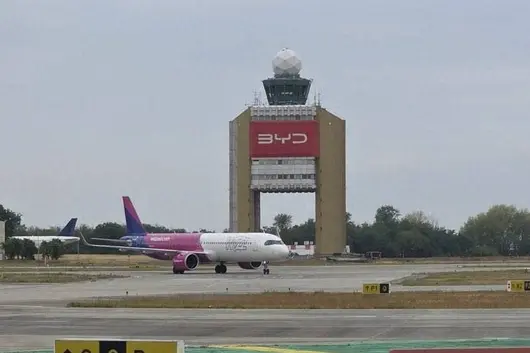
While waiting for the flight and looking out the window, many people see the runway, airplanes, and blue sky with white clouds. What Zhang Xue saw was an advertisement on the control tower.
Recently, while waiting for his flight at Budapest Airport in Hungary, he casually looked up in the smoking area and noticed an advertisement for a Chinese automobile company on a distant control tower. He took out his phone to record a short video, gave a thumbs-up to the camera, said he was at Budapest Airport in Hungary, and showed everyone "Brother Di", saying it was amazing. The video wasn't long but quickly sparked discussion among netizens.

If looking only at the surface, this is a moment when an entrepreneur meets a familiar name in a foreign land. But placed on a longer timeline, this moment carries another meaning. Zhang Xue is the founder of a motorcycle brand, long engaged in independent R&D of powertrains, and knows how many technical barriers need to be crossed behind a car. BYD is also an enterprise that has walked the path of independent R&D from batteries, motors, electronic control to hybrid systems. Although the tracks are different, both have a keen understanding that "core technologies cannot be bought". Therefore, his reaction to seeing the control tower advertisement at the airport was more like an unspoken confirmation between technicians: the products of Chinese enterprises have already appeared in such specific places.

Another detail noticed by netizens is that Zhang Xue's daily commute car is the BYD Qin L. Someone joked that he "builds motorcycles wilder than anyone, but uses cars more economically than anyone". Behind this joke lies a very simple judgment: people who understand technology often value whether the technology is solid, whether the usage is reliable, and whether the cost is reasonable. It is not a commercial endorsement, but rather like a choice made by an ordinary owner in daily life. According to existing information, there is no commercial cooperation of any form between Zhang Xue and BYD, and this video is not advertising material, but an instant reaction recorded by a Chinese entrepreneur overseas upon seeing Made in China.

The control tower advertisement at Budapest Airport resonates because the airport is a special space. Different people from different countries pass through here every day, and the advertising space itself is a form of "being seen". In the past, Made in China appeared in many places in the world mainly in the form of commodities; now, it is also entering the public vision in the form of technology, brands, and long-term presence. The control tower is not an exhibition hall, nor is it a press conference site; it is just an ordinary background during a journey. But precisely because it is ordinary, it appears real: a Chinese enterprise's overseas presence no longer needs deliberate seeking; you might encounter it just by looking up.
Consolidating technical barriers with innovation, according to public information, BYD's business has covered more than 120 countries and regions. From January to September 2026, BYD's overseas cumulative sales of passenger cars and pickups reached 1.3378 million vehicles. These numbers are results, not everything. More worthy of attention is what supports these numbers: the self-developed technologies such as Blade Battery, DM-i Super Hybrid, Flash Charging, as well as the landing of multiple business lines including passenger cars, commercial vehicles, and energy storage in different markets. In markets like Brazil, Singapore, Thailand, Made in China is participating in local transportation and energy transformation; this process will not be smooth sailing, nor will it be completed by just a slogan. It requires the combined action of products, channels, services, supply chains, and time.

An encounter can resonate because the public has a more concrete understanding of the four characters "Independent Innovation". In the past, when mentioning domestic products, many people would first think of price-performance ratio; now, when mentioning domestic products, more and more people will think of technology, design, and global layout. This change was not brought about by a single video, but made bit by bit by countless enterprises overseas. Zhang Xue's video is just a cut: a Chinese entrepreneur, at Budapest Airport in Hungary, saw another Chinese enterprise's advertisement, and then gave a thumbs-up. No script, no arrangement, no commercial cooperation. Its spread comes from a very direct emotion — seeing Made in China placed in a prominent position in a foreign land touches the heart.
Of course, a single control tower advertisement cannot explain everything, and a video should not be over-interpreted. Made in China going global still has to face competition, rules, cultural differences, and localization challenges. What truly determines how far it can go is whether the technology continues to progress, whether the products can stand the test of use, and whether the enterprise respects the local market. Zhang Xue's motorcycles breakthrough in powertrains, BYD invests in full-stack independent R&D, tracks are different, but they are both doing the same thing: holding key capabilities in their own hands. This long-termism is more important than momentary hype.

Traffic will pass, and airport advertisements will also be changed. But that scene has been left: outside the window of Budapest Airport, there is an advertisement of a Chinese enterprise on the control tower; inside the window, a Chinese motorcycle entrepreneur holds up his phone and gives a thumbs-up. It is like a small footnote, recording another moment of Made in China flowing globally. Not all stories need grand narratives; sometimes, an encounter is enough. It makes people see that China Intelligent Manufacturing going global is not just the movement of products and technology, but also a spirit of doing things down-to-earth and continuous breakthrough, which is being seen by more and more people.

喺馬來西亞嘅 SUV 市場,好多買家喺揀車嗰陣都會拿豐田 Fortuner 同馬自達 CX-8 嚟做比較。呢兩款車喺價位同定位上都幾接近,今日我哋就從多個方面做一個詳細嘅比較,幫你節省做功課嘅時間。
豐田 Fortuner 喺馬來西亞嘅 OTR 售價係 RM 195,880 - 241,880,合共 3 個版本,包括 2024 2.8T VRZ Diesel(RM 241,880)、2024 2.7L SRZ Petrol(RM 202,880)、2024 2.4L Standard Diesel(RM 195,880)等。
馬自達 CX-8 喺馬來西亞嘅 OTR 售價係 RM 165,360 - 201,360,合共 5 個版本,包括 2025 2.5T 4WD High Plus Petrol(RM 201,360)、2025 2.2L 2WD High Plus Diesel(RM 193,123)、2025 2.5L 2WD High Plus Petrol(RM 186,360)等。
從價錢嚟睇,馬自達 CX-8 嘅起步價比豐田 Fortuner 平咗 RM 30,520。老實講,喺呢個價位段,幾千蚊嘅差距其實唔算大,關鍵係睇整體嘅性價比同長期使用成本。
豐田 Fortuner 搭載 2.5L Diesel,馬力 187 hp。官方油耗 8.5 L/100km。
馬自達 CX-8 搭載 2.0L 4-cyl,馬力 170 hp。官方油耗 8.0 L/100km。
動力方面,豐田 Fortuner 嘅 2.5L Diesel 比馬自達 CX-8 嘅 2.0L 4-cyl 多咗 17 匹馬力,中段加速更有信心,尤其係跑高速公路超車嗰陣。不過馬自達 CX-8 嘅油耗可能更友好,日常市區通勤差別唔會太大。
豐田 Fortuner 嘅安全評級係 5★ (ASEAN NCAP),主動安全系統包括。
馬自達 CX-8 嘅安全評級係 5★ (ASEAN NCAP),主動安全系統包括 Brand ADAS。
兩款車嘅安全評級一樣,喺呢個級別裡面安全配備都算好齊全。現在嘅新車安全性都唔差,唔使太擔心這一點。
豐田 Fortuner 車身長 4400 mm,後備箱 400 L。
馬自達 CX-8 車身長 4500 mm,後備箱 450 L。
空間方面,馬自達 CX-8 嘅車身比豐田 Fortuner 長咗 100 mm,乘坐空間更有優勢。不過豐田 Fortuner 喺城市裡停車會靈活啲,各有取捨。

豐田 Fortuner 保修 5 年/無限制里程,保養間隔 每 10,000km 或 6 個月。
馬自達 CX-8 保修 5 年/150,000km,保養間隔 每 10,000km 或 6 個月。

總嚟講,豐田 Fortuner 同馬自達 CX-8 都係馬來西亞市場好唔錯嘅車型。揀邊一輛,關鍵始終都要睇你嘅個人需求同預算。建議大家做好功課,多比較幾間車行嘅報價,再去試駕做最終決定。買車係件大事,花啲時間做功課絕對唔會錯。

Dalam pasaran SUV Malaysia, ramai pembeli semasa memilih kereta akan membandingkan Toyota Fortuner dan Mazda CX-3. Kedua-dua kereta ini hampir sama dari segi harga dan sasaran pelanggan. Hari ini, kita akan buat perbandingan terperinci dari pelbagai aspek untuk membantu anda menjimatkan masa membuat kajian.
Toyota Fortuner dijual di Malaysia dengan harga OTR RM 195,880 - 241,880, terdapat 3 versi termasuk 2024 2.8T VRZ Diesel (RM 241,880), 2024 2.7L SRZ Petrol (RM 202,880), 2024 2.4L Standard Diesel (RM 195,880) dan lain-lain.
Mazda CX-3 dijual di Malaysia dengan harga OTR RM 126,159 - 139,159, terdapat 2 versi termasuk 2023 2.0L High (RM 139,159), 2023 2.0L Plus (RM 126,159) dan lain-lain.
Dari segi harga, harga permulaan Mazda CX-3 lebih murah RM 69,721 berbanding Toyota Fortuner. Jujur berkata, dalam julat harga ini, perbezaan beberapa ribu sebenarnya tidak besar, yang penting adalah melihat nilai keseluruhan dan kos penggunaan jangka panjang.
Toyota Fortuner dilengkapi enjin 2.5L Diesel, kuasa 187 hp. Konsumsi bahan api rasmi 8.5 L/100km.
Mazda CX-3 dilengkapi enjin 1.5L Turbo, kuasa 140 hp. Konsumsi bahan api rasmi 7.0 L/100km.
Dari segi kuasa, enjin 2.5L Diesel Toyota Fortuner mempunyai 47 hp lebih daripada enjin 1.5L Turbo Mazda CX-3. Pecutan di tengah jalan lebih berkeyakinan, terutamanya semasa memotong di lebuh raya. Namun, konsumsi bahan api Mazda CX-3 mungkin lebih jimat, perbezaan untuk pengangkutan harian dalam bandar tidak akan terlalu besar.
Pencapaian keselamatan Toyota Fortuner ialah 5★ (ASEAN NCAP), sistem keselamatan aktif termasuk.
Pencapaian keselamatan Mazda CX-3 ialah 5★ (ASEAN NCAP), sistem keselamatan aktif termasuk i-Activsense.
Kedua-dua kereta mempunyai pencapaian keselamatan yang sama. Dalam tahap ini, kelengkapan keselamatan dianggap cukup lengkap. Keselamatan kereta baharu sekarang memang baik, tidak perlu terlalu risau mengenai perkara ini.
Panjang kenderaan Toyota Fortuner ialah 4400 mm, ruang bagasi 400 L.
Panjang kenderaan Mazda CX-3 ialah 4500 mm, ruang bagasi 450 L.
Dari segi ruang, kenderaan Mazda CX-3 lebih panjang 100 mm berbanding Toyota Fortuner, ruang penumpang lebih unggul. Namun, Toyota Fortuner lebih lincah untuk berhenti di bandar, masing-masing ada kompromi.

Toyota Fortuner dan Mazda CX-3 merupakan pilihan utama di pasaran Malaysia, sesuai untuk kegunaan keluarga, pengangkutan harian. Jika anda lebih mementingkan reputasi jenama dan harga kereta terpakai, pertimbangkan model yang lebih popular; jika anda lebih mengutamakan nilai dan kelengkapan, pilih model yang lebih lengkap. Akhir sekali, disarankan untuk uji pandu kedua-dua model, pengalaman sendiri adalah yang paling penting.

Secara keseluruhannya, Toyota Fortuner dan Mazda CX-3 merupakan model yang bagus di pasaran Malaysia. Memilih yang mana, semuanya bergantung pada keperluan peribadi dan bajet anda. Disarankan untuk membuat kajian, bandingkan harga antara beberapa dealer, kemudian uji pandu untuk membuat keputusan akhir. Membeli kereta adalah perkara besar, meluangkan masa untuk membuat kajian pasti tidak salah.

Di pasaran SUV di Malaysia, ramai pembeli membuat perbandingan antara Toyota Corolla Cross dan Mercedes-Benz GLA ketika memilih kereta. Kedua-dua kereta ini hampir sama dari segi harga dan kategori. Hari ini kita akan buat perbandingan terperinci dari pelbagai aspek, membantu anda menjimatkan masa membuat penyelidikan.
Harga OTR Toyota Corolla Cross di Malaysia ialah RM 133,800 - 148,800, terdapat 3 versi termasuk 2026 HEV 1.8L GR Sport (RM 148,800), 2026 HEV 1.8L Standard (RM 140,800), 2026 1.8L Standard (RM 133,800) dan lain-lain.
Harga OTR Mercedes-Benz GLA di Malaysia ialah RM 258,888 - 295,888, terdapat 1 versi termasuk Standard (RM 258,888) dan lain-lain.
Dari segi harga, harga permulaan Toyota Corolla Cross memang RM 125,088 lebih murah daripada Mercedes-Benz GLA. Jika bajet anda terbatas, versi pemula Toyota sudah memadai untuk keperluan harian. Tetapi perhatikan juga, beberapa ribu ringgit yang lebih murah mungkin ada kompromi dari segi kelengkapan, bergantung kepada keperluan anda.

Toyota Corolla Cross dilengkapi enjin 1.5L Turbo, kuasa 140 hp. Penggunaan minyak rasmi 7.0 L/100km.
Mercedes-Benz GLA dilengkapi enjin 2.0L Turbo, kuasa 220 hp. Penggunaan minyak rasmi 9.5 L/100km.
Dari segi kuasa, enjin 2.0L Turbo Mercedes-Benz GLA mempunyai 80 hp lebih daripada enjin 1.5L Turbo Toyota Corolla Cross. Namun untuk memandu harian di bandar, kuasa kedua-dua kereta sudah memadai, anda tidak akan rasa kurang tenaga.
Toyota Corolla Cross menjamin 5 tahun/jarak tanpa had, selang penyelenggaraan setiap 10,000km atau 6 bulan.
Mercedes-Benz GLA menjamin 3 tahun/100,000km, selang penyelenggaraan setiap 10,000km atau 6 bulan.

Toyota Corolla Cross dan Mercedes-Benz GLA adalah pilihan utama di pasaran Malaysia, sesuai untuk kegunaan keluarga dan perjalanan harian. Jika anda lebih mengutamakan reputasi jenama dan nilai jualan semula, pertimbangkan model dengan reputasi yang lebih baik; jika anda lebih mementingkan nilai terhadap harga dan kelengkapan, pilih model yang lebih lengkap. Pada akhirnya disarankan untuk memandu uji kedua-dua model, pengalaman langsung adalah yang paling penting.

Secara keseluruhan, Toyota Corolla Cross dan Mercedes-Benz GLA adalah model kereta yang sangat baik di pasaran Malaysia. Memilih mana satu, penting bergantung pada keperluan dan bajet peribadi anda. Disarankan untuk membuat penyelidikan terlebih dahulu, bandingkan beberapa sebut harga dari pengedar berbeza, kemudian buat ujian memandu untuk keputusan akhir. Membeli kereta adalah perkara besar, meluangkan masa untuk membuat penyelidikan tidak akan rugi.


Di pasaran SUV Malaysia, ramai pembeli semasa memilih kereta sering membandingkan Toyota Corolla Cross dan BMW X1. Kedua-dua model ini mempunyai harga dan penyetempatan pasaran yang agak hampir. Hari ini, kita akan membuat perbandingan terperinci dari pelbagai aspek untuk membantu anda menjimatkan masa membuat penyelidikan.
Toyota Corolla Cross di Malaysia mempunyai harga OTR daripada RM 133,800 hingga RM 148,800. Terdapat 3 varian, termasuk 2026 HEV 1.8L GR Sport (RM 148,800), 2026 HEV 1.8L Standard (RM 140,800), 2026 1.8L Standard (RM 133,800) dan sebagainya.
BMW X1 di Malaysia mempunyai harga OTR bermula dari RM 252,800 hingga RM 252,800. Terdapat 2 varian, termasuk sDrive18i (RM 220,000), sDrive20i (RM 250,000) dan lain-lain.
Dari segi harga, Toyota Corolla Cross mempunyai harga permulaan yang lebih murah RM 119,000 berbanding BMW X1. Jika bajet anda terhad, varian asas Toyota sudah memadai untuk keperluan harian. Namun, anda juga perlu mengambil kira bahawa perbezaan harga tersebut mungkin melibatkan kompromi pada kelengkapan, bergantung pada keperluan spesifik anda.
Toyota Corolla Cross ditenagakan oleh enjin 1.5L Turbo dengan kuasa 140 hp. Penggunaan minyak rasmi ialah 7.0 L/100km.
BMW X1 ditenagakan oleh enjin 2.0L Turbo dengan kuasa 220 hp. Penggunaan minyak rasmi ialah 9.5 L/100km.
Dari segi prestasi enjin, BMW X1 dengan 2.0L Turbo mempunyai 80 kuasa kuda lebih berbanding Toyota Corolla Cross 1.5L Turbo. Namun, untuk penggunaan harian di kawasan bandar, kuasa kedua-dua kereta sudah mencukupi dan tidak berasa kurang tujah.
Toyota Corolla Cross mempunyai panjang kenderaan 4400 mm dan ruang muatan bagasi 400 L.
BMW X1 mempunyai panjang kenderaan 4400 mm dan ruang muatan bagasi 400 L.
Saiz kedua-dua kereta hampir sama, ruang dalaman perbezaannya tidak besar. Kereta dalam kelas ini, penggunaan harian sudah cukup.
Toyota Corolla Cross dan BMW X1 adalah pilihan utama di pasaran Malaysia, sesuai untuk kegunaan keluarga dan perjalanan harian. Jika anda lebih mengutamakan nama jenama dan harga semula, anda boleh memberi keutamaan kepada model yang mempunyai reputasi lebih baik. Jika anda lebih mementingkan nilai wang dan kelengkapan, maka pilihlah model dengan konfigurasi yang lebih lengkap. Pada akhirnya, disarankan untuk memandu kedua-dua model, kerana pengalaman peribadi adalah yang paling penting.

Secara keseluruhan, Toyota Corolla Cross dan BMW X1 adalah model yang sangat baik di pasaran Malaysia. Memilih antara kedua-duanya bergantung kepada keperluan dan bajet peribadi anda. Kami mengesyorkan anda membuat penyelidikan terlebih dahulu, bandingkan tawaran daripada beberapa dealer kereta, kemudian lakukan ujian memandu untuk membuat keputusan akhir. Membeli kereta adalah perkara penting, meluangkan masa untuk penyelidikan tidak akan meleset.
© 2024 Bitauto.com. All Rights Reserved.
Bitauto (www.yiche.com and www.bitauto.com) is one of the most visited automotive websites in China. We provide detailed info on Chinese car brands available in your area. Please note that the information provided on this website is based on publicly available data and is for reference only. It may not be fully updated or accurate at all times.

Help us improve our website


