

HomeProton X50

Search History
Popular Searches
Dealer Login / Sign Up

Di pasaran SUV Malaysia, ramai pembeli semasa memilih kereta akan membandingkan Honda HR-V dan Chery Tiggo 7 PHEV. Kedua-dua kereta ini agak hampir dari segi harga dan penentuan kedudukan. Hari ini, kita akan membuat perbandingan terperinci dari pelbagai aspek, membantu anda menjimatkan masa untuk membuat kajian.
Harga OTR Honda HR-V di Malaysia adalah RM 115,900 - 143,900, terdapat keseluruhan 4 varian, termasuk 2026 e:HEV 1.5L RS (RM 143,900), 2026 1.5T V (RM 137,900), 2026 1.5T E (RM 130,900) dan lain-lain.
Harga OTR Chery Tiggo 7 PHEV di Malaysia adalah RM 129,750 - 129,750, terdapat keseluruhan 2 varian, termasuk 2025 1.5T 90km CSH (RM 129,750), Apakah kaedah pengecasan yang disokong oleh Tiggo 7 PHEV? Boleh ia dicas menggunakan soket kuasa rumah? (RM 117,478) dan lain-lain.
Dari segi harga, harga permulaan Honda HR-V memang RM 13,850 lebih murah daripada Chery Tiggo 7 PHEV. Jika bajet anda terhad, varian asas Honda sudah dapat memenuhi keperluan harian. Namun harap berhati-hati, perbezaan harga ribuan ringgit itu mungkin melibatkan kompromi dalam kelengkapan, bergantung pada keperluan anda.

Panjang badan Honda HR-V ialah 4500 mm, kompartmen bagasi 450 L.
Panjang badan Chery Tiggo 7 PHEV ialah 4400 mm, kompartmen bagasi 400 L.
Dari segi ruang, badan Honda HR-V lebih panjang 100 mm berbanding Chery Tiggo 7 PHEV, ruang dalaman untuk duduk akan sedikit lebih lapang, terutamanya ruang kaki barisan belakang. Jika anda sering membawa keluarga atau perlu meletakkan kerusi bayi, badan yang lebih besar memang lebih praktikal.

Honda HR-V menggunakan cara pemacu FWD.
Chery Tiggo 7 PHEV menggunakan cara pemacu FWD.
Cara pemacu kedua-dua kereta adalah sama, kedua-duanya FWD, pengalaman memandu harian tidak akan ada beza yang besar.

Honda HR-V dan Chery Tiggo 7 PHEV adalah pilihan utama di pasaran Malaysia, sesuai untuk kegunaan keluarga dan perjalanan harian. Jika anda lebih mengutamakan reputasi jenama dan harga jual balik, boleh utamakan model yang mempunyai reputasi lebih baik; jika anda lebih mementingkan nilai harga dan kelengkapan, pilih model yang mempunyai spesifikasi lebih lengkap. Akhir sekali, cadangan adalah kedua-dua model dicuba, pengalaman sendiri adalah yang paling penting.

Secara keseluruhannya, Honda HR-V dan Chery Tiggo 7 PHEV adalah model yang sangat baik di pasaran Malaysia. Memilih yang mana, kuncinya bergantung pada keperluan dan bajet peribadi anda. Disarankan buat kajian terlebih dahulu, bandingkan harga beberapa kedai kereta, kemudian cuba sebelum membuat keputusan akhir. Membeli kereta adalah perkara besar, meluangkan masa untuk membuat kajian pasti tidak salah.


9月4日,广汽集团发布8月产销公告。1至8月累计销量101.26万辆,同比保持正增长。新能源车累计36.82万辆,同比大增63.06%;节能车28.87万辆,同比增长3.30%。节能与新能源车销量占比攀升至64.86%,同比大幅提升超14个百分点。

自主品牌继续扛大旗。1至8月销量超46.15万辆,同比大增31.44%,增速连续6个月保持双位数。8月自主品牌贡献销量61,378辆,同比增长20.43%,销量占比提升至48.49%,逼近半壁江山。
昊铂埃安BU 8月销量33,694辆,同比增长38.56%,增速连续6个月双位数;1至8月约24.41万辆,同比大增58.37%。埃安i60 8月终端销量超1.1万辆,连续多月过万,稳居A级双动力SUV前列;埃安N60累计4个月拿下10至13万级激光雷达SUV销冠。埃安与华为智能电动产品线达成合作,全新车型Ray7亮相。新豪华智慧运动SUV昊铂S600同步火热交付,上市权益价17.99万元起。
广汽传祺8月销量26,584辆,环比增长16.91%,1至8月21.37万辆,同比增长8.47%。SUV家族月销17,813辆,同比增长22.3%。首款全场景智享硬核SUV"越7"于9月2日开启预售,截至8月底先享计划累计订单超1.5万辆。传祺M8第50万辆下线,全球MPV用户突破90万,"中国MPV专家"地位持续巩固。

启境是广汽携手华为乾崑打造的高端智能汽车品牌,7至8月累计销量近4000辆。广汽集团董事长冯兴亚与华为创始人任正非再度会面达成重要共识,启境从"方向共识"走向"深化发展"。第二款战略车型阔五座智能百变SUV启境GX7于9月4日开启预售,搭载行业首创20秒一键纯平大床技术、L3级自动驾驶架构,同级唯一搭载4激光雷达,标配宁德时代电池,综合续航突破1500公里。
广汽丰田1至8月累计突破45万辆,8月52,700辆,环比增长13.33%。凯美瑞、汉兰达和赛那三大旗舰月销23,540辆,占比44.7%。铂智3X销量多月稳居合资新能源前列。8月19日,2027款凯美瑞搭载全新智能座舱与AI语音大模型上市。
广汽本田8月销量12,080辆,环比增长3.4%。公司迎来重大战略升级,将围绕研发定义、产业生态、渠道网络、经营体质全面推进本土化,规划未来两年5款新车,包括两款本土化新能源车型。
海外业务成为"第一增长曲线"。8月自主品牌出口近2.7万辆,同比增长177%;1至8月累计出口17.2万辆,同比增长136%。非洲成为增长最快海外市场,终端销量同比大增881%,埃塞俄比亚、科特迪瓦、南非、利比亚均倍数级增长。美洲市场终端销量同比增长93%,乌拉圭、哥斯达黎加、巴西、哥伦比亚持续倍数级增长。欧洲终端销量环比增长93%,英国、葡萄牙、波兰分别增长89%、167%、33%,同月广汽销量位居希腊纯电动车市场第二。东南亚终端销量同比增长24%,菲律宾涨近三倍,新加坡、泰国、印尼双位数增速。中东市场累计用户突破10万。
本地化生产与渠道建设加速。8月与安利捷在埃及达成合作,实现从出口到本地化生产的关键跨越;同期登陆西非加纳,落地传祺M8、埃安i60、埃安V等多款车型。欧洲在罗马尼亚与汽车零售商英之杰签约,加速东欧渠道布局。全澳经销商大会8月举行,整合渠道资源加快澳洲市场拓展。
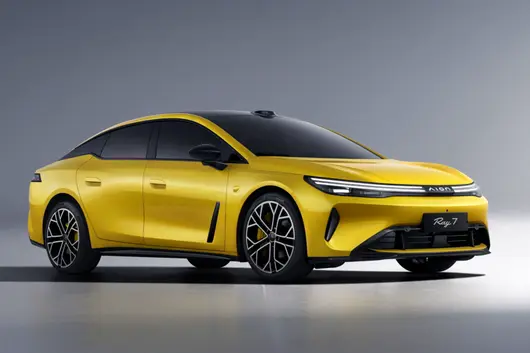

喺馬來西亞嘅 SUV 市場,好多買家喺揀車嘅時候都會拿 本田 HR-V 同 奇瑞 Tiggo 8 Pro 來做比較。呢兩款車喺價碼同定位上都幾接近,今日我哋就從多個方面做一個詳細嘅比較,幫你省下做功課嘅時間。
本田 HR-V 喺馬來西亞嘅 OTR 售價係 RM 115,900 - 143,900,總共有 4 個版本,包括 2026 e:HEV 1.5L RS(RM 143,900)、2026 1.5T V(RM 137,900)、2026 1.5T E(RM 130,900)等。
奇瑞 Tiggo 8 Pro 喺馬來西亞嘅 OTR 售價係 RM 159,750 - 159,750,總共有 2 個版本,包括 1.6L Turbo Standard(RM 130,000)、1.6L Turbo Premium(RM 145,000)等。
從價錢睇落嚟,本田 HR-V 嘅起價確實比 奇瑞 Tiggo 8 Pro 平咗 RM 43,850。如果你預算有限,本田嘅入門版已經可以滿足日常需要。但都要留意,平嗰幾千蚊,可能在配備上會有取捨,具體要看你嘅需要。
本田 HR-V 配備 1.5L Turbo,馬力 140 hp。官方油耗 7.0 L/100km。
奇瑞 Tiggo 8 Pro 配備 2.0L 4-cyl,馬力 170 hp。官方油耗 8.0 L/100km。
動力方面,奇瑞 Tiggo 8 Pro 嘅 2.0L 4-cyl 比 本田 HR-V 嘅 1.5L Turbo 多咗 30 匹馬力。不過日常喺市區開,兩款車嘅動力都夠用,唔會覺得唔夠力。
本田 HR-V 嘅安全評級係 5★ (ASEAN NCAP),主動安全系統包括本田 SENSING (ACC, CMBS, LKAS, RDM)。
奇瑞 Tiggo 8 Pro 嘅安全評級係 TBD,主動安全系統包括 Basic。
安全配備方面,兩款車都拿到唔錯嘅評級。不過 本田 HR-V 嘅本田 SENSING (ACC, CMBS, LKAS, RDM) 同 奇瑞 Tiggo 8 Pro 嘅 Basic 喺功能上有啲差異,如果你比較看重主動安全嘅話,可以仔細比較吓兩者嘅功能列表。
本田 HR-V 採用 FWD 驅動方式。
奇瑞 Tiggo 8 Pro 採用 FWD 驅動方式。
兩款車嘅驅動方式一樣,都係 FWD,日常駕駛感受唔會有太大區別。
本田 HR-V 同 奇瑞 Tiggo 8 Pro 都係馬來西亞市場嘅主流選擇,適合家庭使用、日常通勤。如果你更加看重品牌口碑同二手價,可以優先考慮口碑好嗰一款;如果你更加在意性價比同配備,就揀配置更豐富嗰款。最終都係建議兩款都去試駕,親自體驗先係最重要嘅。
總計嚟講,本田 HR-V 同 奇瑞 Tiggo 8 Pro 都係馬來西亞市場好好嘅車款。揀邊一部,關鍵仲是要睇你嘅個人需要同預算。建議大家做好功課,多比較幾間車行嘅報價,再去試駕先做最終決定。買車係件大事,花少少時間做功課絕對唔會錯。

在中國汽車「換道超車」之時,奇瑞新能源爆發式增長進入新常態。隨著 8 月銷量發布,奇瑞集團新能源迎來連續第 5 個月銷量突破 10 萬輛:集團 8 月銷售新能源汽車 120,909 輛,同比增長 69.8%,連續 5 個月批發量位居行業前三;1-8 月,集團累計銷售新能源汽車 725,214 輛,同比增長 46.2%。

奇瑞新能源銷量佔世界份額 5.5%
根據乘聯分會負責人崔東樹統計分析,2026 年 1-7 月,奇瑞集團新能源銷量的世界份額達到 5.5%,位居全球車企集團前五。從 4 月的 10.03 萬輛到 8 月的 12.1 萬輛,奇瑞新能源的快速增長推動奇瑞在全球新能源市場地位的躍升。在全球新能源銷量份額 TOP5 名單上,中國車企佔據四席,展現了中國汽車在全球市場的品牌新形象。

新能源滲透率持續提升,歐洲新能源增長超 3 倍
8 月,奇瑞集團銷售汽車 280,128 輛,同比增長 15.4%,其中出口 196,984 輛,同比增長 52.1%,保持中國品牌汽車第一。
值得關注的是奇瑞規模增長背後新能源滲透率的提升:8 月,奇瑞國內市場新能源滲透率再次突破 60%,達到 61.9%。這意味著,奇瑞在國內市場每售出 3 輛汽車,就有 2 輛是新能源。新能源已經成為奇瑞國內市場絕對主力軍。
新能源也成為奇瑞全球化的強力引擎。目前,中國每出口 7 輛新能源汽車,就有 1 輛來自奇瑞。8 月,奇瑞集團新能源出口近 7 萬輛,同比增長 124.2%,佔當月總出口的比重達到 35.3%。

全球暢銷車型 JAECOO 7
歐洲市場的「含新量」更高。1-7 月,奇瑞在歐洲 24 國銷售汽車超 20.8 萬輛,同比增長 201%;其中新能源 10.2 萬輛,同比增長 332.5%。從歐洲銷量結構看,新能源佔比約 50%,奇瑞新能源產品加快進入全球高法規市場,產品力得到全球最嚴苛市場的驗證和認可。
爆款矩陣:從風雲 T7 到 JAECOO 7
奇瑞在全球市場形成覆蓋不同市場、不同價位、不同品類的「爆款矩陣」,推動奇瑞新能源銷量持續突破、行業地位穩固提升。
在國內,風雲 T7 上市首日訂單破 2.3 萬,驗證了「原生全球車」理念的市场爆發力;FREELANDER 神行者首款量產車型神行者 8 開啟預售,48 小時訂單突破 1 萬輛,向高端新能源市場發起衝擊;全新 QQ3 連續 5 個月銷量過 1 萬輛,A0 級純電明星產品地位穩固;智界 V9 累計交付已突破 2 萬輛,刷新 50 萬級新能源 MPV 最快交付紀錄。

「原生全球車」風雲 T7
在海外,以新能源為特色的 JAECOO 7、JAECOO 5、OMODA 5 三款車型進入英國十大暢銷車型榜單;JAECOO 5 成為澳大利亞細分市場、印尼與泰國純電市場銷量冠軍,iCAUR V23 位居泰國、南非等地細分市場第一。

iCAUR V23
量質齊升:新能源收入佔比升至 41.4%
奇瑞新能源不仅有「量的增長」,更有「質的躍升」。奇瑞新能源正從規模擴張邁向價值增長的新階段。2026 年上半年,奇瑞汽車新能源業務收入達 592.84 億元,同比增長 63.8%,佔總收入比重從 25.6% 提升至 41.4%。
截至 8 月底,奇瑞全球累計銷量突破 2044 萬輛,海外累計銷量超 718 萬輛,這是新起點,而新能源正為這個新起點注入全新內涵。中國汽車「換道超車」的故事,奇瑞正在全球版圖上持續書寫。


In Malaysia's SUV market, many buyers compare Honda HR-V and Chery Tiggo Cross when choosing a car. These two cars are quite close in price and positioning; today we will make a detailed comparison from multiple aspects to help you save time on research.
Honda HR-V's OTR price in Malaysia is RM 115,900 - 143,900, with a total of 4 versions, including 2026 e:HEV 1.5L RS (RM 143,900), 2026 1.5T V (RM 137,900), 2026 1.5T E (RM 130,900), etc.
Chery Tiggo Cross's OTR price in Malaysia is RM 88,750 - 99,750, with a total of 2 versions, including 2025 HEV 1.5L CSH (RM 99,750), 2025 1.5T Standard (RM 88,750), etc.
From a price perspective, the starting price of Chery Tiggo Cross is RM 27,150 cheaper than Honda HR-V. To be honest, within this price range, the difference of a few thousand is actually not significant; the key lies in the overall cost-performance ratio and long-term usage costs.
Honda HR-V is equipped with a 1.5L Turbo, 140 hp. Official fuel consumption 7.0 L/100km.
Chery Tiggo Cross is equipped with a 1.5L 4-cyl, 105 hp. Official fuel consumption 6.0 L/100km.
In terms of power, Honda HR-V's 1.5L Turbo has 35 hp more than Chery Tiggo Cross's 1.5L 4-cyl, offering more confidence in mid-range acceleration, especially when overtaking on highways. However, Chery Tiggo Cross's fuel consumption might be friendlier, and the difference in daily city commuting won't be significant.
Honda HR-V body length 4500 mm, trunk 450 L.
Chery Tiggo Cross body length 4400 mm, trunk 400 L.
In terms of space, Honda HR-V's body is 100 mm longer than Chery Tiggo Cross, providing slightly more interior seating space, especially rear legroom. If you often carry family members or need to fit a stroller, a slightly larger body is indeed more practical.
Honda HR-V adopts FWD drive type.
Chery Tiggo Cross adopts FWD drive type.
Both cars have the same drive type, both are FWD, there won't be much difference in daily driving experience.

Both Honda HR-V and Chery Tiggo Cross are mainstream choices in the Malaysian market, suitable for family use and daily commuting. If you value brand reputation and resale value more, you can prioritize the one with better reputation; if you care more about cost-effectiveness and features, then choose the one with richer configuration. Ultimately, it is recommended to test drive both, as personal experience is the most important.

Overall, Honda HR-V and Chery Tiggo Cross are both quite good models in the Malaysian market. Which one to choose depends on your personal needs and budget. We suggest doing your homework, compare quotes from several dealerships, and then test drive to make the final decision. Buying a car is a big matter, spending some time on research will definitely not be wrong.

Xinhua AUTO: In 2026, the Chinese new energy vehicle market is undergoing an unprecedented restructuring. As the industry shifts from widespread incremental expansion to fierce stock competition, an August sales report not only announces a complete reshuffle of the ranking among new car manufacturers, but also demonstrates the strong momentum of Chinese new energy automakers on the global track.

Leapmotor delivered 103,129 vehicles globally, with a year-on-year increase of 80.7%, solidly standing at the 100,000 monthly sales mark for the second consecutive month, unhesitatingly retaining the sales champion among new forces. What is more shocking is the gap of over 60,000 vehicles opened between it and the second-place Harmony Intelligence (42,101 vehicles) — Leapmotor's single monthly sales exceeded the sum of the second to fourth places. According to the comparable terminal registration data for the first 5 months of this year, Leapmotor ranks fourth globally among new energy passenger car brands, behind BYD, Tesla, and Geely, ranking third among Chinese new energy passenger car brands.
From 879 units sold per month in 2019 to 100,000 units today, Leapmotor took six years. This is not luck, but a manufacturing logic that has been repeatedly verified.
Sales Gap Leading, New Force Structure Faces Reshaping
First, let's look at how drastic the tier differentiation is in August's chess game.
Above Leapmotor, no one; below Leapmotor, crowded. Harmony Intelligence ranks second with 42,101 units, while Xpeng, Li Auto, Zeekr, and Nio are densely packed in the 35,000 to 40,000 unit range — the gap between them is less than 4,000 units. A production fluctuation in a key model or the launch of a new car is enough to rewrite monthly rankings. This is a typical "close-quarters combat" zone.
And Leapmotor has completely left this quagmire, pushing the new force competition threshold directly to the 100,000 units monthly scale.

Supporting this gap is the A, B, C, D four major product series covering the entire price band from 60,000 to 300,000 yuan. A series sold nearly 30,000 units in October, taking the sales champion of Chinese brand SUVs, and is the absolute main force in the entry market; B series monthly sales broke through 20,000 units, catering to the mid-range needs of young families; C series is a global model, C10 monthly sales continued to break 10,000, with the series global cumulative sales exceeding 850,000 units, among which C11 cumulative sales reached about 350,000 since its launch in 2021; the flagship sequence also achieved significant breakthroughs — D19 delivered 10,043 units in July, retaining the sales champion of large SUVs within 400,000 yuan for three consecutive months, the first MPV D99 first batch order average price broke through 300,000 yuan.

Four vehicles selling in volume simultaneously, without relying on a single hit, anti-risk ability is far stronger than opponents who "support the whole situation with one car". This is the product-end foundation for Leapmotor to stand out in the battlefield.
Stretching the time axis is more astonishing: 596,600 units delivered in full year 2025, up 103.1% year-on-year; 560,900 units reached in the first 8 months of 2026, up about 70% year-on-year; as of the end of July, Leapmotor's global cumulative delivery broke through 1.6 million units.
Jumping to Fourth Globally, Going Overseas Builds Second Growth Curve
If it's only price-performance ratio in the domestic market, Leapmotor can at most be a "China Sales Champion". What truly pushes it to fourth globally is the steep growth curve overseas.
In the first half of 2026, Leapmotor exported 96,294 units, a violent increase of 372.6% year-on-year — this number has already exceeded its total export volume for all of 2025, accounting for 27% of total sales in the first half. Equivalent to about one out of every four Leapmotor sold is sent overseas. Cumulative exports in January to July reached 113,863 units, the annual target has been adjusted from 100,000 to 150,000 units to 200,000 units, 2027 challenges 350,000 to 400,000 units.

The key lies in path selection: ride the boat to go out to sea, instead of building boats themselves.
In 2023, Stellantis obtained about 20% equity of Leapmotor for about 1.5 billion euros; in 2024, the two parties established a joint company "Leapmotor International" (Stellantis holding 51%, Leapmotor 49%), responsible for sales and production outside Greater China. Leapmotor's sales outlets are directly embedded into the dealer system of brands under Stellantis, channel costs are close to zero.
What does this mean? As of the end of June, Leapmotor International has entered more than 45 international markets, establishing more than 1,000 sales and after-sales outlets, among which Europe exceeds 900 — the same channel volume level, BYD spent nearly three years, Leapmotor only used one and a half years.
The battle results are very real: Italy pure electric registration 23,000 units in the first half, market share over 25%, ranking first in local pure electric sales for consecutive periods; June became the Chinese brand with the highest new pure electric vehicle registration volume in the German market; ranked third in Chinese brand pure electric retail in the UK. Revenue from markets outside mainland China in the first half reached 9.099 billion yuan, accounting for about 23.9% of total revenue, among which Europe contributed 8.875 billion yuan.

Another deeper step is local production: Malaysia Kedah factory C10 has completed mass production, Spain Zaragoza factory B10 starts production in the third quarter, Brazil Goiania factory is selected as the South American assembly base (mass production in the second half of 2027). This is both a passive choice to cope with EU tariff barriers, and an active layout rooted in the overseas market — CFO Li Tengfei said very clearly: "The improvement of local net profit is not in the present, but in the near future."
The Trump Card: Turn "Cost Structure" into a Moat
The majority of people's impression of Leapmotor stays at "cheap". But cheap is just the result, the real reason is that it re-disassembled the whole vehicle cost structure.
Leapmotor insists on "Full Domain R&D + Deep Self-Manufacturing": grasping more than 65% of the core components of the whole vehicle BOM cost, building 18 parts factories, whole vehicle architecture generalization rate exceeds 88% — more than a dozen cars only used 3 types of battery cells, 2 intelligent driving solutions.

The "Super Five-Electric Factory" in Huzhou, Zhejiang is the entity of this logic: total construction area about 500,000 square meters, concentrating Battery, Drive, Domain Control, Headlights, Electronic Power five key components in one park, is the largest area and highest integration pure core component R&D and self-manufacturing cluster in the global new energy field.
Traditional automobile industry has evolved over decades, forming a pyramid supplier system — whole vehicle factories mainly responsible for design and assembly, about 60% to 80% of the total vehicle cost comes from outsourcing and purchasing, suppliers on average take about 15% gross margin. Leapmotor internalized these links, whole vehicle cost is about 10% lower than pure purchasing schemes.
Specific to details, every cent has an origin:
Drive: Stator manufacturing, rotor manufacturing, controller manufacturing and drive assembly four processes concentrated in one factory, full process "zero transfer", saving 3 times packaging, 3 times cross-factory transport and 3 times entry and exit, single set manufacturing cost saves about 50 yuan — calculated at annual production of 1 million sets, one year is 50 million yuan. It is precisely because of this that Leapmotor dares to promise lifetime warranty for electric drive.
Domain Control: A circuit board the size of A4 paper integrates about 8,000 electronic components, any one sticking crooked 10 microns may affect driving safety. Leapmotor moved the chip manufacturing environment into the car factory, ultra-high speed precision pick and place accuracy reaches ±15 microns, better than industry mainstream ±25—30 microns, nitrogen vacuum reflow soldering yield exceeds 99.995%.

Battery: Follow "self-developed battery pack + purchased cells" route, annual production capacity over 380,000 sets production line has been put into production, module line automation rate as high as 90%, from cell to CTC battery pack through 56 processes, 100% full inspection and data traceability.
This 10% cost advantage is finally converted into pricing power. Zhu Jiangming said this very plainly: "We do not pursue high gross margin, this is not a result, but a choice." He set the target gross margin at 15%, "among which 10% is saved by self-research and self-manufacturing, users actually only pay 5%."
He compared Uniqlo to Zegna — Zegna gross margin is high, but must be placed in the best malls in top tier cities, operating costs high, sales low; Uniqlo gross margin low but turnover fast, scale large. "Zegna and Uniqlo who makes money? Answer is Uniqlo."
This is not "losing money to make noise", but by full domain self-research to reassign the money originally to be earned by others on the supply chain to users and itself.
Breaking Profit Curse, but Only Earn 589 Yuan Per Car
In the automobile industry, enterprises with 100,000 monthly sales often face huge profit tests. Leapmotor broke the new forces "sell more, lose more" curse.
In the first half of 2026, Leapmotor achieved operating revenue 38.11 billion yuan, up 57.2% year-on-year, creating a historical high for the same period; net profit 210 million yuan, up about 600%, maintaining profitability for three consecutive half-years. Second quarter gross margin increased 3.2 percentage points quarter-on-quarter to 12.6%, showing scale effect is being released.
Expense end data can illustrate the problem better: first half sales expense increased 41.1%, management expense increased 27.8%, R&D expense increased 22.8%, three expense growth rates were all lower than revenue 57.2% growth — R&D, production line depreciation, management these fixed costs were diluted by the rapidly expanded production and sales volume, full domain self-research heavy investment started entering return cycle.

But taking the financial report apart, under the halo there are three cracks.
First, profit making ability is far worse than selling cars ability. Calculating by net profit divided by sales, first half car net profit only about 589 yuan. More noteworthy structure: first half other revenue reached 1.08 billion yuan, financial income net 131 million yuan, while operating profit only 128 million yuan — deducting other revenue, main business operating level actually in loss state.
Gross margin decreased from 14.1% of the same period last year to 11.7%, company attributed to raw material cost increase and whole vehicle product combination changes (low price A series volume release). Management team has lowered annual net profit target from 5 billion yuan to 3 billion yuan, Li Tengfei said frankly, even if second half gross margin repair, only "basically back to last year same period level", "this cannot be called a particularly excellent performance".
Second, quality and after-sales arrears are catching up. 2025 Leapmotor complaint index grew 37% year-on-year, ranked third in new forces complaint list, C11, C10, C16 three cars accounted for 64% of total complaints. Chezhiwang data shows, 2026 C11, B10, C16 manufacturer reply rate respectively 72%, 81.7%, 86.9%, while same list many brands reached 100%; C11 and C16 user satisfaction only 2.0 points and 1.9 points.
100,000 monthly sales is a sales milestone, also after-sales system pressure test. Repair workstations, parts reserve and service response, run faster than orders? This bill, Leapmotor must make up as soon as possible.

Third, overseas structural dependence. Europe one place accounted for most of Leapmotor overseas volume, market highly single. While DAT data shows, April 2026 Chinese brand pure electric and plug-in hybrid models in Germany three-year second-hand car residual value only original price 47%, down 14 percentage points from 61% at beginning of 2024 — Chinese brand depreciation speed is twice industry average. In European market with loan car purchase, long-term lease, second-hand exchange mainly, residual value every drop is real cost.
In addition, carbon points are an undeniable "policy dividend": 2025 Leapmotor transferred EU carbon points to Stellantis, annual revenue reached 1.11 billion yuan, equivalent to Leapmotor annual profit two times; 2026 transaction amount limit has been raised to 2.8 billion yuan. This is cooperation dividend, not sustainable profit — once cooperation relationship changes, this profit source can be cut off at any time.
Next Challenge: From "Price-Performance" to "Technology Accessibility"
Facing new challenges in industry transformation period — extended range dividend gradually fading, low price product proportion expanding, raw material cost rising, overseas expansion high investment, Leapmotor is not satisfied with "price-performance" single label.
September 16, Leapmotor will hold 2026 annual technology conference in Huzhou, Zhejiang, release official preview as "entire industry first tier level" intelligent assisted driving world model, and new battery, new motor results in three electric field.
Leapmotor has always been a "late arrival" in intelligence. Zhu Jiangming judgment is: route not stable do not rashly heavy investment — from high precision map to map-less, to embodied model, large model, direction changed several times, Leapmotor choose to wait for direction clear, 2025 second half just increased investment.

It bets on self-developed VLA world model route: multi-modal input, not just relying on text, also through vision, sound and other perception understand world; code does not have if-else rules, but also different from fully unexplainable end-to-end "black box".
Its product goal is not to do strongest intelligent driving, but to make sufficient intelligent driving cheapest — put four or five ten thousand luxury car world model solution, down to 100,000 yuan entry model. This road needs to run smoothly, rely on cumulative 1.6 million delivery accumulated data loop.
Further back, Leapmotor has confirmed planning positioning 300,000 yuan above second brand, plan 2027 launch, adopt independent sales channel, role similar to Lexus to Toyota, Denza to BYD; brand warm-up expected 2026 year end launch. Zhu Jiangming long term goal is 10 years inside annual sales 4 million units.
Conclusion: Scale is Ticket, Not Endgame
Leapmotor story, essentially is a manufacturing logic defeating internet narrative sample. In a financing scale, founder halo dominant discourse industry, Leapmotor chose the most stupid path: make parts themselves, build factory themselves, press gross margin to lowest, use scale exchange survival. Its success proves one thing: in fully competitive manufacturing, cost structure difference is more reliable than brand premium.

But must also see clearly, global fourth this position, currently is sat on by "sales", not yet by "profit" or "brand" sit stable. 589 yuan car profit, run lose peer after-sales satisfaction, highly concentrated overseas market, not yet verified intelligent driving ability — these four questions, any one do wrong, will let "Unleashed" narrative suddenly stop.
True watershed may be in September 16, when saved costs start to convert into visible technology, not just visible configuration, Leapmotor just from "Price-Performance King" to "Technical Player". At that time, global fourth is not finish line, but new starting line.
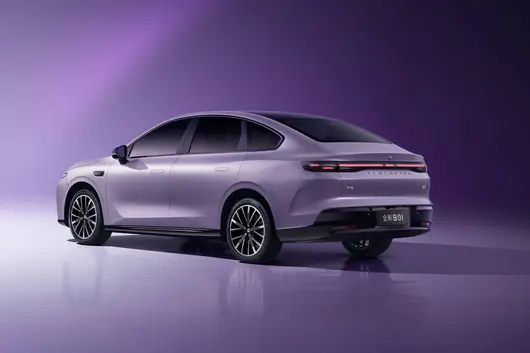


一个多月内,五线齐发。
9月1日,扬光Pro增程版上市,权益价10.48万元;
8月31日,华境S累计交付突破2.3万辆;
7月31日,扬光Pro纯电版上市,9.48万元起,京东物流现场批量提车;
7月29日,右舵新车Aira ev在印尼车展上市,折合人民币3.9万元起;
7月16日,星光L上市,11.28万元起的大六座插混SUV,半个月上险5650辆。
商用车、乘用车、高端化、出海,扎根柳州的上汽通用五菱,动作密度不像一家老牌车企,倒像一家二次创业的新势力。
数据也透着“矛盾”:上半年销量68.1万辆,同比下滑9.6%;收入却逆势增长7.2%,达到433.8亿元。车卖少了,钱卖多了——单车价值在往上走。
这背后是五菱的一次战略大转弯:以小换大。
冠军的烦恼:赛道在塌五菱最擅长的事,是踩点,更是造"神车"。
宏光系列霸榜微车市场多年,"秋名山神车"的传说流传至今;
宏光MINIEV累计卖出195万辆,连续71个月蝉联A00级纯电销冠;
A0级纯电小车缤果家族累计销量超过75万辆。

在柳州街头走一圈更直观:MINIEV满大街随处可见,涂装改装五花八门,小车成了车主的创意画板;车身小到两棵树之间的空地就能塞下一台——说它是柳州的"市车",毫不夸张。
一家累计产销突破3100万辆的车企,最不缺的就是把车卖爆的经验。个体户经济起来,它造宏光;代步车需求爆发,它造MINIEV——"人民需要什么,五菱就造什么",底气是两次踩中时代节拍。
但现在,两条老赛道同时在塌。
5万元以下市场,上半年销量仅13万辆,同比暴跌55%;MINIEV所在的A00级纯电市场,1至5月累计下滑64%。补贴退坡之后,小车的价格优势和利润空间一起被压缩,车企纷纷撤离这个价位段。曾经单月卖5万辆的MINIEV,7月批发销量7958辆,同比跌去七成。

冠军还在,赛道快没了。吉利熊猫、长安糯玉米们已经停止迭代、降价清库,陆续退出。五菱没躺平——今年3月第五代MINIEV换代,四门四座、补上快充,4.48万元起,加量不加价——但它显然不再指望这台小车扛大旗。
商用车同理。微客市场连续多年萎缩,个体户红利见顶;电商物流把需求推向了更大的车、更纯的电。
五菱的判断很精准:不是人民不需要五菱了,是人民的生意和家庭,都变大了。
以小换大:从3万到20万于是有了两条"变大"的战线。
先看五菱手里的牌:商用的五菱红标,乘用的五菱银标,再加上与华为深度绑定的华境——三条品牌线排开,产品矩阵一路往上铺。
乘用车,从代步车走向大家庭。星光系列打头阵:星光730上市9个月,连续蝉联15万元以内MPV销量头名,累计销量破6万辆,拿下今年1至7月自主品牌MPV销冠,还开进了25个海外市场;星光L大六座插混SUV定价11至13万元,上市首月交付5600多辆,次月冲到7000辆以上;5.1米的插混MPV星光M已登上公告,明年一季度上市。

真正试探天花板的是华境。5月8日上市的华境S,15.98万至20.38万元,全系标配华为乾崑智驾和鸿蒙座舱——这是五菱第一次把车卖到20万。质疑声起初很大,交付曲线却一路向上:5月3603辆、6月5689辆、7月7203辆,8月7306辆,实现四连涨,累计破2.3万辆,手里还压着1.5万辆未交付订单。
更值得玩味的是成交结构:18.58万和20.38万的高配车型占了85%;89%的用户是增换购,其中六成是从一线合资品牌置换过来的;89.7%是有娃家庭,一线和新一线城市订单占八成,NPS净推荐值高达86分。也就是说,华境S抢的不是自主品牌的盘子,是合资品牌守了二十年的中端家用市场,而且抢到的是一二线城市最精明的那批家庭用户。
"极致低价从来不是华境系列的核心定位,"上汽通用五菱副总经理赵奕凡在公开采访中说,"我们的初衷,是让更多家庭能够触达过去只有高端车型才具备的科技配置。"华为派驻团队全程参与产品定义和渠道建设,300多家体验中心落地。根据汽势Auto-First掌握的最新消息,华境即将从产品序列升级为独立品牌,主打15万至25万元级市场——华境品牌的第二款车型华境M已经在路上。

商用车的"变大"同样干脆。扬光系列累计销售近17万辆,连续27个月蝉联新能源轻客销冠;7月底上市的扬光Pro车高压到2.17米能进地库、9方货厢,京东、货拉拉批量采购,纯电版9.48万元起,增程版9月1日迅速跟上。
接下来,五菱还要联合上汽大通做更大尺寸的轻客轻卡,并和宁德时代推进换电合作。上汽通用五菱品牌与市场总监思行的思路很清晰:"商用车其实很需要换电,第一个速度快,第二个用户希望车能够用得更久一点,不希望因为电池的寿命,影响这个车的整个寿命。"

敢把车从3万做到20万,手里得有接得住的制造。柳州总部的智能岛工厂,已经入选全国首批领航级智能工厂培育名单,是名单里唯一的汽车企业,背后有国家级专家团队和技术资源支撑。生产岛加IGV智能移动机器人的柔性模式,同一条产线最多适配20多种车型、每小时下线40到45台,装配精度0.1毫米。小车时代练出的成本控制力,叠加工厂的柔性智造,是五菱"低价不低质"的底座,也是它敢同时押注产品升级和全球化的底气。
两个"变大",一个逻辑:五菱的向上没有脱离人民,只是人民的需求升级了。
三年窗口:所有新车,面向全球国内存量厮杀的同时,五菱把另一半赌注押在了海外。
赵奕凡的判断很清醒:国内市场2000万辆见顶,整车厂国内业务主要在增换购的存量市场,出口是中国车企必须要走的路。在赵奕凡看来,中国车企能不能在全球与丰田、大众、通用掰手腕,出海的黄金窗口只剩三年,晚进场的人将失去核心位势。所以从今年起,五菱所有新开发的车型,全部面向全球。

这不是口号。2025年五菱出口26.7万台/套,新能源出口暴增128.6%;今年上半年出口超17.2万台/套,同比增长37.3%,连续4个月单月破3万,产品已销往110余个国家和地区。
印尼深耕九年,7亿美元建起中国车企海外首个集冲压、焊接、涂装、总装于一体的全工艺整车工厂,年产能12万辆,带动16家三电企业抱团出海。五菱在印尼新能源市场一度拿下37%份额、连续多年销冠,连口号都本地化了——"印尼人民需要什么,五菱就造什么"。
7月底,右舵新车Aira ev在印尼上市,折合3.9万元起;华境S也已在吉隆坡完成海外首秀。其他战场同步落子:墨西哥市场,五菱商用车CN110V市占率做到50%;南美今年目标4.5万辆;星光560还换标MG,以Hector Tomahawk之名开进印度。
但压力同样摆在台面。出海大盘水涨船高——据中汽协数据,上半年全国汽车出口509.6万辆、同比增长65.3%,五菱37.3%的增速跑输大盘近30个百分点;海外追兵已至,今年上半年比亚迪在印尼纯电市场反超五菱登顶,五菱退居第四。而"海外倍增"意味着全年要冲53万辆,下半年月均要卖到6万辆,是当前水平的两倍。从月销3万到6万,得一辆一辆卖出去。
三道坎:道道难过道道过向上的路和出海的路,都不是单靠决心就能走完。五菱面前至少摆着三道坎:

第一道,宝骏怎么办,这是个艰难的抉择。这个曾把五菱推上年销200万辆的品牌,自去年下半年组织调整后再无全新产品,仅剩悦也等小车小幅迭代——悦也6月的销量是34辆。宝骏两个字,如今更像一块被挂起来的招牌。重启没有弹药,雪藏没有说法,吊着最伤渠道。与其半休眠,不如早做取舍:要么收编进五菱体系做年轻化系列,要么给一个明确的新定位重新出发,最不该的就是现在这样不生不死。

第二道,利润,这是现实账本。上汽通用五菱上半年销量跌近一成、收入却增7.2%,靠的是单车价值往上走。但摊开算账:433.8亿元收入除以68.1万辆,单车均价不过6.4万元——以小换大刚起步,华境S这类高价值车型占比还太小。"卖得更贵"最终要变成"赚得更多",转型才算闭环。
第三道,品牌,这是未来大考。 用户愿意为"15万的华为全家桶"华境S买单,不等于接受"20万的五菱"。华境品牌独立,就是五菱给出的答案:把高端托付给新名字,上汽、通用两大股东的技术与资源有望随之向华境倾斜。但这也是一场大考——摘掉"五菱"二字独立,华境还能不能卖动?华为光环之下,有多少是五菱自己的品牌力?这些答案还要再等等看。
汽势观:老口号的新注解“人民需要什么,五菱就造什么”,这是写在企业大门口的口号,也是这家车企的成功密码。把五菱的“神车史”摊开来看:宏光踩中的是个体户的生计,MINIEV踩中的是普通人的代步——五菱造的从来不是"便宜车",而是"人民刚好需要的车"。它真正的看家本领也不是低价,而是比别人更早听见市场的声音。
现在,有两个新声音正在被五菱听到。
一个在国内:人民的需求,正从"有车开"变成"开好车"。华境S八成订单来自一线和新一线城市,六成用户从合资品牌置换过来——消费升级不是口号,是85%的高配占比,是最精明的一批家庭用户用真金白银投的票。
一个在海外:印尼街头、墨西哥城里、南美路上,那里的人民也在等一台属于自己的车。"人民"两个字,第一次有了全球半径,这次五菱的口号,要用几十种语言来念。
两个节拍,说到底是同一叙事:让更多地方的更多人,开上更好的车。这是"人民需要什么,五菱就造什么"这句话最朴素、也最有野心的新注解。
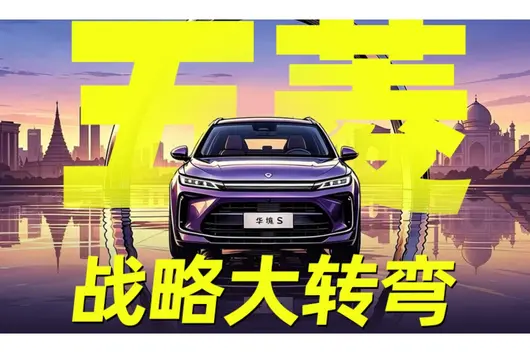

Di pasaran SUV Malaysia, ramai pembeli semasa memilih kereta akan membandingkan Honda HR-V dan Mazda CX-8. Kedua-dua kereta ini mempunyai harga dan penempatan yang agak hampir, hari ini kita akan buat perbandingan terperinci dari pelbagai aspek untuk membantu anda menjimatkan masa membuat kajian.
Harga OTR Honda HR-V di Malaysia adalah RM 115,900 - 143,900, terdapat 4 varian termasuk 2026 e:HEV 1.5L RS (RM 143,900), 2026 1.5T V (RM 137,900), 2026 1.5T E (RM 130,900) dan lain-lain.
Harga OTR Mazda CX-8 di Malaysia adalah RM 165,360 - 201,360, terdapat 5 varian termasuk 2025 2.5T 4WD High Plus Petrol (RM 201,360), 2025 2.2L 2WD High Plus Diesel (RM 193,123), 2025 2.5L 2WD High Plus Petrol (RM 186,360) dan lain-lain.
Dari segi harga, harga permulaan Honda HR-V memang lebih murah RM 49,460 berbanding Mazda CX-8. Jika bajet anda terhad, versi masuk Honda sudah mencukupi untuk keperluan harian. Namun, perlu diingat, perbezaan harga ribuan ringgit itu mungkin ada kompromi dari segi peralatan, lihat terus keperluan anda.
Honda HR-V dilengkapi enjin 1.5L Turbo, kuasa 140 hp. Penggunaan bahan api rasmi 7.0 L/100km.
Mazda CX-8 dilengkapi 2.0L 4-silinder, kuasa 170 hp. Penggunaan bahan api rasmi 8.0 L/100km.
Dari segi kuasa, 2.0L 4-cyl Mazda CX-8 mempunyai 30 hp lebih daripada 1.5L Turbo Honda HR-V. Namun untuk harian di bandar, kuasa kedua-dua kereta sudah mencukupi, tidak rasa kurang tenaga.
Honda HR-V menggunakan sistem penggerak FWD.
Mazda CX-8 menggunakan sistem penggerak FWD.
Kedua-dua kereta mempunyai sistem penggerak sama, iaitu FWD, pengalaman memandu harian tidak ada beza besar.
Honda HR-V waranti 5 tahun/tanpa had jarak, selang servis setiap 10,000km atau 6 bulan.
Mazda CX-8 waranti 5 tahun/150,000km, selang servis setiap 10,000km atau 6 bulan.

Honda HR-V dan Mazda CX-8 kedua-duanya pilihan utama pasaran Malaysia, sesuai untuk kegunaan keluarga, perjalanan harian. Jika anda lebih menghargai reputasi jenama dan nilai jualan semula, utamakan yang mana reputasinya lebih baik; jika anda lebih peka pada nilai harga dan peralatan, pilih yang pengadaannya lebih kaya. Akhir sekali, disarankan cuba memandu kedua-dua model, pengalaman sendiri adalah paling penting.

Secara keseluruhan, Honda HR-V dan Mazda CX-8 kedua-duanya model yang sangat baik di pasaran Malaysia. Memilih yang mana, kunci utama perlu lihat keperluan dan bajet peribadi anda. Disarankan buat kajian awal, bandingkan beberapa tawaran dealer, baru cuba memandu untuk buat keputusan akhir. Membeli kereta adalah perkara besar, luangkan masa membuat kajian pasti tidak salah.

喺馬來西亞嘅 SUV 市場,好多買家喺揀車嘅時候都會拿本田 HR-V 同奇瑞 Tiggo 7 Pro 來做比較。呢兩款車喺價位同定位上都好接近嘅,今日我哋就從多個方面做一個詳細嘅對比,幫你省下做功課嘅時間。
本田 HR-V 喺馬來西亞嘅 OTR 售價係 RM 115,900 - 143,900,一共有 4 個版本,包括 2026 e:HEV 1.5L RS(RM 143,900)、2026 1.5T V(RM 137,900)、2026 1.5T E(RM 130,900) 等。
奇瑞 Tiggo 7 Pro 喺馬來西亞嘅 OTR 售價係 RM 123,750 - 123,750,一共有 2 個版本,包括 1.6L Turbo Standard(RM 125,000)、1.6L Turbo Premium(RM 140,000) 等。
從價錢嚟睇,本田 HR-V 嘅起步價確實比奇瑞 Tiggo 7 Pro 平咗 RM 7,850。如果你預算有限,本田嘅入門版已經可以滿足日常需要。但都要留意,便宜嗰幾千蚊,可能喺配備上會有取捨,具體要看你嘅需要。
本田 HR-V 採用 FWD 驅動方式。
奇瑞 Tiggo 7 Pro 採用 FWD 驅動方式。
兩款車嘅驅動方式一樣,都係 FWD,日常駕駛感受唔會有太大分別。
本田 HR-V 保修 5 年/無限里程,保養間隔 每 10,000km 或 6 個月。
奇瑞 Tiggo 7 Pro 保修 3 年/100,000km,保養間隔 每 10,000km 或 6 個月。
本田 HR-V 同奇瑞 Tiggo 7 Pro 都係馬來西亞市場嘅主流選擇,適合家庭使用、日常通勤。如果你更睇重品牌口碑同二手價,可以優先考慮口碑更好嗰一款;如果你更在意性價比同配備,嗰就揀配置更豐富嗰款。最終都係建議兩款都去試駕,親身體驗先係最重要嘅。
總體嚟講,本田 HR-V 同奇瑞 Tiggo 7 Pro 都係馬來西亞市場好唔錯嘅車款。揀邊一輛,關鍵仲係要看你嘅個人需要同預算。建議大家做好功課,多比較幾間車行嘅報價,再去試駕做最終決定。買車係件大事,花少少時間做功課絕對唔會錯。

喺馬來西亞嘅 SUV 市場,好多買家喺揀車嘅時候都會拿 本田 HR-V 同 奇瑞 Tiggo Cross 嚟做比較。這兩款車喺價位同定位上都蠻接近嘅,今日我就從多個方面做一個詳細嘅對比,幫你省下做功課嘅時間。
本田 HR-V 喺馬來西亞嘅 OTR 售價係 RM 115,900 - 143,900,一共有 4 個版本,包括 2026 e:HEV 1.5L RS(RM 143,900)、2026 1.5T V(RM 137,900)、2026 1.5T E(RM 130,900) 等。
奇瑞 Tiggo Cross 喺馬來西亞嘅 OTR 售價係 RM 88,750 - 99,750,一共有 2 個版本,包括 2025 HEV 1.5L CSH(RM 99,750)、2025 1.5T Standard(RM 88,750) 等。
由價錢睇,奇瑞 Tiggo Cross 嘅起步價比 本田 HR-V 平咗 RM 27,150。坦白講,喺呢個價位段,幾千塊嘅差距其實唔算大,關鍵仲係睇整體嘅性價比同長期使用成本。
本田 HR-V 搭載 1.5L Turbo,馬力 140 hp。官方油耗 7.0 L/100km。
奇瑞 Tiggo Cross 搭載 1.5L 4-cyl,馬力 105 hp。官方油耗 6.0 L/100km。
動力方面,本田 HR-V 嘅 1.5L Turbo 比 奇瑞 Tiggo Cross 嘅 1.5L 4-cyl 多咗 35 匹馬力,中段加速更有信心,尤其係跑高速公路超車嘅時候。不過 奇瑞 Tiggo Cross 嘅油耗可能更加友好,日常市區通勤差別唔會太大。
本田 HR-V 嘅安全評級係 5★ (ASEAN NCAP),主動安全系統包括 本田 SENSING (ACC, CMBS, LKAS, RDM)。
奇瑞 Tiggo Cross 嘅安全評級係 TBD,主動安全系統包括 Basic。
安全配備方面,兩款車都拿到唔錯嘅評級。不過 本田 HR-V 嘅 本田 SENSING (ACC, CMBS, LKAS, RDM) 同 奇瑞 Tiggo Cross 嘅 Basic 喺功能上有些差異,如果你比較重視主動安全嘅話,可以仔細對比一下兩者嘅功能列表。
本田 HR-V 車身長 4500 mm,後備箱 450 L。
奇瑞 Tiggo Cross 車身長 4400 mm,後備箱 400 L。
空間方面,本田 HR-V 嘅車身比 奇瑞 Tiggo Cross 長咗 100 mm,車內乘坐空間會稍微寬裕啲,尤其係後座腳部空間。如果你經常載家人或者需要放嬰兒車,大一點嘅車身確實更實用。
本田 HR-V 同 奇瑞 Tiggo Cross 都係馬來西亞市場嘅主流選擇,適合家庭使用、日常通勤。如果你更看重品牌口碑同二手價,可以優先考慮口碑更好嗰一款;如果你更在意性價比同配備,就嗰啲選配置更豐富嗰款。最終都係建議兩款都去試駕,親身體驗先最重要。
總體嚟講,本田 HR-V 同 奇瑞 Tiggo Cross 都係馬來西亞市場好唔錯嘅車型。揀邊一輛,關鍵仲係睇你嘅個人需求同預算。建議大家做好功課,多比較幾間車行嘅報價,先去試駕做最終決定。買車係件大事,花啲時間做功課絕對唔會錯。

喺馬來西亞嘅 SUV 市場,好多買家喺選車嗰陣都會用本田 HR-V 同馬自達 CX-8 嚟比較。這兩款車喺價位同定位上都幾接近,今日我哋就由多個方面做一個詳細嘅比較,幫你節省咗做功課嘅時間。
本田 HR-V 喺馬來西亞嘅 OTR 售價係 RM 115,900 - 143,900,總共有 4 個版本,包括 2026 e:HEV 1.5L RS(RM 143,900)、2026 1.5T V(RM 137,900)、2026 1.5T E(RM 130,900) 等。
馬自達 CX-8 喺馬來西亞嘅 OTR 售價係 RM 165,360 - 201,360,總共有 5 個版本,包括 2025 2.5T 4WD High Plus Petrol(RM 201,360)、2025 2.2L 2WD High Plus Diesel(RM 193,123)、2025 2.5L 2WD High Plus Petrol(RM 186,360) 等。
由價錢睇落,本田 HR-V 嘅起步價確實比馬自達 CX-8 便宜咗 RM 49,460。如果你預算有限,本田嘅入門版已經可以滿足日常需求。但都要注意,便宜嗰幾千塊,可能喺配備上會有取捨,具體要看你嘅需求。
本田 HR-V 採用 FWD 驅動方式。
馬自達 CX-8 採用 FWD 驅動方式。
兩款車嘅驅動方式一樣,都係 FWD,日常駕駛感受唔會有太大分別。
本田 HR-V 保修 5 年/無限里程,保養間隔 每 10,000km 或 6 個月。
馬自達 CX-8 保修 5 年/150,000km,保養間隔 每 10,000km 或 6 個月。
本田 HR-V 同馬自達 CX-8 都係馬來西亞市場嘅主流選擇,適合家庭使用、日常通勤。如果你更睇重品牌口碑同二手價,可以優先考慮口碑更好嗰一款;如果你更在意性價比同配備,那就揀配置更豐富嗰款。最終都係建議兩款都去試駕,親身體驗先係最重要嘅。
總嚟講,本田 HR-V 同馬自達 CX-8 都係馬來西亞市場好唔錯嘅車型。揀邊一輛,關鍵都係睇你嘅個人需求同預算。建議大家做好功課,多比較幾間車行嘅報價,先去試駕先做最終決定。買車係件大事,花少少時間做功課絕對唔會錯。


“自动驾驶天然持续烧钱是一个误区,管理好盈利节奏和经营性现金流,是对客户最大的负责。”
让Momenta高层有底气说出这句话的,是其上市后发布首份亮眼业绩。
这份业绩数据堪称惊艳:截至2026年6月30日止六个月,公司实现营业收入16亿元,同比增长75.9%;毛利11.7亿元,同比增长79.4%;经调整净亏损仅1410万元,同比大幅收窄96.6%。
要知道,在自动驾驶行业仍普遍面临盈利压力的背景下,这一数据意味着Momenta的核心经营已基本打平。

销量方面,Momenta上半年量产智能驾驶解决方案新增装载量约32.1万台,同比增长83.7%;累计量产车型达到105款,覆盖26家主机厂客户;累计定点车型219款,较2025年底增加49款;在手尚未交付定点还有114个。
可以看到,Momenta的“数据飞轮”已然转动起来。
在路线选择上,Momenta CEO曹旭东这样说:“很多人把自动驾驶的终局比作登月,然后觉得珠穆朗玛峰离月亮最近,所以一上来就去爬珠峰。但我们选择的是另一条路:先想清楚登月需要什么——需要造火箭。量产自动驾驶就是我们在造的火箭,它提供数据燃料;L4大规模商业化才是最终的登月。”
面对价格战,公司高层这样说:“我们绝不会为了拿单而盲目跟风做底线降价。智驾关乎生命安全,便宜但不安全的系统会直接反噬车企品牌。 ”
Momenta还透露,正与主机厂探讨面向C端的订阅收费模式。特斯拉V14版本上半年订阅率约50%的行业案例,为智驾从一次性授权转向持续收入提供了参照。随着L3落地和法规完善,Momenta的商业模式有望从单车license向“硬件+软件+订阅服务”升级。
01
用“铺天盖地”战略,获取确定性增长
在中国新车生命周期较短,迭代速度极快的市场背景下,Momenta采用了“铺天盖地”的策略,即公司不押注单一车型或单一客户,而是尽可能覆盖更多主机厂和车型矩阵,通过大数定律规避销量波动风险。
这一策略显然获得了成功——搭载Momenta方案的多个车型成为爆款,全新宝马iX3上市两天订单超3万,全新一代奔驰GLC SUV EV上线24小时预订超1.2万个,国内部分头部车型月销量可达约1万台。
另一方面,Momenta的交付效率也在大幅提升。从首个10万台安装量耗时24个月,到如今每新增10万台仅需36天,Momenta的主线平台和自动化工具链正在把“交付能力”从项目制转变为平台化能力。公司管理层在业绩会上表示,他们的交付效率已从“400人两年一款车”进化到“数十人三个月一款车”,这背后是主线复用、工具化和自动化体系能力的持续建设。

02
R7世界模型:技术基座的“3-5倍性能跃迁”
技术层面的核心看点无疑是Momenta R7世界模型。该模型已在2026年第三季度进入交付阶段。
曹旭东详细拆解了世界模型的三层架构:预训练(依托超100万台车辆、130亿英里行驶数据)、仿真(每日运行1000万公里仿真里程,等效于超40亿公里真实路测)、强化学习(系统自主进化,超越人类驾驶水平)。

相比于上一代R6模型,R7在多个核心场景中实现了3-5倍的性能提升,且无需客户更换传感器与芯片,仅通过软件升级即可实现。下半年,大众E29X、凯迪拉克X5、奔驰GLC/GLE、宝马i3等重磅车型将陆续搭载R7量产。
世界模型的更深层意义在于,它让Momenta能够用同一套技术基座,横向打通乘用车、Robovan、Robotaxi乃至未来的具身智能场景。这种“一个基座、多场景复用”的架构,不仅能摊薄研发成本,还能让不同场景产生的真实数据反哺模型迭代。
公司层面还在强调其“四维飞轮”正在加速转动:数据维度——2026年底总行驶数据将达240亿公里;算力维度——GPU从2万片扩容至6万片。这种“数据-算力-模型-业务”的自循环体系,是Momenta构建长期壁垒的核心逻辑。
03
Momenta的选择,“造火箭而非登珠峰”
在曹旭东看来,自动驾驶行业从一开始就有两种截然不同的做法。
如前所述,Momenta没有选择大多数人的路径,而是以终为始,“先想清楚登月的本质到底是什么,解决这个本质问题到底需要什么——需要造火箭。那我们选择的就是踏踏实实造火箭。”
这条路径在前期并不讨巧。当别人试图用一个小规模车队在限定区域跑出炫目的demo时,Momenta选择了一条更慢、更重、也更难被复制的路:先通过L2+量产车大规模上路,积累海量真实行驶数据,用数据飞轮驱动算法迭代,最终反哺L4能力的跃升。

曹旭东把这概括为公司的“双路径战略”:一条腿是量产自动驾驶,另一条腿是完全无人驾驶。 量产自动驾驶负责提供数据燃料——相当于在造火箭;L4大规模商业化落地是终极的“登月”目标。
曹旭东给出了一个市场判断,5年后全球Robotaxi市场容量预计达100万至150万台,Robovan市场容量约300万台,两者合计总体量超200亿美元。“我们瞄准的是真正能够规模化的Robo领域,不去小规模市场做低效竞争。”
04
Robotaxi与RoboVan的全球化时间表
正是基于这样的预测,Momenta的L4规模化无人业务正在加速落地。
Robovan方面,公司已在苏州相城启动小规模试运营,合作方覆盖邮政、京东、顺丰、中通、申通、圆通、极兔等头部快递物流企业,应用场景从快递接驳扩展到夜间配送、生鲜食品、快消品等。管理层规划,2026年底前完成国内两个核心城市的商业闭环验证,2027年拓展至国内数十个城市并首次进入阿联酋市场,2028年实现全国规模化运营。
Robotaxi方面,Momenta已在3个国家的6个城市开展测试或运营。国内已获上海、苏州、无锡、深圳四城牌照;海外除阿布扎比路测牌照外,2026年7月更成为首家获得德国联邦机动车运输管理局全国L4测试牌照的中国企业。公司计划2026年底前在全球超10个城市取得测试牌照,车队规模达到数百台;2027年拓展至30个以上城市,车队规模达到数千台。
出海的另一条路径是中国车型出口与海外本地化项目并行。目前搭载Momenta方案的车型已进入挪威、英国、阿联酋、新加坡、澳大利亚等10个国家和地区。随着2027年欧洲城市NOA相关法规逐步放开,Momenta积累的海外客户关系和海量驾驶数据,有望加速其在国际市场的渗透。

In the Malaysian SUV market, many buyers compare Honda HR-V and Mazda CX-30 when choosing a car. These two cars are quite close in pricing and positioning, so today we will make a detailed comparison from multiple aspects to help you save time on research.
The Honda HR-V OTR price in Malaysia is RM 115,900 - 143,900, with a total of 4 versions, including 2026 e:HEV 1.5L RS (RM 143,900), 2026 1.5T V (RM 137,900), 2026 1.5T E (RM 130,900), etc.
The Mazda CX-30 OTR price in Malaysia is RM 122,409 - 146,409, with a total of 4 versions, including 2025 2.0L High+ Premium (RM 146,409), 2025 2.0L High+ (RM 138,409), 2025 2.0L High (RM 130,409), etc.
From the price perspective, the Honda HR-V's starting price is indeed RM 6,509 cheaper than the Mazda CX-30. If your budget is limited, Honda's entry-level version can already meet daily needs. But also note, the savings of a few thousand might involve trade-offs in equipment, depending on your specific needs.
Honda HR-V is equipped with 1.5L Turbo, 140 hp. Official fuel consumption 7.0 L/100km.
Mazda CX-30 is equipped with 1.5L Turbo, 140 hp. Official fuel consumption 7.0 L/100km.
Both cars use the same powertrain, so the driving experience feels basically the same in daily use. Fuel consumption is also similar, so no need to worry too much about this.
The Honda HR-V safety rating is 5★ (ASEAN NCAP), active safety systems include Honda SENSING (ACC, CMBS, LKAS, RDM).
The Mazda CX-30 safety rating is 5★ (ASEAN NCAP), active safety systems include i-Activsense.
Both cars have the same safety rating; safety features in this segment are considered quite comprehensive. New car safety is generally good these days, so there is no need to worry too much about this.
Honda HR-V body length is 4500 mm, trunk 450 L.
Mazda CX-30 body length is 4500 mm, trunk 450 L.
The dimensions of both cars are almost identical, with little difference in interior space. For vehicles in this class, it is fully sufficient for daily use.

Honda HR-V warranty 5 years/unlimited mileage, maintenance interval every 10,000km or 6 months.
Mazda CX-30 warranty 5 years/150,000km, maintenance interval every 10,000km or 6 months.
Overall, both Honda HR-V and Mazda CX-30 are excellent models in the Malaysian market. Which one to choose ultimately depends on your personal needs and budget. We suggest doing thorough research, comparing quotes from multiple dealerships, and then test driving before making the final decision. Buying a car is a major purchase; spending time researching is never a mistake.

In the Malaysian SUV market, many buyers often compare Honda HR-V and Mazda CX-30 when choosing a car. Both cars are quite close in price and positioning, so today we will make a detailed comparison from multiple aspects to help you save time on research.
Honda HR-V is priced at RM 115,900 - 143,900 OTR in Malaysia, with a total of 4 versions, including 2026 e:HEV 1.5L RS (RM 143,900), 2026 1.5T V (RM 137,900), 2026 1.5T E (RM 130,900) etc.
Mazda CX-30 is priced at RM 122,409 - 146,409 OTR in Malaysia, with a total of 4 versions, including 2025 2.0L High+ Premium (RM 146,409), 2025 2.0L High+ (RM 138,409), 2025 2.0L High (RM 130,409) etc.
From a price standpoint, the starting price of the Honda HR-V is indeed RM 6,509 cheaper than the Mazda CX-30. If your budget is limited, Honda's entry-level version already meets daily needs. However, keep in mind that saving that few thousand may come with trade-offs in features, which depends on your specific requirements.
Honda HR-V is equipped with a 1.5L Turbo, 140 hp. Official fuel consumption is 7.0 L/100km.
Mazda CX-30 is equipped with a 1.5L Turbo, 140 hp. Official fuel consumption is 7.0 L/100km.
Both cars use the same powertrain system, the driving feel in daily use is basically no difference. Fuel consumption is also similar, no need to worry too much about this point.
Honda HR-V warranty 5 years/unlimited mileage, service interval every 10,000km or 6 months.
Mazda CX-30 warranty 5 years/150,000km, service interval every 10,000km or 6 months.
Honda HR-V and Mazda CX-30 are both mainstream choices in the Malaysian market, suitable for family use and daily commuting. If you value brand reputation and resale price more, you can prioritize the one with better reputation; if you care more about cost-performance ratio and features, then choose the one with richer configurations. Ultimately, it is recommended to test drive both models, personal experience is the most important.
Overall, Honda HR-V and Mazda CX-30 are both very good models in the Malaysian market. Which one to choose, the key is still your personal needs and budget. It is recommended that everyone do their homework, compare quotes from several dealerships, and then test drive to make the final decision. Buying a car is a big matter, spending some time on research will definitely not be wrong.
In the Malaysian SUV market, many buyers compare Honda HR-V and Toyota Fortuner when choosing a car. These two cars are quite close in price and positioning. Today, we will provide a detailed comparison from multiple aspects to save you time on research.
Honda HR-V's OTR price in Malaysia is RM 115,900 - 143,900, with a total of 4 versions, including 2026 e:HEV 1.5L RS (RM 143,900), 2026 1.5T V (RM 137,900), 2026 1.5T E (RM 130,900) and more.
Toyota Fortuner's OTR price in Malaysia is RM 195,880 - 241,880, with a total of 3 versions, including 2024 2.8T VRZ Diesel (RM 241,880), 2024 2.7L SRZ Petrol (RM 202,880), 2024 2.4L Standard Diesel (RM 195,880) and more.
In terms of price, Honda HR-V's starting price is indeed RM 79,980 cheaper than Toyota Fortuner. If your budget is limited, Honda's entry-level version can already meet daily needs. But also note, the few thousand difference might involve trade-offs in features, depending on your specific requirements.
Honda HR-V body length is 4500 mm, trunk 450 L.
Toyota Fortuner body length is 4400 mm, trunk 400 L.
Regarding space, Honda HR-V's body is 100 mm longer than Toyota Fortuner, interior seating space is slightly more spacious, especially rear legroom. If you often carry family or need to fit a stroller, a larger body is indeed more practical.
Honda HR-V adopts FWD drive mode.
Toyota Fortuner adopts FWD drive mode.
The drive mode of both cars is the same, both being FWD, so there will be little difference in daily driving experience.
Honda HR-V and Toyota Fortuner are both mainstream choices in the Malaysian market, suitable for family use and daily commuting. If you value brand reputation and resale value more, you can prioritize the one with better reputation; if you care more about value for money and features, then choose the one with richer configuration. Ultimately, it is recommended to test drive both models, personal experience is the most important.

Overall, Honda HR-V and Toyota Fortuner are both very good car models in the Malaysian market. Which one to choose depends mainly on your personal needs and budget. It is recommended to do your research, compare quotes from several dealerships, and then test drive to make a final decision. Buying a car is a big matter, spending some time on research will never be wrong.
In Malaysia's SUV market, many buyers compare Honda HR-V and Toyota Corolla Cross when choosing a car. These two cars are quite close in price and positioning. Today, we will make a detailed comparison from multiple aspects to help you save time on research.
The OTR price of Honda HR-V in Malaysia is RM 115,900 - 143,900, with a total of 4 variants, including 2026 e:HEV 1.5L RS (RM 143,900), 2026 1.5T V (RM 137,900), 2026 1.5T E (RM 130,900) etc.
The OTR price of Toyota Corolla Cross in Malaysia is RM 133,800 - 148,800, with a total of 3 variants, including 2026 HEV 1.8L GR Sport (RM 148,800), 2026 HEV 1.8L Standard (RM 140,800), 2026 1.8L Standard (RM 133,800) etc.
From a price perspective, the starting price of Honda HR-V is indeed RM 17,900 cheaper than Toyota Corolla Cross. If your budget is limited, Honda's entry-level version can already meet daily needs. But you should also note that the difference of a few thousand might involve trade-offs in features, depending on your specific needs.
Honda HR-V comes with 1.5L Turbo, 140 hp. Official fuel consumption 7.0 L/100km.
Toyota Corolla Cross comes with 1.5L Turbo, 140 hp. Official fuel consumption 7.0 L/100km.
Both cars use the same powertrain, so the driving experience feels basically the same. Fuel consumption is also similar, so no need to worry too much about this point.
Honda HR-V body length is 4500 mm, trunk 450 L.
Toyota Corolla Cross body length is 4400 mm, trunk 400 L.
In terms of space, Honda HR-V's body is 100 mm longer than Toyota Corolla Cross, providing slightly more interior seating space, especially rear legroom. If you frequently carry family or need to fit a stroller, the larger body is indeed more practical.
Honda HR-V uses FWD drive mode.
Toyota Corolla Cross uses FWD drive mode.
Both cars have the same drive mode, both are FWD, so there won't be much difference in daily driving experience.

Honda HR-V and Toyota Corolla Cross are both mainstream choices in the Malaysian market, suitable for family use and daily commuting. If you value brand reputation and resale value more, you can prioritize the one with better reputation; if you care more about cost-performance ratio and features, then choose the one with more configurations. In the end, it is recommended to test drive both, as personal experience is the most important.

Overall, Honda HR-V and Toyota Corolla Cross are both quite good car models in the Malaysian market. Choosing which one depends mainly on your personal needs and budget. It is recommended to do your research, compare quotes from multiple car dealers, and then test drive to make the final decision. Buying a car is a big deal, spending time researching will definitely not go wrong.

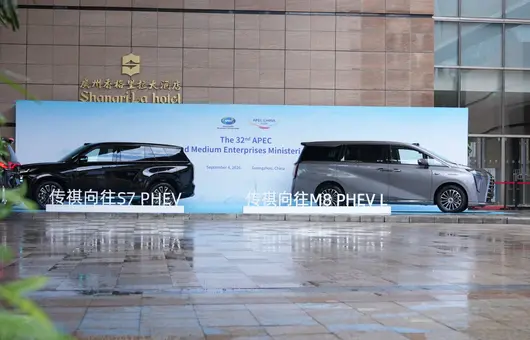
31 Ogos, Guangzhou menyambut Mesyuarat Menteri-Sektor Kecil dan Sederhana (SME) Ke-32 Pertubuhan Kerjasama Ekonomi Asia Pasifik (APEC) tahun 2026 serta serangkaian aktiviti sokongan. Persidangan antarabangsa yang dianjurkan oleh Kementerian Perindustrian dan Teknologi Maklumat China serta Kerajaan Wilayah Guangdong ini, bertema "Pemacu Inovasi, Kerjasama Kemenangan Bersama", mengumpulkan menteri SME serta delegasi daripada 21 ekonomi Asia-Pasifik. Dalam pasukan kenderaan yang bertanggungjawab menerima tetamu, akan muncul wajah yang biasa dilihat — Trumpchi M8.

Bukan kali pertama Trumpchi M8 melangkah ke pentas antarabangsa. Dari Sidang Dua Parlimen Negara di Beijing hingga Persidangan G20, dari Forum Davos hingga Pertemuan Pemimpin Negara BRICS, MPV ini hampir merangkumi semua mesyuarat tinggi yang boleh disenaraikan. Ada yang bergurau mengatakan Trumpchi M8 semakin menjadi "Ahli Pakar Penggunaan Kendaraan Mesyuarat". Namun gurau itu saja, jika difikirkan dengan teliti: mengapa MPV buatan China boleh membuatkan begitu banyak mesyuarat antarabangsa mempercayai tugas penerimaan kepada kenderaan ini?
Dari "Perintis" hingga "Pemimpin Inovasi", MPV Kelas Atas Tempatan Bangkit Kuat
Apabila Trumpchi M8 generasi pertama dilancarkan pada tahun 2017, pasaran MPV kelas atas di China masih dikuasai oleh jenama kerjasama antarabangsa, dan jenama tempatan hampir tiada suara dalam segmen pasaran ini.

Sembilan tahun kemudian, situasi telah berubah sepenuhnya.
Jumlah jualan kumulatif Trumpchi M8 telah melepasi 500,000 unit. Dalam pasaran MPV melebihi 200,000 Yuan, Trumpchi M8 sentiasa mengekalkan posisi tiga teratas jualan, dan juga merupakan juara jualan kumulatif MPV mewah jenama tempatan. Dalam pasaran MPV di mana penembusan tenaga baharu telah melepasi 51%, Trumpchi M8 masih merupakan kuasa teras MPV tempatan.
Di luar jualan, ada dua ukuran keras yang lebih menunjukkan masalah.
Pertama ialah kualiti. Trumpchi telah menjadi juara kualiti kenderaan baharu J.D. Power selama lapan tahun berturut-turut. Lapan tahun, bukan bergantung pada nasib sahaja untuk terus berjalan.

Kedua ialah kadar nilai semula. Pada Jun 2026, Trumpchi M8 menempati tangga teratas MPV tempatan dengan kadar nilai semula 58.3%. Sebelumnya, Trumpchi M8 telah berjaya menjadi juara kadar nilai semula MPV tempatan selama lima tahun berturut-turut (2021-2025) selama tiga tahun. Selain itu, GAC Trumpchi juga telah menduduki tangga teratas kadar nilai semula jenama tempatan selama tiga tahun berturut-turut.
Tiga dimensi ini — jualan, kualiti, nilai semula — membentuk sokongan keras "Tiga Juara" bagi Trumpchi M8. Pada dasarnya, apabila membeli sangat berbaloi, apabila memandu sangat yakin, apabila menjual sangat tinggi nilai semulanya. Keputusan yang dipilih oleh pengguna dengan kaki mereka lebih berguna daripada sebarang iklan.
Keyakinan 30 Juta Unit, Bukan Hanya Nombor
Pada Julai tahun ini, Kumpulan GAC menyambut keluaran kenderaan keseluruhan ke-30 juta, dan kenderaan yang dikeluarkan ialah Trumpchi M8. Pengerusi GAC Feng Xingya memberikan kunci kenderaan kepada pemilik selebriti Thailand — Tony Jaa.
Apakah maksud 30 juta unit? GAC menjadi syarikat automotif China kelima selepas SAIC, FAW, Changan, dan Dongfeng yang mencapai skala ini. Dari permulaan penyusunan semula pada tahun 1997 dengan产量 tahunan kurang daripada 10,000 unit, hingga kini keluaran satu kenderaan keseluruhan setiap 53 saat, jalan ini telah ditempuh selama 29 tahun.

Yang terkumpul daripada 30 juta unit ini, bukan hanya kapasiti pengeluaran dan skala, tetapi satu sistem pengawal kualiti rantaian lengkap dari penyelidikan dan pembangunan hingga pembuatan. Setiap kenderaan baharu sebelum pelancaran mesti melalui ujian persekitaran ekstrem seperti suhu rendah melampau, suhu tinggi melampau, altitud tinggi, kelembapan tinggi, korosi tinggi, kawasan gunung, dan debu pasir, serta menjalani ujian jalan sebenar "dua musim sejuk satu musim panas". Proses pengesahan yang hampir "memerih" ini, tidak setiap syarikat bersedia untuk mempertahankan, tetapi tepatnya usaha bodoh inilah yang membolehkan Trumpchi M8 berani berkata "kualiti boleh dipercayai".
Jika GAC Trumpchi boleh menjadi "Keluarga MPV Cerdas Berkelas China", di belakangnya berdiri kekuatan sistem 30 juta unit Kumpulan GAC. Ini bukan kata-kata kosong — dari pengurusan rantaian bekalan hingga pembuatan pintar, dari pelaburan penyelidikan dan pembangunan hingga piawaian kawalan kualiti, kekayaan yang terkumpul selama 29 tahun tidak boleh ditiru dalam sekelip mata.
Mengapa Mesyuarat Antarabangsa Memilihnya?
Kembali ke soalan pada mulanya: mengapa Trumpchi M8 boleh menjadi "Ahli Pakar Mesyuarat Kelas Atas China"?
Terokai "sijil hidup"nya akan diketahui: Kenderaan Rasmi Unik Forum Fortune Global Guangzhou 2017, Kenderaan Kerja Sidang Dua Parlimen Negara 2018, Kenderaan Rasmi Forum Davos Musim Panas 2019, Mesyuarat G20, Pertemuan Pemimpin Negara BRICS... Pada tahun 2023 apabila Presiden Perancis Emmanuel Macron melawat China, Trumpchi M8 juga menjalankan tugas penting dalam pasukan kenderaan pengiring. Di sebalik senarai panjang ini, terdapat logik yang sama: ketika mesyuarat antarabangsa memilih kenderaan penerimaan, pertimbangan utama bukan siapa yang membuat iklan paling banyak, tetapi siapa yang boleh dipercayai.

Boleh dipercayai, pertama sekali mesti selesa. Delegasi mesyuarat tiba di Guangzhou melalui perjalanan yang melelahkan, satu dua jam di atas kenderaan mungkin masa yang jarang mereka bersantai, dan keselesaan duduk adalah salah satu kelebihan utama Trumpchi M8. Sebagai contoh, Trumpchi Wixiang M8 PHEV L, panjang kenderaan lebih daripada 5.2 meter, jarak gandar melebihi 3 meter, dilengkapi kerusi graviti sifar baris kedua, sistem suspensi magnetik SDC injap ganda, sistem pintar anti-motion sickness deria penuh — pada dasarnya adalah membiarkan orang yang masuk tidak mahu turun. Dan ia juga merupakan MPV tenaga baharu "tanpa kebimbangan jarak", jarak lintasan CLTC elektrik tulen 248 kilometer, jarak lintasan gabungan CLTC melebihi 1,300 kilometer, walaupun jarak mesyuarat jauh tidak perlu sering mengisi semula tenaga, keselesaan membiarkan peserta mesyuarat duduk sehingga ke destinasi.
Boleh dipercayai, juga mesti selamat. Keselamatan baris ketiga MPV selalu menjadi masalah industri, tetapi Trumpchi Wixiang M8 PHEV L menggunakan matriks beg udara pelindung 360°, beg udara tingkap belakang ciptaan pertama industri ditambah tirai beg udara sisi 3.2 meter, meliputi baris pertama, kedua dan ketiga, benar-benar mencapai kesamarataan keselamatan. Bateri menggunakan Baterai Hibrid Pengecasan Pandu CATL Shao Yao, kadar kegagalan sel dikawal pada satu dalam seribu juta. GAC Trumpchi juga telah melancarkan dasar "Tiga Tanggungjawab" — pembakaran diri sistem kuasa, had kecacatan bateri melebihi piawaian, kemalangan parkir pintar, pengeluar menanggung risiko. Berani membuat janji sedemikian menunjukkan keyakinan dalaman.

Boleh dipercayai, juga tidak boleh gagal. Pengurusan pasukan kenderaan mesyuarat antarabangsa dikecualikan hingga ke minit, jika kenderaan menghadapi masalah di tengah jalan, ia tidak hanya menjejaskan perjalanan mesyuarat, tetapi lebih-lebih lagi mengecewakan kepercayaan berat ini. Trumpchi menjadi juara kualiti kenderaan baharu J.D. Power selama lapan tahun berturut-turut bukan dapat dengan mudah — dalam keadaan sedemikian, kebolehpercayaan adalah lebih penting daripada sebarang konfigurasi pelik.
Pembentukan Satu Label
Label "Ahli Pakar Mesyuarat Kelas Atas China" ini telah diperjuatkan oleh Trumpchi M8 selama sembilan tahun, melalui satu peperangan keras demi satu peperangan keras. Setiap kali dipilih adalah kepercayaan, setiap kali menyelesaikan tugas dengan sempurna adalah bukti — pasaran menggunakan sekali lagi ujian untuk menentukan berat gelaran ini.
Sembilan tahun, dari perintis pasaran MPV hingga kini "Pemimpin Inovasi MPV Mewah China", Trumpchi M8 dengan pilihan sebenar lebih daripada 500,000 pengguna, dengan prestasi sijil kadar nilai semula MPV tempatan selama lima tahun berturut-turut, langkah demi langkah mengukuhkan status pasaran ini.
Mesyuarat Menteri-Sektor Kecil dan Sederhana APEC serta aktiviti sokongan sedang diadakan di Guangzhou. Apabila kenderaan delegasi各国 melintasi Bandar Baru Zhujiang, tetamu yang duduk di dalam Trumpchi M8 mungkin tidak akan memikirkan kisah di sebalik kenderaan ini. Namun tepatlah pengumpulan yang tidak kelihatan ini — pengalaman pembuatan 29 tahun GAC, pengendapan sistem 30 juta unit, pengasahan pasaran sembilan tahun Trumpchi M8 — barulah menjadikan semua ini kelihatan tidak berusaha.
Gelar "Ahli Pakar Mesyuarat Kelas Atas China", Trumpchi M8 layak menanggungnya.

Dalam pasaran SUV di Malaysia, banyak pembeli akan membandingkan Honda HR-V dan Mazda CX-3 semasa memilih kereta. Kedua-dua kereta ini hampir sama dari segi harga dan pelandaan. Hari ini kita akan membuat perbandingan terperinci dari pelbagai aspek, membantu anda menjimatkan masa membuat kajian.
Harga OTR Honda HR-V di Malaysia adalah RM 115,900 - 143,900, terdapat sebanyak 4 varian, termasuk 2026 e:HEV 1.5L RS (RM 143,900), 2026 1.5T V (RM 137,900), 2026 1.5T E (RM 130,900) dan lain-lain.
Harga OTR Mazda CX-3 di Malaysia adalah RM 126,159 - 139,159, terdapat sebanyak 2 varian, termasuk 2023 2.0L High (RM 139,159), 2023 2.0L Plus (RM 126,159) dan lain-lain.
Dari segi harga, harga permulaan Honda HR-V memang lebih murah RM 10,259 berbanding Mazda CX-3. Jika bajet anda terhad, varian pemula Honda sudah memadai untuk keperluan harian. Tetapi perlu diperhatikan, beribu ringgit lebih murah itu, mungkin terdapat kompromi dari segi kelengkapan, bergantung sepenuhnya kepada keperluan anda.
Honda HR-V dilengkapkan dengan 1.5L Turbo, 140 hp. Penggunaan minyak rasmi 7.0 L/100km.
Mazda CX-3 dilengkapkan dengan 1.5L Turbo, 140 hp. Penggunaan minyak rasmi 7.0 L/100km.
Kedua-dua kereta menggunakan sistem kuasa yang sama, rasa memandu harian hampir tiada perbezaan. Dari segi penggunaan minyak juga hampir sama, tidak perlu terlalu bimbang tentang hal ini.
Honda HR-V panjang badan 4500 mm, bak muat 450 L.
Mazda CX-3 panjang badan 4500 mm, bak muat 450 L.
Dimensi kedua-dua kereta hampir sama, ruang dalam kabin hampir tidak berbeza. Untuk kereta dalam kelas ini, penggunaan harian adalah cukup memadai.
Honda HR-V menggunakan cara pemanduan FWD.
Mazda CX-3 menggunakan cara pemanduan FWD.
Kedua-dua kereta menggunakan cara pemanduan yang sama, semuanya FWD, rasa memandu harian tidak akan berbeza banyak.

Honda HR-V waranti 5 tahun/jarak tanpa had, selang penyelenggaraan setiap 10,000km atau 6 bulan.
Mazda CX-3 waranti 5 tahun/150,000km, selang penyelenggaraan setiap 10,000km atau 6 bulan.
Secara keseluruhannya, Honda HR-V dan Mazda CX-3 adalah model kereta yang bagus di pasaran Malaysia. Memilih salah satu, penting bergantung kepada keperluan dan bajet peribadi anda. Disarankan membuat kajian terlebih dahulu, bandingkan beberapa tawaran daripada dealer kereta yang berbeza, kemudian buat ujian memandu untuk membuat keputusan akhir. Membeli kereta adalah perkara besar, meluangkan masa untuk membuat kajian tidak akan salah.

Dalam pasaran SUV di Malaysia, ramai pembeli semasa memilih kereta akan membandingkan Honda HR-V dan Mazda CX-3. Kedua-dua kereta ini sangat hampir antara harga dan kategorinya, hari ini kita akan buat perbandingan terperinci dari pelbagai aspek, membantu anda menjimatkan masa untuk membuat kajian.
Honda HR-V di Malaysia mempunyai harga OTR RM 115,900 - 143,900, terdapat 4 varian, termasuk 2026 e:HEV 1.5L RS (RM 143,900), 2026 1.5T V (RM 137,900), 2026 1.5T E (RM 130,900) dan lain-lain.
Mazda CX-3 di Malaysia mempunyai harga OTR RM 126,159 - 139,159, terdapat 2 varian, termasuk 2023 2.0L High (RM 139,159), 2023 2.0L Plus (RM 126,159) dan lain-lain.
Dari segi harga, harga permulaan Honda HR-V memang RM 10,259 lebih murah berbanding Mazda CX-3. Jika bajet anda terhad, varian permulaan Honda sudah memadai untuk keperluan harian. Tetapi perlu diingat, beberapa ribu ringgit yang lebih murah itu, mungkin ada kompromi dalam kelengkapan, secara khusus bergantung pada keperluan anda.
Penilaian keselamatan Honda HR-V adalah 5★ (ASEAN NCAP), sistem keselamatan aktif termasuk Honda SENSING (ACC, CMBS, LKAS, RDM).
Penilaian keselamatan Mazda CX-3 adalah 5★ (ASEAN NCAP), sistem keselamatan aktif termasuk i-Activsense.
Kedua-dua kereta ini mempunyai penilaian keselamatan yang sama, kelengkapan keselamatan dalam kelas ini sudah cukup lengkap. Keselamatan kereta baharu sekarang tidak buruk, tidak perlu terlalu risau mengenai hal ini.
Honda HR-V panjang badan kenderaan 4500 mm, bekas bagasi 450 L.
Mazda CX-3 panjang badan kenderaan 4500 mm, bekas bagasi 450 L.
Saiz kedua-dua kereta hampir sama, ruang dalaman perbezaannya tidak besar. Kereta dalam kelas ini, penggunaan harian sudah cukup memadai.
Honda HR-V dan Mazda CX-3 adalah pilihan utama pasaran Malaysia, sesuai untuk penggunaan keluarga, perjalanan ke pejabat harian. Jika anda lebih mementingkan reputasi jenama dan harga jualan semula, anda boleh mempertimbangkan dahulu mana yang mempunyai reputasi lebih baik; jika anda lebih mementingkan nilai kos dan kelengkapan, pilih yang mempunyai kelengkapan lebih kaya. Akhir sekali disarankan kedua-dua model untuk dicuba uji jalan, pengalaman langsung adalah yang paling penting.
Secara keseluruhannya, Honda HR-V dan Mazda CX-3 adalah model kereta yang sangat bagus di pasaran Malaysia. Memilih mana satu, kuncinya masih bergantung pada keperluan dan bajet peribadi anda. Disarankan membuat kajian terlebih dahulu, bandingkan beberapa kuotasi daripada kedai kereta, kemudian buat keputusan akhir selepas mencuba uji jalan. Membeli kereta adalah perkara besar, meluangkan masa untuk membuat kajian pasti tidak salah.
Cover | BYD
Author | Chen Zhuo
Editor | Han Yongchang
On August 29, BYD disclosed a semi-annual report that does not look very good.
In the first half of the year, BYD achieved operating revenue of 344.815 billion yuan, a year-on-year decrease of 7.13%; net profit attributable to the parent company was 12.325 billion yuan, a year-on-year decrease of 20.54%. Most major financial indicators were basically in a year-on-year decline state, and cash and cash equivalents on hand were only 55.619 billion yuan, a decrease of about half compared to the same period last year.
Such results are not actually surprising. In a market where 3.3 new cars launch daily, it is almost impossible for any automaker to submit a sufficiently pretty semi-annual report.
In the first half of this year, Li Auto turned from profit to loss with a net loss of 3.981 billion yuan; Xpeng had a net loss of 3.12 billion yuan. Even Leapmotor, which was in the spotlight in the first half of the year with monthly sales breaking 100,000 units and achieved a 530.97% year-on-year growth in net profit, only reached 208 million yuan.
Therefore, in such a market environment, simply analyzing the rise and fall of BYD's revenue, profit, and other financial indicators in the first half of the year does not have great significance. This is due to both reasons at the company's own operational level and the impact caused by changes in the market environment.
So, this short article does not intend to focus on the rise and fall of the numbers in the financial report, but rather wants to discuss two data points:
The first data point is that BYD's overseas revenue share exceeded half for the first time, reaching 52.57%; the second data point is that its R&D investment in the first half of the year saw its first year-on-year decline since 2020.
01
—
Overseas Revenue Share 52.57%
Let's look at overseas revenue first. BYD's truly large-scale overseas expansion started after 2024.
In Q4 2024, BYD had consecutive months with sales exceeding 500,000 units, with domestic monthly sales exceeding 450,000 units, which is the peak monthly sales to date. In 2024, BYD also successfully sold 4.2 million new energy vehicles, and growth in the domestic market has hit the ceiling.
From this point on, BYD significantly accelerated overseas market expansion.
In 2025, BYD's annual overseas sales broke 1 million units for the first time, and the proportion of overseas revenue to total revenue increased from 28.55% in 2024 to 38.65%.
This year, this trend further accelerated.
In the first six months of 2026, BYD's total sales were 1.8085 million units, of which overseas sales reached 792,300 units and domestic sales were 1.0163 million units. That is to say, overseas sales have accounted for 43.8% of BYD's total sales.

What's more noteworthy is that the growth in overseas sales has started to reflect directly in the revenue. In the first half of this year, BYD's overseas revenue reached 181.268 billion yuan, accounting for 52.57% of total revenue.
This is the first time in BYD's history that overseas revenue share has exceeded half.

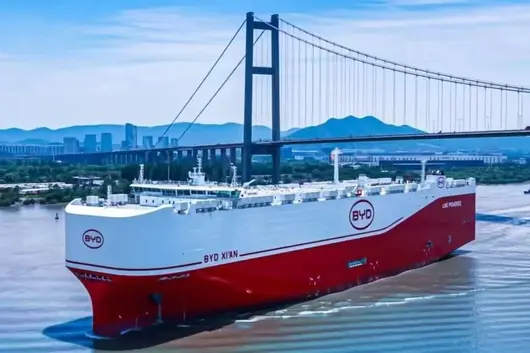
BYD is not just going overseas, but is becoming an automaker increasingly reliant on the overseas market.And the significance of the overseas market for BYD is not just providing incremental sales.
The financial report shows that in the first half of this year, BYD's overseas business gross margin reached 21.71%, while the domestic business gross margin was only 15.67%.
Combining BYD's domestic and overseas sales in the first half of this year, it can be roughly calculated that the gross profit per vehicle corresponding to overseas business is about 49,700 yuan, while domestic is about 25,200 yuan, the former is nearly twice the latter.
Of course, this number cannot be simply understood as "BYD earns 49,700 yuan for every car sold overseas". BYD's business structure is different from many automakers, and the profits of power batteries, energy storage, and other businesses are also included in the overall business, and there are also differences in product structures between domestic and foreign.
But at least one point is very clear: Overseas markets are not only a new source of sales growth for BYD or any Chinese automaker, but also a market with better profitability.
So, BYD is still continuing to accelerate overseas expansion.
The financial report shows that currently, BYD's new energy vehicle business has covered six continents and 121 countries/regions worldwide. In the first half of this year, in major overseas markets such as the UK, Italy, Spain, Brazil, Thailand, Indonesia, Saudi Arabia, and UAE, BYD was the new energy vehicle sales champion.
If BYD can maintain overseas sales growth in the future, while keeping overseas revenue above half of total revenue for a long time, then its identity will also undergo a significant change, it is no longer just China's largest new energy vehicle company, but will increasingly become a global automotive company.
02
—
R&D Investment Down 6.54% YoY
R&D has always been one of the most important tags for BYD.
In the past few years, BYD has emphasized R&D investment almost every year. From the Tech Pool, to Engineer culture, to increasing R&D personnel and R&D expenses, R&D investment has always been an important tag distinguishing BYD from other automakers.
But this year, this indicator has seen some changes.
In the first half of 2026, BYD's R&D investment was 28.861 billion yuan, a year-on-year decrease of 6.54%. This is the first half-year R&D investment decline for BYD since 2020.

Moreover, not only did the total amount of R&D investment decrease, but the structure of R&D expenses also changed.
In the first half of this year, BYD's capitalized R&D expenses reached 5.554 billion yuan, accounting for 19.24% of R&D investment; while at the same period last year, this proportion was only 4.16%.
Here, a brief explanation of what R&D capitalization means is needed.
A-share listed companies' R&D investment can choose expensing, or can proceed to capitalization after meeting conditions. Expensing means R&D expenditure is directly recorded in the current period profit and loss; capitalization means qualified R&D expenditure is first recorded as assets, and then gradually recorded in costs through depreciation, amortization, etc.
In simpler terms, the higher the proportion of R&D expense capitalization, the less amount is deducted in the current period, and these amounts can be placed in the profit column, making book profits higher.
According to the data in the first half of this year, BYD's capitalized R&D expenses were 5.554 billion yuan.
If assuming the capitalization ratio remained at last year's same period level of 4.16%, then the capitalized R&D expenses for the first half of this year would be only about 1.2 billion yuan. Simple calculation shows that under unchanged other conditions, BYD's current period profit might be affected by about 4.3 billion yuan, leaving less than 8 billion yuan.
But it also needs to be emphasized here that R&D capitalization itself does not mean financial fraud or profit manipulation. As long as R&D projects meet the capitalization conditions prescribed by accounting standards, enterprises carrying out capitalization treatment is a normal accounting behavior, and the capitalization ratio of some automakers' R&D expenses may even reach 80%.
What is truly worth attention is actually that both numbers changed simultaneously: R&D investment declined, and the capitalization ratio increased. This forms a clear contrast with BYD in the past few years.
In the past few years, BYD, in its high-growth period, has always touted R&D investment, ranked first among A-share listed companies for two consecutive years, and the company currently has more than 120,000 R&D personnel. As of the first half of 2026, cumulative R&D investment has exceeded 270 billion yuan.
The decline in R&D investment in the first half of this year is not itself something that needs to be criticized per se, but it is a very signal worth paying close attention to.
Especially in the context of pressure on BYD's domestic market and declining profits, this means that the company that has been continuously increasing R&D investment in the past has begun to focus more on the relationship between input and output.
03
—
Final Thoughts
In the past few years, what BYD has been best at is continuously expanding scale. From 2021 to 2025, BYD sales grew from 730,000 to 4.6 million units, an increase of about 6.3 times.
For a company with a highly vertically integrated supply chain, this not only means whole vehicle capacity must expand 6.3 times, but also capacity for a large number of self-supplied parts such as batteries and motors must expand synchronously. That was a typical high-growth stage, where BYD's employee count once peaked at 970,000.
But when the domestic new energy market shifted from incremental competition to stock competition, BYD also began to enter an adjustment period.
The era of relying solely on price cuts and over-specification for growth in the domestic market is passing, and the overseas market has given BYD new growth space. The sales, revenue, and profit margins in the first half of this year even proved that going overseas is not just a second growth curve, and may even become the most important growth source for BYD in the future.
At the same time, the first decline in R&D investment also means that BYD has begun to rethink the relationship between input, output, and profit. This does not mean that BYD no longer values R&D, but is an adjustment after high-speed growth.
So, rather than saying this is an unfavorable semi-annual report, it is more like a semi-annual report at a turning point period. And whether this transition can be completed smoothly will also determine whether BYD can truly become a global automaker.
- END-
© 2024 Bitauto.com. All Rights Reserved.
Bitauto (www.yiche.com and www.bitauto.com) is one of the most visited automotive websites in China. We provide detailed info on Chinese car brands available in your area. Please note that the information provided on this website is based on publicly available data and is for reference only. It may not be fully updated or accurate at all times.

Help us improve our website


