

HomeRACCO

Search History
Popular Searches
Dealer Login / Sign Up


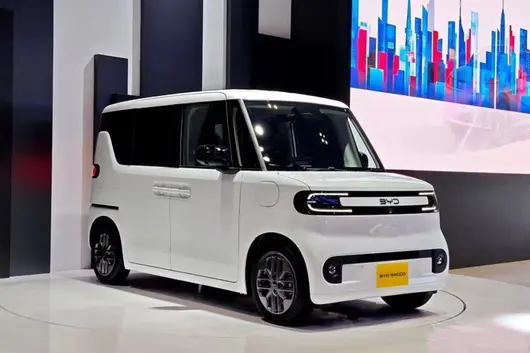
Many people have a stereotype about the Japanese car market, domestic brands firmly hold the core market, making it incredibly difficult for foreign brands to gain even a sliver of share. This impression is mostly correct, but in early September 2026, BYD gave the outside world a glimpse of substantial breakthrough by Chinese automakers in the local market of an automotive powerhouse with a performance report.
BYD Japan disclosed data; in August 2026, the brand's monthly orders reached 1,260 vehicles, setting a new monthly record since entering the Japanese market. Among the six models on sale, the light electric vehicle Raccoon (RACCO) is the core force driving growth. More notably, influenced by the Obon Festival holiday, Japanese dealers averaged only 16 operating days in August. Despite the compressed operating duration, cumulative orders by the end of the month approached 1,500, and foot traffic at authorized stores nationwide continued to rise.
Looking at 1,260 vehicles alone, it's almost negligible in the Chinese market; but placing it within the context of the Japanese market, the weight is completely different.

To understand the value of these 1,260 vehicles, one must first understand what K-Cars mean in Japan.
In 2025, Japan's new car total sales were 4.566 million, of which K-Car sales reached 1.667 million, accounting for 36.5%, meaning one out of every three new cars sold was a K-Car. This is a segment monopolized by three domestic giants: Suzuki, Daihatsu, and Honda, which together hold about 80% of the share. The Honda N-BOX ranked first in K-Car sales for the 11th consecutive year with over 200,000 units sold, even surpassing the Toyota Corolla to become the top-selling model across all Japan.
K-Cars are difficult to compete in because it's not simply about making cars smaller. They have globally unique regulatory standards: vehicle length not exceeding 3.4 meters, width not exceeding 1.48 meters, height not exceeding 2.0 meters, and displacement not exceeding 660cc for fuel versions. More importantly, they are bound to a set of policy benefits. Purchasing a K-Car in core cities like Tokyo and Osaka does not require a certificate of fixed parking space, and comprehensive taxes and fees are only about one-third of ordinary small passenger cars. This means foreign brands wanting to enter must develop an entire platform from scratch for the single Japanese market, with extremely high R&D costs that are hard to spread across sales volumes.
For this reason, for the past few decades, foreign brands have almost collectively been absent in the K-Car segment. BYD's Raccoon, however, is the first foreign brand K-Car developed from scratch specifically for the Japanese market in over 30 years, not an off-brand entry simply resizing an existing model.

If 1,260 vehicles is the result, then the hidden elements in the order structure are more convincing than the sales volume itself.
First, the users are genuine locals. BYD Japan revealed that about 80% of car buyers are new customers encountering BYD for the first time, with more than half previously using Japanese domestic brand models. This means a batch of ordinary Japanese families who originally held a wait-and-see stance or even bias towards Made in China are changing their perceptions through actual experience. As the president of BYD Japan said, "Driving performance, functions, and price make me feel surprised" has become a high-frequency evaluation among customers visiting the store.
Second, the transaction structure shows product power premium, not simply low prices. The Raccoon top-spec 300 Premium version accounts for about 80% of orders, priced at 2.497 million JPY, with a range of 320 kilometers. It is the first lightweight pure electric vehicle in Japan to break the 300-kilometer range barrier. In the order profile, 37.5% were additional purchases, 35.7% were replacements, and only 26.8% were first purchases. That is, many Japanese families actively chose BYD when buying another car or replacing an old one, which indicates the product is truly accepted more than price-sensitive first-time buyers.
1.
It hits the void long ignored by Japanese brands. In 2025, the penetration rate of pure electric K-Cars in Japan was only about 2.8%, and the top-selling pure electric K-Car, the Nissan Sakura, sold only 22,900 units in the whole year. Japanese giants have absolute monopoly on fuel K-Cars but moved slowly in this specific window of electrification. BYD cut in with superior configurations plus range advantages, exactly filling this gap.

If Japan is only treated as an isolated showpiece project, the global significance of this matter is underestimated. The breakthrough in Japan is a microcosm of BYD's overseas territory accelerating expansion.
On the sales side, overseas has become BYD's fastest-growing engine. In 2025, BYD's overseas sales reached 1.0496 million units, a year-on-year increase of over 145%, breaking the 1 million mark for the first time. In the first 5 months of 2026, overseas sales had already reached 614,500 units. Wang Chuanfu revealed at the June 2026 shareholder meeting that he has raised the overseas sales target for 2026 from 1.3 million to 1.5 million, and it is expected to be completed in excess. Looking at the medium to long term, BYD's goal is for domestic and overseas markets to each hold half the share.
On the production capacity side, localized manufacturing is hedging against tariffs and logistics costs. The Rayong Factory in Thailand started production in July 2024, with the 100,000th vehicle rolling off the line in May 2026; the Camaçari Factory in Brazil started production in July 2025, investment amount increased to 5.5 billion Reais, capacity plan expanded to 300,000 units; the Szeged Factory in Hungary plans to start production in Q4 2026, the first model is the Seagull for the European market; bases in Indonesia, Turkey, Uzbekistan, Cambodia, Malaysia, etc., are also landing successively. Phase I production capacity of 8 countries and 8 factories combined exceeds 1 million units, planning total capacity upper limit exceeds 2 million units. The 8 Ro-Ro ships self-built, single trip combined capacity exceeds 60,000 vehicle spaces, also holding the logistics link that blocks the neck of going overseas in their own hands.
This means that the localized breakthrough in the Japanese market is not an isolated case, but a validation of BYD's methodology of using local products and local factories to cover local markets in mature developed markets.
Zooming out, one can understand the connection between this order in Japan and that grand goal.
On June 9, 2026, Wang Chuanfu clearly stated at the BYD 2025 Annual General Meeting: In 5 years, strive to achieve the largest scale globally, and achieve 10 million annual production and sales by 2030. This goal is benchmarked against Toyota—the latter had global sales of about 11.32 million units in 2025, firmly holding the global first place.
From a numerical perspective, this is indeed a hard battle: BYD's 2025 sales were 4.6 million units. To reach 10 million units by 2030, it means the future five years need to maintain a compound growth rate of about 17% on average annually. To catch up with Toyota's volume, it requires an annual average of about 20%. Comparing with BYD's trajectory from 730,000 to 4.6 million units in the past five years, with a compound growth rate exceeding 60%, this growth rate requirement is not a pipe dream, but the difficulty is equally impossible to avoid. Wang Chuanfu himself admitted that the key constraint on the current sales climbing is the capacity of the 2nd generation Blade Battery, and greater capacity release will truly come in 2027.

Auto Car Review:
Of course, the 10 million target is not a done deal. Toyota's global system strength, Japanese and German electrification counterattacks, repeated tariff policies of various countries, supply chain climbing of batteries and chips, etc., are all variables.
But returning to the 1,260 orders at the beginning: What is most worth remembering is not the number itself, but the fact it proves something. In the place where Chinese car companies are hardest to be accepted, BYD, using the way of "respecting local rules, solving local pain points", won the real money of ordinary consumers.

Banyak orang mempunyai gambaran stereotaip mengenai pasaran automotif Jepun, jenama tempatan memegang kukuh pangkalan asas, sukar bagi jenama asing untuk mengimbas sebahagian kecil sahaja. Gambaran ini kira-kira tidak salah, tetapi pada awal September 2026, BYD menggunakan laporan prestasi, membolehkan pihak luar melihat pemecahan sebenar oleh pengeluar kenderaan China di pasaran tanah air negara kekuatan industri automotif.
Pihak BYD Jepun mendedahkan data, pesanan bulanan jenama pada Ogos 2026 mencecah 1,260 unit, merekod tertinggi bulanan sejak memasuki pasaran Jepun. Dari enam model yang dijual, e-Kenderaan ringan RACCO adalah utama pendorong pertumbuhan. Lebih penting, terjejas oleh cuti Festival Obon, hari operasi purata pengedar Jepun pada Ogos hanya 16 hari. Dalam tempoh operasi yang tertekan, sehingga hujung bulan pesanan terkumpul hampir 1,500 unit, trafik pelanggan kedai berlesen di seluruh negara juga terus meningkat.
Jika dilihat 1,260 unit sahaja, boleh diabaikan di China; tetapi dalam konteks pasaran Jepun, nilainya berbeza sepenuhnya.
Untuk memahami nilai 1,260 unit ini, perlu faham dulu apa yang K-Car bermaksud di Jepun.
2025, jualan kereta baru Jepun keseluruhan 4.566 juta unit, di mana jualan K-Car mencecah 1.667 juta unit, jumlah 36.5%, sama seperti setiap 3 kereta baru terjual, 1 unit ialah K-Car. Ini adalah litar yang dimonopoli oleh tiga gergasi tempatan Suzuki, Daihatsu dan Honda, gabungan tiga syarikat ini mengambil kira-kira 80% bahagian pasaran. Honda N-BOX dengan jualan melebihi 200,000 unit secara berturut-turut tahun ke-11 menjadi juara jualan K-Car, malah mengatasi Toyota Corolla, menjadi nombor satu jualan model seluruh Jepun.
Sebab K-Car sukar ditakluki, bukan kerana ia kereta kecil sahaja. Ia mempunyai standard peraturan unik global: panjang kenderaan tidak melebihi 3.4 meter, lebar tidak melebihi 1.48 meter, tinggi tidak melebihi 2.0 meter, sesaran versi bahan api tidak melebihi 660cc. Yang lebih penting, ia mengikat keseluruhan faedah dasar. Di Tokyo, Osaka dan bandar pusat utama lain untuk membeli K-Car tidak perlu menunjukkan bukti tempat letak kereta tetap, cukai dan tol keseluruhan hanya kira-kira sepertiga daripada kenderaan ringan biasa. Ini bermakna, jenama asing yang ingin masuk, perlu untuk pasaran tunggal Jepun ini dari sifar membangunkan satu platform, kos penyelidikan dan pembangunan amat tinggi, skala jualan sukar untuk mencairkan kos.
Oleh itu, dalam beberapa dekad lepas, jenama asing di litar K-Car hampir secara kolektif tidak hadir. Manakala RACCO BYD, tepat tiga puluh tahun lebih model pertama jenama asing yang direka khas untuk pasaran Jepun dari sifar, bukan penyertaan jenama lain yang hanya mengubah saiz model sedia ada.
Jika 1,260 unit adalah hasil, maka apa yang tersembunyi dalam struktur pesanan, lebih boleh dipercayai daripada jualan itu sendiri.
Pertama, pengguna benar-benar tempatan. Pihak BYD Jepun mendedahkan, kira-kira 80% pembeli kereta adalah pelanggan baharu yang pertama kali berhubung dengan BYD, lebih separuh sebelum ini sentiasa menggunakan model jenama tempatan Jepun. Ini bermakna sebilangan keluarga Jepun biasa yang asal berkira-kira malah mempunyai prasangka terhadap pembuatan China, sedang mengubah pemikiran melalui pengalaman nyata - menurut kata-kata Presiden BYD Jepun, prestasi memandu, fungsi dan harga membuatkan saya terkejut menjadi penilaian biasa pelanggan yang datang ke kedai.
Kedua, struktur transaksi menunjukkan premium kekuatan produk, bukan harga rendah semata-mata. Versi premium RACCO 300 Premium kira-kira 80% pesanan, harga 2.497 juta Yen, jarak pemanduan 320 kilometer, adalah EV ringan Jepun pertama dengan jarak pemanduan melebihi 300 kilometer. Dalam gambaran pesanan, 37.5% untuk pembelian tambahan, 35.7% untuk pertukaran, hanya 26.8% untuk pembelian pertama. Iaitu, banyak keluarga Jepun membeli semula atau menukar kereta lama secara aktif memilih BYD, ini lebih daripada pembelian pertama yang sensitif harga menunjukkan produk benar-benar diterima.
1.
Ia menepati ruang kosong yang diabaikan syarikat Jepun lama. 2025, penetrasi K-Car murni elektrik Jepun hanya kira-kira 2.8%, jualan juara K-Car murni elektrik Nissan Sakura keseluruhan tahun hanya terjual 22,900 unit. Gergasi syarikat Jepun mempunyai monopoli mutlak pada K-Car bahan api, namun pada tingkap bahagian kecil pengelektrokan ini tindakan perlahan. BYD dengan konfigurasi tahap atas + kelebihan jarak pemanduan masuk, tepat mengisi ruang kosong ini.
Jika hanya memandang Jepun sebagai kerja muka terasing, maka meremehkan makna global kejadian ini.
Pemecahan Jepun, adalah cermin kecil BYD peta luar negara berkembang pantas.
Dari hujung jualan, luar negara sudah menjadi enjin pertumbuhan paling pantas BYD. 2025, jualan luar negara BYD mencecah 1.0496 juta unit, peningkatan tahun ke tahun melebihi 145%, pertama kali pecah sempadan satu juta. 5 bulan awal 2026, jualan luar negara sudah mencecah 614,500 unit. Wang Chuanfu pada Perhimpunan Agung 2026 Jun mendedahkan, telah menaikkan target jualan luar negara 2026 daripada 1.3 juta unit ke 1.5 juta unit, dan dijangka melebihi tujuan. Pada jangka masa sederhana panjang, target BYD adalah pasaran dalam dan luar negara masing-masing mengambil separuh.
Dari hujung kapasiti, pembuatan tempatan sedang melawan tarif dan kos logistik. Pabrik Rayong, Thailand 2024 Julai mula menghasilkan, 2026 Mei ke-100,000 kereta turun barisan; Pabrik Camaçari, Brazil 2025 Julai mula menghasilkan, pelaburan ditambah kepada 5.5 bilion Real, plan kapasiti berkembang ke 300,000 unit; Pabrik Seged, Hungary plan 2026 suku keempat mula menghasilkan, model pertama adalah Seagull untuk Eropah; Pabrik Indonesia, Turki, Uzbekistan, Kemboja, Malaysia dll juga secara beransur-ansur mendarat. Enam negara lapan kilang fasa satu kapasiti gabungan sudah melebihi 1 juta unit, plan kapasiti jumlah atas melebihi 2 juta unit. 8 kapal RoRo yang dibina sendiri, jumlah kapasiti tunggal kali lebih 60,000 tempat letak kereta, bahagian logistik yang paling menyempit keluar laut juga dipegang di tangan sendiri.
Ini bermakna, pemecahan tersuai pasaran Jepun bukan satu-satu contoh, tetapi BYD menggunakan produk tempatan, kilang tempatan untuk meliputi pasaran tempatan metodologi ini dalam pasaran matang dan maju satu kali pengesahan.
Tarik kamera jauh, boleh faham hubungan pesanan Jepun ini dengan matlamat besar itu.
2026 9 Jun, Wang Chuanfu pada Perhimpunan Agung Tahunan BYD 2025 jelas menyatakan: 5 tahun lagi pada skala berusaha buat nombor satu global, 2030 capai hasil jualan dan jualan 10 juta unit. Matlamat ini menandingi Toyota -后者 2025 jualan global kira-kira 11.32 juta unit, kokoh di nombor satu global.
Dari angka, ini benar-benar satu pertaruhan berat: jualan BYD 2025 4.6 juta unit, untuk 2030 capai 10 juta unit, bermakna lima tahun depan setiap tahun perlu kekalkan kira-kira 17% kadar pertambahan komposit; untuk mengejar tahap Toyota, perlu purata setiap tahun kira-kira 20%. Membandingkan BYD lima tahun lepas dari 730,000 unit ke 4.6 juta unit, kadar pertambahan komposit melebihi 60% lintasan, kadar pertambahan ini bukan hal mustahil, tetapi kesulitan sama tidak boleh dihindari. Wang Chuanfu sendiri juga mengakui, jualan peningkatan kunci sekatan semasa adalah kapasiti Bateri Bilah Gen 2, pelepasan kapasiti lebih besar perlu 2027 tahun akan benar-benar datang.
Ulasan Automotif:
Tentu, matlamat 10 juta unit bukan perkara yang pasti. Kekuatan sistem global Toyota, serangan balik pengelektrokan Jepun dan Jerman, penentu tarif pelbagai negara berulang, bateri dan cip rantaian bekalan peningkatan, semua pemboleh ubah.
Tetapi kembali pada pesanan 1,260 unit di awal: yang paling patut diingat, bukan angka itu sendiri, tetapi ia membuktikan satu perkara. Di tempat paling sukar diterima pengeluar kenderaan China, BYD dengan cara "menghormati peraturan tempatan, menyelesaikan kesakitan tempatan", menang wang tunai pengguna biasa.

好多人對日本汽車市場有一個刻板印象,本土品牌牢牢把守基本盤,外來品牌想撬動一絲份額都難上加難。這個印象大體無錯,但 2026 年 9 月初,比亞迪用一份成績單,令外界睇到中國車企喺汽車工業強國本土市場嘅實質性破局。
比亞迪日本法人公佈數據,2026 年 8 月品牌月度訂單達 1260 輛,刷新其進入日本市場以來嘅月度最高紀錄,在售六款車型中,輕型電動車海獺(RACCO)係拉動增長嘅核心主力。更值得注意嘅係,受盂蘭盆節假期影響,8 月日本經銷商平均營業天數僅有 16 天,喺營業時長被壓縮嘅情況下,截至月底累計訂單已接近 1500 輛,全國授權門店客流量亦持續走高。
單睇 1260 輛,放喺中國市場幾乎可以忽略不計;但把它放進日本市場嘅坐標系入面,分量就完全不同了。
要理解這 1260 輛嘅價值,先得看懂 K-Car 喺日本代表咩意思。
2025 年,日本新車總銷量 456.6 萬輛,其中 K-Car 銷量達 166.7 萬輛,佔比 36.5%,相當於每賣出 3 輛新車,就有 1 輛係 K-Car。 這是一個被鈴木、大發、本田三大本土巨頭壟斷嘅賽道,三家合計佔據約 80% 嘅份額。本田 N-BOX 以超過 20 萬輛嘅銷量連續第 11 年蟬聯 K-Car 銷冠,甚至壓過豐田卡羅拉,成為全日本車型銷量嘅頭名。
K-Car 之所以難搞,係因為佢唔係把車做小咁簡單。佢有全球獨有嘅法規標準:車長不超過 3.4 米、車寬不超過 1.48 米、車高不超過 2.0 米,燃油版排量不超過 660cc。更重要嘅係,佢綁定咗一整套政策紅利。喺東京、大阪等核心城市購買 K-Car 無須出具固定車位證明,綜合稅費只有普通小型乘用車嘅約三分之一。這意味著,外資品牌想入場,必須為日本這一個單一市場從零開發一套平台,研發成本極高,銷量規模卻難以攤薄成本。
正因如此,過去幾十年,外資品牌喺 K-Car 賽道幾乎集體缺席。而比亞迪嘅海獺,正正係 30 多年來第一款外資品牌專門為日本市場從零開發嘅 K-Car,唔係把現有車型改個尺寸嘅貼牌式入場。
如果話 1260 輛係結果,那麼訂單結構入面藏住嘅嘢,比銷量本身更有說服力。
第一,用戶係真本地人。比亞迪日本方面透露,約 80% 嘅購車者係初次接觸比亞迪嘅新客戶,超過一半此前一直喺使用日本本土品牌車型。這意味著一批原本對中國製造抱有觀望甚至偏見嘅日本普通家庭,正通過實際體驗扭轉認知——用比亞迪日本社長嘅說話,駕駛性能、功能同價格令我感到驚喜成為到店顧客嘅頻繁評價。
第二,成交結構顯示嘅係產品溢價,唔係單純低價。 海獺頂配 300 Premium 版本約佔訂單嘅 80%,售價 249.7 萬日元,續航 320 公里,係首款續航突破 300 公里嘅日本輕型純電車。訂單畫像中,37.5% 為增購、35.7% 為換車、僅 26.8% 為首購。也就是說,大量日本家庭係再買一輛或換走舊車時主動選擇咗比亞迪,這比價格敏感型首購更能說明產品被真正接受。
1.
佢踩中嘅係日系品牌長期忽視嘅空白。 2025 年,日本純電 K-Car 滲透率僅約 2.8%,純電 K-Car 銷量冠軍日產 Sakura 全年只得 2.29 萬輛。日系巨頭喺燃油 K-Car 上擁有絕對壟斷,卻喺電動化呢個細分窗口動作緩慢。比亞迪以越級配置 + 續航優勢切入,正正填咗呢個空檔。
如果只係把日本當做一個孤立嘅面子工程,就低估咗呢件事嘅全局意義。日本嘅突破,係比亞迪海外版圖加速擴張嘅一個縮影。
銷量端,海外已成比亞迪增長最快嘅引擎。 2025 年,比亞迪海外銷量達 104.96 萬輛,同比增長超 145%,首次突破百萬大關。2026 年前 5 個月,海外銷量已達 61.45 萬輛。王傳福喺 2026 年 6 月嘅股東大會上透露,已將 2026 年海外銷量目標由 130 萬輛上調至 150 萬輛,並有望超額完成。中長期睇,比亞迪嘅目標係海內外市場各佔半壁江山。
產能端,本地化製造正喺對沖關稅與物流成本。 泰國羅勇府工廠 2024 年 7 月投產,2026 年 5 月第 10 萬輛車落馬;巴西卡馬薩里工廠 2025 年 7 月投產,投資額追加至 55 億雷亞爾,產能計劃擴至 30 萬輛;匈牙利塞格德工廠計劃 2026 年四季度投產,首款車型為面向歐洲嘅海鷗;印尼、土耳其、烏茲別克斯坦、柬埔寨、馬來西亞等基地亦喺陸續落地。八國八廠一期產能合計已超 100 萬輛,規劃總產能上限超過 200 萬輛。自建嘅 8 艘滾裝船,單次合計運力超 6 萬車位,把出海最卡頸位嘅物流環節亦握喺自己手裡。
這意味著,日本市場嘅定制化破局唔係孤例,而係比亞迪用本地產品、本地工廠去覆蓋本地市場呢套方法論喺成熟發達市場嘅一次驗證。
把鏡頭拉遠,就能理解日本份訂單同嗰個宏大目標嘅關聯。
2026 年 6 月 9 日,王傳福喺比亞迪 2025 年度股東大會上明確表示:5 年後喺規模上力爭做到全球第一,2030 年實現年產銷 1000 萬輛。 呢個目標對標嘅係豐田——後者 2025 年全球銷量約 1132 萬輛,穩居全球第一。
由數字睇,呢場真係一場硬仗:比亞迪 2025 年銷量 460 萬輛,要喺 2030 年衝到 1000 萬輛,意味著未來五年平均每年需保持約 17% 嘅複合增速;要追得上豐田體量,則需年均約 20%。對比比亞迪過去五年由 73 萬輛到 460 萬輛、複合增速超 60% 嘅軌跡,呢個增速要求並非天方夜譚,但難度同樣係唔可以迴避。王傳福本人亦坦言,而家銷量爬坡嘅關鍵制約係二代刀片電池產能,更大產能釋放要到 2027 年先會真正到來。
汽車網評:
當然,千萬目標並唔係板上釘釘。 豐田嘅全球體系力、日系同德系嘅電動化反击、各國關稅政策嘅反覆、電池同晶片等供應鏈爬坡,都係變數。
但係揀回開頭嗰 1260 輛訂單:佢最值得到記住嘅,唔係數字本身,而係佢證明咗一件事。喺中國車企最难被接納嘅地方,比亞迪用「尊重本地規則、解決本地痛點」嘅方式,贏咗普通消費者嘅真金白銀。

很多人对日本汽车市场有一个刻板印象,本土品牌牢牢把守基本盘,外来品牌想撬动一丝份额都难上加难。这个印象大体没错,但2026年9月初,比亚迪用一份成绩单,让外界看到了中国车企在汽车工业强国本土市场的实质性破局。
比亚迪日本法人公布数据,2026年8月品牌月度订单达1260辆,刷新其进入日本市场以来的月度最高纪录,在售六款车型中,轻型电动车海獭(RACCO)是拉动增长的核心主力。更值得注意的是,受盂兰盆节假期影响,8月日本经销商平均营业天数仅有16天,在营业时长被压缩的情况下,截至月底累计订单已接近1500辆,全国授权门店客流量也持续走高。
单看1260辆,放在中国市场几乎可以忽略不计;但把它放进日本市场的坐标系里,分量就完全不同了。
要理解这1260辆的价值,先得看懂K-Car在日本意味着什么。
2025年,日本新车总销量456.6万辆,其中K-Car销量达166.7万辆,占比36.5%,相当于每卖出3辆新车,就有1辆是K-Car。 这是一个被铃木、大发、本田三大本土巨头垄断的赛道,三家合计占据约80%的份额。本田N-BOX以超过20万辆的销量连续第11年蝉联K-Car销冠,甚至压过了丰田卡罗拉,成为全日本车型销量的头名。
K-Car之所以难打,是因为它不是把车做小那么简单。它有全球独有的法规标准:车长不超过3.4米、车宽不超过1.48米、车高不超过2.0米,燃油版排量不超过660cc。更重要的是,它绑定了一整套政策红利。在东京、大阪等核心城市购买K-Car无需出具固定车位证明,综合税费只有普通小型乘用车的约三分之一。这意味着,外资品牌想进来,必须为日本这一个单一市场从零开发一套平台,研发成本极高,销量规模却难以摊薄成本。
正因如此,过去几十年,外资品牌在K-Car赛道几乎集体缺席。而比亚迪的海獭,恰恰是30多年来第一款外资品牌专为日本市场从零开发的K-Car,不是把现有车型改个尺寸的贴牌式进入。
如果说1260辆是结果,那么订单结构里藏着的东西,比销量本身更有说服力。
第一,用户是真本地人。 比亚迪日本方面透露,约80%的购车者是首次接触比亚迪的新客户,超过一半此前一直在使用日本本土品牌车型。这意味着一批原本对中国制造抱有观望甚至偏见的日本普通家庭,正在通过实际体验扭转认知——用比亚迪日本社长的话说,驾驶性能、功能和价格让我感到惊讶成为到店顾客的高频评价。
第二,成交结构显示的是产品力溢价,不是单纯低价。 海獭顶配300 Premium版本约占订单的80%,售价249.7万日元,续航320公里,是首款续航突破300公里的日本轻型纯电车。订单画像中,37.5%为增购、35.7%为置换、仅26.8%为首购。也就是说,大量日本家庭是再买一辆或换掉旧车时主动选择了比亚迪,这比价格敏感型首购更能说明产品被真正接受。
1.
它踩中的是日系品牌长期忽视的空白。 2025年,日本纯电K-Car渗透率仅约2.8%,纯电K-Car销量冠军日产Sakura全年也只卖了2.29万辆。日系巨头在燃油K-Car上拥有绝对垄断,却在电动化这一细分窗口动作迟缓。比亚迪以越级配置+续航优势切入,恰好填上了这个空档。
如果只把日本当作一个孤立的面子工程,就低估了这件事的全局意义。日本的突破,是比亚迪海外版图加速扩张的一个缩影。
销量端,海外已成为比亚迪增速最快的引擎。 2025年,比亚迪海外销量达104.96万辆,同比增长超145%,首次突破百万大关。2026年前5个月,海外销量已达61.45万辆。王传福在2026年6月的股东大会上透露,已将2026年海外销量目标从130万辆上调至150万辆,并有望超额完成。中长期看,比亚迪的目标是海内外市场各占半壁江山。
产能端,本地化制造正在对冲关税与物流成本。 泰国罗勇府工厂2024年7月投产,2026年5月第10万辆车下线;巴西卡马萨里工厂2025年7月投产,投资额追加至55亿雷亚尔,产能计划扩至30万辆;匈牙利塞格德工厂计划2026年四季度投产,首款车型为面向欧洲的海鸥;印尼、土耳其、乌兹别克斯坦、柬埔寨、马来西亚等基地也在陆续落地。八国八厂一期产能合计已超100万辆,规划总产能上限超过200万辆。 自建的8艘滚装船,单次合计运力超6万车位,把出海最卡脖子的物流环节也握在了自己手里。
这意味着,日本市场的定制化破局不是孤例,而是比亚迪用本地产品、本地工厂去覆盖本地市场这套方法论在成熟发达市场的一次验证。
把镜头拉远,就能理解日本这份订单与那个宏大目标的关联。
2026年6月9日,王传福在比亚迪2025年度股东大会上明确表示:5年后在规模上力争做到全球第一,2030年实现年产销1000万辆。 这一目标对标的是丰田——后者2025年全球销量约1132万辆,稳居全球第一。
从数字看,这确实是一场硬仗:比亚迪2025年销量460万辆,要在2030年冲到1000万辆,意味着未来五年平均每年需保持约17%的复合增速;要追上丰田体量,则需年均约20%。对照比亚迪过去五年从73万辆到460万辆、复合增速超60%的轨迹,这一增速要求并非天方夜谭,但难度同样不容回避。王传福本人也坦言,当前销量爬坡的关键制约是二代刀片电池产能,更大的产能释放要到2027年才会真正到来。
汽车网评:
当然,千万目标并非板上钉钉。 丰田的全球体系力、日系与德系的电动化反击、各国关税政策的反复、电池与芯片等供应链爬坡,都是变量。
但回到开头那1260辆订单:它最值得被记住的,不是数字本身,而是它证明了一件事。在中国车企最难被接纳的地方,比亚迪用"尊重本地规则、解决本地痛点"的方式,赢得了普通消费者的真金白银。



Gasgoo News In the Japanese automotive market, a long-neglected niche segment is quietly becoming a new battlefield for electrification transformation—Mini Cars (Kei Car). This Japan-exclusive vehicle category, with its lower price and tax fees, and the convenience brought by smaller dimensions, has long accounted for about 40% of new car sales in Japan. Since it is mainly used for short urban commutes and family transportation, the range requirements are relatively low, so Japanese mini cars are naturally suitable for electrification transformation. Today, with the entry of Chinese car companies and the strategic shift of Japanese local car companies, the Japanese mini car market is accelerating its transition from the fuel era to electrification.
BYD and Chery Bet on Japanese Electric Mini Car Market
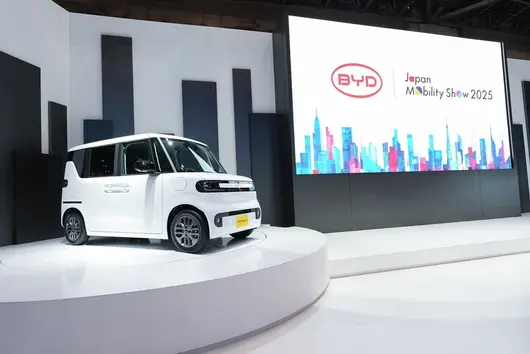
Last October, BYD showcased a boxy four-door pure electric mini car named Racco at the Japan Mobility Show in Japan, and announced that this model would officially launch in Japan this summer. This is BYD’s first electric mini car built specifically for the Japanese market.

BYD Racco; Image Source: BYD
It is reported that the Racco model offers 3 versions, with the entry-level version having a range of about 200 km, and the other two versions having a range of 300 km. Racco strictly follows Japanese mini car standards and is equipped with sliding doors for the first time on such pure electric vehicles to better adapt to narrow streets and parking environments in Japanese cities. At the same time, the new car will also provide richer assisted driving functions.
BYD also plans to rapidly expand its sales network in Japan by opening numerous micro stores that display only one or two models. Atsuki Tofukuji, President of BYD Automotive Japan, stated: “We plan to cover local small commercial circles to sell micro electric vehicles.” These stores will be located in remote cities with a population of less than 500,000, displaying at most a few exhibition cars per store, with a faster store opening speed. BYD’s micro stores will feature Racco as the core recommended product.
Following BYD, Chery Motors also plans to launch a pure electric mini car in Japan next spring. Chery will join forces with four partners to jointly create a new electric brand EMTA, and has already established the operating company EMT in Yokohama, Japan, responsible for vehicle R&D and sales work. The CEO of EMT said in an interview recently: “This brand is built for Japanese consumers, aiming to create a more convenient and comfortable way of travel for the public.”
EMT belongs to a Singapore joint venture. The joint venture is led by Chery, while the other four cooperating enterprises are China Jiangsu Yueda Automobile Group, power battery manufacturer Gotion High-Tech, and Japanese automotive supplies retailer Autobacs Seven, and painting equipment company Anest Iwata.
This light vehicle is jointly developed by China and Japan. It will initially be produced in China, and core functions such as driving assistance all adopt Chery technology.
EMT Company Chief Marketing Officer Susumu Uchikoshi stated that the new car pricing will benchmark against fuel-powered mini cars of the same class. It is reported that the sales price of Honda N-Box fuel mini cars, which are very popular in the Japanese market, is 1.74 million to 2.48 million yen (approximately 10,915 to 15,560 USD).

Image Source: EMTA
According to the plan, EMT will start with this pure electric light vehicle and launch four electric vehicle models in Japan before 2029. Autobacs will rely on its own offline store network to assist in vehicle sales.
After the launch of this electric light vehicle, EMT plans to build 100 stores integrating sales and after-sales in Japan, and continue to expand channels, striving to increase the store scale to hundreds by the 2027 fiscal year. The CEO of EMT Company stated: “Japan is our most important market, and the brand new European mini electric vehicle standards have also brought new opportunities for the brand’s global development.”
Japanese Car Companies Accelerate Mini Car Electrification Layout
With Chinese car companies accelerating their layout, Japanese local car companies are also actively promoting electric mini car products and market planning.
Honda’s electrification pace is the most eye-catching. Its N-Box mini car is the absolute king of the Japanese market. Sales broke through 200,000 units in 2024, ranking first in sales for three consecutive years. Honda launched the N-One e: pure electric mini car last September. The group will also launch the pure electric version of the N-Box model in 2028. Currently, the range and pricing of the electric N-Box model are still in the final confirmation stage. Besides the electric version, Honda is expected to continue selling the fuel version of the N-Box model.

N-One e; Image Source: Honda
Nissan officially launched the revised model of its Sakura electric mini car in April this year, aiming to maintain its competitiveness in the Japanese electric mini car market. The Nissan Sakura model was initially launched in 2022 as the mass production version of the IMk concept car and has continuously become the best-selling electric mini car in Japan in recent years. According to data released by Nissan, the sales of this model reached 14,093 units in the full year of 2025, ranking first in this sub-market for four consecutive years. It is reported that the sales of the two electric mini car models, Nissan Sakura and Mitsubishi eK X, in 2024, accounted for more than 40% of the total sales of electric vehicles in Japan.
In addition, Suzuki Motors plans to launch its first electric mini car within this fiscal year. Daihatsu also launched an electric mini commercial vehicle jointly developed with Toyota in February this year. Japanese local brands are building a deep moat using their huge channel advantages (Daihatsu alone has about 700 regular stores; if small outlets are included, it reaches 6,000).
Currently, in the Japanese new car market, the proportion of electric vehicles is only about 2%, ranking last among developed countries. Insufficient number of charging piles and high vehicle prices are the main constraints. High cost-performance electric mini vehicles are expected to improve the local electric vehicle penetration rate. Since mini cars are mainly used for short-distance travel, range requirements are not high, which fits very well with the positioning of pure electric vehicles. Seiji Sugiura, a senior analyst at an automotive market analysis institution, said: “Pure electric mini cars do not need to reach the range level of conventional passenger cars. As long as the pricing is reasonable, electric light vehicles are expected to quickly occupy the market.”
However, for BYD and Chery, the real test lies not only in launching a mini electric vehicle priced to benchmark the N-Box, but also in how to eliminate Japanese consumers' brand concerns over time, and how to maintain the balance between price and quality under the local advantages of Toyota, Honda, and Suzuki. This battle of pure electric mini cars may be the key battle for Chinese car companies to truly open the door to the Japanese market.

盖世汽車訊 喺日本汽車市場,一個長期俾人忽視嘅細分領域正悄然成為電動化轉型嘅新戰場——微型車(Kei Car)。呢個日本獨有嘅車型類別,憑藉較低嘅售價同稅費、較細尺寸帶嚟嘅便利性,長期佔據日本新車銷量嘅約40%。因為主要係用嚟城市短途通勤同家庭代步,對續航要求相對較低,因此日本微型車天然適合電動化轉型。而家,隨著中國車企入局同日本本土車企嘅戰略轉向,日本微型車市場正加速從燃油時代邁向電動化。
比亞迪、奇瑞押注日本電動微型車市場
去年10月,比亞迪喺日本移動出行展(Japan Mobility Show)上展出一款命名為Racco嘅方正四門純電微型車,並宣布該款車型將於今年夏季正式喺日本上市。呢係比亞迪專為日本市場打造嘅首款電動微型車。
比亞迪Racco;圖片來源:比亞迪
據悉,Racco車型共推出3個版本,其中入門版續航里程約為200公里,其餘兩個版本續航里程為300公里。Racco嚴格遵循日本微型汽車標準,並首次喺呢類純電動車上配備側滑門,以更好適應日本城市狹窄街道同停車環境。同時,新車仲將提供更豐富嘅輔助駕駛功能。
比亞迪仲計劃透過大量開設只展示一到兩款車型嘅微型門店,快速擴建佢喺日本嘅銷售網絡。比亞迪汽車日本公司總裁Atsuki Tofukuji表示:“我哋計劃覆蓋地方小型商圈,用於銷售微型電動車。”呢啲門店將設喺人口不足50萬嘅邊遠城市,每家最多陳列幾台展車,且開店速度更快。比亞迪嘅微型門店將以Racco為核心主推產品。
繼比亞迪之後,奇瑞汽車亦計劃於明年春季喺日本推出一款純電微型車。奇瑞汽車將聯合四家合作夥伴,共同打造全新電動品牌EMTA,並已喺日本橫濱成立營運公司EMT,負責車型研發同銷售工作。EMT首席執行官近日接受採訪時表示:“呢個品牌專為日本消費者打造,目標係為大眾營造更便捷、舒適嘅出行方式。”
EMT隸屬於一家新加坡合資企業。合資方由奇瑞牽頭,其餘四家合作企業分別為中國江蘇悅達汽車集團、動力電池廠商國軒高科,以及日本汽車用品零售商澳德巴克斯(Autobacs Seven)、塗裝設備企業阿耐思特岩田(Anest Iwata)。
呢款輕型車由中國同日本兩國聯合研發,初期將喺中國投產,駕駛輔助等核心功能均採用奇瑞技術。
EMT公司首席營銷官Susumu Uchikoshi表示,新車定價將對標同級別燃油微型車。據悉,喺日本市場非常暢銷嘅本田N-Box燃油版微型車嘅售價為174萬至248萬日圓(約值10,915至15,560美元)。
圖片來源:EMTA
按照計劃,EMT將以呢款純電輕型車為開端,於2029年前喺日本推出四款電動車型。澳德巴克斯將依托自身實體門店網絡,協助車輛銷售。
喺呢款電動輕型車上市之後,EMT計劃喺日本建成100家集銷售、售後於一體嘅門店,並持續拓展渠道,爭取喺2027財年將門店規模增至數百家。EMT公司首席執行官表示:“日本係我哋最重要嘅市場,而歐洲全新嘅微型電動車標準,亦為品牌全球化發展帶來新機遇。”
日系車企加快微型車電動化佈局
隨著中國車企加快佈局,日本本土車企亦喺推進緊電動微型車產品同市場規劃。
本田汽車嘅電動化步伐最為引人注目。其旗下嘅N-Box微型車係日本市場嘅絕對王者,2024年銷量突破20萬輛,連續三年蟬聯銷量冠軍。本田汽車已於去年9月推出N-One e:純電微型車,該集團仲將於2028年推出純電版N-Box車型。而家,電動版N-Box車型嘅續航里程同定價仍然喺最終確認階段。除咗電動版外,本田預計將繼續銷售燃油版N-Box車型。
N-One e;圖片來源:本田
日產汽車今年4月正式發布旗下Sakura電動微型車嘅改款車型,旨在維持佢喺日本電動微型車市場嘅競爭力。日產Sakura車型最初於2022年作為IMk概念車嘅量產版本上市,過去幾年連續成為日本最暢銷嘅電動微型車。根據日產公布嘅數據,呢款車型喺2025年全年銷量達14,093輛,已連續四年位居呢個細分市場榜首。據悉,2024年日產Sakura同三菱eK X呢兩款電動微型車嘅銷量,佔據咗日本電動車總銷量嘅40%以上。
此外,鈴木汽車計劃喺本財政年度內開售首款電動微型車,大發亦喺今年2月推出同豐田聯合研發嘅電動微型商用車。日本本土品牌正利用其龐大嘅渠道優勢(大發單計正規門店就有約700家,若計入小型網點就會達6,000家),構建起一道深厚嘅護城河。
而家日本新車市場中,電動車佔比僅約2%,喺發達國家中排名墊底。充電樁數量不足、車型售價偏高係主要制約因素,高性價比微型電動車有望提升當地電動車普及率。由於微型車主要係用嚟短途代步,對續航要求唔高,同純電動車型嘅定位十分契合。汽車市場分析機構資深分析師Seiji Sugiura稱:“純電微型車無需達到常規乘用車嘅續航水平,只要定價合理,電動輕型車有望迅速佔領市場。”
然而對於比亞迪同奇瑞而言,真正嘅考驗唔單止喺於推出一款價格對標N-Box嘅微型電動車,仲喺於點用時間消除日本消費者嘅品牌顧慮,點喺豐田、本田、鈴木嘅本土優勢下守住價格同品質嘅平衡。呢場純電微型車之戰,或將係中國車企真正叩開日本市場大門嘅關鍵一役。

盖世汽车讯 在日本汽车市场,一个长期被忽视的细分领域正悄然成为电动化转型的新战场——微型车(Kei Car)。这个日本独有的车型品类,凭借其较低的售价和税费、较小的尺寸带来的便利性,长期占据日本新车销量的约40%。由于主要用于城市短途通勤和家庭代步,对续航要求相对较低,因此日本微型车天然适合电动化转型。如今,随着中国车企的入局与日本本土车企的战略转向,日本微型车市场正加速从燃油时代迈向电动化。
比亚迪、奇瑞押注日本电动微型车市场
去年10月,比亚迪在日本移动出行展(Japan Mobility Show)上展出一款名为Racco的方正四门纯电微型车,并宣布该款车型将于今年夏季正式在日本上市。这是比亚迪专为日本市场打造的首款电动微型车。
比亚迪Racco;图片来源:比亚迪
据悉,Racco车型共推出3个版本,其中入门版续航里程约为200公里,其余两个版本续航里程为300公里。Racco严格遵循日本微型汽车标准,并首次在此类纯电动车上配备侧滑门,以更好适应日本城市狭窄街道和停车环境。同时,新车还将提供更丰富的辅助驾驶功能。
比亚迪还计划通过大量开设仅展示一到两款车型的微型门店,快速扩建其在日本的销售网络。比亚迪汽车日本公司总裁Atsuki Tofukuji表示:“我们计划覆盖地方小型商圈,用于销售微型电动车。”这些门店将设在人口不足50万的边远城市,每家最多陈列几台展车,且开店速度更快。比亚迪的微型门店将以Racco为核心主推产品。
继比亚迪之后,奇瑞汽车也计划于明年春季在日本推出一款纯电微型车。奇瑞汽车将联合四家合作伙伴,共同打造全新电动品牌EMTA,并已在日本横滨成立运营公司EMT,负责车型研发与销售工作。EMT首席执行官近日接受采访时表示:“该品牌专为日本消费者打造,旨在为大众营造更便捷、舒适的出行方式。”
EMT隶属于一家新加坡合资企业。合资方由奇瑞牵头,其余四家合作企业分别为中国江苏悦达汽车集团、动力电池厂商国轩高科,以及日本汽车用品零售商澳德巴克斯(Autobacs Seven)、涂装设备企业阿耐思特岩田(Anest Iwata)。
这款轻型车由中日两国联合研发,初期将在中国投产,驾驶辅助等核心功能均采用奇瑞技术。
EMT公司首席营销官Susumu Uchikoshi表示,新车定价将对标同级别燃油微型车。据悉,在日本市场十分畅销的本田N-Box燃油版微型车的售价为174万至248万日元(约合10,915至15,560美元)。
图片来源:EMTA
按照规划,EMT将以这款纯电轻型车为开端,于2029年前在日本推出四款电动车型。澳德巴克斯将依托自身线下门店网络,助力车辆销售。
在这款电动轻型车上市之后,EMT计划在日本建成100家集销售、售后于一体的门店,并持续拓展渠道,力争在2027财年将门店规模增至数百家。EMT公司首席执行官表示:“日本是我们最重要的市场,而欧洲全新的微型电动车标准,也为品牌全球化发展带来了新机遇。”
日系车企加快微型车电动化布局
随着中国车企加快布局,日本本土车企也在积极推进电动微型车产品和市场规划。
本田汽车的电动化步伐最为引人注目。其旗下的N-Box微型车是日本市场的绝对王者,2024年销量突破20万辆,连续三年蝉联销量冠军。本田汽车已于去年9月推出N-One e:纯电微型车,该集团还将在2028年推出纯电版N-Box车型。目前,电动版N-Box车型的续航里程与定价仍在最终确认阶段。除电动版外,本田预计将继续销售燃油版N-Box车型。
N-One e;图片来源:本田
日产汽车今年4月正式发布旗下Sakura电动微型车的改款车型,旨在维持其在日本电动微型车市场的竞争力。日产Sakura车型最初于2022年作为IMk概念车的量产版本上市,过去几年连续成为日本最畅销的电动微型车。根据日产公布的数据,该车型在2025年全年销量达14,093辆,已连续四年位居该细分市场榜首。据悉,2024年日产Sakura与三菱eK X这两款电动微型车的销量,占据了日本电动汽车总销量的40%以上。
此外,铃木汽车计划在本财年内开售首款电动微型车,大发也在今年2月推出了与丰田联合开发的电动微型商用车。日本本土品牌正利用其庞大的渠道优势(大发仅正规门店就有约700家,若计入小型网点则达6,000家),构建起一道深厚的护城河。
当前日本新车市场中,电动车占比仅约2%,在发达国家中排名垫底。充电桩数量不足、车型售价偏高是主要制约因素,高性价比微型电动车有望提升当地电动车普及率。由于微型车主要用于短途代步,对续航要求不高,与纯电动车型的定位十分契合。汽车市场分析机构资深分析师Seiji Sugiura称:“纯电微型车无需达到常规乘用车的续航水平,只要定价合理,电动轻型车有望迅速占领市场。”
然而对于比亚迪和奇瑞而言,真正的考验不仅在于推出一款价格对标N-Box的微型电动车,更在于如何用时间消除日本消费者的品牌顾虑,如何在丰田、本田、铃木的本土优势下守住价格与品质的平衡。这场纯电微型车之战,或许将是中国车企真正叩开日本市场大门的关键一役。
© 2024 Bitauto.com. All Rights Reserved.
Bitauto (www.yiche.com and www.bitauto.com) is one of the most visited automotive websites in China. We provide detailed info on Chinese car brands available in your area. Please note that the information provided on this website is based on publicly available data and is for reference only. It may not be fully updated or accurate at all times.

Help us improve our website


