

HomeSedapWeh

Search History
Popular Searches
Dealer Login / Sign Up

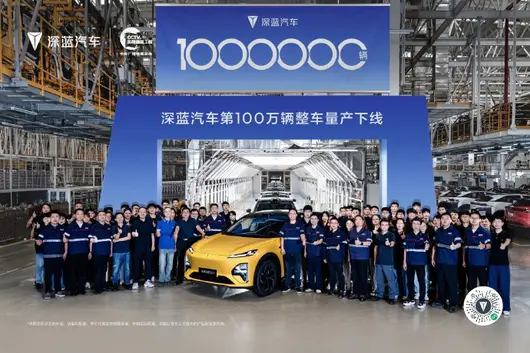
Gasgoo learned that on September 28, Deepal officially announced, the 1 millionth Deepal complete vehicle has officially entered mass production and rolled off the assembly line. This milestone coincided with the launch of the all-new Deepal S07 AI Laser version, which is positioned as a "long-range AI laser smart SUV", deeply co-created by Deepal and Volcano Engine focusing on the Doubao large model and smart cockpit.

Image Source: Deepal
Deepal Chairman Deng Chenghao previewed this milestone in advance on September 26, and stated "Thank you to 1 million users for walking with you". According to official data, Deepal's global sales in August were 28,659 units, cumulative global sales from January to August reached 222,028 units, a year-on-year increase of 11.77%; by the end of August, cumulative global sales had exceeded 947,600 units. In terms of overseas markets, Deepal's cumulative overseas sales reached 52,647 units, a year-on-year increase of 76.98%, Thailand Rayong factory has commenced production, Phase I design annual capacity is 100,000 units.
The Deepal brand started when Changan Automobile launched the "Deepal" new energy brand in January 2022, the first model SL03 was launched in July of the same year. In December 2024, Deepal achieved a leap from 0 to 400,000 units in 29 months. In the field of core technologies, Deepal's self-developed Super Power Integrated Drive system welcomed its 1 millionth roll-off in March 2026, the new generation system assembly operating efficiency reached 94.13%.
Deng Chenghao pointed out during the 2026 World New Energy Vehicle Conference that the elimination race in the new energy vehicle industry is imminent, "single point breakthrough is ineffective, system capability is the key", annual sales of 3 million units is only the "foundation for survival".

In the SUV market in Malaysia, many buyers compare the Honda CR-V and Subaru Forester when choosing a car. These two models are quite close in price and positioning. Today we will make a detailed comparison from multiple aspects to help you save time on research.
The Honda CR-V OTR price in Malaysia is RM 178,200 - 195,900. There are 4 versions in total, including 2026 e:HEV 2.0L 2WD RS (RM 195,900), 2026 1.5T 4WD V (RM 181,900), 2026 e:HEV 2.0L 2WD E (RM 178,200), etc.
The Subaru Forester OTR price in Malaysia is RM 174,000 - 197,000. There are 3 versions in total, including 2024 2.0L S EyeSight GT Edition (RM 189,538), 2024 2.0L S EyeSight (RM 177,538), 2024 2.0L L EyeSight (RM 167,538), etc.
From the price perspective, the starting price of the Subaru Forester is RM 4,200 cheaper than the Honda CR-V. Honestly, in this price range, a difference of a few thousand is not that big. The key is to look at overall value for money and long-term ownership costs.

The Honda CR-V safety rating is 5★ (ASEAN NCAP). Active safety systems include Honda SENSING (ACC, CMBS, LKAS, RDM).
The Subaru Forester safety rating is 5★ (Euro NCAP). Active safety systems include EyeSight.
In terms of safety features, both cars have received good ratings. However, there are some differences in functionality between the Honda CR-V's Honda SENSING (ACC, CMBS, LKAS, RDM) and the Subaru Forester's EyeSight. If you value active safety highly, you can compare the feature lists of both carefully.

Honda CR-V body length is 4500 mm, trunk 450 L.
Subaru Forester body length is 4400 mm, trunk 400 L.
In terms of space, the Honda CR-V body is 100 mm longer than the Subaru Forester, and the interior seating space will be slightly more spacious, especially the rear legroom. If you often carry family members or need to fit a stroller, a larger body is indeed more practical.

The Honda CR-V uses FWD drive type.
The Subaru Forester uses FWD drive type.
Both cars have the same drive type, both are FWD, so there won't be much difference in daily driving experience.

In general, both the Honda CR-V and Subaru Forester are very good models in the Malaysian market. Which one to choose depends on your personal needs and budget. It is recommended to do your research, compare quotes from a few dealerships, and then test drive to make the final decision. Buying a car is a big matter, spending some time on research is definitely not wrong.



喺理想 i9 嘅新車發布會上,理想汽車第二產品線總裁李昕旸話:“根據我嘅不完全統計,由去年到而家,呢個已經係第 22 場旗艦 6 座 SUV 嘅發布會啦。”
2025 年年初,旗艦 6 座 SUV 嘅賽道上,仲只有理想 L9、問界 M9 以及上一代嘅蔚來 ES8,仲有屬於另一個世界嘅 BBA 嘅百萬元旗艦 SUV。
但喺中國市場,20 個月嘅時間已經足夠讓呢條賽道擠入超過 20 位新選手。呢個倒都唔出奇,因為由 2022 年理想 L9 交車即破萬開始計嘅話,3 年時間剛剛好係跟隨理想過河嘅友商完成一款新車研發嘅周期。
只係中國家庭生仔嘅速度,可能有啲追唔上大 6 座 SUV 上市嘅速度。

縱使係理想自己,全新嘅 L9 Livis 都未能再回到當年嘅巔峰。整個月 7 月,旗艦級大 6 座 SUV 銷量過萬嘅只有 1 個,銷量 6000+ 都能排進前 5,仲有 4 個只賣咗唔到 1000 輛。
事實證明,跟隨理想過河嘅,除非鐵了心做“半價理想”,唔係呢條賽道都好難再出爆款。所以,理想要答嘅已經唔再係點樣造一輛“更大嘅 L9",而係當所有人都擠埋一齊嘅時候,另闢蹊徑做一臺 i9。
01
比「大眾帶字母」更厲害嘅,係 SUV 帶 home
“大眾後面帶字母”,代表住一種惹唔起嘅低調奢華,而理想今次給 SUV 後面加咗個 home,亦預示咗呢輛車嘅唔一般。
李想提到,喺定義 i 系列產品嘅時候,團隊思考咗一個最核心嘅問題:原生純電 SUV 應該點樣做?答案係三個最重要嘅定義:更好嘅空間體驗、更低嘅風阻同能耗、更好嘅操控性同舒適性。
呢個令人諗到喺歐洲,一個被探索咗百年嘅命題。

早在 17、18 世紀,歐洲上層社會就有 Grand Tour 嘅文化傳統。而 20 世紀,隨住汽車嘅發展,意大利語 Gran Turismo 有咗新嘅含義:一種能讓人快速、舒適、優雅咁跨越長距離嘅汽車。
喺意大利嘅汽車文化中,GT 從一開始就要具備兩個鮮明嘅特徵基因:機械素質夠好,車身夠靚。
呢個亦喺之後形成咗 GT 嘅經典定義:能夠長途旅行、舒適、具備足夠嘅空間、流暢而優雅。佢唔係一味將空間做大,而係搵到一種空間嘅最優平衡。
直到呢度,你係咪看到咗一啲熟悉嘅定義?
歐洲人過去嘗試用奔馳 R 級、寶馬 5 系 GT 去解決發動機、變速箱同空間嘅矛盾。但到咗純電時代,i9 畀咗新嘅思路,亦係李想所講:“最近行業喺討論旗艦 SUV 越做越大嘅問題,我諗,這只係過渡階段,純電架構嘅天生優勢,決定咗尺寸軍備競賽一定會結束。”

理想 i6 嘅成功,以及 MEGA 用戶對外觀設計嘅高滿意度,已經證明咗理想呢套設計語言嘅前瞻性同獨特性,而放喺更加舒展嘅理想 i9 上,呢套設計呈現出咗一種如大型 GT 旅行車般優雅、運動嘅造型。
而我哋都唔使糾結於 SUV 呢個字眼本身,畢竟喺轎車墊高一啲都能叫 SUV 嘅中國市場入面,SUV 嘅定義本身就已經變得好寬泛,而人們喜歡 SUV 嘅核心,其實就係空間同形態。

理想 i9 透過純電架構將 SUV 嘅空間優勢進一步放大,並解決咗傳統 SUV 風阻、能耗同操控嘅短板。一個好明顯嘅對比,理想 i9 同底盤堆料更強嘅理想 L9 Livis 喺 ISO 3888-1 標準嘅高速變線實測中,取得咗相同嘅 134km/h 嘅成績。
對於“家空間”嘅營造,理想嘅功力喺 i9 上變得更加爐火純青。
車長 5225mm,軸距卻有足足 3168mm,後兩排對坐嘅肩部距離超過 2 米,仲能夠裝載下全家嘅行李,同傳統 SUV 嘅體驗完全不可同日而語。
更重要嘅係理想對氛圍嘅打造。

例如家居燈光系統,迎賓光毯有“Sweet Home”字樣,車頂暖光主燈令車內照明唔止局限於閱讀燈。仲有靈感源於新加坡航空頭等艙套房嘅“Home 套房”模式,佢打破咗傳統“面對面”或“大床”模式嘅限制,將空間打造為“工作室 + 床”嘅設計,進一步拓展咗空間嘅可用價值。

而呢啲所有,只係需要 36.98 萬。
呢個係理想 i9 嘅另一個殺手鐧。唔單止係價格,仲係喺呢個價格之下嘅獨一無二。
理想為 i9 畀咗呢幾個最核心亮點配置:線控轉向、後輪轉向、4 個全尺寸零重力座椅、二排可旋轉、前後兩個超大屏幕、高通驍龍 8797 芯片同馬赫 M100 智駕芯片。
你會發現,雖然佢哋望落去似乎都係而家市場耳熟能詳嘅技術名字同功能,但對比同級別競爭對手車型,單係 4 個全尺寸零重力座椅就已經篩走咗絕大部分車型。剩低嘅,係問界 M9 Ultimate、蔚來 ES9 同理想自己嘅 L9。
而佢哋都要比 i9 貴好多。
呢個亦係理想嘅野心所在。
02
該對自己下手時,理想都唔手軟
必須承認,理想 i9 嘅售價令唔少 i8 嘅用戶“破防”,畢竟今次 i9 連經典嘅大象灰車漆都免費送,而 i8 四驅高性能版 33.98 萬元嘅售價再疊加選裝,同 i9 基本嚟到咗一個水平線。
但呢次也許係理想嘅一次主動而為。

一方面,始終都要冷靜落嚟看,i8 喺理想嘅產品矩陣入面依然擁有咗一個獨特嘅生態位,就好似一位剛鎖咗單 i8 後驅版嘅車主給我哋留言咁話:疊加權益後唔到 30 萬元嘅價格加上保險同購置稅,仲係比 i9 低好多,相對細少嘅尺寸亦適合喺老城區使用。
另一方面,理想亦迫切需要一個喺大 6 座旗艦 SUV 市場打開局面嘅產品,與其“1+1<1”,仲唔如破釜沉舟一把。
我哋回顧理想由去年 i8 上市開始嘅一輪密集嘅產品更新,從銷量嚟睇有成功,亦有教訓。
i8 喺價格發布後很快就進行咗 SKU 同價格嘅調整,響應速度好快,但也的確失去咗第一次出牌嘅機會。但 i6 嘅熱銷,證明咗理想喺純電賽道嘅競爭力。

而蔚來 ES8 持續一年嘅月銷過萬,則喺很大程度上改變咗高端純電 SUV 細分市場嘅購買趨勢。呢樣令理想 L9 Livis 嘅到來,面對住一個同以前完全唔同嘅市場環境,就算問界 M9 已經向住更高端嘅市場轉型,但增程、冰箱、彩電同沙發嘅標籤,已經大量被 20 萬元級別嘅產品所復刻。
縱使“半價理想”嘅用料、質感同體驗都差咗唔少,但就係“望落都差唔多”呢件事,對於理想 L9 就係一個巨大嘅挑戰。當然,理想亦畀咗應對嘅辦法,就係將前景押寶喺具身智能。但而家階段,具身智能嘅認知門檻比“冰沙彩”要高好多,而且喺 L3 真正落地之前,其實用戶付出嘅好多成本好難轉化為止體嘅體驗。
6 系賣得好,能夠撐起理想嘅銷量榜單,但股價同財報都仲係需要更高端市場嘅突破。

我哋喺最近發布嘅 MEGA 同 i9 上,可以睇到理想嘅調整。新款 MEGA 體驗提升嘅同時價格大幅降低,同理想 L9 Livis 一齊,為用戶提供相似體驗,但風格截然不同嘅兩款產品,而咁樣更能突出 MEGA 嘅定位同產品取向。
而呢兩款旗艦產品錨定好位置後,i9 就擁有咗明確嘅進攻策略:駕控對標 L9 Livis、空間體驗對標 MEGA home,價格再嚟個“大跳水”。

更重要嘅係,MEGA 同 i9 嘅價格階梯,以及佢更加極致嘅產品取向,令 MEGA 用戶群並唔會被 i9 所分流,但反轉嚟,大量預算夠唔到 MEGA 但卻嚮往 MEGA 嘅空間體驗嘅用戶,就好難唔對 i9 心動咗。
而向下,有時好難唔懷疑理想嘅產品團隊係故意設定出 i8 同 i9 嘅差價。i8 後驅版依然有獨特嘅價值,而 i9 某種程度上以一種極高性價比嘅方式替代咗 i8 四驅版,重新將呢個區間嘅用戶吸引返嚟,並且拉高咗成交價。
無論點講,理想將自己嘅盤子做大就係成功。畢竟而家呢個市場入面,靠住一兩款爆款車型直接逆天改命嘅例子太多咗,如果太瞻前顧後反而可能顧此失彼。
03
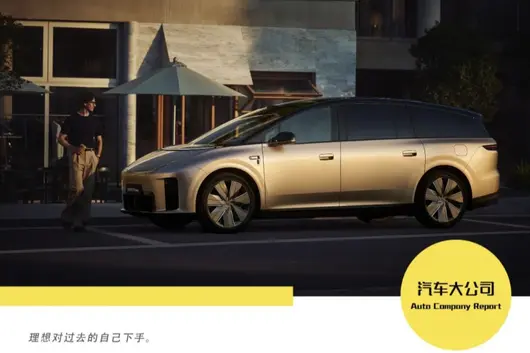
大公司視點
而家喺理想汽車 App 上,i9 已經成為緊次於 MEGA 交付時長嘅產品,而家落訂需要 8-10 週嘅等待時間。
雖然理想官方冇畀出訂單表現,但我哋從一啲第三方機構嘅統計同反饋嚟睇,36.98 萬元嘅價格超越咗唔少用戶嘅心理預期,亦令唔少友商感受到咗威脅。
三年前,L9 告訴市場,大六座 SUV 應該係點樣。於是而家嘅市場入面,擠滿咗跟隨理想過河嘅產品。
三年後,i9 想證明嘅係:大六座 SUV,未必仲要係原來嘅樣貌。

Di pasaran SUV Malaysia, ramai pembeli membandingkan Honda HR-V dan Hyundai Tucson semasa memilih kereta. Kedua-dua model ini sangat hampir dari segi harga dan kedudukannya. Hari ini, kami akan buat perbandingan terperinci dari pelbagai aspek, membantu anda menjimatkan masa untuk membuat penyelidikan.
Harga OTR Honda HR-V di Malaysia ialah RM 115,900 - 143,900, terdapat 4 varian, termasuk 2026 e:HEV 1.5L RS (RM 143,900), 2026 1.5T V (RM 137,900), 2026 1.5T E (RM 130,900) dan lain-lain.
Harga OTR Hyundai Tucson di Malaysia ialah RM 143,888 - 197,888, terdapat 5 varian, termasuk 2025 HEV 1.6T AT 2WD Prestige (RM 197,888), 2025 1.6T DCT 4WD Prestige (RM 186,888), 2025 1.6T DCT 2WD Prime (RM 164,888) dan lain-lain.
Dari segi harga, harga permulaan Honda HR-V memang RM 27,988 lebih murah berbanding Hyundai Tucson. Jika bajet anda terbatas, varian permulaan Honda sudah boleh memenuhi keperluan harian. Tetapi perlu diingat, perbezaan harga beribu-ribu ringgit ini mungkin mempunyai kompromi dari segi kelengkapan, bergantung pada keperluan anda.

Honda HR-V dilengkapi enjin Turbo 1.5L, kuasa 140 hp. Penggunaan bahan api rasmi 7.0 L/100km.
Hyundai Tucson dilengkapi enjin Turbo 1.5L, kuasa 140 hp. Penggunaan bahan api rasmi 7.0 L/100km.
Kedua-dua kereta menggunakan sistem kuasa yang sama, pengalaman memandu sehari-hari pada dasarnya tiada perbezaan. Dari segi penggunaan bahan api juga hampir sama, tidak perlu terlalu bimbang tentang perkara ini.

Panjang badan Honda HR-V 4500 mm, ruang bagasi 450 L.
Panjang badan Hyundai Tucson 4400 mm, ruang bagasi 400 L.
Dari segi ruang, badan Honda HR-V lebih panjang 100 mm berbanding Hyundai Tucson, ruang duduk di dalam kereta sedikit lebih luas, terutamanya ruang kaki bangku belakang. Jika anda kerap membawa keluarga atau perlu letak kerusi bayi, badan yang lebih besar memang lebih praktikal.

Honda HR-V menggunakan sistem penggerak FWD.
Hyundai Tucson menggunakan sistem penggerak FWD.
Sistem penggerak kedua-dua kereta sama, iaitu FWD, pengalaman memandu sehari-hari tidak akan banyak berbeza.

Honda HR-V dan Hyundai Tucson adalah pilihan utama di pasaran Malaysia, sesuai untuk kegunaan keluarga, perjalanan harian. Jika anda lebih mementingkan nama merek dan harga jual semula, boleh utamakan yang lebih popular; jika anda lebih mementingkan nilai dan kelengkapan, pilih yang mempunyai konfigurasi lebih banyak. Pada akhirnya disyorkan untuk memandu uji kedua-dua kereta, pengalaman sendiri yang paling penting.

Keseluruhannya, Honda HR-V dan Hyundai Tucson adalah model kereta yang sangat baik di pasaran Malaysia. Memilih yang mana, penting melihat keperluan dan bajet peribadi anda. Kami sarankan anda membuat penyelidikan, bandingkan harga dari beberapa dealer kereta, kemudian buat ujian memandu untuk membuat keputusan akhir. Membeli kereta adalah perkara besar, meluangkan masa untuk membuat penyelidikan tidak akan salah.


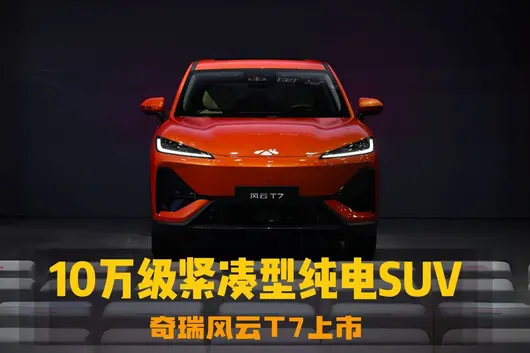
8月26日,奇瑞风云T7正式发布,新车定位紧凑型纯电SUV,一共推出3款配置车型。官方指导价区间9.79‑11.89万元,置换抢先价9.49‑11.59万元,三款车型电池、续航、动力硬件保持一致,配置差异主要体现在舒适装备与智能驾驶部分 。作为奇瑞一款原生全球车型,它的海外同源车型Lepas L6已经在南非、泰国市场投放。下面结合发布会信息,梳理这台车的硬件、空间、安全以及智能方面的实际情况。

研发与验证:面向全球市场做测试
依托奇瑞的全球化研发体系,风云T7在开发阶段就参考了210多个国家和地区的法规标准。整车累计测试里程超过600万公里,耐久专项测试145万公里,测试覆盖‑40℃~55℃温差环境,模拟全球上百种路况,包含非铺装路面、高速弯道、颠簸坎路等场景,覆盖绝大多数全球道路工况。
这套验证标准也是为适配海外市场,对应的海外版本已经落地,同时参与米兰设计周;国内版本直接沿用这套验证体系,把全球严苛测试结果落地到家用版本上。

三电与续航:全系统一600km CLTC续航
这台车比较特殊的一点,三个版本全部配备65.05kWh犀牛磷酸铁锂电池,CLTC续航600km,没有高低续航区分,也就是常说的续航平权 。
- 电机为12合1鲲鹏超能电驱,最大功率178kW,峰值扭矩275N·m,综合效率90.8%
- 快充30%-80% SOC用时约20分钟;电池循环寿命2500次,设计寿命15年
- 标配热泵空调+高压PTC加热,搭配AGS主动进气格栅与14项风阻优化,风阻系数0.286Cd;官方数据显示‑10℃低温环境下续航可以提升30%,对北方用户比较友好
- 官方媒体实测续航达到681.6km,超出CLTC标称数值,也就是宣传的“反向虚标”表现。
动力取向偏向家用,输出够用,重点放在能耗控制和续航稳定性,适合城市通勤以及中长途出行。同时支持6.6kW外放电,露营场景可以使用。

车身尺寸与车内空间
车身尺寸:4570×1852×1694 mm,轴距2700mm,属于标准紧凑型SUV的轴距水平 。
车内官方给到空间得房率84%,后排腿部空间911mm,地板做到纯平。后备厢常规容积450L,附带99L下沉储物格;后排座椅4/6比例放倒之后,最大拓展容积1550L,可以形成纯平装载空间,全车一共有32处储物点位。座椅采用9层云感填充,提供两种内饰配色:温暖黑棕、极夜黑曜。
外观命名为东方驭风美学,风刃大灯、贯穿式尾灯,提供6种车漆颜色。其中炽焰橙采用多层豪车级喷涂工艺,其余为普通车漆。整体外观设计偏向家用SUV的流畅取向。

车身与电池安全
车身本体,高强度钢占比80%,热成型钢占比18.84%。结构上配备双框副车架+Pack防撞梁、Shotgun吸能结构,全车标配9气囊,被动安全硬件在同价位属于堆料较多的水平。
电池防护方面采用31层防护结构,IP68防水,官方给出测试标准高于国标要求;完成盐雾、火烧、挤压等多项破坏性测试,侧边抗挤压能力200kN。底盘采用前麦弗逊、后多连杆独立悬架,轴荷比50.8:49.2,配备线控制动系统,底盘由海外团队调校。

智能座舱与智驾
风云T7搭载骁龙8775,4nm制程舱驾一体芯片,NPU算力72TOPS。座舱屏幕为15.6英寸2.5K防眩光大屏,亮度1000nit,支持CarPlay、HiCar、CarLink多种手机互联方式。车机搭载灵犀智舱2.0,内置豆包大模型语音,内置小憩、宝宝模式、哨兵模式等6套预设场景模式。
智驾硬件为猎鹰500系统,22颗传感器(3毫米波雷达+7摄像头+12超声波雷达)。功能包含高速领航辅助、100米循迹倒车、300+场景自动泊车。智驾功能并非全系标配,只有高配智享版完整解锁全套能力。

市场定位小结
放到10万级纯电SUV市场,风云T7打出的卖点是全系统一续航、全套安全硬件、全球验证标准。对比同价位竞品,不少车型会通过电池大小拉开版本差距,而它全系给到65度电池、600km续航,这是一个比较明显差异点。
当然也要看到,智驾完整功能集中在顶配版本,如果想要高速NOA,预算就要上到置换价11.59万的智享版。中低配更多侧重座舱体验,缺少高阶智驾。新车上市还有9重购车权益,包含置换、金融、终身基础保养等,有购车意向可以结合当地门店政策了解。

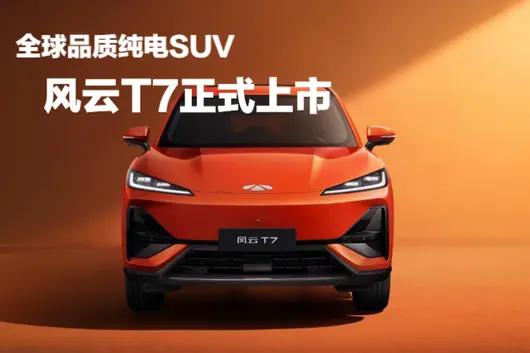
August 26, Global Quality Pure Electric SUV Fengyun T7 was officially launched with the theme "Steady Happiness." The new car launches 3 versions, exchange priority launch price from 94,900 yuan to 115,900 yuan, and simultaneously launches 9 layers of car purchase benefits. Fengyun T7 takes global quality as the foundation, leveraging four major product values: "Super Performance, Beautiful Global, Safer, Smart Wisdom," delivering a high-quality pure electric travel choice for users. At the press conference, well-known musician Wu Kequn made a surprise appearance, serving as the Fengyun T7 "Happiness Experience Officer," interpreting "Steady Happiness" starting from real-life scenarios, further interpreting the high-value pure electric travel experience of Fengyun T7 for family users.
Behind the global quality is Chery's long-accumulated global R&D system and verification capability. As the automotive brand that has ranked first in Chinese brand passenger car exports for 23 consecutive years, Chery's global users have surpassed 20 million, products sold in over 130 countries and regions. As a native global vehicle of the smart electric era, Fengyun T7 relies on the global "1+7+N" R&D system, incorporating regulatory standards and vehicle usage needs from 210 countries and regions into product definition at the front end, completing an integrated layout of the entire process from R&D, verification to quality building.
At the same time, Fengyun T7's total cumulative testing mileage exceeds 6 million kilometers, durability special verification reached 1.45 million kilometers, footprints covering more than 100 extreme road conditions environments globally and an ultra-wide temperature range from -40°C to 55°C, from high speed bumps in Brazil, cobblestone roads in Mexico, to high-curvature curves on German highways and unpaved mud roads in South Africa, etc., achieving high-intensity coverage of over 95% of global road types.
First undergoing rigorous global tests, then returning to guard every family domestically. It is precisely this rigorous test of "traversing diverse road conditions globally, spanning extreme working conditions across continents," that has built the quality assurance of Fengyun T7 that surpasses its class. Now, its same-platform model Lepas L6 has been successfully launched in South Africa and Thailand and entered the Milan Design Week, with excellent market performance and design acclaim, confirming its widespread recognition by the global market.

Wu Kequn transforms into "Happiness Experience Officer", four major values unlock steady happiness
At the press conference, well-known musician Wu Kequn appeared as Fengyun T7 "Happiness Experience Officer," sharing the feelings of moving from the stage to different cities and experiencing ordinary stable life, making this aspiration for stability highly synchronized with the core product of Fengyun T7. Addressing the diverse travel needs of contemporary families, interpreting the four core values of Fengyun T7 "Super Performance, Beautiful Global, Safer, Smart Wisdom" together with on-site users, letting "Steady Happiness" integrate into every segment of real vehicle usage life.
Fengyun T7 combines long range, low energy consumption, and comfortable large space, balancing city commuting and long-distance travel, making every departure more calm. All series standard equipped with 65.05kWh super large Rhinoceros battery, CLTC range reaches 600km, media actual test range up to 681.6 kilometers, achieving "reverse false labeling" with actual test range exceeding 667km performance, giving more confidence for long-distance travel. At the same time, the battery has a cycle life of over 2500 times, service life up to 15 years, and supports fast charging ability charging 30% to 80% SOC in 20 minutes. Addressing the pain point of low-temperature range, all series standard equipped with dual-source wide-temperature range "Heat Pump AC + High Voltage PTC" system and AGS intelligent front grille, combined with 14 low wind resistance designs, increasing range by 30% in -10°C environments. Equipped with 12-in-1 Kunpeng Super Electric Drive, its peak power 178kW, maximum torque 275N·m, comprehensive efficiency up to 90.8%, achieving powerful power and lower loss range efficiency.
Fengyun T7 overall dimensions are 4570×1852×1694mm, wheelbase 2700mm, interior space "space utilization rate" reaches 84%, combined with rear 911mm leg space and pure flat floor design, bringing a more relaxed seating experience for the whole family. Rear seats support 4/6 folding ratio, can form a pure flat large bed mode, paired with 9-layer cloud-comfort seats, further improving long-distance travel comfort. While meeting comfortable seating needs, must also balance loading requirements, 450L regular trunk and 99L sunken storage space can easily store personal items and travel gear. After folding down the second-row seats, trunk volume can be expanded to 1550L, combined with 32 storage spaces comprehensively meeting diverse travel needs such as daily commuting, suburban camping, and long-distance self-driving.

As a native global vehicle of the smart electric era, Fengyun T7 relies on Chery's deep global R&D system, manufacturing strength, and global accumulation, integrating global high standards throughout the entire process of product R&D, verification, and quality building. And relying on 4 all-series standard configurations, 3 class-exclusive product advantages, comprehensively demonstrating high-value strength under global vehicle standards, setting a new benchmark for the 100,000 yuan level pure electric SUV. Facing a broad range of family users, Fengyun T7 will continue to respond to users' beautiful expectations for pure electric travel with global quality and super strong product power, making higher value and higher quality travel life within reach.

Editor's Note: Two years into the Panyu Action, GAC Group has returned to the growth channel; however, Hyper has gone from "no limits" to "monthly sales in the hundreds".
The "Panyu Action" deep reform proposed by GAC Group has been implemented for nearly two years. From a superficial data perspective, it seems the group is developing in a positive direction.
According to the group's latest sales data, from January to July, GAC Group's sales exceeded 886,000 units, a slight year-on-year increase of 1.28%; new energy vehicles were 311,700 units, a year-on-year increase of 66.2%; independent brand sales exceeded 400,000 units in the first 7 months, a significant year-on-year increase of 33.31%.

But in this seemingly prosperous development, one brand quietly disappeared from sight, and that is Hyper.
In the sales bulletin, Hyper's sales were reported bundled within "Hyper AION BU 210,400 units". Externally it looks like a 62% high growth, but when broken down, Hyper's own retail sales from January to July were 5,108 units, a drop by half compared to 14,828 units in the same period of 2025. BU merger makes the report look good, but it also hides Hyper's true situation.
In GAC Group's 2026 story of independent brand growth, AION exited the hole, Trumpchi defended the position, Qijing carried the image, all written smoothly. Only Hyper is the reverse stroke in the same story, where can it go with its monthly sales hovering in the hundreds?
The "Fig Leaf" Under Consolidated Reports
GAC launched the independent brand BU reform on December 18, 2025. Hyper and AION were the first to form the "Hyper AION BU". By the end of March 2026, the channels of both brands were fully integrated. Hyper's service network joined AION's network system of over 1,000 outlets from about 200.
The direct effect of consolidated reporting is a good-looking report: From January to July 2026, "Hyper AION BU" accumulated 210,400 units, a year-on-year increase of 62.08%, and July's single month 28,807 units, a year-on-year increase of 36.37%. However, after the denominator is expanded by AION's volume-selling cars, Hyper's hundreds-level monthly sales are completely diluted.

When the outside world questioned whether Hyper should exit with dignity, Zhongche Network contacted GAC Group's PR and sales personnel respectively. The former replied: Hyper reflects GAC's technical accumulation, currently brand operations are normal, everything follows the official announcement.
While a salesperson close to GAC admitted in communication: "Now the group talks about high new energy growth externally, BU merger is the easiest way to handle. But internally KPIs are still backed separately. Hyper's inventory coefficient and terminal discounts are much uglier than AION's.
The merger of AION and Hyper is not an isolated case in the auto industry. After traditional major factories suffer setbacks in climbing up, using "merger" to hide failed brands inside the mother brand's sales is an unspoken industry practice. But sales can be merged, user mindsets cannot——when a brand needs to rely on a brother brand's endorsement to appear in financial report summaries, its own market subjectivity has already loosened.
Four Years of Failed High-End Push
Hyper debuted in September 2022 as "AION's high-end sub-brand", starting with a million-yuan SSR supercar. The slogan was "Benchmark for Chinese high-end intelligent electric vehicles", and GAC Group had high hopes for it at the time.

Time came to 2024, to tear off the AION ride-hailing label, Hyper separated and became independent; In January 2025 it was upgraded to one of the three independent brands listed alongside Trumpchi and AION. Feng Xingya promised on the HL pre-sale site "no limits on investment for the next three years".
But the development of events seemed not smooth. In 2025, Hyper retail was about 15,150 units, completing less than 20% of the early 80,000-unit target; SSR 7 units for the year, GT 802 units, main force HT 9,885 units down 31% year-on-year, HL 4,464 units. In December 2025, after being independent for 11 months, it merged back into AION BU.
Focusing on Hyper's product line also presents a sense of "split": During SSR/GT/HT era, spoke of sports performance, HL suddenly turned to "Family Luxury Flagship", A800 embraced Huawei Qunkun Intelligent Driving for Tech Business, S600 pulled the starting price down to 179,900, fully loaded configurations but high-end narrative seems somewhat unfeasible.
In one showroom, a 1.28 million supercar and an 180,000 SUV are parked simultaneously. Sales staff speak of 1.9-second 0-100 acceleration and also HarmonyOS office. Users' brand image of Hyper is naturally diluted amidst left-right swinging.
Reviewing the long river of the entire auto industry history, the essence of high-end brands is scarcity and consistency. Porsche from 911 to Cayenne revolved around "Driving Machine", Mercedes-Benz from S to A-Class only delivered "Luxury and Prestige". In four years, Hyper tried everything: supercar, family SUV, Huawei smart driving sedan, cost-effective SUV——every one was an industry hotspot at the time, but linked together it is not a strategy.
Qijing Takes the Top, Hyper Hovers
Hyper's status became increasingly awkward after the Qijing brand was launched.
Qijing is the native fusion product of GAC + Huawei Qunkun "Shared Office, Same-Frequency Decision Making". The first GT7 was launched in June 2026, globally first equipped with Qunkun ADS 5. In July, completed over 1 billion yuan strategic capital injection introducing CATL. Feng Xingya clearly stated "Qijing is placed at the group's highest priority". Resources, scripts, channel focus clearly migrated.

Thus Hyper fell into the awkwardness of relying on neither end: Downward, S600 starting price dipped to 179,900, overlapping with AION N60/i60 price range, afraid to squeeze AION base; Upward, A800 used Huawei solution but didn't sell better than same platform GAC Toyota Platinum 7, couldn't touch Qijing GT7's pure Huawei endorsement; Internally shared supply chain channels with AION, external perception still "Slightly More Expensive AION"; Externally no differentiating long board, April 2026 A800 monthly retail 59 units, SSR has been zero for many months.
Zhongche Network noticed in GAC's mid-term meeting it stated Hyper "continuously improving high-end product layout", S600 fills high-end matrix—but when a high-end brand needs to prove its existence with "Starting from 179,900", the word "high-end" itself has become a joke.
Reviewing Hyper's development in the past few years, it's not hard to find what it stepped on is actually the common dead end of traditional auto manufacturers' new energy high-end push—the foundation isn't solid, yet rushing to build the building.
It was born at AION's potential high point, but AION's label is B-end and cost-performance, C-end high-end mindset is almost blank; Trumpchi also cannot support the facade of first-tier independent high-end. Old factories that didn't even stand up in the fuel car era, expecting to change fate just by changing names in the new energy era, was itself a house of cards.
More fatal is, high-end requires scarcity and exclusivity. When Hyper became independent, it managed to complete the homework on teams and channels, but then turned to merge BU, share channels, finally the wall of separation tore down itself.
And the most confusing for users is it had no main line spanning three years from start to finish—supercar start, switched to extended range, bet on large six-seaters, hugged Huawei, price continuously dropped. Every step accurately stepped on hotspots, but also accurately crushed its own brand cognition.
Group strategy turns, brand turns around, user just remembered and was deleted, this "wanting to do everything, holding onto nothing" swinging, is its true fatal flaw.

GAC Group H1 2026 pre-loss 4.06 billion to 4.57 billion yuan, year-on-year loss expanded by more than 60%. Independent high-end push burning cash, joint venture decline, Hyper channel repeated construction sunk costs, are all background boards. In analyst Wang Ying's view, under this financial pressure, "no limits" commitment will inevitably yield to "stop bleeding first"—BU merger essence is stop loss, not upgrade.
From the current financial statement perspective, GAC Group as a whole walked out of the adjustment period in Panyu Action, new energy and exports pulled out a second curve, Qijing takes over high-end narrative, Trumpchi M8 PHEV as the 30 millionth unit deliveryed to Thailand users, group face is passable.
But Hyper's hovering is real: It neither established itself with a single clear value like Nio or Li Auto, nor was willing to be a product sequence within the main brand like Geely Galaxy; When independent didn't tear off AION shadow, after merger even the shadow belonged to AION. 2026 hundreds-level monthly sales, January-July retail halved, means it has exited "mainstream high-end brand" competition, remaining is whether group wants to give another round of resources, what name to close the problem.
Two years of Panyu Action, GAC Group has returned to growth channel; while Hyper went from "no limits" to "monthly sales in hundreds". Same group, same round of reform, upward and downward can happen simultaneously—only the downward stroke might be destined to become a stepping stone for moving forward.
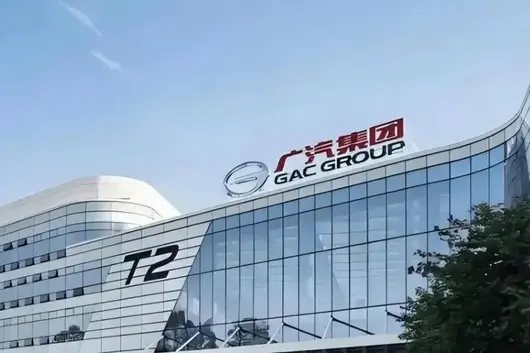

The current new energy vehicle market has long fallen into the vicious cycle of "rapid iteration, lightning-fast new product launches". Many brands, in order to seize market share, compress R&D cycles and simplify verification processes, quickly pushing mass quantities of "quick-fix cars" to the market. However, problems such as unstable quality control, poor environmental adaptability, and insufficient safety redundancy have caused many consumers to encounter pitfalls. In such a frivolous industry atmosphere, on August 12, Chery Fengyun T7 officially started pre-sales, launching 3 configurations with a pre-sale price range of 109,900-129,900 RMB. The new car, with the attitude of #GlobalCarsCantBeRushed#, interpreted what "Building Good Cars Slowly" means, redefining the global quality standard for 100,000-level pure electric SUVs with a long-termist car-making logic.

Many people mistakenly believe that "slow" means insufficient efficiency, but in fact it reflects a sense of awe towards car making. Unlike some models that complete the speed-run model from project initiation to listing in just a few months, Fengyun T7 spent fully 2 years on planning and 3 years on special R&D, refusing perfunctory car making from beginning to end. This car was not rushed to land for short-term market heat, but relied on Chery's mature global 1+7+N R&D system, layer by layer grinding from multiple dimensions of user needs, scenario adaptation, global regulations, and extreme verification. First verified by real vehicles in overseas markets, then returned to the domestic market, it is a genuine global car that has truly undergone global trials.

Fengyun T7's "slow" permeates the entire car-making process; every slowed pace is a process of quality sedimentation. In the vehicle design phase, it abandoned the conventional mode of car companies working behind closed doors, gathering top 10 global design centers and over 100 senior designers for collaborative creation, while also absorbing real car usage suggestions from over 5,000 domestic and overseas users to complete co-creation optimization. The design concept balancing global aesthetics and home practical needs also allowed its overseas identical model LEPAS L6 to receive extensive praise when it appeared at the Milan Design Week, achieving a two-way balance of looks and practicality.

At the core safety and standards level, Fengyun T7's "slow standard" is far beyond same-class competitors. Currently, most industry models only meet basic listing regulations, while Fengyun T7 directly benchmarks the yet-to-be-popularized 2026 Edition E-NCAP strict safety standards, completely completing the full set of test verification across four dimensions: safety driving, collision avoidance, collision protection, and post-collision safety. This high-standard safety system, combined with Chery's years of accumulated global five-star safety R&D experience, builds all-around safety protection for the entire vehicle. This is also the hardcore strength that most quick-fix models cannot reach.
What best embodies its craftsmanship is the extremely strict global verification link. A reliable global car must adapt to complex road conditions of different regions and climates; Fengyun T7 knows this well. During the R&D period, the brand invested 963 test vehicles, completing a cumulative 1.45 million kilometers of extreme durability tests, traveling through dozens of countries and regions such as the EU, Australia-New Zealand, South Africa, Brazil, undergoing five extreme environment trials of high temperature, high cold, high humidity, high salinity, and high altitude strong UV.

Targeting car usage pain points in different regions globally, Fengyun T7 has done its homework in refined adaptation. Facing Nordic extreme cold weather, equipped with heat pump AC and PTC dual-source heating system, it can quickly warm up in 20 minutes, winter range achievement rate increased by 30%, solving the common ailment of pure electric vehicle range shrinkage and slow warming in winter. Targeting tropical rainy high humidity environments, it owns 500mm ultra-high wading depth, easily coping with heavy rain waterlogged road conditions. Facing plateau strong temperature difference, strong UV environments, body paint, sealing strips treated with reinforcement, aging resistance, anti-fading ability is stronger, harmful substances in the car are strictly controlled, still healthy and quiet after long-term use. Meanwhile, targeting overseas unpaved bumpy roads, high speed bumps, etc., exclusive optimization of chassis protection structure, greatly reducing vehicle maintenance costs.

Solid product confidence comes from deep global system cornerstones. Relying on Chery's 23-year accumulation of first domestic brand passenger car exports, relying on the market endorsement of 20 million global users, Fengyun T7 is equipped with accessories from a bunch of world-class top suppliers such as Bosch, Sony, Valeo, participated by former Maserati senior engineers for European chassis tuning, adopting EU-level environmental protection production processes and materials, from parts to whole vehicle manufacturing, the whole process follows global strict standards, completely getting rid of the quality control shortcomings of "quick-fix cars".
Unlike the "first domestic, then overseas" listing rhythm of most models, Fengyun T7 adopts a reverse going overseas model, completing listing pre-sales in Thailand and South Africa first, landing in Indonesia in August, and will subsequently land in EU, Australia-New Zealand, UK, Malaysia and other markets. First accepting testing from global strict markets and regulations, then returning to domestic service for local users, this rare listing rhythm is exactly the brand's absolute confidence in product quality.

In the current new energy industry blindly seeking speed, Fengyun T7's "slow" is persistence without following trends and without frivolity, and more is responsibility for consumer travel safety. With three years of R&D, million-kilometer trials, and global multi-scenario verification hardcore accumulation, it proves that good cars are never rushed out, but polished out. Abandoning quick-fix tactics, adhering to long-termism, Fengyun T7 not only set a new quality benchmark for the home pure electric SUV market, but also allowed ordinary consumers to truly buy a reliable global good car that can withstand the test of time, geography, and extreme scenarios.
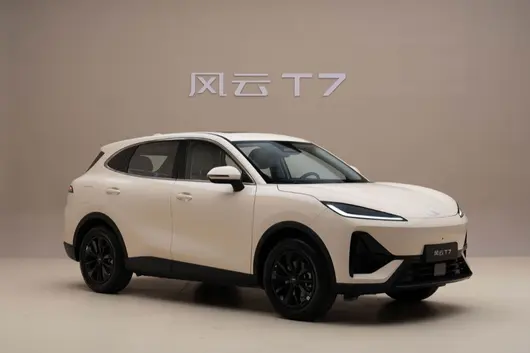

In the Malaysian SUV market, many buyers compare the Perodua Aruz and Mazda CX-30 when choosing a car. These two cars are quite close in price and positioning. Today, we will make a detailed comparison from multiple aspects to help you save time on research.
The OTR price of the Perodua Aruz in Malaysia is RM 72,900 - 77,900, with a total of 2 versions, including 1.5L X (RM 72,900), 1.5L AV (RM 77,900), etc.
The OTR price of the Mazda CX-30 in Malaysia is RM 122,409 - 146,409, with a total of 4 versions, including 2025 2.0L High+ Premium (RM 146,409), 2025 2.0L High+ (RM 138,409), 2025 2.0L High (RM 130,409), etc.
From a price perspective, the starting price of the Perodua Aruz is indeed RM 49,509 cheaper than the Mazda CX-30. If your budget is limited, the entry-level version of Perodua can already meet daily needs. However, be aware that the few thousand ringgit saved might involve trade-offs in features, depending on your specific requirements.

The Perodua Aruz is equipped with a 1.5L 4-cyl engine, 105 hp. Official fuel consumption 6.0 L/100km.
The Mazda CX-30 is equipped with a 1.5L Turbo engine, 140 hp. Official fuel consumption 7.0 L/100km.
In terms of power, the Mazda CX-30's 1.5L Turbo has 35 hp more than the Perodua Aruz's 1.5L 4-cyl. However, for daily city driving, both cars have enough power and won't feel underpowered.

Perodua Aruz body length 4400 mm, trunk 400 L.
Mazda CX-30 body length 4500 mm, trunk 450 L.
In terms of space, the Mazda CX-30 body is 100 mm longer than the Perodua Aruz, offering an advantage in passenger space. However, the Perodua Aruz is slightly more flexible for parking in the city, each having its trade-offs.

Perodua Aruz adopts FWD drive mode.
Mazda CX-30 adopts FWD drive mode.
Both cars have the same drive mode, FWD, and there won't be much difference in daily driving experience.

Perodua Aruz warranty 5 years/150,000km, maintenance interval every 10,000km or 6 months.
Mazda CX-30 warranty 5 years/150,000km, maintenance interval every 10,000km or 6 months.
Both cars have the same warranty conditions, no need to worry about this aspect. Actual maintenance costs depend on the brand's service network and parts prices. It is recommended to ask real owners in car owner groups for their experiences.
Overall, both the Perodua Aruz and Mazda CX-30 are excellent models in the Malaysian market. Which one to choose depends on your personal needs and budget. We suggest doing your homework, comparing quotes from multiple dealers, and test driving before making a final decision. Buying a car is a big matter, taking time to research will never go wrong.


喺馬來西亞嘅 SUV 市場,好多買家喺揀車嘅時候都會拿 Proton X50 同 Toyota Corolla Cross 嚟做比較。呢兩部車喺價位同定位上都幾接近,而家我就從多個方面做一個詳細嘅比較,幫到你省咗做功課嘅時間。
Proton X50 喺馬來西亞嘅 OTR 售價係 RM 89,800 - 113,300,總共有 4 個版本,包括 1.5T Executive(RM 89,800)、1.5T Premium(RM 101,800)、1.5T Flagship(RM 113,300) 等。
Toyota Corolla Cross 喺馬來西亞嘅 OTR 售價係 RM 133,800 - 148,800,總共有 3 個版本,包括 2026 HEV 1.8L GR Sport(RM 148,800)、2026 HEV 1.8L Standard(RM 140,800)、2026 1.8L Standard(RM 133,800) 等。
由價錢睇,Proton X50 嘅起步價確實比 Toyota Corolla Cross 平咗 RM 44,000。如果你預算有限,Proton 嘅入門版已經可以滿足日常需要。不過要小心,平嗰幾千蚊,可能喺配備上要有揀選,具體要看你嘅需要。

Proton X50 配備 1.5L 4-cyl,馬力 105 hp。官方油耗 6.0 L/100km。
Toyota Corolla Cross 配備 1.5L Turbo,馬力 140 hp。官方油耗 7.0 L/100km。
動力方面,Toyota Corolla Cross 嘅 1.5L Turbo 比 Proton X50 嘅 1.5L 4-cyl 多咗 35 匹馬力。不過日常喺市區開,兩部車嘅動力都夠用,唔會覺得唔夠力。
Proton X50 採用 4WD 驅動方式。
Toyota Corolla Cross 採用 FWD 驅動方式。
Proton 嘅 4WD 同 Toyota 嘅 FWD 喺操控上會有唔同感受,建議試駕比較。

Proton X50 保養 5 年/150,000km,保養間隔 每 10,000km 或 6 個月。
Toyota Corolla Cross 保養 5 年/無限制里程,保養間隔 每 10,000km 或 6 個月。

Proton X50 同 Toyota Corolla Cross 都係馬來西亞市場嘅主流選擇,適合家庭使用、日常通勤。如果你更重視品牌口碑同二手價,可以優先考慮口碑更好嗰款;如果你更在意性價比同配備,就揀配置更豐富嗰款。最終都建議兩部都去試駕,親身體驗先至最重要。
總而言之,Proton X50 同 Toyota Corolla Cross 都係馬來西亞市場幾唔錯嘅車型。揀邊架,關鍵都係睇你嘅個人需要同預算。建議大家做好功課,多比較幾間車行嘅報價,再去試駕做最終決定。買車係件大事,花少少時間做功課絕對唔會錯。


喺馬來西亞嘅 SUV 市場,好多買家喺揀車嘅時候都會拿 Proton X50 同 Mitsubishi Xforce 嚟做比較。呢兩款車喺價錢同定位上都幾接近,今日我哋就由多個方面做一個詳細嘅比較,幫你節省做功課嘅時間。
Proton X50 喺馬來西亞嘅 OTR 售價係 RM 89,800 - 113,300,總共有 4 個版本,包括 1.5T Executive(RM 89,800)、1.5T Premium(RM 101,800)、1.5T Flagship(RM 113,300)等。
Mitsubishi Xforce 喺馬來西亞嘅 OTR 售價係 RM 109,930 - 119,930,總共有 2 個版本,包括 2026 1.5L Ultimate(RM 119,930)、2026 1.5L Urban(RM 109,930)等。
睇返價錢,Proton X50 嘅起步價確實比 Mitsubishi Xforce 平咗 RM 20,130。如果你預算有限,Proton 嘅入門版已經足夠滿足日常需要。但都要注意,平嗰幾千蚊,可能喺配備上有取舍,具體要睇你嘅需求。
Proton X50 車身長 4400 mm,尾箱 400 L。
Mitsubishi Xforce 車身長 4400 mm,尾箱 400 L。
兩款車嘅尺寸幾乎一樣,車內空間差別唔大。呢級別嘅車,日常使用完全夠用。
Proton X50 採用 4WD 驅動方式。
Mitsubishi Xforce 採用 FWD 驅動方式。
Proton 嘅 4WD 同 Mitsubishi 嘅 FWD 喺操控上有唔同感受,建議試駕比較。
Proton X50 同 Mitsubishi Xforce 都係馬來西亞市場嘅主流選擇,適合家庭使用、日常通勤。如果你更看重品牌口碑同二手價,可以優先考慮口碑更好嗰一款;如果你更在意性價比同配備,就揀配備更豐富嗰款。最終都係建議兩款都去試駕,親身體驗先至係最重要嘅。

總體嚟講,Proton X50 同 Mitsubishi Xforce 都係馬來西亞市場幾唔錯嘅車型。揀邊一部,關鍵都係要睇你嘅個人需求同預算。建議大家做足功課,多比較幾間車行嘅報價,再先去試駕先至做最終決定。買車係件大事,花少少時間做功課絕對唔會錯。

車款概覽

豐田 Hiace 值唔值買,關鍵唔係佢睇落有幾吸引,而係佢有無解決你嘅真實用車需要。呢篇文章會重點放喺整體買車決定。
售價由 RM 127,800 - 172,000,買家可以先用佢判斷預算壓力同同級定位。
買車價格指南
豐田 Hiace 嘅買車預算可以先由 RM 127,800 - 172,000 開始衡量。呢個數字真正影響嘅係月供、保險同現金流,而唔只係展覽廳入面嘅報價。
如果你喺幾個版本之間猶豫,可以將 2025 Passenger Van 2.8T Standard(RM 172,000)、2024 Panel Van 3.0T Standard(RM 127,800) 放喺同一張清單度比較。日常通勤買家優先睇舒適同安全,長跑高速嘅買家則更要重視動力、駕駛輔助同車廂便利性。
核心參數總匯
睇豐田 Hiace 嘅核心規格,最重要係將數字轉化做生活入面嘅感受。
渦輪增壓、4 缸嘅動力底子,適合用來判斷市區行車同高速巡航係咪輕鬆。177 Ps、450 N·m 嘅輸出,真正意義係滿載、爬坡同超車時唔會太吃力。車長 5915 mm、車寬 1950 mm、車高 2280 mm、軸距 3860 mm,可以幫你預計泊車難度同後排坐位空間。自動變速箱 變速箱、前輪驅動佈局 嘅設定,會影響起步順滑度、濕地穩定感同長途巡航感。
優缺點分析
豐田 Hiace 嘅優點唔使誇張,真正有價值係佢有無讓日常使用更省心:預算位置清楚,方便同級車直接比較、動力輸出能支撐高速同超車需要、空間同車身尺寸方便家庭買家預計實用性。
需要留意嘅係,市區泊車同狹窄路段仍要睇個人駕駛習慣。呢啲唔係扣分項,而係落訂前應該先想清楚嘅生活細節。
買車常見問題解答
購買豐田 Hiace 前,買家最常問唔係單一規格,而係佢有無融入自己生活。
呢輛車適合邊個?適合將整體買車決定放在首位嘅買家。家庭用戶要睇咩?優先睇後排坐位、兒童座椅、行李同日常上下車係咪啱手。每日駕車會唔會麻煩?如果能源成本、泊車便利同版本配備都符合你嘅生活節奏,佢會比較好相處。
競爭對手對比內容
將豐田 Hiace 放喺同級車名單時,唔建議只睇品牌或外形。真正有用嘅比較順序係:先用 RM 127,800 - 172,000 鎖定預算範圍、再睇動力有無足夠應付高速同滿載、最後睇空間有無適合家人同行李。
咁樣篩選出嚟嘅結果更貼近日常生活。你會更清楚佢係適合城市通勤、家庭代步、長途巡航,定係更適合作為一輛講求個性嘅選擇。
用車全週期指南

擁有豐田 Hiace 嘅重點,係確認保險、路稅、保養同輪胎成本都喺可接受範圍內。買車唔係一次付款結束,而係每天都要相處。
如果你常跑北南大道,動力同座艙舒適度會比普通低價更重要;如果主要喺市區,泊車靈活性、視野同低速順滑度會更影響心情。


Feng Xingya memberikan kunci kenderaan ke-30 juta kepada seorang rakyat Thailand.

Tony Jaa, watak utama filem "Ong-Bak", pemilik baharu versi stereng kanan Trumpchi M8 PHEV. Momen ini terhenti di loji GAC Trumpchi pada 16 Julai, juga menandakan satu titik henti 29 tahun GAC — dari penubuhannya pada 1997 dalam suasana kritikan, sehingga kini pengeluaran 30 juta unit.
Tetapi yang benar-benar menarik bukan nombor 30 juta ini, tetapi bagaimana GAC sampai ke sini, dan ke mana ia seterusnya.
Di mana nilai sebenar 30 Juta GAC?
Mari sebut set data: 0 ke 10 juta, GAC menggunakan 20 tahun; 10 juta ke 30 juta, hanya menggunakan 9 tahun. Separuh tahun ini, GAC menjual 773,100 unit, naik sedikit 2.35% berbanding tahun lepas, tetapi kenderaan tenaga baharu melesap 68.8%, eksport melonjak 132%.

Lebih menarik ialah susunan di lokasi acara: Pelbagai loji GAC di seluruh dunia disambung serentak, Honda P7, Toyota bZ7, Qijing GT7, Aion N60, Hyper S600 masing-masing sebagai unit ke-29,999,995 hingga ke-29,999,999 dikeluarkan dari loji, akhir sekali unit ke-30 juta ialah M8 PHEV stereng kanan.

Apa maksudnya ini? 30 Juta GAC bukan disokong oleh satu model legendaris, tetapi empat kaki iaitu kongsi modal + autonomi + tenaga baharu + keluar negara berjalan bersama. Keseimbangan ini, di antara beberapa syarikat kereta China yang mencapai ambang 30 juta, tidak begitu jarang.
Kad asas terkuat GAC, sebenarnya tidak di konferensi akhbar
Feng Xingya berkata di lokasi sesuatu perkara yang sangat lama: "Kualiti adalah had yang tidak akan ditinggalkan oleh GAC."

Tetapi yang benar-benar teras ialah sistem di belakangnya. Sebelum setiap model baharu dilancarkan, perlu meluluskan "Lima Tingginya, Satu Gunung, Satu Debu" — 60°C Haba Tinggi Turpan, -40°C Suhu Sangat Sejuk Hulunbuir, Altitude Tinggi, Kelembapan Tinggi, Haba Garam Tinggi, Daerah Pergunungan, Pasir Debu, ditambah "Dua Musim Sejuk, Satu Musim Panas" ujian jalan sebenar, 12 item utama, 1500+ item sub-sahkan.

Beberapa data perlu diingat: Bateri Sarung Peluru dipasang 1.5 juta unit, memandu selamat melebihi 160 Bilion KM; Sistem Perlindungan Selamat Xingling membantu hampir 2 juta pengguna mengelak 6.28 Juta kali risiko tersembunyi; Loji Ekosistem Cerdas Aion merupakan loji mercu tanda tenaga baharu pertama di dunia.

Lagi pada akhir tahun lepas dilancarkan "Tanggung Jawab Tiga" — Tiga Sistem Elektrik Berapi sendiri langsung ganti kereta baru, Penurunan Bateri Melebihi Had ganti percuma, Kemalangan Parkir Pintar tanggung jawab penuh. Di industri ini yang berani lakukan sedemikian, boleh dikira dengan satu tangan.
Kata-kata Feng Xingya itu jika disebut semula: Anda boleh kata saya lambat, tetapi anda tidak boleh kata saya kasar.
Pemikiran Pengguna ini, GAC benar-benar berubah
Tahun 2024 GAC pindah pejabat pusat kembali ke Panyu, memulakan "Operasi Panyu", teras hanya satu perkara: Beralih dari pemikiran Jurutera ke Pemikiran Pengguna.

Tindakan konkrit termasuk: Secara berkala buat "Pengguna Bebas Berucap", bawa pemilik kereta ke pejabat pusat untuk mengkritik; Lahirkan bahagian khas pendedahan pengguna, dari organisasi jamin siklus lengkap; Saluran menyusur ke daerah, dalam tahun ini rancang tambah 1000 dewan penjualan; Rangkaian cas "9 Menegak 10 Melintang" liput 213 bandar, tiang cas sendiri melebihi 27,000 batang, kawasan utama "Setiap 1 KM garisan lurus mesti ada stesen"; Dalam talian "Majikan Super" janji respons 5 saat, selesaikan 2 jam.

Tindakan ini jika dilihat satu-satu tidak nampak hebat, tetapi bersama-sama menunjukkan satu masalah: GAC tahu ia jauh dari pengguna dahulu, sekarang sedang berusaha keras menarik kembali.
Keluar Negara adalah pertambahan sebenar
Separuh tahun pertama eksport 121,500 unit, naik melonjak 132%, sudah hampir paras tahun lepas. Thailand Jun bulan ke bulan naik 207%, pengeluaran tempatan Eropah juga sedang dibina.

Kini GAC sudah masuk 110 negara dan kawasan, 746 dewan penjualan, 7 loji luar negara, 9 gudang komponen luar negara. Sasaran tahun 2030 masuk 120 negara, 2000 dewan luar negara, jualan tahunan 1 Juta unit.
Feng Xingya memberikan kunci ke-30 juta kepada rakyat Thailand, bukan lakonan, tetapi menyatakan pendirian.
Kad Qijing, dimainkan agak menarik
Qijing GT7 adalah hasil gabungan GAC dan Huawei Qiankun, 26 Jun dilancarkan, 24 jam tempahan besar pecah 5,200 unit. Ia adalah satu-satunya model yang memaparkan Huawei Qiankun Inti Automasi ADS 5.
Lalian ini boleh setali dengan maklumat hari media Huawei Qiankun hari ini — Huawei kata mahu jadi "Skru Elektronik", GAC terima buat kereta lengkap, Qijing ini hasil titik lintasan.
Masalah ialah: Huawei sudah ada "Lima Hadapan", ditambah Qijing, Yijing, sumber bagaimana bahagi? Ini perkara yang GAC perlu terus permainan.
Komen Bang
30 Juta GAC, dan 30 Juta Industri Kereta China, adalah dua konsep tidak sepenuhnya bertindih.
Yang pertama adalah sejarah evolusi lengkap 29 tahun dari kongsi modal ke autonomi, dari bahan api ke tenaga baharu, dari dalam negara ke luar negara; Yang kedua adalah ringkasan industri dari besar ke kuat. GAC mendapat anugerah pencalonan Anugerah Kualiti China, Aion tiga tahun berturut-turut kualiti tenaga baharu pertama, Hyper tahun pertama lengkap dahulukan kualiti tenaga baharu kedua — Anugerah dan data ini, di belakangnya ialah sistem kualiti yang direbus dari Honda TPS, Toyota TQM ditambah budaya Lingnan, ialah bukti laluan "Kongsi Modal Menambah Autonomi" berjaya.
Tetapi masalah selepas 30 Juta juga nyata: Autonomi empat brand (Trumpchi, Aion, Hyper, Qijing) bagaimana elak kedudukan? Keluar Negara dari 120,000 unit ke 1 Juta unit, 4 tahun tinggal 8 kali ganda, irama boleh ikut? Selepas Qijing dapat faedah pertama ADS 5, bagaimana dalam ekosistem Huawei争取 lebih banyak sumber?
Feng Xingya di lokasi menggunakan empat perkataan: Rasa Syukur, Berpendirian, Keikhlasan, Bersama. Lama, tetapi jujur.
30 Juta bukan penamat, tetapi garisan permulaan jalan seterusnya. GAC boleh lari lebih cepat, lihat Qijing, lihat Keluar Negara, juga lihat "Skru Elektronik" itu dipaut cukup kuat atau tidak.
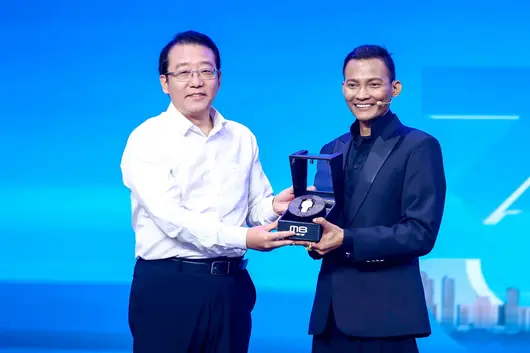

喺馬來西亞嘅 SUV 市場,好多買家喺揀車嘅時候都會拎 Perodua Ativa 同 Mazda CX-30 嚟做比較。呢兩款車喺價位同定位上都幾接近,今日我哋就從多個方面做一個詳細嘅比較,幫你節省咗做功課嘅時間。
Perodua Ativa 喺馬來西亞嘅 OTR 售價係 RM 62,500 - 73,400,合共有 3 個版本,包括 1.0L Turbo X(RM 62,500)、1.0L Turbo H(RM 67,300)、1.0L Turbo AV(RM 73,400) 等。
Mazda CX-30 喺馬來西亞嘅 OTR 售價係 RM 122,409 - 146,409,合共有 4 個版本,包括 2025 2.0L High+ Premium(RM 146,409)、2025 2.0L High+(RM 138,409)、2025 2.0L High(RM 130,409) 等。
從價錢睇落,Perodua Ativa 嘅起步價確係比 Mazda CX-30 平咗 RM 59,909。如果你預算有限,Perodua 嘅入門版已經可以滿足日常需求。不過都要留意,平啲嗰幾千蚊,可能喺配備上有取舍,具體要睇你嘅需求。

Perodua Ativa 搭載 1.5L 4-cyl,馬力 105 hp。官方油耗 6.0 L/100km。
Mazda CX-30 搭載 1.5L Turbo,馬力 140 hp。官方油耗 7.0 L/100km。
動力方面,Mazda CX-30 嘅 1.5L Turbo 比 Perodua Ativa 嘅 1.5L 4-cyl 多咗 35 匹馬力。不過日常喺市區行,兩款車嘅動力都夠用,唔會覺得唔夠勁。
Perodua Ativa 車身長 4400 mm,後尾箱 400 L。
Mazda CX-30 車身長 4500 mm,後尾箱 450 L。
空間方面,Mazda CX-30 嘅車身比 Perodua Ativa 長咗 100 mm,乘坐空間更有優勢。不過 Perodua Ativa 喺城市泊車會靈活啲,各有取舍。
Perodua Ativa 保修 5 年/150,000km,保養間隔 每 10,000km 或 6 個月。
Mazda CX-30 保修 5 年/150,000km,保養間隔 每 10,000km 或 6 個月。
兩款車嘅保修條件一樣,呢方面唔使糾結。實際保養成本仲要睇品牌嘅服務網絡同零件價格,建議去車友群問吓真實車主嘅經驗。
總體嚟講,Perodua Ativa 同 Mazda CX-30 都係馬來西亞市場幾唔錯嘅車型。揀邊一輛,關鍵仲係睇你個人需求同預算。建議大家做好功課,多比較幾間車行嘅報價,再去做試駕先做最終決定。買車係件大事,花少少時間做功課絕對無錯。


在马来西亚的汽车市场,很多买家在选车的时候都会拿 Subaru Outback 和 Mercedes-Benz GLB 来做比较。今天我们从多个方面做一个详细的对比,帮你省下做功课的时间。


Subaru Outback 在马来西亚的 OTR 售价是 RM 260,000 - 280,000,一共有 2 个版本,包括 2025 2.4T R-Touring EyeSight(RM 310,340)、2025 2.5L Touring EyeSight(RM 280,340) 等。
Mercedes-Benz GLB 在马来西亚的 OTR 售价是 RM 299,888 - 352,888,一共有 1 个版本,包括 Standard(RM 299,888) 等。
从价钱来看,Subaru Outback 的起步价确实比 Mercedes-Benz GLB 便宜了 RM 39,888。如果你预算有限,Subaru 的入门版已经可以满足日常需求。但也要注意,便宜的那几千块,可能在配备上会有取舍,具体要看你的需求。

Subaru Outback 搭载 2.0L Turbo,马力 220 hp。官方油耗 9.5 L/100km。
Mercedes-Benz GLB 搭载 2.0L Turbo,马力 220 hp。官方油耗 9.5 L/100km。
两款车用的是同一套动力系统,所以日常开起来的感受基本没有差别。油耗方面也差不多,不用太纠结这一点。

Subaru Outback 的安全评级是 TBD,主动安全系统包括 Basic。
Mercedes-Benz GLB 的安全评级是 5★ (Euro NCAP),主动安全系统包括 Premium ADAS。
安全配备方面,两款车都拿到了不错的评级。不过 Subaru Outback 的 Basic 和 Mercedes-Benz GLB 的 Premium ADAS 在功能上有些差异,如果你比较看重主动安全的话,可以仔细对比一下两者的功能列表。

Subaru Outback 保修 3年/100,000km,保养间隔 每10,000km或6个月。
Mercedes-Benz GLB 保修 3年/100,000km,保养间隔 每10,000km或6个月。
两款车的保修条件一样,这方面不用纠结。实际保养成本还要看品牌的服务网络和零件价格,建议去车友群问问真实车主的经验。
总的来说,Subaru Outback 和 Mercedes-Benz GLB 都是马来西亚市场很不错的车型。选择哪一辆,关键还是要看你的个人需求和预算。建议大家做好功课,多比较几间车行的报价,再去试驾做最终决定。买车是件大事,花点时间做功课绝对不会错。


在马来西亚的SUV市场,很多买家在选车的时候都会拿 Hyundai Santa Fe 和 Volvo XC60 PHEV 来做比较。这两款车在价位和定位上都蛮接近的,今天我们就从多个方面做一个详细的对比,帮你省下做功课的时间。
Hyundai Santa Fe 在马来西亚的 OTR 售价是 RM 225,000 - 270,000,一共有 3 个版本,包括 2025 2.5T DCT 4WD Calligraphy 6 Seats(RM 270,000)、2025 HEV 1.6T AT 2WD Prestige 7 Seats(RM 245,000)、2025 HEV 1.6T AT 2WD Prime 7 Seats(RM 225,000) 等。
Volvo XC60 PHEV 在马来西亚的 OTR 售价是 RM 362,888 - 362,888,一共有 2 个版本,包括 2025 2.0T 89km Ultra(RM 362,888)、What safety features does the Volvo XC60 PHEV have?(RM 296,610) 等。
从价钱来看,Hyundai Santa Fe 的起步价确实比 Volvo XC60 PHEV 便宜了 RM 137,888。如果你预算有限,Hyundai 的入门版已经可以满足日常需求。但也要注意,便宜的那几千块,可能在配备上会有取舍,具体要看你的需求。

Hyundai Santa Fe 搭载 2.0L 4-cyl,马力 170 hp。官方油耗 8.0 L/100km。
Volvo XC60 PHEV 搭载 Hybrid,马力 170 hp。官方油耗 4.5 L/100km。
动力方面,Volvo XC60 PHEV 的 Hybrid 比 Hyundai Santa Fe 的 2.0L 4-cyl 多了 0 匹马力。不过日常在市区开,两款车的动力都够用,不会觉得不够力。

Hyundai Santa Fe 采用 FWD 驱动方式。
Volvo XC60 PHEV 采用 FWD 驱动方式。
两款车的驱动方式一样,都是 FWD,日常驾驶感受不会有太大区别。

Hyundai Santa Fe 保修 5年/300,000km,保养间隔 每10,000km或6个月。
Volvo XC60 PHEV 保修 5年/无限里程,保养间隔 每10,000km或6个月。

Hyundai Santa Fe 和 Volvo XC60 PHEV 都是马来西亚市场的主流选择,适合家庭使用、日常通勤。如果你更看重品牌口碑和二手价,可以优先考虑口碑更好的那一款;如果你更在意性价比和配备,那就选配置更丰富的那款。最终还是建议两款都去试驾,亲身体验才是最重要的。

总的来说,Hyundai Santa Fe 和 Volvo XC60 PHEV 都是马来西亚市场很不错的车型。选择哪一辆,关键还是要看你的个人需求和预算。建议大家做好功课,多比较几间车行的报价,再去试驾做最终决定。买车是件大事,花点时间做功课绝对不会错。

© 2024 Bitauto.com. All Rights Reserved.
Bitauto (www.yiche.com and www.bitauto.com) is one of the most visited automotive websites in China. We provide detailed info on Chinese car brands available in your area. Please note that the information provided on this website is based on publicly available data and is for reference only. It may not be fully updated or accurate at all times.

Help us improve our website


