

HomeThailand

Search History
Popular Searches
Dealer Login / Sign Up

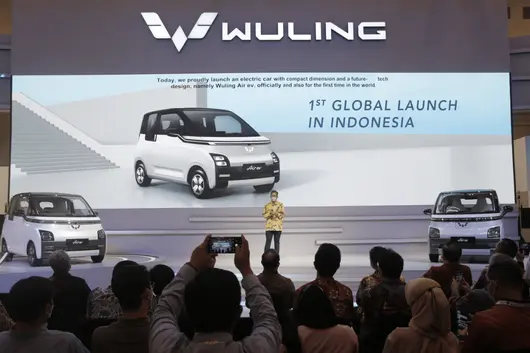
Wuling is experiencing a strange misalignment in Southeast Asia.
The micro EV nicknamed 'Diced Pepper Fish Head' domestically has a rather limited presence in the Chinese market. However, in Indonesia, it is the 'national miracle car' that has entered thousands of homes. Meanwhile, in Thailand, the Wuling Starlight 730 MPV quietly took the sales crown, even local officials started riding it for outings.
However, just as Wuling started to taste the sweetness, a bucket of cold water from Southeast Asia was already ready.
'Diced Pepper Fish Head' Finds Second Spring in Southeast Asia
Wuling Air EV, called Clear Sky domestically, sold only about 50 units in China throughout 2025, basically equivalent to 'non-existent'.
But in Indonesia, this is the true 'national miracle car'.
In 2022, Air EV entered the Indonesian market, selling over 8,000 units that year, capturing 68.7% of Indonesia's annual EV market share.

By 2025, Air EV was still the number one in Indonesia's urban micro EV sub-market, with annual sales nearing 3,900 units, far leaving VinFast VF3 and Seres E1 behind. From entering Indonesia in 2022 to 2025, Air EV cumulatively wholesale about 22,000 units.
A micro EV that almost no one wanted in China has become the 'national EV' in Indonesia. The reason is simple: cheap. Except for Indonesia, in Southeast Asian countries like Vietnam and Thailand, the price of micro EVs is becoming increasingly 'very low price'. Buying a four-wheeled electric car that can shelter from wind and rain costs about the same as buying a high-end scooter.
For cities like Jakarta, Bangkok, and Hanoi with high population density and traffic congestion, micro EVs are naturally a better option.
MPV Tops Sales, Even Thai Officials Love to Ride It?
If Air EV is 'so cheap it's irresistible', then the rise of Starlight 730 in Thailand follows a different logic.
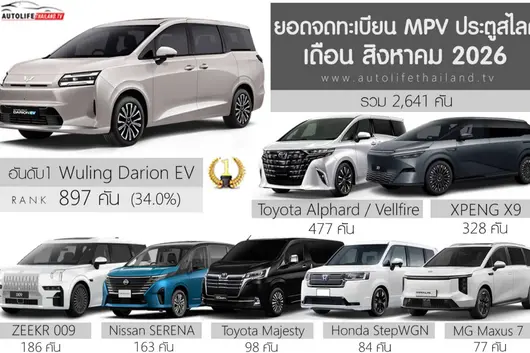
In August 2026, Wuling Starlight 730 sold 897 units in a single month, taking the Thailand MPV sales crown.

In Thailand, Starlight 730 is renamed Darion EV, focusing on pure electric models, competing with Toyota Alphard and other gasoline vehicles in a different segment.
Darion EV mainly targets business reception scenarios, especially enterprises and institutions that need dignified reception but don't want to spend too much money. In Thailand, MPVs are the main model for business and official travel. With the combination of pure electric + large space + side sliding doors, Starlight 730 entered the MPV market long dominated by Japanese cars.
Southeast Asia Suppresses Chinese Cars, Wuling's Cheap Cars May Bear the Brunt First
However, tall trees catch the wind; Southeast Asia has already started hitting Chinese cars hard.
Thailand is tightening tax policies on Chinese EVs. On September 10, the Thailand National Electric Vehicle Policy Committee agreed in principle to introduce a three-tier consumption tax rate structure, where the consumption tax for purely imported models increased from 10% to 31%-39%.
To put it plainly, whoever builds in Thailand enjoys low tax rates; whoever only imports complete vehicles from China has to pay heavy taxes.
For Chinese brands like BYD, Great Wall, and Changan that have already built factories in Thailand, this hurdle might be passed. But for Wuling, the situation is completely different.

Wuling's main products in Thailand are exactly those high-volume models launched in import form. The Starlight 730 took the sales crown in Thailand, relying on pure electric + large space + relatively affordable prices. If the consumption tax on imported complete vehicles is significantly raised, this price advantage will be directly eaten up.
More importantly, Wuling's core competitiveness is 'extreme cost-performance'. People who buy Wuling are very sensitive to prices. Fluctuations of a few thousand baht could change decisions, let alone increases of tens of thousands of baht.
Thailand is not the only tightening market. Although Wuling has already set up a factory in Indonesia, localization requirements are also continuously increasing. Malaysia and Vietnam are also raising the threshold for imported EVs. Southeast Asian countries are shifting from 'welcome Chinese cars to sell' to 'require Chinese car companies to build'.

The explosion in sales of Wuling's 'Diced Pepper Fish Head' and the MPV sales crown in Southeast Asia are real tangible achievements. But Thailand's new tax policy reminds us of one thing: In Southeast Asia, the window period of selling cars without building factories is closing.
For Wuling, whose core competitiveness is 'cheap', this problem is particularly difficult to solve. Building a factory in Thailand means higher fixed costs and a longer return cycle; not building a factory, price advantages will be quickly eaten up by taxes.
It can be said that what Wuling does next in Thailand will be a key sample for Chinese car companies in Southeast Asia shifting from 'selling cars' to 'taking root'.

Wuling di Asia Tenggara, sedang mengalami kekeliruan yang unik.
Kenderaan elektrik mikro yang dipanggil dengan candaan sebagai "Ikan Kepala Cili Hancur" di negara asal, kehadiran di pasaran domestik kini agak terhad. Namun di Indonesia, ia merupakan "Kenderaan Ikonik Kebangsaan" yang memasuki setiap rumah tangga. Sementara itu di Thailand, MPV Wuling Xingguang 730 telah secara senyap-senyap meraih juara jualan, sehingga pegawai tempatan mula menggunakannya untuk keluar.
Namun, tepat ketika Wuling baru mula menikmati kejayaan, satu 'air sejuk' dari Asia Tenggara telah menunggu di hadapan.
"Ikan Kepala Cili Hancur" Mewujudkan Musim Kedua Di Asia Tenggara
Wuling Air EV, di negara asal dipanggil Langit Cerah, sepanjang tahun 2025 hanya menjual sekitar 50 unit di China, hampir sama seperti "tiada kenderaan ini".
Namun di Indonesia, ini merupakan "Kenderaan Ikonik Kebangsaan" yang sesungguhnya.
Pada tahun 2022, Air EV memasuki pasaran Indonesia, pada tahun yang sama menjual lebih 8,000 unit, menguasai 68.7% bahagian pasaran kenderaan elektrik Indonesia sepanjang tahun.
Pada tahun 2025, Air EV masih merupakan nombor satu dalam segmen pasaran kenderaan elektrik mikro bandar Indonesia, jualan sepanjang tahun hampir 3,900 unit, meninggalkan VinFast VF3 dan Seres E1 jauh di belakang. Dari memasuki Indonesia pada 2022 hingga 2025, Air EV secara kumulatif telah menjual sekitar 22,000 unit.
Satu kenderaan mikro yang hampir tiada yang mahu di China, di Indonesia menjadi "Kenderaan Elektrik Kebangsaan". Sebabnya mudah: murah. Selain Indonesia, di negara-negara Asia Tenggara seperti Vietnam dan Thailand, harga kenderaan elektrik mikro semakin murah. Membeli satu kenderaan elektrik empat roda yang boleh melindungi dari hujan dan angin, kosnya hampir sama dengan membeli sebuah skuter motosikal mewah.
Untuk bandar-bandar padat penduduk dan sesak lalu lintas seperti Jakarta, Bangkok, Hanoi, kenderaan elektrik mikro sememangnya pilihan yang lebih baik.
MPV Raih Juara Jualan, Adakah Pegawai Thailand Suka Naik?
Jika Air EV adalah "murah sehingga mustahil untuk ditolak", maka kejayaan Wuling Xingguang 730 di Thailand adalah logik yang berbeza.
Ogos 2026, Wuling Xingguang 730 mencapai jualan tunggal 897 unit, meraih juara jualan MPV di Thailand.
Di Thailand, Xingguang 730 ditukar nama kepada Darion EV, fokus pada model sepenuhnya elektrik, bersaing pada segmen yang berbeza dengan kereta minyak seperti Toyota Alphard.
Darion EV terutama menyasar situasi jemputan perniagaan, terutamanya syarikat dan pengguna institusi yang memerlukan jemputan yang telus namun tidak mahu membelanjakan terlalu banyak wang. Di Thailand, MPV itu sendiri adalah model utama untuk perjalanan perniagaan dan rasmi, Wuling Xingguang 730 menggunakan gabungan elektrik sepenuhnya + ruang besar + pintu slaid sisi, masuk ke pasaran MPV yang lama dikendalikan oleh syarikat Jepun.
Asia Tenggara Tekan Kereta China, Kereta Murah Wuling Nampaknya Yang Pertama Terjejas
Namun, pokok yang besar pasti menarik angin, Asia Tenggara telah mula memukul keras kereta China.
Thailand sedang mengetatkan dasar cukai untuk kenderaan elektrik China. Pada 10 September, Jawatankuasa Dasar Kenderaan Elektrik Negara Thailand secara prinsip bersetuju untuk memperkenalkan struktur kadar cukai konsumsi tiga tahap, di mana cukai konsumsi untuk model import sepenuhnya dinaikkan dari 10% kepada 31%-39%.
Dengan kata mudah, siapa yang membuatnya di Thailand, siapa yang menikmati kadar cukai rendah; siapa yang hanya mengimport kenderaan penuh dari China, siapa yang perlu membayar cukai berat.
Untuk jenama China seperti BYD, Great Wall, Changan yang telah membina kilang di Thailand, halangan ini mungkin boleh dilewati. Namun untuk Wuling, keadaannya adalah sama sekali berbeza.
Produk utama Wuling di Thailand, adalah model-model yang dijual dalam bentuk import. Wuling Xingguang 730 meraih juara jualan di Thailand bergantung pada elektrik sepenuhnya + ruang besar + harga yang lebih rendah. Jika cukai konsumsi kenderaan import dinaikkan secara mendadak, kelebihan harga ini akan terus dimakan.
Lebih kritikal, daya saing teras Wuling adalah "nilai terbaik". Pengguna Wuling sangat sensitif terhadap harga. Perubahan beribu-ribu Baht mungkin boleh mengubah keputusan, apatah lagi kenaikan puluhan ribu Baht.
Thailand bukan satu-satunya pasaran yang sedang mengetat. Walaupun Wuling telah membina kilang di Indonesia, keperluan kadar tempatan terus meningkat. Malaysia dan Vietnam juga menaikkan ambang untuk kenderaan elektrik import. Negara-negara Asia Tenggara sedang beralih daripada "menyambut kereta China untuk dijual" kepada "menuntut syarikat kereta China untuk memproduksinya".
Prestasi "Ikan Kepala Cili Hancur" yang laris dan Juara MPV Wuling di Asia Tenggara adalah pencapaian yang nyata. Namun dasar cukai baharu Thailand mengingatkan satu perkara: di Asia Tenggara, tempoh untuk hanya menjual kenderaan tanpa membina kilang sedang tertutup.
Untuk Wuling yang menjadikan "murah" sebagai daya saing teras, soalan ini terutamanya sukar. Membina kilang di Thailand bermaksud kos tetap yang lebih tinggi dan tempoh pulangan yang lebih lama; jika tidak membina kilang, kelebihan harga akan segera dimakan oleh cukai.
Boleh dikatakan, apa langkah seterusnya Wuling di Thailand akan menjadi contoh penting bagaimana syarikat kereta China di Asia Tenggara beralih daripada "menjual kereta" kepada "mendirikan diri".

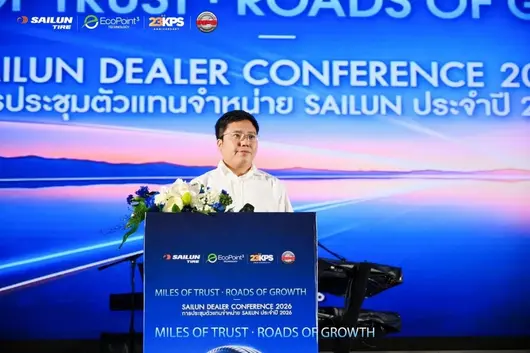
September 12, the Sailun Group Thailand Partners Conference concluded successfully in Bangkok. The on-site ordering session was incredibly popular, and the dealers' high enthusiasm for ordering became the most direct "vote of trust" for Sailun's product value and market prospects.

Executives Set the Tone: Boosting Thailand, Deepening Asia
At the conference, Cao Guoqiang, Assistant to the President of Sailun Group and General Manager of the Asia Region, made it clear: Sailun will continue to rely on the global R&D system, smart manufacturing capabilities, and supply service network, further increase resource investment and business support for the Thai market, and provide long-term value for partners with more competitive product portfolios, more stable and efficient supply chain guarantees, and localization services closer to the terminal.

Kitikorn Nilratanakul, CEO of KPS Company and a long-time Thailand partner, emotionally recalled the history of cooperation between the two sides, stating that the relationship between Sailun and KPS had long transcended business dealings, "upgraded to strategic partners who achieve each other and grow together".

Zhang Tianyu, General Manager of the Sales Center in Thailand for Sailun, revealed the "battle plan" for the Thai market: deeply penetrating markets and channels, strengthening product layout, brand building, and terminal empowerment, and converting technical advantages into tangible market growth.
EcoPoint³ Becomes the Spotlight, Tackling Rainy Season Pain Points Head-On
The biggest highlight of the conference was the special presentation of the EcoPoint³ product. Aiming at the typical working conditions of Thailand's long rainy season and slippery roads, Sailun used the form of "theme video + professional explanation" to fully show the core strength of this tire in drainage performance, wet grip, handling stability, and braking safety.
The video used "Meeting in the Rain" as the narrative theme, presenting real scenes such as mountain roads, urban commuting, and wet braking one by one, turning technical parameters into visible and tangible road experiences, and receiving an enthusiastic response on the site.

Roundtable Dialogue: Chinese Tire Brand Perception is "Shifting Gears"
In the Roundtable Talk session, five industry guests from the fields of wheel customization, automotive aftermarket, and tire service engaged in a deep dialogue. The real feedback from the front line has significant signal meaning: Thai consumers' attention to Chinese tire brands is gradually shifting from price dimensions to technology, quality, and comprehensive performance, and Sailun's brand recognition in the local market is continuously climbing.
During the conference, an awards ceremony for outstanding partners was held simultaneously, with heavy trophies paying tribute to every peer who explored side by side with Sailun.


At a time when global trade barriers occur frequently, Southeast Asia has become the core battlefield for Chinese tire enterprises going global. Sailun has both localized production capacity and continuous deep cultivation of channels in Thailand. The scene of the booming ordering at this conference confirms: "rooted in the market" with technical innovation and localization services is giving Sailun acceleration on the Chinese tire going global track.

12 September, Mesyuarat Rakan Niaga Thailand Sailun berjaya ditutup di Bangkok. Kehadiran di sesi tempahan di lokasi sangat meriah, semangat tinggi pengedar dalam tempahan menjadi "undi kepercayaan" yang paling langsung terhadap nilai produk Sailun dan prospek pasaran.
Tetapan Eksekutif: Melabur Lebih di Thailand, Mendalami Asia
Dalam acara, Pengasisten Presiden Kumpulan Sailun dan Pengurus Wilayah Asia, Cao Guoqiang, menyatakan dengan jelas: Sailun akan berterusan bergantung pada sistem penyelidikan dan pembangunan global, keupayaan pembuatan pintar dan rangkaian servis bekalan, untuk menambah lebih banyak sumber daya dan sokongan perniagaan ke pasaran Thailand, dengan kombinasi produk yang lebih kompetitif, jaminan bekalan yang lebih stabil dan cekap, serta perkhidmatan tempatan yang lebih dekat dengan terminal, untuk mewujudkan nilai jangka panjang untuk rakan niaga.
Rakan lama Thailand, CEO Syarikat KPS Kitikorn Nilratanakul mengingati semula perjalanan kerjasama kedua-dua pihak dengan penuh perasaan, terus terang mengatakan bahawa hubungan antara Sailun dan KPS telah jauh melampaui perniagaan, "berubah menjadi rakan strategik yang saling mencapai kejayaan, berkembang bersama secara hidup bersama".
Pengurus Besar Pusat Jualan Thailand Sailun, Zhang Tianyu, kemudian mendedahkan "peta operasi" pasaran Thailand: menyelami pasaran dan saluran secara mendalam, mengukuhkan susun atur produk, pembinaan brand dan pemberdayaan terminal, menukarkan kelebihan teknologi menjadi pertumbuhan pasaran yang nyata.
EcoPoint³ menjadi tumpuan utama acara, menyentuh cabaran utama musim hujan
Highlight terbesar mesyuarat ini, tentunya promosi khusus produk EcoPoint³. Menjelaskan keadaan operasi tipikal Thailand dengan musim hujan yang panjang dan jalan licin, Sailun dalam bentuk "video tema + penerangan profesional", menunjukkan secara panorama kekuatan keras tayar ini dari segi prestasi pengaliran air, cengkeraman tanah basah, kestabilan pengendalian dan keselamatan pengereman.
Video dengan "menemui janji di bawah hujan" sebagai tema naratif, jalan gunung, komuter bandar, pengereman tanah basah dan senario sebenar yang lain disajikan satu per satu, menjadikan parameter teknikal menjadi pengalaman jalan yang boleh dilihat dan disentuh, reaksi di lokasi sangat positif.
Perbincangan Bulat: Kesedaran Brand Ban China sedang "Menukar Gear"
Dalam sesi Perbincangan Bulat, lima tetamu industri dari bidang pengubahsuaian rim, pasaran belakang kereta, servis tayar dan lain-lain melakukan perbincangan mendalam. Maklum balas sebenar dari garis hadapan agak bermaklumat isyarat: perhatian pengguna Thailand terhadap brand ban China, secara beransur-ansur beralih dari dimensi harga kepada teknologi, kualiti dan prestasi komprehensif, pengiktirafan brand Sailun di pasaran tempatan terus meningkat.
Semasa mesyuarat, majlis anugerah rakan niaga yang cemerlang juga diadakan serentak, piala yang berat menghormati setiap rakan sekerja yang bersama Sailun membuka wilayah.
Dalam masa kini apabila halangan perdagangan global sering berlaku, Asia Tenggara telah menjadi tapak utama syarikat ban China pergi ke luar negara. Sailun di Thailand ada keupayaan pengeluaran tempatan, ada saluran yang terus ditambah, pemandangan tempahan mesyuarat kali ini membuktikan: dengan inovasi teknologi dan perkhidmatan tempatan "tanam akar pasaran", sedang membuat Sailun berjalan dengan pecutan di landasan ban China pergi ke luar negara.

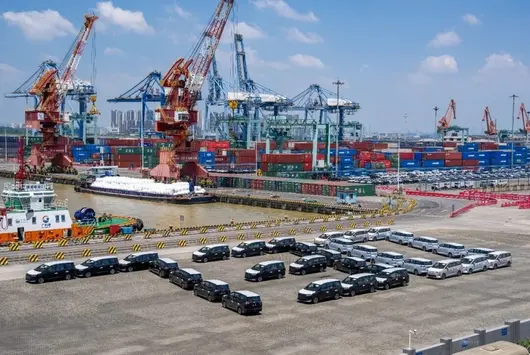
The road for Chinese new energy vehicles going global is not as smooth as imagined. Competition in overseas markets is also not as easy as imagined.
For overseas consumers, local products and Japanese products still have irreplaceable appeal.
Except Starlight 730.

While achieving 10 consecutive months of sales champion in the 150,000 RMB MPV category domestically, Starlight 730 also beat Japanese MPVs in the Thailand market, securing the sales champion title for all MPV categories in Thailand in August.
Why can an MPV originating from China break the monopoly of local Japanese MPVs and win the favor of high-net-worth users in Thailand?
In the Japanese MPV Home Ground, Overturning, What Is the Reason?
The Southeast Asian market has always been a major destination for Chinese automobiles going global, with Thailand being the most critical. However, in this vast market with high acceptance of new energy vehicles, Japanese brands have always dominated the MPV category.
Complete production supply chains, long-established car purchasing concepts, and various combined factors make local families and enterprises tend to prioritize Japanese MPVs when purchasing.
However, precisely under this market background, Starlight 730 from SAIC-GM-Wuling "surpasses from behind", taking the first sales place for all categories of MPVs in Thailand in August.

Starlight 730 reaching the top was not only about making the product well, but also a comprehensive breakthrough from production supply to consumption habits. The gold content of this achievement goes without saying.
More noteworthy is that Starlight 730 did not just rely on outstanding product strength to achieve hot sales among family user groups. Government and enterprise procurement, high-end hotel cooperation orders, also occupy a very key proportion in Starlight 730's sales composition.
Unlike family users who value product configuration and price more, government and enterprise as well as high-end hotels often rank product reputation and recognition as the first priority when purchasing. Because in commercial occasions, the product's tag attribute is the primary attribute.
And Starlight 730 receiving dual recognition from private and commercial markets, being accepted by different circles of users in Thailand, means Starlight 730 is not only relying on high quality-price ratio, but also achieving a surpass of Japanese MPVs represented by Toyota Alphard in brand power and social attributes.

This is not one voice or a corner, direct data can corroborate.
According to the survey of owners targeting the Thailand local market, Starlight 730's purchasing group is mainly the backbone of society. Specifically manifested, users aged 30-50 account for 76%, this age group has passed the stage of valuing vehicle freshness, paying more attention to a car's social value and long-term experience.
Additionally, in Starlight 730 users' career distribution, business personnel, company employees, and civil servants合计 account for 87%, among them business personnel account for 38%. 63% of owners convert monthly income above 10,000 Yuan, 25% of owners monthly income exceeds 20,000 Yuan, belonging to the high-net-worth circle of Thailand locals.

More noteworthy is that among Starlight 730's Thailand users, 47% of owners directly chose full payment. The reason behind this is not that Thailand users have sufficient budget and no money problem, but rather they have given full confidence to Starlight 730 and SAIC-GM-Wuling brand.
Why did Starlight 730 gain recognition from the Thailand high-net-worth group? Why can Starlight 730 receive consistent appreciation from commercial and home consumer groups at the same time?
We still answer with direct and objective numbers.
Taking home use as an example, in Starlight 730's family user group, 91% of owners' family population is 3 people or more, the proportion of large family user groups with more than 5 people is nearly 40%.

Multi-person families focus most on riding comfort and overall vehicle safety. Starlight 730 with electric sliding doors, 7-seat layout, and long range and large space, has perfectly aligned with family users' travel needs.
To gain recognition from Thailand local consumers, to achieve surpass in a market with 80% market share of Japanese MPVs, the most essential reason is Starlight 730 precisely met consumer needs, and achieved higher satisfaction than Japanese MPVs on this basis.
When merchants, doctors, civil servants and other high-net-worth groups choose Starlight 730, they have already jumped out of the fixed concept of "Only Japanese Brand Theory" because of Starlight 730's solid product strength and stable product reputation brought strength.
What they pay for is not a brand's logo and nationality, nor brand premium, but the value of the product itself behind the brand.
Starlight 730, has such high value.

The Right Product, The Right Model, Can Only Have Successful Going Global
In the process of going global, a point easily misunderstood is that product demand in different markets is vastly different. Another point easily overlooked is that the underlying demand of global families for vehicles is actually highly consistent.
For example MPV, whether China or Thailand consumers, the most underlying demand is spacious space, comfortable experience, and anxiety-free car use. Even commercial groups, increase high demand for social attributes on this basis.
Therefore when building an MPV, Starlight 730 did not isolate user groups by nationality, but to observe, understand and present the universal demand of global consumers for an excellent MPV.

For example dual side sliding doors standard on the whole series, on the basis of providing 9 control methods, also equipped with intelligent anti-pinch function, handle set at B-pillar. For family users, a series of details humanized design can facilitate elderly and children getting on and off. For commercial users, this series can make passengers get on and off more calmly and decently, letting users feel respected in details.
Taking power form as an example, Starlight 730 is based on the same-level leading "Tian-Ling-Shen" Wuling Native New Energy Technology Base, native adaptive plug-in hybrid PHEV, pure electric EV, fuel three power forms, bringing same-level unique "One Car Three Powers", giving choice power to users.

Including 2+2+3 true seven-seat layout, pure electric version 500km range (under CLTC conditions), these configuration performances show spacious, worry-free experience that MPV users of different professions, different purposes, different nationalities need and want.
In the past, before Starlight 730 appeared, for Thailand MPV users it was not not getting satisfied. It was only Japanese MPVs could give a passable satisfaction, and was under the premise of high prices, needing price add-ons, and money add-ons for options. Consumers did not turn to Japanese MPVs completely voluntarily, but helplessly had to choose Japanese MPVs with higher cost.
Until Starlight 730's appearance, their underlying demand was seen by brand's preliminary market research.
Worthy of other brands wanting successful going global to learn from is, Starlight 730 since development start, relied on SAIC-GM-Wuling smart island manufacturing system, completed vehicle manufacturing with international standards. The result brought by this way is, whether domestic or overseas markets, users get good products that are not compromised and treated differently.
Also this is why, Starlight 730 can grab the title "Double Champion".

When a brand is building a global product, with the world's highest standards self-requirement, then such product regardless placed in any regional market, will not be obscured.
Not making distinction, but achieving highest standard, "Uniform standard for all cars". In this way, Starlight 730's reputation will be accurate everywhere.
This also reminds other brands, in the new stage of Chinese automobile going global, solely relying on low prices has become hard to enter mature markets. Universal and hardcore product power, deep localized operation, stable and reliable quality, is the correct key to open global markets.
Final Words
Domestic market consecutive 10 months take 150,000 within MPV sales first, Thailand August all categories MPV sales first. Bright "Double Champion" title, behind is new energy largest market, most frontier position strength recognition, and overseas mature market's test and appreciation of this global car product power.
When global consumers are becoming more rational, not blindly worshipping brand premium halo, when global consumers are requiring higher and higher, not stopping at "Have to" and "Good Enough", when global new energy vehicle industry goes to maturity, after waves washing sand, what remains is products with both face and substance.
Starlight 730 is such product, but not the last such product of SAIC-GM-Wuling.

Laluan eksport kenderaan tenaga baharu China bukan secantik yang dibayangkan. Persaingan kenderaan tenaga baharu China di pasaran antarabangsa, bukanlah perkara mudah seperti yang dijangkakan.
Bagi pengguna di pasaran luar negara, produk tempatan dan produk Jepun masih mempunyai tarikan yang tidak boleh diganti.
Kecuali Starlight 730.
Sementara mencatatkan kejayaan menjadi juara jualan MPV kelas 150,000 selama 10 bulan di negara asal, Starlight 730 di pasaran Thailand juga berjaya menewaskan MPV Jepun, merekodkan kejuaraan jualan MPV semua kategori untuk bulan Ogos di Thailand.
Mengapa sebuah MPV yang berasal dari negara asal mampu memecahkan monopoli MPV Jepun tempatan, dan menarik minat pengguna bernilai tinggi di Thailand?
Bagaimana membalikkan keadaan di gelanggang utama MPV Jepun? Apakah punca?
Pasaran Asia Tenggara sentiasa menjadi tujuan utama eksport kereta China, di mana Thailand adalah yang paling penting. Namun, di pasaran yang luas dan tinggi penerimaan terhadap kenderaan tenaga baharu ini, jenama Jepun sentiasa menguasai kategori MPV.
Rantaian bekalan pengeluaran yang lengkap, konsep pembelian kereta yang telah lama terbentuk, gabungan pelbagai faktor, menyebabkan keluarga dan sektor kerajaan serta perniagaan di Thailand cenderung memilih MPV Jepun terlebih dahulu semasa pembelian.
Namun, tepat dalam konteks pasaran sedemikian, Starlight 730 dari SAIC-GM-Wuling yang merupakan "pendatang baru" berjaya mendahului, sekali gus menyandang juaran jualan MPV semua kategori di Thailand untuk bulan Ogos.
Starlight 730 mampu mencapai puncak, bukan sekadar membina produk yang baik, tetapi merupakan terobosan menyeluruh dari pasokan pengeluaran hingga tabiat pengguna. Nilainya, tidak perlu dijelaskan lagi.
Yang lebih ketara, Starlight 730 tidak hanya berjaya laris di kalangan pengguna keluarga semata-mata berbekalkan kekuatan produk yang cemerlang. Pembelian sektor kerajaan dan perniagaan, serta pesanan kerjasama hotel bertaraf tinggi, juga mempunyai bahagian yang sangat penting dalam struktur jualan Starlight 730.
Tidak seperti pengguna keluarga yang lebih menumpukan kepada konfigurasi produk dan harga, sektor kerajaan dan perniagaan serta hotel bertaraf tinggi semasa pembelian sering menaruh reputasi dan pengiktirafan produk sebagai keutamaan pertama. Ini kerana dalam konteks komersial, atribut jenama produk adalah sifat terpenting.
Dan apabila Starlight 730 menerima pengiktirafan ganda dari pasaran persendirian dan pasaran komersial serentak, serta diterima oleh pengguna dari pelbagai kalangan di Thailand, bermakna Starlight 730 bukan sekadar berbekalkan nisbah kualiti-harga yang tinggi, tetapi juga merealisasikan keunggulan terhadap MPV Jepun yang diwakili oleh Toyota Alphard dari segi kekuatan jenama dan atribut sosial.
Inilah bukan sekadar pendapat seorang pihak dan dalam sudut kecil, data yang terus terang dapat menyokongnya.
Mengikut tinjauan pemilik kereta terhadap pasaran tempatan Thailand, kumpulan pembeli Starlight 730 didominasi oleh tenaga penggerak utama masyarakat. Secara khusus, pengguna berumur 30-50 tahun mencecah 76%, pengguna dalam kelompok umur ini telah melalui tahap yang lebih mengutamakan kebaruan kenderaan, dan lebih menumpukan kepada nilai sosial dan pengalaman jangka panjang sebuah kereta.
Selain itu, dalam taburan kerjaya pengguna Starlight 730, usahawan, pekerja syarikat dan kakitangan kerajaan berjumlah 87%, di mana usahawan mencecah 38%. 63% pemilik kereta mempunyai pendapatan bulanan setara dengan melebihi 10,000 Yuan, 25% pemilik kereta mempunyai pendapatan bulanan melebihi 20,000 Yuan, tergolong dalam kalangan bernilai tinggi di Thailand.
Yang lebih ketara, dalam kalangan pengguna Thailand Starlight 730, 47% pemilik kereta memilih untuk membeli dengan pembayaran penuh secara terus. Alasan di sebaliknya bukanlah kerana pengguna Thailand mempunyai bajet yang mencukupi dan tidak kekurangan wang, sebaliknya mereka memberikan keyakinan penuh kepada Starlight 730 dan jenama SAIC-GM-Wuling ini.
Mengapa Starlight 730 mampu mendapat pengiktirafan daripada golongan bernilai tinggi di Thailand? Mengapa Starlight 730 boleh menerima pujian yang konsisten daripada dua kumpulan pengguna komersial dan rumah tangga serentak?
Kami masih menjawab dengan data yang terus terang dan objektif.
Sebagai contoh dalam penggunaan rumah tangga, dalam kumpulan pengguna keluarga Starlight 730, 91% keluarga pemilik mempunyai 3 orang atau lebih ahli, kumpulan pengguna keluarga besar dengan lebih daripada 5 orang mencecah hampir 40%.
Keluarga besar paling menumpukan kepada keselesaan penggunaan kenderaan dan keselamatan keseluruhan kenderaan. Dan Starlight 730 dengan pintu selak elektrik, susun atur 7 kerusi serta jangkauan jauh dan ruang luas, telah melakukan penyepaduan yang tepat dengan keperluan pergerakan pengguna keluarga.
Berjaya mendapat pengiktirafan pengguna tempatan Thailand, dan berjaya merealisasikan laluan lebihan dalam pasaran dengan 80% kegunaan MPV Jepun, sebab paling asas adalah Starlight 730 memenuhi keperluan pengguna dengan tepat, dan di atas asas ini merealisasikan kepuasan yang lebih tinggi berbanding MPV Jepun.
Apabila usahawan, doktor, kakitangan kerajaan dan golongan bernilai tinggi dari kerjaya lain memilih Starlight 730, mereka telah melampaui konsep tradisional "hanya percaya kepada jenama Jepun" kerana kekuatan produk yang kukuh dan reputasi produk yang stabil yang dibawa oleh Starlight 730.
Mereka membayar bukan untuk logo dan negara asal sesuatu jenama, bukan juga premium jenama, tetapi nilai itu sendiri dari produk di sebalik jenama tersebut.
Starlight 730, mempunyai nilai tinggi sedemikian.
Produk yang betul, mod yang betul, hanya boleh membawa kejayaan dalam eksport
Dalam proses eksport, satu perkara yang mudah disalahfaham ialah, keperluan terhadap produk di pasaran yang berbeza adalah sangat berbeza. Satu perkara lain yang mudah terlepas perhatian ialah, keperluan asas keluarga di seluruh dunia terhadap kenderaan sebenarnya adalah sangat konsisten.
Sebagai contoh MPV, sama ada pengguna China atau Thailand, keperluan asas yang paling rendah adalah ruang luas, pengalaman selesa, penggunaan tanpa kebimbangan. Walaupun kumpulan komersial, ia juga menambah keperluan tinggi terhadap atribut sosial berdasarkan asas ini.
Oleh itu, semasa membina sebuah MPV, Starlight 730 tidak secara khusus mengasingkan kumpulan pengguna mengikut negara, sebaliknya ia memerhati, memahami dan mempersembahkan keperluan universal pengguna global terhadap sebuah MPV yang cemerlang.
Sebagai contoh pintu selak sisi piawai untuk keseluruhan siri, di atas asas menyediakan 9 kaedah kawalan, ia juga dilengkapi dengan fungsi pengelakan pintar, dan pegangan tangan telah dipasang di tiang B. Bagi pengguna keluarga, reka bentuk manusiawi butir-butir ini memudahkan orang tua dan kanak-kanak naik dan turun kenderaan. Bagi pengguna komersial, ini membolehkan penumpang naik dan turun kenderaan dengan lebih tenang dan bermaruah, menjadikan pengguna rasa dihormati di dalam butiran-butiran.
Sebagai contoh lain, dalam bentuk kuasa, Starlight 730 berasaskan asas teknologi tenaga baharu asli Wuling yang diiktiraf "Tian Ling Shen", disesuaikan secara asli untuk bentuk kuasa PHEV hibrid penyusutan, EV elektrik tulen, dan bahan api tiga jenis, membawa "Satu Kereta Tiga Kuasa" unik dalam kelas yang sama, menyerahkan hak pilihan kepada pengguna.
Termasuk susun atur kerusi sebenar 2+2+3, jangkauan versi elektrik tulen 500 km (di bawah keadaan CLTC), prestasi konfigurasi ini menunjukkan pengalaman luas dan tanpa kebimbangan yang diperlukan dan diingini oleh pengguna MPV dari pelbagai kerjaya, kegunaan dan negara yang berbeza.
Pada masa lalu, sebelum kemunculan Starlight 730, bagi pengguna MPV Thailand, ia bukan tidak berpuas hati. Tetapi hanya MPV Jepun yang mampu memberikan kepuasan yang masih boleh diterima, dan itu dalam keadaan harga tinggi, perlu tamba tambahan, dan pilihan tambahan berbayar. Pengguna tidak sepenuhnya sukarela beralih ke MPV Jepun, tetapi dalam keadaan terpaksa mereka hanya dapat memilih MPV Jepun dengan kos yang lebih tinggi.
Sehingga kemunculan Starlight 730, keperluan asas mereka dilihat oleh jenama ini melalui kajian pasaran yang mencukupi sebelum ini.
Yang patut dijadikan teladan oleh jenama lain yang mahu berjaya dalam eksport ialah, sejak peringkat pembangunan awal, Starlight 730 telah bergantung pada sistem pembuatan Pulau Cerdas SAIC-GM-Wuling, menyelesaikan pengeluaran keseluruhan kenderaan mengikut piawaian antarabangsa. Hasil yang dibawa oleh ini ialah, sama ada pasaran domestik atau luar negara, pengguna menerima produk yang baik tanpa kompromi dan tanpa perlakuan berbeza.
Inilah sebabnya, Starlight 730 berjaya menjuarai gelaran "Juara Berganda".
Apabila suatu jenama membina sebuah produk global, menepati tuntutan maksimum piawaian global ke atas dirinya sendiri, maka produk sedemikian di mana pun diletakkan dalam pasaran wilayah, tidak akan pudar atau suram.
Tidak melakukan perbezaan, sebaliknya mencapai piawaian tertinggi, "Kualiti yang seragam pada setiap kenderaan." Dengan cara ini, reputasi Starlight 730 akan sesuai di mana sahaja.
Ini juga mengingatkan jenama lain, dalam fasa baru eksport kereta tempatan, bergantung semata-mata pada harga rendah sudah sukar menembusi pasaran matang. Kekuatan produk yang universal dan kukuh, pengurusan tempatan yang mendalam, kualiti yang stabil dan boleh dipercayai, adalah kunci yang betul untuk membuka pasaran global.
Tulisan Akhir
Pasaran domestik selama 10 bulan berturut-turut menempati juara jualan MPV dalam 150,000, dan juara jualan MPV semua kategori di Thailand pada bulan Ogos. Gelaran "Juara Berganda" yang bersinar, di sebaliknya adalah pengiktirafan kekuatan dari pasaran tenaga baharu terbesar dan tapak paling canggih, serta ujian dan penghargaan ke atas kekuatan produk kereta global ini oleh pasaran luar negara yang matang.
Apabila pengguna global semakin rasional, tidak lagi mendokong secara buta aura premium jenama, apabila pengguna global semakin menuntut, tidak lagi berhenti pada "terpaksa" dan "hampir sama", apabila industri kenderaan tenaga baharu global semakin matang, selepas arus besar menyaring pasir, produk yang tinggal ialah produk yang mempunyai maruah dan nilai sebenar.
Starlight 730 adalah produk sedemikian, tetapi bukan satu-satunya produk sedemikian dari SAIC-GM-Wuling.

A domestic MPV has been in Thailand for less than half a year, in August it directly claimed the top sales spot, selling 897 units, finally pushing the perennial market leader Toyota Alphard/Vellfire to second place with 477 units. This car is the Wuling Starlight 730, called Starlight Darion EV in Thailand. Let's look at the data, the 2025 Thailand MPV full-year sales champion was the Toyota Alphard 5,438 units, the Starlight 730 was only officially launched in Thailand in March 2026, began delivery at the end of April, until July only sold 157 units, the result of August directly reached 897 units, monthly sales nearly 6 times growth directly surged to first place, this explosive power is too strong. Why can it explode? Actually there are 2 reasons, product fits the market, price is right.

Thailand is a typical multi-member family society, having 3-4 generations go out together is normal, large 7-seater MPV is a must-have. Starlight 730 car length 4.91 meters, wheelbase 2.91 meters, 2+2+3 true 7 seats, electric sliding doors, elderly and children getting on and off car convenient, fully stepped on Thai family demand. In terms of power 150 kW front-drive motor, 69.2 kWh LiFePO4 battery, NEDC range 500 km, charge from 30% to 80% less than 20 minutes, Thailand so hot weather, turn on AC not too worried. Most critical is price, 839,000-899,000 Baht, converted to RMB about 168,000-180,000.

The same level Toyota Alphard in Thailand start price already exceeds 3 million Baht, almost is Starlight 730 three times more, also long-term markup, oil price now fluctuates so much, you say Thai family who not willing to spend little money to do big things, same is large 7-seater MPV, Starlight 730 configuration still higher, price only one third, so August championship not accidental, is natural, Japanese MPV one third price, give to larger space, more complete configuration and lower usage cost, just hit Thai ordinary family pain point, this is Chinese new energy vehicle going global occupy Southeast Asian market logic.


Sebuah MPV buatan China baru memasuki Thailand kurang daripada setengah tahun, bulan Ogos terus menduduki posisi teratas jualan, menjual 897 unit, akhirnya menewaskan Toyota Alphard/Vellfire yang mendominasi carta untuk tempoh yang lama ke tempat kedua, 477 unit. Kereta ini ialah Wuling Starlight 730, dipanggil Starlight Darion EV di Thailand. Lihat data dahulu, juara jualan MPV Thailand sepanjang tahun 2025 ialah Toyota Alphard 5,438 unit, Starlight 730 baru dilancarkan rasmi di Thailand pada Mac 2026, penghantaran bermula hujung April, sehingga Julai baru menjual 157 unit, hasil bulan Ogos terus menduduki 897 unit, bulan tunggal meningkat hampir 6 kali ganda terus melonjak ke tempat pertama, letupan kuasa ini terlalu hebat. Kenapa boleh meletup? Sebenarnya hanya ada 2 sebab, produk sesuai, harga memadai.
Thailand merupakan masyarakat keluarga beranggotakan ramai yang tipikal, tiga hingga empat generasi keluarga pergi bersama adalah lazim, MPV 7 tempat duduk besar adalah keperluan utama. Starlight 730 panjang kenderaan 4.91 meter, paksi 2.91 meter, 2+2+3 benar-benar tujuh tempat duduk, pintu gelangsar elektrik, orang tua dan kanak-kanak masuk keluar kenderaan mudah, sepenuhnya memenuhi keperluan keluarga Thailand. Dari segi kuasa, motor penderia hadapan 150 kW, bateri lithium ferrofosfat 69.2 kWh, jarak laluan NEDC 500 km, jumlah cas dari 30% ke 80% kurang daripada 20 minit, hari yang sangat panas di Thailand, menyalakan penyaman udara juga tidak terlalu risau. Yang paling penting ialah harga, 839,000 - 899,000 Baht, dikonversi ke Renminbi kira-kira 168,000 - 180,000.
Toyota Alphard dalam kelas yang sama di Thailand harga permulaannya melebihi 3,000,000 Baht, kira-kira tiga kali ganda lebih banyak daripada Starlight 730, dan ada caj tambahan sepanjang tahun, harga minyak kini sangat beralih-ubah, anda cakap keluarga Thailand, siapa yang tidak mahu habiskan wang sedikit untuk urusan besar, sama-sama MPV 7 tempat duduk besar, Starlight 730 spesifikasi lebih tinggi, harga hanya satu pertiga, jadi menjuarai bulan Ogos bukan kebetulan, adalah logik, MPV Jepun harga satu pertiga, memberi ruang lebih besar, spesifikasi lebih lengkap dan kos penggunaan lebih jimat, tepat mengenai masalah utama keluarga biasa Thailand, inilah logik menakluk pasaran Asia Tenggara oleh kenderaan elektrik baharu China.

This news is truly exciting. Data shows, Starlight 730 overseas right-hand drive version Darion EV took the No. 1 registration volume in Thailand's August MPV niche market, with market share exceeding 34%, overpowering Toyota Alphard, Vellfire, Nissan Serena and other traditional Japanese MPV competitors. Meanwhile in the domestic market, since its launch, Starlight 730 has been the MPV sales champion under 150,000 RMB for 10 consecutive months, successfully securing ten consecutive championships in the niche market, truly achieving "flourishing both at home and abroad".
From the domestic 10-time champion national family MPV to the preferred car in Thailand that broke the Japanese monopoly, Starlight 730 proved one thing with solid results: excellent family cars know no borders, all-round capability is the biggest pass, and Starlight 730 has become a genuine "global car".
Behind Breaking the Japanese Monopoly in the Thailand Market
Anyone familiar with the Southeast Asian auto market knows, Thailand is the "absolute home court" for Japanese MPVs. Decades of in-depth layout have allowed Japanese brands to long-term occupy over 80% of the local MPV market share. For a long time, for domestic brands to break through in the Thailand MPV market can be said to be harder than reaching the sky.
But the arrival of Starlight 730 (DARION EV) completely broke this solidified pattern. Relying on cross-level product configuration, comfortable family experience, and reliable quality assurance, it secured the August Thailand MPV sales champion across all categories in one go, successfully shaking the Japanese monopoly pattern.
It is worth mentioning that Starlight 730 (DARION EV) Thailand official price is about 900,000 Thai Baht (about 176,000 RMB), while same-level Nissan Serena, Toyota Previa and other mainstream family MPV Thailand prices also reach 950,000-1,100,000 Thai Baht. In other words, Starlight 730's victory in the Thailand market does not rely on price advantage, more so relying on hardcore product power.
Official data also shows, the core age group of Starlight 730 Thailand car owners is concentrated in 30-50 year old young and middle-aged groups, accounting for up to 76%. User occupations are mainly business practitioners, corporate employees, civil servants, these three groups account for a total of 87%. Among them, business people account for the highest, reaching 38%, which is the preferred home and business dual-purpose car for local SME owners. These data are enough to confirm the high recognition of the high-end circle on Starlight 730 product strength and brand quality, definitely not a low-end commuter substitute, but rather a choice of quality that transcends levels.

Thai users' car buying preferences more accurately highlight Starlight 730's differentiation advantages. Data shows, local consumers choosing cars prioritize electric sliding doors, seven-seat layout and whole vehicle appearance texture, long range and large space follow closely. While Starlight 730's dual side sliding doors, ultra-large comfortable seven-seat space, worry-free range, minimalist atmospheric appearance styling, precisely hit the travel pain points of overseas high-end families. Whether it is daily family multi-person travel, business reception, or suburban long-distance travel, it can both balance decency and practicality. This is also the core password for it to surpass many joint venture and imported models, topping the Thailand MPV market.
10-Time Championship Forges National Family MPV Benchmark
While breaking through the circle strongly outside the wall, Starlight 730 has always firmly sat in the benchmark seat of the same level in the domestic market, with heat and reputation continuing to lead the industry. Since launch, Starlight 730 relied on precise family positioning and all-around product strength, consecutive 10 months champion of MPV sales under 150,000 RMB, becoming the preferred ride for Chinese happy families.
Why can Starlight 730 become legendary in the 150,000 RMB MPV market since launch, it is actually "no tricks, all sincerity".
First, exceeding many people's expectations is that Starlight 730 full series standard dual side sliding doors, can also option right side electric sliding door, supports nine smart opening methods, comes with anti-pinch protection, silky quiet, safe and decent, can be said to have both face and substance, good looking and practical. Need to know this in previous 200,000 RMB class MPV was also high to mid trim only configuration, same-price competitors almost had it cut across the board.
Safety and comfort dimensions are even more fully cross-level. Starlight 730 mid-high trim models equipped with 540° panoramic transparent image, far exceeding conventional 360° vision, completely eliminate large vehicle blind spots, solve family travel safety pain points. Paired with high-order NVH whole vehicle quiet calibration, rear privacy glass, high-speed quietness, driving quality benchmarking high-end MPV. Safety level equipped with 75.6% high-strength steel six-ring cage body, local steel strength reaches up to 1,500 MPa, paired with full set of active/passive safety configurations and Shenlian battery protection, max out the family safety bottom line.
At the same time, the new car also has auto-constant temperature AC, auto headlight, sensor wiper, etc. 200,000 RMB class comfort configurations, same level unique fuel, plug-in hybrid, pure electric three power layout, adapt to all scenarios travel, also ultra-low usage cost. Different from competitor single item configuration gimmick cross-level, Starlight 730 achieves safety, comfort, intelligence, convenience all-around inclusive cross-level, no high-low trim pathing, no harvesting premiums, far exceeded users' expectations for 150,000 RMB class models, letting 100,000+ RMB family MPV possess comfort, intelligence and safety texture far exceeding same price, even cross-level models. This is also the core confidence for Starlight 730 to lead the domestic market long-term, gaining trust of thousands of families.
Redefining Global Family MPV New Standards
Domestic 10-time championship is consumer's high recognition of Starlight 730's all-around strength; Thailand sales champion is global market's authoritative stamp on Starlight 730's product power. One inside one outside, double-line blossoming eye-catching record, is definitely not accidental, but is Starlight 730 "with user demand as core, with hardcore quality as foundation" inevitable result.
In domestic, it understands ordinary families' pragmatism and restraint, does not make premium tricks, does not pile flashy configurations, using friendly price, all-around experience, solve multi-population family travel's all pain points, become national-level family MPV. Overseas, it breaks foreign brand monopoly bias, with cross-level configuration, high-end texture, reliable quality, conquer overseas high-net-worth circles focusing on travel decency and comfort, prove China intelligent manufacturing's hardcore strength.
From product overseas, quality overseas to brand overseas, Starlight 730 using dual sales champion record, rewrote global MPV market's inherent pattern, using strength reshape industry value system. Can be said, Starlight 730's two-way legend status, is not only a model's success, but best witness of China auto from "follower" to "definer", let the world see China family MPV's true strength and warmth.


Maklumat ini benar-benar membanggakan. Data menunjukkan, Starlight 730 versi kanan luar negara DARION EV menduduki tempat pertama dalam jumlah pendaftaran MPV dalam kategori spesifik pada Ogos, bahagian pasaran melebihi 34%, mengatasi kompetitor MPV Jepun tradisional seperti Toyota Alphard, Vellfire, Nissan Serena. Sementara itu, di pasaran dalam negara, Starlight 730 sejak dilancarkan, telah berturut-turut juara jualan MPV dalam 150,000 Renminbi selama 10 bulan, berjaya meraih juara berturut-turut sepuluh kali dalam kategori spesifik, benar-benar berjaya di dalam dan luar negara.
Dari MPV rakyat untuk keluarga juara sepuluh kali di dalam negara, ke kenderaan pilihan utama yang memecahkan monopoli Jepun di pasaran Thailand, Starlight 730 membuktikan satu perkara dengan rekod sebenar: kereta keluarga yang cemerlang tidak mempunyai sempadan negara, kuasa komprehensif adalah pasport terbesar, Starlight 730 telah menjadi kereta global yang sebenar.
Di sebalik pemecahan monopoli Jepun di pasaran Thailand
Siapa yang mengenali pasaran automotif Asia Tenggara akan tahu, Thailand adalah 'rumah utama' MPV Jepun. Pengaburan selama beberapa dekad, membenarkan Jepun mendominasi lebih 80% bahagian pasaran MPV tempatan untuk jangka masa lama. Selama ini, jenama tempatan mahu meledak di pasaran MPV Thailand, boleh dikatakan sukar.
Namun, ketibaan Starlight 730 (DARION EV) telah memecahkan struktur tetap ini. Berdasarkan spesifikasi produk yang melampaui kelas, pengalaman keluarga yang selesa, jaminan kualiti yang boleh dipercayai, meraih juara jualan MPV semua kategori di Thailand pada Ogos, berjaya menggoncangkan struktur monopoli Jepun.
Perlu disebutkan, harga rasmi Starlight 730 (DARION EV) di Thailand ialah kira-kira 900,000 Baht (kira-kira 176,000 Renminbi), sementara MPV keluarga utama kelas yang sama seperti Nissan Serena, Toyota Previa juga mencecah 950,000 – 1,100,000 Baht di Thailand, iaitu kejayaan Starlight 730 di pasaran Thailand bukan bergantung pada kelebihan harga, melainkan bergantung pada kekuatan produk yang kukuh.
Data rasmi juga menunjukkan, umur utama pemilik Starlight 730 di Thailand tertumpu pada kumpulan remaja dan pertengahan 30-50 tahun, peratusan mencecah 76%, kerjaya pengguna merangkumi pedagang, pekerja syarikat, dan pekerja kerajaan, gabungan tiga kumpulan ini mencecah 87%, perdagangan menyumbang yang tertinggi, iaitu 38%, merupakan pilihan utama rumah tangga dan perniagaan bagi usahawan kecil dan sederhana di situ. Data ini cukup mengesahkan pengiktirafan tinggi terhadap kekuatan produk dan kualiti jenama Starlight 730 dalam kalangan golongan elit, bukan sekadar pengganti pengangkutan kelas rendah, malah pilihan kualiti yang melampaui kelas.
Keutamaan pengguna Thailand dalam membeli kereta lebih menonjolkan kelebihan berbeza Starlight 730. Data menunjukkan, pengguna tempatan memberi keutamaan kepada pintu geser elektrik, susun atur tujuh tempat duduk dan kualiti luaran keseluruhan kereta, jarak jauh dan ruang luas mengikuti selepas itu. Manakala Starlight 730 dengan pintu geser ganda, ruang tujuh tempat duduk yang luas dan selesa, bateri tanpa kegelisahan, reka bentuk luaran minimalis dan bergaya, memenuhi tepat masalah pengangkutan keluarga kelas tinggi di luar negara. Baiklah perjalanan keluarga harian, jemputan perniagaan, atau percutian jauh sub-bandar, semua boleh menggabungkan wibawa dan praktikal, ini juga kunci utama ia boleh melebihi banyak model perkongsian dan import, menduduki puncak pasaran MPV Thailand.
Juara sepuluh kali berturut-turut membina piawaian MPV keluarga rakyat
Sambil menembusi kawasan luar dengan kuat, Starlight 730 di pasaran dalam negara sentiasa menduduki tempat piawaian kelas yang sama, populariti dan reputasi berterusan memimpin industri. Sejak dilancarkan, Starlight 730 berdasarkan orientasi keluarga yang tepat, kuasa produk komprehensif, terus juara jualan MPV dalam 150,000 Renminbi selama 10 bulan, menjadi kenderaan pilihan pertama bagi keluarga bahagia di China.
Mengapa Starlight 730 boleh menjadi legenda di pasaran MPV 150,000 begitu dilancarkan, sebenarnya "tiada tipuan, sepenuhnya kejujuran".
Pertama, yang melebihi banyak jangkaan adalah, Starlight 730 semua versi dilengkapi pintu geser ganda, boleh memilih tambahan pintu geser elektrik sebelah kanan, mendukung sembilan cara pembukaan pintar, dilengkapi pelindung elak pinjam, halus, senyap, selamat dan bergaya, bisa dikatakan ada nama dan isi, cantik dan praktikal. Perlu diketahui, konfigurasi ini sebelum ini hanya ada pada MPV kelas 200,000 pada spesifikasi sederhana tinggi, kompetitor pada harga yang sama hampir semuanya dipotong spesifikasi.
Dimensi keselamatan dan keselesaan adalah lebih melampaui kelas secara menyeluruh, model Starlight 730 pada spesifikasi sederhana tinggi dilengkapkan dengan imej 540°pandangan keseluruhan lutsinar, jauh melebihi pandangan biasa 360°, menghilangkan pandangan buta kenderaan besar, menyelesaikan masalah keselamatan pengangkutan keluarga; dilengkapi dengan penyelarasan NVH keseluruhan kenderaan tahap tinggi, kaca privasi belakang, ketenangan pada kelajuan tinggi, kualiti memandu dan penumpang menandingi MPV kelas tinggi. Dari segi keselamatan dilengkapi badan kandang enam lingkaran keluli tinggi 75.6%, kekuatan keluli tempatan mencecah 1500 Megapascal, dilengkapi dengan semua pilihan keselamatan aktif dan pasif serta perlindungan bateri Shenlian, mengisi had bawah keselamatan keluarga.
Sementara itu, kereta baharu ini mempunyai penyejuk udara automatik suhu tetap, lampu automatik, penyapu hujan pintar dan konfigurasi keselesaan lain seperti 200,000, pengagihan kuasa tiga jenis (bensin, hibrid plug-in, elektrik tulen) yang unik dalam kelas, sesuai untuk semua situasi pengangkutan, mempunyai kos pengurusan kenderaan yang sangat rendah. Berbeza dengan kompetitor, spesifikasi tunggal tidak menjadikan reka bentuk semata-mata, Starlight 730 mencapai keselamatan, keselesaan, kecerdasan, kemudahan secara menyeluruh, tiada pengurusan kelas tinggi dan rendah, tiada pengambilan premium, jauh melebihi jangkaan pengguna terhadap model 150,000, memberi MPV keluarga lebih dari 100,000 kualiti keselesaan, kecerdasan dan keselamatan yang jauh melebihi kelas yang sama, malah lebih tinggi. Ini juga keyakinan utama Starlight 730 boleh memimpin pasaran dalam negara dalam jangka masa panjang, menerima kepercayaan ribuan keluarga.
Mendefinisikan semula piawaian baru MPV keluarga global
Juara sepuluh kali di dalam negara, ialah pengiktirafan tinggi pengguna terhadap kuasa komprehensif Starlight 730; Juara jualan Thailand, ialah pengesahan rasmi pasaran global terhadap kekuatan produk Starlight 730. Prestasi cemerlang satu dalam satu luar, berjaya di dua bidang, bukan kebetulan, melainkan hasil yang wajar Starlight 730 "keutamaan keperluan pengguna, kualiti kukuh sebagai asas".
Di dalam negara, ia memahami pragmatik dan bersederhana keluarga biasa, tiada tipuan premium, tiada spesifikasi pelik, dengan harga mesra, pengalaman komprehensif, menyelesaikan semua masalah pengangkutan keluarga ramai orang, menjadi MPV keluarga rakyat. Di luar negara, ia memecahkan monopoli dan bias jenama asing, dengan spesifikasi melampaui kelas, kualiti premium, kualiti boleh dipercayai, menguasai golongan bernilai tinggi luar negara yang mengutamakan wibawa dan keselesaan pengangkutan, membuktikan kekuatan kukuh pembuatan pintar China.
Dari eksport produk, kualiti hingga jenama, Starlight 730 dengan prestasi juara jualan berganda, telah menulis semula struktur sedia ada pasaran MPV global, dengan kekuatan mengubah semula sistem nilai industri. Boleh dikatakan, kejayaan dua hala Starlight 730, bukan sahaja kejayaan satu model kereta, malah bukti terbaik kereta China dari "pengikut" menuju "pembentuk", mempunyai dunia melihat kekuatan sebenar dan kehangatan MPV keluarga China.

On August 13, the US White House released the report "The Great Transshipment Scam (Large-Scale Transshipment Scam)", placing Thailand on the Level 2 Risk Nation list, compounded by Thailand's continued ramp-up of tire market enforcement.
The gray path previously prevalent among some domestic tire traders and small-to-medium enterprises to evade US tariffs via "Thailand Transshipment Origin Laundering" has officially been declared invalid, sounding a compliance alarm for the entire tire export industry.
Thailand-origin gray transshipment has been officially classified
For a long time, suppressed by the high US dual anti-dumping tariffs on Chinese tires, domestic direct tire exports to the US have been costly. Some market players chose two completely different export routes: leading enterprises invested heavily in physical factories in Thailand, completing the full tire manufacturing process of rubber mixing, calendering, and vulcanization, obtaining a legal "Made in Thailand" status.
While another group of traders and small enterprises shipped finished domestic tires to Thailand, only changing packaging, tampering with sidewall labels, simple warehousing and assembly, and forging certificates of origin, exporting to the US under the name of Thai products to circumvent high tariffs, becoming a public gray operation in the industry.

US AI Full-Chain Strict Inspection
The American report this time directly classified such false transshipment as a systemic abuse of international trade rules. After Thailand was listed as a Level 2 Risk nation, US Customs upgraded inspection of tires exported from Thailand to the US from random sampling to normalized in-depth traceability verification.
The newly launched Detective Border AI inspection system is no longer limited to auditing paper customs declaration documents. It can cross-reference freight trajectories, corporate equity, and cargo characteristics, locking in high-risk containers before cargo arrives at the port.
More critically, the scope of accountability has expanded. Source factories, traders, overseas warehousing and processing parties, freight forwarders, and all subjects in the supply chain must bear compliance responsibilities, no longer just penalizing declaration enterprises.
Thailand Strict Crackdown on Tire Origin Fraud
Not only is there US pressure, local Thai regulations are also tightening simultaneously.
On August 20, a special investigation team from the Thai Ministry of Industry raided tire warehouses in Nonthaburi Province, seizing 408 defective tires. The case value was nearly 2.5 million Baht. Many tires lacked certification labels, and labels were manually tampered with. The involved brands have not yet been disclosed publicly.

Thai officials clarified that they will strictly check tire sources from both import and manufacturing ends. Violating entities face fines up to 500,000 Baht, 6 months imprisonment per Sina Finance.
At the institutional level, the Trade Department of the Thai Ministry of Commerce (DFT) completed the upgrade of rules of origin. All certificates of origin have been migrated to the e‑Service digital platform for online processing, divided into two major categories: General Certificate of Origin, Preferential Certificate of Origin.
To obtain genuine and valid "Made in Thailand" qualifications, tire products must meet one of five major conditions: Completely originated, substantive change in tariff classification, Regional Value Content (RVC) meets standards, meets tire category specific standards, adapts to differentiated requirements of the export destination country. Simply changing cardboard boxes or pasting labels cannot meet substantive processing standards, and legal origin status cannot be obtained. Enterprises using false certificates will face risks of cargo seizure and heavy fines.
Export Capacity Structure Accelerates Differentiation
The tightening of dual regulation by the US and Thailand will have a disruptive impact on the domestic tire export landscape. The industry formally welcomes compliance-driven reshuffling, with the differentiation between good and bad further exacerbating. This is mainly reflected in three dimensions:
First, the gray transshipment model has reached its end. Traders relying on warehousing and origin laundering arbitrage find their survival space sealed shut. For subsequent exports to the US, paper documents can no longer guarantee customs clearance. AI penetrative checks will trace the entire supply chain source of goods. Relying on luck makes it highly likely to face serious consequences such as cargo seizure, repayment of huge tariffs, and companies being placed on the US blacklist.
Second, distinguish "true factory construction" from "fake processing", further highlighting the value of overseas physical production capacity. Chinese tire factories that truly complete the full tire production process in Thailand, meeting hard standards for origin such as local value addition and tariff classification change, are not impacted by this rectification. Meanwhile, pseudo-overseas projects that only build warehouses without core production processes, merely relabeling and repackaging, will continue to face dual inspection pressure from both the US and Thailand.
Third, industry compliance costs rise, increasing pressure on small and medium foreign trade tire enterprises. Enterprises need to fully retain material procurement, production process, and cost accounting ledgers to respond to customs traceability verification at any time. Certificates of origin must be applied for through the Thai official system, eliminating third-party false certificates. In the future, tire exports will not just compete on price, but on supply chain compliance capabilities.

Core Points for Enterprise Compliance Export
CheYuanCheChe reminds, facing the new situation of current industry regulation, combining the latest rules of the US and Thai parties, tire foreign trade enterprises need to comprehensively adjust their export models, strictly adhere to compliance bottom lines. Core practical points are as follows:
1. Completely abandon the arbitrage thinking of origin laundering. The US AI inspection system can penetrate logistics, equity, and capital flow to identify false transshipment. The risk has been transmitted to the entire chain;
2. For Thai tires exported to the US, corresponding HS codes need to be verified, clarifying the applicable Tariff Change (CTC) or Regional Value Content (RVC) standards, fully retaining complete production, procurement, and cost archives;
3. All certificates of origin must be applied for through the Thai DFT official e‑Service platform. Reject non-formal false certificates of origin circulating on the market;
4. Even if local Thai origin rules are met, they must also adapt to the strict verification standards the US imposes on Level 2 Risk Nations. Be prepared to face on-site verification in advance.

13 Ogos, Ruang Putih Amerika melancarkan laporan 'The Great Transshipment Scam (Skandal Penghantaran Besar-besaran)', memasukkan Thailand ke dalam senarai negara berisiko peringkat kedua, disusuli dengan penguatkuasaan pasaran tayar yang semakin ketat di tanah air Thailand.
Pada masa lalu, laluan kelabu 'Thailand transit pencucian asal' yang sering digunakan oleh beberapa pedagang tayar domestik dan pengilang kecil dan sederhana untuk mengelakkan cukai Amerika Syarikat, secara rasmi telah dinyatakan tidak sah, memberikan amaran kepada seluruh industri eksport tayar supaya mematuhi peraturan.
Penghantaran kelabu asal Thailand telah ditetapkan secara rasmi
Selama tempoh yang lama, didorong oleh tarif anti-dumping dan anti-subsidi tayar Amerika Syarikat yang tinggi terhadap China, kos eksport langsung tayar domestik ke Amerika Syarikat adalah tinggi. Sebahagian entiti pasaran memilih dua laluan eksport yang berbeza: syarikat utama berpelaburan besar di kilang fizikal Thailand, menyelesaikan keseluruhan proses pembuatan tayar termasuk pencampuran getah, penekanan, dan vulkanisasi, untuk mendapatkan status 'Dibuat di Thailand' yang sah.
Sedangkan sebahagian pedagang dan pengilang kecil lain, menghantar tayar siap sedia dari dalam negara ke Thailand, hanya menukar pembungkusan, mengubah suka label sisi tayar, pemasangan mudah di gudang, dan memalsukan sijil negara asal, dieksport ke Amerika Syarikat atas nama hasil Thailand, untuk mengelak tarif tinggi, menjadi operasi kelabu yang terbuka dalam industri.
Pemeriksaan Ketat Rantai Penuh AI Amerika
Pihak Amerika dalam laporan ini secara langsung mengklasifikasikan penghantaran palsu jenis ini sebagai penyalahgunaan sistemik peraturan perdagangan antarabangsa. Selepas Thailand disenaraikan berisiko peringkat kedua, Pejabat Kastam Amerika terhadap tayar Thailand yang dieksport ke Amerika, telah dinaik taraf dari pemeriksaan rawak kepada pemeriksaan sumber mendalam secara berterusan.
Sistem pemeriksaan Detective Border AI yang baru dilancarkan tidak lagi terhad kepada semakan dokumen kastam bertulis, boleh membanding silang laluan pengangkutan, ekuiti syarikat, dan ciri-ciri barang, kotak berisiko tinggi boleh dikunci sebelum barang tiba di pelabuhan.
Lebih penting, skop tanggungjawab diperluaskan. Kilang sumber, pedagang, pihak pemprosesan gudang luar negara, agen perkapalan, dan subjek keseluruhan rantai bekalan, semuanya perlu memikul tanggungjawab kepatuhan, tidak lagi hanya mendenda syarikat kastam.
Thailand Periksa Ketat Pemalsuan Asal Tayar
Bukan sahaja tekanan Amerika, pengawasan tanah air Thailand juga semakin ketat secara serentak.
20 Ogos, Kementerian Perindustrian Thailand, pasukan penyiasat khas melakukan serangan mengejut ke gudang tayar di Wilayah Nonthaburi, menangkap 408 tayar bermasalah, nilai kes hampir 2.5 juta Baht Thailand, banyak tayar hilang label pensijilan, label diubah suka secara sengaja, jenama yang terlibat belum diumumkan kepada umum.
Kerajaan Thailand jelas, akan memeriksa sumber tayar dari dua hala, import dan pembuatan secara ketat. Subjek melanggar boleh dihukum maksimum 500,000 Baht Thailand, 6 bulan penjara Kewangan Sina.
Dari segi sistem, Jabatan Perdagangan Luar Negeri, Kementerian Perniagaan Thailand DFT telah menyelesaikan pengupgradean peraturan negara asal. Semua sijil negara asal dipindahkan ke platform digital e‑Service untuk urusan atas talian, dikategorikan kepada Sijil Negara Asal Biasa, Sijil Negara Asal Preferens sebagai dua kategori utama.
Untuk mendapatkan kualiti 'Dibuat di Thailand' yang benar dan sah, produk tayar mesti memenuhi satu daripada lima syarat utama: sepenuhnya asal, pengelasan tariff mengalami perubahan substantif, komponen nilai wilayah RVC mematuhi piawaian, memenuhi piawaian khas kategori tayar, menyesuaikan keperluan pembezaan negara tujuan eksport. Hanya menukar kotak karton, melekatkan label, tidak dapat memenuhi piawaian pemprosesan substantif, tidak dapat memperoleh kelayakan asal yang sah, syarikat yang menggunakan sijil palsu akan berhadapan dengan risiko penyitaan barang dan denda tinggi.
Struktur Kapasiti Eksport Mempercepat Pembahagian
Pengawalan ganda Amerika-Thailand semakin ketat, akan memberi kesan membalikkan kepada struktur eksport tayar domestik. Industri secara rasmi menghadapi penyusunan semula kepatuhan, perbezaan baik dan buruk semakin meningkat, terutamanya kelihatan dalam tiga dimensi:
Pertama, model transit kelabu telah sampai ke penghujung. Ruang hidup pedagang yang bergantung pada gudang, menukar label dan pencucian asal untuk untung telah ditutup. Eksport seterusnya ke Amerika, dokumen kertas sudah tidak dapat menjamin kelulusan kastam. Pemeriksaan menembusi AI akan menelusuri sumber keseluruhan rantai barang. Dengan pemikiran keberuntungan, barang mudah disekat, bayar semula cukai besar, syarikat disenaraikan dalam senarai hitam Amerika, akibat serius.
Kedua, bezakan 'membina kilang sebenar' dan 'pemprosesan palsu', nilai kapasiti fizikal luar negara semakin ketara. Kilang tayar pelaburan China yang benar-benar menyelesaikan proses pengeluaran tayar lengkap di Thailand, memenuhi piawaian keras negara asal seperti penambahan nilai tempatan, perubahan tariff, dll., tidak terjejas oleh pembersihan ini. Manakala projek luar negara palsu yang hanya membina gudang, tiada proses pengeluaran teras, hanya menukar label dan pembungkusan, akan terus menghadapi tekanan pemeriksaan ganda dari Amerika dan Thailand.
Ketiga, kos kepatuhan industri meningkat, tekanan ke atas syarikat tayar eksport kecil dan sederhana semakin teruk. Syarikat perlu menyimpan lengkap rakaman pembelian bahan, proses pengeluaran, pengiraan kos, menghadapi pemeriksaan sumber kastam yang datang pada bila-bila masa. Sijil negara asal mesti diajukan melalui sistem rasmi Thailand, menghapuskan sijil palsu pihak ketiga. Di masa depan, persaingan eksport tayar bukan sahaja harga, malah keupayaan kepatuhan rantai bekalan.
Teras Utama Eksport Ke Patuhan Syarikat
Jejak Kereta mengingatkan, menyasarkan situasi pengawasan industri semasa, menggabungkan peraturan terkini dari kedua-dua Amerika dan Thailand. Syarikat tayar perdagangan luar negeri perlu melaraskan semula model eksport secara menyeluruh, mematuhi garis dasar kepatuhan dengan ketat. Teras praktikal berikut:
1. Buang sepenuhnya idea untung dari pencucian negara asal. Sistem pemeriksaan AI Amerika boleh menembusi logistik, ekuiti, aliran kewangan untuk mengenal pasti penghantaran palsu. Risiko telah mengalir ke keseluruhan rantai;
2. Tayar buatan Thailand yang dieksport ke Amerika, perlu menyemak kod HS yang berkaitan, tetapkan piawaian perubahan tariff CTC atau komponen nilai wilayah RVC yang berkaitan, simpan lengkap keseluruhan arkib pengeluaran, pembelian, kos;
3. Semua sijil negara asal diajukan melalui platform e‑Service rasmi DFT Thailand, tolak sijil negara asal palsu yang tidak rasmi yang beredar di pasaran;
4. Walaupun memenuhi peraturan negara asal tempatan Thailand, juga mesti menyesuaikan piawaian pemeriksaan ketat Amerika terhadap negara risiko peringkat kedua, siapkan diri untuk menghadapi pemeriksaan tapak terlebih dahulu.

August 21st, Balong Technology Thailand Topseal Thailand Production Park held a grand opening ceremony. Local government officials, core industry partners, executives from Balong Technology, joint venture partners, and the joint venture company, as well as media representatives, attended together to witness an important milestone in Balong Technology's globalization strategy process, marking the official launch of the localized valve stem intelligent manufacturing platform for global supply.

The park is located in Wincost Industrial Park, Takham Subdistrict, Bang Pakong District, Chon Buri Province, Thailand, specializing in the production of automotive rubber valve stems and metal valve stems, with a planned annual capacity of 150 million valve stems, serving as a key cornerstone of Balong Technology's global layout. This project is not only the implementation of a modern production workshop but will also build a localized intelligent manufacturing platform facing the globe, integrating local R&D, manufacturing production, supply chain support, and customer service systems, to provide high-quality products and services for global customers with more efficient and faster response capabilities.

Against the backdrop of global supply chain restructuring, the opening and production of the Thailand factory is not only an extension of capacity but also a key strategic move by Balong Technology to practice the "Strengthening and Securing Chains" strategy and enhance the supply chain's risk resistance capability. The Thailand park will connect with Balong Technology's global production network to mitigate risks of single production sites, build a wider coverage and faster response high-resilience global supply chain, and bring stable and reliable supply guarantees for global customers. In the future, Topseal Thailand will continue to deepen operations, create long-term customer value with benchmark manufacturing capabilities, and assist Balong Technology in advancing steadily in the global automotive industry competition.
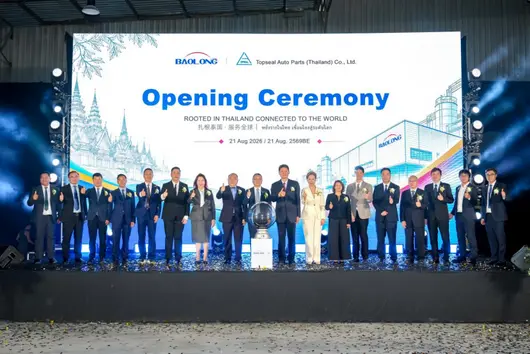

Pada 21 Ogos, Kawasan Pengeluaran Topseal Thailand Teknologi Balong Thailand mengadakan upacara perasmian yang megah. Pegawai kerajaan tempatan, rakan kongsi industri teras, eksekutif Teknologi Balong, pihak perkongsian dan eksekutif syarikat perkongsian, serta wakil media hadir bersama, menjadi saksi kepada penanda aras penting dalam proses strategik globalisasi Teknologi Balong, menandakan platform pembuatan pintar valve tayar yang dipelopori tempatan untuk bekalan global secara rasmi dilancarkan.
Kawasan ini terletak di Taman Industri Temco, Mukim Tha Kham, Daerah Bang Pakong, Wilayah Chonburi, Thailand. Ia memfokuskan pengeluaran valve tayar getah kenderaan dan valve tayar logam, dengan kapasiti perancangan tahunan 150 juta unit valve tayar, merupakan titik sokongan penting dalam pelan strategik globalisasi Teknologi Balong. Projek ini bukan sekadar laksana bangunan pengeluaran moden, malah akan membina platform pembuatan pintar yang dipelopori tempatan untuk kegunaan global, menggabungkan penyelidikan dan pembangunan tempatan, pengeluaran, sokongan rantaian bekalan dan sistem perkhidmatan pelanggan, dengan keupayaan tindak balas yang lebih cekap dan pantas, menyediakan produk dan perkhidmatan cemerlang kepada pelanggan di seluruh dunia.
Dalam latar belakang pembinaan semula rantaian bekalan industri global, perasmian dan pengeluaran kilang Thailand bukan sahaja merupakan perluasan kapasiti, malah merupakan langkah strategik penting Teknologi Balong melaksanakan strategi "memantapkan rantaian" dan memperkukuhkan keupayaan rantaian bekalan menghadapi risiko. Kawasan Thailand akan berhubung dengan rangkaian pengeluaran global Teknologi Balong, mengurangkan risiko bergantung kepada satu lokasi sumber, membangun rantaian bekalan global yang tinggi ketahanannya dengan liputan lebih luas dan tindak balas lebih pantas, membawa jaminan bekalan yang stabil dan boleh dipercayai kepada pelanggan global. Pada masa hadapan, Topseal Thailand akan terus mengasah, mencipta nilai pelanggan jangka panjang dengan kekuatan pembuatan yang menjadi piawaian, membantu Teknologi Balong bergerak maju dengan mantap dalam persaingan industri automotif global.

On August 20, the Thai Ministry of Industry's special investigation team raided a tire warehouse in Nonthaburi Province, seizing 408 substandard tires with a case value of nearly 2.5 million Baht.

Among them, 314 tires lacked standard certification labels, and 94 had tampered label information. Although Thai authorities have seized all involved tires, they have not released the specific brands involved, leaving the brand a mystery. Thai authorities clearly stated that the next step will be to strictly investigate the sources of tires from both import and manufacturing angles, with violators of illegal sales facing a maximum fine of 500,000 Baht and up to 6 months in prison.

This raid was not an isolated incident, but a continuation of Thailand's continuous rectification of problematic tires in recent years. In 2025, Thai police seized about 74,500 tires suspected of illegal processing in Rayong Province. Some products had grinding marks on the sidewalls, and brand names and production dates were artificially removed. Related cases implicated some Chinese tire brands, causing negative impact locally. In April of the same year, foreign media disclosed that a Chinese-funded tire manufacturer was suspected of smuggling defective tires into Thailand. After illegal modification and relabeling, they were sold as new tires, even with "Made in Thailand" labels intended for export to third countries. The Thai Ministry of Industry attached great importance to this and expressed concern that such behavior could damage the global reputation of "Made in Thailand".

On the manufacturing end, the Thai factory of Chinese-funded enterprise Pullman Hsin (01809.HK) also went through a "Compliance Controversy". In August 2025, the Industrial Estate Authority of Thailand (IEAT) was reported by media to order the "permanent closure" of the factory, accusing it of systematic violations such as illegal production without TIS certification, tearing off tire production dates, and illegal disposal of over 65 tons of hazardous industrial waste. However, Pullman Hsin stated in its announcement that it only received a "temporary production stop notice", attributing the issue to violations in carbon black packaging bag disposal and pending acceptance of emissions from expanded production lines. After rectification and a 28-day "observation period", the factory announced a temporary production stop again on September 5. The severe accusations in the official report contrasted sharply with the light-handed tone of the corporate announcement, making the truth of the event murky.


The regulatory storm in Thailand targeting the tire industry reflects the complex compliance environment faced by Chinese enterprises going global. In this industry reshuffle, the camp of Chinese-funded enterprises presents "starkly contrasting situations". Enterprises involved, represented by Pullman Hsin, are facing a major test of survival, with production resumption schedules and brand reputations facing uncertainty; while enterprises such as Zhongce Rubber, Linglong Tire, and Sentinel that strictly comply with local regulations continue to surge ahead in the Thai and global markets.

Industry insiders pointed out that with stricter global ESG standards, the tolerance of host countries for environmental protection, quality, and certification has dropped to freezing point. The "cost advantage" and "policy benefits" that Chinese tire enterprises once relied on are being replaced by high "compliance costs". Transforming from "unbridled expansion" to "compliant operation" and internalizing compliance into corporate genes has become a threshold that must be crossed in the process of globalization of Chinese manufacturing.
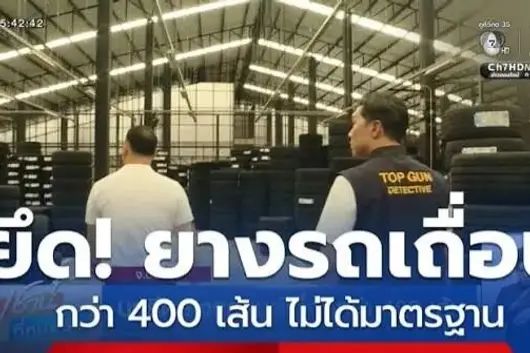

Pada 20 Ogos, pasukan penyiasat khas Kementerian Perindustrian Thailand melakukan serbuan ke atas sebuah gudang tayar di Wilayah Nonthaburi, menahan 408 tayar yang tidak memenuhi piawaian, nilai kes hampir 2.5 juta Baht Thailand.
Di antara itu, 314 tayar tidak mempunyai label pengesahan piawai, manakala 94 biji labelnya telah diubah. Walaupun pihak Thailand telah menyita semua tayar yang terlibat dalam kes ini, mereka tidak mengumumkan jenama spesifik yang terlibat, menjadikan jenama tersebut menjadi misteri. Pihak Thailand menegaskan dengan jelas, langkah seterusnya akan mengesah sumber tayar dari hulu import dan pengeluaran dengan lebih ketat, pihak yang menjual secara tidak menepati peraturan akan menghadapi denda maksimum 500,000 Baht Thailand dan penjara 6 bulan.
Serbuan kali ini bukanlah kejadian yang terasing, tetapi kesinambungan penindakan berterusan Thailand terhadap tayar bermasalah dalam beberapa tahun kebelakangan ini. Pada 2025, polis Thailand pernah menangkap kira-kira 74,500 tayar yang disyaki diproses secara haram di Wilayah Rayong, di mana sebahagian produk mempunyai jejas penggilasan pada dinding sisi tayar, nama jenama dan tarikh pengeluaran telah dibuang secara sengaja. Kes berkaitan menjejaki sebahagian jenama tayar China, mencetuskan kesan buruk di tempat tersebut. Pada April tahun yang sama, sebuah media asing mendedahkan, sebuah pengeluar tayar berpangkalan di China disyaki menyeludup tayar bercacat ke Thailand, selepas modifikasi haram dan penandaan semula mereka dijual sebagai tayar baharu, malah dilekatkan label 'Dibuat di Thailand' bertujuan untuk mengeksport ke negara ketiga. Kementerian Perindustrian Thailand mengambil perhatian berat terhadap hal ini, bimbang tingkah laku seperti ini merosakkan reputasi global 'Dibuat di Thailand'.
Di hulu pengeluaran, kilang Thailand syarikat berpangkalan di China Pulin Chenshan (01809.HK) juga mengalami satu "dilema pematuhan". Pada Ogos 2025, Pentadbir Taman Perindustrian Thailand (IEAT) didedahkan oleh media yang menyuruh "menutup kekal" kilang tersebut, menuduh ia wujud pemprosesan haram tanpa pengesahan TIS, memadamkan tarikh pengeluaran tayar, meluluskan lebih 65 tan sisa industri berbahaya tidak mengikut peraturan dan pelanggaran sistemik lain. Namun, dalam pengumuman, Pulin Chenshan menyatakan hanya menerima "notis henti operasi sementara", dan menyalahkan masalah tersebut kepada pelanggaran pemprosesan beg pembungkusan karbon hitam dan pelepasan laluan pengeluaran yang menunggu penerimaan. Selepas pembetulan dan tempoh "pemerhatian" selama 28 hari, kilang itu sekali lagi mengumumkan henti operasi sementara pada 5 September. Tuduhan ketat dalam laporan rasmi dan penjelasan yang direndahkan dalam pengumuman syarikat membentuk perbezaan yang besar, menjadikan fakta sebenar kes tersebut kabur.
Badai penguatkuasaan Thailand ke atas industri tayar, mencerminkan persekitaran pematuhan yang kompleks yang dihadapi oleh syarikat China yang meluas ke luar. Dalam penyusunan semula industri kali ini, kumpulan syarikat China menunjukkan dua keadaan yang sangat bertentangan. Syarikat terlibat yang diwakili oleh Pulin Chenshan sedang menghadapi ujian besar kelangsungan hidup, jadual pengeluaran semula dan reputasi jenama menghadapi ketidakpastian; manakala syarikat seperti Zhongce Rubber, Linglong Tyre, dan Senqilin yang mematuhi ketat peraturan tempatan, terus maju pesat di pasaran Thailand dan global.
Pakar industri menyatakan, seiring piawaian ESG global semakin ketat, toleransi negara tuan rumah terhadap alam sekitar, kualiti dan pengesahan telah jatuh ke titik beku. "Kelebihan kos" dan "dividen dasar" yang pernah diandalkan oleh syarikat tayar China kini sedang digantikan oleh "kos pematuhan" yang tinggi. Transformasi dari "pertumbuhan liar" ke "operasi mematuhi peraturan", memasukkan pematuhan ke dalam gen syarikat, telah menjadi halangan yang mesti diseberangi dalam proses globalisasi pembuatan China.

A lively and cute all-electric small car is becoming popular from China to Thailand. In the Chinese market, the CHERY Q new car pre-order received over 20,000 orders in just 2 hours, and orders in the first month after launch broke 56,000 units, showing amazing explosive power.
Now this trend crosses borders and received very good market feedback in Thailand as well: Since pre-orders started at the Bangkok International Motor Show on March 24, orders broke 1,000 units in just ten days; as of June 24 when it officially launched, cumulative orders have forcefully broken 3,000 units.
To live up to high expectations, on July 13, the first batch of over 2,000 CHERY Q units was officially shipped to Thailand from China. All vehicles will first undergo a strict Pre-Delivery Inspection (PDI) process upon arrival, and then be delivered to customers sequentially according to the booking order.
"Four Excellent" Advantages Captivate Thai Local Users
CHERY Q's ability to quickly capture the Thai younger generation is inseparable from its four core advantages of "Good Looking, Big, Good Driving, and Fun". Good Looking - Rounded design aesthetics, with smooth and timeless lines that capture hearts at first sight, combined with telescopic volume design, small and agile yet full of vibrancy.

Big - Although the body is small, the interior is surprisingly spacious, with a 2700mm ultra-long wheelbase bringing the largest in-class interior space comparable to B-segment cars, allowing for comfortable driving and riding. Good to Drive - A 50:50 golden axle load ratio endows agile and precise handling experience, and the APA automatic parking function makes parking effortless. Fun - Intelligent infotainment interaction is smooth and thoughtful, and the interior reserves personalized threaded interfaces, allowing free expansion of diverse accessories, turning the car into a mobile space to express oneself. Pushing "Fun" to the extreme is the highly sought-after Q Talk function.
Q Talk Inquiry Rate Reaches 88%, An "Socializing" Electric Car
According to statistics, the sales point inquiry rate for the Q Talk function at the terminal reaches 88%, and the inquiry rate for the electric front trunk also reaches 76%, known as two major eye-catching tools.

The charm of Q Talk lies in turning the car into a true "social tool". During daily travel, if encountering a motorcycle or vehicle ahead that needs yielding, the driver does not need to roll down the window, just press the button lightly, and a polite and clear prompt will be transmitted outside the car; passing through a small alley and seeing children playing, a warm reminder instantly fills with safety. Even more surprisingly, Q Talk supports voice modulation and external shouting - either humorous and quirky, or warm reminders, easily becoming the focus of street attention, perfectly matching the Thai young people's lifestyle attitude of being willing to express and love to share.
Co-creation by All, Local Inspiration Fully Blooms
The popularity of CHERY Q extends beyond sales figures to the realm of cultural co-creation. Recently, Chery Thailand launched the "All-People IP Design Contest", inviting Thai local designers and enthusiasts to create personalized IP characters and merchandise for CHERY Q. Currently, a large number of submissions full of local charm and imagination have been received.

At the same time, dealer road show activities are continuously expanding across Thailand, allowing more and more consumers to touch, test drive, and personally experience the wonderful interaction of Q Talk at zero distance, spreading the trendy spirit of "So Cute So You" to every street and alley.
Rooted in Thailand, Practicing "In Somewhere, For Somewhere, Be Somewhere"
"The first batch of CHERY Q shipped from China will be delivered into the hands of users, this is another important step we have taken in the Thai market. Behind the orders exceeding 3,000 is the valuable trust of Thai users in the Chery brand." Jim Lee, Brand Executive Director of Chery Thailand, said, "We have established a mature dealer network, service centers, and after-sales service teams, going all out to bring an electrifying travel experience beyond expectations to every Thai user."

The hotness of CHERY Q in Thailand is not only a victory of product power but also a resonance of brand, culture, and user emotions. It accurately echoes the marketing slogan "So Cute So You" in the Thai market, and more authentically interprets the deep core of Chery's globalization strategy - In Somewhere, For Somewhere, Be Somewhere. With Thailand as an important localization base, Chery is integrating into this land of smiles in all dimensions, from product definition to user co-creation, from service details to lifestyle. In the future, Chery will continue to center on Thai users, bringing more innovative, reliable, and fun electric vehicles, truly becoming a "brand belonging here" in the hearts of Thai consumers.
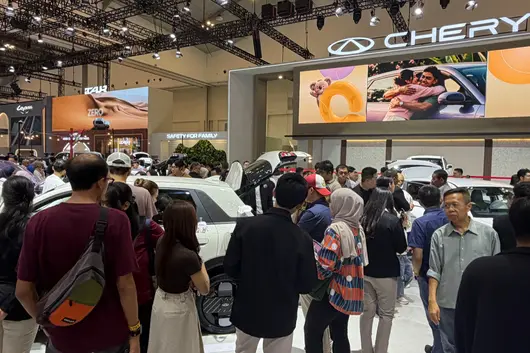

Sebuah kereta elektrik penuh yang lincah dan comel, sedang menjadi panas dari China ke Thailand. Di pasaran China, CHERY Q kereta baru pra-tempahan hanya 2 jam telah meraih lebih 20,000 tempahan, tempahan bulan pertama pelancaran pula menembusi 56,000 unit, menunjukkan tenaga letupan yang memukau.
Kini gelombang ini merentas sempadan negara, mendapat maklum balas pasaran yang sangat baik di Thailand juga: Bermula pra-tempahan pada 24 Mac di Pameran Kereta Antarabangsa Bangkok, dalam tempoh sepuluh hari tempahan telah menembusi 1,000 unit; sehingga 24 Jun pelancaran rasmi, jumlah tempahan terkumpul telah menembusi 3,000 unit.
Untuk tidak mengecewakan harapan, pada 13 Julai, lebih 2,000 unit CHERY Q pertama telah dihantar rasmi dari China ke Thailand. Semua kenderaan selepas tiba akan melalui pemeriksaan kualiti sebelum penghantaran (PDI) yang ketat, kemudian dihantar ke pelanggan mengikut urutan tempahan.
Kelebihan 'Empat Baik' Merampas Pengguna Tempatan Thailand
CHERY Q dengan cepat memikat generasi muda Thailand tidak lepas daripada empat kelebihan terasnya 'Cantik, Besar, Mudah, Seronok'. Cantik — Estetika reka bentuk geometri, dengan garisan bulat lancar dan tahan lama yang memikat hati pada pandangan pertama, digabungkan dengan reka bentuk volum yang boleh laras, kecil lincah namun penuh dengan daya tarikan.
Besar — Walaupun badan kereta kecil, dalaman luas, paksi 2700mm yang sangat panjang membawa ruang dalaman saiz kelas maksimum yang setara dengan kereta kelas B, membolehkan penumpang selesa. Mudah — nisbah beban gandar emas 50:50 memberikan pengalaman pengawalan yang lincah dan tepat, fungsi parking automatik APA menjadikan parkir mudah. Seronok — interaksi pintar kereta lancar dan mesra, dalaman menyediakan sambungan benang peribadi, boleh meluas pelbagai aksesori dengan bebas, menjadikan kereta tersayang ruang bergerak untuk ekspresi. Yang membawa 'Seronok' ke puncak ialah Q Talk yang digemari.
Kadar Pertanyaan Q Talk Tinggi 88%, Kereta Elektrik 'Bisa Berkomunikasi'
Berdasarkan statistik, kadar soalan mengenai fungsi Q Talk di titik akhir adalah setinggi 88%, kadar soalan mengenai kompartmen hadapan elektrik juga mencapai 76%, dikira sebagai dua alat pemikat perhatian hebat.
Pesona Q Talk terletak pada menjadikan kereta menjadi 'alat sosial' sejati. Dalam perjalanan harian, jika perlu memberi laluan kepada motosikal atau kenderaan hadapan, pemandu tidak perlu menurunkan tingkap, hanya tekan butang, amaran sopan jelas akan keluar ke luar; melalui lorong kecil melihat kanak-kanak bermain, satu pengingat hangat serta-merta rasa selamat. Lebih mengejutkan, Q Talk menyokong ubah suara dan pengumuman luar—atau jenaka lucu, atau pengingat mesra, dengan mudah jadi fokus pandangan di jalan, menyempurnakan sikap hidup muda Thailand yang suka ungkap dan kongsi.
Kerjasama Rakyat, Inspirasi Tempatan Terbit Sepenuhnya
Populariti CHERY Q tidak hanya pada nombor jualan, malah ke bidang kerjasama budaya. Baru-baru, Chery Thailand pancing 'Pertandingan Reka Bentuk IP Rakyat', undang pereka dan peminat tempatan Thailand untuk cipta imej IP peribadi dan karya periferal CHERY Q, hingga kini terima banyak hantaran penuh ciri tempatan dan idea kreatif.
Pada masa sama, aktiviti Road Show pengedar sedang berjalan di seluruh Thailand, membolehkan semakin ramai pengguna sentuh, uji dan dengar sendiri interaksi ajaib Q Talk, bawa semangat 'So Cute So You' ke setiap lorong.
Akar Di Thailand, Laksanakan 'In Somewhere, For Somewhere, Be Somewhere'
'Unit CHERY Q pertama dari China dihantar, akan diserahkan kepada pengguna, ini langkah penting seterusnya kami ambil di pasaran Thailand. Di sebalik lebih 3,000 tempahan, kepercayaan berharga pengguna Thailand terhadap jenama Chery.' Jim Lee, Pengarah Pelaksanaan Jenama Chery Thailand berkata, 'Kami telah bina rangkaian pengedaran matang, pusat servis dan pasukan penyelenggaraan, usaha penuh untuk bawa pengalaman pengangkutan elektrik melebihi jangkaan kepada setiap pengguna Thailand.'
Populariti CHERY Q di Thailand bukan sekadar kemenangan produk, malah resonansi jenama, budaya dan emosi pengguna. Ia tepat menyahut slogan komunikasi 'So Cute So You' di pasaran Thailand, benar-benar peragakan teras strategi globalisasi Chery — In Somewhere, For Somewhere, Be Somewhere. Dengan Thailand sebagai tempat lokalisasi penting, Chery dari definisi produk ke kerjasama pengguna, dari perincian servis ke gaya hidup, seluruh dimensi gabung tanah senyuman ini. Masa depan, Chery akan terus pusat pada pengguna Thailand, bawa lebih banyak model kereta elektrik inovatif, boleh dipercayai dan penuh keseronokan, benar-benar jadi jenama 'milik di sini' dalam hati pengguna Thailand.

[CNMO Tech News] August 10, according to statistics compiled by blogger @EVOutbound, from 2024 to the first half of 2026, Deep Blue Cars have gone overseas for two years, covering 17 countries, with cumulative sales of 31,588 units.

Deep Blue L07
The statistics chart shows that Deep Blue's cumulative sales volume in the Thailand market is 19,235 units, accounting for up to 61% of the cumulative overseas sales volume. Specifically, sales volume in the Thailand market was 5,617 units in 2024, 7,824 units in 2025, 5,794 units in the first half of this year, with a monthly average stable at 800-1,000 units. The two models, Deep Blue L07 and S07, have successfully validated the business model in the Thailand market, and brand awareness has been initially established.

CNMO Tech learned that besides the Thailand market, the remaining overseas markets are still in the early volume expansion stage. Israel ranks second with 4,227 units (share 13%); the UK and Spain rank afterwards with 1,770 units (share 6%) and 1,753 units (share 6%) respectively. Australia and Norway cumulative sales are 1,218 units and 1,108 units, with shares of 4% each. Another 11 countries have sales volumes under 1,000 units each, presenting the characteristic of "wide country coverage, low sales per country". Worth noting is that the European markets such as Spain, UK, and Norway are gaining volume in the first half of 2026, but the absolute scale remains limited.
According to the blogger's analysis, Deep Blue adopted the "single-point breakthrough + regional replication" overseas expansion strategy, first concentrating resources to penetrate the Thailand market, then expanding outward. From the data, this strategy has been initially verified in Thailand, and the key for the follow-up lies in whether the European market can be advanced from "having sales" to "having scale".
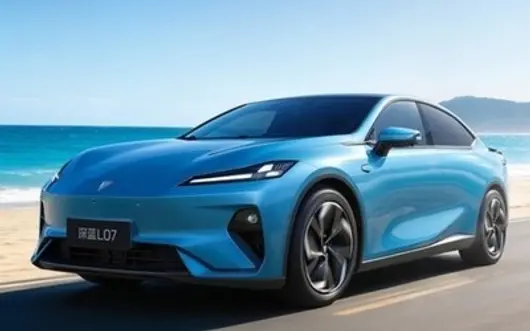

[Maklumat Teknologi CNMO] 10 Ogos, berdasarkan pengumpulan oleh pemblog @Kereta Elektrik Ekspor, dari 2024 hingga separuh pertama 2026, selama dua tahun mengeksport, Kereta Deep Blue telah merangkumi 17 negara, dengan jumlah jualan terkumpul 31,588 unit.
Deep Blue L07
Graf statistik menunjukkan, jualan terkumpul Deep Blue di pasaran Thailand ialah 19,235 unit, mewakili sehingga 61% daripada jumlah jualan ekspornya. Secara terperinci, jualan pasaran Thailand pada tahun 2024 ialah 5,617 unit, tahun 2025 ialah 7,824 unit, separuh pertama tahun ini ialah 5,794 unit, purata bulanan stabil di 800 hingga 1,000 unit. Dua model kereta Deep Blue L07 dan S07 telah berjaya melaksanakan model perniagaan di pasaran Thailand, kesedaran jenama telah mula dibina.
CNMO Teknologi mengetahui, selain pasaran Thailand, pasaran luar negara lain masih berada dalam peringkat awal penyebaran volume. Israel menduduki tempat kedua dengan 4,227 unit (bahagian 13%); United Kingdom dan Sepanyol masing-masing dengan 1,770 unit (bahagian 6%), 1,753 unit (bahagian 6%) terletak di belakangnya. Australia dan Norway jumlah jualan terkumpul ialah 1,218 unit dan 1,108 unit, kedua-duanya bahagian 4%. Terdapat 11 negara lain jualan semuanya kurang daripada 1,000 unit, secara keseluruhannya memaparkan ciri "cakupan negara luas, jualan negara tunggal rendah". Yang perlu dipertimbangkan ialah, pasaran Eropah seperti Sepanyol, United Kingdom, Norway separuh pertama 2026 sedang meningkat, tetapi skala mutlak masih terhad.
Mengikut analisis pemblog, Deep Blue menggunakan strategi ekspors "penembusan titik tunggal + replikasi wilayah", pertama konsentrasikan sumber untuk menembusi pasaran Thailand, kemudian berkembang ke luar. Dari data, strategi ini telah disahkan secara awal di Thailand, seterusnya kunci ialah sama ada pasaran Eropah dapat dialihkan dari "mempunyai jualan" ke "mempunyai skala".
© 2024 Bitauto.com. All Rights Reserved.
Bitauto (www.yiche.com and www.bitauto.com) is one of the most visited automotive websites in China. We provide detailed info on Chinese car brands available in your area. Please note that the information provided on this website is based on publicly available data and is for reference only. It may not be fully updated or accurate at all times.

Help us improve our website


