

HomeUdang

Search History
Popular Searches
Dealer Login / Sign Up

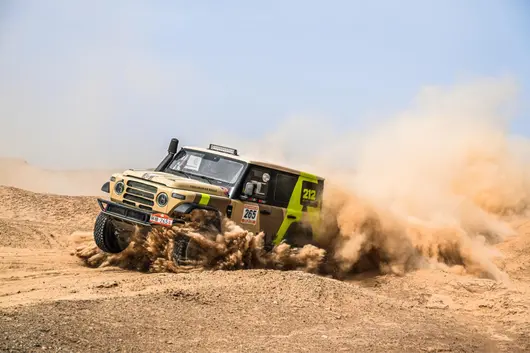
In early June, the 2026 China Ring Tower International Rally concluded. The 212 Off-road Vehicle team, which competed as a manufacturer team for the first time, completed the full 7,500 km course using T01 production vehicles close to factory state — the only brand in the T2.1 production group manufacturer teams to achieve 100% completion, winning two first places and one second place during stages SS10–SS13, and finally securing the runner-up spot among manufacturer teams in the group.

The participating vehicles were basically the powertrain of the commercially available T01: 2.0T engine (185kW/410N·m) + ZF 8AT + BorgWarner part-time 4WD, with torque amplified 2.64 times in 4L mode. The body-on-frame structure and front/rear solid axles (five-link) are the foundation that allows it to dare to run the Ring Tower — this structure sacrifices highway comfort, but in Gobi potholes and cross-axle sections, it has strong torsional rigidity, and the body does not easily deform.
Completing the race without major mechanical failures in a continuous 17-day high-load, high-temperature, and dusty environment proves at least that the basic reliability of this powertrain and chassis withstood tests much harsher than daily use, and not just marketing speak.

212 announced Ring Tower modification kits (chassis armor, anti-skid wheels, off-road tires, etc.) launching soon on the official mall, and launched 2027 Ring Tower user driver recruitment, partnering with Han Wei to establish a champion off-road training academy — attempting to integrate event resources with ordinary users, rather than just stopping at the brand exposure level.

Dakar, Malaysia Sabah Rainforest Race, and Alxa T3 have also been included in the plan. Whether "promoting R&D through racing" can feed back into production vehicle quality improvement is the next chapter that 212 truly needs to prove.
In one sentence summary: If you explicitly want a body-on-frame hard-core off-roader and can actually drive on unpaved roads a few times a year, the T01 is currently one of the few serious options in the 150,000 RMB range adhering to front and rear solid axles.


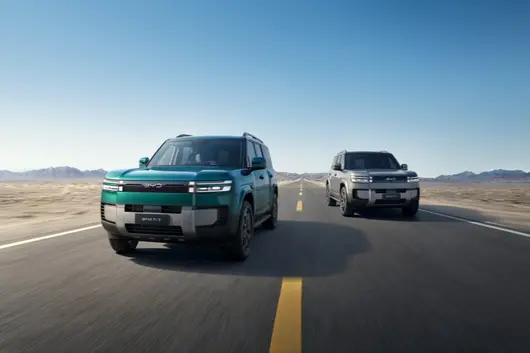
比亞迪已經確認即將把旗下喺內地市場嘅「方程豹鈦 7」豪華七人座 SUV 出口到國際市場,但會喺國際市場以比亞迪 Ti7 嘅名義推出,而且已確認會有右軚版本。
方程豹係比亞迪集團喺內地市場內定位豪華高端嘅子品牌,馬來西亞唔遠前剛發布嘅 騰勢 B8 其實就係「方程豹豹 8」嘅貼牌車款,而今次嘅比亞迪 Ti7 就係基於「方程豹鈦 7」,兩者都係方盒造型嘅七人座 SUV,但在細節同產品定位上有分別。


外觀上兩者嘅輪廓好似一樣,但細睇之下就會發現比亞迪 Ti7 嘅頭燈組採用上下兩段式嘅 L 字型 LED 日行燈升級,而 騰勢 B8 就係一個完整嘅 C 字造型,此外前保險桿、車側 C 柱、車門把手同尾燈設計等細節都唔太一樣,但同樣採用車尾外掛式嘅備胎。


車身尺寸部分都有差異,比亞迪 Ti7 嘅具體尺寸為 5016×1995×1865mm(長 x 寬 x 高),軸距為 2920mm。而 騰勢 B8 則係 5195×1994×1905mm,軸距一樣係 2920mm,所以兩者除咗軸距一樣外,車身長度同高度就有落差。
另一個差異就係喺底盤同車身結構嘅部分,騰勢 B8(豹 8)採用嘅係非承載式(Body on Frame)底盤設計,一般上呢類底盤設計能更好嘅應對越野需求;而 Ti7(鈦 7)就係採用一體化車身結構(Unibody),好處係擁有更好嘅舒適性並更適合一般道路行駛,但在越野部份則喺先天條件下唔如非承載式底盤。
喺動力部分,Ti7 搭載嘅係比亞迪集團嘅 DMO 插電式混合動力(PHEV)系統,佢由一台 1.5L 嘅四缸渦輪增壓汽油引擎搭配兩組電機組成 AWD 四驅系統,綜合馬力達到 489PS,綜合扭力 630Nm,車廠公布佢嘅 0-100km/h 加速成績為 4.8 秒,極速可達 190km/h。

而喺電池部分,比亞迪 Ti7 擁有兩種容量電池可選,分別係 26.6 同 35.6kWh,前者可實現 80 公里(WLTP 標準)嘅純電續航里程,而後者則可實現 127 公里嘅純電續航里程,而且車廠宣稱兩個容量嘅電池都支援 DC 快充,皆可喺 17.5 分鐘內由 30% 充電至 80%。
而喺配備部分,比亞迪 Ti7 將會標配 15.6 吋嘅中控螢幕主機、10.25 吋嘅全數碼儀表、26 吋嘅彩色抬頭顯示器(HUD)、電動加熱同冷氣通風嘅電動椅、16 支喇叭組成嘅有源音響系統、整合喺前排扶手箱內嘅小型雪櫃等,呢啲配備喺現時嘅內地高端新能源車市場嚟講幾乎已成標配。


需提到嘅係,比亞迪 Ti7 喺國內嘅原生車款「方程豹鈦 7」除咗 PHEV 混動版外同時亦都有推出純電動嘅版本,佢有單電機同雙電機兩種配置,搭配 92 或 105.7kWh 嘅電池,續航里程分別可達到 675 同 755 公里,而家只係 PHEV 混動版嘅 Ti7 已被確認將會出口到國際市場,純電動版本暫時未有出口嘅官方資訊。

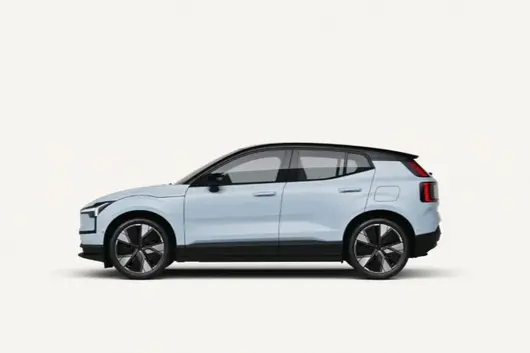
Maklumat pada 24 Mei, menurut laporan Reuters minggu ini, Lembaga Perlindungan Pengguna Thailand (OCPB) telah membawa tindakan sivil terhadap anak syarikat Volvo Thailand, kerana kenderaan elektrik EX30 terlibat dalam kebakaran berkaitan bateri. Langkah ini berpunca daripada dua kejadian kebakaran EX30 yang berlaku di Thailand bulan ini, kini di negara tersebut sudah ada 1,600 kenderaan EX30 di jalan raya.

Jurucakap Volvo menyatakan kadar kejadian kebakaran adalah sangat rendah, nisbah kenderaan yang terjejas jauh lebih rendah daripada 0.1%, serentak telah mengeluarkan notifikasi kepada pemilik kenderaan: sementara jangan cas bateri melebihi 70%. Pegawai Lembaga Perlindungan Pengguna Thailand mendedahkan, Volvo telah mencadangkan pelbagai penyelesaian dalam mesyuarat perundingan, termasuk penggantian bateri, menyediakan kenderaan ganti sementara dan lain-lain, tetapi pemilik kenderaan tidak bersetuju. Seorang pengguna yang menghadiri mesyuarat menyatakan: "Sebahagian besar pengguna mahukan bayaran balik penuh, bukan menukar bateri."
© 2024 Bitauto.com. All Rights Reserved.
Bitauto (www.yiche.com and www.bitauto.com) is one of the most visited automotive websites in China. We provide detailed info on Chinese car brands available in your area. Please note that the information provided on this website is based on publicly available data and is for reference only. It may not be fully updated or accurate at all times.

Help us improve our website


