

Homeadvocate

Search History
Popular Searches
Dealer Login / Sign Up

Dalam pasaran SUV di Malaysia, ramai pembeli membandingkan Mazda CX-3 dan Hyundai Tucson ketika memilih kereta. Kedua-dua kereta ini mempunyai harga dan penempatan yang agak dekat, hari ini kita akan buat perbandingan terperinci dari pelbagai aspek, membantu anda menjimatkan masa untuk membuat penyelidikan.
Harga OTR Mazda CX-3 di Malaysia ialah RM 126,159 - 139,159, mempunyai 2 varian, termasuk 2023 2.0L High (RM 139,159) dan 2023 2.0L Plus (RM 126,159) dan lain-lain.
Harga OTR Hyundai Tucson di Malaysia ialah RM 143,888 - 197,888, mempunyai 5 varian, termasuk 2025 HEV 1.6T AT 2WD Prestige (RM 197,888), 2025 1.6T DCT 4WD Prestige (RM 186,888), 2025 1.6T DCT 2WD Prime (RM 164,888) dan lain-lain.
Dari segi harga, harga permulaan Mazda CX-3 memang lebih murah RM 17,729 berbanding Hyundai Tucson. Jika bajet anda terhad, varian entry-level Mazda sudah cukup untuk keperluan harian. Tetapi perhatikan juga, beberapa ribu ringgit yang lebih murah itu, mungkin ada kompromi pada kelengkapan, ia bergantung pada keperluan anda.

Tahap keselamatan Mazda CX-3 ialah 5★ (ASEAN NCAP), sistem keselamatan aktif termasuk i-Activsense.
Tahap keselamatan Hyundai Tucson ialah 5★ (ASEAN NCAP), sistem keselamatan aktif termasuk SmartSense.
Tahap keselamatan kedua-dua kereta ini adalah sama, di kelas ini kelengkapan keselamatan dianggap cukup lengkap. Keselamatan kereta baharu sekarang tidak buruk, tidak perlu terlalu risau tentang hal ini.

Mazda CX-3 menggunakan cara pemacu FWD.
Hyundai Tucson menggunakan cara pemacu FWD.
Kaedah pemacu kedua-dua kereta ini adalah sama, semua FWD, pengalaman memandu harian tidak akan banyak berbeza.

Mazda CX-3 dan Hyundai Tucson adalah pilihan utama di pasaran Malaysia, sesuai untuk kegunaan keluarga dan perjalanan harian. Jika anda lebih memprioritaskan reputasi jenama dan nilai jual semula, pertimbangkan yang mempunyai reputasi lebih baik; jika anda lebih mementingkan nilai dan kelengkapan, pilih yang mempunyai konfigurasi lebih banyak. Pada akhirnya, disarankan untuk memandu kedua-dua kereta tersebut, pengalaman langsung adalah yang paling penting.

Secara keseluruhan, Mazda CX-3 dan Hyundai Tucson adalah model kereta yang sangat baik di pasaran Malaysia. Memilih mana satu, kunci utama masih bergantung pada keperluan dan bajet anda. Disarankan anda melakukan penyelidikan, bandingkan harga dari beberapa dealer, kemudian test drive untuk membuat keputusan akhir. Membeli kereta adalah urusan besar, mengambil masa untuk membuat penyelidikan tidak akan salah.


喺馬來西亞嘅 SUV 市場,好多買家喺揀車嗰陣都會拿豐田 Harrier 同保時捷 Macan 做比較。呢兩款車喺價位同定位上都幾接近,今日我哋就從多個方面做一個詳細嘅對比,幫你省咗做功課嘅時間。
豐田 Harrier 喺馬來西亞嘅 OTR 售價係 RM 289,000 - 289,000,總共 1 個版本,包括 2026 HEV 2.5L 標準(RM 289,000) 等。
保時捷 Macan 喺馬來西亞嘅 OTR 售價係 RM 469,000 - 469,000,總共 4 個版本,包括 2025 55 quattro S line(RM 467,285)、2025 50 quattro 先進(RM 361,135)、PMT 1874, Lorong IKS BukitTengah 14000 武吉免登(RM 296,610) 等。
由價錢睇,豐田 Harrier 嘅起價確實比保時捷 Macan 平咗 RM 180,000。如果你預算有限,豐田嘅入門版已經可以滿足日常需要。但要留意,便宜嗰幾千塊,可能喺配備上面會有取舍,具體要睇你嘅需要。

豐田 Harrier 搭載 2.0L Turbo,馬力 220 匹。官方油耗 9.5 L/100km。
保時捷 Macan 搭載 3.0L Turbo,馬力 350 匹。官方油耗 12.0 L/100km。
動力方面,保時捷 Macan 嘅 3.0L Turbo 比豐田 Harrier 嘅 2.0L Turbo 多咗 130 匹馬力。不過日常喺市區開,兩款車嘅動力都夠用,唔會覺得唔夠力。

豐田 Harrier 嘅安全評級係 5★ (ASEAN NCAP),主動安全系統包括 Brand ADAS。
保時捷 Macan 嘅安全評級係 5★ (Euro NCAP),主動安全系統包括 InnoDrive。
安全配備方面,兩款車都拿到唔錯嘅評級。不過豐田 Harrier 嘅 Brand ADAS 同保時捷 Macan 嘅 InnoDrive 喺功能上面有些分別,如果你比較重視主動安全嘅話,可以仔細對比一下兩邊嘅功能列表。

豐田 Harrier 車身長 4400 mm,車尾箱 400 公升。
保時捷 Macan 車身長 4400 mm,車尾箱 400 公升。
兩款車嘅尺寸幾乎一樣,車內空間分別唔大。呢個級別嘅車,日常使用完全夠用。

豐田 Harrier 保養 5 年/無限制里程,保養間隔 每 10,000km 或 6 個月。
保時捷 Macan 保養 3 年/100,000km,保養間隔 每 10,000km 或 6 個月。

總括嚟講,豐田 Harrier 同保時捷 Macan 都係馬來西亞市場幾唔錯嘅車型。揀邊一輛,關鍵都要睇你嘅個人需要同預算。建議大家做好功課,多比較幾間車行嘅報價,再去試駕做最終決定。買車係件大事,花啲時間做功課絕對唔會錯。


In Malaysia's SUV market, many buyers compare Toyota Harrier and Subaru Outback when choosing a car. These two cars are quite close in price and positioning. Today we will make a detailed comparison from multiple aspects to save you time on research.
The OTR price of Toyota Harrier in Malaysia is RM 289,000 - 289,000, with a total of 1 version, including 2026 HEV 2.5L Standard (RM 289,000) etc.
The OTR price of Subaru Outback in Malaysia is RM 260,000 - 280,000, with a total of 2 versions, including 2025 2.4T R-Touring EyeSight (RM 310,340), 2025 2.5L Touring EyeSight (RM 280,340) etc.
From a price perspective, the starting price of Subaru Outback is RM 29,000 cheaper than Toyota Harrier. Honestly, at this price point, a difference of a few thousand is not significant; the key is to look at overall cost-effectiveness and long-term usage costs.
Toyota Harrier is equipped with 2.0L Turbo, 220 hp. Official fuel consumption 9.5 L/100km.
Subaru Outback is equipped with 2.0L Turbo, 220 hp. Official fuel consumption 9.5 L/100km.
Both cars use the same powertrain, and the daily driving feel is basically the same. Fuel consumption is also about the same, no need to worry too much about this.
Toyota Harrier body length 4400 mm, trunk 400 L.
Subaru Outback body length 4400 mm, trunk 400 L.
The dimensions of both cars are almost the same, and the interior space difference is not significant. Cars at this level are completely sufficient for daily use.
Toyota Harrier adopts FWD drive mode.
Subaru Outback adopts FWD drive mode.
The drive mode of both cars is the same, both are FWD, daily driving feel will not have much difference.

Overall, Toyota Harrier and Subaru Outback are both very good models in the Malaysian market. Choosing which one depends mainly on your personal needs and budget. We suggest doing your homework well, comparing quotes from several car dealerships, and then test driving to make a final decision. Buying a car is a big matter, spending time doing homework will never go wrong.

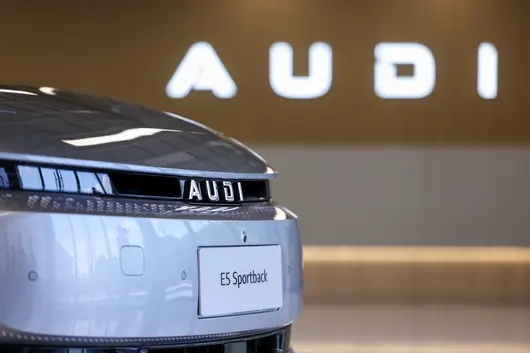
On October 26, Audi China signed strategic agreements separately with FAW Group China and SAIC Motor, clarifying the "Dual Brand, Dual Partner" structure: the Four-Ring Brand is comprehensively operated by FAW-Audi, while the AUDI letter logo brand is focused on development by SAIC Audi. This "split" solution ended the long-term internal friction between Northern and Southern Audi, but the more critical issue lies in: after the brand segmentation, the electrification, intelligence, and brand recognition challenges for Audi in the Chinese market have not automatically disappeared.

Almost simultaneously, Audi announced that Zhang Jun would take over as President of Audi China starting from November 1, becoming the first president of Audi China with a Chinese appearance. Many media outlets attribute Zhang Jun himself as holding Chinese citizenship, but news confirmed from multiple sources by the author proves that Zhang Jun himself is not of Chinese citizenship, but rather Singaporean citizenship.

Additionally, it is learned that current President Luo Yinghan will return to the German headquarters in early 2027. This adjustment comes only two and a half years after the previous personnel change; within the past five years, Audi China has changed three persons in charge.
Of course, the focus this time remains the split of Northern and Southern Audi. According to the agreement, FAW Group China will comprehensively strengthen the market advantage of the Audi Four-Ring Brand in both intelligent luxury new energy vehicles and fuel vehicles, achieving synchronized intelligent evolution for both vehicle types, and guarding the brand recognition and profit foundation; SAIC Audi focuses on the AUDI letter logo brand without the Four-Ring logo, specializing in the pure electric track, and launching next-generation intelligent connected vehicles adapted to Chinese consumer needs.
It is understood that before the end of 2027, SAIC Audi can still normally sell Four-Ring products. During the transition period, after-sales services for both brand products will remain stable. Before the transition period ends, the Four-Ring models on sale by SAIC Audi will complete the transition transfer, with FAW-Audi taking over related existing user rights and dealer rights.
 From a literal perspective, the core of this division of labor is to redraw the boundaries between two systems that were originally highly overlapping. FAW-Audi will take over the entire product line of the Four-Ring Brand in the future, including fuel powerhouses such as A6L, A5L, as well as new energy models such as A6L e-tron, Q6L e-tron, continuing the route of "gas and electricity advancing together". SAIC Audi will no longer add Four-Ring models, focusing on the AUDI brand new energy market, relying on the Shanghai Audi Innovation Technology Center to promote localization R&D. Currently, E5 Sportback and E7X under the AUDI letter brand have been launched, and more new energy models will be launched in the future.
For SAIC, this indeed looks more like a loosening. In the past, SAIC Audi was long constrained by the product overlap of the Four-Ring Brand, channel games, and price internal friction, making it difficult to form an independent brand narrative. Now, focusing on the AUDI Brand, SAIC can quickly define products around the needs of Chinese new energy users, reducing competition with FAW-Audi within the same family. More importantly, SAIC holds a 49% stake in the newly established Audi Innovation Technology Center AITC in September, making it the single largest shareholder. This means its voice on product definition, supply chain collaboration, and localization R&D is further enhanced. From a strategic position, SAIC Audi has shifted from "complementor of the Four-Ring system" to "test field for Audi China electrification", the direction is clearer, and actions may be more flexible.
But for FAW-Audi, the problem has not been solved by taking back the Four-Ring logo. The Four-Ring Brand is indeed the most stable asset of Audi in China. Models such as A6L, Q5L, A5 still bear the sales foundation, and fuel vehicle profits are still an important support for Audi China. At least Audi A6L can still sell over 8,000 units a month, but the downward trend is more obvious. In the first nine months of 2026, A6L sales in the Chinese market were 75,498 units, compared to 120,326 units in the same period of the previous year, a year-on-year decrease of 37.3%; Q5L dropped from about 106,000 units to 64,574 units, a decrease of 38.9%. The huge gap is hitting the confidence of FAW-Audi, rumors are that frontline technical workers and engineers in production plants have started to resign on a large scale.

Additionally, A6L e-tron, Q6L e-tron, and Q4 e-tron that have been put into production and sold on the FAW-Audi new energy PPE platform are almost in the bottom tier in the Chinese market. According to public data, Q6L e-tron cumulative sales from September 2025 to March 2026 were 3,689 units, averaging about 527 units per month; since then, monthly sales have mostly fluctuated between 400 and 900 units, 501 units in September 2026. Q4 e-tron monthly sales in May 2026 were 733 units, April was 1,491 units, month-on-month nearly halved.

The more realistic challenge lies in the fact that Audi's fuel vehicle foundation is shrinking. With the increase in new energy penetration, the terminal price pressure of traditional luxury fuel vehicles is increasing, and the brand premium is being continuously diluted. Even if FAW-Audi unifies the Four-Ring Brand, it must answer: in the window period where fuel vehicle profits are declining and pure electric models have not yet formed a scale advantage, how to avoid the Four-Ring Brand falling into a continuous decline dilemma. If new energy products cannot establish a sufficiently strong differentiated experience, the Four-Ring Brand may still face dual pressure on sales and profits. Audi insiders predict that 2026 Audi sales in China may only be slightly higher than 420,000 units, a decrease of about 30% from 2025, the lowest value since 2012. Even if the rumored Audi A8L is introduced, and Huawei elements are added, it is difficult to make progress in a short time.
The AUDI Brand also has underlying worries. It has shaken off the historical baggage of the Four-Ring logo, but also lost the natural cognitive advantage of the Four-Ring logo. For many luxury car consumers, the Four-Ring logo is still the core symbol of Audi brand value. For the AUDI letter logo to stand firm in the Chinese high-end pure electric market, it also needs to rebuild brand trust, price system, and residual value expectations. E7X received certain attention at the beginning of its launch, but whether it can continuously translate into stable sales still depends on product iteration, software experience, and channel capabilities. In addition, the new cars based on the ADP 2.0 platform will not land until around 2028, and there is still the risk of a product window period in between.

Let's talk again about the news of Audi announcing adjustments to the management team for the Chinese market.
Singaporean Zhang Jun took office to improve the response speed of Audi China in local competition. He used to work in Audi China, participated in FAW-Audi strategic projects, and also led the establishment of SAIC Audi sales team, and was not unfamiliar with the North-South systems. With him as President and Rolf Michaelis as Chief Operating Officer, it means Audi China attempts to shorten the decision chain by streamlining the structure, accelerating localization product launches and supply chain collaboration. However, personnel adjustments can only improve efficiency, not replace product strength. The North-South division solves the question of "who sells what", but has not yet solved the question of "what can be sold well".

Therefore, the true meaning of this split is to shift Audi's business in China from internal consumption to external competition.
It is reported that Audi China business revenue has declined for three consecutive years. In 2021 and 2022, it contributed 1.14 billion and 1.153 billion Euros to the group respectively, and then in the following three years it dropped successively to 915 million, 651 million, and 504 million Euros, a 56% drop from the 2022 peak. In the first half of 2026, Audi China business contributed only 73 million Euros in revenue.
For SAIC Audi, focusing on the AUDI Brand is an opportunity and also pressure: it must prove that without the Four-Ring logo, it can still gain recognition in the Chinese high-end new energy market. For FAW-Audi, the return of the Four-Ring Brand is an advantage and also a burden: it must make new energy products into a new growth engine as soon as possible before the fuel vehicle foundation shrinks. The next chapter of Audi China is no longer the North-South debate, but whether it can win back user choice in the smart electric era.

Di pasaran SUV Malaysia, banyak pembeli membandingkan Toyota Fortuner dan Ford Everest ketika memilih kereta. Kedua-dua kereta ini mempunyai harga dan kedudukan yang agak dekat, hari ini kami akan membuat perbandingan terperinci dari pelbagai aspek untuk membantu anda menjimatkan masa membuat kajian.
Toyota Fortuner dijual di Malaysia dengan harga OTR RM 195,880 - 241,880, terdapat 3 varian, termasuk 2024 2.8T VRZ Diesel (RM 241,880), 2024 2.7L SRZ Petrol (RM 202,880), 2024 2.4L Standard Diesel (RM 195,880) dan lain-lain.
Ford Everest dijual di Malaysia dengan harga OTR RM 266,338 - 430,838, terdapat 6 varian, termasuk 2026 3.0T 4WD Platinum (RM 430,838), 2026 2.0T 4WD Platinum (RM 348,838), 2026 2.0T 4WD Sport (RM 316,838) dan lain-lain.
Dari segi harga, harga permulaan Toyota Fortuner memang RM 70,458 lebih murah daripada Ford Everest. Jika bajet anda terhad, varian permulaan Toyota sudah cukup memenuhi keperluan harian. Tetapi perlu diingat, perbezaan harga tersebut mungkin melibatkan kompromi dalam peralatan, ia bergantung pada keperluan anda.

Toyota Fortuner panjang badan 4400 mm, ruang but 400 L.
Ford Everest panjang badan 4400 mm, ruang but 400 L.
Saiz kedua-dua kereta hampir sama, ruang dalaman tidak banyak berbeza. Kereta dalam tahap ini cukup untuk penggunaan harian.

Toyota Fortuner waranti 5 tahun/tanpa had jarak, selang penyelenggaraan setiap 10,000 km atau 6 bulan.
Ford Everest waranti 3 tahun/100,000 km, selang penyelenggaraan setiap 10,000 km atau 6 bulan.

Toyota Fortuner dan Ford Everest adalah pilihan utama di pasaran Malaysia, sesuai untuk kegunaan keluarga dan perjalanan harian. Jika anda lebih mengutamakan reputasi jenama dan harga pasaran kedua, anda boleh memberi keutamaan kepada jenama yang mempunyai reputasi lebih baik; jika anda lebih mementingkan nilai dan peralatan, pilih model yang lebih kaya dengan perinciannya. Akhir sekali, kami nasihatkan untuk memandu kedua-dua model, pengalaman peribadi adalah yang paling penting.

Secara keseluruhannya, Toyota Fortuner dan Ford Everest adalah model yang sangat baik di pasaran Malaysia. Memilih mana satu, ia bergantung kepada keperluan dan bajet peribadi anda. Kami menasihatkan anda untuk membuat kajian dengan baik, bandingkan tawaran harga di beberapa dealer kereta, kemudian cuba bawa untuk membuat keputusan akhir. Membeli kereta adalah perkara penting, meluangkan masa membuat kajian tidak akan salah.


In Malaysia's SUV market, many buyers compare the Toyota Fortuner and MG MG HS when choosing a car. Both models are quite close in price and positioning. Today, we will make a detailed comparison from multiple aspects to help you save time on research.
The Toyota Fortuner's OTR price in Malaysia is RM 195,880 - 241,880, with a total of 3 versions, including 2024 2.8T VRZ Diesel (RM 241,880), 2024 2.7L SRZ Petrol (RM 202,880), 2024 2.4L Standard Diesel (RM 195,880), etc.
The MG MG HS's OTR price in Malaysia is RM 130,450 - 146,450, with a total of 2 versions, including 1.5L Standard (RM 105,000), 1.5L Executive (RM 115,000), etc.
In terms of price, the starting price of the MG MG HS is RM 65,430 cheaper than the Toyota Fortuner. Honestly, in this price segment, a difference of a few thousand isn't actually that big; the key is still looking at overall value for money and long-term usage costs.
Toyota Fortuner comes with a 2.5L Diesel engine, 187 hp. Official fuel consumption 8.5 L/100km.
MG MG HS comes with a 1.5L Turbo engine, 140 hp. Official fuel consumption 7.0 L/100km.
In terms of power, the Toyota Fortuner's 2.5L Diesel has 47 more horsepower than the MG MG HS's 1.5L Turbo, offering more confidence in mid-range acceleration, especially when overtaking on highways. However, the MG MG HS's fuel consumption might be more friendly; the difference in daily city commuting won't be too big.
The Toyota Fortuner's safety rating is 5★ (ASEAN NCAP), active safety systems include.
The MG MG HS's safety rating is TBD, active safety systems include Basic.
Toyota Fortuner warranty 5 years/unlimited mileage, service interval every 10,000km or 6 months.
MG MG HS warranty 7 years/150,000km, service interval every 10,000km or 6 months.
Toyota Fortuner and MG MG HS are both mainstream choices in the Malaysia market, suitable for family use and daily commuting. If you value brand reputation and resale value more, you can prioritize the one with a better reputation; if you care more about value for money and features, choose the one with richer specifications. Ultimately, it is recommended to test drive both models; personal experience is the most important thing.
Overall, Toyota Fortuner and MG MG HS are both very good models in the Malaysia market. Which one to choose depends on your personal needs and budget. We suggest doing your research, comparing quotes from a few dealerships, and then going for a test drive to make a final decision. Buying a car is a big matter; spending some time on research will definitely not be a mistake.

In the Malaysian SUV market, many buyers compare Toyota Fortuner and Chery Tiggo 7 PHEV when choosing a car. These two cars are quite close in price and positioning. Today we will make a detailed comparison from multiple aspects to help you save time on research.
Toyota Fortuner's OTR price in Malaysia is RM 195,880 - 241,880, with a total of 3 versions, including 2024 2.8T VRZ Diesel (RM 241,880), 2024 2.7L SRZ Petrol (RM 202,880), 2024 2.4L Standard Diesel (RM 195,880), etc.
Chery Tiggo 7 PHEV's OTR price in Malaysia is RM 129,750 - 129,750, with a total of 2 versions, including 2025 1.5T 90km CSH (RM 129,750), What charging methods does the Tiggo 7 PHEV support? Can it be charged using a home power socket? (RM 117,478), etc.
From the price perspective, the starting price of Chery Tiggo 7 PHEV is RM 66,130 cheaper than Toyota Fortuner. Honestly, in this price range, a difference of a few thousand is not actually that big; the key is still the overall cost-performance ratio and long-term usage costs.
Toyota Fortuner is equipped with 2.5L Diesel, Horsepower 187 hp. Official fuel consumption 8.5 L/100km.
Chery Tiggo 7 PHEV is equipped with Hybrid, Horsepower 170 hp. Official fuel consumption 4.5 L/100km.
In terms of power, Toyota Fortuner's 2.5L Diesel has 17 more horsepower than Chery Tiggo 7 PHEV's Hybrid, offering more confidence in mid-range acceleration, especially when overtaking on highways. However, Chery Tiggo 7 PHEV's fuel consumption might be more friendly, and the difference in daily city commuting won't be too large.
Toyota Fortuner Warranty 5 Years / Unlimited Mileage, Maintenance Interval Every 10,000km or 6 Months.
Chery Tiggo 7 PHEV Warranty 3 Years / 100,000km, Maintenance Interval Every 10,000km or 6 Months.
Both Toyota Fortuner and Chery Tiggo 7 PHEV are mainstream choices in the Malaysian market, suitable for family use and daily commuting. If you value brand reputation and resale value more, you can prioritize the one with better reputation; if you care more about cost-performance ratio and features, choose the one with richer configuration. In the end, it is recommended to test drive both models; experiencing it yourself is the most important.

Overall, Toyota Fortuner and Chery Tiggo 7 PHEV are both very good models in the Malaysian market. Which one to choose depends on your personal needs and budget. We suggest doing your homework, comparing quotes from multiple dealerships, and then test driving to make the final decision. Buying a car is a big deal, spending some time on research will never go wrong.

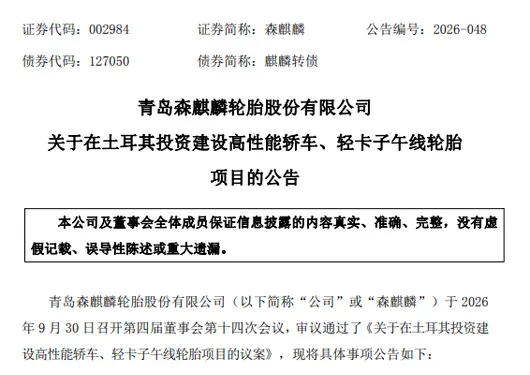
10月8日,森麒麟(002984)发布公告,董事会审议通过在土耳其投资建设高性能轿车、轻卡子午线轮胎项目的议案。项目拟与土耳其轮胎分销龙头TATKO集团合资,总投资27282万美元(约18.24亿元),设计年产能700万条,建设期18个月。这是继泰国、摩洛哥之后的第三座海外基地,森麒麟全球化布局再落关键一子。

免关税直通欧盟,选址堪称黄金
土耳其虽非欧盟成员国,但自1996年起实施欧土工业品关税同盟——在土境内自由流通的工业制成品,可凭A.TR证书免缴关税直接进入欧盟市场。项目产品完全适配这一免税通关政策,设备投入等支出也因此受益。
土耳其地处欧亚交界,扼守黑海、地中海航运要道,是欧盟第五大货物贸易伙伴。2025年欧土货物贸易额超2000亿欧元,当地汽车产业出口额达415亿美元,位居全国第一大出口行业。福特、丰田、现代、雷诺均在土耳其设厂,零部件配套企业约1100家。新工厂既可面向替换胎市场,也有机会就近开发整车原厂配套业务,物流成本优势显著。

制造+渠道双向奔赴
出资结构上,森麒麟及全资子公司持股90.1%(约2.4581亿美元),TATKO持股9.9%(约2700.92万美元),资金自筹、分期投入,不影响现有主营业务。
合作方TATKO创立于1927年,是土耳其最大的独立多品牌轮胎分销商之一,渠道覆盖全国81个省、850个销售点,并具备面向巴尔干、中亚的出口通道。森麒麟贡献智能制造与海外运营经验,TATKO带来本土渠道与市场认知,项目投产后可同步推进原厂配套与替换胎两大市场,大幅降低海外开拓风险。

400人跑通700万条,盈利能力可观
可研报告显示,全厂用工仅400人,折合人均年产1.75万条——智能中央控制、生产执行、物流仓储、检测扫描、调度预警五大系统贯穿从投料、密炼、成型到硫化出库全流程,这套体系已在泰国、摩洛哥两座工厂验证跑通,此次是成熟模式的再次复制。
测算显示,项目达产后正常运营年份预计实现营业收入20462万美元、净利润4211万美元,销售净利率20.58%,盈亏平衡点仅39.75%。

完善“833Plus”全球布局
土耳其工厂落地后,将与泰国、摩洛哥基地形成协同效应,覆盖东南亚、北非、欧亚三大核心市场,灵活应对不同地区贸易政策变动,保障全球订单交付稳定。此次投资也是森麒麟落实“一带一路”倡议的具体实践,为当地创造就业、完善汽车零部件供应链。
对中国轮胎企业而言,全球化竞争正从单纯出口转向“海外制造+本地服务”。凭借欧亚枢纽的产能支点、成熟的智能制造体系和本土化渠道资源,森麒麟有望在区域市场中掌握主动,持续巩固中国轮胎全球化先行者的地位。
In the Malaysian SUV market, many buyers often compare Toyota Corolla Cross and BMW X1 when choosing a car. Both cars are quite close in price and positioning, so today we will make a detailed comparison from multiple aspects to help you save time on research.
Toyota Corolla Cross OTR price in Malaysia is RM 133,800 - 148,800, with a total of 3 versions, including 2026 HEV 1.8L GR Sport (RM 148,800), 2026 HEV 1.8L Standard (RM 140,800), 2026 1.8L Standard (RM 133,800) etc.
BMW X1 OTR price in Malaysia is RM 252,800 - 252,800, with a total of 2 versions, including sDrive18i (RM 220,000), sDrive20i (RM 250,000) etc.
From a price perspective, Toyota Corolla Cross's starting price is indeed RM 119,000 cheaper than BMW X1. If your budget is limited, Toyota's entry-level version can already meet daily needs. But be aware, the difference of a few thousand might involve trade-offs in equipment, depending on your specific needs.

Toyota Corolla Cross safety rating is 5★ (ASEAN NCAP), active safety systems include TSS (PCS, LDA, ACC, LTA).
BMW X1 safety rating is 5★ (Euro NCAP), active safety systems include Premium ADAS.
Regarding safety features, both cars have achieved good ratings. However, there are some functional differences between Toyota Corolla Cross's TSS (PCS, LDA, ACC, LTA) and BMW X1's Premium ADAS. If you value active safety, you can compare their feature lists in detail.
Toyota Corolla Cross uses FWD drive mode.
BMW X1 uses FWD drive mode.
Both cars have the same drive mode, both are FWD, and there won't be much difference in daily driving experience.
Toyota Corolla Cross warranty 5 years/unlimited mileage, maintenance interval every 10,000km or 6 months.
BMW X1 warranty 5 years/unlimited mileage, maintenance interval every 10,000km or 6 months.

Overall, Toyota Corolla Cross and BMW X1 are both very good models in the Malaysian market. Which one to choose mainly depends on your personal needs and budget. We recommend doing your homework, comparing quotes from multiple dealerships, and then test driving to make a final decision. Buying a car is a big matter, spending time on research will never be wrong.


Dalam pasaran SUV di Malaysia, ramai pembeli membandingkan Toyota Corolla Cross dan Kia Sportage ketika memilih kereta. Kedua-dua kereta ini agak dekat dari segi harga dan pengkhususan, hari ini kami akan membuat perbandingan terperinci dari pelbagai aspek untuk membantu anda menjimatkan masa membuat kajian.
Toyota Corolla Cross memiliki harga OTR di Malaysia sebanyak RM 133,800 - 148,800, dengan keseluruhan 3 versi, termasuk 2026 HEV 1.8L GR Sport (RM 148,800), 2026 HEV 1.8L Standard (RM 140,800), 2026 1.8L Standard (RM 133,800) dan lain-lain.
Kia Sportage memiliki harga OTR di Malaysia sebanyak RM 129,639 - 179,320, dengan keseluruhan 4 versi, termasuk 2025 1.6T DCT 4WD High (RM 179,320), 2025 1.6T DCT 2WD High (RM 159,320), 2025 2.0L AT 2WD High (RM 139,639) dan lain-lain.
Dari segi harga, permulaan harga Kia Sportage lebih murah sebanyak RM 4,161 berbanding Toyota Corolla Cross. Jujurnya, dalam julat harga ini, jurang ribuan ringgit sebenarnya tidak besar, yang penting adalah melihat nisbah keupayaan harga keseluruhan dan kos penggunaan jangka panjang.
Toyota Corolla Cross dilengkapi enjin Turbo 1.5L, kuasa 140 hp. Penggunaan minyak rasmi 7.0 L/100km.
Kia Sportage dilengkapi enjin Turbo 1.5L, kuasa 140 hp. Penggunaan minyak rasmi 7.0 L/100km.
Kedua-dua kereta menggunakan sistem kuasa yang sama, perasaan memandu harian hampir tiada perbezaan. Penggunaan minyak juga hampir sama, tidak perlu terlalu bimbang mengenai perkara ini.
Toyota Corolla Cross mempunyai jaminan 5 tahun/had kilometer tanpa had, selang servis setiap 10,000km atau 6 bulan.
Kia Sportage mempunyai jaminan 5 tahun/300,000km, selang servis setiap 10,000km atau 6 bulan.
Toyota Corolla Cross dan Kia Sportage merupakan pilihan utama di pasaran Malaysia, sesuai untuk kegunaan keluarga, pengangkutan harian. Jika anda lebih mementingkan reputasi jenama dan harga terpakai, anda boleh utamakan model yang mempunyai reputasi lebih baik; jika anda lebih mementingkan nisbah harga keupayaan dan pelengkapan, maka pilihlah model yang mempunyai pelengkapan lebih banyak. Pada akhirnya, disarankan untuk melakukan tes drive kedua-dua model, pengalaman sendiri adalah yang paling penting.

Secara keseluruhannya, Toyota Corolla Cross dan Kia Sportage adalah model kereta yang sangat bagus di pasaran Malaysia. Memilih mana satu, yang penting adalah melihat keperluan dan bajet peribadi anda. Kami cadangkan anda melakukan kajian, bandingkan tawaran harga daripada beberapa kedai kereta, kemudian lakukan tes drive untuk membuat keputusan akhir. Membeli kereta adalah perkara besar, meluangkan masa untuk membuat kajian pasti tidak salah.

In the Malaysian SUV market, many buyers compare Toyota Corolla Cross and Mazda CX-5 when choosing a car. These two cars are quite close in terms of price and positioning. Today, we will do a detailed comparison from multiple aspects to save you time doing research.
The OTR price of Toyota Corolla Cross in Malaysia is RM 133,800 - 148,800, with a total of 3 versions, including 2026 HEV 1.8L GR Sport (RM 148,800), 2026 HEV 1.8L Standard (RM 140,800), 2026 1.8L Standard (RM 133,800), etc.
The OTR price of Mazda CX-5 in Malaysia is RM 135,469 - 166,760, with a total of 3 versions, including 2025 2.0L AT 35th Anniversary (RM 316,154), 2025 2.0L AT (RM 296,154), 2025 2.0L MT (RM 294,154), etc.
Looking at the price, Toyota Corolla Cross's starting price is indeed RM 1,669 cheaper than Mazda CX-5. If your budget is limited, Toyota's entry-level version can already meet daily needs. But keep in mind, the few thousand ringgit savings might mean trade-offs in features, depending on your specific needs.
Toyota Corolla Cross is equipped with a 1.5L Turbo engine, horsepower 140 hp. Official fuel consumption is 7.0 L/100km.
Mazda CX-5 is equipped with a 1.5L Turbo engine, horsepower 140 hp. Official fuel consumption is 7.0 L/100km.
Both cars use the same powertrain system, the driving feel is basically the same for daily use. Fuel consumption is also similar, so there's no need to worry too much about this point.
Toyota Corolla Cross's safety rating is 5★ (ASEAN NCAP), active safety systems include TSS (PCS, LDA, ACC, LTA).
Mazda CX-5's safety rating is 5★ (ASEAN NCAP), active safety systems include .
Both cars have the same safety rating, safety features in this class are considered quite comprehensive. New car safety is generally not bad these days, no need to worry too much about this point.
Toyota Corolla Cross warranty is 5 years/unlimited mileage, service interval is every 10,000km or 6 months.
Mazda CX-5 warranty is 5 years/150,000km, service interval is every 10,000km or 6 months.

Both Toyota Corolla Cross and Mazda CX-5 are mainstream choices in the Malaysian market, suitable for family use and daily commute. If you value brand reputation and resale value more, prioritize the one with better reputation; if you value cost-performance ratio and features more, choose the one with richer configuration. Ultimately, it is recommended to test drive both, as personal experience is the most important.

Overall, both Toyota Corolla Cross and Mazda CX-5 are very good models in the Malaysian market. Which one to choose depends mainly on your personal needs and budget. It is recommended that everyone do their research, compare quotes from several dealerships, and then test drive to make the final decision. Buying a car is a major event, spending some time researching is never wrong.

Di pasaran SUV Malaysia, ramai pembeli semasa memilih kereta akan membandingkan Toyota Corolla Cross dan Mazda CX-3. Kedua-dua kereta ini mempunyai harga dan kedudukan pasaran yang agak hampir. Hari ini kita akan buat perbandingan terperinci dari pelbagai aspek, untuk membantu anda menjimatkan masa membuat kajian.
Toyota Corolla Cross di Malaysia, harga OTR adalah RM 133,800 - 148,800, terdapat 3 varian, termasuk 2026 HEV 1.8L GR Sport (RM 148,800), 2026 HEV 1.8L Standard (RM 140,800), 2026 1.8L Standard (RM 133,800) dan lain-lain.
Mazda CX-3 di Malaysia, harga OTR adalah RM 126,159 - 139,159, terdapat 2 varian, termasuk 2023 2.0L High (RM 139,159), 2023 2.0L Plus (RM 126,159) dan lain-lain.
Dari segi harga, harga permulaan Mazda CX-3 adalah RM 7,641 lebih murah daripada Toyota Corolla Cross. Jujur berkata, dalam julat harga ini, perbezaan beberapa ribu sebenarnya tidak besar, kuncinya adalah melihat nisbah harga dan prestasi keseluruhan serta kos penggunaan jangka panjang.
Toyota Corolla Cross penilaian keamanannya adalah 5★ (ASEAN NCAP), sistem keselamatan aktif termasuk TSS (PCS, LDA, ACC, LTA).
Mazda CX-3 penilaian keamanannya adalah 5★ (ASEAN NCAP), sistem keselamatan aktif termasuk i-Activsense.
Penilaian keselamatan kedua-dua kereta adalah sama, dalam kategori ini, peralatan keselamatan dianggap cukup lengkap. Kereta baharu sekarang tidak kurang keselamatannya, tidak perlu terlalu bimbang tentang perkara ini.
Toyota Corolla Cross menggunakan kaedah penghantaran kuasa FWD.
Mazda CX-3 menggunakan kaedah penghantaran kuasa FWD.
Kaedah penghantaran kuasa kedua-dua kereta adalah sama, iaitu FWD, pengalaman memandu harian tidak akan berbeza jauh.
Toyota Corolla Cross dan Mazda CX-3 adalah pilihan utama pasaran Malaysia, sesuai untuk kegunaan keluarga, perjalanan harian. Jika anda lebih menghargai reputasi jenama dan harga jualan semula, anda boleh mempertimbangkan terlebih dahulu model dengan reputasi lebih baik; jika anda lebih mengutamakan nisbah harga dan spesifikasi, pilih model dengan spesifikasi lebih lengkap. Pada akhirnya adalah disarankan untuk mencuba memandu kedua-dua model tersebut, pengalaman sendiri adalah yang paling penting.
Secara keseluruhan, Toyota Corolla Cross dan Mazda CX-3 adalah model kereta yang sangat baik di pasaran Malaysia. Memilih yang mana, kuncinya adalah melihat keperluan peribadi dan bajet anda. Kami menasihatkan anda untuk membuat kajian, membandingkan sebut harga daripada beberapa pengedar kereta, kemudian mencuba memandu untuk membuat keputusan akhir. Membeli kereta adalah perkara besar, meluangkan masa membuat kajian tidak akan salah.

In Malaysia's SUV market, many buyers compare Toyota Yaris Cross and Hyundai Tucson when choosing a car. These two models are quite close in price and positioning. Today, we will conduct a detailed comparison from multiple aspects to help you save time on research.
The OTR price for Toyota Yaris Cross in Malaysia is RM 99,900 - 109,900. There are 2 versions in total, including the 2026 1.5L Standard (RM 99,900) and 2026 HEV 1.5L Standard (RM 109,900), etc.
The OTR price for Hyundai Tucson in Malaysia is RM 143,888 - 197,888. There are 5 versions in total, including 2025 HEV 1.6T AT 2WD Prestige (RM 197,888), 2025 1.6T DCT 4WD Prestige (RM 186,888), 2025 1.6T DCT 2WD Prime (RM 164,888), etc.
In terms of price, the Toyota Yaris Cross starting price is indeed RM 43,988 cheaper than the Hyundai Tucson. If your budget is limited, Toyota's entry-level version can already meet daily needs. However, note that the few thousand difference might involve trade-offs in features, depending on your specific requirements.

Toyota Yaris Cross safety rating is 5★ (ASEAN NCAP). Active safety systems include TSS.
Hyundai Tucson safety rating is 5★ (ASEAN NCAP). Active safety systems include SmartSense.
Both cars have the same safety rating. Safety features in this class are quite comprehensive. Safety in new cars nowadays is generally good, so no need to worry too much about this.

Toyota Yaris Cross adopts FWD drive configuration.
Hyundai Tucson adopts FWD drive configuration.
Both cars have the same drive configuration, both are FWD. There won't be much difference in daily driving experience.

Toyota Yaris Cross warranty is 5 years/unlimited mileage. Service interval is every 10,000km or 6 months.
Hyundai Tucson warranty is 5 years/300,000km. Service interval is every 10,000km or 6 months.
Both Toyota Yaris Cross and Hyundai Tucson are mainstream choices in the Malaysian market, suitable for family use and daily commuting. If you value brand reputation and resale value more, consider the one with better reputation. If you care more about value for money and features, choose the one with richer configurations. Ultimately, it is recommended to test drive both models, as personal experience is the most important.

Overall, both Toyota Yaris Cross and Hyundai Tucson are quite good models in the Malaysian market. Which one to choose depends mainly on your personal needs and budget. We suggest doing your research, comparing quotes from multiple car dealerships, and then test driving to make the final decision. Buying a car is a major matter, spending time on research is never wrong.


Dalam pasaran SUV di Malaysia, ramai pembeli ketika memilih kereta akan membandingkan Honda CR-V dan Chery Tiggo 8 PHEV. Kedua-dua kereta ini agak hampir dari segi harga dan penjenamaan, hari ini kita akan membuat perbandingan terperinci dari pelbagai aspek untuk membantu anda menjimatkan masa membuat penyelidikan.
Harga OTR Honda CR-V di Malaysia ialah RM 178,200 - 195,900, terdapat sebanyak 4 varian, termasuk 2026 e:HEV 2.0L 2WD RS (RM 195,900), 2026 1.5T 4WD V (RM 181,900), 2026 e:HEV 2.0L 2WD E (RM 178,200) dan lain-lain.
Harga OTR Chery Tiggo 8 PHEV di Malaysia ialah RM 159,750 - 159,750, terdapat 2 varian, termasuk 1.6L Turbo Standard (RM 130,000), 1.6L Turbo Premium (RM 145,000) dan lain-lain.
Dari segi harga, harga permulaan Chery Tiggo 8 PHEV lebih murah RM 18,450 berbanding Honda CR-V. Jujur berkata, dalam segmen harga ini, beza beberapa ribu ringgit sebenarnya tidak besar, yang penting lihat nisbah faedah kos keseluruhan dan kos penggunaan jangka panjang.

Panjang badan Honda CR-V 4500 mm, tempat kargo 450 L.
Panjang badan Chery Tiggo 8 PHEV 4400 mm, tempat kargo 400 L.
Dari segi ruang, badan Honda CR-V 100 mm lebih panjang daripada Chery Tiggo 8 PHEV, ruang duduk di dalam kereta akan sedikit lebih luas, terutamanya ruang kaki bangku belakang. Jika anda sering membawa keluarga atau perlu meletakkan stroller, badan kereta yang lebih besar memang lebih praktikal.

Honda CR-V menggunakan cara pemacu FWD.
Chery Tiggo 8 PHEV menggunakan cara pemacu FWD.
Cara pemacu kedua-dua kereta adalah sama, iaitu FWD, rasa memandu harian tiada perbezaan besar.

Honda CR-V dan Chery Tiggo 8 PHEV adalah pilihan utama dalam pasaran Malaysia, sesuai untuk kegunaan keluarga dan perjalanan harian. Jika anda lebih memprioritaskan reputasi jenama dan harga kereta terpakai, anda boleh memilih yang mempunyai reputasi lebih baik; jika anda lebih mengutamakan nisbah faedah kos dan spesifikasi, pilih yang lebih lengkap. Akhir sekali, disarankan untuk membandingkan kedua-dua model, pengalaman peribadi adalah yang paling penting.
Secara keseluruhannya, Honda CR-V dan Chery Tiggo 8 PHEV adalah model kereta yang sangat baik di pasaran Malaysia. Memilih mana satu, penting untuk melihat keperluan dan bajet anda sendiri. Disarankan untuk membuat penyelidikan, bandingkan harga di beberapa kedai kereta, kemudian uji memandu untuk membuat keputusan akhir. Membeli kereta adalah perkara besar, meluangkan masa untuk membuat penyelidikan tidak akan salah.



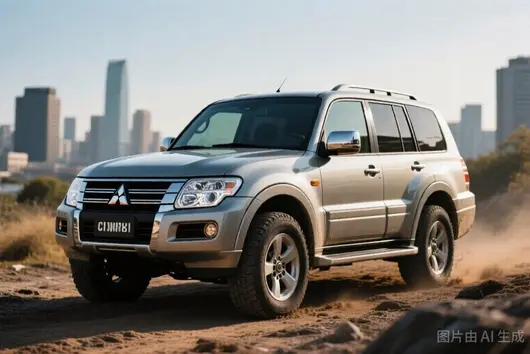
Berita daripada Owl Auto (ID:owlauto), baru-baru ini, Mitsubishi secara rasmi melancarkan Pajero Generasi Kelima secara global di Tokyo. Model klasik yang menjadi kenangan kepada ramai peminat off-road ini telah mengumumkan kembalinya semula dengan kuat setelah dihentikan selama tujuh tahun. Tempahan untuk kenderaan baharu akan dibuka pada 1 Oktober tahun ini di Jepun, dan kemudian akan dijual terawal di Thailand, Australia, Timur Tengah serta kira-kira 100 negara dan wilayah lain.
Sebagai sorotan utama dalam pertukaran generasi ini, Pajero Generasi Kelima telah sepenuhnya meninggalkan platform binaan beralas yang lebih condong ke arah SUV bandar seperti generasi sebelum ini, dan kembali sepenuhnya kepada struktur kerangka tangga bebas beban. Kenderaan baharu dibina berdasarkan platform pikap Triton Mitsubishi, bukan sahaja meningkatkan kekuatan struktur lantai secara ketara, tetapi juga dilengkapi dengan sistem Super Select 4WD-II klasik dan teknologi kawalan semua roda S-AWC, serta menawarkan 7 mod memandu termasuk salji, padang pasir. Dari segi dimensi kenderaan, panjang, lebar dan ketinggian kenderaan baharu masing-masing adalah 4920/1925/1910mm, dengan jarak roda sebanyak 2870mm. Reka bentuk luaran meneruskan bahasa keluarga Dynamic Shield, hiasan tirai menegak pada tiang C menghormati klasik generasi pertama, manakala dalaman meningkatkan kemewahan dan ketenangan kabin secara ketara sambil mengekalkan butang fizikal dan instrumen off-road digital. Dari segi kuasa, kenderaan baharu dilengkapi dengan enjin diesel 2.4T turbo ganda, kuasa maksimum 150 kilowatt, tork maksimum 480 Nm, dipadankan dengan transmisi automatik 8 kelajuan baharu.
Kembalinya Pajero pada asalnya adalah satu selamatkan strategik oleh Mitsubishi dalam keadaan pasaran yang mencabar. Sejak pencapaian puncak jualan global sebanyak 1.24 juta kenderaan pada 2018, jualan Mitsubishi terus menurun, dan pada tahun 2025 telah turun kepada 790,000. Terutamanya di pangkalan Tenggara Asia, apabila berdepan desakan kuat daripada syarikat automotif tenaga baharu China, pertumbuhan Mitsubishi lemah. Atas sebab itu, Mitsubishi dalam wawasan jangka sederhana dan jangka panjang terkini telah menjelaskan secara jelas bahawa pusat operasi akan beralih dari kenderaan kecil ke arah SUV dan pikap, dengan pelan melancarkan 13 kenderaan baharu menjelang 2031, di mana 7 daripadanya adalah model off-road. Dengan menggunakan semula platform pikap Triton yang matang, Mitsubishi telah mengurangkan kos penyelidikan dan pembangunan secara ketara, menjadikan model flagship ini yang sebelumnya sukar menyokong penyelidikan dan pembangunan secara mandiri memiliki kebolehlaksanaan komersial semula.
Walau bagaimanapun, kembalinya yang lewat ini menjadikan Pajero menghadapi persaingan yang kejam yang belum pernah terjadi sebelumnya. Mitsubishi meramalkan permintaan global untuk SUV off-road akan meningkat sebanyak 80% hingga 6.6 juta unit pada tahun 2030, tetapi peraturan pasaran ini telah dibentuk semula. Di pasaran luar negara, jenama China seperti siri 'Tank' Great Wall telah dengan cepat merebut bahagian pasaran dengan kelebihan elektrifikasi dan kecerdasan, menunjukkan prestasi kuat dalam pasaran SUV tidak beralas di negara seperti Thailand. Di pasaran dalam negara, dengan penarikan GAC Mitsubishi, Pajero baharu berkemungkinan besar hanya boleh diperkenalkan melalui saluran import selari, dengan harga dianggarkan lebih dari 400,000. Dalam julat harga ini, pengguna tempatan telah memiliki banyak pilihan SUV off-road keras buatan tempatan yang dilengkapi dengan suspensi udara, pemanduan pintar peringkat tinggi dan kuasa hibrid plug-in.
Secara umum, kebangkitan Pajero Generasi Kelima menunjukkan dasar yang mendalam Mitsubishi dalam bidang SUV off-road keras dan pertimbangan komersial yang praktikal. Namun, di bawah keadaan apabila kuasa definisi pertumbuhan pasaran off-road global sedang ditulis semula oleh jenama China, adakah model ini yang menonjolkan sistem penggerak empat roda mekanikal tradisional dan emosi dapat menembusi dalam litar baharu yang bersilang dengan kecerdasan dan elektrifikasi, serta memenangkan semula kepercayaan generasi pengguna baharu, masih memerlukan pasaran untuk memberikan jawapan akhir.

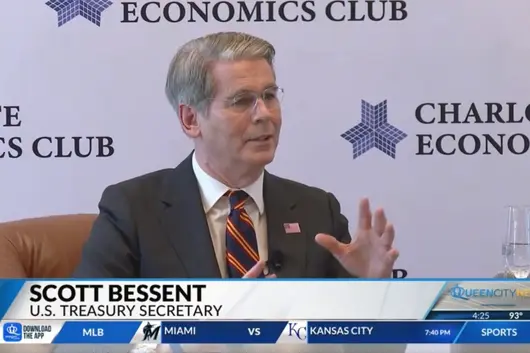
On September 2, Charlotte Economic Club, North Carolina, USA.
Sitting in the audience were all people from the US industry.
US Treasury Secretary Bessent stood on stage and suddenly posed a question:
"Have any of you in the room seen BYD cars?"
Then he gave the answer himself:
"This is the best car in the $70,000 class that you can get for $35,000."
The whole venue went silent.
This quote later flooded Chinese social media. Netizens' first reaction was amusement: US Treasury Secretary personally advertising for a Chinese car company?

But don't get happy too quickly. After Bessent praised it, he immediately added a sting. He said BYD is "heavily subsidized," claiming China uses industrial subsidies to distort global competition.
Praise first, then step on.
This tactic is played very smoothly.
The question is, this step he took was completely exposed with data.
A report from the US Rhodium Group calculated this year: BYD's per-vehicle cost advantage over Tesla is about $4,700.
Out of these $4,700, how much comes from direct government subsidies?
$292.
Less than 5%.
Then where was the rest of the money saved from?
Vertical integration. BYD manufactures its own parts; this alone saves about $2,369. Plus lower operating costs and economies of scale.
That is to say, that "$70,000 experience" is not built by someone dumping money. It relies on manufacturing batteries, motors, and control systems in-house, relying on generations of iteration, and squeezing out cost cent by cent through mass production.
This is truly what makes Bessent uncomfortable.

If BYD was just "cheap," he wouldn't mention it at all. Cheap goods do not constitute a threat.
The real pain point is: spend $35,000, get something worth $70,000.
This is not a price war, it is a value war.
You can block it behind your borders with tariffs, but you can't explain to consumers why, for the same money, others give more.
Data does not lie.
In August, BYD sold 189,000 vehicles overseas, up 134.6% year-on-year, setting a record for the fifth consecutive month. From January to August, cumulative sales reached 1.158 million vehicles, surpassing last year's full year of 1.0496 million vehicles.
Overseas sales account for 43.4% of total deliveries. For every 10 cars sold, more than 4 are handed over to overseas users.
In the first half of this year, BYD's overseas revenue was 181.268 billion yuan, accounting for 52.6% of total revenue.
A Chinese car company, for the first time, earned more than half of its money from abroad.
Moreover, overseas car sales gross margins are nearly 2 percentage points higher than domestic.
It is not low-price volume chasing, but actually making money.
UK sales for the first four months were 26,396 vehicles, an increase of 124%. Latin America growth was 142.8%, and Brazil became the largest overseas market. Thailand, Singapore, Italy, Spain, Saudi Arabia, UAE, South Africa, one after another topping local new energy sales charts.
The factory in Szeged, Hungary, will start production in Q4 of this year.
There is another interesting detail.

Bessent is not the first US official stimulated by BYD.
In April this year, US Commerce Secretary Lutnick was asked if he would allow BYD to build a joint venture factory in the US. He replied with only one word: "No."
Late in April, 74 House Democrats sent a joint letter to the White House, the wording was almost begging: "We must absolutely not hand over the US auto industry to a strategic competitor determined to dominate the world."
In May, another legislator proposed a bill that not only bans Chinese connected car imports, but also plugs loopholes allowing Canadian and Mexican residents to drive temporarily into the country.
From ministers to legislators, from executive orders to legislative proposals, almost every gear of the US political machine is spinning at high speed around "how to block Chinese cars."
The more anxious they are, the more it indicates one thing:
They are scared.
Afraid of what?
It's not that they are afraid of cheap prices. They are afraid that the brand premium game played for decades suddenly stopped working.
In the past, whether a car was worth this price was decided by brand history, by the badge, by circle consensus. A large chunk of the money consumers spent was buying that badge.
What BYD did was to overturn this pricing logic: it doesn't see who you are, it sees what you provide.
Three-electric system independent and controllable, 10,000 fast charging stations built covering 332 cities, charging time only increases by 3 minutes at minus 30 degrees.
These things are hard assets. Whether you like this brand or not, it is right there.
So the dilemma Americans now face is: you can prevent BYD from entering, but you cannot let domestic consumers not know that there is a car outside that spends half the money for double the experience.
Bessent's words were originally meant to say "they rely on subsidies."
As a result, after speaking, everyone remembers only the first half.
$35,000, $70,000 experience.
This is probably the most expensive slip of the tongue.
In the end, the best certification often comes from the person who most wants to deny you.
He is not praising you, he is stating a fact that gives him a headache.
And this fact is a vote cast by tens of millions of overseas users with real money.
Win world recognition with product power—This phrase sounds like a slogan, but in today's context, it is just plain speak:
You are good enough, even your opponent cannot hide it.
What do you think?

In the Malaysia SUV market, many buyers compare the Honda HR-V and Chery Tiggo 9 when choosing a car. These two cars are quite close in price and positioning. Today we will make a detailed comparison from multiple aspects to save you time doing research.
The Honda HR-V OTR price in Malaysia is RM 115,900 - 143,900, with a total of 4 versions, including 2026 e:HEV 1.5L RS (RM 143,900), 2026 1.5T V (RM 137,900), 2026 1.5T E (RM 130,900), etc.
The Chery Tiggo 9 OTR price in Malaysia is RM 166,800 - 179,800, with a total of 1 version, including 2026 2.0T Standard (RM 179,750), etc.
Looking at the price, the Honda HR-V's starting price is indeed RM 50,900 cheaper than the Chery Tiggo 9. If your budget is limited, the Honda entry-level version can already meet daily needs. But also note, that saving a few thousand might involve trade-offs in features, it depends on your specific needs.

The Honda HR-V is equipped with 1.5L Turbo, 140 hp. Official fuel consumption 7.0 L/100km.
The Chery Tiggo 9 is equipped with 2.0L 4-cyl, 170 hp. Official fuel consumption 8.0 L/100km.
Regarding power, the Chery Tiggo 9's 2.0L 4-cyl has 30 more horsepower than the Honda HR-V's 1.5L Turbo. However, for daily driving in the city, the power of both cars is sufficient, you won't feel it lacks power.
The Honda HR-V body length is 4500 mm, trunk 450 L.
The Chery Tiggo 9 body length is 4400 mm, trunk 400 L.
Regarding space, the Honda HR-V's body is 100 mm longer than the Chery Tiggo 9, the interior seating space will be slightly more spacious, especially the rear legroom. If you often carry family or need to place a stroller, a slightly larger body is indeed more practical.
The Honda HR-V and Chery Tiggo 9 are both mainstream choices in the Malaysia market, suitable for family use and daily commuting. If you value brand reputation and resale value more, you can prioritize the one with better reputation; if you care more about cost-performance and features, then choose the one with richer configuration. Ultimately we recommend test driving both, personal experience is the most important.

In general, the Honda HR-V and Chery Tiggo 9 are both very good models in the Malaysia market. Which one to choose, the key is still to look at your personal needs and budget. We suggest everyone do research, compare quotes from several dealerships, then test drive to make the final decision. Buying a car is a big matter, spending time doing research will definitely not be wrong.


In the Malaysian SUV market, many buyers compare the Honda HR-V and Chery Tiggo 8 when choosing a car. These two cars are quite close in price and positioning. Today, we will make a detailed comparison from multiple aspects to help you save time on research.
The OTR price of the Honda HR-V in Malaysia is RM 115,900 - 143,900, with a total of 4 versions, including 2026 e:HEV 1.5L RS (RM 143,900), 2026 1.5T V (RM 137,900), 2026 1.5T E (RM 130,900), etc.
The OTR price of the Chery Tiggo 8 in Malaysia is RM 129,750 - 129,750, with a total of 1 version, including 2026 1.6T Standard (RM 129,750), etc.
In terms of price, the Honda HR-V's starting price is indeed RM 13,850 cheaper than the Chery Tiggo 8. If your budget is limited, Honda's entry-level version can already meet daily needs. However, keep in mind that the few thousand dollars cheaper might involve trade-offs in features, which depends on your specific needs.
The Honda HR-V's safety rating is 5★ (ASEAN NCAP), with active safety systems including Honda SENSING (ACC, CMBS, LKAS, RDM).
The Chery Tiggo 8's safety rating is TBD, with active safety systems including Basic.
In terms of safety features, both cars received good ratings. However, there are some differences in functionality between the Honda HR-V's Honda SENSING (ACC, CMBS, LKAS, RDM) and the Chery Tiggo 8's Basic. If you value active safety, you can compare the feature lists of both closely.
The Honda HR-V body length is 4500 mm, trunk 450 L.
The Chery Tiggo 8 body length is 4400 mm, trunk 400 L.
In terms of space, the Honda HR-V body is 100 mm longer than the Chery Tiggo 8, providing slightly more interior passenger space, especially legroom in the back seat. If you often carry family members or need to fit a stroller, the larger body is indeed more practical.
Honda HR-V Warranty 5 years/Unlimited mileage, Maintenance interval every 10,000km or 6 months.
Chery Tiggo 8 Warranty 3 years/100,000km, Maintenance interval every 10,000km or 6 months.

Overall, both the Honda HR-V and Chery Tiggo 8 are excellent models in the Malaysian market. Which one to choose depends on your personal needs and budget. It is recommended to do your homework, compare quotes from several dealerships, and then test drive to make the final decision. Buying a car is a big matter; spending some time on research will never be wrong.

Di pasaran SUV Malaysia, ramai pembeli membandingkan Honda HR-V dan Toyota Fortuner ketika memilih kereta. Kedua-dua kereta ini mempunyai harga dan sasaran pasaran yang agak hampir, hari ini kita akan buat perbandingan terperinci dari pelbagai aspek untuk membantu anda menjimatkan masa membuat kajian.
Honda HR-V dijual di Malaysia dengan harga OTR bermula dari RM 115,900 - 143,900, terdapat 4 varian, termasuk 2026 e:HEV 1.5L RS (RM 143,900), 2026 1.5T V (RM 137,900), 2026 1.5T E (RM 130,900) dan lain-lain.
Toyota Fortuner dijual di Malaysia dengan harga OTR bermula dari RM 195,880 - 241,880, terdapat 3 varian, termasuk 2024 2.8T VRZ Diesel (RM 241,880), 2024 2.7L SRZ Petrol (RM 202,880), 2024 2.4L Standard Diesel (RM 195,880) dan lain-lain.
Dilihat dari segi harga, harga permulaan Honda HR-V memang RM 79,980 lebih murah daripada Toyota Fortuner. Jika bajet anda terhad, varian masuk Honda sudah boleh memenuhi keperluan harian. Tetapi anda juga perlu ambil tahu, perbezaan harga beberapa ribu mungkin mempunyai kompromi dari segi spesifikasi, bergantung kepada keperluan anda.
Honda HR-V menggunakan sistem pemanduan FWD.
Toyota Fortuner menggunakan sistem pemanduan FWD.
Sistem pemanduan kedua-dua kereta sama, iaitu FWD, rasa pemanduan harian tidak akan terlalu berbeza.
Honda HR-V dijamin 5 tahun/jarak tanpa had, selang servis setiap 10,000 km atau 6 bulan.
Toyota Fortuner dijamin 5 tahun/jarak tanpa had, selang servis setiap 10,000 km atau 6 bulan.
Syarat jaminan kedua-dua kereta sama, tidak perlu ragu-ragu dari segi ini. Kos servis sebenar bergantung kepada rangkaian perkhidmatan jenama dan harga komponen, disyorkan bertanya kepada pemilik sebenar dalam kumpulan peminat kereta.
Honda HR-V dan Toyota Fortuner adalah pilihan utama di pasaran Malaysia, sesuai untuk kegunaan keluarga dan perjalanan harian. Jika anda lebih mementingkan reputasi jenama dan nilai jualan semula, boleh utamakan model yang mempunyai reputasi lebih baik; jika anda lebih mementingkan nisbah harga dan spesifikasi, maka pilih model dengan konfigurasi lebih lengkap. Akhir sekali disyorkan untuk memandu ujian kedua-duanya, pengalaman peribadi adalah yang paling penting.
Secara keseluruhannya, Honda HR-V dan Toyota Fortuner adalah model kereta yang sangat baik di pasaran Malaysia. Memilih yang mana satu, yang penting bergantung kepada keperluan peribadi dan bajet anda. Kami cadangkan anda buat kajian terlebih dahulu, bandingkan beberapa sebut harga dari kedai kereta yang berbeza, kemudian buat ujian pemanduan untuk membuat keputusan akhir. Membeli kereta adalah perkara besar, meluangkan masa membuat kajian tidak akan meleset.

In Malaysia's SUV market, many buyers compare the Proton X90 and Honda HR-V when choosing a car. These two models are quite close in price and positioning. Today, we will make a detailed comparison from multiple aspects to help you save time on research.
Proton X90 is priced at RM 106,800 - 122,800 OTR in Malaysia. There are 4 versions in total, including 2026 1.5T Prime X (RM 122,800), 2026 1.5T Prime (RM 116,800), 2026 1.5T Lite (RM 106,800), etc.
Honda HR-V is priced at RM 115,900 - 143,900 OTR in Malaysia. There are 4 versions in total, including 2026 e:HEV 1.5L RS (RM 143,900), 2026 1.5T V (RM 137,900), 2026 1.5T E (RM 130,900), etc.
Looking at the price, Proton X90's entry price is indeed RM 9,100 lower than the Honda HR-V. If your budget is tight, Proton's entry-level model can already meet daily needs. However, keep in mind that the cost savings might come with compromises in features, depending on your specific requirements.

Proton X90 features a 1.5L Turbo engine with 140 hp. Official fuel consumption is 7.0 L/100km.
Honda HR-V features a 1.5L Turbo engine with 140 hp. Official fuel consumption is 7.0 L/100km.
Both cars use the same powertrain, so the driving experience is basically the same. Fuel consumption is also similar, no need to worry too much about this.
Proton X90's safety rating is 5★ (ASEAN NCAP). Active safety systems include ADAS (ACC, AEB, LKA, LDA, BSM, RCTA).
Honda HR-V's safety rating is 5★ (ASEAN NCAP). Active safety systems include Honda SENSING (ACC, CMBS, LKAS, RDM).
Both cars have the same safety rating. In this class, safety features are quite comprehensive. Safety on new cars these days is generally good, so no need to worry too much about this.
Proton X90 body length is 4400 mm, trunk 400 L.
Honda HR-V body length is 4500 mm, trunk 450 L.
Regarding space, Honda HR-V's body is 100 mm longer than Proton X90, giving it an advantage in passenger space. However, Proton X90 is more flexible for parking in the city, each has its trade-offs.
Proton X90 warranty 5 years/150,000km, service interval every 10,000km or 6 months.
Honda HR-V warranty 5 years/unlimited mileage, service interval every 10,000km or 6 months.
Overall, Proton X90 and Honda HR-V are both excellent models in the Malaysian market. Which one to choose depends mainly on your personal needs and budget. We recommend doing your research, compare quotes from multiple dealerships, and then take a test drive for the final decision. Buying a car is a big deal, spending some time researching is never wrong.

© 2024 Bitauto.com. All Rights Reserved.
Bitauto (www.yiche.com and www.bitauto.com) is one of the most visited automotive websites in China. We provide detailed info on Chinese car brands available in your area. Please note that the information provided on this website is based on publicly available data and is for reference only. It may not be fully updated or accurate at all times.

Help us improve our website


