

Homeborneo

Search History
Popular Searches
Dealer Login / Sign Up

August 12, Chery Fengyun T7 officially launched pre-sale. The new car offers 3 versions, with a pre-sale guide price ranging from 109,900 RMB to 129,900 RMB, and enjoys 7 sets of car purchasing benefits. It is worth mentioning that, facing users' practical concerns regarding vehicle failures, later maintenance costs, etc., Fengyun T7 also launches two major safeguard guarantees and two lifetime benefits, providing protection from purchase to long-term use.

As a peace-of-mind pure electric SUV created by Chery for global families, Fengyun T7 has anchored five major systems of global standards, global testing, global users, global durability, and global quality manufacturing from the beginning of R&D. It rejects the industry's rapid car-making approach, polishing the overall vehicle strength with full-link global strict standards, and is a pure electric SUV truly tempered by the global market. Its homologous model Lepas L6 has been launched in South Africa and Thailand, gaining recognition from overseas users. Now, bringing back Fengyun T7 after verification in the global market, it completely covers six core needs: range, safety, intelligence, comfort, driving control, and aesthetics, meeting all family user expectations in one step.

Built with Full-Link Global Strict Standards, Comprehensive Safeguards for Global Road Conditions
As a global quality pure electric SUV, Fengyun T7 is born from Chery's global quality manufacturing system, following global standards for development from the planning stage, conducting research combined with global user needs, taking into account adaptation capabilities for different global regional environments, undergoing strict global road condition testing, and is a high-quality pure electric SUV that can withstand the test of the global market.
Fengyun T7 is designed to benchmark the 2026 E-NCAP 5-star safety standard and functional safety ASIL-D highest level. 2 years of planning, 3 years of R&D, a total of 81 exclusive durability vehicles were invested in for synchronized road testing. The whole vehicle cumulative test mileage exceeds 6 million kilometers, durability special actual testing 1.45 million kilometers, at the same time, extreme actual vehicle trials are conducted for multiple global regions such as Southeast Asian rainy season, Middle East high-temperature sun exposure, and Indonesian high humidity.

The body uses 80% high-strength steel and 18.84% hot-formed steel to create a 9-horizontal-5-vertical cage body, using shotgun structure, dual-frame subframe + Pack anti-collision beam. Steel bones guarantee occupant cabin safety. 9 front collision force transmission paths + 6 side paths maximize scattering of collision energy, retaining occupant survival space. In addition, 9 airbags are equipped, including 48L dual-chamber front airbags and rear side airbags, providing 360° all-around protection for occupant safety. Fengyun T7 series is equipped with Rhino Battery. Super strong 6D protection builds a battery safety fortress to resist extrusion, piercing, and impact in all directions, building a multi-layer 3D safety barrier for power batteries. Facing frequent summer rainstorms, Rhino Battery IP68 waterproof rating is 96 times the national standard, fearing no rainy season flooding, road water accumulation, or outdoor wading, effectively preventing battery water ingress and short circuit hazards.
Full Series 600km Range Equality, Adapting to Global Diverse Climate Conditions
Based on global multi-regional energy and climate needs, Fengyun T7 achieves full-series range configuration equality. Full series standard large capacity Rhino Battery 65.05kWh, CLTC 600km range, actual measured range 667+km, battery 30% to 80% charging only takes 20 minutes.

Fengyun T7 is equipped with full-domain integrated thermal management dual-source wide heat pump AC + High voltage PTC. Northern users can also drive with peace of mind in winter. -30°C to 55°C ultra-wide temperature range stable operation, heating is more energy-saving in low-temperature environments, heat dissipation is more efficient in high-temperature environments. Cooperating with the standard AGS intelligent grille and 14 low-drag optimizations across the series, energy consumption at high and low speeds is more stable.
Same-Class Premiere 4nm Cockpit-Drive Integrated 8775 Chip, Intelligence Not Split
Fengyun T7 is equipped with Cockpit-Drive Integrated 8775 Chip, featuring 4nm process, 72 TOPS high computing power, response only takes 80ms. Startup speed up 33%, startup speed faster, screen operation smoother, Intelligent interaction response more rapid. 15.6-inch 2.5K high-definition large screen, delicate and realistic picture. CarPlay, HUAWEI HiCar, CarLink wireless connection, covering 99%+ of mobile phone screen casting on the market, achieve seamless connectivity upon entering the car. Lingxi Smart Cockpit 2.0 brings an all-around companion partner, Six real-person feeling companion experiences. At the same time, built-in 6 scene modes such as nap, camping, pet, awake, etc., letting the car truly become a mobile space that understands you.

In terms of assisted driving, Fengyun T7 is equipped with Falcon 500 driving assistance system, integrated 3 millimeter wave radars, 7 high-performance cameras, 12 ultrasonic radars. Total 22 high-precision sensors (3R7V12U), see far, see clear, measure accurately. Able to perform 300+ full-scenario automatic parking. Headless road parking, one-touch tracking reverse parking, cross-floor parking, etc. can all be achieved, saying goodbye to 'parking difficulty' from now on, achieving parking freedom.
Mobile Large Flat Layer, Master-Level Chassis Tuning for Steady Travel
As a pure electric SUV created for families, Fengyun T7 overall size 4570×1852×1694mm, wheelbase 2700mm, In-car efficiency rate 84%, Pure flat rear floor, class-leading 911mm legroom. Rear seats folded to extend 1955mm pure flat big bed, standard trunk 450L, extended to 1550L. 38 smart storage spaces in the whole car, organized storage, enjoy exquisite life. 9-layer cloud-feel seats, soft but not collapsing, not tired after sitting for a long time. In addition, seats also have ventilation and heating functions, satisfying user comfort needs.


Comfortable driving and riding, inseparable from the support of excellent chassis. Fengyun T7 chassis is meticulously polished by an international chassis team led by former Maserati chassis tuning experts. 50.8:49.2 Golden Axle Load Ratio can effectively suppress turning push head, tail wagging phenomena, improving turning stability and straight-line driving tracking performance.
When 'rapid-made cars' gradually become a common industry phenomenon, Fengyun T7 chooses a different path — Slow down R&D, slow down design, slow down verification, slow down accepting global standard tests. And this 'slowness' is indeed the slowness that is responsible to users. Fengyun T7 first ran a round globally to verify quality, then returned to the domestic market. This 'go global first, return home later' path is worthy of long-term trust from the whole family.
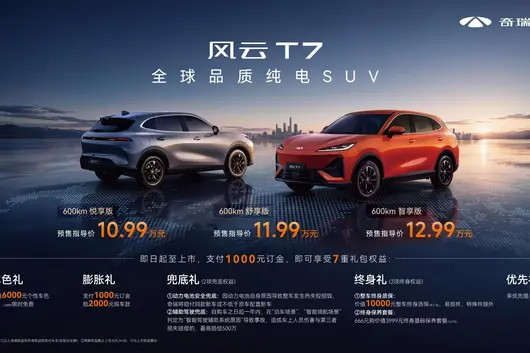

Fengyun T7 Pre-sale Starts at 109,900 RMB, Full Series 600km Range with 'Reverse False Labeling', Consumer Pure Electric Competed to This Extent
The theme of the Fengyun T7 pre-sale launch tonight is "Slow Work Builds Good Cars, Long Waited". To be honest, my first reaction was: Is this car company crazy? What era is this? New forces have an OTA update a week, traditional car companies hold a launch every half month, even fridges, big screens, and plush seats are competing into the 80,000 RMB level. You are a 100,000 RMB level pure electric SUV, the launch theme is actually called "Slow"? But after watching the whole launch and flipping through that dense pile of spec sheets, I actually understood a bit.

This car's "slow" is not dragging feet, but something increasingly scarce in the current industry—it truly took a car to run around the globe first before daring to drive it back to China to sell. The Fengyun T7's path is interesting: It didn't launch in China first and then slowly export, but reversed—the other way around—first pre-sold in South Africa, launched in Thailand on July 24, then returned to China for pre-sale in August. Next, enter the EU in September, cover Australia, New Zealand, UK, Israel, Malaysia in October.
What concept? Equivalent to a test-taker who went to take several of the hardest exams in the world first, got the score report, and then came back to take the domestic college entrance exam.
This "Reverse Going Global" strategy itself means it can't be fast. Because overseas markets, especially the EU, have much stricter regulations, safety, and environmental requirements for vehicles than domestically. If you don't slow down to polish it, you simply cannot pass that threshold.
Pre-sale price 109,900 RMB to 129,900 RMB, three configurations, full series 600km range. At this price segment, we are too familiar with the "Crammed Car" tricks: Entry-level range cut to 400km, two fewer airbags, infotainment chip from three years ago. Fengyun T7 refuses, saying itself "A global car just can't be fast". So this "slow car", what exactly did the slowness achieve.

Its "slow", the slowness is in every place you can't see
Slow in R&D.2 years planning + 3 years R&D, total 5 years. Now industry average 18-24 months, it spent double the time. In these 5 years, Chery used the global 1+7+N R&D system, simply put, multiple R&D centers globally working simultaneously, not a team designing behind closed doors.
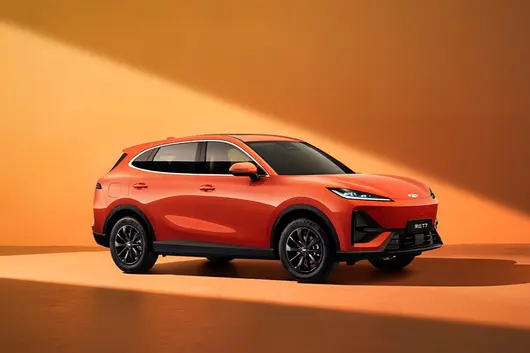
Slow in Design.Over 5000 global users participated in co-creation, 10 major design centers, over a hundred designers collaborating. Sounds vague? For example: That Inferno Orange paint, uses tri-coat 3-layer process + 2K8 coat paint, co-developed with Axalta, added orange pearl effect, color changes under different lighting. This luxury car-level craftsmanship, placed on a 100,000 RMB car, do you think it takes time?
Slow in Standards.Designed directly according to the 2026 version E-NCAP standard. Note, it's the 2026 version, not the current version. Every time E-NCAP upgrades, the rigor of the crash test goes up a level. It means it is building cars according to future standards right now.
Slow in Validation.This is the toughest. Globally accumulated 963 test cars, durability test ran 1.45 million kilometers. What concept? Equivalent to a car running continuously non-stop, from Beijing to Shanghai, 150 round trips. And not running in a lab, but really taken to all over the world for stress tests: Northern Europe -40℃ extreme cold, Middle East 55℃ high-heat baking, Southeast Asia 500mm deep water wading, Brazil 140mm high speed bumps, South Africa unpaved muddy roads……

The two details I remember most are: One is for the Northern Europe extreme cold area, it did heat pump + PTC dual-source heating, minus 10℃ range can improve 30%; The other is for Brazil's bad roads, specifically added two front and rear beam protections at the battery connector.
These things, you can't even notice when viewing the car at the 4S store. But they determine if this car after 5 years, 10 years, will have noises everywhere, if the battery will degrade, if the sealing strips will harden and leak. The gap between cramming cars and slow work cars is often not on the day of picking up the car, but after 3 years.

How powerful is the product strength earned from slowness?
After saying so much about "slow", ultimately it must land on the product. After all, consumers pay money to buy cars, not car building stories.
First look at range, this is the sharpest blow.What is the old trick of 100,000 RMB level pure electric SUVs? Entry-level gives you 400+ km range, want 600km? Pay more for high spec. BYD Yuan PLUS entry 430km, Geely Galaxy E5 entry 440km, AION Y entry 430km—everyone plays like this, consumers are also used to it.
Fengyun T7 goes directly not by the rules: three configurations, full series 65.05kWh Rhino battery, CLTC range all 600km. Entry level 109,900 RMB, range and top spec exactly the same.
And official says actual test can reach 667km+, belongs to "Reverse False Labeling". Fast charge 30% to 80% takes only 20 minutes, a cup of coffee's effort. Battery cycle life over 2500 times, based on 20,000 km per year, can use 15 years without changing battery.

This is interesting: You spend 109,900 RMB to buy entry level, range is no worse than 129,900 RMB top spec. So where does the difference between low and high spec lie? Difference is in smart driving, seat ventilation heating these comfort configurations, not the core three-electric systems. This "Range Equity" strategy is the first in the 100,000 RMB level.
Next look at safety, this is global standard hard currency.
Body 80% high strength steel + 18.84% hot formed steel, nine horizontal five vertical cage body. What level is this ratio? Same level average high strength steel proportion is about 60%-70%, it directly pulls to 80%.

9 airbags are given, including rear side airbags and 48L dual-cavity remote airbags. Most in same level, none other. Many 100,000 RMB cars, rear side airbags require extra money to select, it directly comes standard.
Battery safety is even more exaggerated. Rhino battery did a "6D Lock Armor", 31 layer protection structure, IP68 waterproof is 96 times national standard, side anti-compression 200kN is 2 times national standard, salt fog test 1008 hours, fire test duration is 1.5 times national standard.
Translate to human language: Summer heavy rain crossing flooded sections, no need to worry about battery water ingress; hit from side, battery not easy to deform; drive for 5 or 6 years, battery won't have problems due to corrosion.
And Chery also did a "Power Battery Safety Coverage"—if due to battery's own reason causing thermal runaway burning car, directly compensate you a new car. This promise, in 100,000 RMB cars this is the first time I've seen.

In terms of intelligence, chips are given generously.
Qualcomm 8775 Cockpit-Driving Integrated Chip, 4nm process, 72TOPS computing power. What concept is this chip? Now 200,000 RMB level new energy vehicles common 8155 is 7nm, 8775 is its next generation, process more advanced, computing power stronger. System response 80ms, boot speed 33% faster than previous generation.
15.6 inch 2.5K large screen, 1000nit brightness, with anti-glare, anti-reflective, anti-fingerprint coating. CarPlay, Huawei HiCar, CarLink all supported, covering 99%+ of phones. Car system also integrated Doubao Large Model, voice assistant has six "Personas" to choose from—Northeast Aunt, Argument Master, Professional Debater... Sounds quite good at creating fun.

Smart driving uses Falcon 500 system, 22 sensors (3mm wave radar + 7 cameras + 12 ultrasonic radar), supports 300+ scenarios automatic parking, cross-floor memory parking up to 2 km. Blind alley parking, one-button trace reverse these functions also all have.
By the way, it retains physical air conditioning buttons. I want to praise this detail separately—adjusting temperature while driving requires poking the screen, truly anti-human.
Space and comfort, the basic block for family cars.
Car length 4570mm, wheelbase 2700mm, interior space rate 84%. Rear legroom 911mm, floor pure flat. Rear seats 4/6 fold down, can form 1955mm x 1310mm pure flat large bed, camping lunch nap can use.

Seats are 9-layer composite structure, with heating and ventilation. Heating area 0.2㎡, largest in same level; -20℃ environment 5 minutes can heat to 30℃. Ventilation uses air suction design, not that kind of blowing directly on back, summer more comfortable.
Chassis is Maserati front chassis tuning expert led team did, 50.8:49.2 golden axle load ratio, this ratio same level unique. Front and rear axle load balanced, turning not easy to push head or swing tail, high speed driving more stable.
There are also some very thoughtful small designs: Driver and passenger each have one umbrella slot, rainy day wet umbrella has place to put; trunk 4 rivet rings + 2 hooks, camping equipment can be fixed; 50W wireless fast charge + 3 Type-C + 1 USB, all car people charging no need to fight.

Pricing starting from 109,900 RMB, is "Slow Work"'s greatest sincerity
Finally speak of price and rights, this is what consumers care about most.
Three configurations: 600km Enjoyable Version 109,900 RMB, Comfort Version 119,900 RMB, Smart Version 129,900 RMB. Difference is 10,000 RMB, choosing which is clear—budget limited buy entry level, core range, safety, chips not shrink; want seat ventilation heating, fuller smart driving functions, go for middle-high spec.
Pre-sale rights have 7 layers, I pick the most substantial to say:
Two Lifetime Rights:Whole vehicle lifetime warranty (includes three-electric), value 10,000 RMB; 666 RMB buy value 3999 RMB lifetime basic maintenance package (once a year).
Two Coverage Rights:Power battery thermal runaway compensate new car; Assist driving accident one year max compensate 5 million.
Also 1000 RMB deposit offset 2000 RMB car purchase, value 6000 RMB personalized car color limited time free, priority pick-up right.
To be honest, whole vehicle lifetime warranty + battery thermal runaway compensate new car, these two lines placed on 100,000 RMB car, are very deadly. Buy electric car fear most what? One is battery problems, two is after warranty period repair expensive. Fengyun T7 equivalent to put these two biggest concerns, directly give you coverage.

These two years pure electric market parameter competition is fierce, range numbers bigger than one by one, chip computing power higher than one by one, but what are users truly anxious about? Is winter range taking a hit, is battery degrading after a few years, is heart unsettled driving on bad roads, is safety config depending on car model version.
Fengyun T7's answer is very simple: Don't play gimmicks, do enough global verification, provide all six major essential needs in one car, make quality withstand time's test. Then paired with this 109,900 RMB - 129,900 RMB pre-sale price, the word "value for money", it really mastered it.
From LepasL6 overseas market performance, this set "Global Car" logic has been verified. Now bringing global quality back domestic, this car likely become 100,000-150,000 RMB level pure electric SUV most "durable" contestant.
After all, in pure electric competition second half, users ultimately will vote with their feet to those cars "drive 5 years still like new car".
Fengyun T7, long waited, but worth waiting.
#FengyunT7PreSale109900RMBStartsFrom##GlobalCarCantBeFast##FengyunT7SlowWorkBuildsGoodCars#
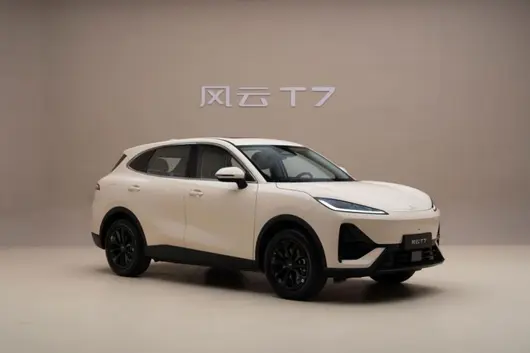

【華中汽車網】當「十二個月出一款新車」成為行業潛規則,當「上市後再 OTA」被默認為常態,邊個嚟守護一台車本來就有嘅安全底線同品質尊嚴?

二零二六年八月十二日,全球品質純電 SUV 風雲 T7 正式開啟預售,以「慢功造好車,等咗好耐」為主題,向行業「速成」風氣畀出鏗鏘回應。新車推出三款版型,預售指導價十點九九萬至十二點九九萬蚊,並同步釋放七重買車權益。

呢部唔係一台趕出來嘅車——二年策劃、三年正向研發、百萬公里全球驗證。風雲 T7 用五年時間證明:全球車,快唔到一點。
反向出海:令世界先考,再返中國赴約
風雲 T7 走出咗一條少人走嘅路——先接受全球淬煉,再回歸中國交付。在此之前,佢嘅同源車款 Lepas L6 已亮相米蘭設計週並收穫「小 Macan」美譽;已喺南非預售發佈,七月二十四日登陸泰國,跟住八月登陸印尼、九月進入歐盟、十月到達澳新同英國市場。風雲 T7 唔只係一台中國智造,仲係一張正被全球用戶驗證嘅品質名片。

倚靠奇瑞二十三年全球化技術積澱,風雲 T7 滿足十幾個國家嘅法規同路況要求,喺全球一百多個極限路況環境下完成實車測試。佢係真正意義上嘅「全球車」——先讓世界苛刻嘅眼光檢驗過,先至放心交畀中國用戶手中。
慢喺研發:九六三台試驗車,測到萬無一失
行業裡,有人用縮短路試嚟搶時間,有人用用戶當「小白鼠」做迭代。風雲 T7 揀咗一條笨辦法:投入九六三台試驗車,其中八一台為專屬耐久車同步路試。整車累計測試里程超六百萬公里,耐久專項實測一百四十五萬公里。

呢唔係數字遊戲。每一公里都係真實路況嘅極限拷問:北歐零下四十度極寒,中東五十五度高溫暴曬,東南亞雨季高濕,印尼熱帶雨林鹽霧腐蝕。風雲 T7 行過嘅路,比大多數用戶十年開過嘅里程總和仲長。
慢喺標準:用二零二六版 E-NCAP 五星安全,造一部「唔怕撞」嘅車
當人哋仲喺追趕現行標準,風雲 T7 已錨定二零二六版 E-NCAP 五星安全標準——而家係全球最嚴苛嘅碰撞安全法規。

車身採納百分之八十高強度鋼、百分之十八點八四熱成型鋼,構建九橫五縱籠式車身,前面九條加側面六條碰撞傳力路徑分散撞擊能量。全系標配九個安全氣囊,含 48L 雙腔遠端氣囊同後排側氣囊。全系搭載犀牛電池,六 D 防護構築電池安全堡壘,IP68 防水達國標九十六倍,雨季涉水、戶外穿越無懼進水隱患。
此外,整車功能安全達到 ASILD 最高等級——呢係汽車行業功能安全嘅「天花板」,代表住就算喺極端故障下,系統仲能保障乘員安全。
慢喺設計:五千名加用戶共創,令全球審美落地中國
風雲 T7 匯聚全球十大設計中心、百幾名設計師協同設計,仲邀請五千名餘名海外內用戶全程共創。同源車款 Lepas L6 亮相米蘭設計週獲國際認可,驗證咗呢套設計語言嘅全球共鳴。

馭風前臉、風塑絲綢車身、天際霞光尾門,平衡國際簡約審美同東方雅致氣韻。六款全球車漆配色中,熾焰橙、山煙紫、雲粉米等色彩歷經嚴苛耐候測試,常年暴曬唔褪色。內飾採用雲翼環抱座艙,大面積軟包覆,所有內飾材料經抗老化處理,多年使用依然嶄新耐看。靚唔係一瞬嘅心動,而係長久嘅耐看——呢係全球車對「美」嘅基本尊重。
六大剛需全滿足:品質生活,一步到位
風雲 T7 圍繞品質家庭六大核心新剛需——靚、安全、出行、智能、舒享、安心,將所有配置拉滿:

出行剛需:全系標配六十五點零五 kWh 犀牛電池,CLTC 續航六百 km,實測六百六十七加 km「反向虛標」。百分之三十充至百分之八十只需二十分鐘。零下三十度至五十五度超寬溫域熱泵空調,北方冬季亦可以放心開。
智能剛需:艙駕一體 8775 晶粒,4nm 製程、72TOPS 算力,響應僅 80ms。十五點六吋 2.5K 大屏,覆蓋百分之九十九手機投屏。靈犀智艙 2.0 內置六大真人感陪伴體驗。獵鷹 500 智駕系統集成 22 顆傳感器,實現三百加全場景自動泊車,斷頭路、跨樓層泊車輕鬆應對。
舒享剛需:百分之八十四得房率、後排純平地台、911mm 腿部空間,放倒即成一千九百五十五 mm 純平大床。九層雲感座椅,三檔通風加熱。底盤由瑪莎拉蒂前調校專家領銜團隊打磨,五十點八比四十九點二黃金軸荷比帶越級駕乘質感。
安心剛需:動力電池因自身原因導致熱失控損毀,奇瑞賠付同款新車;智駕系統原因導致事故,一年內最高賠償五百万。整車終身質保(含三電),六百六十六蚊購價值三千九百九十九蚊終身基礎保養——全周期用車無憂。

由研發到驗證,由設計到安全,由續航到智能——風雲 T7 用「慢」換嚟咗每一項參數嘅紮實,用「笨功夫」換嚟咗每一個場景嘅可靠。十點九九萬蚊起,一部經得起全球考驗嘅純電 SUV。風雲 T7,而家已就位。
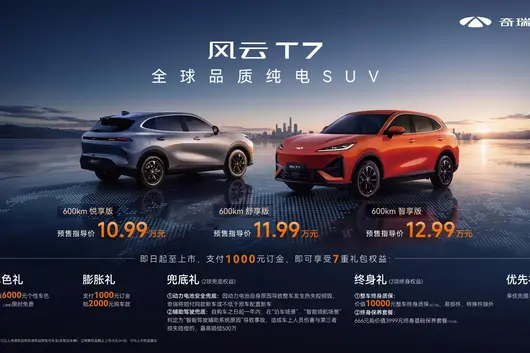

8月12日,全球品质纯电SUV风云T7正式开启预售,共推出3款版型,预售指导价10.99万元至12.99万元。依托奇瑞23年全球化技术积淀,风云T7拒绝行业速成造车思路,以全链路全球严苛标准打磨,围绕颜值、安全、出行、智能、舒享、安心六大核心刚需,适配通勤、远途、户外、多人出行等多元场景。此外,风云T7推出两大兜底与两项终身权益:动力电池安全兜底,因电池自身原因导致整车热失控损毁,奇瑞将赔付同款新车或不低于原车配置新车;辅助驾驶兜底,购车一年内,在泊车、智能领航场景中判定为系统原因导致的事故,车上人员伤害与第三者损失最高赔偿500万;价值10000元的整车终身质保(含三电,易损件、特殊件除外)及666元购价值3999元终身基础保养套餐(1次/年),从购车到长期使用全程守护。


在设计层面,风云T7由奇瑞10大全球设计中心联合5000余名海内外用户共创,同源车型Lepas L6曾亮相米兰设计周。新车采用驭风前脸、风塑绸缎车身、天际霞光尾门,融汇全球审美与东方气韵,提供炽焰橙、山烟紫等6款配色,漆面同步海外严苛耐候要求。

内饰分温暖黑棕、极夜黑曜两种风格,云翼环抱座舱搭配大面积软包覆,鹅卵石悬浮扬声器、菱格绫缝等细节精致,且皮革、密封条、塑料件具备抗硬化褪色能力,常年使用依旧耐看。

安全性能上,风云T7对标2026版E-NCAP五星安全标准设计,功能安全达ASILD最高等级。新车历经2年策划、3年研发,投入81台专属耐久车同步路试,整车累计测试里程超600万公里,耐久专项实测145万公里,更在东南亚雨季、中东高温暴晒、印尼高湿等环境中完成极限试炼。车身采用80%高强度钢、18.84%热成型钢打造九横五纵笼式车身,搭配shotgun结构、双框副车架+Pack防撞梁,设前9条+侧6条碰撞传力路径,全车配备9个安全气囊,包含48L双腔远端气囊和后排侧气囊。同时,犀牛电池具备为国标96倍的IP68防水能力,无惧涉水场景。

智能化方面,风云T7搭载舱驾一体8775芯片,采用4nm制程、72TOPS高算力,响应仅需80ms,开机提速33%。座舱配备15.6英寸2.5K高清大屏,支持CarPlay、HUAWEI HiCar、CarLink无线连接,覆盖99%以上手机投屏。灵犀智舱2.0提供六大真人感陪伴体验,内置小憩、露营等六大场景模式。猎鹰500驾驶辅助系统集成3颗毫米波雷达、7个高性能摄像头、12个超声波雷达共22颗高精度传感器,支持300+全场景自动泊车,断头路泊车、一键循迹倒车等功能均可实现。

舒享体验上,风云T7车身尺寸4570×1852×1694mm,轴距2700mm,车内得房率84%,后排911mm腿部空间搭配纯平地台,后排放倒可拓展1955mm纯平大床,常规后备箱容积450L,最大拓展至1550L。9层云感座椅软而不塌,支持通风加热,3挡温控调节可在-20℃环境下5分钟速加热至30℃,通风采用吸风设计避免闷汗。全车38处巧思储物空间,搭配4个最大承重300kg铆环和2个最大承重3kg挂钩,满足多元装载需求。底盘由玛莎拉蒂前底盘调校专家领衔的国际化团队打磨,50.8:49.2黄金轴荷比提升过弯稳定性与直线循迹性,辅以奇瑞26年底盘设计功底,驾乘质感出色。

针对用户续航焦虑,风云T7实现续航配置全系平权,标配65.05kWh犀牛电池,CLTC续航600km,实测续航667+km,30%充至80%仅需20分钟。新车搭载全域一体化热管理双源宽热泵空调+高压PTC,可在-30°C至55°C超宽温域稳定运转,配合AGS智能进气格栅与14项低风阻优化,确保高低速能耗稳定。
写在最后

风云T7的预售,不仅是奇瑞全球化技术积淀的一次集中释放,更是对当前纯电市场“速成造车”风气的理性回应。新车摒弃了单纯堆料的浮躁,转而以全球审美设计、全维五星安全、600km真续航、高性能智舱智驾、大师级舒享调校以及行业罕见的“2终身+2兜底”权益,构建起扎实的六大刚需产品力。10.99万元至12.99万元的定价,配合7重购车权益,让全球品质不再是高价专属,而是触手可及的国民福利。风云T7的到来,标志着中国品牌纯电SUV正式进入“全链路品质竞争”的新阶段,为注重家庭出行品质的用户提供了一个更安心、更可靠的高价值选择。

Di pasaran SUV Malaysia, ramai pembeli yang membandingkan Proton X90 dan Chery Tiggo Cross semasa memilih kenderaan. Kedua-dua kereta ini sangat hampir dari segi harga dan kedudukan pasaran; hari ini kita akan membuat perbandingan terperinci dari pelbagai aspek untuk membantu anda menjimatkan masa membuat kajian.
Harga OTR Proton X90 di Malaysia adalah RM 106,800 - 122,800, terdapat 4 varian, termasuk 2026 1.5T Prime X (RM 122,800), 2026 1.5T Prime (RM 116,800), 2026 1.5T Lite (RM 106,800) dan lain-lain.
Harga OTR Chery Tiggo Cross di Malaysia adalah RM 88,750 - 99,750, terdapat 2 varian, termasuk 2025 HEV 1.5L CSH (RM 99,750), 2025 1.5T Standard (RM 88,750) dan lain-lain.
Dari segi harga, harga permulaan Chery Tiggo Cross lebih murah RM 18,050 berbanding Proton X90. Jujur mengatakan, pada julat harga ini, perbezaan beberapa ribu sebenarnya tidak terlalu besar, yang penting adalah nilai keseluruhan dan kos penggunaan jangka panjang.

Proton X90 panjang kenderaan 4400 mm, Bekas Muatan Belakang 400 L.
Chery Tiggo Cross panjang kenderaan 4400 mm, Bekas Muatan Belakang 400 L.
Saiz kedua-dua kereta hampir sama, ruang dalaman hampir serupa. Kereta kelas ini sudah mencukupi untuk kegunaan harian.

Proton X90 jaminan 5 tahun/150,000km, selang penyelenggaraan setiap 10,000km atau 6 bulan.
Chery Tiggo Cross jaminan 3 tahun/100,000km, selang penyelenggaraan setiap 10,000km atau 6 bulan.

Proton X90 dan Chery Tiggo Cross adalah pilihan utama pasaran Malaysia, sesuai untuk kegunaan keluarga, perjalanan harian. Jika anda lebih mementingkan reputasi jenama dan harga terpakai, utamakan model yang mempunyai reputasi lebih baik; jika anda lebih mementingkan nilai harga dan kelengkapan, pilih model yang lebih banyak peranti. Pada akhirnya, disyorkan untuk uji kedua-duanya, pengalaman langsung adalah yang paling penting.

Secara keseluruhannya, Proton X90 dan Chery Tiggo Cross adalah model kereta yang sangat bagus di pasaran Malaysia. Memilih yang mana, kunci utamanya bergantung pada keperluan dan bajet peribadi anda. Kami cadangkan anda melakukan kajian, bandingkan beberapa tawaran dealer, kemudian uji untuk membuat keputusan akhir. Membeli kereta adalah perkara penting, meluangkan masa membuat kajian tidak akan salah.


喺馬來西亞嘅 SUV 市場,好多買家喺揀車嘅時候都會拿 Proton X90 同 Mazda CX-60 嚟做比較。這兩款車喺價位同定位上都幾接近嘅,今時今日我哋就從多個方面做一個詳細嘅比較,幫你節省咗做功課嘅時間。
Proton X90 喺馬來西亞嘅 OTR 售價係 RM 106,800 - 122,800,總共有 4 個版本,包括 2026 1.5T Prime X(RM 122,800)、2026 1.5T Prime(RM 116,800)、2026 1.5T Lite(RM 106,800) 等。
Mazda CX-60 喺馬來西亞嘅 OTR 售價係 RM 200,510 - 252,873,總共有 2 個版本,包括 2026 3.3T 4WD High Plus(RM 252,873)、2025 2.5L 2WD High(RM 200,510) 等。
睇返價錢,Proton X90 嘅起步價確實比 Mazda CX-60 平咗 RM 93,710。如果你預算有限,Proton 嘅入門版已經可以满足日常需要。但都要注意,平嗰幾千蚊,可能在配備上可能有取捨,具體要睇你嘅需要。
Proton X90 裝載 1.5L Turbo,140 匹。官方油耗 7.0 L/100km。
Mazda CX-60 裝載 2.0L 4-cyl,170 匹。官方油耗 8.0 L/100km。
動力方面,Mazda CX-60 嘅 2.0L 4-cyl 比 Proton X90 嘅 1.5L Turbo 多咗 30 匹。不過日常喺市區開,兩款車嘅動力都夠用,唔會覺得唔夠力。
Proton X90 車身長 4400 mm,尾箱 400 L。
Mazda CX-60 車身長 4500 mm,尾箱 450 L。
空間方面,Mazda CX-60 嘅車身比 Proton X90 長咗 100 mm,乘搭空間更有優勢。不過 Proton X90 喺城市入面停車會靈活啲,各有取捨。
Proton X90 採用 FWD 驅動方式。
Mazda CX-60 採用 FWD 驅動方式。
兩款車嘅驅動方式一樣,都係 FWD,日常駕駛感受唔會有太大分別。

Proton X90 保養保修 5 年/150,000km,保養間隔 每 10,000km 或 6 個月。
Mazda CX-60 保養保修 5 年/150,000km,保養間隔 每 10,000km 或 6 個月。
兩款車嘅保養保修條件一樣,呢方面唔使糾結。實際保養成本仲要睇品牌嘅服務網絡同零件價格,建議去車友群問下真實車主嘅經驗。

總括嚟講,Proton X90 同 Mazda CX-60 都係馬來西亞市場幾唔錯嘅車型。揀邊一輛,關鍵都係要睇你嘅個人需要同預算。建議大家做好功課,多比較幾間車行嘅報價,再去試駕做最終決定。買車係件大事,花少少時間做功課絕對唔會錯。

1.11 million units, down 17.44% year-over-year—Changan Automobile's sales performance in the first half of 2026 was indeed unexpected, selling nearly 240,000 fewer vehicles than the same period last year. What does 240,000 units mean? In the domestic auto market, that equals the full-year sales of some new automakers. Even more worrying is that since April, Changan's monthly sales have been braking—April down 5.95% YoY, May down 19.71%, June down 14.09%. Falling three consecutive months year-over-year, with not even a hint of rebound.

At first glance, this performance report seems to say: Changan is done. But taking a moment to analyze the data, you'll find it's not that simple.
Break down the data first, don't be fooled by surface numbers
Independent brands sold 920,000 units in the first half, down 19.91% YoY—this is Changan's foundation, with a decline steeper than the overall market. New energy vehicles hit 410,000 units in the first half, down 8.3% YoY. The decline is milder, but the direction is still downward. At first glance, both the basic foundation and growth sectors are shrinking, making the story seem quite pessimistic.

But there's a number many missed: June overseas sales were 91,065 units, accounting for 45% of total monthly sales. Nearly half the cars were sold abroad. Overseas deliveries in the first half were 402,000 units, a 35.1% YoY increase. In other words, if you remove the overseas market, Changan's domestic decline would look even worse than it appears now; conversely, overseas is Changan's solid growth engine, not just empty talk.
Why the Decline? There's Internal and External Accounting to Do
First, external factors. The 2026 Spring Festival came early; January wasn't a strong sales month anyway. Plus, the frenzy of purchasing before last year's NEV subsidy cuts pre-empted much of the consumer purchasing power. The entire industry suffered through this in Q1. Changan is not an exception—data from other automakers during the same period was also not good. This is industry-wide pain, not a unique problem for Changan.
Next, internal factors. Changan's NEV products are in a transition period between old and new. Several key models are undergoing generational updates. As the old models wrap up and the new ones haven't ramped up volume yet, this gap naturally affects sales figures. Additionally, Changan is clearly proactively adjusting its product structure this year—cutting off some low-end fuel models that rely on thin margins but high volume, no longer simply pursuing scale. Chairman Zhu Huarong publicly stated that in the past it was volume first, profit later; starting this year, they must prioritize both volume and profit. These words sound like official rhetoric, but in practice, it means: better to have slightly lower sales than to rely on selling at a loss to boost numbers.

This proactive short-term contraction inevitably comes at a cost; sales will drop. But the question is—were you sliding passively or actively choosing a path? The difference between the two won't show in the semi-annual report; truth will be seen by year-end.
Changan Still Has Cards to Play, and the Hand is Strong
Regarding overseas expansion, Changan is no longer just about selling cars. The Thailand Rayong factory produced its 20,000th vehicle just 13 months after production started, and the Brazil factory launched in March this year. This strategy of local manufacturing, local supply, and local integration is turning overseas markets from incremental opportunities into true growth pillars. Overseas sales grew 35.1% YoY in the first half, a pace considered fast in the industry. Covering 118 countries and regions with 1,124 sales outlets, the layout is spread out, not in a trial phase.

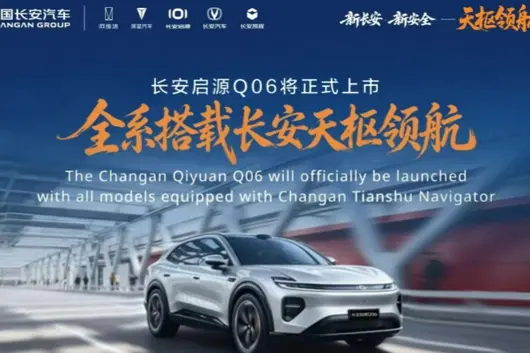
Technologically, at the June Chongqing Auto Show, Changan released its self-developed assisted driving system, Tianshu Pilot, with Pro, Max, and Ultra versions. The first model to feature it, Qiyuan Q06, will launch in the second half of the year. Blue Whale Super Hybrid has mass-produced; city fuel consumption is 2.98L per 100km—the 4th Generation Eado and CS75 PLUS are already on the road testing. Most noteworthy is the Golden Shield Solid-state Battery, with an energy density of 400Wh/kg, over 1,500 km range on full charge, completing vehicle integration validation before Q3. If these three technologies land as planned, Changan's technical reserve in the second half of the NEV race is not weak.

On the product front, 10+ new and facelifted models are planned for release throughout 2026, including Qiyuan Q06, Deepal L05, Avatr 06T, and a new Avatr flagship large six-seater SUV. The lineup is expanding, with pricing and scenario coverage broadening. Additionally, the two major brands, Avatr and Deepal, are advancing strategic integration. After integration, costs are expected to drop by 20% to 30%—this is exchanging system efficiency for competitiveness, not relying on piling up model numbers to stay afloat.
Core Judgment: Decline is a Fact, but Not the Endgame
The annual target of 3.3 million units, only 33.9% was completed in the first half; 2.19 million units must be sold in the second half to reach the target line—that's nearly 400,000 units more than the same period last year. The pressure is indeed not small.
But the auto market has never decided winners and losers based on half a season. The second half is the traditional peak season; Golden September and Silver October plus end-of-year volume pushing bring many variables. More importantly, this round of Changan's decline contains elements of proactive adjustment—cutting low-end, launching new products, integrating brands, shifting to prioritizing volume and profit. These actions hurt sales short-term, but looking long-term, they are gathering ammunition for the second half.

Of course, rivals aren't idle. BYD's scale advantage is expanding, Geely is also increasing overseas investments, NIO and XPeng continue to erode the high-end market. For Changan to catch up in the second half, it won't rely on slogans, but on the speed of technology delivery, the pace of product volume ramp-up, and whether the overseas market can continue to grow at over 35%.
The semi-annual report is like the halftime whistle of a football match—the first half was played poorly, data is out there, and no one can avoid it. But the second half still has 45 minutes, and Changan has plenty of cards: overseas momentum is strong, technical foundation is thick, product matrix is still expanding, and strategy is actively seeking change. Whether they can turn the tables tests not determination, but execution and the grasp of the time window. After all, in this chess game of the auto market, rivals don't wait, and time waits for no one.

In Malaysia's SUV market, many buyers compare the Proton X90 and Toyota Corolla Cross when choosing a car. The pricing and positioning of these two models are quite similar. Today, we provide a detailed comparison from multiple aspects to help you save time on research.
Proton X90 OTR price in Malaysia is RM 106,800 - 122,800, a total of 4 versions, including 2026 1.5T Prime X (RM 122,800), 2026 1.5T Prime (RM 116,800), 2026 1.5T Lite (RM 106,800) etc.
Toyota Corolla Cross OTR price in Malaysia is RM 133,800 - 148,800, a total of 3 versions, including 2026 HEV 1.8L GR Sport (RM 148,800), 2026 HEV 1.8L Standard (RM 140,800), 2026 1.8L Standard (RM 133,800) etc.
From a price perspective, Proton X90's starting price is indeed RM 27,000 cheaper than Toyota Corolla Cross. If your budget is limited, Proton's entry-level version can already meet daily needs. But also note, the lower price may involve trade-offs in features, it depends on your specific needs.
Proton X90 is equipped with 1.5L Turbo, 140 hp. Official fuel consumption is 7.0 L/100km.
Toyota Corolla Cross is equipped with 1.5L Turbo, 140 hp. Official fuel consumption is 7.0 L/100km.
Both cars use the same powertrain system, the daily driving feel is basically the same. Fuel consumption is also about the same, no need to worry too much about this.
Proton X90 safety rating is 5★ (ASEAN NCAP), active safety systems include ADAS (ACC, AEB, LKA, LDA, BSM, RCTA).
Toyota Corolla Cross safety rating is 5★ (ASEAN NCAP), active safety systems include TSS (PCS, LDA, ACC, LTA).
Both cars have the same safety rating. In this segment, safety features are considered quite comprehensive. New car safety is generally good nowadays, so there is no need to worry too much about this.
Proton X90 warranty 5 years/150,000km, maintenance interval every 10,000km or 6 months.
Toyota Corolla Cross warranty 5 years/unlimited mileage, maintenance interval every 10,000km or 6 months.

Overall, Proton X90 and Toyota Corolla Cross are both excellent models in the Malaysian market. Which one to choose depends on your personal needs and budget. We recommend doing your research, comparing quotes from multiple dealerships, and then test driving before making a final decision. Buying a car is a major purchase; spending time on research will definitely pay off.

喺馬來西亞嘅 SUV 市場,好多買家喺揀車嗰陣都會拎 Proton X90 同 Mazda CX-3 嚟做比較。兩部車喺價位同定位上都蠻接近嘅,今日我就由多個方面做一個詳細嘅比較,幫你省做功課嘅時間。
Proton X90 喺馬來西亞嘅 OTR 售價係 RM 106,800 - 122,800,合共 4 個版本,包括 2026 1.5T Prime X(RM 122,800)、2026 1.5T Prime(RM 116,800)、2026 1.5T Lite(RM 106,800) 等等。
Mazda CX-3 喺馬來西亞嘅 OTR 售價係 RM 126,159 - 139,159,合共 2 個版本,包括 2023 2.0L High(RM 139,159)、2023 2.0L Plus(RM 126,159) 等等。
睇返價錢,Proton X90 嘅起步價確實比 Mazda CX-3 平咗 RM 19,359。如果你預算有限,Proton 嘅入門版已經可以滿足日常需求。但都係要注意,平嗰幾千蚊,喺配備上或者會有取舍,具體要看你嘅需求。
Proton X90 嘅安全評級係 5★ (ASEAN NCAP),主動安全系統包括 ADAS (ACC, AEB, LKA, LDA, BSM, RCTA)。
Mazda CX-3 嘅安全評級係 5★ (ASEAN NCAP),主動安全系統包括 i-Activsense。
兩部車嘅安全評級一樣,喺呢個級別入面安全配備都算俾到好齊全。而家嘅新車安全性都唔差,唔使太擔心呢一點。
Proton X90 保固 5 年/150,000km,保養間隔 每 10,000km 或 6 個月。
Mazda CX-3 保固 5 年/150,000km,保養間隔 每 10,000km 或 6 個月。
兩部車嘅保固條件一樣,呢方面唔使諗咁多。實際保養成本仲要睇品牌嘅服務網絡同零件價格,建議去車友群問吓真實車主嘅經驗。
Proton X90 同 Mazda CX-3 都係馬來西亞市場嘅主流選擇,適合家庭使用、日常通勤。如果你更加重視品牌口碑同二手價,可以優先考慮口碑比較好嗰一款;如果你更加在意性價比同配備,那就揀配備更豐富嗰款。最終都係建議兩部都去試駕,親身體驗先係最重要。

總體嚟講,Proton X90 同 Mazda CX-3 都係馬來西亞市場幾唔錯嘅車型。揀邊一輛,關鍵都係要睇你嘅個人需求同預算。建議大家做好功課,多比較幾間車行嘅報價,再試駕做最終決定。買車係件大事,花少少時間做功課絕對唔會錯。

喺馬來西亞嘅 SUV 市場,好多買家喺揀車嘅時候都係拿寶騰 X90 同豐田 Fortuner 嚟作比較。兩款車喺價位同定位上都蠻接近嘅,今日我哋就從多個方面做一個詳細嘅比較,幫你省做做功課嘅時間。
寶騰 X90 喺馬來西亞嘅 OTR 售價係 RM 106,800 - 122,800,合共 4 個版本,包括 2026 1.5T Prime X(RM 122,800)、2026 1.5T Prime(RM 116,800)、2026 1.5T Lite(RM 106,800) 等。
豐田 Fortuner 喺馬來西亞嘅 OTR 售價係 RM 195,880 - 241,880,合共 3 個版本,包括 2024 2.8T VRZ Diesel(RM 241,880)、2024 2.7L SRZ Petrol(RM 202,880)、2024 2.4L Standard Diesel(RM 195,880) 等。
由價錢嚟睇,寶騰 X90 嘅起步價確實比豐田 Fortuner 平咗 RM 89,080。如果你預算有限,寶騰嘅入門版已經可以满足日常需求。但亦要留意,平嗰幾千塊,可能在配備上會有取捨,具體要睇你嘅需求。
寶騰 X90 搭載 1.5L Turbo,馬力 140 hp。官方油耗 7.0 L/100km。
豐田 Fortuner 搭載 2.5L Diesel,馬力 187 hp。官方油耗 8.5 L/100km。
動力方面,豐田 Fortuner 嘅 2.5L Diesel 比寶騰 X90 嘅 1.5L Turbo 多咗 47 匹馬力。不過日常喺市區行,兩款車嘅動力都夠用,唔會覺得唔夠力。
寶騰 X90 嘅安全評級係 5★ (ASEAN NCAP),主動安全系統包括 ADAS (ACC, AEB, LKA, LDA, BSM, RCTA)。
豐田 Fortuner 嘅安全評級係 5★ (ASEAN NCAP),主動安全系統包括。
兩款車嘅安全評級一樣,喺呢個級別入面安全配備都算好齊全㗎喇。而家嘅新車安全性都唔差,唔使太擔心呢一點。
寶騰 X90 採用 FWD 驅動方式。
豐田 Fortuner 採用 FWD 驅動方式。
兩款車嘅驅動方式一樣,都係 FWD,日常駕駛感受唔會有太大分別。

總括嚟講,寶騰 X90 同豐田 Fortuner 都係馬來西亞市場好好唔錯嘅車型。揀邊一輛,關鍵都係要睇你嘅個人需求同預算。建議大家做好功課,多比較幾間車行嘅報價,再去試駕做最後決定。買車係件大事,花少少時間做功課絕對無錯。

In Malaysia's SUV market, many buyers compare Proton X90 and Honda WR-V when choosing a car. These two cars are quite close in price and positioning. Today, we will make a detailed comparison from multiple aspects to help you save the time of doing research.
The Proton X90 OTR price in Malaysia is RM 106,800 - 122,800, with a total of 4 versions, including 2026 1.5T Prime X (RM 122,800), 2026 1.5T Prime (RM 116,800), 2026 1.5T Lite (RM 106,800), etc.
The Honda WR-V OTR price in Malaysia is RM 89,900 - 107,900, with a total of 4 versions, including 2023 1.5L V (RM 99,900), 2023 1.5L E (RM 95,900), 2023 1.5L S (RM 89,900), etc.
From a price perspective, the starting price of the Honda WR-V is RM 16,900 cheaper than the Proton X90. Honestly, at this price point, a difference of a few thousand isn't that big; the key is looking at overall value for money and long-term usage costs.
The Proton X90 body length is 4400 mm, trunk 400 L.
The Honda WR-V body length is 4400 mm, trunk 400 L.
The dimensions of both cars are almost the same, and the interior space is not very different. Cars at this level are completely sufficient for daily use.
The Proton X90 adopts FWD drive method.
The Honda WR-V adopts FWD drive method.
Both cars use the same drive method, both are FWD, there won't be much difference in daily driving feel.
Both Proton X90 and Honda WR-V are mainstream choices in the Malaysian market, suitable for family use and daily commuting. If you value brand reputation and second-hand value more, prioritize the one with better reputation; if you care more about value for money and equipment, choose the one with richer configurations. Ultimately, it is recommended to test drive both, as personal experience is most important.

Overall, Proton X90 and Honda WR-V are both quite good models in the Malaysian market. Which one to choose depends mainly on your personal needs and budget. We recommend doing your research, comparing quotes from several car dealerships, and then test driving to make a final decision. Buying a car is a big matter; spending time doing research is never wrong.

Dalam pasaran SUV di Malaysia, ramai pembeli membandingkan Proton X90 dan Honda CR-V apabila memilih kereta. Kedua-dua kereta ini sangat hampir dari segi harga dan kedudukan, hari ini kami akan membuat perbandingan terperinci dari pelbagai aspek untuk membantu anda menjimatkan masa mencari maklumat.
Harga OTR Proton X90 di Malaysia ialah RM 106,800 - 122,800, terdapat 4 varian, termasuk 2026 1.5T Prime X (RM 122,800), 2026 1.5T Prime (RM 116,800), 2026 1.5T Lite (RM 106,800), dan lain-lain.
Harga OTR Honda CR-V di Malaysia ialah RM 178,200 - 195,900, terdapat 4 varian, termasuk 2026 e:HEV 2.0L 2WD RS (RM 195,900), 2026 1.5T 4WD V (RM 181,900), 2026 e:HEV 2.0L 2WD E (RM 178,200), dan lain-lain.
Dari segi harga, harga permulaan Proton X90 memang RM 71,400 lebih murah daripada Honda CR-V. Jika bajet anda terhad, varian asas Proton sudah boleh memenuhi keperluan harian. Namun perlu diingat, perbezaan harga beberapa ribu ringgit ini mungkin melibatkan pengecualian dalam kelengkapan, bergantung kepada keperluan anda.
Skor keselamatan Proton X90 ialah 5★ (ASEAN NCAP), sistem keselamatan aktif termasuk ADAS (ACC, AEB, LKA, LDA, BSM, RCTA).
Skor keselamatan Honda CR-V ialah 5★ (ASEAN NCAP), sistem keselamatan aktif termasuk Honda SENSING (ACC, CMBS, LKAS, RDM).
Kedua-dua kereta mempunyai skor keselamatan yang sama, kelengkapan keselamatan dalam kelas ini sudah cukup lengkap. Keselamatan kereta baharu masa kini tidak buruk, tidak perlu terlalu bimbang tentang hal ini.
Panjang badan Proton X90 ialah 4400 mm, ruang bagasi 400 L.
Panjang badan Honda CR-V ialah 4500 mm, ruang bagasi 450 L.
Dari segi ruang, badan Honda CR-V lebih panjang 100 mm daripada Proton X90, ruang penumpang lebih unggul. Namun Proton X90 lebih fleksibel untuk diparkir di bandar, setiap satu ada kelebihannya sendiri.
Jaminan Proton X90 5 tahun/150,000km, selang penyelenggaraan setiap 10,000km atau 6 bulan.
Jaminan Honda CR-V 5 tahun/jarak tidak terhad, selang penyelenggaraan setiap 10,000km atau 6 bulan.

Proton X90 dan Honda CR-V kedua-duanya adalah pilihan utama di pasaran Malaysia, sesuai untuk kegunaan keluarga, perjalanan harian. Jika anda lebih menghargai reputasi jenama dan harga kereta terpakai, boleh utamakan jenama yang lebih bagus; jika anda lebih mempedulikan nilai untuk wang dan kelengkapan, pilih model yang lebih kaya dengan fitur. Pada akhirnya, disyorkan kedua-duanya dicuba, pengalaman langsung yang paling penting.

Secara keseluruhannya, Proton X90 dan Honda CR-V adalah model kereta yang sangat bagus di pasaran Malaysia. Memilih yang mana, bergantung pada keperluan dan bajet peribadi anda. Kami menyarankan agar anda membuat kajian, bandingkan sebut harga daripada beberapa pengedar, kemudian cuba untuk buat keputusan akhir. Membeli kereta adalah perkara besar, meluangkan masa untuk membuat kajian adalah tidak salah.
喺馬來西亞嘅 SUV 市場,好多買家喺揀車嗰陣都會拿 Proton X90 同 Honda CR-V 嚟做比較。這兩款車喺價位同定位上都幾接近,今日我就從多個方面做一個詳細比較,幫你省返做功課嘅時間。
Proton X90 喺馬來西亞嘅 OTR 售價係 RM 106,800 - 122,800,一共有 4 個版本,包括 2026 1.5T Prime X(RM 122,800)、2026 1.5T Prime(RM 116,800)、2026 1.5T Lite(RM 106,800) 等。
Honda CR-V 喺馬來西亞嘅 OTR 售價係 RM 178,200 - 195,900,一共有 4 個版本,包括 2026 e:HEV 2.0L 2WD RS(RM 195,900)、2026 1.5T 4WD V(RM 181,900)、2026 e:HEV 2.0L 2WD E(RM 178,200) 等。
從價錢嚟睇,Proton X90 嘅起步價確實比 Honda CR-V 平咗 RM 71,400。如果你預算有限,Proton 嘅入門版已經可以滿足日常需要。但都要注意,平嗰幾千塊,可能喺配備上會有取舍,具體要看你嘅需要。
Proton X90 嘅安全评分係 5★ (ASEAN NCAP),主動安全系統包括 ADAS (ACC, AEB, LKA, LDA, BSM, RCTA)。
Honda CR-V 嘅安全评分係 5★ (ASEAN NCAP),主動安全系統包括 Honda SENSING (ACC, CMBS, LKAS, RDM)。
兩款車嘅安全评分一樣,喺呢個級別入面安全配備都算俾好足。而家嘅新車安全性都唔差,唔使太擔心這一點。
Proton X90 採 FWD 驅動方式。
Honda CR-V 採 FWD 驅動方式。
兩款車嘅驅動方式一樣,都係 FWD,日常駕駛感受唔會有太大分別。
Proton X90 同 Honda CR-V 都係馬來西亞市場嘅主流選擇,適合家庭使用、日常通勤。如果你更睇重品牌口碑同二手價,可以優先考慮口碑好嗰一款;如果你更在意 CP 值同配備,就揀配備更豐富嗰款。最終仲係建議兩款都去試駕,親身感受先係最重要。
總括嚟講,Proton X90 同 Honda CR-V 都係馬來西亞市場好唔錯嘅車型。揀邊一輛,關鍵仲係睇你嘅個人需要同預算。建議大家做足功課,多比較幾間車行之報價,先去試駕做最後決定。買車係件大事,花少少時間做功課絕對無錯。

喺馬來西亞嘅 SUV 市場,好多買家揀車嗰陣都會拿 Proton X90 同 Honda WR-V 比下。這兩款車喺價位同定位上都幾接近,而家我哋就從多個方面做一次詳細嘅比較,幫你省返做功課嘅時間。
Proton X90 喺馬來西亞嘅 OTR 售價係 RM 106,800 - 122,800,合共 4 個版本,包括 2026 1.5T Prime X(RM 122,800)、2026 1.5T Prime(RM 116,800)、2026 1.5T Lite(RM 106,800) 等。
Honda WR-V 喺馬來西亞嘅 OTR 售價係 RM 89,900 - 107,900,合共 4 個版本,包括 2023 1.5L V(RM 99,900)、2023 1.5L E(RM 95,900)、2023 1.5L S(RM 89,900) 等。
睇返價錢,Honda WR-V 嘅起步價比 Proton X90 平咗 RM 16,900。講真,喺呢個價位段,幾千塊嘅差距其實唔算大,關鍵仲係睇整體嘅性價比同長期使用成本。
Proton X90 嘅安全評級係 5★ (ASEAN NCAP),主動安全系統包括 ADAS (ACC, AEB, LKA, LDA, BSM, RCTA)。
Honda WR-V 嘅安全評級係 5★ (ASEAN NCAP),主動安全系統包括 Honda SENSING。
兩款車嘅安全評級一樣,喺呢個級數裡面安全配備都算好齊全。而家嘅新車安全性都唔差,唔使太擔心呢點。
Proton X90 採用 FWD 驅動方式。
Honda WR-V 採用 FWD 驅動方式。
兩款車嘅驅動方式一樣,都係 FWD,日常駕駛感受唔會有太大分別。
Proton X90 同 Honda WR-V 都係馬來西亞市場嘅主流選擇,適合家庭使用、日常通勤。如果你更睇重品牌口碑同二手價,可以優先考慮口碑更好嗰款;如果你更在意性價比同配備,那就揀配置更豐富嗰款。最後都係建議兩款都去試駕,親自體驗先至最重要。
總括嚟講,Proton X90 同 Honda WR-V 都係馬來西亞市場幾唔錯嘅車款。揀邊一部,關鍵仲係睇你嘅個人需求同預算。建議大家做好功課,多比較幾間車行嘅報價,先至去試駕做最終決定。買車係件大事,花少少時間做功課絕對唔會錯。

In the Malaysian SUV market, many buyers compare the Proton X70 and Subaru Crosstrek when choosing a vehicle. These two cars are quite similar in price and positioning. Today, we will provide a detailed comparison from multiple aspects to help you save time on your research.
The Proton X70 is priced at RM 106,800 - 122,300 OTR in Malaysia, coming in a total of 3 versions, including 1.5L Standard 2WD (RM 106,800), 1.5L Executive 2WD (RM 115,800), and 1.5L Premium 2WD (RM 122,300).
The Subaru Crosstrek is priced at RM 145,000 - 160,000 OTR in Malaysia, coming in a total of 1 version, including 2.0L e-Boxer (RM 150,000).
Looking at the price, the Proton X70's starting price is indeed RM 38,200 cheaper than the Subaru Crosstrek. If your budget is limited, Proton's entry-level version can already meet daily needs. However, note that the savings of a few thousand ringgit might involve trade-offs in features, it depends on your specific requirements.

Proton X70's safety rating is 5★ (ASEAN NCAP), active safety systems include ADAS (ACC, AEB, LKA, LDA, BSM, RCTA).
Subaru Crosstrek's safety rating is 5★ (Euro NCAP), active safety system includes EyeSight.
Regarding safety features, both cars have achieved good ratings. However, the ADAS (ACC, AEB, LKA, LDA, BSM, RCTA) of Proton X70 and the EyeSight of Subaru Crosstrek have some functional differences. If you value active safety highly, you can carefully compare the feature lists of both.
Proton X70 adopts FWD drive mode.
Subaru Crosstrek adopts FWD drive mode.
Both cars have the same drive mode, which is FWD, and there won't be much difference in daily driving experience.
Proton X70 warranty is 5 years/150,000km, maintenance interval every 10,000km or 6 months.
Subaru Crosstrek warranty is 3 years/100,000km, maintenance interval every 10,000km or 6 months.
Overall, Proton X70 and Subaru Crosstrek are both excellent models in the Malaysian market. Which one to choose depends on your personal needs and budget. We recommend doing your research, comparing quotes from multiple dealerships, and then test driving to make a final decision. Buying a car is a major matter, spending time doing research will never be a mistake.


喺馬來西亞嘅 SUV 市場,好多買家喺揀車嗰陣都會拿 Proton X70 同 Volkswagen Tiguan 來比較。這兩款車喺價位同定位上都好接近,而家我哋就由多個方面做一次詳細比較,幫到你省咗做功課嘅時間。
Proton X70 喺馬來西亞嘅 OTR 售價係 RM 106,800 - 122,300,合共 3 個版本,包括 1.5L Standard 2WD(RM 106,800)、1.5L Executive 2WD(RM 115,800)、1.5L Premium 2WD(RM 122,300) 等。
Volkswagen Tiguan 喺馬來西亞嘅 OTR 售價係 RM 206,540 - 260,024,合共 2 個版本,包括 2025 Allspace 2.0T R-Line(RM 260,024)、2025 Allspace 1.4T Elegance(RM 206,540) 等。
由價錢睇,Proton X70 嘅起步價確實比 Volkswagen Tiguan 平咗 RM 99,740。如果你預算有限,Proton 嘅入門版已經可以滿足日常需要。不過都要注意,平嗰幾千蚊,可能喺配備上會有取舍,具體要看你嘅需要。

Proton X70 嘅安全評級係 5★ (ASEAN NCAP),主動安全系統包括 ADAS (ACC, AEB, LKA, LDA, BSM, RCTA)。
Volkswagen Tiguan 嘅安全評級係 5★ (Euro NCAP),主動安全系統包括 IQ.Drive。
安全配備方面,兩款車都拿到唔錯嘅評級。不過 Proton X70 嘅 ADAS (ACC, AEB, LKA, LDA, BSM, RCTA) 同 Volkswagen Tiguan 嘅 IQ.Drive 喺功能上有少少分別,如果你好重視主動安全嘅話,可以仔細對比下兩者嘅功能列表。
Proton X70 採用 FWD 驅動方式。
Volkswagen Tiguan 採用 FWD 驅動方式。
兩款車嘅驅動方式一樣,都係 FWD,日常駕駛感覺唔會有太大分別。

Proton X70 保用 5 年/150,000km,保養間隔 每 10,000km 或 6 個月。
Volkswagen Tiguan 保用 3 年/100,000km,保養間隔 每 10,000km 或 6 個月。
總體嚟講,Proton X70 同 Volkswagen Tiguan 都係馬來西亞市場好幾唔錯嘅車款。揀邊輛,關鍵都要睇你嘅個人需要同預算。建議大家做足功課,多比較幾間車行嘅報價,再去試駕先決定。買車係件大事情,花少少時間做功課絕對唔錯。


In the SUV market in Malaysia, many buyers compare Proton X70 and GWM Haval H6 when selecting a car. These two cars are quite close in price and positioning. Today, we will make a detailed comparison from multiple aspects to help you save time on research.
Proton X70's OTR price in Malaysia is RM 106,800 - 122,300, with a total of 3 versions, including 1.5L Standard 2WD (RM 106,800), 1.5L Executive 2WD (RM 115,800), 1.5L Premium 2WD (RM 122,300) and more.
GWM Haval H6's OTR price in Malaysia is RM 139,750 - 139,750, with a total of 2 versions, including 1.5L Turbo Standard (RM 140,000), 1.5L Turbo Premium (RM 155,000) and more.
From the price perspective, Proton X70's starting price is indeed RM 32,950 cheaper than GWM Haval H6. If your budget is limited, Proton's entry-level version can already meet daily needs. But keep in mind, the few thousand Ringgit difference might involve compromises in features; it depends on your specific needs.
Proton X70 is equipped with 1.5L Turbo, with 140 hp. Official fuel consumption is 7.0 L/100km.
GWM Haval H6 is equipped with Hybrid, with 170 hp. Official fuel consumption is 4.5 L/100km.
In terms of power, GWM Haval H6's Hybrid has 30 more horsepower than Proton X70's 1.5L Turbo. However, for daily city driving, both cars' power are sufficient, you won't feel it lacks power.
Proton X70's safety rating is 5★ (ASEAN NCAP), active safety systems include ADAS (ACC, AEB, LKA, LDA, BSM, RCTA).
GWM Haval H6's safety rating is TBD, active safety systems include Basic.
Regarding safety features, both cars have achieved good ratings. However, Proton X70's ADAS (ACC, AEB, LKA, LDA, BSM, RCTA) and GWM Haval H6's Basic differ somewhat in functionality. If you value active safety, you can compare the feature lists of both in detail.
Proton X70 uses FWD drive system.
GWM Haval H6 uses FWD drive system.
Both cars use the same drive system, which is FWD, so there won't be a huge difference in daily driving experience.
Proton X70 and GWM Haval H6 are both mainstream choices in the Malaysia market, suitable for family use and daily commuting. If you value brand reputation and resale value more, prioritize the one with better reputation; if you care more about value for money and features, choose the one with richer configuration. Ultimately, it is recommended to test drive both, experiencing it personally is the most important.
Overall, Proton X70 and GWM Haval H6 are both very good car models in the Malaysia market. Which one to choose depends mainly on your personal needs and budget. We suggest doing your homework, comparing quotes from a few dealerships, and then test driving to make the final decision. Buying a car is a major matter, spending some time on research will never be wrong.

Dalam pasaran SUV di Malaysia, ramai pembeli sering membandingkan Proton X70 dan Hyundai Tucson semasa memilih kereta. Kedua-dua kereta ini mempunyai harga dan kedudukan pasaran yang agak hampir. Hari ini, kami akan membuat perbandingan terperinci dari pelbagai aspek untuk membantu anda menjimatkan masa membuat kajian.
Harga OTR Proton X70 di Malaysia ialah RM 106,800 - 122,300, mempunyai 3 variasi, termasuk 1.5L Standard 2WD (RM 106,800), 1.5L Executive 2WD (RM 115,800), 1.5L Premium 2WD (RM 122,300) dan lain-lain.
Harga OTR Hyundai Tucson di Malaysia ialah RM 143,888 - 197,888, mempunyai 5 variasi, termasuk 2025 HEV 1.6T AT 2WD Prestige (RM 197,888), 2025 1.6T DCT 4WD Prestige (RM 186,888), 2025 1.6T DCT 2WD Prime (RM 164,888) dan lain-lain.
Dari segi harga, harga permulaan Proton X70 memang lebih murah RM 37,088 berbanding Hyundai Tucson. Jika anda mempunyai bajet terhad, versi permulaan Proton sudah boleh memenuhi keperluan harian. Namun, perlu diingat, perbezaan harga beberapa ribu ringgit itu mungkin melibatkan kompromi pada kelengkapan, bergantung pada keperluan anda.

Proton X70 dilengkapi enjin 1.5L Turbo, kuasa 140 hp. Konsumsi bahan api rasmi 7.0 L/100km.
Hyundai Tucson dilengkapi enjin 1.5L Turbo, kuasa 140 hp. Konsumsi bahan api rasmi 7.0 L/100km.
Kedua-dua kereta menggunakan sistem kuasa yang sama, perbezaan rasa memandu harian adalah minimum. Penggunaan bahan api juga hampir sama, anda tidak perlu terlalu bimbang mengenai hal ini.

Penarafan keselamatan Proton X70 ialah 5★ (ASEAN NCAP), sistem keselamatan aktif termasuk ADAS (ACC, AEB, LKA, LDA, BSM, RCTA).
Penarafan keselamatan Hyundai Tucson ialah 5★ (ASEAN NCAP), sistem keselamatan aktif termasuk SmartSense.
Penarafan keselamatan kedua-dua kereta adalah sama. Dalam kategori ini, kelengkapan keselamatan dianggap cukup lengkap. Keselamatan kereta baru masa kini tidak boleh dipersoalkan, anda tidak perlu terlalu risau mengenai hal ini.

Proton X70 mempunyai jaminan 5 tahun/150,000km, selang penyelenggaraan setiap 10,000km atau 6 bulan.
Hyundai Tucson mempunyai jaminan 5 tahun/300,000km, selang penyelenggaraan setiap 10,000km atau 6 bulan.
Proton X70 dan Hyundai Tucson adalah pilihan utama dalam pasaran Malaysia, sesuai untuk kegunaan keluarga dan perjalanan harian. Jika anda lebih mengutamakan reputasi jenama dan nilai jualan semula, pertimbangkan dahulu yang mempunyai reputasi lebih baik; jika anda lebih mengutamakan nilai kos dan kelengkapan, pilih yang mempunyai konfigurasi lebih lengkap. Pada akhirnya, disarankan untuk memandu kedua-dua kereta, pengalaman langsung adalah yang paling penting.
Secara keseluruhannya, Proton X70 dan Hyundai Tucson adalah model yang sangat baik dalam pasaran Malaysia. Memilih mana satu, kunci utamanya bergantung pada keperluan peribadi dan bajet anda. Kami menyarankan anda membuat kajian, bandingkan sebut harga daripada beberapa pengedar kereta, dan buat ujian pemanduan untuk membuat keputusan akhir. Membeli kereta adalah perkara besar, mengambil masa untuk membuat kajian adalah langkah yang tepat.


Dalam pasaran SUV Malaysia, ramai pembeli membandingkan Proton X70 dan Mitsubishi Xforce semasa memilih kereta. Kedua-dua model ini hampir sama dari segi harga dan kedudukan pasaran. Hari ini kita akan buat perbandingan terperinci dari pelbagai aspek, membantu anda menjimatkan masa untuk membuat kajian.
Harga OTR Proton X70 di Malaysia ialah RM 106,800 - 122,300, terdapat 3 varian, termasuk 1.5L Standard 2WD (RM 106,800), 1.5L Executive 2WD (RM 115,800), 1.5L Premium 2WD (RM 122,300) dan sebagainya.
Harga OTR Mitsubishi Xforce di Malaysia ialah RM 109,930 - 119,930, terdapat 2 varian, termasuk 2026 1.5L Ultimate (RM 119,930), 2026 1.5L Urban (RM 109,930) dan sebagainya.
Dari segi harga, harga permulaan Proton X70 memang lebih murah RM 3,130 berbanding Mitsubishi Xforce. Jika bajet anda terhad, versi asas Proton sudah dapat memenuhi keperluan harian. Tetapi perlu diingatkan, perbezaan harga beberapa ribu ini mungkin melibatkan pertimbangan pada kelengkapan, bergantung pada keperluan anda.

Proton X70 dilengkapi enjin 1.5L Turbo, kuasa 140 hp. Penggunaan bahan api rasmi 7.0 L/100km.
Mitsubishi Xforce dilengkapi enjin 1.5L Turbo, kuasa 140 hp. Penggunaan bahan api rasmi 7.0 L/100km.
Kedua-dua kereta menggunakan sistem kuasa yang sama, pengalaman memandu harian hampir tidak ada perbezaan. Dari segi penggunaan bahan api pun hampir sama, tidak perlu terlalu bimbang mengenai hal ini.
Taraf keselamatan Proton X70 adalah 5★ (ASEAN NCAP), sistem keselamatan aktif termasuk ADAS (ACC, AEB, LKA, LDA, BSM, RCTA).
Taraf keselamatan Mitsubishi Xforce adalah 5★ (ASEAN NCAP), sistem keselamatan aktif termasuk MI-PILOT.
Taraf keselamatan kedua-dua kereta adalah sama, dalam kelas ini kelengkapan keselamatan sudah dianggap lengkap. Keselamatan kereta baharu sekarang tidak buruk, tidak perlu terlalu risau mengenai hal ini.
Proton X70 mempunyai jaminan 5 tahun/150,000km, selang servis setiap 10,000km atau 6 bulan.
Mitsubishi Xforce mempunyai jaminan 3 tahun/100,000km, selang servis setiap 10,000km atau 6 bulan.
Proton X70 dan Mitsubishi Xforce adalah pilihan utama pasaran Malaysia, sesuai untuk kegunaan keluarga dan perjalanan harian. Jika anda lebih mengutamakan reputasi jenama dan harga pasaran kedua, bolehutamakan model yang lebih terkenal; jika anda lebih mementingkan nilai dan kelengkapan, pilih model yang lebih lengkap. Akhir sekali, disarankan untuk memandu uji kedua-dua model, pengalaman sendiri adalah yang paling penting.
Secara keseluruhan, Proton X70 dan Mitsubishi Xforce adalah model yang sangat baik dalam pasaran Malaysia. Memilih mana satu, kunci utamanya adalah keperluan dan bajet anda. Disarankan untuk menyiapkan maklumat dengan baik, bandingkan sebutan harga dari beberapa peniaga kereta, kemudian buat keputusan akhir setelah memandu uji. Membeli kereta adalah perkara besar, meluangkan masa untuk membuat kajian tidak akan salah.


In Malaysia's SUV market, many buyers compare Perodua Ativa and Honda WR-V when choosing a car. These two models are quite close in price and positioning. Today, we will make a detailed comparison from multiple aspects to help you save time on research.
Perodua Ativa OTR price in Malaysia is RM 62,500 - 73,400, with 3 variants in total, including 1.0L Turbo X (RM 62,500), 1.0L Turbo H (RM 67,300), 1.0L Turbo AV (RM 73,400), etc.
Honda WR-V OTR price in Malaysia is RM 89,900 - 107,900, with 4 variants in total, including 2023 1.5L V (RM 99,900), 2023 1.5L E (RM 95,900), 2023 1.5L S (RM 89,900), etc.
From a price perspective, the starting price of Perodua Ativa is indeed RM 27,400 cheaper than Honda WR-V. If your budget is limited, Perodua's entry-level version can already meet daily needs. But keep in mind, the few thousand cheaper might involve trade-offs in features, depending on your needs.

Perodua Ativa body length is 4400 mm, trunk 400 L.
Honda WR-V body length is 4400 mm, trunk 400 L.
The dimensions of both cars are almost the same, interior space difference is not significant. For this class of cars, daily use is completely sufficient.

Perodua Ativa adopts FWD drive method.
Honda WR-V adopts FWD drive method.
Both cars have the same drive method, both are FWD, daily driving experience will not differ much.

Perodua Ativa and Honda WR-V are both mainstream choices in the Malaysian market, suitable for family use and daily commuting. If you value brand reputation and resale value more, you can prioritize the one with better reputation; if you care more about cost-performance ratio and features, then choose the one with richer configuration. Ultimately, it is recommended to test drive both models, personal experience is the most important.
Overall, Perodua Ativa and Honda WR-V are both very good models in the Malaysian market. Choosing which one depends on your personal needs and budget. It is recommended to do your research, compare quotes from several dealerships, then test drive to make the final decision. Buying a car is a big matter, spending some time doing research will never be wrong.

© 2024 Bitauto.com. All Rights Reserved.
Bitauto (www.yiche.com and www.bitauto.com) is one of the most visited automotive websites in China. We provide detailed info on Chinese car brands available in your area. Please note that the information provided on this website is based on publicly available data and is for reference only. It may not be fully updated or accurate at all times.

Help us improve our website


