

Homecapturing

Search History
Popular Searches
Dealer Login / Sign Up

Dalam pasaran SUV di Malaysia, ramai pembeli ketika memilih kereta akan membandingkan Mazda CX-3 dengan GWM Haval H6. Kedua-dua kereta ini mempunyai harga dan kedudukan pasaran yang agak hampir, hari ini kita akan buat perbandingan terperinci dari pelbagai aspek untuk membantu anda menjimatkan masa membuat kajian.
Mazda CX-3 di Malaysia dijual pada harga OTR RM 126,159 - 139,159, terdapat keseluruhan 2 varian, termasuk 2023 2.0L High (RM 139,159), 2023 2.0L Plus (RM 126,159) dan lain-lain.
GWM Haval H6 di Malaysia dijual pada harga OTR RM 139,750 - 139,750, terdapat keseluruhan 2 varian, termasuk 1.5L Turbo Standard (RM 140,000), 1.5L Turbo Premium (RM 155,000) dan lain-lain.
Dari segi harga, harga permulaan Mazda CX-3 memang lebih murah RM 13,591 berbanding GWM Haval H6. Jika bajet anda terhad, varian pemula Mazda sudah boleh memenuhi keperluan harian. Namun perlu diingat, ribuan ringgit yang lebih murah itu mungkin melibatkan pemilihan dalam kelengkapan, bergantung kepada keperluan anda.

Mazda CX-3 dilengkapi 1.5L Turbo, kuasa kuda 140 hp. Penjimatan bahan api rasmi 7.0 L/100km.
GWM Haval H6 dilengkapi Hybrid, kuasa kuda 170 hp. Penjimatan bahan api rasmi 4.5 L/100km.
Dari segi kuasa, Hybrid pada GWM Haval H6 mempunyai 30 kuasa kuda lebih daripada 1.5L Turbo Mazda CX-3. Namun untuk memandu sehari-hari di bandar, kuasa kedua-dua kereta ini sudah mencukupi, tidak akan rasa kurang kuasa.

Mazda CX-3 menggunakan cara pemacu FWD.
GWM Haval H6 menggunakan cara pemacu FWD.
Kedua-dua kereta ini mempunyai cara pemacu yang sama, semuanya FWD, pengalaman memandu sehari-hari tidak akan berbeza banyak.

Mazda CX-3 jaminan 5 tahun/150,000km, jarak penyelenggaraan setiap 10,000km atau 6 bulan.
GWM Haval H6 jaminan 7 tahun/150,000km, jarak penyelenggaraan setiap 10,000km atau 6 bulan.
Mazda CX-3 dan GWM Haval H6 kedua-duanya adalah pilihan utama di pasaran Malaysia, sesuai untuk kegunaan keluarga dan perjalanan harian. Jika anda lebih mengutamakan reputasi jenama dan harga jual semula, boleh utamakan yang mempunyai reputasi lebih baik; jika anda lebih perhatikan nisbah harga dan kelengkapan, pilih yang mempunyai kelengkapan lebih banyak. Akhir sekali, disarankan untuk memandu kedua-dua kereta ini, pengalaman sendiri adalah yang paling penting.
Secara keseluruhannya, Mazda CX-3 dan GWM Haval H6 kedua-duanya adalah model kereta yang sangat baik di pasaran Malaysia. Memilih yang mana satu, perkara utama bergantung kepada keperluan peribadi dan bajet anda. Disarankan anda membuat kajian, membandingkan beberapa tawaran harga daripada kedai kereta, kemudian memandu untuk membuat keputusan akhir. Membeli kereta adalah perkara besar, mengambil masa untuk membuat kajian tidak akan salah.


Di pasaran SUV di Malaysia, ramai pembeli ketika memilih kereta sering membandingkan Mazda CX-3 dan Chery Tiggo 7 Pro. Kedua-dua kereta ini mempunyai harga dan penempatan yang agak hampir, hari ini kita akan membuat perbandingan terperinci dari pelbagai aspek, membantu anda menjimatkan masa membuat kajian.
Harga OTR Mazda CX-3 di Malaysia ialah RM 126,159 - 139,159, terdapat 2 varian, termasuk 2023 2.0L High (RM 139,159) dan 2023 2.0L Plus (RM 126,159) dan lain-lain.
Harga OTR Chery Tiggo 7 Pro di Malaysia ialah RM 123,750 - 123,750, terdapat 2 varian, termasuk 1.6L Turbo Standard (RM 125,000) dan 1.6L Turbo Premium (RM 140,000) dan lain-lain.
Dari segi harga, harga permulaan Chery Tiggo 7 Pro lebih murah RM 2,409 berbanding Mazda CX-3. Jujurnya, dalam julat harga ini, beza ribuan ringgit sebenarnya tidak begitu besar, yang penting adalah nisbah nilai keseluruhan dan kos penggunaan jangka panjang.
Mazda CX-3 dilengkapi enjin 1.5L Turbo, kuasa 140 hp. Penggunaan bahan api rasmi 7.0 L/100km.
Chery Tiggo 7 Pro dilengkapi enjin 1.5L Turbo, kuasa 140 hp. Penggunaan bahan api rasmi 7.0 L/100km.
Kedua-dua kereta menggunakan sistem enjin yang sama, rasa memandu harian asas tiada perbezaan. Dari segi penggunaan bahan api juga hampir sama, tidak perlu terlalu bimbang dengan hal ini.
Mazda CX-3 menggunakan cara pemacu FWD.
Chery Tiggo 7 Pro menggunakan cara pemacu FWD.
Kedua-dua kereta mempunyai cara pemacu yang sama, iaitu FWD, rasa memandu harian tidak akan berbeza banyak.
Garansi Mazda CX-3 5 tahun/150,000km, selang servis setiap 10,000km atau 6 bulan.
Garansi Chery Tiggo 7 Pro 3 tahun/100,000km, selang servis setiap 10,000km atau 6 bulan.
Mazda CX-3 dan Chery Tiggo 7 Pro adalah pilihan utama pasaran Malaysia, sesuai untuk kegunaan keluarga, perjalanan harian. Jika anda lebih mementingkan reputasi jenama dan harga jualan semula, boleh utamakan yang mempunyai reputasi lebih baik; jika anda lebih mementingkan nisbah nilai dan kelengkapan, pilih yang mempunyai kelengkapan lebih melimpah. Pada akhirnya adalah disarankan untuk mencuba memandu kedua-duanya, pengalaman sendiri adalah yang paling penting.
Secara keseluruhan, Mazda CX-3 dan Chery Tiggo 7 Pro adalah model yang cukup bagus di pasaran Malaysia. Memilih yang mana, penting adalah melihat keperluan dan bajet peribadi anda. Kami cadangkan anda membuat kajian, membandingkan beberapa tawaran daripada kedai kereta yang berbeza, kemudian pergi mencuba memandu untuk membuat keputusan akhir. Membeli kereta adalah perkara besar, meluangkan masa membuat kajian pasti tidak akan salah.

In Malaysia's SUV market, many buyers compare Toyota Harrier and BMW X1 when choosing a car. These two cars are quite close in price and positioning. Today, we will do a detailed comparison from multiple aspects to help you save time on research.
The OTR price of Toyota Harrier in Malaysia is RM 289,000 - 289,000, with a total of 1 version, including 2026 HEV 2.5L Standard (RM 289,000) etc.
The OTR price of BMW X1 in Malaysia is RM 252,800 - 252,800, with a total of 2 versions, including sDrive18i (RM 220,000), sDrive20i (RM 250,000) etc.
From a price perspective, the starting price of BMW X1 is RM 36,200 cheaper than Toyota Harrier. Honestly, in this price range, a difference of a few thousand isn't actually that big, the key is to look at overall value for money and long-term usage costs.

Toyota Harrier is equipped with a 2.0L Turbo, 220 hp. Official fuel consumption 9.5 L/100km.
BMW X1 is equipped with a 2.0L Turbo, 220 hp. Official fuel consumption 9.5 L/100km.
Both cars use the same powertrain, and the driving experience is basically the same. Fuel consumption is also similar, so there's no need to worry too much about this point.

The safety rating of Toyota Harrier is 5★ (ASEAN NCAP), active safety systems include Brand ADAS.
The safety rating of BMW X1 is 5★ (Euro NCAP), active safety systems include Premium ADAS.
Regarding safety features, both cars have received good ratings. However, there are some differences in functionality between Toyota Harrier's Brand ADAS and BMW X1's Premium ADAS. If you value active safety highly, you can compare their feature lists in detail.

Toyota Harrier warranty 5 years/unlimited mileage, maintenance interval every 10,000km or 6 months.
BMW X1 warranty 5 years/unlimited mileage, maintenance interval every 10,000km or 6 months.

Overall, both Toyota Harrier and BMW X1 are excellent models in the Malaysian market. Which one to choose depends on your personal needs and budget. We recommend doing your research, comparing quotes from several dealerships, and then test driving to make the final decision. Buying a car is a major decision, spending some time on research will never go wrong.


In Malaysia's SUV market, many buyers compare the Toyota Harrier and Volvo XC90 when choosing a car. These two cars are quite close in price and positioning. Today, we will make a detailed comparison from multiple aspects to help you save time on research.
The OTR price of the Toyota Harrier in Malaysia is RM 289,000 - 289,000, with a total of 1 version, including 2026 HEV 2.5L Standard (RM 289,000) and others.
The OTR price of the Volvo XC90 in Malaysia is RM 418,888 - 418,888, with a total of 1 version, including 2025 2.0T Ultra (RM 418,888) and others.
In terms of price, the starting price of the Toyota Harrier is indeed RM 129,888 cheaper than the Volvo XC90. If your budget is limited, Toyota's entry-level version can already meet daily needs. But also note, the few thousand difference may involve trade-offs in equipment, depending on your specific needs.
The Toyota Harrier is equipped with a 2.0L Turbo, 220 hp. Official fuel consumption is 9.5 L/100km.
The Volvo XC90 is equipped with a 3.0L Turbo, 350 hp. Official fuel consumption is 12.0 L/100km.
In terms of power, the Volvo XC90's 3.0L Turbo has 130 more horsepower than the Toyota Harrier's 2.0L Turbo. However, for daily city driving, both cars have enough power, you won't feel a lack of power.
The safety rating of the Toyota Harrier is 5★ (ASEAN NCAP), active safety systems include Brand ADAS.
The safety rating of the Volvo XC90 is 5★ (Euro NCAP), active safety systems include Premium ADAS.
Regarding safety features, both cars received good ratings. However, there are some differences in function between Toyota Harrier's Brand ADAS and Volvo XC90's Premium ADAS. If you value active safety, you can compare their feature lists carefully.
The Toyota Harrier adopts FWD drive system.
The Volvo XC90 adopts FWD drive system.
Both cars have the same drive system, both are FWD, the daily driving experience will not differ too much.

Both the Toyota Harrier and Volvo XC90 are mainstream choices in the Malaysian market, suitable for family use and daily commuting. If you value brand reputation and resale value more, you can prioritize the one with a better reputation; if you care more about cost-performance ratio and equipment, then choose the one with richer configuration. Finally, it is recommended to test drive both models, personal experience is the most important.

Overall, both the Toyota Harrier and Volvo XC90 are very good models in the Malaysian market. Which one to choose depends on your personal needs and budget. We suggest you do your homework, compare quotes from several car dealerships, and then test drive to make a final decision. Buying a car is a big matter, taking time to do research will never be wrong.

In the Malaysian SUV market, many buyers compare the Toyota Harrier and Volvo XC90 when choosing a car. These two models are quite close in price and positioning. Today, we will make a detailed comparison from multiple aspects to save you time on research.
The Toyota Harrier OTR price in Malaysia is RM 289,000 - 289,000, with a total of 1 version, including 2026 HEV 2.5L Standard (RM 289,000), etc.
The Volvo XC90 OTR price in Malaysia is RM 418,888 - 418,888, with a total of 1 version, including 2025 2.0T Ultra (RM 418,888), etc.
From a price perspective, the Toyota Harrier's starting price is indeed RM 129,888 cheaper than the Volvo XC90. If your budget is limited, Toyota's entry-level version can already meet daily needs. However, note that the few thousand difference might involve trade-offs in features, depending on your specific requirements.
The Toyota Harrier safety rating is 5★ (ASEAN NCAP), active safety system includes Brand ADAS.
The Volvo XC90 safety rating is 5★ (Euro NCAP), active safety system includes Premium ADAS.
Regarding safety features, both cars have received good ratings. However, there are some functional differences between the Toyota Harrier's Brand ADAS and the Volvo XC90's Premium ADAS. If you value active safety, you can compare the feature lists of both carefully.
The Toyota Harrier body length is 4400 mm, trunk 400 L.
The Volvo XC90 body length is 4400 mm, trunk 400 L.
The dimensions of both cars are almost the same, with little difference in interior space. Cars in this class are more than enough for daily use.
Toyota Harrier warranty 5 years/unlimited mileage, service interval every 10,000km or 6 months.
Volvo XC90 warranty 5 years/unlimited mileage, service interval every 10,000km or 6 months.
Overall, both the Toyota Harrier and Volvo XC90 are excellent models in the Malaysian market. Which one to choose depends mainly on your personal needs and budget. We suggest doing your research, comparing quotes from several dealerships, and then taking a test drive to make the final decision. Buying a car is a major matter, spending time on research will never go wrong.

Di pasaran SUV di Malaysia, ramai pembeli semasa memilih kereta membandingkan Toyota Fortuner dan Chery Tiggo 8. Kedua-dua kereta ini hampir sama dari segi harga dan kedudukannya, hari ini kita akan buat perbandingan terperinci dari pelbagai aspek, membantu anda menjimatkan masa mencari maklumat.
Toyota Fortuner harga OTR di Malaysia ialah RM 195,880 - 241,880, terdapat 3 varian, termasuk 2024 2.8T VRZ Diesel (RM 241,880), 2024 2.7L SRZ Petrol (RM 202,880), 2024 2.4L Standard Diesel (RM 195,880) dan lain-lain.
Chery Tiggo 8 harga OTR di Malaysia ialah RM 129,750 - 129,750, terdapat 1 varian, termasuk 2026 1.6T Standard (RM 129,750) dan lain-lain.
Dari segi harga, harga permulaan Chery Tiggo 8 adalah RM 66,130 lebih murah daripada Toyota Fortuner. Secara jujur, pada julat harga ini, perbezaan beberapa ribu ringgit sebenarnya tidak besar, yang penting adalah nilai keseluruhan berbanding harga dan kos penggunaan jangka panjang.

Toyota Fortuner panjang badan kenderaan 4400 mm, bekas muatan 400 L.
Chery Tiggo 8 panjang badan kenderaan 4400 mm, bekas muatan 400 L.
Saiz kedua-dua kereta hampir sama, ruang dalaman tidak berbeza banyak. Kereta pada tahap ini, cukup untuk kegunaan harian.

Toyota Fortuner waranti 5 tahun/jarak tidak terhad, selang penyelenggaraan setiap 10,000km atau 6 bulan.
Chery Tiggo 8 waranti 3 tahun/100,000km, selang penyelenggaraan setiap 10,000km atau 6 bulan.

Toyota Fortuner dan Chery Tiggo 8 kedua-duanya pilihan utama pasaran Malaysia, sesuai untuk kegunaan keluarga, perjalanan harian. Jika anda lebih mengutamakan reputasi jenama dan nilai jualan semula, boleh utamakan yang mempunyai reputasi lebih baik; jika anda lebih memberi perhatian pada nilai harga dan kelengkapan, maka pilih model dengan kelengkapan lebih kaya. Akhir sekali disarankan kedua-dua model diuji memandu, pengalaman peribadi adalah yang paling penting.

Secara keseluruhan, Toyota Fortuner dan Chery Tiggo 8 kedua-duanya model kereta yang sangat bagus di pasaran Malaysia. Memilih yang mana satu, yang penting melihat keperluan dan bajet peribadi anda. Kami cadangkan anda mencari maklumat, bandingkan beberapa sebut harga dari kedai kereta, kemudian buat ujian memandu untuk membuat keputusan akhir. Membeli kereta adalah perkara besar, meluangkan masa mencari maklumat tidak akan salah.

In Malaysia's SUV market, many buyers compare Toyota Corolla Cross and Ford Everest when choosing a car. These two cars are quite close in price and positioning. Today, we will make a detailed comparison from multiple aspects to help you save time on research.
The OTR price of Toyota Corolla Cross in Malaysia is RM 133,800 - 148,800, with a total of 3 versions, including 2026 HEV 1.8L GR Sport (RM 148,800), 2026 HEV 1.8L Standard (RM 140,800), 2026 1.8L Standard (RM 133,800) etc.
The OTR price of Ford Everest in Malaysia is RM 266,338 - 430,838, with a total of 6 versions, including 2026 3.0T 4WD Platinum (RM 430,838), 2026 2.0T 4WD Platinum (RM 348,838), 2026 2.0T 4WD Sport (RM 316,838) etc.
From a price perspective, the starting price of Toyota Corolla Cross is indeed RM 132,538 cheaper than Ford Everest. If your budget is limited, Toyota's entry-level version can already meet daily needs. But be aware, the few thousand cheaper might involve trade-offs in features, it depends on your specific needs.

Toyota Corolla Cross adopts FWD drive mode.
Ford Everest adopts FWD drive mode.
Both cars have the same drive mode, both are FWD, daily driving experience will not be too different.
Toyota Corolla Cross warranty 5 years/unlimited mileage, maintenance interval every 10,000km or 6 months.
Ford Everest warranty 3 years/100,000km, maintenance interval every 10,000km or 6 months.
Toyota Corolla Cross and Ford Everest are both mainstream choices in the Malaysian market, suitable for family use and daily commuting. If you value brand reputation and resale value more, you can prioritize the one with better reputation; if you care more about cost-performance ratio and features, then choose the one with richer configuration. Finally, it is recommended to test drive both models, personal experience is the most important.

Overall, Toyota Corolla Cross and Ford Everest are both quite good models in the Malaysian market. Which one to choose depends mainly on your personal needs and budget. It is recommended to do research, compare quotes from multiple car dealerships, and then test drive to make the final decision. Buying a car is a big matter, spending time doing research will definitely not be wrong.


In the Malaysian SUV market, many buyers compare the Honda CR-V and Hyundai Tucson when choosing a car. These two cars are quite close in price and positioning, today we will do a detailed comparison from multiple aspects to help you save time on research.
Honda CR-V in Malaysia OTR price is RM 178,200 - 195,900, there are a total of 4 versions, including 2026 e:HEV 2.0L 2WD RS (RM 195,900), 2026 1.5T 4WD V (RM 181,900), 2026 e:HEV 2.0L 2WD E (RM 178,200) etc.
Hyundai Tucson in Malaysia OTR price is RM 143,888 - 197,888, there are a total of 5 versions, including 2025 HEV 1.6T AT 2WD Prestige (RM 197,888), 2025 1.6T DCT 4WD Prestige (RM 186,888), 2025 1.6T DCT 2WD Prime (RM 164,888) etc.
Looking at the price, Hyundai Tucson's starting price is RM 34,312 cheaper than Honda CR-V. Honestly, in this price range, a difference of a few thousand is actually not big, the key is still looking at overall cost-effectiveness and long-term usage costs.

Honda CR-V is equipped with 2.0L 4-cyl, horsepower 170 hp. Official fuel consumption 8.0 L/100km.
Hyundai Tucson is equipped with 1.5L Turbo, horsepower 140 hp. Official fuel consumption 7.0 L/100km.
In terms of power, Honda CR-V's 2.0L 4-cyl has 30 more horsepower than Hyundai Tucson's 1.5L Turbo, mid-range acceleration is more confident, especially when overtaking on highways. However, Hyundai Tucson's fuel consumption might be friendlier, daily city commuting difference won't be too big.

Honda CR-V safety rating is 5★ (ASEAN NCAP), active safety systems include Honda SENSING (ACC, CMBS, LKAS, RDM).
Hyundai Tucson safety rating is 5★ (ASEAN NCAP), active safety systems include SmartSense.
Both cars have the same safety rating, safety features in this level are quite comprehensive. New cars' safety nowadays are not bad, no need to worry too much about this point.

Honda CR-V body length 4500 mm, boot 450 L.
Hyundai Tucson body length 4400 mm, boot 400 L.
In terms of space, Honda CR-V body is 100 mm longer than Hyundai Tucson, in-car seating space will be slightly more spacious, especially rear legroom. If you often carry family or need to put in a stroller, slightly larger body is indeed more practical.

Honda CR-V and Hyundai Tucson are both mainstream choices in Malaysian market, suitable for family use, daily commuting. If you value brand reputation and resale value more, you can prioritize the one with better reputation; if you value cost-effectiveness and features more, then choose the one with richer configuration. Finally it is still recommended to test drive both, personal experience is the most important.

Overall, Honda CR-V and Hyundai Tucson are both very good models in Malaysian market. Choosing which one, the key still depends on your personal needs and budget. We suggest everyone do research, compare quotes from several dealerships, then test drive to make final decision. Buying a car is a big matter, spending some time on research will definitely not be wrong.


History always cycles, though the protagonists differ. Half a century ago, a petroleum crisis allowed Japanese cars, known for fuel efficiency and durability, to rise on the momentum and reshape the global automotive landscape. Half a century later, the script is strikingly similar: geopolitical conflicts disrupt energy supply, oil prices remain high. Now, standing at the center of the stage are China's new energy vehicles, holding a complete industrial chain and breaking through technologically in all aspects.

With the continuous development of new energy technology, application scenarios and capabilities are becoming wider and stronger. (Photo - Sun Wenjian)
01. Chinese Electric Vehicles Welcome New OpportunitiesEarly this summer, from the British Isles to the US West Coast, the author was repeatedly asked by locals, academics, and industry professionals: "Is it actually easy to drive new energy vehicles? How did China promote them?" Regardless of nationality or social class, the desire for low-cost mobility is felt worldwide.
What stirs all this is just two words: Oil Prices. Over the past six months, global refined oil prices have cumulatively risen by more than 30%. The shock to the supply side has not eased, and cost pressure is being transmitted to every ordinary user. Scott, a business consultant living in London, confessed to the author: "Sustained geopolitical conflicts directly drive up household energy and vehicle bills. The cost of using fuel vehicles has become a real pain point for Western families."

It's not just cars. Based on automotive supply chains, Chinese automakers are starting to manufacture robots. (Photo - Sun Wenjian)
According to the International Energy Agency (IEA) report, due to the situation in the Middle East, global oil supply decreased by an average of 3.9 million barrels per day. The Brent crude oil average price in April was $120.36 / barrel, a surge exceeding 62%. Financial institutions judge: High oil prices will become a medium-term norm; the era of cheap oil is hard to return to.
Europe, which once took the lead in setting targets for banning fuel vehicle sales, previously saw slow progress in electrification transformation due to lagging infrastructure, high costs, and conservative consumer concepts. However, the continuous impact of high oil prices is breaking this deadlock, turning electrification from a "policy option" into a "market necessity".

The Delivan brand, making its debut in Europe, designed for UK standards, has over 6,000 data collection points on the whole vehicle. (Photo - Li Xiyan)
This scene is so similar to the oil crisis of the 1970s: Back then, oil prices soared, completely crushing the dominance of American large-displacement fuel vehicles. Japanese small cars rose on the momentum with fuel-saving advantages, completing a global layout. But unlike the single product advantage of Japanese cars back then, the rise of China's new energy vehicles relies on the synergistic advantage of a closed-loop industrial chain, controllable autonomous technology, and comprehensive scenario coverage. Its foundation is steadier, barriers are deeper, and vitality is stronger.
For ordinary consumers, electric vehicles are the optimal solution for compressing vehicle usage costs. For the country, it is a strategic tool to reduce reliance on foreign oil and ensure energy security. For the industry, it is the core breakthrough for China's automotive sector to overtake on a new track and achieve global leadership. Under high oil prices, the consumption value, strategic value, and industrial value of China's new energy vehicles are becoming increasingly significant.
02. When Low Oil Prices Are No Longer EternalBefore this round of significant oil price increases, the vast majority of global markets took for granted a premise: the convenience of fuel vehicles is irreplaceable, and promoting electric vehicles is not a must. But everyone ignored that this "stability" was built on a fragile balance of sufficient oil supply and low prices.
Malaysia's oil import dependence rose from 19% to 32% in 2024, causing a sharp increase in fiscal subsidy pressure; Thailand's net energy imports are expected to account for 5.5% of GDP in 2025, with the economy highly dependent on oil; Chile relies on energy imports; high oil prices have severely hit copper mine mining and transportation.

Oil prices rose by more than 30% within half a year, making the increasingly heavy bill a real pain point for ordinary families. (Photo - Li Xiyan)
Long-term oil price subsidies have continuously squeezed public fiscal expenditures such as education, healthcare, and infrastructure. Once geopolitical conflicts break the original balance, the cost of maintaining low oil prices has become unsustainable. For ordinary consumers, when the cost of filling a tank continues to rise, shifting to more economical and stable electrified mobility becomes a natural choice.
Before this, long-term stable oil prices gave governments little motivation to invest in new electrification infrastructure like charging pile construction and grid expansion. Now, "investing funds in electrification future is better than fuel subsidies" has become a policy consensus for more and more countries.
When the author communicated with energy and public policy experts at the University of Oxford, scholars focused on China's new energy promotion path: Are subsidies for consumers or enterprises? How to solve the lack of charging piles? Vehicle reliability and residual value?

Buildings hundreds of years old, narrow roads, old power grids were once reasons hindering many countries from choosing electric vehicles. (Photo - Li Xiyan)
Changes on the demand side are also clear. The vehicle usage anxiety spawned by high oil prices has become a hot topic on global social platforms. Young consumer groups' acceptance of new energy and intelligent mobility has increased significantly, opening the most critical market entry for China's new energy vehicles.
Gary Miller, former Lord Mayor of Liverpool, told the author: "When I attended the Shanghai Auto Show three years ago, I was already impressed by the product power of China's new energy vehicles. Unfortunately, I couldn't buy a desired model back then. Now, watching China's new energy vehicles go global, I have gradually waited for a mature opportunity to buy a car."
A global reconstruction of transportation driven by high oil prices is quietly happening. China's new energy vehicles, standing at the center of the wave, not only caught the trend but also, relying on hard power, became the definers of the trend.
03. From Following to LeadingThe new normal of high oil prices brought by the Middle East situation has become the strongest catalyst for China's new energy vehicles accelerating overseas expansion. Zhu Jiangming, founder of Leapmotor, frankly told the author: "Global crude oil supply tension has directly boosted the market demand for electric vehicles. The company's overseas exports in the first quarter of this year far exceeded expectations, and we are confident in completing an export target of 150,000 units for the full year."
In 2025, China's automobile exports reached 7.098 million units, among which new energy vehicle exports reached 2.615 million units, a year-on-year surge of 103.7%, achieving high-quality overseas expansion with increased volume and value. From autonomous and controllable battery, motor, and electronic control systems, to comprehensive leadership in smart cockpits and advanced assisted driving, China's new energy vehicles have completed the transition from "following" to "leading," Models like BYD ATTO 3 and SAIC MG4 EV have successively become blockbuster products in multiple global markets.

It's not just on the ground. Through flying cars, Chinese automakers are beginning to layout a broader transportation space. (Photo - Li Xiyan)
In the hybrid track once monopolized by Japanese brands for a long time, Chinese brands have achieved a thorough overtake. Ren Xiangfei, Chief Engineering Technical Scientist of Geely Automobile Group, explained to the author using Geely i-HEV Zhiqing hybrid as an example: "Unlike the Japanese power split route of 'fuel car plus electricity', China's hybrid focuses on drive as the core, where the motor and engine can decouple and work independently, balancing ultimate energy saving with powerful dynamics, completely breaking the Japanese technological monopoly lasting for decades."
Zhao Fucheng, CTO of HaoSi Power, told the author: "Chinese enterprises have achieved global leadership in motor efficiency, battery cost control, and thermal efficiency management. Combined with internet of vehicles and AI energy management systems, they can provide users with a 'personalized' intelligent driving experience."
Currently, mainstream Chinese automakers like Geely, Changan, and Chery have all launched independently developed high-efficiency hybrid solutions. Fuel consumption and thermal efficiency performance remain firmly in the global first tier.

From components to complete vehicles, China's advantages are becoming increasingly significant. (Photo - Li Xiyan)
Volkswagen China Executive Vice President and CARIAD China CEO Han Sichu straight said, "The Chinese market has become the global innovation center for smart electrification. The competition rhythm of global new energy vehicles is being defined by China. Transnational automakers must establish core R&D and operational capabilities in China to seize this era's opportunity."
Now, more and more foreign brands are actively carrying out deep strategic cooperation with Chinese automakers: Leapmotor partners with Stellantis, relying on Chinese technology to leverage global channels; Dongfeng and Stellantis jointly produce new energy models for Jeep and Peugeot brands, supplying the global market. Chinese technology, Chinese standards, and Chinese solutions are becoming the mainstream choice for global automotive electrification transformation.

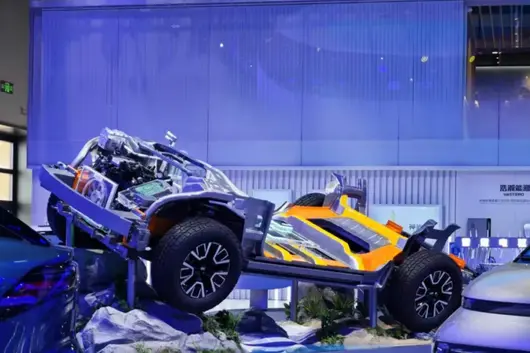
Chinese supply chain vehicles holding core technology have opened up broader global cooperation. The image shows the skateboard chassis created by Times Intelligent. (Photo - Li Xiyan)
As a leading global power battery enterprise, CATL's voice is getting louder and louder, at the previous Beijing Auto Show, launched five new battery products at once, including a new charging network; Almost at the same time, announced mass production cooperation with local Turkish electric vehicle Togg on the 'Rock Solid' chassis.
It's not just market share at the production end; CATL is also guiding global standards for the industrial chain, such as the carbon neutrality issue that all power battery enterprises are extremely concerned about. CATL has given its own solution.
What is rare is that from 2022 to 2025, industry demand exploded, and CATL's theoretical carbon emission total in core operations more than doubled. By common sense, capacity expansion and emission increase are inevitable laws. But CATL ultimately achieved net zero in core operations through engineering means. Carbon emission intensity per unit product decreased by about 77% compared to 2022, and unit energy consumption dropped to half of the industry average level.
Achieving carbon neutrality while business grows at a high speed proves that green and development can be completely achieved together.
From breaking through at a single point to leading the entire industrial chain, China's new energy vehicles, relying on this hardcore confidence, have found their footing in the turbulent times of high oil prices.
04. How to Break the Market Share Ceiling?Behind the high-speed growth, there are hidden concerns—the current high-speed growth of automobile exports may encounter a bottleneck soon.

Based on the advantages of the complete industrial chain, some car brands have targeted overseas since their inception. (Photo - Li Xiyan)
There is a natural ceiling of about 25% for the overseas market share of a single country brand. Roland Berger, after reviewing the history of the global automotive industry over the past century, estimated that in 2030, Chinese automakers' overseas sales could reach 7.5 to 10 million units, with market share between 15% and 20%.
Chinese automakers' globalization is mostly in the transition stage from assembly production to local operation. Insufficient localization leads to unsustainable cost advantages, fragile supply chains, and weak brands, becoming a core bottleneck.

New energy vehicles have become the core of incremental growth in China's automobile exports. (Photo: Xinhua Publishing House)
The past light-asset agency model has exposed numerous hidden dangers: stockpiling goods for volume, lack of terminal control, absent after-sales services, which will eventually overdraw brand reputation and miss market dividends. In this round of going overseas, Chinese automakers must take the long route of high-quality localization.
For this, Roland Berger Global Senior Partner Zheng Yun judges that in the next one to two years, China's automobile exports may enter a brief platform period. The key to breakthrough lies in completely shifting from "Made in China" to "Global Operation".

Relying on the synergistic advantages of a complete industrial chain closed loop, controllable autonomous technology, and comprehensive scenario coverage, China's new energy vehicles are starting to rise globally. (Photo - Li Xiyan)
Geely reached deep cooperation with Proton in Malaysia and built a joint venture factory in Brazil, relying on local resources to achieve a dual rooting of industrial chain and brand; In April, in Birmingham, UK commercial vehicles, Chery Commercial Vehicles' new brand DELIVAN landed in Europe. DELIVAN CEO Yang Junling told the author: "The company implements the model of 'UK definition, German engineering, European standards, local operation', builds local R&D and operation teams, creates a cross-border ambassador matrix, resonates with the European market with green concepts, abandons low-price competition, and builds high-end brand barriers with trust and localization."

Chinese technology, cross-national design, global products, such operations are becoming increasingly common. (Photo - Li Xiyan)
ConclusionHistory rhymes, but will not simply repeat. The oil crisis 50 years ago achieved the glory of Japanese cars; now high oil prices are achieving China's new energy vehicles. This is not an accidental trend, but the inevitability of China's automobiles deep cultivation for decades.
Text by | Li Xiyan • Huasheng
Editor | Heisong


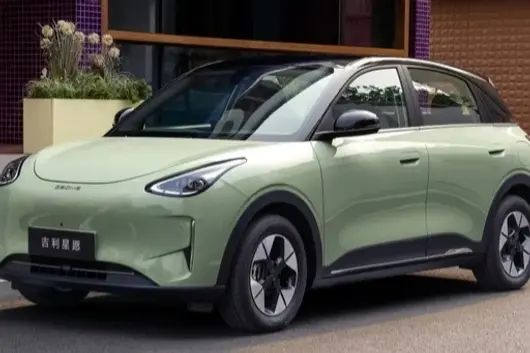
巴西汽車市場,比亞迪一騎絕塵係老生常談,但真正值得細品嘅,係吉利嘅急升速度。
7 月剛交出 7458 台嘅成績單,硬生生同奇瑞咬到只差 105 台,將中國品牌第三嘅懸念直接拉爆;單 EX2 一款車就賣咗近 4000 台,穩居巴西電動車銷量前十,全月品牌銷量大機率繼續穩喺 7000 台以上。

要知,吉利正式宣佈進駐巴西先至滿一年。一年時間由零做到月銷七千幾,冲进品牌榜前 11,呢個速度放喺整個中國車企出海歷史上,都算係第一梯隊嘅水平。
好多人只盯住嗰個 26535.7% 嘅誇張同比增幅,調侃一句「基數低嘅數字遊戲」,就將呢件事過咗去。但好少人深究:點解偏偏係吉利,能夠喺咁短時間內將銷量做實?答案講白點都唔複雜——佢呢套「輕資產合資出海」嘅打法,實在太成熟,也太實用了。
唔好被百分比騙咗,七千多台係實打實嘅站穩陣腳
26535.7% 嘅同比增速,本質係因為 2025 年 7 月吉利仲未正式開售,嗰個月只有幾十台展車、試駕車嘅登記量,分母極細,算出來嘅百分比自然爆炸。但拋開呢個統計數字,睇絕對銷量:7 月 7458 台,超過 Jeep、日產等老牌合資選手,同深耕巴西多年嘅奇瑞只差 105 台,呢個就唔係數字遊戲了。

截至 2026 年 8 月初,吉利入巴先至滿一年,累計銷量已經突破 2.5 万台。對於一個全新品牌嚟講,呢個成績含金量好高。要知,好多中國品牌進入新興市場,前兩年能夠穩定月銷三千台就當及格,吉利直接用一年時間摸到七千台嘅門檻,而且仲喺度向上行。
支撐呢個銷量嘅核心係 EX2 呢款車,就係國內嘅星願。小型純電、後驅佈局、夠用嘅續航同空間,再加上精準嘅定價,啱啱踩中咗巴西入門電動車嘅市場空白。但產品力只係基礎,真正令佢能夠快速鋪貨、快速交付嘅,係吉利揀嗰條同比亞迪、長城完全唔一樣嘅路。
核心密碼:唔硬搵重資產,借雷諾嘅快車道直接入場
比亞迪買福特舊工廠自己改造,長城接賓士舊廠再擴產能,走嘅都係「自己建廠、自己建渠道」嘅重資產路線——好處係話語權全喺自己手度,壞處係燒錢多、周期長,冇個三五年起唔到量。
吉利揀咗完全相反嘅路徑:2025 年同雷諾成立合資公司,收購雷諾巴西公司 26.4% 嘅股份,直接令雷諾當係自己在巴西嘅總經銷商。

呢步棋有幾狠?相當於直接攞咗雷諾喺巴西經營幾十年嘅全部家底:
現成嘅分銷體系:雷諾巴西原本就有 263 個經銷網點,覆蓋全國主要城市,熟悉本地經銷商規則同消費者習慣。吉利唔使由零招商,直接依托呢套體系拓展授權門店,一年時間就開咗 43 間標準 4S 店、13 個商超體驗點,覆蓋 24 個州 50 多座城市。換其他品牌自己搞,呢個覆蓋量至少要熬 3 年。
現成嘅售後同配件體系:巴西國土遼闊,配件倉儲、售後維修係新品牌嘅死穴。雷諾有成熟嘅全國配件倉同售後標準,吉利直接接入,消費者買車唔使擔心修唔到、等配件等半年,天然就多咗一層信任。
現成嘅工廠產能:唔使買地建廠,直接喺雷諾嘅艾爾頓·塞納工業園區投產 EX2,2026 年 6 月實現本土量產,啱啱躲開巴西逐步提升嘅進口關稅,成本直接降一截,供貨量也不再受海運限制。
講白點,別人出海係「白手起家」,吉利係直接帶住產品技術,「拎包入住」別人成熟嘅產業體系。錢少花咗,坑少踩咗,起量速度自然就快咗。
呢唔係臨時抱佛腳,係吉利玩咗近 10 年嘅成熟打法
好多人以為呢係吉利第一次咁幹,其實恰恰相反,呢套「參股本土車企、輸出技術產品、復用對方渠道產能」嘅模式,吉利早喺馬來西亞就跑通咗。
2017 年,吉利收購馬來西亞國民品牌寶騰 49.9% 嘅股份。嗰時寶騰已經連年虧損,年銷量從巔峰嘅 20 幾萬輛跌到 7 萬輛,市場份額只剩 15%,連大眾、標緻都唔願意接盤。吉利冇搶控股权,只拿咗運營管理權,把自己嘅車型、技術、管理體系輸進去,第一款車就係基於博越打造嘅寶騰 X70。

結果點樣?寶騰第二年銷量就同比升咗 50%,2019 年直接扭虧為盈,到 2024 年年銷量已經沖到 15.2 万台,連續 6 年穩坐馬來西亞市場第二,市佔率接近 19%。吉利不僅盘活咗一個本土品牌,仲借住寶騰嘅身份,順利拿咗到整個東盟市場嘅入場券,避開咗高額嘅區域貿易壁壘。
巴西模式,本質就係寶騰模式嘅升級版。之後嘅韓國雷諾合作、西班牙福特合資,全部係同一個思路:唔追求全資控股,唔硬剛本地市場,而係搵一個有產能、有渠道、識本地規則嘅合作夥伴,我出技術同產品,你出場地同網絡,大家一齊分錢,一齊把市場做大。
點解話呢套模式,值得多數中國車企學
而家聊中國車企出海,好多人開口就係「自建工廠、深耕本地」,好似唔砸幾十億建個廠,就唔算真正出海。但現實係,唔係所有車企都有比亞迪嘅體量同現金流,能夠頂得住前几年只投入唔出產嘅壓力。

吉利呢套輕資產模式嘅價值,就喺佢畀咗另一種可行性:
第一,見效快,試錯成本低。唔使等兩三年工廠建成、渠道鋪開,合作落地就能鋪貨,賣得好就加碼,賣得不好也唔至於傷筋動骨。
第二,本土抵觸細,更容易落地。比起「中國車企來搶市場」嘅印象,呢種「同本土企業合作、盤活閒置產能、創造就業」嘅模式,唔論係政府定係消費者,接受度都高好多,都唔容易成為當地行業協會嘅針對目標。
第三,可複製性極強。從東南亞到南美,再到歐洲,只要能搵到有產能、有渠道嘅本土合作夥伴,呢套模式就能快速復用,唔使每個市場都由零摸索。
結語:當然唔係話重資產模式唔好。比亞迪、長城嘅路線,雖然能夠將品牌同利潤牢牢攥喺自己手度,但前期嘅投入無疑要更高。對於更多想出海、又想快速打開市場嘅中國品牌嚟講,吉利呢套「借勢而為」嘅打法,顯然更務實,也更普適。

巴西市場只係一個縮影。接下來幾年,中國車企出海會從「一窩蜂入去」轉向「拼精細化運營」,到嗰陣時,邊個能夠搵到更適合自己嘅落地方式,邊個先能夠真正活落嚟,活得好。而吉利用近 10 年時間、多個市場驗證過嘅呢套輕資產合資思路,顯然係一份值得認真參考嘅功課。

Di pasaran SUV Malaysia, banyak pembeli yang membandingkan Honda WR-V dan Subaru Crosstrek ketika memilih kereta. Kedua-dua kereta ini hampir sama dari segi harga dan penempatan, hari ini kita akan buat perbandingan terperinci dari pelbagai aspek untuk membantu anda menjimatkan masa membuat kajian.
Honda WR-V di Malaysia mempunyai harga OTR antara RM 89,900 - 107,900, terdapat 4 varian termasuk 2023 1.5L V (RM 99,900), 2023 1.5L E (RM 95,900), 2023 1.5L S (RM 89,900) dan lain-lain.
Subaru Crosstrek di Malaysia mempunyai harga OTR antara RM 145,000 - 160,000, terdapat 1 varian termasuk 2.0L e-Boxer (RM 150,000) dan lain-lain.
Dari segi harga, harga permulaan Honda WR-V memang lebih murah RM 55,100 berbanding Subaru Crosstrek. Jika bajet anda terhad, versi permulaan Honda sudah boleh memenuhi keperluan harian. Namun, beribu-ribu ringgit yang lebih murah itu mungkin ada pertimbangan pada kelengkapan, bergantung pada keperluan anda.

Honda WR-V dilengkapi enjin 1.5L 4-silinder, kuasa 105 hp. Konsumsi bahan api rasmi 6.0 L/100km.
Subaru Crosstrek dilengkapi enjin 1.5L Turbo, kuasa 140 hp. Konsumsi bahan api rasmi 7.0 L/100km.
Dari segi kuasa, Turbo 1.5L Subaru Crosstrek mempunyai 35 hp lebih berbanding 1.5L 4-silinder Honda WR-V. Tetapi untuk pemanduan harian di bandar, kedua-dua kereta mempunyai kuasa yang mencukupi, tidak akan rasa kurang tenaga.

Honda WR-V mempunyai panjang badan 4400 mm, ruang muatan 400 L.
Subaru Crosstrek mempunyai panjang badan 4400 mm, ruang muatan 400 L.
Saiz kedua-dua kereta hampir sama, ruang dalaman tidak terlalu berbeza. Kereta tahap ini, cukup untuk kegunaan harian.

Honda WR-V menggunakan cara pemacu FWD.
Subaru Crosstrek menggunakan cara pemacu FWD.
Cara pemacu kedua-dua kereta sama, iaitu FWD, pengalaman memandu harian tidak akan berbeza banyak.

Secara keseluruhan, Honda WR-V dan Subaru Crosstrek kedua-duanya adalah model kereta yang sangat bagus di pasaran Malaysia. Memilih yang mana, kunci utama melihat keperluan peribadi dan bajet anda. Disarankan anda membuat kajian, membandingkan beberapa tawaran dealer, kemudian buat ujian memandu untuk membuat keputusan akhir. Membeli kereta adalah perkara besar, meluangkan masa untuk membuat kajian pasti tidak salah.


喺馬來西亞嘅 SUV 市場,好多買家喺揀車嘅時候都會攞本田 WR-V 同現代 Tucson 來做比較。呢兩款車喺價位同定位上都好接近,而家我哋就從多個方面做一個詳細嘅對比,幫你省下做功課嘅時間。
本田 WR-V 喺馬來西亞嘅 OTR 售價係 RM 89,900 - 107,900,一共有 4 個版本,包括 2023 1.5L V(RM 99,900)、2023 1.5L E(RM 95,900)、2023 1.5L S(RM 89,900) 等。
現代 Tucson 喺馬來西亞嘅 OTR 售價係 RM 143,888 - 197,888,一共有 5 個版本,包括 2025 HEV 1.6T AT 2WD Prestige(RM 197,888)、2025 1.6T DCT 4WD Prestige(RM 186,888)、2025 1.6T DCT 2WD Prime(RM 164,888) 等。
從價錢睇,本田 WR-V 嘅起步價確實比現代 Tucson 便宜咗 RM 53,988。如果你預算有限,本田嘅入門版已經可以滿足日常需求。但都要注意,便宜嗰幾千塊,可能喺配備上會有取舍,具體要看你嘅需求。
本田 WR-V 搭載 1.5L 4-cyl,馬力 105 hp。官方油耗 6.0 L/100km。
現代 Tucson 搭載 1.5L Turbo,馬力 140 hp。官方油耗 7.0 L/100km。
動力方面,現代 Tucson 嘅 1.5L Turbo 比本田 WR-V 嘅 1.5L 4-cyl 多咗 35 匹馬力。不過日常喺市區開,兩款車嘅動力都夠用,唔會覺得唔夠力。
本田 WR-V 車身長 4400 mm,後備箱 400 L。
現代 Tucson 車身長 4400 mm,後備箱 400 L。
兩款車嘅尺寸幾乎一樣,車內空間差別唔大。呢個級別嘅車,日常使用完全夠用。
本田 WR-V 採用 FWD 驅動方式。
現代 Tucson 採用 FWD 驅動方式。
兩款車嘅驅動方式一樣,都係 FWD,日常駕駛感受唔會有太大區別。
總體嚟講,本田 WR-V 同現代 Tucson 都係馬來西亞市場好好嘅車型。揀邊一輛,關鍵仲要看你嘅個人需求同預算。建議大家做好功課,多比較幾間車行嘅報價,再去試車做最終決定。買車係件大事,花啲時間做功課絕對無錯。

In Malaysia's SUV market, many buyers compare the Honda WR-V and Chery Tiggo 8 Pro when choosing a car. These two cars are quite close in price and positioning. Today, we will do a detailed comparison from multiple aspects to help you save time on research.
The Honda WR-V OTR price in Malaysia is RM 89,900 - 107,900, with a total of 4 versions, including 2023 1.5L V (RM 99,900), 2023 1.5L E (RM 95,900), 2023 1.5L S (RM 89,900) etc.
The Chery Tiggo 8 Pro OTR price in Malaysia is RM 159,750 - 159,750, with a total of 2 versions, including 1.6L Turbo Standard (RM 130,000), 1.6L Turbo Premium (RM 145,000) etc.
From a price perspective, the starting price of the Honda WR-V is indeed RM 69,850 cheaper than the Chery Tiggo 8 Pro. If your budget is limited, Honda's entry-level version can already meet daily needs. However, the few thousand cheaper may involve trade-offs in features, depending on your specific needs.
Honda WR-V safety rating is 5★ (ASEAN NCAP), active safety system includes Honda SENSING.
Chery Tiggo 8 Pro safety rating is TBD, active safety system includes Basic.
Regarding safety features, both cars have received decent ratings. However, there are some differences in functionality between Honda WR-V's Honda SENSING and Chery Tiggo 8 Pro's Basic. If you value active safety, you can compare their feature lists carefully.
Honda WR-V body length 4400 mm, trunk 400 L.
Chery Tiggo 8 Pro body length 4400 mm, trunk 400 L.
The dimensions of both cars are almost the same, and the interior space is not significantly different. Cars in this class are fully sufficient for daily use.
Honda WR-V warranty 5 years/unlimited mileage, maintenance interval every 10,000km or 6 months.
Chery Tiggo 8 Pro warranty 3 years/100,000km, maintenance interval every 10,000km or 6 months.
Overall, the Honda WR-V and Chery Tiggo 8 Pro are both excellent models in the Malaysian market. Choosing which one mainly depends on your personal needs and budget. It is recommended to do your research, compare quotes from several car dealerships, and then test drive to make the final decision. Buying a car is a big matter, spending time on research will never be wrong.

Di pasaran SUV Malaysia, ramai pembeli semasa memilih kereta sering membandingkan Honda WR-V dan Mazda CX-3. Kedua-dua kereta ini agak hampir dari segi harga dan kedudukan, hari ini kita akan buat perbandingan terperinci dari banyak aspek, membantu anda menjimatkan masa melakukan kerja penyelidikan.
Honda WR-V di Malaysia mempunyai harga OTR RM 89,900 - 107,900, terdapat 4 variasi, termasuk 2023 1.5L V (RM 99,900), 2023 1.5L E (RM 95,900), 2023 1.5L S (RM 89,900) dan sebagainya.
Mazda CX-3 di Malaysia mempunyai harga OTR RM 126,159 - 139,159, terdapat 2 variasi, termasuk 2023 2.0L High (RM 139,159), 2023 2.0L Plus (RM 126,159) dan sebagainya.
Dari segi harga, harga permulaan Honda WR-V memang lebih murah RM 36,259 berbanding Mazda CX-3. Jika bajet anda terbatas, versi entry Honda sudah boleh memenuhi keperluan harian. Namun perlu diingat, perbezaan harga tersebut mungkin melibatkan pertukaran pada ciri-ciri, lihat keperluan anda sendiri.
Penarafan keselamatan Honda WR-V adalah 5★ (ASEAN NCAP), sistem keselamatan aktif termasuk Honda SENSING.
Penarafan keselamatan Mazda CX-3 adalah 5★ (ASEAN NCAP), sistem keselamatan aktif termasuk i-Activsense.
Penarafan keselamatan kedua-dua kereta sama, dalam tahap ini ciri keselamatan diberikan cukup lengkap. Keselamatan kereta baharu sekarang tidak bermasalah, tidak perlu risau sangat mengenai hal ini.
Honda WR-V menggunakan cara pemacu FWD.
Mazda CX-3 menggunakan cara pemacu FWD.
Cara pemacu kedua-dua kereta sama, semuanya FWD, perasaan memandu harian tidak akan berbeza jauh.
Honda WR-V waranti 5 tahun / jarak tanpa had, tempoh penyelenggaraan setiap 10,000km atau 6 bulan.
Mazda CX-3 waranti 5 tahun / 150,000km, tempoh penyelenggaraan setiap 10,000km atau 6 bulan.
Secara keseluruhannya, Honda WR-V dan Mazda CX-3 adalah model kereta yang sangat baik di pasaran Malaysia. Memilih yang mana satu, perkara penting adalah melihat keperluan dan bajet peribadi anda. Disarankan buat penyelidikan yang baik, bandingkan beberapa kutipan harga daripada kedai kereta, kemudian buat ujian memandu untuk keputusan akhir. Membeli kereta adalah perkara besar, meluangkan masa membuat penyelidikan pasti tidak salah.

Fu Rong Pelajar Magang Fang Weibo Cheng Siyu
Berdasarkan data Persatuan Kereta Penumpang China, Julai ini jualan kereta domestik terus tertekan dan menurun, manakala pasaran luar negara mencatat peningkatan besar, terutamanya beberapa syarikat automotif terkemuka yang pasaran luar negara mereka telah menguasai separuh daripada jumlah jualan keseluruhan. Eksport kereta, telah meningkat dari saluran tambahan sebelum ini menjadi enjin teras utama bagi pengeluar kereta untuk menyerap keupayaan pengeluaran dan mengekalkan pertumbuhan.
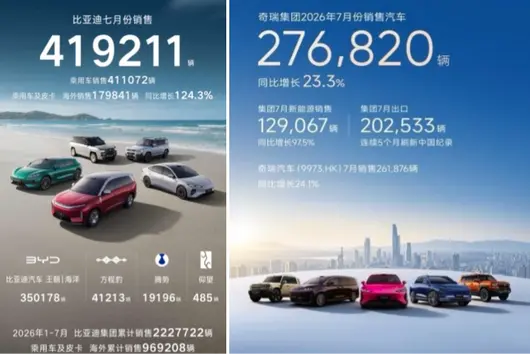
Berdasarkan data Julai: Chery Holdings mencatat jumlah jualan 276,800 kenderaan, eksport 202,500 kenderaan, perkadaran jualan luar negara mencecah 73%, hampir 3 kali ganda pasaran domestik; BYD mencatat jumlah jualan 419,200 kenderaan, eksport 179,800 kenderaan, perkadaran luar negara 42.8%; Geely Automobile mencatat jualan 250,200 kenderaan, eksport 106,700 kenderaan, perkadaran 42.6%; SAIC Group mencatat jualan 338,600 kenderaan, eksport 141,700 kenderaan, perkadaran 41.9%. Dalam perbandingan, jualan syarikat automotif di pasaran domestik masing-masing mengalami penurunan pada tahap yang berbeza-beza, satu naik satu turun, menjadikan pasaran luar negara dari yang pernah "pihak kecil yang tidak mendapat perhatian", terus menjadi tiang sokongan utama bagi pengeluar arus perdana untuk menyokong pertumbuhan prestasi.

Berdasarkan data Persatuan Industri Automotif China, jumlah jualan kereta domestik pada Julai ialah 1,541,000 kenderaan, menurun 13.1% berbanding bulan sebelum ini, menurun 23.6% berbanding tahun sebelumnya. Data Persatuan Pengedaran Automotif China pula menunjukkan, indeks amaran inventori pengedar kereta pada bulan tersebut meningkat kepada 61.1%, jauh melebihi garis ambang 50%, lebih daripada enam puluh peratus pengedar sukar mengatakan optimistik terhadap trend pasaran separuh kedua tahun ini, tekanan untuk mengurangkan stok dalam industri meningkat dengan ketara.
Yang membentuk perbandingan yang jelas ialah, pada masa yang sama pasaran luar negara terus mencatat peningkatan positif, syarikat automotif arus perdana yang melaksanakan strategi eksport luar negara, semua mencatat peningkatan yang lebih besar dalam jualan luar negara. Sama-sama daripada data Persatuan Industri Automotif China: Julai ini, jumlah eksport kereta China mencecah 1,043,000 kenderaan, meningkat melonjak 81.3% berbanding tahun sebelumnya, berterusan selama dua bulan melampaui had satu juta kenderaan. Di antaranya, eksport kenderaan tenaga baharu 553,000 kenderaan, meningkat melonjak 145.5% berbanding tahun sebelumnya, perkadarannya telah berterusan selama dua bulan melebihi 50%, menjadi komponen utama mutlak dalam eksport. Januari hingga Julai ini, jumlah eksport kumulatif kereta China ialah 6,140,000 kenderaan, meningkat 66.8% berbanding tahun sebelumnya, di antaranya jumlah eksport kenderaan tenaga baharu meningkat 1.2 kali ganda berbanding tahun sebelumnya.
Dalam perubahan struktural ini, ialah布局 strategik globalisasi yang mendalam oleh syarikat automotif terkemuka. Model eksport syarikat automotif China kini secara beransur-ansur beralih dari "eksport kenderaan lengkap" kepada penggabungan dengan "menanam akar industri". Kilang Brazil dan Thailand BYD telah beroperasi secara berturut-turut; Chery sedang memajukan pelbagai tapak secara selari di Sepanyol, Vietnam dan tempat lain; Kilang Brazil Changan Automobile juga telah siap dan beroperasi. Syarikat automotif terkemuka sedang mengakar dalam pasaran global utama melalui cara "tiga komponen yang menyatu" iaitu membina kilang, melicinkan saluran, dan mengintegrasikan rantaian bekalan. Eropah, Asia Tenggara, dan Amerika Selatan telah menjadi tiga tumpuan utama globalisasi syarikat automotif China. Memandang ke hadapan, halangan tarif dan keupayaan operasi tempatan akan menjadi garis pembahagian dalam persaingan. Dari memuaskan keperluan dalaman kepada memacu global, satu perubahan mendalam dari "Dibuat di China" ke "Globalisasi China" sedang berlaku.

2026 年上半年,汽車行業競爭持續加劇,市場結構加速迭代,奇瑞集團依托清晰的戰略佈局、深厚的自主技術積澱與成熟的全球化營運體系,在銷量規模、品質口碑、全球化進程、前沿科技佈局四大維度實現全面突破,屢獲銷量歷史新高、行業權威品質認證、全球產銷里程碑、《財富》世界 500 強席位等一系列標誌性成果,以穩定的增長韌性、領先的經營效益與多元化科技佈局,交出一份含金量充足的半年度高質量發展答卷。

從市場銷量維度來看,2026 年上半年奇瑞集團累計整車銷量達到 135.75 萬輛,同比增長 7.7%,刷新品牌創立以來同期銷量最高紀錄,穩固了自主品牌頭部陣營地位。亮眼的數據背後,出口與新能源兩大業務構成拉動增長的核心雙引擎,成為奇瑞區別於多數同行的核心優勢。上半年奇瑞海外出口總量 94.38 萬輛,同比大幅增長 71.5%,換算下來市場平均每 17 秒就有一台奇瑞整車發往全球各地。憑藉過硬的產品實力,品牌在歐洲、英國、澳大利亞等全球高法規標準市場持續實現市場份額突破,目前奇瑞全球海外用戶規模已接近 700 萬,佔品牌全部用戶總量的 35%,海外市場已成為支撐品牌長期發展的核心基本盤。

在出海模式層面,奇瑞早已跳出單純出口車輛的初級貿易模式,構建起行業獨有的“融入式出海”全新範式。目前奇瑞在西班牙、南非、巴西、俄羅斯、泰國、伊朗佈局六大海外製造核心節點,搭建起覆蓋全球重點市場的本地化生產網絡。其中西班牙 EBRO 工廠深耕歐洲本土市場,南非羅斯林工廠承接百年汽車製造基地產能,各大海外工廠均堅持深度屬地化營運,大量僱傭本地員工、培育本土上下游供應鏈、遵守當地法規並落地各類公益項目,摒棄簡單複製國內工廠的擴張思路,實現從“單純賣車”到“扎根當地、共生發展”的模式升級,為中國品牌全球化發展提供可複製、可參考的產業範本。
產品與服務品質層面,奇瑞在 2026 年實現行業標誌性突破,一舉包攬 J.D.Power 新車品質 IQS、產品魅力 APEAL、購車體驗 PXI、售後服務 CSI 四大核心研究自主品牌第一名,成為國內汽車行業首個達成該項評測“四滿貫”的車企。四項權威評測覆蓋車輛出廠品質、乘駕產品體驗、終端購車服務、售後維保全生命週期,全維度領先的評測結果,充分印證奇瑞長期堅持的品質製造體系落地成效,實現“銷量穩步提升,口碑同步夯實”的良性發展格局。與此同時,奇瑞前沿智能產業佈局落地見效,旗下墨甲機器人業務完成全球化規模化落地,產品進駐全球 60 多個國家、覆蓋上百類商用與工業場景,截至上半年全球累計銷量突破 2000 臺,人形機器人業務正式成為奇瑞科技出海的全新名片,標誌奇瑞已從傳統整車製造企業,向多賽道科技集團轉型。

2026 年上半年至 7 月,奇瑞接連迎來兩大足以載入品牌發展史的關鍵里程碑。第一個里程碑為 7 月 25 日達成的全球累計銷量突破 2000 萬輛。回望 29 年發展歷程,奇瑞始終堅守自主研發路線,打破行業“無合資難發展”“低體量無法自研核心技術”等固有偏見,走出一條完全自主可控的中國汽車發展道路。2000 萬輛不是發展終點,而是全新起點,當前奇瑞已同步佈局高階智能駕駛、飛行汽車、具身智能機器人、“3G 戰略”乃至可控核聚變等前沿賽道,持續打破傳統車企產業邊界,向全球化高科技集團穩步進化。

另一重磅里程碑是奇瑞汽車以獨立上市公司主體,成功入圍 2026《財富》世界 500 強榜單,位列第 383 位,同時亦是本年度中國大陸地區唯一新晉入榜的整車企業。經營效益層面,奇瑞淨資產收益率 ROE 超過 36%,在本屆世界 500 強企業中排名全球第 30,在所有上榜中國企業裡位居首位。不同於不少依靠營收體量上榜的企業,奇瑞此次以獨立上市主體身份登榜,體現企業現代化治理體系、市場化營運機制全面成熟,更打破了行業只比拼產銷規模的單一評價標準,證明奇瑞在規模增長之外,同時具備行業領先的盈利能力與高效資產週轉能力,完成從單純規模擴張到高質量效益增長的關鍵戰略轉身。
多重亮眼成果疊加,充分展現奇瑞 2026 上半年全方位、多層次的綜合競爭實力。站在半年發展節點,憑藉龐大的全球用戶基礎、完善的海外製造網絡、行業領先的品質背書與多元前沿技術儲備,奇瑞增長動能持續充足。下半年,奇瑞將持續放大出口、新能源雙增長曲線優勢,憑藉 2000 萬全球用戶積澱與世界 500 強平台勢能,持續深耕自主核心技術創新,深化全球本土化生態佈局,穩步推進全球化高科技集團建設,持續夯實自主品牌高質量發展根基,向全球市場傳遞中國汽車產業向上突破的核心力量。
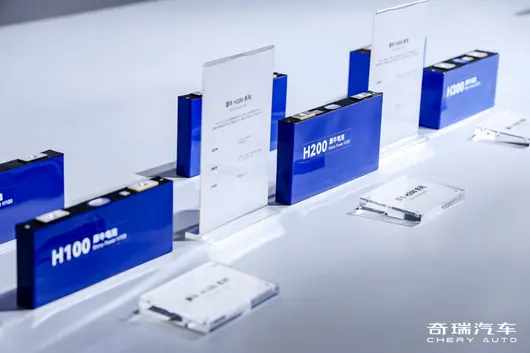

Di pasaran SUV Malaysia, ramai pembeli ketika memilih kereta sering membandingkan Proton X70 dan Chery Tiggo 9. Kedua-dua model ini agak hampir dari segi harga dan sasaran pasaran, hari ini kita akan buat perbandingan terperinci dari pelbagai aspek untuk membantu anda menjimatkan masa menjalankan kaji selidik.
Proton X70 dijual dengan harga OTR di Malaysia antara RM 106,800 hingga RM 122,300, terdapat 3 varian, termasuk 1.5L Standard 2WD (RM 106,800), 1.5L Executive 2WD (RM 115,800), 1.5L Premium 2WD (RM 122,300) dan sebagainya.
Chery Tiggo 9 dijual dengan harga OTR di Malaysia antara RM 166,800 hingga RM 179,800, terdapat 1 varian, termasuk 2026 2.0T Standard (RM 179,750) dan sebagainya.
Dari segi harga, Proton X70 sememangnya lebih murah sebanyak RM 60,000 berbanding Chery Tiggo 9. Jika bajet anda terhad, versi asas Proton sudah cukup untuk keperluan harian. Tetapi perlu diingat, perbezaan harga beberapa ribu ringgit itu mungkin melibatkan kompromi pada kelengkapan, bergantung pada keperluan anda.

Proton X70 dilengkapi enjin Turbo 1.5L, kuasa kuda 140 hp. Jimat minyak rasmi 7.0 L/100km.
Chery Tiggo 9 dilengkapi enjin 4 silinder 2.0L, kuasa kuda 170 hp. Jimat minyak rasmi 8.0 L/100km.
Dari segi kuasa, 4 silinder 2.0L pada Chery Tiggo 9 mempunyai 30 kuasa kuda lebih berbanding Turbo 1.5L Proton X70. Namun, dalam penggunaan harian di kawasan bandar, kedua-dua kereta ini mempunyai kuasa yang mencukupi, tidak akan terasa kurang tenaga.
Proton X70 menggunakan sistem pemanduan FWD.
Chery Tiggo 9 menggunakan sistem pemanduan FWD.
Kedua-dua kereta ini mempunyai sistem pemanduan yang sama, iaitu FWD, tiada perbezaan besar dalam rasa memandu harian.
Proton X70 jaminan 5 tahun/150,000 km, selang servis setiap 10,000 km atau 6 bulan.
Chery Tiggo 9 jaminan 3 tahun/100,000 km, selang servis setiap 10,000 km atau 6 bulan.
Proton X70 dan Chery Tiggo 9 adalah pilihan utama di pasaran Malaysia, sesuai untuk kegunaan keluarga dan perjalanan harian ke pejabat. Jika anda lebih mengutamakan reputasi jenama dan harga pasaran kedua, boleh utamakan jenama yang lebih terkenal; jika anda lebih mementingkan nilai dan kelengkapan, maka pilih model dengan kelengkapan lebih melimpah. Akhir sekali, disarankan kedua-dua model dicuba memandu, pengalaman sendiri adalah yang paling penting.
Secara keseluruhan, Proton X70 dan Chery Tiggo 9 adalah model yang sangat baik di pasaran Malaysia. Memilih yang mana satu, penting untuk lihat keperluan dan bajet peribadi anda. Disarankan membuat kaji selidik terlebih dahulu, bandingkan banyak tawaran daripada beberapa dealer, kemudian buat keputusan akhir setelah memandu. Membeli kereta adalah perkara besar, meluangkan masa untuk membuat kaji selidik tidak akan salah.


Dalam pasaran SUV di Malaysia, ramai pembeli membandingkan Perodua Ativa dan Honda HR-V semasa memilih kereta. Kedua-dua kereta ini agak dekat dari segi harga dan penempatan, hari ini kita akan buat perbandingan terperinci dari pelbagai aspek, membantu anda menjimatkan masa melakukan kajian.
Harga OTR Perodua Ativa di Malaysia ialah RM 62,500 - 73,400, keseluruhan ada 3 versi, termasuk 1.0L Turbo X (RM 62,500), 1.0L Turbo H (RM 67,300), 1.0L Turbo AV (RM 73,400) dan lain-lain.
Harga OTR Honda HR-V di Malaysia ialah RM 115,900 - 143,900, keseluruhan ada 4 versi, termasuk 2026 e:HEV 1.5L RS (RM 143,900), 2026 1.5T V (RM 137,900), 2026 1.5T E (RM 130,900) dan lain-lain.
Dari segi harga, harga permulaan Perodua Ativa memang lebih murah RM 53,400 berbanding Honda HR-V. Jika bajet anda terhad, varian permulaan Perodua sudah boleh memenuhi keperluan harian. Tetapi perlu diingat, beberapa ribu ringgit yang lebih murah itu, mungkin ada pengorbanan dari segi kelengkapan, bergantung pada keperluan anda.

Panjang badan Perodua Ativa 4400 mm, Kompal 400 L.
Panjang badan Honda HR-V 4500 mm, Kompal 450 L.
Dari segi ruang, badan Honda HR-V lebih panjang 100 mm berbanding Perodua Ativa, ruang penumpang lebih unggul. Namun Perodua Ativa lebih fleksibel untuk parkir di bandar, masing-masing ada kelebihan dan kekurangan.
Perodua Ativa menggunakan cara penggerak FWD.
Honda HR-V menggunakan cara penggerak FWD.
Kedua-dua kereta ini menggunakan cara penggerak yang sama, iaitu FWD, pengalaman memandu harian tidak akan berbeza banyak.

Perodua Ativa dan Honda HR-V kedua-duanya pilihan utama pasaran Malaysia, sesuai untuk kegunaan keluarga, perjalanan harian. Jika anda lebih mementingkan reputasi jenama dan harga jualan semula, boleh utamakan mana-mana yang lebih baik reputasinya; jika anda lebih mementingkan nisbah harga dan kelengkapan, pilih mana yang lebih banyak kelengkapan. Akhir sekali cadangan cuba uji kedua-duanya, pengalaman sendiri adalah paling penting.

Secara keseluruhannya, Perodua Ativa dan Honda HR-V kedua-duanya model kereta yang sangat bagus di pasaran Malaysia. Memilih mana satu, penting bergantung pada keperluan peribadi dan bajet anda. Disarankan anda melakukan kajian terlebih dahulu, bandingkan tawaran harga beberapa dealer kereta, kemudian buat ujian memandu untuk membuat keputusan akhir. Membeli kereta adalah perkara besar, meluangkan masa melakukan kajian tidak akan salah.


In the Malaysian SUV market, many buyers compare Perodua Ativa and Proton X90 when choosing a car. These two models are quite close in price and positioning, so today we will make a detailed comparison from multiple aspects to help you save time on research.
Perodua Ativa's OTR price in Malaysia is RM 62,500 - 73,400, with a total of 3 versions, including 1.0L Turbo X (RM 62,500), 1.0L Turbo H (RM 67,300), 1.0L Turbo AV (RM 73,400) etc.
Proton X90's OTR price in Malaysia is RM 106,800 - 122,800, with a total of 4 versions, including 2026 1.5T Prime X (RM 122,800), 2026 1.5T Prime (RM 116,800), 2026 1.5T Lite (RM 106,800) etc.
From the price perspective, Perodua Ativa's starting price is indeed RM 44,300 cheaper than Proton X90. If your budget is limited, Perodua's entry-level version is already sufficient for daily needs. But be aware, the few thousand cheaper, might have trade-offs in features, specifically depends on your needs.
Perodua Ativa's safety rating is 5★ (ASEAN NCAP), active safety systems include ASA 3.0 + ACC + LDA + LKA + BSM + RCTA.
Proton X90's safety rating is 5★ (ASEAN NCAP), active safety systems include ADAS (ACC, AEB, LKA, LDA, BSM, RCTA).
Both cars have the same safety rating, safety features are quite comprehensive for this level. New cars nowadays have good safety, no need to worry too much about this.
Perodua Ativa body length 4400 mm, trunk 400 L.
Proton X90 body length 4400 mm, trunk 400 L.
The dimensions of the two cars are almost the same, interior space difference is not significant. Cars in this class are completely sufficient for daily use.
Perodua Ativa adopts FWD drive mode.
Proton X90 adopts FWD drive mode.
Both cars have the same drive mode, both are FWD, daily driving feel will not be too different.

Overall, Perodua Ativa and Proton X90 are both very good models in the Malaysian market. Which one to choose depends on your personal needs and budget. We suggest doing your research, compare quotes from several dealerships, then test drive to make the final decision. Buying a car is a big deal, spending time on research will never be wrong.

在马来西亚的汽车市场,很多买家在选车的时候都会拿 Subaru Outback 和 BMW X5 来做比较。今天我们从多个方面做一个详细的对比,帮你省下做功课的时间。


Subaru Outback 在马来西亚的 OTR 售价是 RM 260,000 - 280,000,一共有 2 个版本,包括 2025 2.4T R-Touring EyeSight(RM 310,340)、2025 2.5L Touring EyeSight(RM 280,340) 等。
BMW X5 在马来西亚的 OTR 售价是 RM 470,800 - 470,800,一共有 3 个版本,包括 1.5L Standard(RM 86,300)、1.5L Executive(RM 95,300)、1.5L Premium(RM 103,300) 等。
从价钱来看,Subaru Outback 的起步价确实比 BMW X5 便宜了 RM 210,800。如果你预算有限,Subaru 的入门版已经可以满足日常需求。但也要注意,便宜的那几千块,可能在配备上会有取舍,具体要看你的需求。
Subaru Outback 的安全评级是 TBD,主动安全系统包括 Basic。
BMW X5 的安全评级是 5★ (ASEAN NCAP),主动安全系统包括 ADAS (ACC, AEB, LKA, LDA, BSM, RCTA)。
安全配备方面,两款车都拿到了不错的评级。不过 Subaru Outback 的 Basic 和 BMW X5 的 ADAS (ACC, AEB, LKA, LDA, BSM, RCTA) 在功能上有些差异,如果你比较看重主动安全的话,可以仔细对比一下两者的功能列表。

Subaru Outback 保修 3年/100,000km,保养间隔 每10,000km或6个月。
BMW X5 保修 5年/无限里程,保养间隔 每10,000km或6个月。

Subaru Outback 和 BMW X5 都是马来西亚市场的主流选择,适合家庭使用、日常通勤。如果你更看重品牌口碑和二手价,可以优先考虑口碑更好的那一款;如果你更在意性价比和配备,那就选配置更丰富的那款。最终还是建议两款都去试驾,亲身体验才是最重要的。

总的来说,Subaru Outback 和 BMW X5 都是马来西亚市场很不错的车型。选择哪一辆,关键还是要看你的个人需求和预算。建议大家做好功课,多比较几间车行的报价,再去试驾做最终决定。买车是件大事,花点时间做功课绝对不会错。

© 2024 Bitauto.com. All Rights Reserved.
Bitauto (www.yiche.com and www.bitauto.com) is one of the most visited automotive websites in China. We provide detailed info on Chinese car brands available in your area. Please note that the information provided on this website is based on publicly available data and is for reference only. It may not be fully updated or accurate at all times.

Help us improve our website


