

Homeconversations

Search History
Popular Searches
Dealer Login / Sign Up

喺馬來西亞嘅 SUV 市場,好多買家喺揀車嗰陣都會拎 Perodua Aruz 同 Proton X90 嚟比較。呢兩部車喺價錢同定位上都幾接近,今日我哋就從多個方面做一個詳細比較,幫你節省做功課嘅時間。
Perodua Aruz 喺馬來西亞嘅 OTR 售價係 RM 72,900 - 77,900,一共有 2 個版本,包括 1.5L X(RM 72,900)、1.5L AV(RM 77,900) 等。
Proton X90 喺馬來西亞嘅 OTR 售價係 RM 106,800 - 122,800,一共有 4 個版本,包括 2026 1.5T Prime X(RM 122,800)、2026 1.5T Prime(RM 116,800)、2026 1.5T Lite(RM 106,800) 等。
從價錢嚟睇,Perodua Aruz 嘅起價確實比 Proton X90 平咗 RM 33,900。如果你預算有限,Perodua 嘅入門版已經足夠滿足日常需求。但都要留意,平嗰幾千蚊,可能喺配備上會有取舍,具體要看你嘅需求。

Perodua Aruz 裝載 1.5L 4-cyl,馬力 105 hp。官方油耗 6.0 L/100km。
Proton X90 裝載 1.5L Turbo,馬力 140 hp。官方油耗 7.0 L/100km。
動力方面,Proton X90 嘅 1.5L Turbo 比 Perodua Aruz 嘅 1.5L 4-cyl 多咗 35 匹馬力。不過日常喺市區開,呢兩部車嘅動力都夠用,唔會覺得唔夠力。

Perodua Aruz 採用 FWD 驅動方式。
Proton X90 採用 FWD 驅動方式。
兩部車嘅驅動方式一樣,都係 FWD,日常駕駛感受唔會有太大分別。

Perodua Aruz 保修 5 年/150,000km,保養間隔 每 10,000km 或 6 個月。
Proton X90 保修 5 年/150,000km,保養間隔 每 10,000km 或 6 個月。
兩部車嘅保修條件一樣,呢方面唔使糾結。實際保養成本仲要睇品牌嘅服務網絡同零件價格,建議去車友群問問真實車主嘅經驗。

Perodua Aruz 同 Proton X90 都係馬來西亞市場嘅主流選擇,適合家庭使用、日常通勤。如果你更看重品牌聲譽同二手價,可以優先考慮聲譽更好嗰一款;如果你更在意性價比同配備,那就揀配備更豐富嗰款。最終都建議兩款都去試駕,親身試吓先係最重要。

總體嚟講,Perodua Aruz 同 Proton X90 都係馬來西亞市場幾唔錯嘅車型。揀邊一部,關鍵仲係要睇你嘅個人需求同預算。建議大家做好功課,多比較幾間車行嘅報價,再去試駕做最終決定。買車係件大事,花少少時間做功課絕對唔會錯。

Dalam pasaran SUV di Malaysia, ramai pembeli semasa memilih kereta akan membandingkan Proton X50 dan Chery Tiggo 9. Kedua-dua kereta ini hampir serupa dari segi harga dan kedudukan pasaran. Hari ini, kita akan melakukan perbandingan terperinci dari pelbagai aspek untuk membantu anda menjimatkan masa melakukan kajian.
Harga OTR Proton X50 di Malaysia ialah RM 89,800 - 113,300, terdapat jumlah 4 varian, termasuk 1.5T Executive (RM 89,800), 1.5T Premium (RM 101,800), 1.5T Flagship (RM 113,300) dan lain-lain.
Harga OTR Chery Tiggo 9 di Malaysia ialah RM 166,800 - 179,800, terdapat jumlah 1 varian, termasuk 2026 2.0T Standard (RM 179,750) dan lain-lain.
Dari segi harga, harga permulaan Proton X50 memang lebih murah RM 77,000 berbanding Chery Tiggo 9. Jika bajet anda terhad, varian pemula Proton sudah boleh memenuhi keperluan harian. Namun, perlu diingat, perbezaan harga beberapa ribu itu mungkin mempunyai kompromi dari segi kelengkapan, bergantung pada keperluan anda.

Proton X50 dilengkapi enjin 1.5L 4-silinder, kuasa 105 hp. Kecekapan minyak rasmi 6.0 L/100km.
Chery Tiggo 9 dilengkapi enjin 2.0L 4-silinder, kuasa 170 hp. Kecekapan minyak rasmi 8.0 L/100km.
Dari segi kuasa, enjin 2.0L 4-silinder Chery Tiggo 9 mempunyai 65 hp lebih berbanding enjin 1.5L 4-silinder Proton X50. Namun, untuk pemanduan harian dalam bandar, kuasa kedua-dua kereta sudah cukup dan tidak akan rasa kekurangan tenaga.
Panjang badan Proton X50 ialah 4400 mm, ruang muatan belakang 400 L.
Panjang badan Chery Tiggo 9 ialah 4400 mm, ruang muatan belakang 400 L.
Saiz kedua-dua kereta hampir sama, ruang dalaman tidak banyak berbeza. Untuk kelas ini, penggunaan harian sudah cukup sepenuhnya.

Proton X50 menggunakan sistem pemanduan 4WD.
Chery Tiggo 9 menggunakan sistem pemanduan FWD.
4WD milik Proton dan FWD milik Chery memberikan pengalaman memandu yang berbeza, disyorkan untuk membanding semasa ujian pemanduan.

Secara keseluruhan, Proton X50 dan Chery Tiggo 9 adalah model kereta yang sangat bagus di pasaran Malaysia. Memilih yang mana satu, ia bergantung kepada keperluan dan bajet individu anda. Kami cadangkan anda melakukan kajian terlebih dahulu, bandingkan harga antara beberapa diler kereta, kemudian buat ujian pemanduan untuk keputusan akhir. Membeli kereta adalah perkara besar, meluangkan masa untuk kajian pasti tidak salah.

車型概覽

奇瑞奧摩達 E5 值唔值得買,關鍵唔係佢睇落幾吸引,而係佢有無解決你嘅真實用車需求。這篇文章會把重點放喺市區駕駛、泊車同日常靈活性。
價格落喺令吉 146,928,買家可以先佢判斷預算壓力同同級定位。
購車價格指南
奇瑞奧摩達 E5 嘅購車預算可以先從令吉 146,928 開始衡量。這數字真正影響嘅係月供、保險同現金流,而唔只係展示間入面嘅標價。
如果你喺幾個版本之間猶豫,可以將 2026 430 公里標準版(令吉 146,928) 放喺同一張清單入面比較。日常通勤買家優先睇舒適同安全,常跑高速嘅買家則更應重視動力、輔助駕駛同車廂方便。
核心參數匯總
睇奇瑞奧摩達 E5 嘅核心規格,最重要係把數字翻譯成生活裏嘅感受。
61 千瓦時嘅電池容量,重點係有無支撐一週通勤同週末出門。15.5 千瓦時/100 公里嘅耗電表現,會影響你幾久需要補一次電。150 千瓦、340 牛頓米嘅輸出,讓高速併線同短距離超車更有底氣。車長 4424 毫米、車寬 1830 毫米、車高 1588 毫米,可以幫助你預判泊車難度同後排乘坐空間。
優缺點分析
奇瑞奧摩達 E5 嘅優點唔使誇張,真正有價值嘅係佢有無讓日常使用更省心:預算位置清楚,方便同同級車直接比較、日常能源成本有明確參考、動力輸出能支撐高速同超車需求。
需要留意嘅係,需要先確認屋企、公司或常去商場嘅充電條件、市區泊車同狹窄路段仍要看個人駕駛習慣。這些唔係扣分項,而係落訂前應該先想清楚嘅生活細節。
購車常見問題解答
購買奇瑞奧摩達 E5 前,買家最常問嘅唔係單一規格,而係佢有無融入自己嘅生活。
這車適合邊個?適合把市區駕駛、泊車同日常靈活性放喺首位嘅買家。 家庭用戶要看啲咩?優先睇後排乘坐、兒童座椅、行李同日常上下車有無順手。 每日開會唔會麻煩?只要充電條件穩定,電動車嘅通勤體驗通常更安靜,也更容易控制日常能源成本。
競爭對手對比內容
把奇瑞奧摩達 E5 放進同級車名單時,唔建議只看品牌或外形。真正有用嘅比較順序係:先用令吉 146,928 鎖定預算圈、再睇動力有無足夠應付高速同滿載、接着比較能源成本同補能方便、最後睇空間有無適合家人同行李。
這樣篩選出來嘅結果更貼近日常生活。你會更清楚佢係適合城市通勤、家庭代步、長途巡航,定係更適合作為一輛講求個性嘅選擇。
用車全週期指南

擁有奇瑞奧摩達 E5 嘅關鍵,係先把充電安排想清楚。居家充電、公司充電或商場快充只要其中一項穩定,日常體驗就會輕鬆好多。
如果你常跑南北大道,動力同車廂舒適度會比單純低價更重要;如果主要喺市區,泊車靈活性、視野同低速順滑度會更影響心情。


車款概覽

買 Leapmotor B10 抵唔抵,關鍵唔係佢睇落幾吸引,而係佢係咪能夠解決你真係需要。這篇文章會將重點放喺市區駕駛、泊車同日常靈活性。 近期圍繞呢部車嘅討論包括「Stellantis Malaysia Rolls Out OTA Update for Leapmotor B10 SUV」,說明佢喺本地買家視野入面仍然有關注度。
價格落喺 RM 108,500 - 119,500,買家可以先用佢判斷預算壓力同同級定位。
買車價格指南
Leapmotor B10 嘅買車預算可以從 RM 108,500 - 119,500 開始衡量。呢個數字真正影響嘅係月供、保險同現金流,唔止係展廳入面嘅標價。
如果你喺幾個版本之間猶豫,可以將 2025 516km Design(RM 119,500)、2025 442km Life(RM 108,500) 放喺同一張清單入面比較。日常通勤買家優先睇舒適同安全,常跑高速嘅買家則更加應重視動力、輔助駕駛同車廂方便。
核心參數彙總
睇 Leapmotor B10 嘅核心規格,最重要係將數字翻譯成生活入面嘅感受。
67.1 kWh 嘅電池容量,重點係唔係能夠支撐一週通勤同週末出街。 160 kW、240 N·m 嘅輸出,令高速變線同短距離超車更有底氣。 車長 4515 mm、車寬 1885 mm、車高 1655 mm、軸距 2735 mm,可以幫你預判泊車難度同後排乘坐空間。 固定齒比 變速箱、後輪驅動佈局 嘅設定,會影響起步流暢度、濕地穩定感同長途巡航感。
優缺點分析
Leapmotor B10 嘅優點唔使誇張,真正有價值係佢係咪能夠令日常使用更加省心:預算位置清楚,方便同同級車直接比較、動力輸出能夠支撐高速同超車需求、空間同車身尺寸方便家庭買家預判實用性。
需要留意嘅係,需要先確認屋企、公司或常去商場嘅充電條件、市區泊車同狹窄路段仍然要看個人駕駛習慣。呢啲唔係扣分項,而係下訂前應該先知想清楚嘅生活細節。
買車常見問題解答
購買 Leapmotor B10 前,買家最常問嘅唔係單一規格,而係佢係咪能夠融入你自己嘅生活。
呢部車適合邊個?適合將市區駕駛、泊車同日常靈活性放喺首位嘅買家。 家庭用戶要看咩?優先睇後排乘坐、兒童座椅、行李同日常上下車係咪得順手。 每天開係咪麻煩?只要充電條件穩定,電動車嘅通勤體驗通常更加安靜,也容易控制日常能源成本。
競爭對手比較內容
將 Leapmotor B10 放進同級車名單嘅時候,唔建議只看品牌或外形。真正有用嘅比較順序係:先用 RM 108,500 - 119,500 鎖定預算範圍、再睇動力係咪足夠應付高速同滿載、接著比較能源成本同補能便利、最後睇空間係咪適合家人同行李。
咁樣篩選出來嘅結果更加貼近日常生活。你會更加清楚佢係適合城市通勤、家庭代步、長途巡航,定係更加適合作為一輛講求個性嘅選擇。
用車全周期指南

擁有 Leapmotor B10 嘅關鍵,係要將充電安排想清楚。家充、公司充電或商場快充只要其中一項穩定,日常體驗就會輕鬆好多。
如果你常跑南北大道,動力同車廂舒適度會比單純低價更重要;如果主要喺市區,泊車靈活性、視野同低速流暢度會影響心情。


在马来西亚的SUV市场,很多买家在选车的时候都会拿 Volvo XC60 PHEV 和 Audi Q7 来做比较。这两款车在价位和定位上都蛮接近的,今天我们就从多个方面做一个详细的对比,帮你省下做功课的时间。
Volvo XC60 PHEV 在马来西亚的 OTR 售价是 RM 362,888 - 362,888,一共有 2 个版本,包括 2025 2.0T 89km Ultra(RM 362,888)、What safety features does the Volvo XC60 PHEV have?(RM 296,610) 等。
Audi Q7 在马来西亚的 OTR 售价是 RM 462,222 - 462,222,一共有 1 个版本,包括 Standard(RM 462,222) 等。
从价钱来看,Volvo XC60 PHEV 的起步价确实比 Audi Q7 便宜了 RM 99,334。如果你预算有限,Volvo 的入门版已经可以满足日常需求。但也要注意,便宜的那几千块,可能在配备上会有取舍,具体要看你的需求。

Volvo XC60 PHEV 车身长 4400 mm,后备箱 400 L。
Audi Q7 车身长 4400 mm,后备箱 400 L。
两款车的尺寸几乎一样,车内空间差别不大。这个级别的车,日常使用完全够用。

Volvo XC60 PHEV 保修 5年/无限里程,保养间隔 每10,000km或6个月。
Audi Q7 保修 5年/150,000km,保养间隔 每10,000km或6个月。

Volvo XC60 PHEV 和 Audi Q7 都是马来西亚市场的主流选择,适合家庭使用、日常通勤。如果你更看重品牌口碑和二手价,可以优先考虑口碑更好的那一款;如果你更在意性价比和配备,那就选配置更丰富的那款。最终还是建议两款都去试驾,亲身体验才是最重要的。

总的来说,Volvo XC60 PHEV 和 Audi Q7 都是马来西亚市场很不错的车型。选择哪一辆,关键还是要看你的个人需求和预算。建议大家做好功课,多比较几间车行的报价,再去试驾做最终决定。买车是件大事,花点时间做功课绝对不会错。


在马来西亚的SUV市场,很多买家在选车的时候都会拿 Volvo XC40 和 Mercedes-Benz GLA 来做比较。这两款车在价位和定位上都蛮接近的,今天我们就从多个方面做一个详细的对比,帮你省下做功课的时间。
Volvo XC40 在马来西亚的 OTR 售价是 RM 278,888 - 278,888,一共有 1 个版本,包括 2025 2.0T Plus(RM 278,888) 等。
Mercedes-Benz GLA 在马来西亚的 OTR 售价是 RM 258,888 - 295,888,一共有 1 个版本,包括 Standard(RM 258,888) 等。
从价钱来看,Mercedes-Benz GLA 的起步价比 Volvo XC40 便宜了 RM 20,000。老实讲,在这个价位段,几千块的差距其实不算大,关键还是看整体的性价比和长期使用成本。

Volvo XC40 的安全评级是 5★ (Euro NCAP),主动安全系统包括 Pilot Assist, City Safety (标准)。
Mercedes-Benz GLA 的安全评级是 5★ (Euro NCAP),主动安全系统包括 Premium ADAS。
两款车的安全评级一样,在这个级别里面安全配备都算给得很齐全了。现在的新车安全性都不差,不用太担心这一点。

Volvo XC40 车身长 4400 mm,后备箱 400 L。
Mercedes-Benz GLA 车身长 4400 mm,后备箱 400 L。
两款车的尺寸几乎一样,车内空间差别不大。这个级别的车,日常使用完全够用。

Volvo XC40 保修 5年/无限里程,保养间隔 每10,000km或6个月。
Mercedes-Benz GLA 保修 3年/100,000km,保养间隔 每10,000km或6个月。

总的来说,Volvo XC40 和 Mercedes-Benz GLA 都是马来西亚市场很不错的车型。选择哪一辆,关键还是要看你的个人需求和预算。建议大家做好功课,多比较几间车行的报价,再去试驾做最终决定。买车是件大事,花点时间做功课绝对不会错。

在马来西亚的SUV市场,很多买家在选车的时候都会拿 Perodua Aruz 和 Mazda CX-30 来做比较。这两款车在价位和定位上都蛮接近的,今天我们就从多个方面做一个详细的对比,帮你省下做功课的时间。
Perodua Aruz 在马来西亚的 OTR 售价是 RM 72,900 - 77,900,一共有 2 个版本,包括 1.5L X(RM 72,900)、1.5L AV(RM 77,900) 等。
Mazda CX-30 在马来西亚的 OTR 售价是 RM 122,409 - 146,409,一共有 4 个版本,包括 2025 2.0L High+ Premium(RM 146,409)、2025 2.0L High+(RM 138,409)、2025 2.0L High(RM 130,409) 等。
从价钱来看,Perodua Aruz 的起步价确实比 Mazda CX-30 便宜了 RM 49,509。如果你预算有限,Perodua 的入门版已经可以满足日常需求。但也要注意,便宜的那几千块,可能在配备上会有取舍,具体要看你的需求。
Perodua Aruz 搭载 1.5L 4-cyl,马力 105 hp。官方油耗 6.0 L/100km。
Mazda CX-30 搭载 1.5L Turbo,马力 140 hp。官方油耗 7.0 L/100km。
动力方面,Mazda CX-30 的 1.5L Turbo 比 Perodua Aruz 的 1.5L 4-cyl 多了 35 匹马力。不过日常在市区开,两款车的动力都够用,不会觉得不够力。
Perodua Aruz 的安全评级是 5★ (ASEAN NCAP),主动安全系统包括 。
Mazda CX-30 的安全评级是 5★ (ASEAN NCAP),主动安全系统包括 i-Activsense。
两款车的安全评级一样,在这个级别里面安全配备都算给得很齐全了。现在的新车安全性都不差,不用太担心这一点。
Perodua Aruz 采用 FWD 驱动方式。
Mazda CX-30 采用 FWD 驱动方式。
两款车的驱动方式一样,都是 FWD,日常驾驶感受不会有太大区别。

总的来说,Perodua Aruz 和 Mazda CX-30 都是马来西亚市场很不错的车型。选择哪一辆,关键还是要看你的个人需求和预算。建议大家做好功课,多比较几间车行的报价,再去试驾做最终决定。买车是件大事,花点时间做功课绝对不会错。

[Lead: After years of technical iteration, policy pilot programs, and market refinement, the global Robotaxi industry is gradually leaving behind the initial phase of experimental exploration and has officially entered the critical window period for commercialization and scaled expansion. Under the resonance of policies, costs, and technology, the domestic and overseas markets show differentiated development trends, and the industry's short-term operational logic and medium-to-long-term industrial transformation trends are becoming increasingly clear.]
Author: Zhang Dachuan
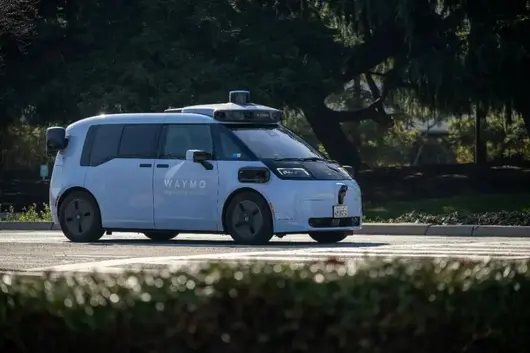
Recently, Zeekr's native L4-level autonomous driving vehicle Ojai, custom-built for Waymo, officially began passenger operations in San Francisco. Against the backdrop of the United States continuing to impose restrictions on the Chinese electric vehicle industry, this landing is a milestone breakthrough, indicating that Chinese automakers already possess significant influence in the global Robotaxi race.

△Zeekr's native L4-level autonomous driving vehicle Ojai, custom-built for Waymo, officially began passenger operations in San Francisco
Looking at the industry trend, the global autonomous driving regulatory system is accelerating improvement, the cost of vehicles and perception hardware continues to decline, and 2026 is the critical year for Robotaxi to shift from demonstration operations to scaled commercial landing. Numerous signs indicate that the industry has broken out of the long-term loss-making trial operation status and has officially entered a new development stage where commercial landing and global expansion run parallel.
Domestic Robotaxi Commercial Landing Accelerates
In 2026, the construction of the domestic Robotaxi-related regulatory system entered a fast lane. The Ministry of Industry and Information Technology issued a draft for mandatory national standards for L4-level autonomous driving, clarifying the entry threshold for mass-produced vehicles around core indicators such as vehicle computing power, perception equipment, and system redundancy. The Ministry of Public Security simultaneously issued autonomous driving road traffic regulations, which will be implemented in July, unifying the road rules, accident liability determination, and traffic management requirements for L3 and L4 level vehicles. Currently, 26 cities nationwide have opened qualifications for charge-free safety Robotaxi commercial chargeable operations, and local areas are also launching special policies to help industry development. Among them, Shenzhen took the lead in landing local legislation for intelligent connected vehicles and strictly implemented the requirements for localized management of autonomous driving data.
With the support of policy dividends, the industry has welcomed the critical turning point of scaled commercialization, with mobility technology enterprises and vehicle manufacturers exerting force simultaneously, forming a development pattern where mass production landing and operation expansion are advanced in both directions.

△The first domestically produced front-mass-produced Robotaxi prototype built according to L4-level autonomous driving standards—Xpeng GX has entered mass production
Except for the L4 model Ojai custom-developed by Zeekr for Waymo, other domestic top players are also active. Baidu Apollo Go has expanded its operation map to 22 cities, with daily order volume maintaining steady growth; Pony.ai has obtained commercial operation qualifications throughout Shenzhen, achieving single-vehicle profitability first in Guangzhou and Shenzhen, and partnered with Toyota to promote the mass production of customized Robotaxis. The automaker camps are also accelerating layout: the first domestically produced Robotaxi prototype built according to L4-level autonomous driving standards and achieving front-mass production—Xpeng GX has entered mass production; Geely, relying on its subsidiary Caocao Mobility, deployed dedicated Robotaxis without steering wheels in Hangzhou for demonstration operations. In addition, WeRide continues to deepen multi-city commercial projects, with multiple routes carrying passengers on a normalized basis; DiDi Autonomous Driving has also expanded the scale of unmanned vehicle fleets in multiple places, continuously refining operational service capabilities, and the commercial landing rhythm of the entire industry has accelerated comprehensively.

△Pony.ai achieved single-vehicle profitability first in Guangzhou and Shenzhen
Countries gradually improve regulatory systems to protect Robotaxi
The development of the domestic Robotaxi market is booming, and 2026 has also become an important node for autonomous driving regulations landing in many overseas countries. Taking the US as an example, the "2026 Autonomous Driving Act" has entered the deliberation stage, significantly relaxing the production exemption restrictions for dedicated Robotaxis without steering wheels. Previously, US state-level regulatory rules were scattered and inconsistent, but this federal law will clear obstacles comprehensively, helping autonomous driving vehicles to be deployed across states on a large scale. The EU, based on the existing "Artificial Intelligence Act" and autonomous driving exemption rules, gradually opened L4-level autonomous driving commercial operation permissions in core European cities. Major European countries such as the UK, Germany, and France have also successively refined clauses on traffic accident rights and responsibilities definition. Countries such as Japan, South Korea, and the UAE also continue to improve access norms, delineate commercial demonstration operation areas, and strive to maintain competitiveness in the unmanned driving race.
At the same time as policies landed, global automakers and technology enterprises are also accelerating layout and attacking hard.
Waymo, equipped with Zeekr's dedicated pure electric chassis, completed the mass production assembly of the sixth-generation autonomous driving system in the US factory, significantly reducing overall manufacturing costs. The vehicle discards the steering wheel and pedal structure, making it a truly fully unmanned vehicle. Waymo plans to start from San Francisco and gradually cover multiple cities in the US, pushing for a target of tens of thousands of capacity within the year, while promoting landing operations in overseas cities such as London and Tokyo.
As Waymo's core competitor in North America, Tesla is also increasing the effort, having launched a safety-free Robotaxi service at its headquarters in Austin, and plans to expand to Dallas, Houston, and other Texas cities within the year. Relying on the pure visual technology route, the Tesla Robotaxi model—Cybercab has obvious cost advantages; combined with the background of no new models being released at the present stage, the company will center its focus entirely on autonomous driving mobility business. Cruise, which completed restructuring, has re-obtained California road test licenses and steadily resumed demonstration operations. Uber continues to expand its autonomous driving fleet. Currently, Uber has launched Robotaxi hailing services in multiple places in North America and the Middle East, accelerating its transformation from a traditional ride-hailing platform to an autonomous driving mobility aggregation platform.

The US Robotaxi market has also presented a situation of blooming flowers
In addition, Hyundai partnered with Motional to launch autonomous driving paid pilots in Seoul; Nissan partnered with Uber to cooperate with the UK team and Waymo to promote the landing of Tokyo unmanned taxis; multiple Chinese autonomous driving enterprises have also completed commercial preparation in Singapore and South Korea. The overseas market as a whole is moving from road tests to normalized chargeable operation stages. The global layout of Chinese autonomous driving enterprises is also full of highlights. Regarding the European market, WeRide launched the first local commercial Robotaxi service in Madrid, Spain on June 3. This is the 12th city for its global landing; Pony.ai partnered with Uber to land operations in Zagreb, Croatia, creating the first full-domain chargeable Robotaxi project in Europe. Dubai in the Middle East, relying on loose industrial policies, has concentrated on landing fully unmanned operation projects for Baidu, WeRide, and Pony.ai, gradually building a regional autonomous driving industry hub.

△Japanese and South Korean automaker giants are also continuing to promote the commercial landing of Robotaxi
Robotaxi Future is Promising
Data forecasts that the global Robotaxi market size may break through $400 billion in 2035, and the domestic market size will also enter the hundreds of billions of yuan level, with broad development prospects for the industry.
On the policy level, in the next 3 to 8 years, global autonomous driving regulations will complete the transition from pilot details to unified legislation. China will successively issue national unified L4-level autonomous driving vehicle access, accident liability determination, and data security management related regulations, gradually opening up fully unmanned operation permissions for highways and cross-city road sections. Overseas markets such as Europe, America, Japan, and South Korea will also continue to relax controls, removing legal obstacles for the commercial landing of fully unmanned autonomous driving. Regulatory authorities of various countries relaxing policies on the premise of strictly safeguarding the safety bottom line can not only enhance the global competitiveness of local automakers but also lay a solid institutional foundation for the long-term development of the industry.
On the cost side, good news has also arrived. With the scaled mass production of on-board large models, domestic LiDAR, and steer-by-wire chassis, Robotaxi hardware costs continue to go down. Currently, the Leapmotor A10 sells for as low as 86,800 yuan, which is already a model equipped with LiDAR as standard; it is expected that before and around 2027, the cost of mainstream domestic models with Robotaxi capabilities will drop to 150,000—200,000 yuan. At the same time, Robotaxi operating cost per kilometer is better than traditional ride-hailing cars, and the industry is about to welcome the node of scaled profitability. As the operation map continues to expand, the scale effect will be further highlighted. Meanwhile, the massive road test data accumulated from the increase in vehicle inventory will continuously optimize the autonomous driving system's ability to cope with complex road conditions, making the vehicle accident rate significantly lower than manual driving, and public acceptance will also improve steadily.

△With technological progress and scale expansion, Robotaxi hardware costs continue to go down
For automakers, B-end mobility services and C-end retail will become two independent tracks in the future, and Robotaxi has become a clear development direction in the mobility field. All parties in the industry chain will accelerate deep collaboration, with vehicle manufacturers, algorithm vendors, mobility platforms, and component suppliers joining hands to build a vertically integrated industry alliance. Currently, automakers relying on mobility business to gain incremental orders, if they fail to complete business layout and resource integration in time, may face the problem of B-end order shrinkage subsequently. In addition, the overseas rhythm of domestic automakers and autonomous driving enterprises will also continue to accelerate. Technology licensing + local fleet cooperation will become the mainstream mode for rapid volume expansion in overseas markets. In this process, protecting core intellectual property and data security, adapting to autonomous driving regulations in various overseas regions, and exploring sustainable profit models are equally critical.

△Robotaxi has become one of the clear development directions in the mobility field
Comment
Overall, Robotaxi has completed technology verification, and the three core drivers of policy improvement, cost reduction, and demand landing are fully mature. The global track pattern is clear: China relies on the layered regulatory system and complete industrial chain to achieve breakthroughs in both commercialization landing and going overseas; Europe and America relax controls on local industries through legislation while limiting foreign entrants with strict data compliance barriers. In the short term, the industry will focus on refined operations in core cities and polish stable profit models; in the medium-to-long term, with the scaled landing of L4 native autonomous driving vehicles, Robotaxi will deeply integrate into urban public mobility and reshape the industry pattern of traditional ride-hailing cars and taxis.
(This article is originally from 'He Yan Auto Review', unauthorized reproduction is prohibited)

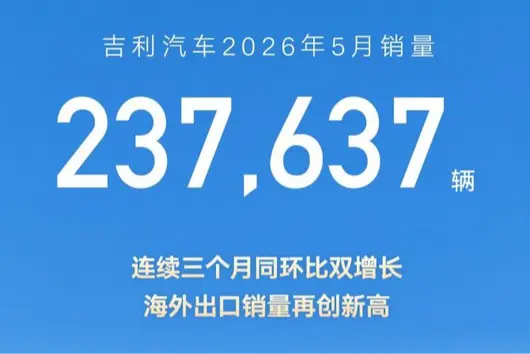
近日,吉利5月海外销量公布,海外出口销量超8.5万辆再创新高,同比增长184%。
此前4月,吉利海外新能源销量同比增长624.5%,蝉联中国新能源车出海增速第一。
细分市场上,吉利销量表现依然多点开花。其中,吉利进入澳大利亚市场仅14月,交付量突破1万台,成为当地增长最快的中国车企之一;同时在巴西市场,销量攀升至4000+台,刷新在该国市场的最高单月销量。墨西哥市场1-4月累计销量1.6万+,创历史新高。
Geely EX2在墨西哥、印尼、哥斯达黎加等多个市场获得B级两厢新能源销量TOP1;Geely EX5在澳大利亚、阿联酋、乌拉圭等多个国家一季度纯电SUV-C市场销冠。极氪在7X、009成为细分市场销冠,其中极氪7X在澳大利亚市场销量再次登顶,超越长期霸榜的特斯拉Model Y。
面对爆单压力,吉利依托宁波出海枢纽,同时启用滚装船、集装箱船与国际铁路班列开展海陆联运,全力保障整车交付。吉利汽车集团物流中心国际业务负责人接受采访时称,目前已紧急新增多条运输路线,形成4大铁路港、6大海运港的运力资源布局,配有两艘自有滚装船,同时新开多条跨境运输专线,持续补充各类运力资源,每月可稳定发运近万台新车到欧洲核心港口。中欧班列吉利专列常态化开展,运输时间相比海运可缩短40天。未来,为应对海外销量爆发式增长,吉利将持续扩充海外运输规模,进一步提升车辆交付时间。
吉利海外销量的暴涨,直观的展现了吉利强大的产品力以及本土化布局落地,更体现了中国汽车在高端化出海科技出海领域的强大实力。


© 2024 Bitauto.com. All Rights Reserved.
Bitauto (www.yiche.com and www.bitauto.com) is one of the most visited automotive websites in China. We provide detailed info on Chinese car brands available in your area. Please note that the information provided on this website is based on publicly available data and is for reference only. It may not be fully updated or accurate at all times.

Help us improve our website


