

Homeeducation

Search History
Popular Searches
Dealer Login / Sign Up

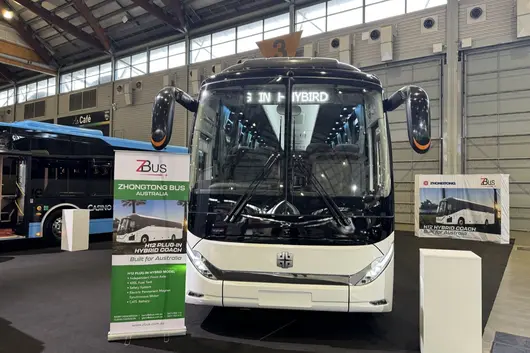
7 月 15 日,2026 年澳大利亞悉尼國際客車展(2026 Australasia Bus & Coach Expo)於悉尼奧林匹克公園展館拉開帷幕。該展會由新南威爾士巴士行業協會 Bus NSW 主辦,是大洋洲規模最大、專業度最高的客車全產業鏈貿易盛會。

立足高質量發展戰略,中通客車重磅亮相本次展會,集結柴油、增程、純電三大技術路線的五款經典車型——柴油版 H12、柴油版 L7、增程版 H12、增程版 L8、純電版 N12,全面展現中國客車的全球化佈局與高端化突破。
中通客車的全球化探索,鐫刻着中國客車乃至中國製造走向世界的時代印記。自 2003 年出口至今,中通客車的海外版圖持續擴大,市場份額穩步攀升。
中國客車統計信息網最新數據,2026 年上半年,中通客車 7 米以上客車出口 4318 輛,同比增長 23.65%,市場份額達 14.35%,展現出極強的市場韌性。
而真正令中通客車在激烈競爭中站穩腳跟的,係其「全能型」嘅實力。從傳統動力到增程混動,再到純電動,中通客車已構建起覆蓋全技術路線的產品矩陣,能夠根據不同市場的政策環境、氣候條件、路況特徵與運營需求,提供精準匹配的定制方案。
從新加坡的「窄體」純電動公交車到丹麥的低溫抗腐升級,從杜拜首次闖入高端公交系統到此次攜五款車型亮相澳洲,中通客車每進入一個市場,都先讀懂當地的需求,再拿出對應的方案,唔係標準化複製,係量體裁衣。

市場突破的背後,係中通客車對技術深耕與前瞻佈局的長期堅守。作為國內最早佈局新能源研發的企業之一,中通客車多年來在核心技術、品質管控不斷精進,以過硬實力拿到通往全球高端市場的通行證。
站在大洋洲最頂級的客車展會上,面對全球行業巨頭與澳洲本地運營商,中通客車不僅要展示產品,更要向世界亮明中國智造的技術底氣與品牌格局。此次參展的五款精品車型,既係對澳洲市場多元化需求的精準回應,亦係中通以全場景方案服務全球可持續交通的務實作答。

柴油版 H12 與柴油版 L7,係中通客車適配高強度運營場景打造嘅兩款主力車型。柴油版 H12 搭載全新一代「黃金動力鏈」,百公里油耗較行業平均水平降低 5%~10%,兼顧動力性與經濟性;柴油版 L7 則適配商務、旅遊、團體、租賃等場景,最大爬坡度大於 30%,動力強勁、省油高效。

增程版 H12、L8,精準錨定低碳轉型與降本增效的雙重需求。針對純電補能設施分佈不均、長途運營續航受限、燃油車型能耗偏高等行業痛點,中通客車依托自主可控的增程混動技術,實現油電智能聯動、能量按需分配,兼具超長續航、超低能耗、高適配性三重優勢,為澳洲乃至全球客運低碳轉型提供高性價比、高實用性的產品方案。
純電版 N12,係中通客車面向全球交通綠色智能化轉型需求打造的高端產品。佢以「深度定制」為核心,能夠根據不同國家的運營場景精準適配。整車搭載新一代高效三電系統,配合輕量化車身設計,能耗更低、續航更穩,足以支撐城市公交高頻次、長時段的運營節奏。在國內,係城市公共交通的核心運力擔當;在海外,佢以「中國方案」的定位,深度參與全球交通低碳變革。

此次亮相悉尼國際客車展,係中通客車完善全球化戰略佈局的關鍵一步,亦係其從「全球佈局」走向「全球深耕」的生動實踐。
未來,中通客車將持續立足全球視野,堅守技術創新,深耕本土適配,以中國智造硬核實力,為全球公共交通綠色升級與智慧轉型貢獻更多「中國方案」。

The first half of 2026, China's car market produced a somewhat complex performance report.
Data from the CPCA shows that domestic passenger vehicle cumulative retail sales reached 8.701 million vehicles from January to June this year, a year-on-year decrease of 20.2%. Affected by the contraction in total market volume, the sales growth rate for the vast majority of automakers slowed down in the first half, and annual growth targets came under pressure.
This is because the era where "delivery volume" determines ranking and success or failure has passed. With the fuel vehicle base accelerating its momentum loss, volatility in overseas policies intensifying, and the industry's average profit margin dropping to the 3.4% warning line, the competitive dimension of China's car market is shifting from "scale competition" to "structural generation gap".
Behind the sales figures, the invisible gap that truly determines life or death has already widened.
The sales landscape has changed again
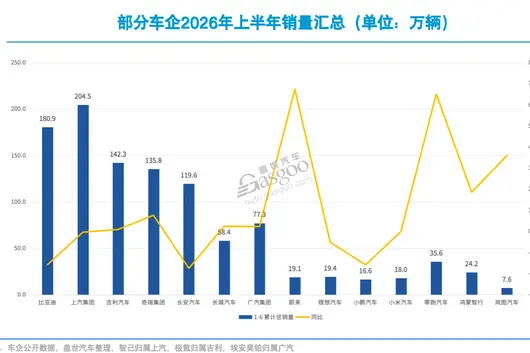
Gasgoo statistics on the sales situation of nearly 20 automakers in the first half showed a clear step-like distribution.
SAIC Group returned to the sales summit with 2.045 million vehicles, becoming the only full-vehicle group to break through 2 million vehicles so far. This time SAIC returned to first place, relying on the combined efforts of independent brands, new energy vehicles, and exports, achieved through a "radical reform" upon itself.
BYD cumulative sales for the first half reached 1.809 million vehicles. Although the domestic market had declined, relying on overseas market growth, it welcomed a recovery momentum of 403,500 vehicles in June.
Geely (1.423 million) and Chery (1.358 million) are accelerating the chase from behind, further narrowing the gap with the top two. The top tier formed by these four no longer competes on how many of a single blockbuster car was sold, but on whose full industry chain turns faster and whose overseas channels are deployed deeper.

Compared to the blossoming of the top tier, the survival status of the second sales tier exposes the cruelest side of this elimination race: the incremental volume of new energy vehicles is starting to fail to fill the gap left by the decline in fuel vehicles.
Changan is like this, selling 1.196 million vehicles in the first half, a year-on-year decrease of 17.4%. The problem it faces is that the speed of the decline in the fuel vehicle front exceeds the replacement speed of new energy brands.
GAC Group cumulative sales for the first half reached 773,000 vehicles, up 2.4% year-on-year, with moderate performance, urgently needing a new blockbuster. Perhaps the Qijing brand, built with Huawei, could be the breakthrough. Great Wall (584,000) increased slightly by 2.5%, but under the double-pronged attack from rivals on plug-in hybrids and pure electric, the shortcoming of a low proportion of new energy vehicles continues to drag down the overall market.
In this dramatic structural change, the confrontation between the camps of emerging new forces and joint venture brands is exposing deeper differences.
New forces have mostly achieved impressive growth rates. Leapmotor sold 356,000 vehicles in the first half, soaring 65% year-on-year. Zeekr, NIO, and Harmony Intelligent also had fierce offensives, especially the former two with year-on-year growth rates exceeding 60%. However, brands like Li Auto and XPeng encountered sales declines due to insufficient new product competition.
NIO's sales breakthrough was largely thanks to mutual support from three major brands: NIO, Onvo, and Firefly. For example, in an environment where the industry generally relies on aggressive pricing to exchange price for volume, Onvo delivered 42,000 vehicles in the first half, and the average transaction price held above 240,000 yuan, achieving a balance between sales growth and price stability, helping NIO achieve significant improvement in performance fundamentals.
Conversely, foreign brands continue to face pressure in China. CPCA data shows that retail sales of mainstream joint ventures decreased by 34% in June. Among them, SAIC Volkswagen shrank by over 30% in the first half, and GAC Honda was directly halved to 68,000 vehicles. The core issue foreign brands face in China remains how to break the inertia of momentum loss caused by the contraction of the fuel vehicle base and achieve scale effects in the new energy market.
Saying goodbye to broad rises, new energy vehicles enter the structural competition stage
No denying, new energy vehicles remain the deciding factor for the overall car market. In June this year, the retail penetration rate of domestic new energy passenger vehicles soared to a historical high of 62.8%, while pure fuel vehicles plummeted by 42%. But upon closer inspection, the bonus period of broad rise in the new energy market has ended.
As CPCA Secretary General Cui Dongshu put it, the new energy market is sliding towards a polarization of "high-end explosion, low-end pressure".
Data is the most direct microscope. In June, wholesale sales of Class B pure electric vehicles surged by 37% year-on-year, while sales in the A00 class pure electric market, serving as entry-level commuter tools, were directly halved by 50%. Consumers no longer buy simply for green license plates or cheapness, but have focused their gaze on products with higher configurations and stronger intelligent capabilities.
In this structural reshaping, resources are accelerating to converge at the top. Only 20 new energy automakers achieved wholesale sales over 10,000 in June, yet they accounted for 94% of the market share. Among them, independent brands took over more than 60% of the share, emerging new forces split 26%, while the share left for mainstream joint venture brands was only 4.3%.

But even within independent brands holding absolute advantages, differentiation is intensifying.
BYD locks the leading position thanks to coverage of the full price range. Geely advanced on dual lines of plug-in hybrids and pure electric vehicles, with new energy scale reaching 800,000 in the first half, and penetration rate approaching 60%. In contrast, while new energy transformation at companies like Chery, Changan, and Great Wall is accelerating, penetration rates still hover around 30%.
And in the new forces camp, the generation gap in growth rates often depends on who can trickle down high-end technologies to the mainstream market.
Leapmotor is a typical representative, with June sales reaching 93,000, far exceeding Li Auto, XPeng, NIO, etc. The explosion of Leapmotor is essentially based on full-domain in-house R&D cost control capabilities, building an SUV product matrix in the core market under 200,000 yuan, turning intelligence and high configuration into inclusive products. This extremely lethal cost-performance strategy allowed it to expand its market share under the general market pressure on the low end.
Different from Leapmotor relying on a full-spectrum blockbuster to break out upwards, NIO is achieving technology spillover downwards through sub-brands. For example, its sub-brand Onvo leverages NIO's system technology and battery swapping network, bringing 900V high-voltage architecture, self-developed chips, and operating systems, originally belonging to flagship models, into the 200,000 to 300,000 yuan family vehicle market, solving refueling anxiety for pure electric users.
In contrast, due to new products being in a replacement vacancy period or lacking sufficient competition, growth rates for some automakers like Li Auto and XPeng slowed to varying degrees in the first half.
Market increments are accelerating to concentrate at top automakers. Players who can continuously produce blockbusters and build full-spectrum matrices are building competitive barriers higher and higher.
Overseas competition has entered the "deep water zone"
While reshaping the domestic market competition landscape, the overseas market has become the second growth pole that almost all automakers are vying for.
In June this year, domestic passenger vehicle exports surged 82.3% year-on-year to 877,000 vehicles, with new energy exports soaring 152.7% even more. Exports are no longer garnishes on automaker financial reports, but have become key variables influencing the overall market.
However, in the second half of going overseas, the focus of competition has shifted from "how many cars were exported" to "whether one can establish global operations and risk resistance capabilities". In other words, single trade-type exports are entering a downward phase, while overseas localization production and globalization system construction are becoming the invisible gap that truly widens the generation gap between enterprises.
In this global leap, the differentiation at the top has already begun to show signs.
Among the automakers, Chery remains a typical "global harvestor" domestically, with cumulative exports reaching 944,000 vehicles in the first half, achieving a high-speed growth of 71.5%. Its export scale ranks first in the domestic automotive industry, with overseas sales accounting for nearly 70% of total sales. The channel advantages formed in Latin America, the Middle East, and Russia have built a very thick survival foundation for Chery.
More worthy of attention are players like BYD who are completing the leap from exporting products to exporting systems. With overseas factories in Thailand, Brazil, etc., gradually starting production, BYD's overseas sales climbed to 789,000 vehicles in the first half, nearly doubling year-on-year. Its overseas sales have accounted for 40% of total sales. This approach of "building factories in the opponent's home base" is the best way to avoid tariff barriers and achieve localization rooting.

At the same time, Geely and Changan are also accelerating tactical shifts. Geely accelerated the overseas launch of affordable series like Starship, recording an export scale of 474,000 vehicles in the first half, with June alone breaking 100,000 vehicles. Changan pulled export growth by 35% to 402,000 vehicles through overseas efforts on new energy models like Deepal and Qiyuan.
While some are accelerating, others are bearing the pressure of defending their city. SAIC exported 735,000 vehicles in the first half. Although relying on the MG brand for deep cultivation in Europe, Southeast Asia, etc., maintained stable shipments, it has already shown signs of being overtaken by Chery and BYD in the landing pace of overseas localization capacity. With competitor localization factories in Europe and Southeast Asia gradually starting operations, if SAIC cannot quickly upgrade overseas system bonuses, its past first-mover advantage will face the risk of continuous erosion.
In the new forces camp, Leapmotor took another shortcut. It cooperated with the international giant Stellantis, leveraging the latter's global channel network and production bases. Its overseas scale quickly approached 100,000 vehicles in the first half, successfully walking a path of light assets and high-efficiency globalization.
XPeng is also accelerating the expansion of the overseas market. In the first half, its overseas sales reached 32,000 vehicles, up more than 70% year-on-year, increasing the proportion of total sales to about 20%. Chairman and CEO He Xiaopeng had explicitly stated the strategic goal of "half of sales coming from overseas in the next ten years".
XPeng tries to bet directly on the global battlefield by self-operating technology, putting intelligent advantages there. Currently, the results of this strategy are initially visible. But under the current international geopolitical environment, this will put extremely high cross-cycle requirements on the enterprise's overseas supply chain elasticity.
Especially, this year's demand fluctuations in some Middle East markets, and the uncertainty of the global trade environment, objectively tested the risk resistance cycles of each automaker. The traditional single trade model relying solely on domestic production and sea shipping exports, when facing overseas policy adjustments, has a relatively short defensive depth.
This also means that the focus of competition in the second half of going overseas is no longer the frequency of sea shipping logistics, but the construction and landing of overseas localization capacity.
How to break through the final exam in the second half?
The data of half a year is just the process. What the market truly cares about is: Can the sales targets set at the beginning of the year still be completed?
According to Gasgoo Auto Research Institute's forecast, China's passenger vehicle wholesale sales in 2026 will be about 29.634 million vehicles, a slight decrease of 1.4% year-on-year. The overall market is basically treading water, meaning any automaker's growth must snatch food from opponents' mouths. At the node of the first half ending, the gaps in completion rates among each family have already widened.
BYD has not publicly disclosed clear annual sales figures, but forecasts given by UBS and other institutions are around 5 million vehicles. Supporting this massive volume is domestic full price range product coverage and the continuous release of overseas capacity. With the production launch of factories such as Thailand and Brazil, BYD's overseas expansion has upgraded from product output to system output.

Among automakers that have disclosed specific goals, Geely and Chery have higher completion rates, both around 40%, with both having clear sales pillars supporting them.
Geely's new energy penetration rate broke through 60%, running volume on dual lines of plug-in hybrids and pure electric. In the second half, its domestic market will continue to harvest 100,000 to 200,000 yuan mainstream new energy share through models like Starship E5 and Starship 7, and plans to enter the mid-to-high-end track through new products like Starship TT. Overseas will leverage affordable vehicles of the Starship series to land in Europe for volume boosting, and target overseas high-end premium markets with models like Zeekr 9X, thereby hedging against domestic involution.
Chery's overseas exports shoulder nearly 70% of sales, with channel bonuses in markets like Latin America, Middle East, Russia still being released. In the second half, Chery puts its focus on Europe and emerging markets. Through the new brand LEPAS, hybrid flagship layout in Europe, and model launches like Exeed ET8 in Russia and Central Asia, it uses a strategy of blossoming in multiple points to maintain lightweight growth throughout the year.
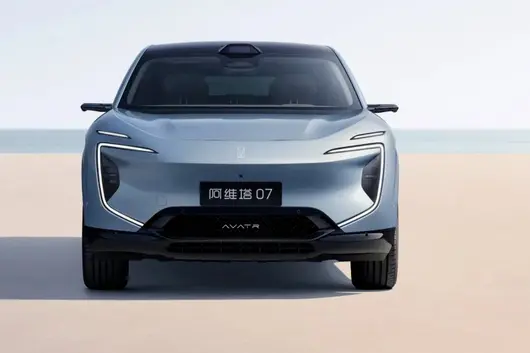
In contrast, Changan and Great Wall are the two with low completion rates. Changan's annual target is 3.3 million vehicles, completed 36% in the first half. In the second half, the ramp-up speed of new models like Deepal L05, Qiyuan Q06, Avatr 07 L, etc., will directly affect Changan's sales.
Great Wall's completion rate is also around 30%. Its Tank series stabilized the basic platform of hardcore off-road through plug-in hybrids, but the real volume-driving Haval brand lacks an absolute blockbuster in the new energy mass market. In the second half, whether new models like Tank 300, Haval H10 can tear open a breakthrough in the mainstream new energy market is the variable for Great Wall to reverse the situation.
SAIC also faces considerable pressure to achieve an annual target of 5 million vehicles. Its core highlights for the second half lie in whether the incremental release of new energy models like IM Motors and STELATO Z7 can be released, and whether the decline amplitude of the joint venture basic platform can be narrowed.
In the new forces camp, second half pressure also shifted to rapid volume increase of new product sequences. Leapmotor's annual target is 1.05 million vehicles, completing 30% in the first half. To achieve the target in the second half, monthly average sales need to be pulled to above 110,000. Besides the C-Series holding the basic platform under 200,000 yuan, the high-end D-Series and Lafa5 Series will become the main attackers for volume boosting.
NIO anchors its annual growth target around 40% (about 450,000 vehicles), betting most of the increment on Onvo. In the second half, as flagship models L90, L80, and new L60, etc., welcome the product explosion cycle, Onvo's market performance will directly affect NIO's final results for the year.
XPeng and Harmony Intelligent completion rates are also around 30%. XPeng will quickly increase volume in the second half relying on the global launch of new series like MONA L03, GX. Harmony Intelligent needs to rely on new products like STELATO G9, Qijing GT7, etc., to pull deliveries.
The direction of foreign joint venture brands lacks suspense. Under the pinch attack of continuously shrinking fuel base and new energy products far from forming scale, the main task for joint venture brands in the second half can only be to try to slow down the decline speed. Gasgoo Auto Research Institute forecasts that Volkswagen China is expected to reach around 2 million vehicles for the year, and Toyota in China around 1.3 million.
Of course, sales targets are only surface rulers. In January-May this year, China's automotive industry profit margin has dropped to 3.4%. In the second half, if continuing to rely solely on price cuts to boost volume, it will only further overdraft the blood-making ability of enterprises to survive in the deep water zone. At this stage, blindly stacking delivery numbers has lost practical significance.
The real deciding factor is to see whether each automaker can solidly convert the product cycles planned in hand into quality and cash flow-supported scale explosions.

【導語:阿維塔 L3 路測牌照到手,這意味著佢喺高階智駕領域屬於華為合作體系中嘅第一梯隊。不過,與此同時,市場端銷量承壓、二次衝刺 IPO、品牌整合喺即,阿維塔正處於「技術長板、資源長板」與「商業短板」並存嘅冰火狀態。】
作者:蔡言
剛踏入 7 月,阿維塔宣佈已獲得 L3 級自動駕駛測試牌照,依托華為乾崑 ADS 高級智駕系統,阿維塔將喺重慶開放路段展開最高 120km/h 嘅智駕路測,並規劃喺 2026 年下半年推出搭載 L3 功能嘅量產車型。
阿維塔喺 L3 智駕方面取得嘅進展,標誌住品牌高級智駕技術,從研發正式邁入實地測試階段,未來有望成為品牌突破行業內捲、扭轉銷量低迷嘅現狀嘅關鍵抓手。

近日,阿維塔向港交所遞交嘅更新版招股書披露咗另一組數據。阿維塔 2026 年 1 至 5 月累計交付僅 20160 輛,月均不足 4032 輛,同比降幅超過 50%,如果計入 6 月交付嘅 7459 輛,半年僅完成咗年度目標(22 萬輛)嘅 12.5%。
同期,國內汽車市場整體即便同樣處於持續承壓狀態,月度與累計銷量同比呈雙位數下滑,新能源市場整體降幅約 15%。但係,具體到「新勢力、創二代」細分陣營,頭部新勢力單月銷量門檻早已突破 3 萬輛,鴻蒙智行品牌月均銷量穩定喺 5 萬台左右,零跑更是斷層式領先。
而與阿維塔處於同一競爭生態位嘅智己汽車,2026 年 1-5 月銷量亦達到咗 3.1 萬輛,同比增長 114%。要知道,智己 2025 年表現並唔及阿維塔。

阿維塔正處於一個充滿矛盾嘅節點上,L3 牌照係阿維塔技術實力嘅一次證明,但佢無法掩蓋一個殘酷嘅現實:喺品牌定位同銷量層面,阿維塔經過短暫衝高之後,仍然喺承壓。
高開低走
阿維塔作為「創二代」中,出生資源豪華嘅汽車品牌之一,長安整車製造、華為高級智駕、寧德動力電池核心能力,三方巨頭嘅合力托舉,CHN 模式一度成為高端造車嘅標杆樣本。
自 2022 年 12 月開始交付以來,總交付量由 2023 年嘅 2 萬輛,至 2025 年迎來品牌高光。

2025 全年交付量 12.27 萬輛,12 月單月銷量達 1.04 萬輛,實現連續 10 個月銷量破萬嘅成績,全年營收達 256.31 億元,同比增長 68.7%,毛利率為 9.4%。營收從 2023 年到 2025 年同樣喺漲,阿維塔三年累計營收約 465 億元,年均複合增長率超 113%,營收喺三年間增長 4.5 倍,整車業務收入三年增長約 4.3 倍。
阿維塔品牌經歷 3 年成長,憑藉一身豪華資源,確實收穫咗唔錯嘅賬面數據,但繼續深挖能夠發現,現階段阿維塔嘅銷量規模,始終冇填上虧損。阿維塔喺招股書中直言:「可能喺截至 2026 年 12 月 31 日止年度繼續錄得淨虧損」。
更關鍵嘅係,對比阿維塔兩次衝擊 IPO 嘅招股書,初版招股書上,2025 上半年嘅毛利率依然係 10.1%,營收為 122.08 億元,而最近嘅招股書,喺下半年營收同環比增長嘅情況下,毛利率唔升反跌(9.4%),進一步說明其盈利能力有所下滑。

阿維塔營收暴漲與虧損持續,背後最關鍵嘅原因在於:品牌認知同市場規模。
首先係品牌認知,2022~2023 年正處於中國新能源產品從規模擴張轉向品質升級嘅關鍵階段,當時三大巨頭合力托舉嘅阿維塔確實屬於係「要流量有流量,要實力有實力,要獨特性有獨特性」,阿維塔成立之初,僅有唔到 5 間企業擁有華為嘅技術加持。
可惜嘅係,喺品牌問世之初,阿維塔冇高開高走,反而沿用咗傳統品牌一貫嘅務實風格,因此錯過咗品牌最佳傳播節點。
自從 2024 年越來越多車企擁抱華為之後,阿維塔呢套「中國汽車工業富二代」嘅獨特敘事,被「五界三境」快速拉平。
以今次 L3 路測為例,廣汽同華為乾崑打造嘅啟鏡 GT7,同樣獲得咗廣州 L3 級自動駕駛道路測試許可。如此一來,啟鏡 GT7 同樣搭載華為智駕嘅情況下,阿維塔便難於獲得「稀缺感」。
前不久,2026 年華為乾崑技術大會公布嘅數據,截至 4 月,華為乾崑合作品牌已經超 25 間,量產搭載華為 ADS 嘅車型超 50 款。
呢種情況並唔止出現喺智駕技術方面,去年寧德時代官宣由阿維塔發首批搭載驍遙超級增混電池,喺幾個月內就有少少列車企跟進配套,包括同級競品智駕 R7。
人們記住咗華為嘅智駕、寧德時代嘅電池,卻記唔住阿維塔品牌本身,即便阿維塔有「首批採用」優勢、係「引望股東」,但阿維塔尚未建立清晰嘅市場品牌認知,呢個成為比虧損更嚴重嘅問題。

講到底,阿維塔缺嘅唔係技術,而係「非我唔可」嘅理由。
尤其係現階段 20~40 萬最捲嘅價格區間,無論係極氪、問界、特斯拉、小米定係蔚來、小鵬,只要提到呢啲品牌,消費者都能清晰聯想到,呢個品牌核心賣點係乜,而阿維塔卻係模糊嘅。
論設計,阿維塔有唔錯嘅原創設計,確實能夠打动部分年輕消費者嘅心,但喺高端市場,審美同設計只係敲門磚。論智駕,市場上搭載華為乾崑全家桶嘅車型,已經多到數唔完,甚至定價比阿維塔平。論電池,消費者往往只會記住品牌,而唔係具體嘅電池型號。而家,中國 20~40 萬消費者已經被訓練出一套揀車模型,佢哋需要嘅係差異化,獨特性,而唔係簡單嘅巨頭拼盤。
多方調整
對於銷售規模帶來嘅影響,阿維塔已經喺招股書中坦言,「相對較細嘅採購量局限咗我哋同零部件供應商嘅議價能力」。
長安汽車喺今年 4 月已宣佈對阿維塔、深藍汽車實施戰略性整合。深藍與阿維塔將喺研發、採購、供應鏈、渠道等多個維度實現深度協同,最終實現降低 20%~30% 嘅綜合營運成本。
當然,整合同樣並唔係局限成本嘅降低,點樣保證兩個品牌嘅獨立性同差異化,以及未來點解決阿維塔核心競爭力唔被內部稀釋等等問題,將會係長安汽車接下來嘅核心挑戰。目前市場上,吉利旗下嘅領克同極氪就係中端品牌同高端品牌細分得幾好嘅範本。

值得一提嘅係,目前阿維塔喺出海同渠道層面已經幾有成效。
2025 年,阿維塔海外收入從 2.23 億元增至 13.98 億元,收入佔比提升至 5.5%,截至 2025 年底,阿維塔已經喺 38 個國家同地區,佈局超過 80 個銷售網點。其中阿維塔 11 喺泰國長期穩坐豪華電動車頭把交椅,喺阿聯酋佔據高端電動車 10% 嘅市場份額。
渠道層面,阿維塔自 2024 年 5 月啟動渠道轉型,目前大部分門市都告別咗純自營模式,只喺核心一線城市保留少少直營店。渠道調整嘅效果立竿見影,分銷收入佔比從 2023 年嘅 1.1% 躍升至 2025 年嘅 49.2%。更關鍵嘅係銷售效率大為提升,阿維塔 2025 年銷售費用只增加咗 2.4 億元,但撬動咗 104 億元嘅收入增長。
今年下半年,阿維塔嘅新車銷量、L3 商业化、海外拓展進展,以及上市點會唔會順利推進,呢啲皆係阿維塔能否突圍嘅核心變量。
點評
現階段,阿維塔最需要面對嘅最現實問題,手握 115 億合資股權、拿下 L3 測試牌照、推進品牌整合等等舉措,都只係「戰術加分項」,而真正嘅救命稻草依然係「品牌敘事」嘅深化。畢竟,一個品牌最可怕嘅事,就係冇戰略,淨係有戰術。品牌搭建由嚟都冇捷徑,目前阿維塔嘅方向已經明確調整,動作已經铺开,剩下就畀時間同產品了。
(本文係《禾顏閱車》原創,未經授權,不得轉載)
喺馬來西亞嘅 SUV 市場,好多買家喺揀車嘅時候都會拿 Perodua Ativa 同 Mazda CX-30 嚟做比較。這兩款車喺價位同定位上都幾接近,今日我哋就從多個方面做一個詳細嘅比較,幫你省低做功課嘅時間。
Perodua Ativa 喺馬來西亞嘅 OTR 售價係 RM 62,500 - 73,400,一共有 3 個版本,包括 1.0L Turbo X(RM 62,500)、1.0L Turbo H(RM 67,300)、1.0L Turbo AV(RM 73,400)等。
Mazda CX-30 喺馬來西亞嘅 OTR 售價係 RM 122,409 - 146,409,一共有 4 個版本,包括 2025 2.0L High+ Premium(RM 146,409)、2025 2.0L High+(RM 138,409)、2025 2.0L High(RM 130,409)等。
從價錢睇落,Perodua Ativa 嘅起步價確係比 Mazda CX-30 平咗 RM 59,909。如果你預算有限,Perodua 嘅入門版已經可以滿足日常需求。但都要留意,平嘅嗰幾千蚊,可能喺配備上會有取捨,具體要睇你嘅需求。

Perodua Ativa 嘅安全評級係 5★ (ASEAN NCAP),主動安全系統包括 ASA 3.0 + ACC + LDA + LKA + BSM + RCTA。
Mazda CX-30 嘅安全評級係 5★ (ASEAN NCAP),主動安全系統包括 i-Activsense。
兩款車嘅安全評級一樣,喺呢個級數裡面安全配備都算俾得好齊全。而家嘅新車安全性都唔差,唔使太擔心這一點。

Perodua Ativa 採納 FWD 驅動方式。
Mazda CX-30 採納 FWD 驅動方式。
兩款車嘅驅動方式一樣,都係 FWD,日常駕駛感受唔會有太大區別。

Perodua Ativa 保修 5 年/150,000km,保養間隔 每 10,000km 或 6 個月。
Mazda CX-30 保修 5 年/150,000km,保養間隔 每 10,000km 或 6 個月。
兩款車嘅保修條件一樣,呢方面唔使糾結。實際保養成本仲要睇品牌嘅服務網絡同零件價格,建議去車友群問下真實車主嘅經驗。

Perodua Ativa 同 Mazda CX-30 都係馬來西亞市場嘅主流選擇,適合家庭使用、日常通勤。如果你更睇重品牌口碑同二手價,可以優先考慮口碑更好嗰一款;如果你更在意性價比同配備,嗰就揀配置更豐富嗰款。最終都係建議兩款都去試駕,親身體驗先係最重要。

總嚟講,Perodua Ativa 同 Mazda CX-30 都係馬來西亞市場幾唔錯嘅車型。揀邊一輛,關鍵都係要睇你嘅個人需求同預算。建议大家做好功課,多比較幾間車行嘅報價,再去試駕做最終決定。買車係件大事,花少少時間做功課絕對唔會錯。


In the SUV market in Malaysia, many buyers compare Perodua Ativa and Proton X90 when choosing a car. These two cars are quite close in price and positioning. Today we will do a detailed comparison from multiple aspects to help you save time on research.
Perodua Ativa OTR price in Malaysia is RM 62,500 - 73,400, there are 3 versions in total, including 1.0L Turbo X (RM 62,500), 1.0L Turbo H (RM 67,300), 1.0L Turbo AV (RM 73,400) etc.
Proton X90 OTR price in Malaysia is RM 106,800 - 122,800, there are 4 versions in total, including 2026 1.5T Prime X (RM 122,800), 2026 1.5T Prime (RM 116,800), 2026 1.5T Lite (RM 106,800) etc.
From a pricing perspective, the starting price of Perodua Ativa is indeed RM 44,300 cheaper than Proton X90. If your budget is tight, Perodua's entry-level model can already meet daily needs. However, keep in mind that the Ringgit savings of a few thousand might involve compromises on features, which depends on your specific requirements.
Perodua Ativa is equipped with 1.5L 4-cyl, horsepower 105 hp. Official fuel consumption 6.0 L/100km.
Proton X90 is equipped with 1.5L Turbo, horsepower 140 hp. Official fuel consumption 7.0 L/100km.
Regarding power, Proton X90's 1.5L Turbo has 35 more horsepower than Perodua Ativa's 1.5L 4-cyl. However, for daily driving in the city, the power of both cars is sufficient and you won't feel underpowered.
Perodua Ativa safety rating is 5★ (ASEAN NCAP), active safety systems include ASA 3.0 + ACC + LDA + LKA + BSM + RCTA.
Proton X90 safety rating is 5★ (ASEAN NCAP), active safety systems include ADAS (ACC, AEB, LKA, LDA, BSM, RCTA).
Both cars have the same safety rating, safety features are quite complete within this class. New cars nowadays don't lack in safety, no need to worry too much about this.
Perodua Ativa body length 4400 mm, trunk 400 L.
Proton X90 body length 4400 mm, trunk 400 L.
Both cars' dimensions are almost the same, interior space difference is not significant. For this class of cars, it is fully sufficient for daily use.

Perodua Ativa adopts FWD drive mode.
Proton X90 adopts FWD drive mode.
Both cars have the same drive mode, both are FWD, daily driving experience will not differ significantly.
Overall, Perodua Ativa and Proton X90 are both very good models in the Malaysian market. Choosing which one depends mainly on your personal needs and budget. It is recommended to do your research, compare quotes from multiple dealerships, and then test drive to make a final decision. Buying a car is a big matter, spending time doing research will definitely not be wrong.
Dalam pasaran SUV di Malaysia, ramai pembeli semasa memilih kereta akan membandingkan Perodua Ativa dan Proton X70. Kedua-dua kereta ini agak hampir dari segi harga dan penentuan pasaran, hari ini kita akan buat perbandingan terperinci dari pelbagai aspek, membantu anda menjimatkan masa untuk membuat kajian.
Perodua Ativa di Malaysia dengan harga OTR adalah RM 62,500 - 73,400, terdapat 3 versi, termasuk 1.0L Turbo X (RM 62,500), 1.0L Turbo H (RM 67,300), 1.0L Turbo AV (RM 73,400) dan lain-lain.
Proton X70 di Malaysia dengan harga OTR adalah RM 106,800 - 122,300, terdapat 3 versi, termasuk 1.5L Standard 2WD (RM 106,800), 1.5L Executive 2WD (RM 115,800), 1.5L Premium 2WD (RM 122,300) dan lain-lain.
Dari segi harga, harga permulaan Perodua Ativa memang lebih murah RM 44,300 berbanding Proton X70. Jika bajet anda terhad, versi permulaan Perodua sudah dapat memenuhi keperluan harian. Tetapi perlu diingat, beberapa ribu ringgit yang lebih murah ini, mungkin ada kompromi dari segi ciri, bergantung kepada keperluan anda.
Perodua Ativa dilengkapi enjin 1.5L 4-silinder, kuasa 105 hp. Kecekapan bahan api rasmi 6.0 L/100km.
Proton X70 dilengkapi enjin 1.5L Turbo, kuasa 140 hp. Kecekapan bahan api rasmi 7.0 L/100km.
Dari segi kuasa, 1.5L Turbo Proton X70 mempunyai 35 hp lebih daripada 1.5L 4-silinder Perodua Ativa. Tetapi untuk memandu di bandar dalam kehidupan harian, kuasa kedua-dua kereta ini sudah cukup, tidak akan berasa kurang kuasa.
Peringkat keselamatan Perodua Ativa adalah 5★ (ASEAN NCAP), sistem keselamatan aktif termasuk ASA 3.0 + ACC + LDA + LKA + BSM + RCTA.
Peringkat keselamatan Proton X70 adalah 5★ (ASEAN NCAP), sistem keselamatan aktif termasuk ADAS (ACC, AEB, LKA, LDA, BSM, RCTA).
Peringkat keselamatan kedua-dua kereta adalah sama, dalam kategori ini pelengkapan keselamatan dianggap cukup lengkap. Keselamatan kereta baru masa ini tidak buruk, tiada perlu terlalu risau mengenai hal ini.
Perodua Ativa menggunakan cara pemanduan FWD.
Proton X70 menggunakan cara pemanduan FWD.
Cara pemanduan kedua-dua kereta adalah sama, iaitu FWD, rasa memandu dalam kehidupan harian tidak akan mempunyai perbezaan besar.
Perodua Ativa dan Proton X70 adalah pilihan utama di pasaran Malaysia, sesuai untuk kegunaan keluarga dan perjalanan harian. Jika anda lebih mementingkan reputasi jenama dan nilai jualan semula, anda boleh memberi keutamaan kepada jenama yang mempunyai reputasi lebih baik; jika anda lebih mementingkan nisbah nilai dan pelengkapan, maka pilih model yang mempunyai konfigurasi lebih kaya. Akhir sekali, disarankan untuk memandu ujian kedua-dua model, pengalaman sendiri adalah yang paling penting.
Secara keseluruhan, Perodua Ativa dan Proton X70 adalah model kereta yang sangat bagus di pasaran Malaysia. Memilih mana satu, utamanya bergantung kepada keperluan dan bajet peribadi anda. Disarankan agar anda membuat kajian, bandingkan beberapa harga dari banyak kedai kereta, kemudian buat ujian pemandu untuk membuat keputusan akhir. Membeli kereta adalah perkara besar, meluangkan masa untuk membuat kajian tidak akan salah.

喺馬來西亞嘅 SUV 市場,好多買家喺揀車嗰陣都會拿寶迪 Ativa 同寶騰 X90 嚟比較。呢兩款車喺價位同定位上都幾接近,今日我哋就由多個方面做一個詳細對比,幫你省返做功課嘅時間。
寶迪 Ativa 喺馬來西亞嘅 OTR 售價係 RM 62,500 - 73,400,一共有 3 個版本,包括 1.0L Turbo X(RM 62,500)、1.0L Turbo H(RM 67,300)、1.0L Turbo AV(RM 73,400) 等。
寶騰 X90 喺馬來西亞嘅 OTR 售價係 RM 106,800 - 122,800,一共有 4 個版本,包括 2026 1.5T Prime X(RM 122,800)、2026 1.5T Prime(RM 116,800)、2026 1.5T Lite(RM 106,800) 等。
由價錢睇落,寶迪 Ativa 嘅起步價確實比寶騰 X90 平咗 RM 44,300。如果你預算有限,寶迪嘅入門版已經可以滿足日常需要。但都要小心,平嘅嗰幾千蚊,可能在配備上會有取舍,具體要睇你嘅需求。
寶迪 Ativa 搭載 1.5L 4-cyl,馬力 105 hp。官方油耗 6.0 L/100km。
寶騰 X90 搭載 1.5L Turbo,馬力 140 hp。官方油耗 7.0 L/100km。
動力方面,寶騰 X90 嘅 1.5L Turbo 比寶迪 Ativa 嘅 1.5L 4-cyl 多咗 35 匹馬力。不過日常喺市區開,兩款車嘅動力都夠用,唔會覺得唔夠力。
寶迪 Ativa 車身長 4400 mm,後備箱 400 L。
寶騰 X90 車身長 4400 mm,後備箱 400 L。
兩款車嘅尺寸幾乎一樣,車內空間差別唔大。呢個級別嘅車,日常使用完全夠用。
寶迪 Ativa 採用 FWD 驅動方式。
寶騰 X90 採用 FWD 驅動方式。
兩款車嘅驅動方式一樣,都係 FWD,日常駕駛感受唔會有太大分別。
寶迪 Ativa 同寶騰 X90 都係馬來西亞市場嘅主流選擇,適合家庭使用、日常通勤。如果你更睇重品牌口碑同二手價,可以優先考慮口碑更好嗰款;如果你更在意性價比同配備,就揀配備更豐富嗰款。最終都係建議兩款都去試駕,親身體驗先係最重要嘅。
總括嚟講,寶迪 Ativa 同寶騰 X90 都係馬來西亞市場幾唔錯嘅車款。揀邊一部,關鍵仲要睇你嘅個人需求同預算。建議大家做好功課,多比較幾間車行嘅報價,再去試駕做最終決定。買車係件大事,花少少時間做功課絕對唔會錯。

喺馬來西亞嘅 SUV 市場,好多買家喺揀車嘅時候都會拎 Perodua Aruz 同 Proton X70 黎做比較。呢兩部車喺價碼同定位上都幾接近嘅,今日我哋就由多個方面做一个詳細嘅比較,幫埋你省返做功課嘅時間。
Perodua Aruz 喺馬來西亞嘅 OTR 售價係 RM 72,900 - 77,900,總共有 2 個版本,包括 1.5L X(RM 72,900)、1.5L AV(RM 77,900) 等。
Proton X70 喺馬來西亞嘅 OTR 售價係 RM 106,800 - 122,300,總共有 3 個版本,包括 1.5L Standard 2WD(RM 106,800)、1.5L Executive 2WD(RM 115,800)、1.5L Premium 2WD(RM 122,300) 等。
由價錢嚟睇,Perodua Aruz 嘅起步價確實比 Proton X70 平咗 RM 33,900。如果你預算有限,Perodua 嘅入門版已經可以滿足日常需要。但都要注意,嗰幾千蚊,可能喺配備上面會有取舍,具體要睇你嘅需要。

Perodua Aruz 搭載 1.5L 4-cyl,馬力 105 hp。官方油耗 6.0 L/100km。
Proton X70 搭載 1.5L Turbo,馬力 140 hp。官方油耗 7.0 L/100km。
動力方面,Proton X70 嘅 1.5L Turbo 比 Perodua Aruz 嘅 1.5L 4-cyl 多咗 35 匹馬力。不過日常喺市區開,呢兩部車嘅動力都夠用,唔會覺得唔夠勁。

Perodua Aruz 車身長度 4400 mm,尾箱 400 L。
Proton X70 車身長度 4400 mm,尾箱 400 L。
呢兩部車嘅尺寸幾乎一樣,車內空間差別唔大。呢個級別嘅車,日常使用完全夠用。
Perodua Aruz 保修 5 年/150,000km,保養間隔 每 10,000km 或 6 個月。
Proton X70 保修 5 年/150,000km,保養間隔 每 10,000km 或 6 個月。
呢兩部車嘅保修條件一樣,呢方面唔使煩惱。實際保養成本仲要睇品牌嘅服務網絡同零件價格,建議去車友群問下真實車主嘅經驗。
總嚟講,Perodua Aruz 同 Proton X70 都係馬來西亞市場幾唔錯嘅車型。揀邊一部,關鍵都係要睇你嘅個人需要同預算。建議大家做好功課,多比較幾間車行嘅報價,再去試駕做最終決定。買車係件大嚟事,花少少時間做功課絕對唔會錯。


喺馬來西亞嘅 SUV 市場,好多買家喺揀車嘅時候都會拿 BMW X7 同 Porsche Cayenne 嚟做比較。呢兩款車喺價位同定位上都幾接近,今日我哋就從多個方面做一個詳細嘅對比,幫你省做功課嘅時間。
BMW X7 喺馬來西亞嘅 OTR 售價係 RM 635,800 - 694,800,合共有 3 個版本,包括 1.5L Standard 2WD(RM 106,800)、1.5L Executive 2WD(RM 115,800)、1.5L Premium 2WD(RM 122,300) 等。
Porsche Cayenne 喺馬來西亞嘅 OTR 售價係 RM 609,000 - 1,200,000,合共有 3 個版本,包括 2025 Sportback 2.0T quattro S line(RM 442,112)、2026 Cayenne 3.0T(RM 609,000)、2026 Cayenne S 4.0T(RM 1,200,000) 等。
從價錢嚟睇,Porsche Cayenne 嘅起步價比 BMW X7 平咗 RM 26,800。坦白講,喺呢個價位段,幾千塊嘅差距其實唔算大,關鍵仲係睇整體嘅性價比同埋長期使用成本。

BMW X7 嘅安全評級係 5★ (ASEAN NCAP),主動安全系統包括 ADAS (ACC, AEB, LKA, LDA, BSM, RCTA)。
Porsche Cayenne 嘅安全評級係 TBD,主動安全系統包括 Basic。
安全配備方面,兩款車都拿到唔錯嘅評級。不過 BMW X7 嘅 ADAS (ACC, AEB, LKA, LDA, BSM, RCTA) 同 Porsche Cayenne 嘅 Basic 喺功能上有些差異,如果你比較重視主動安全嘅話,可以仔細對比一下兩者嘅功能列表。

BMW X7 車身長 4400 mm,行李廂 400 L。
Porsche Cayenne 車身長 4400 mm,行李廂 400 L。
兩款車嘅尺寸幾乎一樣,車內空間差別唔大。呢個級別嘅車,日常使用完全夠用。

BMW X7 保養保修 5 年/無限里程,保養間隔 每 10,000km 或 6 個月。
Porsche Cayenne 保養保修 3 年/100,000km,保養間隔 每 10,000km 或 6 個月。

BMW X7 同 Porsche Cayenne 都係馬來西亞市場嘅主流選擇,適合家庭使用、日常通勤。如果你更重視品牌口碑同二手價,可以優先考慮口碑更好嗰一款;如果你更在意性價比同配備,嗰就揀配置更豐富嗰款。最終仲係建議兩款都去試駕,親身體驗先至最重要。
總括嚟講,BMW X7 同 Porsche Cayenne 都係馬來西亞市場幾好嘅車型。揀邊一輛,關鍵仲係睇你嘅個人需求同埋預算。建議大家做好功課,多比較幾間車行嘅報價,再去做試駕做最終決定。買車係件大事,花少少時間做功課絕對唔會錯。



2026年6月30日,港交所官网更新了一份招股书。阿维塔科技(重庆)股份有限公司在时隔七个月后,再次向港交所递交主板上市申请。仅仅一天之后,阿维塔宣布获得L3自动驾驶测试牌照。
技术与资本一前一后同步推进,看得出阿维塔这一次的动作相当有节奏。上一次递表是2025年11月27日,因六个月有效期内未完成聆讯,招股书于2026年5月27日自动失效。阿维塔当时将其定性为"IPO过程中的常规技术性流程"。
而在失效之后不到一个月便卷土重来,也多少能看出阿维塔上市的急迫心情。对于一家背后站着长安汽车、宁德时代、华为三方股东的高端品牌来说,冲击港股并不算意外。真正值得追问的是,为什么要在这个汽车股“万马齐喑”的时刻,仍然急于上市?
营收翻3.5倍,但盈利仍有距离
从新版招股书的数据看,阿维塔已经不再是那个纯粹"烧钱"的品牌了。

2023年至2025年,阿维塔营业收入从56.45亿元一路增至256.31亿元,年均复合增长率超过113%,三年营收增长超过3.5倍。2025年全年交付量达12.27万辆,同比接近翻倍。
毛利率从2023年的-3.0%转正至2024年的6.3%,2025年进一步提升到9.4%。经营性现金流2024年首次转正,2025年扩大至23.15亿元。营收、毛利、现金流三条曲线同步向上,表现可以给到优秀。
然而,这只是硬币的一面。
回看2022年至2025年,阿维塔累计亏损分别为20.16亿元、36.93亿元、40.18亿元和34.89亿元,四年合计超过132亿元。即便2025年亏损同比收窄13.2%,收窄幅度仍低于营收增速。规模在增长,但亏损没有同比例缩小。阿维塔在招股书中也直言不讳,"可能于截至2026年12月31日止年度继续录得净亏损"。

从销量来看,2025年11月,阿维塔单月交付曾达1.42万辆的历史高点,进入2026年后却有些偃旗息鼓。6月虽然回升到7459辆,但距去年月均破万仍有明显距离。此外,其现金流情况也在收紧。截至2025年末,公司现金储备从2024年末的193.23亿元骤降至96.87亿元,流动负债净额达82.8亿元。
因此,对这样一个"营收涨销量跌、账面现金流告急"的品牌来说,上市的确是一个有效的解决方式,前提是股价能够得到有效支撑。而对长安来说,阿维塔这枚棋子的盘活,除了依靠上市,还要倾注更多集团的力量,今年以来,这也是其重要的改革方向之一。
相比国内,海外反而“走出来了”?
对于目前的阿维塔来说,所处的市场始终是一片红海,而品牌的差异化叙事,一直建立在"CHN"三个字母上。长安的整车制造能力、华为的智能化方案、宁德时代的电池技术。这套组合曾被视为独一无二的资源禀赋,也是阿维塔在20万至70万元高端市场立足的底气。

2025年,阿维塔以115亿元战略入股华为旗下的引望智能技术有限公司,持有10%股权。这一举动将双方从技术供应关系升级为资本层面的深度绑定。新版招股书中,"华为"被提及66次,"引望"被提及77次,也可以看出阿维塔对自身优势的清楚定位。
然而,仅仅有这些就够了吗?引望的股东名单里不仅有阿维塔和赛力斯,广汽、上汽等更多车企也在陆续接入。宁德时代的情况更早已如此。作为国内最大的动力电池供应商,它同时服务几乎所有主流车企,“股东”身份似乎并未给阿维塔带来什么额外的特权。
换言之,CHN护城河的三块砖中,"含华量"和"含宁量"在这个市场都不是稀缺品,而最“亲”的长安成了阿维塔目前最重要的破局点。2026年4月,长安汽车发布"1445"全球战略,宣布对阿维塔和深蓝实施"战略性整合与协同发展",思路是八个字:"前端独立,中后端协同"。研发、供应链、制造、核心零部件采购层面深度打通,市场定位与用户运营层面各走各的。目标是到2030年两家品牌合计年产销150万辆。
这个整合方向传递的信号相当明确。长安不打算让阿维塔继续独自承担高昂的固定成本,中后端协同的核心是要给阿维塔减负。然而,整合能解决成本分摊,但解决不了销量本身。前端独立意味着阿维塔仍要独自面对品牌、渠道和用户运营上的高投入。

有意思的是,在国内战场承压的同时,海外市场反而成了阿维塔招股书里最亮的那一栏。
2025年,阿维塔海外收入13.98亿元,占总收入比重5.5%。海外平均售价超过30万元,明显高于国内主流区间,验证了其高端定位在境外的可行性。2026年1至5月海外销量同比增长33.4%,截至5月底覆盖43个国家和地区,拥有95个分销网点。
更关键的是,海外板块已实现稳定盈利。阿维塔在泰国稳居高端纯电销量榜首,在阿联酋高端新能源市场份额突破10%。除此之外,阿维塔还计划2026年正式进入欧洲,到2030年覆盖超110个国家和地区,海外销量占比目标超过40%。
当然,欧洲的关税壁垒、竞品的先发优势、品牌认知建设成本都是变量。但相较于国内红海,海外至少提供了一条已经被验证可以盈利的路径。

从目前来看,港股IPO对阿维塔而言,更像是一次为自己争取延长赛入场券的动作。上市成功,可以获得新的资金用于产品开发、渠道建设,把长安"1445"全球战略整合的红利做实;上市不顺,则要在本就紧张的现金流下继续硬撑。
2026年下半年,随着阿维塔07L等新车型的投放、L3自动驾驶的落地推进以及港交所的审核进程,这家由三方巨头加持的品牌,将迎来决定其命运走向的关键半年。而这场与时间的赛跑,才刚刚开始。

喺馬來西亞嘅汽車市場,好多買家喺揀車嗰陣都會拿 富豪 XC60 同 賓士 GLA 嚟比較。今日我哋從多個方面做一個詳細比較,幫你省咗做功課嘅時間。


富豪 XC60 喺馬來西亞嘅 OTR 售價係 RM 328,888 - 328,888,一共有 1 個版本,包括 2025 2.0T Core(RM 328,888)等。
賓士 GLA 喺馬來西亞嘅 OTR 售價係 RM 258,888 - 295,888,一共有 1 個版本,包括 Standard(RM 258,888)等。
從價錢嚟睇,賓士 GLA 嘅起步價比 富豪 XC60 平咗 RM 70,000。老實講,喺呢個價位段,幾千蚊嘅差距其實唔算大,關鍵都係睇整體嘅性價比同長期使用成本。

富豪 XC60 嘅安全評級係 5★ (Euro NCAP),主動安全系統包括。
賓士 GLA 嘅安全評級係 5★ (Euro NCAP),主動安全系統包括 Premium ADAS。
兩款車嘅安全評級一樣,喺呢個級別裡面安全配備都算俾好齊全了。而家嘅新車安全性都好唔差,唔使太擔心這一點。

富豪 XC60 車身長 4400 mm,後尾箱 400 L。
賓士 GLA 車身長 4400 mm,後尾箱 400 L。
兩款車嘅尺寸幾乎一樣,車內空間差別唔大。呢個級別嘅車,日常使用完全夠用。

富豪 XC60 同 賓士 GLA 都係馬來西亞市場嘅主流選擇,適合家庭使用、日常通勤。如果你更加睇重品牌口碑同二手價,可以優先考慮口碑更好嗰一款;如果你更加介意性價比同配備,那就揀配置更豐富嗰款。最終都係建議兩款都去試駕,親身體驗先係最重要嘅。

總括嚟講,富豪 XC60 同 賓士 GLA 都係馬來西亞市場好唔錯嘅車型。揀邊一部,關鍵都係要看你嘅個人需求同預算。建議大家做好功課,多比較幾間車行嘅報價,再去試駕做最終決定。買車係件大事,花啲時間做功課絕對唔會錯。


在马来西亚的SUV市场,很多买家在选车的时候都会拿 Toyota Fortuner 和 MG MG HS 来做比较。这两款车在价位和定位上都蛮接近的,今天我们就从多个方面做一个详细的对比,帮你省下做功课的时间。
Toyota Fortuner 在马来西亚的 OTR 售价是 RM 195,880 - 241,880,一共有 3 个版本,包括 2024 2.8T VRZ Diesel(RM 241,880)、2024 2.7L SRZ Petrol(RM 202,880)、2024 2.4L Standard Diesel(RM 195,880) 等。
MG MG HS 在马来西亚的 OTR 售价是 RM 130,450 - 146,450,一共有 2 个版本,包括 1.5L Standard(RM 105,000)、1.5L Executive(RM 115,000) 等。
从价钱来看,MG MG HS 的起步价比 Toyota Fortuner 便宜了 RM 65,430。老实讲,在这个价位段,几千块的差距其实不算大,关键还是看整体的性价比和长期使用成本。

Toyota Fortuner 搭载 2.5L Diesel,马力 187 hp。官方油耗 8.5 L/100km。
MG MG HS 搭载 1.5L Turbo,马力 140 hp。官方油耗 7.0 L/100km。
动力方面,Toyota Fortuner 的 2.5L Diesel 比 MG MG HS 的 1.5L Turbo 多了 47 匹马力,中段加速更有信心,尤其是跑高速公路超车的时候。不过 MG MG HS 的油耗可能更友好,日常市区通勤差别不会太大。

Toyota Fortuner 采用 FWD 驱动方式。
MG MG HS 采用 FWD 驱动方式。
两款车的驱动方式一样,都是 FWD,日常驾驶感受不会有太大区别。

Toyota Fortuner 保修 5年/无限制里程,保养间隔 每10,000km或6个月。
MG MG HS 保修 7年/150,000km,保养间隔 每10,000km或6个月。
Toyota Fortuner 和 MG MG HS 都是马来西亚市场的主流选择,适合家庭使用、日常通勤。如果你更看重品牌口碑和二手价,可以优先考虑口碑更好的那一款;如果你更在意性价比和配备,那就选配置更丰富的那款。最终还是建议两款都去试驾,亲身体验才是最重要的。
总的来说,Toyota Fortuner 和 MG MG HS 都是马来西亚市场很不错的车型。选择哪一辆,关键还是要看你的个人需求和预算。建议大家做好功课,多比较几间车行的报价,再去试驾做最终决定。买车是件大事,花点时间做功课绝对不会错。


在马来西亚的汽车市场,很多买家在选车的时候都会拿 Toyota Hilux 和 Isuzu D-MAX 来做比较。今天我们从多个方面做一个详细的对比,帮你省下做功课的时间。


Toyota Hilux 在马来西亚的 OTR 售价是 RM 104,880 - 173,280,一共有 6 个版本,包括 2025 2.8T AT Double Cab GR Sport(RM 173,280)、2025 2.8T AT Double Cab Rogue(RM 163,080)、2025 2.4T AT Double Cab V(RM 149,580) 等。
Isuzu D-MAX 在马来西亚的 OTR 售价是 RM 95,000 - 155,000,一共有 9 个版本,包括 2026 3.0T AT 4WD X-Terrain 5 Seats(RM 162,888)、2026 3.0T AT 4WD Premium 5 Seats(RM 145,088)、2026 2.2T AT 4WD Premium 5 Seats(RM 141,771) 等。
从价钱来看,Isuzu D-MAX 的起步价比 Toyota Hilux 便宜了 RM 9,880。老实讲,在这个价位段,几千块的差距其实不算大,关键还是看整体的性价比和长期使用成本。

Toyota Hilux 的安全评级是 5★ (ASEAN NCAP),主动安全系统包括 Brand ADAS。
Isuzu D-MAX 的安全评级是 5★ (ASEAN NCAP),主动安全系统包括 ADAS。
两款车的安全评级一样,在这个级别里面安全配备都算给得很齐全了。现在的新车安全性都不差,不用太担心这一点。

Toyota Hilux 车身长 5300 mm,后备箱 0 L。
Isuzu D-MAX 车身长 4400 mm,后备箱 400 L。
空间方面,Toyota Hilux 的车身比 Isuzu D-MAX 长了 900 mm,车内乘坐空间会稍微宽裕一些,尤其是后座腿部空间。如果你经常载家人或者需要放婴儿车,大一点的车身确实更实用。

Toyota Hilux 采用 FWD 驱动方式。
Isuzu D-MAX 采用 FWD 驱动方式。
两款车的驱动方式一样,都是 FWD,日常驾驶感受不会有太大区别。
总的来说,Toyota Hilux 和 Isuzu D-MAX 都是马来西亚市场很不错的车型。选择哪一辆,关键还是要看你的个人需求和预算。建议大家做好功课,多比较几间车行的报价,再去试驾做最终决定。买车是件大事,花点时间做功课绝对不会错。


在马来西亚的汽车市场,很多买家在选车的时候都会拿 BMW 5 Series 和 Mercedes-Benz C-Class AMG 来做比较。今天我们从多个方面做一个详细的对比,帮你省下做功课的时间。


BMW 5 Series 在马来西亚的 OTR 售价是 RM 340,800 - 407,800,一共有 2 个版本,包括 520i Sport(RM 320,000)、530e M Sport(RM 380,000) 等。
Mercedes-Benz C-Class AMG 在马来西亚的 OTR 售价是 RM 443,888 - 443,888,一共有 2 个版本,包括 C 200 Avantgarde(RM 260,000)、C 300 AMG Line(RM 310,000) 等。
从价钱来看,BMW 5 Series 的起步价确实比 Mercedes-Benz C-Class AMG 便宜了 RM 103,088。如果你预算有限,BMW 的入门版已经可以满足日常需求。但也要注意,便宜的那几千块,可能在配备上会有取舍,具体要看你的需求。

BMW 5 Series 的安全评级是 5★ (Euro NCAP),主动安全系统包括 。
Mercedes-Benz C-Class AMG 的安全评级是 5★ (Euro NCAP),主动安全系统包括 Premium ADAS。
两款车的安全评级一样,在这个级别里面安全配备都算给得很齐全了。现在的新车安全性都不差,不用太担心这一点。

BMW 5 Series 采用 FWD 驱动方式。
Mercedes-Benz C-Class AMG 采用 FWD 驱动方式。
两款车的驱动方式一样,都是 FWD,日常驾驶感受不会有太大区别。

BMW 5 Series 保修 5年/无限里程,保养间隔 每10,000km或6个月。
Mercedes-Benz C-Class AMG 保修 3年/100,000km,保养间隔 每10,000km或6个月。
总的来说,BMW 5 Series 和 Mercedes-Benz C-Class AMG 都是马来西亚市场很不错的车型。选择哪一辆,关键还是要看你的个人需求和预算。建议大家做好功课,多比较几间车行的报价,再去试驾做最终决定。买车是件大事,花点时间做功课绝对不会错。


在马来西亚的汽车市场,很多买家在选车的时候都会拿 Lexus LS 和 BMW M3 来做比较。今天我们从多个方面做一个详细的对比,帮你省下做功课的时间。


Lexus LS 在马来西亚的 OTR 售价是 RM 1,250,000 - 1,531,000,一共有 2 个版本,包括 2021 500 Executive Kiriko(RM 1,531,000)、2021 500 Luxury(RM 1,250,000) 等。
BMW M3 在马来西亚的 OTR 售价是 RM 847,800 - 847,800,一共有 1 个版本,包括 Standard(RM 847,800) 等。
从价钱来看,BMW M3 的起步价比 Lexus LS 便宜了 RM 402,200。老实讲,在这个价位段,几千块的差距其实不算大,关键还是看整体的性价比和长期使用成本。

Lexus LS 搭载 3.0L Turbo,马力 350 hp。官方油耗 12.0 L/100km。
BMW M3 搭载 3.0L Turbo,马力 350 hp。官方油耗 12.0 L/100km。
两款车用的是同一套动力系统,所以日常开起来的感受基本没有差别。油耗方面也差不多,不用太纠结这一点。

Lexus LS 车身长 4400 mm,后备箱 400 L。
BMW M3 车身长 4400 mm,后备箱 400 L。
两款车的尺寸几乎一样,车内空间差别不大。这个级别的车,日常使用完全够用。

Lexus LS 采用 FWD 驱动方式。
BMW M3 采用 FWD 驱动方式。
两款车的驱动方式一样,都是 FWD,日常驾驶感受不会有太大区别。

总的来说,Lexus LS 和 BMW M3 都是马来西亚市场很不错的车型。选择哪一辆,关键还是要看你的个人需求和预算。建议大家做好功课,多比较几间车行的报价,再去试驾做最终决定。买车是件大事,花点时间做功课绝对不会错。


在马来西亚的汽车市场,很多买家在选车的时候都会拿 Honda Civic Type R 和 Mazda Mazda 6 来做比较。今天我们从多个方面做一个详细的对比,帮你省下做功课的时间。

Honda Civic Type R 在马来西亚的 OTR 售价是 RM 399,900 - 399,900,一共有 3 个版本,包括 2023 2.0T Standard(RM 399,900)、OTR NI(RM 399,900)、Volvo ES90(RM 339,888) 等。
Mazda Mazda 6 在马来西亚的 OTR 售价是 RM 240,848 - 240,848,一共有 1 个版本,包括 Standard(RM 240,848) 等。
从价钱来看,Mazda Mazda 6 的起步价比 Honda Civic Type R 便宜了 RM 159,052。老实讲,在这个价位段,几千块的差距其实不算大,关键还是看整体的性价比和长期使用成本。
Honda Civic Type R 搭载 2.0L Turbo,马力 220 hp。官方油耗 9.5 L/100km。
Mazda Mazda 6 搭载 2.0L 4-cyl,马力 170 hp。官方油耗 8.0 L/100km。
动力方面,Honda Civic Type R 的 2.0L Turbo 比 Mazda Mazda 6 的 2.0L 4-cyl 多了 50 匹马力,中段加速会更有信心,尤其是跑高速公路超车的时候。但 Mazda Mazda 6 的油耗表现可能更好,日常市区通勤的话差别不会太明显。

Honda Civic Type R 保修 5年/无限制里程,保养间隔 每10,000km或6个月。
Mazda Mazda 6 保修 5年/150,000km,保养间隔 每10,000km或6个月。
Honda Civic Type R 和 Mazda Mazda 6 都是马来西亚市场的主流选择,适合家庭使用、日常通勤。如果你更看重品牌口碑和二手价,可以优先考虑口碑更好的那一款;如果你更在意性价比和配备,那就选配置更丰富的那款。最终还是建议两款都去试驾,亲身体验才是最重要的。
总的来说,Honda Civic Type R 和 Mazda Mazda 6 都是马来西亚市场很不错的车型。选择哪一辆,关键还是要看你的个人需求和预算。建议大家做好功课,多比较几间车行的报价,再去试驾做最终决定。买车是件大事,花点时间做功课绝对不会错。


在马来西亚的汽车市场,很多买家在选车的时候都会拿 Honda Civic 和 Mazda Mazda 3 来做比较。今天我们从多个方面做一个详细的对比,帮你省下做功课的时间。

Honda Civic 在马来西亚的 OTR 售价是 RM 133,900 - 167,900,一共有 5 个版本,包括 2025 e:HEV 2.0L RS(RM 167,900)、2025 1.5T RS(RM 149,900)、2025 1.5T V(RM 144,900) 等。
Mazda Mazda 3 在马来西亚的 OTR 售价是 RM 119,620 - 175,059,一共有 2 个版本,包括 1.5L SkyActiv-G(RM 135,000)、2.0L SkyActiv-G(RM 155,000) 等。
从价钱来看,Mazda Mazda 3 的起步价比 Honda Civic 便宜了 RM 14,280。老实讲,在这个价位段,几千块的差距其实不算大,关键还是看整体的性价比和长期使用成本。

Honda Civic 的安全评级是 5★ (ASEAN NCAP),主动安全系统包括 Honda SENSING (ACC, CMBS, LKAS, RDM)。
Mazda Mazda 3 的安全评级是 5★ (ASEAN NCAP),主动安全系统包括 。
两款车的安全评级一样,在这个级别里面安全配备都算给得很齐全了。现在的新车安全性都不差,不用太担心这一点。

Honda Civic 采用 FWD 驱动方式。
Mazda Mazda 3 采用 FWD 驱动方式。
两款车的驱动方式一样,都是 FWD,日常驾驶感受不会有太大区别。
Honda Civic 和 Mazda Mazda 3 都是马来西亚市场的主流选择,适合家庭使用、日常通勤。如果你更看重品牌口碑和二手价,可以优先考虑口碑更好的那一款;如果你更在意性价比和配备,那就选配置更丰富的那款。最终还是建议两款都去试驾,亲身体验才是最重要的。
总的来说,Honda Civic 和 Mazda Mazda 3 都是马来西亚市场很不错的车型。选择哪一辆,关键还是要看你的个人需求和预算。建议大家做好功课,多比较几间车行的报价,再去试驾做最终决定。买车是件大事,花点时间做功课绝对不会错。

© 2024 Bitauto.com. All Rights Reserved.
Bitauto (www.yiche.com and www.bitauto.com) is one of the most visited automotive websites in China. We provide detailed info on Chinese car brands available in your area. Please note that the information provided on this website is based on publicly available data and is for reference only. It may not be fully updated or accurate at all times.

Help us improve our website


