

Homeenvironment

Search History
Popular Searches
Dealer Login / Sign Up

Dalam pasaran SUV di Malaysia, ramai pembeli ketika memilih kereta akan membandingkan Proton X90 dan Mazda CX-5. Kedua-dua kereta ini memiliki harga dan kedudukan pasaran yang agak hampir, hari ini kita akan membuat perbandingan terperinci dari pelbagai aspek untuk membantu anda menjimatkan masa membuat kajian.
Proton X90 di Malaysia mempunyai harga OTR RM 106,800 - 122,800, secara keseluruhan ada 4 varian, termasuk 2026 1.5T Prime X (RM 122,800), 2026 1.5T Prime (RM 116,800), 2026 1.5T Lite (RM 106,800) dll.
Mazda CX-5 di Malaysia mempunyai harga OTR RM 135,469 - 166,760, secara keseluruhan ada 3 varian, termasuk 2025 2.0L AT 35th Anniversary (RM 316,154), 2025 2.0L AT (RM 296,154), 2025 2.0L MT (RM 294,154) dll.
Dari segi harga, harga permulaan Proton X90 memang lebih murah RM 28,669 berbanding Mazda CX-5. Jika bajet anda terhad, versi permulaan Proton sudah boleh memenuhi keperluan harian. Namun perlu diingat juga, beberapa ribu ringgit yang lebih murah itu, mungkin terdapat pilihan yang perlu dibuat pada kelengkapan, bergantung sepenuhnya kepada keperluan anda.

Proton X90 dilengkapi 1.5L Turbo, kuasa kuda 140 hp. Penggunaan minyak rasmi 7.0 L/100km.
Mazda CX-5 dilengkapi 1.5L Turbo, kuasa kuda 140 hp. Penggunaan minyak rasmi 7.0 L/100km.
Kedua-dua kereta menggunakan sistem pemacu yang sama, perasaan memandu untuk kegunaan harian pada asasnya tiada beza. Dari segi penggunaan minyak juga hampir sama, tidak perlu terlalu bimbang dengan perkara ini.

Proton X90 panjang badan 4400 mm, bak belakang 400 L.
Mazda CX-5 panjang badan 4500 mm, bak belakang 450 L.
Dari segi ruang, badan kereta Mazda CX-5 lebih panjang 100 mm berbanding Proton X90, ruang duduk lebih baik. Namun Proton X90 lebih mudah diparkir di bandar, setiap ada kelebihan dan kekurangan masing-masing.

Proton X90 menggunakan cara pemacu FWD.
Mazda CX-5 menggunakan cara pemacu FWD.
Kedua-dua kereta menggunakan pemacu yang sama, semuanya FWD, perasaan memandu sehari-hari tidak akan terlalu berbeza.

Proton X90 dan Mazda CX-5 kedua-duanya pilihan utama pasaran Malaysia, sesuai untuk kegunaan keluarga, perjalanan harian. Jika anda lebih mementingkan reputasi jenama dan harga jual semula, anda boleh utamakan dahulu yang mana satu reputasinya lebih baik; jika anda lebih mengutamakan nilai berbaloi dan kelengkapan, maka pilihlah model yang kelengkapannya lebih banyak. Akhir sekali disarankan kedua-duanya pergi uji memandu, pengalaman langsung adalah yang paling penting.

Secara keseluruhan, Proton X90 dan Mazda CX-5 kedua-duanya model yang sangat bagus di pasaran Malaysia. Memilih mana satu, terangkan kepada keperluan dan bajet peribadi anda. Saya sarankan anda buat kajian yang baik, bandingkan beberapa harga kedai kereta, baru pergi uji memandu untuk buat keputusan akhir. Membeli kereta adalah perkara besar, luangkan sedikit masa membuat kajian pasti tidak akan salah.


喺馬來西亞嘅 SUV 市場,好多買家喺選車嘅時候都會拿 Proton X90 同 Mazda CX-60 嚟做比較。這兩款車喺價位同埋定位上都幾接近嘅,今日我哋就由多個方面做一個詳細嘅對比,幫你節省咗做功課嘅時間。
Proton X90 喺馬來西亞嘅 OTR 售價係 RM 106,800 - 122,800,一共有 4 個版本,包括 2026 1.5T Prime X(RM 122,800)、2026 1.5T Prime(RM 116,800)、2026 1.5T Lite(RM 106,800) 等。
Mazda CX-60 喺馬來西亞嘅 OTR 售價係 RM 200,510 - 252,873,一共有 2 個版本,包括 2026 3.3T 4WD High Plus(RM 252,873)、2025 2.5L 2WD High(RM 200,510) 等。
從價錢來看,Proton X90 嘅起步價確實比 Mazda CX-60 平咗 RM 93,710。如果你預算有限,Proton 嘅入門版已經可以滿足日常需求。但都要注意,便宜嗰幾千塊,可能喺配備上會有取舍,具體要看你嘅需求。
Proton X90 搭載 1.5L Turbo,馬力 140 hp。官方油耗 7.0 L/100km。
Mazda CX-60 搭載 2.0L 4-cyl,馬力 170 hp。官方油耗 8.0 L/100km。
動力方面,Mazda CX-60 嘅 2.0L 4-cyl 比 Proton X90 嘅 1.5L Turbo 多咗 30 匹馬力。不過日常喺市區開,兩款車嘅動力都夠用,唔會覺得唔夠力。
Proton X90 保用 5 年/150,000km,保養間隔 每 10,000km 或 6 個月。
Mazda CX-60 保用 5 年/150,000km,保養間隔 每 10,000km 或 6 個月。
兩款車嘅保用條件一樣,呢方面唔使糾結。實際保養成本仲要睇品牌嘅服務網絡同零件價格,建議去車友群問問真實車主嘅經驗。
Proton X90 同 Mazda CX-60 都係馬來西亞市場嘅主流選擇,適合家庭使用、日常通勤。如果你更睇重品牌口碑同二手價,可以優先考慮口碑更好嗰一款;如果你更在意性價比同配備,就揀配備更豐富嗰款。最終始終建議兩款都去試駕,親身體驗先係最緊要嘅。

總括嚟講,Proton X90 同 Mazda CX-60 都係馬來西亞市場幾唔錯嘅車型。揀邊一輛,關鍵仲係睇你嘅個人需求同預算。建議大家做好功課,多比較幾間車行嘅報價,再去試駕做最終決定。買車係件大事,花啲時間做功課絕對唔會錯。
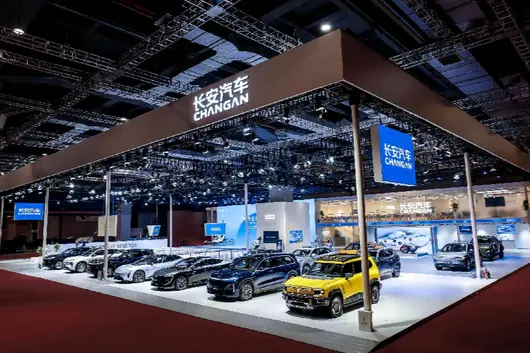
In 2026, the automotive season is halfway through, and the Chinese auto market has completed the first half amidst price wars and weak demand. While most players are still calculating how to extricate themselves from the quagmire of "trading price for volume," Changan Automobile's revealed half-year performance report demonstrates the strategic resolve and tactical flexibility of a new central state-owned automotive enterprise.

The Real Rise of the Third Pole
Looking at Changan's performance in the first half of the year, the most exciting news is undoubtedly the "unrivaled" performance of the overseas market.
402,000 units delivered overseas, a year-on-year growth of 35.1%, accounting for a share of the overall sales jumping to 33.6%. Compared to the overseas target of 750,000 units for the full year, the 53.6% completion rate makes this performance report highly valuable. In the highly competitive stock market, the overseas sector proved the foresight of Changan's internationalization strategy with high growth, becoming the strongest engine pulling the overall market.
This is not simple product export, but the qualitative change of the "Inclusive Sea" Plan from 1.0 to 2.0. The Brazil Anapolis Factory completed construction and began production in March, with an initial annual production capacity of 90,000 units; the Thailand Rayong Factory is in production, and the Deepal S05 Right-Hand Drive version officially went off the line — Changan is upgrading its overseas map from "Trade Export" to "Industrial Overseas Expansion".
More importantly, the profit logic. When the domestic car market is deeply trapped in the price war, the profit structure of the overseas market is enough to make any rational investor excited. The value of overseas business is not only reflected in sales numbers, but more significantly in the substantial improvement of Changan's global brand value. In strategic areas such as Southeast Asia and South America, Changan is accelerating the transformation from a Chinese brand to a global brand with localized production + regional customized product combinations.

New Energy Structure Adjustment, Gathering Momentum to Wait
New energy deliveries reached 456,000 units, a year-on-year increase of 5.2%. Against the backdrop of the overall market contraction, this growth rate is remarkably solid.
In the sub-brand matrix, Changan Qiyuan's breakout and Deepal's stability are equally impressive. Qiyuan delivered 173,800 units cumulatively in the first half of the year, with the AQ series growing by 102.6% year-on-year, with the Q05 continuing to dominate the compact SUV market. On Deepal's performance report of 164,200 units, overseas deliveries of 35,800 units surged 141% year-on-year. Leading the industry in overseas growth rate is the best proof of Deepal's brand power.
Avatr's performance in the first half of the year was moderate, but the real highlight is in the second half. The Avatr 07L will be the first batch to be equipped with Huawei Qiankun ADS 5, and new flagship stores will cover more than 20 cities this year — for this premiumization card, Changan plays calmly and steadily.
Changan's new energy overall target completion rate for the first half of the year is 32.5%. Seemingly leaving room, it actually lays the groundwork for the technical explosion in the second half. The Blue Whale Super Engine Hybrid technology has achieved city fuel consumption of 2.98L per 100km, with thermal efficiency near 45%; the self-developed "Tianzhu Pilot" Advanced Driver Assistance System was officially launched at the Chongqing Auto Show. The accelerated transmission of technology from the R&D end to the product end will be concentrated in the second half.

Self-Developed is the Best Trump Card
If Changan's first half is broken down, technical breakthroughs are the most worthy of emphasis.
At the Beijing Auto Show in March, the "Tianzhu Intelligence" brand was officially launched, and the "Tianzhu Pilot" Advanced Driver Assistance System made a stunning debut. This is not simple feature stacking, but the concentrated embodiment of Changan's "Full-Stack Controllable" strategy in the core track of intelligence. Industry-leading features like Tire Blowout Stabilization prove the balance capability of the technical team between underlying algorithms and engineering implementation.
The mass production deployment of the Blue Whale Super Engine Hybrid is another trump card on the electrification track. The launch of the 4th Generation Eado and CS75 PLUS marks Changan's leap from following to leading in hybrid technology. In the current booming plug-in hybrid market, this system's balance between energy efficiency and performance will form sustained competitiveness in the terminal market.

In the Second Half, Others Endure the Harsh Winter, Changan Waits for the Wind
The structural optimization of the first half has laid a springboard for the strategic focus in the second half.
The product offensive is already clear. Changan Qiyuan Q06 will be the first to be equipped with the "Tianzhu Pilot" system for mass production — this will be a milestone event for Changan's self-developed smart driving technology to go to the market on a large scale. The dense launches of more than a dozen new and facelift models will form full coverage of the mainstream price range from the product end.
The overseas offensive continues to increase. Thailand and Brazil factories are ramping up capacity, and the "Inclusive Sea" 2.0 strategy's localized layout will move from planning to substantial operation. From "Going Out" to "Going In", Changan's deep cultivation in the overseas market is entering the harvest period.
The technical offensive is gathering momentum. The technical dividends of intelligence and electrification will be more fully released in new models in the second half. With the "Tianzhu" and "Blue Whale" dual-engine drive, Changan is completing the conversion from technical reserves to market momentum.

Auto Review: Some question the overall target completion rate, ignoring the industry scale's 23.8% decline; some amplify the slowdown in new energy growth, but didn't see the technical barriers behind Blue Whale Hybrid and "Tianzhu" Smart Driving.
The goal set by Changan Automobile Chairman Zhu Huarong of 5 million units by 2030 and Global TOP 10 is destined to be a marathon. The rhythm adjustment, structure optimization, overseas breakthrough, and technical accumulation of the first half — all these work that may not seem so "sexy" is actually accumulating energy for the sprint in the second half.
For the Chinese automotive market in 2026, the elimination rounds have begun. For Changan, this automotive new central SOE that has completed an identity shift, the value of the first half is never about how much it sprinted, but about finding the right direction and solidifying its internal foundation in a great transformation. The starting gun for the second half has fired, and the triple momentum of technology, products, and globalization is converting into real market momentum.
True masters are good at adjusting posture against headwinds and finding the optimal route amidst changes. Judging from the layout of the first half, Changan's second half of 2026 is even more worth looking forward to.

而家汽車圈有個話題幾有意思——「速成車正係被叫停」。
事情嘅起因係 2026 年中國汽車論壇上,有車企高管公開批評部分品牌為咗加快上市節奏刪減必要測試環節,令消費者變相擔任「試車員」,埋下安全隱患。幾乎同一時間,全國汽車標準化技術委員會擬將新能源車型嘅可靠性行駛試驗總里程提升至 3 萬公里。從行業自省到標準升級,「速成車」被叫停嘅齒輪,正喺加速轉動。
講白啲,就係一啲品牌為咗搶市場,把本應幾年做完嘅研發測試硬生生壓縮到 18 個月甚至更短。燃油車時代一款新車由設計到上市普遍要 36 個月以上,而家唔少品牌直接砍半。有網民評論得好扎心:「QQ 飛車新車都得喺測試服測半年先至正式上線。」遊戲入面嘅虛擬賽車都要測半年,現實中十幾萬嘅真車,有啲品牌只畀半年時間。

喺呢股「唯快不破」嘅風氣入面,奇瑞風雲 T7 顯得有點格格不入。
8 月 9 日,「汽車人老徐」喺微博上公開質疑:人哋三代車全部都改款完咗,風雲 T7 仲喺「即將上市」,呢到底係研發效率唔得,定係另有原因?問題拋出後,奇瑞汽車執行副總裁李學用畀出三份「快唔到」嘅回應——研發快唔到、測試快唔到、共創快唔到。
實話實說,呢個回應聽落幾官方。但如果你睇風雲 T7 呢幾年到頭來喺做乜,可能可以幾分明白。

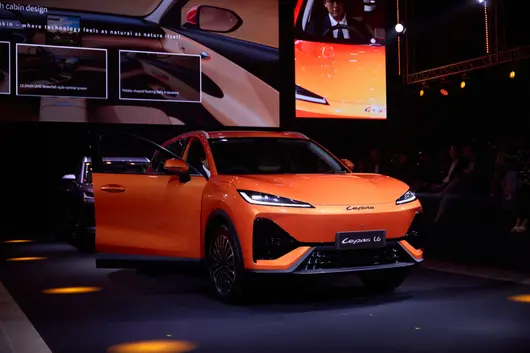
風雲 T7 唔係一臺「中國特供車」——佢喺海外叫 LEPAS L6,南非已經預售、泰國已經上市,後續仲要進入歐盟、澳新、英國等 130 多個國家同地區。一台車要同時滿足咁多國家嘅法規標準,光是法規適配呢一項,就唔係 18 個月搞掂嘅。
再睇測試。風雲 T7 累計投入咗 963 台試驗車,全球耐久性測試里程達到 145 萬公里。測試路線覆蓋歐盟、澳洲、南美、中東、東南亞、俄羅斯,經歷高溫、高寒、高濕、高鹽鹼各種極端環境。唔係喺實驗室跑出嚟嘅靚數據,係喺真實極端路況下一寸一寸磨出嚟嘅。安全方面對標嘅係 2026 版 E-NCAP 五星標準,涵蓋安全駕駛、碰撞規避、碰撞保護、碰撞後安全四個維度。呢啲測試環節,一個都唔可以省,亦都一個都快唔到。

此外仲有全球十大研發設計中心、一百幾名設計師協作,1000+ 全球用戶深度共創。一台車由設計到驗證再到用戶反饋打磨,各個環節都需要時間。
當然,喺消費者嘅角度,呢啲慢嘅理由係咪立得住,係一個值得討論嘅問題。始終市場唔等人——當喺你花五年打磨一台車嘅時候,競爭對手可能已經完成咗兩代產品嘅迭代。技術更新咁快,長週期研發會唔會導致一上市就過時?呢個問題,恐怕無人畀得出標準答案。

但換個角度諗,造車終究唔係造手機。手機出 Bug 重啟一下就得,汽車喺高速出問題,嗰就係要命嘅事。與其上市後用用戶當「試車員」去發現問題,唔如喺上市前把所有問題都解決晒。風雲 T7 行緊一條「先出海、再歸國」嘅路徑——先喺全球跑咗一圈驗證品質,再回嚟國內市場。呢條路比「速成」多花幾倍時間,但每一步都避唔開。
講到底,呢場「快與慢」嘅爭議,折射出係兩種造車邏輯嘅碰撞:一種係當汽車係快消品,追求速度同流量;另一種係當汽車係耐用品,死磕品質同安全。「速成車」被叫停,針對嘅從來都唔係快速迭代嘅能力,而係對安全嘅輕視、對品質嘅敷衍。

風雲 T7 嘅慢,究竟係研發效率嘅短板,定係一款全球車必須付出嘅時間代價?呢個問題,也許只有等到佢真正上市、經得住市場同時間嘅檢驗之後,先至有一個清晰嘅答案。
你覺得,造車呢件事,係快定係慢?

Di pasaran SUV Malaysia, ramai pembeli membandingkan Proton X90 dan Toyota Fortuner semasa memilih kereta. Kedua-dua model ini hampir sama dalam harga dan kedudukan, hari ini kita akan buat perbandingan terperinci dari pelbagai aspek untuk bantu anda jimat masa membuat kajian.
Proton X90 dijual pada harga OTR RM 106,800 - 122,800 di Malaysia, ada 4 varian termasuk 2026 1.5T Prime X (RM 122,800), 2026 1.5T Prime (RM 116,800), 2026 1.5T Lite (RM 106,800) dan lain-lain.
Toyota Fortuner dijual pada harga OTR RM 195,880 - 241,880 di Malaysia, ada 3 varian termasuk 2024 2.8T VRZ Diesel (RM 241,880), 2024 2.7L SRZ Petrol (RM 202,880), 2024 2.4L Standard Diesel (RM 195,880) dan lain-lain.
Dari segi harga, harga permulaan Proton X90 memang RM 89,080 lebih murah berbanding Toyota Fortuner. Jika bajet terhad, varian asas Proton sudah boleh memenuhi keperluan harian. Tapi perlu diingat, perbezaan harga beberapa ribu mungkin ada pengorbanan pada kelengkapan, bergantung pada keperluan anda.
Proton X90 dilengkapi enjin 1.5L Turbo, kuasa 140 hp. Penggunaan bahan api rasmi 7.0 L/100km.
Toyota Fortuner dilengkapi enjin 2.5L Diesel, kuasa 187 hp. Penggunaan bahan api rasmi 8.5 L/100km.
Dari segi kuasa, enjin 2.5L Diesel Toyota Fortuner mempunyai 47 kuasa kuda lebih banyak berbanding enjin 1.5L Turbo Proton X90. Tetapi untuk penggunaan harian dalam bandar, kuasa kedua-dua kereta ini sudah cukup, anda tidak akan rasa kurang kuasa.
Proton X90 panjang kenderaan 4400 mm, ruang bagasi 400 L.
Toyota Fortuner panjang kenderaan 4400 mm, ruang bagasi 400 L.
Saiz kedua-dua kereta hampir sama, ruang dalam tidak banyak bezanya. Untuk kereta tahap ini, penggunaan harian sudah cukup memadai.
Proton X90 jaminan 5 tahun/150,000km, selang servis 10,000km atau 6 bulan sekali.
Toyota Fortuner jaminan 5 tahun/tanpa had jarak, selang servis 10,000km atau 6 bulan sekali.

Secara keseluruhan, Proton X90 dan Toyota Fortuner adalah model kereta yang sangat baik di pasaran Malaysia. Memilih salah satu yang itu bergantung pada keperluan peribadi dan bajet anda. Disarankan untuk membuat kajian terlebih dahulu, bandingkan beberapa kutipan harga kedai kereta, baru lakukan uji jalan untuk keputusan akhir. Membeli kereta adalah perkara besar, meluangkan masa untuk membuat kajian tidak akan salah.
Dalam pasaran SUV di Malaysia, ramai pembeli membandingkan Proton X90 dan Toyota Corolla Cross ketika memilih kereta. Kedua-dua kereta ini mempunyai harga dan posisi yang sangat hampir, hari ini kita akan buat perbandingan terperinci dari pelbagai aspek, bantu anda menjimatkan masa untuk membuat kajian.
Harga OTR Proton X90 di Malaysia ialah RM 106,800 - 122,800, terdapat 4 versi, termasuk 2026 1.5T Prime X (RM 122,800), 2026 1.5T Prime (RM 116,800), 2026 1.5T Lite (RM 106,800) dan lain-lain.
Harga OTR Toyota Corolla Cross di Malaysia ialah RM 133,800 - 148,800, terdapat 3 versi, termasuk 2026 HEV 1.8L GR Sport (RM 148,800), 2026 HEV 1.8L Standard (RM 140,800), 2026 1.8L Standard (RM 133,800) dan lain-lain.
Dari segi harga, harga permulaan Proton X90 memang lebih murah RM 27,000 berbanding Toyota Corolla Cross. Jika bajet anda terhad, versi asas Proton sudah boleh memenuhi keperluan harian. Tetapi perlu diingat, ribuan ringgit yang lebih murah itu mungkin melibatkan kompromi pada pelengkapan, bergantung pada keperluan spesifik anda.
Proton X90 dilengkapi dengan enjin 1.5L Turbo, kuasa 140 hp. Penggunaan bahan api rasmi 7.0 L/100km.
Toyota Corolla Cross dilengkapi dengan enjin 1.5L Turbo, kuasa 140 hp. Penggunaan bahan api rasmi 7.0 L/100km.
Kedua-dua kereta menggunakan sistem pemacu yang sama, perbezaan rasa memandu harian adalah ketara. Penggunaan bahan api juga sama, tiada perlu terlalu bimbang mengenai hal ini.
Penilaian keselamatan Proton X90 ialah 5★ (ASEAN NCAP), sistem keselamatan aktif termasuk ADAS (ACC, AEB, LKA, LDA, BSM, RCTA).
Penilaian keselamatan Toyota Corolla Cross ialah 5★ (ASEAN NCAP), sistem keselamatan aktif termasuk TSS (PCS, LDA, ACC, LTA).
Penilaian keselamatan kedua-dua kereta sama, dalam tahap ini pelengkapan keselamatan dianggap lengkap. Keselamatan kereta baharu semasa tidak buruk, tiada perlu terlalu risau tentang hal ini.
Proton X90 menjamin 5 tahun/150,000km, selang servis setiap 10,000km atau 6 bulan.
Toyota Corolla Cross menjamin 5 tahun/tanpa had jarak, selang servis setiap 10,000km atau 6 bulan.

Secara keseluruhan, Proton X90 dan Toyota Corolla Cross adalah model kereta yang sangat baik di pasaran Malaysia. Memilih yang mana, kunci utamanya bergantung pada keperluan peribadi dan bajet anda. Kami sarankan anda membuat penyelidikan, bandingkan pelbagai tawaran dari beberapa dealer kereta, kemudian uji pemanduan untuk membuat keputusan akhir. Membeli kereta adalah perkara besar, meluangkan masa untuk membuat penyelidikan tidak akan salah.

In the SUV market in Malaysia, many buyers compare Proton X70 and Hyundai Tucson when choosing a car. These two cars are quite close in price and positioning. Today, we will make a detailed comparison from multiple aspects to help you save time on research.
The OTR price for Proton X70 in Malaysia is RM 106,800 - 122,300, with a total of 3 versions, including 1.5L Standard 2WD (RM 106,800), 1.5L Executive 2WD (RM 115,800), 1.5L Premium 2WD (RM 122,300) etc.
The OTR price for Hyundai Tucson in Malaysia is RM 143,888 - 197,888, with a total of 5 versions, including 2025 HEV 1.6T AT 2WD Prestige (RM 197,888), 2025 1.6T DCT 4WD Prestige (RM 186,888), 2025 1.6T DCT 2WD Prime (RM 164,888) etc.
From the price perspective, the starting price of Proton X70 is indeed RM 37,088 cheaper than Hyundai Tucson. If your budget is limited, Proton's entry-level version can already meet daily needs. But be aware that the savings of a few thousand might involve compromises in features, depending on your specific needs.

Proton X70 safety rating is 5★ (ASEAN NCAP), active safety systems include ADAS (ACC, AEB, LKA, LDA, BSM, RCTA).
Hyundai Tucson safety rating is 5★ (ASEAN NCAP), active safety systems include SmartSense.
The safety ratings for both cars are the same. In this class, safety features are quite comprehensive. New cars nowadays are not lacking in safety, so there is no need to worry too much about this point.

Proton X70 adopts FWD drive mode.
Hyundai Tucson adopts FWD drive mode.
Both cars have the same drive mode, which is FWD, so there won't be much difference in daily driving experience.

Proton X70 warranty 5 years/150,000km, maintenance interval every 10,000km or 6 months.
Hyundai Tucson warranty 5 years/300,000km, maintenance interval every 10,000km or 6 months.
In general, Proton X70 and Hyundai Tucson are both very good models in the Malaysia market. Choosing which one depends mainly on your personal needs and budget. We suggest doing your research, comparing quotes from several dealers, and then test driving to make the final decision. Buying a car is a major matter, spending some time researching will never go wrong.


In the Malaysian SUV market, many buyers compare Proton X70 and Hyundai Tucson when choosing a car. These two cars are quite close in price and positioning. Today, we will make a detailed comparison from multiple aspects to help you save time on research.
The OTR price for Proton X70 in Malaysia is RM 106,800 - 122,300, with a total of 3 versions, including 1.5L Standard 2WD (RM 106,800), 1.5L Executive 2WD (RM 115,800), 1.5L Premium 2WD (RM 122,300), etc.
The OTR price for Hyundai Tucson in Malaysia is RM 143,888 - 197,888, with a total of 5 versions, including 2025 HEV 1.6T AT 2WD Prestige (RM 197,888), 2025 1.6T DCT 4WD Prestige (RM 186,888), 2025 1.6T DCT 2WD Prime (RM 164,888), etc.
From a price perspective, the starting price of Proton X70 is indeed RM 37,088 cheaper than Hyundai Tucson. If your budget is limited, Proton's entry-level version can already meet daily needs. However, be aware that the savings of a few thousand might involve trade-offs in features, depending on your specific needs.
Proton X70 is equipped with 1.5L Turbo, 140 hp. Official fuel consumption 7.0 L/100km.
Hyundai Tucson is equipped with 1.5L Turbo, 140 hp. Official fuel consumption 7.0 L/100km.
Both cars use the same powertrain system, and the driving experience is basically the same in daily use. Fuel consumption is also about the same, no need to worry too much about this point.
Proton X70 safety rating is 5★ (ASEAN NCAP), active safety systems include ADAS (ACC, AEB, LKA, LDA, BSM, RCTA).
Hyundai Tucson safety rating is 5★ (ASEAN NCAP), active safety systems include SmartSense.
Both cars have the same safety rating. Safety features are considered quite comprehensive in this class. Safety in new cars is generally not a problem nowadays, no need to worry too much about this.
Proton X70 uses FWD drive method.
Hyundai Tucson uses FWD drive method.
Both cars have the same drive method, both are FWD, so there won't be much difference in daily driving experience.
Overall, Proton X70 and Hyundai Tucson are both very good models in the Malaysian market. Which one to choose depends on your personal needs and budget. We recommend doing your homework well, comparing quotes from multiple car dealers, and then test driving to make the final decision. Buying a car is a big matter, spending time on research is never wrong.

In the Malaysian SUV market, many buyers often compare Proton X70 and GWM Haval H6 when choosing a car. These two cars are quite close in price and positioning. Today, we will make a detailed comparison from multiple aspects to save you time doing research.
The OTR price of Proton X70 in Malaysia is RM 106,800 - 122,300, with a total of 3 versions, including 1.5L Standard 2WD (RM 106,800), 1.5L Executive 2WD (RM 115,800), 1.5L Premium 2WD (RM 122,300), etc.
The OTR price of GWM Haval H6 in Malaysia is RM 139,750 - 139,750, with a total of 2 versions, including 1.5L Turbo Standard (RM 140,000), 1.5L Turbo Premium (RM 155,000), etc.
From the price perspective, Proton X70's starting price is indeed RM 32,950 cheaper than GWM Haval H6. If your budget is limited, Proton's entry-level version can already meet daily needs. But also note, the cheaper few thousand might involve trade-offs in features, specifically depending on your needs.
Proton X70 is equipped with 1.5L Turbo, 140 hp. Official fuel consumption 7.0 L/100km.
GWM Haval H6 is equipped with Hybrid, 170 hp. Official fuel consumption 4.5 L/100km.
In terms of power, GWM Haval H6's Hybrid has 30 more horsepower than Proton X70's 1.5L Turbo. However, for daily city driving, the power of both cars is sufficient, you won't feel a lack of power.
Proton X70 uses FWD drive mode.
GWM Haval H6 uses FWD drive mode.
Both cars have the same drive mode, both are FWD, daily driving feel will not have much difference.
Proton X70 warranty 5 years/150,000 km, service interval every 10,000 km or 6 months.
GWM Haval H6 warranty 7 years/150,000 km, service interval every 10,000 km or 6 months.
Proton X70 and GWM Haval H6 are both mainstream choices in the Malaysian market, suitable for family use and daily commuting. If you value brand reputation and resale price more, you can prioritize the one with better reputation; if you care more about cost-performance and features, then choose the model with more configurations. Ultimately, it is recommended to test drive both models, personal experience is the most important.
Overall, Proton X70 and GWM Haval H6 are both very good car models in the Malaysian market. Which one to choose, the key still depends on your personal needs and budget. It is suggested to do research, compare quotes from several dealerships, then test drive to make the final decision. Buying a car is a major decision, spending some time doing research will definitely not be wrong.

喺馬來西亞嘅 SUV 市場,好多買家喺揀車嗰陣都會用 寶騰 X70 同 現代 Tucson 嚟做比較。呢兩款車喺價位同定位上都幾接近,今日我哋就從多個方面做一个詳細嘅對比,幫你省咗做功課嘅時間。
寶騰 X70 喺馬來西亞嘅 OTR 售價係 RM 106,800 - 122,300,一共有 3 個版本,包括 1.5L Standard 2WD(RM 106,800)、1.5L Executive 2WD(RM 115,800)、1.5L Premium 2WD(RM 122,300) 等。
現代 Tucson 喺馬來西亞嘅 OTR 售價係 RM 143,888 - 197,888,一共有 5 個版本,包括 2025 HEV 1.6T AT 2WD Prestige(RM 197,888)、2025 1.6T DCT 4WD Prestige(RM 186,888)、2025 1.6T DCT 2WD Prime(RM 164,888) 等。
從價錢嚟睇,寶騰 X70 嘅起步價確實比 現代 Tucson 平咗 RM 37,088。如果你預算有限,寶騰嘅入門版已經可以滿足日常需求。但亦都要注意,便宜嗰幾千蚊,可能喺配備上會有取舍,具體要睇你嘅需求。
寶騰 X70 搭載 1.5L Turbo,馬力 140 hp。官方油耗 7.0 L/100km。
現代 Tucson 搭載 1.5L Turbo,馬力 140 hp。官方油耗 7.0 L/100km。
兩款車用嘅係同一套動力系統,日常開起嚟嘅感受基本冇什麼差別。油耗方面都差唔多,唔使太糾結這一點。
寶騰 X70 車身長 4400 mm,行李箱 400 L。
現代 Tucson 車身長 4400 mm,行李箱 400 L。
兩款車嘅尺寸幾乎一樣,車內空間差別唔大。呢個級別嘅車,日常使用完全夠用。
寶騰 X70 採用 FWD 驅動方式。
現代 Tucson 採用 FWD 驅動方式。
兩款車嘅驅動方式一樣,都係 FWD,日常駕駛感受唔會有太大區別。
總嘅嚟講,寶騰 X70 同 現代 Tucson 都係馬來西亞市場幾唔錯嘅車型。揀邊一輛,關鍵仲係要睇你嘅個人需求同預算。建議大家做好功課,多比較幾間車行嘅報價,再去試駕做最終決定。買車係件大事,花少少時間做功課絕對唔會錯。

“老板告诉我,你要把可靠性往前做。”日前的2026中国汽车论坛上,长城技术中心质量部部长王岩回忆起自己接手可靠性体系建设时,说了这样一句话。
但这个任务并没有现成答案。
王岩刚开始接手任务时发现,研发体系内部对于“可靠性”的理解并不完全一致。工程师知道如何解决已经发生的问题,却很难回答,如何在产品还没有上市之前,就提前发现潜在风险。
这种困惑,正在成为新能源汽车时代很多车企共同面对的问题。
随着电动化、智能化快速发展,汽车已经从传统机械产品变成软硬件高度融合的复杂系统。一个软件问题、一项电池风险、一次复杂场景下的功能失效,都可能来自多个环节的共同作用。
过去依靠经验积累形成的质量管理方式,正在面临新的挑战。
因此,中国车企开始重新建立质量能力:把风险识别前移,把验证范围扩大,把可靠性的边界不断延伸。
而当中国品牌走向全球市场,这套能力还要面对更复杂的考验。一辆车能否适应不同国家的道路、气候和使用环境,将成为决定品牌能否长期发展的关键。

图片来源:摄图网
重新定义可靠
过去很长一段时间里,汽车质量更多依靠制造经验积累。一款车是否可靠,很大程度取决于工程师对机械结构、零部件性能和生产工艺的理解。经过多年积累,中国汽车产业逐渐建立起成熟的制造体系,也形成了一套解决质量问题的方法。
但新能源汽车的发展,正在改变这种逻辑。随着电动化、智能化技术不断深入,汽车已经不再只是传统意义上的机械产品。动力电池、电驱系统、智能座舱、智能驾驶等新技术不断加入,整车系统复杂度快速提升。
过去,一个零部件出现问题,往往可以通过更换零件或者优化工艺解决。如今,一次故障可能涉及硬件设计、软件逻辑、材料性能甚至供应链协同。质量问题的产生机制正在发生变化,也要求企业重新思考质量管理方式。
中国车企正在从“满足标准”走向“定义标准”。长城、吉利、长安等企业不再等待外部标准来回答“什么是可靠的”,而是自己建立一套基线。
长城汽车推进可靠性体系建设,就是这一变化的体现。王岩提到,长城在建设可靠性体系过程中,面临的一个现实问题是,如何在产品开发阶段提前识别风险。而这需要一套新的方法和体系支撑。
因此,长城开始从0到1搭建可靠性体系。在这一过程中,企业围绕可靠性标准、分析方法和工具链进行建设,将FMEA(失效模式与影响分析)、风险识别、验证方法等融入产品开发流程。这套体系的核心思路是:把质量管理的起点从“发现问题后修补”前移到“设计阶段预防”。
在实际质量问题分析中,一些看似简单的问题,往往涉及更深层的系统因素。例如,某些车辆出现多媒体黑屏问题,检查后发现并非单一零部件损坏,而与芯片设计、温湿度环境以及材料变化等因素有关。类似问题如果只停留在售后维修层面,很难从根本上解决。
这也说明,新能源汽车时代的质量竞争,已经从单纯制造环节延伸到了研发、材料、电子系统等更底层的能力。
吉利的做法印证了同样的逻辑。2025年底,吉利发布了全球全域安全中心,一期投资超过20亿元,覆盖被动安全、主动安全、电池安全、信息安全、健康安全等多个维度。从产品定义阶段开始,吉利就把安全目标分解到每个子系统、每个零部件,形成一套从目标设定到方案设计、再到验证确认的完整链条。

图片来源:吉利
吉利在安全领域已累计申请专利超过15万项,其中1562件安全相关专利已向行业公开。这组数据说明,中国车企正在把“安全”从一项满足法规的要求,转化为一种主动构建的能力。
与此同时,质量管理的边界也在从整车企业向供应链延伸。新能源汽车产业链更长、更复杂,任何一个环节的短板,都可能影响最终产品表现。像长安汽车,正在尝试利用AI工具辅助审核供应商提交的8D报告,对问题描述、原因分析和整改措施进行判断,提高质量问题闭环的效率。
这是因为,很多软件可靠性问题,并不完全是代码质量造成的,而是开发阶段对使用场景的识别不够完整。如果这些场景没有被完整定义,软件设计本身就存在盲区。这也是传统质量管理方式面临的核心挑战:可靠性不是一个可以被“测试出来”的东西,它必须在设计阶段就被“定义进去”。
从研发端的风险识别,到验证体系建设,再到供应链协同,中国汽车企业正在逐步建立适应新能源汽车时代的质量管理体系。
对于正在走向全球市场的中国车企而言,这套能力的意义已经超出了国内市场。中国汽车企业在海外面临的考验,已不再是简单的地理扩张,而是需要在更复杂的市场环境中,建立起覆盖产品全生命周期的质量保证能力。
门槛在出海
中安智研副总经理、技术负责人苟斌在论坛上说了一句话:“国内新能源汽车市场已经很卷了,利润都很薄。但大家聊到海外的时候,眼睛是发光的。”
海外是增量,但增量必须建立在产品适应当地环境的基础上。当前有一个现象是,不少企业在国内完成了产品验证,各项指标都符合要求。但进入海外市场后,仍然会遇到一些意想不到的问题。
有些问题在国内几乎不会出现。比如俄罗斯冬季大量使用融雪剂,车身防腐要求远高于国内。按国内标准打造的车到了那边,腐蚀速度可能比预期快得多;中东夏季高温持续半年,用户对空调性能的要求极高。如果降温不够快,用户可能直接放弃选择;欧洲环岛路况密集,交通标识规则与国内差异明显。
这些问题的根源在于,车辆的验证体系是基于国内使用环境设计的,与海外用户的实际使用场景差异很大。不同国家和地区的道路条件、气候环境、用户习惯都不一样。不同道路条件和交通规则,也会影响车辆底盘耐久性和智驾功能的实际表现。
只有车辆进入特定市场、经历真实使用之后,上述问题才会逐渐暴露出来。有企业的探索方向,就是把海外复杂使用环境转化为研发阶段可以复现的验证条件。
他们收集不同国家和地区的道路数据、气候信息、法规要求和用户使用场景,建立海外汽车场景数据库,把真实市场中的问题转化成测试用例,帮助企业在国内研发阶段提前识别风险。
苟斌团队已经梳理了东南亚、中东、俄罗斯、欧洲等主要市场的典型问题。比如,中东地区的减速带比国内更高更宽,车辆通过时容易发生底盘干涉或托底。这类场景在国内试验场就能复现,不需要等到车辆运到海外才发现。不同国家的充电桩标准也有差异,充电兼容性问题同样需要在开发阶段提前测试。
中国汽车工业协会行业发展部总监尚蛟指出,海外市场的法规和准入要求正在变得更加复杂。欧七排放标准、电池法案等区域性法规,对出口产品的开发提出了差异化要求。

图片来源:花瓣网
这一趋势意味着,提前完成海外适配验证,正在从“加分项”变成“准入门槛”。这种变化也推动着汽车出海的验证逻辑发生转变。现在企业希望通过数据积累和场景分析,在产品定义阶段就把全球市场可能遇到的场景考虑进去。
从这个角度看,出海不是简单地把国内成熟车型复制到海外市场,而是一次研发体系的重新校准。企业需要回答的问题,已经从“这辆车能不能卖出去”扩展到“它能否适应不同气候、道路和法规环境,并在长期使用中保持稳定表现”。
本地化是手段之一。长安质量部总经理沈兴华提到了泰国工厂的本地化实践,本地员工占比已经达到90%。在他看来,出海不能只靠贸易思维,要把研发、制造和质量体系建在当地。
此举呼应了“验证需要前置”的观点。因为只有真正进入当地市场、理解当地环境之后,企业才会发现那些在国内看不到的问题。毕竟,出海的终点不是把车运到港口,而是让产品、制造和人才都能在当地运转起来。
底线在安全
当一辆车进入真实使用场景后,最极端的考验往往来自那些难以预测的情况。
招商车研在电动汽车火灾安全研究中发现,新能源汽车的风险往往不是单一因素造成的,而是多个环节共同作用的结果。一个电池包在零部件层级测试中表现良好,但装在整车上之后,可能暴露出完全不同的风险。

图片来源:摄图网
招商车研高级专家陈斌在论坛上分享了一些实际测试中遇到的案例。有一款车,触发了电池热失控之后,电池本身没有起火,但主驾驶位置的地毯烧起来了。事后分析发现,电池包的隔热设计存在不足,热失控产生的高温烟气没有及时排出,热量传导到车厢内部,引燃了阻燃性能不够好的地毯。
另一个案例是,三颗电芯同时热失控,电池包控制住了火势,但喷出的高温烟气在前机舱底部积聚,引燃了防护板上的可燃材料。电池本身没有起火,但车烧了。
还有一个案例,电池热失控之后,车辆没有发出任何报警,车门也没有自动解锁。原因是传感器线束布置在了烟气流动路径上,高温烟气直接把线束烧断了,信号根本没送出去。
这些案例的共同特征是:电池本身没有问题,零部件检测也都合格,但装在车上之后,系统之间的相互作用产生了新的风险。
招商车研的结论是,新能源汽车的安全不能只看零部件。一个电池包做得再好,如果热量会通过车身结构传导到车内,如果高温烟气会在某个角落积聚,如果传感器线束会在关键时刻被烧断,那整个系统的安全就是不完整的。

图片来源:摄图网
这解释了,为什么汽车行业正在从零部件检测转向整车系统级评价。因为,零部件做得好不等于整车安全,单项指标合格不等于系统可靠。这正是新能源汽车时代质量管理的核心命题:当车辆的复杂度远超传统汽车,安全必须从整车的角度去定义和验证。
有企业洞察需求,建立了电动汽车火灾安全指数,可查看整车在极端情况下的整体表现。
对于正在走向全球市场的中国车企来说,这种能力的重要性更加突出。海外市场的法规、气候、使用习惯差异巨大,如果质量管理只停留在零部件层面,车辆到了海外之后那些意想不到的风险就很难被提前发现。
要知道,一辆车真正的安全底线,不是它在实验室里能通过多少项检测,而是在真实世界中经历极端场景之后,依然能够保护车内人员。
结语
整体来看,中国汽车工业正在经历一场从“造出来”到“造得稳、造得久”的转变。
过去三十多年,中国汽车产业解决的是制造能力问题。这条路走得很快,也很成功。发动机、变速箱、车身、底盘……每一个环节都形成了成熟的供应链和生产体系。
但新能源汽车改变了竞争的维度。当硬件趋同、技术趋同成为不可逆转的趋势,一辆车的差异开始体现在更底层的地方:
它的可靠性是在设计阶段就被定义进去的,还是上市之后靠用户反馈慢慢修补的?它的验证体系能否覆盖全球不同市场的使用场景,还是只适用于国内熟悉的环境?它在极端情况下的安全表现,是系统设计的结果,还是各种零部件各自为战的拼凑?
长城、吉利、长安、中安智研、招商车研等企业和服务机构,正在做同一件事:把中国汽车的质量标准从“满足要求”推向“定义基线”。这个变化比很多人想象的更深远。
它不是在修补过去的漏洞,而是在重新定义中国汽车出海的竞争维度。当价格和配置的优势逐渐被拉平,真正的护城河是产品在全球市场长期运行后的稳定表现。
出海的终点不是把更多车卖出去,而是在世界市场建立对“中国制造”的长期信任。

In Malaysia's SUV market, many buyers compare Proton X70 and Chery Tiggo 8 Pro when choosing a car. These two cars are quite close in price and positioning. Today we will do a detailed comparison from multiple aspects to help you save time on research.
The OTR price of Proton X70 in Malaysia is RM 106,800 - 122,300, with a total of 3 versions, including 1.5L Standard 2WD (RM 106,800), 1.5L Executive 2WD (RM 115,800), 1.5L Premium 2WD (RM 122,300) etc.
The OTR price of Chery Tiggo 8 Pro in Malaysia is RM 159,750 - 159,750, with a total of 2 versions, including 1.6L Turbo Standard (RM 130,000), 1.6L Turbo Premium (RM 145,000) etc.
In terms of price, the starting price of Proton X70 is indeed RM 52,950 cheaper than Chery Tiggo 8 Pro. If your budget is limited, Proton's entry-level version can already meet daily needs. However, note that the cheaper few thousand may have compromises in features, depending on your needs.
Proton X70 is equipped with 1.5L Turbo, 140 hp. Official fuel consumption 7.0 L/100km.
Chery Tiggo 8 Pro is equipped with 2.0L 4-cyl, 170 hp. Official fuel consumption 8.0 L/100km.
In terms of performance, Chery Tiggo 8 Pro's 2.0L 4-cyl has 30 more horsepower than Proton X70's 1.5L Turbo. However, for daily city driving, the power of both cars is sufficient, you won't feel underpowered.
Proton X70 adopts FWD drivetrain.
Chery Tiggo 8 Pro adopts FWD drivetrain.
Both cars have the same drivetrain, both FWD, there won't be much difference in daily driving experience.
Proton X70 warranty 5 years/150,000km, maintenance interval every 10,000km or 6 months.
Chery Tiggo 8 Pro warranty 3 years/100,000km, maintenance interval every 10,000km or 6 months.
Proton X70 and Chery Tiggo 8 Pro are both mainstream choices in the Malaysian market, suitable for family use and daily commuting. If you value brand reputation and resale value more, you can prioritize the one with better reputation; if you care more about cost-performance ratio and features, then choose the one with richer configuration. Ultimately, it is recommended to test drive both, personal experience is the most important.
Overall, Proton X70 and Chery Tiggo 8 Pro are both very good models in the Malaysian market. Which one to choose depends on your personal needs and budget. It is recommended to do research, compare quotes from several car dealerships, then test drive to make the final decision. Buying a car is a big matter, spending time doing research will never be wrong.

In Malaysia's SUV market, many buyers often compare Proton X70 and Chery Tiggo 8 Pro when choosing a car. These two cars are quite close in price and positioning. Today we will make a detailed comparison from multiple aspects to save you time doing research.
Proton X70 OTR price in Malaysia is RM 106,800 - 122,300, with a total of 3 versions, including 1.5L Standard 2WD (RM 106,800), 1.5L Executive 2WD (RM 115,800), 1.5L Premium 2WD (RM 122,300), among others.
Chery Tiggo 8 Pro OTR price in Malaysia is RM 159,750 - 159,750, with a total of 2 versions, including 1.6L Turbo Standard (RM 130,000), 1.6L Turbo Premium (RM 145,000), among others.
In terms of price, Proton X70's entry price is indeed RM 52,950 cheaper than Chery Tiggo 8 Pro. If your budget is limited, Proton's entry-level version can already meet daily needs. But also note, that few thousand cheaper might involve trade-offs in features, which depends on your specific needs.
Proton X70 is equipped with 1.5L Turbo, 140 hp. Official fuel consumption is 7.0 L/100km.
Chery Tiggo 8 Pro is equipped with 2.0L 4-cyl, 170 hp. Official fuel consumption is 8.0 L/100km.
In terms of power, Chery Tiggo 8 Pro's 2.0L 4-cyl has 30 more horsepower than Proton X70's 1.5L Turbo. However, for daily city driving, both cars have sufficient power, and you won't feel a lack of power.
Proton X70 Warranty is 5 years/150,000km, Service Interval is every 10,000km or 6 months.
Chery Tiggo 8 Pro Warranty is 3 years/100,000km, Service Interval is every 10,000km or 6 months.
Proton X70 and Chery Tiggo 8 Pro are both mainstream choices in the Malaysia market, suitable for family use and daily commute. If you value brand reputation and resale value more, you can prioritize the one with a better reputation; if you care more about value for money and features, then choose the one with richer specifications. Ultimately, it is recommended to test drive both, as personal experience is the most important.
In general, Proton X70 and Chery Tiggo 8 Pro are both very good vehicle models in the Malaysia market. Choosing which one depends mainly on your personal needs and budget. We recommend doing your homework well, comparing quotes from several dealers, and then test driving to make the final decision. Buying a car is a big matter, spending some time researching will never be wrong.

In the Malaysia SUV market, many buyers compare the Perodua Aruz and Honda WR-V when choosing a car. Both cars are quite close in price and positioning, so today we will do a detailed comparison from multiple aspects to help you save time on research.
The Perodua Aruz OTR price in Malaysia is RM 72,900 - 77,900, with a total of 2 versions, including 1.5L X (RM 72,900), 1.5L AV (RM 77,900), etc.
The Honda WR-V OTR price in Malaysia is RM 89,900 - 107,900, with a total of 4 versions, including 2023 1.5L V (RM 99,900), 2023 1.5L E (RM 95,900), 2023 1.5L S (RM 89,900), etc.
From a price perspective, the Perodua Aruz starting price is indeed RM 17,000 cheaper than the Honda WR-V. If your budget is limited, the Perodua entry-level version can already meet daily needs. However, note that the few thousand cheaper might involve trade-offs in equipment, depending on your specific requirements.

The Perodua Aruz is equipped with a 1.5L 4-cyl, 105 hp. Official fuel consumption is 6.0 L/100km.
The Honda WR-V is equipped with a 1.5L 4-cyl, 105 hp. Official fuel consumption is 6.0 L/100km.
Both cars use the same powertrain, and the driving experience is basically the same in daily use. Fuel consumption is also similar, so there is no need to worry too much about this.

The Perodua Aruz safety rating is 5★ (ASEAN NCAP), active safety systems include.
The Honda WR-V safety rating is 5★ (ASEAN NCAP), active safety systems include Honda SENSING.
Both cars have the same safety rating, and safety equipment is quite comprehensive for this class. New cars today do not have poor safety, so there is no need to worry too much about this.

The Perodua Aruz warranty is 5 years/150,000km, maintenance interval every 10,000km or 6 months.
The Honda WR-V warranty is 5 years/unlimited mileage, maintenance interval every 10,000km or 6 months.

Overall, both the Perodua Aruz and Honda WR-V are very good models in the Malaysian market. Which one to choose mainly depends on your personal needs and budget. It is recommended that you do your research, compare quotes from several dealerships, and then test drive before making the final decision. Buying a car is a big deal, taking some time to do your research will never be wrong.

In Malaysia's SUV market, many buyers compare Perodua Aruz and Honda HR-V when choosing a car. These two models are quite close in price and positioning. Today, we will make a detailed comparison from multiple aspects to help you save time on research.
Perodua Aruz OTR price in Malaysia is RM 72,900 - 77,900, with a total of 2 versions, including 1.5L X (RM 72,900), 1.5L AV (RM 77,900), etc.
Honda HR-V OTR price in Malaysia is RM 115,900 - 143,900, with a total of 4 versions, including 2026 e:HEV 1.5L RS (RM 143,900), 2026 1.5T V (RM 137,900), 2026 1.5T E (RM 130,900), etc.
From a price perspective, the starting price of Perodua Aruz is indeed RM 43,000 cheaper than Honda HR-V. If your budget is limited, Perodua's entry-level version can already meet daily needs. But note that the few thousand cheaper might mean compromises on equipment, it depends on your specific needs.
Perodua Aruz is equipped with 1.5L 4-cyl, 105 hp. Official fuel consumption 6.0 L/100km.
Honda HR-V is equipped with 1.5L Turbo, 140 hp. Official fuel consumption 7.0 L/100km.
Regarding power, Honda HR-V's 1.5L Turbo has 35 more horsepower than Perodua Aruz's 1.5L 4-cyl. However, for daily city driving, both cars have enough power and won't feel underpowered.
Perodua Aruz body length 4400 mm, trunk 400 L.
Honda HR-V body length 4500 mm, trunk 450 L.
In terms of space, Honda HR-V's body is 100 mm longer than Perodua Aruz, offering an advantage in seating space. However, Perodua Aruz is more flexible for parking in the city, each has its trade-offs.
Perodua Aruz uses FWD drive type.
Honda HR-V uses FWD drive type.
Both cars have the same drive type, both are FWD, daily driving experience won't differ much.

Overall, Perodua Aruz and Honda HR-V are both very good models in the Malaysian market. Which one to choose depends mainly on your personal needs and budget. We suggest doing research, comparing quotes from several dealerships, and test driving before making a final decision. Buying a car is a big deal, spending time on research will never be wrong.

In the Malaysian SUV market, many buyers compare the Proton X70 and Mazda CX-8 when choosing a car. These two cars are quite close in price and positioning, so today we will make a detailed comparison from multiple aspects to help you save time on research.
The Proton X70 OTR price in Malaysia is RM 106,800 - 122,300, with a total of 3 versions, including 1.5L Standard 2WD (RM 106,800), 1.5L Executive 2WD (RM 115,800), 1.5L Premium 2WD (RM 122,300), etc.
The Mazda CX-8 OTR price in Malaysia is RM 165,360 - 201,360, with a total of 5 versions, including 2025 2.5T 4WD High Plus Petrol (RM 201,360), 2025 2.2L 2WD High Plus Diesel (RM 193,123), 2025 2.5L 2WD High Plus Petrol (RM 186,360), etc.
From a price perspective, the Proton X70 starting price is indeed RM 58,560 cheaper than the Mazda CX-8. If your budget is limited, the Proton entry-level version can already meet daily needs. But also keep in mind that the few thousand RM saved might involve trade-offs in equipment, which depends on your specific needs.

The Proton X70 safety rating is 5★ (ASEAN NCAP), active safety systems include ADAS (ACC, AEB, LKA, LDA, BSM, RCTA).
The Mazda CX-8 safety rating is 5★ (ASEAN NCAP), active safety systems include Brand ADAS.
Both cars have the same safety rating, and safety features in this class are considered quite comprehensive. New car safety these days is not poor, so there is no need to worry too much about this.

The Proton X70 uses FWD drive system.
The Mazda CX-8 uses FWD drive system.
Both cars have the same drive system, both are FWD, so there won't be a huge difference in daily driving experience.

Proton X70 warranty 5 years/150,000km, maintenance interval every 10,000km or 6 months.
Mazda CX-8 warranty 5 years/150,000km, maintenance interval every 10,000km or 6 months.
Both cars have the same warranty conditions, no need to fret about this aspect. Actual maintenance costs also depend on the brand's service network and parts prices. It is recommended to ask real owners in car clubs for their experience.
In general, both the Proton X70 and Mazda CX-8 are very good models in the Malaysian market. Which one to choose ultimately depends on your personal needs and budget. We suggest doing your homework, compare quotes from several dealerships, and then test drive to make a final decision. Buying a car is a big matter, spending time on research will definitely not be wrong.


喺馬來西亞嘅 SUV 市場,好多買家喺揀車嘅時候都會拿 Perodua Aruz 同 Chery Tiggo 7 PHEV 嚟做比較。這兩款車喺價位同定位上都好接近,今日我哋就從多方面做一個詳細嘅對比,幫你省返做功課嘅時間。
Perodua Aruz 喺馬來西亞嘅 OTR 售價係 RM 72,900 - 77,900,一共有 2 個版本,包括 1.5L X(RM 72,900)、1.5L AV(RM 77,900)等。
Chery Tiggo 7 PHEV 喺馬來西亞嘅 OTR 售價係 RM 129,750 - 129,750,一共有 2 個版本,包括 2025 1.5T 90km CSH(RM 129,750)、Tiggo 7 PHEV 支援咩充電方法?可唔可以用家用電源插座充電?(RM 117,478)等。
由價錢睇,Perodua Aruz 嘅起步價確實比 Chery Tiggo 7 PHEV 平咗 RM 56,850。如果你預算有限,Perodua 嘅入門版已經可以滿足日常需求。但都要留意,平嗰幾千蚊,可能喺配備上會有取舍,具體要看你嘅需求。
Perodua Aruz 搭載 1.5L 4-cyl,馬力 105 hp。官方油耗 6.0 L/100km。
Chery Tiggo 7 PHEV 搭載 Hybrid,馬力 170 hp。官方油耗 4.5 L/100km。
動力方面,Chery Tiggo 7 PHEV 嘅 Hybrid 比 Perodua Aruz 嘅 1.5L 4-cyl 多出 65 匹馬力。不過日常喺市區開,兩款車嘅動力都夠用,唔覺得唔夠力。
Perodua Aruz 保修 5 年/150,000km,保養間隔 每 10,000km 或 6 個月。
Chery Tiggo 7 PHEV 保修 3 年/100,000km,保養間隔 每 10,000km 或 6 個月。
Perodua Aruz 同 Chery Tiggo 7 PHEV 都係馬來西亞市場嘅主流選擇,適合家庭使用、日常通勤。如果你更睇重品牌口碑同二手價,可以優先考慮口碑更好嗰款;如果你更關注性價比同配備,那就選配置更豐富嗰款。最終都建議兩款都去試駕,親身體驗先係最重要。

整體嚟講,Perodua Aruz 同 Chery Tiggo 7 PHEV 都係馬來西亞市場好唔錯嘅車型。揀邊一輛,關鍵仲係要睇你嘅個人需求同預算。建議大家做足功課,多比較幾間車行嘅報價,再嚟試駕做最終決定。買車係大件事,花啲時間做功課絕對唔會錯。

喺馬來西亞嘅 SUV 市場,好多買家喺揀車嗰陣都會拎 寶騰 X70 同 奇瑞 Tiggo 7 Pro 嚟做比較。呢兩部車喺價位同定位上都幾近,今日我哋就從多個方面做一個詳細嘅比較,幫你省下做功課嘅時間。
寶騰 X70 喺馬來西亞嘅 OTR 售價係 RM 106,800 - 122,300,一共有 3 個版本,包括 1.5L Standard 2WD(RM 106,800)、1.5L Executive 2WD(RM 115,800)、1.5L Premium 2WD(RM 122,300) 等。
奇瑞 Tiggo 7 Pro 喺馬來西亞嘅 OTR 售價係 RM 123,750 - 123,750,一共有 2 個版本,包括 1.6L Turbo Standard(RM 125,000)、1.6L Turbo Premium(RM 140,000) 等。
從價錢來看,寶騰 X70 嘅起步價確實比奇瑞 Tiggo 7 Pro 便宜咗 RM 16,950。如果你預算有限,寶騰嘅入門版已經可以滿足日常需求。但都要注意,平咗嗰幾千蚊,可能喺配備上會有取舍,具體要看你嘅需求。
寶騰 X70 搭載 1.5L Turbo,馬力 140 hp。官方油耗 7.0 L/100km。
奇瑞 Tiggo 7 Pro 搭載 1.5L Turbo,馬力 140 hp。官方油耗 7.0 L/100km。
兩部車用緊同一套動力系統,日常開起嚟嘅感覺基本冇分別。油耗方面也差唔多,唔使太糾結這一點。
寶騰 X70 嘅安全評級係 5★ (ASEAN NCAP),主動安全系統包括 ADAS (ACC, AEB, LKA, LDA, BSM, RCTA)。
奇瑞 Tiggo 7 Pro 嘅安全評級係 TBD,主動安全系統包括 Basic。
安全配備方面,兩部車都拿到咗唔錯嘅評級。不過寶騰 X70 嘅 ADAS (ACC, AEB, LKA, LDA, BSM, RCTA) 同奇瑞 Tiggo 7 Pro 嘅 Basic 喺功能上有些差異,如果你比較睇重主動安全嘅話,可以仔細對比一下兩者嘅功能列表。
寶騰 X70 車身長 4400 mm,後備箱 400 L。
奇瑞 Tiggo 7 Pro 車身長 4400 mm,後備箱 400 L。
兩部車嘅尺寸幾乎一樣,車內空間差別唔大。呢個級別嘅車,日常使用完全夠用。
寶騰 X70 同奇瑞 Tiggo 7 Pro 都係馬來西亞市場嘅主流選擇,適合家庭使用、日常通勤。如果你更睇重品牌口碑同二手價,可以優先考慮口碑更好嗰款;如果你更在意性價比同配備,就選配置更豐富嗰款。最終都係建議兩款都去試駕,親身體驗先係最重要嘅。
總嘅嚟講,寶騰 X70 同奇瑞 Tiggo 7 Pro 都係馬來西亞市場幾唔錯嘅車型。揀邊一部,關鍵仲要睇你嘅個人需求同預算。建議大家做好功課,多比較幾間車行嘅報價,再去試駕做最終決定。買車係件大事,花點時間做功課絕對唔會錯。

喺馬來西亞嘅 SUV 市場,好多買家喺揀車嗰陣都會拿 Perodua Aruz 同 Mitsubishi Xforce 嚟比較。這兩款車喺價位同定位上都幾接近,今日我哋就從多個方面做個詳細嘅對比,幫你節省做功課嘅時間。
Perodua Aruz 喺馬來西亞嘅 OTR 售價係 RM 72,900 - 77,900,一共有 2 個版本,包括 1.5L X(RM 72,900)、1.5L AV(RM 77,900) 等。
Mitsubishi Xforce 喺馬來西亞嘅 OTR 售價係 RM 109,930 - 119,930,一共有 2 個版本,包括 2026 1.5L Ultimate(RM 119,930)、2026 1.5L Urban(RM 109,930) 等。
從價錢嚟睇,Perodua Aruz 嘅入手價確實比 Mitsubishi Xforce 平咗 RM 37,030。如果你預算有限,Perodua 嘅入門版已經滿足到日常需要。但亦都要留意,平嗰幾千蚊,可能喺配備上會有取捨,具體要睇你嘅需求。
Perodua Aruz 嘅安全评分係 5★ (ASEAN NCAP),主動安全系統包括 。
Mitsubishi Xforce 嘅安全评分係 5★ (ASEAN NCAP),主動安全系統包括 MI-PILOT。
兩款車嘅安全评分一樣,喺呢個級別入面安全配備都算好齊全啦。而家嘅新車安全性都唔差,唔使太擔心呢一點。
Perodua Aruz 採用 FWD 驅動方式。
Mitsubishi Xforce 採用 FWD 驅動方式。
兩款車嘅驅動方式一樣,都係 FWD,日常駕駛感覺唔會有太大分別。
Perodua Aruz 保養 5 年/150,000km,保養間隔 每 10,000km 或 6 個月。
Mitsubishi Xforce 保養 3 年/100,000km,保養間隔 每 10,000km 或 6 個月。

Perodua Aruz 同 Mitsubishi Xforce 都係馬來西亞市場嘅主流選擇,適合家庭用、日常通勤。如果你更睇重品牌口碑同二手價,可以優先考慮口碑更好嗰款;如果你更介意性價比同配備,就揀配備更豐富嗰款。最終都建議兩款都去試駕,親身體驗先係最重要嘅。
總括嚟講,Perodua Aruz 同 Mitsubishi Xforce 都係馬來西亞市場幾唔錯嘅車型。揀邊輛,關鍵都要睇你嘅個人需求同預算。建議大家做好功課,多比較幾間車行嘅報價,再去試駕做最終決定。買車係件大事,花少少時間做功課絕無錯誤。

In the Malaysian SUV market, many buyers compare the Perodua Aruz and Chery Tiggo 7 PHEV when choosing a car. These two cars are quite close in price and positioning. Today we will make a detailed comparison from multiple aspects to help you save time on research.
The OTR price of Perodua Aruz in Malaysia is RM 72,900 - 77,900, with a total of 2 versions, including 1.5L X (RM 72,900), 1.5L AV (RM 77,900), etc.
The OTR price of Chery Tiggo 7 PHEV in Malaysia is RM 129,750 - 129,750, with a total of 2 versions, including 2025 1.5T 90km CSH (RM 129,750), What charging methods does the Tiggo 7 PHEV support? Can it be charged using a home power socket? (RM 117,478), etc.
From a price perspective, the starting price of Perodua Aruz is indeed RM 56,850 cheaper than Chery Tiggo 7 PHEV. If your budget is limited, Perodua's entry-level version is already sufficient for daily needs. But be aware that the few thousand cheaper might mean compromises on features, depending on your needs.
Perodua Aruz safety rating is 5★ (ASEAN NCAP), active safety systems include .
Chery Tiggo 7 PHEV safety rating is TBD, active safety systems include Basic.
Perodua Aruz warranty 5 years/150,000km, maintenance interval every 10,000km or 6 months.
Chery Tiggo 7 PHEV warranty 3 years/100,000km, maintenance interval every 10,000km or 6 months.
Both Perodua Aruz and Chery Tiggo 7 PHEV are mainstream choices in the Malaysian market, suitable for family use and daily commuting. If you value brand reputation and resale value more, you can prioritize the one with better reputation; if you care more about value for money and features, choose the one with richer configuration. Ultimately, it is recommended to test drive both, as personal experience is the most important.
In general, Perodua Aruz and Chery Tiggo 7 PHEV are very good models in the Malaysian market. Which one to choose depends mainly on your personal needs and budget. We suggest doing your homework, comparing quotes from several car dealers, and then test driving to make the final decision. Buying a car is a big matter, spending time doing homework will never be wrong.
© 2024 Bitauto.com. All Rights Reserved.
Bitauto (www.yiche.com and www.bitauto.com) is one of the most visited automotive websites in China. We provide detailed info on Chinese car brands available in your area. Please note that the information provided on this website is based on publicly available data and is for reference only. It may not be fully updated or accurate at all times.

Help us improve our website


