

Homehunting

Search History
Popular Searches
Dealer Login / Sign Up

Dalam pasaran SUV Malaysia, ramai pembeli semasa memilih kereta akan membandingkan Toyota Fortuner dan Hyundai Tucson. Kedua-dua kereta ini hampir sama dari segi harga dan penempatan. Hari ini, kita akan membuat perbandingan terperinci dari pelbagai aspek, membantu anda menjimatkan masa membuat penyelidikan.
Harga OTR Toyota Fortuner di Malaysia ialah RM 195,880 - 241,880, keseluruhan ada 3 varian, termasuk 2024 2.8T VRZ Diesel (RM 241,880), 2024 2.7L SRZ Petrol (RM 202,880), 2024 2.4L Standard Diesel (RM 195,880) dan sebagainya.
Harga OTR Hyundai Tucson di Malaysia ialah RM 143,888 - 197,888, keseluruhan ada 5 varian, termasuk 2025 HEV 1.6T AT 2WD Prestige (RM 197,888), 2025 1.6T DCT 4WD Prestige (RM 186,888), 2025 1.6T DCT 2WD Prime (RM 164,888) dan sebagainya.
Dari segi harga, harga permulaan Hyundai Tucson lebih murah RM 51,992 berbanding Toyota Fortuner. Jujur berkata, dalam julat harga ini, jurang beberapa ribu sebenarnya tidak besar, kuncinya masih melihat kepada nisbah nilai keseluruhan dan kos penggunaan jangka panjang.

Toyota Fortuner panjang badan 4400 mm, bagasi 400 L.
Hyundai Tucson panjang badan 4400 mm, bagasi 400 L.
Saiz kedua-dua kereta hampir sama, ruang dalaman tidak berbeza banyak. Kereta dalam kelas ini, penggunaan harian cukup sepenuhnya.

Toyota Fortuner jaminan 5 tahun / tanpa had jarak, selang penyelenggaraan setiap 10,000 km atau 6 bulan.
Hyundai Tucson jaminan 5 tahun / 300,000 km, selang penyelenggaraan setiap 10,000 km atau 6 bulan.

Toyota Fortuner dan Hyundai Tucson adalah pilihan popular pasaran Malaysia, sesuai untuk kegunaan keluarga dan perjalanan harian. Jika anda lebih mementingkan reputasi jenama dan harga kereta terpakai, boleh utamakan model yang lebih dihormati; jika anda lebih mengambil berat tentang nisbah nilai dan kelengkapan, maka pilih model yang lebih lengkap spesifikasinya. Pada akhirnya, disyorkan kedua-duanya untuk dicuba uji jalan, pengalaman sendiri adalah yang paling penting.

Secara keseluruhannya, Toyota Fortuner dan Hyundai Tucson adalah model kereta yang agak baik di pasaran Malaysia. Memilih yang mana, kuncinya masih melihat kepada keperluan dan bajet peribadi anda. Disarankan untuk membuat penyelidikan terlebih dahulu, membandingkan beberapa sebut harga dari dealer kereta, kemudian pergi uji jalan untuk membuat keputusan akhir. Membeli kereta adalah perkara besar, menghabiskan masa membuat penyelidikan pasti tidak salah.


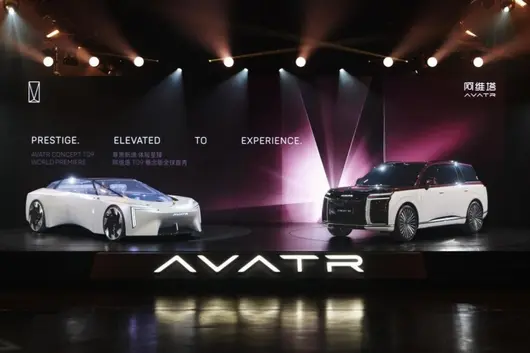
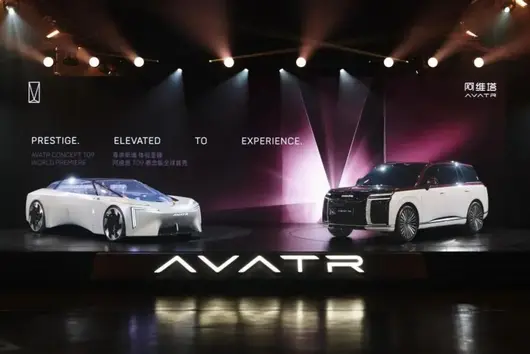
10 月 11 日,阿維塔 T09 概念版在巴黎完成全球首秀,內飾設計也是第一次對外公開;10 月 12 日至 18 日,它還會和阿維塔 06T、07L 一起出現在巴黎車展的展臺上。這是阿維塔旗艦序列的開山之作,官方把它錨定在 50 萬級豪華 SUV 市場,量產版計劃 2026 年內上市。用一台概念車在巴黎"立形象",再用兩三年時間把量產車賣到歐洲,阿維塔的野心不小——但豪華這塊招牌,從來不是一場發布會就能立穩的。

原創設計先立起"尊崇"
T09 概念版延續的是阿維塔"情感新奢"的設計哲學,官方說法是量產演繹了 VISION XPECTRA 概念車的理念。伴隨這款車亮相,阿維塔也把產品線正式分為兩條:數字序列走"隨性奢華",對應優雅、運動與個性;旗艦序列走"尊崇奢華",對應尊貴、從容與氣場。阿維塔科技董事長陳卓的說法是,兩條序列共享同一份對原創設計和品味的堅持。
落到具體造型上,前臉是最費工的部分。格柵採用立體浮雕結構,由 362 個不同立體高度的阿維塔 LOGO 元素疏密銜接;晶鑽陣列燈組用內外雙層鑽石切割,追求鑽石般的火彩質感;車頭還壓了一塊 2.1 平方米的超大蚌式前蓋,兩側配島嶼式隆起。側面用刀鋒線條加收腰曲面,D 柱以鋁飾板裝飾、融入車窗輪廓與尾翼,做出懸浮車頂的效果,門把手用水晶裝飾,旁邊集成 D-ToF 傳感器島。車尾則是一體式晶鑽尾燈,同樣是雙層鑽石切割,與前燈呼應。
阿維塔科技執行副總裁兼首席設計師 Nader Faghihzadeh 在發布會說,T09 概念版把 VISION XPECTRA 的理念轉化成了沉穩、自信的尊崇氣質,為品牌開闢出"尊崇奢華"這個更廣闊的世界。
值得注意的是,中國品牌沖高最容易走的两條路,一是堆料,二是朝著成熟豪華車的造型"致敬"。阿維塔這次選的是第三條:用原創設計和一整套自洽的說法去立形象。這路更難,也更慢,但至少方向是對的。


把"情感"做成可升降的裝置
這次首次曝光的內飾,主打寧靜、慷慨、連接三個詞。最核心的是一套行業獨有的可升降 Vortex 情感渦流:採用 360 度無縫兩段式反曲面結構,內置 118 顆 RGB LED 矩陣光源,可以和整車氛圍燈聯動出多種燈效;機構上優化靜音電機,還專門設計了防夾功能。官方想表達的,是讓數字世界和物理座艙之間有一座橋樑。
視覺重心則交給沉浸式一體三聯屏——10.25 英寸主駕儀表盤搭配兩塊 17.2 英寸的中控屏與副駕屏,和兩側空調出風口無縫融合為一體,內置 NFC,一碰即連。
要潑一點冷水的是,可升降裝置、無縫融合的大屏,都是典型的"概念車語言",好看,但量產難度不小。首秀階段看著驚艷,最終能不能保得住,取決於量產版本的取捨——畢竟真車上要過成本、可靠性和法規三關。

50 萬級和歐洲都是硬仗
技術層面,T09 是阿維塔目前技術密度最高的量產車型,集結了長安、華為、寧德時代三方能力:智駕用華為乾崑,座艙用鴻蒙,底盤用全新太行智控;動力為一套智能超級混動系統,由 2.0T 混動引擎加三電機分佈式電驅組成,系統總功率超過一千匹馬力;電池是 71.24kWh 的寧德時代驍遙超級增·混電池,官方稱 CLTC 純電續航最高超過 400 公里。
出海節奏也一併公布:目前阿維塔海外業務已覆蓋 70 個國家及地區,海外產品平均售價超過 30 萬元,並且已經實現盈利;2026 年前 8 個月海外銷量同比增長 78%。具體市場裡,埃及高端電動車市佔率達到 10%,阿維塔 11 拿下了泰國豪華純電 SUV 市場銷量第一。按照規劃,阿維塔將於 2027 年正式進入歐洲,首批核心產品為 06T 與 07L,率先登陸挪威、西班牙;到 2030 年,目標是進入超過 110 個國家和地區,海外銷量佔比超過 50%。
但這兩件事都不輕鬆。50 萬級是國內競爭最激烈的價格帶之一,長期是 BBA 的腹地;歐洲更是百年豪華品牌的主場,品牌認知和渠道體系都要從零開始搭。況且,歐盟從 2024 年 10 月起對中國產電動車加徵為期五年的反補貼稅,進入成本被明顯抬高——儘管 2026 年 1 月歐盟開放了"最低價格承諾"的替代途徑,但個案審查並不輕鬆。中國品牌在欧洲的份額確實在漲,截至 8 月底已達 11.7%,但多數還集中在性價比區間,40 萬元以上市場的門票,還得一張張去掙。

結語
綜合來看,T09 這次首秀給出的信號很明確:阿維塔不想再以性價比的身份切入海外,而是帶著 50 萬級的旗艦產品,直接站到歐洲豪華品牌的主場做展示。設計上確實拿出了原創,座艙和動力上又有長安、華為、寧德時代三家背書,這些是"往上走"的必要條件。
但必要條件不等於充分條件。50 萬級的國內市場和歐洲的豪華陣地,考驗的都不只是產品力,還有品牌認知、渠道體系與用戶信任的長期積累,這些沒法靠一兩台概念車快速補齊。首秀證明的是設計能力,之後的量產交付、定價策略和市場接受度,才是真正要交的答卷。

In the Malaysia SUV market, many buyers compare the Toyota Fortuner and MG MG HS when choosing a car. These two cars are quite close in price and positioning. Today we will make a detailed comparison from multiple aspects to help you save time on research.
The Toyota Fortuner OTR price in Malaysia is RM 195,880 - 241,880, with a total of 3 versions, including 2024 2.8T VRZ Diesel (RM 241,880), 2024 2.7L SRZ Petrol (RM 202,880), 2024 2.4L Standard Diesel (RM 195,880), etc.
The MG MG HS OTR price in Malaysia is RM 130,450 - 146,450, with a total of 2 versions, including 1.5L Standard (RM 105,000), 1.5L Executive (RM 115,000), etc.
From a price perspective, the MG MG HS starting price is RM 65,430 cheaper than the Toyota Fortuner. Honestly, in this price range, a difference of a few thousand is actually not significant; the key lies in overall value for money and long-term usage costs.
Toyota Fortuner body length is 4400 mm, trunk 400 L.
MG MG HS body length is 4400 mm, trunk 400 L.
The dimensions of both cars are almost the same, with little difference in interior space. Cars of this level are fully adequate for daily use.
Toyota Fortuner adopts FWD drive mode.
MG MG HS adopts FWD drive mode.
The drive modes of both cars are the same, both FWD, so there won't be much difference in daily driving experience.
Toyota Fortuner and MG MG HS are both mainstream choices in the Malaysia market, suitable for family use and daily commuting. If you value brand reputation and resale value more, you can prioritize the one with better reputation; if you care more about value for money and features, choose the one with richer configuration. Ultimately, we recommend test-driving both models; experiencing them personally is the most important.
Overall, Toyota Fortuner and MG MG HS are both very good models in the Malaysia market. Choosing which one depends mainly on your personal needs and budget. It is recommended to do your research, compare quotes from several car dealers, and then test-drive to make the final decision. Buying a car is a big matter; spending some time on research will never be wrong.

In the Malaysian SUV market, many buyers compare Toyota Fortuner and Chery Tiggo 9 when choosing a car. These two cars are quite close in price and positioning. Today we will make a detailed comparison from multiple aspects to help you save time on research.
Toyota Fortuner's OTR price in Malaysia is RM 195,880 - 241,880, with a total of 3 versions, including 2024 2.8T VRZ Diesel (RM 241,880), 2024 2.7L SRZ Petrol (RM 202,880), 2024 2.4L Standard Diesel (RM 195,880), etc.
Chery Tiggo 9's OTR price in Malaysia is RM 166,800 - 179,800, with a total of 1 version, including 2026 2.0T Standard (RM 179,750), etc.
From a price perspective, Chery Tiggo 9's starting price is RM 29,080 cheaper than Toyota Fortuner. To be honest, in this price segment, a difference of a few thousand is not really significant; the key is to look at the overall value for money and long-term usage costs.
Toyota Fortuner is equipped with 2.5L Diesel, 187 hp. Official fuel consumption 8.5 L/100km.
Chery Tiggo 9 is equipped with 2.0L 4-cyl, 170 hp. Official fuel consumption 8.0 L/100km.
Regarding power, Toyota Fortuner's 2.5L Diesel has 17 more horsepower than Chery Tiggo 9's 2.0L 4-cyl, with more confidence in mid-range acceleration, especially when overtaking on highways. However, Chery Tiggo 9's fuel consumption might be friendlier, and there won't be a big difference in daily city commuting.
Toyota Fortuner's safety rating is 5★ (ASEAN NCAP), active safety systems include .
Chery Tiggo 9's safety rating is TBD, active safety systems include Basic.
Toyota Fortuner body length 4400 mm, trunk 400 L.
Chery Tiggo 9 body length 4400 mm, trunk 400 L.
The dimensions of both cars are almost identical, and the interior space difference is not significant. Cars of this class are more than enough for daily use.

Toyota Fortuner adopts FWD drive mode.
Chery Tiggo 9 adopts FWD drive mode.
Both cars have the same drive mode, both are FWD, so there won't be much difference in daily driving feel.

Overall, both Toyota Fortuner and Chery Tiggo 9 are very good models in the Malaysian market. Which one to choose depends mainly on your personal needs and budget. We suggest doing your homework, comparing quotes from multiple car dealers, and then test driving to make the final decision. Buying a car is a big deal; spending time on research will never go wrong.

Pada 10 Oktober, Tayar Linglong mengeluarkan notifikasi penyesuaian harga produk TBR: Mulai 1 November, bagi pasaran runcit domestik, harga siri produk tertentu semua jenama TBR dinaikkan, peningkatan sekitar 3%.
Ini adalah surat pertama dalam gelombang kenaikan harga kali ini yang dengan jelas merangkum hari pelaksanaan ke November, surat kenaikan harga masih terus diumumkan secara rapat, jadual sudah diatur hingga bulan depan.
01
Six Surat Berkumpul, Jadual Oktober Penuh
Selepas cuti perayaan, lebih dari seminggu, notifikasi kenaikan harga baharu muncul secara berkumpulan.
Shandong Huasheng Rubber mengeluarkan surat pada 4 Oktober, kata-kata dalam surat tersebut paling terang: harga bahan mentah utama seperti getah asli, getah sintetik, dan karbon hitam terus meningkat baru-baru ini, menyebabkan kos pembuatan tayar meningkat dengan mendadak, sudah timbul kerugian yang besar; syarikat memutuskan mulai 5 Oktober menaikkan harga tayar siri semua jenama sebanyak 3%-5%, pada masa hadapan akan menyesuaikan mengikut perubahan harga bahan mentah.

Yuelong Rubber mulai 10 Oktober menaikkan harga produk sebanyak 3%, dan dengan jelas menaikkan harga kali ini tidak menerima bayaran awal; Huadong Rubber mulai 11 Oktober, bagi pasaran domestik penggantian TBR, semua jenama siri produk dinaikkan 5%, surat juga menepis bahawa kenaikan bahan mentah berterusan, harga masa depan akan terus dinaikkan.


Xiongying Rubber Technology (Qingdao) mulai 12 Oktober, bagi pasaran domestik penggantian TBR semua jenama produk dinaikkan 3%-5%, berdasarkan tarikh penghantaran, bukan tarikh pesanan.

Xiamen Zhengxin Rubber merancang mulai 25 Oktober menaikkan harga produk TBR 3%, masa hadapan tidak mustahil menyesuaikan mengikut situasi kenaikan kos.

Dalam enam surat, TBR adalah protagonis mutlak, tarikh pelaksanaan diatur dari 5 Oktober sehingga 1 November, merangkumi keseluruhan Oktober ditambah awal November.
02
Indeks Kos Naik 30% Berbanding Tahun Lalu
Asas kenaikan harga adalah kos. Pada 10 Oktober, Indeks Kos Bahan Mentah Tayar Separuh Keluli Maklumat Longzhong dilaporkan 16552.14, berkisar bulan lalu +0.37%, berbanding tahun lalu +29.98%; Indeks Kos Bahan Mentah Tayar Keluli Penuh dilaporkan 15705.37, berkisar bulan lalu +0.08%, berbanding tahun lalu +30.17%.

Pada 9 Oktober harga getah sintetik terus naik, ini adalah pendorong langsung kurva ini mengekalkan kenaikan. Dalam jadual perbandingan bahan mentah, Getah Asli (Thailand 20 #Getah Piawai Campuran, Shandong) dilaporkan 19680 Yuan/ton pada 10 Oktober, naik 2.07% berbanding 8 Oktober; Getah SBR (Qilu 1502E, China Utara) dilaporkan 17000 Yuan/ton, naik 2.41%; Getad Butadiena (Qilu BR9000, China Utara) dilaporkan 16700 Yuan/ton, naik 1.83%; Karbon Hitam (N660, Shandong) dilaporkan 9600 Yuan/ton, tetap. Tiga daripada empat bahan utama naik, hanya karbon hitam kekal stabil.

Harga tunai dan pasaran futures searah. Pada pasaran futures, futures getah pada 12 Oktober dilaporkan 19800 Yuan/ton semasa dagangan, naik 2.30% dalam sehari.

03
Stok Menurun Berturut-turut, Saluran Ikut Bergerak
Kenaikan harga tidak menyebabkan stok terkumpul, malah barang sedang dijual. Siklus ini (2 Oktober-8 Oktober), stok barang siap syarikat sampel tayar Shandong menurun berbanding bulan lalu.
Mengikut 8 Oktober, stok perputaran syarikat sampel tayar separuh keluli purata 36.95 hari, berkurang 1.72 hari berbanding bulan lalu, berkurang 7.71 hari berbanding tahun lalu; stok perputaran syarikat sampel tayar keluli penuh purata 26.16 hari, berkurang 0.96 hari berbanding bulan lalu, berkurang 13.71 hari berbanding tahun lalu.

Penurunan dua digit berbanding tahun lalu menunjukkan dua perkara: pertama, surat kenaikan harga mendorong saluran membuat pesanan awal untuk stok, kedua kelajuan penghantaran kilang lebih baik dari sebelumnya. Barang mengalir dari kilang ke gudang pengedar, tidak berhenti di kawasan kilang.
04
Tempoh Kenaikan Penuh, Naik ke Pengguna Akhir
Gelombang ini berbeza dengan beberapa gelombang sebelumnya. Biasanya kilang hanya mengisytiharkan kenaikan harga secara satu hala, saluran tidak bertindak, harga pengguna akhir tidak berubah.
Tindak lanjut saluran sebenarnya bermula dari akhir bulan lalu: 29 September, pengedar di Jilin, Shandong, Guangzhou mengeluarkan surat satu demi satu, mulai 1 Oktober naikkan 1%-5%, pengedar menyertai barisan kenaikan harga untuk pertama kali.


Gelombang kenaikan harga kali ini semakin merebak ke pasaran pengguna akhir, rangkaian runcit mula menyesuaikan, stok pengilang dan pengeluar menurun serentak, pasaran masuk tempoh kenaikan penuh. Tekanan kos pengilang, untuk pertama kali dibebankan kepada setiap bahagian dalam rantaian.
05
Pasaran Hadapan Perlu Pantau Tiga Pemboleh Ubah:
Pertama, kadar pelaksanaan jadual Oktober dan November, ditulis dalam surat tidak bermaksud harga transaksi pengguna akhir mengikut;
Kedua, adakah indeks kos akan terus meningkat, sekali getah sintetik kendur, seluruh ritma akan berubah;
Ketiga, hujung penawaran getah asli, semasa belum nampak tanda kendur, kenaikan bahan mentah 30% berbanding tahun lalu masih diteruskan ke hiliran.

Akhir Oktober hingga awal November adalah jendela pemerhatian sama ada kenaikan harga kali ini dapat benar-benar dilaksanakan. Bagi pengedar, ritma persediaan stok dan penggunaan modal perlu dikira bersama — tempoh surat kenaikan harga rapat paling mudah berlaku perebutan barang, menekan stok, kemudian permintaan tidak mampu menampung.
Langkah seterusnya, dengan harga bahan mentah dikekalkan pada tahap tinggi, jendela November hampir tiba, penyesuaian harga tayar masih akan berterusan, harga dan stok setiap bahagian dalam rantaian juga dinilai semula serentak.


锚定50万级豪华SUV,2026年内上市;华为乾崑、鸿蒙座舱、超级混动、情感涡流全上车。
2026年10月11日(巴黎),阿维塔T09概念版在巴黎完成全球首秀,内饰设计首次公开。

作为阿维塔旗舰序列开山之作,T09锚定50万级旗舰豪华SUV市场,预计2026年内正式上市。10月12日-18日,新车还将与阿维塔06T、07L等车型亮相巴黎车展。截至发布会,官方尚未公布具体售价及购车权益。
建筑之形,立不彰自显的尊崇气场
阿维塔T09以“情感新奢”为设计哲学,通过果敢自信、和谐巧思、活力个性三大核心体验,量产演绎VISION XPECTRA。

前脸采用立体浮雕结构格栅,362个不同立体高度的阿维塔LOGO元素疏密衔接,于光影间流转生辉;晶钻阵列灯组运用内外双层钻石切割设计,形成钻石般火彩质感;2.1m²超大蚌式前舱盖结合两侧岛屿式隆起,将沉稳力量与动态张力融为一体。

侧面刀锋般锐利线条、收腰曲面、平面剪切曲面与饱满体量形成对比,D柱铝饰板融入车窗轮廓与尾翼,营造悬浮车顶;水晶装饰门把手与Dtof传感器岛错落其间,旗舰气场不彰自显。车尾一体式晶钻尾灯同样采用双层钻石切割,与前灯组呼应。

情感涡流+三联屏,座舱让科技有温度
内饰延续VISION XPECTRA理念,以宁静、慷慨、连接为核心。行业独有的Vortex情感涡流采用可升降设计,360°无缝两段式反曲面,内置118颗RGB LED矩阵光源,可与整车氛围灯联动;静音电机与防夹功能,让情感交互更有温度。

座舱搭载沉浸式一体三联屏:10.25英寸主驾仪表盘搭配双17.2英寸中控屏与副驾屏,连同两侧空调出风口无缝融合,内置NFC功能,一碰即连。科技不再是冰冷堆砌,而是能感知、能预判、能共鸣的出行伙伴。

千匹马力+超400km纯电,技术密度最高
阿维塔T09是品牌迄今技术密度最高的量产车型,深度融合华为乾崑智驾、鸿蒙座舱与全新太行智控技术。底盘与操控由太行智控赋能,实现领先同级的智慧灵活操控与百万级豪华行驶质感。

动力方面,新车搭载全新智能超级混动技术,配备2.0T混动发动机与三电机分布式电驱,系统总功率超千匹马力;搭载71.24kWh宁德时代骁遥超级增·混电池,CLTC纯电续航最高超400km,兼顾长续航与高安全,覆盖全场景出行需求。
2027登陆欧洲,2030海外销量过半
以巴黎为支点,阿维塔加速全球布局,将于2027年正式进军欧洲,阿维塔06T与07L将作为首批核心产品率先进入挪威、西班牙等市场。

目前,阿维塔海外业务已扩展至70个国家及地区,产品平均售价超30万元,并已实现盈利;在埃及高端电动车市占率达10%,阿维塔11在泰国豪华纯电SUV市场销量第一。2030年,阿维塔计划进入超110个国家和地区,海外销量占总销量超50%。

阿维塔科技董事长陈卓表示,随着T09推出,阿维塔将形成数字和旗舰两大产品序列:数字序列随性奢华,对应优雅、运动与个性;旗舰序列尊崇奢华,对应尊贵、从容与气场。两条序列,同一个阿维塔,同一份对原创和品味的坚持。随着T09首秀,阿维塔以“情感新奢”直面全球豪华竞争,中国原创美学与顶尖技术正加速走向世界舞台。
本文作者为踢车帮 孙小树

[Lead: Automakers have called for "De-CATL-ification" for many years, but the reality is quite dramatic. CATL's status has not only not weakened, but has become even more solid. However, as battery cost pressures further impact whole vehicle profits, more and more automakers are introducing new battery suppliers or promoting self-developed projects to reduce battery costs, attempting to break the pattern of relying solely on CATL supply. Does this vigorous wave of supply chain adjustments mean that automakers will regain the initiative in the new energy industry chain?]
Cai Yan
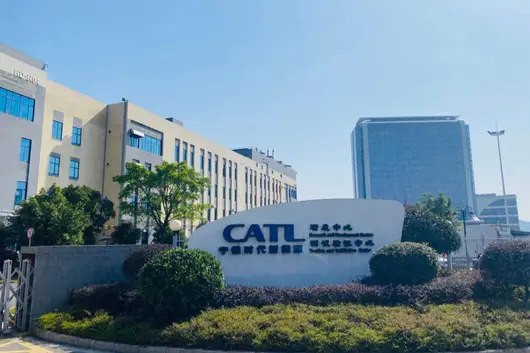
On October 10, CATL and SERES Group signed a long-term strategic cooperation agreement in Chongqing. Both sides will comprehensively deepen strategic synergy around three core areas: expanding "factory-within-a-factory", building an ultra-fast charging ecosystem, and accelerating global layout.
Since the beginning of this year, automaker profits have generally declined, while CATL, which holds power batteries, continues to earn more and more. It is not only expanding business in the domestic market but frequently advancing overseas business. Recently, CATL's Debrecen factory in Hungary started cell pilot production, reached technical licensing cooperation with BME in Egypt, and promoted Indonesia industry chain projects, seeking new growth points in the overseas market under the condition of a relatively saturated domestic market.
In the first half of 2026, CATL's revenue was 276.917 billion CNY, a year-on-year growth of 54.80%; net profit was 43.284 billion CNY, a year-on-year growth of 41.98%, with its net profit being more than double the sum of 15 listed automakers. In recent years, CATL's revenue and net profit have climbed steadily. In 2022, revenue was 328.594 billion CNY, and net profit attributable to the parent company was 30.729 billion CNY; in 2025, CATL's revenue was 423.702 billion CNY, and net profit attributable to the parent company was 72.201 billion CNY.
CATL continuously makes a fortune from automakers. In 2022, Zeng Qinghong, chairman of GAC Group at the time, once said at the World Power Battery Conference: "As battery costs account for 40%~60% of whole vehicle costs, are we now working for CATL?" This became the beginning of automakers "De-CATL-ification", and many new energy automakers also began searching one after another for new battery suppliers.
However, in the past four years, CATL has not gotten thinner, actually got stronger. Some automakers "De-CATL-ification", while some automakers get closer to CATL. On the market share front, CATL's power battery core base remains solid, with the domestic passenger car installation share in the first half reaching 46.7%, capacity utilization rate about 95%, of which ternary power battery share reaches 75.2%.

Why Some Automakers Want to Escape CATL
However, CATL's status is not impregnable, which is traceable in the capital market. Its stock price reached a high of 467.35 CNY in May this year, while Q3 continued corrections, and September saw multiple phase lows. A-share cumulative maximum drawdown in Q3 was about 23%. The divergence between strong earnings growth and falling stock price is closely related to "De-CATL-ification" market sentiment. Automakers are advancing battery supply chain diversification, with some models introducing second and third suppliers.
The first core reason for automakers choosing "De-CATL-ification" is "Supplier margins exceed Automaker margins". In the past, OEMs controlled brands, channels, and users as the "leaders" in name of the entire industry chain. Now in profit distribution, core suppliers take the biggest chunk, with power batteries and intelligent driving becoming the two biggest headaches for automakers. Automakers face fierce competition in the existing market on one hand, while discovering on the other hand that profits are taken away by upstream core suppliers.
For automakers, introducing more second-tier suppliers is the simplest and most efficient money-saving method. Calculating at a price average 5% cheaper than CATL for secondary supplier power batteries, for a 100kWh battery with a cost of 80,000 CNY, the cost difference is around 4,000 CNY. For automakers who need to bear battery tax and have thin margins, this is indeed a better choice.
A very simple example: Since 2022, more and more new cars provide power batteries from different brands according to different versions. Taking Changan Deep Blue as an example, EREV short-range batteries still procure from CATL, while BEV long-range batteries are from CALB. Automakers such operations both ensure consumers value battery brand needs, and also consider new car promotion needs.

Automakers want to shake off single-point dependence on CATL for a second reason, to break free from the shackles of battery standardization black boxes and regain vehicle bottom-level definition rights.
Know that under new energy architecture, as core hardware, battery capacity size, shape, charge/discharge speed and other characteristics affect not only vehicle price costs, but also product positioning, iteration direction, whole vehicle hardware and software underlying algorithms, etc. Therefore, once core solutions are controlled by suppliers, automakers fall into the most passive state.
And what CATL delivers externally is a closed, fixed, non-customizable black box system. From cell discharge curves, C-rate thresholds, low-temperature output logic, to BMS battery management algorithms, full-domain thermal management calibration, safety protection mechanisms, all rules, data, algorithms are exclusively encapsulated and locked by CATL.
To put it plainly, when automakers do business with CATL, they are not purchasing customizable hardware, but a ready-made technical solution. How much battery underlying strategy can be adjusted, automakers do not have much say.
Taking BMS strategy adjustment as an example, automakers first submit requirements, battery factory assesses feasibility, after both parties business negotiations confirm, battery factory executes. After this string of processes, under conditions not fully controlled by automakers, facing the current involution automotive market, automakers often find themselves in a very awkward situation.
It is worth mentioning that since BMS algorithm is one of the most core business secrets of battery factories, algorithm strategy is the result of years of data accumulation and R&D investment of battery factories. Therefore, behind this inevitable reality, is the conflict between automakers requiring lower costs, more efficient definition rights, product pace and battery factory business secrets.

Therefore, if asking automakers "What is it they truly seek in 'De-CATL-ification'?" It is that, automakers do not want final product definition rights, technical iteration initiative to be held hostage by battery logic.
When top automakers all adopt CATL standardized battery solutions, all models' range, charging logic, safety, energy consumption baselines tend to homogenize, automakers' differentiation built with huge effort will be flattened by unified battery solutions.
Change perspective to give an example: If in fuel vehicle era, most car brands all adopt same set of engine + transmission, even fuel tank capacity size highly unified, automakers product definition would be hard to discuss. Therefore, automakers in 2026 promoting battery factory diversification, self-developed batteries, jointly customized cells, is not simply to drive down costs, bypass 4% battery tax. Facing current situation, some automakers willing to endure short-term consumer opinion, market losses, technical pains, also to regain vehicle underlying algorithms and product definition rights in their own hands.
"Making Batteries" Becomes the Ticket to World-Class Automakers
CPCA Secretary-General Cui Dongshu once judged "Automakers must make batteries, otherwise impossible to become world-class whole vehicle enterprises". This is why in 2026, brands with most actions on "De-CATL-ification" are often new force brands, while BYD, Great Wall, Geely and other traditional automakers with early layout in battery field relatively do not exist such pressure.
However, "calling slogans" is easy, true landing is very hard. First about automakers self-developed batteries, not to mention whether can save money, at least invested production capacity, losses, market reputation and technical ramp-up, market validation cycle, requires automakers to have sufficient determination confidence.

After all, power batteries involve materials science, electrochemistry, thermal management, manufacturing processes and other fields system engineering. CATL ability to reach PPB level (one part in a billion) safety standards, behind is result of countless R&D personnel and years of data accumulation.
Currently, whether Xiaomi, Xpeng, Li Auto, so-called self-developed batteries, actually target battery pack, BMS, thermal management, structural design and other battery system integration links, cell production technology undertaken by battery factory. And automakers need to invest time not low. Taking Li Auto as example, 2020 Fall finalized "cell + chip" dual self-development, to September 2026 only gradually launched self-developed batteries, more critical is during period Li Auto invested in Sunwoda, became second shareholder.
About so-called "De-CATL-ification" market opinion, this matter essence is not automakers abandoning battery factories, but subtle changes in supply-demand relationship. Previously was "no alternative to CATL", now automakers more value "efficiency, cost, controllability, definition rights" comprehensive factors, changed to "having CATL is good, but without also manage well".

Commentary
This round "De-CATL-ification" wave let CATL market value evaporate hundreds of billions. However, currently, CATL equity after October Golden Week finally has some rebound. CATL in battery technology, installation volume scale, safety factor, energy storage, battery swapping and other aspects still has advantages. Institutions observe whether CATL power batteries can stabilize, domestic market share changes, overseas business expansion and other situations. Automakers battery procurement diversification is trend, capable automakers self-developing batteries is trend. And facing whole vehicle factory supply chain diversification wave, CATL on one hand consolidate domestic power battery core base, on other hand accelerate Hungary, Egypt and other overseas base landing.
(This article is original "Heyan Yueche", without authorization, no reprinting)

喺馬來西亞嘅 SUV 市場,好多買家喺揀車嗰陣都會用豐田 Fortuner 同奇瑞 Tiggo 8 Pro 做比較。兩款車喺價位同定位上都幾接近,而家我哋就從多個方面做一個詳細嘅比較,幫你慳返做功課嘅時間。
豐田 Fortuner 喺馬來西亞嘅 OTR 售價係 RM 195,880 - 241,880,一總共有 3 個版本,包括 2024 2.8T VRZ Diesel(RM 241,880)、2024 2.7L SRZ Petrol(RM 202,880)、2024 2.4L Standard Diesel(RM 195,880) 等。
奇瑞 Tiggo 8 Pro 喺馬來西亞嘅 OTR 售價係 RM 159,750 - 159,750,一總共有 2 個版本,包括 1.6L Turbo Standard(RM 130,000)、1.6L Turbo Premium(RM 145,000) 等。
由價錢睇,奇瑞 Tiggo 8 Pro 嘅起步價比豐田 Fortuner 平咗 RM 36,130。老實講,喺呢個價位段,幾千塊嘅差距其實唔算大,關鍵仲係睇整體嘅性價比同埋長期使用成本。
豐田 Fortuner 嘅安全評級係 5★ (ASEAN NCAP),主動安全系統包括 。
奇瑞 Tiggo 8 Pro 嘅安全評級係 TBD,主動安全系統包括 Basic。
豐田 Fortuner 採用 FWD 驅動方式。
奇瑞 Tiggo 8 Pro 採用 FWD 驅動方式。
兩部車嘅驅動方式一樣,都係 FWD,日常駕駛感受唔會有太大分別。
豐田 Fortuner 保修 5 年/無限制里程,保養間隔 每 10,000km 或 6 個月。
奇瑞 Tiggo 8 Pro 保修 3 年/100,000km,保養間隔 每 10,000km 或 6 個月。
總括嚟講,豐田 Fortuner 同奇瑞 Tiggo 8 Pro 都係馬來西亞市場幾好嘅車型。揀邊一部,關鍵仲係睇你嘅個人需求同預算。建議大家做好功課,多比較幾間車行嘅報價,再去試駕先做最終決定。買車係件大事,花少少時間做功課絕對唔會錯。

喺馬來西亞嘅 SUV 市場,好多買家喺揀車嘅時候都會拿 Toyota Fortuner 同 Mazda CX-60 嚟做比較。這兩部車喺價位同定位上都幾接近,今日我就從多個方面做一個詳細嘅比較,幫你省咗做功課嘅時間。
Toyota Fortuner 喺馬來西亞嘅 OTR 售價係 RM 195,880 - 241,880,總共有 3 個版本,包括 2024 2.8T VRZ Diesel(RM 241,880)、2024 2.7L SRZ Petrol(RM 202,880)、2024 2.4L Standard Diesel(RM 195,880) 等。
Mazda CX-60 喺馬來西亞嘅 OTR 售價係 RM 200,510 - 252,873,總共有 2 個版本,包括 2026 3.3T 4WD High Plus(RM 252,873)、2025 2.5L 2WD High(RM 200,510) 等。
睇落嚟,Toyota Fortuner 嘅起價的確比 Mazda CX-60 平咗 RM 4,630。如果你預算有限,Toyota 嘅入門版已經可以滿足日常需要。但都要留心,便宜嗰幾千蚊,可能喺配備上會有取舍,具體要睇你嘅需要。
Toyota Fortuner 嘅安全評級係 5★ (ASEAN NCAP),主動安全系統包括。
Mazda CX-60 嘅安全評級係 5★ (Euro NCAP),主動安全系統包括 i-Activsense Pro。
Toyota Fortuner 保修 5 年/無限制里程,保養間隔 每 10,000km 或 6 個月。
Mazda CX-60 保修 5 年/150,000km,保養間隔 每 10,000km 或 6 個月。
Toyota Fortuner 同 Mazda CX-60 都係馬來西亞市場嘅主流選擇,適合家庭使用、日常通勤。如果你更睇重品牌口碑同二手價,可以優先考慮口碑更好嗰款;如果你更重視性價比同配備,咁就揀配置更豐富嗰款。最終都建議兩款都去試駕,親身體驗先係最重要嘅。

總體嚟講,Toyota Fortuner 同 Mazda CX-60 都係馬來西亞市場幾唔錯嘅車型。揀邊一部,關鍵都要睇你嘅個人需要同預算。建議大家做足功課,多比較幾間車行嘅報價,先至去試駕做最終決定。買車係件大事,花少少時間做功課絕對唔會錯。

In the Malaysian SUV market, many buyers compare the Toyota Fortuner and Mazda CX-3 when choosing a car. Both cars are quite close in price and positioning. Today we will make a detailed comparison from multiple aspects to save you time on research.
The Toyota Fortuner's OTR price in Malaysia is RM 195,880 - 241,880, with a total of 3 versions, including 2024 2.8T VRZ Diesel (RM 241,880), 2024 2.7L SRZ Petrol (RM 202,880), 2024 2.4L Standard Diesel (RM 195,880), etc.
The Mazda CX-3's OTR price in Malaysia is RM 126,159 - 139,159, with a total of 2 versions, including 2023 2.0L High (RM 139,159), 2023 2.0L Plus (RM 126,159), etc.
In terms of price, the starting price of the Mazda CX-3 is RM 69,721 cheaper than the Toyota Fortuner. To be honest, in this price range, the difference of a few thousand is actually not significant; the key is to look at the overall cost-performance ratio and long-term usage cost.
The Toyota Fortuner comes with a 2.5L Diesel engine, with 187 hp. Official fuel consumption is 8.5 L/100km.
The Mazda CX-3 comes with a 1.5L Turbo engine, with 140 hp. Official fuel consumption is 7.0 L/100km.
In terms of power, the Toyota Fortuner's 2.5L Diesel has 47 more horsepower than the Mazda CX-3's 1.5L Turbo, offering more confidence in mid-range acceleration, especially when overtaking on highways. However, the Mazda CX-3's fuel consumption might be more friendly, and the difference during daily city commuting won't be too large.
The Toyota Fortuner has a body length of 4400 mm and a trunk of 400 L.
The Mazda CX-3 has a body length of 4500 mm and a trunk of 450 L.
In terms of space, the Mazda CX-3's body is 100 mm longer than the Toyota Fortuner, giving it an advantage in passenger space. However, the Toyota Fortuner is slightly more flexible when parking in the city, and each has its trade-offs.
Both the Toyota Fortuner and Mazda CX-3 are mainstream choices in the Malaysian market, suitable for family use and daily commuting. If you value brand reputation and resale price more, you can prioritize the one with better reputation; if you care more about cost-performance ratio and features, choose the one with richer configuration. Ultimately, it is suggested to test drive both models, as experiencing it firsthand is the most important.

Overall, both the Toyota Fortuner and Mazda CX-3 are very good models in the Malaysian market. Which one to choose depends on your personal needs and budget. We suggest you do your research, compare quotes from several dealerships, and then test drive before making a final decision. Buying a car is a big deal, and spending time doing research will never be wrong.
In Malaysia's SUV market, many buyers compare the Toyota Corolla Cross and BMW X1 when choosing a car. The prices and positioning of these two cars are quite close. Today, we will conduct a detailed comparison from multiple aspects to help you save time on research.
The OTR price of the Toyota Corolla Cross in Malaysia is RM 133,800 - 148,800. There are a total of 3 versions, including 2026 HEV 1.8L GR Sport (RM 148,800), 2026 HEV 1.8L Standard (RM 140,800), 2026 1.8L Standard (RM 133,800), etc.
The OTR price of the BMW X1 in Malaysia is RM 252,800 - 252,800. There are a total of 2 versions, including sDrive18i (RM 220,000), sDrive20i (RM 250,000), etc.
From a price perspective, the starting price of the Toyota Corolla Cross is indeed RM 119,000 cheaper than the BMW X1. If your budget is limited, Toyota's entry-level version can already meet daily needs. However, be aware that the few thousand difference might involve compromises on features; it depends on your specific requirements.

Toyota Corolla Cross is equipped with a 1.5L Turbo, 140 hp. Official fuel consumption 7.0 L/100km.
BMW X1 is equipped with a 2.0L Turbo, 220 hp. Official fuel consumption 9.5 L/100km.
In terms of power, the BMW X1's 2.0L Turbo has 80 more horsepower than the Toyota Corolla Cross's 1.5L Turbo. However, for daily city driving, both cars have sufficient power, and you won't feel underpowered.

Toyota Corolla Cross's safety rating is 5★ (ASEAN NCAP), active safety systems include TSS (PCS, LDA, ACC, LTA).
BMW X1's safety rating is 5★ (Euro NCAP), active safety systems include Premium ADAS.
Regarding safety features, both cars have received good ratings. However, the Toyota Corolla Cross's TSS (PCS, LDA, ACC, LTA) and BMW X1's Premium ADAS differ in functionality. If you value active safety, you can compare the feature lists of both closely.

Toyota Corolla Cross body length 4400 mm, trunk 400 L.
BMW X1 body length 4400 mm, trunk 400 L.
The dimensions of both cars are almost the same, and the interior space is not significantly different. For cars at this level, it is more than enough for daily use.

Toyota Corolla Cross warranty 5 years/unlimited mileage, maintenance interval every 10,000km or 6 months.
BMW X1 warranty 5 years/unlimited mileage, maintenance interval every 10,000km or 6 months.

Overall, Toyota Corolla Cross and BMW X1 are both very good models in the Malaysian market. Which one to choose depends mainly on your personal needs and budget. We recommend doing your research, comparing quotes from several dealerships, and then test driving to make a final decision. Buying a car is a big matter, spending some time doing research will never be wrong.


Di pasaran SUV Malaysia, ramai pembeli semasa memilih kereta akan membandingkan Toyota Fortuner dan Mazda CX-30. Kedua-dua kereta ini mempunyai harga dan kedudukan yang hampir sama. Hari ini, kami akan membuat perbandingan terperinci dari pelbagai aspek, membantu anda menjimatkan masa membuat kajian.
Harga OTR Toyota Fortuner di Malaysia ialah RM 195,880 - 241,880, dengan jumlah 3 varian, termasuk 2024 2.8T VRZ Diesel (RM 241,880), 2024 2.7L SRZ Petrol (RM 202,880), 2024 2.4L Standard Diesel (RM 195,880) dan lain-lain.
Harga OTR Mazda CX-30 di Malaysia ialah RM 122,409 - 146,409, dengan jumlah 4 varian, termasuk 2025 2.0L High+ Premium (RM 146,409), 2025 2.0L High+ (RM 138,409), 2025 2.0L High (RM 130,409) dan lain-lain.
Ditinjau dari harga, harga permulaan Mazda CX-30 lebih murah RM 73,471 berbanding Toyota Fortuner. Jujur katakan, dalam julat harga ini, perbezaan ribuan ringgit sebenarnya tidak besar, yang penting adalah nilai keseluruhan dan kos penggunaan jangka panjang.
Kereta Toyota Fortuner mempunyai panjang 4400 mm, ruang bagasi 400 L.
Kereta Mazda CX-30 mempunyai panjang 4500 mm, ruang bagasi 450 L.
Dari segi ruang, badan Mazda CX-30 adalah 100 mm lebih panjang daripada Toyota Fortuner, ruang duduk lebih menguntungkan. Namun Toyota Fortuner lebih fleksibel untuk memarkir di bandar, setiap satu ada pertukaran.
Toyota Fortuner menggunakan sistem penggerak FWD.
Mazda CX-30 menggunakan sistem penggerak FWD.
Sistem penggerak kedua-dua kereta adalah sama, iaitu FWD, pengalaman memandu harian tidak akan terlalu berbeza.
Toyota Fortuner dan Mazda CX-30 adalah pilihan utama pasaran Malaysia, sesuai untuk penggunaan keluarga, perjalanan harian. Jika anda lebih mementingkan reputasi jenama dan nilai jualan semula, pertimbangkan dahulu yang reputasi lebih baik; jika anda lebih mementingkan nilai dan peralatan, pilih yang lebih dilengkapi. Akhir sekali, disarankan kedua-dua model dicuba, pengalaman peribadi adalah yang paling penting.

Secara keseluruhan, Toyota Fortuner dan Mazda CX-30 adalah model kereta yang sangat baik di pasaran Malaysia. Memilih yang mana, kunci utama adalah melihat keperluan dan bajet peribadi anda. Disarankan buat kajian terlebih dahulu, bandingkan lebih banyak kutipan harga kedai kereta, kemudian cuba sebelum membuat keputusan akhir. Membeli kereta adalah perkara besar, meluangkan masa untuk membuat kajian tidak akan salah.

Dalam pasaran SUV di Malaysia, ramai pembeli semasa memilih kereta sering membandingkan Toyota Corolla Cross dengan Subaru Crosstrek. Kedua-dua kereta ini mempunyai harga dan kedudukan pasaran yang agak hampir. Hari ini, kita akan membuat perbandingan terperinci dari pelbagai aspek untuk membantu anda menjimatkan masa membuat kajian.
Toyota Corolla Cross dijual di Malaysia dengan harga OTR antara RM 133,800 hingga RM 148,800, terdapat 3 varian, termasuk 2026 HEV 1.8L GR Sport (RM 148,800), 2026 HEV 1.8L Standard (RM 140,800), 2026 1.8L Standard (RM 133,800) dan lain-lain.
Subaru Crosstrek dijual di Malaysia dengan harga OTR antara RM 145,000 hingga RM 160,000, terdapat 1 varian, termasuk 2.0L e-Boxer (RM 150,000) dan lain-lain.
Dari segi harga, Toyota Corolla Cross lebih murah sebanyak RM 11,200 dari Subaru Crosstrek pada varian permulaan. Jika bajet anda terhad, varian permulaan Toyota sudah memadai untuk kegunaan harian. Namun, perlu diingat bahawa perbezaan harga tersebut mungkin melibatkan kompromi pada peralatan, bergantung pada keperluan anda.
Toyota Corolla Cross menggunakan enjin 1.5L Turbo, kuasa 140 hp. Penggunaan bahan api rasmi 7.0 L/100km.
Subaru Crosstrek menggunakan enjin 1.5L Turbo, kuasa 140 hp. Penggunaan bahan api rasmi 7.0 L/100km.
Kedua-dua kereta menggunakan sistem penggerak yang sama, jadi perbezaan perasaannya semasa memandu harian adalah hampir sama. Penggunaan bahan api juga hampir serupa, jadi anda tidak perlu terlalu bimbang tentang perkara ini.
Penilaian keselamatan Toyota Corolla Cross adalah 5★ (ASEAN NCAP), sistem keselamatan aktif termasuk TSS (PCS, LDA, ACC, LTA).
Subaru Crosstrek mempunyai penilaian keselamatan 5★ (Euro NCAP), sistem keselamatan aktif termasuk EyeSight.
Dari segi peralatan keselamatan, kedua-dua kereta memperoleh penilaian yang baik. Namun, TSS (PCS, LDA, ACC, LTA) pada Toyota Corolla Cross dan EyeSight pada Subaru Crosstrek mempunyai perbezaan tertentu dari segi fungsi. Jika anda sangat mengutamakan keselamatan aktif, sila bandingkan senarai fungsi kedua-duanya dengan teliti.
Toyota Corolla Cross mempunyai jaminan 5 tahun/jarak perjalanan tanpa had, selang servis setiap 10,000km atau 6 bulan.
Subaru Crosstrek mempunyai jaminan 3 tahun/100,000km, selang servis setiap 10,000km atau 6 bulan.

Toyota Corolla Cross dan Subaru Crosstrek kedua-duanya merupakan pilihan utama dalam pasaran Malaysia, sesuai untuk kegunaan keluarga dan perjalanan harian. Jika anda lebih mengutamakan reputasi jenama dan nilai jualan semula, pertimbangkan model dengan reputasi yang lebih baik; jika anda lebih mementingkan nisbah harga dan nilai serta peralatan, pilih model yang mempunyai konfigurasi lebih lengkap. Pada akhirnya, disyorkan untuk ujian memandu kedua-dua kereta, pengalaman langsung adalah yang paling penting.
Secara keseluruhan, Toyota Corolla Cross dan Subaru Crosstrek kedua-duanya merupakan model kereta yang sangat baik di pasaran Malaysia. Memilih salah seorangnya bergantung pada keperluan peribadi dan bajet anda. Kami sarankan anda membuat kajian terlebih dahulu, membandingkan sebut harga dari beberapa dealer kereta, kemudian buat ujian memandu untuk membuat keputusan akhir. Membeli kereta adalah urusan besar, meluangkan masa membuat kajian tidak akan salah.

喺馬來西亞嘅 SUV 市場,好多買家喺揀車嗰陣都會拿 豐田 Corolla Cross 同 速霸路 Crosstrek 嚟做比較。兩款車喺價位同定位上都好接近,今日我哋就由多個方面做一次詳細嘅比較,幫你節省咗做功課嘅時間。
豐田 Corolla Cross 喺馬來西亞嘅 OTR 售價係 RM 133,800 - 148,800,合共 3 個版本,包括 2026 HEV 1.8L GR Sport(RM 148,800)、2026 HEV 1.8L Standard(RM 140,800)、2026 1.8L Standard(RM 133,800)等。
速霸路 Crosstrek 喺馬來西亞嘅 OTR 售價係 RM 145,000 - 160,000,合共 1 個版本,包括 2.0L e-Boxer(RM 150,000)等。
由價錢睇,豐田 Corolla Cross 嘅入門價確實比 速霸路 Crosstrek 平咗 RM 11,200。如果你預算有限,豐田嘅入門版已經可以滿足日常需求。但係要小心,平嘅嗰幾千蚊,可能喺配備上會有所取捨,具體要睇返你嘅需求。
豐田 Corolla Cross 嘅安全評級係 5★ (ASEAN NCAP),主動安全系統包括 TSS (PCS, LDA, ACC, LTA)。
速霸路 Crosstrek 嘅安全評級係 5★ (Euro NCAP),主動安全系統包括 EyeSight。
安全配備方面,兩款車都拿到唔錯嘅評級。不過豐田 Corolla Cross 嘅 TSS (PCS, LDA, ACC, LTA) 同 速霸路 Crosstrek 嘅 EyeSight 喺功能上有些差異,如果你比較重視主動安全嘅話,可以仔細比較下兩者嘅功能列表。
豐田 Corolla Cross 採用 FWD 驅動方式。
速霸路 Crosstrek 採用 FWD 驅動方式。
兩款車嘅驅動方式一樣,都係 FWD,日常駕駛感受唔會有太大分別。
豐田 Corolla Cross 保養保修 5 年/無限制里程,保養間隔 每 10,000km 或 6 個月。
速霸路 Crosstrek 保養保修 3 年/100,000km,保養間隔 每 10,000km 或 6 個月。
總括嚟講,豐田 Corolla Cross 同 速霸路 Crosstrek 都係馬來西亞市場幾好嘅車款。揀邊一輛,關鍵始終要睇你嘅個人需求同預算。建議大家做好功課,多比較幾間車行嘅報價,先至去試駕做最終決定。買車係一件大事,花啲時間做功課絕對唔會錯。
In the Malaysian SUV market, many buyers compare the Toyota Corolla Cross and Hyundai Santa Fe when choosing a car. These two models are quite close in price and positioning. Today, we will make a detailed comparison from multiple aspects to help you save time on research.
The OTR price for the Toyota Corolla Cross in Malaysia is RM 133,800 - 148,800. There are a total of 3 versions, including 2026 HEV 1.8L GR Sport (RM 148,800), 2026 HEV 1.8L Standard (RM 140,800), 2026 1.8L Standard (RM 133,800), etc.
The OTR price for the Hyundai Santa Fe in Malaysia is RM 225,000 - 270,000. There are a total of 3 versions, including 2025 2.5T DCT 4WD Calligraphy 6 Seats (RM 270,000), 2025 HEV 1.6T AT 2WD Prestige 7 Seats (RM 245,000), 2025 HEV 1.6T AT 2WD Prime 7 Seats (RM 225,000), etc.
Looking at the price, the starting price of the Toyota Corolla Cross is indeed RM 91,200 cheaper than the Hyundai Santa Fe. If your budget is limited, Toyota's entry-level version can already meet daily needs. But also note, the few thousand ringgit saved might involve trade-offs in features, depending on your specific needs.
The Toyota Corolla Cross is equipped with a 1.5L Turbo, horsepower 140 hp. Official fuel consumption 7.0 L/100km.
The Hyundai Santa Fe is equipped with a 2.0L 4-cyl, horsepower 170 hp. Official fuel consumption 8.0 L/100km.
In terms of power, the Hyundai Santa Fe's 2.0L 4-cyl has 30 more horsepower than the Toyota Corolla Cross's 1.5L Turbo. However, for daily city driving, both cars have enough power and won't feel weak.
The safety rating for the Toyota Corolla Cross is 5★ (ASEAN NCAP), active safety systems include TSS (PCS, LDA, ACC, LTA).
The safety rating for the Hyundai Santa Fe is TBD, active safety systems include Basic.
In terms of safety features, both cars have received good ratings. However, the TSS (PCS, LDA, ACC, LTA) of the Toyota Corolla Cross and the Basic of the Hyundai Santa Fe differ in functionality. If you value active safety highly, you can carefully compare the feature lists of both.
The Toyota Corolla Cross body length is 4400 mm, trunk 400 L.
The Hyundai Santa Fe body length is 4400 mm, trunk 400 L.
The dimensions of both cars are almost the same, interior space difference is not significant. For this class of car, it is fully sufficient for daily use.

Both Toyota Corolla Cross and Hyundai Santa Fe are mainstream choices in the Malaysian market, suitable for family use and daily commuting. If you value brand reputation and resale value more, prioritize the one with better reputation; if you care more about value for money and features, choose the one with richer configuration. Ultimately, it is recommended to test drive both, as personal experience is the most important.

Overall, both Toyota Corolla Cross and Hyundai Santa Fe are very good models in the Malaysian market. Which one to choose depends mainly on your personal needs and budget. It is recommended to do your research, compare quotes from several dealerships, and then test drive to make the final decision. Buying a car is a big matter, taking time to do research will never be wrong.
In the Malaysia SUV market, many buyers compare Toyota Corolla Cross and Mitsubishi Xforce when choosing a car.
The OTR price of Toyota Corolla Cross in Malaysia is RM 133,800 - 148,800, with a total of 3 versions, including 2026 HEV 1.8L GR Sport (RM 148,800), 2026 HEV 1.8L Standard (RM 140,800), 2026 1.8L Standard (RM 133,800), etc.
The OTR price of Mitsubishi Xforce in Malaysia is RM 109,930 - 119,930, with a total of 2 versions, including 2026 1.5L Ultimate (RM 119,930), 2026 1.5L Urban (RM 109,930), etc.
In terms of price, the starting price of Mitsubishi Xforce is RM 23,870 cheaper than Toyota Corolla Cross. Honestly, in this price range, a difference of a few thousand is not that big; the key is to look at overall value for money and long-term usage costs.
Toyota Corolla Cross safety rating is 5★ (ASEAN NCAP), active safety systems include TSS (PCS, LDA, ACC, LTA).
Mitsubishi Xforce safety rating is 5★ (ASEAN NCAP), active safety systems include MI-PILOT.
The safety ratings of both cars are the same, and the safety equipment is quite complete in this class. New car safety nowadays is not bad, no need to worry too much about this point.
Toyota Corolla Cross warranty 5 years/unlimited mileage, maintenance interval every 10,000km or 6 months.
Mitsubishi Xforce warranty 3 years/100,000km, maintenance interval every 10,000km or 6 months.
Both Toyota Corolla Cross and Mitsubishi Xforce are mainstream choices in the Malaysia market, suitable for family use and daily commuting. If you value brand reputation and resale value more, you can prioritize the one with a better reputation; if you care more about value for money and equipment, choose the one with richer configurations. In the end, it is recommended to test drive both, experiencing it personally is the most important.

Overall, Toyota Corolla Cross and Mitsubishi Xforce are both very good models in the Malaysia market. Which one to choose depends mainly on your personal needs and budget. We recommend doing your research, comparing quotes from several car dealerships, and then test driving to make a final decision. Buying a car is a big matter, spending time doing research will never be wrong.
In the Malaysia SUV market, many buyers compare Toyota Corolla Cross and Chery Tiggo 8 when choosing a car.
The OTR price of Toyota Corolla Cross in Malaysia is RM 133,800 - 148,800, with a total of 3 versions, including 2026 HEV 1.8L GR Sport (RM 148,800), 2026 HEV 1.8L Standard (RM 140,800), 2026 1.8L Standard (RM 133,800), etc.
The OTR price of Chery Tiggo 8 in Malaysia is RM 129,750 - 129,750, with a total of 1 version, including 2026 1.6T Standard (RM 129,750), etc.
From a price perspective, the starting price of Chery Tiggo 8 is RM 4,050 cheaper than Toyota Corolla Cross. Honestly, in this price range, a difference of a few thousand is not really big, the key is still to look at overall value for money and long-term usage costs.
Toyota Corolla Cross uses FWD drive mode.
Chery Tiggo 8 uses FWD drive mode.
Both cars have the same drive mode, both are FWD, there won't be too much difference in daily driving experience.
Toyota Corolla Cross warranty 5 years/unlimited mileage, maintenance interval every 10,000km or 6 months.
Chery Tiggo 8 warranty 3 years/100,000km, maintenance interval every 10,000km or 6 months.
Toyota Corolla Cross and Chery Tiggo 8 are both mainstream choices in the Malaysia market, suitable for family use and daily commuting. If you value brand reputation and resale value more, you can prioritize the one with better reputation; if you care more about value for money and features, choose the one with richer specifications. Ultimately, it is recommended to test drive both, personal experience is the most important.

Overall, Toyota Corolla Cross and Chery Tiggo 8 are both very good models in the Malaysia market. Which one to choose depends on your personal needs and budget. It is recommended to do research, compare quotes from several dealerships, and then test drive to make the final decision. Buying a car is a big matter, spending time doing research will never be wrong.

喺馬來西亞嘅 SUV 市場,好多買家喺揀車嗰陣都會拿 Toyota Corolla Cross 同 Mazda CX-60 嚟做比較。呢兩款車喺價錢同定位上都幾接近,今日我哋就由多個方面做一個詳細嘅比較,幫你省咗做功課嘅時間。
Toyota Corolla Cross 喺馬來西亞嘅 OTR 售價係 RM 133,800 - 148,800,一共有 3 個版本,包括 2026 HEV 1.8L GR Sport(RM 148,800)、2026 HEV 1.8L Standard(RM 140,800)、2026 1.8L Standard(RM 133,800) 等。
Mazda CX-60 喺馬來西亞嘅 OTR 售價係 RM 200,510 - 252,873,一共有 2 個版本,包括 2026 3.3T 4WD High Plus(RM 252,873)、2025 2.5L 2WD High(RM 200,510) 等。
由價錢嚟睇,Toyota Corolla Cross 嘅起步價確實比 Mazda CX-60 平咗 RM 66,710。如果你預算有限,Toyota 嘅入門版已經可以滿足日常需求。但都要注意,平嗰幾千蚊,可能喺配備上面會有取捨,具體要睇你嘅需求。
Toyota Corolla Cross 搭載 1.5L Turbo,馬力 140 hp。官方油耗 7.0 L/100km。
Mazda CX-60 搭載 2.0L 4-cyl,馬力 170 hp。官方油耗 8.0 L/100km。
動力方面,Mazda CX-60 嘅 2.0L 4-cyl 比 Toyota Corolla Cross 嘅 1.5L Turbo 多咗 30 匹馬力。不過日常喺市區開,兩款車嘅動力都够用,唔會覺得唔夠力。
Toyota Corolla Cross 採用 FWD 驅動方式。
Mazda CX-60 採用 FWD 驅動方式。
兩款車嘅驅動方式一樣,都係 FWD,日常駕駛感受唔會有太大區別。
Toyota Corolla Cross 保修 5 年/無限制里程,保養間隔 每 10,000km 或 6 個月。
Mazda CX-60 保修 5 年/150,000km,保養間隔 每 10,000km 或 6 個月。
Toyota Corolla Cross 同 Mazda CX-60 都係馬來西亞市場嘅主流選擇,適合家庭使用、日常通勤。如果你更加重視品牌口碑同二手價,可以優先考慮口碑更好嗰一款;如果你更加在意性價比同配備,嗰就揀配置更豐富嗰款。最後都建議兩款都去試駕,親身體驗先係最重要嘅。
總而言之,Toyota Corolla Cross 同 Mazda CX-60 都係馬來西亞市場幾唔錯嘅車型。揀邊輛,關鍵都要睇你嘅個人需求同預算。建議大家做好功課,多比較幾間車行嘅報價,先至去試駕做最終決定。買車係件大事,花少少時間做功課絕對唔會錯。

In the Malaysian SUV market, many buyers often compare the Toyota Yaris Cross and Subaru Crosstrek when choosing a car. These two cars are quite close in price and positioning. Today we will make a detailed comparison from multiple aspects to help you save time on research.
The Toyota Yaris Cross OTR price in Malaysia is RM 99,900 - 109,900, there are 2 versions in total, including 2026 1.5L Standard (RM 99,900), 2026 HEV 1.5L Standard (RM 109,900), etc.
The Subaru Crosstrek OTR price in Malaysia is RM 145,000 - 160,000, there is 1 version in total, including 2.0L e-Boxer (RM 150,000), etc.
From a price perspective, the starting price of the Toyota Yaris Cross is indeed cheaper than the Subaru Crosstrek by RM 45,100. If your budget is limited, Toyota's entry-level version can already meet daily needs. But also note, the few thousand cheaper might involve trade-offs in features, it depends on your specific needs.

The Toyota Yaris Cross safety rating is 5★ (ASEAN NCAP), active safety systems include TSS.
The Subaru Crosstrek safety rating is 5★ (Euro NCAP), active safety systems include EyeSight.
In terms of safety features, both cars have received good ratings. However, there are some differences in functionality between the Toyota Yaris Cross's TSS and the Subaru Crosstrek's EyeSight. If you value active safety highly, you can compare the feature lists of both in detail.

Toyota Yaris Cross body length 4400 mm, trunk 400 L.
Subaru Crosstrek body length 4400 mm, trunk 400 L.
The dimensions of both cars are almost the same, the difference in interior space is not significant. For this level of car, daily use is completely sufficient.

Toyota Yaris Cross adopts FWD drive type.
Subaru Crosstrek adopts FWD drive type.
Both cars have the same drive type, both are FWD, there will not be too big a difference in daily driving feel.
Overall, both the Toyota Yaris Cross and Subaru Crosstrek are very good models in the Malaysian market. Which one to choose depends mainly on your personal needs and budget. We suggest everyone do their research, compare quotes from several dealers, and then go for a test drive to make the final decision. Buying a car is a big matter, spending some time on research will never be wrong.


喺馬來西亞嘅 SUV 市場,好多買家喺揀車嘅時候都會拿 Toyota Yaris Cross 同 Subaru Crosstrek 黎做比較。這兩款車喺價位同定位上都幾接近,今日我哋就從多個方面做一個詳細嘅比較,幫你省返做功課嘅時間。
Toyota Yaris Cross 喺馬來西亞嘅 OTR 售價係 RM 99,900 - 109,900,一共有 2 個版本,包括 2026 1.5L Standard(RM 99,900)、2026 HEV 1.5L Standard(RM 109,900) 等等。
Subaru Crosstrek 喺馬來西亞嘅 OTR 售價係 RM 145,000 - 160,000,一共有 1 個版本,包括 2.0L e-Boxer(RM 150,000) 等等。
從價錢嚟睇,Toyota Yaris Cross 嘅起步價確實比 Subaru Crosstrek 平咗 RM 45,100。如果你預算有限,Toyota 嘅入門版已經可以滿足日常需要。但要留心,平嘅嗰幾千蚊,可能喺配備上會有取舍,具體要看你嘅需要。
Toyota Yaris Cross 搭載 1.5L 4-cyl,馬力 105 hp。官方油耗 6.0 L/100km。
Subaru Crosstrek 搭載 1.5L Turbo,馬力 140 hp。官方油耗 7.0 L/100km。
動力方面,Subaru Crosstrek 嘅 1.5L Turbo 比 Toyota Yaris Cross 嘅 1.5L 4-cyl 多咗 35 匹馬力。不過日常喺市區開,兩款車嘅動力都夠用,唔會覺得唔夠力。
Toyota Yaris Cross 嘅安全評級係 5★ (ASEAN NCAP),主動安全系統包括 TSS。
Subaru Crosstrek 嘅安全評級係 5★ (Euro NCAP),主動安全系統包括 EyeSight。
安全配備方面,兩款車都拿到唔錯嘅評級。不過 Toyota Yaris Cross 嘅 TSS 同 Subaru Crosstrek 嘅 EyeSight 喺功能上有啲差異,如果你比較睇重主動安全嘅話,可以仔細對比下兩者嘅功能列表。
Toyota Yaris Cross 車身長 4400 mm,尾箱 400 L。
Subaru Crosstrek 車身長 4400 mm,尾箱 400 L。
兩款車嘅尺寸差唔多,車內空間差別唔大。呢個級別嘅車,日常使用完全夠用。
Toyota Yaris Cross 採用 FWD 驅動方式。
Subaru Crosstrek 採用 FWD 驅動方式。
兩款車嘅驅動方式一樣,都係 FWD,日常駕駛感受唔會有大區別。
總體嚟講,Toyota Yaris Cross 同 Subaru Crosstrek 都係馬來西亞市場幾唔錯嘅車款。揀邊一輛,關鍵仲係要睇你嘅個人需要同預算。建議大家做足功課,多比較下間車行嘅報價,再去試駕先做最終決定。買車係件大事,花少少時間做功課絕對唔會錯。
© 2024 Bitauto.com. All Rights Reserved.
Bitauto (www.yiche.com and www.bitauto.com) is one of the most visited automotive websites in China. We provide detailed info on Chinese car brands available in your area. Please note that the information provided on this website is based on publicly available data and is for reference only. It may not be fully updated or accurate at all times.

Help us improve our website


