

Homeolder

Search History
Popular Searches
Dealer Login / Sign Up

In Malaysia's SUV market, many buyers compare Mazda CX-3 and Chery Tiggo 8 PHEV when choosing a car. These two cars are quite close in price and positioning. Today, we will make a detailed comparison from multiple aspects to help you save time on research.
The OTR price of Mazda CX-3 in Malaysia is RM 126,159 - 139,159. There are 2 versions in total, including 2023 2.0L High (RM 139,159), 2023 2.0L Plus (RM 126,159), etc.
The OTR price of Chery Tiggo 8 PHEV in Malaysia is RM 159,750 - 159,750. There are 2 versions in total, including 1.6L Turbo Standard (RM 130,000), 1.6L Turbo Premium (RM 145,000), etc.
From a price perspective, the starting price of Mazda CX-3 is indeed RM 33,591 cheaper than Chery Tiggo 8 PHEV. If your budget is limited, Mazda's entry-level version can already meet daily needs. But note, the few thousand cheaper might involve trade-offs in features, it depends on your specific needs.

Mazda CX-3 adopts FWD drive mode.
Chery Tiggo 8 PHEV adopts FWD drive mode.
Both cars have the same drive mode, both are FWD, daily driving feel will not have much difference.

Mazda CX-3 warranty 5 years/150,000km, maintenance interval every 10,000km or 6 months.
Chery Tiggo 8 PHEV warranty 3 years/100,000km, maintenance interval every 10,000km or 6 months.

Mazda CX-3 and Chery Tiggo 8 PHEV are both mainstream choices in the Malaysian market, suitable for family use and daily commuting. If you value brand reputation and resale value more, you can prioritize the one with better reputation; if you care more about cost-performance and features, then choose the one with richer configuration. Finally, it is recommended to test drive both, experiencing it firsthand is the most important.
Overall, Mazda CX-3 and Chery Tiggo 8 PHEV are both very good models in the Malaysian market. Which one to choose depends on your personal needs and budget. We suggest doing your research, comparing quotes from several dealers, and then test driving to make a final decision. Buying a car is a major matter, spending some time on research will never be wrong.


In Malaysia's SUV market, many buyers compare the Toyota Yaris Cross and Chery Tiggo Cross when choosing a car. These two models are quite close in price and positioning. Today, we will make a detailed comparison from multiple aspects to help you save time on research.
The OTR price of the Toyota Yaris Cross in Malaysia is RM 99,900 - 109,900, with a total of 2 versions, including 2026 1.5L Standard (RM 99,900), 2026 HEV 1.5L Standard (RM 109,900), etc.
The OTR price of the Chery Tiggo Cross in Malaysia is RM 88,750 - 99,750, with a total of 2 versions, including 2025 HEV 1.5L CSH (RM 99,750), 2025 1.5T Standard (RM 88,750), etc.
In terms of price, the starting price of the Chery Tiggo Cross is RM 11,150 cheaper than the Toyota Yaris Cross. Honestly, in this price range, a difference of a few thousand isn't that big; the key is to look at overall value for money and long-term usage costs.

The Toyota Yaris Cross is equipped with a 1.5L 4-cyl, 105 hp. Official fuel consumption 6.0 L/100km.
The Chery Tiggo Cross is equipped with a 1.5L 4-cyl, 105 hp. Official fuel consumption 6.0 L/100km.
Both cars use the same powertrain, so the driving experience feels basically the same. Fuel consumption is also similar, no need to worry too much about this point.

The Toyota Yaris Cross body length is 4400 mm, trunk 400 L.
The Chery Tiggo Cross body length is 4400 mm, trunk 400 L.
The dimensions of both cars are almost the same, and the interior space difference is not significant. For this class of car, daily use is more than enough.

The Toyota Yaris Cross uses FWD drive mode.
The Chery Tiggo Cross uses FWD drive mode.
Both cars have the same drive mode, both are FWD, and there shouldn't be a big difference in daily driving experience.

Toyota Yaris Cross warranty 5 years/unlimited mileage, maintenance interval every 10,000km or 6 months.
Chery Tiggo Cross warranty 3 years/100,000km, maintenance interval every 10,000km or 6 months.

Overall, the Toyota Yaris Cross and Chery Tiggo Cross are both very good models in the Malaysian market. Which one to choose depends mainly on your personal needs and budget. We recommend doing your homework, comparing quotes from several dealerships, and then test driving to make the final decision. Buying a car is a big matter, spending some time researching is never wrong.


In August 2026, Deepal Automobile global sales reached 28,659 units. The brand's cumulative sales have reached 947,600 units, getting closer to the one million sales target. Among them, Deepal S05 monthly global sales reached 17,474 units, up 43.42% year-on-year and 24.29% month-on-month. Since its launch, this car's monthly average sales have remained stable above 10,000, with cumulative global sales breaking 260,000 units, placing it in the top tier of 150,000 compact new energy SUVs. Achieving such market performance mainly stems from its downgrading of hardware configurations previously found only on high-end models to the 150,000 mainstream family price segment.

In terms of intelligent driving, Deepal S05 is equipped with a set of 27 perception hardware components including 1 LiDAR, paired with Dual Horizon J6M chips and a one-step end-to-end algorithm. It boasts over 90 advanced driving assistance features, supporting urban, highway, parking, and map-less full-scenario roaming assistance. The cockpit is equipped with a 3nm automotive chip, paired with a 15.6-inch 2.5K Sunflower Screen, 18-speaker audio, and AI voice interaction. On the chassis, the vehicle comes standard across all trims with FSD+HRS variable adaptive suspension, which can adjust damping in real-time according to road conditions to suppress cornering roll and filter out bumps and vibrations. Power options provide 520km and 620km CLTC pure electric range versions, with 0-100 km/h acceleration in 6.28 seconds. All trims come standard with 3C ultra-fast charging, and there is a corresponding thermal management system in low-temperature environments to improve charging and range performance.

In terms of exterior and interior design, the car adopts the Interstellar Flying Wing 2.0 design language, featuring frameless doors, semi-hidden door handles, and 18-inch sport wheels. The interior offers three color options: Nebula Purple, Hot Wave Orange, and Star Rock Grey, with large areas of leather covering, matched with wood grain trim and multi-color ambient lighting. Besides the domestic market, Deepal S05 is also advancing its overseas business, having already entered 73 countries and regions, with overseas monthly sales stable over 6,000 units. It has won awards such as the iF Design Award, Thailand Car of the Year, and J.D.Power new vehicle quality related awards. Olympic champion He Kexin also became an owner of this car.

Comprehensive hardware, sales, and domestic and overseas feedback show that the product strategy of Deepal S05 is relatively clear. In the 150,000 price segment, configurations like LiDAR, end-to-end intelligent driving, and variable damping suspension have been downgraded to the mainstream. It targets family users who value intelligent driving and ride comfort. However, hardware is just the foundation. Whether actual daily use is good depends on the continuous refinement of algorithms and systems. This car being able to establish a foothold in the niche market is also the result of high configurations matching real market demand.

Deepal S05 can also continuously update the driving experience through OTA iterations. The new version DEEPAL OS 3.2.0 mainly optimizes parking capabilities, adding functions such as nose-in parking, perpendicular parking exit, custom parking, low-speed emergency braking, etc. Remote parking operation logic has also been simplified; simultaneously upgraded voice navigation, screen casting, third-party applications. Amap adds green light countdown and blind spot oncoming vehicle warning, the mobile APP expands capabilities like remote keyless driving and Bluetooth diagnostics. It also optimized fatigue reminders and privacy security. The overall upgrade covers intelligent driving, cockpit, and mobile connectivity multiple sectors.
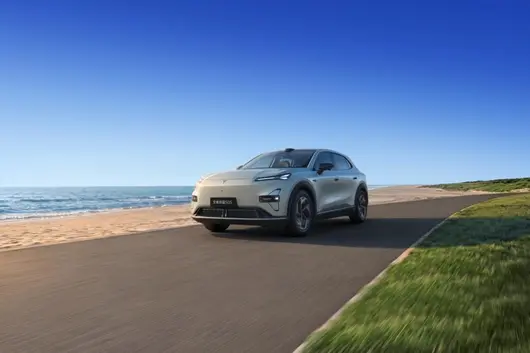

谁还记得今年1月,中国汽车品牌在泰国单月市场份额一度达47.3%,首次超越统治当地六十年的日系车。然而,物极必反、树大招风的定律也还是在中国车身上上演了。
一个月后,泰国补贴政策一收紧,中国品牌市占率就从47.3%骤降至11.65%,从“反超日系”到“集体消失”,只用了一个月。
到了8月,国产车在泰国愈发艰难,日系车重新包揽泰国市场前两名。丰田以16233辆稳坐榜首,本田以5499辆位居第二。中国品牌中排名最高的是奇瑞,以4945辆排第三,距离本田有500多辆的差距。比亚迪8月销量仅剩2591辆,排在第七位。
从1月逼近丰田,到8月被丰田甩开超1.1万辆,中国品牌在泰国的“抗日”剧本,正在被现实一点点重写。
日系车反击,国产车失去前二
今年8月,国产车在泰国的销量进一步处于弱势。丰田16233辆、本田5499辆包揽前二,日系车夺回了失去多时的销量第二名。
当月销量前十名中仍有不少中国品牌,包括奇瑞4945辆排在第三,名爵3273辆排在第四,长城2931辆排在第五,而此前的“抗日先锋”比亚迪销量2591辆,排在第七,吉利和埃安分别以2267辆和1492辆排在第八和第十。

从8月销量来看,销量前十名的六个中国品牌累计销量为17499辆,仅比排在第一名的丰田多了1200辆左右,差距巨大。
一个更残酷的现实是,中国品牌在泰国的增长,主要靠的是价格战和补贴红利,而不是品牌忠诚度。
有泰国出租车司机直言:“担心维修难,所以还是优先选择日系车”。当价格优势被政策抹平,消费者的选择就会回到品牌信任这条老路上。

然而,等待中国车企的可不止是补贴退坡,还有史无前例的“紧箍咒”限制政策。
国产车“抗日”遇上“紧箍咒”
今年5月14日,泰国10家汽车及零部件行业协会联合向政府提交8项紧急政策建议,呼吁改革消费税结构、提升本地化率要求。这些协会代表超过1500家企业,几乎全部与日系品牌有直接或间接的合作关系。
到了8月,泰国副总理兼财政部长公开表态,财政部正在研究将进口电动车的消费税由目前的10%提升至32%以上,新方案拟于9月底前完成细节审查并提交内阁,泰国汽车工业联合会甚至建议税率上调30%到50%。

这是什么概念?一辆到岸价40万泰铢(约8.2万人民币)的入门级纯电车,当消费税从10%提到32%之后,仅落地完税成本一项就要大幅飙升,中国电动车在泰国最核心的价格优势将被彻底摧毁。
泰国开泰银行研究院的数据显示,2026年中国品牌在泰国新能源市场的占有率高达91%,而日系的份额已从2020年前的90%以上下滑到60%左右。
面对中国车这一来势汹汹的“外来户”,日系车在泰国已经开始抱团。今年8月,丰田、本田、三菱等日系品牌高管开始直接发声,要求调整税率以保证“公平竞争”。
除了消费税调整,泰国EV3.5政策也在不断收紧。
2026年进口与本地生产的比例必须达到1:2,本地零部件采购率每提高5个百分点,消费税税率可下调0.5个百分点,进口电芯计入本地化采购率的比例已在6月30日后归零。
可以这样说,中国汽车把在国内的“价格战”手段照搬到泰国,引发多地政府和原有产业势力的强烈反弹,制定针对中国汽车的“紧箍咒”政策已经不可逆转。
从泰国的角度出发,一旦中国汽车不在当地建厂却能占领泰国市场,相当于告诉全世界泰国仅仅是海外汽车品牌的消费市场,这明显与泰国想把自己打造成东南亚新能源汽车制造枢纽的工业大梦背道而驰。
东南亚开始“严防”中国车
更麻烦的是,这种“严防死守”正在从泰国蔓延到整个东南亚。
2026年7月1日起,马来西亚正式实施电动汽车新规,所有CBU电动车到岸价不得低于20万林吉特(约32万人民币),电动机输出功率不得低于180千瓦。对以性价比为核心竞争力的中国品牌来说,这相当于直接切断了低价车型进入马来西亚的通道。

印尼的“本土化率”考核也正在层层加码。根据印尼2023年第79号总统条例,电动汽车的本地化率(TKDN)在2022年至2026年期间必须达到40%,2027年至2029年提升至60%,2030年起进一步提高至80%。印尼国会第七委员会明确表示,即使中国电动汽车在印尼热销,也必须满足这一本土化率要求。
与此同时,自2026年1月1日起,印尼正式取消整车进口免税政策,关税从0%直接回到10%至50%的法定区间,此前凭借政策补贴快速渗透印尼市场的中国车企面临明显的涨价压力。
越南也加入了这一轮政策收紧。2026年6月29日,越南提交了《国家汽车安全与环保技术法规》草案,规定了新制造、组装及进口汽车的技术安全质量与环保要求。该法规草案拟于2026年10月正式生效,将对进口汽车的技术安全和环保标准提出全面要求。加上此前对临时进口外国测试车辆实行严格的行政审批与配额管理,中国汽车出口越南的难度正在加大。
这四个国家,是东南亚汽车消费的核心市场,也是中国车企最看重的家门口的出海“桥头堡”,现在无一例外都对中国车加强限制,中国车企未来在东南亚注定不好混了。
几个月前中国汽车在东南亚市场的成绩,就像一场短暂的美梦,而现在梦已经醒了,真正的考验也开始了。


In the Malaysian SUV market, many buyers compare the Proton X90 and Volkswagen Tiguan when choosing a car. The two cars are quite close in price and positioning. Today, we will make a detailed comparison from multiple aspects to help you save time on research.
The OTR price of Proton X90 in Malaysia is RM 106,800 - 122,800, with a total of 4 versions, including 2026 1.5T Prime X (RM 122,800), 2026 1.5T Prime (RM 116,800), 2026 1.5T Lite (RM 106,800), etc.
The OTR price of Volkswagen Tiguan in Malaysia is RM 206,540 - 260,024, with a total of 2 versions, including 2025 Allspace 2.0T R-Line (RM 260,024), 2025 Allspace 1.4T Elegance (RM 206,540), etc.
From a price perspective, the starting price of Proton X90 is indeed RM 99,740 cheaper than Volkswagen Tiguan. If your budget is limited, Proton's entry-level version can already meet daily needs. But also note, the price difference of a few thousand might have compromises in equipment, it depends on your needs.

Proton X90 is equipped with 1.5L Turbo, 140 hp. Official fuel consumption 7.0 L/100km.
Volkswagen Tiguan is equipped with 2.0L 4-cyl, 170 hp. Official fuel consumption 8.0 L/100km.
In terms of power, Volkswagen Tiguan's 2.0L 4-cyl has 30 more horsepower than Proton X90's 1.5L Turbo. However, for daily city driving, both cars have enough power and do not feel underpowered.
Proton X90 adopts FWD drive system.
Volkswagen Tiguan adopts FWD drive system.
The drive system for both cars is the same, both are FWD, and there won't be a big difference in daily driving experience.
Proton X90 warranty 5 years/150,000km, maintenance interval every 10,000km or 6 months.
Volkswagen Tiguan warranty 3 years/100,000km, maintenance interval every 10,000km or 6 months.

Proton X90 and Volkswagen Tiguan are both mainstream choices in the Malaysian market, suitable for family use and daily commuting. If you value brand reputation and resale value more, you can prioritize the one with better reputation; if you care more about value for money and equipment, choose the one with richer configurations. In the end, it is recommended to test drive both, personal experience is the most important.

In general, Proton X90 and Volkswagen Tiguan are both very good models in the Malaysian market. Which one to choose depends on your personal needs and budget. It is recommended to do research, compare quotes from several car dealerships, and then test drive to make a final decision. Buying a car is a big matter, spending time on research is never wrong.


喺馬來西亞嘅 SUV 市場,好多買家喺揀車嘅時候都會拿梅賽德斯 - 奔馳 GLC 同保時捷 Macan 嚟比較。呢兩款車喺價碼同定位上都幾接近,今日我哋就從多個方面做一個詳細比較,幫你節省做功課嘅時間。
梅賽德斯 - 奔馳 GLC 喺馬來西亞嘅 OTR 售價係 RM 336,888 - 336,888,合共有 2 個版本,包括 GLC 200(RM 290,000)、GLC 300(RM 340,000)等。
保時捷 Macan 喺馬來西亞嘅 OTR 售價係 RM 469,000 - 469,000,合共有 4 個版本,包括 2025 55 quattro S line(RM 467,285)、2025 50 quattro Advanced(RM 361,135)、PMT 1874, Lorong IKS BukitTengah 14000 Bukit Mertajam(RM 296,610)等。
從價錢睇,梅賽德斯 - 奔馳 GLC 嘅起步價確實比保時捷 Macan 平咗 RM 132,112。如果你預算有限,梅賽德斯 - 奔馳嘅入門版已經可以满足日常需要。但都要注意,便宜嗰幾千塊,可能喺配備上會有取舍,具體要看你嘅需要。

梅賽德斯 - 奔馳 GLC 嘅安全評級係 5★ (Euro NCAP),主動安全系統包括 Premium ADAS。
保時捷 Macan 嘅安全評級係 5★ (Euro NCAP),主動安全系統包括 InnoDrive。
兩款車嘅安全評級一樣,喺呢個級別入面安全配備都算給得好齊全。而家嘅新車安全性都唔差,唔使太擔心這一點。

梅賽德斯 - 奔馳 GLC 車身長 4400 mm,後尾箱 400 L。
保時捷 Macan 車身長 4400 mm,後尾箱 400 L。
兩款車嘅尺寸幾乎一樣,車內空間差別唔大。呢個級別嘅車,日常使用完全夠用。

梅賽德斯 - 奔馳 GLC 保用 3 年/100,000 公里,保養間隔 每 10,000 公里或 6 個月。
保時捷 Macan 保用 3 年/100,000 公里,保養間隔 每 10,000 公里或 6 個月。
兩款車嘅保用條件一樣,呢方面唔使糾結。實際保養成本仲要睇品牌嘅服務網絡同零件價格,建議去車友群問下真實車主嘅經驗。
梅賽德斯 - 奔馳 GLC 同保時捷 Macan 都係馬來西亞市場嘅主流選擇,適合家庭使用、日常通勤。如果你更睇重品牌口碑同二手價,可以優先考慮口碑更好嗰款;如果你更在意性價比同配備,那就揀配置更豐富嗰款。始終仲係建議兩款都去試駕,親身體驗先係最重要。
總體嚟講,梅賽德斯 - 奔馳 GLC 同保時捷 Macan 都係馬來西亞市場幾唔錯嘅車款。揀邊一輛,關鍵仲係要睇你嘅個人需要同預算。建議大家做好功課,多比較幾間車行嘅報價,再去試駕做最終決定。買車係件大事,花啲時間做功課絕對唔會錯。


在马来西亚的汽车市场,很多买家在选车的时候都会拿 BMW 3 Series 和 Mercedes-Benz E-Class 来做比较。今天我们从多个方面做一个详细的对比,帮你省下做功课的时间。


BMW 3 Series 在马来西亚的 OTR 售价是 RM 267,800 - 392,800,一共有 2 个版本,包括 320i Sport(RM 248,000)、330i M Sport(RM 298,000) 等。
Mercedes-Benz E-Class 在马来西亚的 OTR 售价是 RM 363,888 - 363,888,一共有 2 个版本,包括 E 200 Avantgarde(RM 350,000)、E 300 AMG Line(RM 400,000) 等。
从价钱来看,BMW 3 Series 的起步价确实比 Mercedes-Benz E-Class 便宜了 RM 96,088。如果你预算有限,BMW 的入门版已经可以满足日常需求。但也要注意,便宜的那几千块,可能在配备上会有取舍,具体要看你的需求。

BMW 3 Series 采用 FWD 驱动方式。
Mercedes-Benz E-Class 采用 FWD 驱动方式。
两款车的驱动方式一样,都是 FWD,日常驾驶感受不会有太大区别。

BMW 3 Series 保修 5年/无限里程,保养间隔 每10,000km或6个月。
Mercedes-Benz E-Class 保修 3年/100,000km,保养间隔 每10,000km或6个月。

BMW 3 Series 和 Mercedes-Benz E-Class 都是马来西亚市场的主流选择,适合家庭使用、日常通勤。如果你更看重品牌口碑和二手价,可以优先考虑口碑更好的那一款;如果你更在意性价比和配备,那就选配置更丰富的那款。最终还是建议两款都去试驾,亲身体验才是最重要的。

总的来说,BMW 3 Series 和 Mercedes-Benz E-Class 都是马来西亚市场很不错的车型。选择哪一辆,关键还是要看你的个人需求和预算。建议大家做好功课,多比较几间车行的报价,再去试驾做最终决定。买车是件大事,花点时间做功课绝对不会错。


在马来西亚的汽车市场,很多买家在选车的时候都会拿 Mazda CX-9 和 Audi Q7 来做比较。今天我们从多个方面做一个详细的对比,帮你省下做功课的时间。


Mazda CX-9 在马来西亚的 OTR 售价是 RM 328,810 - 345,810,一共有 2 个版本,包括 2023 2.5T 4WD(RM 345,810)、2023 2.5T 2WD(RM 328,810) 等。
Audi Q7 在马来西亚的 OTR 售价是 RM 462,222 - 462,222,一共有 1 个版本,包括 Standard(RM 462,222) 等。
从价钱来看,Mazda CX-9 的起步价确实比 Audi Q7 便宜了 RM 133,412。如果你预算有限,Mazda 的入门版已经可以满足日常需求。但也要注意,便宜的那几千块,可能在配备上会有取舍,具体要看你的需求。

Mazda CX-9 采用 FWD 驱动方式。
Audi Q7 采用 FWD 驱动方式。
两款车的驱动方式一样,都是 FWD,日常驾驶感受不会有太大区别。

Mazda CX-9 保修 5年/150,000km,保养间隔 每10,000km或6个月。
Audi Q7 保修 5年/150,000km,保养间隔 每10,000km或6个月。
两款车的保修条件一样,这方面不用纠结。实际保养成本还要看品牌的服务网络和零件价格,建议去车友群问问真实车主的经验。
Mazda CX-9 和 Audi Q7 都是马来西亚市场的主流选择,适合家庭使用、日常通勤。如果你更看重品牌口碑和二手价,可以优先考虑口碑更好的那一款;如果你更在意性价比和配备,那就选配置更丰富的那款。最终还是建议两款都去试驾,亲身体验才是最重要的。
总的来说,Mazda CX-9 和 Audi Q7 都是马来西亚市场很不错的车型。选择哪一辆,关键还是要看你的个人需求和预算。建议大家做好功课,多比较几间车行的报价,再去试驾做最终决定。买车是件大事,花点时间做功课绝对不会错。


在马来西亚的汽车市场,很多买家在选车的时候都会拿 Honda HR-V 和 Chery Tiggo 7 Pro 来做比较。今天我们从多个方面做一个详细的对比,帮你省下做功课的时间。

Honda HR-V 在马来西亚的 OTR 售价是 RM 115,900 - 143,900,一共有 4 个版本,包括 2026 e:HEV 1.5L RS(RM 143,900)、2026 1.5T V(RM 137,900)、2026 1.5T E(RM 130,900) 等。
Chery Tiggo 7 Pro 在马来西亚的 OTR 售价是 RM 123,750 - 123,750,一共有 2 个版本,包括 1.6L Turbo Standard(RM 125,000)、1.6L Turbo Premium(RM 140,000) 等。
从价钱来看,Honda HR-V 的起步价确实比 Chery Tiggo 7 Pro 便宜了 RM 7,850。如果你预算有限,Honda 的入门版已经可以满足日常需求。但也要注意,便宜的那几千块,可能在配备上会有取舍,具体要看你的需求。
Honda HR-V 搭载 1.5L Turbo,马力 140 hp。官方油耗 7.0 L/100km。
Chery Tiggo 7 Pro 搭载 1.5L Turbo,马力 140 hp。官方油耗 7.0 L/100km。
两款车用的是同一套动力系统,所以日常开起来的感受基本没有差别。油耗方面也差不多,不用太纠结这一点。
Honda HR-V 车身长 4500 mm,后备箱 450 L。
Chery Tiggo 7 Pro 车身长 4400 mm,后备箱 400 L。
空间方面,Honda HR-V 的车身比 Chery Tiggo 7 Pro 长了 100 mm,车内乘坐空间会稍微宽裕一些,尤其是后座腿部空间。如果你经常载家人或者需要放婴儿车,大一点的车身确实更实用。
Honda HR-V 采用 FWD 驱动方式。
Chery Tiggo 7 Pro 采用 FWD 驱动方式。
两款车的驱动方式一样,都是 FWD,日常驾驶感受不会有太大区别。
总的来说,Honda HR-V 和 Chery Tiggo 7 Pro 都是马来西亚市场很不错的车型。选择哪一辆,关键还是要看你的个人需求和预算。建议大家做好功课,多比较几间车行的报价,再去试驾做最终决定。买车是件大事,花点时间做功课绝对不会错。


在马来西亚的SUV市场,很多买家在选车的时候都会拿 Proton X50 和 Toyota Corolla Cross 来做比较。这两款车在价位和定位上都蛮接近的,今天我们就从多个方面做一个详细的对比,帮你省下做功课的时间。
Proton X50 在马来西亚的 OTR 售价是 RM 89,800 - 113,300,一共有 4 个版本,包括 1.5T Executive(RM 89,800)、1.5T Premium(RM 101,800)、1.5T Flagship(RM 113,300) 等。
Toyota Corolla Cross 在马来西亚的 OTR 售价是 RM 133,800 - 148,800,一共有 3 个版本,包括 2026 HEV 1.8L GR Sport(RM 148,800)、2026 HEV 1.8L Standard(RM 140,800)、2026 1.8L Standard(RM 133,800) 等。
从价钱来看,Proton X50 的起步价确实比 Toyota Corolla Cross 便宜了 RM 44,000。如果你预算有限,Proton 的入门版已经可以满足日常需求。但也要注意,便宜的那几千块,可能在配备上会有取舍,具体要看你的需求。

Proton X50 的安全评级是 5★ (ASEAN NCAP),主动安全系统包括 ADAS (ACC, AEB, LKA, LDA, BSM, RCTA)。
Toyota Corolla Cross 的安全评级是 5★ (ASEAN NCAP),主动安全系统包括 TSS (PCS, LDA, ACC, LTA)。
两款车的安全评级一样,在这个级别里面安全配备都算给得很齐全了。现在的新车安全性都不差,不用太担心这一点。
Proton X50 采用 4WD 驱动方式。
Toyota Corolla Cross 采用 FWD 驱动方式。
Proton 的 4WD 和 Toyota 的 FWD 在操控上会有不同感受,建议试驾对比。

Proton X50 保修 5年/150,000km,保养间隔 每10,000km或6个月。
Toyota Corolla Cross 保修 5年/无限制里程,保养间隔 每10,000km或6个月。

总的来说,Proton X50 和 Toyota Corolla Cross 都是马来西亚市场很不错的车型。选择哪一辆,关键还是要看你的个人需求和预算。建议大家做好功课,多比较几间车行的报价,再去试驾做最终决定。买车是件大事,花点时间做功课绝对不会错。

© 2024 Bitauto.com. All Rights Reserved.
Bitauto (www.yiche.com and www.bitauto.com) is one of the most visited automotive websites in China. We provide detailed info on Chinese car brands available in your area. Please note that the information provided on this website is based on publicly available data and is for reference only. It may not be fully updated or accurate at all times.

Help us improve our website


