

Homephotos

Search History
Popular Searches
Dealer Login / Sign Up

2026 年 10 月的車市,有一個比任何單月銷量都更值得先說的變化:新能源零售滲透率站上了 67.8%,而整體乘用車零售同比下降了 25%。兩個數字放在一起,意味著市場的收縮與動力形式的切換在同一時間發生。燃油車的退潮不再是趨勢判斷,而是正在落地的現實。在這個節點上,再去項項拆解誰多賣了幾萬輛,信息量反而有限。更值得問的是:當新能源本身已經成為大盤的多數,領先這件事,還和幾年前一樣嗎?

比亞迪 10 月交出的 49.0168 萬輛,放在這個背景下看,意義不在「創年內新高」這幾個字,而在於它所處的位置。批發榜單上,比亞迪 48.31 萬輛,身後第二名的體量不到它的一半,再往後是一串月銷十萬級、五萬級的名字,中間是一道清晰的斷層。與此同時,蔚來、理想、鴻蒙智行在 10 月同時出現同比回落,鴻蒙智行的同比降幅超過 50%。新能源賽道的總量還在擴張,但參與者之間的溫差在急劇拉大。新能源市場持續領先在這裡的含義,已經不單純是誰的份額更高,而是當滲透率越過臨界點之後,領先者與追趕者之間是否已經進入了不同的競爭維度。

這個不同維度,首先體現在增長從哪裡來的問題上。國內新能源零售 10 月同比是下降的,滲透率的抬升更多來自燃油車份額的萎縮,而不是新能源自身增量的爆發。換句話說,國內市場的競爭正在從「搶新用戶」轉向「替換存量」。在這種結構裡,依賴單一國內市場和單一價格帶衝量的品牌,彈性天然受限。比亞迪 10 月數據中更具信號意義的部分,是海外銷量在單月總盤子中的權重已經穩定在一個足以改變整體節奏的水平。泰國、印尼、巴西、匈牙利工廠的本地化投產,以及自有滾裝船隊的運營,讓出口不再是國內產能的溢出,而是一條有獨立產能和渠道支撐的第二曲線。當國內大盤的波動性上升時,這條曲線提供的是對沖,而不是錦上添花。

另一條容易被銷量數字遮蔽的線,是補能網絡。截至 10 月,閃充站已經鋪到超過 1.2 萬座,覆蓋 341 座城市,年底的目標是 2 萬座,海外另有數千座的規劃。純電車型的競爭,走到滲透率接近七成的階段,勝負手正在從「續航標稱」轉向「補能確定性」。充電體驗的密度和一致性,會直接改變一個普通家庭在油車同電車之間做選擇時的心理門檻。這件事沒有單月銷量那麼顯眼,但它決定的是一輛車的使用體驗能不能撐住回購同口碑。銷量是終端結果,補能網絡是讓這個結果可持續的基礎設施。兩者之間的時間差,往往在兩三年後才會在數據裡顯現出來。

還有一個數字值得放在最後說:前三季度研發費用 363 億元,累計研發投入超過 2800 億元。在一個價格競爭仍然激烈、多數品牌在收縮開支的週期裡,把遠高於当期利潤的金額持續投向研發,短期看是利潤的拖累,長期看是下一個產品週期入場券的價格。第二代刀片電池、自研智駕芯片、輔助駕駛車型超 395 萬輛的保有量數據,都是這筆投入在終端開始兌現的跡象。銷量的高低每個月都會變,技術儲備的厚度不會在一個季度裡逆轉。

回到 10 月。49 萬輛是一個體面的數字,但 2026 年的新能源市場已經過了用單月排名定義成敗的階段。國內滲透率接近七成,意味著新能源不再是「替代選項」,而是「默認選項」。在這個前提之下,領先者的課題已經從「證明自己能被選擇」,悄悄換成了「證明自己能在多個市場、多條技術線上同時站住」。海外產能的落地節奏、補能網絡的覆蓋密度、研發投入的轉化效率,這些不會出現在月度傳播的標題裡,但它們才是決定下一個「10 月」還能不能站在這個位置的東西。

Dalam pasaran SUV di Malaysia, ramai pembeli semasa memilih kereta akan membandingkan Mazda CX-3 dan Hyundai Santa Fe. Kedua-dua kereta ini hampir sama dari segi harga dan penentuan pasaran, hari ini kita akan buat perbandingan terperinci dari pelbagai aspek untuk membantu anda menjimatkan masa membuat kajian.
Harga OTR Mazda CX-3 di Malaysia ialah RM 126,159 - 139,159, terdapat 2 varian termasuk 2023 2.0L High (RM 139,159), 2023 2.0L Plus (RM 126,159) dan lain-lain.
Harga OTR Hyundai Santa Fe di Malaysia ialah RM 225,000 - 270,000, terdapat 3 varian termasuk 2025 2.5T DCT 4WD Calligraphy 6 Seats (RM 270,000), 2025 HEV 1.6T AT 2WD Prestige 7 Seats (RM 245,000), 2025 HEV 1.6T AT 2WD Prime 7 Seats (RM 225,000) dan lain-lain.
Dari segi harga, harga permulaan Mazda CX-3 memang RM 98,841 lebih murah berbanding Hyundai Santa Fe. Jika bajet anda terhad, varian permulaan Mazda sudah mencukupi untuk keperluan harian. Namun, perlu diingat, ribuan ringgit yang lebih murah itu mungkin ada pertukaran pada kelengkapan, bergantung pada keperluan anda.

Penskoran keselamatan Mazda CX-3 ialah 5★ (ASEAN NCAP), sistem keselamatan aktif termasuk i-Activsense.
Penskoran keselamatan Hyundai Santa Fe ialah TBD, sistem keselamatan aktif termasuk Asas.
Dari segi kelengkapan keselamatan, kedua-dua kereta mendapat penskoran yang baik. Namun, i-Activsense pada Mazda CX-3 dan Asas pada Hyundai Santa Fe mempunyai perbezaan dalam fungsi. Jika anda mengutamakan keselamatan aktif, anda boleh membuat perbandingan terperinci senarai fungsi kedua-duanya.

Mazda CX-3 menggunakan cara penggerak FWD.
Hyundai Santa Fe menggunakan cara penggerak FWD.
Cara penggerak kedua-dua kereta sama, iaitu FWD, pengalaman memandu harian tidak akan banyak perbezaan.

Mazda CX-3 dan Hyundai Santa Fe kedua-duanya pilihan utama pasaran Malaysia, sesuai untuk kegunaan keluarga, perjalanan harian. Jika anda lebih mengutamakan nama baik jenama dan harga sara semula, pilih yang mempunyai nama baik lebih baik; jika anda lebih mementingkan nisbah harga dan nilai serta kelengkapan, pilih yang mempunyai kelengkapan lebih banyak. Akhir sekali disyorkan kedua-dua kereta dicuba untuk memandu, pengalaman sendiri adalah yang paling penting.

Secara keseluruhannya, Mazda CX-3 dan Hyundai Santa Fe kedua-duanya model kereta yang sangat baik di pasaran Malaysia. Memilih mana satu, utamanya bergantung pada keperluan dan bajet peribadi anda. Disarankan anda sediakan maklumat, bandingkan beberapa tawaran dari dealer kereta, kemudian buat keputusan akhir selepas uji pusingan. Membeli kereta adalah perkara besar, meluangkan masa membuat kajian pasti tidak salah.


Di pasaran SUV di Malaysia, ramai pembeli membandingkan Mazda CX-3 dan Hyundai Tucson apabila memilih kereta.
Harga OTR Mazda CX-3 di Malaysia ialah RM 126,159 - 139,159, terdapat 2 versi, termasuk 2023 2.0L High (RM 139,159), 2023 2.0L Plus (RM 126,159) dan lain-lain.
Harga OTR Hyundai Tucson di Malaysia ialah RM 143,888 - 197,888, terdapat 5 versi, termasuk 2025 HEV 1.6T AT 2WD Prestige (RM 197,888), 2025 1.6T DCT 4WD Prestige (RM 186,888), 2025 1.6T DCT 2WD Prime (RM 164,888) dan lain-lain.
Dari segi harga, harga permulaan Mazda CX-3 memang RM 17,729 lebih murah daripada Hyundai Tucson. Jika bajet anda terhad, versi asas Mazda sudah boleh memenuhi keperluan harian. Tetapi perlu diingat, perbezaan harga ribuan ringgit ini mungkin melibatkan kompromi pada kelengkapan, bergantung pada keperluan anda.
Pengklasifikasian keselamatan Mazda CX-3 ialah 5★ (ASEAN NCAP), sistem keselamatan aktif termasuk i-Activsense.
Pengklasifikasian keselamatan Hyundai Tucson ialah 5★ (ASEAN NCAP), sistem keselamatan aktif termasuk SmartSense.
Kedua-dua kereta mempunyai pengklasifikasian keselamatan yang sama. Dalam kategori ini, kelengkapan keselamatan sudah dianggap cukup lengkap. Keselamatan kereta baharu semasa ini tidak buruk, tidak perlu terlalu bimbang mengenai hal ini.
Pertalian Mazda CX-3 ialah 5 tahun/150,000km, selang penyelenggaraan setiap 10,000km atau 6 bulan.
Pertalian Hyundai Tucson ialah 5 tahun/300,000km, selang penyelenggaraan setiap 10,000km atau 6 bulan.
Mazda CX-3 dan Hyundai Tucson adalah pilihan utama pasaran Malaysia, sesuai untuk penggunaan keluarga dan perjalanan harian. Jika anda lebih mengutamakan reputasi jenama dan harga kedua, boleh utamakan yang mempunyai reputasi lebih baik; jika anda lebih mementingkan kos berbanding nilai dan kelengkapan, pilih yang mempunyai konfigurasi lebih kaya. Pada akhirnya disarankan untuk memandu ujian kedua-dua kereta, pengalaman langsung adalah yang paling penting.

Secara keseluruhan, Mazda CX-3 dan Hyundai Tucson adalah model yang sangat baik di pasaran Malaysia. Memilih yang mana satu, ia bergantung pada keperluan dan bajet peribadi anda. Kami cadangkan untuk membuat penyelidikan, membandingkan sebutan harga daripada beberapa dealer kereta, kemudian memandu ujian untuk membuat keputusan akhir. Membeli kereta adalah perkara besar, meluangkan masa untuk membuat penyelidikan pasti tidak salah.

喺馬來西亞嘅 SUV 市場,好多買家喺揀車嘅時候都會拿 馬自達 CX-3 同 起亞 Sportage 嚟做比較。呢兩款車喺價位同定位上都好接近,而家我哋就從多個方面做一個詳細嘅對比,幫你省咗做功課嘅時間。
馬自達 CX-3 喺馬來西亞嘅 OTR 售價係 RM 126,159 - 139,159,一共有 2 個版本,包括 2023 2.0L High(RM 139,159)、2023 2.0L Plus(RM 126,159) 等等。
起亞 Sportage 喺馬來西亞嘅 OTR 售價係 RM 129,639 - 179,320,一共有 4 個版本,包括 2025 1.6T DCT 4WD High(RM 179,320)、2025 1.6T DCT 2WD High(RM 159,320)、2025 2.0L AT 2WD High(RM 139,639) 等等。
從價錢來看,馬自達 CX-3 嘅起步價確實比 起亞 Sportage 平咗 RM 3,480。如果你預算有限,馬自達嘅入門版已經可以滿足日常需要。但也要留意,平嗰幾千塊,可能喺配備上會有取捨,具體要看你嘅需要。
馬自達 CX-3 搭載 1.5L Turbo,馬力 140 hp。官方油耗 7.0 L/100km。
起亞 Sportage 搭載 1.5L Turbo,馬力 140 hp。官方油耗 7.0 L/100km。
兩款車用嘅係同一套動力系統,日常開起身嘅感覺基本冇分別。油耗方面都差唔多,唔使太糾結這一點。
馬自達 CX-3 嘅安全評級係 5★ (ASEAN NCAP),主動安全系統包括 i-Activsense。
起亞 Sportage 嘅安全評級係 5★ (ASEAN NCAP),主動安全系統包括 Drive Wise。
兩款車嘅安全評級一樣,喺呢個級別入面安全配備都算給得好齊全。而家嘅新車安全性都唔差,唔使太擔心這一點。
馬自達 CX-3 採用 FWD 驅動方式。
起亞 Sportage 採用 FWD 驅動方式。
兩款車嘅驅動方式一樣,都係 FWD,日常駕駛感覺唔會有太大分別。

馬自達 CX-3 同 起亞 Sportage 都係馬來西亞市場嘅主流選擇,適合家庭使用、日常通勤。如果你更看重品牌口碑同二手價,可以優先考慮口碑更好嗰一款;如果你更在意性價比同配備,就選配置更豐富嗰款。最終都係建議兩款都去試駕,親身體驗先係最緊要。
總括嚟講,馬自達 CX-3 同 起亞 Sportage 都係馬來西亞市場幾唔錯嘅車型。選擇邊一輛,關鍵都係要看你嘅個人需求同預算。建議大家做好功課,多比較幾間車行嘅報價,先去試駕做最終決定。買車係件大事,花少少時間做功課絕對無問題。

In the Malaysian SUV market, many buyers compare the Mazda CX-3 and GWM Haval H6 when choosing a car. These two cars are quite close in price and positioning. Today we will make a detailed comparison from multiple aspects to help you save time on research.
The Mazda CX-3 OTR price in Malaysia is RM 126,159 - 139,159, with 2 variants in total, including 2023 2.0L High (RM 139,159), 2023 2.0L Plus (RM 126,159), etc.
The GWM Haval H6 OTR price in Malaysia is RM 139,750 - 139,750, with 2 variants in total, including 1.5L Turbo Standard (RM 140,000), 1.5L Turbo Premium (RM 155,000), etc.
In terms of price, the starting price of the Mazda CX-3 is indeed RM 13,591 cheaper than the GWM Haval H6. If your budget is limited, Mazda's entry-level version is already sufficient for daily needs. However, be aware that the few thousand RM saved might involve trade-offs in equipment, depending on your specific needs.
The Mazda CX-3 safety rating is 5★ (ASEAN NCAP), active safety system includes i-Activsense.
The GWM Haval H6 safety rating is TBD, active safety system includes Basic.
Regarding safety features, both cars have received good ratings. However, there are some differences in functionality between Mazda CX-3's i-Activsense and GWM Haval H6's Basic. If you value active safety, you can compare the function lists of both carefully.
Mazda CX-3 adopts FWD drive mode.
GWM Haval H6 adopts FWD drive mode.
Both cars have the same drive mode, FWD, so there won't be a big difference in daily driving experience.
Both the Mazda CX-3 and GWM Haval H6 are mainstream choices in the Malaysian market, suitable for family use and daily commuting. If you value brand reputation and resale value more, you can prioritize the one with better reputation; if you care more about value for money and equipment, then choose the model with richer configuration. Ultimately, it is recommended to test drive both models, as personal experience is the most important.
Overall, both the Mazda CX-3 and GWM Haval H6 are very good models in the Malaysian market. Which one to choose depends on your personal needs and budget. We recommend doing your research, comparing quotes from several dealerships, and then test driving to make the final decision. Buying a car is a major decision, spending time on research will definitely not be wrong.

In Malaysia's SUV market, many buyers compare the Mazda CX-3 and MG MG HS when choosing a car. These two cars are quite close in price and positioning. Today we will make a detailed comparison from multiple aspects to help you save time on research.
The OTR selling price of Mazda CX-3 in Malaysia is RM 126,159 - 139,159, with a total of 2 versions, including 2023 2.0L High (RM 139,159), 2023 2.0L Plus (RM 126,159), etc.
The OTR selling price of MG MG HS in Malaysia is RM 130,450 - 146,450, with a total of 2 versions, including 1.5L Standard (RM 105,000), 1.5L Executive (RM 115,000), etc.
From the price perspective, the starting price of Mazda CX-3 is indeed RM 4,291 cheaper than MG MG HS. If your budget is limited, Mazda's entry-level version can already meet daily needs. However, note that the few thousand cheaper might involve trade-offs in equipment, depending on your specific needs.
Mazda CX-3 is equipped with a 1.5L Turbo, 140 hp. Official fuel consumption 7.0 L/100km.
MG MG HS is equipped with a 1.5L Turbo, 140 hp. Official fuel consumption 7.0 L/100km.
Both cars use the same powertrain, the driving experience is basically the same. Fuel consumption is also similar, no need to worry too much about this.
Mazda CX-3 body length 4500 mm, trunk 450 L.
MG MG HS body length 4400 mm, trunk 400 L.
In terms of space, Mazda CX-3's body is 100 mm longer than MG MG HS, interior seating space is slightly more spacious, especially rear seat legroom. If you often carry family members or need to fit a stroller, a larger body is indeed more practical.
Both Mazda CX-3 and MG MG HS are mainstream choices in the Malaysian market, suitable for family use and daily commuting. If you value brand reputation and resale value more, you can prioritize the one with better reputation; if you care more about value for money and features, choose the model with richer configuration. Ultimately, it is recommended to test drive both, as personal experience is the most important.
Overall, Mazda CX-3 and MG MG HS are both very good models in the Malaysian market. Which one to choose mainly depends on your personal needs and budget. We suggest doing research, comparing quotes from several car dealerships, and then test driving to make the final decision. Buying a car is a major matter, taking time to do research will never be wrong.

Di pasaran SUV di Malaysia, banyak pembeli yang membandingkan Mazda CX-3 dan Chery Tiggo 7 PHEV semasa memilih kereta. Kedua-dua model ini mempunyai harga dan kedudukan pasaran yang agak serupa. Hari ini, kami akan membuat perbandingan terperinci dari pelbagai aspek, membantu anda menjimatkan masa membuat kajian.
Harga OTR Mazda CX-3 di Malaysia adalah RM 126,159 - 139,159, terdapat 2 varian, termasuk 2023 2.0L High (RM 139,159) dan 2023 2.0L Plus (RM 126,159).
Harga OTR Chery Tiggo 7 PHEV di Malaysia adalah RM 129,750 - 129,750, terdapat 2 varian, termasuk 2025 1.5T 90km CSH (RM 129,750) dan Apakah kaedah pengecasan yang disokong oleh Tiggo 7 PHEV? Bolehkah ia dicas menggunakan soket kuasa rumah? (RM 117,478) dan lain-lain.
Dari segi harga, harga permulaan Mazda CX-3 memang lebih murah RM 3,591 berbanding Chery Tiggo 7 PHEV. Jika bajet anda terhad, varian asas Mazda sudah dapat memenuhi keperluan harian. Namun perlu diingat, beribu ringgit yang lebih murah itu mungkin memerlukan pengorbanan pada spesifikasi, bergantung pada keperluan anda.
Penilaian keselamatan Mazda CX-3 ialah 5★ (ASEAN NCAP), sistem keselamatan aktif termasuk i-Activsense.
Penilaian keselamatan Chery Tiggo 7 PHEV ialah TBD, sistem keselamatan aktif termasuk Basic.
Dari segi peralatan keselamatan, kedua-dua model menerima penilaian yang baik. Namun, i-Activsense Mazda CX-3 dan Basic Chery Tiggo 7 PHEV mempunyai perbezaan fungsi. Jika anda mengutamakan keselamatan aktif, anda boleh membandingkan senarai fungsi kedua-duanya.
Mazda CX-3 panjang badan 4500 mm, ruang belakang 450 L.
Chery Tiggo 7 PHEV panjang badan 4400 mm, ruang belakang 400 L.
Dari segi ruang, badan Mazda CX-3 100 mm lebih panjang daripada Chery Tiggo 7 PHEV, ruang duduk dalam kenderaan sedikit lebih lapang, terutamanya ruang kaki bangku belakang. Jika anda sering membawa keluarga atau perlu meletakkan kereta bayi, badan kereta yang lebih besar lebih praktikal.
Jaminan Mazda CX-3 5 tahun/150,000km, selang penyelenggaraan setiap 10,000km atau 6 bulan.
Jaminan Chery Tiggo 7 PHEV 3 tahun/100,000km, selang penyelenggaraan setiap 10,000km atau 6 bulan.

Mazda CX-3 dan Chery Tiggo 7 PHEV kedua-duanya pilihan utama pasaran Malaysia, sesuai untuk kegunaan keluarga, perjalanan harian. Jika anda mengutamakan reputasi jenama dan harga semula, utamakan yang lebih baik reputasinya; jika anda mengutamakan nilai dan harga serta spesifikasi, pilih yang lebih kaya spesifikasi. Akhir sekali, disyorkan untuk uji memandu kedua-duanya, pengalaman langsung adalah yang paling penting.

Secara keseluruhan, Mazda CX-3 dan Chery Tiggo 7 PHEV kedua-duanya model yang cukup bagus di pasaran Malaysia. Memilih mana satu, penting bergantung pada keperluan dan bajet peribadi anda. Kami mencadangkan anda membuat penyelidikan, membandingkan kutipan harga dari beberapa dealer, kemudian uji memandu untuk membuat keputusan akhir. Membeli kereta adalah perkara besar, mengambil masa membuat kajian tidak akan salah.
Honestly, after reading the 2026 Q3 reports of listed Chinese automakers, Xiao Feng's first reaction was not surprise, but recalling an old saying: no comparison, no harm.
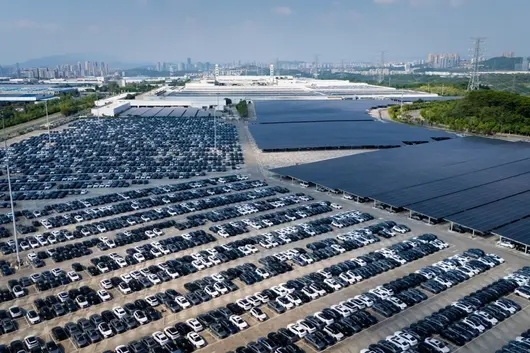
Don't rush to see who rises or falls, let's clarify the metric first: This article refers to the net profit attributable to the parent company for Q3 2026 alone, and only takes the book profit data of the top six passenger car companies. Totaling 23.521 billion yuan among the six. The top three BYD, Chery, Geely totaling 20.253 billion yuan, taking 86.1% of the profit pie of these six, among which BYD accounted for 42.6%.
As a reference, in 2025 Q3, the combined net profit of these six profitable companies was about 16.2 billion, with BYD, Chery, Geely totaling about 12.4 billion, accounting for 76.5%. In just one year, profit concentration rose from 76.5% to 86%. Money is increasingly concentrating in the hands of the top three.

On the other side of the pie: GAC's losses are still expanding, Changan turned from profit to loss, Li Auto, XPeng, NIO financial reports not out, looking at industry trends, high possibility of continued losses for these three in Q3.
Same quarter, same market. Some earn thicker, some sell more lose more, the gap is all written in the structure.

Need to clarify, the six mentioned in the article are just a sample of top passenger car companies in Q3, not all industry profit pie. If looking at cumulative first three quarters, listed companies realizing profits also include Yutong Bus, Sinotruk, Foton Motor, JMC and many other enterprises.
The top three profitable companies, approaches surprisingly consistentPutting the top three together, the common points in single quarter structure are obvious: Exports and High-end.
BYD Q3 exports 550,700 vehicles, YoY increase about 137%, proportion of total sales rose to 42%; First three quarters Fang Cheng Bao, Denza, Yangwang three high-end brands totaling 410,000, growth 75%, high-end domestic sales is the profit base, exports are the increment.
Geely Q3 exports 323,000 vehicles, YoY +188.8%, accounting for 40% of single quarter sales, export proportion MoM increase, directly pushed Q3 gross margin to 18.0%; Although first three quarters overall sales only grew 3%, single quarter export volume surge let profit elasticity run ahead of sales.
Chery Q3 exports 554,000 vehicles, YoY +50%, export proportion 76%, is the most reliant on complete vehicle trade export among the three. Silently worked over twenty years of overseas channels, Q3 single quarter profit estimated 5.396 billion yuan, export price difference is still the most direct profit source.

But even so exporting, the three make money in different ways.
BYD is complete vehicle export plus overseas self-built factory parallel. Hungary base is about to mass produce, transitioning from trade export to local production, short term sacrificing profit margin, avoiding tariff barriers, betting on long term regional share. High-end relies on Denza, Fang Cheng Bao, Yangwang, high-end domestic sales contribute profit base, exports are increment.
Geely is M&A platform plus KD semi-knocked down parts mainly, relying on Volvo, Zeekr overseas channels and Renault joint venture project. Many overseas earnings are not just selling cars, but also technology licensing, supply chain profit sharing, so first three quarters total sales only grew 3%, profit elasticity is still very strong. High-end relies on Zeekr, Lynk & Co overseas pricing.
Chery is pure trade export foundation, overseas dealer system is core asset, local factory construction promotion rhythm is relatively lagging among the top three, now accelerating catch-up. Advantage is global sinking market channels, disadvantage is tariffs and localization rules in various countries tighten, profit elasticity is easiest to hit.
Middle three companies, recovering, holding ground, living off past reservesSeres Q3 net profit attributable to parent company 1.42 billion yuan, MoM turn profit. AITO M9 consecutive four months took 500,000 yuan plus model sales first, product is truly successful. But noteworthy, adjusted net profit is negative 1.365 billion yuan, turn profit relies on asset disposal.
Car prices high, single car gross margin also high, why is adjusted net profit still negative?
Expense side pressure has two sources. One is Huawei system's rigid cut; Two is raw material cost concentrated impact. Affected by bulk commodity price rise and vehicle-grade storage chip supply tight, high-end models in relevant categories usage and technical level higher, cost pressure more outstanding.

Great Wall Q3 net profit attributable to parent company 1.362 billion yuan, YoY drop 40%. Overseas sales proportion first time over half, profit didn't follow.
Domestic sales shrink, high gross margin Tank model proportion decline, overseas subsidy withdraw deferral plus exchange loss, several reasons all hold, but together cannot answer that fundamental question: When off-road moat is eroded by new energy and lower thresholds one by one, Tank share repeatedly declines, what does Great Wall use to maintain high profit?

SAIC Q3 net profit attributable to parent company 0.486 billion yuan, adjusted net profit 69.5373 million yuan, difference between the two about 416 million yuan, all from non-recurring gains and losses. Split open, mainly two entries: Government subsidy 246 million yuan, non-liquid asset disposal gains and losses 157 million yuan.
SAIC's income statement has a special structure: Joint venture segment profit long-term returns to parent company in form of "investment income". Q3 problem lies exactly here. SAIC Q3 investment income loss 243 million yuan, same period last year profit 3.429 billion yuan. Among them, company associated enterprises and joint venture enterprises investment income loss 1.425 billion yuan, same period last year profit 1.782 billion yuan.
Independent segment indeed moving up, but in profit end, currently not yet reached filling joint venture hole degree, still needs a little time.
Loss side: Some lack capacity utilization, some in heavy investmentGAC's dilemma, many people simply attribute to joint venture dividend ending. Actually, auto manufacturing is heavy asset business, break-even line highly bound to capacity utilization rate. Top three domestic main factory capacity utilization maintained over 80%, plus overseas factory continuous ramp-up, fixed cost diluted. GAC independent segment factory utilization rate not high. Even if single car gross margin positive, as long as cannot dilute factory, production line, R&D team fixed expenses, financial report still loss.
Price war essence is fighting for capacity utilization. Get order fill production line, only then have qualification talk profit; Can't get capacity utilization, every car is sharing heavy sunk cost. GAC exists selling models too many, single car sales few problem.

Changan Q3 turn from profit to loss, but overseas 270,000 new high. Company says R&D and overseas investment increased, belongs to active choice.
Xiao Feng agrees this saying: Q3 single quarter R&D investment 3.55 billion yuan, YoY growth 11.6%; First three quarters overseas strategic resource cumulative investment 5.46 billion yuan. After Thailand Rayong factory Phase 1 100,000 capacity landing, Brazil Anapolis factory already this year March formal production, first phase planning annual capacity 90,000, first local made UNI-T synchronous off line, from "product export" to "industry overseas" took a step. Thailand Rayong factory also not idle, 2026 promote full production, and plan to double annual capacity from 100,000 to 200,000. Rhythm not slow, but capacity ramp-up and channel paving money, indeed must fall on report before profit.
Conclusion: Don't rush to open champagne for exportsQ3 profit more or less, largely depends on how many exports.
However, when everyone is cheering for 2026 first three quarters 8.2 million exports, Ministry of Finance poured cold water: From April 2027, new energy export tax rebate rate adjusted from 13% to 9%.
This means, relying on tax rebate propped up overseas profit, from April 2027 will gradually be thinned. Chinese automakers have to make changes, and BYD Hungary factory, Leapmotor Spain production line these localization projects promotion, is exactly changing overseas going from "shipping whole car from China to sell", to "directly building factory making locally", however, this will also lead to capital occupation double, return on investment cycle extended.
Actually, this lesson, Japanese automakers in 1970s already fully went through once. Chinese automakers now start to walk again. (Written by | Li Jianbo)



Hari pertama November, laporan prestasi Oktober kekuatan baharu diumumkan secara menyeluruh!
Leapmotor menghantar 106,100 unit memimpin, Xpeng dan Xiaomi kedua-duanya berada di atas 50,000. Tetapi sebelah lain?Data Perikatan Pasaran Kereta Penumpang China, jualan runcit kereta penumpang seluruh negara awal Oktober 459,000 unit, turun 24% tahun lalu.Pasar keseluruhan turun, tetapi beberapa syarikat masih naik, atas apa dasar? Mari kita lihat satu-satu.

Tahap pertama, Leapmotor.Oktober penghantaran global 106,127 unit, meningkat 51% pada masa yang sama tahun lalu, sudah empat bulan melebihi 100,000, meneguhkan kedudukan tiga teratas jenama kenderaan tenaga baharu China, empat teratas global. Bulan ini?unit ke-200,000 kenderaan lengkap hampir akan dihasilkan, pada waktu itu dakwa jualan tahunan 1 juta tiada yang percaya, kini mereka jualan bulanan 100,000, sudah menjadi perkara biasa.
Tahap kedua, Xpeng dan Xiaomi, dua syarikat bersaing rapat, menduduki tempat kedua dan ketiga. Xpeng 50,237 unit, naik 22% berbanding bulan lalu, naik 20% berbanding tahun lalu, pertama kali sejak kilang dibina bulanan melebihi 50,000. Jualan besar bergantung pada MONA, MONA L03 yang dilancarkan Julai, mula dari 123,800 Yuan, asli dibangunkan untuk model global, Oktober penghantaran tunggal melebihi 20,000 unit, akhir Oktober juga melancarkan L05.
Bagaimana dengan Xiaomi? Penghantaran melebihi 50,000. Pertambahan bergantung pada Versi Julat Luas, dilancarkan September, bulan lengkap pertama berkontribusi hampir 20,000 unit, empat model mula dari 209,900 Yuan, Murni Elektrik ditambah Versi Julat Luas, dua strategi dilakukan.Lei Jun tetapkan sasaran 550,000 untuk tahun ini, dua bulan baki, mesti purata bulanan terjual 107,000, tekanan ini, suar dicapai.

Seterusnya, Nio 34,246 unit, turun 15.23% tahun lalu, tiga jenama dipisahkan lihat, jenama utama 18,125 unit, Onvo 8,383 unit, malah Firefly 7,738 unit, naik 30.89% berlawanan arah. Li Auto 29,025 unit, setara tahun lalu, berbanding bulan lalu semua turun. Sebabnya tidak rumit, 60% jualan i6 sedang model baru, pertengahan September hentikan pesanan model lama, model baru akhir Oktober baru dilancarkan, tiada sambungan stok.
Angka telah ditinjau, tetapi fokus sebenar pada peringkat ini di mana?Tiga perkataan, Mengeksport. Xpeng Oktober penghantaran luar negara 13,326 unit, melonjak 166% tahun lalu, sama-sama rekod tertinggi sejarah, mewakili 26.5% jumlah jualan. Apakah maksudnya? Sama seperti setiap 4 unit Xpeng dihasilkan, ada 1 unit dijual kepada pembeli asing.

Di sebalik ini bukan sekadar mengejar jualan. Harga purata Xpeng luar negara, melebihi 40,000 Euro, setara lebih dari 300,000 Yuan, pendapatan luar negara separuh tahun pertama 8.23 bilion Yuan, mewakili seperempat daripada jumlah pendapatan, margin keuntungan per unit, lebih tinggi daripada di negara asal. Ikut serta往外的, ada kilang juga. Indonesia, Graz Magna Austria, Malaysia, tiga projek lokal saling dilaksanakan, Munich juga menubuhkan pusat R&D.
Lihat balik Leapmotor. 16 Oktober,Leapmotor B10 di kilang Zaragoza Sepanyol mulai produksi rasmi, sandarannya apa?rakan kongsi Kumpulan Stellantis.Tahun ini rancangan di sana menghasilkan 9,000 unit, merangkumi Sepanyol, Perancis, Itali, masa hadapan pengeluaran tempatan luar negara, nisbah mesti melebihi 40%.

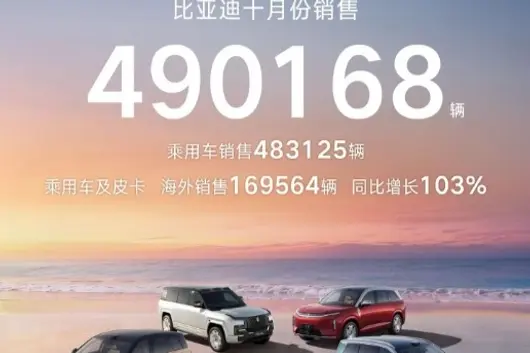
Meluaskan pandangan. BYD Oktober menjual 490,200 unit, termasuk eksport 170,200 unit, mewakili lebih daripada 30%. Geely Oktober jualan keseluruhan 310,200 unit, kenderaan tenaga baharu pertama kali mencapai lebih 200,000 dalam sebulan, termasuk eksport 107,153 unit, meningkat 158% tahun lalu, eksport melebihi 100,000 selama 5 bulan berturut-turut.

Tentu,pekerjaan mengeksport ini tidak semudah itu.Tempok cukai EU, telah didirikan sejak lama, 2024 putusan akhir, BYD tambahan 17%, Geely 18.8%, SAIC 35.3%, digabungkan dengan cukai asas 10%, maksimum sampai 45.3%, pengenaan selama lima tahun.
Tembok masih berubah. Mulai April 2027, kadar pemulangan cukai eksport dari 13% turun ke 9%, bateri litium pemulangan cukai kini telah turun ke 6%, Januari tahun depan terus dibatalkan. Lokalisasi perlu memahami sepenuhnya undang-undang tempatan, menjaga saluran, menangani serikat pekerja, bukan sekadar membina kilang, barulah selamat.

Persaingan seterusnya, jelas, sebenarnya cuma tiga perkara, siapa membina kilang lebih jauh, saluran tertanam lebih dalam, kos ditekan lebih rendah.Jika halangan dalam negeri tidak dilalui, tidak dapat kekal hidup, seberapa besar boleh berkembang, bergantung kepada luar negara.

Di pasaran SUV di Malaysia, ramai pembeli akan membandingkan Toyota Harrier dan Land Rover Discovery Sport ketika memilih kereta. Kedua-dua kereta ini hampir sama dari segi harga dan penempatan, hari ini kita akan membuat perbandingan terperinci dari pelbagai aspek untuk membantu anda menjimatkan masa membuat kajian.
Harga OTR Toyota Harrier di Malaysia ialah RM 289,000 - 289,000, keseluruhan ada 1 varian, termasuk 2026 HEV 2.5L Standard (RM 289,000) dan lain-lain.
Harga OTR Land Rover Discovery Sport di Malaysia ialah RM 499,800 - 499,800, keseluruhan ada 1 varian, termasuk Standard (RM 499,800) dan lain-lain.
Dari segi harga, harga permulaan Toyota Harrier memang lebih murah RM 210,800 berbanding Land Rover Discovery Sport. Jika bajet anda terhad, versi pemula Toyota sudah cukup memenuhi keperluan harian. Namun perlu diingat, perbezaan ribuan ringgit itu mungkin melibatkan pengorbanan pada kelengkapan, bergantung pada keperluan anda.

Penilaian keselamatan Toyota Harrier adalah 5★ (ASEAN NCAP), sistem keselamatan aktif termasuk Brand ADAS.
Penilaian keselamatan Land Rover Discovery Sport adalah TBD, sistem keselamatan aktif termasuk Basic.
Dari segi kelengkapan keselamatan, kedua-dua kereta mendapat penilaian yang baik. Walau bagaimanapun, Brand ADAS pada Toyota Harrier dan Basic pada Land Rover Discovery Sport mempunyai perbezaan dari segi fungsi, jika anda lebih mengutamakan keselamatan aktif, boleh bandingkan senarai fungsi kedua-duanya dengan teliti.

Panjang badan Toyota Harrier ialah 4400 mm, bagasi 400 L.
Panjang badan Land Rover Discovery Sport ialah 4400 mm, bagasi 400 L.
Saiz kedua-dua kereta hampir sama, ruang dalaman tidak banyak berbeza. Kereta dalam kelas ini, untuk penggunaan harian sudah cukup.

Toyota Harrier menggunakan cara pemacu FWD.
Land Rover Discovery Sport menggunakan cara pemacu 4WD.
Perasaan pengendalian FWD Toyota dan 4WD Land Rover akan berbeza, disyorkan untuk membandingkan melalui ujian memandu.

Secara keseluruhan, Toyota Harrier dan Land Rover Discovery Sport adalah model kereta yang sangat baik di pasaran Malaysia. Pilihan bergantung pada keperluan peribadi dan bajet anda. Disyorkan untuk membuat kajian terlebih dahulu, bandingkan beberapa tawaran kedai kereta, kemudian buat ujian memandu untuk membuat keputusan akhir. Membeli kereta adalah perkara besar, meluangkan masa untuk kajian tidak akan salah.


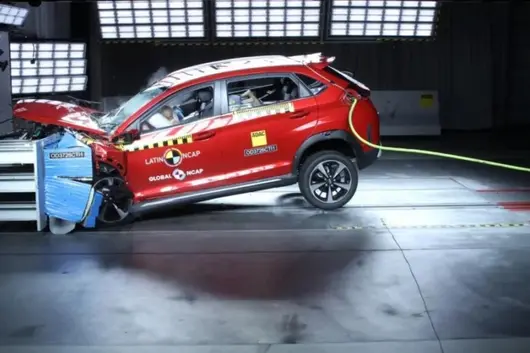
Sebagai syarikat eksport kereta terkemuka di negara ini, Chery kini sedang dilanda tinjauan awam mengenai kualiti dan piawaian keselamatan, pemicunya ialah prestasi buruk modelnya dalam ujian perlanggaran pada kitaran penilaian keselamatan kenderaan baharu Latin NCAP terbaru.

Latin NCAP: Tiggo 2 Meraih Penilaian Sifar Bintang
Pada 28 Oktober 2026, kitaran penilaian keselamatan kenderaan baharu Latin Amerika dan Caribbean (Latin NCAP) mengeluarkan laporan ujian perlanggaran pertama yang menggunakan prosedur ujian baru versi 2026. Chery Tiggo 2 (model yang dipadankan dengan Chery Tiggo 3x untuk pasaran domestik, di pasaran Mexico dinamakan Tiggo 2 Pro, Tiggo 2 Pro Max dan Chery Tiggo 2) menerima penilaian sifar (0 Bintang).

Kenderaan ini dipaparkan dengan empat bantal udara dan sistem pengawalan kestabilan elektronik (ESC) sebagai piawai, namun masih gagal mencapai keperluan keselamatan asas. Laporan menunjukkan, markah perlindungan penumpang dewasa Tiggo 2 adalah 0%, markah perlindungan penumpang kanak-kanak 0%; markah perlindungan pejalan kaki 49%, markah sistem bantuan keselamatan 45%.

Latin NCAP menunjukkan beberapa kecacatan keselamatan penting:
Kestabilan struktur badan: Semasa perlanggaran hadapan, badan utama dan kawasan kaki pemacu mengalami ubah bentuk dan kehilangan kestabilan, menyebabkan dada pemandu terserempak dan cedera teruk;

Risiko kebakaran: Semasa ujian perlanggaran hadapan, risiko kebakaran dikesan, mengancam penumpang dalam kenderaan serta ahli penyelamat;
Kekurangan konfigurasi keselamatan: Kenderaan ini tidak mempunyai bantal udara sisi kepala sebagai piawai; sabuk keselamatan baris belakang tidak dilengkapi dengan pre-tensioner dan limiter; serta kenderaan tidak membawa sebarang sistem bantuan pemanduan lanjutan (ADAS).

Setiausaha Agung Latin NCAP, Alejandro Fulas, menyatakan, keputusan ujian ini telah menolak Chery ke dalam fokus tinjauan awam — produk yang dilancarkan oleh jenama ini untuk pasaran bahagian penting prestasi keselamatannya membimbangkan.
Satu lagi kejadian kualiti berlaku di Malaysia: Pada 6 Oktober, sebuah Chery Omoda 5 mengalami kejadian di mana keseluruhan asas gantungan belakang terlepas semasa dalam perjalanan. Jabatan Pengangkutan Jalan Malaysia (JPJ) serta-merta menghentikan pengesahan model kenderaan tersebut (VTA), menghentikan pendaftaran dan pendaftaran plat kenderaan baharu.

Bagi hal ini, Chery melancarkan pemanggilan semula, melibatkan 8,878 unit model Omoda 5 C, H. Pada 21 Oktober, Yin Tongyue, Pengerusi dan Pengurus Agung Chery, meminta maaf secara terbuka mengenai kejadian kualiti ini di Persidangan Automotif Cerdas Berjejaring Dunia (WICV). Yin Tongyue menekankan bahawa Chery komited untuk 'menanamkan diri dengan mendalam' di pasaran luar negara, bukan mengejar keuntungan jangka pendek; sambil menggesa syarikat automotif China yang keluar negara harus mengekalkan kerendahan hati dan menghormati peraturan dan sistem tempatan.

Siri Chery Tiggo telah keluar sejak tahun 2005, produk telah dieksport ke lebih 80 negara dan wilayah. Siri Tiggo 2 ialah model terendah dengan ambang harga terendah dalam rangkaian produk ini, menonjolkan kegunaan dan kos yang berpatutan. Pada separuh pertama 2026 sahaja, Chery mengeksport lebih 115,028 unit kenderaan ke pasaran Amerika Tengah dan Selatan.

Dalam pasaran SUV di Malaysia, ramai pembeli akan membandingkan Toyota Harrier dan Mercedes-Benz GLE ketika memilih kereta. Kedua-dua kereta ini mempunyai harga dan posisi yang sangat hampir sama, hari ini kita akan membuat perbandingan terperinci dari pelbagai aspek, membantu anda menjimatkan masa penyelidikan.
Toyota Harrier harga OTR di Malaysia ialah RM 289,000 - 289,000, terdapat 1 versi, termasuk 2026 HEV 2.5L Standard (RM 289,000) dan lain-lain.
Mercedes-Benz GLE harga OTR di Malaysia ialah RM 544,888 - 544,888, terdapat 1 versi, termasuk Standard (RM 544,888) dan lain-lain.
Dilihat dari segi harga, harga permulaan Toyota Harrier memang lebih murah RM 255,888 daripada Mercedes-Benz GLE. Jika bajet anda terhad, versi asas Toyota sudah boleh memenuhi keperluan harian. Namun perlu diingat, perbezaan harga ribuan ringgit mungkin mempunyai kompromi pada kelengkapan, ia bergantung pada keperluan anda.
Gred keselamatan Toyota Harrier ialah 5★ (ASEAN NCAP), sistem keselamatan aktif termasuk Brand ADAS.
Gred keselamatan Mercedes-Benz GLE ialah 5★ (Euro NCAP), sistem keselamatan aktif termasuk Premium ADAS.
Dari segi kelengkapan keselamatan, kedua-dua kereta mendapat gred yang baik. Namun, Brand ADAS pada Toyota Harrier dan Premium ADAS pada Mercedes-Benz GLE mempunyai beberapa perbezaan dari segi fungsi, jika anda lebih mengutamakan keselamatan aktif, sila bandingkan senarai fungsi mereka dengan teliti.
Toyota Harrier menggunakan kaedah pemacu FWD.
Mercedes-Benz GLE menggunakan kaedah pemacu FWD.
Kaedah pemacu kedua-dua kereta sama, iaitu FWD, pengalaman memandu harian tidak akan berbeza banyak.
Toyota Harrier jaminan 5 tahun/tan had jarak, selang penyelenggaraan setiap 10,000km atau 6 bulan.
Mercedes-Benz GLE jaminan 3 tahun/100,000km, selang penyelenggaraan setiap 10,000km atau 6 bulan.

Secara keseluruhannya, Toyota Harrier dan Mercedes-Benz GLE adalah model kereta yang sangat baik di pasaran Malaysia. Memilih yang mana satu, kuncinya bergantung pada keperluan peribadi dan bajet anda. Kami menyarankan anda melakukan penyelidikan terlebih dahulu, bandingkan lebih banyak sebut harga dari dealer kereta, kemudian buat ujian memandu untuk membuat keputusan akhir. Membeli kereta adalah perkara penting, meluangkan masa melakukan penyelidikan tidak akan salah.

In the Malaysian SUV market, many buyers when selecting a car will take Toyota Harrier and Mercedes-Benz GLE to compare. These two cars in price and positioning are quite close, today we will make a detailed comparison from multiple aspects, help you save time doing preparation.
Toyota Harrier OTR price in Malaysia is RM 289,000 - 289,000, total 1 version, including 2026 HEV 2.5L Standard (RM 289,000) etc.
Mercedes-Benz GLE OTR price in Malaysia is RM 544,888 - 544,888, total 1 version, including Standard (RM 544,888) etc.
From a price perspective, Toyota Harrier's starting price is indeed RM 255,888 cheaper than Mercedes-Benz GLE. If your budget is limited, Toyota's entry version already can meet daily needs. But also note, the cheaper few thousand, might have trade-offs in equipment, specifically depends on your needs.
Toyota Harrier equipped with 2.0L Turbo, power 220 hp. Official fuel consumption 9.5 L/100km.
Mercedes-Benz GLE equipped with 3.0L Turbo, power 350 hp. Official fuel consumption 12.0 L/100km.
Regarding power, Mercedes-Benz GLE's 3.0L Turbo has 130 more horsepower than Toyota Harrier's 2.0L Turbo. However daily driving in the city, power of both cars is sufficient, won't feel not enough power.
Toyota Harrier body length 4400 mm, trunk 400 L.
Mercedes-Benz GLE body length 4400 mm, trunk 400 L.
The dimensions of both cars are almost the same, interior space difference not big. Cars of this level, daily use completely sufficient.
Toyota Harrier adopts FWD drive mode.
Mercedes-Benz GLE adopts FWD drive mode.
Drive modes of both cars are same, all FWD, daily driving feel won't have too big difference.
Toyota Harrier Warranty 5 Years/Unlimited Mileage, Service Interval Every 10,000km or 6 Months.
Mercedes-Benz GLE Warranty 3 Years/100,000km, Service Interval Every 10,000km or 6 Months.

In general, Toyota Harrier and Mercedes-Benz GLE are both very good models in Malaysia market. Which one to choose, key still depends on your personal needs and budget. Suggest everyone do homework well, compare quotes from several car dealerships, then test drive to make final decision. Buying a car is a big matter, spending time doing preparation absolutely won't be wrong.

In Malaysia's SUV market, many buyers compare Toyota Harrier and BMW X5 when choosing a car. These two cars are quite close in price and positioning. Today we will do a detailed comparison from multiple aspects to save you the time of research.
Toyota Harrier's OTR selling price in Malaysia is RM 289,000 - 289,000, with a total of 1 version, including 2026 HEV 2.5L Standard (RM 289,000), etc.
BMW X5's OTR selling price in Malaysia is RM 470,800 - 470,800, with a total of 3 versions, including 1.5L Standard (RM 86,300), 1.5L Executive (RM 95,300), 1.5L Premium (RM 103,300), etc.
From the price perspective, the starting price of Toyota Harrier is indeed RM 181,800 cheaper than BMW X5. If your budget is limited, Toyota's entry-level version can already meet daily needs. But also note, that few thousand less might involve trade-offs on features, it depends on your specific needs.
Toyota Harrier is equipped with a 2.0L Turbo, 220 hp. Official fuel consumption 9.5 L/100km.
BMW X5 is equipped with a 3.0L Turbo, 350 hp. Official fuel consumption 12.0 L/100km.
In terms of power, BMW X5's 3.0L Turbo has 130 more horsepower than Toyota Harrier's 2.0L Turbo. However, for daily city driving, both cars have sufficient power, you won't feel a lack of power.
Toyota Harrier's safety rating is 5★ (ASEAN NCAP), active safety systems include Brand ADAS.
BMW X5's safety rating is 5★ (ASEAN NCAP), active safety systems include ADAS (ACC, AEB, LKA, LDA, BSM, RCTA).
Both cars have the same safety rating, safety features are considered quite complete in this class. New cars nowadays do not have poor safety, no need to worry too much about this point.
Toyota Harrier warranty 5 years/unlimited mileage, maintenance interval every 10,000km or 6 months.
BMW X5 warranty 5 years/unlimited mileage, maintenance interval every 10,000km or 6 months.

Overall, Toyota Harrier and BMW X5 are both very good models in the Malaysian market. Which one to choose mainly depends on your personal needs and budget. We recommend doing your research, compare quotes from several dealerships, and then test drive to make the final decision. Buying a car is a big matter, spending time on research will never be wrong.

In the Malaysian SUV market, many buyers compare the Toyota Harrier and BMW X5 when choosing a car. These two models are quite close in terms of pricing and positioning. Today, we will make a detailed comparison from multiple aspects to help you save time on research.
The OTR price of Toyota Harrier in Malaysia is RM 289,000 - 289,000, with a total of 1 version, including 2026 HEV 2.5L Standard (RM 289,000), etc.
The OTR price of BMW X5 in Malaysia is RM 470,800 - 470,800, with a total of 3 versions, including 1.5L Standard (RM 86,300), 1.5L Executive (RM 95,300), 1.5L Premium (RM 103,300), etc.
From a price perspective, the starting price of Toyota Harrier is indeed RM 181,800 cheaper than BMW X5. If your budget is limited, Toyota's entry-level version can already meet daily needs. However, also note that the thousands of dollars cheaper might involve trade-offs in features, it depends on your specific needs.
The safety rating of Toyota Harrier is 5★ (ASEAN NCAP), active safety systems include Brand ADAS.
The safety rating of BMW X5 is 5★ (ASEAN NCAP), active safety systems include ADAS (ACC, AEB, LKA, LDA, BSM, RCTA).
Both cars have the same safety rating, and the safety equipment is considered quite complete within this class. New cars nowadays are not bad in terms of safety, no need to worry too much about this point.
Toyota Harrier uses FWD drive configuration.
BMW X5 uses 4WD drive configuration.
Toyota's FWD and BMW's 4WD will feel different in handling, test drive comparison is recommended.
Both Toyota Harrier and BMW X5 are mainstream choices in the Malaysian market, suitable for family use and daily commuting. If you value brand reputation and resale value more, prioritize the one with better reputation; if you care more about value for money and specifications, choose the one with richer specifications. Ultimately, it is recommended to test drive both, as personal experience is the most important.
Overall, Toyota Harrier and BMW X5 are both very good models in the Malaysian market. Which one to choose depends mainly on your personal needs and budget. It is recommended that everyone do their homework, compare quotes from several car dealerships, and then test drive to make a final decision. Buying a car is a big matter, spending time doing research is never wrong.


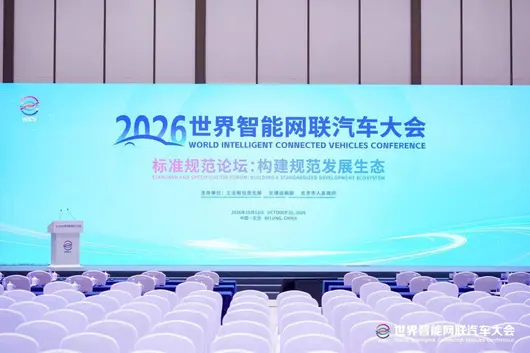
The World Intelligent Connected Vehicle Conference (WICV) is China's first national intelligent connected vehicle professional conference approved by the State Council. It has been successfully held for eight consecutive sessions since 2018. The 2026 World Intelligent Connected Vehicle Conference is co-hosted by the Ministry of Industry and Information Technology, the Ministry of Transportation, and the Beijing Municipal People's Government. This session's theme is "Gathering Wisdom and Energy, Infinite Connectivity - Steadily Moving into the New Era of Autonomous Driving", aiming to build a platform that leads technological innovation in the global automotive industry, promotes international exchange, and consolidates achievement consensus.
On October 22, the "Standard and Specification Forum: Building a Standardized Development Ecosystem" of the 2026 World Intelligent Connected Vehicle Conference was successfully held in Beijing. Deputy Secretary-General Lu Hengxu of the National Automotive Standardization Technical Committee (SAC/TC 114) chaired the meeting.

Lu Hengxu, Deputy Secretary-General of the National Automotive Standardization Technical Committee (SAC/TC 114)
Ma Chunsheng, Director of the Automobile Development Division, Equipment Industry Department I, Ministry of Industry and Information Technology, attended the meeting and delivered a keynote report titled "Co-building International Standard and Regulation System for Intelligent Connected Vehicles and China's Practice". Standards are an important bridge connecting innovation and industry. Currently, the industry is in a critical window period of rapid technological iteration and moving towards scaled application. There are differences in technical routes and regulatory models among various countries, making it urgent to enhance understanding and consolidate consensus through standardized exchange and cooperation: First, solidify the bottom line and layout systematically to build a Chinese intelligent connected vehicle standard system adapted to industrial development; Second, adhere to open co-construction and deeply participate in global intelligent connected vehicle standard and regulation coordination; Third, adhere to mutual learning and win-win results and actively promote regional coordination and multi-party exchange and cooperation. Next, China will continue to unswervingly expand openness in the standardization field, continuously improve the domestic intelligent connected vehicle standard system, participate more deeply in the co-construction of international standard and regulations, actively share China's practices, and work with countries around the world to jointly build an open, inclusive, mutually beneficial and win-win global intelligent connected vehicle standard ecosystem, assisting the high-quality development of the global intelligent mobility industry.

Ma Chunsheng, Director of the Automobile Development Division, Equipment Industry Department I, Ministry of Industry and Information Technology
In the keynote speech session, senior officials from domestic and foreign government departments, representatives of national professional standardization technical committees, and experts from domestic and foreign industry organizations engaged in in-depth exchanges around intelligent connected vehicle industry strategic planning, standard regulations, and other fields.
François Guichard, Secretary of the United Nations Working Party on Automated and Connected Vehicles (GRVA) and World Forum for Harmonization of Vehicle Regulations (WP.1), shared the keynote speech "UN Regulatory Strategic Planning and Implementation Ideas in the Field of Intelligent Connected Vehicles", introducing the UN's regulatory strategic planning and implementation ideas in the field of intelligent connected vehicles.

François Guichard (François Guichard), Secretary of the United Nations Working Party on Automated and Connected Vehicles (GRVA) and World Forum for Harmonization of Vehicle Regulations (WP.1)
Alexander Kupfer, Chairman of the International Electrotechnical Commission Sustainable Electrified Mobility Systems Committee (IEC/SyC SET), shared the keynote speech "Connected Vehicle Systems and Sustainable Development", introducing how standards build a unified technical foundation for sustainable transportation.

Alexander Kupfer (Alexander Kupfer), Chairman of the International Electrotechnical Commission Sustainable Electrified Mobility Systems Committee (IEC/SyC SET)
Richard Krueger, President-elect of the Road Vehicles Technical Committee, Vehicle Dynamics, Chassis Components and Driving Automation System Testing Subcommittee (ISO/TC22/SC33) of the International Organization for Standardization, shared the keynote speech "Future Standardization Strategy Outlook for Intelligent Connected Vehicles", introducing ISO's strategic layout in the field of driving automation system standardization.

Richard Krueger (Richard Krueger), President-elect of the Road Vehicles Technical Committee, Vehicle Dynamics, Chassis Components and Driving Automation System Testing Subcommittee (ISO/TC22/SC33) of the International Organization for Standardization
Andrew Phillips, Deputy Director of Road Safety and Vehicle Regulations, Transport Canada, shared the keynote speech "Adaptability Transformation of Transport Canada's Regulatory Framework for Autonomous Driving Systems (ADS)", introducing the adaptability transformation ideas of Canada's existing vehicle safety regulatory framework.

Andrew Phillips (Andrew Phillips), Deputy Director of Road Safety and Vehicle Regulations, Transport Canada
Edwin Nas, Senior Strategic Advisor of the Policy Division, Certification Department, Vehicle Authority of the Netherlands, shared the keynote speech "Path to Scaled Implementation of Intelligent Connected Vehicles in Europe and the Netherlands", introducing the EU intelligent connected vehicle policy framework and scaled implementation path.

Edwin Nas (Edwin Nas), Senior Strategic Advisor of the Policy Division, Certification Department, Vehicle Authority of the Netherlands
Threepol Boonyamarn, Executive Vice President of Thailand Automotive Institute (TAI), shared the keynote speech "Strategic Blueprint for Empowering High-Quality Development of Regional Intelligent Connected Ecosystem via Thailand Intelligent Connected Vehicle Standards", introducing the construction ideas of Thailand's intelligent connected vehicle standards and regional development blueprint.

Threepol Boonyamarn (Threepol Boonyamarn), Executive Vice President of Thailand Automotive Institute (TAI)
William Gouse, Director of Government and Regulatory Affairs at SAE International, shared the keynote speech "Standardization Dynamics and Regulatory Progress in the Field of Intelligent Connected Vehicles", introducing the value of SAE International standard historical experience and current research progress.

William Gouse (William Gouse), Director of Government and Regulatory Affairs at SAE International
Andrey Bocharov, Head of Compliance Assessment System Development Department at National Automotive Engineering Institute of Russia (NAMI), shared the keynote speech "Research on Practical Application of UN Regulation No. 185 and Global Technical Regulations for Autonomous Driving Systems in Compliance Assessment", introducing the actual application experience of the two regulations in compliance assessment of autonomous driving system vehicles.

Andrey Bocharov (Andrey Bocharov), Head of Compliance Assessment System Development Department at National Automotive Engineering Institute of Russia (NAMI)
Sun Hang, Chief Engineer of China Automotive Standardization Research Institute, shared the keynote speech "Towards 2035 — Iteration and Leadership of China's Intelligent Connected Vehicle Standard System", introducing the effectiveness and iteration path of China's intelligent connected vehicle standard system construction.

Sun Hang, Chief Engineer of China Automotive Standardization Research Institute
Sun Xiaohong, Director of Technical Quality at Intelligent Transportation Research Center, China Highway and Transportation Research Institute, Ministry of Transportation, shared the keynote speech "Exploration and Practice of Intelligent Connected Infrastructure", introducing exploration and practice under the collaborative evolution of transportation equipment and infrastructure.

Sun Xiaohong, Director of Technical Quality at Intelligent Transportation Research Center, China Highway and Transportation Research Institute, Ministry of Transportation
Dai Xiaohui, Secretary-General of the National Communication Standardization Technical Committee (SAC/TC 485), shared the keynote speech "Guidelines for Construction of National Vehicle-Internet Technology Standard System (Information and Communication)", introducing the positioning and main content of "Guidelines for Construction of National Vehicle-Internet Technology Standard System (Information and Communication) (2026 Edition)".

Dai Xiaohui, Secretary-General of the National Communication Standardization Technical Committee (SAC/TC 485)
Zhao Yujuan, Associate Researcher at Road Safety Research Center of the Ministry of Public Security, shared the keynote speech "Planning and Progress of Intelligent Connected Vehicle Traffic Safety Standard System", introducing the construction status and future planning of the intelligent connected vehicle traffic safety standard system.

Zhao Yujuan, Associate Researcher at Road Safety Research Center of the Ministry of Public Security
Shang Zhiyu, Deputy Secretary-General of the National Committee for Digital Standardization of Intelligent Buildings and Residential Areas (SAC/TC 426), shared the keynote speech "Reflections on Standardization of Intelligent Connected Infrastructure under the Background of Digital Smart Construction and Housing", introducing the research framework and progress planning of intelligent connected infrastructure standard system.

Shang Zhiyu, Deputy Secretary-General of the National Committee for Digital Standardization of Intelligent Buildings and Residential Areas (SAC/TC 426)
Zhu Liwei, Secretary-General of the National Road Transportation Standardization Technical Committee (SAC/TC 521), shared the keynote speech "Planning and Progress of Road Transportation Standard System", introducing the road transportation standard system framework, key research projects and future planning.

Zhu Liwei, Secretary-General of the National Road Transportation Standardization Technical Committee (SAC/TC 521)
Zeng Erlin, Vice Chair of the Second Working Group on Radio Access Network of the 3rd Generation Partnership Project (3GPP), shared the keynote speech "3GPP Standard Evolution and Intelligent Connected Vehicle Technology Development", introducing the evolution context of 3GPP standards and its technological empowerment for intelligent connected vehicles.

Zeng Erlin, Vice Chair of the Second Working Group on Radio Access Network of the 3rd Generation Partnership Project (3GPP)
Gong Weijie, Deputy Secretary-General of China Society of Automotive Engineers and Secretary-General of China Intelligent Connected Vehicle Industry Innovation Alliance, shared the keynote speech "Guidance for Integrated Vehicle-Road-Cloud Standard Construction", introducing the background, construction content and research progress of the integrated vehicle-road-cloud standard construction guidance.

Gong Weijie, Deputy Secretary-General of China Society of Automotive Engineers and Secretary-General of China Intelligent Connected Vehicle Industry Innovation Alliance
This forum focused on intelligent connected vehicle standard regulations and industrial policies, sharing experience of intelligent connected vehicle industry development in various countries, and contributed to promoting the healthy and sustainable development of the global intelligent connected vehicle industry.

Pasar SUV di Malaysia, ramai pembeli semasa memilih kereta akan membandingkan Toyota Harrier dan BMW X3. Kedua-dua kereta ini hampir sama dari segi harga dan penarafan, hari ini kita akan membuat perbandingan terperinci dari pelbagai aspek, membantu anda menjimatkan masa untuk membuat kajian.
Harga OTR Toyota Harrier di Malaysia adalah RM 289,000 - 289,000, jumlah ada 1 varian, termasuk 2026 HEV 2.5L Standard (RM 289,000) dan lain-lain.
Harga OTR BMW X3 di Malaysia adalah RM 325,800 - 358,800, jumlah ada 2 varian, termasuk xDrive20i (RM 320,000), xDrive30e (RM 360,000) dan lain-lain.
Daripada segi harga, harga permulaan Toyota Harrier memang lebih murah RM 36,800 daripada BMW X3. Jika bajet anda terhad, varian asas Toyota sudah boleh memenuhi keperluan harian. Tetapi perlu diingat, beberapa ribu ringgit yang murah itu mungkin ada kompromi dalam kelengkapan, bergantung pada keperluan anda.
Toyota Harrier dilengkapi enjin Turbo 2.0L, kuasa 220 hp. Penggunaan bahan api rasmi 9.5 L/100km.
BMW X3 dilengkapi enjin Turbo 2.0L, kuasa 220 hp. Penggunaan bahan api rasmi 9.5 L/100km.
Kedua-dua kereta menggunakan sistem tenaga yang sama, perasaan pemanduan harian hampir tiada beza. Dari segi penggunaan bahan api juga hampir sama, tidak perlu terlalu bimbang tentang hal ini.
Toyota Harrier jaminan 5 tahun/jarak tak terhad, selang penyelenggaraan setiap 10,000km atau 6 bulan.
BMW X3 jaminan 5 tahun/jarak tak terhad, selang penyelenggaraan setiap 10,000km atau 6 bulan.
Toyota Harrier dan BMW X3 adalah pilihan utama di pasaran Malaysia, sesuai untuk kegunaan keluarga, perjalanan harian. Jika anda lebih mengutamakan reputasi jenama dan harga semula, boleh utamakan mana-mana satu yang lebih baik reputasinya; jika anda lebih mementingkan nisbah harga dan prestasi, pilih yang lebih kaya dengan konfigurasi. Akhir sekali disarankan kedua-dua kereta untuk dicuba, pengalaman langsung adalah yang paling penting.

Secara keseluruhan, Toyota Harrier dan BMW X3 adalah model yang sangat bagus di pasaran Malaysia. Memilih mana satu, kunci utamanya masih bergantung pada keperluan dan bajet peribadi anda. Kami sarankan anda membuat kajian, bandingkan harga dari beberapa peniaga kereta, kemudian buat ujian memandu untuk membuat keputusan akhir. Membeli kereta adalah perkara besar, meluangkan masa membuat kajian tidak akan salah.

In the SUV market in Malaysia, many buyers compare Toyota Harrier and BMW X1 when choosing a car. These two cars are quite close in price and positioning. Today, let's make a detailed comparison from multiple aspects to save you the time of doing research.
Toyota Harrier's OTR price in Malaysia is RM 289,000 - 289,000, with a total of 1 version, including 2026 HEV 2.5L Standard (RM 289,000), etc.
BMW X1's OTR price in Malaysia is RM 252,800 - 252,800, with a total of 2 versions, including sDrive18i (RM 220,000), sDrive20i (RM 250,000), etc.
In terms of price, the starting price of BMW X1 is RM 36,200 cheaper than Toyota Harrier. To be honest, at this price range, a difference of a few thousand is not actually that big. The key still lies in the overall cost-performance ratio and long-term usage costs.
Toyota Harrier's safety rating is 5★ (ASEAN NCAP), active safety systems include Brand ADAS.
BMW X1's safety rating is 5★ (Euro NCAP), active safety systems include Premium ADAS.
Regarding safety features, both cars received decent ratings. However, there are some differences in functionality between Toyota Harrier's Brand ADAS and BMW X1's Premium ADAS. If you value active safety more, you can compare their function lists carefully.
Toyota Harrier body length 4400 mm, trunk 400 L.
BMW X1 body length 4400 mm, trunk 400 L.
The dimensions of the two cars are almost identical, with little difference in interior space. For cars of this class, it is completely sufficient for daily use.
Toyota Harrier and BMW X1 are both mainstream choices in the Malaysia market, suitable for family use and daily commuting. If you value brand reputation and resale value more, you can prioritize the one with better reputation; if you care more about cost-performance and features, choose the one with richer configuration. Ultimately, we suggest test driving both, as hands-on experience is the most important.

Overall, Toyota Harrier and BMW X1 are both very good models in the Malaysia market. Which one to choose depends on your personal needs and budget. We suggest doing your research, comparing quotes from a few dealerships, and then test driving to make the final decision. Buying a car is a big deal, spending time doing research will definitely not be wrong.

In the SUV market in Malaysia, many buyers compare the Toyota Harrier and BMW X1 when choosing a car. Both cars are quite close in price and positioning, so today we will make a detailed comparison from multiple aspects to help you save time on research.
The Toyota Harrier OTR price in Malaysia is RM 289,000 - 289,000, totaling 1 version, including 2026 HEV 2.5L Standard (RM 289,000), etc.
The BMW X1 OTR price in Malaysia is RM 252,800 - 252,800, totaling 2 versions, including sDrive18i (RM 220,000), sDrive20i (RM 250,000), etc.
From a price perspective, the BMW X1 starts RM 36,200 cheaper than the Toyota Harrier. Honestly, in this price range, a difference of a few thousand is not actually that big. The key is to look at overall value for money and long-term usage costs.
The Toyota Harrier is equipped with a 2.0L Turbo engine, 220 hp. Official fuel consumption is 9.5 L/100km.
The BMW X1 is equipped with a 2.0L Turbo engine, 220 hp. Official fuel consumption is 9.5 L/100km.
Both cars use the same powertrain system, and the driving experience feels basically the same in daily use. Fuel consumption is also similar, so no need to worry too much about this point.
The Toyota Harrier body length is 4400 mm, trunk 400 L.
The BMW X1 body length is 4400 mm, trunk 400 L.
The dimensions of both cars are almost the same, and the interior space difference is not significant. For this level of car, it is completely sufficient for daily use.
The Toyota Harrier warranty is 5 years/unlimited mileage, service interval every 10,000km or 6 months.
The BMW X1 warranty is 5 years/unlimited mileage, service interval every 10,000km or 6 months.
Overall, the Toyota Harrier and BMW X1 are both very good models in the Malaysian market. Choosing which one depends mainly on your personal needs and budget. We recommend doing your research, comparing quotes from several dealerships, and then test driving to make a final decision. Buying a car is a big deal, and spending some time researching will definitely not be a mistake.

In Malaysia's SUV market, many buyers compare Toyota Harrier and Subaru Forester when choosing a car. These two models are quite close in price and positioning. Today, we will make a detailed comparison from multiple aspects to help you save time on research.
Toyota Harrier's OTR price in Malaysia is RM 289,000 - 289,000, with 1 version available, including 2026 HEV 2.5L Standard (RM 289,000) etc.
Subaru Forester's OTR price in Malaysia is RM 174,000 - 197,000, with 3 versions available, including 2024 2.0L S EyeSight GT Edition (RM 189,538), 2024 2.0L S EyeSight (RM 177,538), 2024 2.0L L EyeSight (RM 167,538) etc.
From a price perspective, Subaru Forester's starting price is RM 115,000 cheaper than Toyota Harrier. To be honest, at this price range, a difference of a few thousand isn't significant; the key is overall value for money and long-term ownership costs.
Toyota Harrier body length 4400 mm, trunk 400 L.
Subaru Forester body length 4400 mm, trunk 400 L.
The dimensions of both cars are almost the same, with little difference in interior space. For a car in this class, daily use is fully sufficient.
Toyota Harrier warranty 5 years/unlimited mileage, maintenance interval every 10,000km or 6 months.
Subaru Forester warranty 3 years/100,000km, maintenance interval every 10,000km or 6 months.
Both Toyota Harrier and Subaru Forester are mainstream choices in the Malaysian market, suitable for family use and daily commuting. If you value brand reputation and resale value more, you can prioritize the one with better reputation; if you care more about value for money and features, choose the one with richer configurations. Ultimately, it is recommended to test drive both; experiencing them firsthand is the most important.

Overall, Toyota Harrier and Subaru Forester are both very good models in the Malaysian market. Choosing which one depends on your personal needs and budget. It is recommended to do your research, compare quotes from several car dealers, and then test drive to make the final decision. Buying a car is a major matter; spending time on research is never wrong.
© 2024 Bitauto.com. All Rights Reserved.
Bitauto (www.yiche.com and www.bitauto.com) is one of the most visited automotive websites in China. We provide detailed info on Chinese car brands available in your area. Please note that the information provided on this website is based on publicly available data and is for reference only. It may not be fully updated or accurate at all times.

Help us improve our website


