

Homerecipes

Search History
Popular Searches
Dealer Login / Sign Up

喺馬來西亞嘅 SUV 市場,好多買家在揀車嘅時候都會拿 Proton X70 同 GWM Haval H6 做比較。呢兩款車喺價位同定位上都幾接近,今日我哋就從多個方面做一個詳細嘅比較,幫你節省做功課嘅時間。
Proton X70 喺馬來西亞嘅 OTR 售價係 RM 106,800 - 122,300,共有 3 個版本,包括 1.5L Standard 2WD(RM 106,800)、1.5L Executive 2WD(RM 115,800)、1.5L Premium 2WD(RM 122,300)等。
GWM Haval H6 喺馬來西亞嘅 OTR 售價係 RM 139,750 - 139,750,共有 2 個版本,包括 1.5L Turbo Standard(RM 140,000)、1.5L Turbo Premium(RM 155,000)等。
由價錢睇,Proton X70 嘅起步價確實比 GWM Haval H6 平咗 RM 32,950。如果你預算有限,Proton 嘅入門版已經可以滿足日常需要。不過都要留意,平啲嘅幾千塊,可能喺配備上會有取捨,具體要睇你嘅需要。
Proton X70 搭載 1.5L Turbo,馬力 140 hp。官方油耗 7.0 L/100km。
GWM Haval H6 搭載 Hybrid,馬力 170 hp。官方油耗 4.5 L/100km。
動力方面,GWM Haval H6 嘅 Hybrid 比 Proton X70 嘅 1.5L Turbo 多咗 30 匹馬力。不過日常喺市區開,兩款車嘅動力都夠用,唔會覺得唔夠勁。
Proton X70 嘅安全評級係 5★ (ASEAN NCAP),主動安全系統包括 ADAS (ACC, AEB, LKA, LDA, BSM, RCTA)。
GWM Haval H6 嘅安全評級係 TBD,主動安全系統包括 Basic。
安全配備方面,兩款車都拿到唔錯嘅評級。不過 Proton X70 嘅 ADAS (ACC, AEB, LKA, LDA, BSM, RCTA) 同 GWM Haval H6 嘅 Basic 喺功能上有少少差異,如果你比較重視主動安全嘅話,可以仔細比較下兩者嘅功能列表。
Proton X70 車身長 4400 mm,車尾箱 400 L。
GWM Haval H6 車身長 4400 mm,車尾箱 400 L。
兩款車嘅尺寸幾乎一樣,車內空間差別唔大。呢個級別嘅車,日常使用完全夠用。
Proton X70 同 GWM Haval H6 都係馬來西亞市場嘅主流選擇,適合家庭用途、日常通勤。如果你更重視品牌口碑同二手價,可以優先考慮口碑更好嗰一款;如果你更在意性價比同配備,那就揀配置更豐富嗰款。最後都建議兩款都去試駕,親身體會先至最重要。
總體嚟講,Proton X70 同 GWM Haval H6 都係馬來西亞市場好唔錯嘅車型。揀邊一輛,關鍵都要睇你嘅個人需要同預算。建議大家做好功課,多比較間車行嘅報價,先至去試駕做最終決定。買車係件大事,花少少時間做功課絕對唔會錯。

In the Malaysian SUV market, many buyers compare Perodua Aruz and Mazda CX-3 when choosing a car. These two cars are quite close in price and positioning, so today we will make a detailed comparison from multiple aspects to help you save time on research.
Perodua Aruz OTR price in Malaysia is RM 72,900 - 77,900, with a total of 2 versions, including 1.5L X (RM 72,900), 1.5L AV (RM 77,900), etc.
Mazda CX-3 OTR price in Malaysia is RM 126,159 - 139,159, with a total of 2 versions, including 2023 2.0L High (RM 139,159), 2023 2.0L Plus (RM 126,159), etc.
From a price perspective, Perodua Aruz starting price is indeed RM 53,259 cheaper than Mazda CX-3. If your budget is limited, Perodua's entry-level version can already meet daily needs. But also note, the few thousand saved might involve trade-offs in features, depending on your specific needs.

Perodua Aruz safety rating is 5★ (ASEAN NCAP), active safety systems include.
Mazda CX-3 safety rating is 5★ (ASEAN NCAP), active safety systems include i-Activsense.
Both cars have the same safety rating, and safety features are quite comprehensive within this class. New car safety is generally not bad nowadays, so there is no need to worry too much about this.

Perodua Aruz body length 4400 mm, trunk 400 L.
Mazda CX-3 body length 4500 mm, trunk 450 L.
Regarding space, Mazda CX-3 body is 100 mm longer than Perodua Aruz, offering better passenger space. However, Perodua Aruz is slightly more flexible for parking in the city, each has its trade-offs.

Perodua Aruz warranty 5 years/150,000km, service interval every 10,000km or 6 months.
Mazda CX-3 warranty 5 years/150,000km, service interval every 10,000km or 6 months.
Both cars have the same warranty conditions, no need to worry about this. Actual maintenance costs depend on the brand's service network and parts prices, suggest asking real owners in car owner groups for experience.

Perodua Aruz and Mazda CX-3 are both mainstream choices in the Malaysian market, suitable for family use and daily commuting. If you value brand reputation and resale value more, prioritize the one with better reputation; if you care more about cost-performance ratio and features, choose the one with richer configuration. Ultimately, we suggest test driving both, as hands-on experience is most important.

Overall, Perodua Aruz and Mazda CX-3 are both very good models in the Malaysian market. Which one to choose ultimately depends on your personal needs and budget. We recommend doing your homework, comparing quotes from several dealerships, and then test driving to make the final decision. Buying a car is a big matter, spending time doing research will never be wrong.


In Malaysia's SUV market, many buyers compare Perodua Aruz and Mazda CX-30 when choosing a car. These two cars are quite close in price and positioning. Today, we will make a detailed comparison from multiple aspects to save you time on research.
The OTR price of Perodua Aruz in Malaysia is RM 72,900 - 77,900, with a total of 2 versions, including 1.5L X (RM 72,900), 1.5L AV (RM 77,900), etc.
The OTR price of Mazda CX-30 in Malaysia is RM 122,409 - 146,409, with a total of 4 versions, including 2025 2.0L High+ Premium (RM 146,409), 2025 2.0L High+ (RM 138,409), 2025 2.0L High (RM 130,409), etc.
From a price perspective, the starting price of Perodua Aruz is indeed RM 49,509 cheaper than Mazda CX-30. If your budget is limited, Perodua's entry-level version can already meet daily needs. But note that the few thousand cheaper might have trade-offs in features, depending on your specific needs.
Perodua Aruz is equipped with 1.5L 4-cyl, 105 hp. Official fuel consumption 6.0 L/100km.
Mazda CX-30 is equipped with 1.5L Turbo, 140 hp. Official fuel consumption 7.0 L/100km.
In terms of power, Mazda CX-30's 1.5L Turbo has 35 more horsepower than Perodua Aruz's 1.5L 4-cyl. However, for daily city driving, both cars have enough power, you won't feel underpowered.
Perodua Aruz safety rating is 5★ (ASEAN NCAP), active safety systems include .
Mazda CX-30 safety rating is 5★ (ASEAN NCAP), active safety systems include i-Activsense.
Both cars have the same safety rating, safety features in this class are quite comprehensive. New cars' safety nowadays is not poor, no need to worry too much about this.
Perodua Aruz body length 4400 mm, trunk 400 L.
Mazda CX-30 body length 4500 mm, trunk 450 L.
In terms of space, Mazda CX-30's body is 100 mm longer than Perodua Aruz, offering more advantage in passenger space. However, Perodua Aruz is a bit more flexible for parking in the city, each has trade-offs.

Perodua Aruz adopts FWD drive system.
Mazda CX-30 adopts FWD drive system.
Both cars have the same drive system, both are FWD, there won't be much difference in daily driving experience.

Overall, Perodua Aruz and Mazda CX-30 are both very good models in the Malaysian market. Which one to choose depends on your personal needs and budget. We suggest doing your homework, compare quotes from several dealerships, and then test drive to make the final decision. Buying a car is a big deal, spending time on research is never wrong.

1 Ogos, data jualan Julai bagi pelbagai jenama kereta baharu elektrik secara beransur-ansur dibuka.
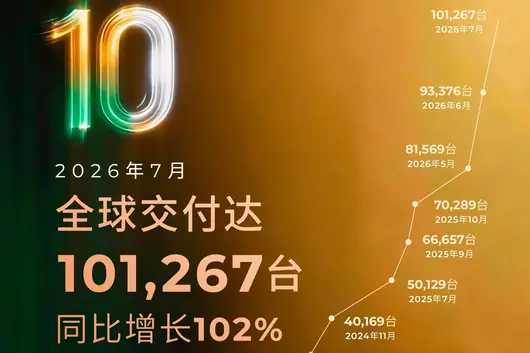
Kereta Leapmotor segera memaparkan 'pencapaian' Julai — 101,267 unit, meningkat 102% berbanding tahun sebelumnya, setara dengan lebih daripada dua kali ganda pada tempoh yang sama tahun lalu.
Leapmotor berjaya melepasi ambang penghantaran 100,000 unit buat kali pertama, menjadi syarikat kereta domestik pertama kali melampaui 100,000 unit jualan bulanan dalam sejarah industri pembuat kereta baharu.
Yang menariknya, Xpeng 38,027 unit, NIO 35,934 unit, Li Auto 30,468 unit — tiga pemain utama terdahulu 'NIO, Xpeng, Li Auto', kini jumlah jualan mereka baru setara dengan Leapmotor. Li Auto pula mencatat penurunan serentak bulan demi bulan selama tiga bulan berturut-turut, pemimpin terdahulu dalam kalangan pembuat kereta baharu, kini ketinggalan tiga kali ganda berbanding Leapmotor.
Malah, ia telah 'Terus Memimpin' (Slogan), Jualan 'Lima Domain' HarmonyOS Intelligence pada Julai ialah 45,046 unit.
Ramai rakan kereta pada ketika ini baru sedar, bila Leapmotor menjadi sebegitu hebat?

01, Orang lain untung duit jenama, Leapmotor untung duit 'kilang'
Kerana Leapmotor berjaya sampai ke hari ini, kad teras utamanya ialah empat perkataan: R&D Merentas Segala Kawasan.
Ramai orang tiada konsep terhadap empat perkataan ini, berfikir bukankah ia hanya membangunkan sesetengah barang sendiri? Tetapi apa yang dilakukan Leapmotor, jauh lebih melampau daripada yang dibayangkan kebanyakan orang.
Seterusnya, sehingga kini, bahagian-bahagian yang direka dan dihasilkan sendiri oleh Leapmotor, telah mencecah 65% daripada kos BOM keseluruhan kenderaan. Apa maksudnya? Dari teras 'Tiga Elektrik' seperti bateri, pemacu elektrik, kawalan elektrik, ke kabin pintar, pemanduan pintar, arkitektur elektronik dan elektrik, lalu meluas ke kompresor, lampu kereta, kerusi, penampan, kuasa berkenderaan yang tradisionalnya dianggap tidak perlu dibuat sendiri. Sedikit pun nilai tinggi, Leapmotor melakukannya sendiri.

Zhu Jiangming telah mengira satu pengiraan: Berdasarkan margin kasar purata industri komponen kereta 15%, Hanya bagi item R&D sendiri ini, kos per kenderaan Leapmotor lebih rendah kira-kira 10% berbanding pesaing.
Apakah konsep 10% ini? Iaitu kereta dengan konfigurasi yang sama, Leapmotor boleh lebih murah 10,000 hingga 20,000 berbanding orang lain, tetapi masih untung; Orang lain menjual pada harga ini akan rugi, tetapi Leapmotor menjual pada harga ini masih boleh mengekalkan margin kasar yang sihat.
Ini bukan gaya pemasaran, ini adalah gen pengilangan yang terpahat dalam tulang belakang Zhu Jiangming. Ramai orang mungkin terlupa, sebelum Zhu Jiangming membuat kereta, dia adalah salah satu pengasas Dahua Technology, Berkecimpung dalam pengilangan keselamatan selama beberapa dekad. Bagaimana persekitaran industri keselamatan? Merosakkan harga sehingga ke tulang, mengorek kos satu sen demi satu sen. Orang lain melihat pembekal yang perlu diurus, Zhu Jiangming melihat berapa banyak keuntungan penaja boleh dipadamkan di tengah-tengah.
Contoh paling klasik ialah lampu kereta. Pada masa dahulu apabila Leapmotor membuat kereta pertama, mencari pembekal untuk sebut harga, satu set lampu kereta beratus yuan. Zhu Jiangming menarik pasukan mengira sendiri, menggunakan pengumpulan teknologi terpencil dari Dahua untuk membangunkan sendiri, akhirnya kos ditekan setengan daripada asal.
Jadi apabila anda melihat kereta Leapmotor, anda akan rasa pelik: kenapa konfigurasi lebih tinggi daripada orang lain, harga pula lebih rendah? Bukan Leapmotor rugi untuk menarik perhatian, tetapi ia menyerahkan semua keuntungan di tengah rantai pasokan kepada pengguna. Mengikut kata-kata Zhu Jiangming sendiri: 'Kami hanya untung duit kilang kontrak, yang lain untuk pengguna.'

02, Adakah Leapmotor mempunyai teknologi teras sendiri?
Ramai orang mempunyai salah faham tentang Leapmotor, berfikir ia bergantung pada harga murah, teknologi tidak cukup.
Ini sebenarnya kesilapan terbesar.
Harga murah hanyalah hasil, di belakangnya adalah satu sistem teknologi R&D sendiri yang menyokong.
Yang paling teras ialah arkitektur elektronik dan elektrik terintegrasi 'Sikat Empat Daun'. Mudah-mudahnya, ini rumit, kata mudah juga mudah: Kereta tradisional adalah arkitektur bersebaran, puluhan ECU mengurus masing-masing, Leapmotor menggunakan satu cip SOC ditambah satu cip MCU, mengintegrasikan sepenuhnya fungsi empat domain: kabin, pemanduan pintar, kuasa, dan badan.
Yang paling hebat ialah, arkitektur ini bukan hanya untuk kenderaan flagship, malah A10 kelas 100,000 pun dilengkapi sebagai piawai, ini sebelum ini tidak pernah terbayang.
Apabila arkitektur terpusat, kelajuan respons keseluruhan kenderaan, kemampuan OTA, kadar kerosakan akan jauh lebih baik, kos sebaliknya menurun.
Seterusnya ialah teknologi integrasi bateri dan sasis CTC2.0Plus. Leapmotor adalah antara syarikat kereta domestik pertama yang memasyukan CTC, kini jumlah pemasangan terkumpul lebih daripada 500,000 unit. Secara mudahnya, bateri digabungkan terus dengan sasis, penutup atas bekas bateri tradisional dikeluarkan, Jimat ruang dan berat, kekerasan badan kenderaan malah lebih tinggi. Dari segi keselamatan, bateri Leapmotor telah mencapai tidak terbakar atau meletup selama 48 jam semasa kegagalan termal, 24 kali ganda piawaian negara baharu.

Dari segi 'Tiga Elektrik', Pemacu elektrik penyejukan minyak pintar Leapmotor adalah direka dan dihasilkan sepenuhnya sendiri, Kebebasan integriti 8 dalam 1 adalah lebih tinggi daripada 3 dalam 1, 6 dalam 1 arus perdana industri, kecekapan dan kebolehpercayaan lebih baik. Platform SiC tekanan tinggi 800V juga bukan eksklusif untuk kereta高端, dari siri C 200,000 ke siri B 100,000, semuanya diberikan,配合 pengecasan pantas 4C, kelajuan pengecasan selari dengan barisan pertama.
Pemanduan pintar sebelum ini adalah kelemahan Leapmotor, tetapi kini telah mengejar. Gabungan LiDAR + cip pemanduan pintar Qualcomm 8650, telah mampu navigasi senario penuh dari tempat parkir ke tempat parkir, dan ia adalah piawai percuma selamanya. Pada hari teknologi September, Leapmotor juga akan mempopularkan pemanduan pintar generasi baharu berasaskan model dunia, terus menyaingi barisan pertama industri.
Secara mudahnya, Leapmotor bukan tidak ada teknologi, ia menggunakan teknologi di tempat yang boleh disentuh pengguna, bukan dibelanjakan untuk pemasaran dan premium jenama.
03, Menyerap dari 60,000 hingga 300,000, Inilah 'Strategi Terbuka' Terbesar
Tempat bijak kedua Leapmotor, ialah ia tidak pernah mempunyai 'beban ikon pembuat kereta baharu'.
Apabila pembuat kereta baharu lain bermula, hampir semua menatap pasaran高端 di atas 300,000, bercakap jenama, nada, lapisan pengguna, seolah-olah tidak menjual mahal sedikit tidak layak dipanggil pembuat kereta baharu. Hasilnya? Pasar berfluktuasi, kuasa pengguna高端 menurun, jualan terus tertekan. Kesusahan Li Auto sekarang, besarannya kerana produk terikat pada atas 300,000, naik tidak boleh, turun tidak boleh.
Leapmotor berbeza, ia tidak pernah berfikir mahu hanya buat高端 dari awal. Kini matriks produk Leapmotor, Siri A, B, C, D, dari kereta入门 60,000, sehingga MPV flagship atas 300,000, semua jalur harga utama tidak ketinggalan satu pun.

Struktur jualan Julai baru lalu, sangat menerangkan masalah:
① Siri A A10, jualan bulanan hampir 30,000 unit, ini adalah asas Leapmotor, mengikat pengguna入门 terluas dengan kuat;
② Siri B Julai pecah 20,000 unit, kumulatif global sudah 250,000 unit;
③ Siri C C10 jualan bulanan global stabil pecah 10,000, Siri C terkumpul dijual 850,000 unit;
④高端 D19 jualan bulanan pecah 10,000, MPV D99 yang baru keluar, purata pesanan pertama terus capai atas 300,000.
Kereta低端 laris mengurangkan kos, keretapertengahan sumbangan untung, kereta高端 tegakkan jenama, keseluruhan jalur harga membentuk piramid lengkap,
Tidak seperti pembuat kereta baharu lain, berjalan dengan satu kaki, pasar berubah bergoyang, inilah tempat paling menakutkan Leapmotor.
Ramai orang merendahkan kereta低端, berfikir kereta 60,000, 80,000 tidak untung.
Tetapi fakta ialah, model入门 yang laris inilah yang撑kan skala rantai pasokan Leapmotor.
Semakin besar skala, kos komponen R&D sendiri semakin rendah, kos semakin rendah, produk semakin kompetitif, kemudian dijual lebih banyak — ini adalah kitaran positif.
Kini kitaran ini telah berputar.

04, Luar negara Leapmotor, lebih ganas daripada yang difikirkan semua orang
Ramai orang hanya melihat Leapmotor jualan dalam negeri bagus, tidak perasan perniagaan luarnya telah diam-diam lari jadi nombor satu pembuat kereta baharu.
Internasionalisasi Leapmotor berjalan laluan 'meminjam kapal keluar laut' kerjasama dengan Stellantis, tidak perlu bangun laluan dari sifar sendiri, terus gunakan rangkaian peniaga Stellantis di seluruh dunia. Kini Leapmotor telah masuk ke 35 negara dan wilayah全球, rangkaian perkhidmatan jualan luar negara lebih dari 800.
2025 Leapmotor eksport 60,000 unit sepanjang tahun, yang paling banyak eksport dalam kalangan pembuat kereta baharu. Tahun ini kelajuan lebih pantas, Julai baru mula hantar di Mexico, di Indonesia umumkan produksi rakitan KD tempatan.

Di Eropah, Leapmotor B10 dijual bermula 29,900 Euro, ditukar ke Renminbi 230,000 lebih, lebih mahal daripada dalam negara satu kali ganda lebih, tetap dijual tidak begitu buruk — pasaran Itali, setiap 3 kereta elektrik penuh ada 1 unit adalah Leapmotor B10.
Sasaran Zhu Jiangming lebih aneh, dia kata masa depan jualan luar negeri Leapmotor mesti mencecah 60% daripada jumlah jualan. Apakah konsep ini?
Jika Leapmotor tahun depan betul-betul boleh capai jualan tahunan 1,000,000 unit, itu ialah 600,000 unit eksport, nombor ini sekarang walaupun ramai syarikat kereta tradisional tidak mampu capai.
Membanding pembuat kereta baharu lain, NIO, Xpeng luar negara masih dalam peringkat cuba air kecil, Li Auto malah hampir tidak keluar laut. Apabila pasaran dalam negara bergelut hingga pisau tajam nampak merah, Leapmotor telah membuka medan perang kedua di luar negara, guna kelebihan kos dalam negara menyerang pasaran luar negara, ini satu lagi serangan dimensi turun.

05, Adakah Leapmotor ada kelemahan?
Jualan bulanan 100,000 sudah tentu bukan hujung, Leapmotor sendiri sangat jelas di mana letak kelemahannya.
Sebelum ini ramai orang mengkritik pemanduan pintar Leapmotor, kerana wang dibelanjakan pada perkakasan dan Tiga Elektrik, pelaburan algoritma perisian agak lewat.
Tetapi Zhu Jiangming sudah bersuara, pada hari teknologi September tahun ini, Leapmotor akan mempopularkan sistem pemanduan pintar berasaskan model dunia, ingin mengejar pada pemanduan pintar.
Selain itu, pada Ogos ada model baharu A05 perlu dipopularkan, matriks produk akan lebih padat.

Dari 6 tahun lalu jualan bulanan beberapa ratus unit, hingga hari ini jualan bulanan 100,000 unit, jalan yang dilalui Leapmotor sebenarnya sama sekali tidak baru — Iaitu cara pengilangan tradisional: pegang teknologi di tangan sendiri, tekan kos ke bawah, sebar produk hingga lengkap, buat pasaran hingga seluruh dunia.
Hanya dalam industri pembuat kereta baharu yang semua orang mahu cerita baru, semua orang mahu tikung tikungan, orang yang rela buat kerja bodoh begini, terlalu sedikit.
Apabila pembuat kereta baharu lain masih bergelut dengan jualan bulanan 30,000, 40,000, Leapmotor telah diam-diam tetapkan sasaran jualan tahunan 1,000,000, malah masa depan 4,000,000 unit.
Kini lihat ke belakang, apa masalahnya Leapmotor tiba-tiba popular, hanya musim menuai sahaja.

In the Malaysian SUV market, many buyers compare Perodua Aruz and Subaru Crosstrek when choosing a car. These two cars are quite close in price and positioning, today we will do a detailed comparison from multiple aspects, helping you save time on research.
The OTR price of Perodua Aruz in Malaysia is RM 72,900 - 77,900, there are a total of 2 versions, including 1.5L X (RM 72,900), 1.5L AV (RM 77,900) etc.
The OTR price of Subaru Crosstrek in Malaysia is RM 145,000 - 160,000, there is a total of 1 version, including 2.0L e-Boxer (RM 150,000) etc.
Looking at the price, Perodua Aruz's starting price is indeed RM 72,100 cheaper than Subaru Crosstrek. If your budget is limited, Perodua's entry-level version can already meet daily needs. But also note, the few thousand cheaper, might have trade-offs in features, specifically depends on your needs.
Perodua Aruz adopts FWD drive method.
Subaru Crosstrek adopts FWD drive method.
The drive method of both cars is the same, both are FWD, daily driving feeling will not have too big difference.
Perodua Aruz warranty 5 years/150,000km, maintenance interval every 10,000km or 6 months.
Subaru Crosstrek warranty 3 years/100,000km, maintenance interval every 10,000km or 6 months.
Perodua Aruz and Subaru Crosstrek are both mainstream choices in the Malaysian market, suitable for family use, daily commuting. If you value brand reputation and resale value more, you can prioritize the one with better reputation; if you value value for money and features more, then choose the model with richer configuration. Ultimately it is suggested to test drive both models, personal experience is the most important.

Overall, Perodua Aruz and Subaru Crosstrek are both very good models in the Malaysian market. Which one to choose, the key still depends on your personal needs and budget. It is suggested to do homework well, compare quotes from several dealers, then test drive to make final decision. Buying a car is a big matter, spending some time doing homework will definitely not be a mistake.

喺馬來西亞嘅 SUV 市場,好多買家喺揀車嗰陣,都會拿 Proton X50 同 Chery Tiggo 9 黎作比較。呢兩款車喺價位同定位上都差不多,今日我就從多個方面做一個詳細嘅比較,幫你節省做功課嘅時間。
Proton X50 喺馬來西亞嘅 OTR 售價係 RM 89,800 - 113,300,一共有 4 個版本,包括 1.5T Executive(RM 89,800)、1.5T Premium(RM 101,800)、1.5T Flagship(RM 113,300)等。
Chery Tiggo 9 喺馬來西亞嘅 OTR 售價係 RM 166,800 - 179,800,一共有 1 個版本,包括 2026 2.0T Standard(RM 179,750)等。
從價錢嚟睇,Proton X50 嘅起價確實比 Chery Tiggo 9 平咗 RM 77,000。如果你預算有限,Proton 嘅入門版已經可以滿足日常需求。但都要注意,便宜嗰幾千塊,可能喺配備上有取捨,具體要睇你嘅需求。

Proton X50 車身長 4400 mm,後廂 400 L。
Chery Tiggo 9 車身長 4400 mm,後廂 400 L。
兩款車嘅尺寸幾乎一樣,車內空間分別唔大。呢個級別嘅車,日常使用完全夠用。
Proton X50 保養保修 5 年/150,000km,保養間隔 每 10,000km 或 6 個月。
Chery Tiggo 9 保養保修 3 年/100,000km,保養間隔 每 10,000km 或 6 個月。

Proton X50 同 Chery Tiggo 9 都係馬來西亞市場嘅主流選擇,適合家庭使用、日常通勤。如果你更睇重品牌口碑同二手價,可以優先考慮口碑更好嗰一款;如果你更在意性價比同配備,嗰就揀配備更豐富嗰款。最終都係建議兩款都去試駕,親身體驗先係最重要嘅。

總體嚟講,Proton X50 同 Chery Tiggo 9 都係馬來西亞市場幾不錯嘅車型。揀邊一部,關鍵都要睇你嘅個人需求同預算。建議大家做好功課,多比較幾間車行嘅報價,再去試駕做最終決定。買車係件大事,花少少時間做功課絕對唔會錯。


Now that the centennial automotive industry is entering a crossroads of deep transformation, data has become the key to decoding trends and insight into the future. On July 11, during the 23rd Changchun International Automobile Expo, Cui Dongshu, Secretary-General of the Passenger Car Market Information Joint Committee of the China Automobile Dealers Association, released authoritative industry data for the national passenger car market with the theme "Global Automotive Trade Layout and Overseas Mobility Scene Ecosystem Construction". This release not only outlines the grand picture of the restructuring of the global automotive industry pattern, but also, with detailed coordinate parameters, marked a clear course for Changchun and even the Chinese automotive industry: "Gathering Momentum, Innovating, Building Dreams, Moving Forward".

I. Observing the Change in Scale: Global Pattern Deeply Reshaped, China's Engine Power is Strong
Cui Dongshu pointed out in the release that the global automotive market is experiencing a historical reshuffle from a stock game to incremental restructuring. Traditional markets such as Europe, the US, Japan, and South Korea are seeing growth saturate, and competition has fully shifted from "incremental expansion" to "stock replacement"; meanwhile, emerging forces represented by China are rewriting the industry map with unstoppable momentum.
Looking far ahead, this change is far from over. Cui Dongshu made a profound judgment in the data release: the current global automotive sales volume is maintained at a scale of 96 million vehicles, and with the comprehensive rollout of electrification transition, the long-term space of the global automotive market is expected to break through 150 million vehicles — this is not only the inevitable trend of industrial transformation but also a vast blue ocean for Chinese automotive exports. The world automotive pattern is being completely reshaped due to electrification, and Chinese automotive exports will usher in a continuous surge. Breaking through the 10 million mark in 2026 is just the prologue, and the growth space for the next 30 years remains boundless.
In 2026, against the background of divergent trends in the global automotive market, Chinese automotive exports are expected to enter a high-quality era of 12 million vehicles at the 10 million vehicle level, continuously holding the top spot globally, and becoming the undisputed core engine driving the growth of global automotive trade. Particularly crucially, China's new energy vehicles account for over 60% of the global share, and in the plug-in hybrid field, it occupies nearly 75% of the global share — this is not only a lead in scale but also marks that China has firmly grasped the initiative in defining the rights and discourse power of the global new energy vehicle industry.

II. Observing the Optimization in Structure: Three Major Scenes Fully Penetrated, Ecosystem Export Paradigm Upgraded
Data is the appearance, structure is the essence. Cui Dongshu emphasized that Chinese automotive exports have completely shed the old labels of "low-end and low-price", achieving a qualitative leap from "scale expansion" to "value output". This leap is concentrated in the precise penetration and ecosystem coverage of three major core overseas mobility scenes: In the private vehicle use field, relying on the combination of "easy to drive, not expensive, service guarantee", Chinese brands have vigorously broken through 60% market share in emerging markets such as Thailand and Indonesia; In the ride-hailing operational field, through the full-link ecosystem of "customized models, exclusive finance, dedicated refueling", Chinese solutions are reshaping the ride-hailing business model in Southeast Asia; In the long and short rental scenes, "complete vehicle + full-dimension service" eliminates overseas operators' deep concerns about asset value preservation. This group of data profoundly reveals a trend change: The globalization of Chinese automobiles is no longer the trade output of a single product, but the global replication of a complete set of "complete vehicle + refueling + maintenance + finance + digitalization" five-in-one green mobility solutions — a mature, profitable, high-stickiness ecosystem loop is accelerating to spread across the world map.

III. Observing the Window of Opportunity: Filling the Inclusivity Gap, Changchun is at the Right Time
Based on the present and looking forward, Cui Dongshu's data judgment has marked a clear opportunity direction for the global automotive industry. He pointed out that there is a structural gap of "excess high-end and insufficient inclusivity" in the current global market — this is exactly the core breakthrough for Chinese brands to break out. Whoever understands the scenes better and understands the users better, and fills the vacuum of mass consumption and operational markets with high cost-performance and high utility products, will hold the initiative in global competition. Changchun, as the core hub of the Northeast Asian automotive industry, possesses natural geographic advantages and mature logistics channels towards Russia, South Korea, and Southeast Asia, and is exactly at the golden coordinate of the strategic pivot point of the Chinese automotive ecosystem export strategy. The trend of "localization rooting, scenario deep plowing, ecosystem collaboration" revealed in this data release provides highly significant decision reference and path guidance for Changchun and Northeast automotive companies to set sail overseas.

Data defines the present, and trends reveal the future. As Cui Dongshu deeply summarized in the release conclusion: "The globalization of the Chinese automotive industry has completed the leap from 'complete vehicle export' to 'outputting a complete global green mobility solution'. Relying on multi-scenario and full-industry chain advantages, we use products to make up for shortcomings, use models to build ecosystems, and use industries to empower the world — this is not only the confidence of Chinese new energy vehicles leading the future, but also anchors a clear course for the Changchun automotive industry to explore the global market." This resounding judgment has sublimated a data release into a collective ignition of industry confidence.
A grand blueprint from "Made in China Automobile" to "Made in China Global Green Mobility Ecosystem" has been spread out. We firmly believe that relying on the surging momentum of China's new energy vehicle full industry chain, based on Changchun Northeast Asian open hub's golden location, the Chinese automotive industry will surely ride the wind and waves in the tide of global industrial change, and with unstoppable momentum, sail towards a broader, greener, and smarter new journey.


在马来西亚的SUV市场,很多买家在选车的时候都会拿 Mazda CX-80 和 Mercedes-Benz GLA 来做比较。这两款车在价位和定位上都蛮接近的,今天我们就从多个方面做一个详细的对比,帮你省下做功课的时间。
Mazda CX-80 在马来西亚的 OTR 售价是 RM 296,610 - 296,610,一共有 1 个版本,包括 2025 2.5L 65km High Plus(RM 296,610) 等。
Mercedes-Benz GLA 在马来西亚的 OTR 售价是 RM 258,888 - 295,888,一共有 1 个版本,包括 Standard(RM 258,888) 等。
从价钱来看,Mercedes-Benz GLA 的起步价比 Mazda CX-80 便宜了 RM 37,722。老实讲,在这个价位段,几千块的差距其实不算大,关键还是看整体的性价比和长期使用成本。

Mazda CX-80 的安全评级是 5★ (ASEAN NCAP),主动安全系统包括 Brand ADAS。
Mercedes-Benz GLA 的安全评级是 5★ (Euro NCAP),主动安全系统包括 Premium ADAS。
安全配备方面,两款车都拿到了不错的评级。不过 Mazda CX-80 的 Brand ADAS 和 Mercedes-Benz GLA 的 Premium ADAS 在功能上有些差异,如果你比较看重主动安全的话,可以仔细对比一下两者的功能列表。

Mazda CX-80 车身长 4500 mm,后备箱 450 L。
Mercedes-Benz GLA 车身长 4400 mm,后备箱 400 L。
空间方面,Mazda CX-80 的车身比 Mercedes-Benz GLA 长了 100 mm,车内乘坐空间会稍微宽裕一些,尤其是后座腿部空间。如果你经常载家人或者需要放婴儿车,大一点的车身确实更实用。

Mazda CX-80 采用 FWD 驱动方式。
Mercedes-Benz GLA 采用 FWD 驱动方式。
两款车的驱动方式一样,都是 FWD,日常驾驶感受不会有太大区别。

总的来说,Mazda CX-80 和 Mercedes-Benz GLA 都是马来西亚市场很不错的车型。选择哪一辆,关键还是要看你的个人需求和预算。建议大家做好功课,多比较几间车行的报价,再去试驾做最终决定。买车是件大事,花点时间做功课绝对不会错。


在马来西亚的SUV市场,很多买家在选车的时候都会拿 Honda WR-V 和 Chery Tiggo 8 来做比较。这两款车在价位和定位上都蛮接近的,今天我们就从多个方面做一个详细的对比,帮你省下做功课的时间。
Honda WR-V 在马来西亚的 OTR 售价是 RM 89,900 - 107,900,一共有 4 个版本,包括 2023 1.5L V(RM 99,900)、2023 1.5L E(RM 95,900)、2023 1.5L S(RM 89,900) 等。
Chery Tiggo 8 在马来西亚的 OTR 售价是 RM 129,750 - 129,750,一共有 1 个版本,包括 2026 1.6T Standard(RM 129,750) 等。
从价钱来看,Honda WR-V 的起步价确实比 Chery Tiggo 8 便宜了 RM 39,850。如果你预算有限,Honda 的入门版已经可以满足日常需求。但也要注意,便宜的那几千块,可能在配备上会有取舍,具体要看你的需求。

Honda WR-V 搭载 1.5L 4-cyl,马力 105 hp。官方油耗 6.0 L/100km。
Chery Tiggo 8 搭载 1.5L Turbo,马力 140 hp。官方油耗 7.0 L/100km。
动力方面,Chery Tiggo 8 的 1.5L Turbo 比 Honda WR-V 的 1.5L 4-cyl 多了 35 匹马力。不过日常在市区开,两款车的动力都够用,不会觉得不够力。
Honda WR-V 车身长 4400 mm,后备箱 400 L。
Chery Tiggo 8 车身长 4400 mm,后备箱 400 L。
两款车的尺寸几乎一样,车内空间差别不大。这个级别的车,日常使用完全够用。
Honda WR-V 采用 FWD 驱动方式。
Chery Tiggo 8 采用 FWD 驱动方式。
两款车的驱动方式一样,都是 FWD,日常驾驶感受不会有太大区别。

Honda WR-V 保修 5年/无限制里程,保养间隔 每10,000km或6个月。
Chery Tiggo 8 保修 3年/100,000km,保养间隔 每10,000km或6个月。
总的来说,Honda WR-V 和 Chery Tiggo 8 都是马来西亚市场很不错的车型。选择哪一辆,关键还是要看你的个人需求和预算。建议大家做好功课,多比较几间车行的报价,再去试驾做最终决定。买车是件大事,花点时间做功课绝对不会错。

© 2024 Bitauto.com. All Rights Reserved.
Bitauto (www.yiche.com and www.bitauto.com) is one of the most visited automotive websites in China. We provide detailed info on Chinese car brands available in your area. Please note that the information provided on this website is based on publicly available data and is for reference only. It may not be fully updated or accurate at all times.

Help us improve our website


