

Homeseekers

Search History
Popular Searches
Dealer Login / Sign Up

Recently, Haomai Technology released its 2026 Q3 report: revenue for the first three quarters was 9.27 billion yuan, a year-on-year increase of 14.78%; net profit attributable to parent company was 1.612 billion yuan, a year-on-year decrease of 9.84%. Among them, Q3 revenue was 3.254 billion yuan, up 15.74%, net profit attributable to parent company was 479 million yuan, down 19.05%. "Revenue growth without profit growth" became the most prominent tag.

Exchange Rates and Costs Squeeze Profits
There are two key words for the profit decline: exchange rates and costs. Finance costs for the first three quarters changed from -70.48 million yuan to 150 million yuan, a year-on-year change of 312.57%, mainly affected by increased exchange losses; operating cost growth rate was higher than revenue, Q3 single quarter gross margin was 26.85%, down 6.21 percentage points year-on-year. For equipment manufacturing enterprises with a high proportion of overseas business, exchange rate fluctuations are changing from a "financial minor item" to a "major profit item".

Tire Molds Fully Produced and Sold, Capacity Expansion Building Strength
The other side of profit pressure is full orders. Contract liabilities increased to 439 million yuan, up 31.18% compared to the beginning of the period; construction in progress was 679 million yuan, up 35.79% compared to the beginning of the period; R&D expenses were 516 million yuan, up about 13% year-on-year.
As a leader in tire molds, the company's main business is operating at full capacity. The Kuiwen Mold Project total investment is about 1.097 billion yuan, which will add new high-performance radial tire mold capacity of 25,000 sets/year, expected to be put into production successively by the end of 2026. Against the backdrop of full tire mold orders, new capacity is expected to break delivery bottlenecks and accelerate performance release.

Electric Heating Vulcanizing Machines Win Continuous Large Orders
The company recently successively won bids for the Wanli Tire Electric Heating Vulcanizing Machine Renovation Project and the Malaysia Base New Machine Project, with a total amount exceeding 38 million yuan, accelerating the realization of the second growth curve.

Overall, this Q3 report presents a picture of "scale increasing, orders not weak, expansion continuing, but exchange rates and costs squeeze profits in the short term". Securities firms expect the company's net profit attributable to parent company to be 2.59/3.25/4.10 billion yuan respectively for 2026-2028. Risks such as slowing tire mold demand and exchange rate fluctuations need to be monitored.

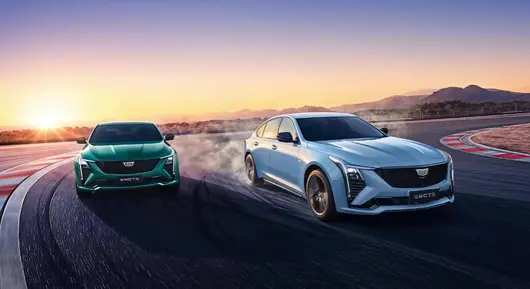
Recently, SAIC Motor Group announced October production and sales bulletin, SAIC General Motors sold only 25,865 cars, while the same period last year was 53,182 cars, a drop of 51.37% year-on-year, a genuine halving of sales volume.
It is worth noting that the overall market of the entire SAIC Motor Group October was only a slight decline, independent brands were still rising, only SAIC General Motors fell hard.
More lamentably, the Buick Zhijing Series, originally regarded as a lifeline, fell steadily after a high opening and hovered at a low level for a long time.

In fact, this halving was not a sudden crash, but a concentrated outbreak after long-term bleeding. Reviewing this year's data reveals that SAIC General Motors' sales have been sliding all along.
Extending the timeline to the first 10 months, cumulative production was 3.5284 million units, down 6.13% year-on-year; cumulative sales were 3.5771 million units, down 1.92% year-on-year. The overall market is still contracting slightly.
But there is another side hidden in the structure. New Energy Vehicle sales in October were 258,600 units, up 25.12% year-on-year; cumulative from January to October were 1.6469 million units, up 27.72% year-on-year. Export and overseas base October sales were 162,500 units, up 67.28% year-on-year; cumulative 1.3281 million units, up 54.04% year-on-year.
What really stands out is the differentiation among brands. Same as October, some are rising, some are collapsing:
SAIC Motor Passenger Vehicle 123,879 units, up 32.68% year-on-year
SAIC Maxus 32,343 units, up 62.47% year-on-year
SAIC-GM-Wuling 157,184 units, down 6.41% year-on-year
SAIC Volkswagen 67,500 units, down 27.94% year-on-year
SAIC General Motors 25,865 units, down 51.37% year-on-year
IM Motors 7,837 units, down 40.32% year-on-year
Overseas subsidiaries are another curve: SAIC Zhengda 2,694 units, up 1.89% year-on-year; SAIC-GM-Wuling Indonesia 2,281 units, up 33.24% year-on-year; Jetstar MG India 7,964 units, up 25.85% year-on-year.
On one side, New Energy and exports saw double-digit growth, while the joint venture sector fell significantly. Behind the total sales of 430,000 units, SAIC's ledger is being reallocated.

Hua Che Quan has something to say,
This 51.37% plunge is more like a warning bell. The market will never stay in the past, if you cannot keep up with changes, you can only be left behind.
If joint venture brands still update slowly like squeezing toothpaste, smart technology cannot keep up, and prices lack enough sincerity, the decline will only continue.

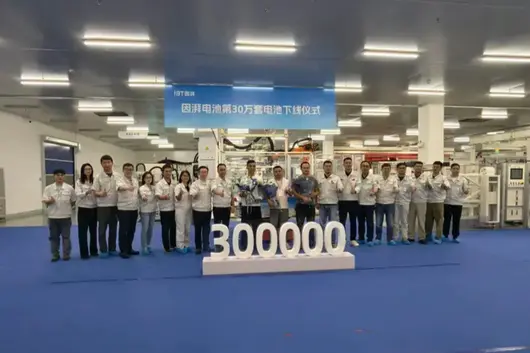
Yinpai Battery is the main body of GAC Group's battery industrialization, with a total investment of RMB 10.9 billion. It features full-stack self-developed and self-produced power and energy storage batteries, covering the two major fields of new energy vehicles and energy storage. Understanding Yinpai's recent series of actions is inseparable from the examination of this industrialization base.
"Full-stack self-developed and self-produced" means that Yinpai is not simply a battery assembly or procurement integrator, but possesses independent design and manufacturing capabilities from cells to battery systems. The advantages of this model lie in: on the one hand, technology iteration is not constrained by the pace of external suppliers, allowing products to be quickly defined around vehicle needs; on the other hand, quality and safety standards can run from the source to the finished product, forming a consistent manufacturing capability. Yinpai creates industry benchmark products with excellent lithium battery manufacturing capabilities. Its cells do not smoke, catch fire, or explode even under needle puncture, 360° twisting, and three-fold conditions, which is a direct manifestation of this manufacturing capability.
The investment scale of RMB 10.9 billion reflects GAC's determination for long-term investment in battery industrialization. Pursuing both power and energy storage fields simultaneously also means Yinpai's business structure is not limited to vehicle usage scenarios, but faces the broader new energy application market. From the production line exit of the 300,000th set of power batteries, to the opening of the Thailand factory, every step of Yinpai is built on this industrialization base.


In the Malaysian SUV market, many buyers compare the Mazda CX-3 and MG MG HS when choosing a car. These two models are quite close in price and positioning. Today, we will make a detailed comparison from multiple aspects to help you save time on research.
The Mazda CX-3 OTR price in Malaysia is RM 126,159 - 139,159, with 2 versions in total, including 2023 2.0L High (RM 139,159), 2023 2.0L Plus (RM 126,159), etc.
The MG MG HS OTR price in Malaysia is RM 130,450 - 146,450, with 2 versions in total, including 1.5L Standard (RM 105,000), 1.5L Executive (RM 115,000), etc.
From the price perspective, the Mazda CX-3's starting price is indeed RM 4,291 cheaper than the MG MG HS. If your budget is limited, Mazda's entry-level version can already meet daily needs. However, be aware that the few thousand ringgit savings might come with trade-offs in features, depending on your specific requirements.

Mazda CX-3 is equipped with 1.5L Turbo, 140 hp. Official fuel consumption 7.0 L/100km.
MG MG HS is equipped with 1.5L Turbo, 140 hp. Official fuel consumption 7.0 L/100km.
Both cars use the same powertrain system, the driving feel is basically no different in daily use. Fuel consumption is also similar, no need to worry too much about this point.

Mazda CX-3 body length 4500 mm, trunk 450 L.
MG MG HS body length 4400 mm, trunk 400 L.
In terms of space, the Mazda CX-3 body is 100 mm longer than the MG MG HS, the interior seating space is slightly more spacious, especially rear legroom. If you often carry family or need to store a stroller, the larger body is indeed more practical.

Mazda CX-3 adopts FWD drive mode.
MG MG HS adopts FWD drive mode.
Both cars have the same drive mode, both are FWD, daily driving feel will not have too much difference.
Overall, Mazda CX-3 and MG MG HS are both very good car models in the Malaysian market. Which one to choose depends mainly on your personal needs and budget. It is recommended to do your homework, compare quotes from multiple car dealerships, and then test drive to make a final decision. Buying a car is a big matter, spending time doing research will never be wrong.


Dalam pasaran SUV di Malaysia, ramai pembeli ketika memilih kereta akan membandingkan Mazda CX-3 dan Chery Tiggo 8. Kedua-dua kereta ini mempunyai harga dan kategori yang hampir sama, hari ini kita akan buat perbandingan terperinci dari pelbagai aspek untuk membantu anda menjimatkan masa penyelidikan.
Mazda CX-3 dijual dengan harga OTR di Malaysia adalah RM 126,159 - 139,159, terdapat 2 varian, termasuk 2023 2.0L High (RM 139,159), 2023 2.0L Plus (RM 126,159) dan lain-lain.
Chery Tiggo 8 dijual dengan harga OTR di Malaysia adalah RM 129,750 - 129,750, terdapat 1 varian, termasuk 2026 1.6T Standard (RM 129,750) dan lain-lain.
Dari segi harga, harga permulaan Mazda CX-3 memang lebih murah RM 3,591 berbanding Chery Tiggo 8. Jika bajet anda terhad, varian asas Mazda sudah boleh memenuhi keperluan harian. Tetapi perhatikan, perbezaan harga beberapa ribu ringgit ini mungkin ada kompromi dalam kelengkapan, bergantung pada keperluan anda.
Mazda CX-3 panjang badan 4500 mm, bagasi 450 L.
Chery Tiggo 8 panjang badan 4400 mm, bagasi 400 L.
Dari segi ruang, badan Mazda CX-3 100 mm lebih panjang daripada Chery Tiggo 8, ruang duduk dalam kenderaan sedikit lebih luas, terutamanya ruang kaki baris belakang. Jika anda sering membawa keluarga atau perlu letak kereta bayi, badan yang lebih besar memang lebih praktikal.
Mazda CX-3 menggunakan sistem pemacu FWD.
Chery Tiggo 8 menggunakan sistem pemacu FWD.
Kedua-dua kereta menggunakan cara pemacu yang sama, iaitu FWD, pengalaman memandu harian tidak akan terlalu berbeza.
Mazda CX-3 dan Chery Tiggo 8 adalah pilihan utama pasaran Malaysia, sesuai untuk kegunaan keluarga, perjalanan harian. Jika anda lebih mementingkan reputasi jenama dan harga kedua, utamakan yang mempunyai reputasi lebih baik; jika anda lebih mementingkan nilai kos dan kelengkapan, pilih yang mempunyai kelengkapan lebih banyak. Pada akhirnya, disyorkan untuk ujian memandu kedua-duanya, pengalaman sendiri adalah paling penting.

Secara keseluruhannya, Mazda CX-3 dan Chery Tiggo 8 adalah model kereta yang cukup baik di pasaran Malaysia. Memilih yang mana, kunci sebenarnya adalah keperluan dan bajet anda. Kami sarankan anda melakukan penyelidikan, bandingkan beberapa tawaran dari kedai kereta berbeza, kemudian buat ujian memandu untuk keputusan akhir. Membeli kereta adalah perkara besar, meluangkan masa untuk penyelidikan tidak akan salah.

喺馬來西亞嘅 SUV 市場,好多買家喺揀車嘅時候都會拿 馬自達 CX-3 同 奇瑞 Tiggo 8 Pro 黎比較。兩部車喺價位同定位上都好接近,今日我哋就從多個方面做個詳細對比,幫你攞省咗做功課嘅時間。
馬自達 CX-3 喺馬來西亞嘅 OTR 售價係 RM 126,159 - 139,159,合共 2 個版本,包括 2023 2.0L High(RM 139,159)、2023 2.0L Plus(RM 126,159) 等。
奇瑞 Tiggo 8 Pro 喺馬來西亞嘅 OTR 售價係 RM 159,750 - 159,750,合共 2 個版本,包括 1.6L Turbo Standard(RM 130,000)、1.6L Turbo Premium(RM 145,000) 等。
由價錢睇落嚟,馬自達 CX-3 嘅起步價確實比 奇瑞 Tiggo 8 Pro 平咗 RM 33,591。如果你預算有限,馬自達嘅入門版已經可以滿足日常需要。但都要留意,平嘅幾千蚊,可能喺配備上會有取捨,具體要睇你嘅需要。
馬自達 CX-3 配備 1.5L Turbo,馬力 140 hp。官方油耗 7.0 L/100km。
奇瑞 Tiggo 8 Pro 配備 2.0L 4-cyl,馬力 170 hp。官方油耗 8.0 L/100km。
動力方面,奇瑞 Tiggo 8 Pro 嘅 2.0L 4-cyl 比 馬自達 CX-3 嘅 1.5L Turbo 多咗 30 匹馬力。不過日常喺市區行,兩部車嘅動力都夠用,唔會覺得唔夠力。
馬自達 CX-3 嘅安全評級係 5★ (ASEAN NCAP),主動安全系統包括 i-Activsense。
奇瑞 Tiggo 8 Pro 嘅安全評級係 TBD,主動安全系統包括 Basic。
安全配備方面,兩部車都拿到唔錯嘅評級。不過 馬自達 CX-3 嘅 i-Activsense 同 奇瑞 Tiggo 8 Pro 嘅 Basic 喺功能上有啲分別,如果你比較重視主動安全嘅話,可以仔細對比下兩者嘅功能清單。
馬自達 CX-3 車身長 4500 mm,行李廂 450 L。
奇瑞 Tiggo 8 Pro 車身長 4400 mm,行李廂 400 L。
空間方面,馬自達 CX-3 嘅車身比 奇瑞 Tiggo 8 Pro 長咗 100 mm,車內乘坐空間會稍微寬裕啲,尤其係後座腳部空間。如果你經常載家人或者需要放嬰兒車,大啲嘅車身確實更實用。
馬自達 CX-3 採用 FWD 驅動方式。
奇瑞 Tiggo 8 Pro 採用 FWD 驅動方式。
兩部車嘅驅動方式一樣,都係 FWD,日常駕駛感受唔會有太大分別。
總體嚟講,馬自達 CX-3 同 奇瑞 Tiggo 8 Pro 都係馬來西亞市場好唔錯嘅車型。揀邊一部,關鍵仲係睇你個人需要同埋預算。建議大家做好功課,多比較幾間車行之報價,再去做試駕先做最後決定。買車係件大事,花少少時間做功課絕對無錯。

In the Malaysian SUV market, many buyers compare Toyota Harrier and Land Rover Discovery Sport when choosing a car. These two cars are quite close in price and positioning. Today, we will make a detailed comparison from multiple aspects to help you save time on research.
The OTR price of Toyota Harrier in Malaysia is RM 289,000 - 289,000, with 1 variant available, including 2026 HEV 2.5L Standard (RM 289,000), etc.
The OTR price of Land Rover Discovery Sport in Malaysia is RM 499,800 - 499,800, with 1 variant available, including Standard (RM 499,800), etc.
In terms of price, the Toyota Harrier's starting price is indeed RM 210,800 cheaper than the Land Rover Discovery Sport. If your budget is limited, Toyota's entry-level version can already meet daily needs. But note, the few thousand dollars saved might involve trade-offs in features, depending on your specific needs.

Toyota Harrier is equipped with a 2.0L Turbo, 220 hp. Official fuel consumption 9.5 L/100km.
Land Rover Discovery Sport is equipped with a 3.0L Turbo, 350 hp. Official fuel consumption 12.0 L/100km.
In terms of power, the 3.0L Turbo in Land Rover Discovery Sport has 130 more horsepower than the 2.0L Turbo in Toyota Harrier. However, for daily city driving, both cars have sufficient power and won't feel underpowered.

Toyota Harrier body length 4400 mm, trunk 400 L.
Land Rover Discovery Sport body length 4400 mm, trunk 400 L.
The dimensions of both cars are almost the same, with little difference in interior space. For this class of cars, daily use is fully sufficient.

Toyota Harrier adopts FWD drive mode.
Land Rover Discovery Sport adopts 4WD drive mode.
Toyota's FWD and Land Rover's 4WD will feel different in handling; test driving comparison is recommended.

Toyota Harrier and Land Rover Discovery Sport are both mainstream choices in the Malaysian market, suitable for family use and daily commuting. If you value brand reputation and resale value more, you can prioritize the one with better reputation; if you care more about cost-performance and features, choose the one with richer configuration. In the end, it is recommended to test drive both; personal experience is the most important.

Overall, Toyota Harrier and Land Rover Discovery Sport are both very good models in the Malaysian market. Which one to choose depends mainly on your personal needs and budget. It is recommended that everyone do their research, compare quotes from several dealerships, and then test drive to make the final decision. Buying a car is a big matter; spending time doing research will never be wrong.


Dalam pasaran SUV di Malaysia, ramai pembeli membandingkan Toyota Harrier dan Mercedes-Benz GLA ketika memilih kereta. Kedua-dua kereta ini mempunyai harga dan kedudukan yang agak dekat. Hari ini, kita akan membuat perbandingan terperinci dari pelbagai aspek untuk membantu anda menjimatkan masa membuat kajian.
Harga OTR Toyota Harrier di Malaysia ialah RM 289,000 - 289,000, terdapat keseluruhan 1 versi, termasuk 2026 HEV 2.5L Standard (RM 289,000) dan lain-lain.
Harga OTR Mercedes-Benz GLA di Malaysia ialah RM 258,888 - 295,888, terdapat keseluruhan 1 versi, termasuk Standard (RM 258,888) dan lain-lain.
Dari segi harga, harga permulaan Mercedes-Benz GLA adalah RM 30,112 lebih murah berbanding Toyota Harrier. Jujur berkata, dalam julat harga ini, perbezaan beberapa ribu sebenarnya tidak besar, yang penting adalah melihat nilai keseluruhan serta kos penggunaan jangka panjang.
Toyota Harrier dilengkapi enjin 2.0L Turbo, kuasa 220 hp. Penggunaan bahan api rasmi 9.5 L/100km.
Mercedes-Benz GLA dilengkapi enjin 2.0L Turbo, kuasa 220 hp. Penggunaan bahan api rasmi 9.5 L/100km.
Kedua-dua kereta menggunakan sistem kuasa yang sama, perasaan memandu harian secara asas tidak ada perbezaan. Dari segi penggunaan bahan api juga hampir sama, tidak perlu terlalu bimbang tentang perkara ini.
Toyota Harrier garan 5 tahun/ jarak tanpa had, selang penyelenggaraan setiap 10,000 km atau 6 bulan.
Mercedes-Benz GLA garan 3 tahun/100,000km, selang penyelenggaraan setiap 10,000 km atau 6 bulan.
Toyota Harrier dan Mercedes-Benz GLA adalah pilihan utama pasaran Malaysia, sesuai untuk penggunaan keluarga dan perjalanan harian. Jika anda lebih menghargai reputasi jenama dan harga jualan semula, anda boleh memberi keutamaan kepada model yang mempunyai reputasi lebih baik; jika anda lebih memprioritaskan nilai harga dan kelengkapan, pilihlah model yang lebih kaya konfigurasi. Akhir sekali, disarankan untuk memandu ujian kedua-duanya, pengalaman peribadi adalah yang paling penting.

Secara keseluruhan, Toyota Harrier dan Mercedes-Benz GLA adalah model yang sangat baik di pasaran Malaysia. Memilih yang mana, kuncinya masih bergantung pada keperluan dan bajet peribadi anda. Disarankan untuk membuat kajian terlebih dahulu, membandingkan banyak kutipan harga dari pengedar kereta yang berbeza, kemudian memandu ujian untuk membuat keputusan akhir. Membeli kereta adalah urusan besar, menghabiskan masa untuk membuat kajian tidak akan salah.
Tesla registered a sales subsidiary with registered capital of about 3 million USD in Ho Chi Minh City in September 2026, and began recruiting sales managers and charging project development managers by the end of October. The signal of entering Vietnam needs no further speculation. However, entering a market and "winning" in that market are two completely different things. Tesla once grew from zero to a dominant position for foreign electric vehicles in China, but in Vietnam, it is stepping into a unipolar pattern ruled by local champions, where both tariffs and charging networks are tilted. Will Tesla sell well in Vietnam in the future?

Local Vietnamese Brand VinFast Holds 36% Share
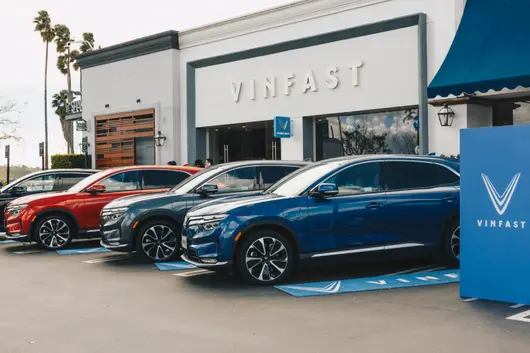
VinFast delivered 177,697 vehicles in Vietnam in the first 9 months of 2026, accounting for 36% of the national new car sales of about 495,000 units, which is more than Toyota, Hyundai, Mitsubishi, Ford, and Kia combined.
September's single-month share was 37.7%, ranking as Vietnam's best-selling car brand for 25 consecutive months.
More critically is the structure: In the first half of the year, out of about 116,000 sales in the pure electric market, VinFast contributed 115,916 units alone, which is almost equal to the entire category. VinFast's VF 3, a micro electric crossover priced under $13,000, took the first place in Vietnam's cumulative annual sales.

VinFast's advantages go far beyond the four words "local brand". It operates about 98% of charging ports in Vietnam through its affiliate V-Green, over 150,000 car and motorcycle charging ports nationwide, and plans to add $380 million to build 99 super charging stations.
For Vietnamese consumers, buying VinFast means accessing a network already rolled out nationwide, while buying other brands means finding power on someone else's socket. This is a barrier that product power cannot easily offset.
Tariff Asymmetry: Tesla Sells "Tax-Inclusive Price", VinFast Sells "Zero Tariff Price"
Tariffs on imported complete vehicles in Vietnam vary by country of origin, ranging from 47% to 70%; complete vehicles produced in China also face high tariffs under the ASEAN-China FTA, while CKD parts tariffs are less than 10%.
VinFast assembles in Hai Phong, using a large amount of batteries and parts supplied by China, and under the 2025 government decree, almost bears no import tariff costs.

It is almost impossible for Tesla to build a factory in Vietnam in the initial stage; the most realistic path is to export complete vehicles from the Shanghai Gigafactory, which means that for every Model Y entering Vietnam, a tax that VinFast does not bear is already embedded in the vehicle price.
The direct consequence of this tariff wall is that the pricing space is locked. VinFast's cheapest VF 3 is under $13,000; even with Tesla starting from the Model 3 RWD, adding over 47% import tax burden, the on-the-road price is unlikely to enter the range easily accessible by mainstream Vietnamese families.

Tesla will not lack buyers in Vietnam—there will always be urban middle classes willing to pay a premium for brands and products—but what it fights for has never been "whether anyone buys", but whether it can sell in volume to change market structure. Without addressing tariffs, the answer leans towards negative.
Chinese Brands are Near Vietnam, but Share is Less Than 5%
The presence of Chinese brands in Vietnam is completely mismatched with geographical distance. In the first half of 2026, the share of Chinese brands in Vietnam's pure electric market was less than 5%; in September's top 18 by VAMA, only JMC remained among Chinese brands, while BYD, Chery, MG, Geely, and Wuling were all absent. As a comparison, Chinese brands account for 90% of Thailand's pure electric market.
The reason is not that products are bad, but that three types of barriers overlap: VinFast's policy tilt and consumer recognition, Japanese brands' two decades of accumulated distribution networks and used car residual value systems, and Hyundai-Kia's local assembly pushing A0-class prices so low that the price-performance ratio pivot point of Chinese brands disappears.

Chinese brands are bypassing tariffs by building factories—Chery is building a 120,000 unit full-process factory in Hung Yen, Geely is joint venturing CKD in Thai Binh, BYD is first landing a battery factory—but these are all plans starting in 2026 and cannot be converted into terminal share in the short term.
An intriguing detail is: The battery for VinFast VF 3 comes from Gotion, the motor and ECU from Inbol, and the welding assembly line is provided by Guangzhou MingLuo. The Chinese supply chain has penetrated deeply into the "backbone" of Vietnamese electric vehicles, but Chinese brands themselves are blocked from entering the door. This exactly shows that Vietnam's barriers are not technical, but structural.
Charging and Purchasing Power: 150,000 Charging Ports, 98% Belong to One System
The total volume of Vietnam's public charging network is not backward in Southeast Asia, with about 150,000 charging ports, a density of 15 per 10,000 people. 99 super charging stations can compress charging time to about 15 minutes.
But the problem lies in the structure: V-Green controls about 98% of them, and third-party operators can hardly find large-scale entry points. Tesla recruiting a "Charging Project Development Manager" indicates it plans to build its own supercharging network, but in a market already covered by a single ecosystem, the capital expenditure and time cost of laying down from scratch are far higher than in the entry phase of Thailand or the Philippines.

Private charging conditions depend on housing forms. Urban residents in Vietnam mostly live in townhouses or apartments; townhouse owners can technically install home charging piles, and electricity fees are calculated at residential rates; apartment dwellers face property management and parking space ownership restrictions, making installation far from a universal option. Public fast charging prices are about 1,565 Vietnamese Dong/kWh in off-peak hours, and can reach about 4,298 Vietnamese Dong/kWh in peak hours. Usage costs are competitive in themselves, but "whether it can be charged" constrains decision-making more than "how much per kWh" **.

Purchasing power is a deeper constraint. Vietnam's per capita GDP is about $5,000, with vehicle ownership per 1,000 people only 55 to 63, Thailand is 277, Malaysia is 535, and only about 9% to 10% of households nationwide own cars. EV penetration rate of 35% is already the highest in Southeast Asia, but this is built on a low base and a rapidly growing mobility starting point. VinFast opened the door to the mass market with VF 3 under $13,000, while Tesla's product matrix has no counterpart option.
Tesla Can Sell Cars in Vietnam, but Hard to "Grow Big"
Tesla's realistic role in Vietnam is likely a supplementary player for imported high-end electric vehicles, rather than the definer of the mass market. It has brand appeal, production capacity and cost basis from the Shanghai factory, and an entry rhythm verified in Thailand and the Philippines of "recruit first, open city second".

But VinFast's 36% share, 98% charging network coverage, and zero-tariff local assembly constitute a structural advantage that an imported brand cannot equalize with product power in the medium term. Chinese brands are trading time by building factories. Once Chery and Geely's local capacity ramps up, competition in the 150,000-level market will further dilute Tesla's downward exploration space.
Tesla once won in China, relying on a time window when opponents were not prepared. Vietnam's window was already largely closed by VinFast before Tesla arrived. Selling hundreds or thousands of vehicles is a business; wanting to define a category like in China, in Vietnam is not difficult, it is almost impossible.

喺馬來西亞嘅 SUV 市場,好多買家喺揀車嘅時候都會拎 Toyota Harrier 同 Subaru Crosstrek 黎比較。這兩款車喺價位同定位上都好接近,今日我哋就從多個方面做一個詳細嘅對比,幫你省咗做功課嘅時間。
Toyota Harrier 喺馬來西亞嘅 OTR 售價係 RM 289,000 - 289,000,一共有 1 個版本,包括 2026 HEV 2.5L Standard(RM 289,000)等等。
Subaru Crosstrek 喺馬來西亞嘅 OTR 售價係 RM 145,000 - 160,000,一共有 1 個版本,包括 2.0L e-Boxer(RM 150,000)等等。
從價錢睇,Subaru Crosstrek 嘅起步價比 Toyota Harrier 平咗 RM 144,000。實講嚟講,喺呢個價位段,幾千蚊嘅差距其實唔算大,關鍵仲係睇整體嘅性價比同長期使用成本。
Toyota Harrier 搭載 2.0L Turbo,馬力 220 hp。官方油耗 9.5 L/100km。
Subaru Crosstrek 搭載 1.5L Turbo,馬力 140 hp。官方油耗 7.0 L/100km。
動力方面,Toyota Harrier 嘅 2.0L Turbo 比 Subaru Crosstrek 嘅 1.5L Turbo 多咗 80 匹馬力,中段加速更有信心,尤其係跑高速公路超車嘅時候。唔過 Subaru Crosstrek 嘅油耗可能更抵用,日常市區通勤分別唔會太大。
Toyota Harrier 嘅安全評級係 5★ (ASEAN NCAP),主動安全系統包括 Brand ADAS。
Subaru Crosstrek 嘅安全評級係 5★ (Euro NCAP),主動安全系統包括 EyeSight。
安全配備方面,兩款車都拿到唔錯嘅評級。唔過 Toyota Harrier 嘅 Brand ADAS 同 Subaru Crosstrek 嘅 EyeSight 喺功能上有啲差異,如果你比較睇重主動安全嘅話,可以仔細對比下兩者嘅功能列表。
Toyota Harrier 車身長 4400 mm,後尾箱 400 L。
Subaru Crosstrek 車身長 4400 mm,後尾箱 400 L。
兩款車嘅尺寸幾近一樣,車內空間分別唔大。呢個級別嘅車,日常使用完全夠用。

Toyota Harrier 保修 5 年/無限里程,保養間隔 每 10,000km 或 6 個月。
Subaru Crosstrek 保修 3 年/100,000km,保養間隔 每 10,000km 或 6 個月。

總體嚟講,Toyota Harrier 同 Subaru Crosstrek 都係馬來西亞市場好唔錯嘅車型。揀邊一輛,關鍵仲係要睇你嘅個人需要同預算。建議大家做好功課,多比較幾間車行嘅報價,再去試駕做最後決定。買車係件大事,花啲時間做功課絕對唔會錯。

In the Malaysian SUV market, many buyers compare Toyota Harrier and Volvo XC90 PHEV when choosing a car. These two cars are quite close in price and positioning. Today, we will make a detailed comparison from multiple aspects to help you save research time.
The OTR price for Toyota Harrier in Malaysia is RM 289,000 - 289,000, with a total of 1 version, including 2026 HEV 2.5L Standard (RM 289,000) etc.
The OTR price for Volvo XC90 PHEV in Malaysia is RM 434,888 - 434,888, with a total of 2 versions, including 2025 2.0T 77km Ultra (RM 434,888), What safety features does the Volvo XC90 PHEV have? (RM 362,888) etc.
From a price perspective, the starting price of Toyota Harrier is indeed RM 145,888 cheaper than Volvo XC90 PHEV. If your budget is limited, Toyota's entry-level model can already meet daily needs. However, also note that the few thousand cheaper amount might involve trade-offs in features, depending on your specific needs.
Toyota Harrier body length 4400 mm, trunk 400 L.
Volvo XC90 PHEV body length 4400 mm, trunk 400 L.
The dimensions of both cars are almost identical, with little difference in interior space. Cars at this level are fully sufficient for daily use.
Toyota Harrier warranty 5 years/unlimited mileage, service interval every 10,000km or 6 months.
Volvo XC90 PHEV warranty 5 years/unlimited mileage, service interval every 10,000km or 6 months.
Toyota Harrier and Volvo XC90 PHEV are both mainstream choices in the Malaysian market, suitable for family use and daily commuting. If you value brand reputation and resale price more, you can prioritize the one with better reputation. If you care more about cost-performance and features, choose the one with richer configuration. Ultimately, it is recommended to test drive both, as personal experience is the most important.

Overall, Toyota Harrier and Volvo XC90 PHEV are both very good models in the Malaysian market. Which one to choose mainly depends on your personal needs and budget. We recommend doing your homework, comparing quotes from multiple dealerships, and then test driving to make the final decision. Buying a car is a major event; spending time doing research will never be wrong.

In the SUV market in Malaysia, many buyers compare Toyota Harrier and Volvo XC90 when choosing a car. These two cars are quite close in price and positioning. Today we will make a detailed comparison from multiple aspects to save you time doing research.
The OTR price of Toyota Harrier in Malaysia is RM 289,000 - 289,000, with a total of 1 version, including 2026 HEV 2.5L Standard (RM 289,000) and so on.
The OTR price of Volvo XC90 in Malaysia is RM 418,888 - 418,888, with a total of 1 version, including 2025 2.0T Ultra (RM 418,888) and so on.
In terms of price, the starting price of Toyota Harrier is indeed RM 129,888 cheaper than Volvo XC90. If your budget is limited, Toyota's entry-level model can already meet daily needs. But keep in mind, the few thousand dollars cheaper might mean trade-offs in features, depending on your specific needs.
Toyota Harrier is equipped with 2.0L Turbo, horsepower 220 hp. Official fuel consumption 9.5 L/100km.
Volvo XC90 is equipped with 3.0L Turbo, horsepower 350 hp. Official fuel consumption 12.0 L/100km.
In terms of power, Volvo XC90's 3.0L Turbo has 130 more horsepower than Toyota Harrier's 2.0L Turbo. However, for daily city driving, the power of both cars is sufficient, you won't feel underpowered.
Toyota Harrier's safety rating is 5★ (ASEAN NCAP), active safety system includes Brand ADAS.
Volvo XC90's safety rating is 5★ (Euro NCAP), active safety system includes Premium ADAS.
Regarding safety features, both cars have received good ratings. However, Toyota Harrier's Brand ADAS and Volvo XC90's Premium ADAS have some differences in functionality. If you value active safety highly, you can compare their feature lists carefully.
Toyota Harrier body length 4400 mm, trunk 400 L.
Volvo XC90 body length 4400 mm, trunk 400 L.
The dimensions of both cars are almost identical, and the interior space difference is not significant. For cars in this class, they are fully sufficient for daily use.

Toyota Harrier adopts FWD drive mode.
Volvo XC90 adopts FWD drive mode.
The drive mode of both cars is the same, both are FWD, there won't be much difference in daily driving experience.
Overall, Toyota Harrier and Volvo XC90 are both very good models in the Malaysian market. Which one to choose depends on your personal needs and budget. It is recommended to do your homework, compare quotes from a few car dealers, and test drive before making a final decision. Buying a car is a big matter, spending time doing homework will definitely not go wrong.

喺馬來西亞嘅 SUV 市場,好多買家喺揀車嘅時候都會拿豐田 Harrier 同福特 Everest 來做比較。呢兩部車喺價位同定位上都好接近,而家我哋就從多個方面做一個詳細比較,幫你節省咗做功課嘅時間。
豐田 Harrier 喺馬來西亞嘅 OTR 售價係 RM 289,000 - 289,000,總共有 1 個版本,包括 2026 HEV 2.5L Standard(RM 289,000) 等。
福特 Everest 喺馬來西亞嘅 OTR 售價係 RM 266,338 - 430,838,總共有 6 個版本,包括 2026 3.0T 4WD Platinum(RM 430,838)、2026 2.0T 4WD Platinum(RM 348,838)、2026 2.0T 4WD Sport(RM 316,838) 等。
由價錢睇,福特 Everest 嘅入門價比豐田 Harrier 平咗 RM 22,662。老實講,喺呢個價位段,幾千蚊嘅差距其實唔算大,關鍵仲係睇整體嘅性價比同長期使用成本。
豐田 Harrier 配備 2.0L Turbo,馬力 220 hp。官方油耗 9.5 L/100km。
福特 Everest 配備 2.5L Diesel,馬力 187 hp。官方油耗 8.5 L/100km。
動力方面,豐田 Harrier 嘅 2.0L Turbo 比福特 Everest 嘅 2.5L Diesel 多咗 33 匹馬力,中段加速更有信心,尤其係行高速公路超車嗰陣。不過福特 Everest 嘅油耗可能更抵,日常市區通勤分別唔會太大。
豐田 Harrier 嘅安全評級係 5★ (ASEAN NCAP),主動安全系統包括 Brand ADAS。
福特 Everest 嘅安全評級係 5★ (ASEAN NCAP),主動安全系統包括 Co-Pilot360。
兩台車嘅安全評級一樣,喺呢個級別入面安全配備都算好齊全。而家嘅新車安全性都唔差,唔使太擔心呢點。
豐田 Harrier 車身長 4400 mm,行李箱 400 L。
福特 Everest 車身長 4400 mm,行李箱 400 L。
兩台車嘅尺寸幾乎一樣,車廂空間分別唔大。呢個級別嘅車,日常使用完全夠用。

豐田 Harrier 同福特 Everest 都係馬來西亞市場嘅主流選擇,適合家庭使用、日常通勤。如果你更重視品牌口碑同二手價,可以優先考慮口碑更好嗰款;如果你更在意性價比同配備,就揀配備更豐富嗰款。最終仲係建議兩台都去試駕,親身體驗先至係最重要。

總括嚟講,豐田 Harrier 同福特 Everest 都係馬來西亞市場好唔錯嘅車型。揀邊一部,關鍵仲係要睇你嘅個人需要同預算。建議大家做好功課,多比較幾間車行嘅報價,再去做試駕先做最終決定。買車係件大事,花啲時間做功課絕對唔會錯。

喺馬來西亞嘅 SUV 市場,好多個買家喺揀車嘅時候都會拿 豐田 Fortuner 同 速霸陸 Forester 嚟做比較。呢兩部車喺價位同定位上都幾接近,今日我哋就從多方面做一個詳細嘅比較,幫你省返做功課嘅時間。
豐田 Fortuner 喺馬來西亞嘅 OTR 售價係 RM 195,880 - 241,880,一共有 3 個版本,包括 2024 2.8T VRZ Diesel(RM 241,880)、2024 2.7L SRZ Petrol(RM 202,880)、2024 2.4L Standard Diesel(RM 195,880)等。
速霸陸 Forester 喺馬來西亞嘅 OTR 售價係 RM 174,000 - 197,000,一共有 3 個版本,包括 2024 2.0L S EyeSight GT Edition(RM 189,538)、2024 2.0L S EyeSight(RM 177,538)、2024 2.0L L EyeSight(RM 167,538)等。
由價錢嚟睇,速霸陸 Forester 嘅入門價比豐田 Fortuner 平咗 RM 21,880。講句公道話,喺呢個價位段,幾千蚊嘅差距其實唔算大,關鍵仲係睇整體嘅性價比同埋長期使用成本。

豐田 Fortuner 嘅安全評級係 5★ (ASEAN NCAP),主動安全系統包括 。
速霸陸 Forester 嘅安全評級係 5★ (Euro NCAP),主動安全系統包括 EyeSight。

豐田 Fortuner 車身長 4400 mm,車尾箱 400 L。
速霸陸 Forester 車身長 4400 mm,車尾箱 400 L。
兩部車嘅尺寸差唔多,車內空間差別唔大。呢級別嘅車,日常使用完全夠用。

豐田 Fortuner 採用 FWD 驅動方式。
速霸陸 Forester 採用 FWD 驅動方式。
兩部車嘅驅動方式一樣,都係 FWD,日常駕駛感受唔會有太大分別。

總括嚟講,豐田 Fortuner 同 速霸陸 Forester 都係馬來西亞市場入面幾唔錯嘅車型。揀邊一部,關鍵仲係睇你嘅個人需求同預算。建議大家做足功課,多比較幾間車行嘅報價,再去試車做最終決定。買車係件大事,花少少時間做功課絕對唔錯。


In the Malaysia SUV market, many buyers compare Toyota Fortuner and Ford Everest when choosing a car. These two cars are quite close in price and positioning. Today, we will do a detailed comparison from multiple aspects to help you save time on research.
Toyota Fortuner OTR price in Malaysia is RM 195,880 - 241,880, with 3 versions in total, including 2024 2.8T VRZ Diesel (RM 241,880), 2024 2.7L SRZ Petrol (RM 202,880), 2024 2.4L Standard Diesel (RM 195,880) etc.
Ford Everest OTR price in Malaysia is RM 266,338 - 430,838, with 6 versions in total, including 2026 3.0T 4WD Platinum (RM 430,838), 2026 2.0T 4WD Platinum (RM 348,838), 2026 2.0T 4WD Sport (RM 316,838) etc.
From a price perspective, the Toyota Fortuner starting price is indeed RM 70,458 cheaper than Ford Everest. If your budget is limited, Toyota's entry-level version can already meet daily needs. But be aware, the few thousand cheaper might involve trade-offs in features, it depends on your needs.
Toyota Fortuner body length is 4400 mm, trunk 400 L.
Ford Everest body length is 4400 mm, trunk 400 L.
The dimensions of both cars are almost the same, and the interior space difference is not significant. Cars of this class are fully sufficient for daily use.
Toyota Fortuner warranty 5 years/unlimited mileage, maintenance interval every 10,000km or 6 months.
Ford Everest warranty 3 years/100,000km, maintenance interval every 10,000km or 6 months.
Toyota Fortuner and Ford Everest are both mainstream choices in the Malaysia market, suitable for family use and daily commuting. If you value brand reputation and resale value more, prioritize the one with better reputation. If you care more about value for money and features, choose the one with richer configuration. Finally, it is recommended to test drive both; personal experience is the most important.
Overall, Toyota Fortuner and Ford Everest are both very good models in the Malaysia market. Which one to choose depends on your personal needs and budget. It is recommended to do research, compare quotations from several dealerships, and then test drive for the final decision. Buying a car is a big deal, spending time doing research will never go wrong.

In Malaysia's SUV market, many buyers compare Toyota Fortuner and Chery Tiggo 8 PHEV when choosing a car. These two cars are quite close in price and positioning. Today we will make a detailed comparison from multiple aspects to help you save time on research.
Toyota Fortuner OTR price in Malaysia is RM 195,880 - 241,880, with a total of 3 versions, including 2024 2.8T VRZ Diesel (RM 241,880), 2024 2.7L SRZ Petrol (RM 202,880), 2024 2.4L Standard Diesel (RM 195,880), etc.
Chery Tiggo 8 PHEV OTR price in Malaysia is RM 159,750 - 159,750, with a total of 2 versions, including 1.6L Turbo Standard (RM 130,000), 1.6L Turbo Premium (RM 145,000), etc.
In terms of price, Chery Tiggo 8 PHEV's starting price is RM 36,130 cheaper than Toyota Fortuner. Honestly, in this price range, a difference of a few thousand is not actually significant, the key is to look at the overall cost-performance ratio and long-term usage costs.
Toyota Fortuner is equipped with 2.5L Diesel, horsepower 187 hp. Official fuel consumption 8.5 L/100km.
Chery Tiggo 8 PHEV is equipped with Hybrid, horsepower 170 hp. Official fuel consumption 4.5 L/100km.
In terms of power, Toyota Fortuner's 2.5L Diesel has 17 more horsepower than Chery Tiggo 8 PHEV's Hybrid, providing more confidence in mid-range acceleration, especially when overtaking on highways. However, Chery Tiggo 8 PHEV's fuel consumption might be friendlier, and the difference for daily urban commuting will not be too large.
Toyota Fortuner safety rating is 5★ (ASEAN NCAP), active safety systems include.
Chery Tiggo 8 PHEV safety rating is TBD, active safety systems include Basic.
Toyota Fortuner warranty 5 years/unlimited mileage, maintenance interval every 10,000km or 6 months.
Chery Tiggo 8 PHEV warranty 3 years/100,000km, maintenance interval every 10,000km or 6 months.
In summary, both Toyota Fortuner and Chery Tiggo 8 PHEV are very good models in the Malaysian market. Which one to choose depends mainly on your personal needs and budget. We suggest doing your research, compare quotes from several dealerships, and then go for a test drive to make the final decision. Buying a car is a big matter, spending time on research will never be wrong.

喺馬來西亞嘅 SUV 市場,好多買家揀車嘅時候都會拿 Toyota Fortuner 同 Chery Tiggo 8 PHEV 嚟做比較。呢兩部車喺價錢同定位上都好接近,今日我就從多個方面做一個詳細嘅比較,幫你節省咗做功課嘅時間。
Toyota Fortuner 喺馬來西亞嘅 OTR 售價係 RM 195,880 - 241,880,一共有 3 個版本,包括 2024 2.8T VRZ Diesel(RM 241,880)、2024 2.7L SRZ Petrol(RM 202,880)、2024 2.4L Standard Diesel(RM 195,880) 等。
Chery Tiggo 8 PHEV 喺馬來西亞嘅 OTR 售價係 RM 159,750 - 159,750,一共有 2 個版本,包括 1.6L Turbo Standard(RM 130,000)、1.6L Turbo Premium(RM 145,000) 等。
從價錢嚟睇,Chery Tiggo 8 PHEV 嘅起步價比 Toyota Fortuner 平咗 RM 36,130。講真,喺呢個價錢段,幾千塊嘅差距其實唔算大,關鍵仲係睇整體嘅性價比同長期使用成本。
Toyota Fortuner 搭載 2.5L Diesel,馬力 187 hp。官方油耗 8.5 L/100km。
Chery Tiggo 8 PHEV 搭載 Hybrid,馬力 170 hp。官方油耗 4.5 L/100km。
動力方面,Toyota Fortuner 嘅 2.5L Diesel 比 Chery Tiggo 8 PHEV 嘅 Hybrid 多咗 17 匹馬力,中段加速更有信心,尤其係跑高速公路超車嘅時候。不過 Chery Tiggo 8 PHEV 嘅油耗可能更友好,日常市區通勤差別唔會太大。
Toyota Fortuner 嘅安全評級係 5★ (ASEAN NCAP),主動安全系統包括 。
Chery Tiggo 8 PHEV 嘅安全評級係 TBD,主動安全系統包括 Basic。
Toyota Fortuner 採用 FWD 驅動方式。
Chery Tiggo 8 PHEV 採用 FWD 驅動方式。
兩款車嘅驅動方式一樣,都係 FWD,日常駕駛感覺唔會有太大分別。
總體嚟講,Toyota Fortuner 同 Chery Tiggo 8 PHEV 都係馬來西亞市場好唔錯嘅車型。揀邊一輛,關鍵仲係要睇你嘅個人需求同預算。建議大家做好功課,多比較幾間車行嘅報價,再去試駕做最終決定。買車係件大事,花少少時間做功課絕對唔會錯。

隨著奇瑞發布 9 月新能源銷量數據,中國新能源汽車三強格局持續強化。
9 月,奇瑞集團銷售新能源汽車 133,310 輛,同比增長 45.6%,再創單月銷量新高。至此,奇瑞連續 6 個月新能源銷量突破 10 萬輛,連續 6 個月批發量穩居行業前三。
乘聯分會數據顯示,9 月比亞迪、吉利、奇瑞位居新能源批發量前三,三家企業均實現同、環比較高雙增長,合計銷量約佔市場一半。從 1-9 月累計數據看,比亞迪、吉利、奇瑞分別銷售新能源汽車 3,131,576 輛、1,326,364 輛、858,524 輛,中國新能源汽車三強格局進一步鞏固。

電池技術三線並進,純電矩陣加速成型
奇瑞犀牛電池以「充得快、跑得遠、用得久、夠安全」為核心,已形成三大系列佈局:
犀牛 E 系列純電專用,重點突破超快充技術,實現「充電 8 分鐘,續航 500 公里」;犀牛 H 系列混動專用,具備高功率密度與超長循環特性,循環壽命可達 5000 次;犀牛 S 系列面向固態技術,電芯能量密度已突破 400Wh/kg,正邁向 600Wh/kg,續航可突破 1500km,並計劃 2027 年開展上車驗證。

圖為奇瑞犀牛電池
犀牛電池已經提前通關新國標全部 24 項安全認證,還自我加碼 28 項高於新國標的安全驗證且全部通過。

圖為全新 QQ3

圖為長續航智美純電轎跑風雲 A9
奇瑞純電產品矩陣正加快成型。全新 QQ3 連續 6 個月銷量破萬輛,目前仍有 10 萬輛全球訂單待交付;風雲 A9 斬獲 15 萬級純電中型車銷冠,9 月交付超 7000 輛,單月訂單突破 2 萬輛;風雲 T7 9 月交付 6,168 輛,在手訂單超 1.6 萬輛;iCAR V23 在新能源方盒子細分市場保持領先,全球銷量已超 10 萬輛,並登頂多國細分市場冠軍。

圖為「原生全球車」風雲 T7

圖為 iCAR V23
新能源出口同比增長 136%,全球份額穩居 TOP5
奇瑞在全球推動綠色出行普及。前三季度,奇瑞集團出口新能源汽車 529,337 輛,同比增長 136%,約佔中國新能源汽車出口的 1/7。這意味著,中國每出口 7 輛新能源汽車,就有 1 輛來自奇瑞。
奇瑞新能源出口高增長,正從總量擴張走向爆款驅動:
高端新能源品牌 OMODA & JAECOO 全球銷量突破 130 萬輛,JAECOO 7 再度問鼎英國銷冠,JAECOO 5、OMODA 5 同步躋身英國十大暢銷車榜單;JAECOO 5 斬獲澳大利亞、泰國、印尼細分市場冠軍。iCAR V23 拿下泰國、馬來西亞、尼泊爾、南非等國細分市場第一。豪華越野新能源品牌縱橫 G700 上市 11 個月全球銷量超 3 萬輛,在沙特、阿聯酋、墨西哥等 8 個國家拿下中國豪華 SUV 銷量第一。優雅中高端新能源品牌 LEPAS 已在英國、意大利、泰國、印尼、南非等國上市交付,並在歐洲、澳洲、中東等區域同步開啟品牌預熱與產品預售。

圖為 JAECOO 7

圖為 LEPAS L8
最新數據顯示,2026 年 1-8 月,奇瑞新能源全球市場份額達 5.5%,穩居全球車企集團前五。
從技術突破到產品爆發,從國內市場穩步發展到海外市場縱深拓展,奇瑞新能源正以體系化能力穩居中國新能源行業前三、全球份額前五,為中國新能源汽車高質量發展和全球化注入強勁動力。
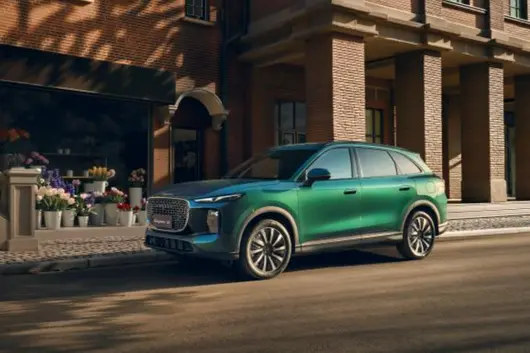

喺马来西亚嘅 SUV 市場,好多買家喺揀車嘅時候都會拿 Toyota Corolla Cross 同 Subaru Outback 嚟做比較。呢兩款車喺價位同定位上都好接近,今日我哋就從多個方面做個詳細嘅比較,幫你省咗做功課嘅時間。
Toyota Corolla Cross 喺马来西亚嘅 OTR 售價係 RM 133,800 - 148,800,一共有 3 個版本,包括 2026 HEV 1.8L GR Sport(RM 148,800)、2026 HEV 1.8L Standard(RM 140,800)、2026 1.8L Standard(RM 133,800) 等。
Subaru Outback 喺马来西亚嘅 OTR 售價係 RM 260,000 - 280,000,一共有 2 個版本,包括 2025 2.4T R-Touring EyeSight(RM 310,340)、2025 2.5L Touring EyeSight(RM 280,340) 等。
由價錢睇,Toyota Corolla Cross 嘅起步價確實比 Subaru Outback 平咗 RM 126,200。如果你預算有限,Toyota 嘅入門版已經可以滿足日常需求。但都係要留意,平嗰幾千塊,可能會喺配備上有取舍,具體就要睇你嘅需求。

Toyota Corolla Cross 嘅安全評級係 5★ (ASEAN NCAP),主動安全系統包括 TSS (PCS, LDA, ACC, LTA)。
Subaru Outback 嘅安全評級係 TBD,主動安全系統包括 Basic。
安全配備方面,兩款車都拿到唔錯嘅評級。不過 Toyota Corolla Cross 嘅 TSS (PCS, LDA, ACC, LTA) 同 Subaru Outback 嘅 Basic 喺功能上有啲分別,如果你比較睇重主動安全嘅話,可以仔細對比下兩邊嘅功能列表。
Toyota Corolla Cross 保養 5 年/無限里程,保養間隔 每 10,000km 或 6 個月。
Subaru Outback 保養 3 年/100,000km,保養間隔 每 10,000km 或 6 個月。
Toyota Corolla Cross 同 Subaru Outback 都係马来西亚市場嘅主流選擇,適合家庭使用、日常通勤。如果你更睇重品牌口碑同二手價,可以優先考慮口碑更好嗰款;如果你更在意性價比同配備,那就揀配置更豐富嗰款。最後始終建議兩款都去試駕,親身體驗先至最重要。

總括嚟講,Toyota Corolla Cross 同 Subaru Outback 都係马来西亚市場幾唔錯嘅車款。揀邊一部,關鍵始終都要睇你嘅個人需求同預算。建議大家做好功課,多比較幾間車行嘅報價,再去試駕做最終決定。買車係件大事,花少少時間做功課絕對唔會錯。


Di pasaran SUV di Malaysia, ramai pembeli membandingkan Toyota Corolla Cross dan Mitsubishi Xforce semasa memilih kereta. Kedua-dua kereta ini hampir sama dari segi harga dan peliputan. Hari ini, kita akan buat perbandingan terperinci dari pelbagai aspek untuk membantu anda menjimatkan masa penyelidikan.
Toyota Corolla Cross di Malaysia dijual pada harga OTR RM 133,800 - 148,800, mempunyai 3 varian, termasuk 2026 HEV 1.8L GR Sport (RM 148,800), 2026 HEV 1.8L Standard (RM 140,800), 2026 1.8L Standard (RM 133,800) dan sebagainya.
Mitsubishi Xforce di Malaysia dijual pada harga OTR RM 109,930 - 119,930, mempunyai 2 varian, termasuk 2026 1.5L Ultimate (RM 119,930), 2026 1.5L Urban (RM 109,930) dan sebagainya.
Dari segi harga, Mitsubishi Xforce lebih murah RM 23,870 berbanding Toyota Corolla Cross. Jujurnya, dalam julat harga ini, perbezaan beberapa ribu ringgit sebenarnya tidak besar, yang utama adalah melihat nilai keseluruhan dan kos penggunaan jangka panjang.
Toyota Corolla Cross dilengkapi dengan 1.5L Turbo, kuasa 140 hp. Penggunaan minyak rasmi 7.0 L/100km.
Mitsubishi Xforce dilengkapi dengan 1.5L Turbo, kuasa 140 hp. Penggunaan minyak rasmi 7.0 L/100km.
Kedua-dua kereta menggunakan sistem kuasa yang sama, rasa memandu harian pada dasarnya tiada perbezaan. Dari segi penggunaan minyak juga hampir sama, tiada perlu berfikir terlalu berat mengenai perkara ini.
Toyota Corolla Cross jaminan 5 tahun/tanpa had kilometer, selang penyelenggaraan setiap 10,000km atau 6 bulan.
Mitsubishi Xforce jaminan 3 tahun/100,000km, selang penyelenggaraan setiap 10,000km atau 6 bulan.
Toyota Corolla Cross dan Mitsubishi Xforce kedua-duanya pilihan utama pasaran Malaysia, sesuai untuk kegunaan keluarga, perjalanan harian. Jika anda lebih mengutamakan reputasi jenama dan nilai jualan semula, boleh prioritaskan yang mana satu dengan reputasi lebih baik; jika anda lebih mementingkan nilai dan kelengkapan, maka pilih yang mempunyai konfigurasi lebih lengkap. Akhir sekali disyorkan kedua-dua model dicuba untuk ujian memandu, pengalaman sendiri adalah yang paling penting.

Secara keseluruhan, Toyota Corolla Cross dan Mitsubishi Xforce kedua-duanya model kereta yang cukup baik di pasaran Malaysia. Memilih yang mana, yang utama bergantung pada keperluan peribadi dan bajet anda. Disyorkan buat penyelidikan dahulu, bandingkan harga dari beberapa kedai kereta, kemudian buat ujian memandu untuk membuat keputusan akhir. Membeli kereta adalah perkara besar, meluangkan masa untuk penyelidikan tidak akan salah.
© 2024 Bitauto.com. All Rights Reserved.
Bitauto (www.yiche.com and www.bitauto.com) is one of the most visited automotive websites in China. We provide detailed info on Chinese car brands available in your area. Please note that the information provided on this website is based on publicly available data and is for reference only. It may not be fully updated or accurate at all times.

Help us improve our website


