

Homeseekers

Search History
Popular Searches
Dealer Login / Sign Up

Dalam pasaran SUV di Malaysia, ramai pembeli membandingkan Toyota Corolla Cross dan MG MG HS semasa memilih kereta. Kedua-dua kereta ini agak hampir dari segi harga dan kedudukan pasaran. Hari ini kita akan buat perbandingan terperinci dari pelbagai aspek, membantu anda menjimatkan masa membuat kajian.
Toyota Corolla Cross dijual pada harga OTR di Malaysia ialah RM 133,800 - 148,800, terdapat 3 varian, termasuk 2026 HEV 1.8L GR Sport (RM 148,800), 2026 HEV 1.8L Standard (RM 140,800), 2026 1.8L Standard (RM 133,800) dan lain-lain.
MG MG HS dijual pada harga OTR di Malaysia ialah RM 130,450 - 146,450, terdapat 2 varian, termasuk 1.5L Standard (RM 105,000), 1.5L Executive (RM 115,000) dan lain-lain.
Dari segi harga, harga permulaan MG MG HS lebih murah RM 3,350 berbanding Toyota Corolla Cross. Jujurnya, dalam kategori harga ini, perbezaan beberapa ribu itu tidak besar, yang penting adalah nilai keseluruhan dan kos penggunaan jangka panjang.

Toyota Corolla Cross dilengkapi enjin 1.5L Turbo, kuasa 140 hp. Penggunaan minyak rasmi 7.0 L/100km.
MG MG HS dilengkapi enjin 1.5L Turbo, kuasa 140 hp. Penggunaan minyak rasmi 7.0 L/100km.
Kedua-dua kereta menggunakan sistem kuasa yang sama, pengalaman memandu sehari-hari pada dasarnya tiada beza. Dari segi penggunaan minyak juga sama, tidak perlu terlalu risau.

Penarafan keselamatan Toyota Corolla Cross ialah 5★ (ASEAN NCAP), sistem keselamatan aktif termasuk TSS (PCS, LDA, ACC, LTA).
Penarafan keselamatan MG MG HS ialah TBD, sistem keselamatan aktif termasuk Basic.
Dari segi peralatan keselamatan, kedua-dua kereta telah mendapat penarafan yang bagus. Namun Toyota Corolla Cross TSS (PCS, LDA, ACC, LTA) dan MG MG HS Basic mempunyai perbezaan dalam fungsi. Jika anda lebih menitikberatkan keselamatan aktif, boleh bandingkan senarai fungsi kedua-dua dengan teliti.

Panjang badan Toyota Corolla Cross 4400 mm, bagasi 400 L.
Panjang badan MG MG HS 4400 mm, bagasi 400 L.
Saiz kedua-dua kereta hampir sama, beza ruang dalam kabin tidak banyak. Kereta kelas ini cukup untuk penggunaan harian.
Toyota Corolla Cross waranti 5 tahun/ tanpa had jarak, selang penyelenggaraan 10,000 km atau 6 bulan.
MG MG HS waranti 7 tahun/150,000 km, selang penyelenggaraan 10,000 km atau 6 bulan.
Secara keseluruhan, Toyota Corolla Cross dan MG MG HS adalah model yang bagus di pasaran Malaysia. Memilih mana satu, penting tengok keperluan dan bajet peribadi anda. Disarankan buat kajian, bandingkan lebih banyak tawaran dari dealer kereta, kemudian buat ujian pandu untuk keputusan akhir. Membeli kereta adalah perkara besar, habiskan sedikit masa membuat kajian pasti tidak salah.


喺馬來西亞嘅 SUV 市場,好多買家喺揀車嘅時候都會拿 Honda CR-V 同 Mercedes-Benz GLB 嚟做比較。呢兩部車喺價位同定位上都幾接近,今日我就從多個方面做一個詳細嘅比較,幫你省咗做功課嘅時間。
Honda CR-V 喺馬來西亞嘅 OTR 售價係 RM 178,200 - 195,900,一共有 4 個版本,包括 2026 e:HEV 2.0L 2WD RS(RM 195,900)、2026 1.5T 4WD V(RM 181,900)、2026 e:HEV 2.0L 2WD E(RM 178,200) 等。
Mercedes-Benz GLB 喺馬來西亞嘅 OTR 售價係 RM 299,888 - 352,888,一共有 1 個版本,包括 Standard(RM 299,888) 等。
由價錢睇,Honda CR-V 嘅入場價確實比 Mercedes-Benz GLB 平咗 RM 121,688。如果你預算唔夠,Honda 嘅入門版已經可以滿足日常需要。但要留意,平嗰幾千蚊,可能喺配備上會有取舍,具體要看你嘅需要。

Honda CR-V 搭載 2.0L 4-cyl,馬力 170 hp。官方油耗 8.0 L/100km。
Mercedes-Benz GLB 搭載 2.0L Turbo,馬力 220 hp。官方油耗 9.5 L/100km。
動力方面,Mercedes-Benz GLB 嘅 2.0L Turbo 比 Honda CR-V 嘅 2.0L 4-cyl 多咗 50 匹馬力。不過日常喺市區開,兩部車嘅動力都夠用,唔會覺得唔夠力。

Honda CR-V 嘅安全評級係 5★ (ASEAN NCAP),主動安全系統包括 Honda SENSING (ACC, CMBS, LKAS, RDM)。
Mercedes-Benz GLB 嘅安全評級係 5★ (Euro NCAP),主動安全系統包括 Premium ADAS。
安全配備方面,兩部車都拿到唔錯嘅評級。不過 Honda CR-V 嘅 Honda SENSING (ACC, CMBS, LKAS, RDM) 同 Mercedes-Benz GLB 嘅 Premium ADAS 喺功能上有啲差異,如果你比較重視主動安全嘅話,可以仔細比較一下兩者嘅功能列表。

Honda CR-V 保修 5 年/無限制里程,保養間隔 每 10,000km 或者 6 個月。
Mercedes-Benz GLB 保修 3 年/100,000km,保養間隔 每 10,000km 或者 6 個月。

Honda CR-V 同 Mercedes-Benz GLB 都係馬來西亞市場嘅主流選擇,適合家庭使用、日常通勤。如果你更重視品牌口碑同二手價,可以優先考慮口碑更好嗰一款;如果你更在意性價比同配備,嗰就揀配備更豐富嗰款。最終都係建議兩部都去試駕,親身體驗先係最重要嘅。

總體嚟講,Honda CR-V 同 Mercedes-Benz GLB 都係馬來西亞市場好唔錯嘅車款。揀邊一輛,關鍵都要睇你嘅個人需要同預算。建議大家做好功課,多比較幾間車行嘅報價,再去試駕做最終決定。買車係件大事,花少少時間做功課絕對唔會錯。


2026 年 9 月 17 日,比亞迪與東潤公益基金會合作簽約儀式喺北京舉行。比亞迪品牌及公關處總經理李雲飛、東潤公益基金會創辦人暨理事長孔東梅,同各界嘉賓、青少年足球學員代表共同見證雙方達成合作。未來,比亞迪將支持東潤杯全國青少年足球賽項目,重點關注普通高中校園球隊,推動賽事、教練、裝備同球隊建設資源落喺基層校園。

儀式現場,雙方依次完成簽約、授牌、互贈禮品等環節。此次合作將比亞迪支持青少年足球嘅實踐進一步從國際交流延伸到校園足球普及。雙方將圍繞賽事組織、校園球隊建設同青少年成長發揮各自優勢,為熱愛足球嘅後生提供攞更穩定、更公平嘅參與機會。
好多縣域學校並唔缺少足球熱情,而真正稀缺嘅係持續參賽嘅機會、專業訓練條件同能夠真正陪伴球隊成長嘅教練。東潤杯將舞台更多留畀普通高中生,讓佢哋喺正式比賽中檢驗訓練成果、認識唔同地區嘅對手,亦喺一次次交鋒中建起對足球嘅理解。
東潤公益基金會於 2022 年發起東潤杯全國青少年足球賽。賽事自 2023 年正式開賽以來,已覆蓋全國 20 多個省份,累計吸引超過 1000 支校園球隊、逾萬名球員同教練參賽,三十幾名球員入選國少隊、中學生國家隊及 U 系列精英集訓營。第二屆東潤杯總決賽落地北京工人體育場,進一步提升咗青少年校園足球賽事嘅社會關注度。

2026 年第三屆東潤杯繼續覆蓋全國 20 多個省(區、市),項目覆蓋 352 間學校,惠及球員同教練 4864 名,總決賽共有嚟自 20 個省(區、市)嘅 20 支球隊參賽。圍繞基層校園足球嘅實際需求,賽事仲配套開展裝備捐贈、基層教練公益培訓,賽事激勵資助金用於學校球隊建設,形成賽事資助、師資支持同裝備捐贈相結合嘅支持體系。
作為民政部登記主管嘅全國性 5A 級非公募基金會,東潤公益基金會成立十年來持續深耕青少年教育扶植,項目覆蓋全國 31 個省區、324 個縣,惠及十幾萬名青少年。長期積累嘅縣域落地網絡同青少年扶植經驗,為東潤杯持續走嚟基層校園提供咗基礎。
比亞迪對青少年足球嘅支持,覆蓋從基層扶植到國際交流嘅唔同層次。自 2024 年起,比亞迪組織足球少年前往德國、日本、西班牙、泰國、意大利、巴西、墨西哥等地,同海外頂級俱樂部交流切磋,並帶領佢哋走嚟歐洲盃、世界盃等頂級賽場。截至今日,相關交流活動已覆蓋超過 200 人次。
喺國內,比亞迪曾支持新疆伊犁足球少年赴日本參加交流賽事並捐贈配套裝備,亦曾聯動車主志願者走嚟貴州元寶女足,開展公益課堂、捐贈物資,陪伴大山入面嘅足球女孩訓練同成長。從裝備補給、公益授課到海外比賽,比亞迪透過「足球少年」呢個 IP,持續連接唔同地區、唔同基礎嘅青少年足球群體。

比亞迪品牌及公關處總經理李雲飛表示:「我哋唔可以替佢哋上場,但我哋可以帶佢哋到場。」東潤公益基金會十年來專注公益,形成咗服務青少年發展嘅成熟體系,呢份長期堅持同比亞迪嘅企業理念高度契合。比亞迪希望畀中國嘅足球少年睇見更大嘅世界,亦希望更多後生擁有展現熱愛、參與競爭嘅舞台。

東潤公益基金會創辦人暨理事長孔東梅表示:「足球,係世界第一運動;少年,係中國嘅未來。東潤杯唔止揀選足球人才,更塑造人格、滋養心靈,賦能青少年長遠成長。」校園足球嘅意義唔單止喺發現優秀球員,亦喺让更多後生透過運動獲得自信、友誼同堅持落去嘅力量。
比亞迪早在 2010 年便成立慈善基金會,持續開展教育支持、扶貧濟困、賑災救助等公益項目。企業成立 30 周年之際,比亞迪設立 30 億元教育慈善基金,目前已覆蓋全國 127 間高校,激勵超過 6000 名學子。此次攜手東潤公益基金會,亦係企業力量同專業公益平台共同參與校園足球建設嘅一次實踐。
未來,雙方將圍繞東潤杯各省聯賽同總決賽落地,進一步整合賽事、校園同公益資源,聚焦普通高中校園球隊,支持基層教練培訓、足球裝備補給同學校球隊建設,让更多嚟自縣域同基層嘅足球少年走上屬於自己嘅賽場,為中國青少年足球發展積累更紮實嘅基礎。


In Malaysia's SUV market, many buyers compare Honda CR-V and Volkswagen Tiguan when choosing a car. These two models are quite close in price range and positioning, so today we will make a detailed comparison from multiple aspects to help you save time on research.
Honda CR-V's OTR price in Malaysia is RM 178,200 - 195,900, with a total of 4 versions, including 2026 e:HEV 2.0L 2WD RS (RM 195,900), 2026 1.5T 4WD V (RM 181,900), 2026 e:HEV 2.0L 2WD E (RM 178,200), etc.
Volkswagen Tiguan's OTR price in Malaysia is RM 206,540 - 260,024, with a total of 2 versions, including 2025 Allspace 2.0T R-Line (RM 260,024), 2025 Allspace 1.4T Elegance (RM 206,540), etc.
In terms of price, Honda CR-V's starting price is indeed RM 28,340 cheaper than Volkswagen Tiguan. If your budget is limited, Honda's entry-level version can already meet daily needs. But also note that the savings of a few thousand ringgit might involve trade-offs in features, which depends on your specific needs.
Honda CR-V is powered by a 2.0L 4-cyl engine with 170 hp. Official fuel consumption is 8.0 L/100km.
Volkswagen Tiguan is powered by a 2.0L 4-cyl engine with 170 hp. Official fuel consumption is 8.0 L/100km.
Both cars use the same powertrain system, so the driving feel is basically the same in daily use. Fuel consumption is also similar, so there is no need to worry too much about this.
Honda CR-V has a safety rating of 5★ (ASEAN NCAP). Active safety systems include Honda SENSING (ACC, CMBS, LKAS, RDM).
Volkswagen Tiguan has a safety rating of 5★ (Euro NCAP). Active safety systems include IQ.Drive.
Regarding safety features, both cars have received good ratings. However, Honda CR-V's Honda SENSING (ACC, CMBS, LKAS, RDM) and Volkswagen Tiguan's IQ.Drive differ in functionality. If you value active safety, you can compare their feature lists carefully.
Honda CR-V body length is 4500 mm, trunk capacity 450 L.
Volkswagen Tiguan body length is 4400 mm, trunk capacity 400 L.
In terms of space, Honda CR-V's body is 100 mm longer than Volkswagen Tiguan, making the interior seating space slightly more spacious, especially the rear legroom. If you frequently carry family members or need to fit a stroller, a larger body is indeed more practical.

Honda CR-V and Volkswagen Tiguan are both popular choices in the Malaysian market, suitable for family use and daily commuting. If you value brand reputation and resale value more, prioritize the one with a better reputation; if you care more about value for money and features, choose the one with richer specifications. Ultimately, it is recommended to test drive both, as personal experience is the most important.

In general, Honda CR-V and Volkswagen Tiguan are both very good models in the Malaysian market. Which one to choose depends mainly on your personal needs and budget. It is recommended to do your research, compare quotes from several dealerships, and go for a test drive to make the final decision. Buying a car is a major matter, taking time to do research will never be wrong.

In the SUV market in Malaysia, many buyers tend to compare Honda CR-V and Kia Sportage when choosing a car. These two cars are quite close in price and positioning. Today, we will make a detailed comparison from multiple aspects to help you save time on research.
Honda CR-V OTR price in Malaysia is RM 178,200 - 195,900, totaling 4 versions, including 2026 e:HEV 2.0L 2WD RS (RM 195,900), 2026 1.5T 4WD V (RM 181,900), 2026 e:HEV 2.0L 2WD E (RM 178,200), etc.
Kia Sportage OTR price in Malaysia is RM 129,639 - 179,320, totaling 4 versions, including 2025 1.6T DCT 4WD High (RM 179,320), 2025 1.6T DCT 2WD High (RM 159,320), 2025 2.0L AT 2WD High (RM 139,639), etc.
In terms of price, the starting price of Kia Sportage is RM 48,561 cheaper than Honda CR-V. Honestly, in this price range, a difference of a few thousand is not really significant; the key is to look at the overall value for money and long-term ownership costs.
Honda CR-V body length is 4500 mm, trunk 450 L.
Kia Sportage body length is 4400 mm, trunk 400 L.
In terms of space, the Honda CR-V body is 100 mm longer than Kia Sportage, the interior seating space will be slightly more spacious, especially the rear legroom. If you frequently carry family members or need to store a stroller, a larger body is indeed more practical.
Honda CR-V adopts FWD drive mode.
Kia Sportage adopts FWD drive mode.
The drive modes of both cars are the same, both are FWD, daily driving experience will not have a major difference.
Honda CR-V and Kia Sportage are both mainstream choices in the Malaysian market, suitable for family use and daily commuting. If you value brand reputation and resale value more, you can prioritize the one with better reputation; if you care more about value for money and features, then choose the one with richer features. In the end, it is recommended to test drive both models; experiencing it firsthand is the most important.

Overall, Honda CR-V and Kia Sportage are both very good models in the Malaysian market. Which one to choose mainly depends on your personal needs and budget. It is recommended to do your research, compare quotes from several car dealers, and then test drive to make the final decision. Buying a car is a big deal, spending time on research will definitely not be wrong.

喺馬來西亞嘅 SUV 市場,好多買家喺揀車嗰陣都會拿 Honda CR-V 同 Kia Sportage 嚟做比較。呢兩款車喺價位同定位上都幾接近,今日我哋就由多個方面做一個詳細嘅比較,幫你省返做功課嘅時間。
Honda CR-V 喺馬來西亞嘅 OTR 售價係 RM 178,200 - 195,900,合共 4 個版本,包括 2026 e:HEV 2.0L 2WD RS(RM 195,900)、2026 1.5T 4WD V(RM 181,900)、2026 e:HEV 2.0L 2WD E(RM 178,200) 等。
Kia Sportage 喺馬來西亞嘅 OTR 售價係 RM 129,639 - 179,320,合共 4 個版本,包括 2025 1.6T DCT 4WD High(RM 179,320)、2025 1.6T DCT 2WD High(RM 159,320)、2025 2.0L AT 2WD High(RM 139,639) 等。
計到價錢,Kia Sportage 嘅入價比 Honda CR-V 平咗 RM 48,561。講真係,喺呢個價位段,幾千蚊嘅差距其實唔係好大,關鍵始終係睇整體嘅性價比同長遠使用成本。
Honda CR-V 裝載 2.0L 4-cyl,馬力 170 hp。官方油耗 8.0 L/100km。
Kia Sportage 裝載 1.5L Turbo,馬力 140 hp。官方油耗 7.0 L/100km。
動力方面,Honda CR-V 嘅 2.0L 4-cyl 比 Kia Sportage 嘅 1.5L Turbo 多咗 30 匹馬力,中段加速更有信心,尤其係行高速路超車嗰陣。不過 Kia Sportage 嘅油耗可能更抵,日常市區通勤差別唔會太大。
Honda CR-V 保修 5 年/無限制里程,保養間隔 每 10,000km 或 6 個月。
Kia Sportage 保修 5 年/300,000km,保養間隔 每 10,000km 或 6 個月。
Honda CR-V 同 Kia Sportage 都係馬來西亞市場嘅主流選擇,適合家庭使用、日常通勤。如果你更睇重品牌口碑同二手價,可以優先考慮口碑更好嗰款;如果你更在意性價比同配備,那就揀配置更豐富嗰款。最終始終建議兩款都去試駕,親身試下先係最重要。
總括嚟講,Honda CR-V 同 Kia Sportage 都係馬來西亞市場幾不錯嘅車型。揀邊一部,關鍵始終係要睇你嘅個人需求同預算。建議大家做足功課,多比較幾間車行嘅報價,然後去試駕做最後決定。買車係件大事,花啲時間做功課絕對唔會錯。

喺馬來西亞嘅 SUV 市場,好多買家喺揀車嘅時候都會拿本田 CR-V 同奇瑞 瑞虎 8 PHEV 嚟比較。呢兩款車喺價位同定位上都好接近,今日我哋就從多個方面做一次詳細嘅比較,幫你省返做功課嘅時間。
本田 CR-V 喺馬來西亞嘅 OTR 售價係 RM 178,200 - 195,900,總共有 4 個版本,包括 2026 e:HEV 2.0L 2WD RS(RM 195,900)、2026 1.5T 4WD V(RM 181,900)、2026 e:HEV 2.0L 2WD E(RM 178,200) 等。
奇瑞 瑞虎 8 PHEV 喺馬來西亞嘅 OTR 售價係 RM 159,750 - 159,750,總共有 2 個版本,包括 1.6L Turbo Standard(RM 130,000)、1.6L Turbo Premium(RM 145,000) 等。
由價錢睇,奇瑞 瑞虎 8 PHEV 嘅入手價比本田 CR-V 平咗 RM 18,450。講真,喺呢個價位段,幾千蚊嘅差異其實唔算大,關鍵都係睇整體嘅性價比同長期使用成本。
本田 CR-V 嘅安全評級係 5★ (ASEAN NCAP),主動安全系統包括本田 SENSING (ACC, CMBS, LKAS, RDM)。
奇瑞 瑞虎 8 PHEV 嘅安全評級係 TBD,主動安全系統包括 Basic。
就安全配備嚟講,兩款車都攞到唔錯嘅評級。不過本田 CR-V 嘅本田 SENSING (ACC, CMBS, LKAS, RDM) 同奇瑞 瑞虎 8 PHEV 嘅 Basic 喺功能上有些差異,如果你比較重視主動安全嘅話,可以仔細對比吓兩者嘅功能列表。
本田 CR-V 車身長 4500 mm,後尾箱 450 L。
奇瑞 瑞虎 8 PHEV 車身長 4400 mm,後尾箱 400 L。
空間方面,本田 CR-V 嘅車身比奇瑞 瑞虎 8 PHEV 長咗 100 mm,車內乘坐空間會稍微闊少少,尤其係後座腿部空間。如果你經常載家人或者需要放嬰兒車,大啲嘅車身的確更加實用。
本田 CR-V 同奇瑞 瑞虎 8 PHEV 都係馬來西亞市場嘅主流選擇,適合家庭使用、日常通勤。如果你更重視品牌口碑同二手價,可以優先考慮口碑好嗰一款;如果你更在意性價比同配備,那就揀配置更豐富嗰款。最終都建議兩款都去試駕,親身體驗先係最重要嘅。
總括嚟講,本田 CR-V 同奇瑞 瑞虎 8 PHEV 都係馬來西亞市場好唔錯嘅車型。揀邊一輛,關鍵都要睇你嘅個人需求同預算。建議大家做足功課,多比較幾間車行嘅報價,再去試駕做最後決定。買車係件大事,花少少時間做功課絕對唔會錯。


Dalam legenda, yang menyelamatkan Nezha ialah gurunya, Taiyi Zhenren, menggunakan teratai loto untuk membuat badan. Manakala dalam realiti, pelabur yang menyelamatkan Kereta Nezha, menamakan diri mereka'Taiyi Shenglian'. Ini kelihatan sangat dramatik dan memberi impak emosi.
11 September waktu pagi, syarikat induk Kereta Nezha, Syarikat Terhad Tenaga Baharu Hezhong (dipanggil 'Hezhon Baharu' di bawah) mengadakan mesyuarat keempat para kreditur kes penstrukturan semula secara talian untuk mengundi 'Rancangan Penstrukturan Semula (Rangka Kerja)', Perusahaan Pengurusan Perusahaan Taiyi Shenglian Zhejiang (Perkongsian Terhad) (disebut 'Taiyi Shenglian') sebagai pelabur penstrukturan semula, merancang menaja 3 bilion yuan untuk pelaburan penstrukturan semula, dan mendapatkan kira-kira 70.62% ekuiti Hezhon Baharu, menguasai hak pengurusan operasi syarikat selepas penstrukturan semula.
Mengikut kandungan 'Rancangan Penstrukturan Semula (Rangka Kerja)', 3 bilion yuan yang dirancang oleh Taiyi Shenglian akan dibahagikan kepada dua bahagian untuk digunakan: daripada itu, 1.167 bilion yuan digunakan untuk melunaskan hutang berkaitan aset yang dicadangkan untuk dipelihara dan kos bankrap; baki 1.833 bilion yuan digunakan untuk melengkapkan modal kerja Hezhon Baharu, menyokong operasi dan pembangunannya selepas penstrukturan semula.
Menurut yang diketahui, hutang biasa dalam penstrukturan semula Kereta Nezha ini berjumlah 11.7 bilion yuan, melibatkan lebih 1600 rumah tangga; hutang prioritas adalah kira-kira 2.2 bilion yuan, melibatkan 9 rumah tangga. Dari segi cara bayaran, bahagian hutang biasa di bawah 800,000, kadar pelunasan adalah kira-kira 12%, 10,000 yuan dibayar dalam 12 bulan pertama, 80,000 yuan baki dibayar dalam masa dua tahun, bahagian lebihan ditukar menjadi ekuiti; jumlah hutang prioritas tidak berubah, faedah dibayar selama tiga tahun pertama, dari tahun keempat barulah bayaran principal mula.

Dari segi pemprosesan aset, 'Rancangan Penstrukturan Semula (Rangka Kerja)' juga memperjelaskan, penstrukturan semula kali ini akan mengekalkan aset teras berkaitan Nezha X, Nezha L, manakala peralatan berkaitan Nezha S, Nezha GT akan diproses sebagai aset bukan teras. Sedikit media melaporkan, pasukan pengurusan Taiyi Shenglian mempunyai pengalaman operasi industri automotif dan penstrukturan semula bankrap, pernah mengendali kerja penstrukturan semula syarikat awam industri komponen.
Permainan di sebalik syarikat Taiyi Shenglian sebenarnya Shanzi High-tech, syarikat yang beralih dari industri hartanah tradisional ke pembuatan berteknologi tinggi, ia pernah masuk ke dalam pembuatan kenderaan keseluruhan dengan mengakuisisi Syarikat Pembuatan Kereta Hongxing Hebei, bekerjasama dengan kerajaan bandar Harbin menubuhkan Kereta Yunfeng Heilongjiang, tetapi kemajuan perniagaan automotif tidak lancar.
Sebelum ini semasa Hezhon Baharu secara terbuka mencari pelabur penstrukturan semula pada Ogos 2025, Shanzi High-tech sebagai satu-satunya pelabur yang berminat, membayar deposit 50 juta yuan. Dan Taiyi Shenglian adalah subjek yang ditubuhkan khas oleh Shanzi High-tech untuk penstrukturan semula kali ini. Qichacha menunjukkan, syarikat ini didaftarkan pada April 2026, dibentuk oleh perkongsian Syarikat Pengurusan Terhad Shanzi Zhejiang dan Syarikat Teknologi Terhad Yuxu Shanzi Zhejiang, pemilik sebenar adalah Pengerusi Shanzi High-tech Ye Ji, modal berdaftar adalah 3.001 bilion yuan.

'Rancangan Penstrukturan Semula (Rangka Kerja)' juga merancang strategi 'Tiga Langkah' untuk Kereta Nezha:
Langkah Satu: Mengembalikan pengeluaran model Nezha X, terutamanya untuk pasaran luar negara, sasaran jualan tahunan 10,000 unit. Menyelamatkan kelayakan pengeluaran merupakan yang paling penting bagi Kereta Nezha pada masa ini. Nezha telah berhenti pengeluaran dari November 2024 hingga sekarang, sudah dua tahun tidak menghasilkan. Jika output selama dua tahun berturut-turut kurang daripada 2,000 unit, mungkin akan dimasukkan ke dalam Senarai Pengumuman Khas oleh Kementerian Perindustrian. Bererti, Nezha mesti melaksanakan pemulihan pengeluaran dalam 4 bulan akan datang. Dan Nezha X yang dibangkitkan untuk pemulihan pengeluaran kali ini, adalah model utama Kereta Nezha sebelum ini ke luar negara. 'Rancangan Penstrukturan Semula (Rangka Kerja)' mendedahkan, model ini kini telah memperoleh beberapa pesanan hasrat.
Langkah Dua: Membangunkan model yang sesuai untuk pasaran Asia, Afrika, Latin, dan lain-lain, sasaran pengeluaran tahunan 300,000 unit, meningkatkan lagi kelebihan pasaran luar negara.
Langkah Tiga: Membina model pintar global, berusaha capai nilai pengeluaran tahunan 40 bilion yuan, dan memulakan persediaan IPO.
Namun, 'Rancangan Penstrukturan Semula (Rangka Kerja)' tidak memberikan garis masa yang jelas untuk strategi 'Tiga Langkah'. Melihat dari strategi 'Tiga Langkah', Nezha masih memilih melalui pasaran luar negara untuk membuka keadaan. Ini sangat boleh dimengerti, kerana persaingan pasaran domestik kini berbeza dengan dahulu, sama ada reputasi jenama, cadangan teknologi atau liputan saluran, Nezha di dalam negara tidak mempunyai daya saing. Namun luar negara juga bukan 'Blue Ocean', seiring tekanan jualan pasaran domestik, syarikat automotif tempatan masing-masing keluar negara, termasuk pasaran luar negara Thailand Nezha sebelum ini, persaingan kenderaan elektrik semakin panas, Nezha mahu bergantung pada model lama untuk membuka keadaan, kesulitannya masih agak besar.

Selain itu, rangka kerja tersebut juga menyebut, Kereta Nezha akan membina semula keyakinan kerjasama rantaian bekalan hulu, memulihkan bekalan bahagian rasmi, memulakan semula penyelenggaraan dan pembaikan selepas jualan secara menyeluruh, mengaktifkan rangkaian perkhidmatan sedia ada. Ini adalah maklumat kebaikan yang paling nyata bagi kira-kira 400,000 pemilik Kereta Nezha di seluruh negara.
Namun, perlu diperhatikan, modal berdaftar syarikat Taiyi Shenglian 3.001 bilion yuan, pada masa ini berada dalam keadaan komitmen, bukan pembayaran sebenar. Dan, hasil undian 'Rancangan Penstrukturan Semula (Rangka Kerja)' kali ini pada masa ini belum keluar.
Ini bermaksud, sebelum wang benar-benar sampai ke akaun, semuanya masih ada perubahan. Kereta HiPhi adalah teladan, selepas berturut-turut ditinggalkan oleh Jabatan Pelaburan Saudi dan iAuto Group, pada 2025, syarikat Lebanon EV Eletra bersama ibu bapa syarikat HiPhi Huren menubuhkan Syarikat Terhad Kereta HiPhi Jiangsu, mengumumkan pelaburan 600 juta dolar AS (termasuk deposit 100 juta dolar AS). Bila dunia luar menyangka penstrukturan semula sudah stabil, wang ini tertakluk tidak sampai ke akaun, akhirnya tidak ada hasil, pemulihan HiPhi juga tiada berita lanjut.
Walaupun 3 bilion yuan boleh sampai ke akaun dengan lancar, hanya 1.833 bilion yuan sahaja yang boleh digunakan sebenar untuk suntikan modal operasi. Ini untuk pembuatan kenderaan hanyalah tidak mencukupi, contohnya: Pengerusi NIO Li Bin pada 2021 menaikkan ambang pembuatan kenderaan dari 20 bilion kepada 40 bilion yuan. Sedang suku pertama tahun ini hanya Leapmotor antara kekuatan baru sahaja mencapai keuntungan, Kereta Ideal yang dahulunya meraih keuntungan, suku pertama tahun ini rugi bersih 3.994 bilion yuan, Xpeng rugi 3.12 bilion yuan, NIO rugi 860 juta yuan. Bahkan kekuatan utama baru ini masih bergelut di garis untung rugi, Nezha mahu berdiri kukuh, seterusnya memerlukan suntikan modal berterusan.


Terbaru, ucapan terbuka Setiausaha Kewangan Amerika Syarikat, Bessent, telah menjadikan BYD terkenal di rantau luar negara. Beliau berkata tegas semasa berucap di Charlotte Economic Club: 'BYD merupakan kenderaan berkualiti tinggi berperingkat nilai US$70,000 yang boleh dibeli pengguna hanya dengan membelanjakan US$35,000.' Pengiktirafan tulus daripada pihak tinggi Amerika Syarikat ini, tanpa penapis jenama, hanya membincangkan kekuatan produk yang sebenar, dengan nilai yang sangat tinggi.

Tidak hanya Setiausaha Kewangan Amerika Syarikat, BYD telah lama menerima sokongan autoriti daripada pemimpin politik pelbagai negara di seluruh dunia. Gabenor California Amerika Syarikat telah memandu sendiri Yangwang U8 dan memujinya memiliki teknologi pemecah era yang revolusi; Presiden Uzbekistan telah menganugerahkan Pingat Persahabatan Kebangsaan kepada BYD, mengiktiraf sumbangan perusahaannya. Selain itu, pemimpin tinggi Brazil, Thailand, Chile dan negara lain juga telah mengiktiraf inovasi teknologi, nilai hijau dan hasil pembangunan tempatan BYD.

Penilaian ini malah memicu perdebatan hangat di kalangan pengguna internet Amerika. Ramai netizen berseloroh bahawa Bessent ialah penjual terbaik BYD, dan mereka menantikan BYD membina kilang di Amerika Syarikat. Ini juga mencukupi untuk menjelaskan bahawa BYD sedang menulis semula peraturan penilaian kereta global, mematahkan corak premium jenama mewah, serta mengembalikan kualiti kereta kepada teknologi, peralatan dan pengalaman penggunaan sebenar.


Meraih pengiktirafan dunia melalui keupayaan produk, jualan luar negara BYD pada Januari hingga Ogos tahun ini telah melepasi 1.158 juta unit, mengatasi jualan luar negara keseluruhan tahun lalu, dan mencapai puncak jualan kenderaan tenaga baharu di banyak negara di seluruh dunia. BYD kini, dengan kualiti yang boleh dipercayai, telah mencapai ekspansi global dalam teknologi, produk dan jenama secara serentak, menjadi kad nama pembuatan pintar China yang cemerlang.


In the Malaysian SUV market, many buyers compare the Honda HR-V and GWM Haval H6 when choosing a car. These two models are quite close in price and positioning. Today, we will make a detailed comparison from multiple aspects to help you save time on research.
The Honda HR-V OTR price in Malaysia is RM 115,900 - 143,900, with a total of 4 versions, including 2026 e:HEV 1.5L RS (RM 143,900), 2026 1.5T V (RM 137,900), 2026 1.5T E (RM 130,900), etc.
The GWM Haval H6 OTR price in Malaysia is RM 139,750 - 139,750, with a total of 2 versions, including 1.5L Turbo Standard (RM 140,000), 1.5L Turbo Premium (RM 155,000), etc.
From a price perspective, the Honda HR-V's starting price is indeed RM 23,850 cheaper than the GWM Haval H6. If your budget is limited, Honda's entry-level version can already meet daily needs. However, also note that the few thousand dollars difference might involve trade-offs in features, which depends on your specific needs.

The Honda HR-V is equipped with a 1.5L Turbo, with 140 hp. Official fuel consumption is 7.0 L/100km.
The GWM Haval H6 is equipped with a Hybrid system, with 170 hp. Official fuel consumption is 4.5 L/100km.
In terms of power, the GWM Haval H6's Hybrid has 30 more horsepower than the Honda HR-V's 1.5L Turbo. However, for daily city driving, both cars have sufficient power and won't feel underpowered.

The Honda HR-V safety rating is 5★ (ASEAN NCAP), with active safety systems including Honda SENSING (ACC, CMBS, LKAS, RDM).
The GWM Haval H6 safety rating is TBD, with active safety systems including Basic.
Regarding safety features, both cars have received good ratings. However, the Honda SENSING (ACC, CMBS, LKAS, RDM) on the Honda HR-V and the Basic system on the GWM Haval H6 have some functional differences. If you value active safety, you can compare their feature lists carefully.
Honda HR-V warranty is 5 years/unlimited mileage, maintenance interval every 10,000km or 6 months.
GWM Haval H6 warranty is 7 years/150,000km, maintenance interval every 10,000km or 6 months.
Both the Honda HR-V and GWM Haval H6 are mainstream choices in the Malaysian market, suitable for family use and daily commuting. If you value brand reputation and resale value more, consider the one with better reputation first; if you care more about cost-performance and features, choose the model with richer specifications. Ultimately, it is recommended to test drive both, as personal experience is the most important.
Overall, both the Honda HR-V and GWM Haval H6 are excellent models in the Malaysian market. Which one to choose depends mainly on your personal needs and budget. It is recommended to do your research, compare quotes from multiple dealerships, and then test drive to make a final decision. Buying a car is a big matter, taking time to research is never wrong.


Dalam pasaran SUV di Malaysia, ramai pembeli membandingkan Honda HR-V dan Mazda CX-5 semasa memilih kereta. Kedua-dua model ini mempunyai harga dan kedudukan pasaran yang agak hampir, hari ini kita akan buat perbandingan terperinci dari pelbagai aspek untuk bantu anda menjimatkan masa membuat kajian.
Harga OTR Honda HR-V di Malaysia adalah RM 115,900 - 143,900, terdapat 4 varian, termasuk 2026 e:HEV 1.5L RS (RM 143,900), 2026 1.5T V (RM 137,900), 2026 1.5T E (RM 130,900) dan lain-lain.
Harga OTR Mazda CX-5 di Malaysia adalah RM 135,469 - 166,760, terdapat 3 varian, termasuk 2025 2.0L AT 35th Anniversary (RM 316,154), 2025 2.0L AT (RM 296,154), 2025 2.0L MT (RM 294,154) dan lain-lain.
Dari segi harga, harga permulaan Honda HR-V memang lebih murah RM 19,569 berbanding Mazda CX-5. Jika bajet terhad, versi asas Honda sudah memadai untuk keperluan harian. Tetapi perlu diingat, perbezaan harga beberapa ribu itu mungkin melibatkan pilihan pada kelengkapan, lihat keperluan anda sendiri.
Gred keselamatan Honda HR-V ialah 5★ (ASEAN NCAP), sistem keselamatan aktif termasuk Honda SENSING (ACC, CMBS, LKAS, RDM).
Gred keselamatan Mazda CX-5 ialah 5★ (ASEAN NCAP), sistem keselamatan aktif termasuk.
Gred keselamatan kedua-dua kereta sama, dalam kelas ini kelengkapan keselamatan dianggap cukup lengkap. Keselamatan kereta baharu semasa tidak kurang baik, tiada perlu risau tentang hal ini.
Honda HR-V menggunakan cara pemacu FWD.
Mazda CX-5 menggunakan cara pemacu FWD.
Cara pemacu kedua-dua kereta sama, iaitu FWD, pengalaman memandu harian tiada perbezaan ketara.
Honda HR-V dan Mazda CX-5 adalah pilihan utama pasaran Malaysia, sesuai untuk kegunaan keluarga, perjalanan harian. Jika anda lebih mementingkan reputasi jenama dan harga jualan semula, pertimbangkan model yang lebih mempunyai reputasi; jika anda lebih mementingkan kos-berbaloi dan kelengkapan, pilih model yang lebih kaya kelengkapan. Pada akhirnya disyorkan untuk uji test drive kedua-dua model, pengalaman sendiri adalah yang paling penting.

Secara keseluruhannya, Honda HR-V dan Mazda CX-5 adalah model yang sangat baik di pasaran Malaysia. Memilih mana satu, yang penting adalah keperluan dan bajet peribadi anda. Kami sarankan anda buat kajian, bandingkan beberapa tawaran pengedar kereta, kemudian uji test drive untuk membuat keputusan akhir. Membeli kereta adalah perkara besar, mengambil sedikit masa untuk membuat kajian tidak akan rugi.

喺馬來西亞嘅 SUV 市場,好多買家在揀車嘅時候都會拿 Honda HR-V 同 Mazda CX-5 嚟比較。呢兩款車喺價位同定位上都幾接近,今日我哋就從多個方面做一個詳細嘅比較,幫你慳返做功課嘅時間。
Honda HR-V 喺馬來西亞嘅 OTR 售價係 RM 115,900 - 143,900,一共有 4 個版本,包括 2026 e:HEV 1.5L RS(RM 143,900)、2026 1.5T V(RM 137,900)、2026 1.5T E(RM 130,900)等。
Mazda CX-5 喺馬來西亞嘅 OTR 售價係 RM 135,469 - 166,760,一共有 3 個版本,包括 2025 2.0L AT 35th Anniversary(RM 316,154)、2025 2.0L AT(RM 296,154)、2025 2.0L MT(RM 294,154)等。
從價錢睇落,Honda HR-V 嘅起步價確實比 Mazda CX-5 平咗 RM 19,569。如果你預算有限,Honda 嘅入門版已經可以满足日常需要。但都要注意,平嗰幾千蚊,可能喺配備上會有取捨,具體要看你嘅需要。
Honda HR-V 車身長 4500 mm,後備箱 450 L。
Mazda CX-5 車身長 4500 mm,後備箱 450 L。
兩款車嘅尺寸幾乎一樣,車內空間差別唔大。呢個級別嘅車,日常使用完全夠用。
Honda HR-V 採用 FWD 驅動方式。
Mazda CX-5 採用 FWD 驅動方式。
兩款車嘅驅動方式一樣,都係 FWD,日常駕駛感受唔會有太大區別。
Honda HR-V 同 Mazda CX-5 都係馬來西亞市場嘅主流選擇,適合家庭使用、日常通勤。如果你更看重品牌口碑同二手價,可以優先考慮口碑好嗰款;如果你更在意性價比同配備,那就選配置更豐富嗰款。最終都建議兩款都去試駕,親身體驗先係最重要。
總嘅嚟講,Honda HR-V 同 Mazda CX-5 都係馬來西亞市場幾唔錯嘅車型。揀邊一輛,關鍵都要睇你嘅個人需要同預算。建議大家做好功課,多比較幾間車行嘅報價,再去試駕做最終決定。買車係件大事,花少少時間做功課絕對唔會錯。

喺馬來西亞嘅 SUV 市場,好多買家喺揀車嘅時候都會拿 Honda WR-V 同 GWM Haval H6 嚟做比較。這兩款車喺價位同定位上都好接近,今日我哋就從多個方面做一個詳細嘅比較,幫你節省做功課嘅時間。
Honda WR-V 喺馬來西亞嘅 OTR 售價係 RM 89,900 - 107,900,一共有 4 個版本,包括 2023 1.5L V(RM 99,900)、2023 1.5L E(RM 95,900)、2023 1.5L S(RM 89,900) 等。
GWM Haval H6 喺馬來西亞嘅 OTR 售價係 RM 139,750 - 139,750,一共有 2 個版本,包括 1.5L Turbo Standard(RM 140,000)、1.5L Turbo Premium(RM 155,000) 等。
從價錢嚟睇,Honda WR-V 嘅起步價確實比 GWM Haval H6 便宜咗 RM 49,850。如果你預算有限,Honda 嘅入門版已經可以滿足日常需求。但要記住,平嗰幾千塊,可能喺配備上會有取捨,具體要看你嘅需求。

Honda WR-V 嘅安全評級係 5★ (ASEAN NCAP),主動安全系統包括 Honda SENSING。
GWM Haval H6 嘅安全評級係 TBD,主動安全系統包括 Basic。
安全配備方面,兩款車都拿到唔錯嘅評級。不過 Honda WR-V 嘅 Honda SENSING 同 GWM Haval H6 嘅 Basic 喺功能上有啲差異,如果你比較看重主動安全嘅話,可以仔細比較下兩者嘅功能列表。

Honda WR-V 採用 FWD 驅動方式。
GWM Haval H6 採用 FWD 驅動方式。
兩款車嘅驅動方式一樣,都係 FWD,日常駕駛感受唔會有太大區別。

Honda WR-V 保修 5 年/無限制里程,保養間隔 每 10,000km 或 6 個月。
GWM Haval H6 保修 7 年/150,000km,保養間隔 每 10,000km 或 6 個月。
Honda WR-V 同 GWM Haval H6 都係馬來西亞市場嘅主流選擇,適合家庭使用、日常通勤。如果你更看重品牌口碑同二手價,可以優先考慮口碑更好嗰一款;如果你更在意性價比同配備,那就選配置更豐富嗰款。最終都係建議兩款都去試駕,親身體驗先係最重要嘅。
總體嚟講,Honda WR-V 同 GWM Haval H6 都係馬來西亞市場好唔錯嘅車型。揀邊一輛,關鍵都係要看你嘅個人需求同預算。希望大家做好功課,多比較幾間車行嘅報價,再去試駕做最終決定。買車係件大事,花少少時間做功課絕對唔會錯。


Dalam pasaran SUV di Malaysia, ramai pembeli semasa memilih kereta akan membandingkan Honda WR-V dan Chery Tiggo 7 PHEV. Kedua-dua kereta ini hampir serupa dari segi harga dan kedudukan pasaran, hari ini kami akan membuat perbandingan terperinci dari pelbagai aspek untuk membantu anda menjimatkan masa membuat penyelidikan.
Honda WR-V mempunyai harga OTR di Malaysia sebanyak RM 89,900 - 107,900, terdapat 4 varian, termasuk 2023 1.5L V (RM 99,900), 2023 1.5L E (RM 95,900), 2023 1.5L S (RM 89,900) dan lain-lain.
Chery Tiggo 7 PHEV mempunyai harga OTR di Malaysia sebanyak RM 129,750 - 129,750, terdapat 2 varian, termasuk 2025 1.5T 90km CSH (RM 129,750), Kaedah pengecasan apa yang disokong oleh Tiggo 7 PHEV? Bolehkah ia dicas menggunakan soket kuasa rumah? (RM 117,478) dan lain-lain.
Dari segi harga, harga permulaan Honda WR-V memang RM 39,850 lebih murah daripada Chery Tiggo 7 PHEV. Jika bajet anda terhad, versi permulaan Honda sudah dapat memenuhi keperluan harian. Namun, perlu diperhatikan, beberapa ribu yang lebih murah itu mungkin terdapat pilihan pada kelengkapan, secara spesifik bergantung pada keperluan anda.
Honda WR-V menggunakan cara pemacu FWD.
Chery Tiggo 7 PHEV menggunakan cara pemacu FWD.
cara pemacu kedua-dua kereta adalah sama, iaitu FWD, perasaan memandu harian tiada perbezaan besar.
Honda WR-V mempunyai waranti 5 tahun/limit mil tidak terhad, jarak penyelenggaraan setiap 10,000km atau 6 bulan.
Chery Tiggo 7 PHEV mempunyai waranti 3 tahun/100,000km, jarak penyelenggaraan setiap 10,000km atau 6 bulan.
Honda WR-V dan Chery Tiggo 7 PHEV adalah pilihan utama dalam pasaran Malaysia, sesuai untuk kegunaan keluarga, perjalanan harian. Jika anda lebih mengutamakan reputasi jenama dan harga jual semula, boleh memilih model dengan reputasi yang lebih baik terlebih dahulu; Jika anda lebih mengutamakan nilai harga dan kelengkapan, maka pilih model yang mempunyai kelengkapan lebih banyak. Pada akhirnya, disyorkan untuk menaiki kedua-dua model untuk ujian jalan, pengalaman sendiri adalah yang paling penting.

Secara keseluruhan, Honda WR-V dan Chery Tiggo 7 PHEV adalah model yang sangat bagus dalam pasaran Malaysia. Memilih yang mana satu, kuncinya bergantung pada keperluan dan bajet peribadi anda. Kami cadangkan anda membuat penyelidikan, bandingkan lebih banyak sebut harga dari dealer kereta, kemudian pergi ujian jalan untuk membuat keputusan akhir. Membeli kereta adalah perkara besar, meluangkan masa membuat penyelidikan pasti tidak salah.

In Malaysia's SUV market, many buyers compare Honda WR-V and Chery Tiggo Cross when choosing a car. These two cars have very close price ranges and positioning. Today, we will make a detailed comparison from multiple aspects to help you save time on research.
The OTR price of Honda WR-V in Malaysia is RM 89,900 - 107,900, with a total of 4 versions, including 2023 1.5L V (RM 99,900), 2023 1.5L E (RM 95,900), 2023 1.5L S (RM 89,900), etc.
The OTR price of Chery Tiggo Cross in Malaysia is RM 88,750 - 99,750, with a total of 2 versions, including 2025 HEV 1.5L CSH (RM 99,750), 2025 1.5T Standard (RM 88,750), etc.
From a price perspective, the starting price of Chery Tiggo Cross is RM 1,150 cheaper than Honda WR-V. To be honest, in this price segment, a difference of a few thousand is not actually significant. The key lies in overall cost-effectiveness and long-term usage costs.
Honda WR-V adopts FWD drive mode.
Chery Tiggo Cross adopts FWD drive mode.
The drive mode of both cars is the same, both are FWD, and there will not be much difference in daily driving experience.
Honda WR-V warranty 5 years/unlimited mileage, maintenance interval every 10,000km or 6 months.
Chery Tiggo Cross warranty 3 years/100,000km, maintenance interval every 10,000km or 6 months.
Honda WR-V and Chery Tiggo Cross are both mainstream choices in the Malaysian market, suitable for family use and daily commuting. If you value brand reputation and resale value more, you can prioritize the one with better reputation; if you care more about cost-effectiveness and equipment, then choose the one with richer configuration. Ultimately, it is recommended to test drive both models, as personal experience is the most important.

Overall, Honda WR-V and Chery Tiggo Cross are both very good models in the Malaysian market. Which one to choose depends on your personal needs and budget. We recommend doing your homework well, comparing quotes from several dealerships, and then test driving to make the final decision. Buying a car is a major matter, spending some time on research will never be wrong.

喺馬來西亞嘅 SUV 市場,好多買家喺揀車嘅時候都會拿 本田 WR-V 同 奇瑞 Tiggo 7 Pro 嚟做比較。呢兩款車喺價位同定位上都相當接近,今日我哋就從多個方面做一個詳細嘅對比,幫你省下做功課嘅時間。
本田 WR-V 喺馬來西亞嘅 OTR 售價係 RM 89,900 - 107,900,合共 4 個版本,包括 2023 1.5L V(RM 99,900)、2023 1.5L E(RM 95,900)、2023 1.5L S(RM 89,900) 等。
奇瑞 Tiggo 7 Pro 喺馬來西亞嘅 OTR 售價係 RM 123,750 - 123,750,合共 2 個版本,包括 1.6L Turbo Standard(RM 125,000)、1.6L Turbo Premium(RM 140,000) 等。
從價錢嚟睇,本田 WR-V 嘅起步價確實比 奇瑞 Tiggo 7 Pro 平咗 RM 33,850。如果你預算有限,本田嘅入門版已經可以滿足日常需求。但都要注意,平嗰幾千蚊,可能喺配備上會有取捨,具體要看你嘅需求。
本田 WR-V 搭載 1.5L 4-cyl,馬力 105 hp。官方油耗 6.0 L/100km。
奇瑞 Tiggo 7 Pro 搭載 1.5L Turbo,馬力 140 hp。官方油耗 7.0 L/100km。
动力方面,奇瑞 Tiggo 7 Pro 嘅 1.5L Turbo 比 本田 WR-V 嘅 1.5L 4-cyl 多咗 35 匹馬力。不過日常喺市區開,兩款車嘅動力都夠用,唔會覺得唔夠力。
本田 WR-V 嘅安全評級係 5★ (ASEAN NCAP),主動安全系統包括 本田 SENSING。
奇瑞 Tiggo 7 Pro 嘅安全評級係 TBD,主動安全系統包括 Basic。
安全配備方面,兩款車都拿到唔錯嘅評級。不過 本田 WR-V 嘅 本田 SENSING 同 奇瑞 Tiggo 7 Pro 嘅 Basic 喺功能上有些差異,如果你比較看重主動安全嘅話,可以仔細對比下兩者嘅功能列表。
本田 WR-V 車身長 4400 mm,行李廂 400 L。
奇瑞 Tiggo 7 Pro 車身長 4400 mm,行李廂 400 L。
兩款車嘅尺寸幾乎一樣,車內空間差別唔大。呢個級別嘅車,日常使用完全夠用。
本田 WR-V 同 奇瑞 Tiggo 7 Pro 都係馬來西亞市場嘅主流選擇,適合家庭使用、日常通勤。如果你更看重品牌口碑同二手價,可以優先考慮口碑更好嗰一款;如果你更在意性價比同配備,那就選配備更豐富嗰款。最後都建議兩款都去試駕,親身體驗先係最重要嘅。
總體嚟講,本田 WR-V 同 奇瑞 Tiggo 7 Pro 都係馬來西亞市場好好嘅車型。揀邊一輛,關鍵都要睇你嘅個人需求同預算。建議大家做好功課,多比較幾間車行嘅報價,再去試駕做最終決定。買車係件大事,花少少時間做功課絕對唔會錯。

In the Malaysian SUV market, many buyers compare Honda WR-V and Toyota Yaris Cross when choosing a car. These two models are quite close in terms of price and positioning. Today, we will make a detailed comparison from multiple aspects to help you save time on research.
The Honda WR-V OTR price in Malaysia is RM 89,900 - 107,900, with a total of 4 versions, including 2023 1.5L V (RM 99,900), 2023 1.5L E (RM 95,900), 2023 1.5L S (RM 89,900), etc.
The Toyota Yaris Cross OTR price in Malaysia is RM 99,900 - 109,900, with a total of 2 versions, including 2026 1.5L Standard (RM 99,900), 2026 HEV 1.5L Standard (RM 109,900), etc.
In terms of price, the Honda WR-V starting price is indeed RM 10,000 cheaper than the Toyota Yaris Cross. If your budget is limited, Honda's entry-level version is already sufficient for daily needs. However, keep in mind that the few thousand cheaper might involve trade-offs in features, depending on your specific needs.
The Honda WR-V safety rating is 5★ (ASEAN NCAP), active safety system includes Honda SENSING.
The Toyota Yaris Cross safety rating is 5★ (ASEAN NCAP), active safety system includes TSS.
Both cars have the same safety rating. In this class, safety features are quite comprehensive. New cars nowadays generally have good safety, so there is no need to worry too much about this.
Honda WR-V uses FWD drive system.
Toyota Yaris Cross uses FWD drive system.
Both cars have the same drive system, both are FWD, there will not be much difference in daily driving experience.
Honda WR-V warranty 5 years/unlimited mileage, maintenance interval every 10,000km or 6 months.
Toyota Yaris Cross warranty 5 years/unlimited mileage, maintenance interval every 10,000km or 6 months.
Both cars have the same warranty conditions, no need to worry about this. Actual maintenance costs depend on the brand's service network and parts prices. It is recommended to ask real owners in car owner groups for their experience.

Both Honda WR-V and Toyota Yaris Cross are mainstream choices in the Malaysian market, suitable for family use and daily commuting. If you value brand reputation and resale value more, consider the one with better reputation first; if you care more about cost-performance and features, choose the one with richer configurations. Ultimately, it is recommended to test drive both, personal experience is the most important.

Overall, Honda WR-V and Toyota Yaris Cross are both very good models in the Malaysian market. Which one to choose depends on your personal needs and budget. It is recommended to do your homework, compare quotes from several dealerships, and then test drive to make the final decision. Buying a car is a big deal, spending time on research will never be wrong.

Netcar Commentary A convoy departed from Xi'an, passing through Bozhou, Jingdezhen, Hangzhou, Wuyishan, Quanzhou, and Chaozhou along the way, finally arriving in Shenzhen. Fragrant herbs, porcelain, silk, and tea were written into the route map, and seven flash charging stations, two racetracks, and models from five networks and four brands were also interspersed.
When I first saw this map, my gaze first fell on the road after Shenzhen.
Shenzhen is where BYD started, it is BYD's global headquarters, and also the endpoint of this domestic journey. The convoy will continue to go overseas from here.

In recent years, Chinese car companies have been used to using roll-on/roll-off ships, overseas sales, and new factories to tell the story of going global, and BYD also has enough numbers. But when the convoy runs past highways, cities, mountain roads, and coastal roads, telling the story of China's smart manufacturing setting sail on the new Silk Road overseas, I gradually feel that how the technology in the car works, and how charging follows, might be closer to the daily life of globalization than a departure at the port.
Over twenty years in the automotive field, BYD's impression on the outside world has changed several times. Early on, people remembered its batteries, later people remembered DM-i and Blade Batteries, and in recent years, Yangwang, Fangchengbao, DiPilot, DiSus, Yi Sifang, and Flash Charge have been added.
After the number of terms increased, I also worried they would each talk their own language, until seeing different brands driving along the same route, I realized BYD is organizing the technology accumulated over these years into things that users can feel.
Nineteen Years Ago, BYD Was Already Studying Fast Charging
From 2007 to 2008, BYD participated in research and development projects such as pure electric vehicles and their fast charging systems. In December 2008, F3DM was launched in Shenzhen. This car could charge using a common 220V power source, also supported fast charging at professional charging stations. The announced charging speed at the time was a 50% charge in 10 minutes.

In that era when private new energy vehicle consumption in China was just starting, charging facilities were very scarce. Users had not yet formed the cognition of charging cars, nor had they formed the habit of charging cars.
When F3DM launched, Wang Chuanfu reminded owners on stage not to forget to charge mobile phones before going to sleep, and not to forget to charge the car either. This action which sounds quite ordinary today, even required a car company to teach users back then.
By the end of 2010, F3DM cumulative sales were only 365 units. This number is far from BYD today, but looking back from the current perspective, at that time BYD had already considered batteries, cars, and charging facilities together before the market matured, forming a sharp contrast with the blind follow-the-market car-making of many car companies today.

Eighteen years ago, F3DM already had fast charging capability, but charging facilities were far from mature. This time, the BYD convoy went south along Xi'an Lintong, Bozhou Yingquan, Hefei, Shengzhou, Wuyishan, and coastal highway. Flash charging stations are already distributed in highway service areas and urban business circles, and the number of stations is still increasing.
With the support of the second-generation Blade Battery, BYD's Flash Charge models have shortened charging time to minutes. On highways, city stops, and mountain roads, users can continue on the road with just a brief stop. The charging experience is very close to refueling a fuel vehicle.
When the convoy arrived in Shenzhen, my understanding of BYD's charging system also changed.
In the past, I often regarded batteries as its trump card for making cars. Looking at it again today, BYD has been preparing for charging for many years. And now, the most direct feeling for users is the dozens of minutes saved on the road.

Early research did not immediately bring market. BYD did not stop investment because of this. After F3DM, this thing was continued for nearly twenty years. BYD's credibility when talking about charging technology today also comes from this verifiable long-term investment.
Five Networks, Four Brands Walk on the Same Road
Around 2019, BYD began to adjust automobile sales channels. Since then, Dynasty, Ocean, Denza, Fangchengbao, and Yangwang gradually formed their own product sequences.
But in the process of BYD extending from the mass home market to luxury, ultra-luxury, off-road, and high-performance markets, external doubts have always existed.
Some say, for a brand good at mass manufacturing, entering higher-priced, more refined markets, the lessons to be made up are far more than power and configuration.
The convoy drove from Xi'an to Shenzhen. Cities, highways, mountain roads, and racetracks appeared in sequence. Dynasty and Ocean bear daily and family travel, Denza takes care of long-distance seating and luxury experience, Fangchengbao enters mountain roads and unpaved roads, Yangwang shows four-motor and body control capabilities at the racetrack.

Although there are differences in price and usage among brands and models, every car shares BYD's accumulated new energy vehicle technology and whole vehicle manufacturing capabilities.
On this road from north to south, the convoy passed urban areas, and ran on highways and mountain roads. Enabling DiPilot has become a common action during driving.
After running hundreds of kilometers, the driver can feel the heaviness and lightness of acceleration/deceleration during car following, a judgment once entering/exiting ramps, whether the takeover prompt comes a bit early or late.
A few years ago, when talking about BYD externally, the first thoughts were still batteries and hybrids. High-level assisted driving was rarely ranked at the front. This impression needs to change. Every car following, lane changing, and takeover must give people confidence.

In the past many years, BYD brought heavy-weight technologies to mass production products one after another, and made products in scale. After the formation of Five Networks Four Brands, they showed another capability. That is relying on common R&D and manufacturing foundations to enter multiple market segments and serve users with different needs.
This change is more important than adding a few brand names or models. It means BYD is growing from an automotive enterprise known for technology into an automotive group with clear brand hierarchy and wide market coverage.
From a Three-Person Office in Rotterdam to Rayong Factory
At the end of 1998, Li Ke brought an engineer and a translator to Rotterdam, Netherlands. Wang Chuanfu gave them startup resources: one shipping container of batteries and $30,000, and said, if you can reach break-even, continue. If you lose it all, stop.
Then the three people made calls to find customers during the day, wrapped battery packs together at night, and drove forklifts to deliver goods the next day.
On New Year's Day 1999, BYD's first overseas branch opened for business. At that time, the protagonist of overseas business was still batteries hidden in mobile phones.

More than twenty years later, BYD's own roll-on/roll-off ships began to shuttle between global ports, and Thailand's Rayong factory has already covered stamping, welding, painting, assembly, and parts production.
In July 2024, BYD's 8 millionth new energy vehicle rolled off this factory. Annual capacity about 150,000 units. Compared to shipping a car from Shenzhen, building a factory locally requires handling employees, supply, regulations, services, and consumption habits. Investment is heavier, and more is left behind.
In 2025, BYD's overseas sales exceeded 1 million units for the first time. Entering 2026, the overseas market is still growing rapidly, business has already covered 121 countries and regions.
From walking from the small office in Rotterdam to today, BYD's overseas operation has changed products, scale, and methods. The early approach of being close to customers and entering local markets has not lost its effectiveness.
After the convoy arrives in Shenzhen, it will continue to drive overseas. This reminds me of the three people in Rotterdam back then.
For a Chinese brand going global, the starting point can be a shipping container of batteries, or it can be a ship of new energy vehicles. But finally it must be implemented in the lives of local users.

After sales volume reached one million units, the overseas market BYD faces has become much more complex than before.
More than twenty years ago, BYD needed to make overseas customers know a battery enterprise from China. Today, what it needs to build is global consumer recognition of a Chinese automobile enterprise.
Written at the End
Thousands of years ago, camel caravans and merchant ships followed the Silk Road, transporting fragrant herbs, porcelain, silk, and tea to farther places. The world thereby recognized China's products.
Today, a convoy composed of different brand models of BYD drove from Xi'an to Shenzhen, then went to South Asia. This journey spanning mountains and rivers looked back at the traffic on the ancient Silk Road, and also let technology and vehicles undergo testing on real roads.
Electric vehicles, lithium batteries, and photovoltaic products are called China's Export "New Three Items". They represent another change in China's exports. The three fields involved in "New Three Items", BYD has been laid out for many years.
With whole vehicles accelerating into overseas markets, BYD's technology application, charging facilities, and long-term services will also quickly follow.
From single commodity output to technology, manufacturing, and service capabilities entering overseas markets together. BYD is participating in global traffic and energy transformation with green technology, creating a new business card of China's smart manufacturing belonging to this era.
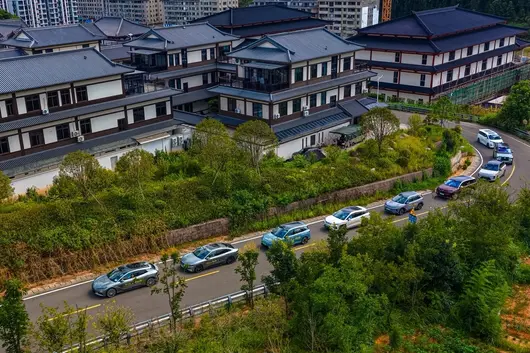

In Malaysia's SUV market, many buyers compare Proton X90 and Volkswagen Tiguan when choosing a car. These two models are quite close in price and positioning. Today we will make a detailed comparison from multiple aspects to help you save time on research.
Proton X90's OTR price in Malaysia is RM 106,800 - 122,800, with a total of 4 versions, including 2026 1.5T Prime X (RM 122,800), 2026 1.5T Prime (RM 116,800), 2026 1.5T Lite (RM 106,800), etc.
Volkswagen Tiguan's OTR price in Malaysia is RM 206,540 - 260,024, with a total of 2 versions, including 2025 Allspace 2.0T R-Line (RM 260,024), 2025 Allspace 1.4T Elegance (RM 206,540), etc.
Looking at the price, Proton X90's starting price is indeed RM 99,740 cheaper than Volkswagen Tiguan. If your budget is limited, Proton's entry-level version can already meet daily needs. However, note that the few thousand dollars saved might involve trade-offs in features, depending on your needs.

Proton X90's safety rating is 5★ (ASEAN NCAP), active safety systems include ADAS (ACC, AEB, LKA, LDA, BSM, RCTA).
Volkswagen Tiguan's safety rating is 5★ (Euro NCAP), active safety systems include IQ.Drive.
Regarding safety features, both cars received good ratings. However, Proton X90's ADAS (ACC, AEB, LKA, LDA, BSM, RCTA) and Volkswagen Tiguan's IQ.Drive differ in functionality. If you value active safety, you can compare their feature lists carefully.
Proton X90 body length 4400 mm, trunk 400 L.
Volkswagen Tiguan body length 4400 mm, trunk 400 L.
The dimensions of both cars are almost identical, and interior space differences are negligible. For this class of car, it is completely sufficient for daily use.
Proton X90 warranty 5 years/150,000km, maintenance interval every 10,000km or 6 months.
Volkswagen Tiguan warranty 3 years/100,000km, maintenance interval every 10,000km or 6 months.
Proton X90 and Volkswagen Tiguan are both mainstream choices in the Malaysian market, suitable for family use and daily commuting. If you value brand reputation and resale value more, prioritize the one with better reputation; if you care more about cost-performance ratio and features, choose the one with richer configuration. Ultimately, it is recommended to test drive both, as firsthand experience is the most important.
Overall, Proton X90 and Volkswagen Tiguan are both very good models in the Malaysian market. Choosing which one depends mainly on your personal needs and budget. We recommend doing your research, comparing quotes from several dealerships, and then test driving to make a final decision. Buying a car is a big matter, spending time on research will never be wrong.


喺馬來西亞嘅 SUV 市場,好多買家喺揀車嘅時候都會拎 Proton X90 同 Subaru Crosstrek 作比較。呢兩款車喺價位同定位上都幾相近,今日我哋就由多個方面做一個詳細嘅比較,幫你省晒做功課嘅時間。
Proton X90 喺馬來西亞嘅 OTR 售價係 RM 106,800 - 122,800,總共有 4 個版本,包括 2026 1.5T Prime X(RM 122,800)、2026 1.5T Prime(RM 116,800)、2026 1.5T Lite(RM 106,800)等。
Subaru Crosstrek 喺馬來西亞嘅 OTR 售價係 RM 145,000 - 160,000,總共有 1 個版本,包括 2.0L e-Boxer(RM 150,000)等。
由價錢睇落,Proton X90 嘅起步價確實較 Subaru Crosstrek 平咗 RM 38,200。如果你預算有限,Proton 嘅入門版已經夠滿足日常需求。但亦要留意,平嗰幾千蚊,可能喺配備上會有取舍,具體就要睇你嘅需求。
Proton X90 裝載 1.5L Turbo,馬力 140 hp。官方油耗 7.0 L/100km。
Subaru Crosstrek 裝載 1.5L Turbo,馬力 140 hp。官方油耗 7.0 L/100km。
兩款車用嘅係同一套動力系統,日常開起嚟嘅感受基本上冇分別。油耗方面也差不多,唔使太糾結呢一點。
Proton X90 保養 5 年/150,000km,保養間隔 每 10,000km 或 6 個月。
Subaru Crosstrek 保養 3 年/100,000km,保養間隔 每 10,000km 或 6 個月。
Proton X90 同 Subaru Crosstrek 都係馬來西亞市場嘅主流選擇,適合家庭使用、日常通勤。如果你好在意品牌口碑同二手價,可以優先考慮口碑更好嗰一款;如果你好在意性價比同配備,那就揀配置更豐富嗰款。最後始終建議兩款都去試駕,親身體驗先至最重要。

總體嚟講,Proton X90 同 Subaru Crosstrek 都係馬來西亞市場幾唔錯嘅車型。揀邊一輛,關鍵都要睇你嘅個人需求同預算。建議大家做好功課,多比較多間車行之報價,再去做試駕先做最終決定。買車係件大事,花啲時間做功課絕對唔會錯。
© 2024 Bitauto.com. All Rights Reserved.
Bitauto (www.yiche.com and www.bitauto.com) is one of the most visited automotive websites in China. We provide detailed info on Chinese car brands available in your area. Please note that the information provided on this website is based on publicly available data and is for reference only. It may not be fully updated or accurate at all times.

Help us improve our website


