When shopping for a new family car in Malaysia, most of us follow a familiar routine at the showroom. We check the brochure, count the number of airbags, look for Advanced Driver Assistance Systems (ADAS) like Autonomous Emergency Braking (AEB) and make sure there’s a five-star crash rating logo stamped on the specification sheet.
Whether it is the daily traffic crawl along the LDP, navigating torrential monsoon downpours on the PLUS highway or packing the trunk for a long balik kampung drive, we want peace of mind knowing our loved ones are well-protected.
However, there is a fundamental part of vehicle safety that brochures rarely detail: what happens beneath the sheet metal when physics takes over?
In recent years, vehicle marketing has heavily focused on crash prevention. Features like Autonomous Emergency Braking (AEB) and Lane Keeping Assist (LKA) once reserved for luxury vehicles are now standard on many mainstream cars.
These active safety systems act as a vigilant co-driver, intervening within specific parameters to help avoid accidents. But active safety systems have operational limits. If a collision becomes unavoidable, passive safety takes control.
At that critical millisecond the body structure, seatbelts, airbags and head restraints must work in perfect synchronization to absorb impact forces and protect the cabin. While seatbelts and airbags cushion the occupants, their effectiveness ultimately depends on one invisible foundation: how structural crash forces are managed by the car's body frame.
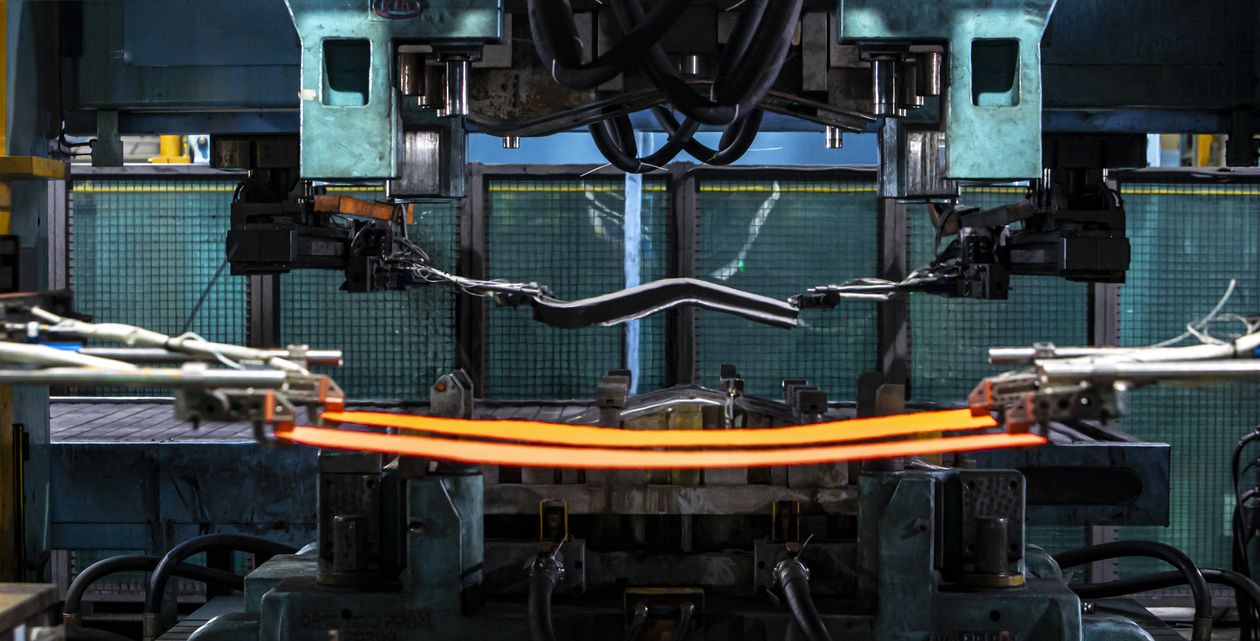
High-strength hot-stamped components for Hyundai vehicles at Hyundai Steel’s Yesan plant
To protect passengers during a crash, a vehicle’s frame is engineered with two contrasting jobs:
To achieve this balance without making the vehicle excessively heavy, manufacturers rely on advanced steel grades and specialised manufacturing techniques. Ultra-High-Strength Steel (UHSS) and hot-stamped components are strategically concentrated around critical areas like the center pillars (B-pillars), side sills and roof rails.
For instance, within the Hyundai Motor Group vehicle engineers collaborate directly with its steelmaking affiliate Hyundai Steel to develop specialized steel grades tailored for specific structural demands.
Two advanced manufacturing techniques play a key role here:
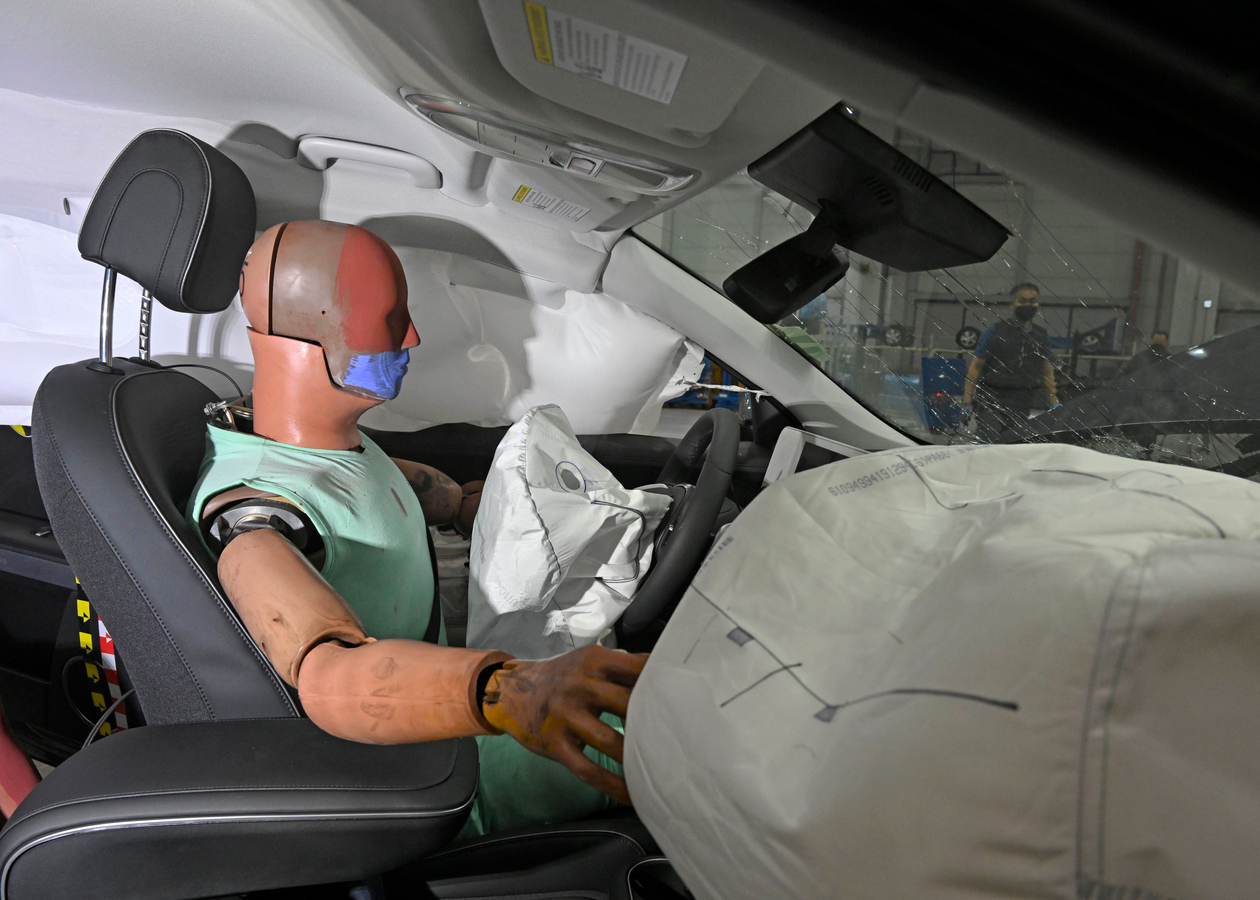
THOR crash dummies help engineers assess how occupants may respond to crash forces
Before any car enters local showrooms, thousands of hours are spent analyzing crash forces at R&D facilities such as Hyundai’s Namyang R&D Centre in South Korea.
To record precise biomechanical data during impact tests, engineers utilize advanced crash test dummies like the THOR dummy. Equipped with 157 high-precision sensors, THOR closely mimics human anatomical responses. The data collected allows engineers to fine-tune structural crumple paths and airbag deployment sequences with one primary goal: minimizing physical trauma to human occupants.
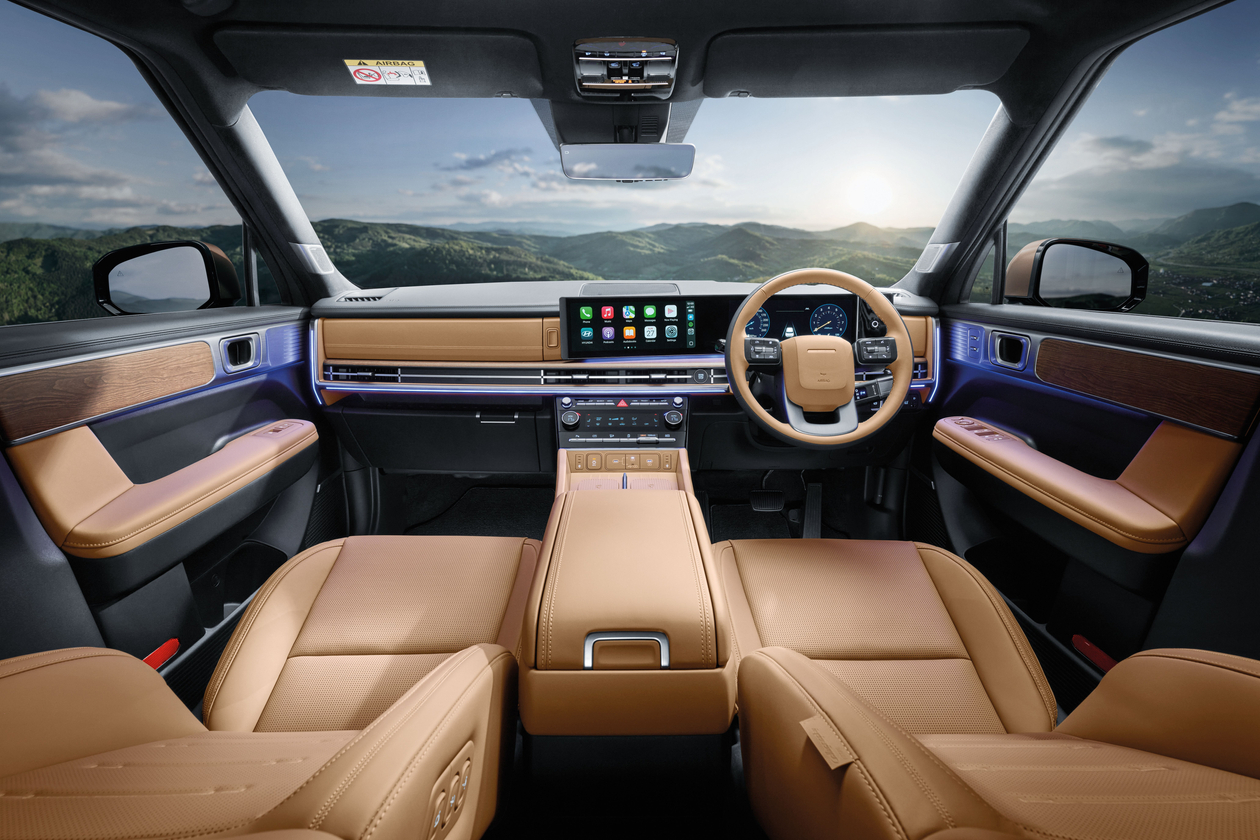
The SANTA FE’s passenger cabin
To see how these engineering principles translate into a real-world family SUV, look at the latest Hyundai SANTA FE:
The next time you visit a car showroom, look beyond the feature count on the flyer:
True vehicle safety isn’t defined by a single feature, a catchy acronym or a brochure checklist. It’s an engineered ecosystem where structural steel, smart electronics, precise manufacturing and responsible driving come together to protect what matters most.
Leave your number, an advisor will contact you


Your go-to source for all things automotive in Malaysia. 🚗 Latest reviews, breaking news, launches & industry trends.
+ Follow BYD's Flash Charging technology is finally here, with Denza Balakong being the first outlet to feature the "Ready in 5, Full in 9"-capable chargers.
More Denza outlets will be receiving the Flash Charging technology, with the Glenmarie and Old Klang Road outlets being next.
#BYD #Denza #FlashCharging 1 minute ago
 The updated 2027 Denza D9 is here, now equipped with BYD's Flash Charging Technology!
Ready in 5 min, Full in 9 min!
#Denza #DenzaD9 1 minute ago
 GWM Malaysia is giving away a brand-new Ora 5 Hi2 HEV! 🎁🚗
Celebrate GWM’s 4th anniversary with Good Cat deals from RM 94k, RM 17,000 H6 HEV perks, and 5 years free maintenance until 31 Dec.
Full details here 👇 1 minute ago
Get the latest car news first!
Your go-to source for all things automotive in Malaysia. 🚗 Latest reviews, breaking news, launches & industry trends.
BYD's Flash Charging technology is finally here, with Denza Balakong being the first outlet to feature the "Ready in 5, Full in 9"-capable chargers.
More Denza outlets will be receiving the Flash Charging technology, with the Glenmarie and Old Klang Road outlets being next.
#BYD #Denza #FlashCharging 1 minute ago The updated 2027 Denza D9 is here, now equipped with BYD's Flash Charging Technology!
Ready in 5 min, Full in 9 min!
#Denza #DenzaD9 1 minute ago GWM Malaysia is giving away a brand-new Ora 5 Hi2 HEV! 🎁🚗
Celebrate GWM’s 4th anniversary with Good Cat deals from RM 94k, RM 17,000 H6 HEV perks, and 5 years free maintenance until 31 Dec.
Full details here 👇 1 minute ago 
© 2024 Bitauto.com. All Rights Reserved.
Bitauto (www.yiche.com and www.bitauto.com) is one of the most visited automotive websites in China. We provide detailed info on Chinese car brands available in your area. Please note that the information provided on this website is based on publicly available data and is for reference only. It may not be fully updated or accurate at all times.

Help us improve our website


