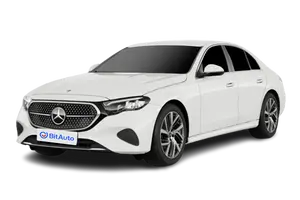
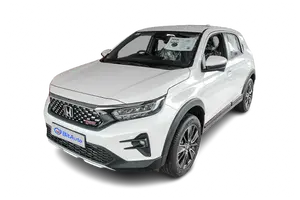
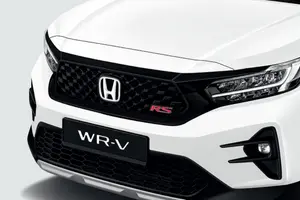
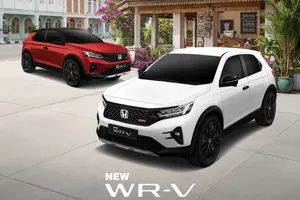
One is a pure electric, the other a non-plug-in hybrid — only one needs charging at all. The WR-V is the cheaper way in at RM 94,900, undercutting the E-Class PHEV by RM 332,988. The E-Class PHEV earns its premium on size and power.
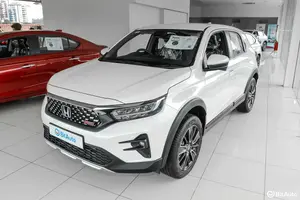
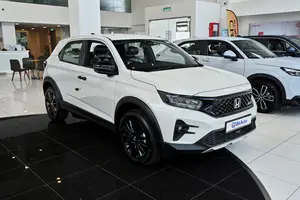
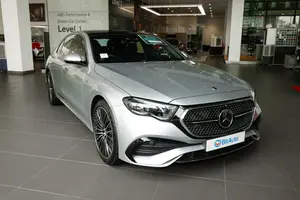
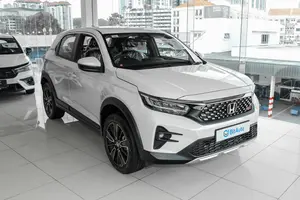
Body Type / Seats4 door Sedan · 5 seats5 door SUV · 5 seats
AssemblyCKDCKD
Annual Road TaxRM 379.50RM 120 ✓
Engine, Fuel Economy & Refuelling
ParameterMercedes-Benz E-Class PHEVHonda WR-V
Engine Capacity1,999 cc ✓1,498 cc
Rated Economy8 L/100km6 L/100km
Both run conventional petrol engines. The WR-V uses a 1.5-litre naturally-aspirated engine; the E-Class PHEV a 2-litre turbocharged engine. The WR-V is more frugal at 6.0 L/100km versus 8.0 L/100km.
Power & Performance
ParameterMercedes-Benz E-Class PHEVHonda WR-V
MotorFront-
Max Power204 Ps ✓121 Ps
Max Torque-145 N·m
DrivetrainRWDFWD
TransmissionATCVT
Dimensions
ParameterMercedes-Benz E-Class PHEVHonda WR-V
Length4,949 mm ✓4,060 mm
Width2,065 mm ✓1,780 mm
Height1,480 mm1,608 mm ✓
Wheelbase-2,485 mm
Boot Capacity-380 L
The E-Class PHEV is the longer car — 889 mm up at 4949 mm versus 4060 mm.
Comfort & Technology
E-Class PHEV
14.4" central touchscreen + 12.3" digital cluster
Ventilated front seats
Panoramic sunroof
Wireless phone charging
Power tailgate
WR-V
10" touchscreen with Apple CarPlay / Android Auto
Manual air conditioning
Power-folding door mirrors
Remote engine start
Sales Comparison
Monthly new car sales in Malaysia, with data for the past 6 or 12 months, or the full sales history since launch.
Monthly Sales Trend (Malaysia)
Loading sales data…
Monthly Registrations
Monthly Registrations
Data is based on vehicle registration and transaction records from Road Transport Department (JPJ), updated on the 10th of each month. It covers car sales by brand and model, as well as EV sales across Malaysia.
The WR-V is the cheaper of the two at RM 94,900, but the E-Class PHEV answers back with more equipment for the money.
What is the price difference between the WR-V and E-Class PHEV?
The WR-V starts at RM 94,900, the E-Class PHEV at RM 427,888 — about RM 332,988 in favour of the WR-V.
Which one is more powerful?
The E-Class PHEV is more powerful — 204 hp against 121 hp.
Which is bigger?
The E-Class PHEV is longer, at 4949 mm against 4060 mm.
Do both cars come with advanced driver assistance?
Both list lane-keeping assist and adaptive cruise control; the WR-V adds autonomous emergency braking and blind-spot monitoring; the E-Class PHEV adds a 360-degree camera.





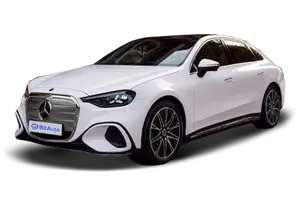 Mercedes-Benz C-Class Electric
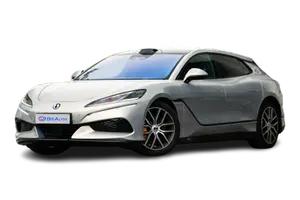 Denza Z9 GT
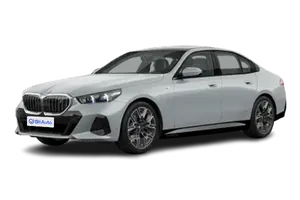 BMW i5
 Proton X50
 Toyota Yaris Cross
 Perodua Traz

